

Japan’s sneaker scene operates on a different frequency than anywhere else in the world. While most countries chase the latest drops, Japanese collectors have been quietly building archives of deadstock Air Maxes and vintage Jordans since the 1990s, treating sneakers like fine wine, improving with age. Here’s a list of districts across Japan where serious sneaker enthusiasts find their grails, from Tokyo’s neon-lit streets to Osaka’s underground markets.
Harajuku
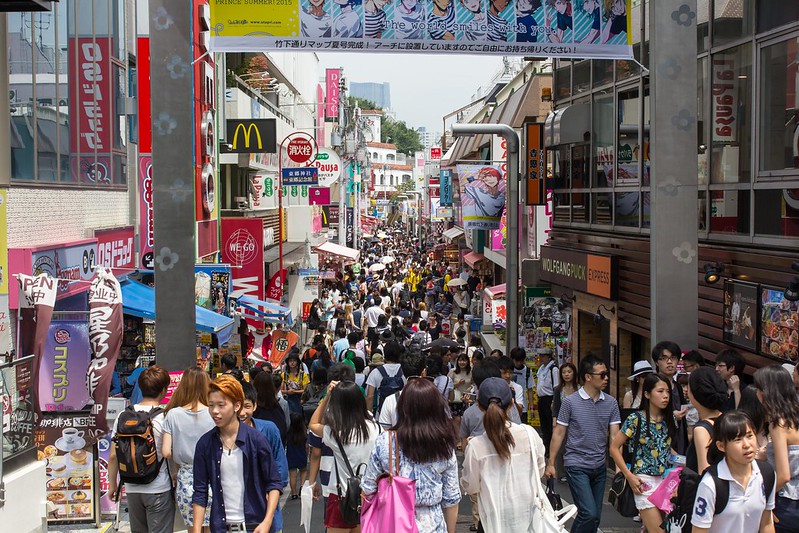
This is ground zero. Takeshita Street might be packed with tourists, but the real action happens on the quieter side streets where stores like Atmos and Kicks Lab sit. The area has more sneaker stores per square block than anywhere else in Japan. But the lines start forming at 5 AM for limited releases.
Shibuya
— Photo by anirut
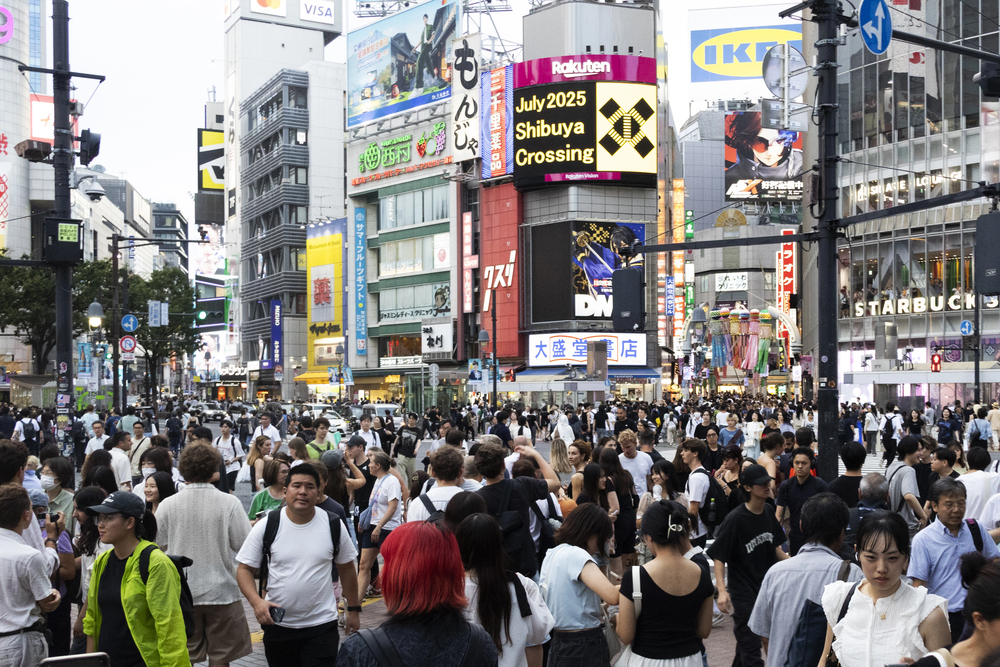
Shibuya’s sneaker scene spreads across multiple levels — literally. The basement floors of Parco and Shibuya Sky house some of the most exclusive boutiques. Nike’s flagship store here gets Japan-only colorways that never make it overseas. The district stays open late, perfect for after-work hunting.
Omotesando
— Photo by siraanamwong
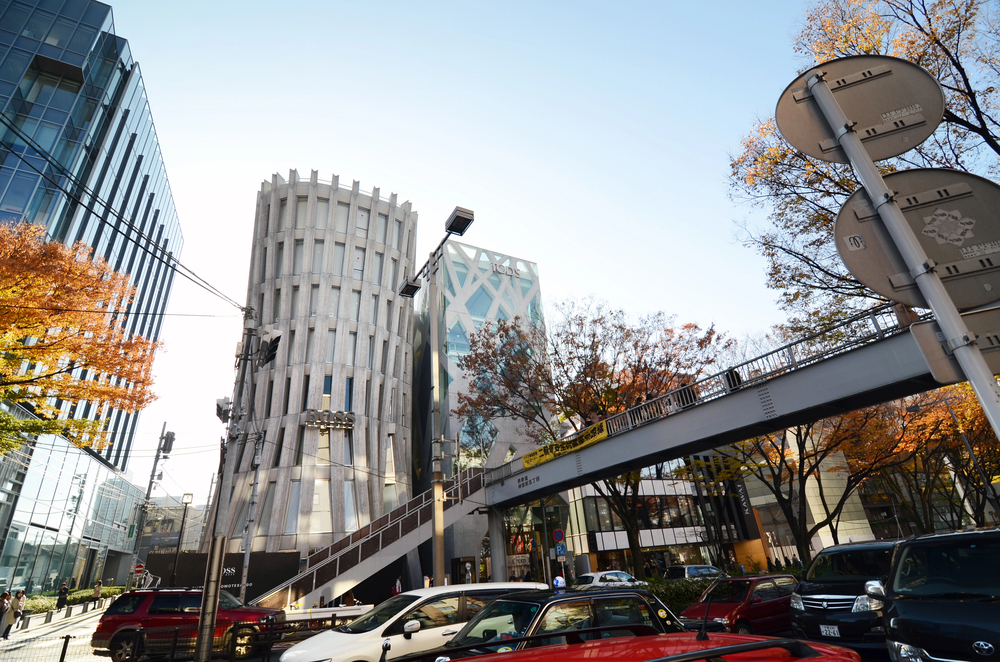
Luxury meets street here. The tree-lined avenue hosts flagship stores for every major brand, but the real treasures hide in the backstreets. Complex opened their first Asian location here. Not cheap. Still, the curation is unmatched, and they’ll source vintage pieces from private collections if you ask nicely.
Ginza
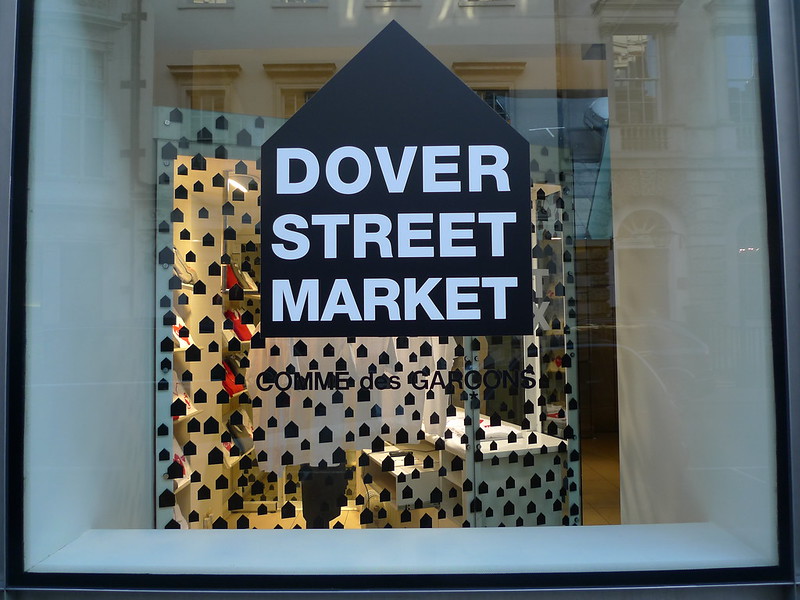
Old money territory. Dover Street Market’s sneaker section feels more like an art gallery. The prices reflect the zip code — expect to pay 30% more than in other districts. But they stock collaborations you won’t find anywhere else. The air conditioning is aggressive in summer.
Ueno
— Photo by ibrester
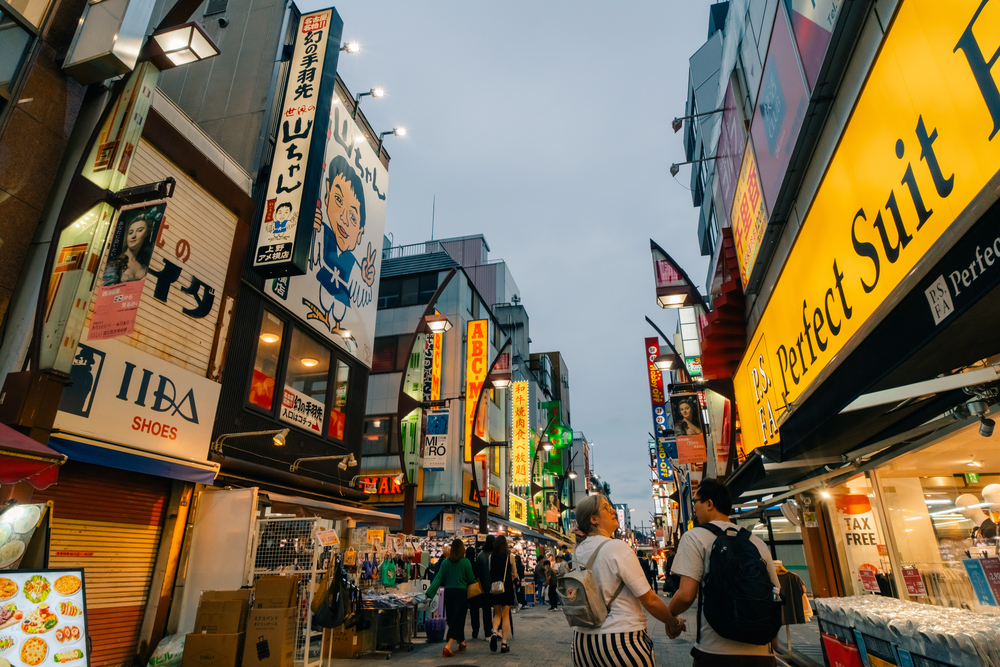
Ameyoko market changed the game decades ago. Military surplus stores here started importing American sneakers in the 1980s. Now it’s a maze of narrow shops selling everything from deadstock to customs. Prices are negotiable if you speak Japanese. Or if you buy multiple pairs.
Nakameguro
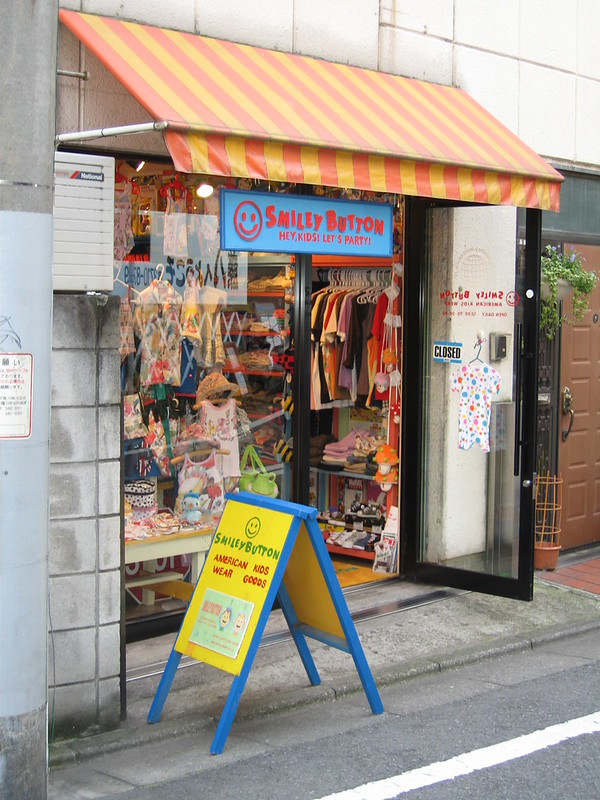
The creative district’s sneaker shops match its vibe. Smaller boutiques here focus on limited collaborations with local artists. Sneakersnstuff chose this neighborhood for their Tokyo location. Makes sense. The coffee shops between stores are excellent — you’ll need the caffeine for all-day hunting.
Kichijoji
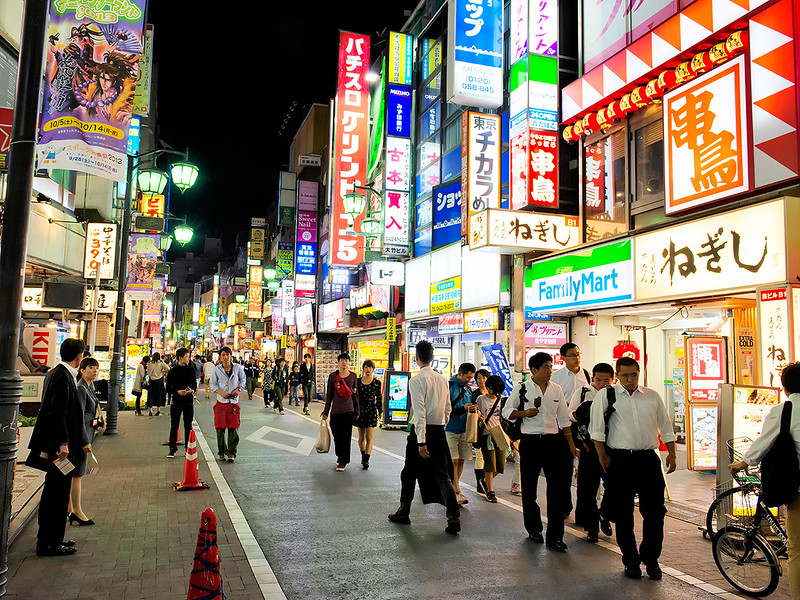
West Tokyo’s sneaker scene stays under the radar. Smaller crowds mean better chances at limited releases. The vintage stores here price their goods fairly. One shop owner still has original 1985 Jordans in storage.
Daikanyama
— Photo by siraanamwong
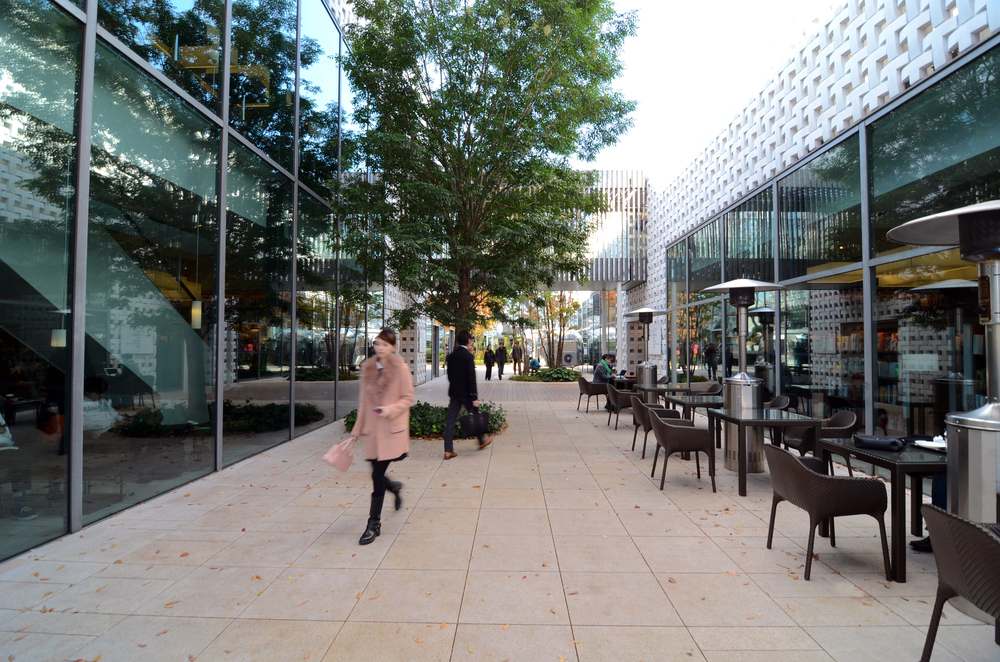
Where fashion editors shop. T-Site complex houses curated sneaker boutiques alongside bookstores and cafes. Everything here skews premium. Fragment Design’s collaborations show up here first. The neighborhood feels like a movie set, which is fitting since half the customers are celebrities.
Shinjuku
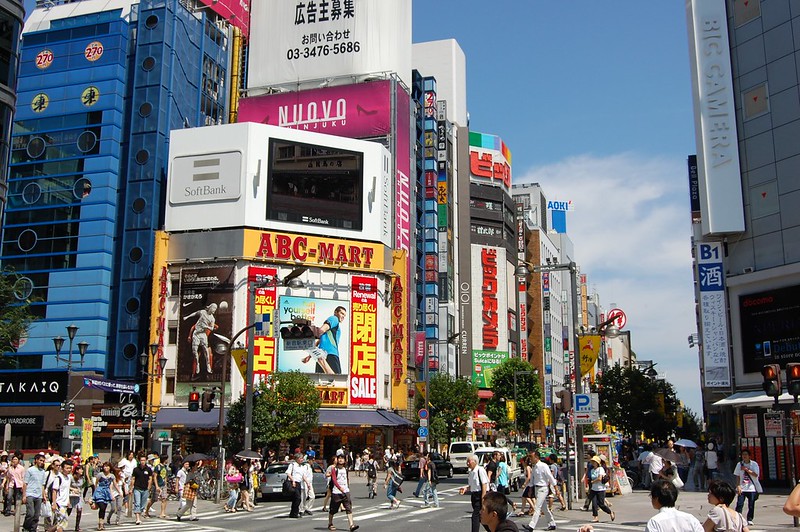
Chaos in the best way. The station’s underground mall connects to dozens of sneaker spots. ABC-Mart’s flagship spans three floors. Late-night shopping is standard here. Though it could be worse — the variety makes up for the confusion.
Minami-Aoyama
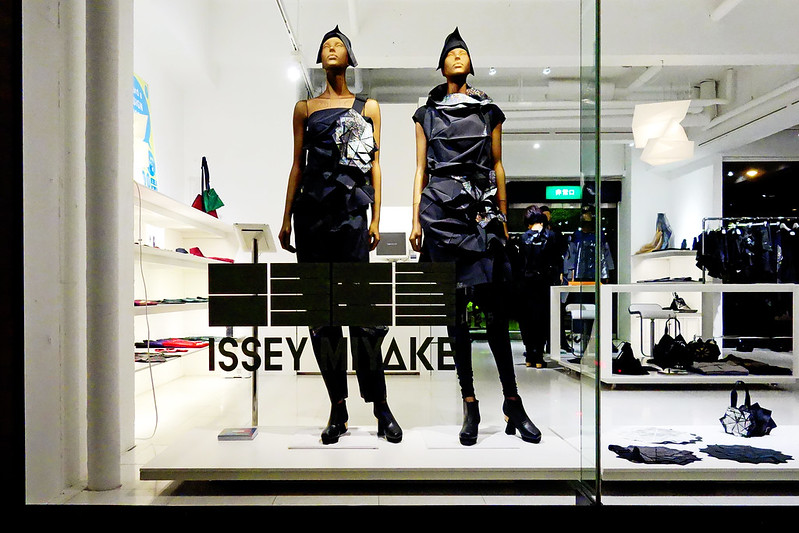
Concept stores rule this district. Each shop treats sneakers as design objects. United Arrows & Sons stocks archive pieces alongside new releases. The presentation alone is worth the visit — shoes displayed in temperature-controlled cases like museum artifacts.
Shimokitazawa
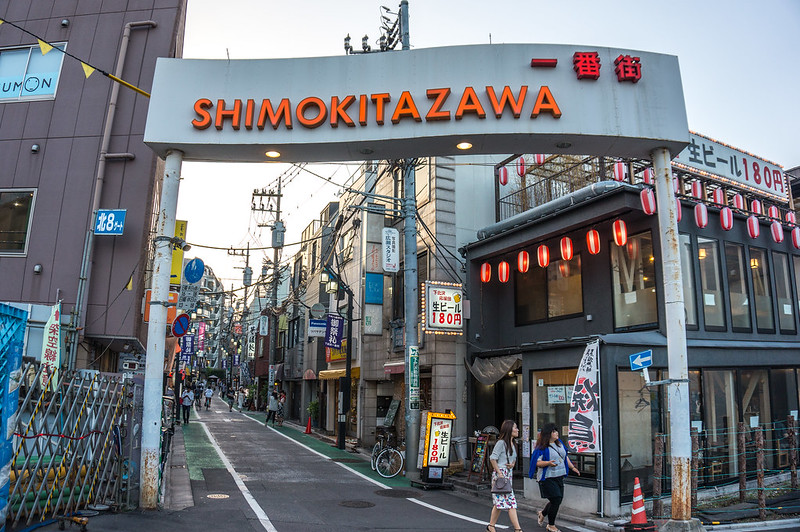
Vintage paradise. The narrow alleys hide shops that specialize in 1990s runners and basketball shoes. Prices vary wildly:
- Deadstock Air Max 95s: ¥40,000-80,000
- Vintage Dunks: ¥20,000-50,000
- Rare collaborations: ¥100,000+
The smell of old leather fills every shop.
Namba (Osaka)
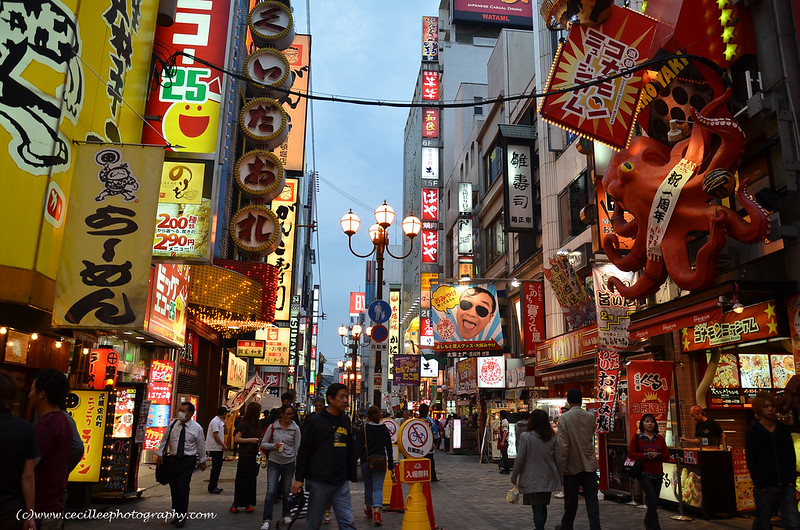
Osaka’s answer to Harajuku. The covered shopping arcades protect sneakerheads from rain while they queue. Limited Edt and Footpatrol have stores here. The local sneaker community is tight — befriend one collector and doors open everywhere.
Shinsaibashi (Osaka)
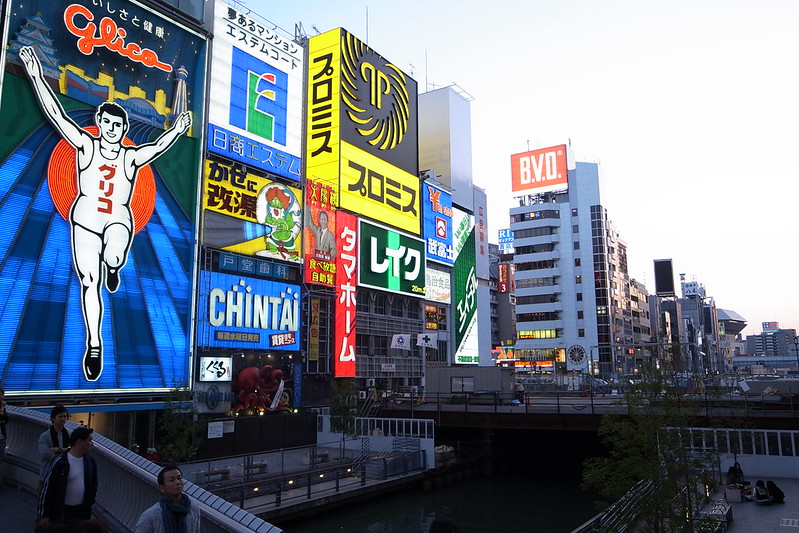
America-mura district within Shinsaibashi birthed Japan’s sneaker culture. Triangle Park still serves as an informal sneaker market on weekends. Bring cash. The vintage stores here taught Tokyo everything it knows about deadstock.
Dotonbori (Osaka)
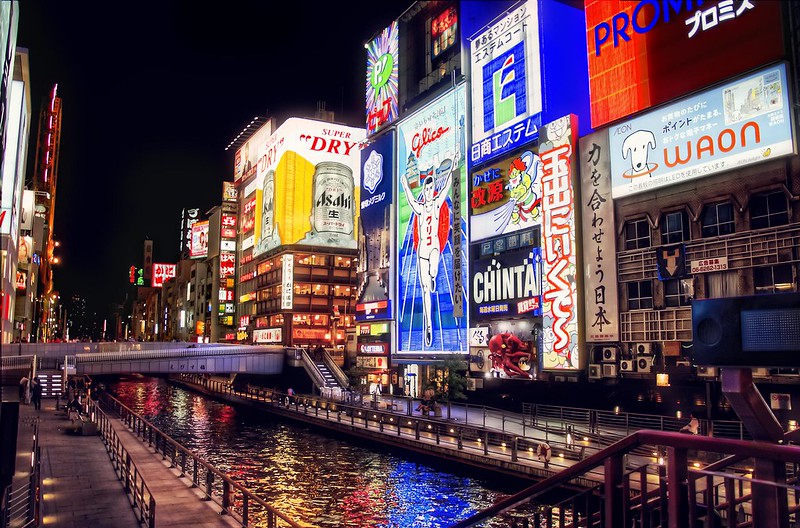
Tourists flock here for food, but the sneaker scene thrives after midnight. 24-hour stores cater to international visitors. The neon lights make every purchase feel cinematic. And the takoyaki stands between shops provide necessary fuel.
Kawaramachi (Kyoto)
— Photo by kornienkoalex
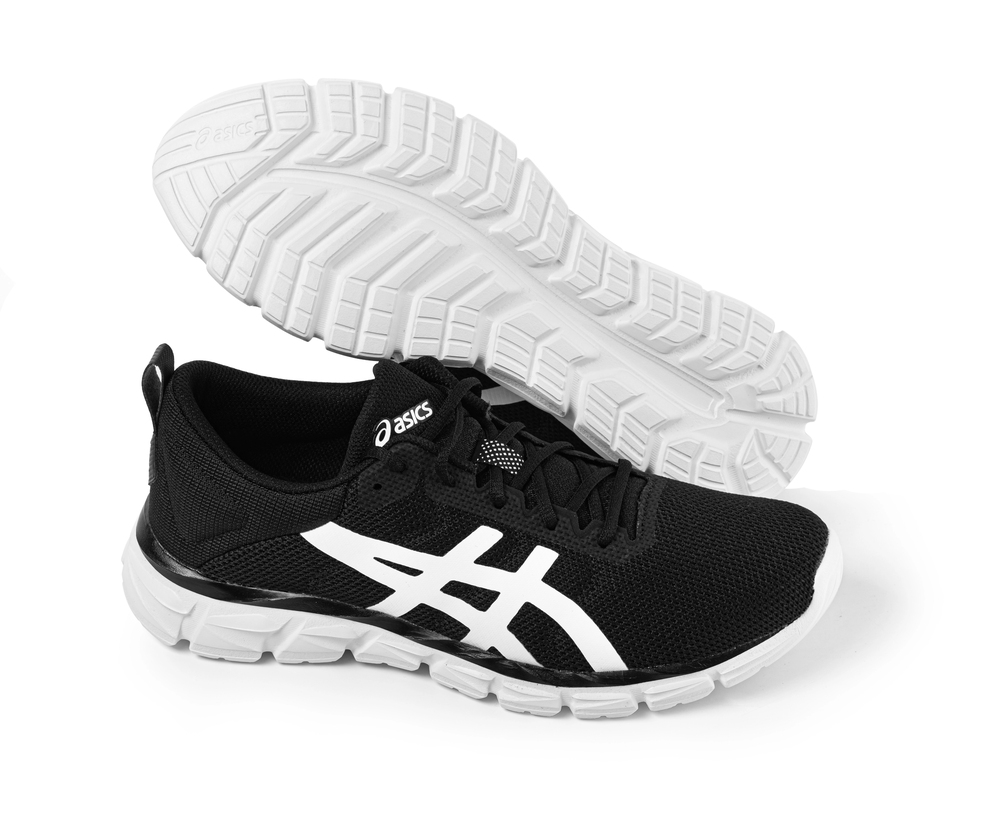
Kyoto’s main shopping district balances tradition with streetwear. Smaller boutiques here focus on Japanese brands like Asics and Mizuno. The wooden storefronts clash beautifully with the fluorescent sneaker displays inside.
Tenjin (Fukuoka)
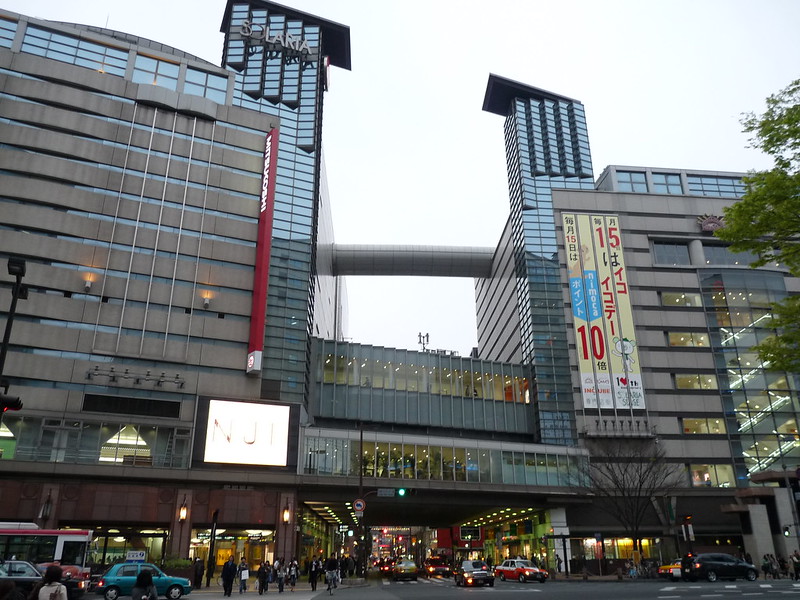
Fukuoka’s sneaker district punches above its weight. Closer proximity to Korea means faster access to Asian exclusives. The underground mall connects every major store. Summer humidity here will test your dedication to the hunt.
Sakae (Nagoya)
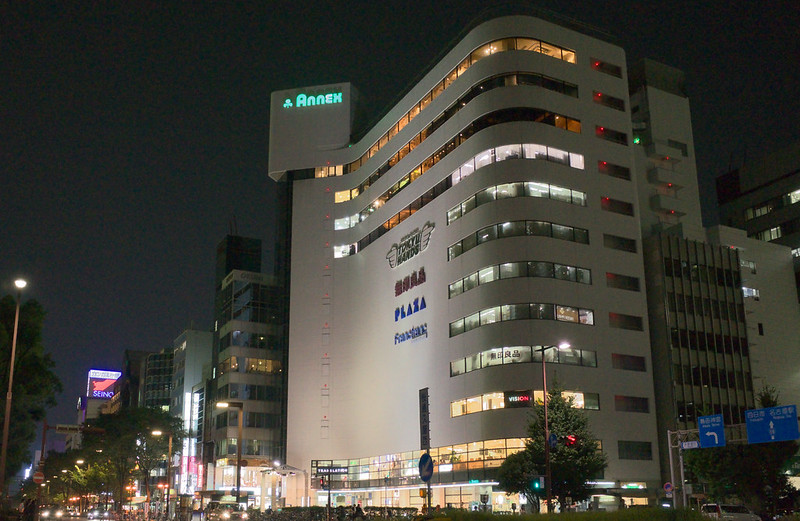
Central Japan’s sneaker headquarters. The district’s wide streets make store-hopping easier than Tokyo’s cramped alleys. Flagship shops like ABC-Mart Grand Stage Sakae and B’s International anchor the scene, while smaller boutiques stock regional exclusives that rarely leave Nagoya. The area draws collectors from across Chubu, making it a key stop for anyone serious about Japan’s sneaker culture.
The endless hunt

Japan’s sneaker districts operate like a parallel economy where knowledge, connections, and patience matter more than money. Though money certainly helps. Each neighborhood offers something different — from Harajuku’s hype to Shimokitazawa’s history — but they all share the same obsessive attention to detail that makes Japanese sneaker culture unlike anywhere else on Earth.
More from Travel Pug

- 20 Best Beach Towns in the Carolinas
- 13 Destinations Where Tourists Regularly Regret Their Trip
- 20 Things You Actually Get in First Class
- 20 Small Airports With Aviation Museums
- 20 Places in the U.S. That Are Perfect for a Reset Trip
Like Travel Pug’s content? Follow us on MSN.