

Norway’s fjords are some of the most spectacular natural wonders on Earth, carved by glaciers over millions of years into dramatic waterways surrounded by towering cliffs and cascading waterfalls. While many travelers assume you need an expensive cruise or rental car to experience these breathtaking landscapes, Norway’s excellent public transportation system makes many fjords surprisingly accessible by bus.
The country’s bus network connects major cities to remote fjord regions through scenic routes that are often just as stunning as the destinations themselves. Here is a list of 17 Norway fjords you can reach by bus.
Geirangerfjord
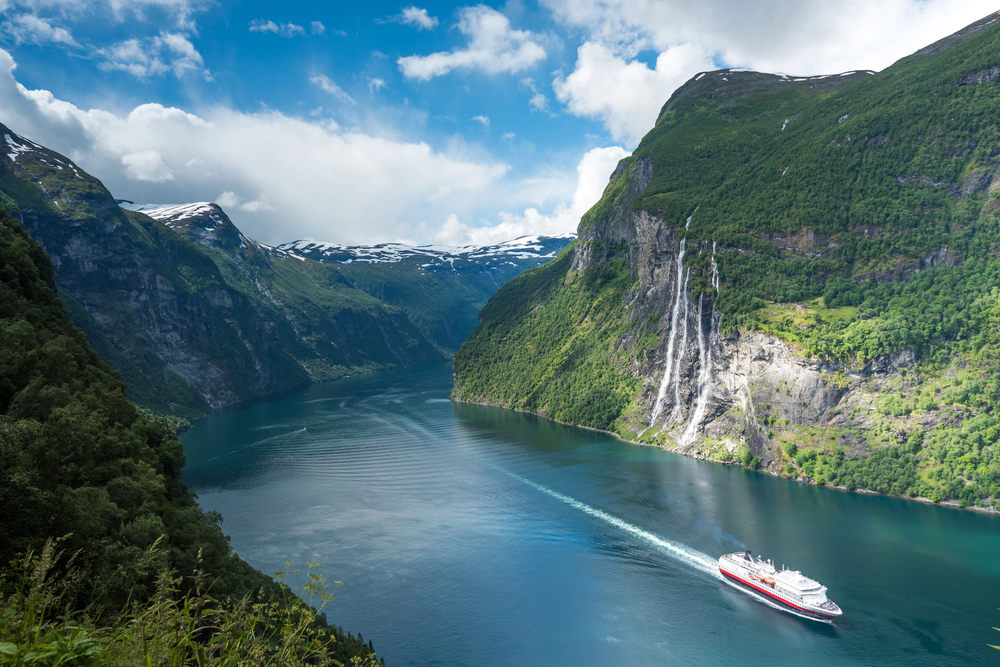
Geirangerfjord tops every traveler’s list for good reason — this UNESCO World Heritage site delivers postcard-perfect scenery with its deep blue waters and dramatic waterfalls like the Seven Sisters and Bridal Veil. Regular buses run from Ålesund to Geiranger village, taking about 2.5 hours through winding mountain roads that offer spectacular preview glimpses of what’s to come. The journey itself becomes part of the adventure, especially during the famous Eagle Road descent where buses navigate hairpin turns while passengers gasp at the views below. Once you arrive in Geiranger, the tiny village sits at the fjord’s head like a jewel in a crown, surrounded by some of Norway’s most photographed landscapes.
Nærøyfjord
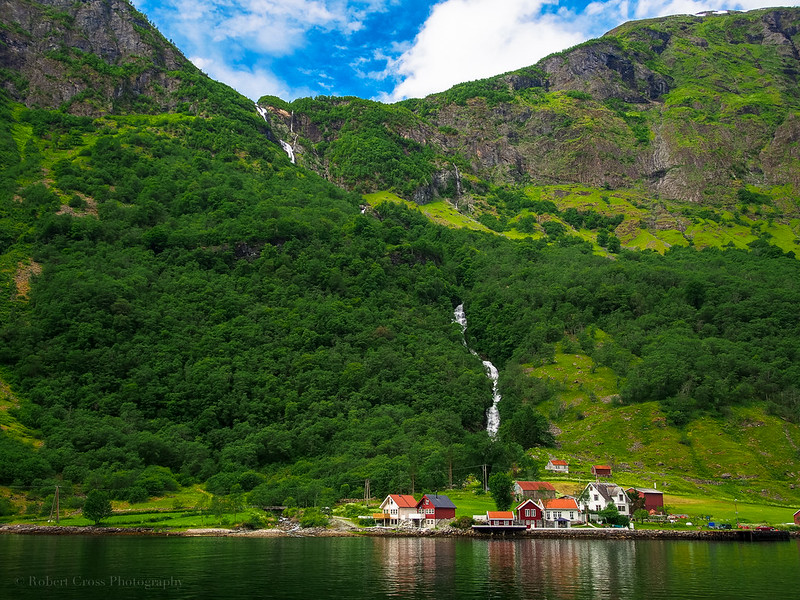
This narrow fjord branch of Sognefjord squeezes between walls so steep and close that sunlight barely reaches the water during winter months. Buses from Bergen or Oslo connect to Flåm, where you can catch connecting transport to experience Nærøyfjord’s dramatic beauty. The fjord measures just 820 feet at its narrowest point, making it feel like you’re traveling through a giant’s corridor carved from solid rock. Wildlife thrives in these protected waters, and you might spot seals lounging on rocky outcrops or eagles soaring between the cliff faces.
Sognefjord
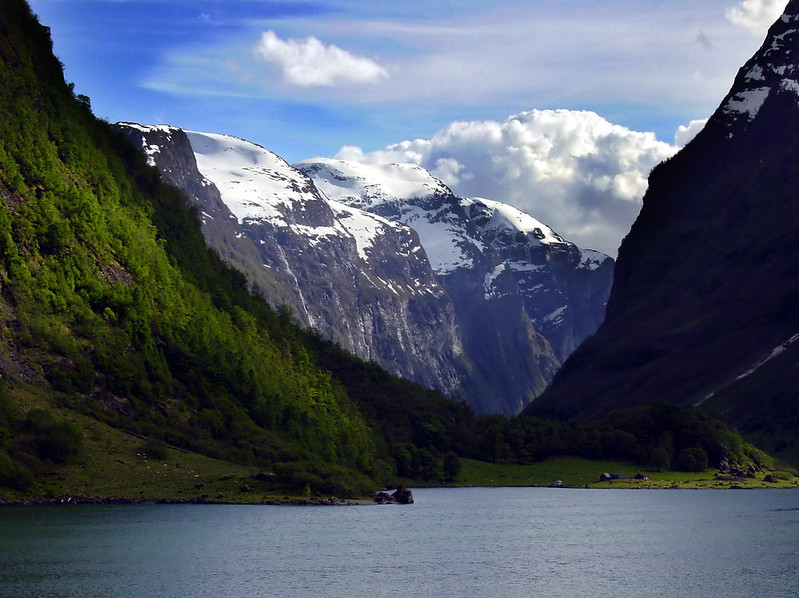
Known as the ‘King of Fjords’, Sognefjord stretches 127 miles inland, making it Norway’s longest and deepest fjord system. Multiple bus routes serve different sections of this massive fjord, with connections from Bergen, Oslo, and other major cities reaching towns like Balestrand, Lærdal, and Aurland. The fjord’s sheer scale means you could spend weeks exploring its various arms and branches, each offering unique character and attractions. From ancient stave churches perched on hillsides to fruit orchards that somehow thrive in this northern climate, Sognefjord combines natural grandeur with rich cultural heritage.
Hardangerfjord
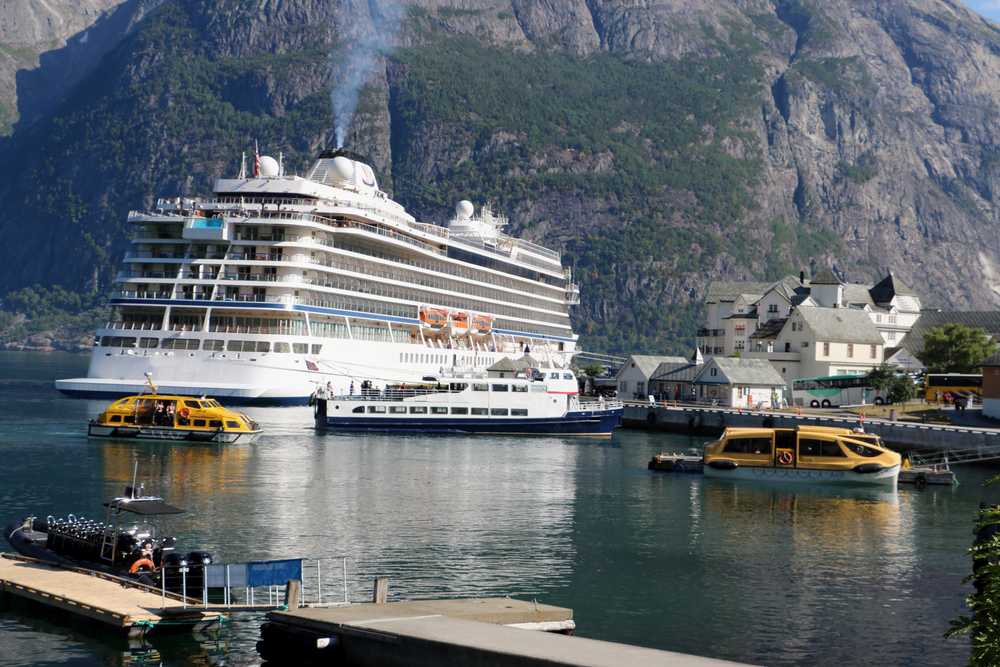
— Photo by hulshofpictures
Spring transforms Hardangerfjord into Norway’s orchard country, where thousands of fruit trees bloom in pink and white clouds against the backdrop of snow-capped peaks. Buses from Bergen reach the fjord region in about 2 hours, connecting to smaller towns like Eidfjord, Lofthus, and Ulvik where the famous fruit farms create a surprisingly gentle landscape. The contrast between delicate blossoms and rugged mountains creates some of Norway’s most photographed spring scenery. Local buses wind through small farming communities where you can taste the fruits of this unique northern growing region.
Lysefjord
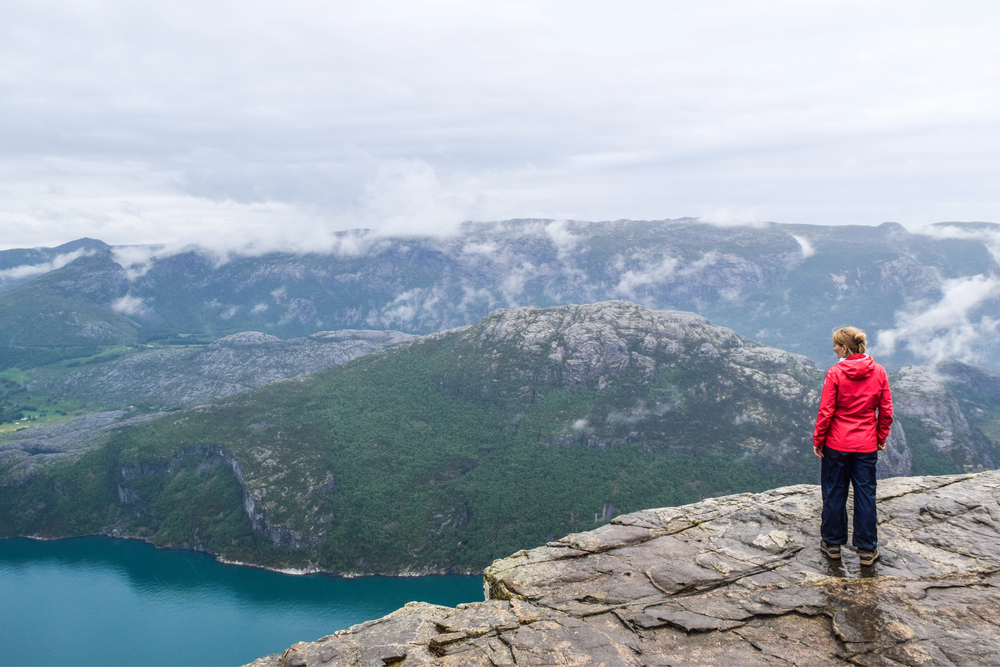
Lysefjord gained international fame thanks to Preikestolen (Pulpit Rock), the flat-topped cliff that juts out 1,982 feet above the fjord waters. Buses from Stavanger reach the Preikestolen trailhead, though the famous viewpoint requires a 4-mile hike that’s well worth the effort. The fjord itself stretches 26 miles through dramatic granite walls that rise almost vertically from the water. Even if you skip the challenging hike to Pulpit Rock, the bus journey along the fjord offers plenty of stunning viewpoints and photo opportunities.
Trollfjord
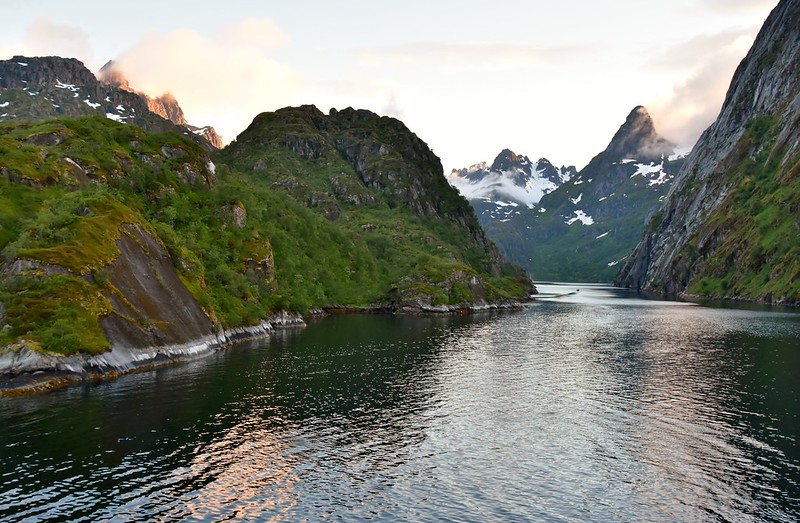
This narrow fjord in the Lofoten Islands creates one of Norway’s most dramatic boat passages, but buses can take you to nearby viewpoints that offer equally impressive perspectives. The fjord entrance measures just 330 feet wide, creating a gateway effect that makes entering feel like discovering a hidden world. Steep mountains rise directly from the water on both sides, and the fjord’s name comes from local legends about trolls who supposedly lived in the surrounding peaks. Buses from Svolvær provide access to hiking trails that lead to excellent viewpoints overlooking this geological marvel.
Milford Sound
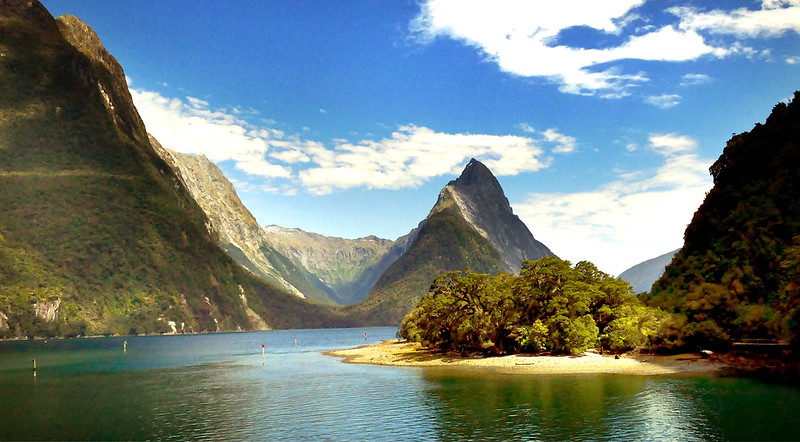
Wait, that’s New Zealand — let’s stick to Norway’s dramatic waterways! Ålesund serves as the gateway to multiple fjords including Storfjord, which offers its collection of waterfalls and steep-sided valleys. Buses from this Art Nouveau city connect to various fjord viewpoints and hiking trails. The network of fjords around Ålesund creates a landscape so complex that early mapmakers struggled to chart all the inlets and branches. Modern buses navigate these winding coastal roads with ease, stopping at viewpoints where you can appreciate the intricate geography.
Aurlandsfjord
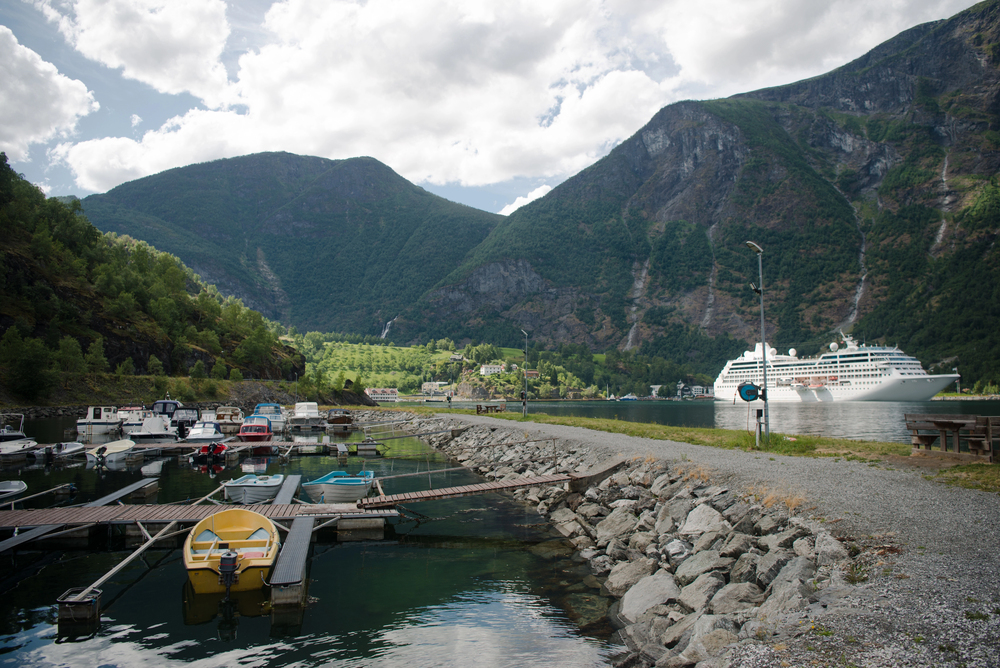
— Photo by IrynaObertunBO
This branch of mighty Sognefjord offers a more intimate fjord experience, with buses connecting through the famous Lærdal Tunnel — the world’s longest road tunnel at 15 miles. The tunnel itself represents an engineering marvel, boring straight through mountains to connect fjord communities that were previously isolated for months during harsh winters. Aurlandsfjord’s waters reflect surrounding mountains so perfectly on calm days that it’s hard to tell where reality ends and reflection begins. The small village of Aurland sits at the fjord’s head, surrounded by some of Norway’s most pristine wilderness areas.
Eidfjord
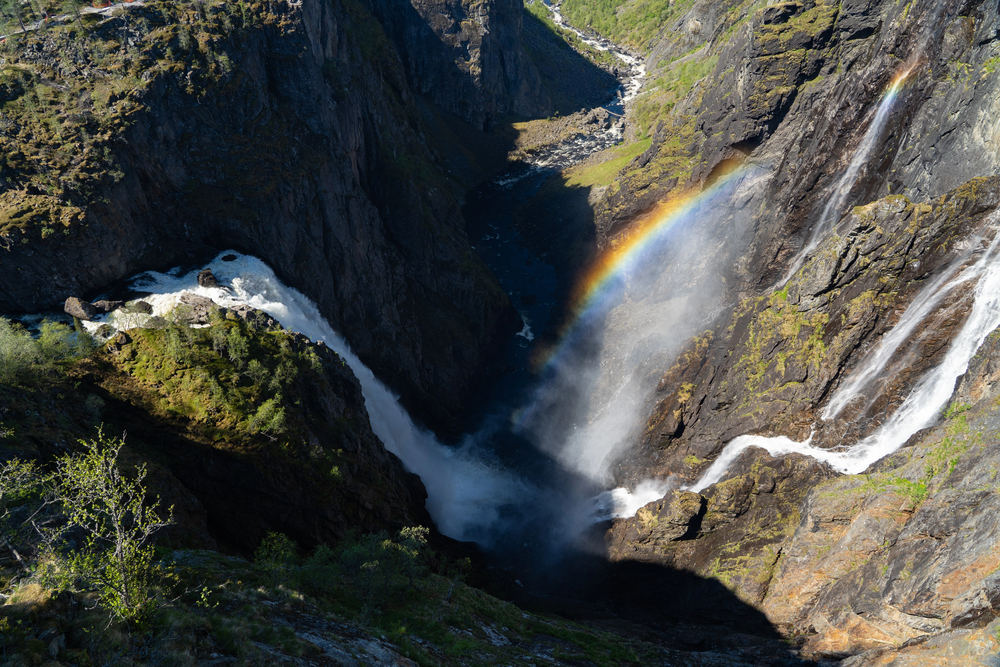
Eidfjord combines fjord beauty with easy access to some of Norway’s most famous waterfalls, including the 545-foot Vøringsfossen cascade. Buses from Bergen and Oslo both serve this area, making it one of the most accessible fjord destinations for travelers using public transport. The town sits where Eidfjord meets Hardangerfjord, creating a natural amphitheater of water and mountains. Local hiking trails lead to multiple waterfall viewpoints, and the bus connections make it easy to explore several in a single day.
Flåm
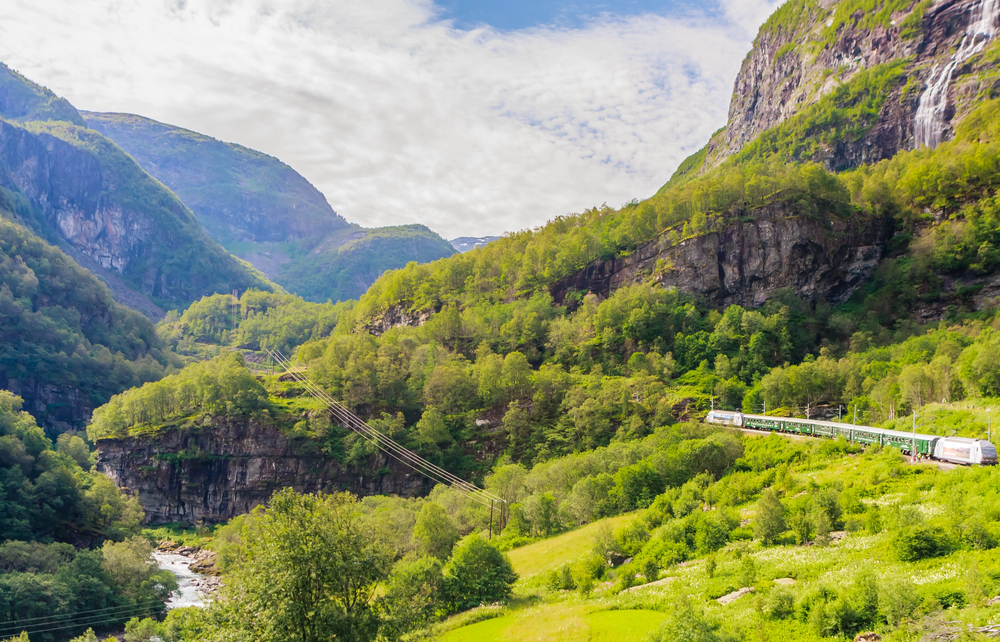
Flåm might be tiny, but this village punches above its weight in terms of natural beauty and tourist facilities. The famous Flåm Railway connects to bus services, creating a complete public transport loop that showcases some of Norway’s most spectacular mountain and fjord scenery. Buses wind down from mountain plateaus through 20 hairpin turns, offering constantly changing perspectives on the dramatic landscape below. The village sits at sea level surrounded by mountains that rise more than 5,000 feet, creating a natural amphitheater that amplifies every sound and reflection.
Nordfjord

Nordfjord stretches 65 miles inland from the coast, with bus services connecting coastal towns to inland communities nestled between glaciers and peaks. The fjord system includes branches that reach almost to the base of Jostedalsbreen, mainland Europe’s largest glacier. Buses navigate mountain passes that offer glimpses of this massive ice field, where glacial tongues still flow down toward the fjord waters. Small towns along Nordfjord maintain traditional ways of life, and bus stops often double as community gathering places where locals share stories with curious travelers.
Sunnmøre Alps
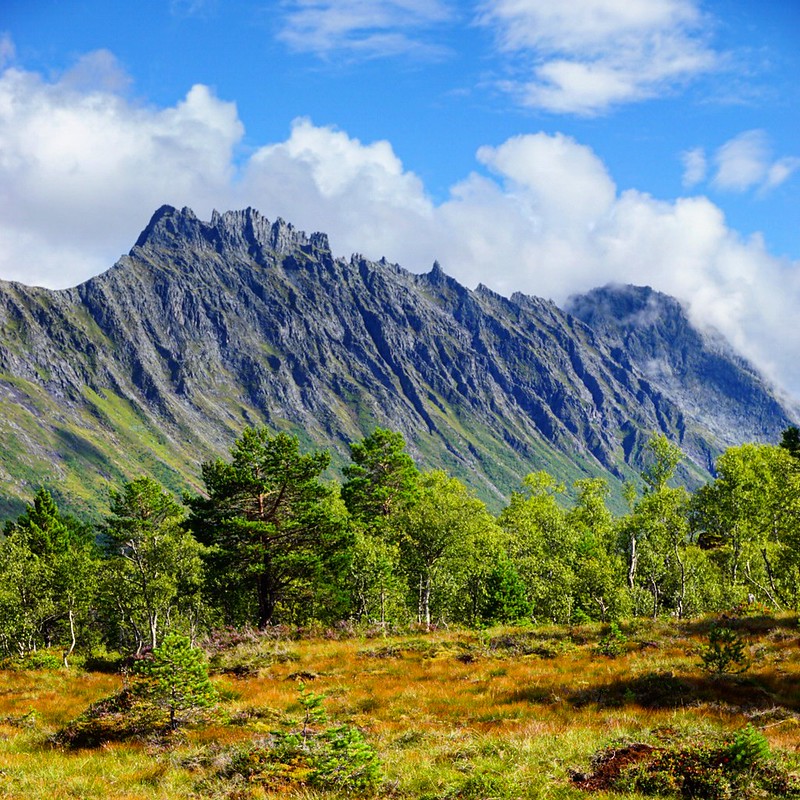
While technically a mountain range rather than a single fjord, the Sunnmøre Alps contain numerous fjords accessible by an extensive bus network radiating from Ålesund. These peaks rise directly from sea level to heights over 5,000 feet, creating some of Norway’s most dramatic vertical landscapes. Bus routes wind through valleys carved by ancient glaciers, passing lakes so clear they mirror the surrounding peaks perfectly. The area’s complex geography means bus schedules coordinate carefully with ferry connections, creating a seamless public transport web.
Romsdalsfjord
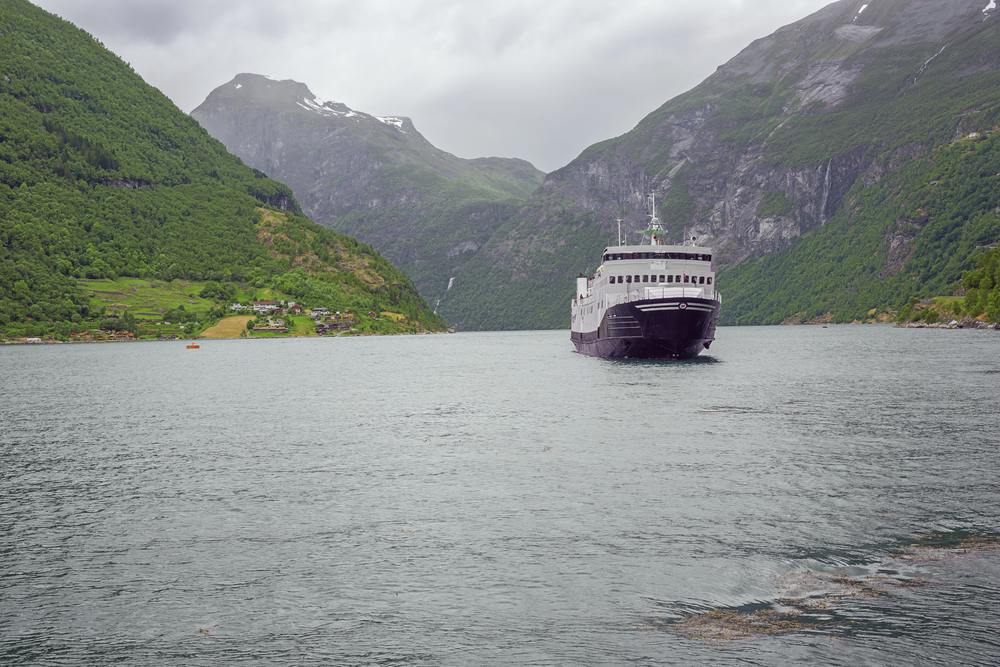
— Photo by Vermeulen-Perdaen-Guido
Romsdalsfjord offers a gentler introduction to Norway’s fjord country, with wider valleys and more gradual slopes than some of the more famous destinations. Buses from Åndalsnes follow the fjord’s length, passing through farming communities where traditional red barns dot green fields. The Romsdal Valley opens onto this fjord system, creating views that stretch for miles across water and mountains. Despite being less steep than other fjords, Romsdalsfjord still delivers impressive waterfalls and wildlife viewing opportunities.
Innvikfjord
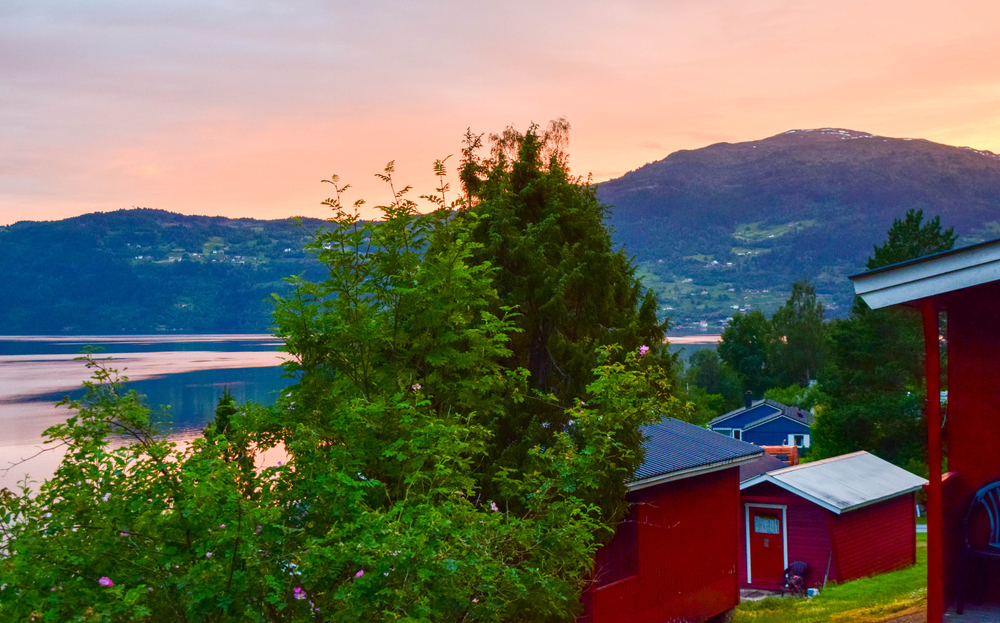
This branch of Nordfjord provides access to some of Norway’s most pristine wilderness areas, with bus connections that feel more like expeditions into untouched nature. The fjord’s head sits just miles from Jostedalsbreen glacier, and buses often encounter wildlife crossing mountain roads. Small settlements along Innvikfjord maintain traditional lifestyles, and bus drivers often know passengers by name, creating a community atmosphere even on public transport. The fjord’s remote location means fewer crowds and more opportunities to experience Norway’s natural beauty in solitude.
Storfjord (Sunnmøre)
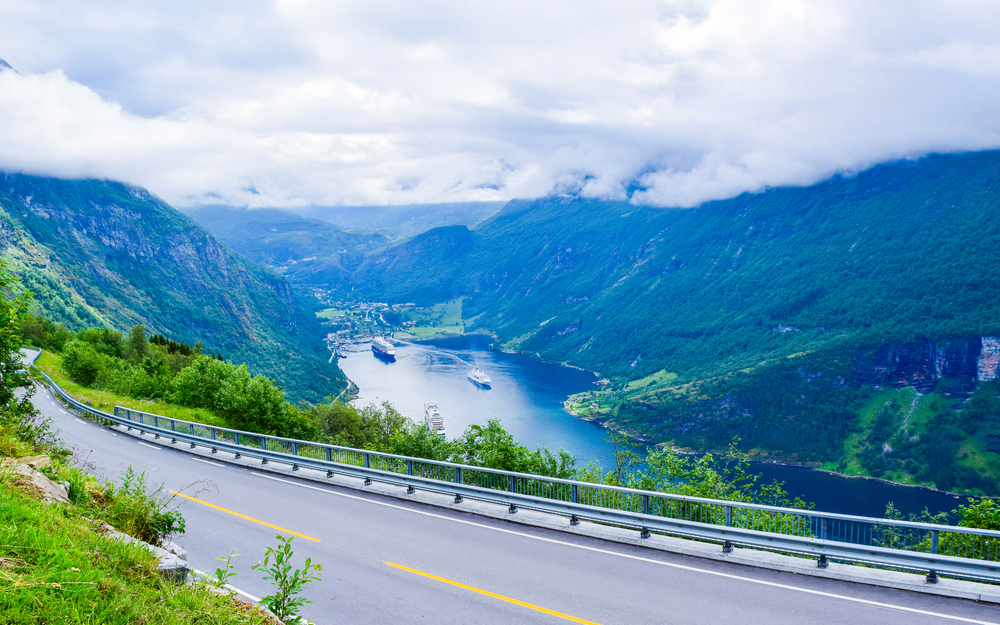
Not to be confused with other Norwegian fjords sharing this common name, Sunnmøre’s Storfjord creates a complex system of waterways around Ålesund. Bus routes connect multiple small communities scattered across islands and peninsulas, with frequent ferry connections that extend the public transport network across water. The fjord system’s complexity means you could spend days exploring different branches and arms, each offering unique perspectives on the surrounding Sunnmøre Alps. Local buses often wait for ferries, creating a relaxed travel pace that matches the area’s unhurried lifestyle.
Hjørundfjord
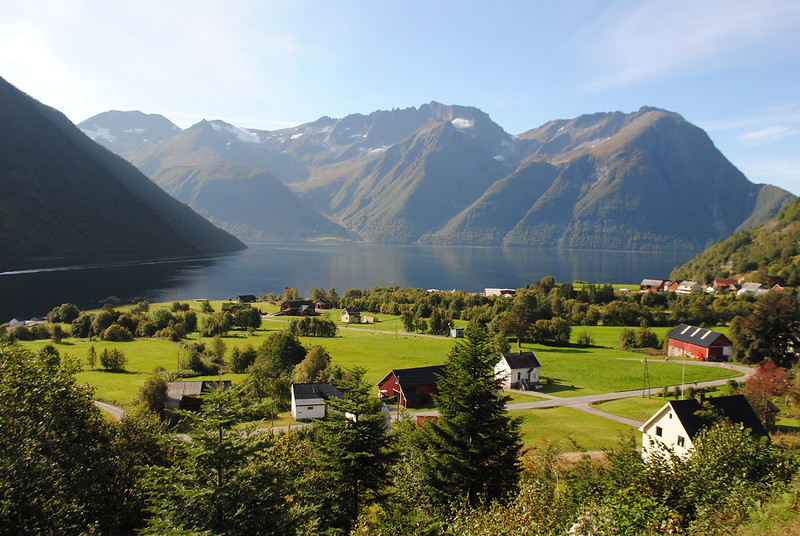
Hjørundfjord cuts deep into the Sunnmøre Alps, creating one of Norway’s most dramatic and least crowded fjord experiences. Buses reach this remote fjord through mountain passes that offer spectacular views of the surrounding peaks, many of which rise directly from the water to heights over 5,000 feet. The fjord’s isolation means wildlife thrives here, and bus passengers often spot eagles, seals, and sometimes even whales in the deeper waters. Small hotels and guesthouses along the fjord cater to hikers and nature lovers seeking authentic Norwegian wilderness experiences.
Tafjord
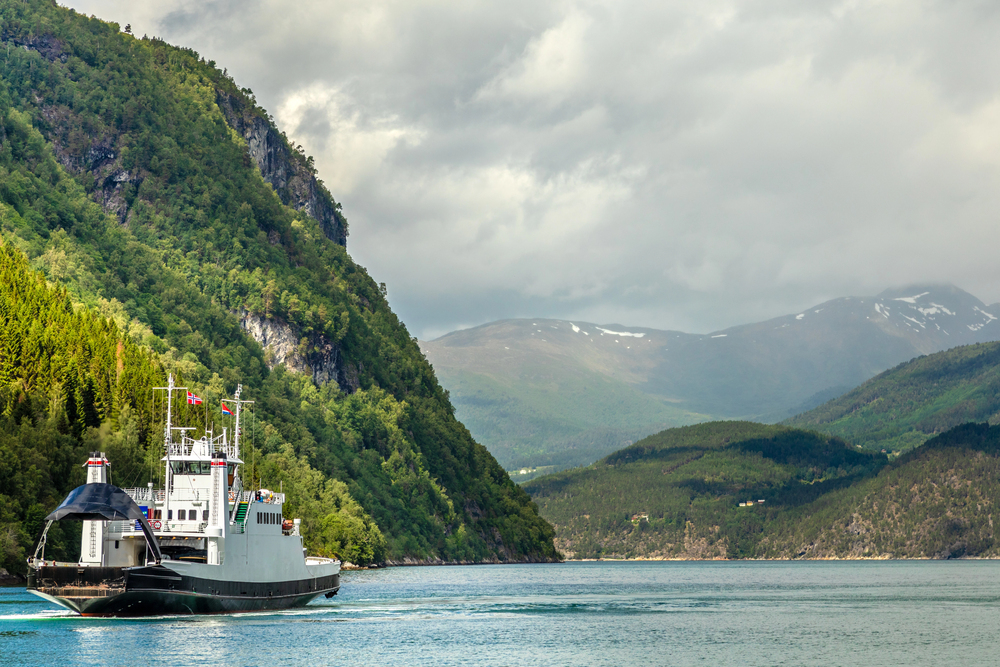
Tafjord earned tragic fame due to a 1934 rockslide that created a tsunami, but today this small fjord offers peaceful beauty and excellent hiking opportunities accessible by bus from Ålesund. The fjord’s narrow profile creates an intimate atmosphere where waterfalls seem to cascade directly into your field of vision. Buses navigate hairpin turns that offer constantly changing views of the fjord below, and the small village at the fjord’s head provides a perfect base for exploring surrounding trails. Despite its tragic history, Tafjord today represents Norway’s ability to rebuild and thrive in even the most challenging natural environments.
Valldalsfjord
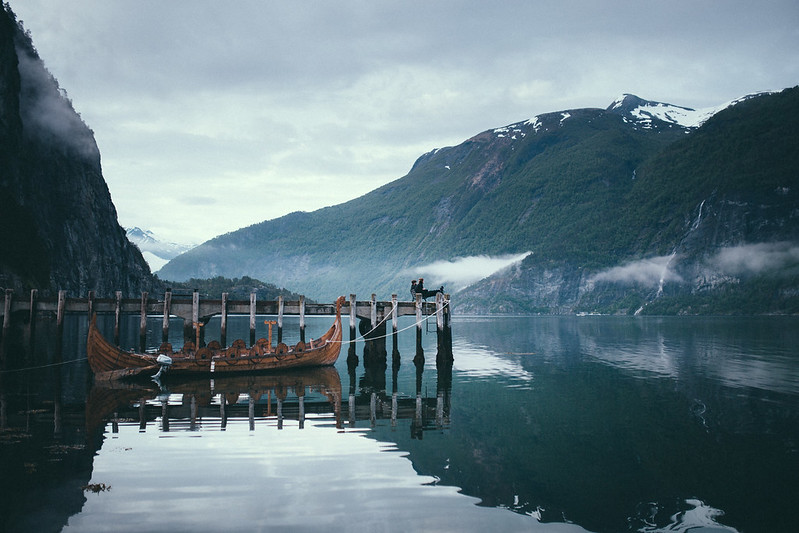
Valldalsfjord provides access to some of Norway’s most pristine hiking areas, with bus connections that feel like journeys into untouched wilderness. The fjord’s head sits surrounded by peaks that rarely see crowds, offering hiking opportunities for every skill level. Buses wind through valleys where traditional farms still operate, and passengers often wave to farmers working their fields. The fjord’s remote location means wildlife viewing opportunities abound, and the clean mountain air provides a refreshing break from city life.
Where Ancient Ice Meets Modern Comfort
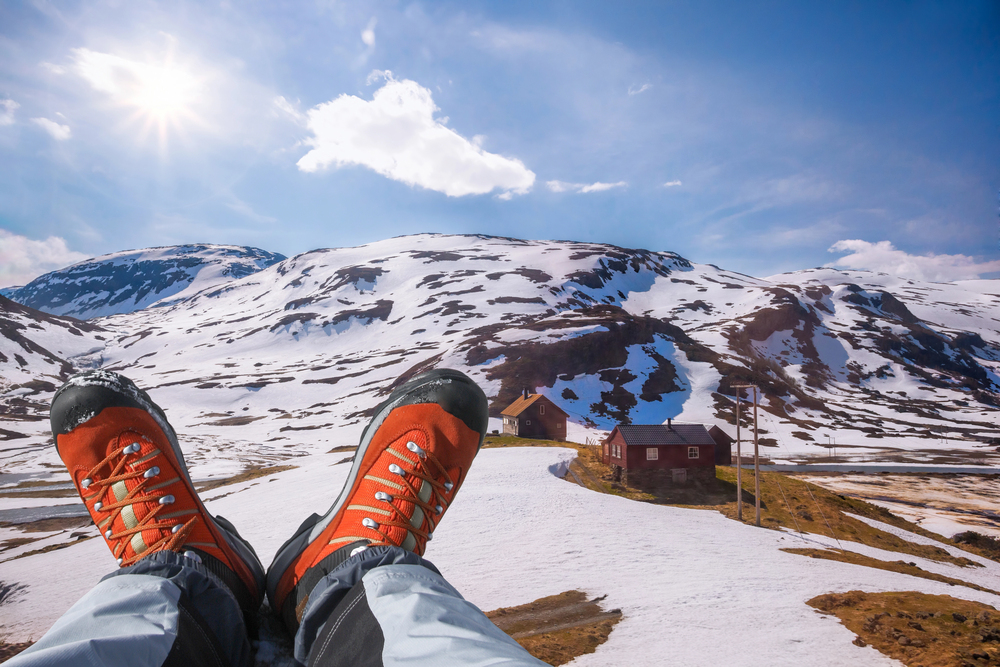
Norway’s fjords represent millions of years of geological history made accessible by modern transportation networks that would have seemed impossible to earlier generations. These dramatic waterways, carved by ancient glaciers, now connect to bus routes that make wilderness adventures available to anyone with a transit pass and a sense of curiosity. The contrast between Norway’s rugged natural beauty and its efficient public transport system creates travel experiences that combine outdoor adventure with practical convenience.
Today’s fjord visitors can witness the same landscapes that inspired Viking explorers and 19th-century romantic painters, but with heated buses, scheduled services, and comfortable accommodations waiting at journey’s end. The buses themselves become viewing platforms for scenery that changes around every mountain curve, turning transportation into entertainment and making the journey as memorable as any destination.
More from Travel Pug

- Underrated Italian Towns That Beat the Tourist Crowds
- Las Vegas Tourist Traps to Skip
- Prettiest Towns in Every US State
- 18 passport-free countries for Americans
- Signs Your Cruise Is Not Worth The Cost
Like Travel Pug’s content? Follow us on MSN.