

Prague might steal all the headlines with its fairy-tale castle and bustling Old Town Square, but the Czech Republic has so much more to offer beyond its famous capital. From medieval gems tucked away in rolling hills to spa towns that have been pampering visitors for centuries, this country is packed with charming destinations that most tourists never discover.
Ready to venture off the beaten path? Here are 18 Czech towns that deserve a spot on your travel itinerary, each offering a unique slice of Central European charm.
Český Krumlov
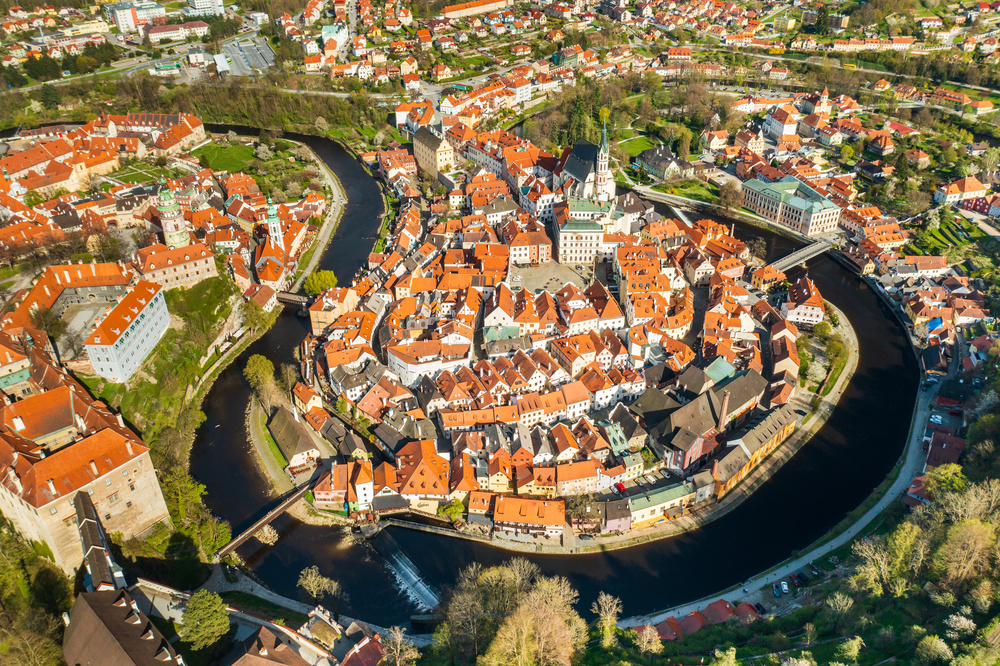
This UNESCO World Heritage site feels like stepping into a medieval storybook that someone forgot to update. The town wraps around a dramatic bend in the Vltava River, with cobblestone streets winding up to one of the most impressive castles in Central Europe. The entire historic center remains remarkably intact, complete with Renaissance and Baroque buildings that have weathered centuries without losing their charm. Český Krumlov proves that sometimes the best things really do come in small packages, packing more architectural wonder per square mile than cities ten times its size.
Telč
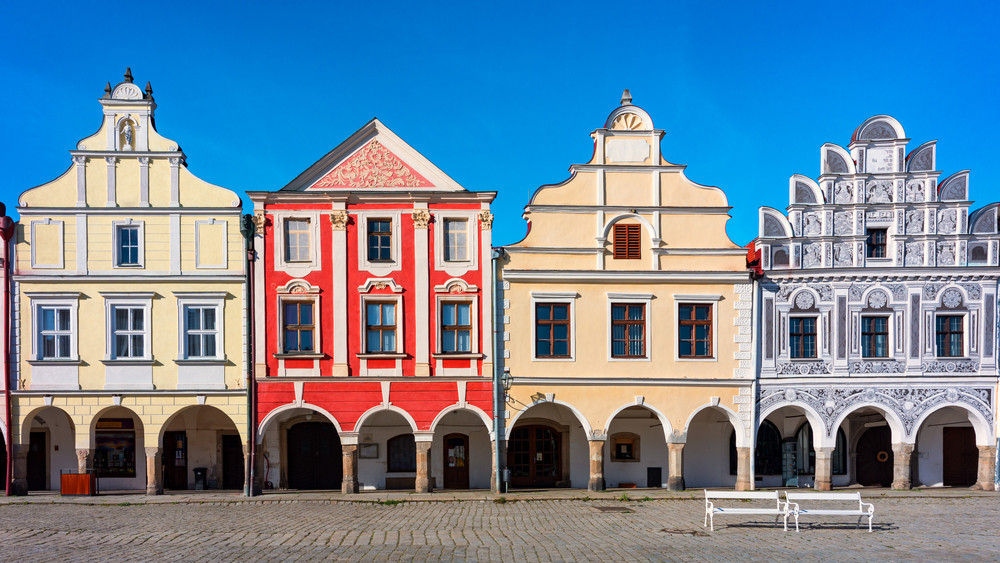
Picture the most perfect town square you can imagine, then multiply that by 10. That’s Telč. This tiny Moravian town centers around a Renaissance square so stunning that UNESCO couldn’t help but add it to its World Heritage list. The colorful burgher houses line up like a perfectly coordinated rainbow, each one unique yet harmoniously part of the whole. Walking through Telč feels like discovering a secret that the rest of the world somehow missed, despite its obvious beauty.
Kutná Hora
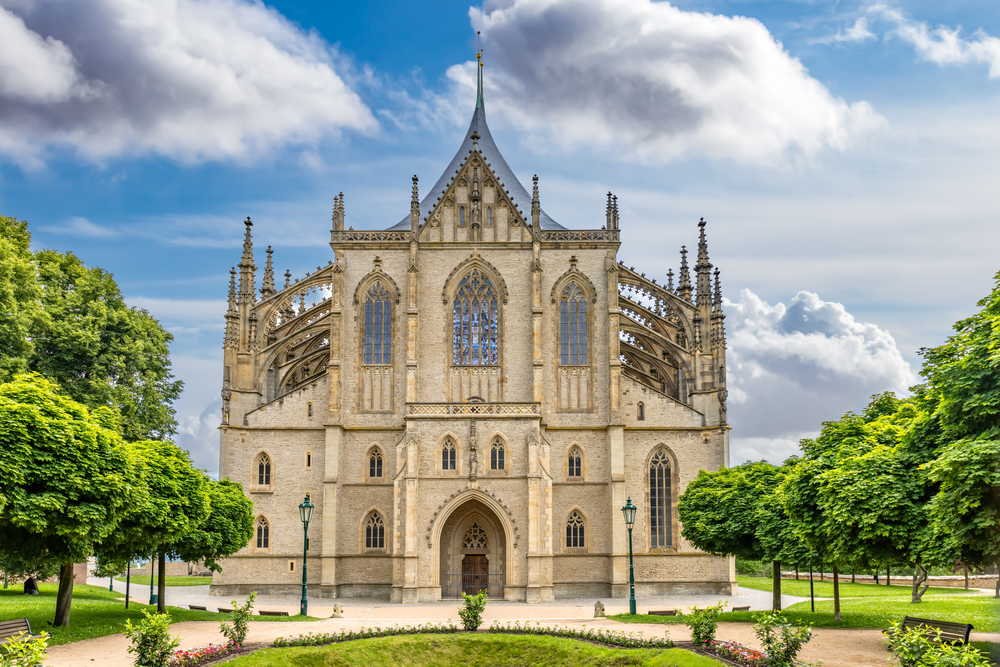
Once the silver mining capital of Europe, Kutná Hora built some seriously impressive architecture with all that medieval wealth. The Gothic Cathedral of St. Barbara rivals any church you’ll find in Prague, while the Italian Court served as the royal mint where silver coins were struck for centuries. But perhaps most fascinating is the Sedlec Ossuary, where human bones have been arranged into chandeliers and decorative patterns, morbid but strangely beautiful. The town proves that Czech creativity extends far beyond the typical tourist attractions.
Karlovy Vary
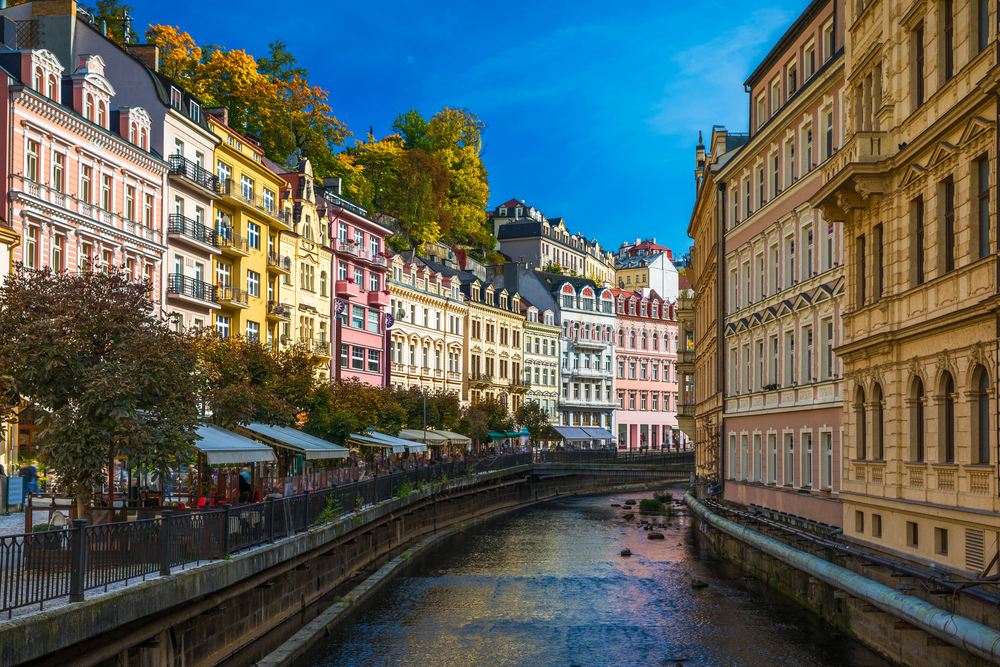
— Photo by DaLiu
This elegant spa town has been attracting visitors seeking healing waters since the 14th century, and it’s easy to see why people keep coming back. Grand hotels and colonnades line the Teplá River, creating an atmosphere that feels more like stepping into a Belle Époque postcard than visiting a modern destination. The town’s hot springs still bubble up naturally from the earth, and locals swear by their therapeutic properties. Karlovy Vary manages to feel both luxurious and authentically Czech, a combination that’s harder to find than you might expect.
Olomouc
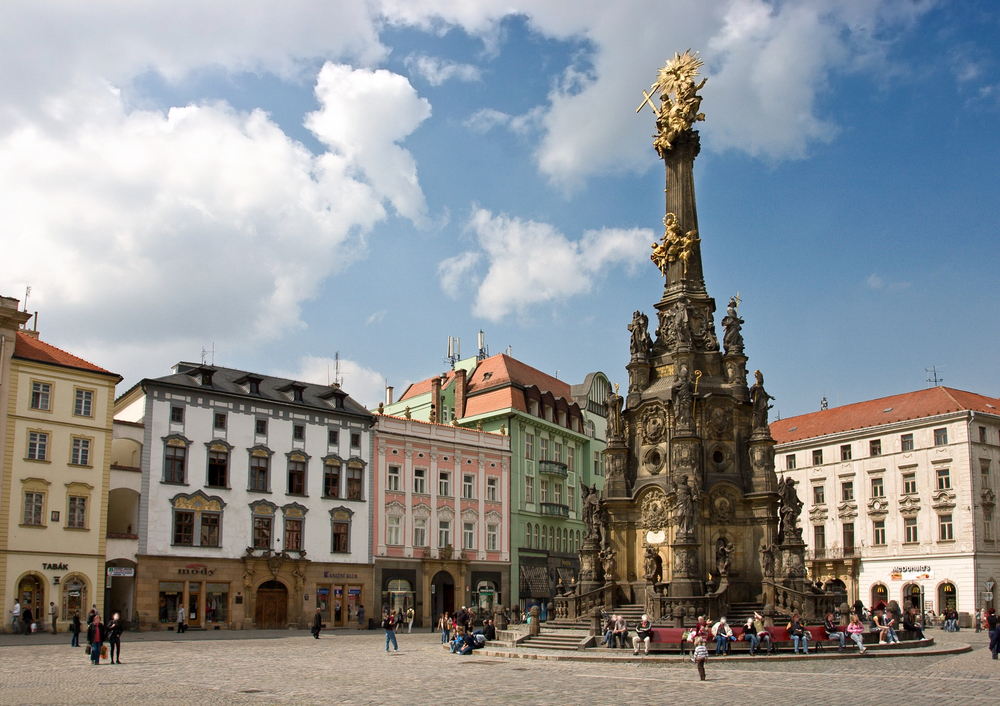
Often called the ‘Prague of Moravia,’ Olomouc delivers all the architectural grandeur of the capital with a fraction of the crowds. The Holy Trinity Column dominates the main square as one of the most impressive Baroque monuments in Central Europe, while the astronomical clock puts on a show that rivals Prague’s famous timepiece. University students keep the city young and vibrant, filling cafés and pubs with an energy that feels genuinely local rather than tourist-focused. Olomouc represents what Prague might feel like if you could somehow remove 90% of the tour groups.
Mariánské Lázně
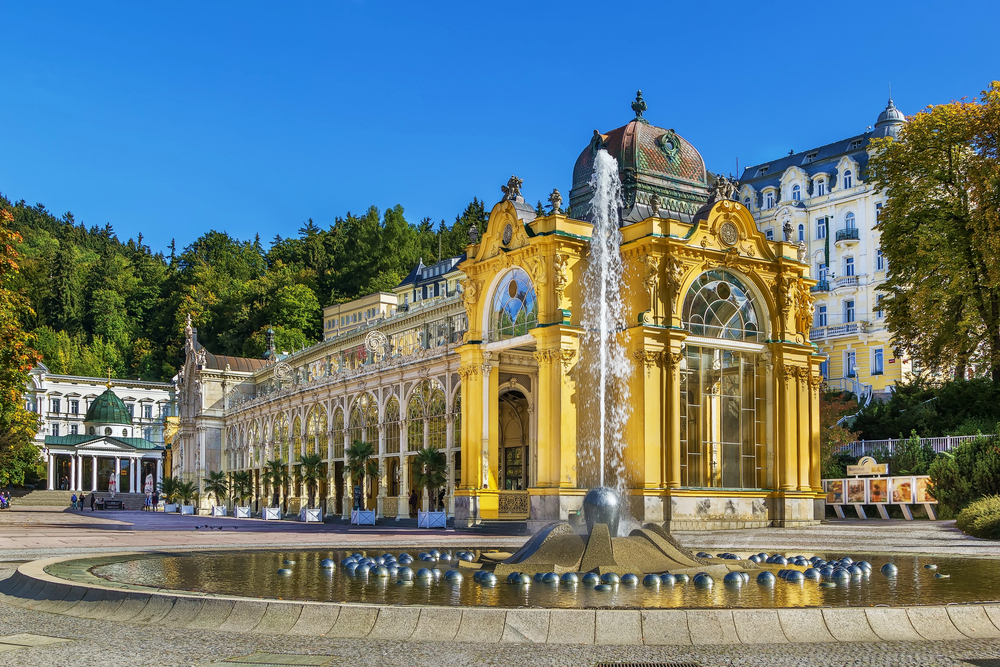
This spa town perfected the art of relaxation long before wellness retreats became trendy. Elegant 19th-century buildings surround manicured parks where visitors have been ‘taking the cure’ for over 200 years, sipping mineral water that’s supposed to fix everything from digestive issues to general fatigue. The town feels like a living museum of Central European spa culture, complete with ornate colonnades and grand hotels that have hosted everyone from European royalty to famous composers. Mariánské Lázně proves that sometimes the old ways of doing things were the best.
Litomyšl
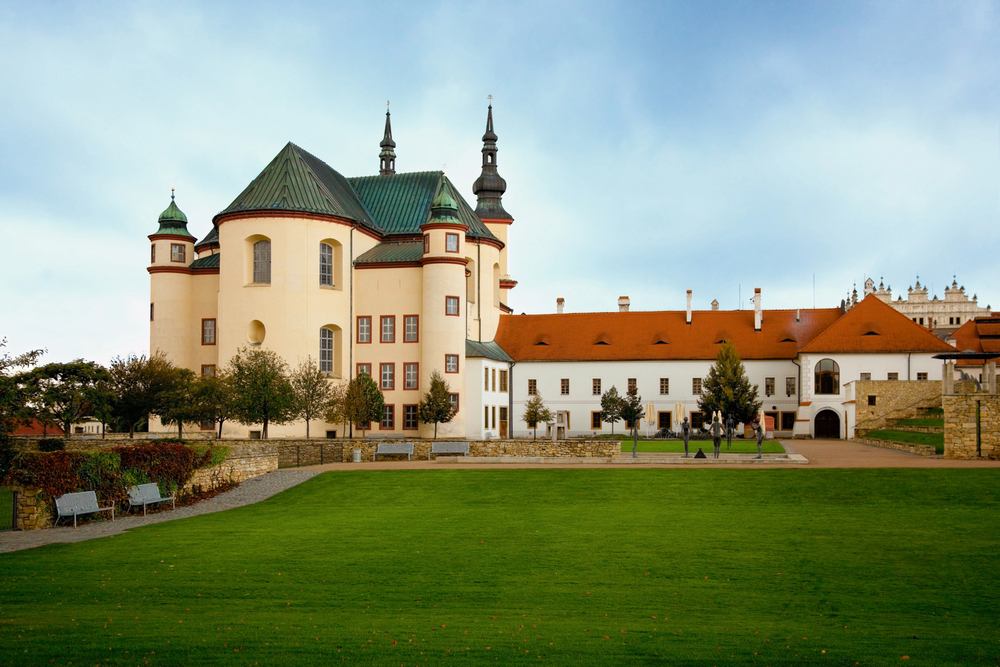
Renaissance architecture doesn’t get much better than Litomyšl Castle, whose decorated facade looks like someone took a giant stamp and pressed intricate patterns across the entire building. This UNESCO site anchors a town that feels authentically Czech without trying too hard to impress visitors. The castle’s theater still hosts performances, continuing a cultural tradition that stretches back centuries. Litomyšl demonstrates how a small town can preserve its heritage while remaining a living, breathing community rather than just a museum piece.
Jindřichův Hradec
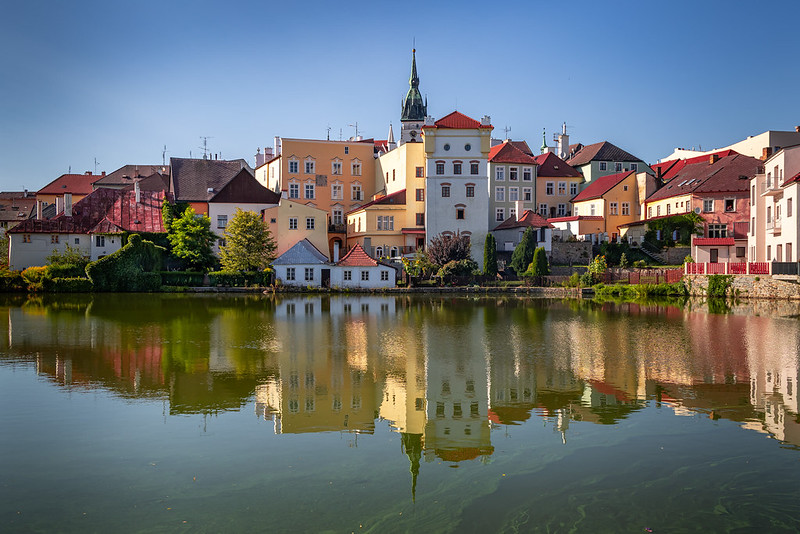
The massive castle complex here ranks among the largest in the Czech Republic, yet somehow most tourists manage to miss this architectural treasure entirely. Gothic and Renaissance elements blend seamlessly throughout the sprawling fortress, while the town below maintains its medieval character with remarkable consistency. The castle’s gardens provide perfect views over the surrounding countryside, revealing why this strategic location attracted nobility for centuries. Jindřichův Hradec offers the castle experience without the crowds that plague more famous fortifications.
Tábor

Founded by Hussite reformers in the 15th century, Tábor still carries the rebellious spirit of its revolutionary origins. The medieval town center was deliberately designed as a labyrinth to confuse attacking enemies, creating a maze of narrow streets that visitors find charming rather than threatening today. Underground tunnels beneath the town reveal another layer of history, showing how residents defended themselves during turbulent times. Tábor proves that towns built for war can transform into peaceful destinations without losing their distinctive character.
Kroměříž
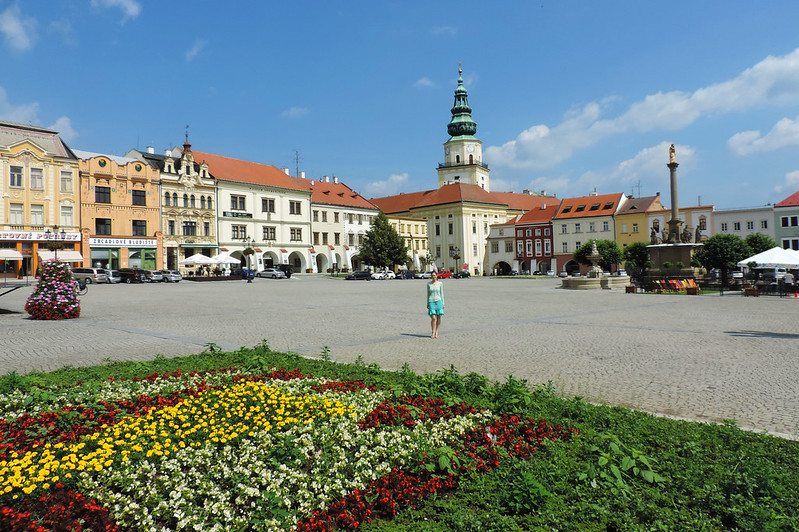
The Archbishop’s Palace here contains some of the most beautiful Baroque interiors in Central Europe, though you’d never know it from the understated exterior facade. The palace gardens stretch across acres of perfectly manicured landscape, designed to showcase both formal French and English gardening styles. The entire complex earned UNESCO recognition for representing one of the best-preserved examples of European Baroque residential architecture. Kroměříž shows how Czech nobles lived when money was no object and artistic expression knew no bounds.
Písek
The oldest stone bridge in the Czech Republic spans the Otava River here, predating Prague’s famous Charles Bridge by several decades. This medieval engineering marvel anchors a town that has managed to preserve its historic character while adapting to modern life. The local museum houses an impressive collection of Gothic art, much of it created by local craftsmen who rarely get the recognition they deserve. Písek represents the kind of authentic Czech experience that becomes harder to find as tourism spreads to every corner of Europe.
Třeboň
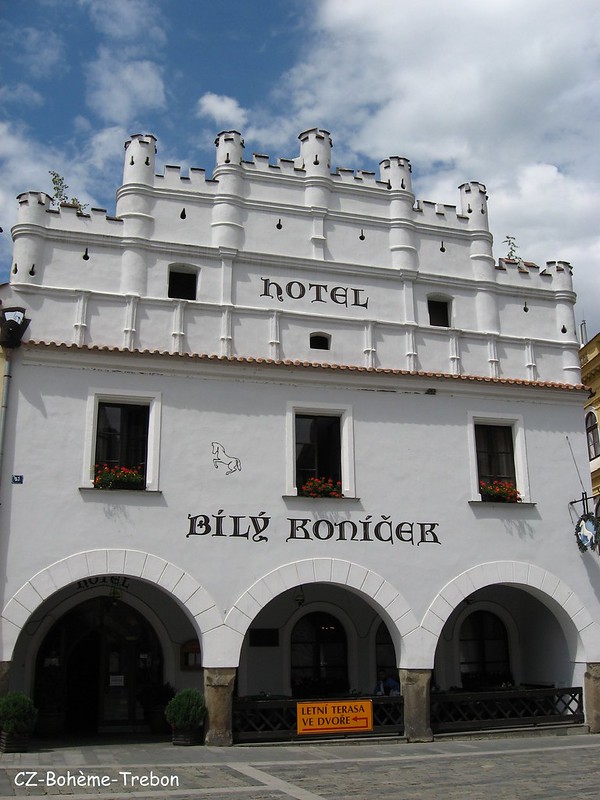
Surrounded by hundreds of fishponds that have supplied Czech tables with carp for over 500 years, Třeboň offers a uniquely Czech blend of medieval architecture and aquaculture tradition. The town square maintains its Renaissance proportions and decorative details, while the surrounding landscape creates an almost mystical atmosphere when morning mist rises from the water. Local restaurants serve the freshest carp you’ll find anywhere, prepared according to recipes that have been perfected over generations. Třeboň proves that some Czech traditions are worth preserving exactly as they’ve always been.
Znojmo
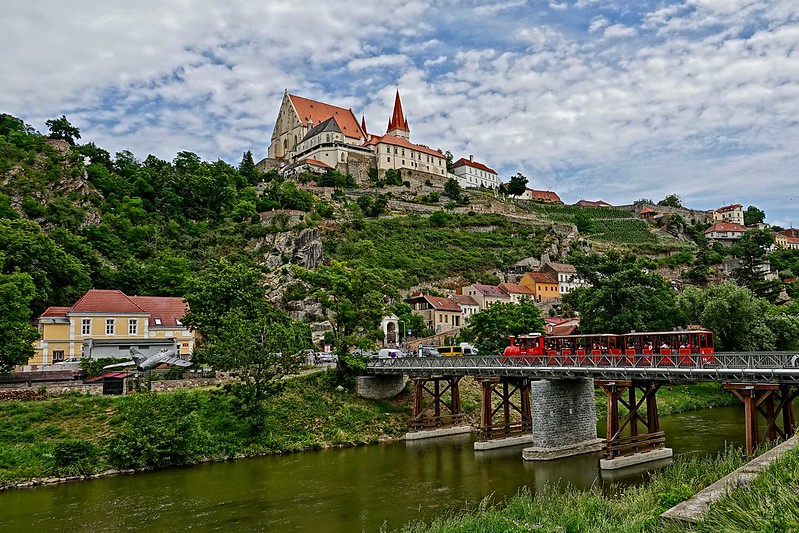
Perched dramatically above the Dyje River, Znojmo commands views that stretch across the Austrian border into wine country that has been producing quality vintages for centuries. The Romanesque rotunda contains some of the oldest frescoes in Central Europe, depicting scenes that reveal how people lived and worshipped almost a thousand years ago. The town’s defensive walls and towers show why this location was considered strategically crucial for controlling trade routes between the north and the south. Znojmo demonstrates how geography and history combined to create something truly special.
Cheb
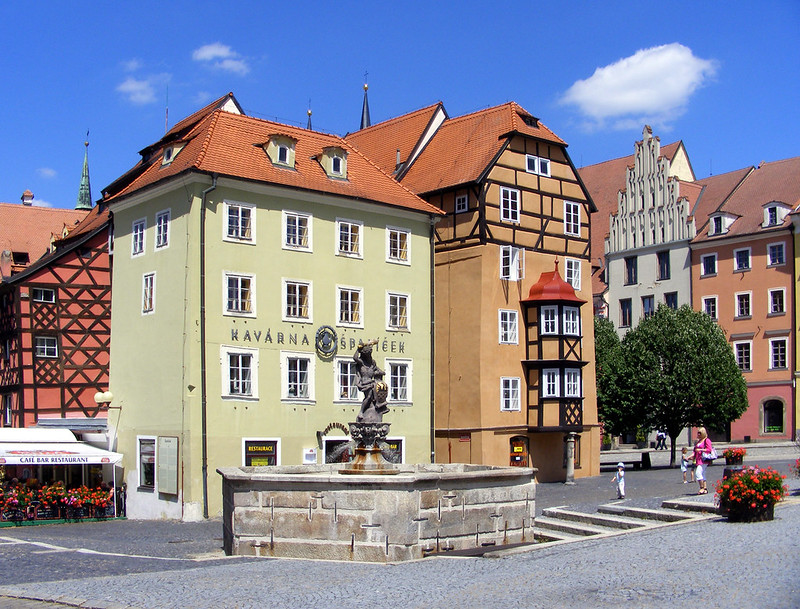
This western Bohemian town sits so close to the German border that it feels like a bridge between two cultures, with architecture and atmosphere that reflect both Czech and Germanic influences. The medieval market square showcases a remarkable collection of Gothic and Renaissance buildings, while the imperial castle ruins remind visitors of the town’s importance in Holy Roman Empire politics. Local cafés serve both Czech beer and German-style pastries, creating a unique cultural blend that you won’t find elsewhere. Cheb shows how border locations can develop their own distinctive identity rather than simply copying their neighbors.
Šternberk
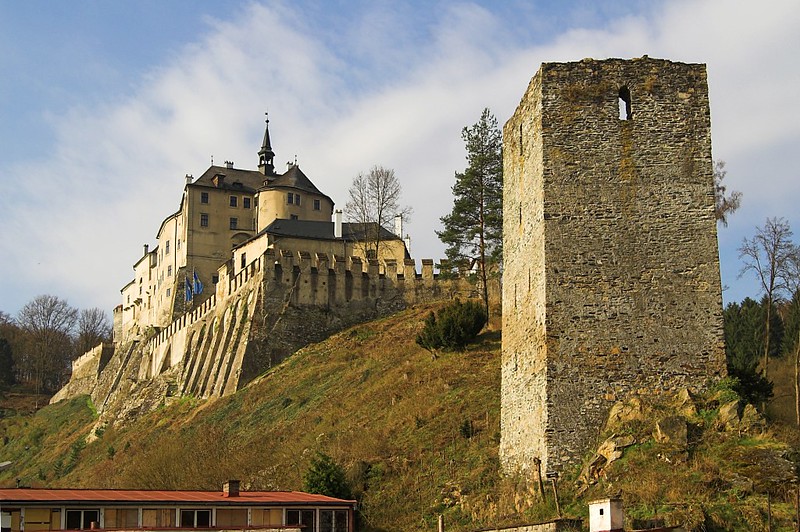
The castle here occupies one of the most dramatic hilltop positions in Moravia, rising from rocky cliffs that made it virtually impregnable for medieval attackers. The town below developed around the castle’s protective shadow, creating steep streets and hidden courtyards that reward visitors who take time to explore beyond the main square. Clock towers and Gothic churches punctuate the skyline, while the surrounding countryside offers hiking trails through forests that have barely changed since medieval times. Šternberk provides the perfect combination of historical significance and natural beauty.
Slavonice
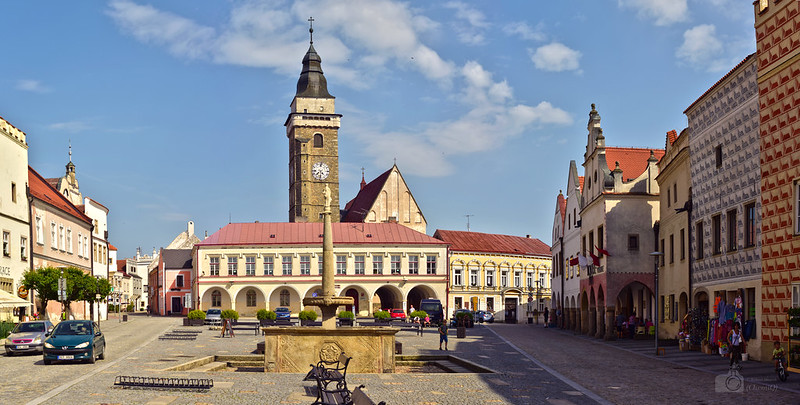
Right on the Austrian border, this tiny town contains one of the most complete collections of Renaissance burgher houses in Central Europe, their decorated facades creating an outdoor gallery of 16th-century craftsmanship. The houses line up around two connected squares, each building unique yet part of a harmonious whole that UNESCO recognized as exceptionally valuable. Underground cellars and passages reveal another layer of the town’s history, showing how residents stored goods and protected themselves during uncertain times. Slavonice proves that architectural treasures can survive in the most unlikely places.
Rožmberk nad Vltavou
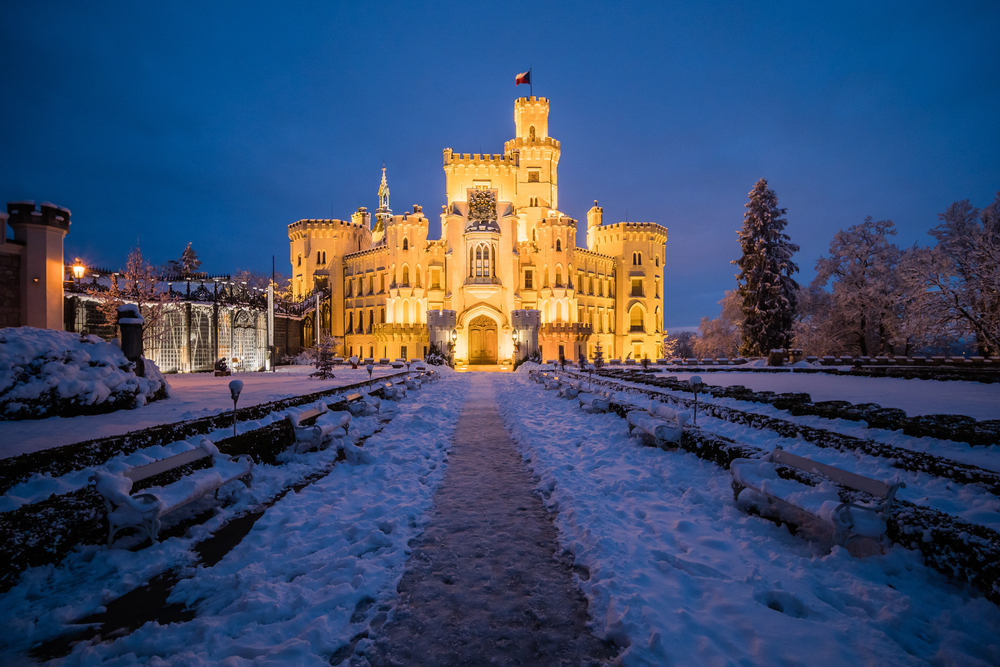
This castle town climbs dramatically up from the Vltava River, with the fortress itself crowning a rocky outcrop that dominates the entire valley. The Gothic castle has been continuously inhabited for over 700 years, accumulating layers of history and legend that make it one of the most atmospheric destinations in South Bohemia. The town below maintains its medieval street plan and architectural character, creating an ensemble that feels like stepping back several centuries. Rožmberk nad Vltavou offers the fairy-tale castle experience without the commercialization that affects more famous destinations.
Domažlice
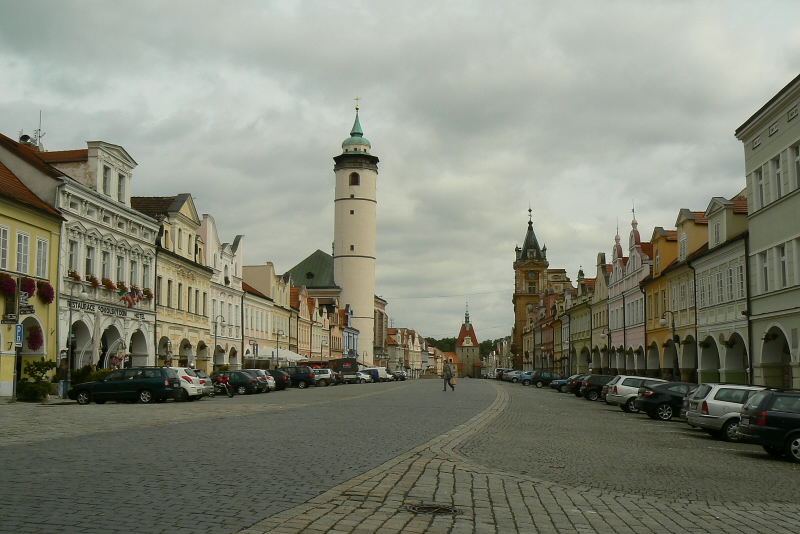
Known for its well-preserved medieval walls and the annual Chodské slavnosti festival, Domažlice maintains traditions that stretch back to when this region served as the kingdom’s western frontier. The town’s defensive towers and gates still stand largely intact, while the main square showcases Gothic and Renaissance architecture that has survived wars and political upheavals. Local folk culture remains remarkably vibrant, with traditional crafts and music continuing to play important roles in community life. Domažlice demonstrates how small towns can preserve their cultural identity while welcoming visitors who appreciate authentic experiences.
Beyond the Tourist Trail

These 18 towns represent just a fraction of what the Czech Republic offers beyond Prague’s well-trodden paths. Each destination tells part of the larger story of Central European history, from medieval trade routes to Renaissance prosperity to the spa culture that attracted European nobility for centuries. While Prague will always be the main draw for international visitors, these smaller towns provide insights into Czech culture and history that you simply can’t get from the capital alone. The best part might be that you can still visit most of these places without fighting crowds for the perfect photo, experiencing them much as Czech locals do, as living communities rather than outdoor museums.
More from Travel Pug

- Underrated Italian Towns That Beat the Tourist Crowds
- Las Vegas Tourist Traps to Skip
- Prettiest Towns in Every US State
- 18 passport-free countries for Americans
- Signs Your Cruise Is Not Worth The Cost
Like Travel Pug’s content? Follow us on MSN.