

Seoul’s subway system moves millions of people every day, most of them rushing from point A to point B without a second thought. But some stations act as doorways to neighborhoods that tourists miss entirely.
These aren’t the places plastered across travel guides. They’re the spots where locals actually spend their time, where the real character of the city shows through.
Anguk Station – Traditional craft shops in quiet alleys
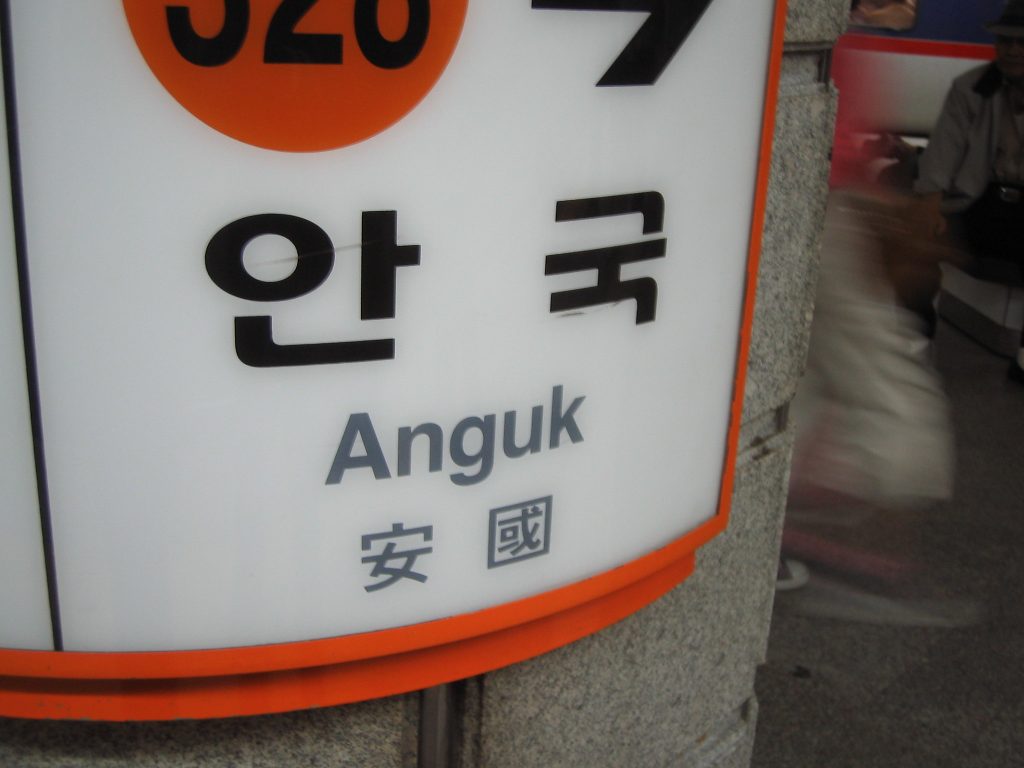
Step out of Anguk Station and you’ll find yourself in Bukchon, but not the crowded main streets everyone photographs. The side alleys here hold workshops where artisans still make traditional Korean paper, pottery, and calligraphy brushes by hand.
Some of these shops have been operating for three generations. The owners don’t push sales—they’re usually too busy working.
If you show genuine interest, they’ll explain their techniques, sometimes in broken English, sometimes through gestures that transcend language.
Mangwon Station – A market that feels like stepping back in time
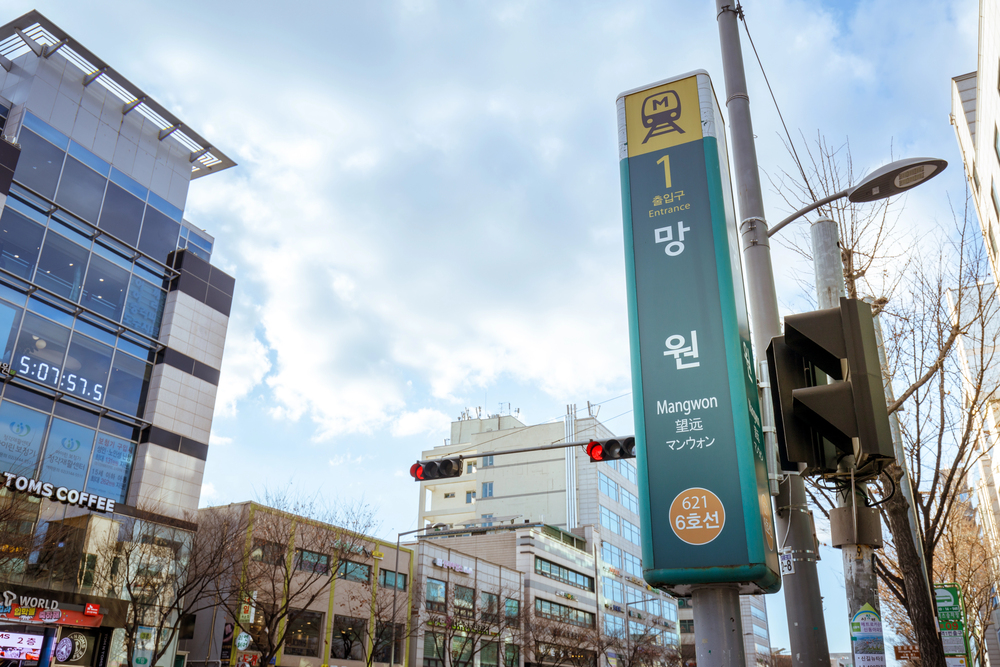
— Photo by artyooran.gmail.com
Mangwon Market operates the way Seoul markets did before modernization swept through. Vendors still call out their prices, ajummas haggle over vegetables, and the whole place smells like fresh kimchi and grilled fish.
The market sits just two minutes from the station exit, but it exists in its own time zone. Thursday evenings bring a night market with food stalls that serve things you won’t find in trendy neighborhoods—bindaetteok that sizzles on ancient griddles, tteokbokki made from recipes passed down through families.
Euljiro 3-ga Station – Where Seoul’s printing history lives on
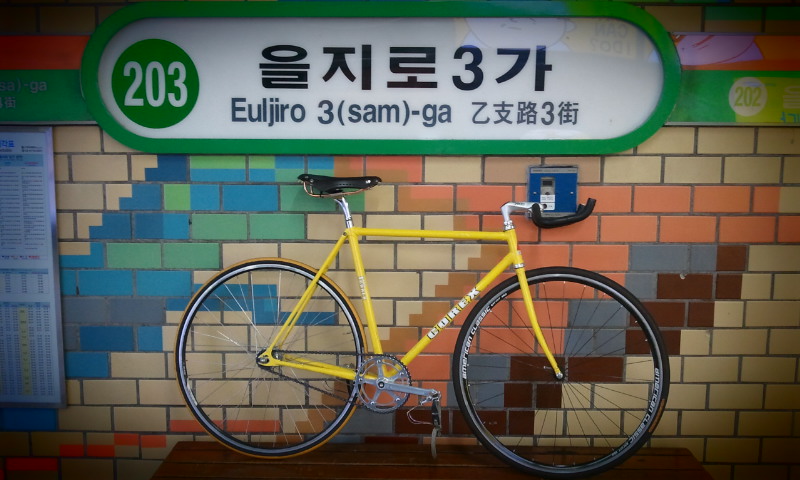
The buildings around Euljiro 3-ga sag under decades of industrial use. Printing presses clank behind metal shutters, and the smell of ink hangs in the air.
This was Seoul’s printing district back when everything was analog, and somehow it survived the city’s rush toward digitalization. Small shops now mix printing equipment with craft beer bars and experimental art spaces.
The collision creates something you can’t find anywhere else—old men running offset presses while twenty-somethings sip IPAs at the cafe next door.
Sindang Station – Tteokbokki alley and nothing else matters
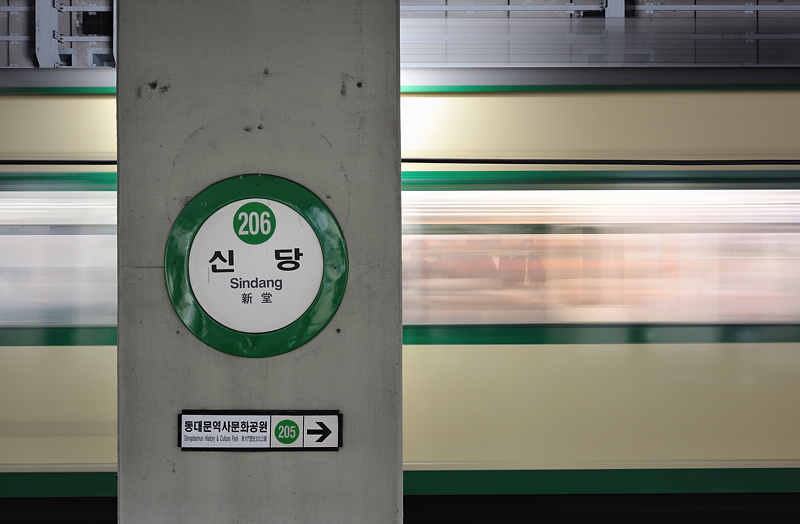
Sindang Station exists for one reason if you’re hungry: Tteokbokki Town. This cluster of restaurants all serve variations on the same spicy rice cake dish, each claiming theirs is the original.
They’re all wrong and all right at the same time. The real joy comes from finding your favorite spot in this cramped alley where steam fogs up the windows and the sauce stains every surface.
Locals have their allegiances. Pick a place that looks busy and join the line.
Hongje Station – Mountain trails that locals actually use
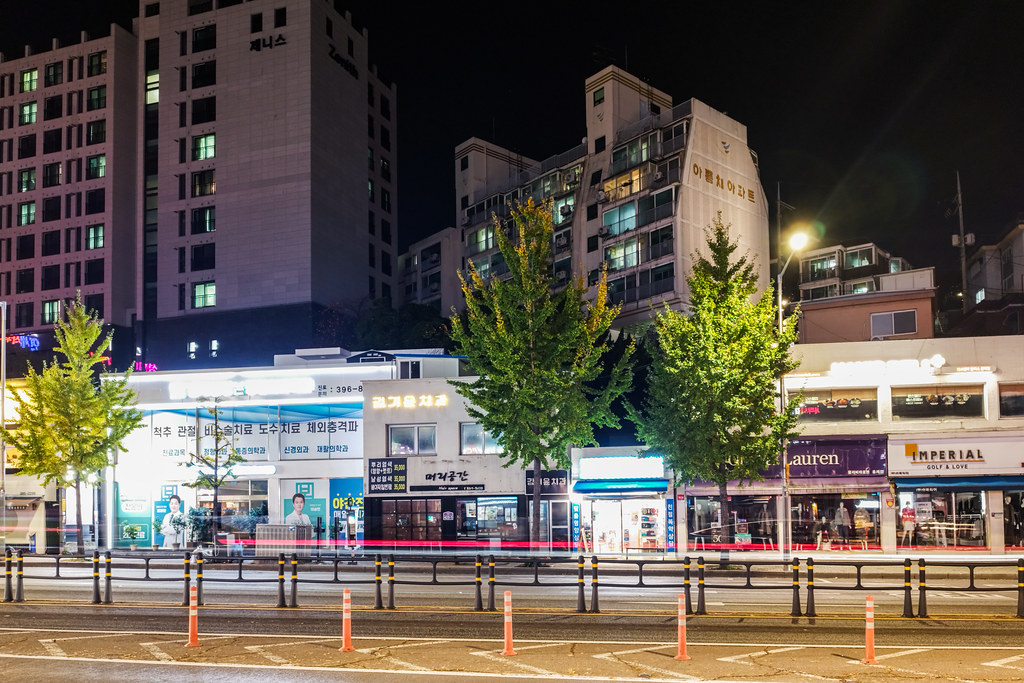
Most tourists head to Bukhansan National Park for hiking, which means crowds and selfie sticks. Hongje Station drops you at the base of Inwangsan, a mountain that feels forgotten by comparison.
The trail winds past shamanic shrines and rock formations that look sculpted by ancient hands. On weekday mornings, you’ll share the path with elderly hikers who make the climb daily, their pace putting younger people to shame.
The summit offers views across Seoul without the tourist infrastructure that clutters other peaks.
Hapjeong Station – Youth culture without the Hongdae prices
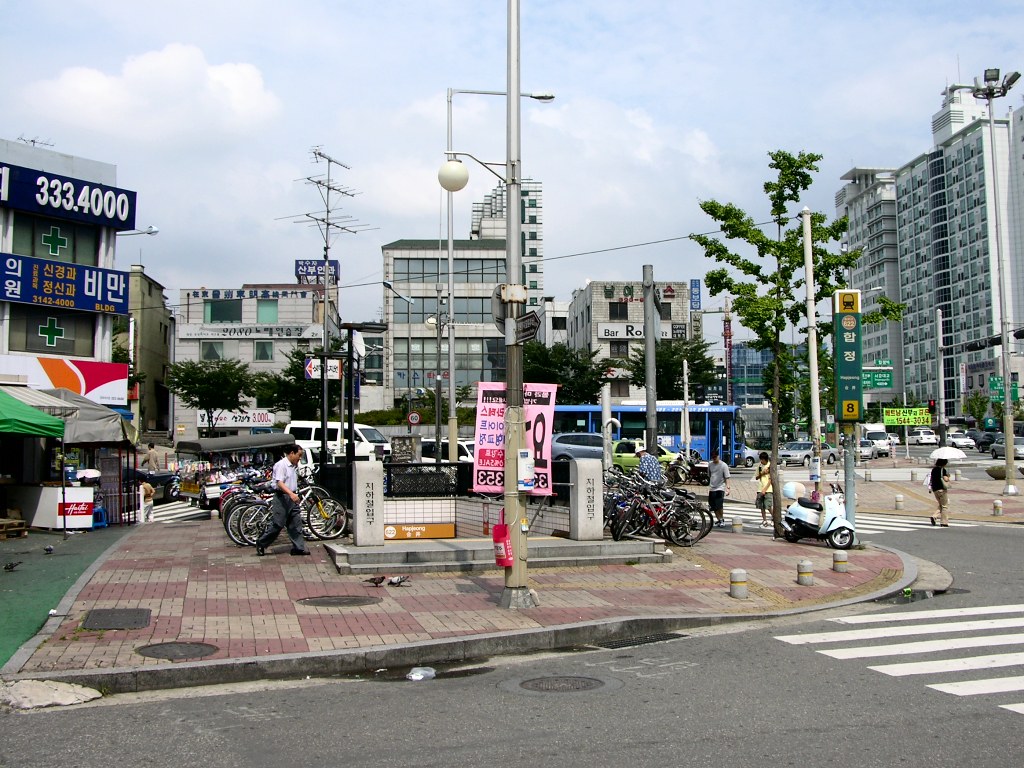
Hapjeong sits one station away from Hongdae, which makes all the difference. The rents stay lower, so the cafes, vintage shops, and live music venues can take more risks.
This is where art students and young musicians actually live, not just perform for tourists. The street art changes monthly because nobody cares enough to whitewash it immediately.
Small galleries occupy second-floor spaces, showing work that’s too experimental for the established art districts. The neighborhood hums with creative energy that hasn’t been commercialized yet.
Gyeongbokgung Station – A palace neighborhood after the crowds leave
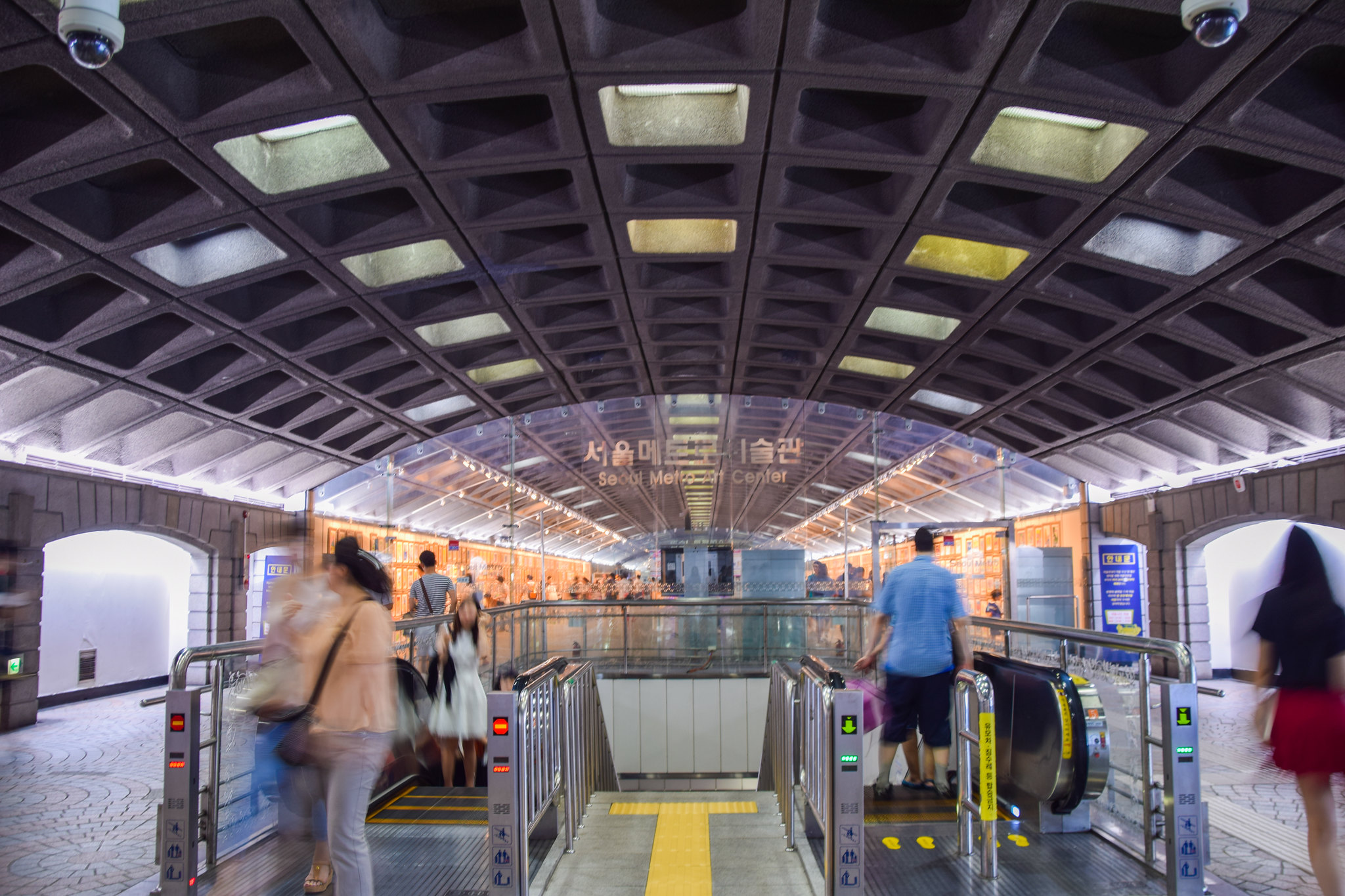
Everyone visits Gyeongbokgung Palace during the day when it’s packed with tour groups. But exit the station in the late afternoon and explore the western side of the palace walls.
The neighborhood here, called Seochon, developed in the shadow of the palace and maintained its traditional architecture without becoming a theme park. Small hanok houses serve as galleries, tea shops, and private residences.
The streets follow the old grid patterns, narrow and winding. This is where you understand what Seoul looked like before concrete towers took over.
Nokbeon Station – The chicken alley that defies logic
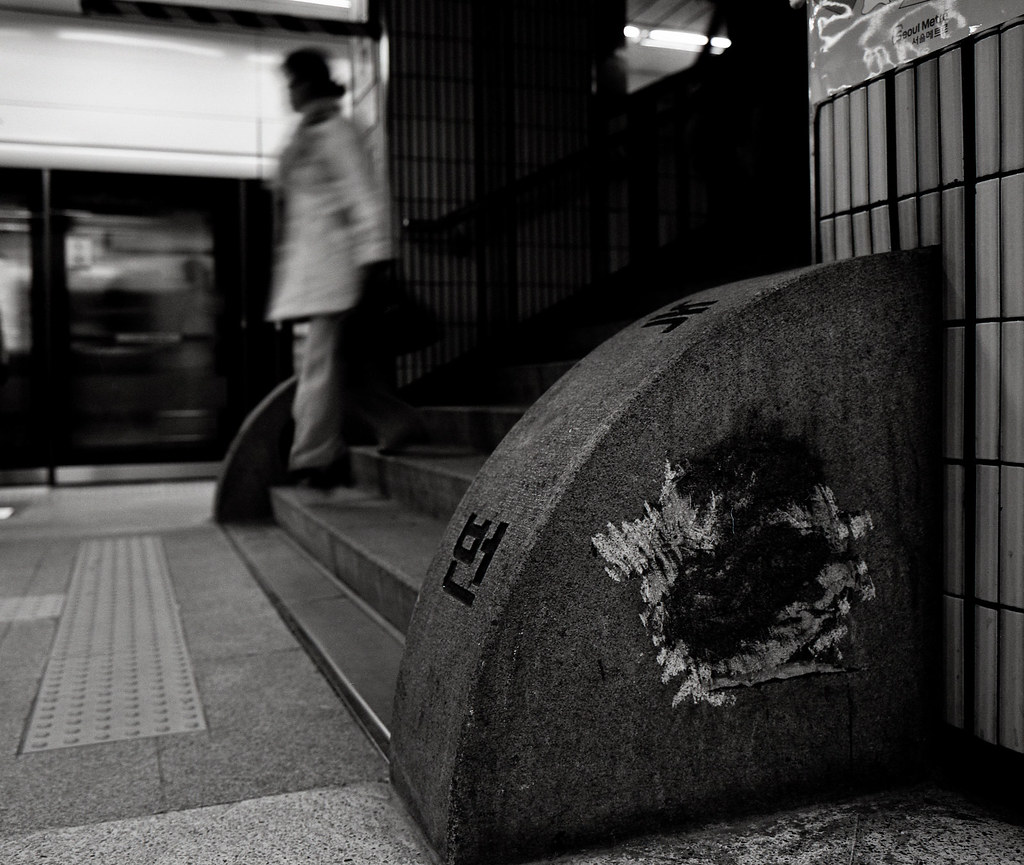
Nokbeon Station serves a quiet residential area with one inexplicable feature: an entire alley dedicated to fried chicken restaurants. Nobody knows why they all clustered here, but now you can compare a dozen different approaches to the same dish within a hundred-meter stretch.
Each place has regulars who swear their spot serves the best chicken in Seoul. The competition keeps quality high and prices reasonable.
Go on a weekday evening when locals fill the tables and the beer flows freely.
Seokchon Lake Station – A lake district that’s not touristy
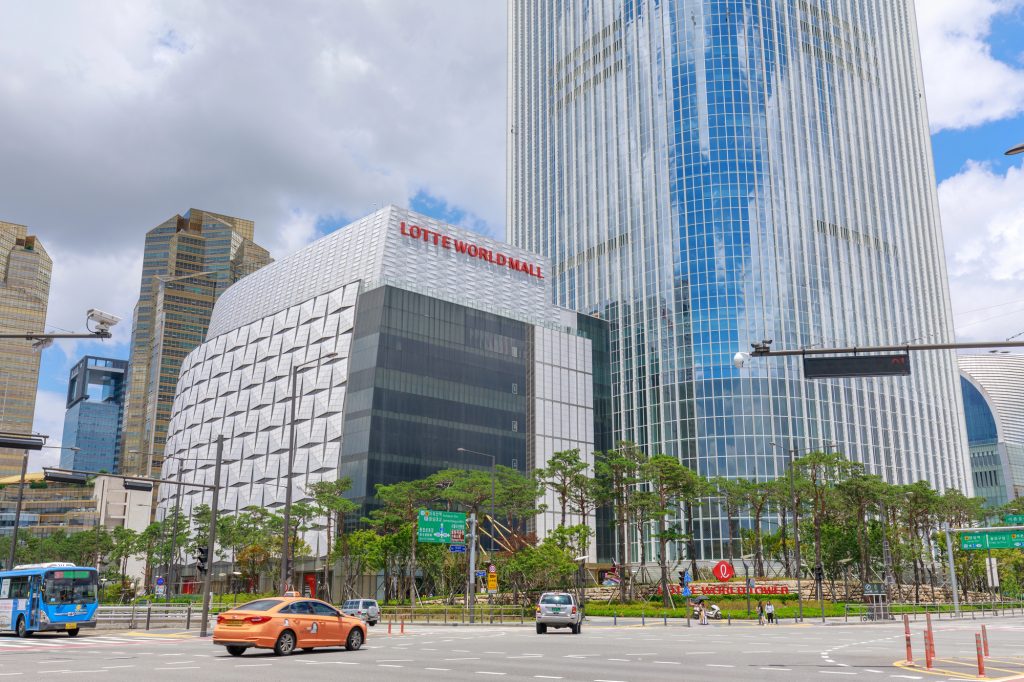
Seokchon Lake sits near Lotte World, which means most people assume it’s part of the theme park scene. It’s not.
The lake loop offers a perfect walking path that Songpa district residents use for evening strolls and morning runs. Cherry trees ring the water, putting on a show every spring that rivals the famous spots without the crushing crowds.
Small cafes face the lake, their outdoor seating perfect for watching the sunset reflect off the water. This is Seoul at its most livable—designed for actual residents, not visitors.
Sinseol-dong Station – A retro shopping mall frozen in 1980
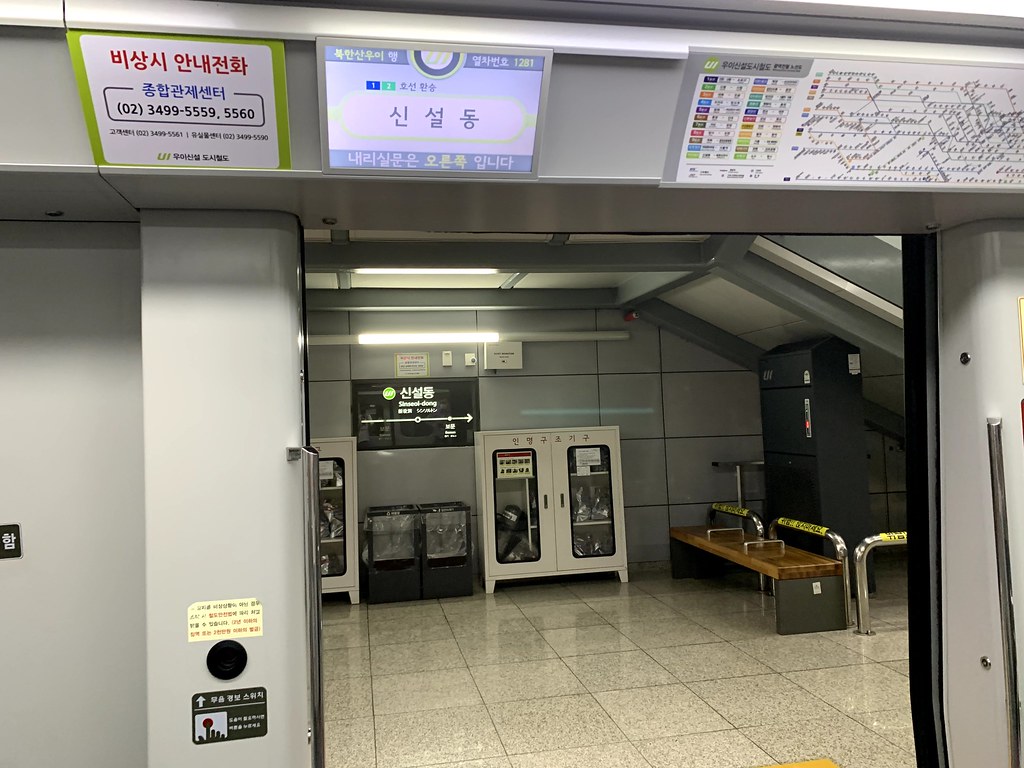
Sinseol-dong Station connects to a shopping center that refuses to modernize. The Sindongbang Market here looks exactly like Korean shopping districts did forty years ago—narrow corridors lined with tiny shops, fluorescent lights flickering overhead, vendors sitting on stools waiting for customers.
You can buy anything from sewing supplies to vintage electronics to Korean traditional clothing. The prices reflect the old economy.
Nothing here cares about Instagram aesthetics, which makes it deeply authentic in a city that’s constantly renovating itself.
Itaewon Station – Beyond the main street’s international chaos
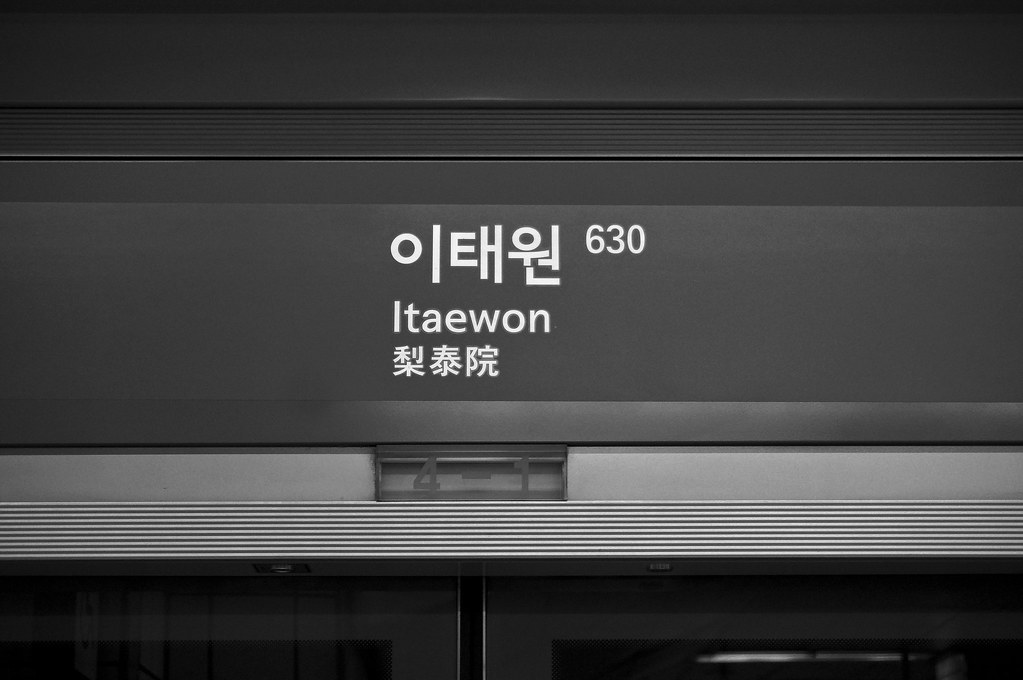
Everyone knows Itaewon’s main drag with its bars, restaurants, and international crowds. But climb the hill toward Haebangchon and you’ll find a completely different neighborhood.
This former army base village transformed into an artist community without losing its rough edges. Small galleries occupy converted houses, and independent cafes serve excellent coffee without attitude.
The neighborhood still has a working-class feel despite the creeping gentrification. Walk these steep streets and you’ll discover murals, tiny bookshops, and views across Seoul that make the climb worthwhile.
Wangsimni Station – A traditional market that’s all business
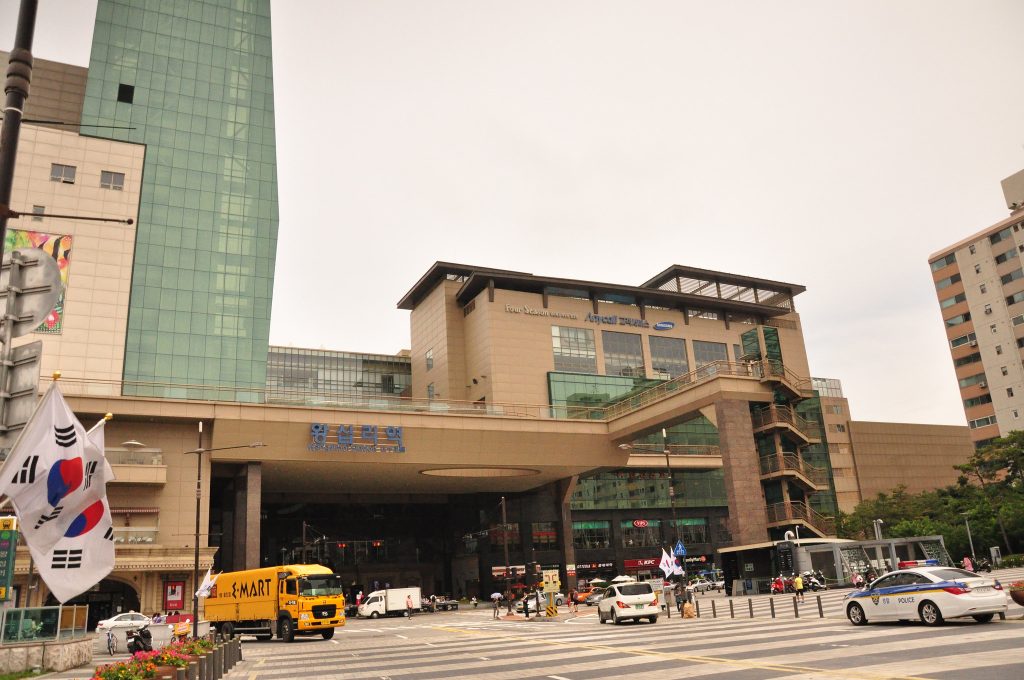
Wangsimni Market doesn’t perform for cameras. It exists to feed the neighborhood, which means fresh produce at prices that make sense, meat shops where butchers still break down whole animals, and side dish vendors selling kimchi in quantities meant for families, not tourists.
The covered market protects shoppers from weather while maintaining that controlled chaos of competing vendors. Go in the morning when everything’s freshest and the energy peaks.
This is where you see how Seoul actually feeds itself.
Sungshin Women’s University Station – Student neighborhood culture without Hongdae’s scene
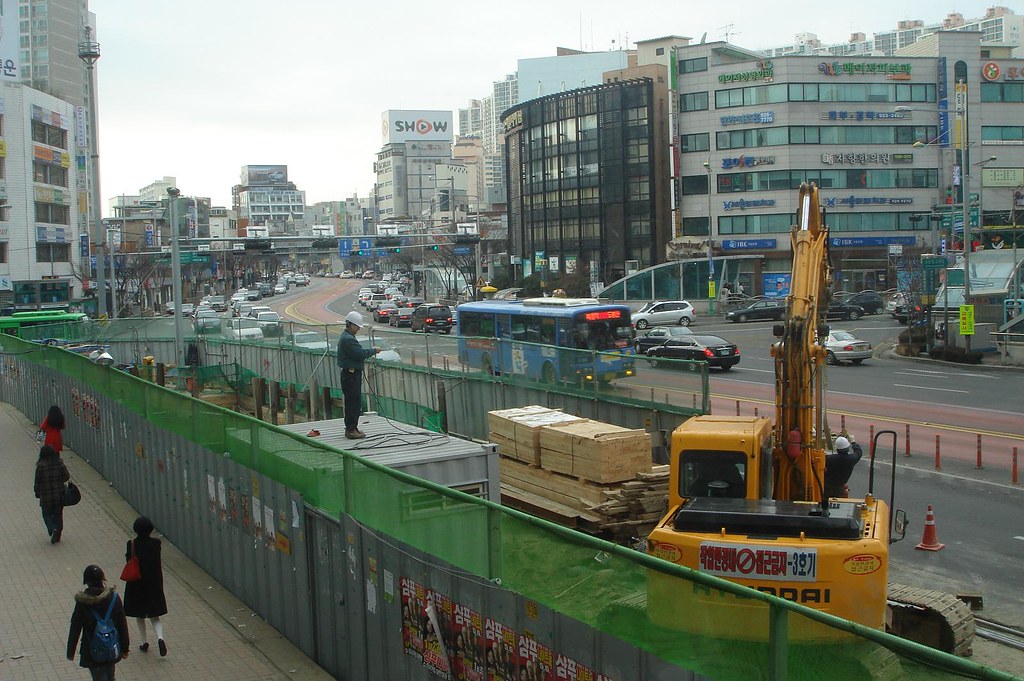
This station serves a women’s university, which shapes the neighborhood’s entire character. The streets surrounding it cater to young women on student budgets—cheap eats, affordable fashion, and cozy cafes that prioritize atmosphere over prices.
The vibe stays mellow compared to other university areas. Nobody’s trying to be cool here, they’re just living their daily lives.
The result feels more genuine than neighborhoods that market themselves to tourists. Small boutiques sell unique pieces, not mass-produced trends.
Jongno 3-ga Station – Where Seoul’s LGBTQ+ community quietly exists
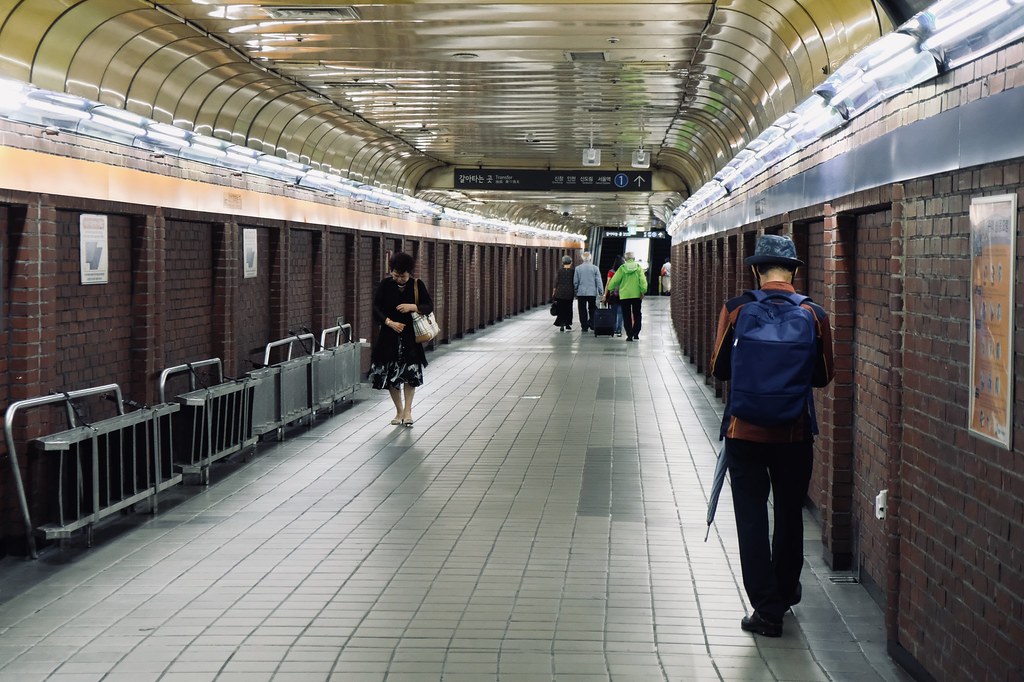
Seoul’s queer scene doesn’t advertise itself loudly, but Jongno 3-ga hosts a small cluster of gay bars and cafes that have operated for decades. These places maintain a low profile, their entrances unmarked, their presence known through word of mouth.
The neighborhood around them mixes this quiet nightlife with traditional hanok buildings and older businesses that have coexisted peacefully for years. It’s a reminder that Seoul contains multitudes, even when they don’t always shout for attention.
Dongmyo Station – A flea market that sells actual used goods
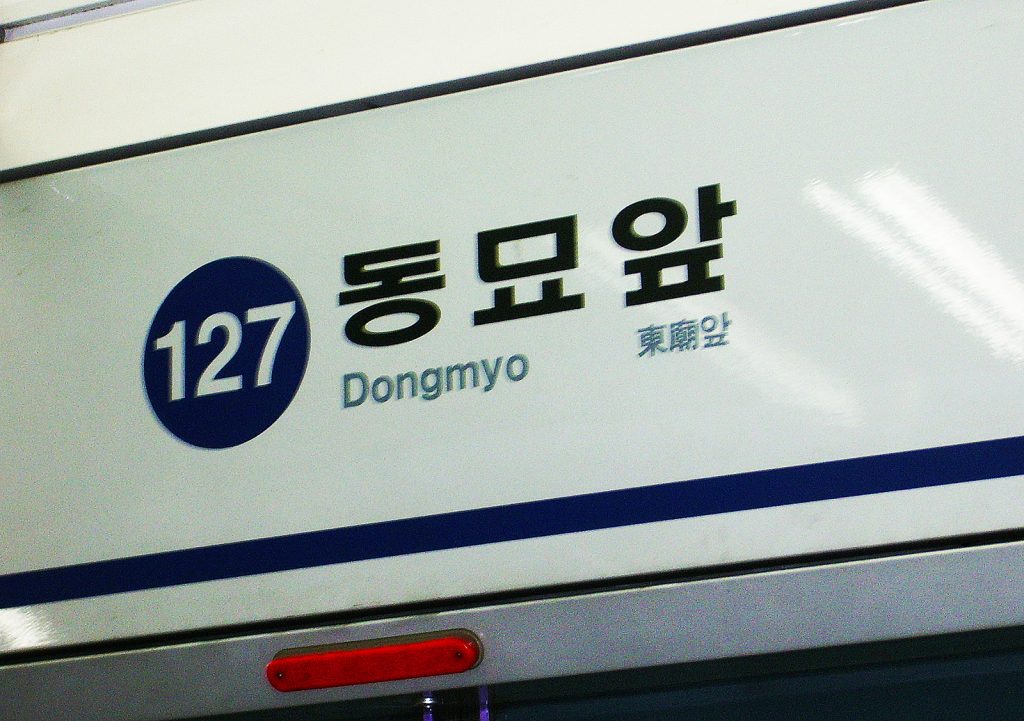
Dongmyo Flea Market operates on a scale that overwhelms first-timers. Vendors spread their wares across the plaza and into the surrounding streets—used clothing, vintage furniture, random electronics, Buddhist artifacts, military surplus, and items that defy categorization. Everything here has history, wear, and the patina of real use.
Prices start low and drop lower if you bargain. Come early on weekends when the market peaks, but be ready to dig through piles and get your hands dirty.
The treasures exist, but you have to hunt.
Korea University Station – Beyond the campus gates
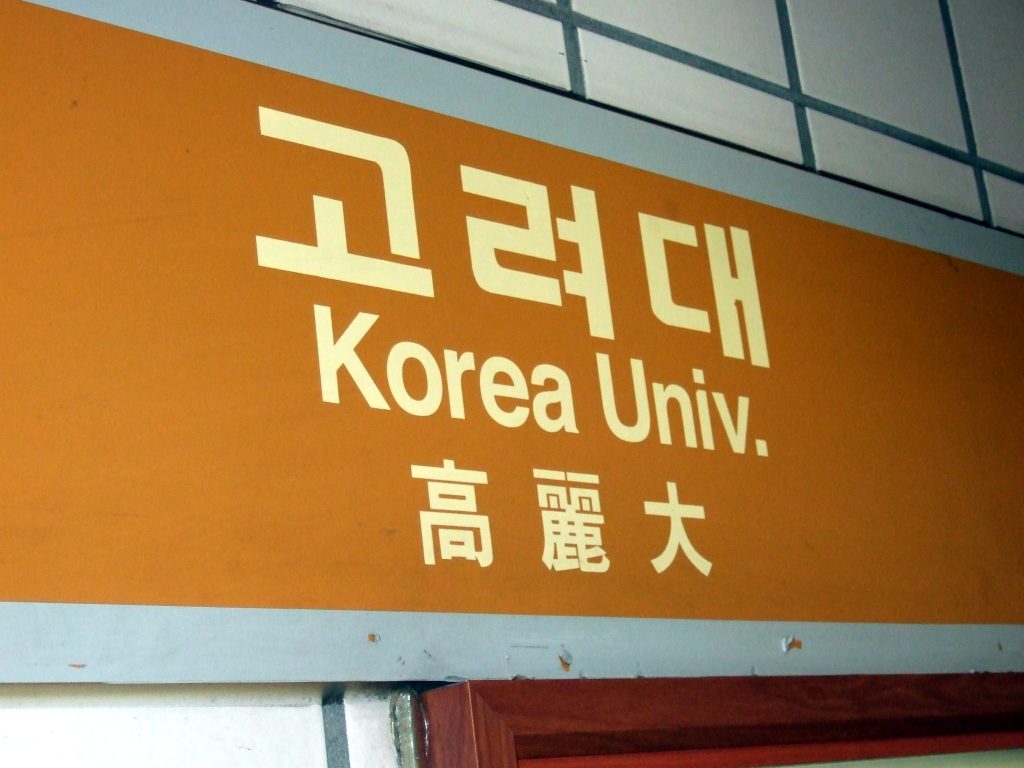
Korea University’s reputation draws attention to its campus, but the station area offers its own appeal. Student-oriented businesses line the streets—bookshops selling used textbooks, affordable restaurants serving generous portions, PC rooms where gamers spend hours, and cheap bars where students gather after exams.
The neighborhood pulses with youthful energy but maintains lower prices than tourist areas. Small venues host live music and comedy shows, providing entertainment without the cover charges that plague trendier districts.
This is Seoul’s student life without the polish.
Mullae Station – An industrial neighborhood turned creative district
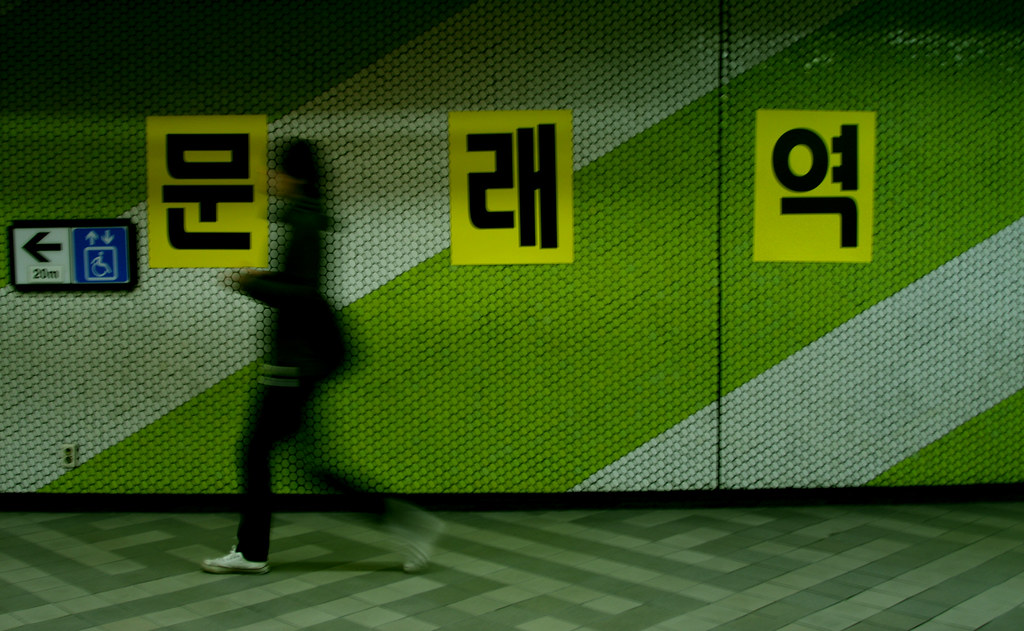
Mullae-dong used to be Seoul’s hub for metalwork; now, old workshops stand next to art spots and small live-music joints. Rusty metal bits stack up in alleys, flashes burst from welders’ stations, while drills rumble under guitar riffs drifting out of rehearsal rooms.
This mix? It sparks something real. Paintings hang near hardware stores, coffee shops feed both machinists and artists without making a fuss about it.
No one tried to clean things up too much – so it feels true, nothing fake or forced like those polished culture zones you see elsewhere.
Once something common turns special
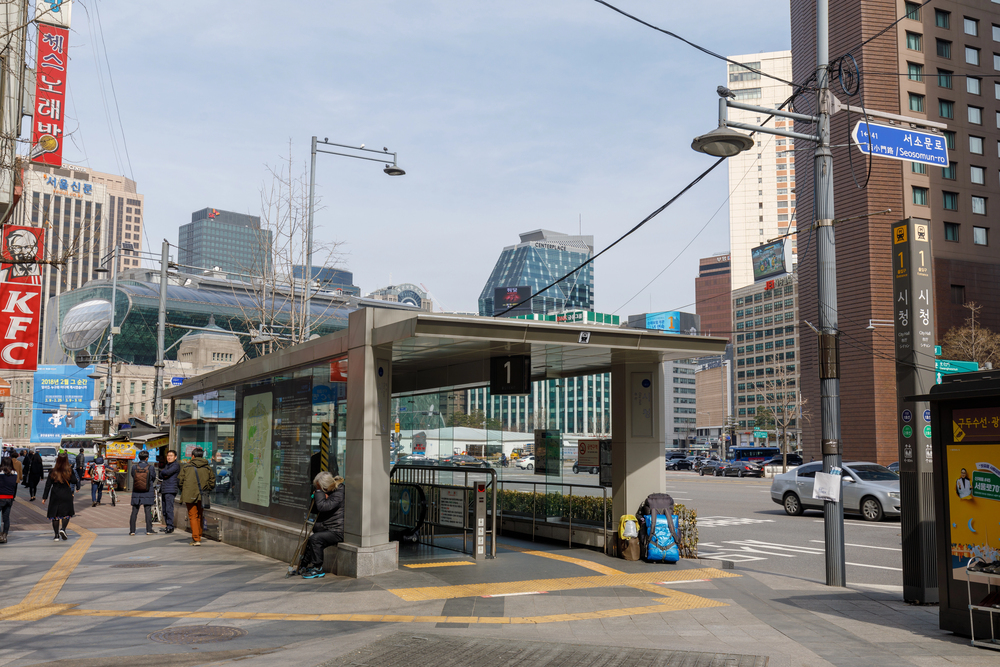
— Photo by artyooran.gmail.com
These seventeen spots aren’t about big names or tourist traps – no iconic sights, no fancy titles, none of that crowd-favorite nonsense. Instead, they show real Seoul moments, places shaped slowly by time, not corporate plans.
You won’t find crowds lining up for staged shots here. What you get is grittier, truer, built through years of living. And honestly? These so-called secrets are out in the open.
They’re simply spots acting like they always have, staying there for locals instead of travelers rushing by. Every now and then, that’s precisely why you’d want to seek them out.
More from Travel Pug

- Underrated Italian Towns That Beat the Tourist Crowds
- Las Vegas Tourist Traps to Skip
- Prettiest Towns in Every US State
- 18 passport-free countries for Americans
- Signs Your Cruise Is Not Worth The Cost
Like Travel Pug’s content? Follow us on MSN.