

South America’s borders handle millions of crossings each year, yet many travelers still find themselves caught off guard by unexpected requirements or lengthy delays. Unlike the EU, border crossings in South America can be complex since there’s no agreement like the Schengen Zone, making preparation essential for smooth travel.
Here’s a comprehensive guide to navigating South America’s international borders, covering everything from essential documents to practical strategies that can save you hours at crossing points.
Check visa requirements for your nationality
Most citizens from the US, Canada, UK, Australia, New Zealand, and EU countries don’t need visas for most South American countries and receive 90-day tourist permits upon arrival. But there are important exceptions.
Americans must obtain visas for Bolivia ($160 USD, valid for 10 years) and can get them at consulates or some airports and land borders. Brazil recently changed its rules — US, Canadian, and Australian passport holders now need e-visas as of January 2024. Still confused? Check your specific passport against each country’s current requirements before you travel.
Bring crisp US dollar bills for fees

Cash is king at South American borders. For example, Bolivia requires Americans to pay their $135 visa fee in pristine American bills — any old or torn notes are likely to be rejected.
Argentina charges reciprocity fees for some nationalities that must be paid online in advance. The smell of fresh bills might actually matter here — border officials can be picky about bill condition.
Get yellow fever vaccination and carry the certificate
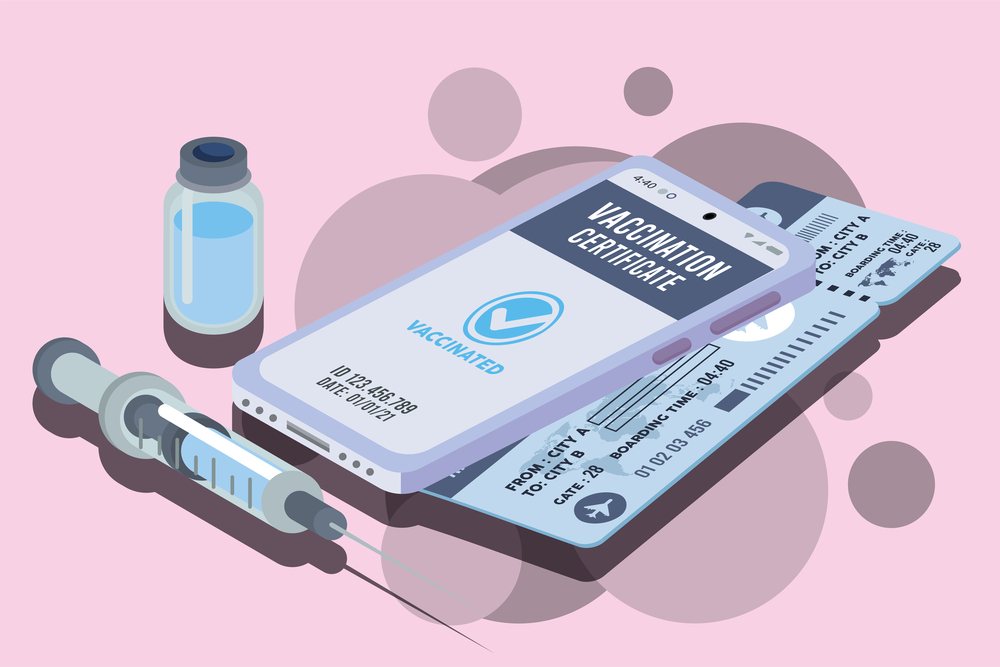
Several countries in South America require a yellow fever vaccination certificate if you’re coming from a country where yellow fever exists. The CDC currently has travel health notices for yellow fever in Bolivia, Brazil, Colombia, and Peru.
Get vaccinated at least 10 days before travel and always carry the original certificate plus copies. Some officials won’t accept digital versions alone.
Ensure your passport has six months’ validity
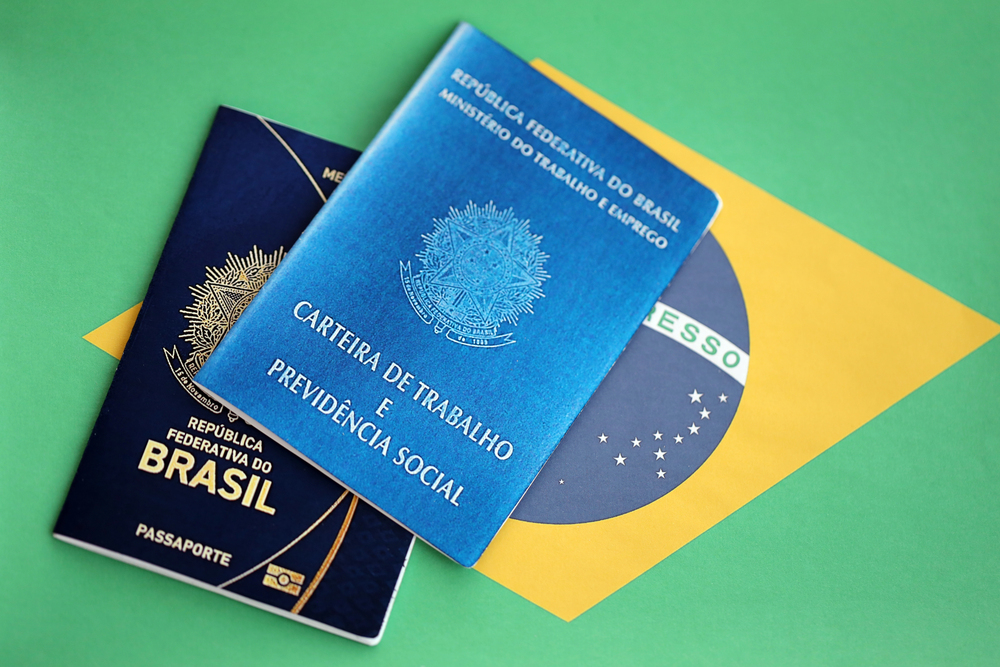
Most South American countries require that your passport is valid for at least 6 months from your travel date. And you’ll need blank pages — lots of them.
Make sure you have enough blank pages for all required visas plus one or two spare pages. Nothing is worse than being turned away because page 23 has a tiny coffee stain.
Prepare proof of onward travel

Countries like Ecuador, Venezuela, and Brazil can demand proof of onward travel to show you’ll leave when you say you will. Bus tickets work sometimes. Flight tickets work better.
They won’t accept the typical backpacking story that you’re traveling by land and don’t know when you’ll leave. Book a refundable flight or use onward ticket services if you’re winging it.
Learn basic Spanish phrases

Immigration officials in South America often speak little to no English, so prepare accordingly with basic phrases. “¿Dónde está inmigración?” (Where is immigration?) might be the most important phrase you learn.
Master these: entry stamp (sello de entrada), exit stamp (sello de salida), passport (pasaporte), visa (visa), and how long you’re staying (cuánto tiempo va a estar). Simple words can prevent complicated misunderstandings.
Make multiple copies of important documents
Laminated copies of your passport and documents are great for avoiding losing real documents — most police and border officers are happy to see laminated copies instead of originals. Smart move.
But also carry regular photocopies. Border officials often request to keep copies of your documents, but the copy shop might be closed or too far away. Bring multiple copies of everything important.
Budget for unexpected border fees
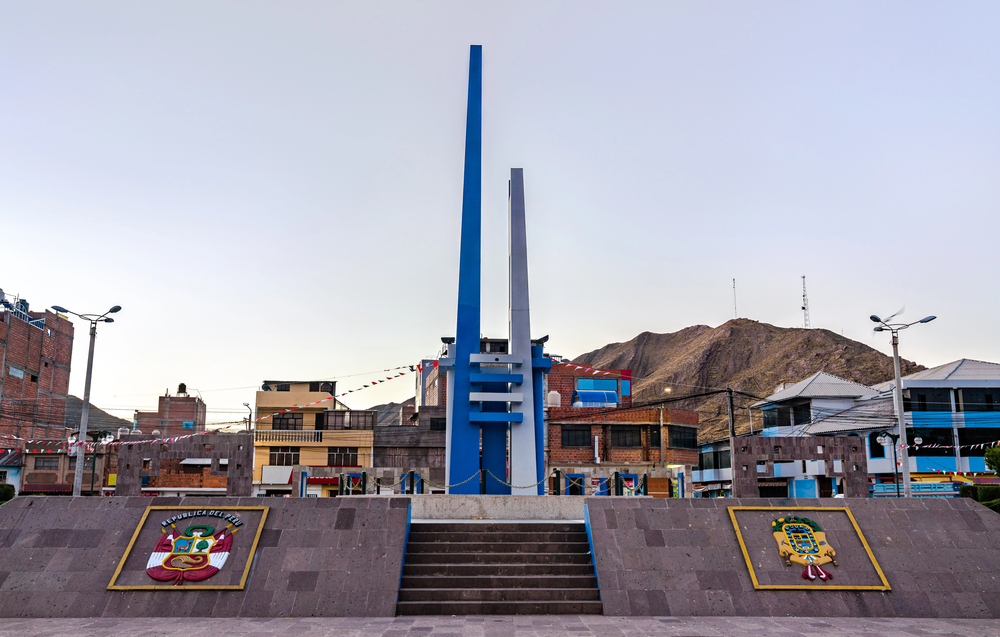
Beyond official visa costs, borders can surprise you with various fees. Bolivia charges a $25 departure tax, and Ecuador has the same exit fee. Some borders have “administrative fees” that appear out of nowhere.
Keep extra cash hidden for these situations. Sometimes these fees are legitimate. Sometimes they’re not. Either way, having cash options helps you move forward.
Understand land border procedures
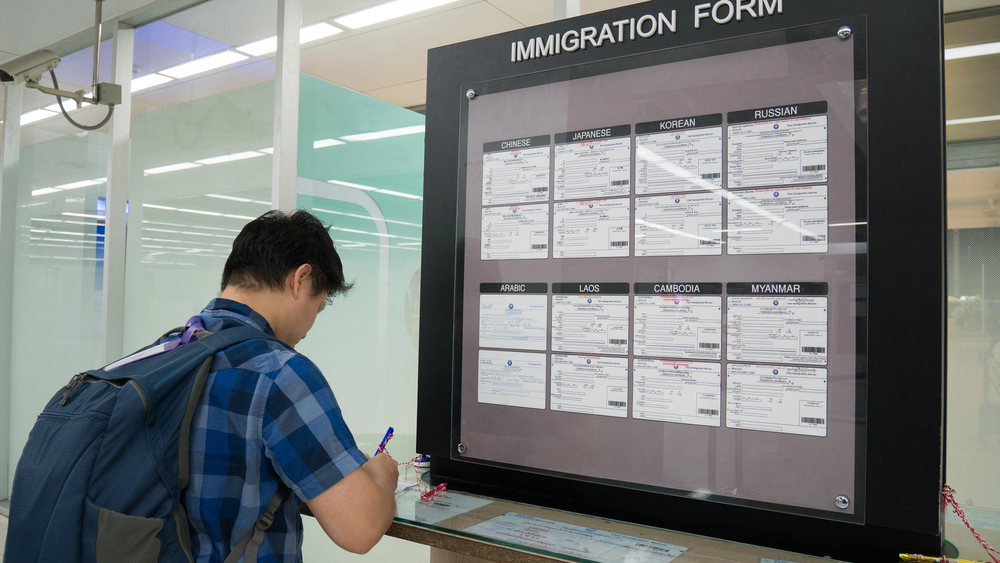
Land crossings can be more complex since you’re responsible for finding immigration offices, which sometimes aren’t clearly signed and may not be open 24 hours. But they usually ask fewer questions about your itinerary.
Buses often won’t stop at immigration, so tell the driver you need to get off for your stamp before leaving the country. Walk across no-man’s land to the next country’s immigration office. Get your entry stamp. Find the next bus.
Expect delays and bring patience

Border guards work in jobs that are often understaffed, extremely remote, and occasionally highly isolated — having an angry backpacker venting at them doesn’t help. Take it slow. Expect massive delays.
Border crossings are often excellent ways to meet new travelers — some of the closest friendships form during ridiculously long waits. Bring snacks, water, and your best attitude.
Know about temporary vehicle permits
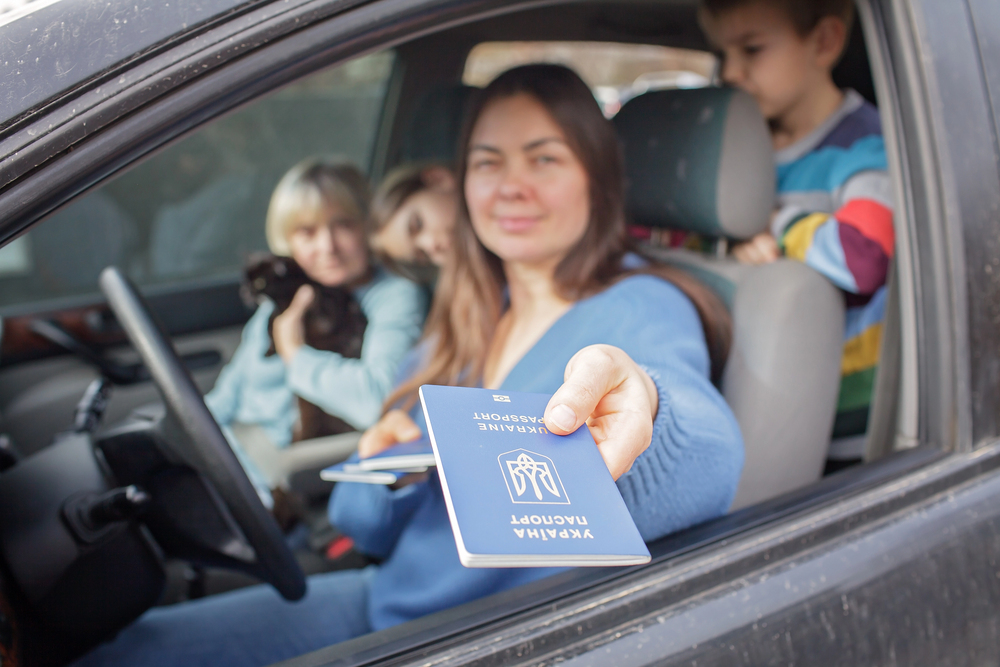
Planning to cross with a motorcycle or car? You’ll need a Temporary Vehicle Import Permit (permiso de importación temporal de vehículos) for each country — this shows you entered with your vehicle and are leaving with it.
This prevents you from selling your fancy bike illegally. The paperwork matters more than you’d think. And yes, Carnet de Passage is not required in any South American country regardless of nationality.
Time your crossings strategically

Avoid long weekends and holidays when possible. One traveler’s border crossing took eight hours instead of six during a long weekend due to increased traffic. Border posts often have reduced hours on holidays.
Early morning crossings usually move faster than afternoon rushes. Some remote borders close for lunch breaks — yes, really.
Keep receipts for everything

Keep receipts for everything, including:
- Visa payments and reciprocity fees
- Vaccination certificates
- Hotel bookings and tour confirmations
- Transportation tickets
- Travel insurance documents
Officials love paperwork. The more official stamps and receipts you have, the smoother your crossing will likely be.
Research country-specific entry requirements
Each country has quirks. Canadian passport holders entering Bolivia only get 30 days initially and must visit immigration offices for extensions. Bolivia requires specific documents, including yellow fever certificates, onward tickets, bank statements, and hotel reservations.
Chile has reciprocity fees for some nationalities. Argentina’s fees must be paid online before arrival. Details matter.
Download translation apps
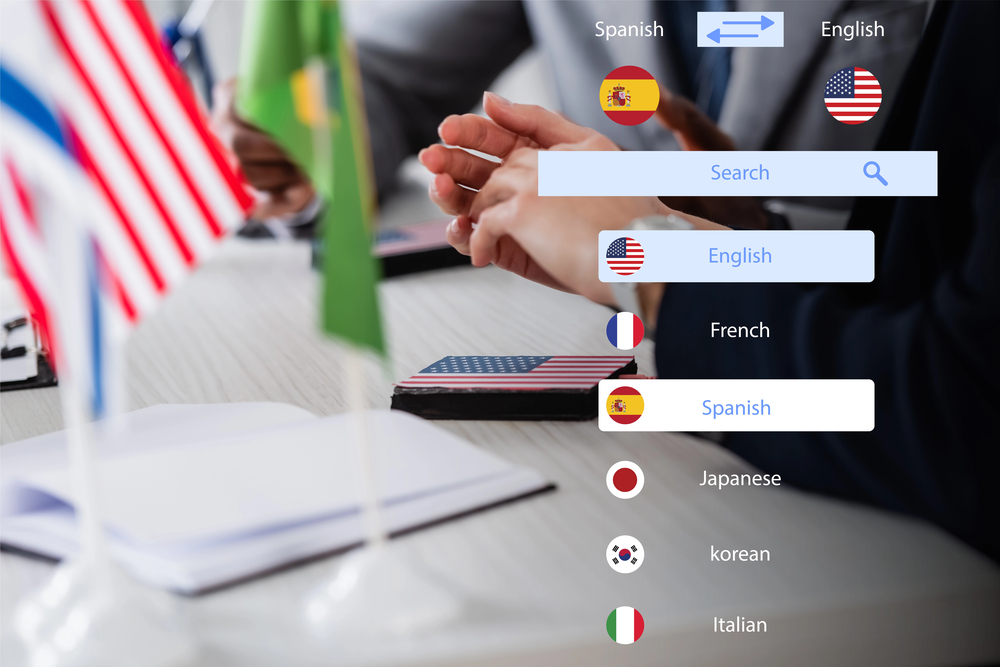
When basic Spanish fails, technology helps. Download Google Translate with offline Spanish packs before crossing remote borders where internet might be spotty.
The camera translation feature works well for reading official signs and documents. Voice translation can help with complex conversations about visa requirements.
Have backup plans for rejected crossings

Sometimes you get turned away. Know alternative routes and backup accommodations near border towns. If you encounter difficult guards or sudden drug searches, having patience and alternative plans helps.
Research nearby towns on both sides of borders. Some have decent hotels. Others have questionable accommodations that make bus seats look comfortable.
Double-check exit stamp requirements

Bolivia requires that your passport contains a Bolivia entry stamp — without this, you’ll pay fines when leaving. If you enter Bolivia overland, ensure your passport gets stamped on both sides with an exit stamp from your previous country and entry stamp on the Bolivian side.
Missing stamps create expensive problems later. Always verify you have proper entry stamps before leaving border areas.
Planning makes the difference
— Photo by illuminaphoto
Border crossings in South America are among the least complicated globally with proper preparation and attitude. The continent’s borders can be chaotic and entertaining, but they’re manageable when you know what to expect. Research requirements, prepare documents, bring patience, and remember that every successful crossing gets you closer to your next South American adventure.
Most importantly — when something goes wrong, stay calm and flexible. The best border crossing stories usually involve the most unexpected delays.
More from Travel Pug

- 20 Best Beach Towns in the Carolinas
- 13 Destinations Where Tourists Regularly Regret Their Trip
- 20 Things You Actually Get in First Class
- 20 Small Airports With Aviation Museums
- 20 Places in the U.S. That Are Perfect for a Reset Trip
Like Travel Pug’s content? Follow us on MSN.