

Bike-share systems promise a faster, greener way to cross a city, and in plenty of places that promise holds up. But dense downtown cores, heavy pedestrian zones, steep streets, and the logistics of finding and returning a bike can turn a supposedly quick ride into a slower trip than simply walking the same route.
None of this makes these systems bad. It means the advertised speed advantage depends heavily on distance, terrain, street layout, and time of day.
Regular riders learn that there are certain short trips where the bike adds more logistics than time savings.
Citi Bike in Midtown Manhattan
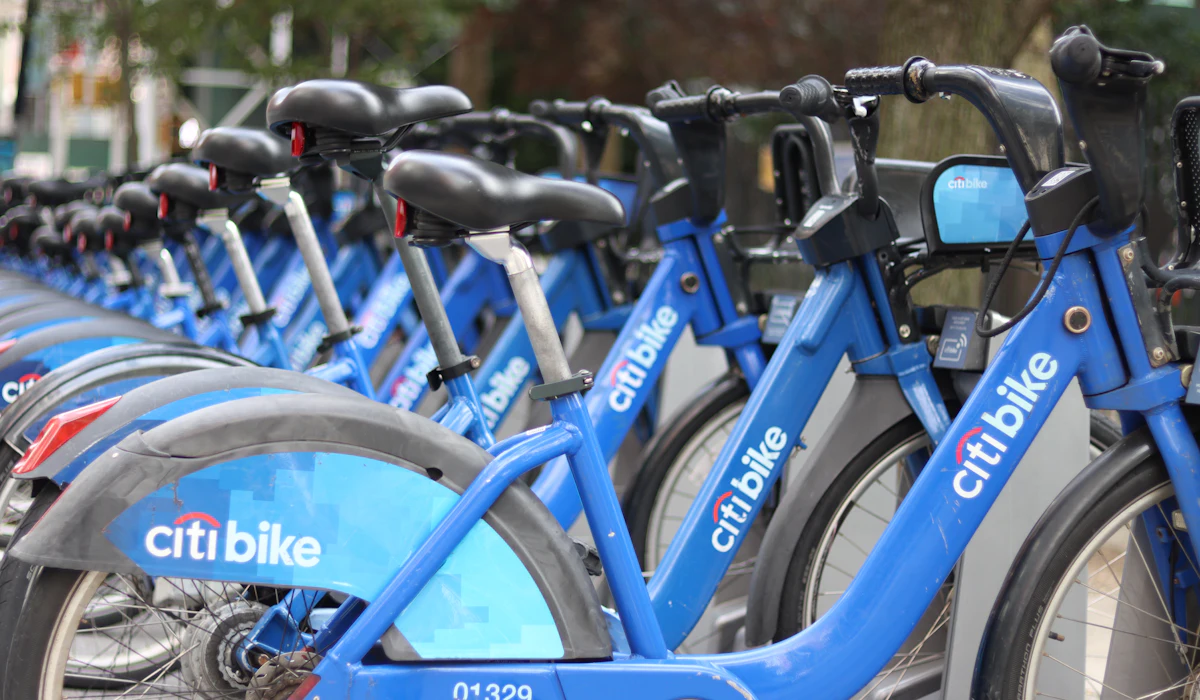
Citi Bike works well for longer crosstown trips, but short trips through dense Midtown Manhattan can lose some of that advantage once traffic, one-way streets, busy intersections, and bike availability are factored in. Riders also need to consider whether there will be an open dock near the destination, although the Citi Bike app shows both available bikes and open docks.
For a trip that is already only a few blocks, walking can be the simpler option.
Santander Cycles in Central London
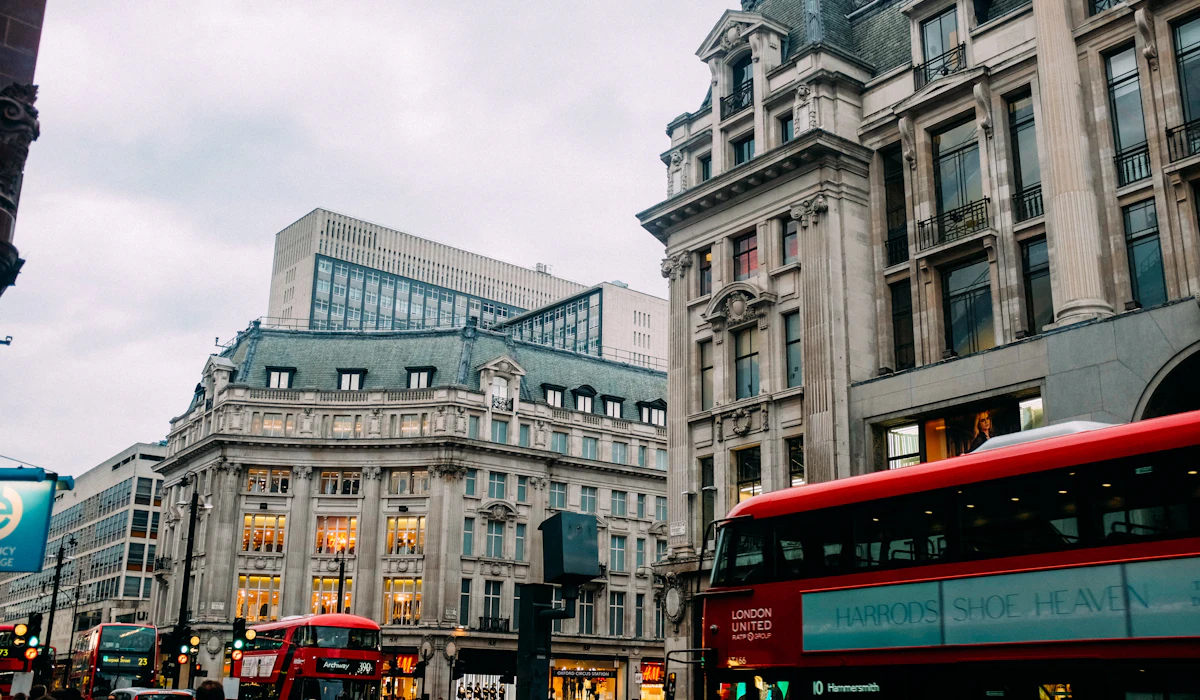
Central London’s Santander Cycles system has thousands of bikes spread across hundreds of docking stations, but the busiest parts of the city can still create logistical delays. TfL even operates staffed hubs at several high-demand stations to help rebalance bikes and open docking space.
On a very short trip through areas such as the City of London or around Covent Garden, navigating traffic and then finding a place to return the bike can eliminate much of the time advantage over walking.
Vélib’ in Central Paris

Vélib’ is one of Paris’s major transportation systems, but short trips through the tightly packed central arrondissements can be less straightforward than the map suggests. Narrow streets, heavy pedestrian traffic, busy intersections, and the need to locate and return a bike all add small delays.
When the destination is only a few blocks away, walking can compete surprisingly well with the bike, particularly in areas where the street network makes a direct cycling route difficult.
Divvy in Chicago’s Loop

Divvy serves the Loop well for longer trips, but short rides through the dense financial district can lose their advantage when pedestrian traffic, intersections, construction, and the need to locate a station are added to the equation. Divvy requires riders to finish trips by docking at a station, so the destination station matters just as much as the starting point.
For only a few blocks, walking can be simpler.
Capital Bikeshare Near the National Mall

Capital Bikeshare is particularly useful around the National Mall, which has numerous stations and extensive car-free paths. But that same layout can make the bike unnecessary for very short sightseeing hops between monuments.
A visitor who has to unlock a bike, ride a short distance, locate a suitable station, and walk the final stretch may not save much time over simply following the Mall’s pedestrian paths.
Bluebikes in Downtown Boston

Boston’s narrow streets and irregular historic layout can create extra work for bike-share riders making short trips through the downtown core. Bluebikes is well suited to longer journeys across the Boston area, but a few-block trip can involve one-way streets, busy intersections, pedestrians, and the need to find a convenient station at the other end.
In the oldest parts of the city, walking often remains the most direct option.
Bicing in Barcelona’s Gothic Quarter

Bicing is useful throughout Barcelona, but the Gothic Quarter is a different environment from the city’s broader cycling network. Narrow medieval streets, pedestrian-heavy areas, and restricted vehicle access make some routes awkward for cycling.
Stations around the neighborhood’s edges can also mean that the bike ride ends with a walk anyway. For short trips through the historic core, walking often fits the street layout better.
Bike-Share Bikes in Central Amsterdam
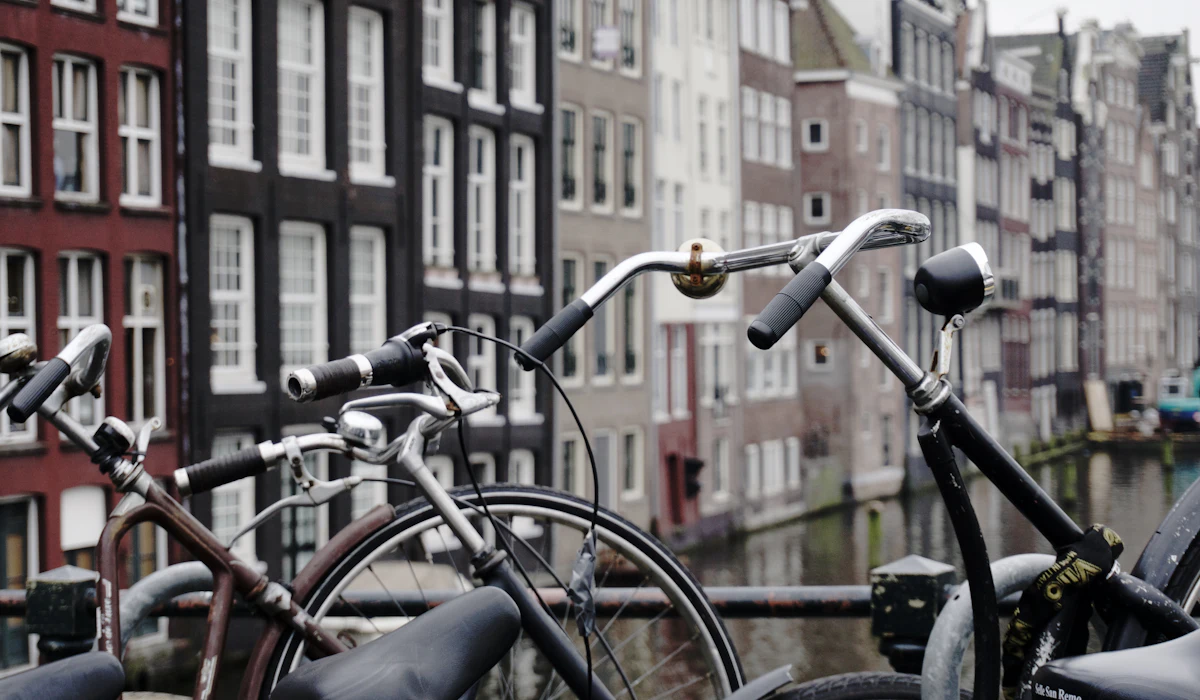
Amsterdam is one of Europe’s great cycling cities, but its central core can be challenging for visitors who are unfamiliar with the local system. Official guidance warns that cycling can be hectic for newcomers and specifically highlights tram rails, traffic rules, pedestrian areas, and proper parking.
On a very short trip through the canal ring, a visitor who has to navigate those conditions cautiously may not save much time compared with walking.
BIXI in Old Montreal
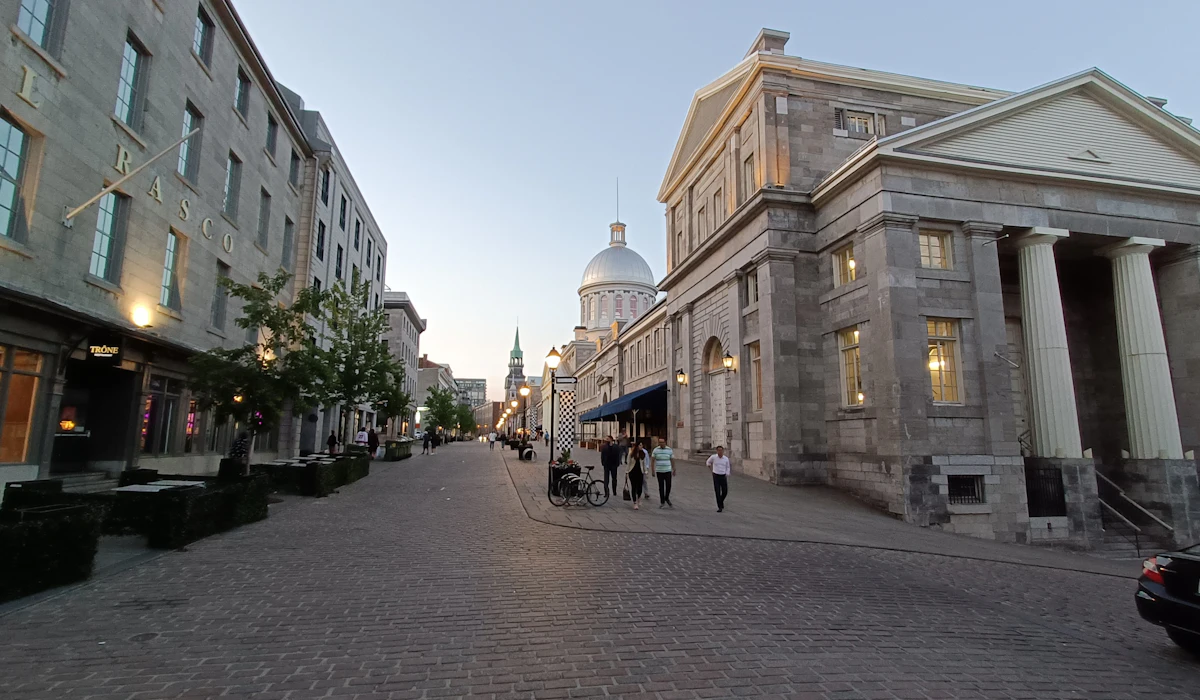
Old Montreal’s cobblestone streets and compact historic layout can make short BIXI trips less efficient than they initially appear. The neighborhood is small enough that many destinations are already within a comfortable walk, while riders still have to account for station locations and the possibility that a convenient dock is unavailable.
BIXI has introduced designated drop-off stations and active rebalancing in busy areas, but the basic short-trip calculation remains the same: sometimes the walk is simply easier.
Nextbike in Central Munich

Munich’s pedestrian-heavy center presents one of the clearest cases for choosing to walk. Marienplatz is within a pedestrian zone, and the city’s visitor guidance specifically tells cyclists to walk their bikes there, particularly during busy periods.
A rider approaching the central square may therefore have to dismount and walk through the most important part of the route anyway. For short sightseeing trips around the old town, that can erase the advantage of starting on a bike.
Ecobici in Mexico City’s Centro Histórico
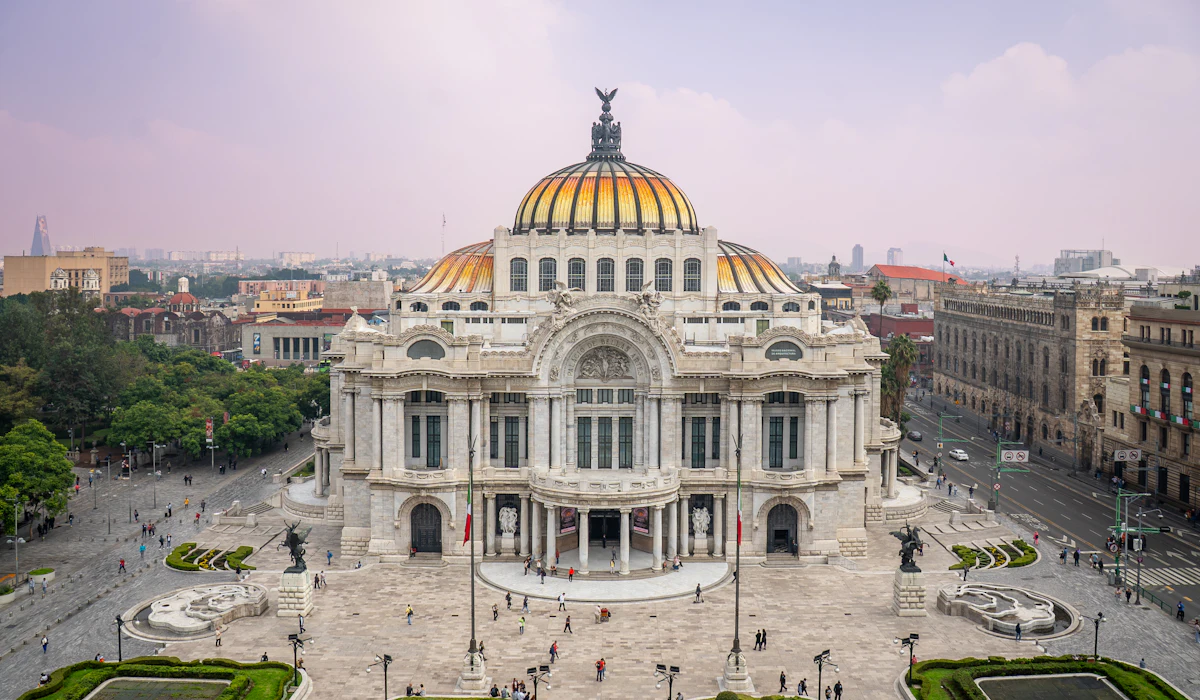
Mexico City’s Centro Histórico combines heavy pedestrian activity, busy streets, occasional closures, and a complicated urban environment that can make short cycling trips less predictable. Ecobici remains useful for connecting the historic center with other parts of the city, but a destination only a few blocks away may be easier to reach on foot.
The system itself is designed around short shared rides, but short does not automatically mean faster when the surrounding streets are congested.
Bike Sharing Around Venice’s Mainland

Venice’s historic center is famously inaccessible to bicycles, making bike sharing relevant mainly to the mainland rather than the canal-lined core. Mestre and other mainland areas have been developing shared-mobility services, but that coverage does not extend into the pedestrian heart of Venice.
For visitors expecting a bike to bridge the gap directly into the historic center, the limitations of the network can make a short mainland connection less useful than expected.
Call a Bike in Central Berlin
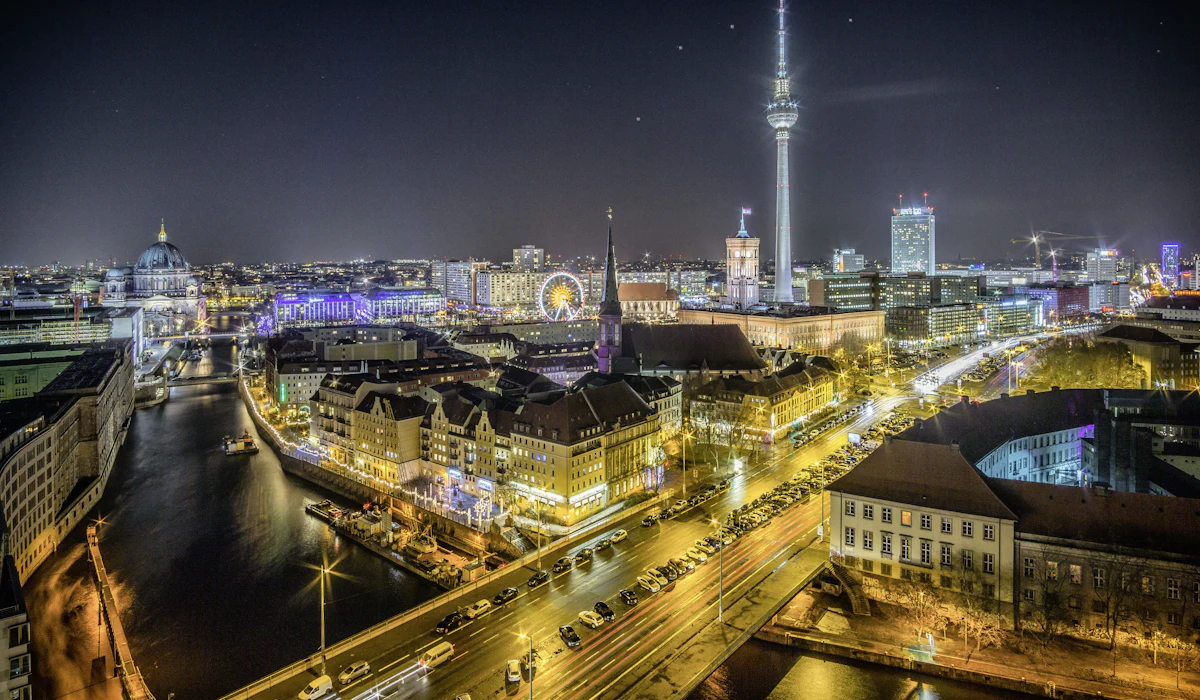
Berlin’s Call a Bike service operates across the city and is useful for longer journeys, but short trips through Mitte can become less efficient around construction zones, tram tracks, major intersections, and heavy pedestrian areas near landmarks. Riders also need to choose a legal route rather than simply following the most direct pedestrian path.
When two major sights are only a short walk apart, those extra routing considerations can make walking competitive.
Shared E-Bikes in Downtown Seattle

Seattle’s current shared-mobility system includes free-floating electric bikes, which makes the old image of a conventional docked bike-share system outdated. The electric assist helps with the city’s hills, but short trips through steep downtown blocks can still be faster on foot, especially when the destination is downhill or when a rider has to search for a suitable place to park the bike.
Seattle’s system is particularly useful for quick errands and longer connections, while a very short downtown trip may not justify the extra steps.
Bluebikes in Boston’s North End

Boston’s North End has narrow streets, heavy pedestrian traffic, and a compact footprint that can make bike-share less attractive for very short trips. Bluebikes has expanded its presence in the neighborhood, making the bikes more accessible, but station availability does not change the underlying geometry of the area.
When a destination is only a few minutes away on foot, navigating the crowded streets by bike can add more complication than speed.
Donkey Republic in Copenhagen’s Tourist Core
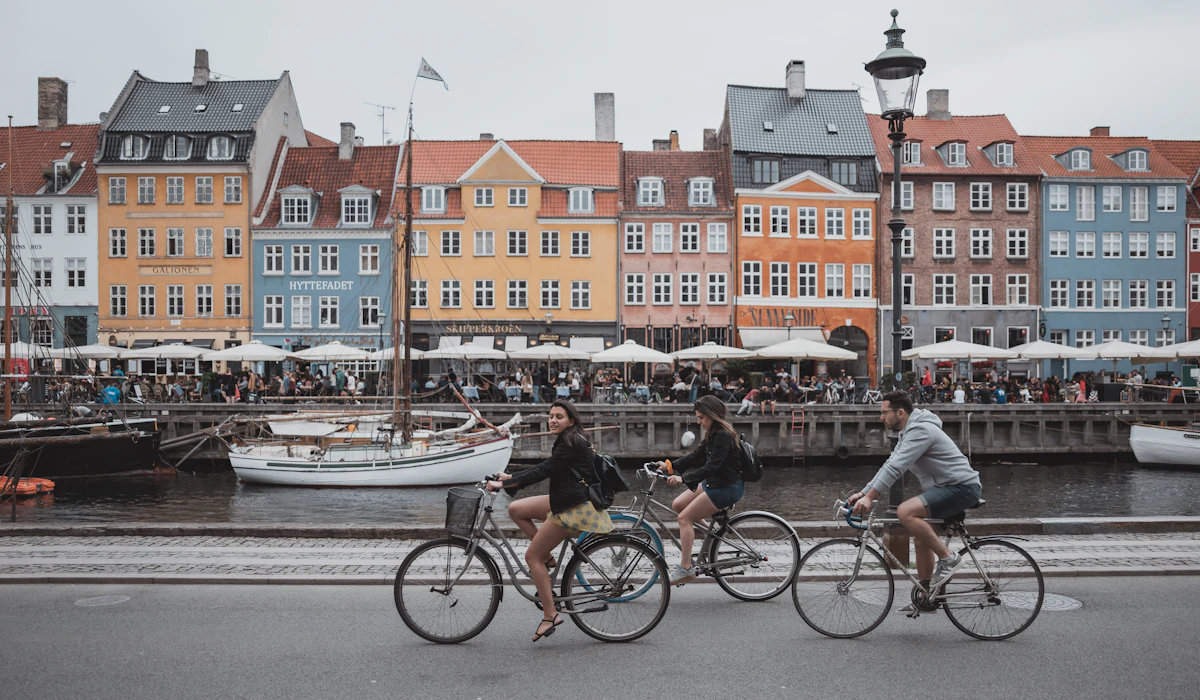
Copenhagen is exceptionally bike-friendly, but the most pedestrian-heavy parts of the city are a different matter. Donkey Republic currently operates throughout Copenhagen, including the city center, but areas around Strøget and other busy shopping streets can be impractical for cycling.
Visitors who choose a bike for a short trip may have to detour around pedestrian areas or dismount near their destination. The city’s cycling infrastructure is excellent; that does not mean every central block is faster by bike.
Lyft Bike in San Francisco’s Steep Downtown Blocks
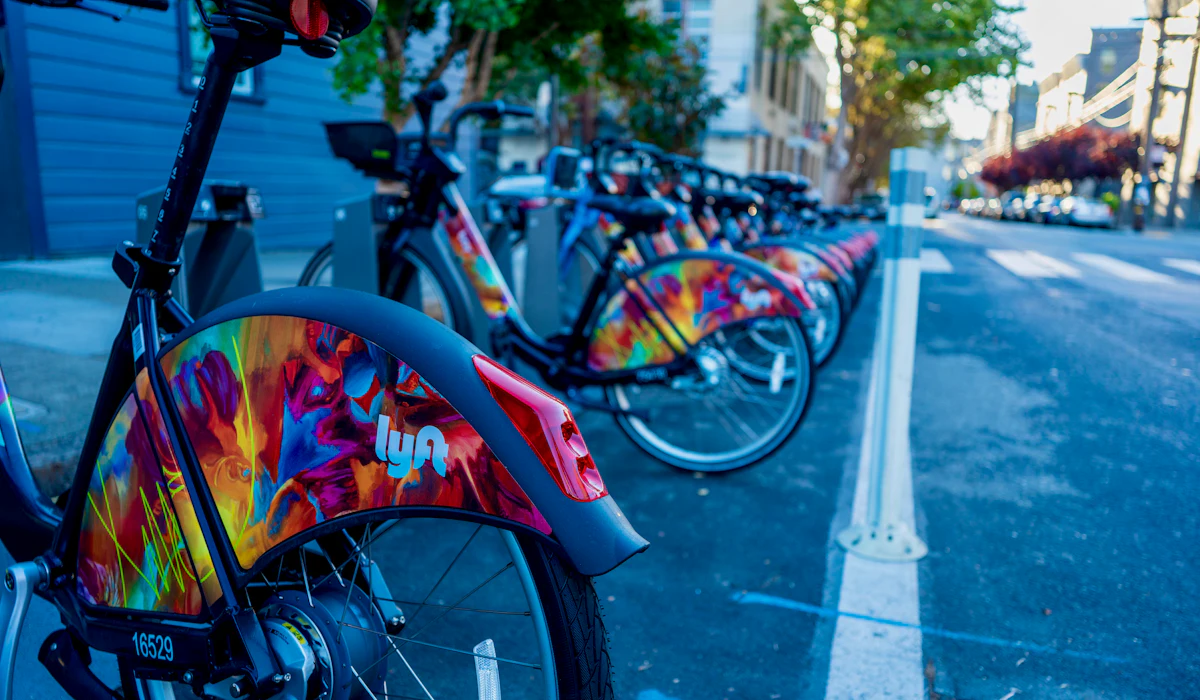
San Francisco’s hills can make short bike-share trips unpredictable, even with electric-assist bikes. Lyft Bike’s current system includes e-bikes, some of which can be locked at public bike racks rather than returned exclusively to a station.
That flexibility helps, but steep streets can still make a short uphill ride slower or more demanding than expected, while a downhill walking route can be surprisingly competitive. Flat corridors are generally a different proposition.
Bike Sharing Near Kyoto Station
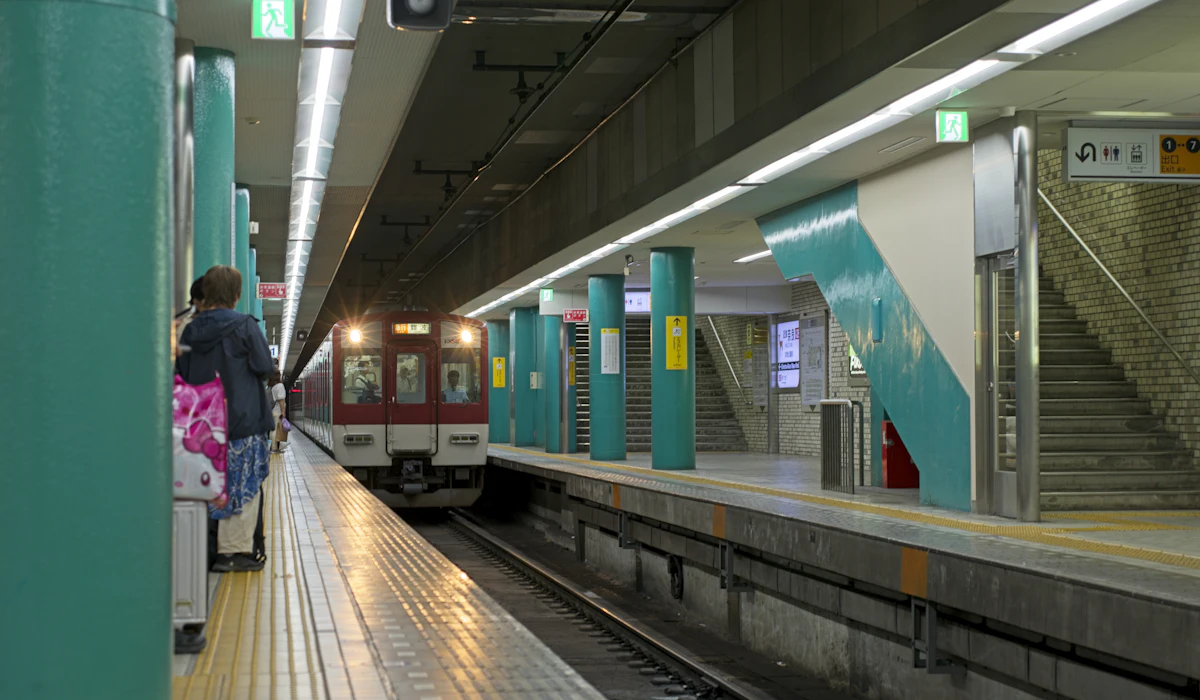
Kyoto has both conventional bicycle rentals and bike-sharing services, and bikes can be useful for longer journeys across the city. Around Kyoto Station, however, short trips through busy streets can involve enough pedestrian traffic, intersections, and navigation to make walking competitive.
Visitors unfamiliar with local cycling rules may also ride more cautiously than experienced residents. For a destination immediately around the station, the bicycle is not automatically the faster choice.
Reading the City on Two Wheels
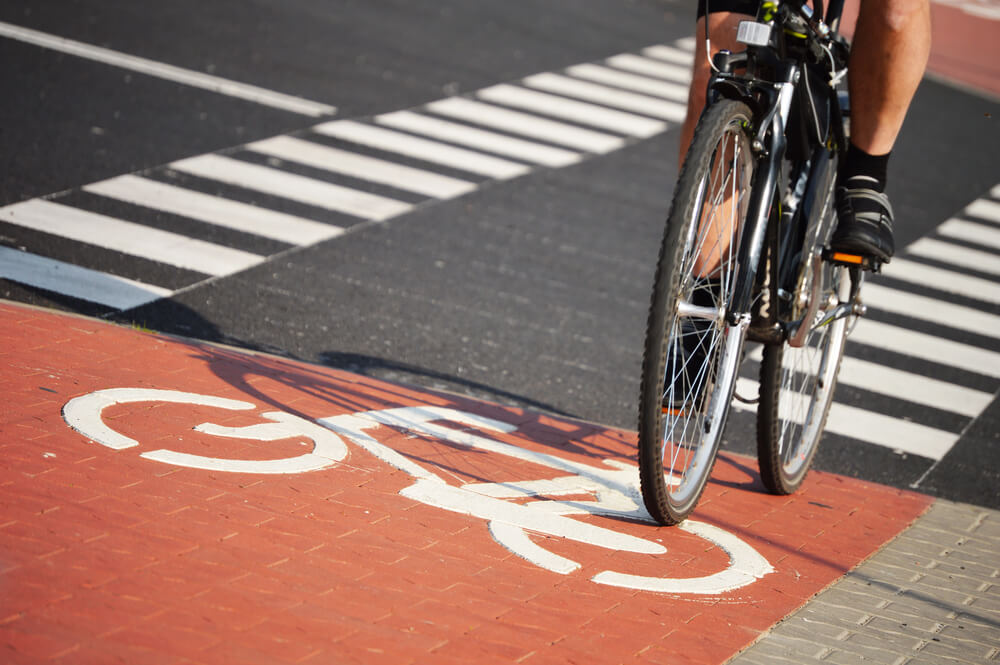
None of these systems are failures. Most are designed precisely because bicycles can cover urban distances efficiently, and they remain useful when the trip is long enough for the riding time to outweigh the unlocking, routing, and parking logistics.
The problem tends to appear on the shortest trips. When a destination is already within a comfortable walking distance, the bike has to overcome more than the walking time: it has to be available, unlocked, ridden through the correct route, and parked or docked at the other end.
That’s why the fastest option is not always the vehicle with two wheels. In the densest parts of a city, walking can sometimes be the more direct form of transportation simply because it requires no station, no parking space, and no detour.
More from Travel Pug

- Underrated Italian Towns That Beat the Tourist Crowds
- Las Vegas Tourist Traps to Skip
- Prettiest Towns in Every US State
- 18 passport-free countries for Americans
- Signs Your Cruise Is Not Worth The Cost
Like Travel Pug’s content? Follow us on MSN.