

There’s a specific point when a beloved local festival becomes large enough to change everyday life for the people who live there year-round. Parking gets difficult, noise continues late into the night, and streets that normally feel familiar fill with visitors who have come specifically for the event.
For some residents, the practical response is to change their routines, stay away from the busiest areas, or plan a trip of their own.
None of this means these events lack value. Many generate substantial money for local economies and put small cities on a global map they might otherwise never reach.
It simply means the experience of hosting a major festival can be very different for residents than it is for visitors.
Songkran, Thailand
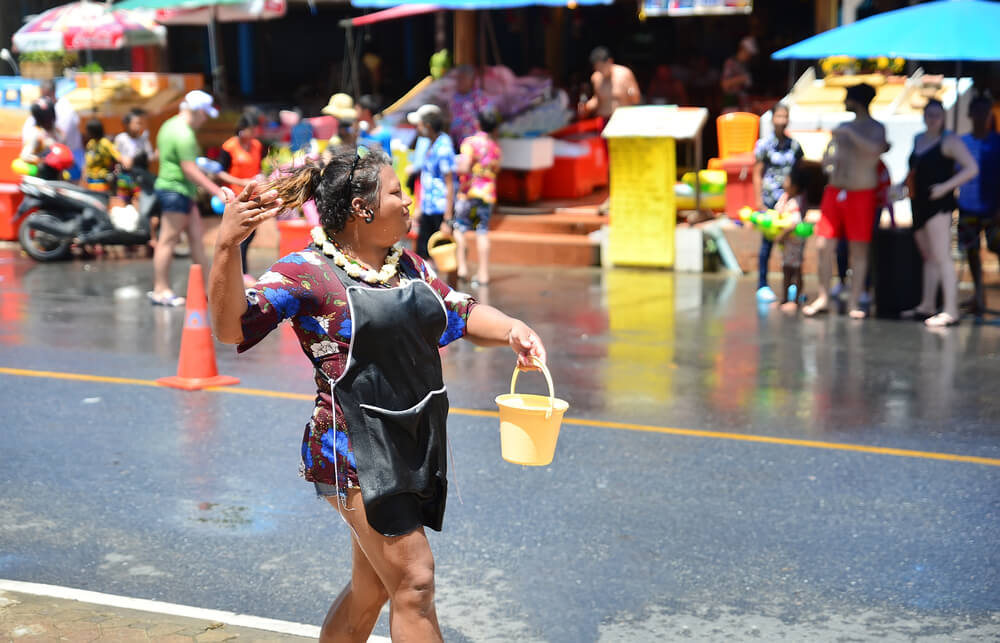
Songkran, Thailand’s water festival marking the traditional New Year, has grown from local celebrations into a major nationwide event that draws enormous crowds to cities such as Bangkok and Chiang Mai. Tourist-heavy districts can become packed with water fights, street parties, and temporary road restrictions, changing the normal rhythm of those neighborhoods.
Many residents still celebrate enthusiastically, while others choose quieter areas or travel to visit family during the holiday period.
Running of the Bulls, Pamplona
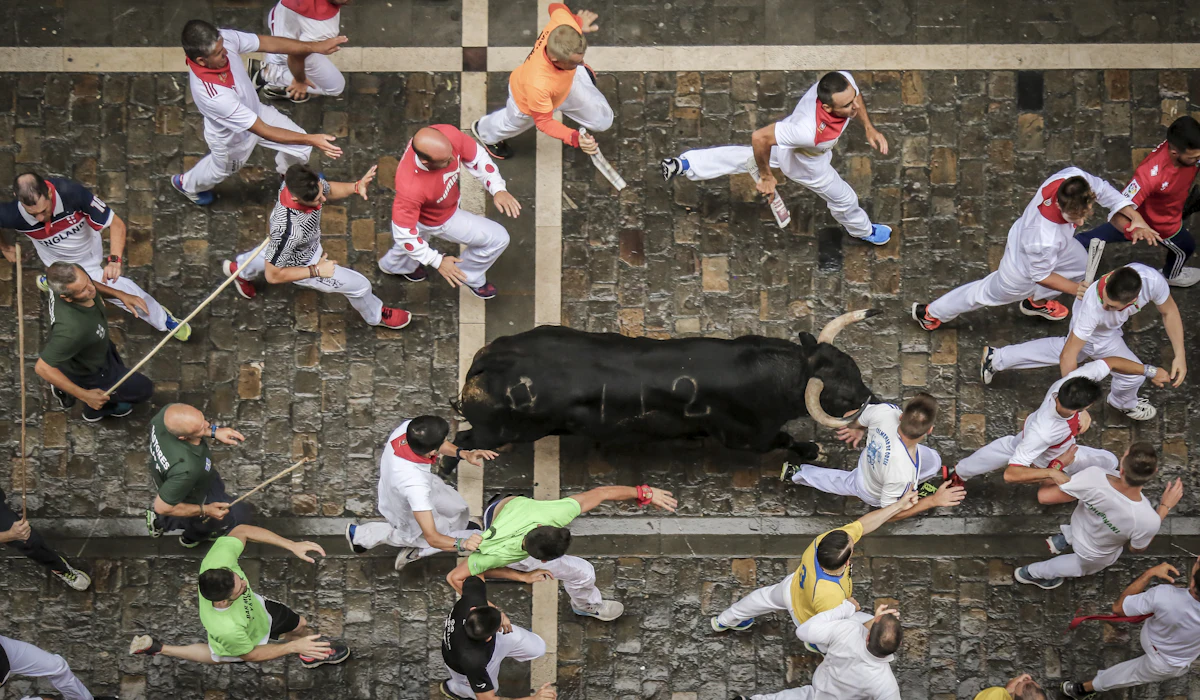
Pamplona’s San Fermín festival draws hundreds of thousands of participants and visitors over nine days, bringing major crowds, street activity, and economic benefits to the city. But the idea that residents broadly flee Pamplona is too strong: a 2025 municipal survey found that 69% of residents remained in the city for all nine days, while 8.2% said they left town for the entire festival.
Many residents participate in the celebration themselves, while others simply adjust when and where they go to avoid the busiest periods. The festival remains deeply embedded in the city’s identity.
Oktoberfest, Munich

Munich’s Oktoberfest draws millions of visitors to the Theresienwiese over more than two weeks each fall, producing a temporary concentration of crowds, traffic, security measures, and activity around the festival grounds. The city also has to manage closures and altered traffic patterns while the event is being assembled and dismantled.
Some residents choose to avoid the area or plan their routines around the busiest days, while many others continue to attend the festival themselves.
La Tomatina, Buñol

The small Spanish town of Buñol hosts La Tomatina, a festival built around a massive tomato fight that attracts far more visitors than the town normally sees on an ordinary day. The concentration of people creates a significant one-day logistical challenge for a small community, which is one reason attendance has been capped.
Residents can expect crowded streets, transportation changes, and an unusually intense influx of visitors even though the event itself lasts only a short time.
Coachella, Indio
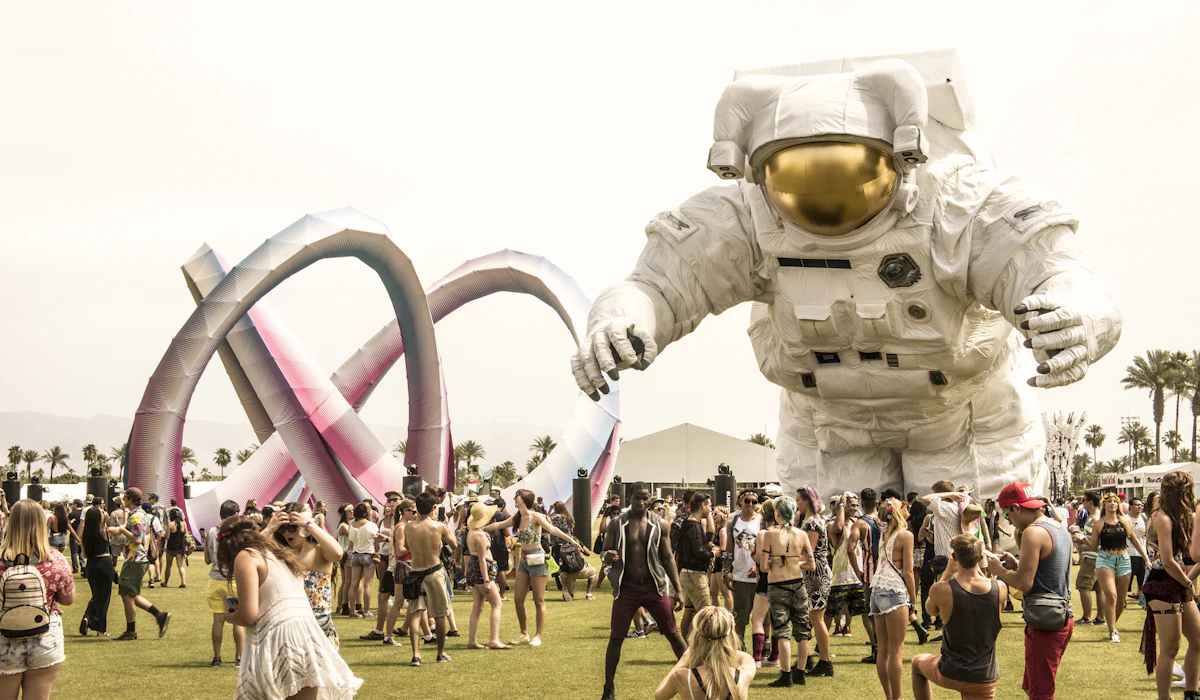
The Coachella Valley Music and Arts Festival transforms Indio and surrounding desert communities for two consecutive weekends each spring. Traffic plans for the 2026 festival included extended road closures, alternate routes, shuttle operations, and warnings of significant congestion, while local reporting documented resident concerns about busy roads and limited parking.
Some locals choose to stay away from the busiest areas during the festival, while businesses and other residents benefit from the influx of visitors.
Glastonbury Festival, Somerset
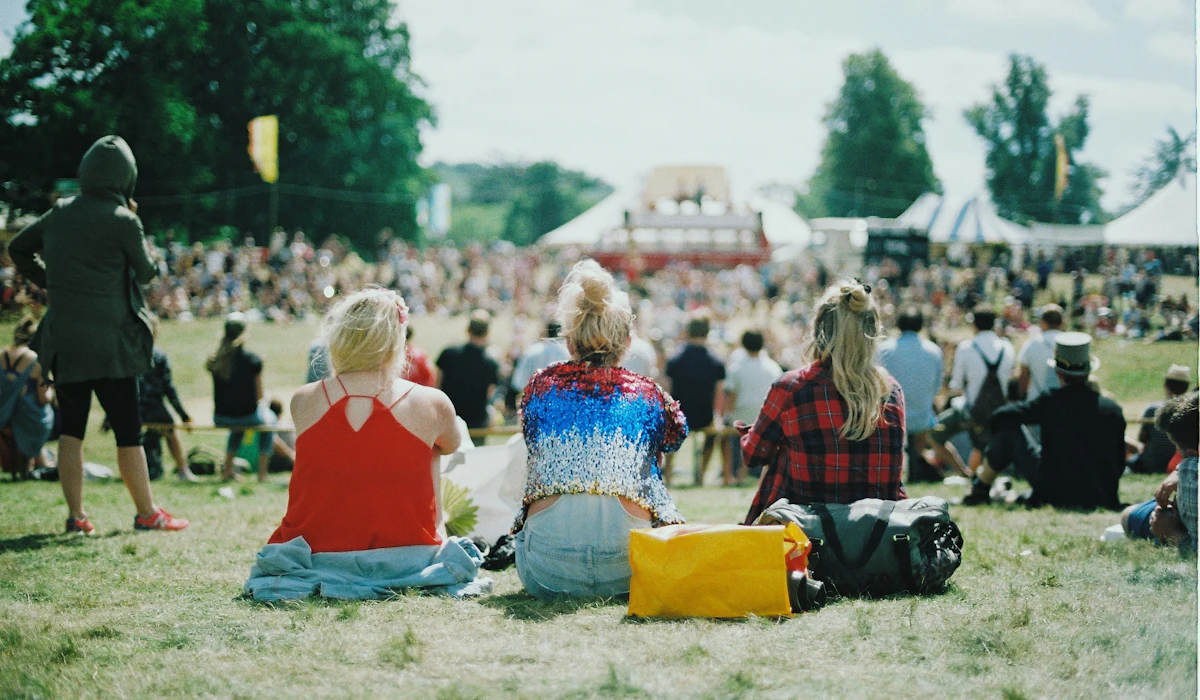
Glastonbury Festival transforms Worthy Farm and the surrounding Somerset countryside into a temporary city for several days each year. The resulting traffic, road restrictions, noise, and accommodation demand affect nearby communities as well as festivalgoers.
Residents and farmers in the surrounding area have raised concerns at various times about the event’s impact on roads, land, and local services, while others benefit economically from the enormous number of people it brings to the region.
Mardi Gras, New Orleans
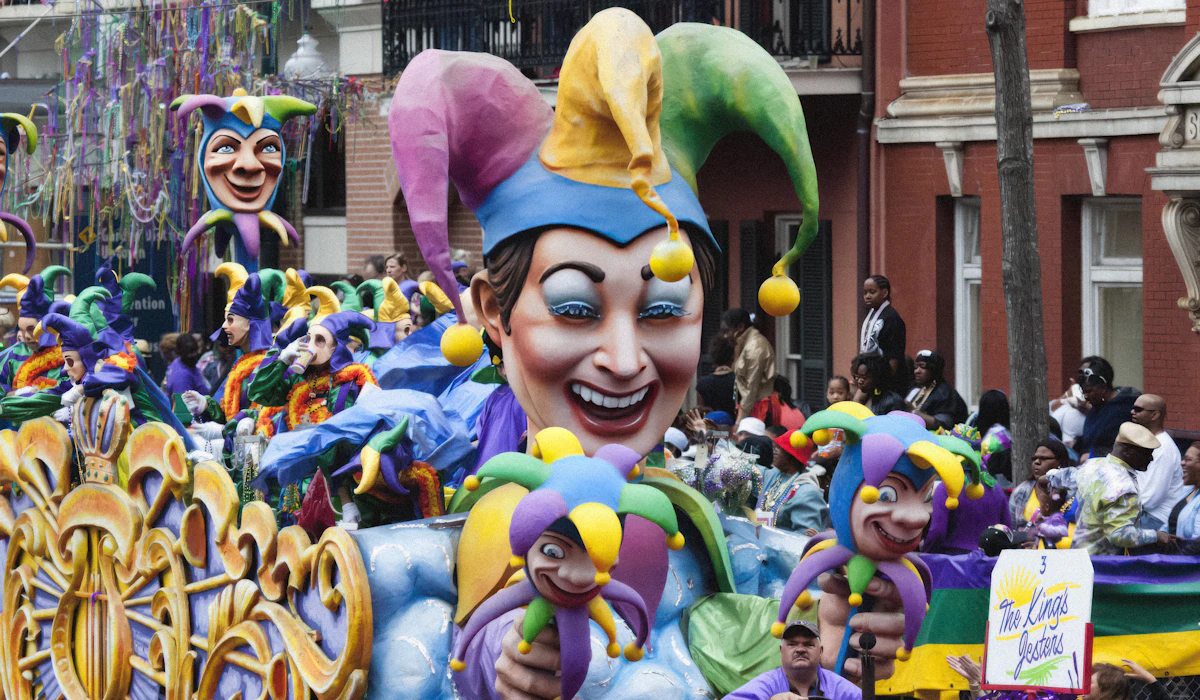
Mardi Gras brings enormous crowds to New Orleans, and while many residents embrace the celebration, parade routes and major party areas can become difficult places to navigate during peak Carnival periods. Street closures, crowds, noise, and restrictions around parade routes can make ordinary errands more complicated for people who live nearby.
Some residents choose to leave during the busiest weekend, while others simply retreat to neighborhoods away from the main routes or participate in the celebration themselves.
Edinburgh Festival Fringe, Scotland
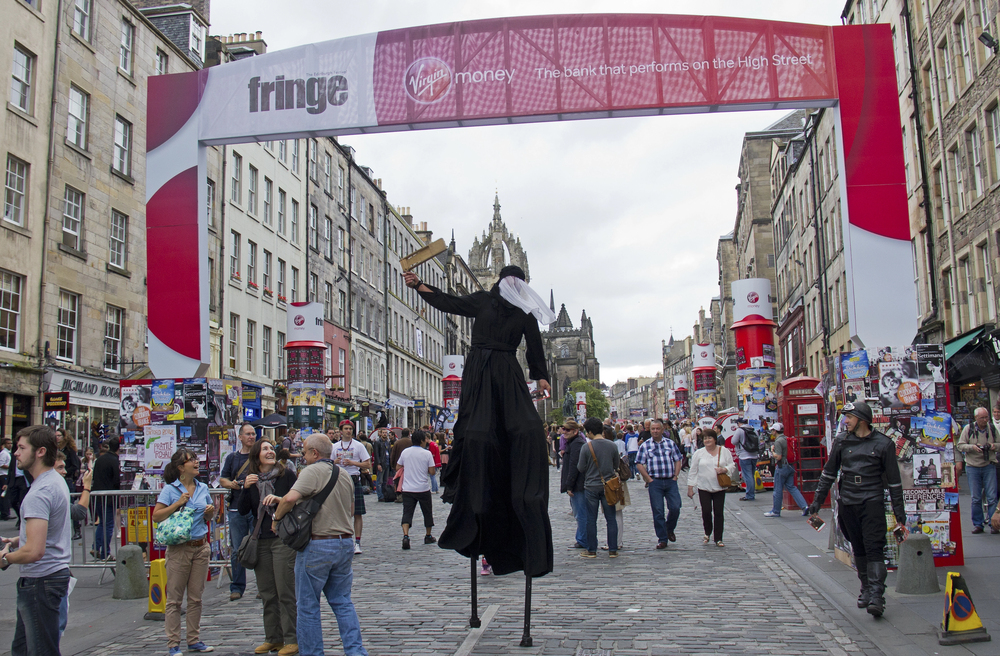
The Edinburgh Festival Fringe transforms the Scottish capital each August into one of the world’s largest arts festivals, with temporary venues and performances occupying a huge portion of the city center. The accompanying crowds and demand for accommodation put considerable pressure on the local housing and hospitality markets.
Some residents adjust their routines or choose to spend part of the festival period elsewhere, while others work in, attend, or otherwise participate in the event.
Rio Carnival, Rio de Janeiro
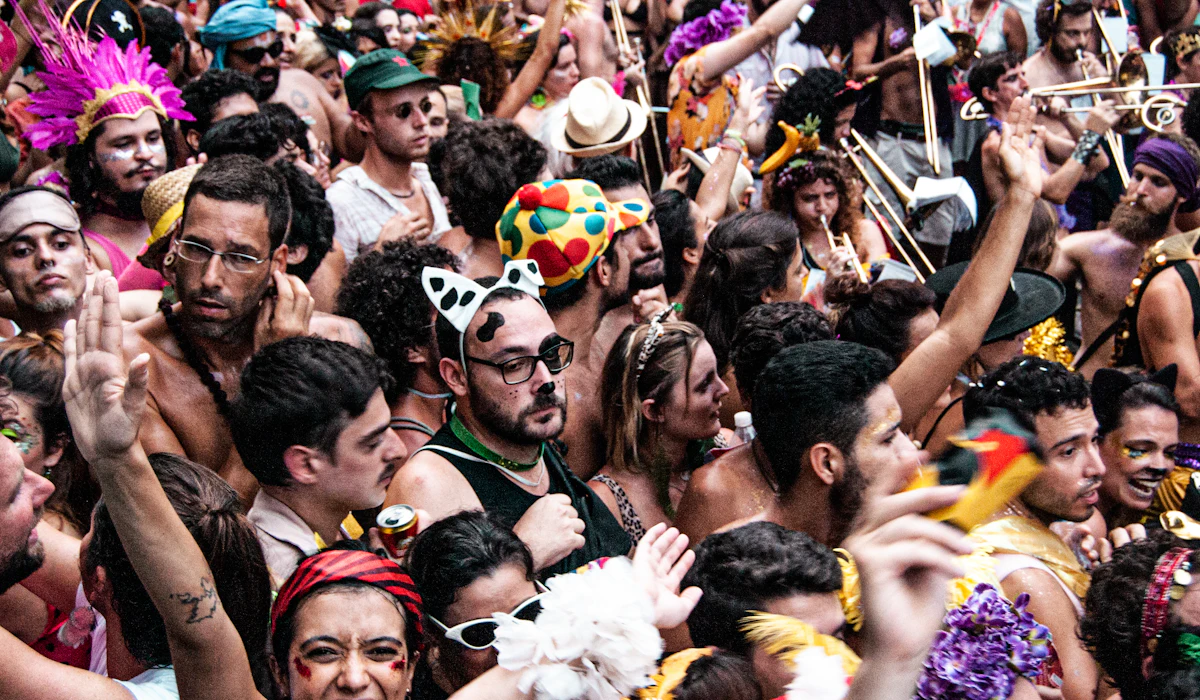
Rio’s Carnival brings enormous crowds to the city’s samba parades, blocos, and street parties, with some neighborhoods becoming exceptionally busy during the main celebration. Residents in the most heavily affected areas may choose to stay with family, travel elsewhere, or simply avoid the busiest streets during peak hours.
At the same time, Carnival remains deeply woven into Rio’s civic and cultural identity, and many residents participate directly in the celebrations.
Full Moon Party, Koh Phangan
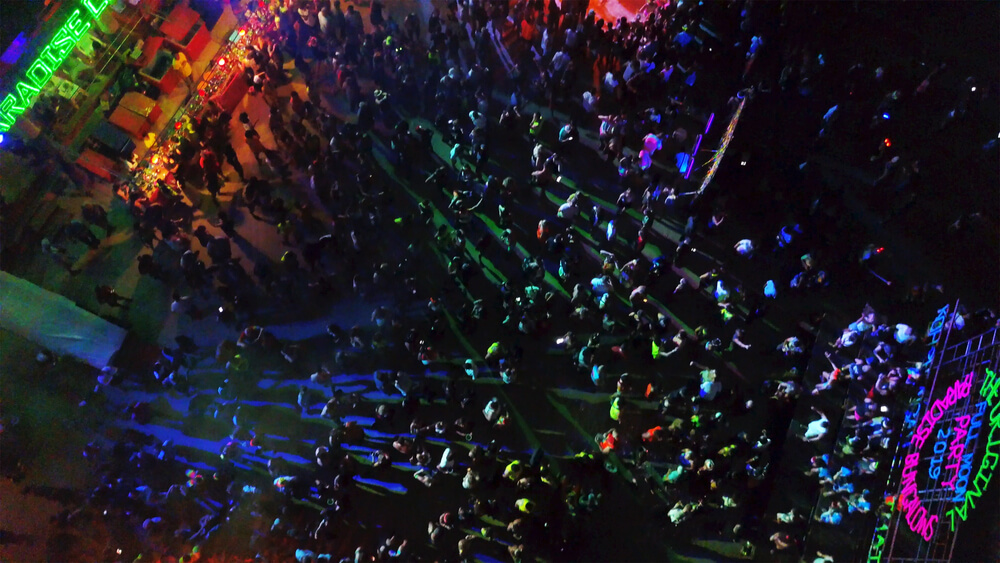
The monthly Full Moon Party on Koh Phangan draws large crowds to Haad Rin and creates a sharp change in the atmosphere of the surrounding area. Noise, traffic, and a large concentration of visitors can make the event noticeable well beyond the beach itself.
Residents and longer-term visitors who prefer a quieter environment can choose other parts of the island during the event, while businesses in Haad Rin depend heavily on the tourism it generates.
South by Southwest, Austin
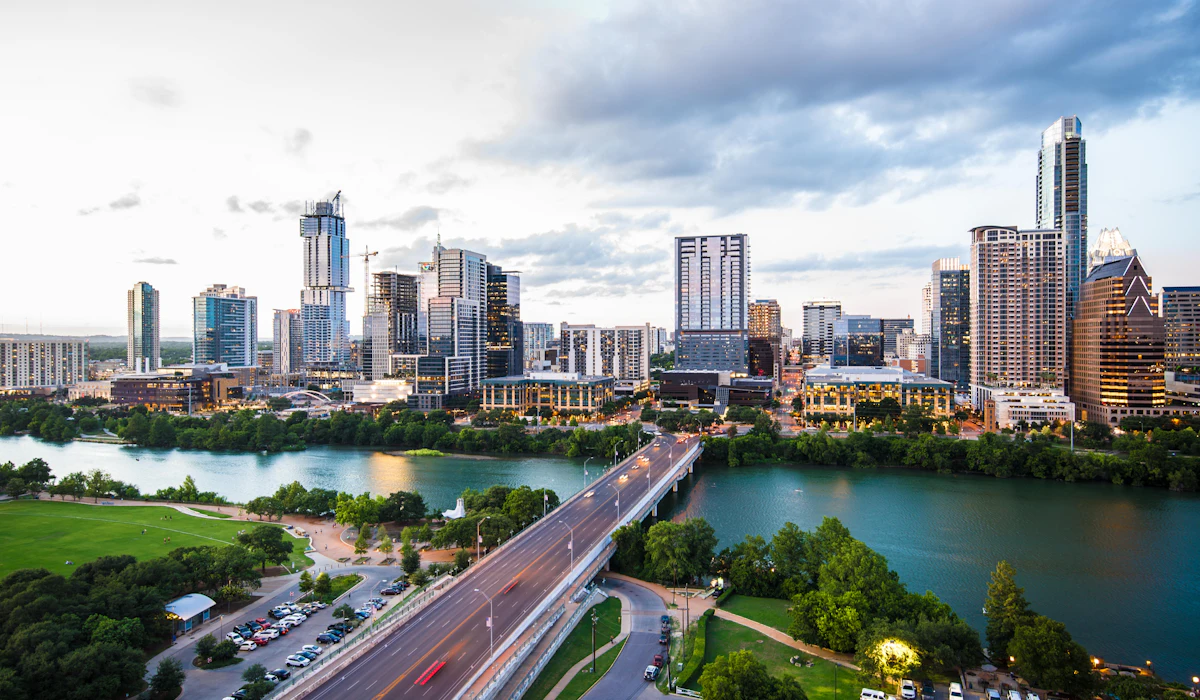
South by Southwest transforms downtown Austin for more than a week each spring, bringing packed venues, temporary events, road closures, and a major influx of visitors. Traffic and parking can become more difficult in the downtown core, while residents who do not have a reason to attend may choose to work remotely, stay away from downtown, or schedule personal travel around the event.
For people working in Austin’s music, film, technology, and creative industries, however, SXSW can be an important part of the city’s annual calendar.
Boryeong Mud Festival, South Korea
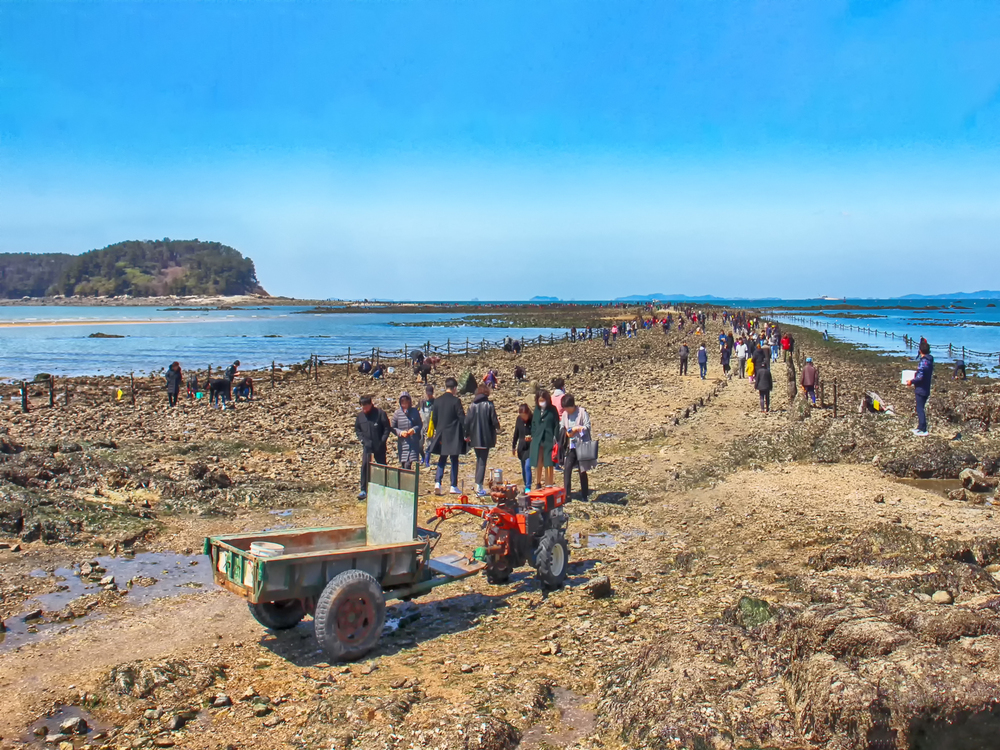
The Boryeong Mud Festival on South Korea’s west coast brings large crowds to Daecheon Beach for mud-based activities, concerts, and other events. The influx is substantial compared with the area’s normal pace, temporarily changing traffic patterns and the character of the beachfront.
Local businesses benefit from the seasonal tourism, while residents who prefer the area’s quieter atmosphere may choose to avoid the busiest festival days.
Burning Man’s Gateway Towns, Nevada
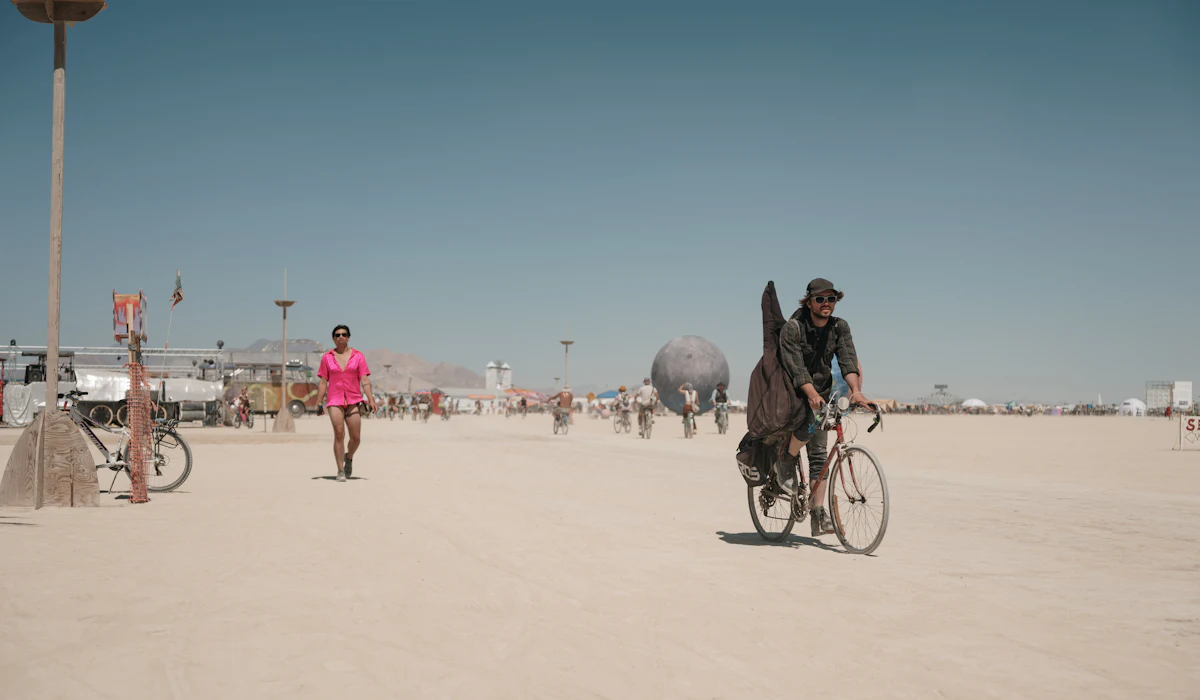
Burning Man takes place in Nevada’s Black Rock Desert rather than inside a permanent town, but its traffic and logistical footprint reaches the small gateway communities along the route. Gerlach and Empire experience a dramatic increase in traffic during the event, and official Burning Man guidance specifically tells participants not to wait in town because doing so puts additional pressure on local residents.
Law enforcement also warns travelers to expect heavy traffic and respect residential areas. For people living there year-round, the annual surge is impossible to ignore.
Holi, Mathura and Vrindavan
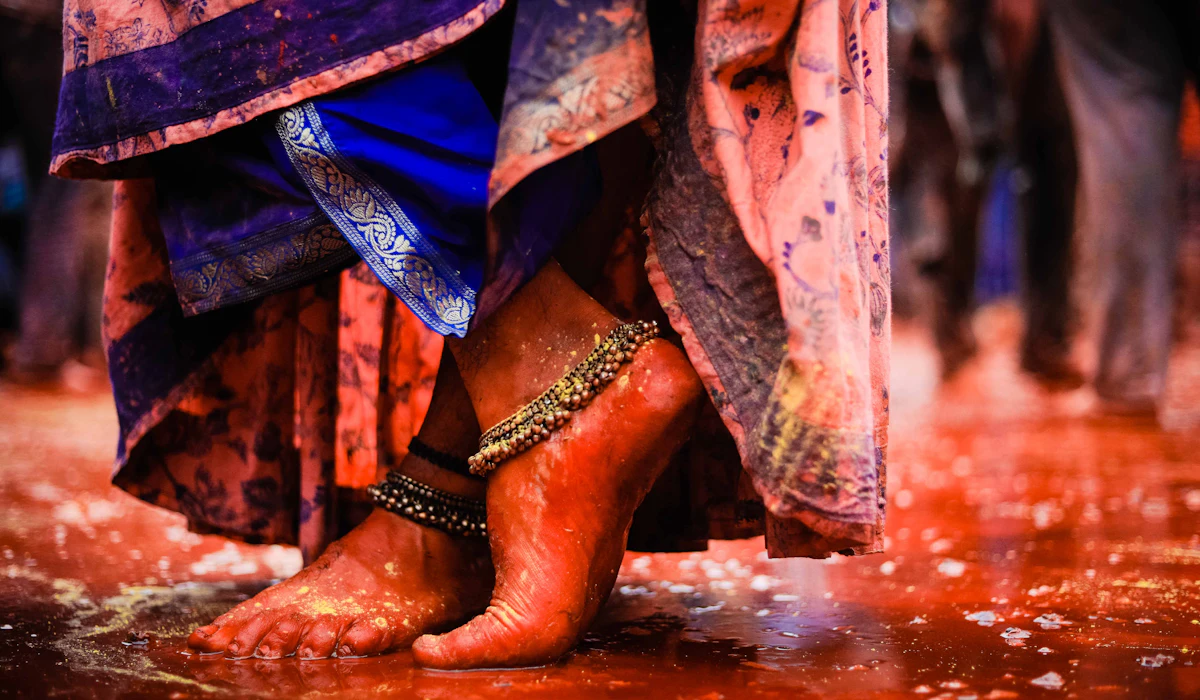
Mathura and Vrindavan are major centers for Holi celebrations and draw enormous numbers of visitors during the festival period. Streets and temple areas can become intensely crowded, making ordinary movement difficult for residents and pilgrims alike.
Some residents choose to stay with family elsewhere during the busiest days, while others take part directly in one of the region’s most important religious and cultural celebrations.
Calgary Stampede, Alberta
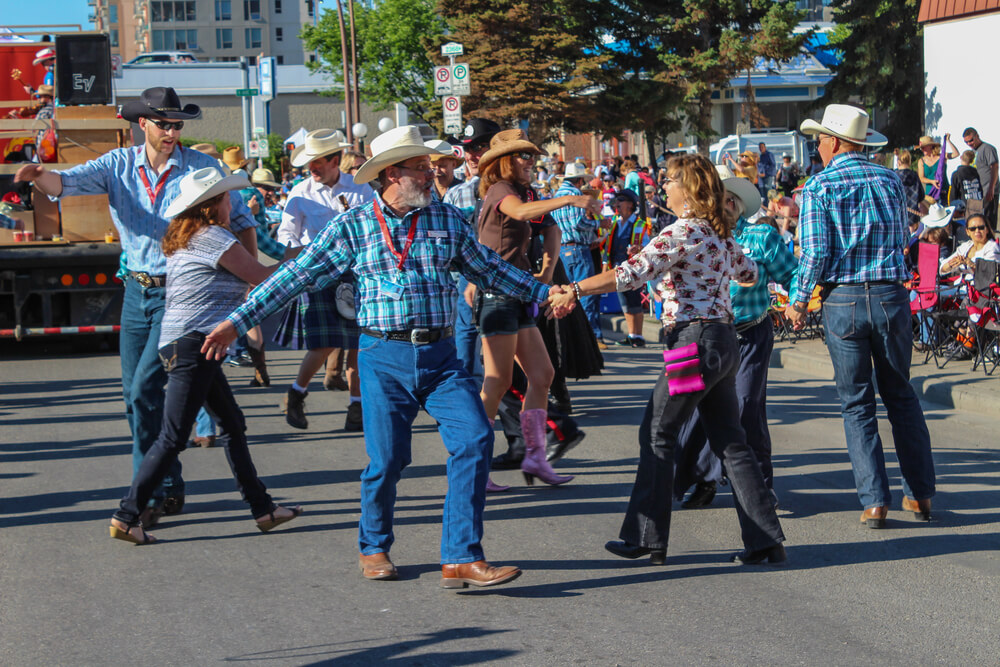
The Calgary Stampede transforms the city for 10 days each July with rodeos, concerts, midway attractions, and a citywide festival atmosphere. Road closures and access restrictions can affect downtown traffic, including limited access to parking facilities along major parade routes.
Some residents adjust their travel plans or avoid the busiest areas during major events, while many others attend the Stampede as part of Calgary’s annual summer tradition.
Wonderfruit, Chonburi Province
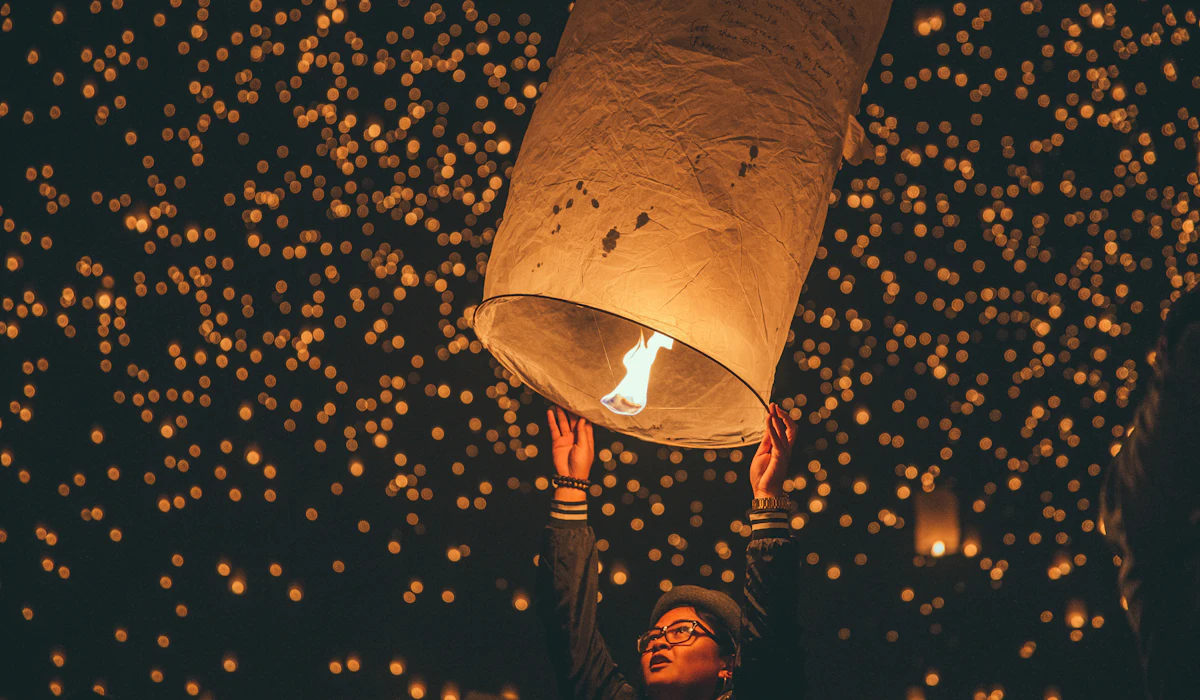
Wonderfruit near Pattaya in Thailand’s Chonburi Province has grown into a major international music and arts festival, bringing a large temporary population to an area that is otherwise considerably quieter. Increased traffic and activity are most noticeable around the festival site during its operating period.
The event also brings business to the surrounding area, creating the familiar mix of economic opportunity and disruption that accompanies large festivals in smaller communities.
Tomorrowland’s Boom, Belgium
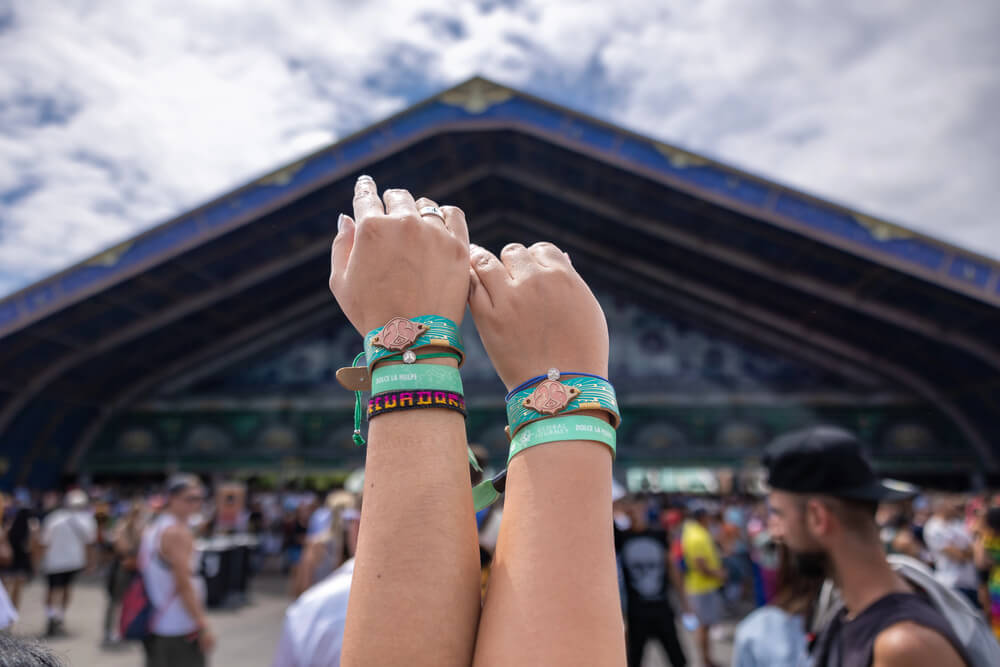
The Belgian town of Boom hosts Tomorrowland, one of the world’s largest electronic music festivals, bringing tens of thousands of visitors to the area over its festival weekends. The event requires extensive traffic management, public transportation planning, and crowd-control measures around the town.
Residents have had to adapt to the predictable annual surge, while the festival’s international profile brings substantial attention and economic activity to the region.
Reading Between the Streamers
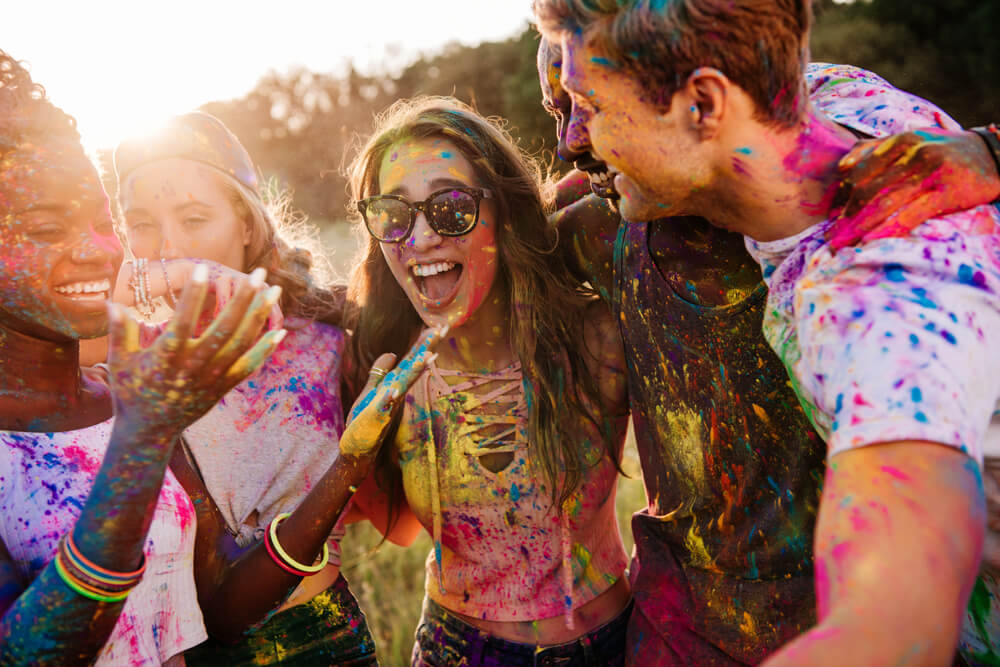
None of this is really about the festivals failing. Most succeed at exactly what they set out to do: draw huge numbers of people together to celebrate something specific, loudly and all at once.
The challenge for residents is structural rather than personal. A festival can remain a source of civic pride while simultaneously making ordinary life more complicated for the people who live closest to it.
The result is an annual negotiation between local identity and everyday convenience. Some residents participate enthusiastically, some avoid the busiest streets, and some choose to leave town for a few days.
The important distinction is that a festival can be hugely popular with residents and visitors alike while still being disruptive enough that plenty of people prefer to experience it on their own terms.
More from Travel Pug

- Underrated Italian Towns That Beat the Tourist Crowds
- Las Vegas Tourist Traps to Skip
- Prettiest Towns in Every US State
- 18 passport-free countries for Americans
- Signs Your Cruise Is Not Worth The Cost
Like Travel Pug’s content? Follow us on MSN.