

There’s a particular kind of disappointment that comes with stepping off a cruise ship expecting paradise and finding a beach packed shoulder to shoulder with vendors, jet ski rentals, and a line for the one bathroom. Cruise lines figured this out decades ago, which is why so many of them quietly bought or leased their own patches of Caribbean and Bahamian coastline.
These aren’t theme parks bolted onto sand — some of them are genuinely gorgeous stretches of coast that happen to come with a corporate logo attached. What follows is a rundown of the beach destinations, private islands, leased resorts, and exclusive coastal retreats cruise lines have developed or partnered with, and why more than a few of them make the public beaches down the road look overrated by comparison.
Half Moon Cay

Half Moon Cay is owned by Carnival Corporation and is shared primarily by Holland America Line and Carnival Cruise Line. The water is the kind of pale turquoise that looks fake in photos but somehow isn’t.
Locals call the sand here some of the softest in the Bahamas, and they’re not exaggerating for tourism’s sake.
Castaway Cay
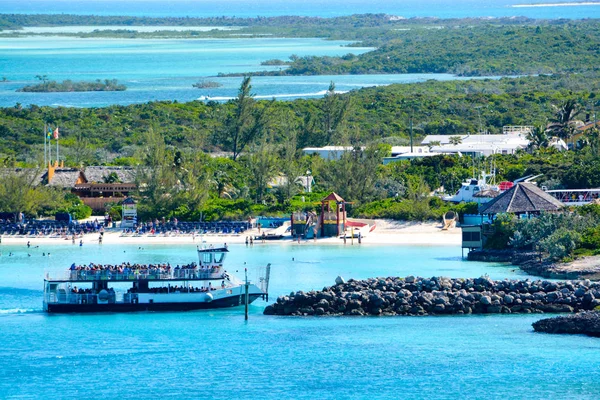
Disney’s private island is better than it has any right to be, and that’s saying something for a company built on managed expectations. The sand is so consistently white it looks retouched, except nobody retouched it, that’s just the Abaco Islands doing what they do.
Adults get their own beach, Serenity Bay, away from the kids’ area, which is either a stroke of genius or the most Disney thing imaginable: charging you for peace and quiet on an island you already paid a fortune to visit. Either way, it works.
Princess Cays
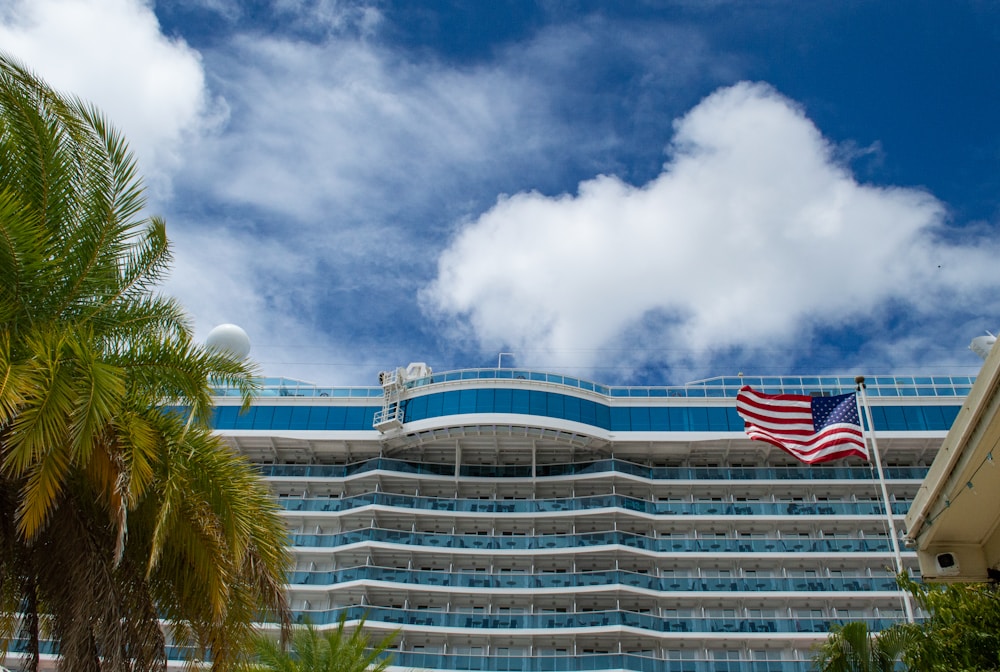
Princess Cruises picked Eleuthera for its outpost, and the choice makes sense the moment you see the water. No towering slides, no zip lines, just a long crescent of beach and a reef close enough to snorkel without a boat.
Princess Cays doesn’t try to be a theme park. It’s a beach day, done properly, and that’s the whole point.
Labadee
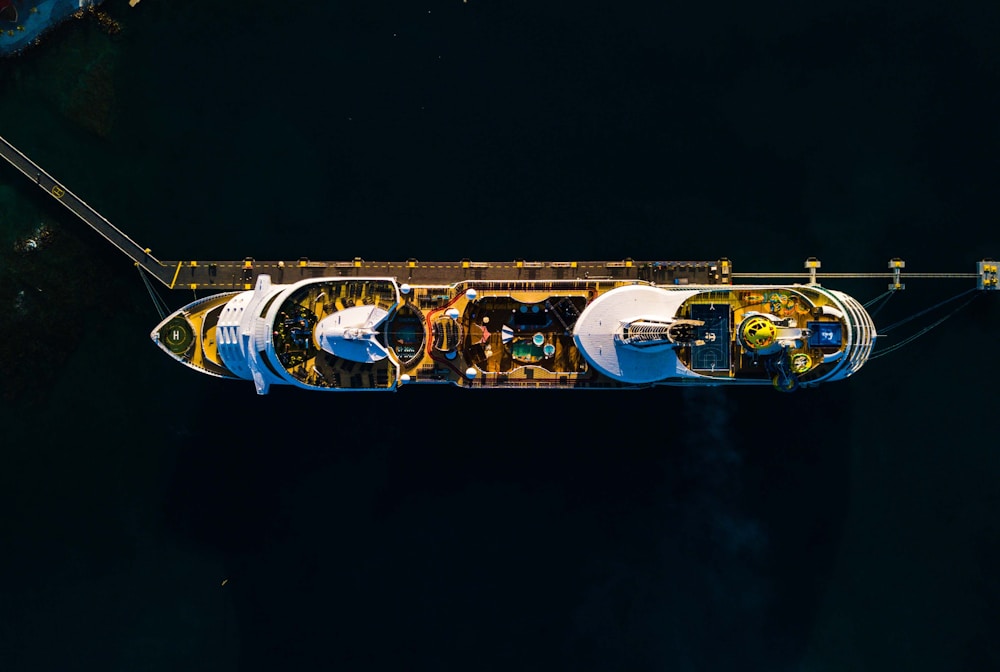
Royal Caribbean’s Labadee sits on the northern coast of Haiti, a leased peninsula rather than a true island — and that distinction matters less than you’d think once you’re standing on the beach at Columbus Cove, watching the mountains rise green and dramatic behind you like nothing else in the Caribbean bothers to do. The company has held the lease since 1986, which makes it one of the oldest private cruise destinations still running, and in that time they’ve built a roller coaster that clings to the hillside and a zip line that stretches nearly a mile over the water, one of the longest of its kind anywhere.
So it’s not exactly quiet. But there’s a version of Labadee that skips all that: the beach at Nellie’s, further from the crowds, where the sand is coarser and the water drops off faster and somehow that feels more honest than the polished parts.
Ocean Cay
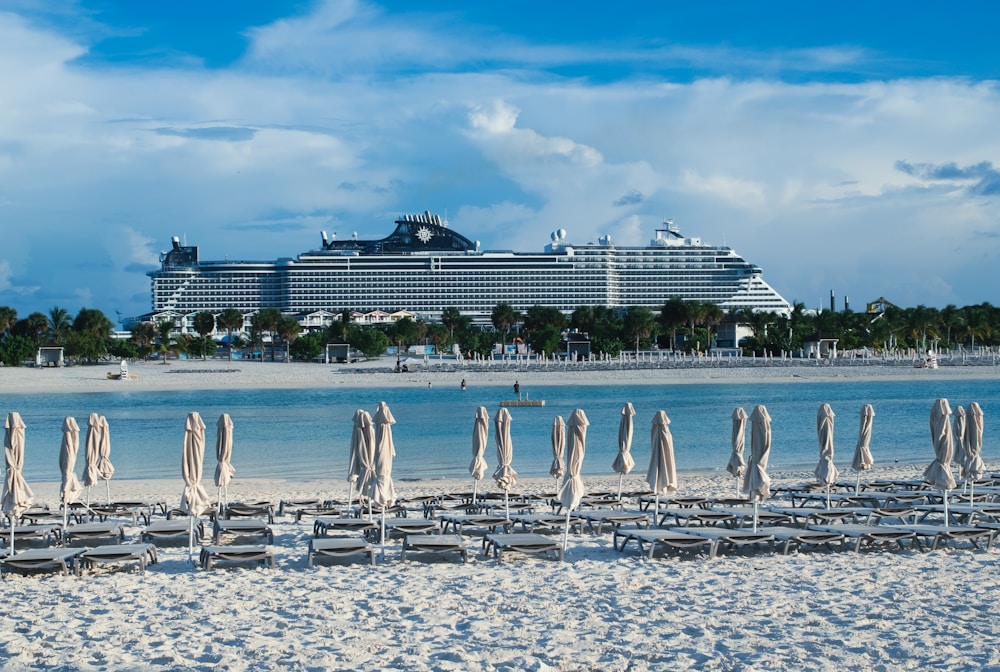
MSC built this one from what used to be an industrial sand-mining site, and the transformation is hard to believe until you see it. Coral reefs were restored, a lighthouse went up, and the water settled into that impossible Bahamian blue within a few years.
It’s proof that a private island doesn’t have to start pretty to end up that way.
Harvest Caye
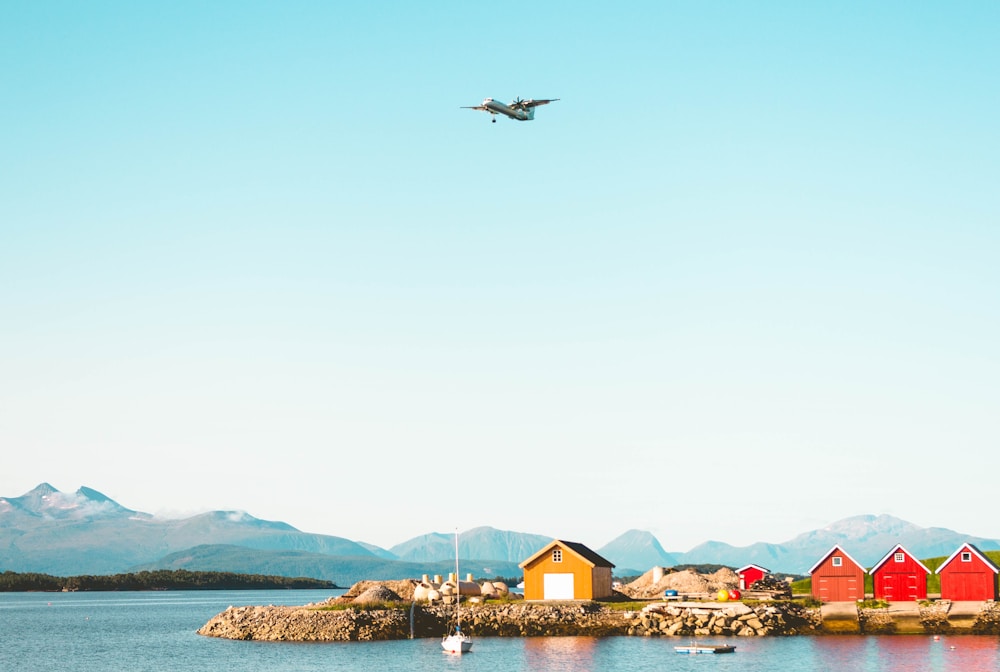
Norwegian’s outpost in Belize gets overlooked constantly, and that’s a mistake. It skips the manufactured lagoon look entirely and leans into the real thing: mangroves, a saltwater marina, and actual Belizean wildlife wandering around instead of mascots in costumes.
There’s an observation tower that looks out over the barrier reef, and unlike most cruise-line viewpoints, it’s not selling you anything from up there. To be fair, most travelers still pick the slides at CocoCay over this, which says more about marketing budgets than which island is better.
Mahogany Bay
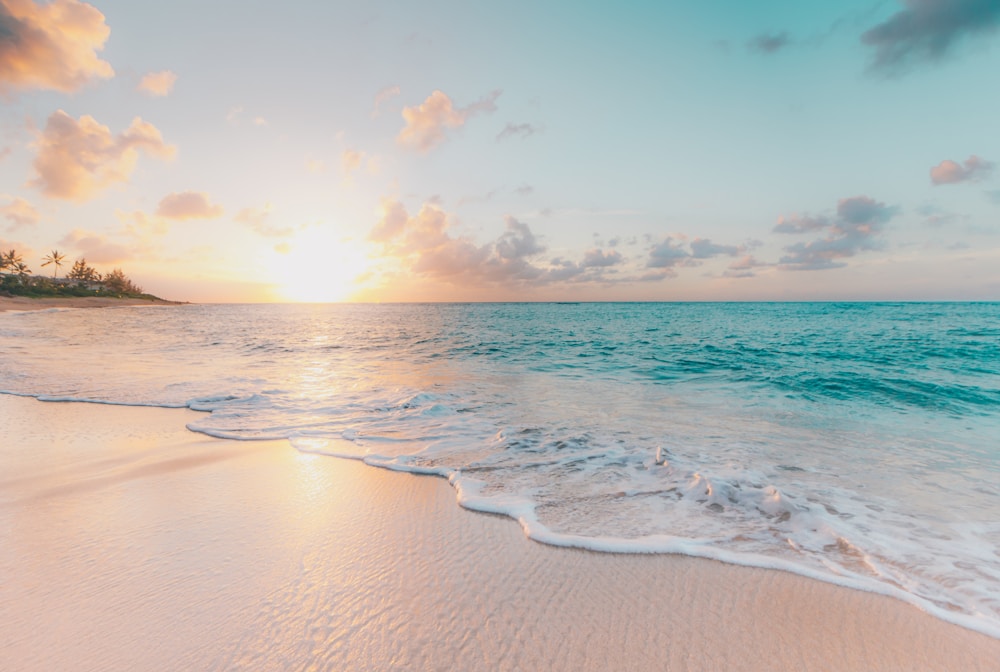
Carnival’s stretch of Roatan does something most private islands don’t bother trying: it lets the mountains behind the beach do half the talking. The Caribbean here isn’t the flat, postcard blue of the Bahamas, it’s got a restless quality to it, waves rolling in a little harder against the reef just offshore, like the sea remembers this used to be a working coastline before the cruise ships found it.
A gondola carries visitors up into the hills for a view that has nothing to do with sand or slides, just green ridgeline and water stretching out until it stops being water and starts being sky. It’s the rare cruise stop that feels like it’s showing you Honduras instead of just showing you a beach chair with a Honduras label on it.
Grand Turk

Carnival’s cruise center on Grand Turk isn’t an island the company owns outright, it’s more like a favorite chair at someone else’s house, the kind of arrangement where the comfort matters more than the paperwork. The reef sits close enough to shore that snorkelers reach it by wading rather than boating, coral rising up through water so clear it barely seems to qualify as an obstacle.
There’s a stillness to the place that the resorts down the coast don’t bother cultivating, a quiet that has less to do with luxury and more to do with the island simply not trying very hard to impress anyone. Turks and Caicos does the heavy lifting here, and Carnival mostly just knows enough to stay out of the way.
Lookout Cay at Lighthouse Point

Disney’s newest private destination opened in 2024, and it already outclasses half the established competition. Eleuthera gave them cliffs and coves instead of flat sand, and the design leans into that instead of bulldozing it flat, which is more restraint than most cruise lines manage.
There’s a lagoon for younger kids and a rugged, rockier shoreline for everyone else, and the split actually works instead of feeling like a compromise. Turns out Disney can build something understated when it wants to, which is not a sentence anyone expected to write a decade ago.
Isla Catalina

Cruise lines, including Carnival, offer excursions to Isla Catalina, but the island is not operated or owned by Carnival. Puerto Plata gets the marketing push, but Catalina gets the better reef, a stretch of coral close enough to shore that snorkelers barely need the boat ride out.
No roller coasters, no zip lines slicing over the water — just palm trees leaning the way they’ve leaned for decades and sand that hasn’t been trucked in from somewhere else. It’s the kind of stop that doesn’t photograph as well as CocoCay but somehow lingers longer in memory, which is a strange trick for a place that tries so little to earn it.
Bimini Beach Club

Virgin Voyages doesn’t own an island so much as it leases a slice of Bimini’s coastline (the island itself belongs to the Bahamas, though the beach club feels carved out just for the ships that dock there), and the result reads smaller and stranger than the sprawling resorts further up the chain — a single crescent of sand, hammocks strung low between palms, a swim-up bar that never seems to run dry. So there’s no water park here, no zip line, no seventeen-story slide competing with the horizon.
And the water off Bimini has a clarity most Caribbean regulars still remark on: the kind of visibility that makes forty feet down look like ten. Less can, in fact, be more.
Celebration Key

Carnival’s newest project sits on Grand Bahama, and it’s built at a scale nothing else on this list attempts. Six distinct districts, a lagoon system threading through the whole thing, a pier long enough that ships dock directly instead of tendering guests in.
It opened in 2025, late to the private-island game by cruise industry standards, but Carnival clearly decided bigger beats first.
Taino Bay
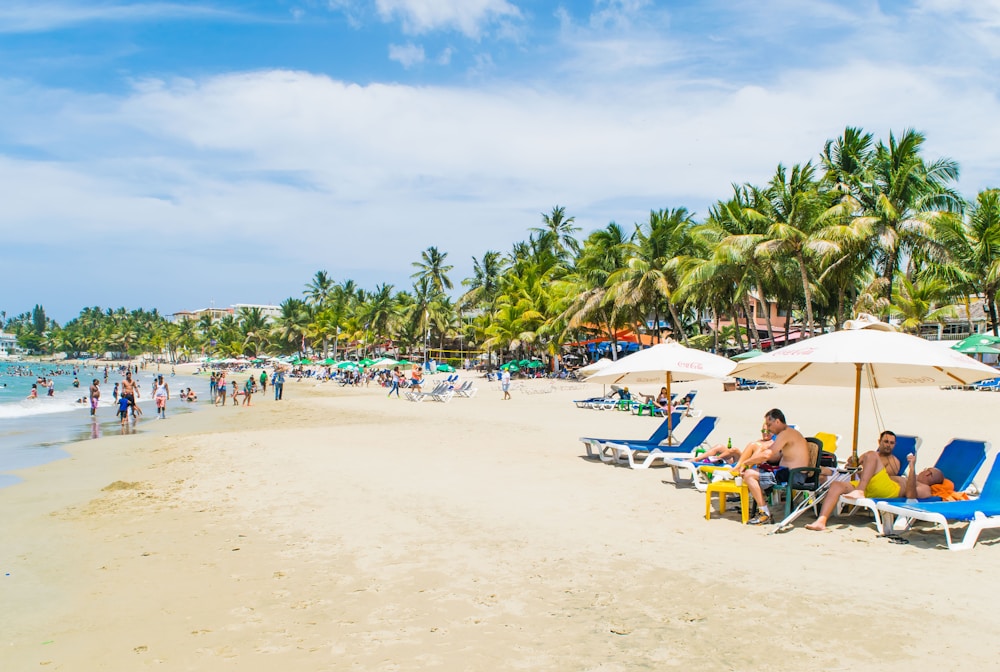
Carnival’s port at Puerto Plata opened in 2022, just down the coast from Amber Cove — and if that sounds redundant, it kind of is, since both belong to the same corporation and sit close enough that a shuttle bus makes the trip in minutes. But Taino Bay leans harder into local color: murals climb the hillside behind the terminal, vendors sell things that weren’t manufactured for tourists, and there’s a waterfall pool built into the landscaping that somehow doesn’t feel as forced as it should.
So this isn’t really an island at all, it’s a port development dressed up with enough greenery and color to make you forget that: which, to be fair, is the whole trick most of these places are playing anyway. Puerto Plata does the real work here, same as it does everywhere else Carnival touches this stretch of the Dominican Republic.
Ocean Point
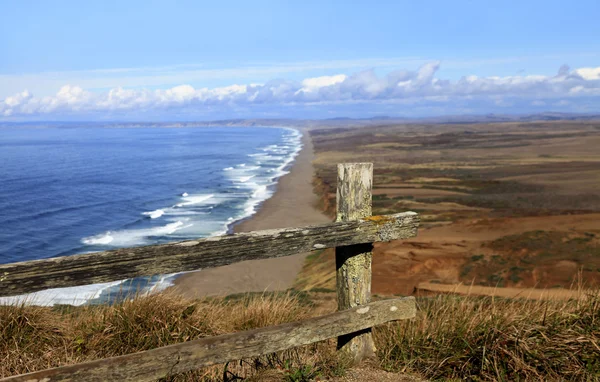
Ocean Point, the adults-only section of Great Stirrup Cay, and calling it an “expansion” undersells what they actually built — an adults-only enclave with an infinity pool that appears to spill straight into the Atlantic, no rail, no ledge, just water meeting water until the eye loses the seam. So the crowds filling the family beaches down the shoreline never quite make it here, which is either exclusionary or exactly the point, depending on how you feel about paying extra for quiet (and to be fair, quiet on a Bahamian out-island shouldn’t cost anything at all, but here you are).
There’s a swim-up bar, there’s cabanas with actual air conditioning, and there’s a stretch of sand narrow enough that it never gets the chance to feel crowded even at capacity: something most “private” islands promise and few actually deliver.
Royal Beach Club Paradise Island
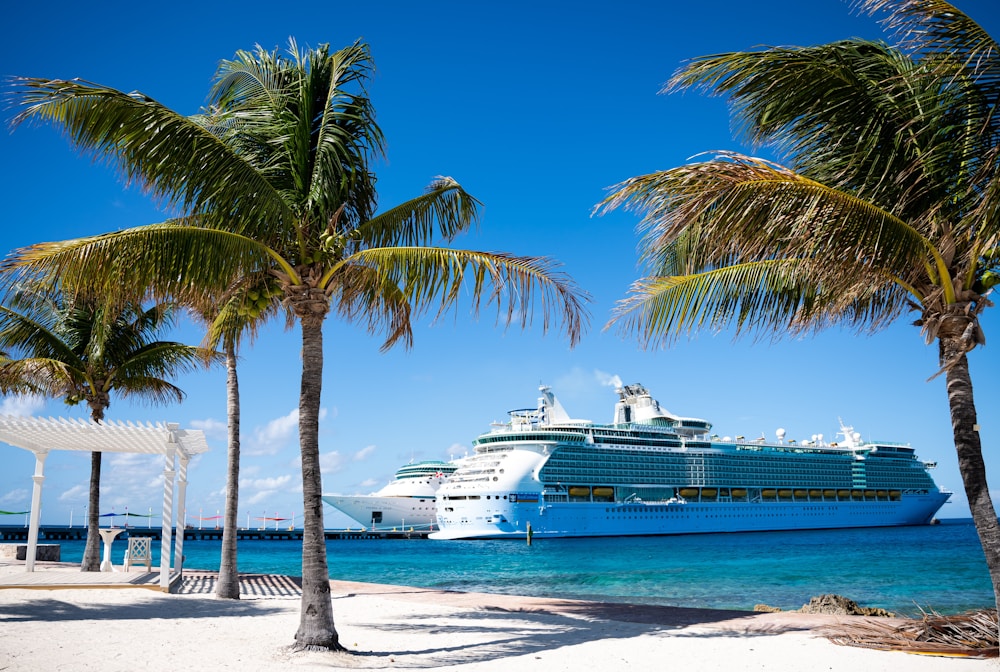
Royal Caribbean’s newest venture sits right in Nassau’s shadow, close enough to the casino lights and cruise terminal that it barely counts as an escape at all, and yet it manages one anyway. The beach club unfolds along a stretch of shoreline that used to belong entirely to day-trippers and taxi drivers hawking rides into town, and now it belongs, for a few hours at least, to whoever steps off a Royal Caribbean ship with a wristband.
There’s something almost defiant about carving out calm this close to a city that never quite stops moving, like building a reading nook inside a train station and somehow making it work. The water does most of the convincing: pale, unbothered, indifferent to the traffic just beyond the tree line.
Royal Beach Club Cozumel

Royal Caribbean is clearly done leaving beach days to chance, and Cozumel is the next stop in that plan. The location sits along Mexico’s Caribbean coast, chosen specifically because Cozumel’s reef system already ranks among the best diving in the hemisphere, so the company isn’t building scenery so much as borrowing it.
Expect the usual Royal Caribbean playbook: cabanas, a swim-up bar, a stretch of curated shoreline positioned to feel private even though it technically isn’t. Whether that counts as ambition or just repeating a winning formula depends entirely on how many of these beach clubs you’ve already been to.
Blue Lagoon Island
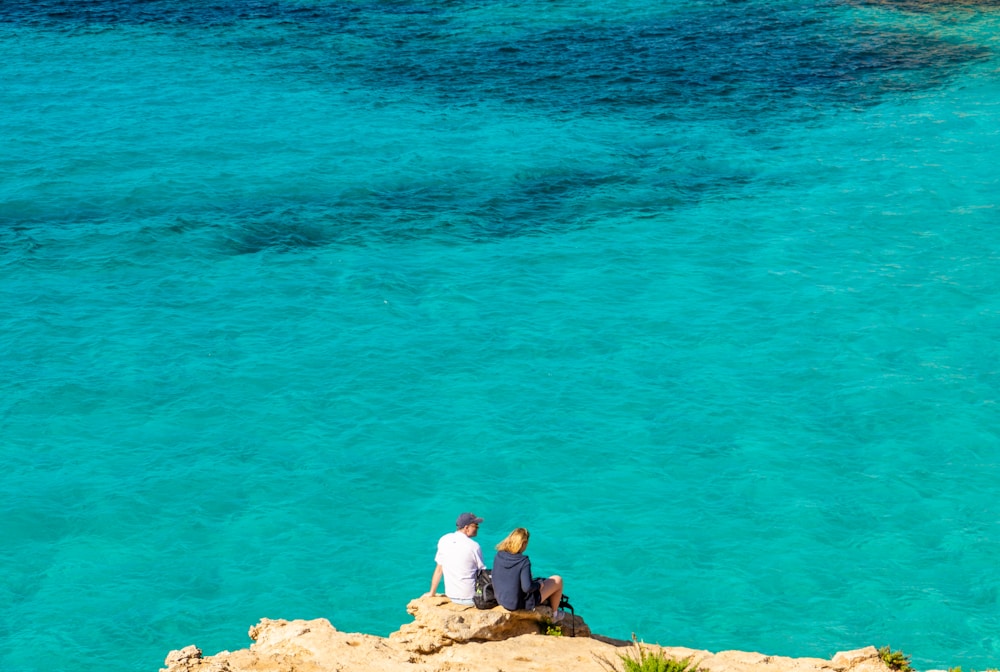
Blue Lagoon Island doesn’t belong to a single cruise line the way CocoCay belongs to Royal Caribbean, and that loose arrangement works out fine for everyone involved. Sitting a short boat ride from Nassau, it gets leased out for shore excursions across several lines, all chasing the same headline attraction: dolphins and stingrays close enough to touch without a mask or a boat ride out to a reef.
It’s not subtle marketing, and it doesn’t pretend otherwise — the animal encounters cost extra, the beach itself reads almost like an afterthought, and somehow that trade-off still sells out most weeks anyway.
Great Stirrup Cay
Norwegian’s claim to Great Stirrup Cay stretches back to 1977, decades before “private island” became a line item every cruise brochure felt obligated to include, which makes this the quiet ancestor sitting behind almost everything else on this list. The Bahamian shoreline here doesn’t dazzle the way CocoCay’s engineered lagoons do, it settles instead, the way an old photograph settles into a frame after enough years of hanging in the same spot.
Ocean Point handles the adults-only hush a few hundred yards down the beach, but the main stretch of Great Stirrup still carries that original, unpolished feel, sand that’s been sand a lot longer than most of the competition has existed. There’s a stubbornness to it, honestly, like the island knows it started this whole trend and doesn’t feel much need to prove anything twice.
CocoCay
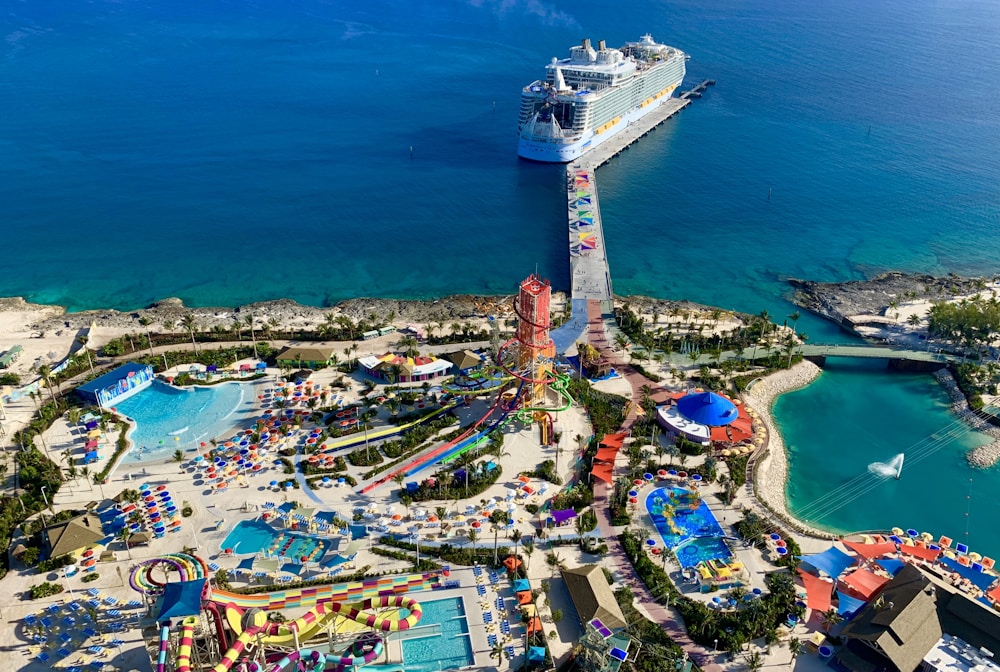
Perfect Day at CocoCay is the one every other line quietly measures itself against, and pretending otherwise would be dishonest. Royal Caribbean spent real money turning a modest Bahamian outpost into a place with the tallest water slide in North America, a suspended helium balloon ride, and a beach club that costs more than some hotel rooms — which is either genius or slightly absurd, depending on how you feel about waterparks bolted onto paradise.
To be fair, it works: the water off Chill Island still looks like something out of a postcard, slides notwithstanding. Nobody visits CocoCay expecting subtlety, and nobody leaves disappointed either, which is saying something in an industry built on overpromising.
More Than Just a Stop on the Itinerary
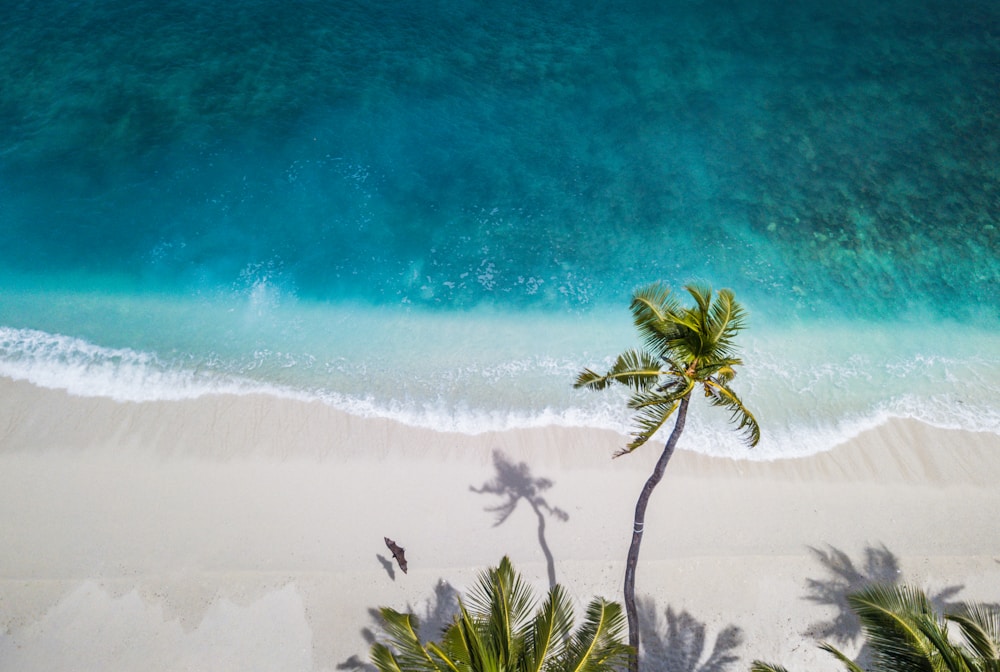
Not every unforgettable beach day requires finding a hidden cove or wandering far from the cruise pier. Cruise lines have spent decades creating, leasing, and developing coastal destinations that combine beautiful beaches with the convenience of returning to your ship just a short walk or tram ride away.
Whether you prefer a quiet stretch of sand, world-class snorkeling, adults-only relaxation, or family-friendly water attractions, these destinations prove that some of the best beach experiences in the Caribbean are waiting right on your itinerary. The trick isn’t simply stepping ashore—it’s knowing which beach fits the kind of day you want before everyone else claims the best spot.
More from Travel Pug

- Underrated Italian Towns That Beat the Tourist Crowds
- Las Vegas Tourist Traps to Skip
- Prettiest Towns in Every US State
- 18 passport-free countries for Americans
- Signs Your Cruise Is Not Worth The Cost
Like Travel Pug’s content? Follow us on MSN.