

Most people board a cruise ship with a phone full of storage space and a mental list of exactly three photo spots: the ship’s name painted on the hull, the sunset from the pool deck, and whatever formal night backdrop the photographer sets up near the atrium. Fair enough — those shots matter.
But somewhere between the muster drill and the midnight buffet, dozens of smaller, stranger, more interesting photo opportunities get ignored entirely, mostly because nobody points them out ahead of time.
Some of these spots are tucked into stairwells nobody uses. Others sit in plain sight on the pool deck, disguised as something you’d never think to photograph.
A few require nothing more than timing — being in the right hallway at the right hour when the light does something the brochure never mentions. None of them requires a professional camera or a crew member’s permission.
They just require you to notice.
The Ship’s Wake at Golden Hour
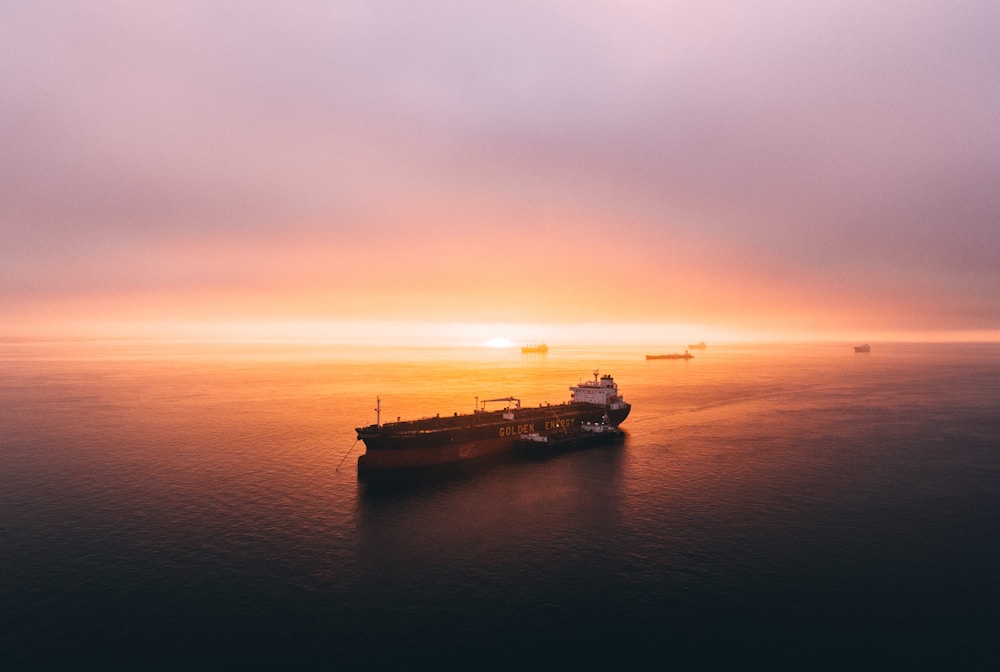
Stand at the very back of the ship, not the front — nobody photographs the wake and it’s the most cinematic thing happening on board most evenings. The white churn against a darkening ocean looks like something out of a film reel, and it changes by the minute depending on the light.
Most passengers are pressed against the front railing, chasing a sunset they could photograph from anywhere; the wake is only visible from here, and it’s gone the second the ship changes course.
The Pool Deck Funnel Reflection
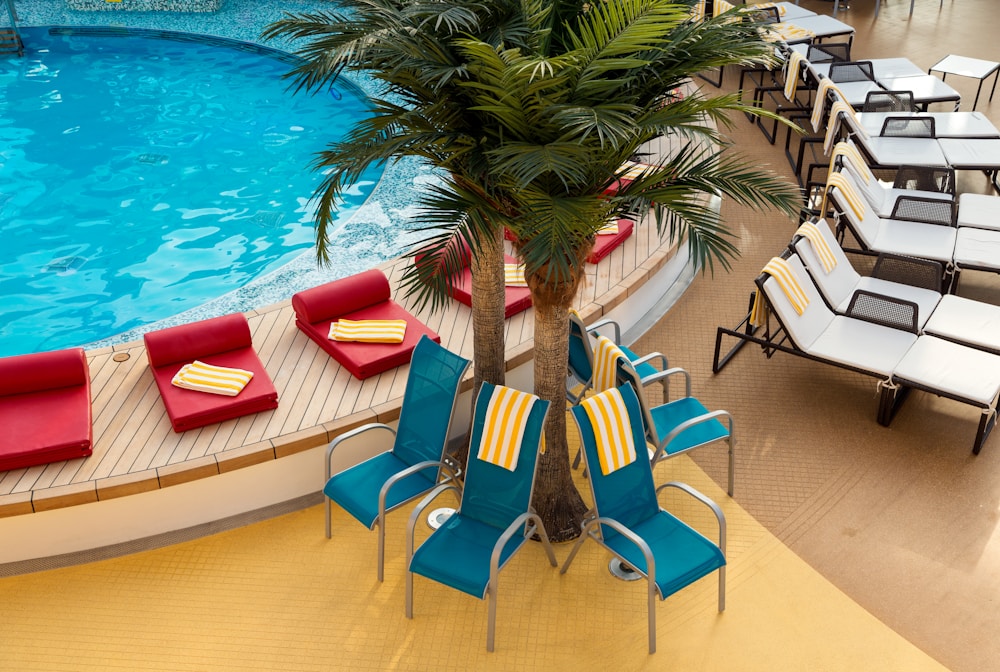
Nobody looks up on a cruise ship, which is strange when you think about it, because the funnel — that towering, painted, slightly ridiculous structure — is often the most photogenic thing on the entire vessel, especially when it catches itself upside down in the still water of an early-morning pool. So the trick is timing: get there before the pool opens, before the first splash ruins the mirror, and the reflection sits there flawless for maybe 20 minutes.
And it’s not really about the funnel itself, it’s the doubling of it, the ship folding back on itself in the water like it’s checking its own reflection before the day starts. Most passengers walk past this exact spot three times a day heading to breakfast, coffee cup in hand, never once glancing down.
The Crew Stairwell Murals
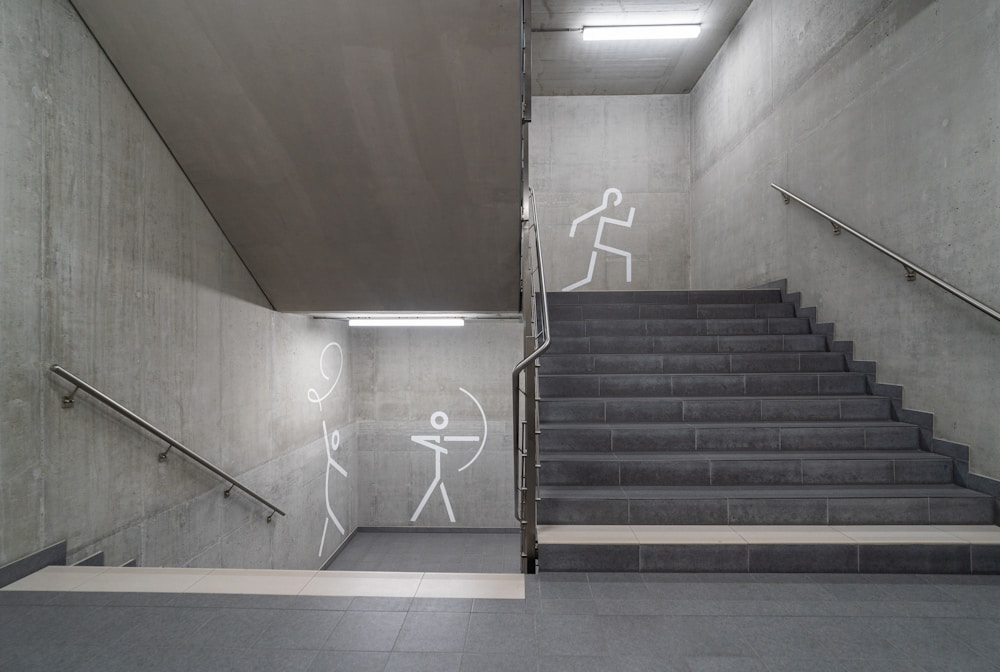
Some ships feature artwork in passenger stairwells, while select vessels display maritime-themed murals and historical displays in public stair towers. Nobody expects wall art in a stairwell, so nobody looks for it, and that’s exactly why it works.
Bright murals, painted maps, sometimes historical line drawings of the ship’s construction — all photographed by almost nobody, all better lit than half the “official” art walls upstairs.
The Life Jacket Storage Lockers
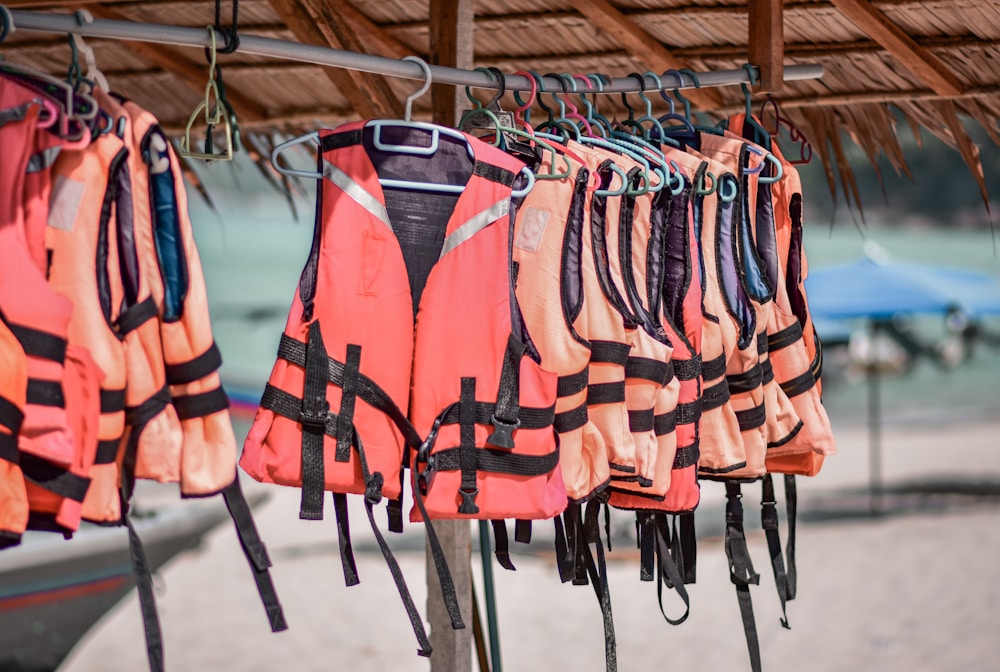
Photographing the orange life jacket lockers sounds like a joke, and to be fair, it kind of is — but the bank of them lined up along the outer deck, numbered and uniform, makes for one of the more oddly satisfying compositions on the whole ship. Nobody stops for this one, because who wants a picture of safety equipment, which is exactly the point: it’s unexpected, it’s graphic, and it says “cruise ship” louder than another sunset ever could.
Symmetry photographs well, and a wall of matching lockers under harsh daylight has more of it than most passengers give it credit for.
The Bow Observation Netting
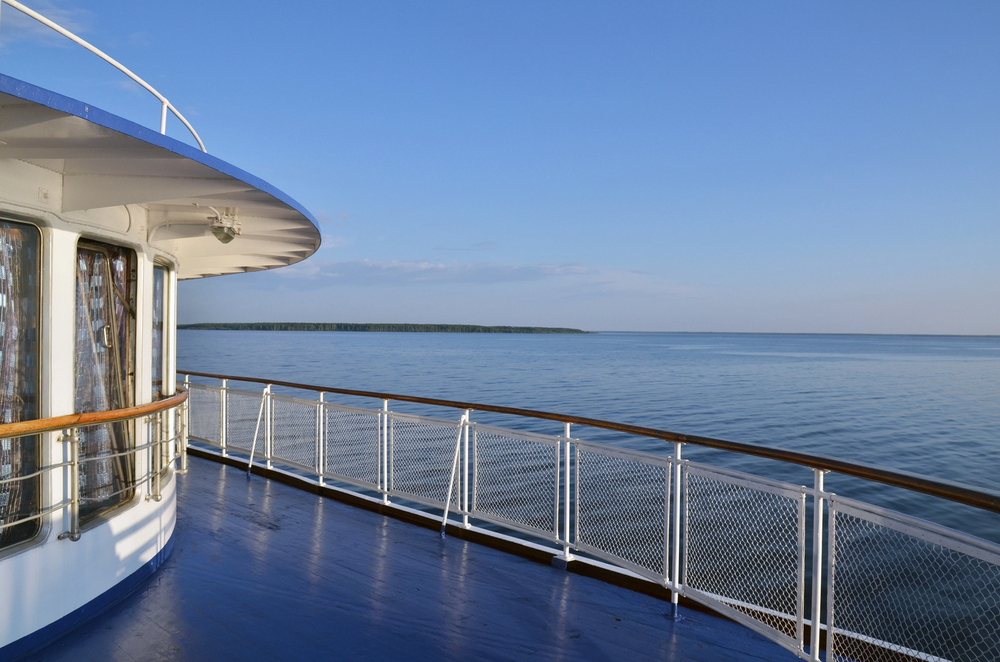
Some ships have a small netted platform tucked at the very front, past the pool deck, past where most people bother walking. The wind hits harder there.
The view opens up in a way the railings near the pool never allow, ocean stretching out with nothing but rope and mesh between you and it. Almost nobody makes the walk, so almost nobody gets the shot.
The Shadow of the Lifeboats
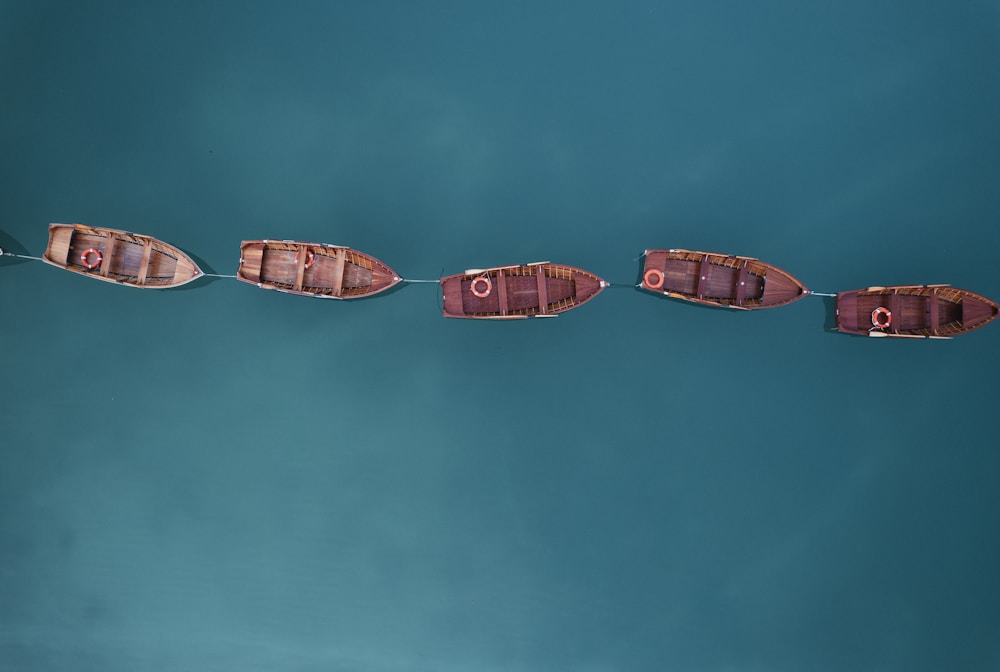
There’s a stretch of open deck on most ships where the lifeboats hang overhead in their davits, and almost nobody thinks to look down at what they’re doing to the floor: casting long, ribbed shadows that shift shape depending on the hour, stretching thin at midday and pooling into something almost architectural by late afternoon. So the photo isn’t the lifeboat at all — it’s the shadow, the negative space, the pattern repeating down the deck like a xylophone made of light.
And this only works for about an hour before the sun climbs too high or drops too low, which is probably why so few people ever catch it, since they’re usually inside chasing a drink refill or a shuffleboard court nobody’s using anyway. It’s an easy shot to get, technically, but a hard one to notice, and that gap between easy and noticed is where most of these overlooked spots seem to live.
The Anchor Chain Locker Window
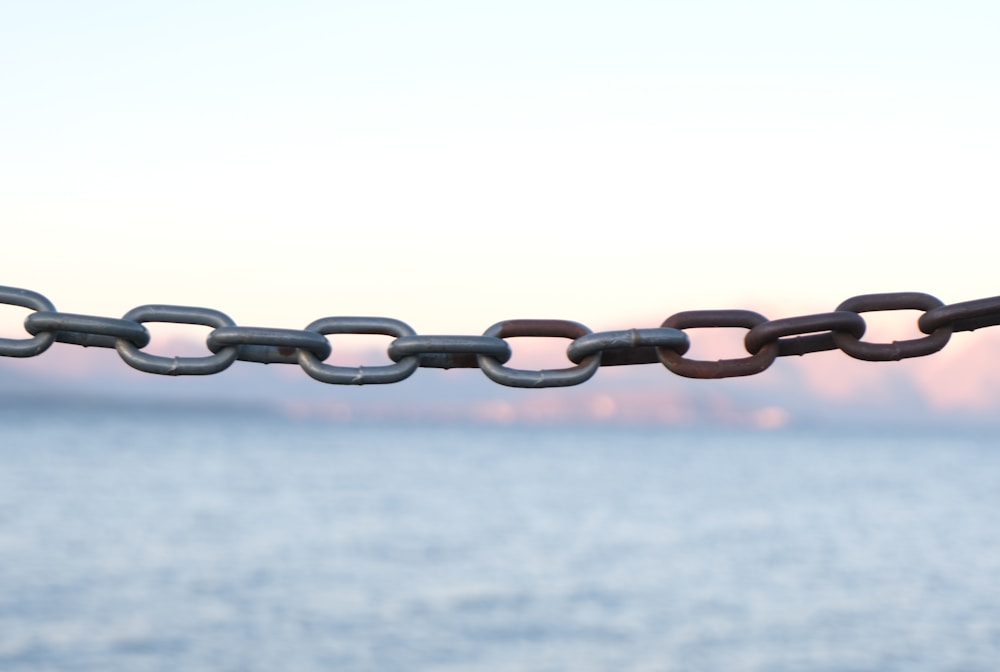
Most ships hide a small viewing window near the bow where you can see the anchor chain disappear into the hull, thick iron links stacked like something out of an industrial museum. Almost nobody knows it’s there, tucked past the crew-only signage that looks more restrictive than it actually is.
The rust patterns and raw metal make for a photo that looks nothing like the rest of the ship, which is exactly the appeal — every other shot on board looks polished, and this one looks like it belongs to the vessel’s actual working guts.
The Rope Coils on the Mooring Deck
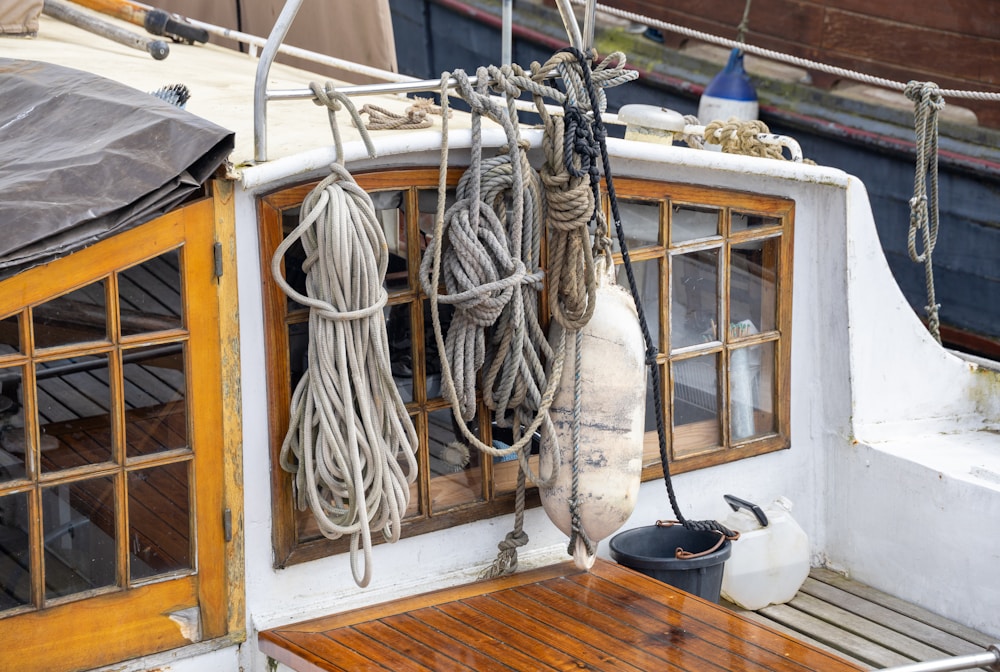
Nobody photographs rope, which is a mistake, because a tightly coiled mooring line sitting on white deck paint is one of the most satisfying shapes on the entire ship. It’s geometry doing something for free — perfect spirals, thick and industrial, sitting there ignored while everyone lines up for the same railing shot 40 feet away.
To be fair, it looks like maintenance equipment, not scenery, which is exactly why almost nobody bothers pointing a camera at it. That’s the whole appeal: it photographs like abstract art and costs nothing but a two-minute detour past the crew workstations most passengers speed-walk through without looking down.
The Promenade Deck at Night
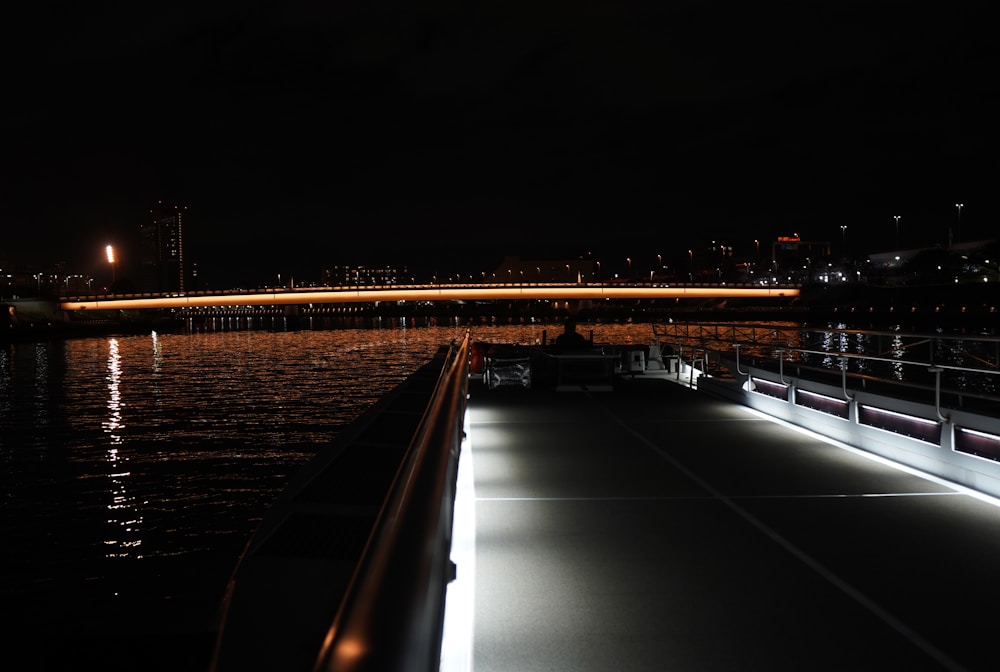
Empty deck chairs stacked in a row, deck lights humming overhead, ocean pitch black beyond the railing. Nobody photographs this because there’s technically “nothing there.”
That’s the point — the emptiness is the shot, and it’s gone the second the deck fills up again after breakfast.
The Elevator Lobby Carpet Patterns
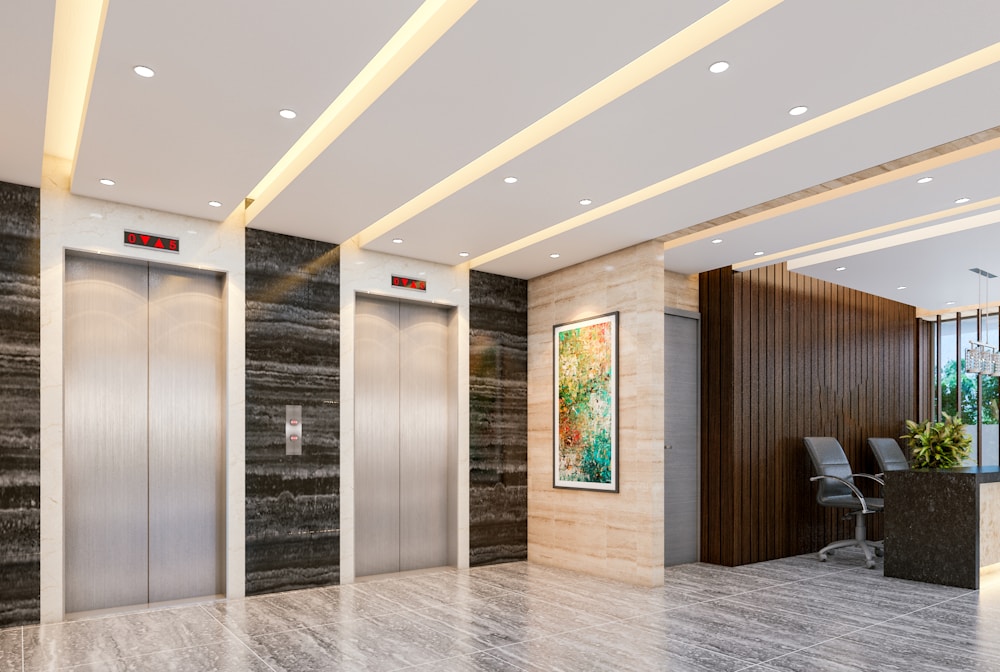
Every deck has one of these lobbies, the little pocket outside the elevator doors where the carpet suddenly gets ambitious — bold geometric shapes, sometimes a deep maroon starburst, sometimes something that looks vaguely nautical if you squint — and almost nobody looks down long enough to notice, because everyone’s staring at the floor numbers waiting for the doors to open. So the shot is simple: point the camera straight down, framed by your own shoes at the edges, and the pattern does something almost hypnotic when it’s the only thing filling the frame.
And it’s not the same on every deck either, which is the part most passengers never clock, since the design usually shifts by a shade or a shape depending on which section of the ship you’re standing in — a small, deliberate detail somebody in a design department probably argued about for weeks. There’s something a little funny about the fact that thousands of people stand on this exact spot every cruise, phones in hand, and none of them think to point the lens downward instead of at the mirror across the hall.
The Ship’s Bell
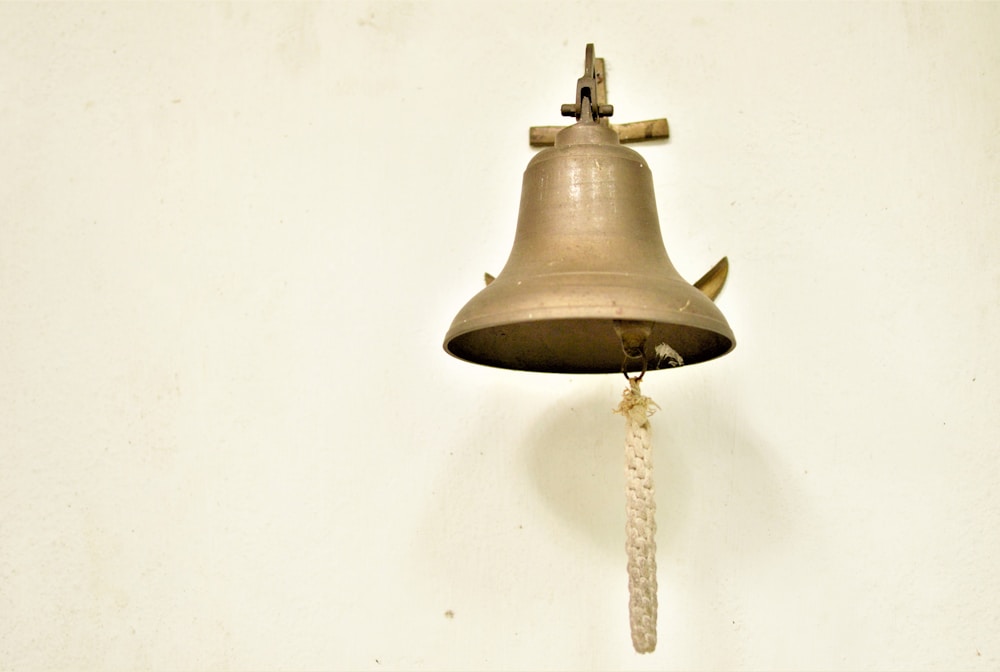
Tucked near the bridge wing, usually bolted to a plinth nobody bothers reading, the ship’s bell sits like a forgotten instrument in an orchestra that stopped touring decades ago. It’s engraved with the vessel’s name and sometimes a christening date, a small brass fact quietly outlasting every passenger who’s ever walked past it without a glance.
There’s a particular hour, right after the deck crew polishes it, when the metal stops merely shining and starts to glow, the light off it looking less like reflection and more like something remembered. Most people photograph the horizon a hundred times before it occurs to them to turn the camera toward the one object on board old enough to actually have a story.
The Teak Deck Planking
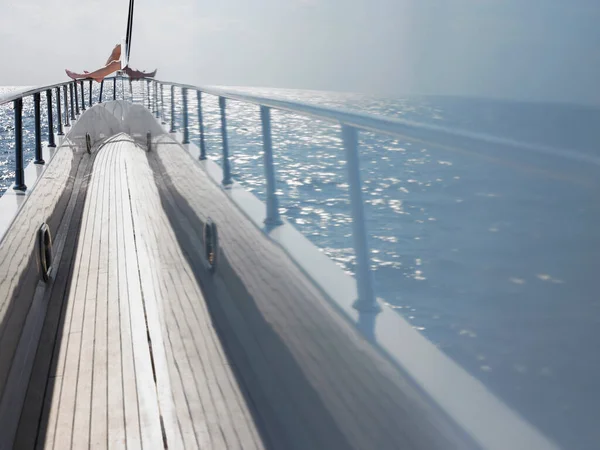
Nobody photographs the floor. That’s a mistake on ships with real teak decking, where the wood grain runs in long parallel lines broken only by black caulking seams.
Shoot it low, almost flat against the boards, and it reads like a photo of the ocean itself — all horizon, no ship. Most passengers spend the whole cruise standing on the best texture on board and never once look down.
The Melting Ice Sculptures
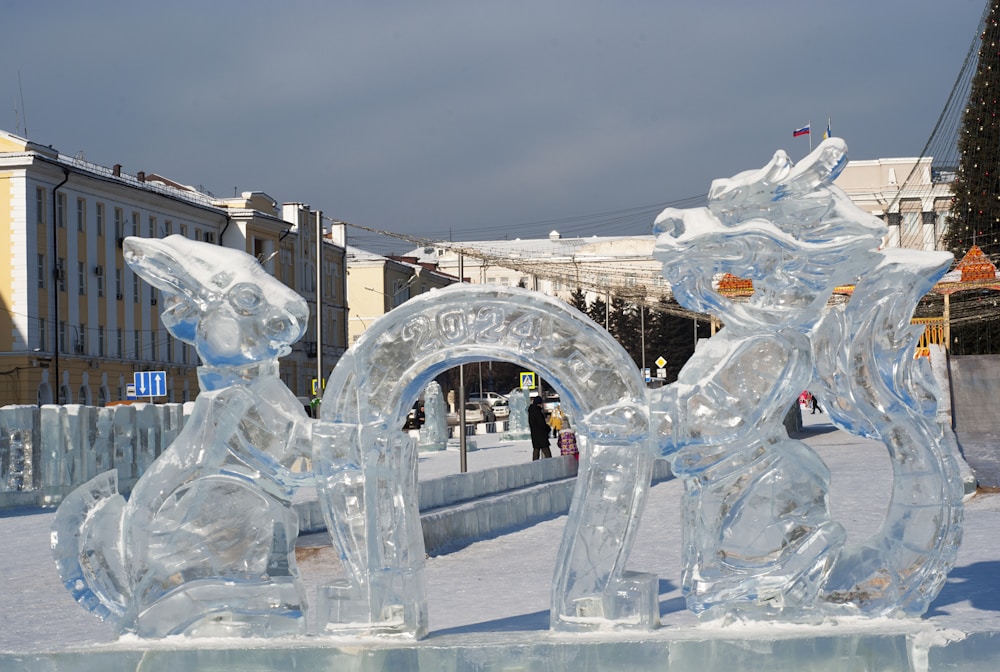
The ice sculptures wheeled out for the midnight buffet get photographed constantly in the first ten minutes — swans, anchors, sometimes an oddly specific rendition of the ship’s own funnel carved in cloudy ice — but almost nobody comes back an hour later to catch them mid-collapse, which is honestly the better shot. So the swan slumps sideways, the wings blur at the edges, and the whole thing takes on a strange, half-formed look that no fully intact sculpture ever manages (there’s something almost tender about it, in a way that photographs a lot better than “tender” usually sounds).
And a cruise photographer, someone whose entire job depends on serving up polished symmetry, will never point a lens at a puddle forming under a swan’s neck: that shot belongs to whoever bothers sticking around after the buffet line thins out.
The Glass Elevators Facing the Atrium
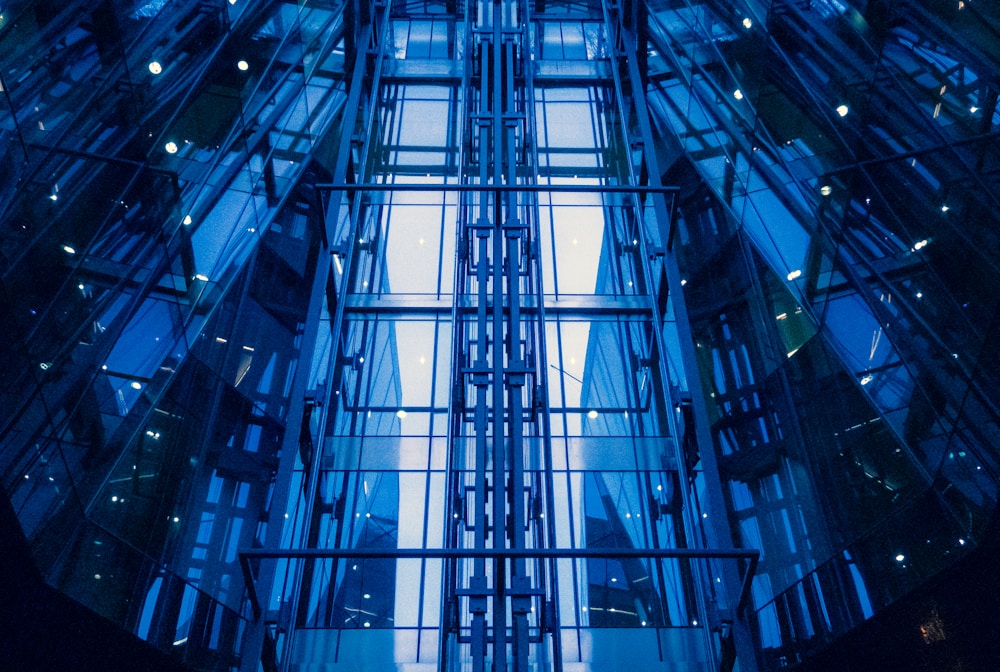
Riders inside the glass elevators tend to treat the ride itself as dead time, a few floors to kill between the cabin and dinner, phone already tucked away before the doors even close. But those elevators glide past the atrium like a slow-moving frame in a filmstrip, each floor sliding into view for exactly as long as it takes to notice the chandelier catching light differently from three decks up than it does from the lobby floor below.
The shot isn’t the atrium itself, which gets photographed to death from the ground, it’s the sideways glimpse of it in motion, blurred slightly at the edges the way a passing train blurs a platform. Nobody times the ride for a photo because nobody thinks of an elevator as a vantage point, which is exactly why the view from inside one still belongs, almost entirely, to whoever bothers to look up instead of down at their shoes.
The Hot Tub Steam at Sunrise

Before the deck attendants stack the towels and the first sunburned tourist claims a lounger, the hot tubs sit there quietly, steam rising off the surface in thin, curling ribbons that catch the low sun like something breathing after a long sleep. Nobody photographs steam, not really, because it reads as accidental, as weather rather than subject, and yet it’s one of the only things on the ship that moves on its own without an engine behind it.
The water underneath stays perfectly still, glassy even, while the air above it does all the work, twisting upward until the light burns it off completely within the hour. By the time the first swimmers arrive, the moment’s gone, folded back into ordinary daylight, and nobody who wasn’t there early ever knows it happened at all.
The Compass Rose Painted on Deck
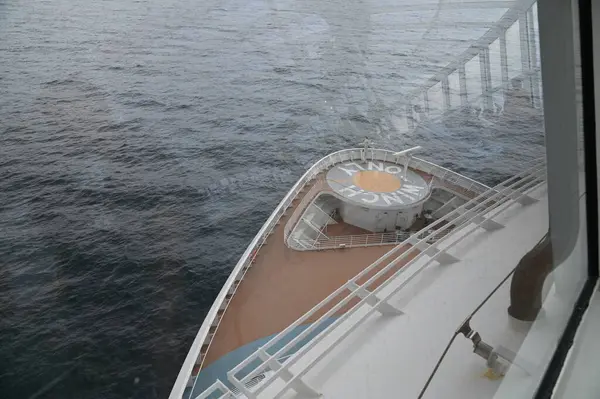
Some ships stencil a full compass rose right into the deck paint, tucked near the stern where nobody thinks to look. It’s got directions, sometimes brass fittings, sometimes gold trim baked into white paint.
Passengers step over it a dozen times a day on the way to the buffet. Nobody shoots straight down at their own feet, and that’s exactly the shot worth taking.
The Ship’s Nameplate at the Bow
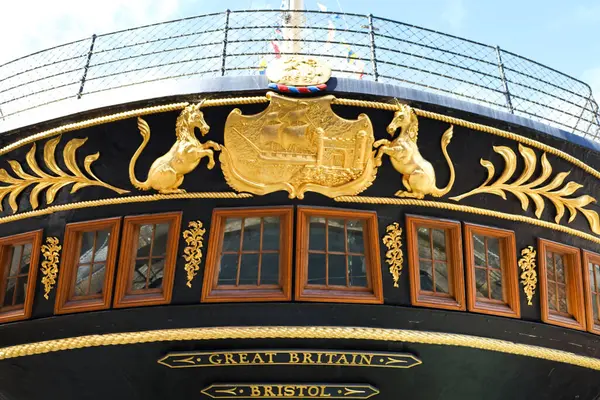
Passengers photograph the ship from a distance constantly, whole flanks of steel crammed into a single frame from a taxi window or a marina walkway, and yet almost nobody gets close enough to actually read the name stenciled across the bow in letters sometimes taller than a person — which is strange, considering that’s the one piece of text that identifies this exact vessel out of hundreds nearly identical to it. So the best angle isn’t from the ship at all: it’s from a tender boat pulling away toward a port, or a dock walkway that happens to swing close enough to catch the curve of those letters without the foreshortening that ruins the shot from directly below.
And here’s the part nobody expects, the paint on that nameplate gets touched up more often than most of the hull around it, so it often looks crisper and whiter than everything surrounding it, a small maintenance detail nobody clocks because nobody’s looking that closely at their own ride home. Most people catch it only by accident, buried in the background of a photo meant to capture something else entirely.
The Life Ring Buoys
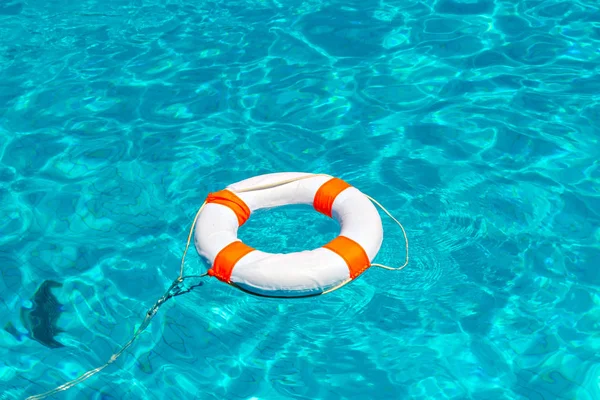
Every fifty feet or so, a life ring hangs on the railing like a period at the end of a sentence nobody’s reading, white and orange against gray steel, the ship’s name curling around the circle in letters small enough that most people never bend down to check them. Nobody photographs punctuation.
And yet there’s something quietly moving about all those little circles marching down the length of the ship, evenly spaced, patient, waiting for a job they’ll almost certainly never be asked to do — a whole vocabulary of care written in fiberglass and rope, ignored the way a seatbelt is ignored, right up until the moment it isn’t. Catch one backlit by late sun, its rope trim throwing a soft halo against the railing, and the shot stops being about safety gear entirely and starts being about the strange tenderness built quietly into a ship nobody thinks to notice.
The Ship’s Flag at the Stern
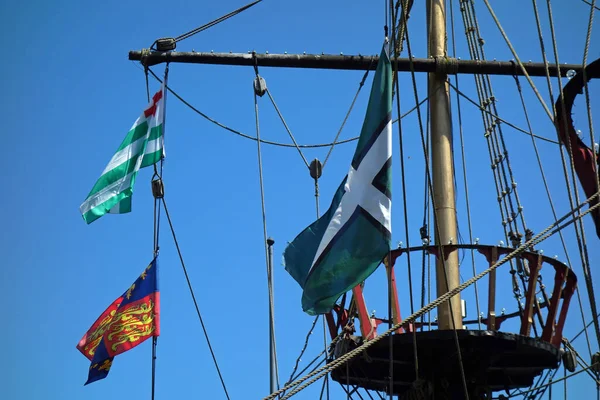
Every ship flies a flag off the stern pole, usually the country of registry snapping above the wake, and somehow it’s the one flourish nearly everyone photographs around instead of through — nobody frames the flag itself, they frame past it, like it’s furniture in someone else’s living room. So the trick is walking all the way to the back rail, letting the pole anchor one corner of the frame while the wake unspools behind it in a long white scar on the water: that alignment doesn’t happen by accident, and it definitely doesn’t happen if you’re still holding a drink from the pool bar (it happens because someone bothered to stand there for ten minutes doing nothing else).
And the flag looks different depending on the hour, stiff and flat at noon, almost weightless at dusk when the wind drops and it just hangs there like it’s thinking something over. Most passengers never make it back that far.
The Funnel’s Heat Shimmer
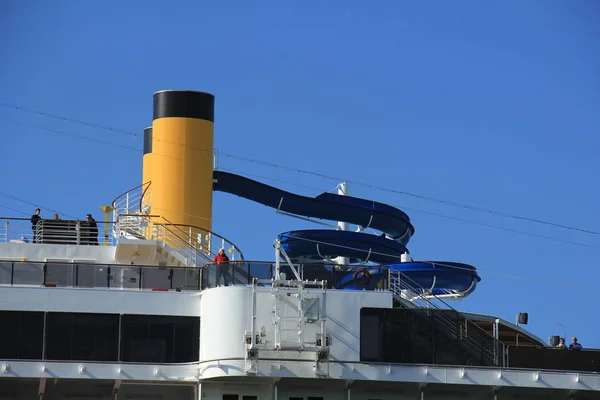
Nobody points a camera at exhaust, which is fair, since heat rising off the funnel looks like nothing at all until it starts bending the sky behind it. Stand on the deck above the pool bar and watch long enough, and the horizon starts to ripple the way asphalt does in August, a wobble in the air that turns a stationary structure into something that seems to be breathing.
It photographs best against a flat blue sky with nothing else competing for attention, the shimmer catching just enough distortion to look like a mistake in the lens rather than the ship simply doing what ships do. Most passengers walk under it a dozen times a cruise without once glancing up, chasing shade instead of the one place on board where the air itself is putting on a show.
The Pilot Ladder
A rope ladder hangs off the side near the waterline whenever the ship approaches a tricky harbor, thin wooden rungs dangling against painted steel for the pilot climbing aboard to guide the vessel in. Nobody photographs it because nobody knows to look for it, and it’s only rigged for the 20 minutes it’s actually needed.
Catch it mid-swing against the hull, some small figure in a life vest halfway up, and it’s the closest most passengers ever get to seeing how the ship actually gets handled by hand. Gone before lunch, every time.
The Lifeboat Tenders
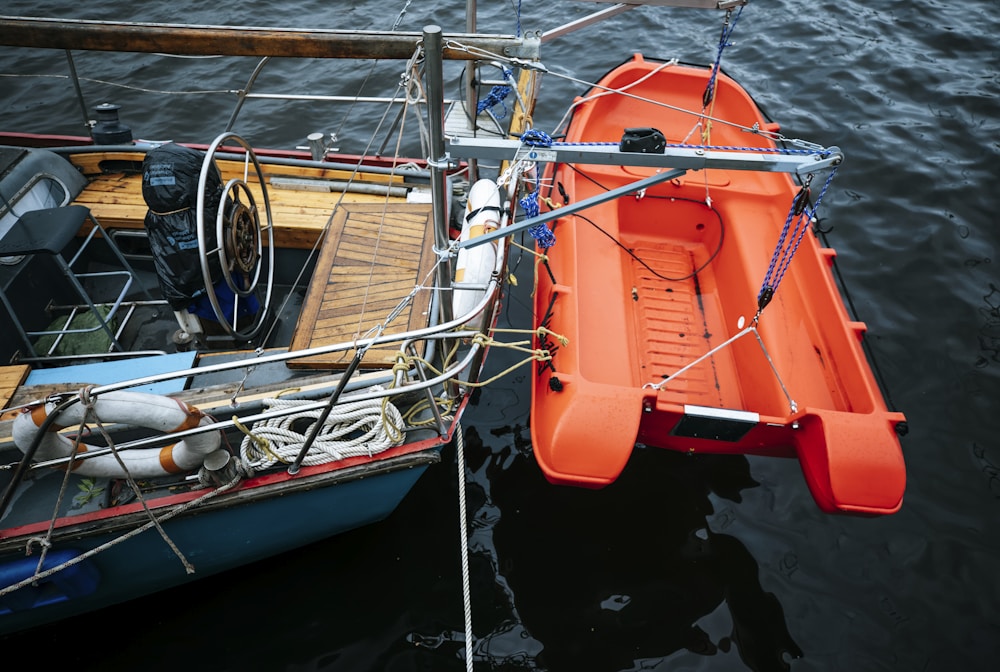
Lifeboats are the most photographed-yet-unphotographed object on any ship, hanging in neat rows along nearly every deck and somehow never making it into a single vacation album. That’s a shame, because the bright orange hulls against crisp white paint create exactly the kind of clean color contrast most photographers pay good money to fake on land.
Nobody frames them on purpose, they just end up as the orange blob at the edge of a hundred sunset shots, cropped out later because someone assumed it was clutter ruining the composition. It isn’t clutter, it’s the one piece of equipment on board with an actual job to do, and it deserves better than getting edited out for photobombing a horizon.
The Anchor Chain Locker
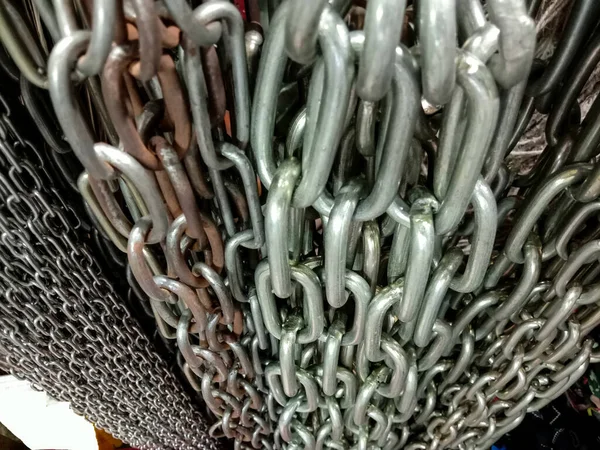
Nobody photographs a chain. Thick iron links stacked near the bow, rust-streaked, disappearing into a hawsepipe that swallows them whole the second the anchor drops — that’s not scenery, that’s hardware, and passengers walk past it the way they’d walk past a fire extinguisher.
But shot close, filling the whole frame with nothing but link after link, the pattern turns almost sculptural, heavy and repetitive in a way that actually photographs better than half the artwork bolted to the walls upstairs. Most people never even notice it’s there until the anchor’s already down and the noise stops them mid-stride.
The Bow Wave
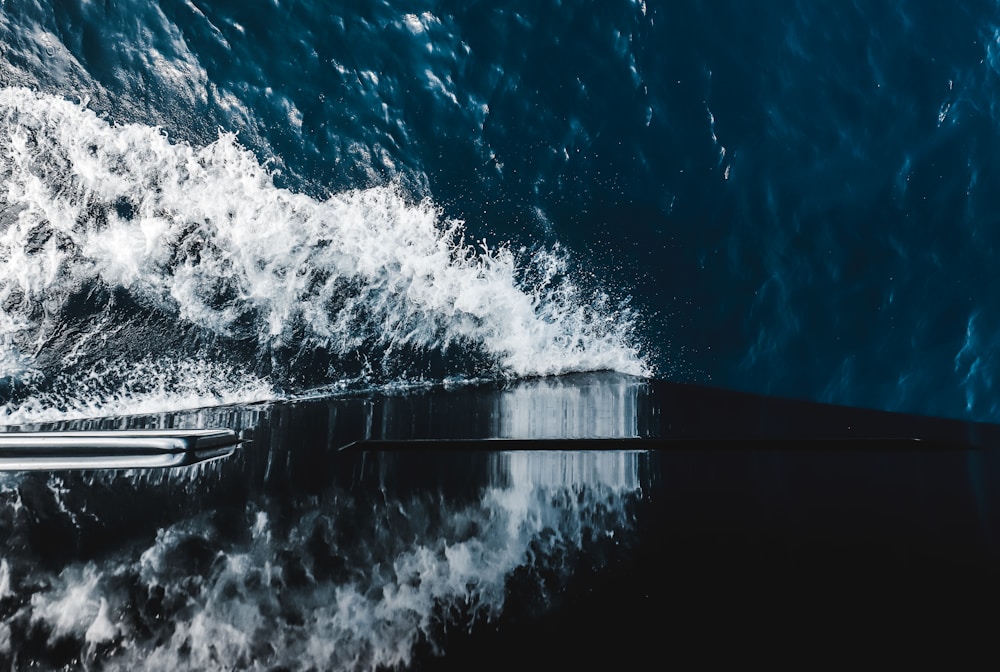
The bow wave splits white against the hull every second of the crossing, and almost nobody leans over the rail to actually watch it happen, mostly because the view from midship feels too ordinary to bother with — except that the water right at the front curls and folds like something being unwrapped, over and over, never quite finishing the motion before it starts again. And that’s the part people miss: the wave up front moves differently than the wake trailing behind, sharper, more violent almost, like the ship is arguing with the ocean instead of just gliding through it, which nobody notices because everyone’s already walked to the back rail for the sunset shot.
So the best photograph isn’t a photograph of water at all (it’s a photograph of resistance, of a few thousand tons of steel losing an argument with physics 30 times a second and losing beautifully): tilt the camera down from the very front of the bow, past the netting, and the whole thing turns into lace for about four seconds before it dissolves. Nobody stays long enough to see it twice.
The Draft Marks on the Hull
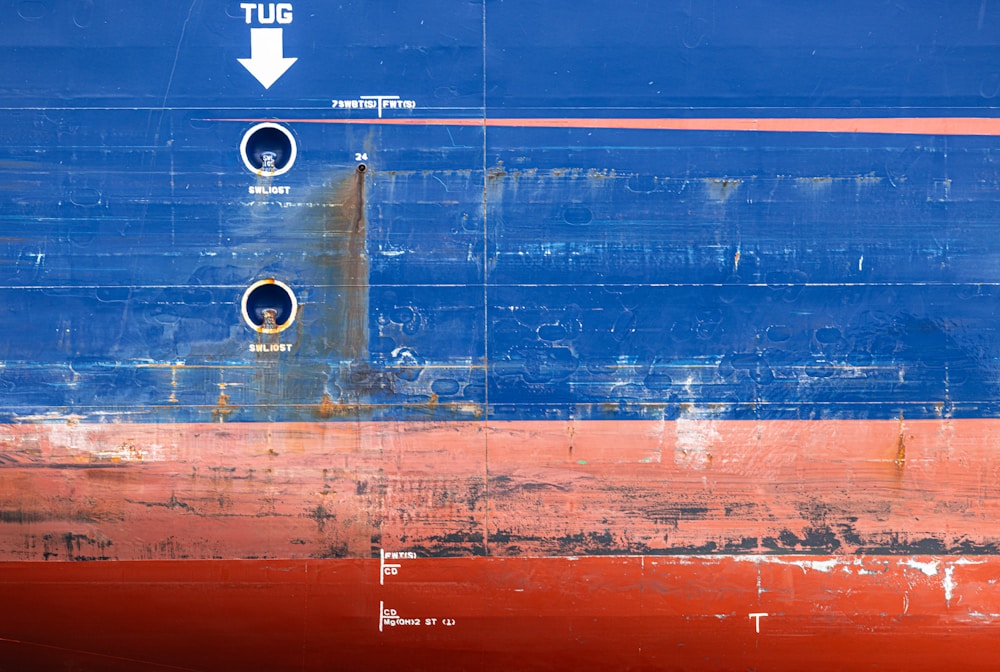
Nobody cares about draft marks, and that’s a genuine oversight. Those stacked numbers painted near the bow and stern tell you exactly how deep the ship sits in the water, which sounds boring until you realize it’s one of the only spots on the entire vessel where actual engineering gets stamped in plain sight instead of hidden behind carpet and chandeliers.
Shot from a tender or a dock at the right angle, the numbers stagger down the hull like a ruler measuring the ship against the sea itself, and nobody’s fighting you for that frame. To be fair, it’s not glamorous, but neither is most of what actually keeps a hundred-thousand-ton ship upright.
The Propeller Wash at the Stern
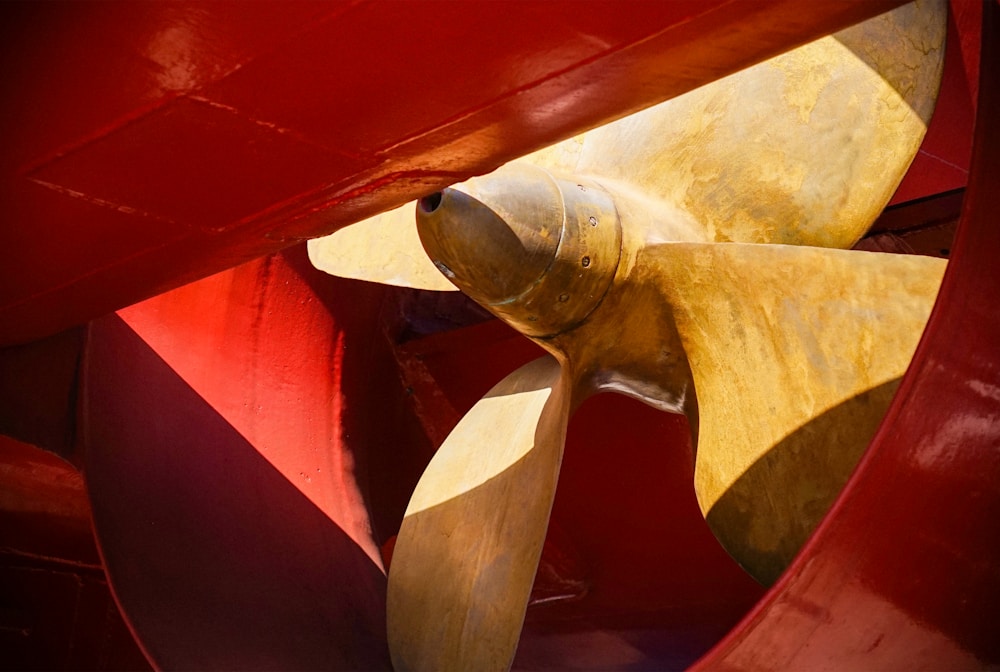
Nobody watches the water churn behind the ship. Twin propellers turn that trench into a boiling seam of white and green, deeper and angrier than the wake up top ever lets on.
It looks less like water and more like something arguing with itself 40 feet down. Not one postcard in a gift shop bothers with it, which is exactly why it’s still worth the walk to the back rail.
The Ship’s Horn
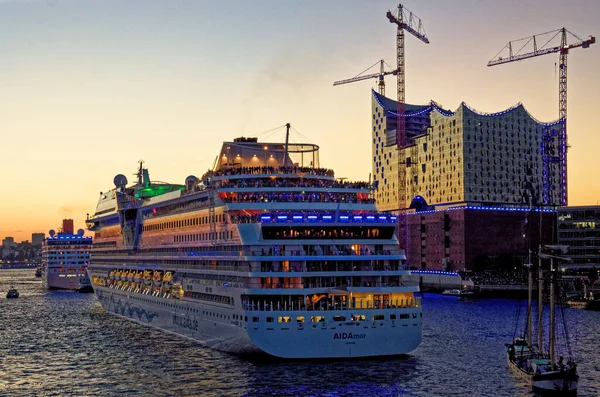
Mounted somewhere near the top of the funnel, blasting out three notes only at departure and maybe once more if a storm rolls in, the horn is one of those fixtures everyone hears and nobody looks up to find — which is strange, considering it’s basically the loudest thing on the entire ship and completely invisible unless you already know where to aim your eyes, and that particular blind spot never seems to bother anyone standing right underneath it. So the shot only works right as the ship pulls away from port, horn sounding, gulls scattering off the rigging in every direction at once.
And here’s the thing nobody accounts for: the horn housing itself is usually painted a slightly different white than the funnel around it, a mismatch that only shows under harsh midday sun. Nobody looks up in time.
The Ship’s Wheelhouse Windows
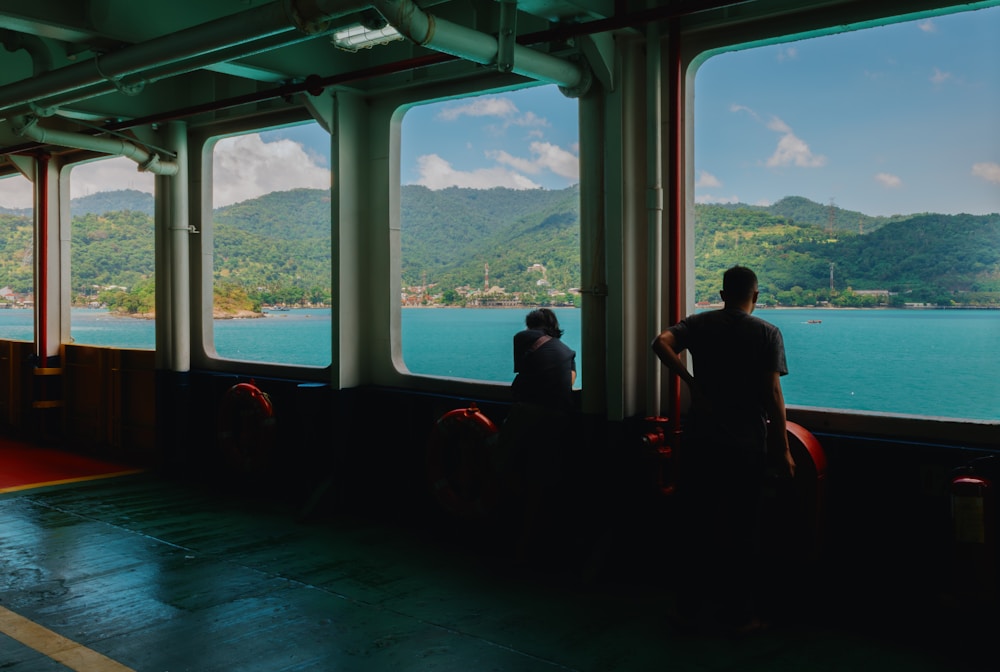
Nobody photographs the bridge from outside, mostly because it sits high enough that half the ship’s passengers forget it exists at all, tucked behind tinted glass that reflects sky instead of revealing anything inside. Those windows angle forward, sharply, a design detail that cuts glare for the officers steering the thing and happens to catch the sunrise in a long orange smear if you’re standing at the right spot on the deck below.
Nobody frames the bridge because it looks like an office building bolted to a cruise ship, and offices don’t photograph well, except this one’s aimed at open ocean instead of a parking lot. Most passengers never even glance up at the one room actually responsible for getting them home.
The Ship’s Navigation Lights
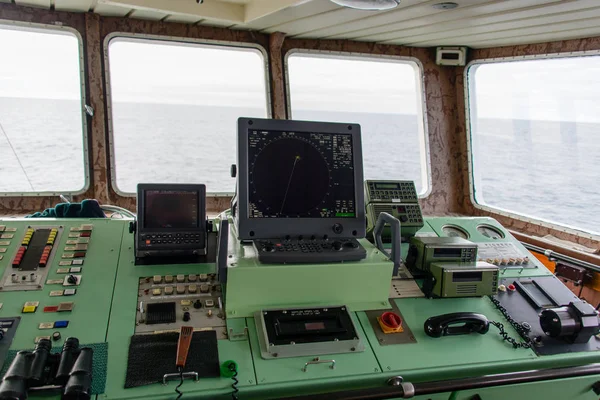
Nobody looks for the running lights, and that’s an oversight, because red on the port side and green on the starboard side is the same code sailors have trusted for over a century, and it still works exactly as intended. Most passengers walk past them fifty times a cruise without clocking that they’re even lit, tucked low near the bridge wings while all the attention goes to the deck chairs instead.
Catch one glowing against a dark horizon on a clear night and the ship stops looking like a floating hotel and starts looking like an actual vessel, which, to be fair, is exactly what it is. Nobody frames the shot, mostly because nobody remembers ships still bother keeping that old a system running.
The Ship’s Crest on the Funnel
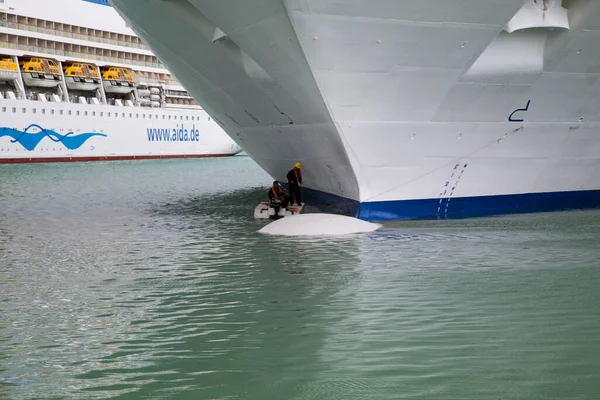
High on the funnel, painted just below the rim where the smoke bends away, sits the cruise line’s crest, some looping crown or anchor or flourish scaled up to the size of a billboard, and it might as well be wallpaper for how little anyone below deck registers it. It works the way a signature does at the bottom of a painting nobody bothers reading, present the whole time, doing the quiet work of telling you exactly whose voyage you’re on.
Shot from the pool deck looking straight up, with the funnel curving away on both sides, that crest stops being a logo and starts looking like something stitched onto the sky itself, stubborn and oddly dignified against all that white steel. Nobody tilts their head back far enough to notice, mostly because the deck chairs are facing the other way.
The View From the Rail, Once You’ve Actually Stopped
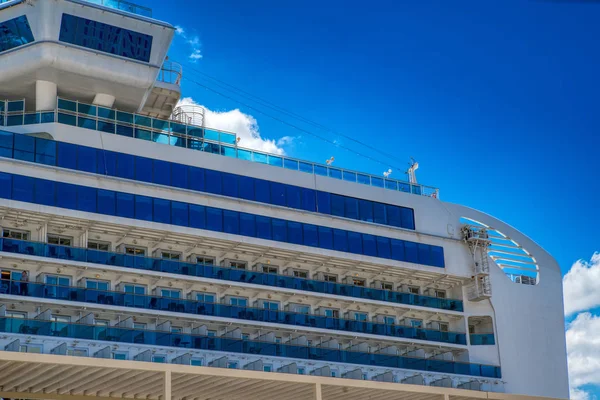
None of this stuff is hidden, exactly. It’s all sitting in plain sight, bolted down or painted on or hanging off a railing somewhere between the buffet and the pool deck, waiting for someone to stop walking long enough to actually look at it.
And that’s really the whole trick to it: the best photographs on a cruise ship rarely come from chasing the view everyone else already has, they come from noticing the parts of the ship that were never meant to be looked at in the first place. The horizon will still be there in an hour.
The bell, the crest, the strange little glow off the wake at night, those moments come and go on their own schedule, and most passengers never even know they missed them.
More from Travel Pug

- Underrated Italian Towns That Beat the Tourist Crowds
- Las Vegas Tourist Traps to Skip
- Prettiest Towns in Every US State
- 18 passport-free countries for Americans
- Signs Your Cruise Is Not Worth The Cost
Like Travel Pug’s content? Follow us on MSN.