

Old castles are awesome testaments to centuries of human aspiration, war, and architectural genius. These stone strongholds speak volumes about medieval knights, royal politics, and the rise and fall of dynasties. From Scottish mountains to Japanese hilltops, these marvels have survived the test of time while keeping their doors ajar for inquisitive adventurers. Many still house invaluable artifacts, breathtaking architecture, and ghostly tales that enthrall millions of tourists every year.
These are the 20 ancient castles from across continents and centuries that you can visit today. Each provides a glimpse into the past while still being accessible to contemporary adventurers.
Edinburgh Castle, Scotland

Dramatically perched atop Castle Rock, this old fortress has presided over Scotland’s capital for more than 1,000 years. The volcanic fortress saw its share of battles while providing shelter to Scottish royalty during stormy centuries.
Tourists now may inspect the Crown Jewels and Stone of Destiny, although the wind there may keep you wondering why medieval men wore such thick cloaks.
Tower of London, England
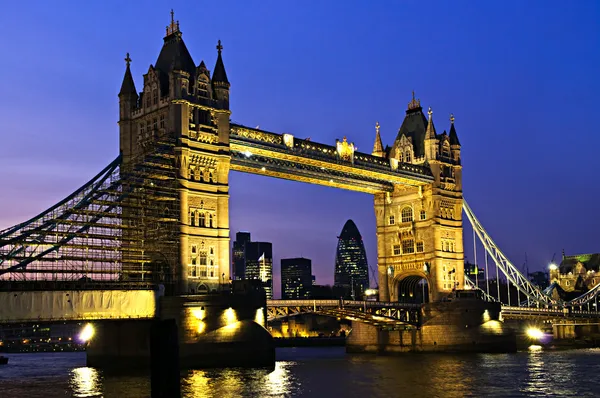
The Tower of London has served as a royal palace, prison, and execution site since William the Conqueror built it in 1070s. Ravens still patrol the grounds according to ancient superstition — while Yeoman Warders share tales of famous prisoners and royal scandals.
The Crown Jewels collection here sparkles with enough diamonds to make any jewelry store weep with envy.
Like Travel Pug’s content? Follow us on MSN.
Himeji Castle, Japan

Known as the “White Heron” for its elegant facade, Himeji represents the pinnacle of Japanese castle architecture from the 14th century. This UNESCO World Heritage Site survived World War II bombings and countless earthquakes through ingenious engineering — yet its maze-like interior still confuses visitors.
The design was specifically created to bewilder invading enemies, though modern tourists might need GPS guidance that ancient attackers desperately wished they’d had.
Château de Vincennes, France

This 14th-century royal residence outside Paris boasts Europe’s tallest medieval keep at 170 feet high. French kings used Vincennes as both a hunting lodge and state prison — with famous inmates including the Marquis de Sade.
The chapel’s stunning stained glass windows still cast rainbow patterns across stone floors where royal ceremonies once unfolded with elaborate pageantry.
Alcázar of Segovia, Spain
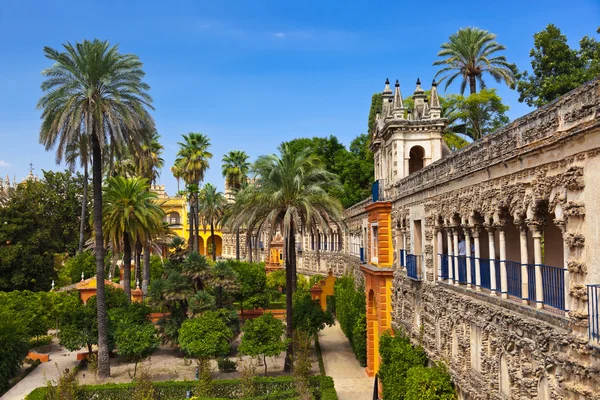
Rising like a fairy-tale illustration from Segovia’s rocky outcrop, this castle actually inspired Walt Disney’s Sleeping Beauty design. The Alcázar served as fortress, royal palace, and artillery school since the 12th century — though its distinctive ship-like shape makes it Spain’s most photographed landmark.
Its interior houses elaborate Mudéjar decorations and medieval weaponry displays that transport visitors back centuries.
Like Travel Pug’s content? Follow us on MSN.
Warwick Castle, England
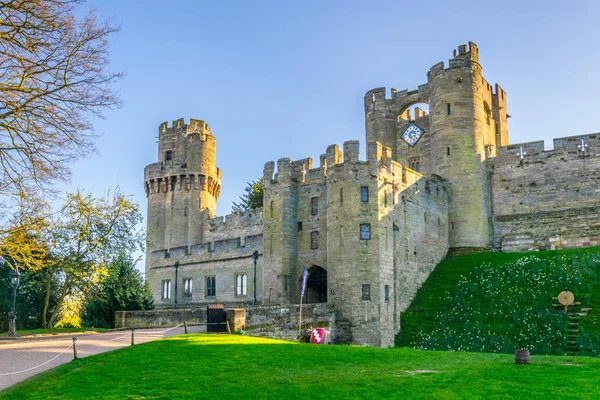
Constructed by William the Conqueror in 1068, Warwick Castle blends Norman military design with subsequent luxurious additions.
The Great Hall features medieval banquet preparations, complete with wax figures almost ready to serve dinner. Interactive displays allow visitors to experience trebuchet launches and falconry shows, mercifully without authentic medieval hygiene standards.
Prague Castle, Czech Republic

This sprawling complex has served as the seat of Czech rulers for over 1,000 years, remaining the world’s largest ancient castle grounds.
The Gothic St. Vitus Cathedral dominates the skyline while the Old Royal Palace includes the hall where the Defenestration of Prague sparked the Thirty Years’ War. Walking these courtyards feels like stepping through a living history book, albeit one with excellent coffee shops nearby.
Malbork Castle, Poland
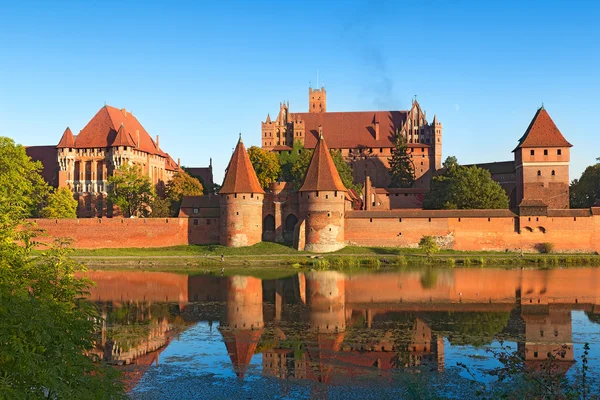
The largest brick castle in the world, Malbork, was built by the Teutonic Knights in the 13th century along the Nogat River. This Gothic masterpiece once housed 3,000 knights and served as the order’s headquarters during their Baltic crusades.
The castle’s restoration after World War II damage took decades, yet visitors today can explore authentic medieval chambers and admire intricate brickwork that would challenge even modern builders.
Like Travel Pug’s content? Follow us on MSN.
Red Fort, India
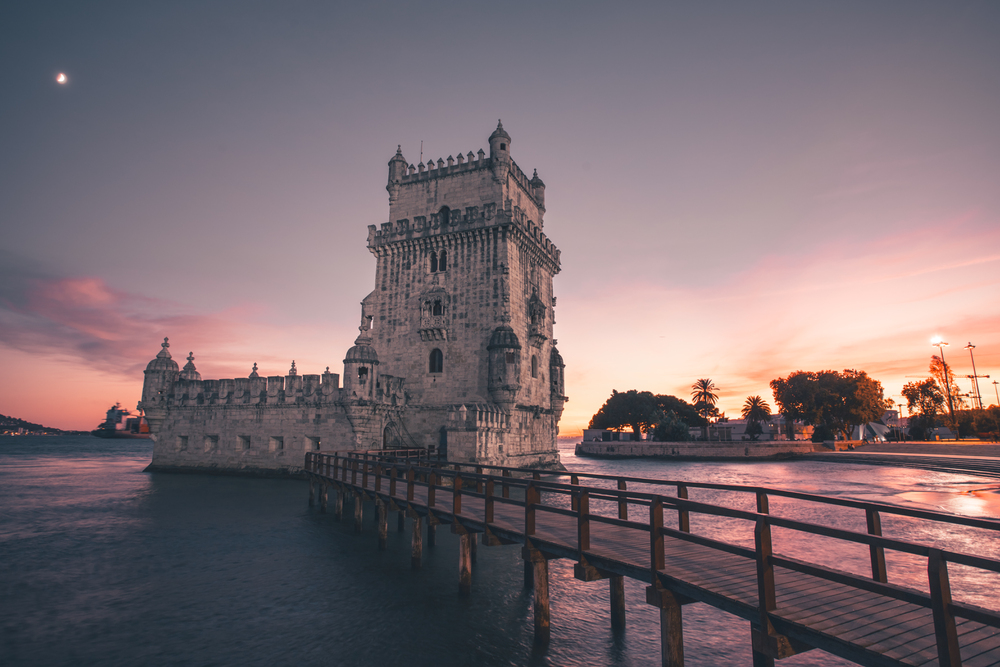
Delhi’s Red Fort stands as a monument to Mughal power from the 17th century — its red sandstone walls enclosing palaces of remarkable beauty.
The complex showcases Indo-Islamic architecture at its finest with marble inlays and gardens that once hosted emperors. Each August 15th, India’s Prime Minister addresses the nation from these ramparts during Independence Day celebrations.
Bran Castle, Romania
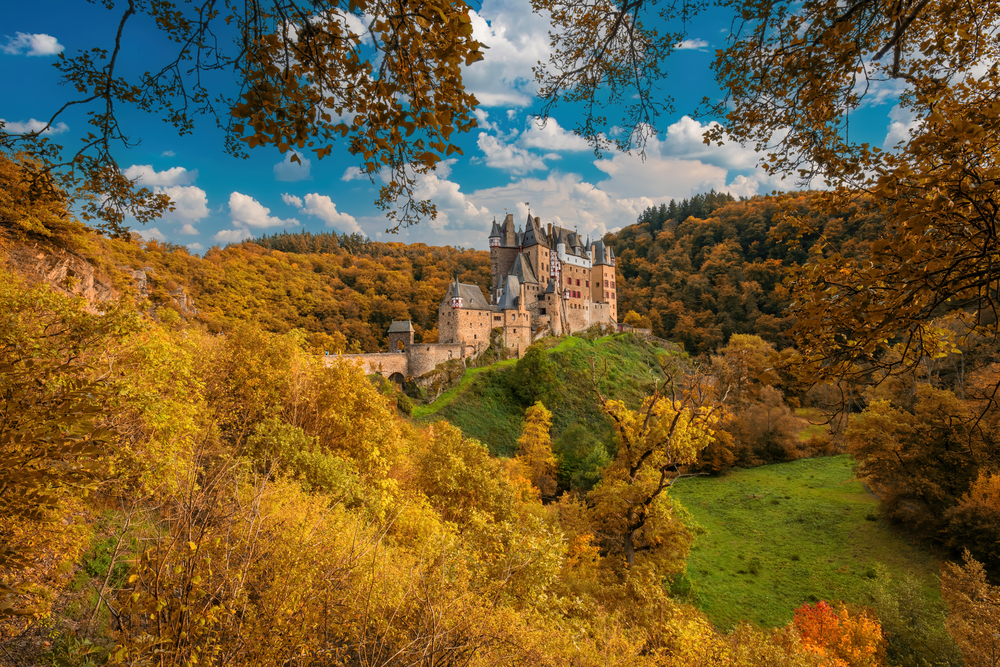
Dramatically perched on a rocky cliff in Transylvania, Bran Castle gained fame as “Dracula’s Castle,” though Vlad the Impaler likely never lived there.
Built in the 14th century, this Gothic fortress now houses a museum displaying medieval furniture and artifacts. The narrow, winding staircases and secret passages create an appropriately spooky atmosphere, aside from any vampire connections.
Conwy Castle, Wales
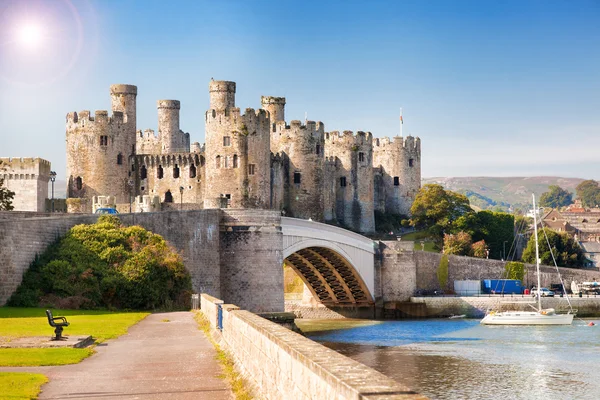
Edward I built this formidable fortress in the 1280s during his conquest of Wales. It’s one of medieval Europe’s finest military architectures. Eight massive round towers still stand virtually intact, offering spectacular views across Conwy’s medieval town walls.
The castle’s strategic position controlling the river crossing made it virtually impregnable, though modern visitors need only worry about climbing all those stone steps.
Like Travel Pug’s content? Follow us on MSN.
Hohensalzburg Fortress, Austria

Looming over Salzburg since 1077, this hilltop fortress ranks among Europe’s largest medieval castles still fully preserved. Prince-Archbishops ruled from here for centuries while creating lavish state rooms adorned with Gothic and Renaissance artwork.
The fortress offers panoramic Alpine views that stretch for miles, while its concert hall continues to host classical performances in rooms where Mozart himself once played.
Carcassonne, France
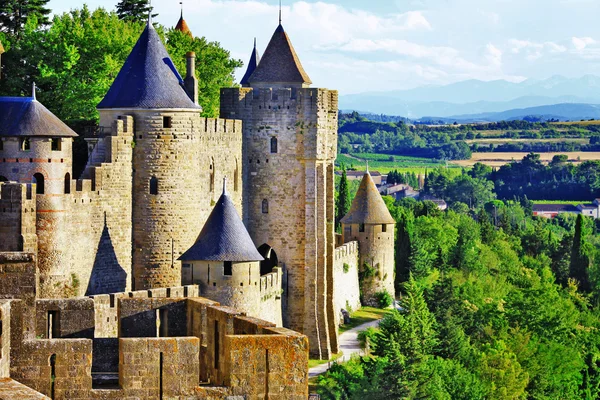
This double-walled medieval city represents the largest fortified complex in Europe. Fifty-two towers have protected the inner citadel since the 13th century. Walking Carcassonne’s cobblestone streets feels like entering a medieval movie set, except the souvenir shops remind you it’s definitely the 21st century. The basilica within the walls contains beautiful stained-glass and stone carvings that survived centuries of warfare and renovation.
Matsumoto Castle, Japan
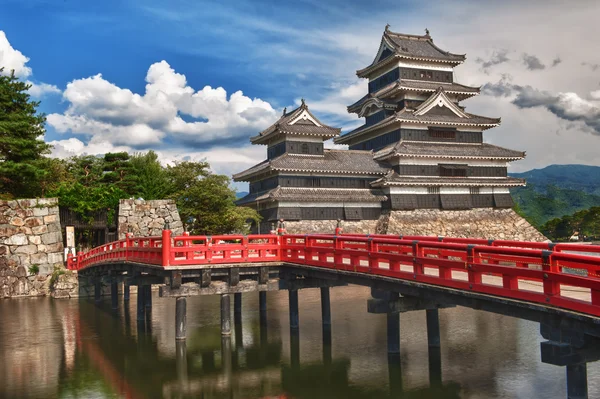
Known as “Crow Castle” for its striking black exterior, Matsumoto dates to the late 16th century. It ranks among Japan’s most beautiful original castles.
The six-story main keep contains steep wooden staircases and defensive features designed to repel invaders with guns, though spring cherry blossoms frame the castle perfectly, creating photo opportunities that Japanese tourism boards dream about.
Like Travel Pug’s content? Follow us on MSN.
Windsor Castle, England

The world’s oldest occupied castle still serves as a working royal palace after nearly 1,000 years of continuous habitation. Queen Elizabeth II spent many weekends here throughout her reign, while visitors can tour the State Apartments filled with masterpieces by Rembrandt and Rubens.
St. George’s Chapel within the grounds hosted Prince Harry and Meghan Markle’s wedding, adding modern royal history to centuries of tradition.
Mehrangarh Fort, India

Rising 400 feet above Jodhpur, this 15th-century fortress showcases Rajput architecture through its carved panels and expansive courtyards. The museum houses an exceptional collection of palanquins, weapons, and textiles that illustrate royal Rajasthani life.
From the ramparts, the “Blue City” of Jodhpur spreads below like an azure carpet, though the climb up those ancient steps might leave you needing a royal rest.
Kilkenny Castle, Ireland
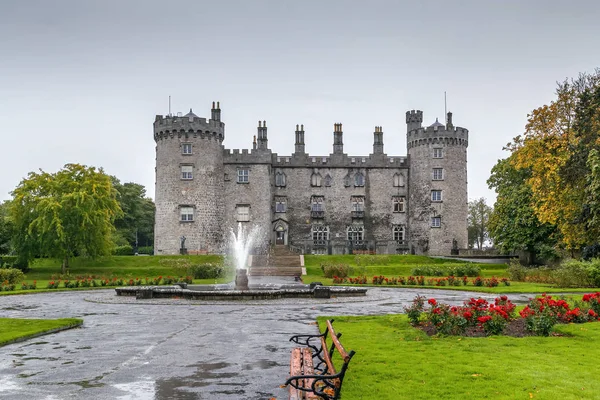
Built in 1195 by the Norman knight William Marshal, Kilkenny Castle dominated Irish politics for over 800 years. The Butler family transformed it from a military fortress into an elegant residence, adding Victorian gardens and ornate interiors.
Today’s visitors can explore the Long Gallery with its painted ceiling and hammer-beam roof, while the castle’s riverside location provides perfect picnic spots in the surrounding parkland.
Like Travel Pug’s content? Follow us on MSN.
Forbidden City, China

Beijing’s Forbidden City served as the Chinese imperial palace from 1420 to 1912. Twenty-four emperors lived here across the Ming and Qing dynasties. This vast complex, traditionally said to contain 9,999 rooms — one less than heaven, according to Chinese tradition — is filled with imperial treasures and artwork.
Walking through the courtyards where only emperors once trod, visitors encounter architecture designed to demonstrate celestial authority, though the crowds might challenge any sense of imperial solitude.
Chittorgarh Fort, India

Rajasthan’s largest fort complex sprawls across a hilltop, containing palaces, temples, and towers that chronicle centuries of Rajput valor. The fort witnessed three major sieges, including Rani Padmini’s legendary act of jauhar to avoid capture.
The Victory Tower stands 122 feet tall as a monument to military triumph, whereas the ruins throughout the complex whisper stories of honor, sacrifice, and royal romance.
Château de Foix, France

Perched above the Pyrenean town of Foix, this 10th-century castle served as the seat of the powerful Counts of Foix. The three distinctive towers still dominate the valley while housing a museum dedicated to Cathar history and medieval life in the region.
The surrounding mountains provided natural protection for centuries. Yet, today they offer hiking trails that lead to spectacular castle views — assuming your legs can handle the climb medieval soldiers made in full armor.
Like Travel Pug’s content? Follow us on MSN.
Timeless guardians of history

These medieval fortresses span past and present, allowing contemporary visitors to tread where medieval knights marched and royal courts plotted. Each of these castles boasts distinctive architectural advances born out of the local materials, the martial demands, and the cultural inputs that defined large areas. Though centuries have blunted their military effectiveness, these buildings keep their ability to carry travelers across centuries through stone passages and battlements that touch the sky.
Whether you’re attracted to the European Gothic splendor, Asian architectural refinement, or Mughal palace exoticism, these castles provide genuine encounters with human endeavor chiseled in stone. They survive even wars, natural catastrophes, and shifting political fortunes as a testament to both medieval craftsmanship and contemporary efforts at preservation that allow future generations to revel in these grandiose monuments to our common heritage.
More from Travel Pug

- 20 Best Beach Towns in the Carolinas
- 13 Destinations Where Tourists Regularly Regret Their Trip
- 20 Things You Actually Get in First Class
- 20 Small Airports With Aviation Museums
- 20 Places in the U.S. That Are Perfect for a Reset Trip
Like Travel Pug’s content? Follow us on MSN.