

Even though water makes up about 60% of the human body, taking a dip in a mineral-rich thermal pool feels magical. These natural occurrences, which have attracted tourists since ancient times, happen when groundwater and geothermal heat from deep beneath the earth’s surface combine to form pools of warm, therapeutic water. The 16 amazing hot spring locations listed below allow contemporary tourists to enjoy the same healing waters that once cured Japanese samurai and Roman emperors.
Blue Lagoon, Iceland
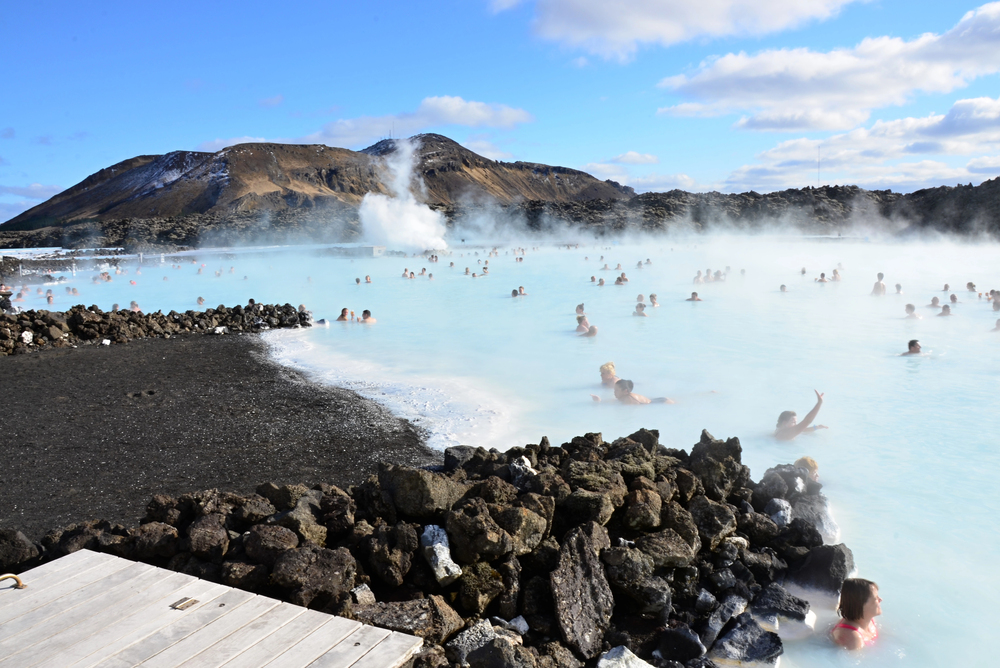
— Photo by babetka
Iceland’s most famous geothermal spa sits surrounded by black lava fields, creating an otherworldly setting that looks like something from another planet. The milky blue water stays between 98-102°F year-round.
Rich in minerals, algae, and silica, the water is prized for its skin-nourishing properties. The contrast of soaking in steaming pools while surrounded by Iceland’s dramatic volcanic landscape makes every soak unforgettable. And yes, you can see the Northern Lights dancing overhead if you visit during winter months.
Pamukkale, Turkey
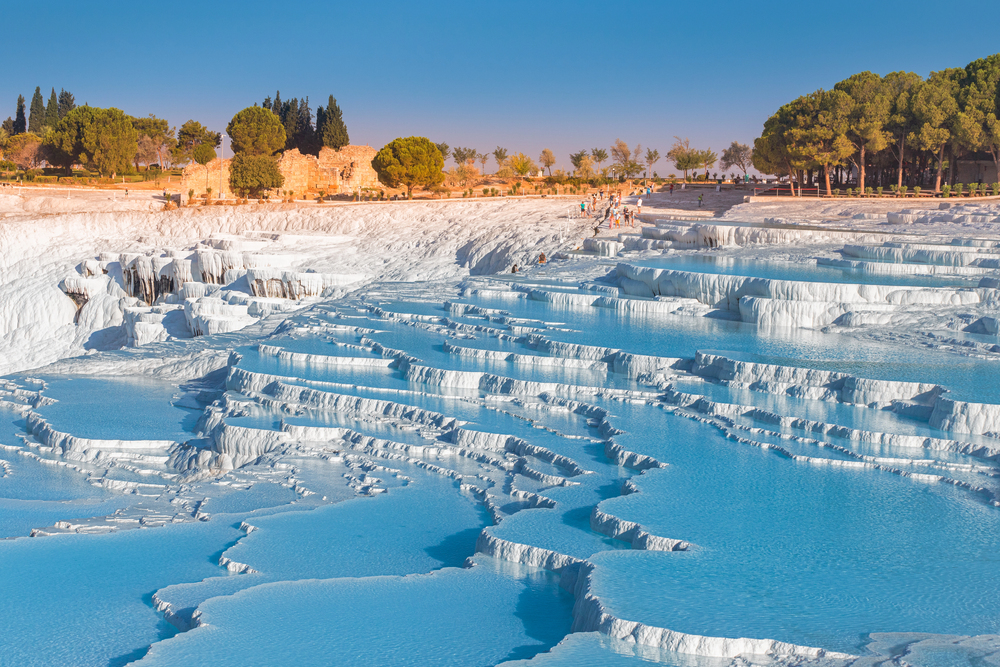
Turkish locals call it “cotton castle,” and the nickname fits perfectly. These white travertine terraces were formed over millennia by calcium carbonate deposits from seventeen hot springs with temperatures ranging from 95°F to 212°F.
Walking barefoot across the mineral formations feels like stepping through clouds. The ancient city of Hierapolis was built right on top of these formations, and visitors can still see the ruins of Roman baths and temples. The therapeutic waters once drew emperors seeking healing.
Rotorua, New Zealand
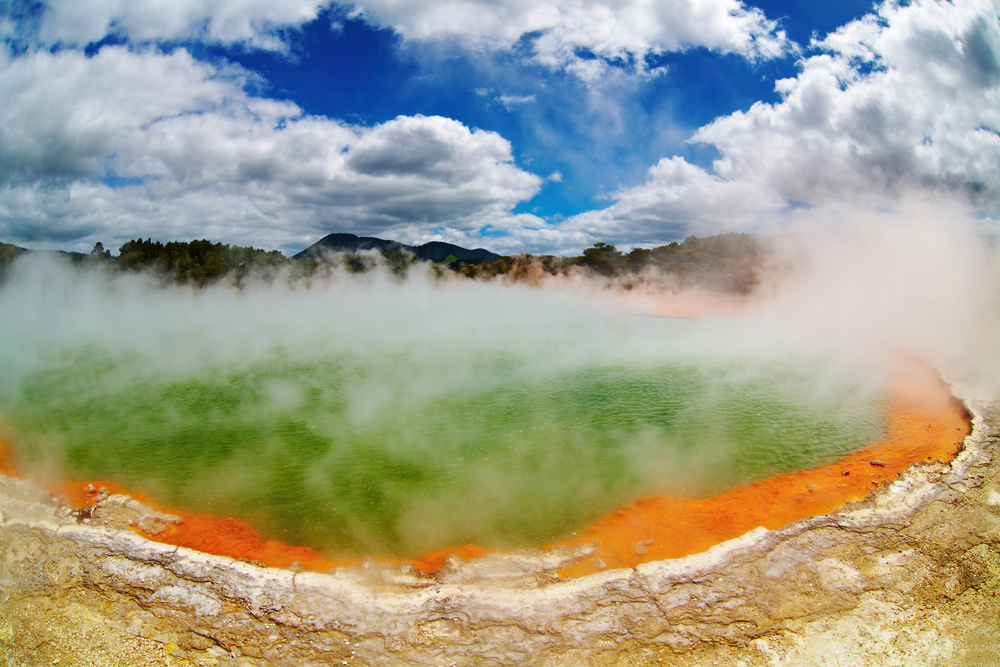
New Zealand sits on a geothermal fault line, making it prime territory for bubbling hot springs. Rotorua offers everything from luxury spa resorts to hidden forest pools accessible only by hiking.
The region’s geothermal activity creates a landscape dotted with colorful pools, volcanic craters, and bubbling mud pits. The famous Champagne Pool displays vibrant orange and green hues that photographers dream about. Plus, the area offers incredible hiking and mountain biking between soaks.
Glenwood Springs, Colorado
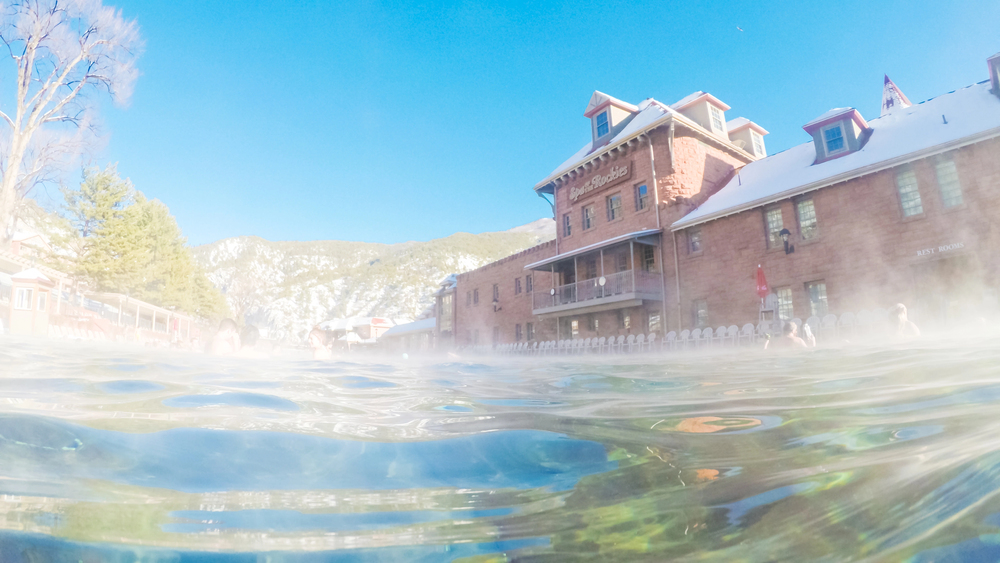
This 140-year-old resort houses what’s reputed to be the world’s biggest geothermal swimming pool. The Rocky Mountain setting provides a dramatic backdrop for year-round soaking.
Colorado boasts an impressive network of natural hot springs throughout the state. The Colorado Historic Hot Springs Loop connects 23 unique soaking experiences, from rustic wilderness pools to luxurious spa resorts. After a day of skiing or hiking, nothing beats sliding into these mineral-rich waters.
Takaragawa Onsen, Japan
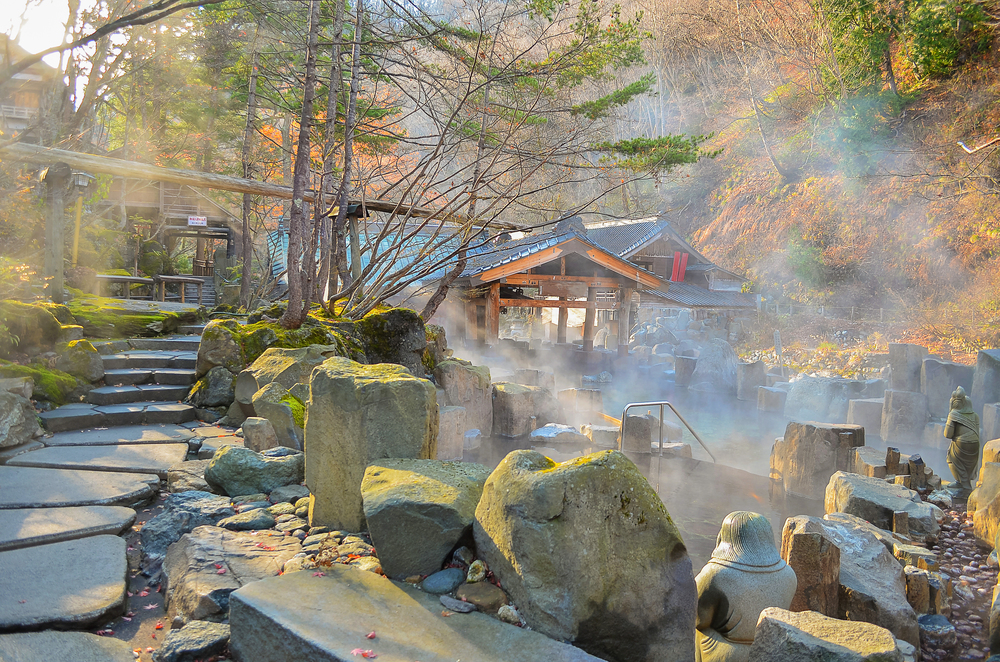
Traditional Japanese hot springs culture reaches its peak in places like this riverside onsen near Tokyo. According to local legend, a prince once followed a white hawk to these healing springs where he was miraculously cured.
The outdoor baths sit right beside a rushing river, surrounded by ancient trees. Steam rises from the water even in winter, creating an almost mystical atmosphere. Japanese onsen culture emphasizes the meditative aspects of soaking — no phones, no rushing, just pure relaxation.
Bath, England
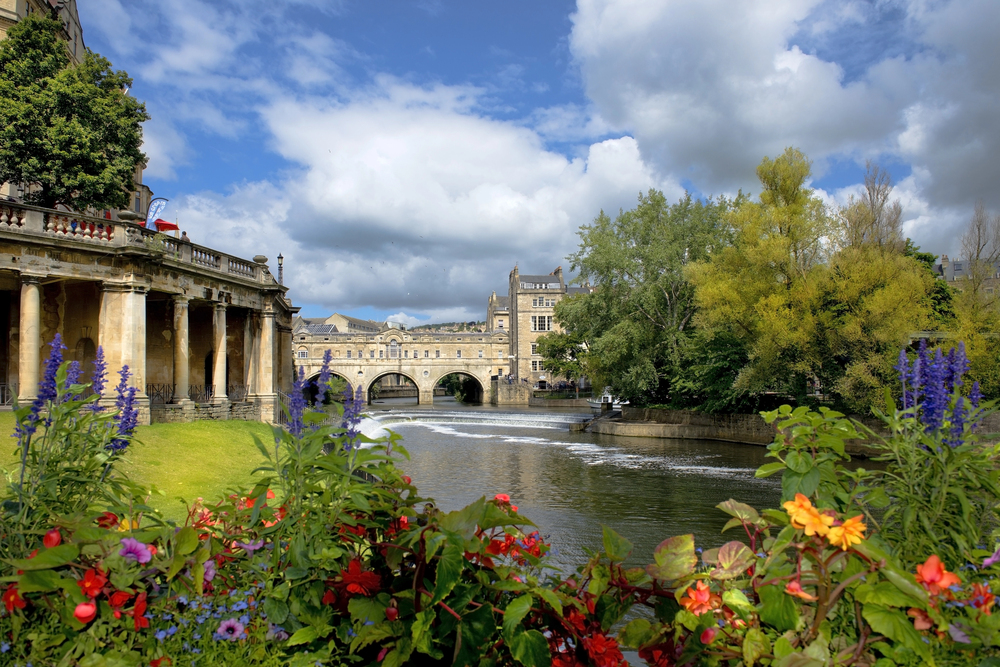
The hot springs in Bath, Somerset are the UK’s only true hot springs, defined as those hotter than 99°F. Romans built an entire city around these thermal waters nearly 2,000 years ago.
The Georgian architecture surrounding the ancient Roman baths creates a unique blend of historical periods. Modern visitors can bathe in rooftop pools while overlooking honey-colored limestone buildings. The mineral-rich waters maintain their legendary healing reputation.
Saturnia, Italy
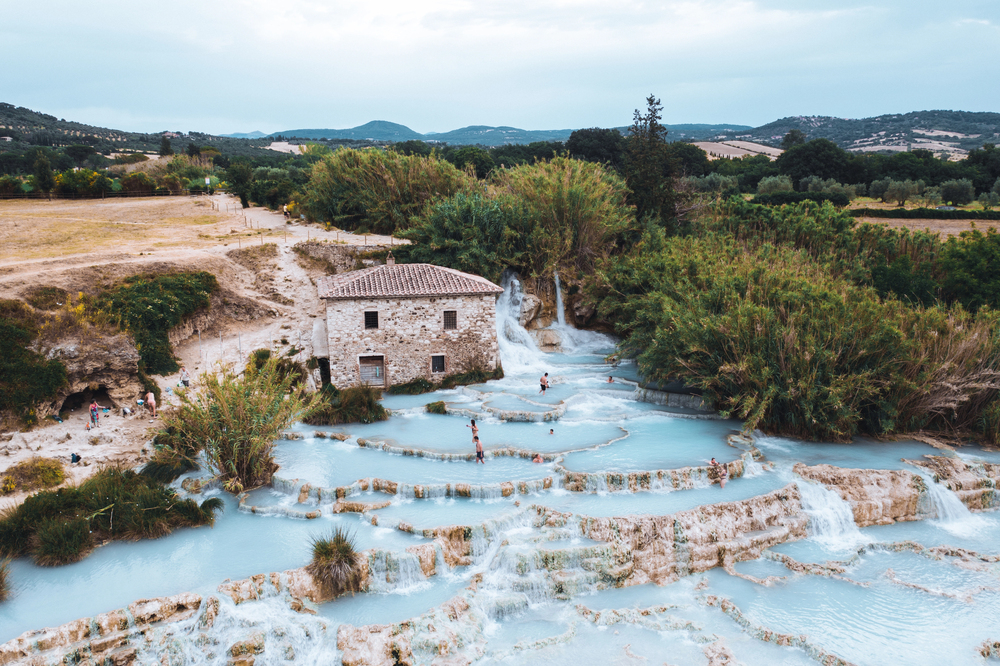
These Tuscan thermal springs have been flowing for thousands of years, first used by the Etruscans and later by Romans who built elaborate public bathing complexes. The water emerges from the earth at a constant 99°F.
The open-air waterfalls cascade over travertine terraces at Cascate del Mulino, offering a magical setting for therapeutic soaks in the rolling Tuscan countryside. Wild herbs grow along the pools’ edges, releasing their fragrance into the warm air. Not bad for free admission.
Lake Hévíz, Hungary
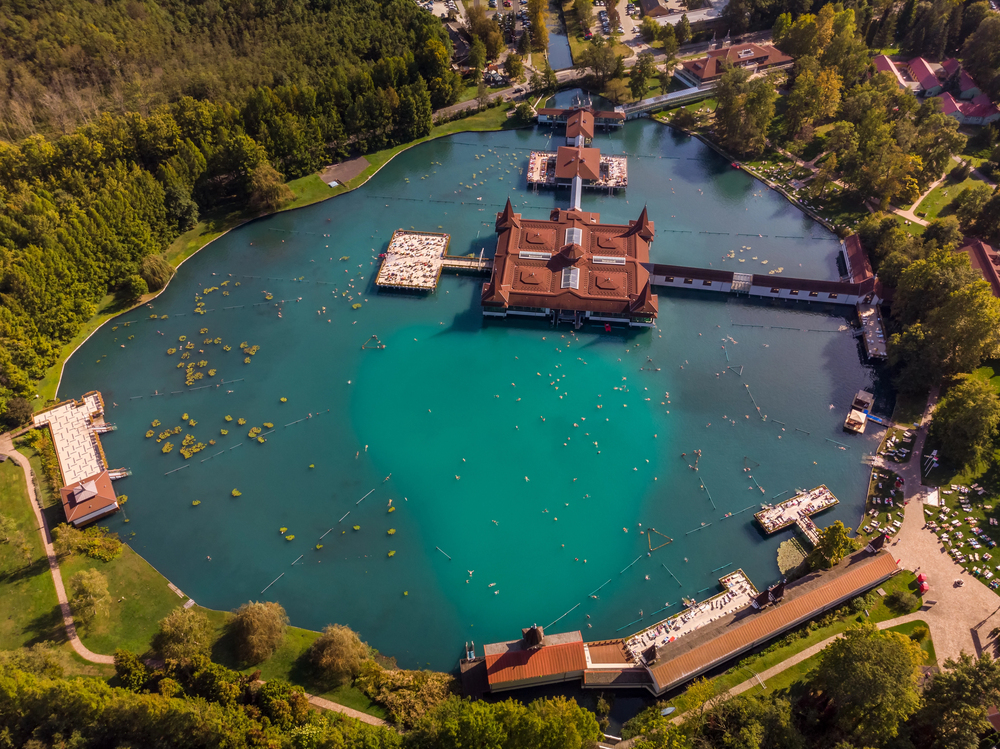
This is one of the world’s largest swimmable thermal lakes, maintaining temperatures between 75°F in winter and 95°F in summer. Lake Hévíz is Europe’s largest thermal lake, located just two hours from Budapest.
The lake’s unique ecosystem includes thermal lily pads that bloom even in winter. Medical facilities around the lake specialize in treating rheumatological conditions using the mineral-rich waters. Swimming here feels like floating in a natural hot tub the size of several football fields.
Chena Hot Springs, Alaska
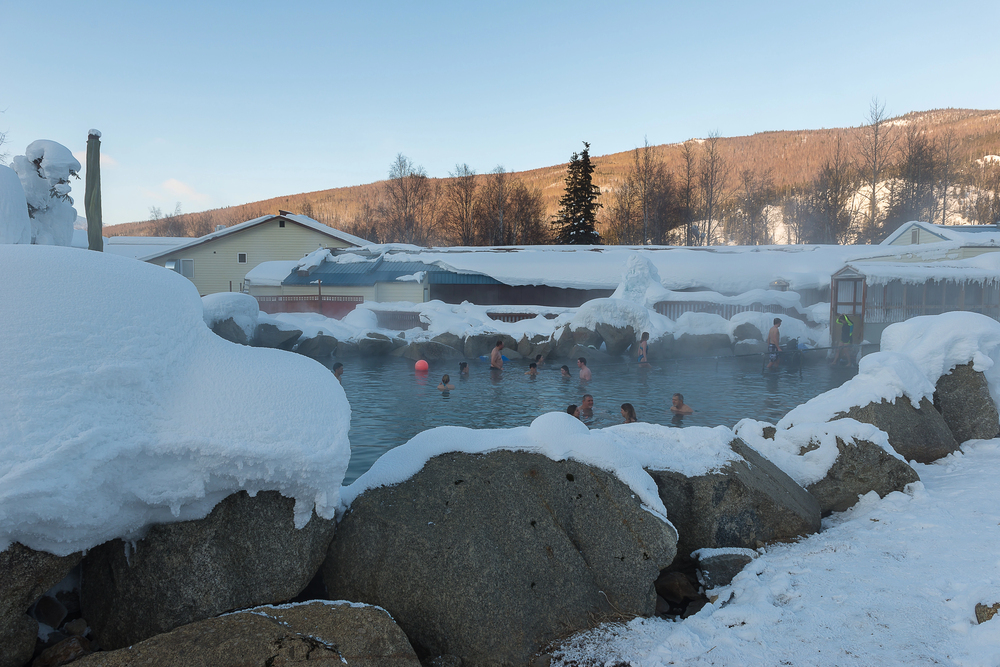
— Photo by srongkrod481
These thermal springs were discovered in 1905 by gold miners, situated 60 miles outside Fairbanks. The main attraction? Soaking in the warm waters while watching the aurora borealis dance across the sky.
The facility uses geothermal energy for heating and electricity, and maintains an on-site Aurora Ice Museum year-round. Imagine the contrast: steaming in 104°F water while the air temperature hovers around -20°F. The Northern Lights viewing season runs from September through March.
Ojo Caliente, New Mexico
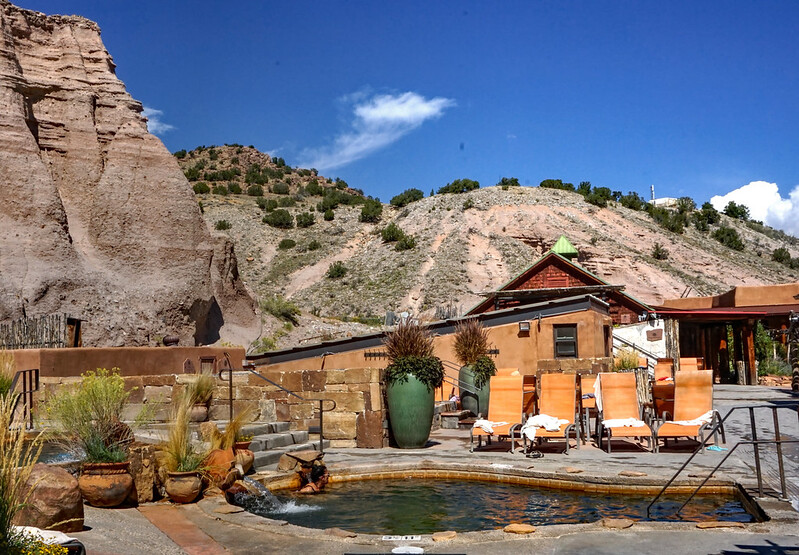
Located at 6,000 feet elevation, this resort features eight different pools with geothermal waters ranging from 97°F to 102°F. Each pool contains different mineral concentrations for specific therapeutic benefits.
The iron pool supposedly aids the immune system, while the mud pool purifies skin. The cliffside pools offer dramatic desert vistas. The resort’s roots trace back to 1868 when the bathhouse first opened, making it one of America’s oldest spa destinations.
Ma’in Hot Springs, Jordan
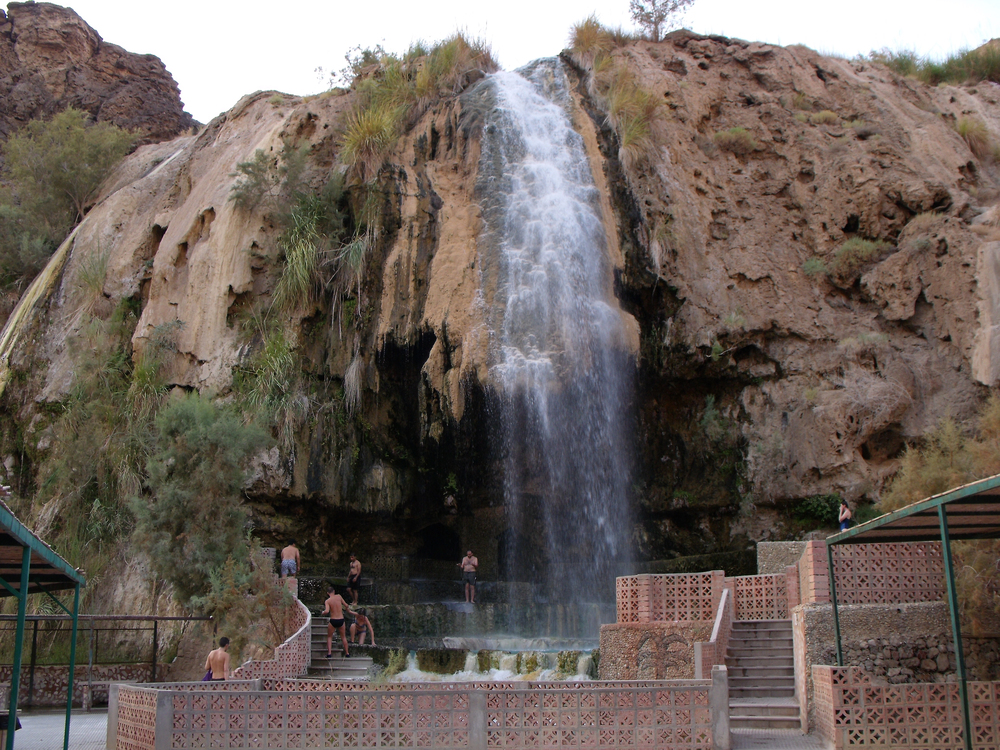
— Photo by vivirviajando
Travelers have visited these famous hot springs near the Dead Sea since pre-Roman times. The mineral-rich water — loaded with magnesium, calcium, and potassium — tumbles off hillsides in waterfalls before collecting in pools.
The desert setting provides year-round warmth and stunning views. Located just an hour from Amman, these springs offer a unique combination of therapeutic bathing and Middle Eastern culture. The water’s high mineral content rivals that of the nearby Dead Sea.
Hot Springs, Arkansas
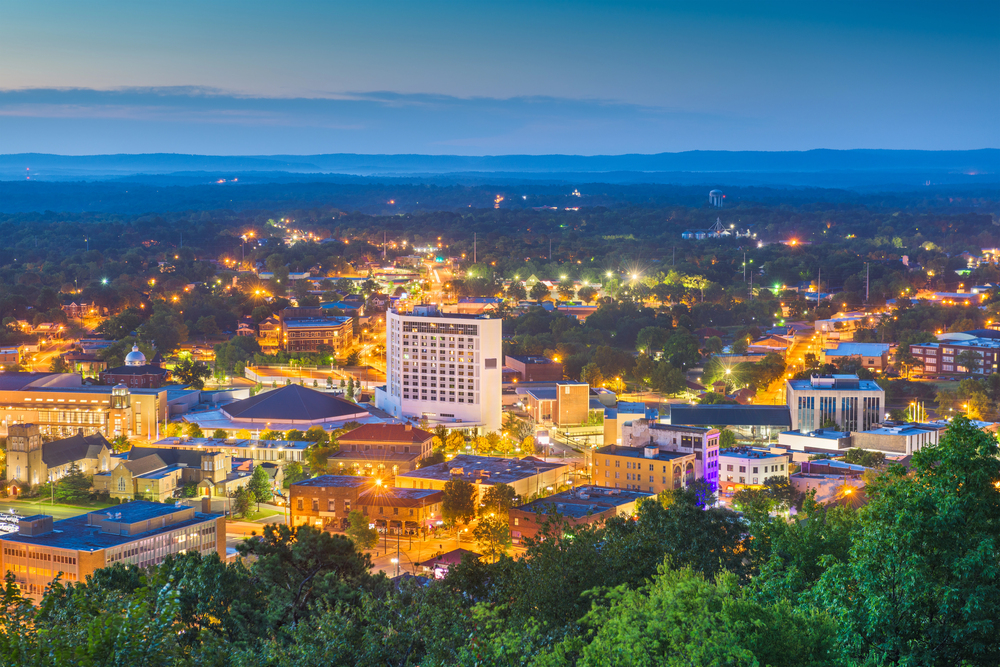
In 1832, Congress granted this area Federal Reserve status, and the town quickly evolved as a recreation destination in the European spa village style. Nearly 50 geothermal springs here produce about four million liters of water daily at 141°F.
Bathhouse Row features eight preserved historic bathhouses along Central Avenue, surrounded by beautiful gardens. This is America’s oldest national park, designated specifically to preserve the thermal springs. The town still maintains its vintage spa atmosphere from the early 1900s.
Peninsula Hot Springs, Australia
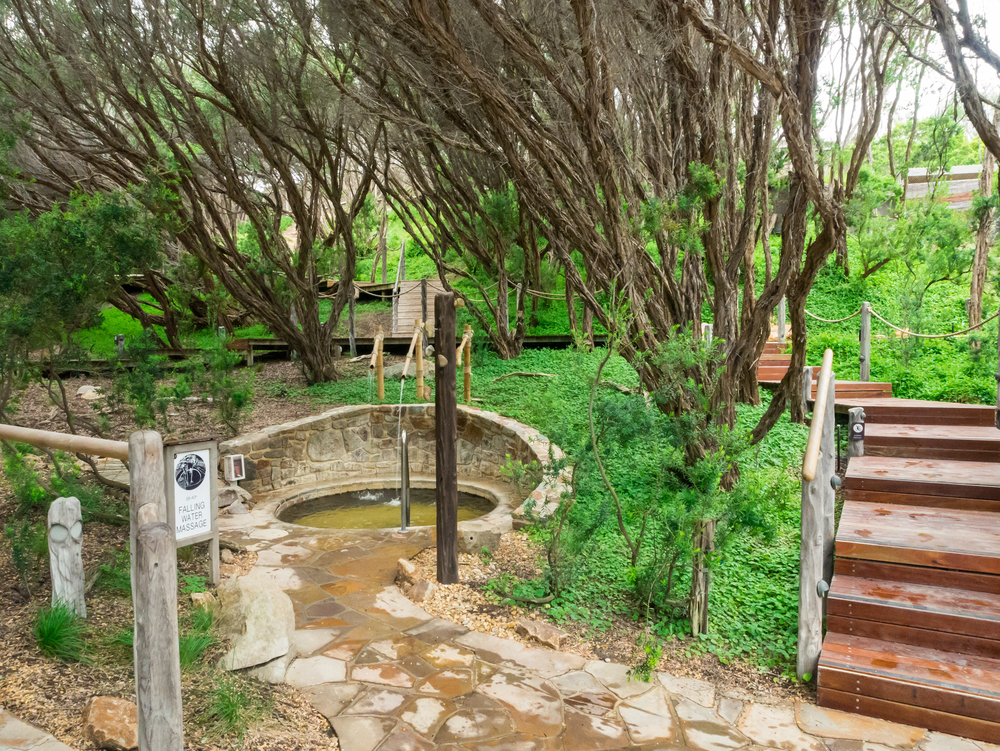
— Photo by nilsversemann
The region around Melbourne is one of the most exciting geothermal hot spots in the Southern Hemisphere. The 560-mile Great Victorian Bathing Trail, opened in 2024, now connects various springs and day spas throughout the area.
The naturally heated water is sourced from 1,800 feet underground and maintains temperatures between 98.6°F and 109°F. The pools include herb-infused botanical baths and salt pools that create a weightless floating sensation. Native bush plants surround the modernist concrete pavilions.
Yellowstone National Park, USA
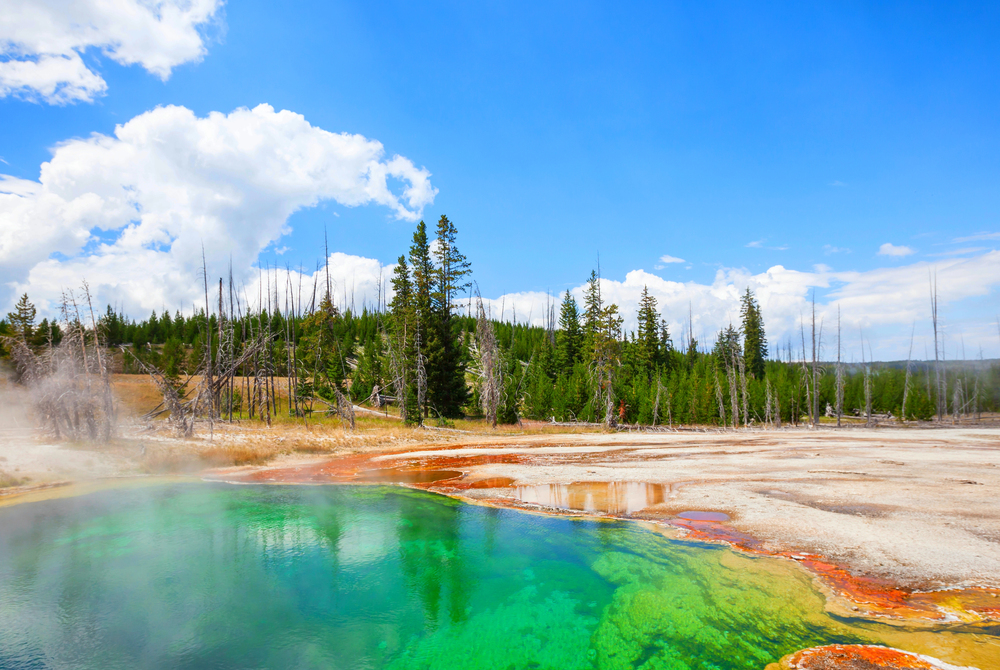
The world’s first national park contains more hot springs than anywhere else on Earth. From the famous Old Faithful geyser to the rainbow-colored Grand Prismatic Spring, Yellowstone showcases geothermal features on an epic scale.
While swimming is prohibited in most of Yellowstone’s thermal features due to extreme temperatures, the park offers unparalleled opportunities to witness geothermal activity. The colors range from deep blues to brilliant oranges, created by heat-loving bacteria that thrive in the scalding waters.
Banff Upper Hot Springs, Canada
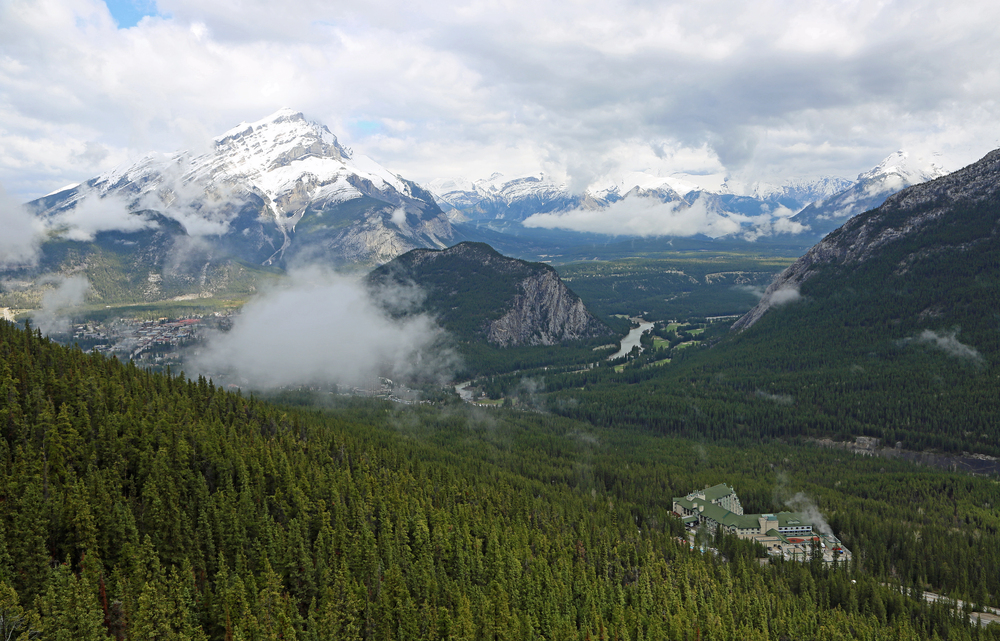
These thermal waters are Canada’s highest-functioning hot springs at 5,200 feet above sea level. Visitors enjoy breathtaking views of the Spray River Valley and Mount Rundle from the rooftop pool area.
The mineral-filled waters provide therapeutic benefits while surrounded by Canadian Rockies scenery. Snow-capped peaks provide a stunning backdrop for year-round soaking. The facility operates outdoor pools even during harsh Canadian winters.
Two Bunch Palms, California
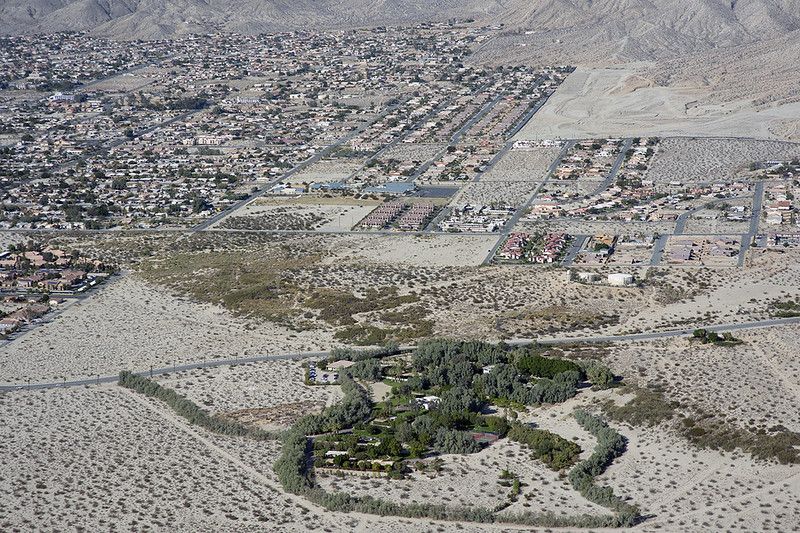
This unique resort in Desert Hot Springs features the photogenic mineral water pool known as The Grotto, which has appeared in Hollywood films. The facility includes adjustable-temperature teak tubs and mineral pools overlooking the San Jacinto Mountains.
The desert setting provides year-round sunshine and dramatic mountain vistas. Multiple pools offer different temperatures and mineral concentrations. The property maintains an exclusive, luxury atmosphere while preserving its natural desert character.
Finding your perfect soak
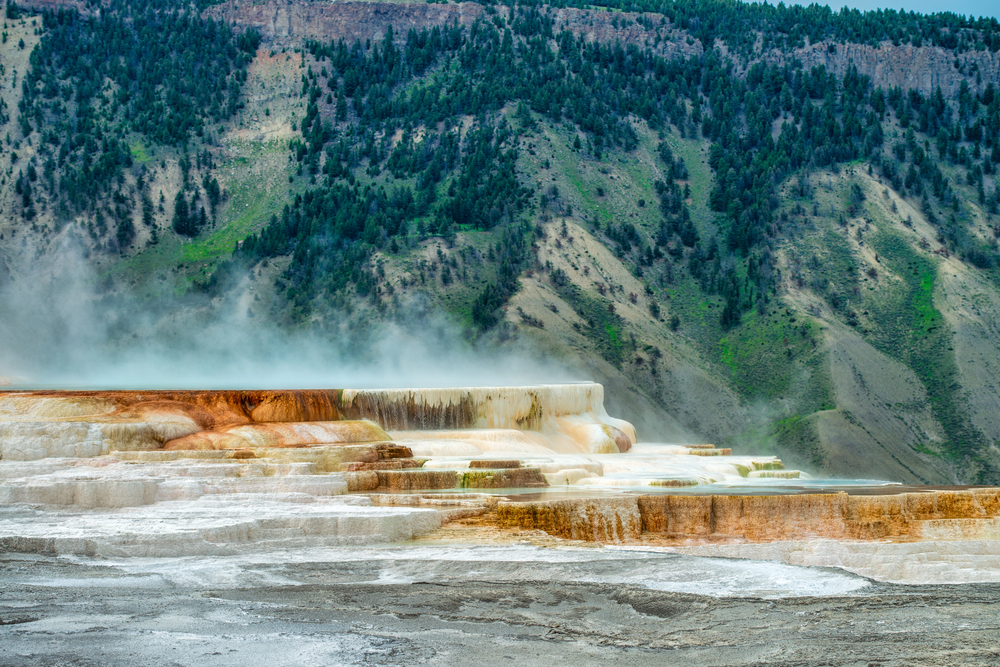
Natural hot springs have cumulative benefits; the more often you can soak in the mineral-rich water, the better you’ll feel. These thermal resorts provide therapeutic waters that have drawn tourists for thousands of years, whether they are looking for physical pain relief, stress relief, or just a distinctive vacation experience. Every location offers a unique blend of cultural experiences, healing benefits, and geological wonders.
More from Travel Pug

- 20 Best Beach Towns in the Carolinas
- 13 Destinations Where Tourists Regularly Regret Their Trip
- 20 Things You Actually Get in First Class
- 20 Small Airports With Aviation Museums
- 20 Places in the U.S. That Are Perfect for a Reset Trip
Like Travel Pug’s content? Follow us on MSN.