

Botanical gardens are living museums and sanctuaries of conservation, harboring some of the world’s most valuable and threatened plant life. These green oases contain wondrous collections that frequently are the last hope for plants hanging on the brink of extinction.
From massive corpse flowers that bloom once every several years to fragile alpine jewels that exist nowhere else in the world, these gardens safeguard botanical riches that may otherwise disappear forever.
Here’s a list of 20 of the world’s greatest botanical gardens where people can see nature’s most elusive specimens while contributing to vital conservation work that protects our planet’s irreplaceable plant legacy.
Royal Botanic Gardens in London
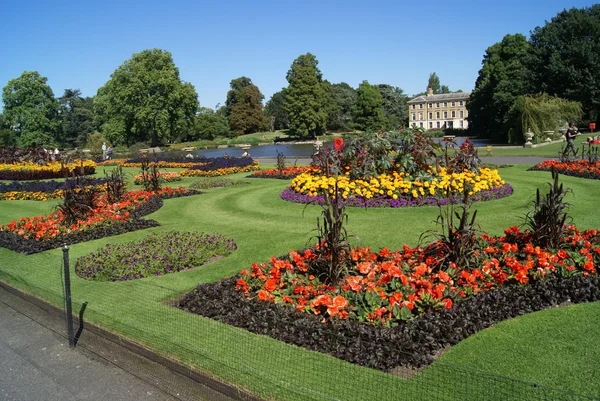
Deep within Kew’s renowned conservatories lies Britain’s rarest wildflower, the lady’s slipper orchid, nearly vanished during Victorian “orchidelirium.” This London treasure houses over 50,000 living plants, including the Pseudohydrosme gabunensis, which blooms for only 48 hours and emits an odor resembling old socks.
Kew’s Temperate House showcases Wood’s cycad, dubbed ‘the loneliest plant in the world’ since only male specimens exist, making reproduction impossible. The gardens maintain critical collections of extinct-in-the-wild species like the smallest waterlily, Nymphaea thermarum, and the golden fuchsia from Mexico’s cloud forests.
Singapore Botanic Gardens in Singapore

Home to the world’s largest display of tropical orchids, this UNESCO World Heritage Site cultivates over 1,000 species and 2,000 hybrids within its National Orchid Garden. The Cool House recreates high-altitude conditions for rare mountain orchids, such as Cymbidiums and Phragmipediums that naturally grow between 1,000 and 2,000 meters in elevation.
Singapore’s VIP Orchid Garden displays hybrids named after world leaders, while the Mist House features award-winning breeding stock from specialized collections. The gardens pioneered orchid hybridization in 1929 and continue to develop new varieties, with many specimens representing species that are endangered in their native habitats.
Missouri Botanical Garden in St. Louis

This Missouri institution houses multiple corpse flowers (Amorphophallus titanum) that create media sensations during their rare, 24-hour blooms — though the endangered Indonesian natives face habitat destruction. The garden achieved a world first by successfully flowering the critically endangered Karomia gigas from Tanzania, with only 25 known trees remaining in wild Miombo woodlands.
Their Climatron conservatory displays ghost orchids with translucent white flowers that photosynthesize through green roots rather than leaves. The research facilities maintain over 6.6 million herbarium specimens, supporting global conservation efforts while preserving genetic material from rare and extinct species.
U.S. Botanic Garden in Washington

As one of 62 designated CITES Plant Rescue Centers, this institution provides a sanctuary for confiscated rare plants seized at borders, including hundreds of protected orchids and succulents. The conservatory displays Welwitschia mirabilis — desert plants that can survive over 1,000 years in Namibia’s harsh conditions while supporting wildlife during droughts.
Their collection includes endangered Christmas heliconia and the endangered baseball plant (Euphorbia obesa) from South Africa’s Great Karoo region. The facility maintains over 500 rare plants with comprehensive documentation supporting international conservation research and species recovery programs.
New York Botanical Garden in the Bronx
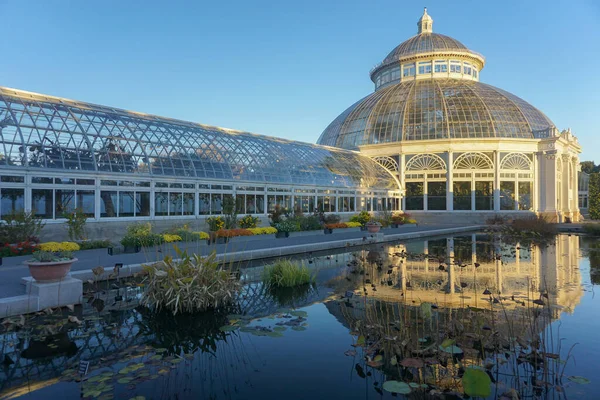
Home to America’s largest collection of endangered plants, this Bronx institution maintains living specimens that represent the final genetic repository for numerous species. The Mertz Library contains botanical literature spanning three centuries, while specialized freezers preserve DNA from millions of specimens, including rare, endangered, and extinct species.
Recent discoveries include two new orchid species from Mexico and Guatemala described by herbarium curators. The garden’s Native Plant Garden protects seven species from the National Collection of Endangered Plants, including the threatened Helonias bullata. At the same time, research programs focus on the impacts of climate change on rare alpine flora.
Huntington Library and Gardens in California
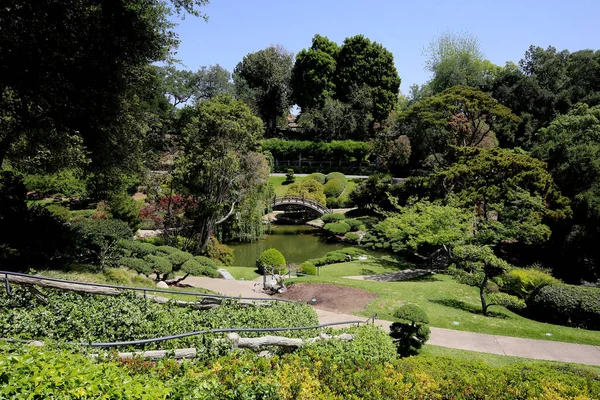
The Desert Garden showcases one of the world’s finest collections of endangered cacti, including the golden barrel cactus (Echinocactus grusonii), which is critically endangered in Mexican volcanic habitats but thrives in cultivation. Ancient specimens include a 125-year-old Cereus xanthocarpus, weighing twenty tons, which was originally planted when mature in 1905.
The Camellia Collection preserves historic cultivars dating to England’s first Asian imports, including ‘California’ — believed to be Southern California’s oldest camellia specimen arriving by steamship in 1888. This San Marino estate protects nearly 80 camellia species and 1,200 varieties, many representing irreplaceable genetic lineages.
Denver Botanic Gardens in Colorado
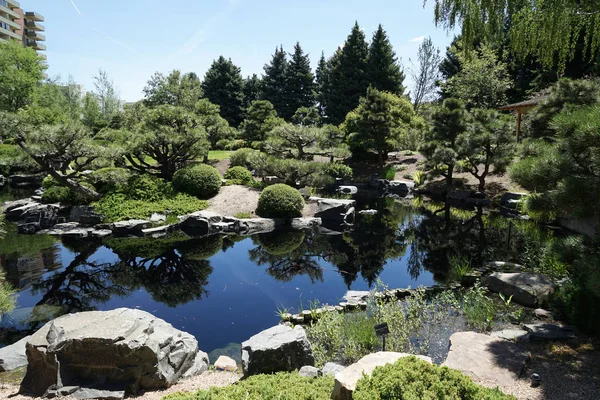
Specializing in high-altitude flora, this institution maintains one of America’s largest alpine collections with plants from Western North America, the European Alps, and Central Asian mountain ranges. Research programs study rare Colorado species, such as Physaria alpina and Saussurea weberi, using experimental warming chambers to understand the impacts of climate change.
The Rock Alpine Garden displays traditional genera, including Androsace, Draba, and Saxifraga, alongside chasmophytes that grow directly from rock crevices. Their Mount Goliath site preserves native alpine ecosystems, while the main gardens cultivate endangered species requiring specialized cold stratification for germination.
Royal Botanic Gardens, Sydney, Australia
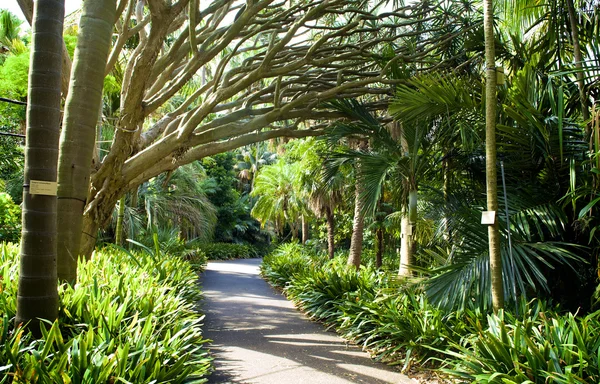
Australia’s oldest scientific institution, founded in 1816, houses over 27,000 plants, including the remarkable Wollemi pine — a species thought extinct until its rediscovery in 1994 in remote New South Wales canyons. The Rare and Threatened Plant Garden showcases Australia’s most endangered flora, while the conservatories protect specimens like the critically endangered Microcycas calocoma cycad from Cuba, with only 600 surviving globally.
Behind-the-scenes facilities house hundreds of precious orchids, including 30-year-old specimens collected from the cliff faces of Papua New Guinea. The gardens coordinate with the Australian PlantBank for cutting-edge seed storage and conservation research.
Kirstenb osch National Botanical Garden in Cape Town
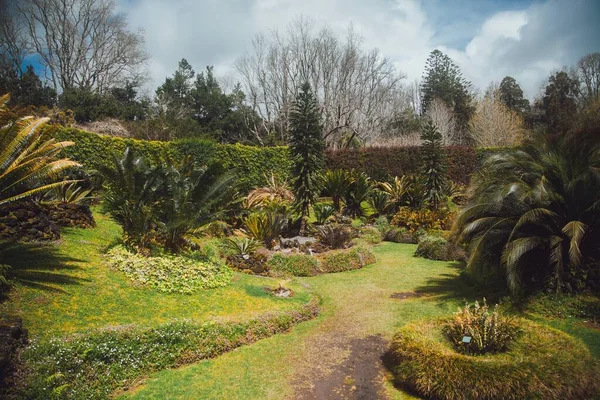
The world’s first botanical garden devoted exclusively to indigenous flora, Kirstenbosch protects over 7,000 South African species within the Cape Floral Kingdom — a UNESCO World Heritage Site harboring exceptional endemism. The fynbos collection includes sugarbushes (Protea), pincushions (Leucospermum), and over 600 heath varieties thriving in nutrient-poor soils.
The conservatory displays plants from arid regions alongside a near-complete collection of endangered cycads (Encephalartos species). Van Riebeeck’s original 1660 hedge still survives within the gardens, while conservation programs protect species threatened by habitat conversion and climate change.
Chicago Botanic Garden in Illinois
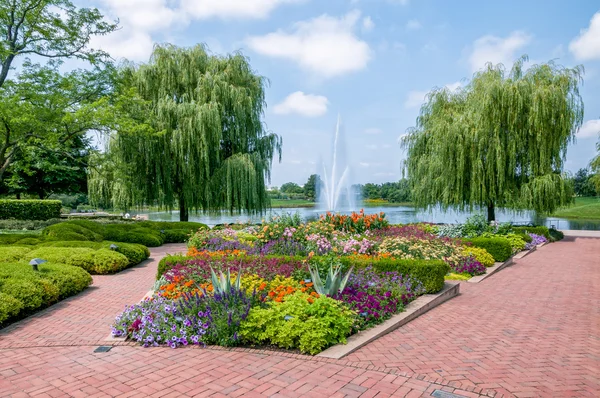
This Illinois sanctuary maintains extensive collections of rare plants, including endangered prairie species and alpine specimens from global mountain ranges. The conservatories house tropical rarities, while the outdoor gardens showcase threatened North American flora that is adapted to Midwest conditions.
Conservation programs focus on regional endangered species with seed banking and restoration efforts throughout the Great Lakes region. The facility partners with international institutions to preserve genetic diversity while educating visitors about local and global plant conservation challenges.
Brooklyn Botanic Garden in New York
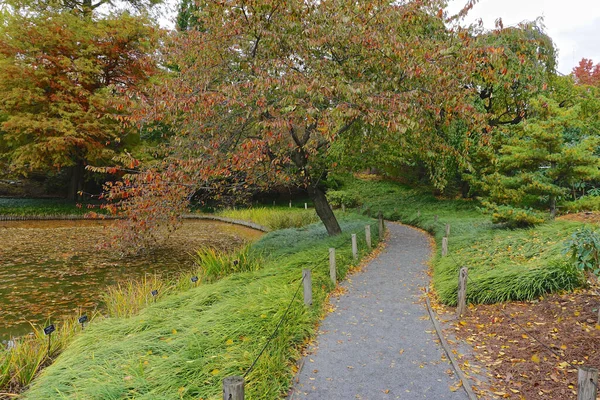
Renowned for cherry blossoms and roses, this urban oasis also protects endangered native plants of the northeastern United States. The conservatory houses rare tropical species, while the outdoor collections focus on the conservation of regional flora.
The Fragrance Garden accommodates vision-impaired visitors with tactile and aromatic plant experiences, including many species with traditional medicinal uses. Specialized collections include endangered orchids and rare water plants displayed in naturalistic settings that support urban biodiversity.
Atlanta Botanical Garden in Georgia
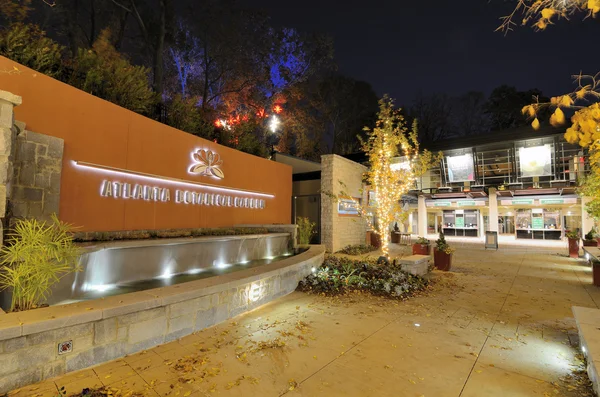
Home to extensive rare plant conservation programs, this Georgia institution specializes in the southeastern United States’ endangered flora. The tropical conservatory displays exotic rarities while outdoor gardens showcase threatened Appalachian species.
The facility operates one of the world’s most successful orchid conservation programs, with specialized facilities for propagating endangered species for reintroduction. Conservation research focuses on the impacts of climate change on rare mountain flora, while maintaining genetic repositories for future restoration efforts.
Desert Botanical Garden in Phoenix
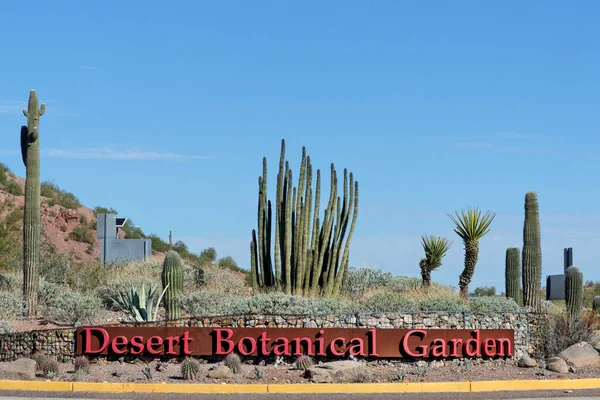
Dedicated to desert plant conservation, this Arizona facility protects endangered species from global arid regions. The collections include rare cacti and succulents threatened by habitat loss and illegal collection. Specialized growing facilities maintain species that require specific environmental conditions, while research programs study adaptation strategies for climate change.
The garden coordinates international conservation efforts for desert flora while educating visitors about water-wise gardening and desert ecosystem preservation.
Fairchild Tropical Botanic Garden in Florida
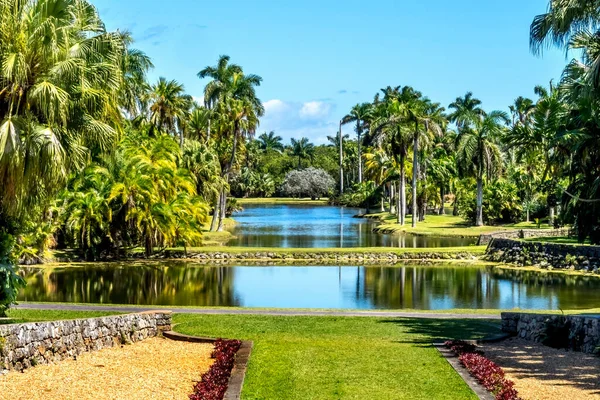
This Miami-area institution houses one of the world’s most comprehensive collections of tropical plants, including numerous endangered species from global rainforests. The facility specializes in cycad conservation with extensive living collections and research programs.
Rare fruit and tropical ornamental collections preserve genetic diversity while conservation efforts focus on species threatened by deforestation and climate change. The garden maintains seed banks and tissue culture facilities supporting international conservation collaborations.
Morris Arboretum in Pennsylvania
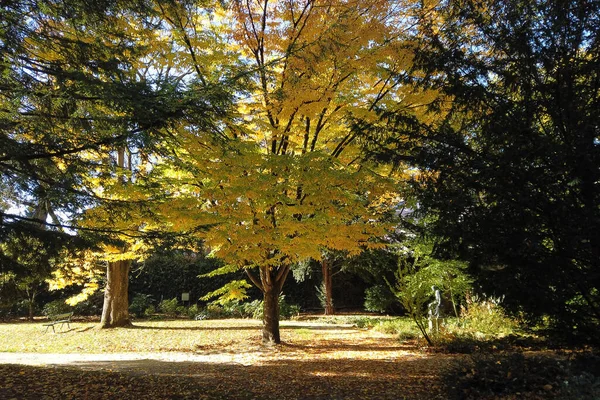
Part of the University of Pennsylvania, this Philadelphia-area facility protects rare trees and woody plants from temperate regions worldwide. Collections include endangered conifers and deciduous species threatened by habitat loss and disease.
The arboretum conducts research on urban forestry applications while maintaining genetic repositories for threatened tree species. Conservation programs focus on North American native plants adapted to Mid-Atlantic conditions.
Arnold Arboretum in Massachusetts
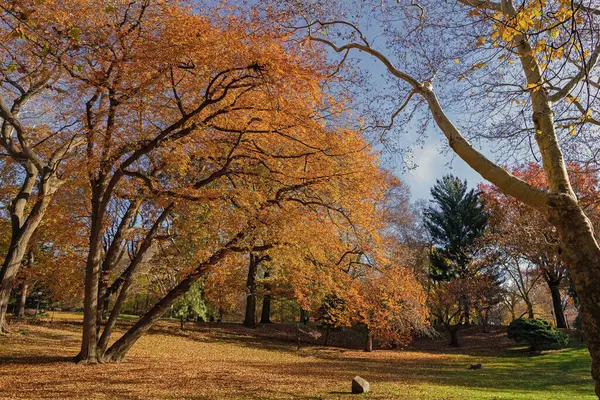
Harvard University’s living laboratory contains vast collections of rare woody flora, such as threatened Asian and North American trees. The lab performs advanced research in plant genetics and conservation with living specimens that act as gene reservoirs.
Collections comprise threatened Chinese mountain and North American forest species, many of which are the only cultivated specimens of wild populations. Climate and disease resistance in endangered tree species are the focus of research programs.
Lady Bird Johnson Wildflower Center in Texas
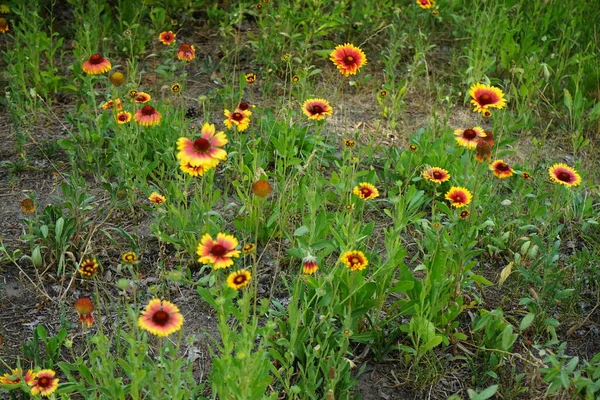
Dedicated to preserving native vegetation, this Austin plant conserves endangered Texas vegetation and Great Plains flora. Research efforts focus on prairie restoration and conservation of threatened wildflowers under habitat conversion.
Seed banks for native vegetation are conserved by the facility while conducting research on pollinator relationships and ecosystem restoration. Conservation includes cooperation with ranchers and land managers for the purpose of habitat protection.
UC Botanical Garden in Berkeley
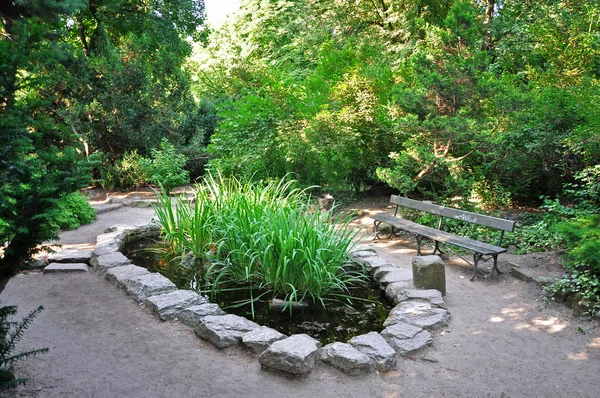
This California facility contains one of the planet’s most varied assemblages of plants with vast holdings of rare and threatened species for Mediterranean climates around the world. The center also operates as a CITES rescue center for plants that have been confiscated, such as valuable cycads that are worth hundreds of thousands of dollars.
Collections traverse geographic areas with specialization in climate change and habitat loss-threatened species. Research projects involve conservation genetics and adaptation technologies for rare plants.
Rancho Santa Ana Botanic Garden in California
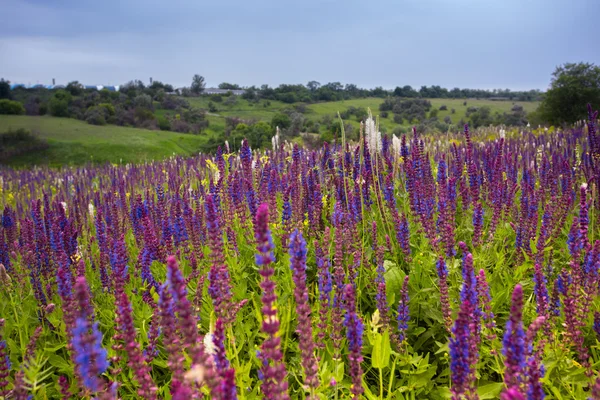
Now part of Cal Poly Pomona, this institution specializes exclusively in California native plants, including numerous rare and endangered species. Collections represent the state’s diverse ecosystems from coastal areas to mountain peaks.
Conservation programs focus on species threatened by urbanization and climate change, while research efforts study adaptation mechanisms in rare plants. The facility maintains genetic repositories for California’s most endangered flora.
Wave Hill in the Bronx
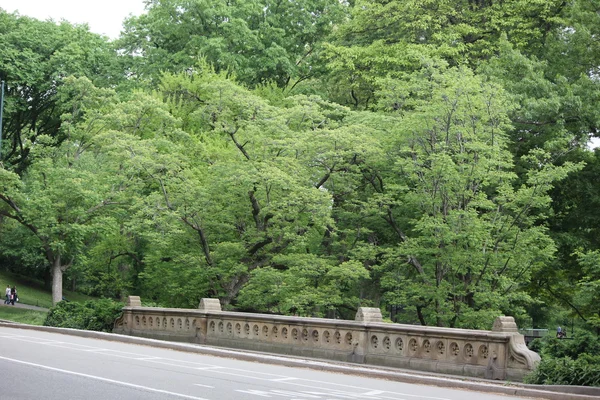
This urban garden and cultural facility contains specialized collections of rare alpine and rock garden plants. The conservatory features exotic specimens, and the outdoor gardens feature plants that thrive in urban environments. Educational activities emphasize plant conservation and urban gardening.
The facility cooperates with other institutions for the propagation and conservation of rare plants and offers urban dwellers exposure to botanical diversity.
Conservation champions across continents
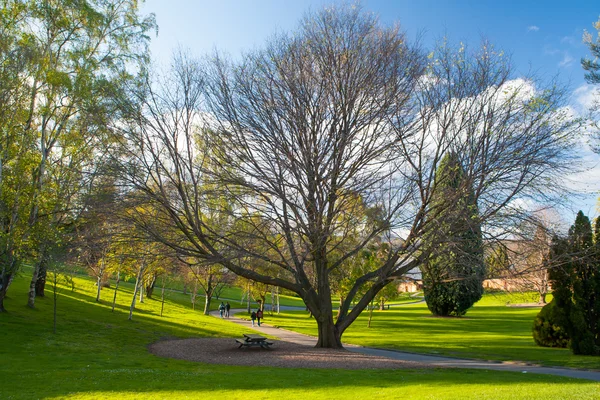
These plant havens are a testament to human efforts to save the amazing plant life of Earth. From Kew’s Victorian glasshouses sheltering extinct-in-the-wild plants to Singapore’s state-of-the-art orchid breeding centers, all of these gardens help to save extinctions and keep genetic riches for generations to come.
These collections are living libraries, labs, and schools — illustrating how conservation can be made successful when science, passion, and public support converge to safeguard our planet’s finest natural heritage.
More from Travel Pug

- Underrated Italian Towns That Beat the Tourist Crowds
- Las Vegas Tourist Traps to Skip
- Prettiest Towns in Every US State
- 18 passport-free countries for Americans
- Signs Your Cruise Is Not Worth The Cost
Like Travel Pug’s content? Follow us on MSN.