

There’s a particular kind of travel memory that doesn’t fade — not because it was expensive or Instagram-worthy, but because something about it cracked you open a little. Cruise excursions, at their best, do exactly that.
You step off the ship expecting a pleasant afternoon, and you come back a different shade of yourself. The passengers who took these 27 excursions didn’t just enjoy them.
They’re still describing them at dinner parties, still pulling up photos on their phones years later, still saying — without any self-consciousness — “It was one of the best days of my life.”
Whale Watching in Juneau, Alaska

Juneau delivers. The humpback whales that feed in the waters of Stephens Passage aren’t performing — they’re indifferent to your presence in the best possible way, going about their enormous lives while you stand at the rail with your jaw loose.
Most passengers say the silence right before a breach is the part they remember longest.
Sailing the Na Pali Coast, Kauai

The Na Pali Coast is one of those places that makes the word “beautiful” feel embarrassingly inadequate. Seen from a catamaran on calm water, the fluted green cliffs — some dropping nearly 4,000 feet straight into the ocean — look less like geography and more like something a painter invented and then couldn’t stop adding to.
And yet there they are, stubbornly real, just sitting there being impossible.
Visiting Ephesus from Kusadasi, Turkey
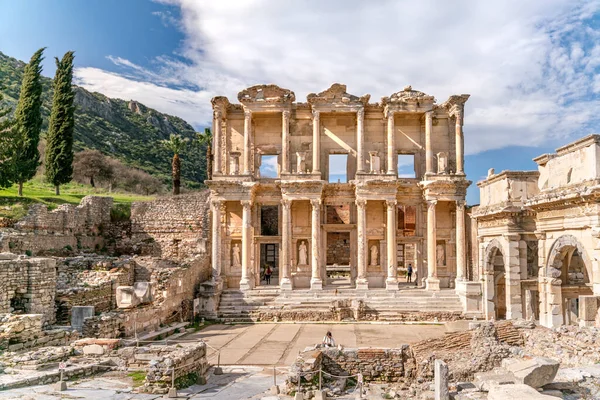
Ephesus is the kind of ancient city that reframes everything around it — the marble Library of Celsus, which seated tens of thousands of scrolls, stands mostly intact on a street that once held merchants, philosophers, and senators, and walking its length produces the quiet, disquieting sensation that time is not quite as reliable a container as you assumed. The detail that tends to stop passengers cold (and that no photograph quite captures) is the worn groove in the stone threshold where two thousand years of feet have polished the rock into something almost soft.
So you step over it. And for a second, you’re no different from anyone who came before.
Snorkeling at Stingray City, Grand Cayman
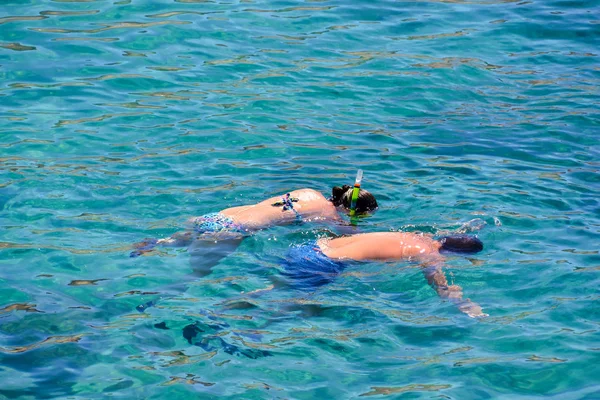
Stingray City sits in about 3–5 feet of water in the North Sound of Grand Cayman, and the southern stingrays that live there have been feeding from human hands long enough to have developed genuine confidence about the whole arrangement. It’s less a wildlife encounter than a negotiation — one where the stingrays hold most of the leverage.
Passengers who’ve snorkeled every reef in the Caribbean still list this one first.
The Luge in Queenstown, New Zealand

Queenstown is built for people who think “relaxing holiday” sounds like a warning label, and the Skyline Luge — reached by gondola from the town center — is its most democratically thrilling offering. The track drops 650 feet over about a mile, fast enough to feel genuinely committed but forgiving enough that most people immediately ride back up and do it again.
Turns out the line between mild adrenaline and pure joy is thinner than advertised.
The Blue Lagoon, Iceland

The Blue Lagoon, sitting in a lava field about 30 miles from Reykjavik, looks like something a science fiction writer dreamed up: milky turquoise water steaming in cold air, surrounded by black volcanic rock, available to soak in on a gray Icelandic afternoon. It’s geothermal water drawn from 6,500 feet underground, and the silica and sulfur that give it that color also happen to leave your skin absurdly soft.
Passengers who dismiss it as touristy tend to go quiet about that position once they’re actually in the water.
Zip-lining in the Costa Rican Rainforest

Costa Rica’s rainforest canopy sits around 100 feet above the forest floor, which is not a number that means much until you’re clipped into a cable above it. The best operators near Puerto Caldera run lines long enough that the landing platform disappears into the trees before you start, so the whole ride has a quality of genuine commitment — you’ve left one solid thing and can’t yet see the next.
Passengers describe the second run as the one where they actually looked around.
Exploring Pompeii from Naples, Italy

Pompeii is not an archaeological site that keeps a polite distance. The city that Vesuvius buried in 79 AD is laid out in full — bakeries with millstones still in place, frescoes with color still vivid, the hollows in the ash where people fell — and the cumulative effect of walking its streets is a kind of intimacy that most museums never manage.
The detail passengers mention most is the bread. There are loaves, carbonized but structurally intact, still sitting in the ovens.
So you stand there looking at someone’s last loaf of bread, and the 2,000 years between you collapses to almost nothing.
Swimming with Whale Sharks in Cancún or Isla Mujeres
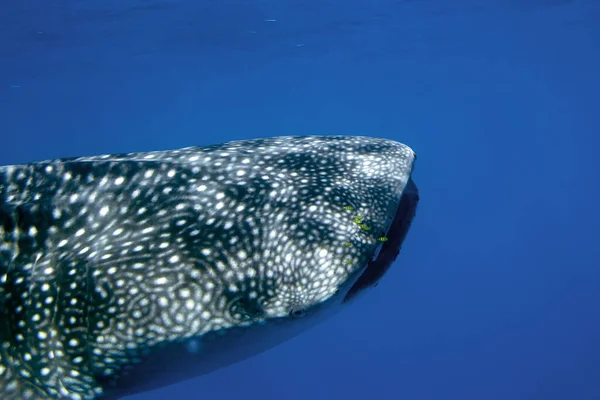
Whale sharks gather in the waters off Cancun between June and September, feeding on fish spawn near the surface, and the excursion to snorkel alongside them is genuinely one of the stranger things a person can do on a Tuesday. They’re the largest fish in the ocean — up to 40 feet long — and completely harmless to humans, which your brain understands intellectually and your nervous system ignores entirely.
Most passengers surface from the first encounter laughing the way people laugh when something exceeds all expectation and they have no better response.
Hiking to Papakolea Green Sand Beach, Hawaii

Green sand beaches exist in fewer than five places on Earth, and the one at South Point on the Big Island of Hawaii requires a 2.5-mile walk across lava fields to reach. The color comes from olivine crystals eroded from the surrounding cinder cone — a geological accident that produces something that looks frankly invented.
Passengers who made the walk describe the beach as the only place they’ve ever felt genuinely ahead of something.
The Falconry Experience in Muscat, Oman

Falconry in Oman is not a tourist novelty — it’s a practice with more than 2,000 years of history in the Arabian Peninsula, and the falconers who lead these excursions carry that history without performing it. A trained falcon landing on your gloved arm is a physical shock: the grip is serious, the weight unexpected, and the eye contact from the bird has a quality that’s difficult to describe without sounding unhinged.
Passengers who chose this excursion over the souq or the palace tour consistently report that it was the right call.
Glacier Hiking in Skaftafell, Iceland

Iceland’s Vatnajokull glacier — the largest in Europe by volume — offers guided hikes where you walk on the ice itself, crampons crunching, guide in front, a landscape around you that looks aggressively unlike anything else on earth. The ice holds shades of blue that have no equivalent in ordinary life: deep teal near crevasses, pale silver at the surface, almost black where volcanic ash has settled into the layers.
It’s the kind of cold that feels important rather than just unpleasant.
The Amazon River Excursion from Manaus, Brazil

Manaus sits in the middle of the Amazon basin, and the excursions into the surrounding jungle — piranha fishing, caiman spotting after dark, walking the forest floor with a local guide — have a quality that coastal cruise stops rarely match. The Amazon doesn’t accommodate you.
It proceeds entirely on its own terms, and the passengers who describe these excursions best are the ones who understood that going in. The moment of arriving where the Rio Negro meets the Amazon and watching the black water run alongside the brown water for miles without mixing — two rivers, two temperatures, two densities — is something most passengers say no photograph ever captured correctly.
Milford Sound by Kayak, New Zealand

Milford Sound receives about 260–270 inches annually, which means on any given day the walls of the fiord are running with temporary waterfalls that didn’t exist the day before. Seen from a kayak at water level — rather than from the deck of a tour boat — the scale of the cliffs changes character entirely, the way a cathedral changes when you sit on the floor instead of a pew.
Passengers who kayaked it describe a specific quality of smallness that wasn’t frightening at all.
The Venice Gondola and Secret Passages Tour, Italy

The standard gondola ride in Venice is fine. The extended tours that move through the smaller interior canals — the ones without tourist foot traffic, where laundry hangs between windows and cats sit on doorsteps with the authority of long-term residents — are the ones passengers still describe in detail.
Venice from those narrower waterways is a city still in the middle of being lived in rather than a museum of itself.
Horseback Riding on the Beach in St. Lucia

St. Lucia has some of the most dramatic terrain in the Caribbean — the Piton mountains, the volcanic crater, the rainforest — and the horseback excursions that move through jungle trails and then onto black sand beach use all of it.
Passengers who ride consistently describe the moment the trail opens onto the ocean as a physical surprise, the way a door opened in an unexpected wall surprises you. The horses, it should be noted, know the route better than anyone.
The Edinburgh Castle and Old Town Walk from Leith, Scotland
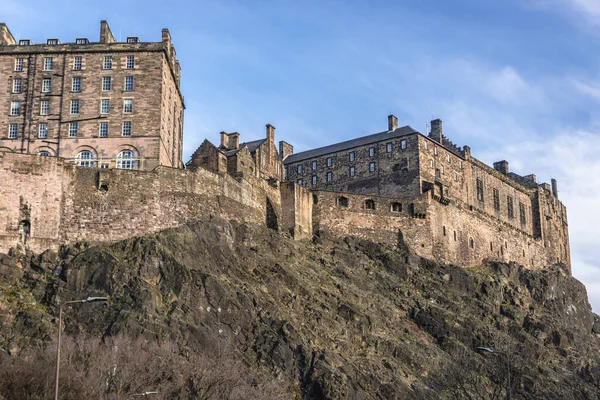
Edinburgh Castle sits on a volcanic rock above the Old Town, and the walk from the Leith port up through the Royal Mile accumulates history the way a river accumulates water — constantly, from every direction, whether you’re looking for it or not. The Crown Jewels of Scotland inside the castle are the official draw, but passengers who did this excursion without a rushed schedule mention the small things: the view from the half-moon battery, the dog cemetery for soldiers’ dogs, the way the closes (alleyways) off the Royal Mile drop steeply into a different century.
To be fair, Edinburgh rewards people who walk slowly.
Seeing the Northern Lights from Tromso, Norway

Northern Lights excursions out of Tromso run from November through March, and the guides — who spend their winters watching the sky with professional obsession — know which nights are viable and which aren’t. Passengers who caught a strong display describe the experience in terms that sound like overstatement but hold up to scrutiny: light moving across the sky in greens and purples and occasional red, not static, not a single banner, but shifting and folding like something alive.
It doesn’t look like the photos.
The Alhambra from Malaga, Spain
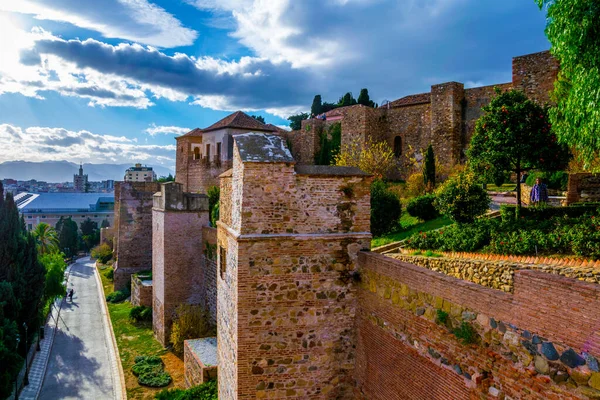
The Alhambra in Granada is about 80 miles from Malaga, and the passengers who made that trip on a port day consistently describe it as the best decision of their Mediterranean cruise. The Nasrid Palaces at the heart of the complex — built in the 14th century and covered in geometric tile and carved plaster so detailed it reads from a distance as textile — are a different kind of beautiful than most European landmarks: quieter, more interior, more patient.
And the Generalife gardens above, with their water channels and rose beds, have the specific quality of a place that was designed to be a consolation for everything outside its walls.
The Market and Cooking Class in Hoi An, Vietnam

Hoi An’s ancient town, accessible from Da Nang on Vietnam cruise itineraries, is one of the best-preserved trading ports in Southeast Asia — but the excursion passengers still talk about isn’t the architecture tour. It’s the market-to-kitchen cooking class that starts before 8 a.m. in the central market, moves through herb selection and river crossing and into a restored merchant house kitchen, and ends with passengers eating what they made for lunch.
The women who run these classes have been cooking cao lau — the Hoi An noodle dish made with water from a specific local well — for longer than the cruise industry has existed, and they are not particularly impressed by anyone’s prior cooking experience. Which is exactly how it should be.
What Stays With You After the Ship Sails

The excursions on this list share something that has nothing to do with price or logistics. They placed people inside something larger than their ordinary frame of reference — a glacier, a 2,000-year-old city, a whale’s ocean — and that experience of scale has a particular durability.
You can forget a good meal within weeks. You don’t forget the moment an orca surfaced next to your kayak, or the sensation of standing on ice that formed before your country existed.
The cruise itself gets hazy. The days ashore stay sharp.
That’s not an accident. That’s just what happens when you step off the boat and let the world show you something it’s been working on for longer than you can fully conceive.
More from Travel Pug

- Underrated Italian Towns That Beat the Tourist Crowds
- Las Vegas Tourist Traps to Skip
- Prettiest Towns in Every US State
- 18 passport-free countries for Americans
- Signs Your Cruise Is Not Worth The Cost
Like Travel Pug’s content? Follow us on MSN.