

Italy’s remarkable cultural heritage is under increasing threat from climate change, natural catastrophes, and human behavior. While visitors throng to famous destinations such as Venice and Pompeii, most are unaware that these gems are on the brink of extinction. From crumbling ancient Roman ruins beneath the weight of urban pollution to medieval towns losing their final inhabitants, Italy’s landmarks reveal stories of sweeping achievement and tenuous survival.
The dangers are as diverse as the locations — some threaten calamitous collapse due to structural instability, while others quietly disappear through abandonment or environmental degradation. Each one, however, is an irreplaceable part of human heritage that, lost, can never be fully recovered. Below is a selection of 20 Italian monuments that time and fate are gradually taking away from us.
Venice’s historic center
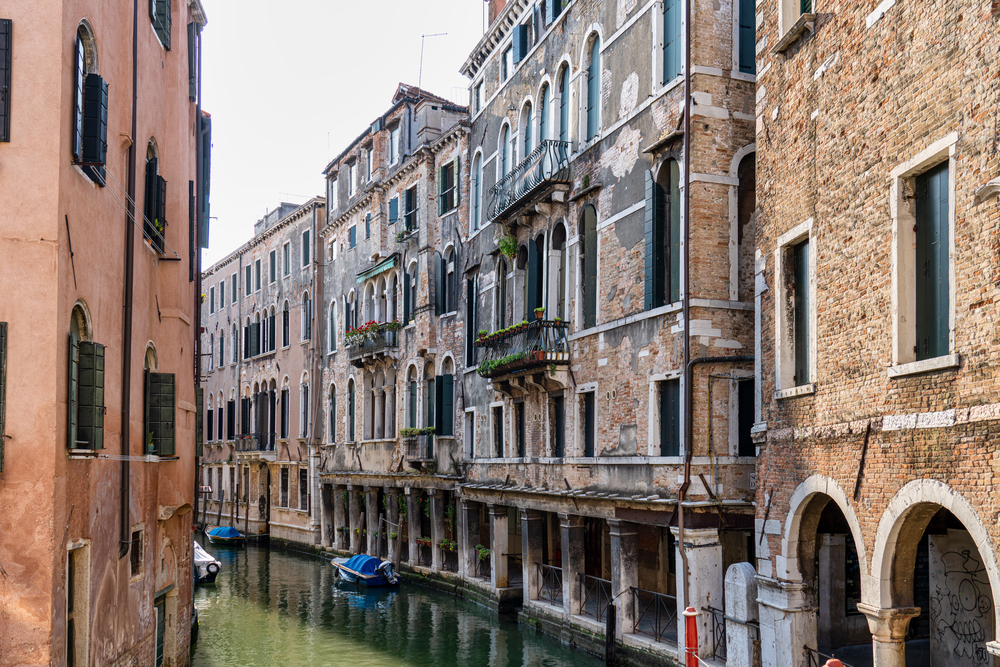
Venice might be put on the endangered list — thanks to human-created climate change that’s causing rising sea levels and extreme weather events. The city sinks roughly 1-2 millimeters annually while sea levels rise, creating a devastating double effect. In November 2019, floods endangered historical treasures and buildings, with St. Mark’s Square regularly underwater during high tides.
Pompeii’s ancient structures
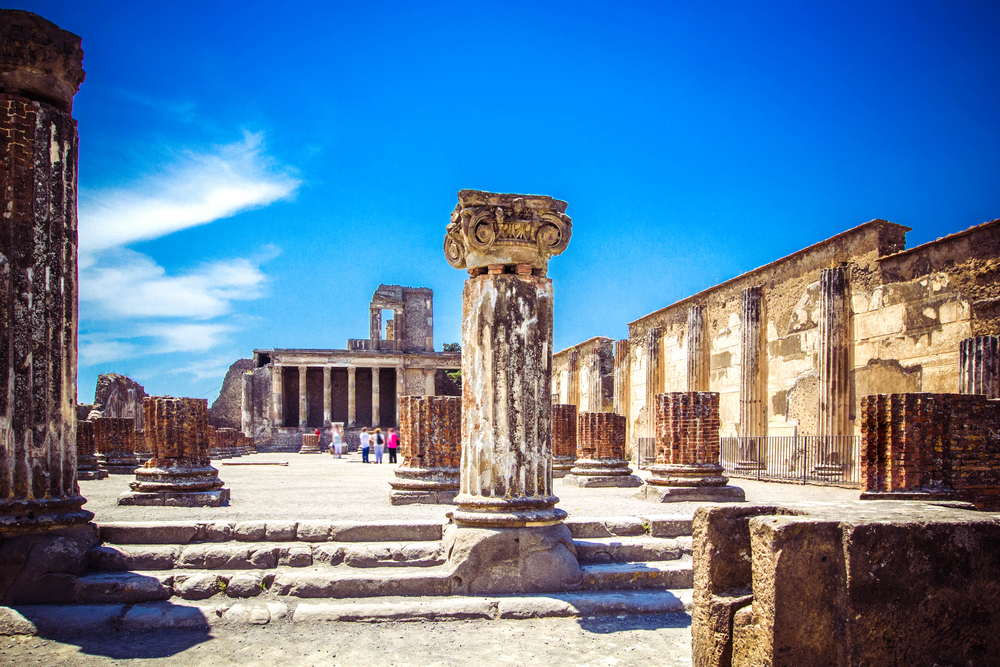
Even after being buried by volcanic ash for almost 2,000 years, Pompeii is suffering extreme weather, tourist, and poor maintenance-related deterioration. The ancient “House of the Gladiators” collapsed on 6 November 2010 due to rain, whereas other buildings are displaying perilous damage under constant observation.
Cinque Terre coastal villages
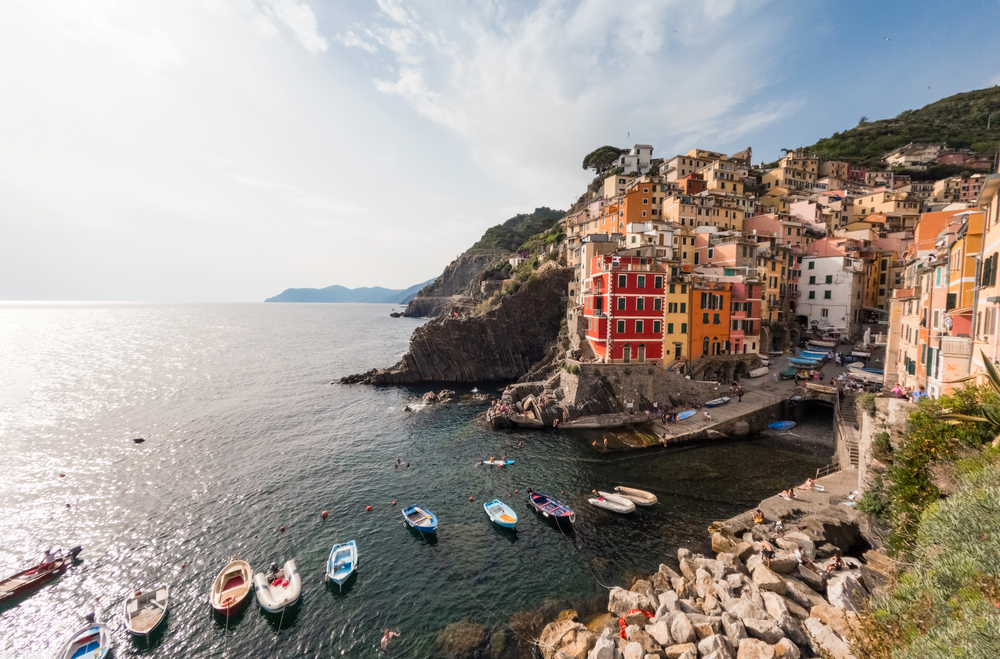
These picturesque villages suffer from both natural disasters and tourist pressure that threatens their very foundations. On 25 October 2011, torrential rain caused floods and mudslides that killed nine people and severely damaged villages, particularly Vernazza and Monterosso al Mare. Coastal erosion continues eating away at these cliff-side settlements.
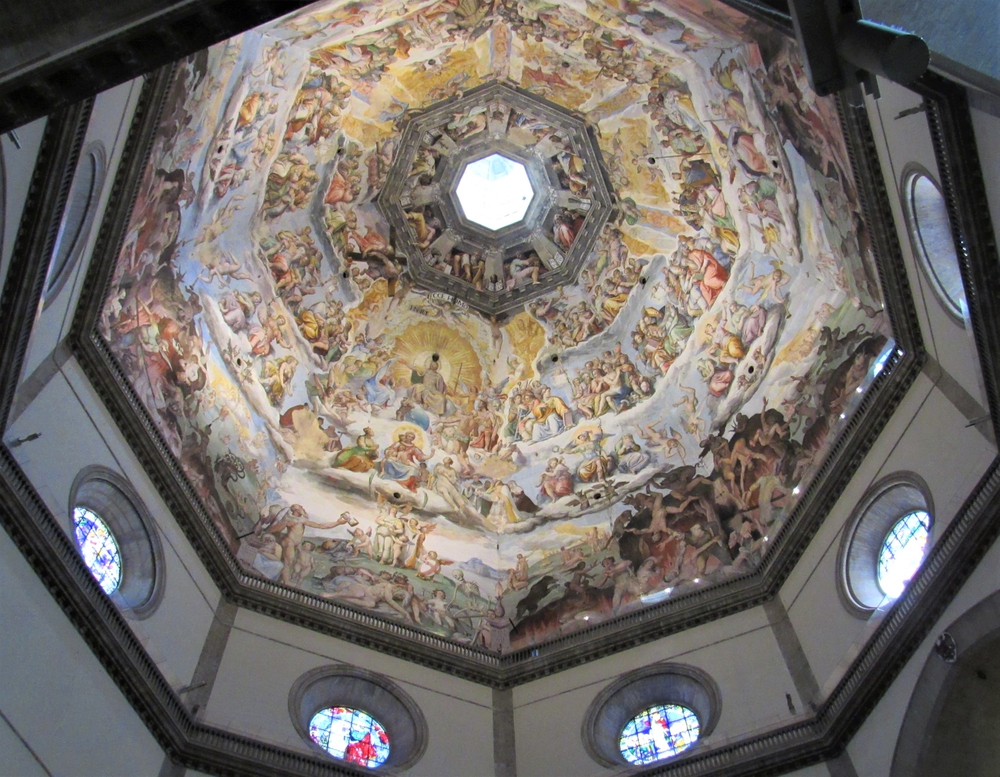
Florence Cathedral’s dome
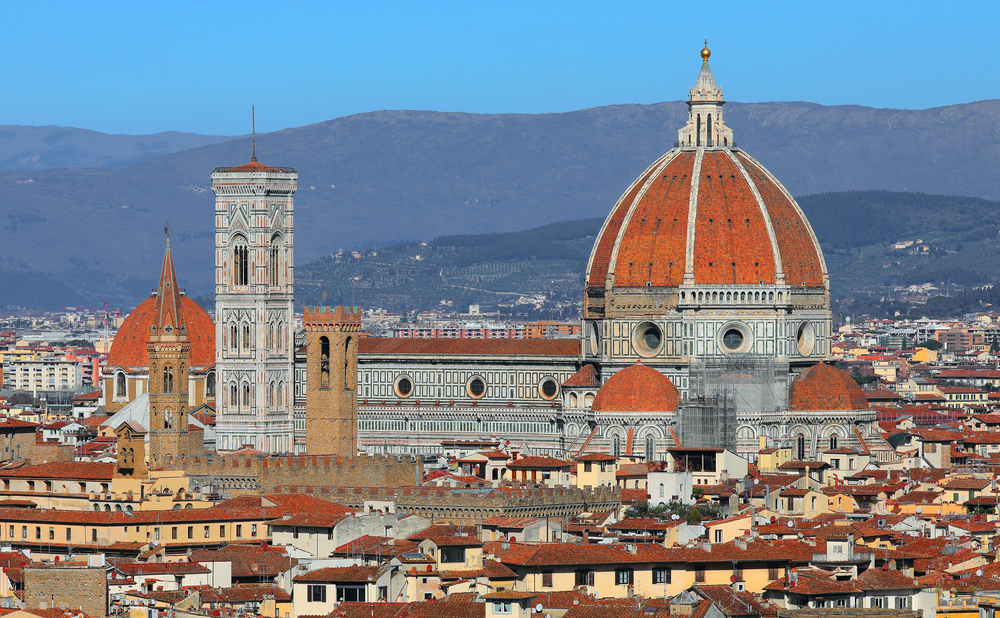
Brunelleschi’s masterpiece has developed significant cracks that open and close with seasonal temperature changes. Since 1989, four major fissures running from the dome’s top to the church foundations have been monitored by 300 devices, making it the most closely watched structure during that time.
Leaning Tower of Pisa
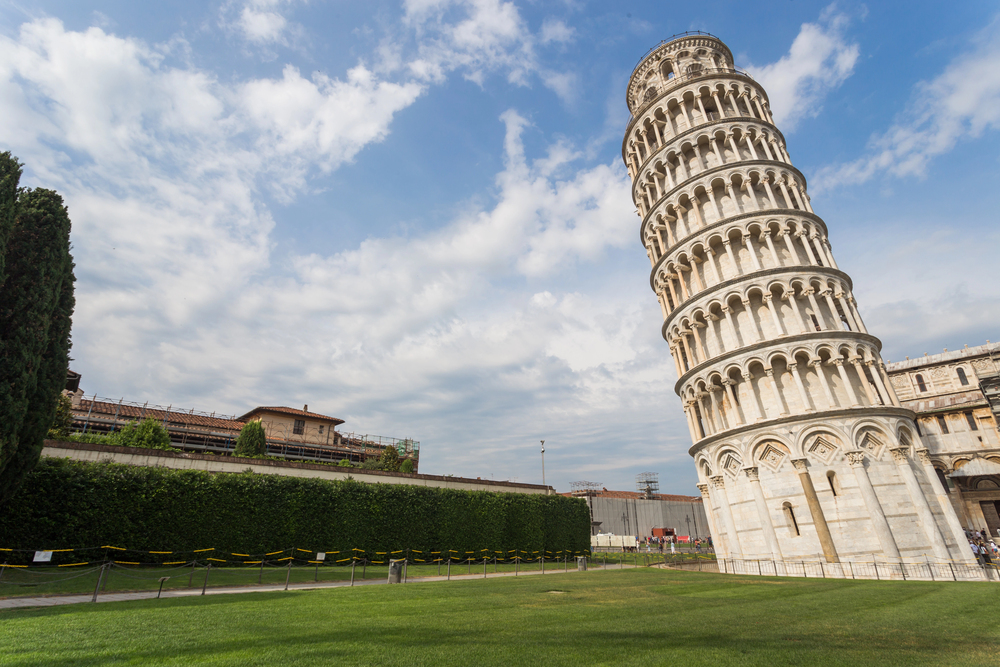
— Photo by kanuman
Though stabilization work reduced its dangerous 5.5-degree tilt to a safer 3.97 degrees, the real threat now comes from the masonry itself. This is especially true in the lower stories, where centuries of leaning forces have been directed. Engineers warn that even minor earthquakes could prove catastrophic.
Roman Forum structures
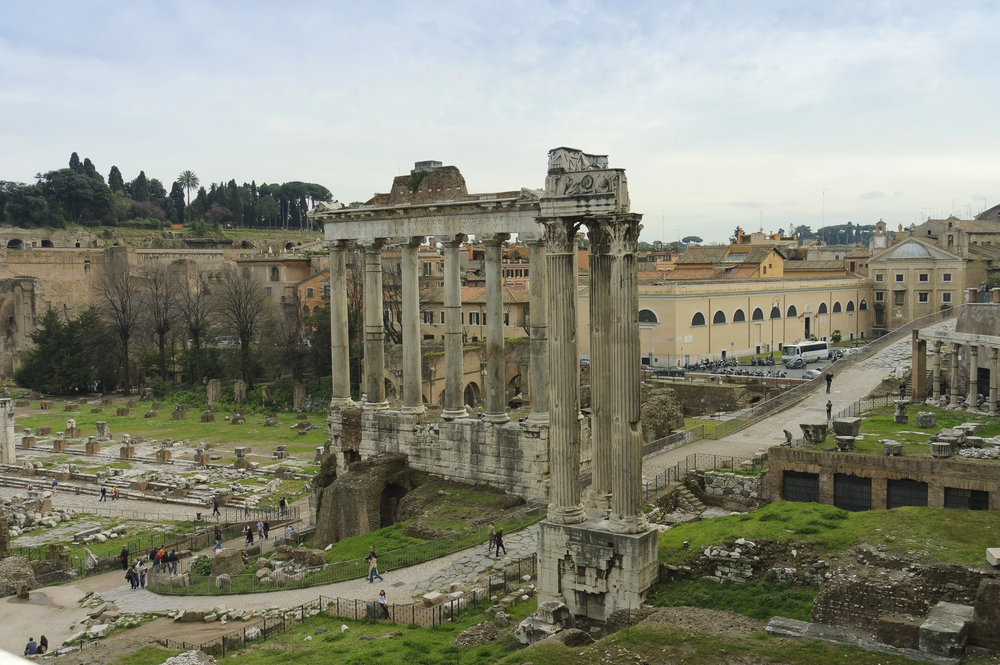
The heart of ancient Rome deteriorates under modern pollution and millions of annual visitors. Acid rain and vehicle emissions eat away at marble and travertine. In contrast, the sheer volume of foot traffic accelerates wear on ancient pavements and foundations that were never designed for such intensive use.
Herculaneum’s preserved buildings
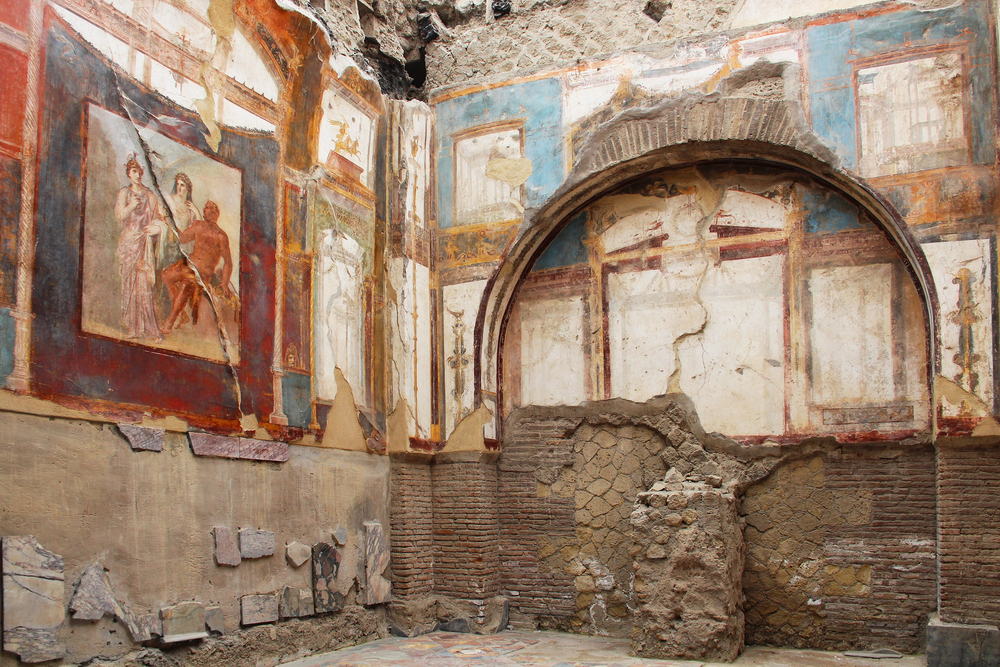
Herculaneum faces similar conservation challenges to Pompeii, yet with unique complications. Skeletal remains of 300 humans found along the ancient shoreline lie exposed to the elements due to a lack of funding. The site’s organic materials, preserved by volcanic mud, deteriorate rapidly once exposed to air and humidity.
Amalfi Coast archaeological sites
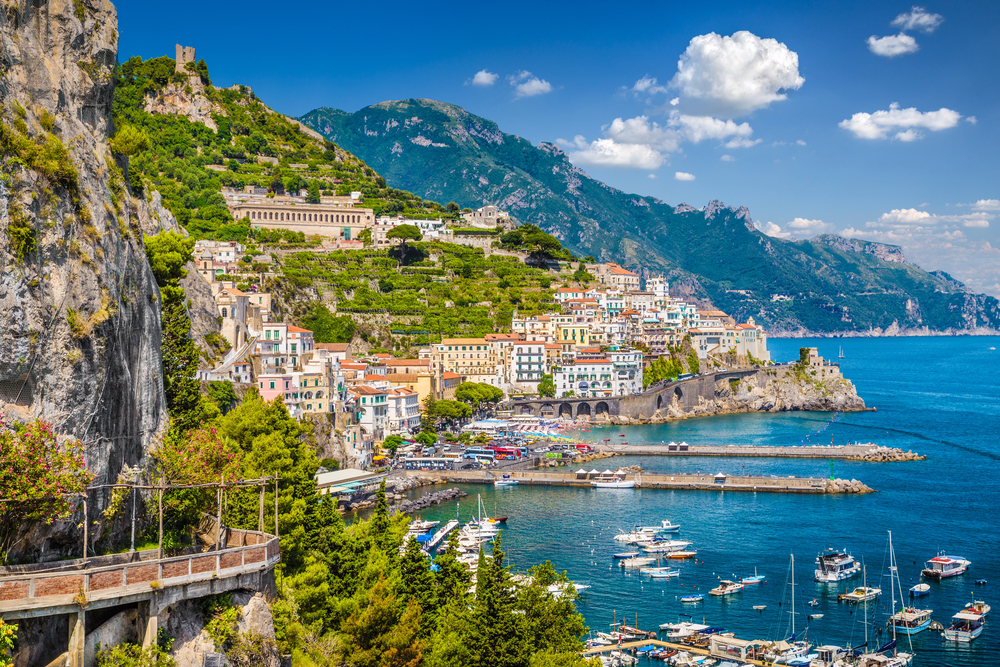
Rising sea levels and increasingly violent storms threaten coastal archaeological sites along this UNESCO World Heritage coastline. Ancient Roman villas and Byzantine ruins are facing erosion from storm surges, while landslides triggered by extreme weather events bury or destroy upland sites.
Sicilian Greek temples
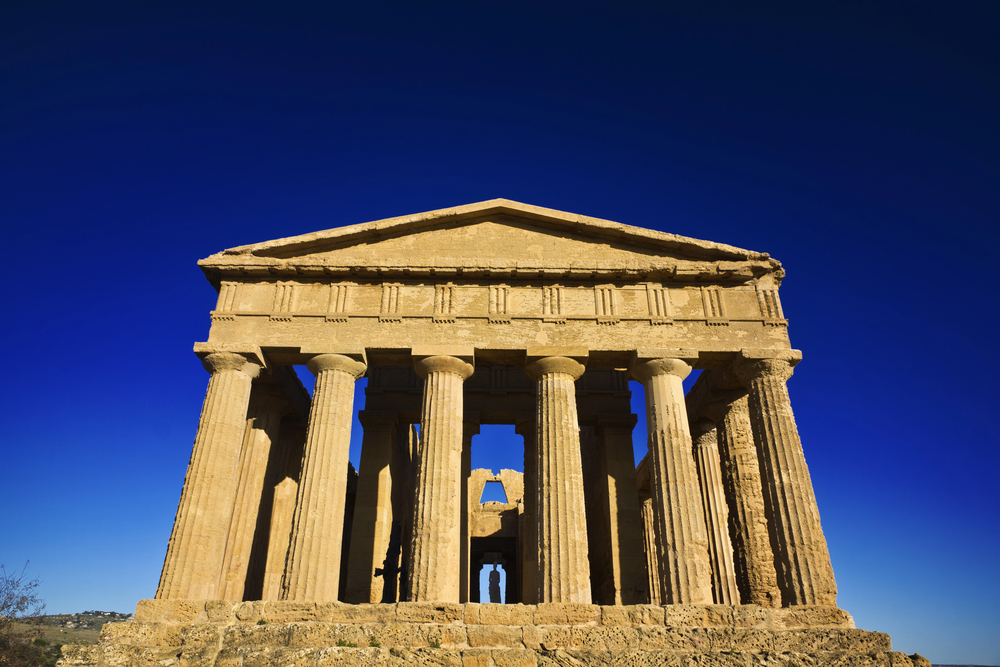
The Valley of the Temples in Agrigento and other ancient Greek sites across Sicily suffer from seismic activity, weathering, and pollution. These 2,500-year-old structures, built without modern foundations, remain vulnerable to the island’s frequent earthquakes and harsh Mediterranean climate.
Alpine heritage sites
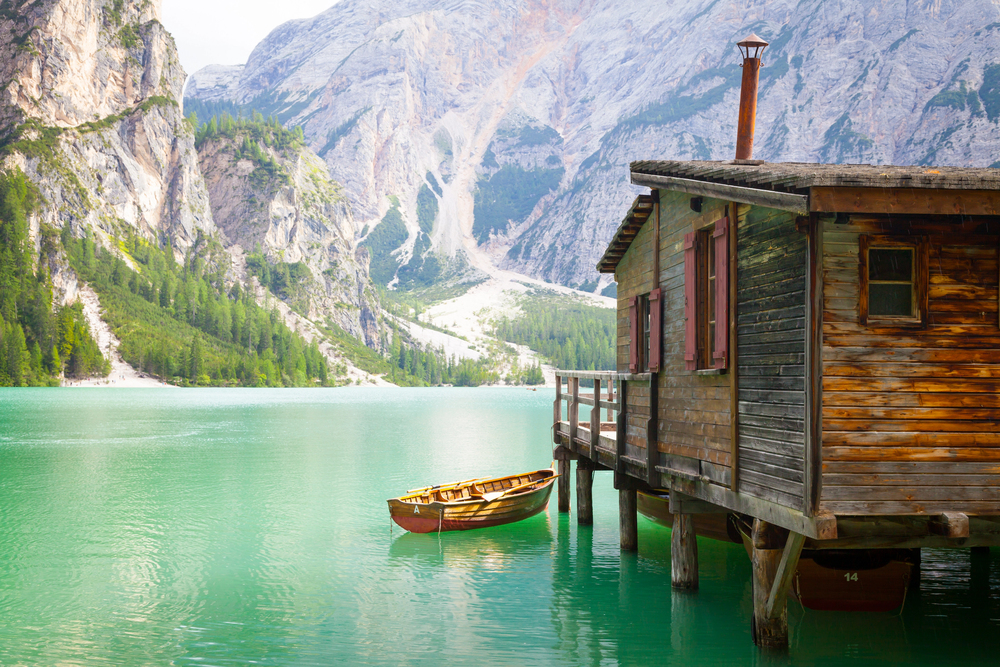
Climate change devastates mountain heritage across northern Italy — from medieval castles to traditional Alpine villages. Glacial retreat destabilizes foundations, while changing precipitation patterns trigger landslides that threaten or destroy structures that have stood for centuries.
Via Appia Antica
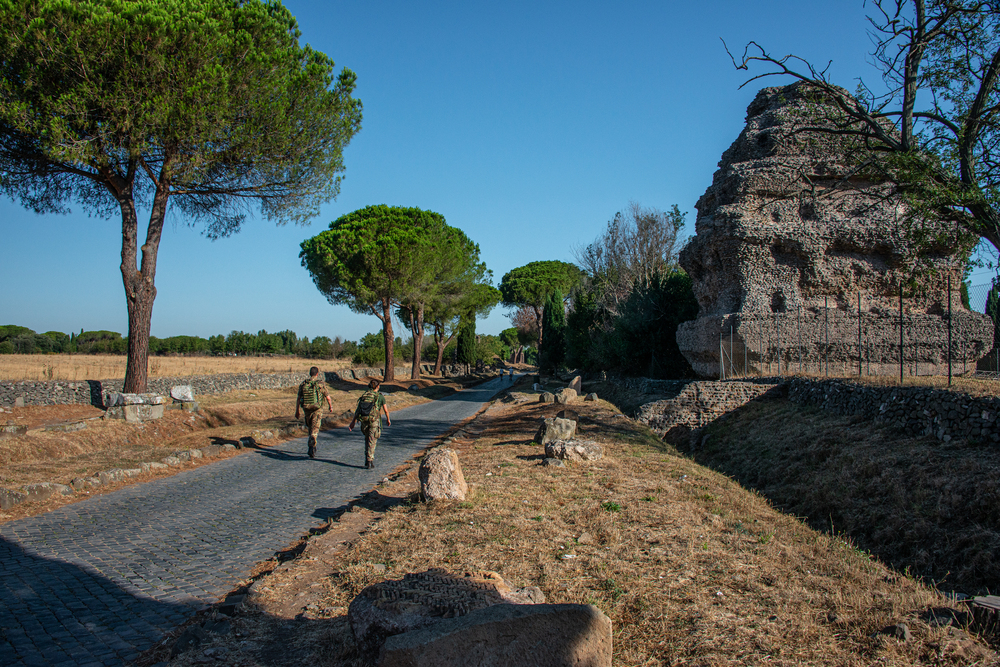
Rome’s ancient Appian Way, recently added to UNESCO’s World Heritage List, faces destruction from urban development, illegal construction, and inadequate protection. Original Roman paving stones disappear under modern alterations, whereas archaeological sites along the route suffer from neglect and vandalism.
Medieval hill towns
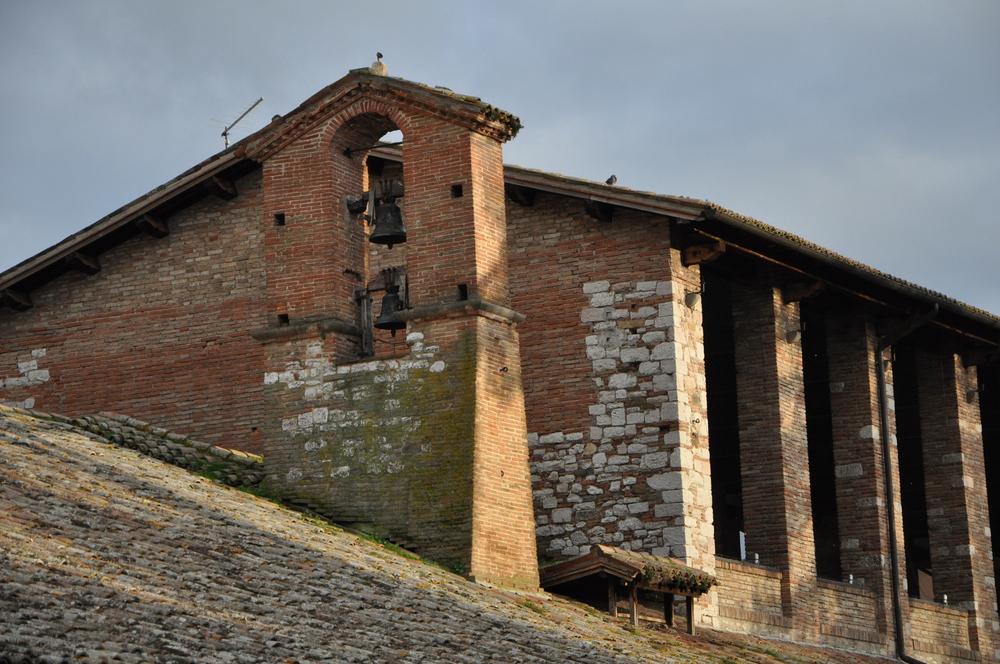
Across central Italy, ancient hilltop communities face complete abandonment as young people move to cities. Towns like Civita di Bagnoregio, perched on eroding cliffs, literally crumble into the valleys below. Their foundations give way, and their populations dwindle to single digits.
Venice’s Murano glassmaking tradition

— Photo by philfreez@gmail.com
Although not a physical landmark, this intangible heritage is facing extinction as master artisans retire without successors. Rising costs, tourism commercialization, and competition from machine-made imports threaten the centuries-old techniques. Even so, these methods created Venice’s legendary glass artworks.
Sardinian nuraghi
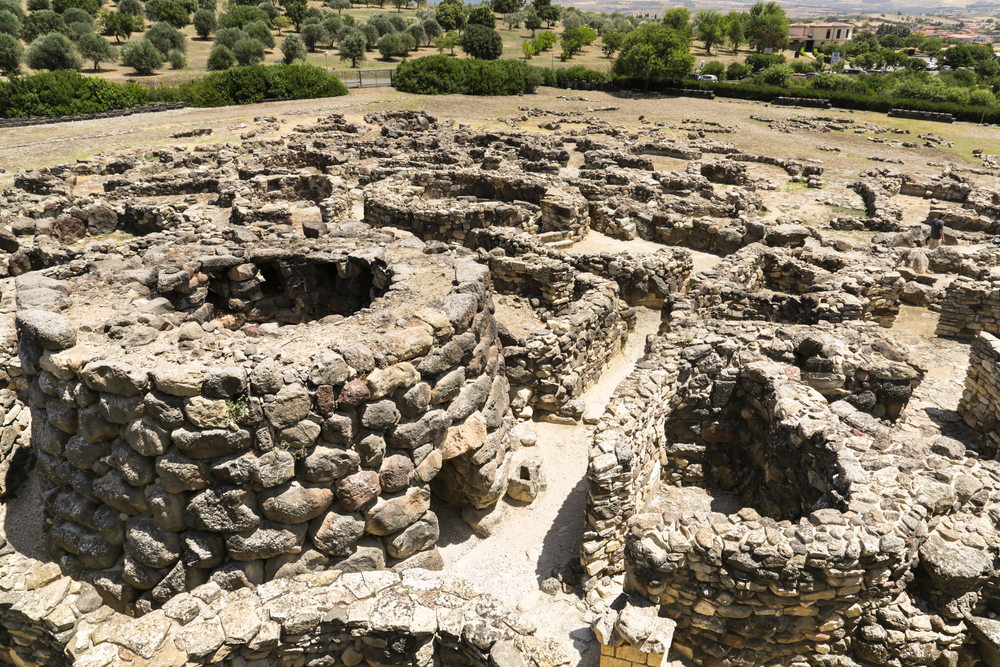
These unique Bronze Age stone towers, found nowhere else on Earth, suffer from agricultural activity, development pressure, and simple neglect. Of approximately 7,000 original structures, many have been quarried for building materials. Others get damaged by modern farming equipment.
Etruscan tombs in Tuscany
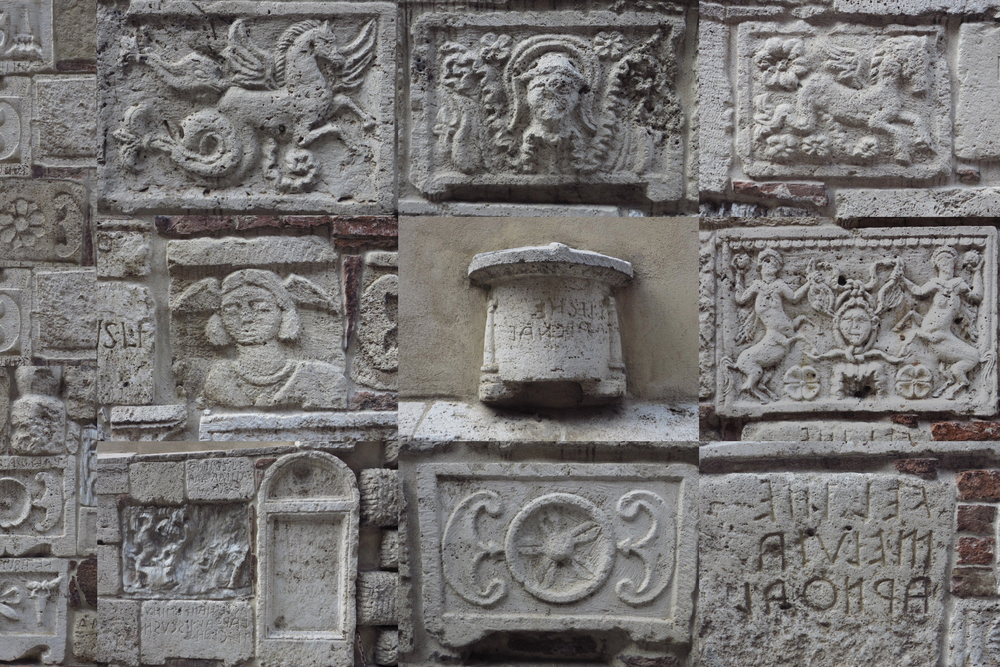
Ancient Etruscan burial sites face threats from tomb raiders, agricultural expansion, and environmental damage. The painted chambers of Tarquinia represent some of Italy’s most important pre-Roman art. Despite this, they deteriorate from humidity changes and air pollution that seeps into underground spaces.
Bologna’s medieval porticos
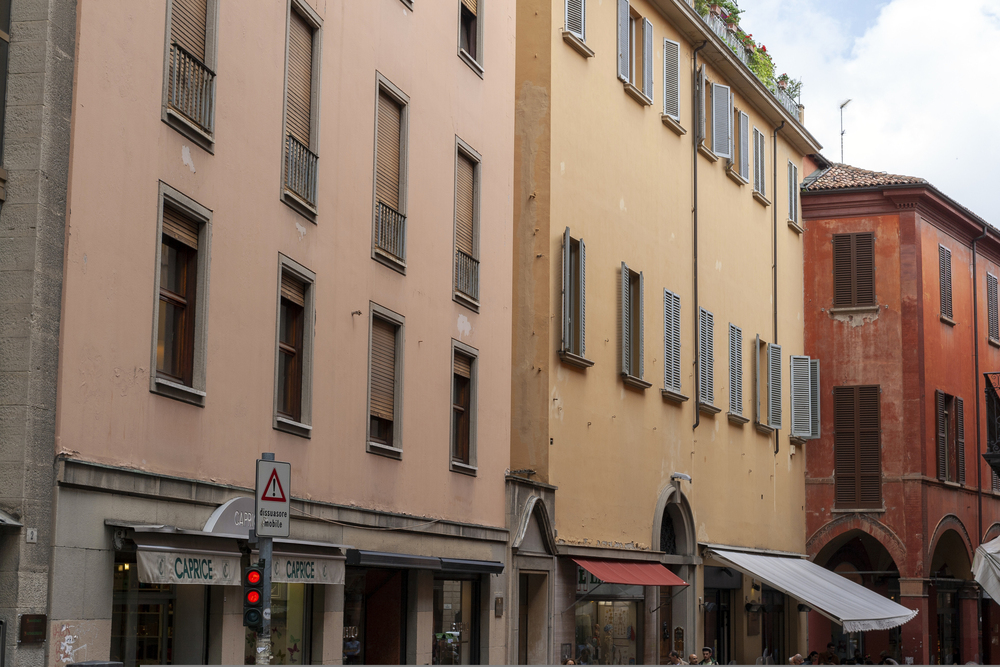
— Photo by skovalsky
These covered walkways, recently recognized by UNESCO, face pressure from modern development and changing use patterns. Historic timber and masonry structures require constant maintenance that local authorities struggle to fund. Still, some sections have already been demolished or irreversibly altered.
Matera’s ancient cave dwellings
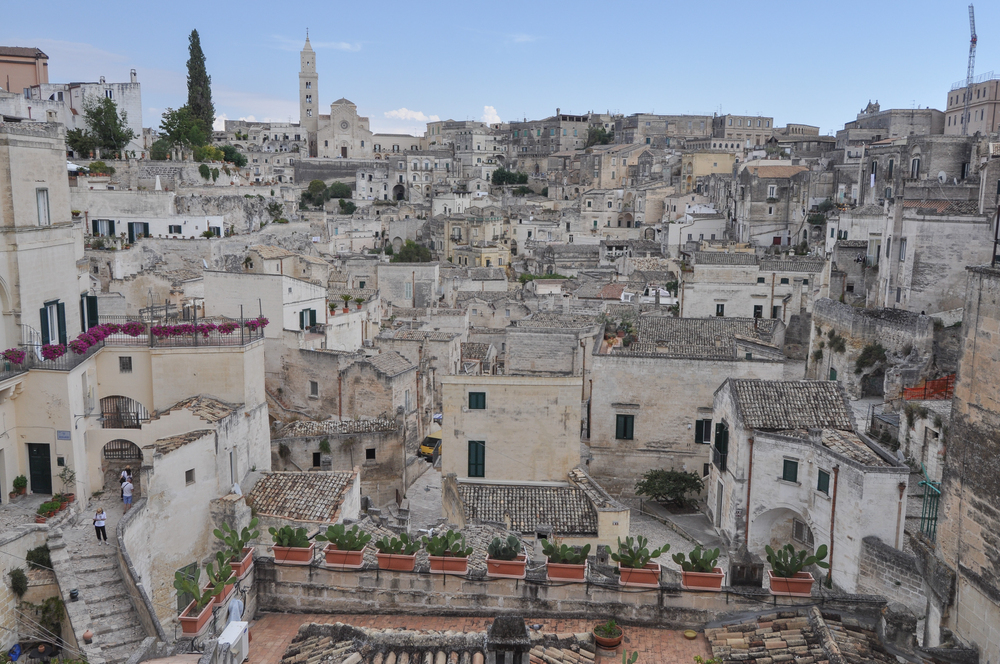
Though Matera has experienced a tourism-driven renaissance, many of its historic Sassi cave dwellings remain abandoned and deteriorating. These structures, carved directly into rock faces, suffer from water infiltration and structural instability. The damage threatens their collapse.
Lake Garda Roman sites
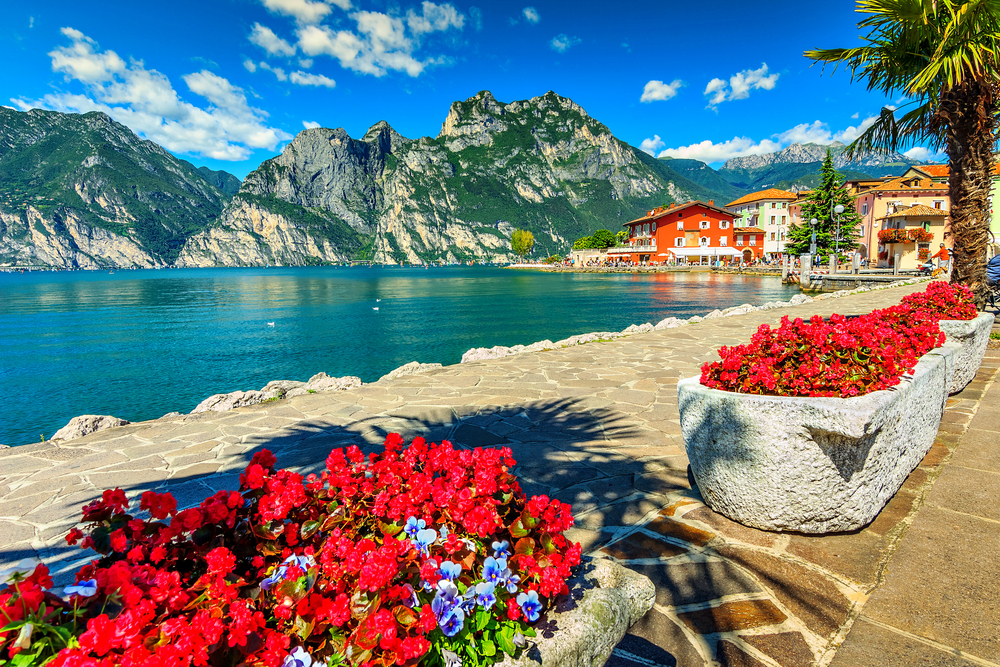
Underwater archaeological sites in Italy’s lakes face threats from changing water levels, boat traffic, and diving tourism. Roman harbor installations and submerged settlements deteriorate as increased tourism and climate-related water level fluctuations disturb sediments. These sediments have protected them for millennia.
Calabrian coastal fortifications
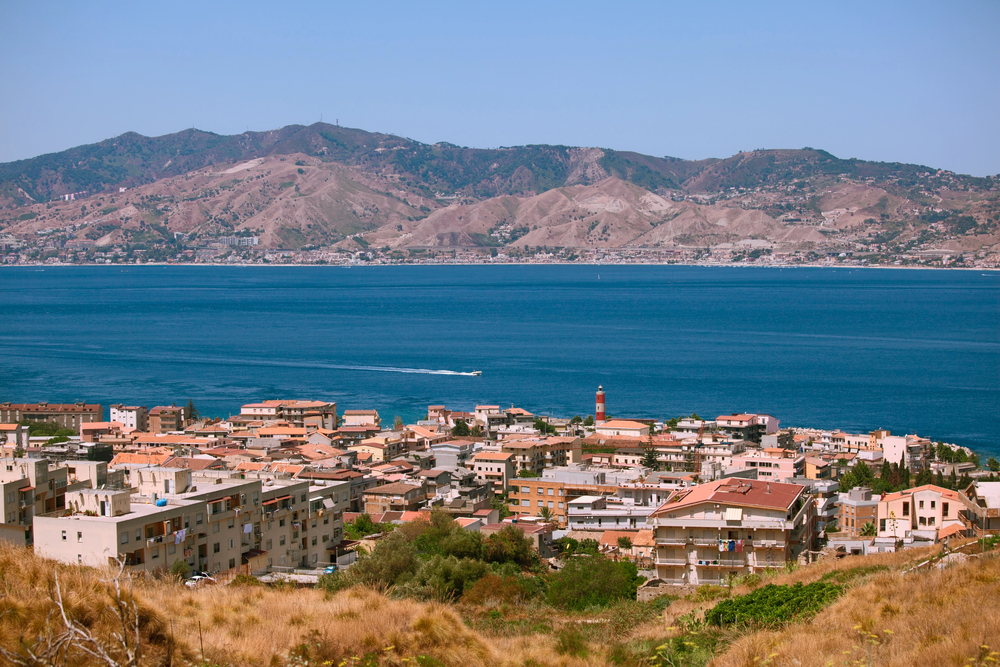
Medieval and Renaissance coastal fortresses across southern Italy crumble from sea spray, earthquakes, and abandonment. These defensive structures once proved vital to protecting Italian shores from invasion. Now they receive minimal maintenance as they slowly surrender to the elements.
Traditional trulli of Puglia
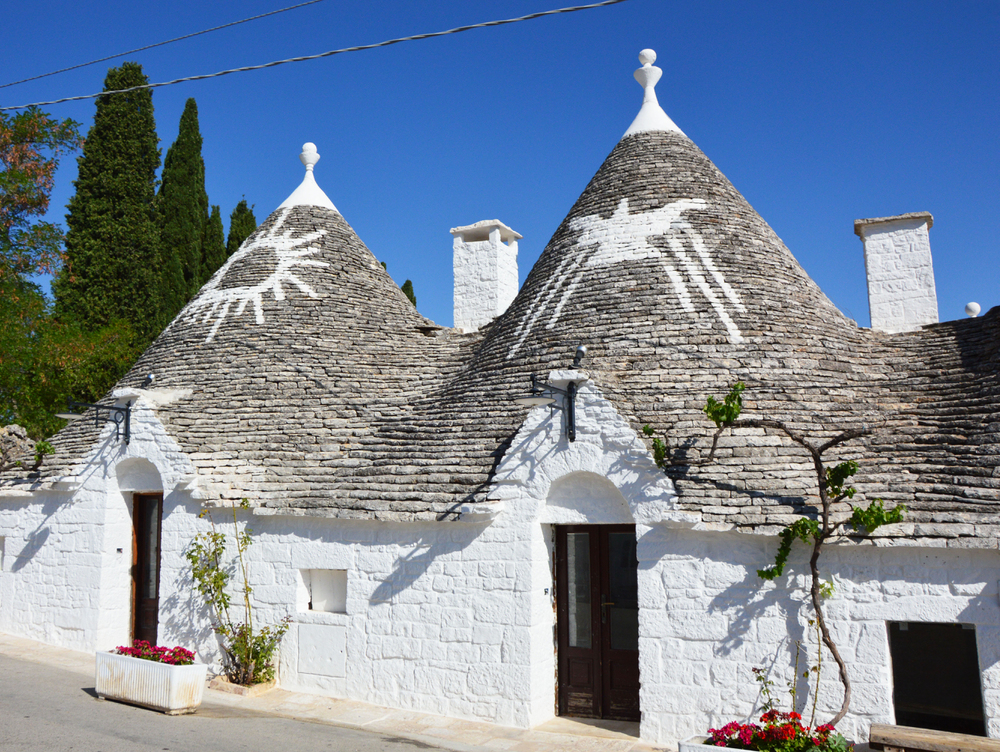
While Alberobello’s trulli attract tourists, rural examples of these distinctive cone-roofed buildings face abandonment and decay. Traditional building techniques disappear along with the artisans who know how to maintain these remarkable structures. They’re built without mortar or cement.
A heritage under siege
Italy’s cultural heritage is threatened with an uncertain future as classic dangers mix with modern ones brought about by climate change and overtourism. While some landmarks are rescued through restoration, others pass silently toward oblivion with irreparable bits of human history.
The preservation versus destruction race goes on in the peninsula, where each season brings hope for rescue and dread for irretrievable loss. These monuments serve to remind us that even the greatest accomplishments of human civilization are susceptible to time, nature, and abandonment.
More from Travel Pug

- 20 Best Beach Towns in the Carolinas
- 13 Destinations Where Tourists Regularly Regret Their Trip
- 20 Things You Actually Get in First Class
- 20 Small Airports With Aviation Museums
- 20 Places in the U.S. That Are Perfect for a Reset Trip
Like Travel Pug’s content? Follow us on MSN.