

Nature has sculpted some truly magnificent bodies of water across our planet, each offering its own unique blend of natural beauty and wonder. From crystal-clear alpine waters reflecting snow-capped peaks to volcanic crater lakes that seem almost otherworldly, these aquatic gems captivate travelers with their stunning scenery.
Whether you’re drawn to the serene tranquility of mountain lakes or the vibrant colors of mineral-rich waters, these destinations promise unforgettable experiences. The world’s most spectacular lakes combine dramatic landscapes, rich ecosystems, and often fascinating cultural histories that make them irresistible to adventurers and photographers alike.
Here is a list of 20 breathtaking lakes that should definitely be on every traveler’s bucket list. These remarkable destinations span continents, offering everything from peaceful boat rides to challenging alpine hikes.
Lake Bled in Slovenia

This fairy-tale lake sits in the Julian Alps like a perfect emerald jewel — complete with a medieval castle perched dramatically on a cliff above its shores. The lake’s most iconic feature? That tiny island in its center is home to a charming church where visitors can ring the wishing bell.
You’ll want to paddle a traditional wooden boat called a pletna to reach the island, though walking the scenic path around the lake’s perimeter offers constantly changing views of the surrounding peaks.
Lake Crater Lake in Oregon, USA

Nearly 8,000 years ago, Mount Mazama collapsed and created this incredibly deep lake that fills what remains of the ancient volcano. The water’s so pure you can see down 30 feet, while that intense blue color results from the lake’s depth and how sunlight interacts with the pristine water.
Despite being surrounded by snow for much of the year, the lake rarely freezes due to its impressive depth of nearly 2,000 feet, making it one of the world’s deepest lakes.
Lake Louise in Alberta, Canada

The turquoise waters of this glacial lake create one of Canada’s most photographed scenes — especially when the surrounding Rocky Mountain peaks reflect perfectly on its surface. That distinctive color comes from fine glacial flour, tiny particles of rock suspended in the water that scatter light in mesmerizing ways.
Summer brings hiking trails and canoe rentals, yet winter transforms the frozen lake into a magical ice-skating rink surrounded by snow-covered evergreens.
Plitvice Lakes in Croatia

Sixteen terraced lakes cascade into each other through a series of waterfalls and limestone barriers — creating what feels like nature’s own staircase. These lakes change color throughout the day, shifting from azure to green to grey depending on the minerals, organisms, and angle of sunlight.
Wooden boardwalks wind through this UNESCO World Heritage Site, allowing visitors to walk directly over the crystal-clear waters without disturbing the delicate ecosystem.
Lake Baikal in Russia

Known as the ‘Pearl of Siberia,’ this ancient lake holds about 20% of the world’s unfrozen freshwater — reaching depths of over 5,300 feet. At 25 million years old, it’s the oldest freshwater lake on Earth.
It’s also home to species found nowhere else, including the world’s only freshwater seals, while winter transforms Baikal into a photographer’s paradise when its surface freezes into incredibly clear ice formations.
Lake Annecy in France

The Alps provide a stunning backdrop for this pristine lake, often called Europe’s cleanest due to strict environmental protections implemented decades ago. Medieval towns dot its shores, with Annecy itself earning the nickname ‘Venice of the Alps’ thanks to its charming canals and flower-lined bridges.
The lake’s warm, swimmable waters are rare for an alpine lake, yet they make it perfect for both relaxation and water sports throughout the summer months.
Lake Tahoe in California and Nevada, USA

Straddling two states at 6,225 feet above sea level, this massive alpine lake boasts water so clear that objects remain visible at depths of 75 feet. The lake’s cobalt blue waters contrast beautifully with the surrounding Sierra Nevada mountains — creating some of the most spectacular scenery in North America.
Year-round activities range from skiing and snowboarding in winter to hiking, swimming, and boating during the warmer months.
Moraine Lake in Alberta, Canada

Ten snow-capped peaks known as the Valley of the Ten Peaks surround this small but incredibly scenic glacial lake in Banff National Park. The lake’s vivid turquoise color intensifies as summer progresses — and glacial melt increases the concentration of rock flour in the water.
Though the lake’s only accessible from June to October due to heavy snow, the short season makes visits feel even more special and exclusive.
Lake Tekapo in New Zealand

Famous for its brilliant turquoise waters and the iconic Church of the Good Shepherd on its shores, this lake sits in the heart of New Zealand’s South Island. The lake forms part of a Dark Sky Reserve, making it one of the world’s best places for stargazing, where the Milky Way appears almost impossibly bright above its still waters.
Lupines bloom along the shoreline each summer, creating carpets of purple and pink flowers that contrast beautifully with the azure lake.
Lake Como in Italy

Shaped like an upside-down Y, this glacial lake has attracted the wealthy and famous for centuries with its mild climate and stunning mountain scenery. Elegant villas and terraced gardens cascade down to the water’s edge, whereas charming towns like Bellagio offer narrow cobblestone streets and lakeside cafes.
The lake’s three branches provide different experiences, from the glamorous southern tip near Como to the wilder, more dramatic northern reaches.
Lake Atitlan in Guatemala
Three towering volcanoes rise directly from the shores of this deep crater lake. It’s dramatic. Mayan villages dot the shoreline, each maintaining distinct traditions and colorful textiles that reflect centuries of indigenous culture, though the lake sits at 5,125 feet elevation, giving it a pleasant year-round climate that’s earned it comparisons to Switzerland — even if the volcanic landscape feels far more exotic.
Lake Malawi in Africa

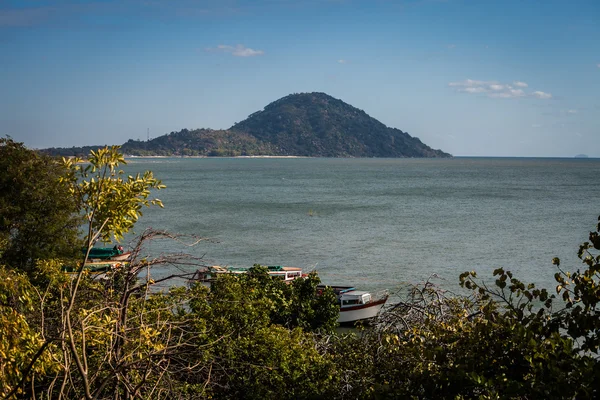
This massive freshwater lake stretches over 350 miles through three countries and contains more fish species than any other lake in the world. Crystal-clear waters lap against pristine beaches that rival any ocean coastline, while colorful cichlid fish create underwater rainbows for snorkelers and divers.
Local fishermen still use traditional dugout canoes, and small fishing villages along the shore offer authentic glimpses into East African lakeside life.
Lake Minnewanka in Alberta, Canada

The largest lake in Banff National Park stretches for 17 miles through a dramatic mountain valley. It offers some of the most accessible alpine lake beauty in the Canadian Rockies, yet underwater lies a flooded town — the original Minnewanka townsite was submerged when a dam raised water levels in the 1940s.
The lake’s name means ‘water of the spirits’ in the local Stoney language, which seems fitting given its haunting beauty and submerged history.
Lake Toya in Japan

This nearly circular caldera lake on Hokkaido island maintains a constant temperature year-round. It never freezes despite harsh winters, while four small islands rise from the lake’s center, accessible by sightseeing boats that offer views of the surrounding volcanic landscape.
Hot springs around the lake’s perimeter provide perfect spots for relaxation while gazing across the pristine waters — particularly magical during cherry blossom season when pink petals drift across the dark water.
Lake General Carrera in Chile and Argentina

Shared between two countries in Patagonia, this massive lake is famous for its Marble Caves — stunning blue caverns carved by thousands of years of wave action.
The lake’s intense turquoise color comes from glacial melt carrying fine particles from the nearby ice fields, whereas kayaking through the marble formations reveals cathedral-like chambers with walls that glow electric blue. It creates an almost surreal underground lake experience.
Laguna Colorada in Bolivia

This shallow salt lake in the Andes Mountains appears bright red due to the presence of algae and minerals. The result is an otherworldly landscape that seems more like Mars than Earth, though thousands of pink flamingos feed in the mineral-rich waters, their colors complementing the lake’s crimson surface beautifully.
White borax islands dot the lake like icebergs in a Red Sea, while snow-capped volcanoes provide a dramatic backdrop to this high-altitude wonderland at an elevation of 14,035 feet.
Lake Nakuru in Kenya

Famous for the millions of pink flamingos that once covered its surface like a living carpet, this alkaline lake remains one of Africa’s most important bird sanctuaries. Although flamingo numbers fluctuate based on water levels and food availability, the lake still hosts an incredible array of wildlife, including rhinos, lions, and leopards in the surrounding national park.
The lake’s high salt content creates a unique ecosystem where specialized algae thrive, supporting the entire food chain.
Lake Wanaka in New Zealand

The famous Wanaka Tree grows directly from the lake’s waters, creating one of the most photographed scenes in New Zealand as its branches frame the surrounding mountains.
This glacial lake offers a quieter alternative to nearby Lake Tekapo. Even so, it boasts excellent hiking trails that lead to panoramic viewpoints, while the Southern Alps reflect perfectly in the still morning waters. The lake’s clear depths make it popular for swimming, kayaking, and fishing.
Lake Bohinj in Slovenia

Hidden deeper in Triglav National Park than its famous neighbor Lake Bled, this pristine glacial lake offers a more untouched wilderness experience. The Julian Alps rise dramatically from all sides, creating an amphitheater of peaks that reflect in the crystal-clear water.
However, a cable car from the lake’s shore provides access to high alpine meadows and some of Slovenia’s best hiking trails. Despite this, the lake itself remains refreshingly uncommercial and peaceful.
Lake Titicaca in Peru and Bolivia

The world’s highest navigable lake sits 12,507 feet above sea level. Here, thin air and intense sunlight create incredibly clear views across its vast expanse, while floating islands made entirely of totora reeds house indigenous Uros people who maintain traditional lifestyles on their artificial homes.
The lake spans 3,200 square miles between Peru and Bolivia, with deep blue waters that seem to merge with the sky at this extreme altitude.
A timeless collection of natural wonders

These remarkable lakes represent just a fraction of our planet’s aquatic treasures, yet each one tells a unique story of geological forces, climate, and the passage of time. From the ancient depths of Lake Baikal to the volcanic origins of Crater Lake, these waters have witnessed countless centuries of change while maintaining their essential beauty.
Many of these lakes face environmental challenges in our modern world, making visits even more precious and highlighting the importance of conservation efforts. The memories created beside these pristine waters — whether watching sunrise paint mountain reflections or listening to the gentle lap of waves against rocky shores — become treasures that last far longer than any photograph.
Though separated by continents and cultures, these lakes share the universal power to inspire wonder and remind us of nature’s incredible artistry.
More from Travel Pug

- Underrated Italian Towns That Beat the Tourist Crowds
- Las Vegas Tourist Traps to Skip
- Prettiest Towns in Every US State
- 18 passport-free countries for Americans
- Signs Your Cruise Is Not Worth The Cost
Like Travel Pug’s content? Follow us on MSN.