

Studying abroad opens doors to incredible experiences, yet it also makes students prime targets for scammers who prey on unfamiliarity with local customs and desperation to fit in. These con artists have refined their techniques over decades, often targeting areas near universities and popular student hangouts. Young travelers frequently carry cash, rely heavily on technology, and make quick decisions under pressure — exactly what scammers count on.
Here is a list of 20 common student scams you’ll encounter while studying internationally, along with the red flags that can help you spot trouble before it’s too late.
Fake police checkpoint
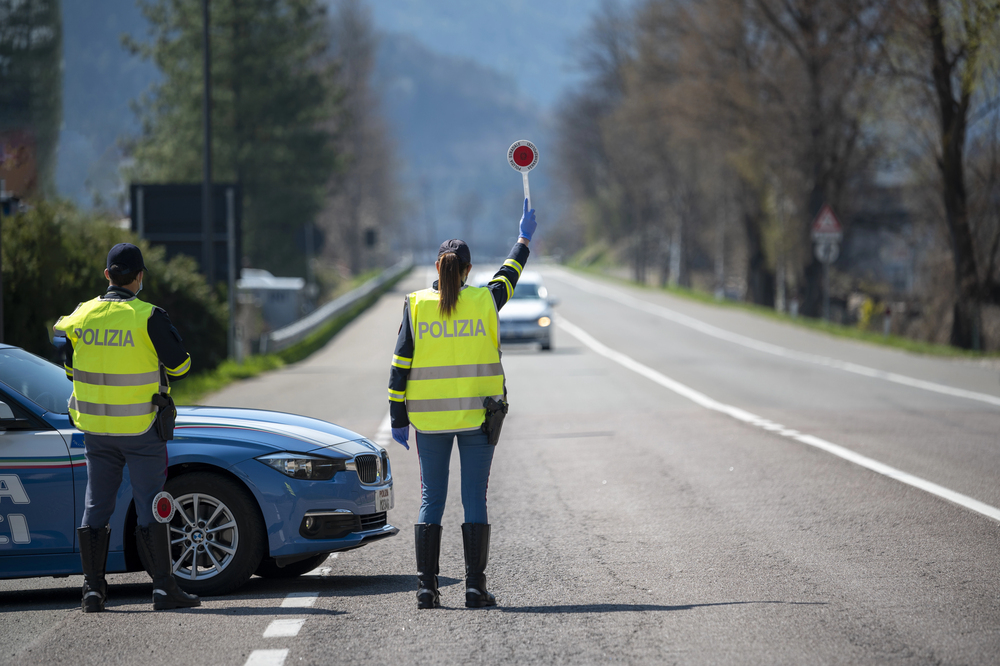
Officers wearing official-looking uniforms approach you on the street, claiming they need to inspect your documents and wallet for ‘counterfeit money.’ Real law enforcement rarely conducts random document checks on tourists, and legitimate officers will never ask to handle your cash directly. When in doubt, ask to see their badge number and request to call the local police station to verify their identity.
ATM card skimming
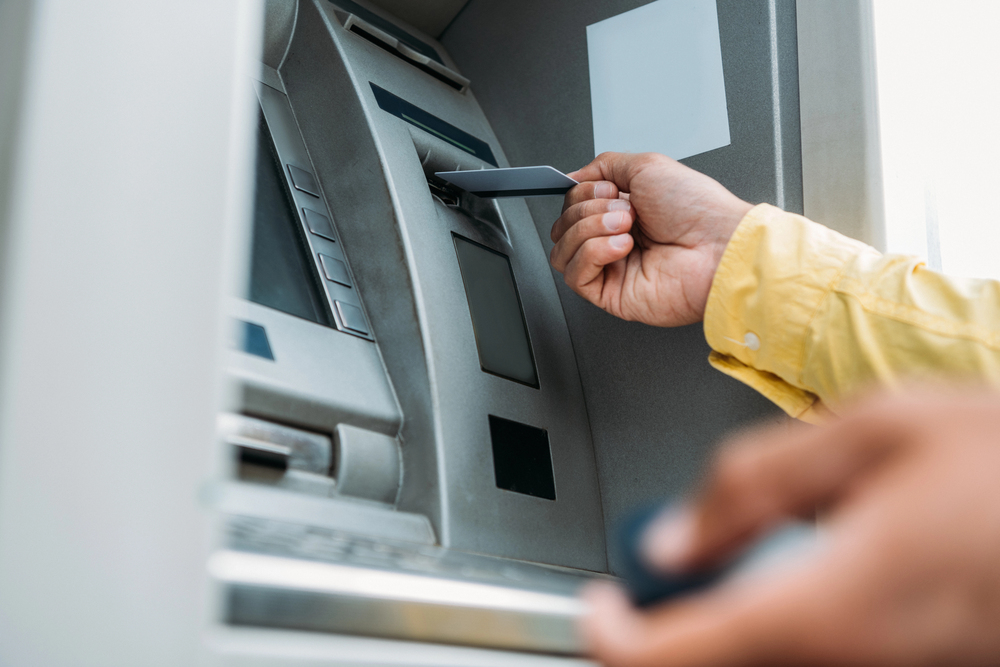
Scammers attach nearly invisible devices to ATM card slots that copy your information, while tiny cameras record you entering your PIN. These devices can be incredibly sophisticated — some even have fake keypads placed over the real ones. Always cover your hand when entering your PIN, and if the card slot looks different from other machines or seems loose, find another ATM.
Like Travel Pug’s content? Follow us on MSN
Overpriced taxi rides

Drivers quote astronomical fares to students who don’t know local rates, sometimes claiming the meter is ‘broken’ or that there are special tourist surcharges. Some taxi scams involve drivers taking deliberately long routes through heavy traffic to run up the fare. Research typical costs beforehand and insist on using the meter, or better yet, use ride-sharing apps that show the fare upfront.
Romance scams online

Attractive profiles on dating apps quickly profess deep feelings, then create elaborate stories about emergencies requiring money transfers. These scammers often use stolen photos of models or other attractive people and have well-rehearsed scripts designed to create emotional dependency. They’ll avoid video calls or in-person meetings while gradually escalating their requests for financial help.
Fake accommodation listings

Stunning apartments at below-market prices disappear after you wire a security deposit, leaving you homeless upon arrival. Scammers steal photos from legitimate listings and create fake profiles on rental websites. They’ll often claim to be traveling and unable to meet in person, insisting on payment before you can view the property.
Like Travel Pug’s content? Follow us on MSN
Friendship bracelet trap
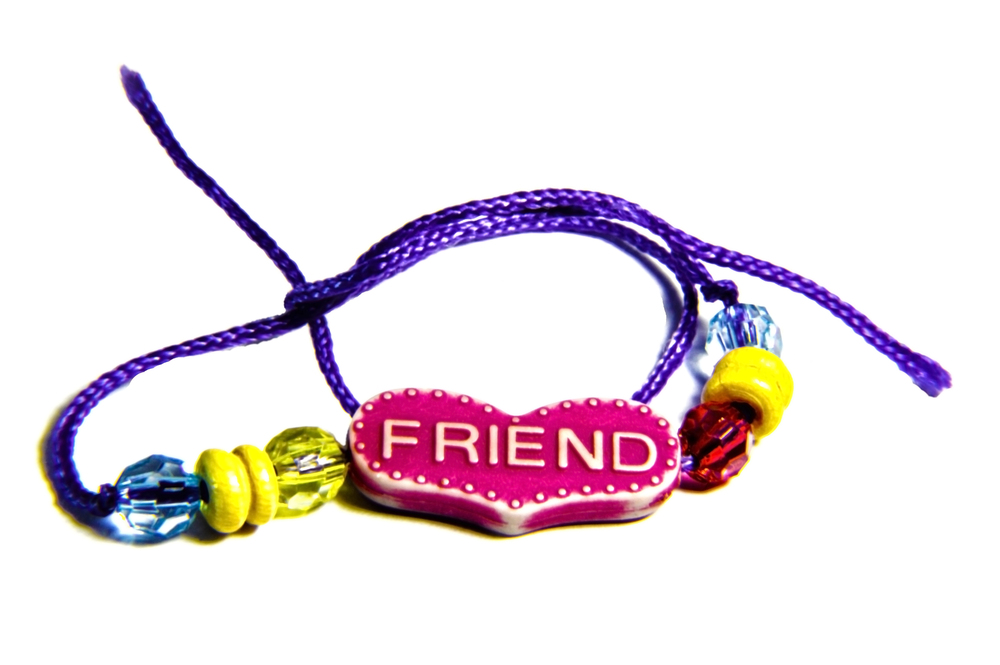
Street vendors approach with colorful bracelets, quickly tying one around your wrist while chatting, then demanding payment for the ‘gift.’ Once the bracelet is attached, they become aggressive and may call over accomplices to surround you. This scam works because many students don’t want to cause a scene or appear rude in a foreign country.
Currency exchange cons
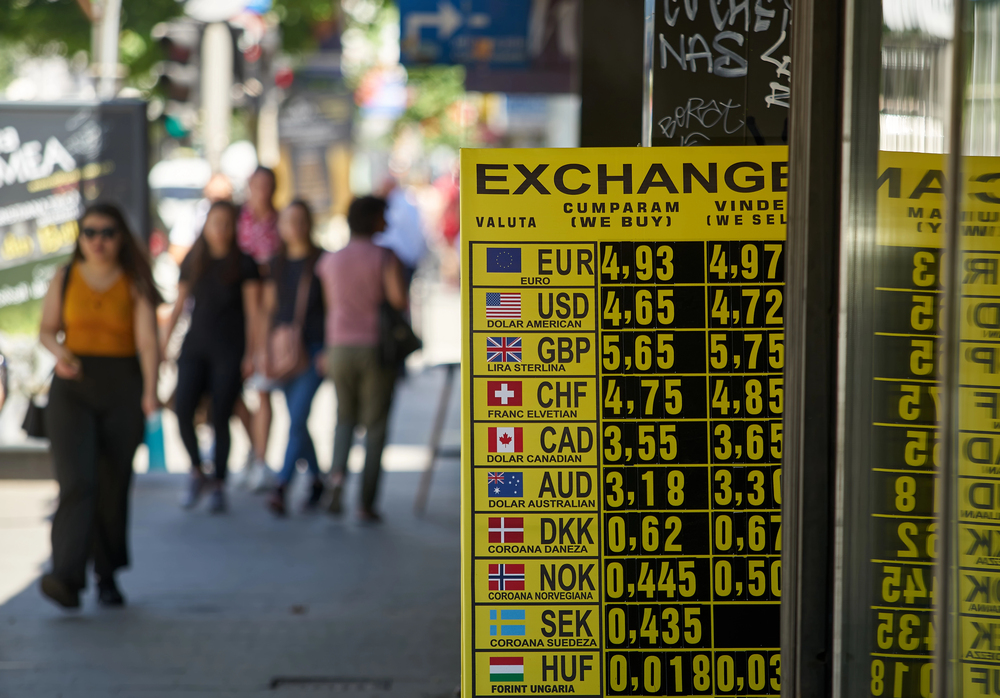
Money changers offer better rates than banks but use sleight of hand to shortchange you during the transaction. Some use calculators with rigged displays that show incorrect conversion amounts. Others distract you while counting bills, removing several notes when you’re not looking — always count your money carefully and stick to official exchange locations.
Fake student discount cards

Sellers offer ‘international student cards’ that promise discounts worldwide but provide no actual benefits after you pay the fee. Legitimate student discount programs are typically offered through established organizations or your home university. Be particularly wary of anyone approaching you on the street with these offers, as real programs don’t use aggressive sales tactics.
Like Travel Pug’s content? Follow us on MSN
Pickpocket teams

One person creates a distraction while accomplices rifle through your belongings, often working in crowded areas such as markets or public transportation. The distraction might be someone asking for directions, ‘accidentally’ bumping into you, or creating a small commotion nearby. These teams are incredibly skilled and can empty your pockets within seconds while your attention is elsewhere.
Fake job opportunities

Employers promise easy work with high pay but demand upfront fees for ‘training materials’ or ‘work permits’ that never materialize. Some of these scams target students looking for part-time work to support their studies abroad. Legitimate employers never ask employees to pay for the privilege of working, and work permits are handled through official government channels.
Petition signing scams

People with clipboards ask you to sign petitions for charitable causes while accomplices steal from your bags or pockets. The petition itself is usually meaningless — it’s simply a tool to keep your attention focused elsewhere while the theft occurs. Some versions of this scam also involve the petition-holder asking for a small donation after you sign.
Like Travel Pug’s content? Follow us on MSN
Fake embassy calls

Scammers claiming to represent your home country’s embassy call about ‘problems with your documents’ requiring immediate payment to resolve. Real embassies communicate through official channels and never demand payment over the phone for document issues. They’ll also have your correct information on file and won’t ask you to verify details they should already know.
Overcharged restaurant bills

Establishments add mysterious surcharges or claim you ordered expensive items you never requested, betting you won’t argue. Some restaurants have two menus — one with reasonable prices for locals and another with inflated prices for tourists. Always ask for prices upfront, especially for daily specials, and check your bill carefully before paying.
Fake charity collectors

Well-dressed individuals with official-looking identification request donations for local causes that don’t actually exist. These scammers often target student areas because young people are generally more willing to help charitable causes. Legitimate charities typically don’t approach strangers on the street for cash donations, and they’ll have verifiable contact information and registration numbers.
Like Travel Pug’s content? Follow us on MSN
Luggage assistance scams

Helpful strangers offer to carry your bags at airports or train stations, then walk away with your belongings. Some variations involve multiple people, where one distracts you while another grabs your luggage. These scammers often dress professionally and appear trustworthy — they target tired students arriving with heavy bags who appreciate the offer of help.
Internet café fraud

Public computers often have keyloggers installed that capture your passwords and banking information when you log in to accounts. Some internet cafés are legitimate businesses that unknowingly have compromised computers, while others are specifically set up to steal information. Never access sensitive accounts, such as banking or email, from public computers. If you must, change your passwords immediately afterward.
Fake police fines

Officers write bogus tickets for minor infractions, demanding immediate cash payment to avoid ‘going to court.’ This scam often happens near tourist areas where students might unknowingly violate local laws like jaywalking or public drinking. Legitimate fines usually have official paperwork and established payment procedures — not cash-only transactions on the street.
Like Travel Pug’s content? Follow us on MSN
Rental deposit theft

Landlords collect large security deposits, then disappear, leaving students without accommodation or recourse for recovering their money. Some operate multiple fake properties simultaneously, collecting deposits from several students for the same apartment. Always verify property ownership through official records and never pay large sums without seeing proper rental agreements and receipts.
Fake university representatives

People claiming to work for your school contact you about ‘urgent administrative issues’ requiring personal information or payments. They might know basic details about your enrollment to seem credible, but universities handle sensitive matters through secure, official channels. When in doubt, contact your school directly using phone numbers from their official website, not numbers provided by the caller.
Tech support phone calls

Callers claim your computer has been compromised and offer to fix it remotely for a fee, then install malware instead. These scammers often target students because young people rely heavily on technology for their studies. Legitimate tech companies don’t make unsolicited calls about computer problems, and they never ask for remote access to your device from strangers.
Looking back and moving forward
These scams have evolved alongside technology and global travel, yet their core appeal remains unchanged — they exploit trust and unfamiliarity in foreign environments. What worked on American students in European hostels during the 1970s now targets international students worldwide through sophisticated online platforms and mobile apps. The fundamental tactics remain surprisingly consistent, although delivery methods continue to adapt to new technologies.
Today’s scammers blend traditional street cons with digital sophistication, creating hybrid approaches that catch even tech-savvy students off guard. Yet awareness remains your strongest defense — the same vigilance that protected travelers decades ago still works now. Trust your instincts, verify claims independently, and remember that legitimate services rarely pressure you for immediate decisions or payments. The adventure of studying abroad should enrich your life, not empty your bank account.
Like Travel Pug’s content? Follow us on MSN
More from Travel Pug

- 20 Best Beach Towns in the Carolinas
- 13 Destinations Where Tourists Regularly Regret Their Trip
- 20 Things You Actually Get in First Class
- 20 Small Airports With Aviation Museums
- 20 Places in the U.S. That Are Perfect for a Reset Trip
Like Travel Pug’s content? Follow us on MSN