

Mother Nature has some serious talent when it comes to creating jaw-dropping masterpieces. UNESCO World Heritage Sites represent the absolute cream of the crop—natural wonders so mind-blowing that countries worldwide put aside their differences to agree that these places need protection. We’re talking about thundering waterfalls that shake the ground beneath your feet and coral kingdoms so vast that astronauts can spot them orbiting Earth.
Picture UNESCO’s natural heritage list as the ultimate travel playlist, featuring Earth’s most spectacular hits. From ancient forests older than human civilization to volcanic islands still growing today, each destination offers something completely different. Here is a list of 20 natural wonders guaranteed to leave you speechless.
Great Barrier Reef, Australia
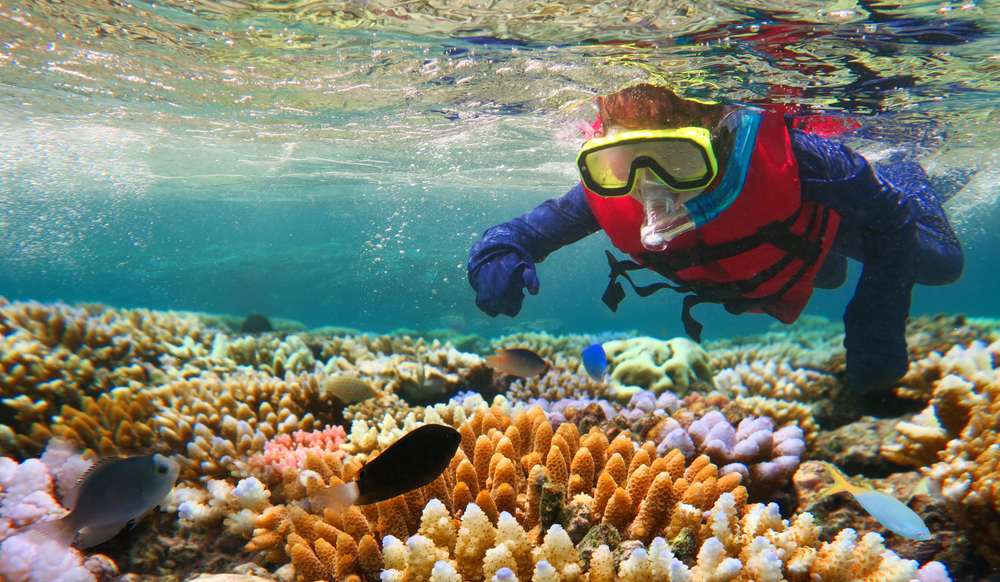
Australia’s underwater empire stretches an incredible 1,400 miles along the northeast coast, housing what amounts to an aquatic Manhattan beneath the waves. This living city buzzes with 400 coral species, 1,500 types of fish, and thousands of other marine residents, creating one of the few natural structures visible from space. Climate change and coral bleaching now threaten this aquatic paradise—every snorkeling trip here feels like visiting a priceless museum that might not exist forever.
Yellowstone National Park, Wyoming
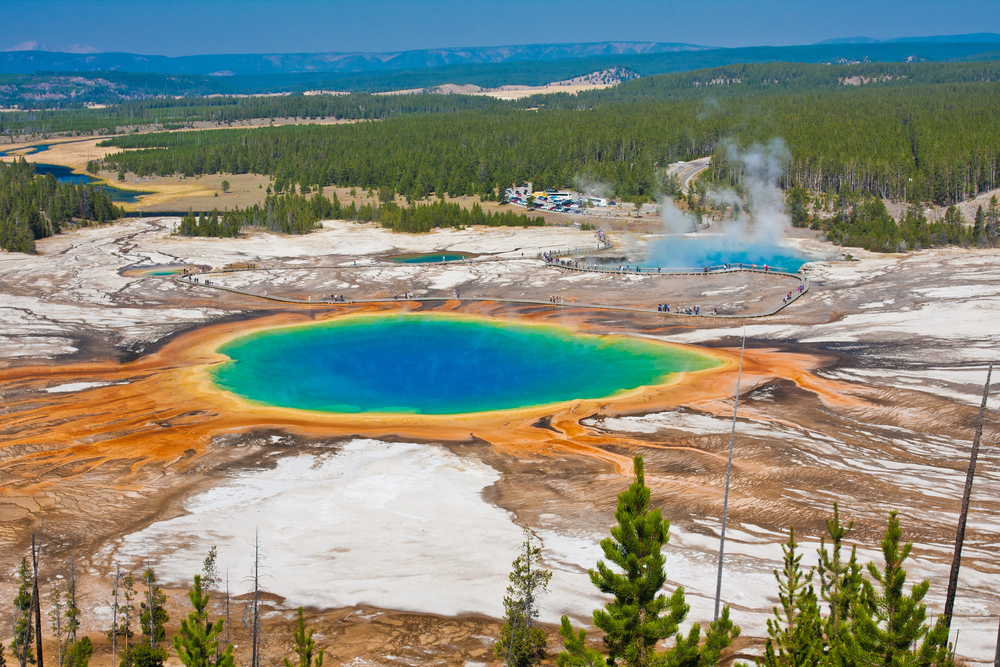
America’s first national park basically turned nature loose with a chemistry set across 2.2 million acres of pure wilderness. Sitting atop a supervolcano that could theoretically end civilization, this geothermal wonderland bubbles with over 10,000 hot springs, geysers, and mud pots while grizzlies, wolves, and massive bison herds roam freely. Old Faithful might get the headlines, but rainbow-colored hot springs and steaming landscapes create an almost alien world, proving our planet stays very much alive underground.
Galápagos Islands, Ecuador
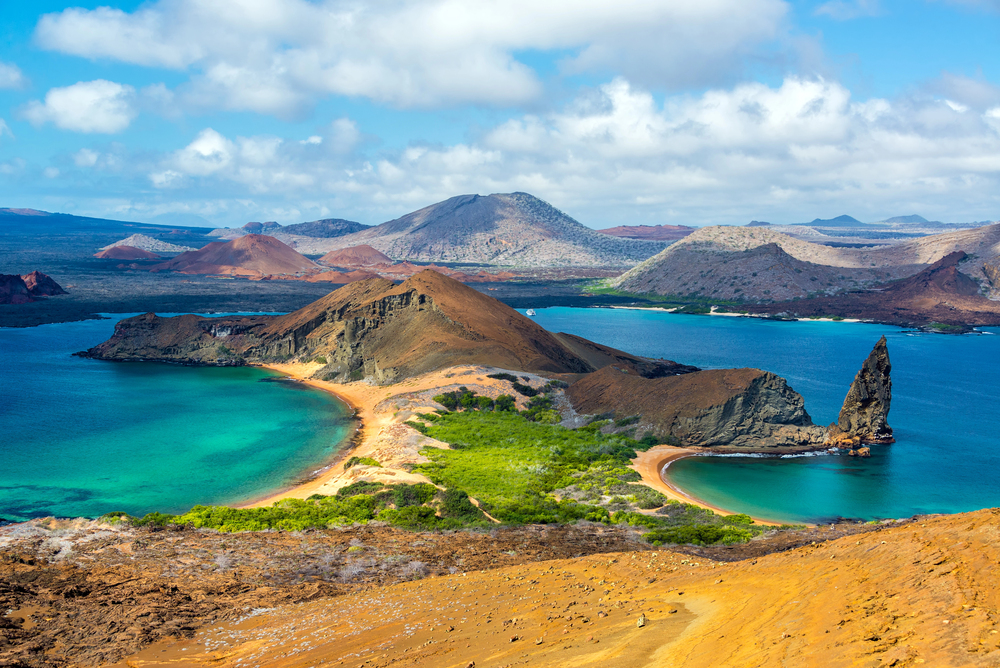
Evolution went completely wild on these 19 volcanic islands floating 600 miles off Ecuador’s coast. Darwin discovered his revolutionary ideas here among wildlife so fearless you’ll question everything you thought you knew about animal behavior. Giant tortoises that predate your great-great-grandparents share real estate with blue-footed boobies showing off their dance moves, marine iguanas that actually swim in the ocean, and penguins thriving at the equator where they absolutely shouldn’t survive.
Mosi-oa-Tunya (Victoria Falls), Zambia/Zimbabwe
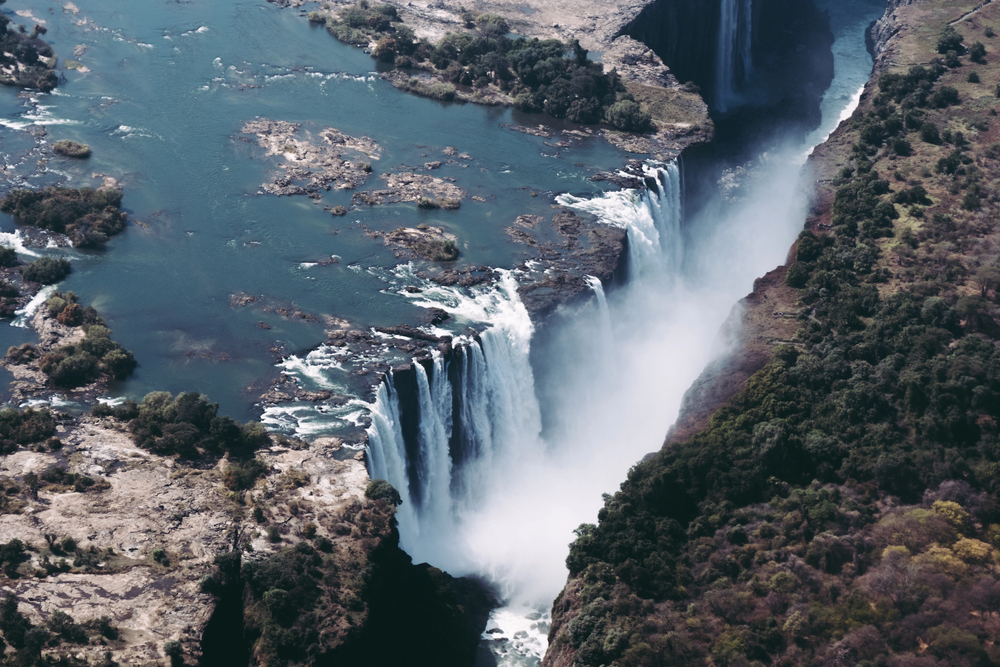
Local tribes called it ‘the smoke that thunders’ long before Europeans arrived—one look explains why perfectly. The Zambezi River essentially plunges dramatically here, hurling itself 350 feet down into a narrow gorge while creating mist clouds visible from 20 miles away. At over 5,600 feet wide, this monster makes Niagara Falls look like a garden sprinkler, generating enough spray to nourish rainforests where elephants and hippos gather for the ultimate water show.
Iguazu Falls, Argentina/Brazil
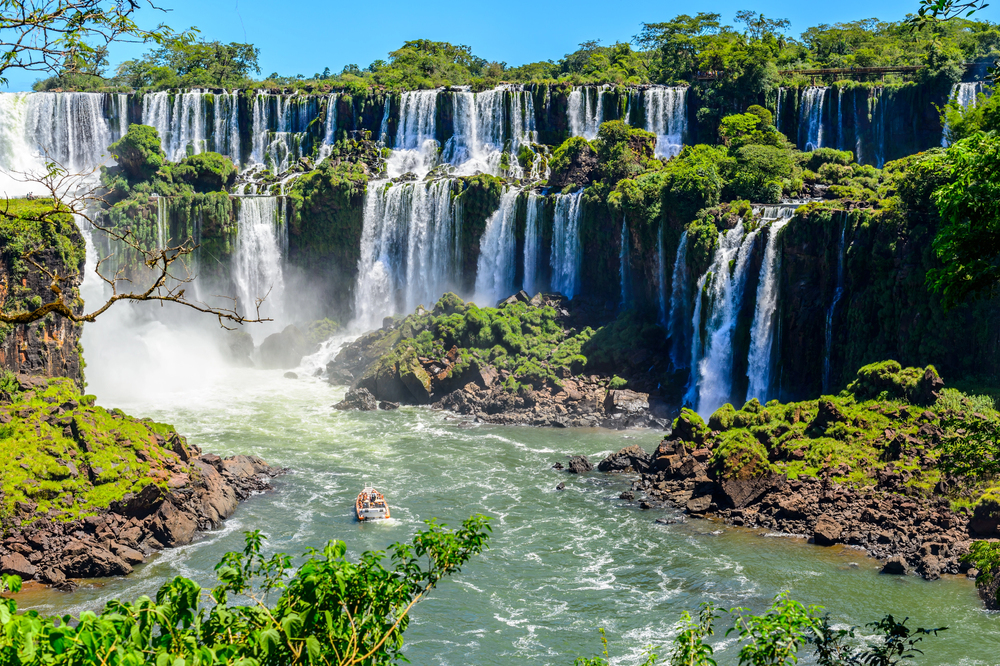
When Eleanor Roosevelt first witnessed these falls, she allegedly declared, ‘Poor Niagara!’—and honestly, that seems like an understatement. Picture 275 individual waterfalls joining forces across nearly 2 miles of subtropical rainforest, creating such overwhelming power you’ll feel the ground vibrate. The Atlantic Forest surrounding these cascades hides jaguars and colorful toucans, while clever walkway systems let you experience the action from both countries for totally different thrills.
Ha Long Bay, Vietnam
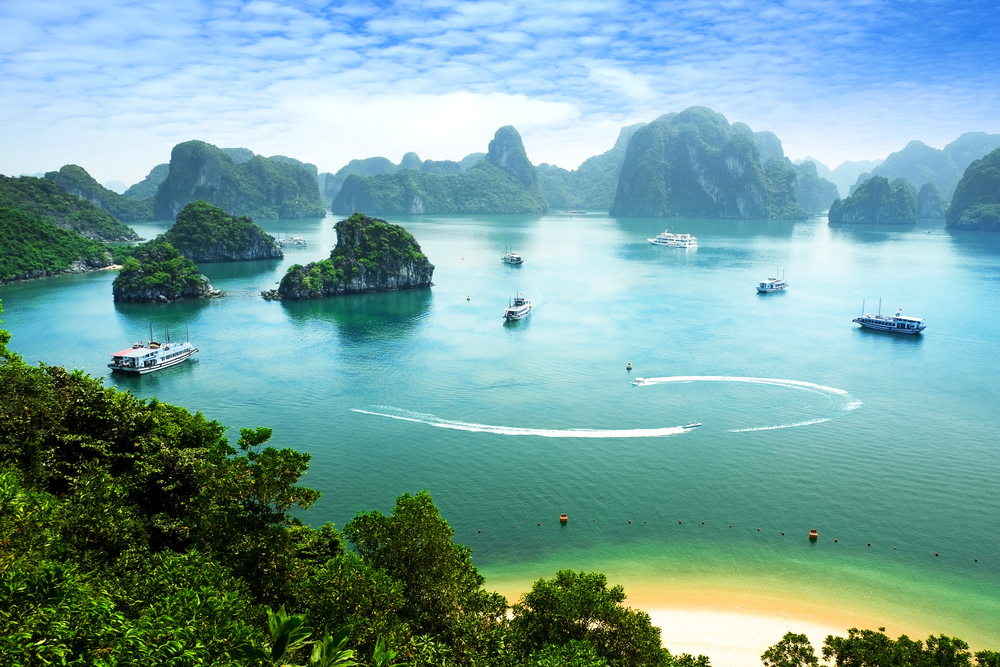
Someone clearly gave Mother Nature artistic license when designing this place. Over 1,600 limestone pillars jut from emerald waters like something from a sci-fi movie, with towering karst formations reaching 650 feet high after millions of years of wind and wave sculpting. Hidden caves, pristine beaches, and floating fishing villages complete this fantasy landscape that locals say was carved by dragons sent to defend their homeland—a story that somehow seems perfectly reasonable given the scenery.
Serengeti National Park, Tanzania
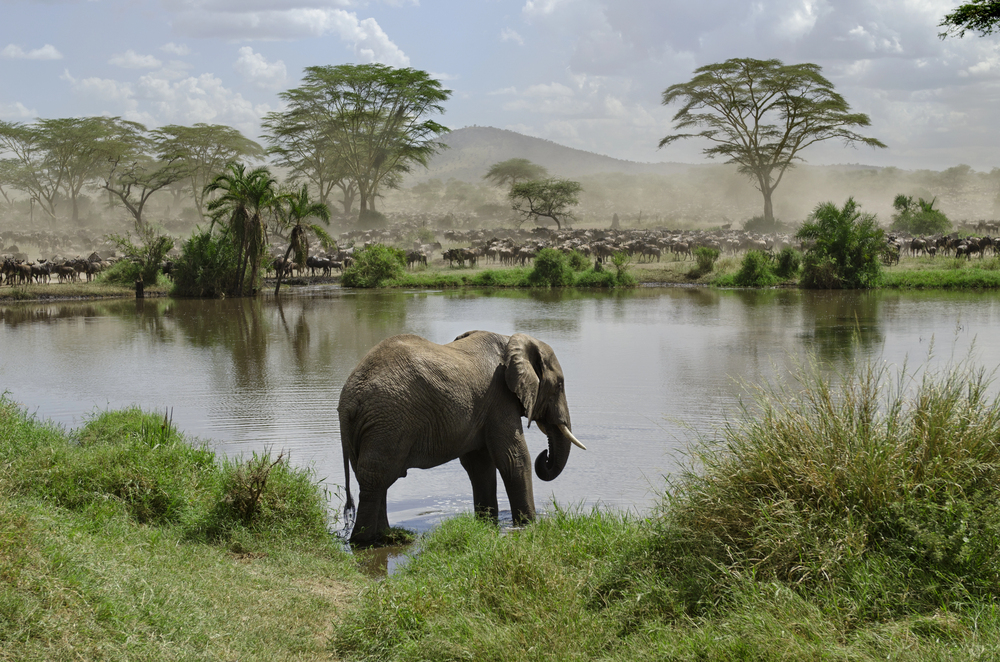
The planet’s greatest reality show happens here annually as over 1.5 million wildebeest, 200,000 zebras, and 300,000 gazelles follow rainfall patterns their ancestors established eons ago. This 5,700-square-mile ecosystem supports more large mammals than anywhere else on Earth, including the famous Big Five roaming endless grasslands punctuated by acacia trees and rocky kopjes. Serengeti translates to ‘endless plains’ in Maasai—an accurate description for landscapes where horizons disappear into infinity.
Kilimanjaro National Park, Tanzania
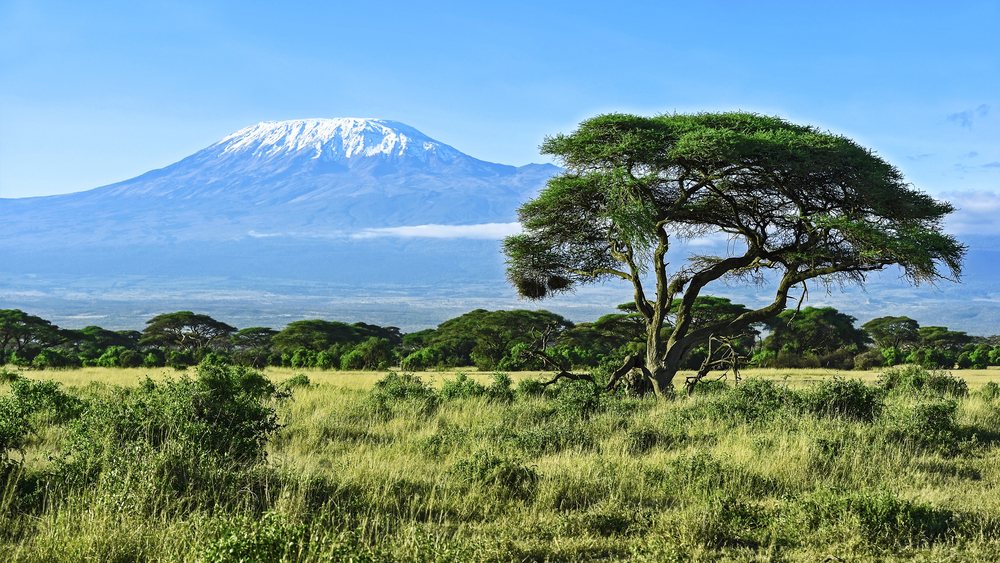
Africa’s rooftop rises nearly 19,341 feet from surrounding plains as the world’s tallest freestanding mountain, visible from over 200 miles away on clear days. Climbing Kilimanjaro takes you through three climate zones in a single journey—tropical rainforest gives way to alpine desert before reaching arctic conditions at the summit. Glaciers still crown this equatorial giant despite sitting just 200 miles south of the equator, though these ancient ice formations face serious threats from our changing climate.
Plitvice Lakes National Park, Croatia
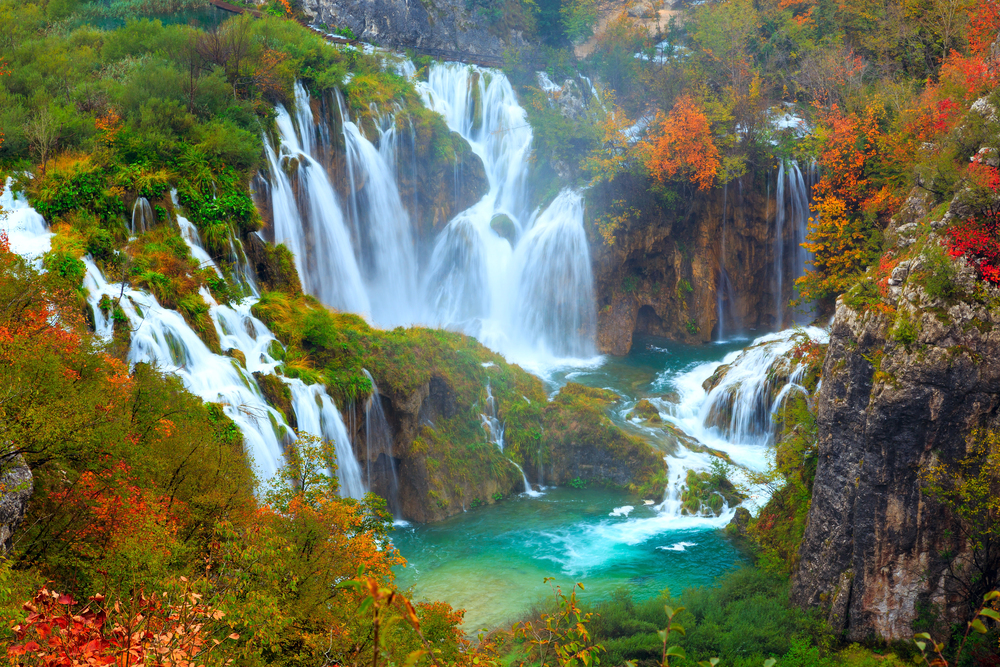
Sixteen terraced lakes cascade down natural limestone steps in what looks like nature’s most elaborate water feature. Crystal-clear waters shimmer in impossible shades of turquoise and green thanks to limestone deposits and algae, while travertine barriers formed naturally over millennia create the stepped effect. Wooden boardwalks let you walk directly above the water where trout glide beneath your feet, surrounded by pristine forests housing rare birds and some of Europe’s last remaining brown bears.
Giant’s Causeway, Northern Ireland
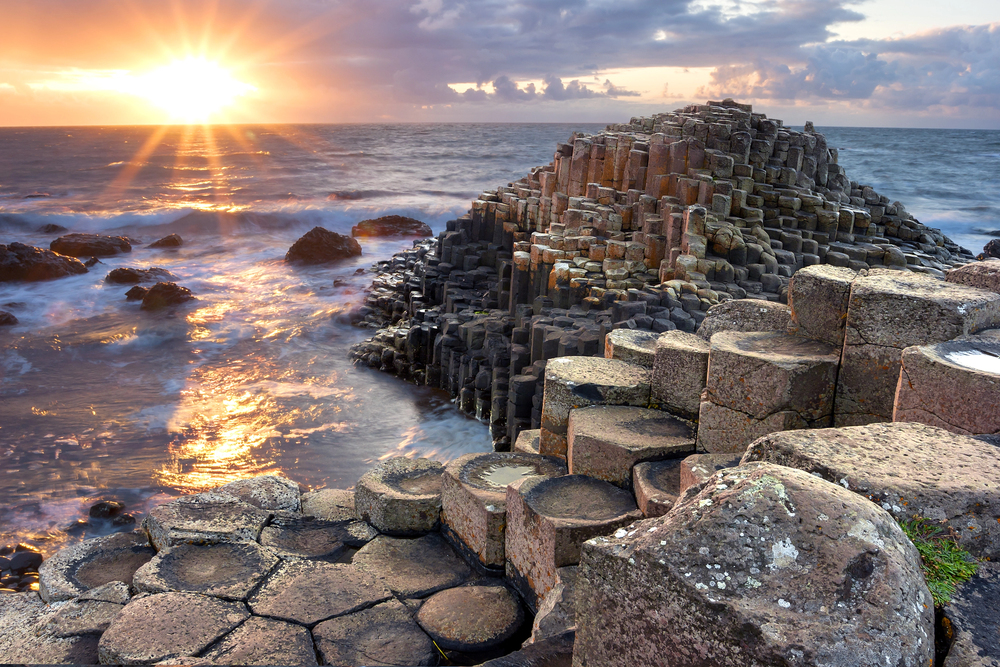
Roughly 40,000 basalt columns fit together with such geometric perfection that ancient Irish legends claimed giants built them as a bridge to Scotland. Science offers a more mundane explanation—volcanic activity 50 to 60 million years ago created these hexagonal pillars when lava cooled and contracted at precise rates. Where these natural building blocks meet the wild Atlantic, dramatic coastlines unfold that have sparked myths for centuries while continuing to mesmerize visitors with their mathematical beauty.
Uluru-Kata Tjuta National Park, Australia
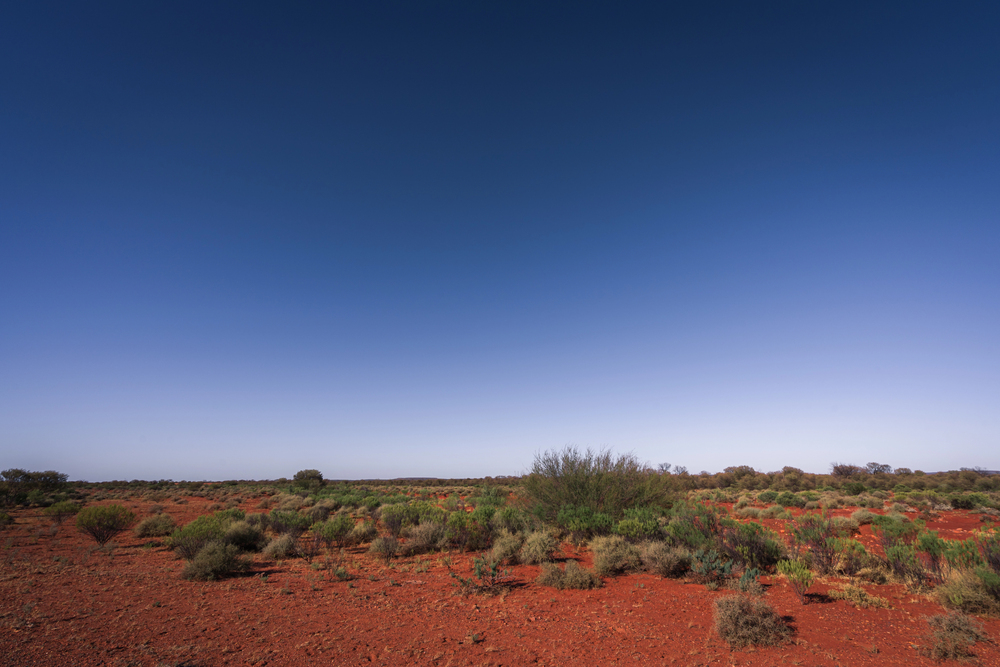
Rising from Australia’s Red Centre like a natural skyscraper, Uluru towers 1,142 feet above desert plains as one of our planet’s largest monoliths. Sacred to the Anangu Aboriginal people who’ve called this landscape home for over 30,000 years, this massive sandstone formation performs a daily color show, glowing brilliant red at sunrise and sunset. The nearby Kata Tjuta (The Olgas) adds to the drama with an impressive collection of ancient rock domes scattered across the desert horizon.
Everglades National Park, Florida
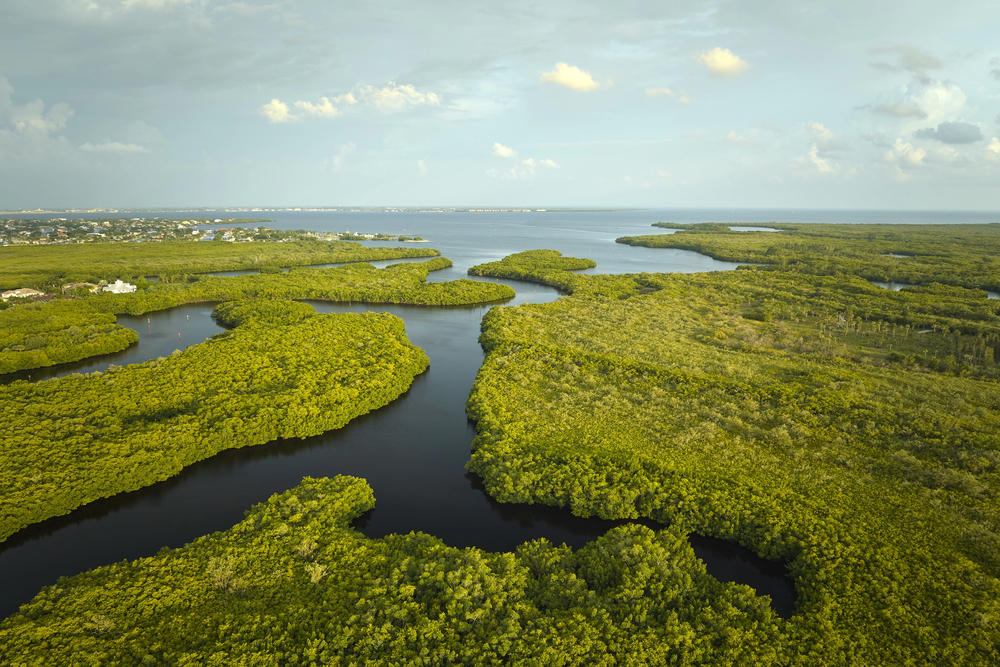
Here’s something that’ll surprise you—the Everglades isn’t actually a swamp but a river of grass flowing incredibly slowly from Lake Okeechobee to Florida Bay at roughly one foot per day. This bizarre ecosystem supports mind-boggling biodiversity, including American alligators, Florida panthers, gentle manatees, and over 350 bird species thriving in 1.5 million acres of subtropical wilderness. Most remarkably, it’s our planet’s only place where alligators and crocodiles live as neighbors, while sawgrass marshes and mangrove forests serve as crucial nurseries for marine life.
Canadian Rocky Mountain Parks, Alberta/British Columbia
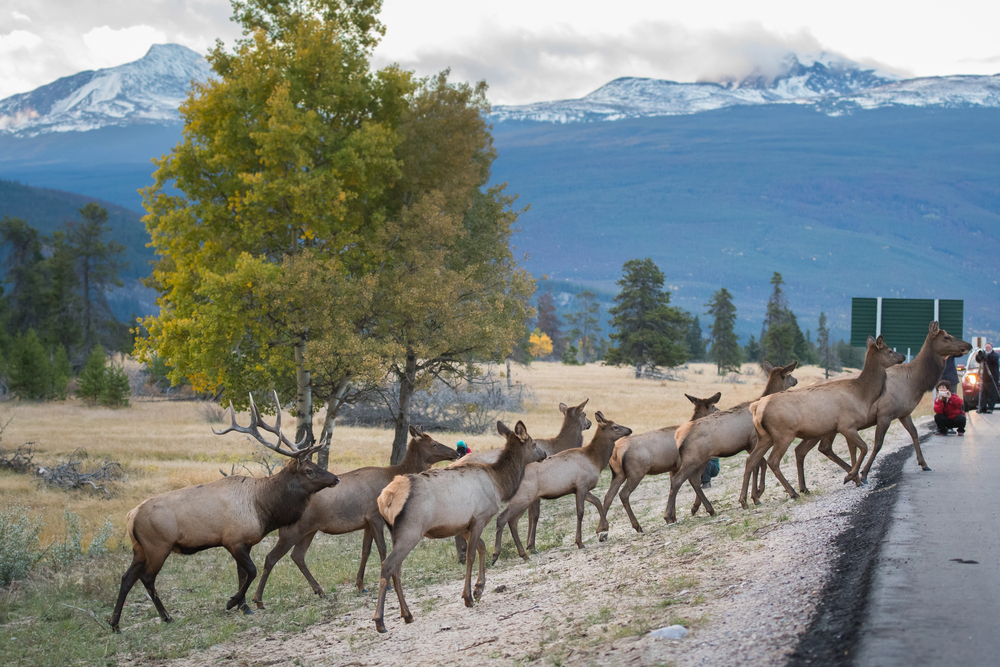
Four national parks plus three provincial parks team up to create one enormous protected area displaying North America’s most dramatic mountain theater. Jagged peaks thrust over 11,000 feet skyward above mirror-like lakes, ancient glaciers, and forests teeming with grizzlies, black bears, mountain goats, and elk wandering through pristine wilderness. These parks protect watershed sources that eventually reach three different oceans, while the Columbia Icefield remains the largest ice mass in the Rockies south of Alaska.
Socotra Island, Yemen
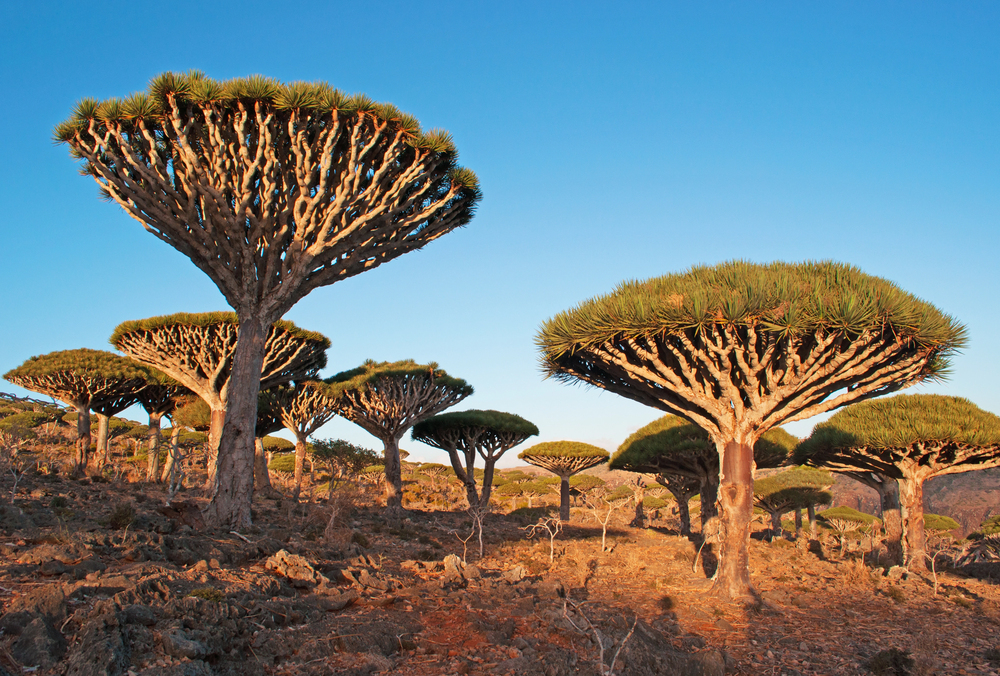
Evolution apparently decided to get creative on this isolated Arabian Sea archipelago, producing landscapes that belong more on alien planets than Earth. One-third of plant species exist exclusively here, including the wonderfully weird dragon’s blood trees that resemble massive umbrellas and desert roses bulging from rocks like botanical art installations. Millions of years of separation from mainland Arabia allowed unique species to develop in isolation, creating what scientists aptly call the ‘Galápagos of the Indian Ocean.’
Jeju Volcanic Island and Lava Tubes, South Korea
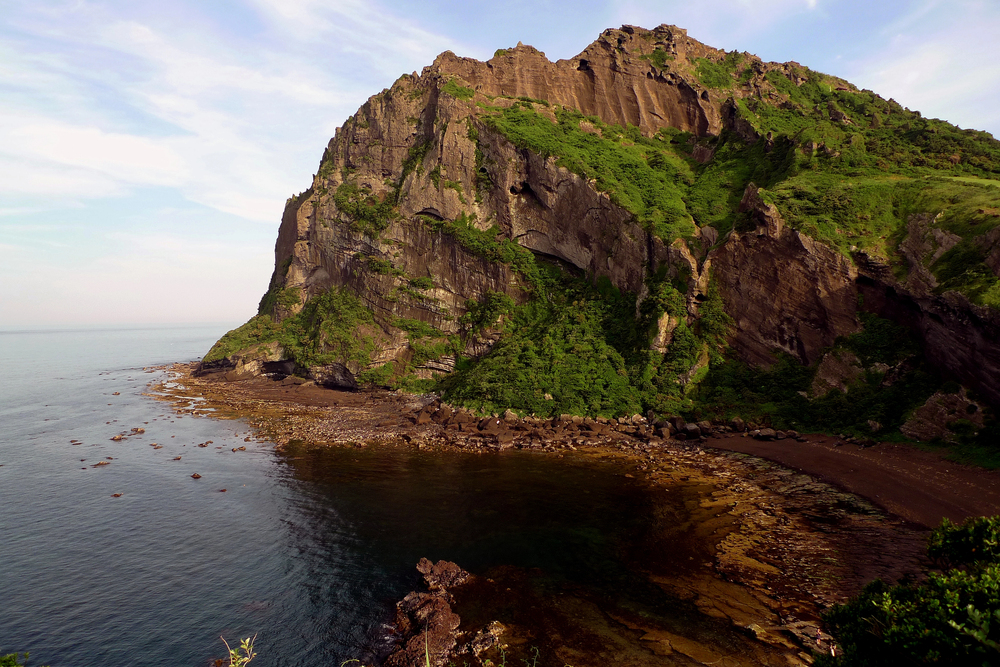
Jeju Island showcases volcanic power through landscapes dominated by Hallasan, South Korea’s 6,398-foot highest peak, yet the real magic happens underground. The island’s crown jewel is its extensive lava tube network, including Manjanggul Cave, stretching over 5 miles with some of Earth’s most impressive lava formations. These natural subway tunnels formed when outer lava layers hardened while molten rock kept flowing inside, creating underground passages that feel like exploring another planet.
Vallée de Mai Nature Reserve, Seychelles
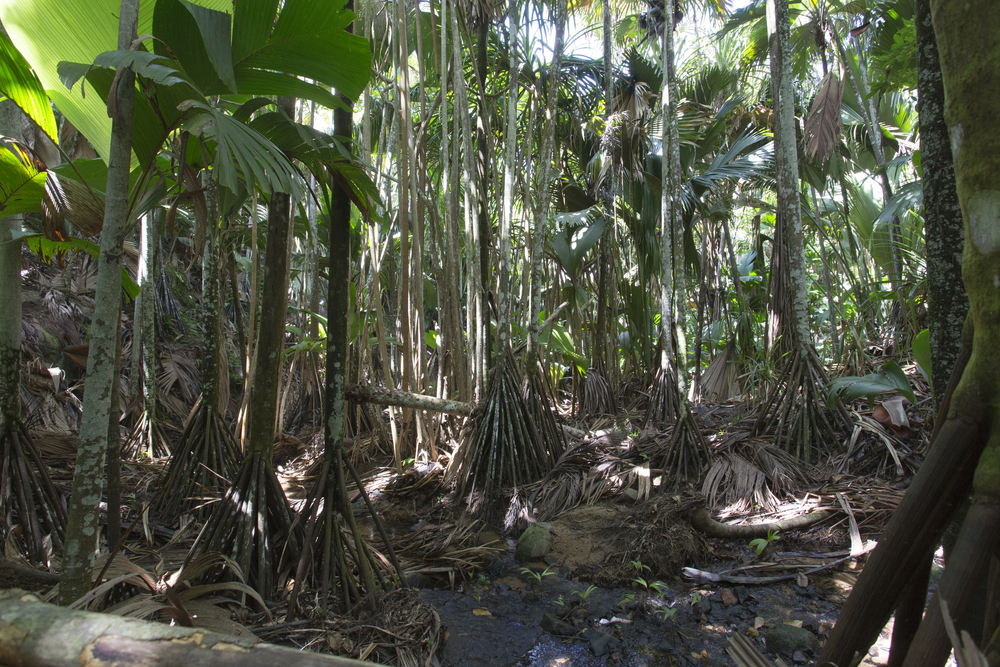
This 19-hectare valley on Praslin Island preserves what many believe represents the original Garden of Eden, where prehistoric palm forests remain essentially frozen in time across millions of years. The legendary coco de mer palm steals the show here, producing the plant world’s largest seed, weighing up to 40 pounds and taking seven years to mature fully. Rare Seychelles black parrots flutter through this ancient forest, creating an almost primordial atmosphere where visitors can experience tropical wilderness exactly as it existed during the age of dinosaurs.
Okavango Delta, Botswana
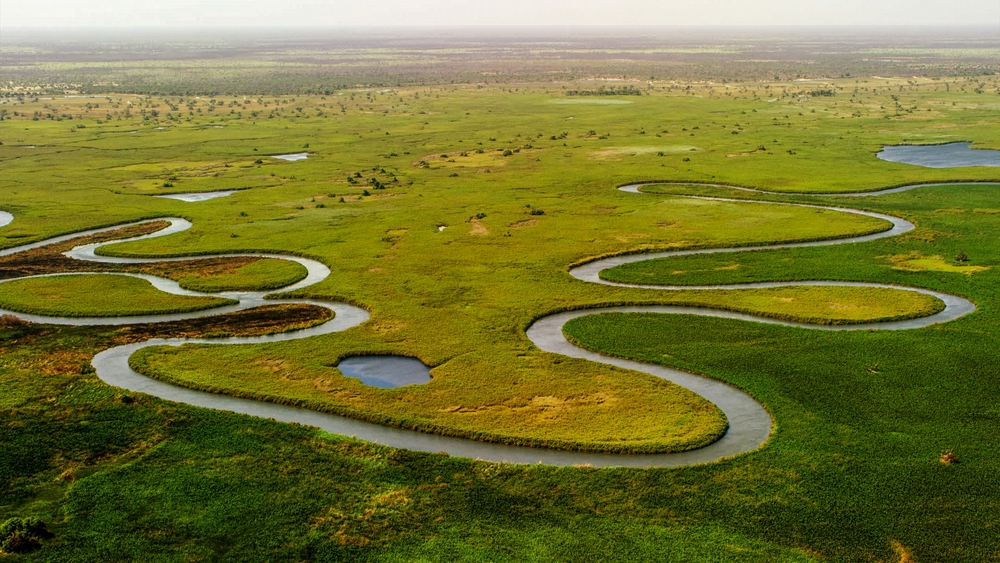
Nature performs an annual magic trick here, transforming dry savanna into a lush wetland paradise when seasonal floods arrive from Angola’s distant highlands. This massive inland delta expands to cover 6,000 square miles at peak flood, creating labyrinthine channels, peaceful lagoons, and countless islands attracting elephants, hippos, crocodiles, and over 400 bird species. Traditional mokoro dugout canoe journeys offer the ultimate way to glide silently through pristine channels while fascinated wildlife watches from the banks of what locals call the ‘jewel of the Kalahari.’
Dolomites, Italy
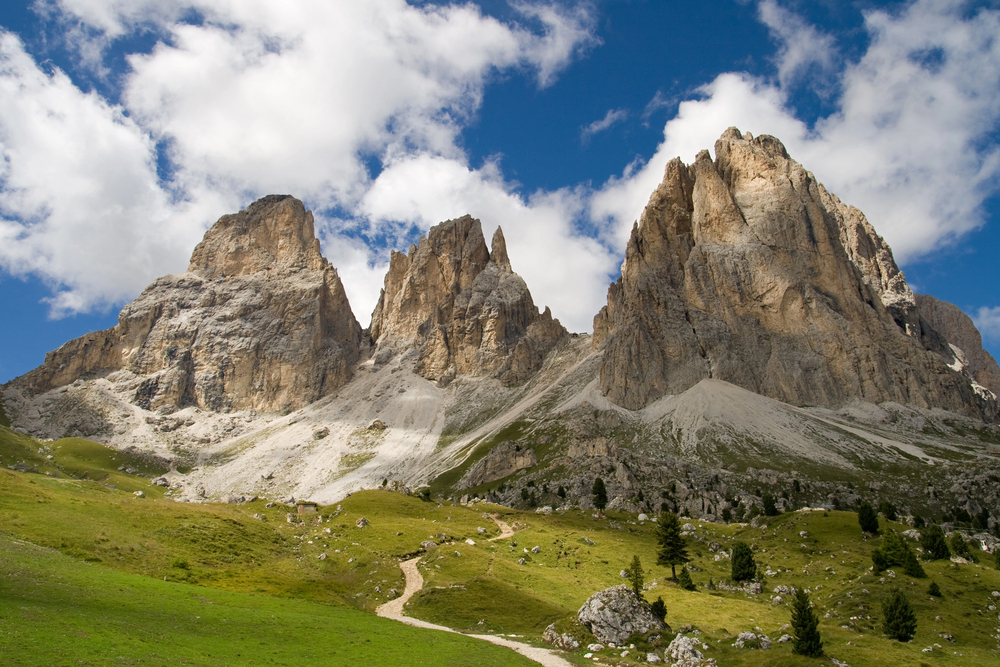
The Dolomites create Europe’s most photogenic mountain scenery through limestone peaks that glow pink and gold during sunrise and sunset in the famous ‘alpenglow’ phenomenon. These dramatic spires and towers soar up to 10,968 feet above emerald valleys dotted with alpine meadows, pristine lakes, and traditional villages that time seemingly forgot. Originally ancient coral reefs, their distinctive pale rock faces now provide world-class climbing, hiking, and skiing while supporting incredibly rare alpine plants and wildlife adapted to extreme mountain conditions.
Te Wahipounamu, New Zealand
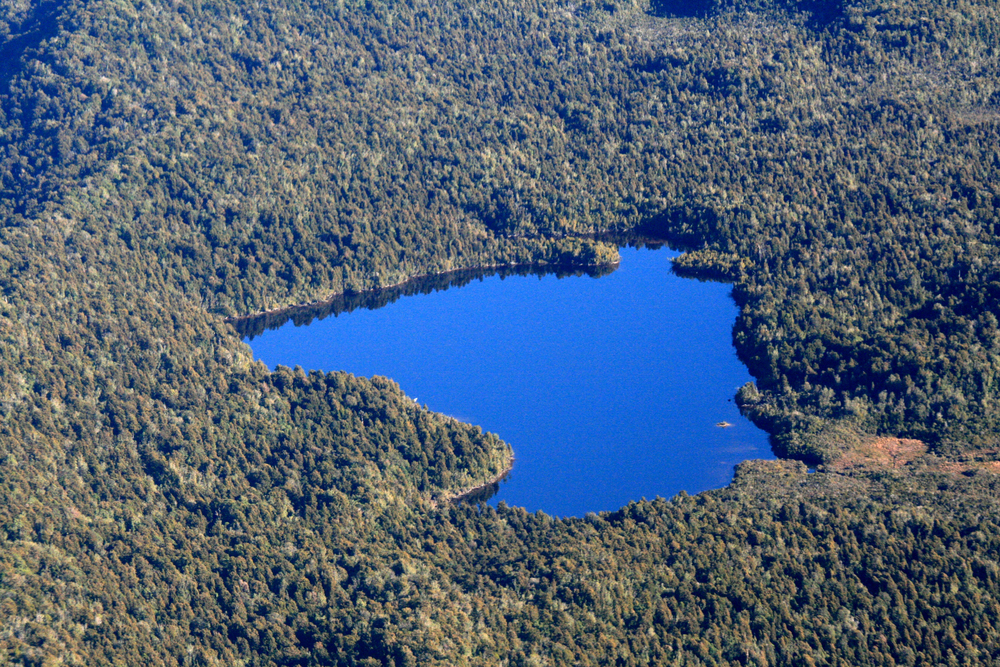
New Zealand’s South Island wilderness creates landscapes so dramatic they challenge believability, combining fjords, ancient rainforests, and towering peaks into scenes that seem ripped from fantasy novels. Milford Sound’s glass-like waters perfectly mirror vertical cliffs rising 4,000 feet straight from the sea, surrounded by temperate rainforests containing trees over 800 years old and unique species like the cheeky, flightless kea parrot. This enormous wilderness covers 10% of New Zealand’s total landmass, including some of our planet’s wettest places where annual rainfall can exceed 275 inches.
Mount Fuji, Japan
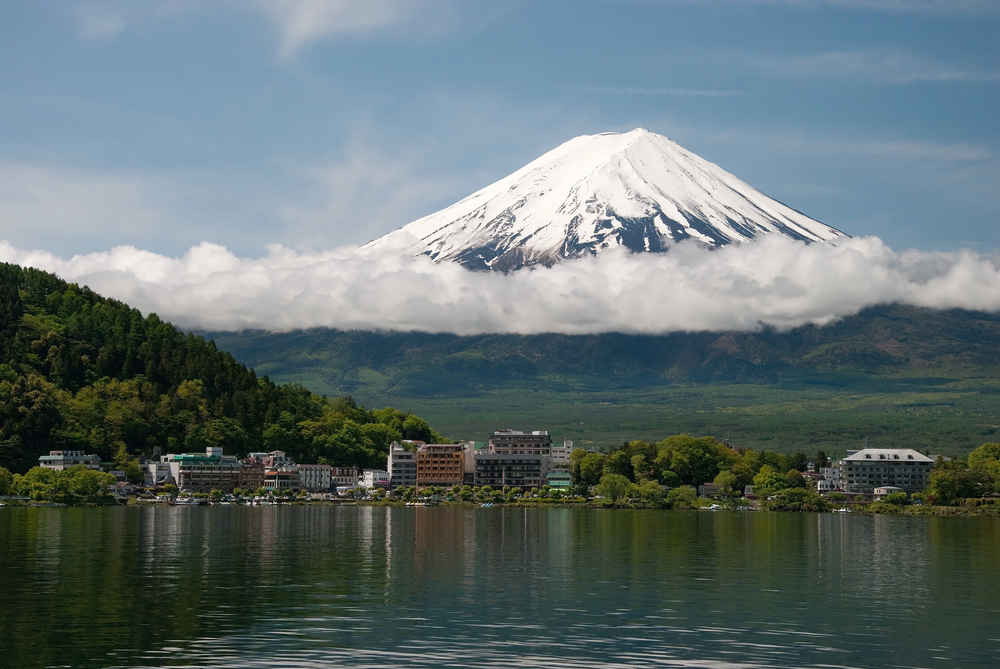
Japan’s most famous mountain rises 12,389 feet with such perfect symmetrical beauty that artists and pilgrims have been making pilgrimages here for centuries. This active stratovolcano might have last erupted in 1707, but it continues holding sacred status in Japanese culture while drawing hundreds of thousands of climbers each summer during the brief climbing window. Fuji’s classical beauty constantly transforms with the seasons—spring brings cherry blossoms at its base, winter adds snow-capped majesty, and the surrounding five lakes region provides reflection views that have graced countless artistic masterpieces.
From ancient reverence to modern responsibility
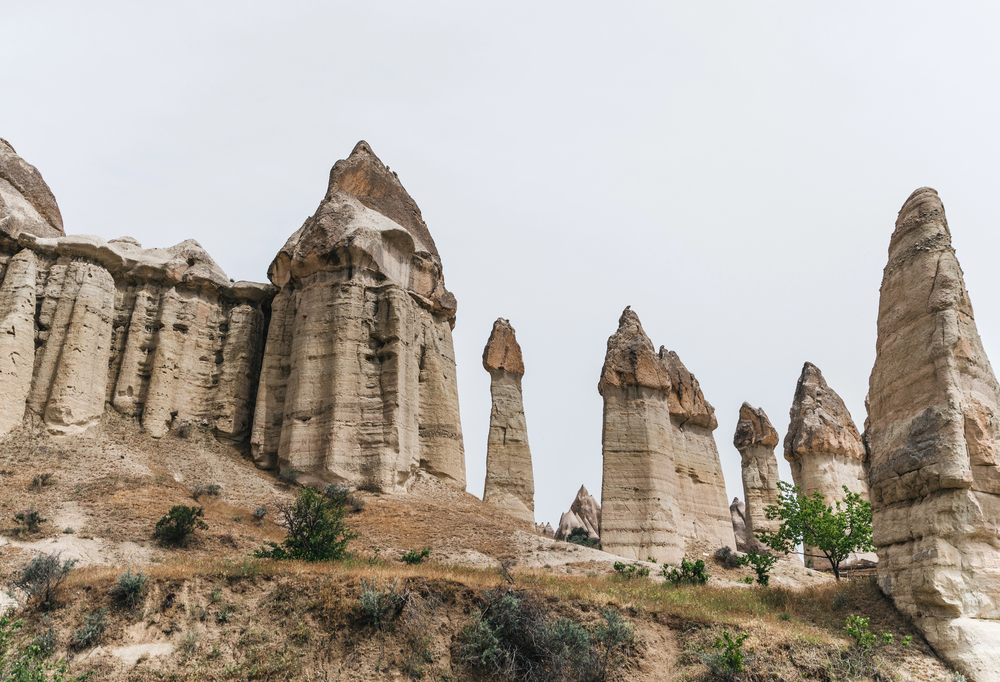
Back in the 1970s, UNESCO launched something revolutionary: the idea that certain natural places are so extraordinary they belong to everyone, not just individual countries. These 20 natural wonders showcase millions of years of geological artistry, evolutionary experiments, and ecological complexity—coral reefs that required millennia to develop, waterfalls that carved entire landscapes, and ecosystems found nowhere else in our solar system.
Today’s reality presents a sobering twist, though, as many sites face unprecedented challenges from climate change, overwhelming tourism, and relentless development pressure. Nevertheless, they keep inspiring awe, fueling conservation movements, and demonstrating why protecting wilderness remains essential for our collective future. Experiencing these natural masterpieces transcends simple tourism—it connects us with the raw power and beauty that makes Earth truly one-of-a-kind in the universe.
More from Travel Pug

- 20 Best Beach Towns in the Carolinas
- 13 Destinations Where Tourists Regularly Regret Their Trip
- 20 Things You Actually Get in First Class
- 20 Small Airports With Aviation Museums
- 20 Places in the U.S. That Are Perfect for a Reset Trip
Like Travel Pug’s content? Follow us on MS