

China’s festival calendar reads like a year-long invitation to experience some of the world’s most spectacular celebrations. While most travelers know about the Chinese New Year, the country hosts dozens of other festivals that offer incredible cultural experiences without the overwhelming crowds and skyrocketing prices of the main event.
Here is a list of 18 Chinese festivals that provide unforgettable reasons to pack your bags and dive into the Middle Kingdom’s rich cultural tapestry.
Spring festival — Beijing and nationwide
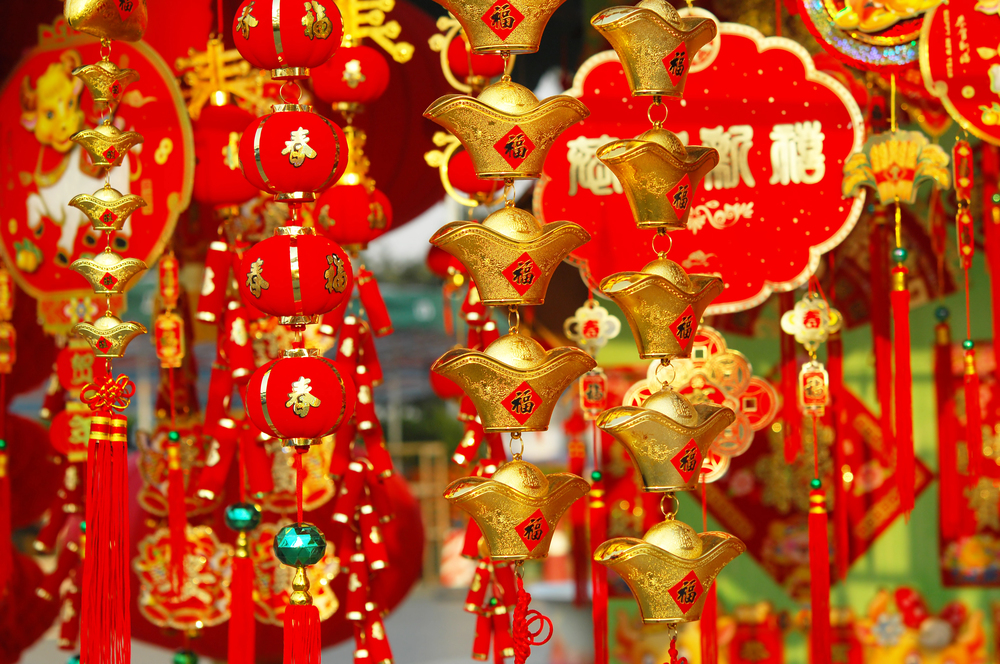
Chinese New Year remains the most important of all Chinese celebrations, transforming the entire country into a two-week party that combines family reunions, fireworks, and enough dumplings to feed a small nation. While crowds are intense, there’s simply nothing like experiencing Beijing’s Forbidden City draped in red decorations or watching families light fireworks in ancient hutongs. The energy is contagious, temples overflow with worshippers, and every meal becomes a feast designed to bring good luck for the coming year.
Lantern festival — Xi’an and Nanjing
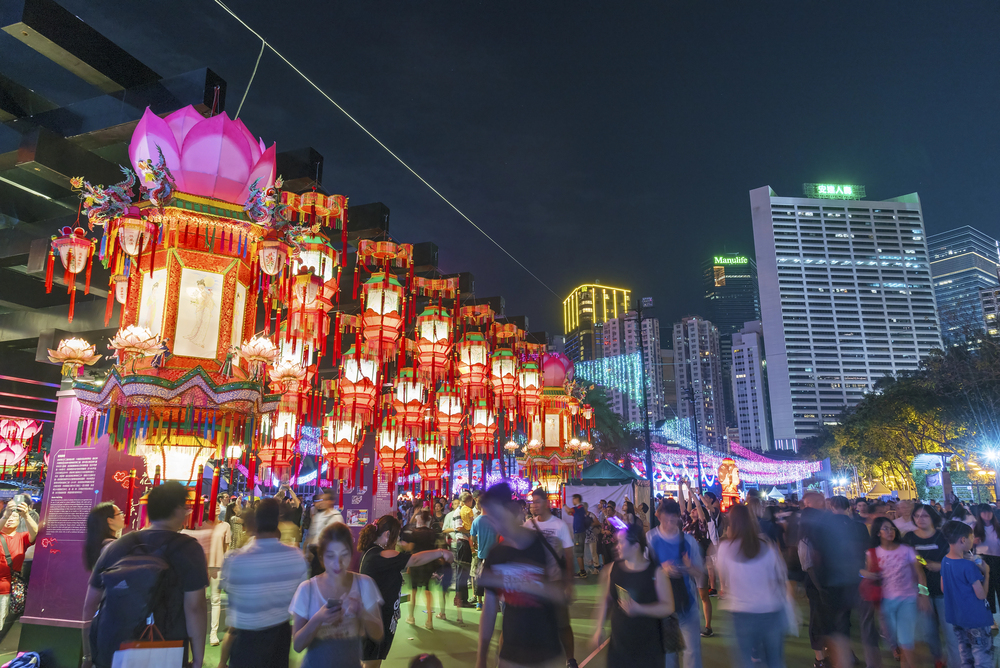
also known as moon festival on Sept 16, 2016 in Hong kong.
— Photo by LeeYiuTung
Two weeks after the New Year, the Lantern Festival caps off the Spring Festival period with displays that make Christmas displays look modest by comparison. Xi’an’s ancient city walls become the backdrop for thousands of illuminated lanterns, while Nanjing’s Confucius Temple area transforms into a glowing wonderland. Families solve riddles written on lanterns, eat sticky rice balls for good fortune, and watch lion dances that weave through crowds of amazed spectators.
Ice and snow festival — Harbin
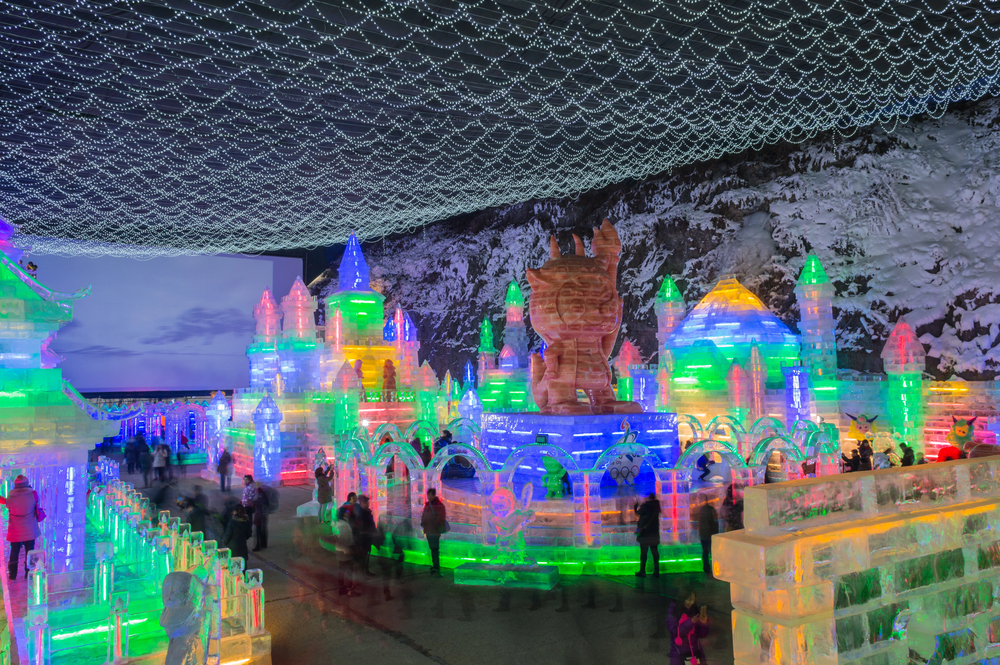
traditionally held every winter in Yanqing District in northwest Beijing.
— Photo by kuzmire
Harbin’s winter festival turns China’s frozen northeast into a crystalline Disney World, featuring ice sculptures the size of buildings and snow art that defies belief. Running from late December through February, this festival attracts ice artists from around the globe who carve entire castles, temples, and replicas of famous landmarks from massive ice blocks. The cold is brutal (we’re talking −29°C), yet walking through these illuminated ice cities at night feels like stepping into a frozen fairy tale that couldn’t exist anywhere else.
Dragon Boat Festival — Miluo River, Hunan

The Dragon Boat Festival honors ancient poet Qu Yuan with racing events that combine athletic competition with cultural spectacle, particularly along the Miluo River, where the tradition originated. Teams of paddlers power ornate dragon-headed boats through the water while drums pound rhythms that echo for miles. The festival also features zongzi (sticky rice wrapped in bamboo leaves), traditional music performances, and enough riverside celebration to make you forget you’re watching a 2,000-year-old tradition continue in modern times.
Mid-autumn festival — Hangzhou and nationwide
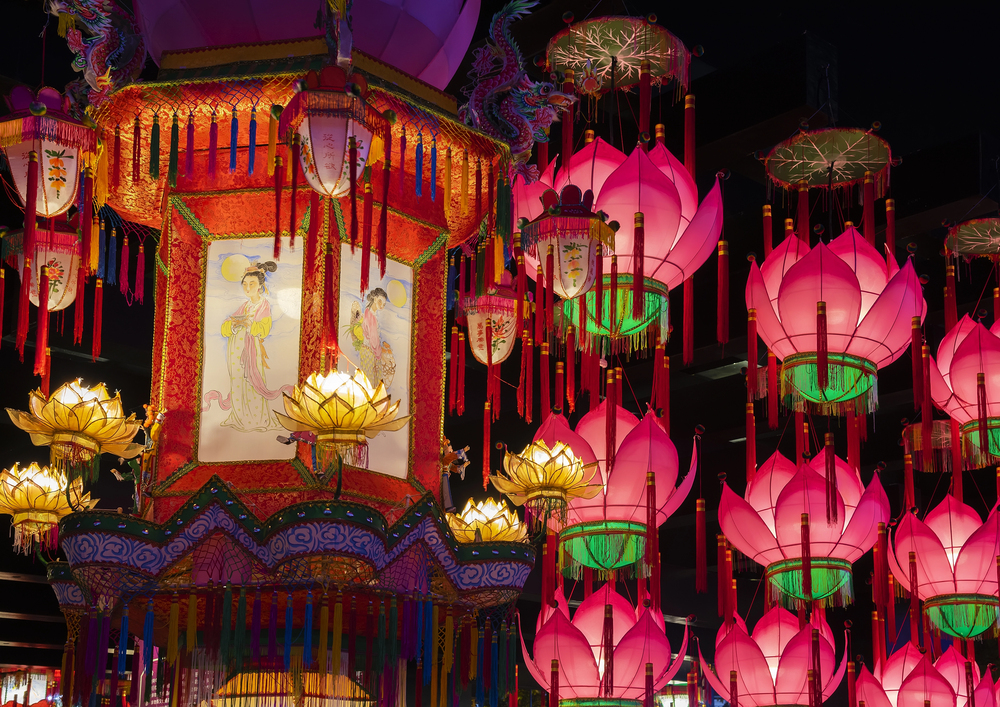
The Mid-Autumn Festival celebrates the harvest moon with family gatherings, mooncake exchanges, and nighttime activities that showcase China’s romantic side beautifully. Hangzhou’s West Lake becomes particularly magical during this time, with families gathering along the shoreline to admire the full moon’s reflection while sharing elaborately decorated mooncakes. The festival combines ancient poetry traditions with modern celebrations, creating moments of genuine beauty as communities come together under the brightest moon of the year.
Water splashing festival — Xishuangbanna, Yunnan
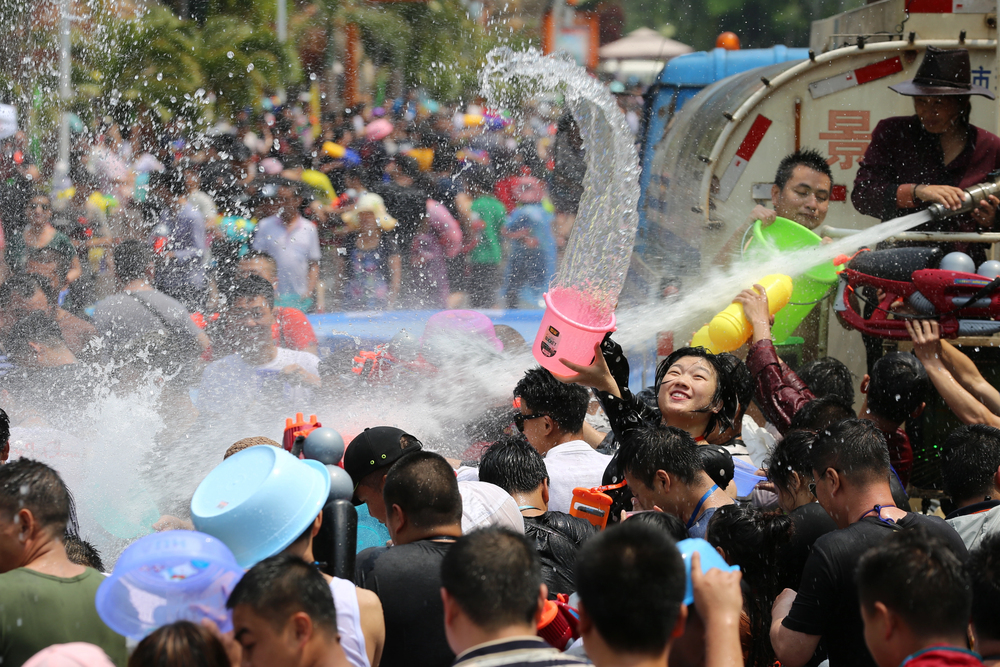
The Dai people’s New Year celebration in Yunnan turns entire cities into the world’s biggest water fight, where getting soaked is considered a blessing for the coming year. For three days in mid-April, locals and tourists armed with water guns, buckets, and hoses engage in friendly battles that leave everyone drenched and laughing. Beyond the water fun, the festival features traditional dancing, temple ceremonies, and local delicacies that showcase the unique culture of China’s tropical southwest.
Sisters’ meal festival — Guizhou Province
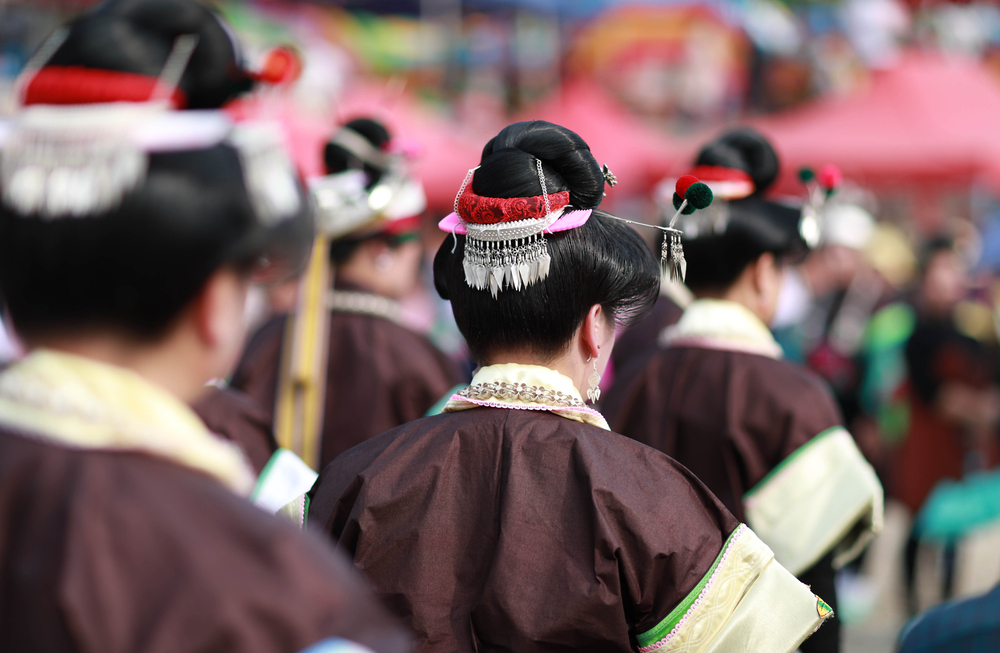
southwest China’s Guizhou province.
— Photo by ChinaImages
The Miao people’s Sisters’ Meal Festival serves as an elaborate courtship ritual where young women prepare colored rice to signal their romantic availability to potential suitors. Taking place in spring, this festival features incredible silver jewelry, intricate traditional costumes, and folk songs that echo through mountain valleys. The colored rice system functions like an ancient dating app — yellow rice means friendship, white rice indicates availability, and rice with red thread suggests ‘already taken.’
Torch festival — Yunnan and Sichuan
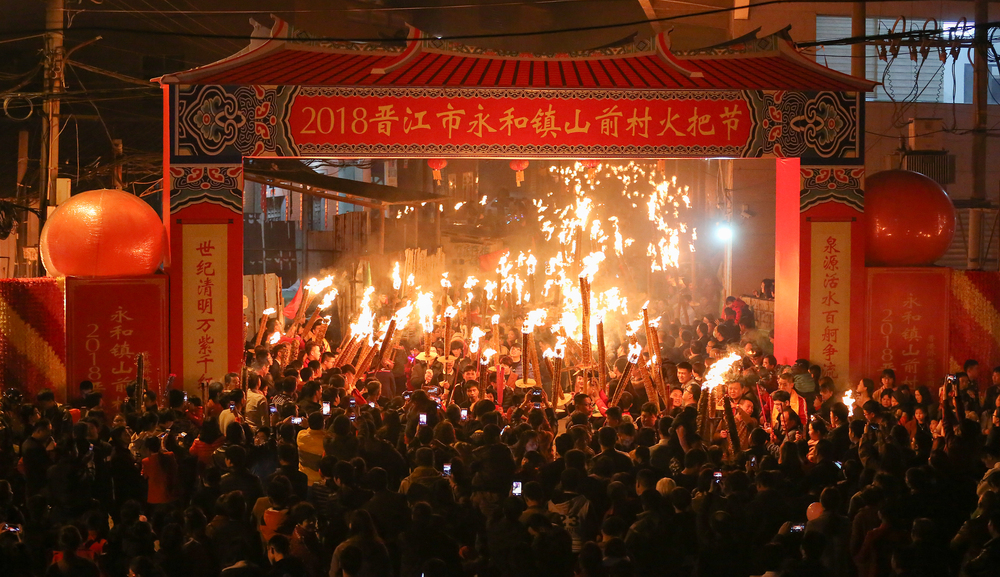
at the Shanqian village in Jinjiang city, southeast China’s Fujian province, 24 February 2018.
— Photo by ChinaImages
The Yi people’s Torch Festival transforms mountain communities into blazing celebrations where thousands of torches light up the night sky in spectacular displays. Held in late July, this three-day festival combines fire ceremonies with wrestling competitions, bullfighting, and traditional dancing around massive bonfires. Participants write wishes on paper before burning them in the flames, while communities compete to create the most impressive torch displays that can be seen for miles across the mountainous landscape.
Qingming festival — Nationwide
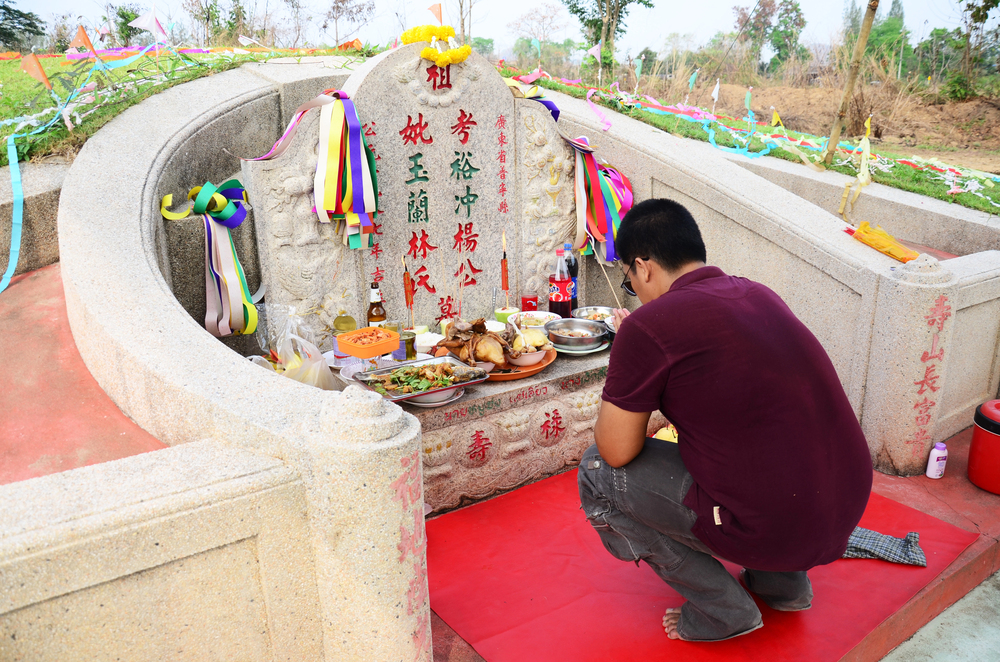
Tomb Sweeping Day blends solemn ancestor worship with springtime celebration, offering visitors insight into how Chinese families honor their heritage while welcoming warmer weather. Families trek to ancestral graves armed with cleaning supplies, flowers, and food offerings, transforming cemeteries into gathering places filled with picnics and storytelling. The tradition provides touching glimpses into family bonds that span generations, while the timing coincides with spring’s arrival and outdoor activities throughout the country.
Ghost festival — Throughout China
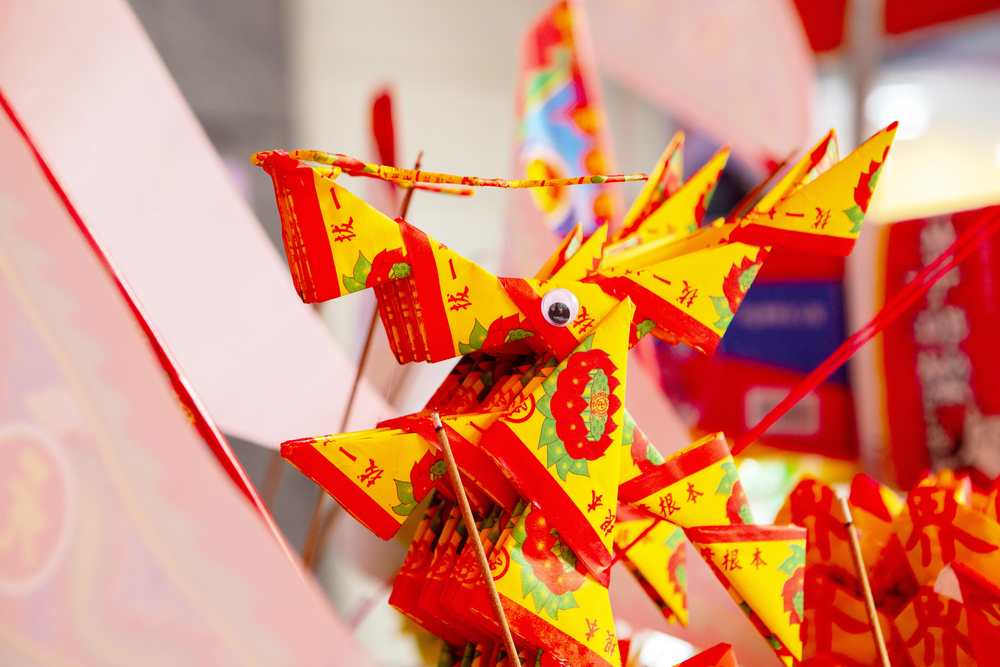
The Hungry Ghost Festival addresses the spirit world through elaborate ceremonies designed to appease restless souls, creating an atmospheric experience that’s part Halloween, part memorial service. During the seventh lunar month, communities burn paper money, prepare feast offerings, and stage elaborate performances intended to entertain wandering spirits. The festival showcases Chinese spiritual beliefs through street ceremonies that are both haunting and beautiful, particularly in traditional neighborhoods where ancient rituals continue unchanged.
Laba festival — Beijing and northern China
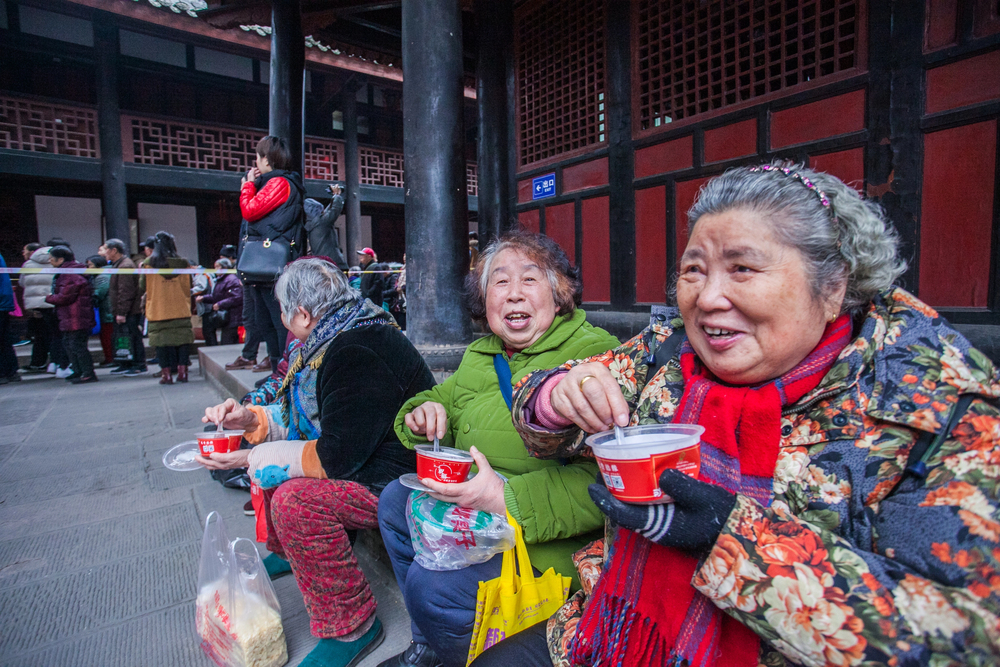
The Laba Festival kicks off Chinese New Year preparations with a special porridge that combines eight ingredients symbolizing prosperity and health for the coming year. Temples throughout northern China offer free laba porridge to thousands of visitors, creating communal experiences that bring together people from all walks of life. The festival marks the beginning of serious New Year preparation activities, making it an ideal time to observe families and communities gearing up for China’s most important celebration.
Double seventh festival — Nationwide
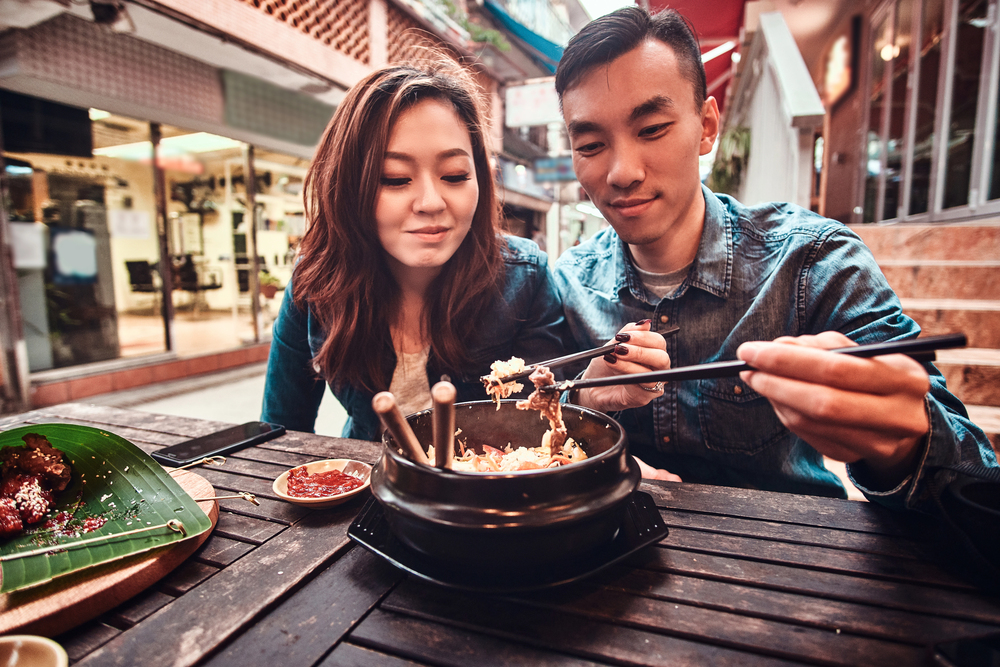
Chinese Valentine’s Day celebrates the legendary love story of the cowherd and weaver girl through romantic activities that rival Western Valentine’s Day celebrations. Young couples visit temples to pray for lasting love, exchange gifts, and participate in traditional crafts like needle threading competitions that honor the weaver girl’s skills. The festival showcases China’s romantic traditions while providing insight into how modern Chinese couples blend ancient customs with contemporary relationship celebrations.
Double Ninth Festival — Mountain areas nationwide
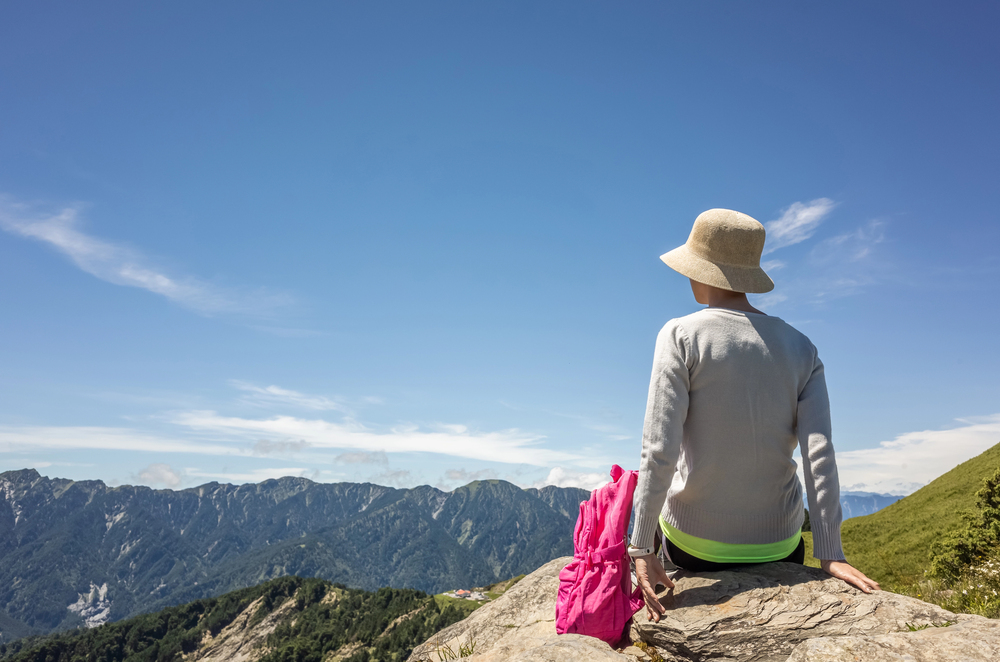
The Double Ninth Festival encourages mountain climbing and chrysanthemum appreciation, combining physical activity with cultural traditions that celebrate longevity and autumn beauty. Families hike together to high places while wearing dogwood flowers for protection and carrying chrysanthemum wine for celebration toasts. The festival provides excellent opportunities for outdoor activities while experiencing traditional Chinese medicine beliefs about seasonal health practices and family bonding through shared physical challenges.
Shoton festival — Lhasa, Tibet
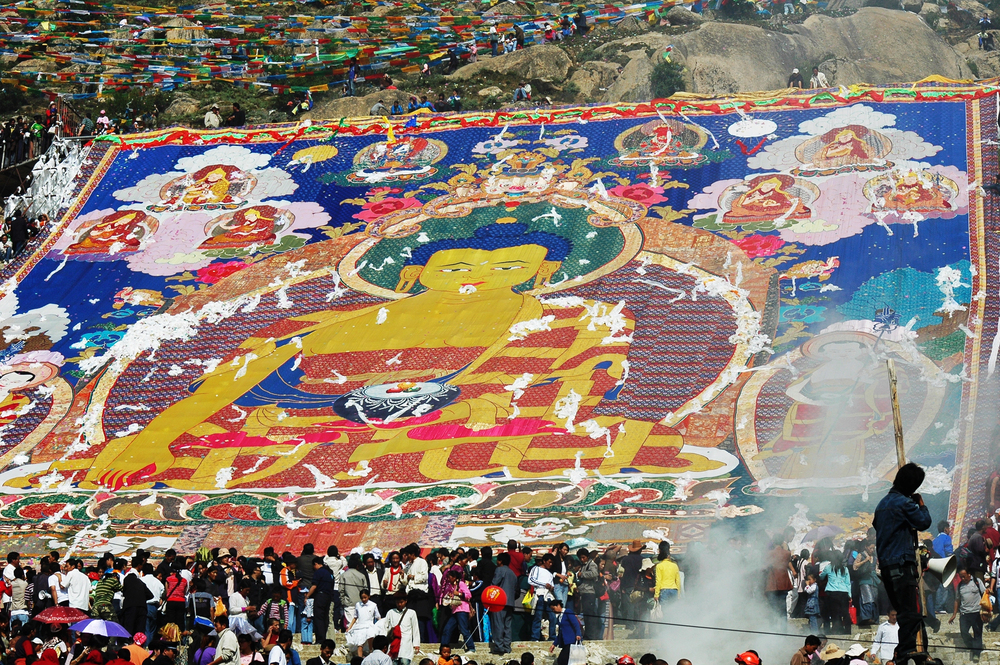
Tibet’s Yogurt Festival combines massive thangka unveilings with Tibetan opera performances and, naturally, lots of yogurt consumption in celebrations that showcase Tibetan Buddhist culture. The festival centers around Drepung Monastery, where enormous religious paintings are displayed on mountainsides while monks and pilgrims gather for ceremonies. Tibetan families spread picnic blankets in monastery courtyards, sharing yogurt and barley wine while enjoying traditional opera performances that continue for hours under the high-altitude sun.
Naadam festival — Inner Mongolia
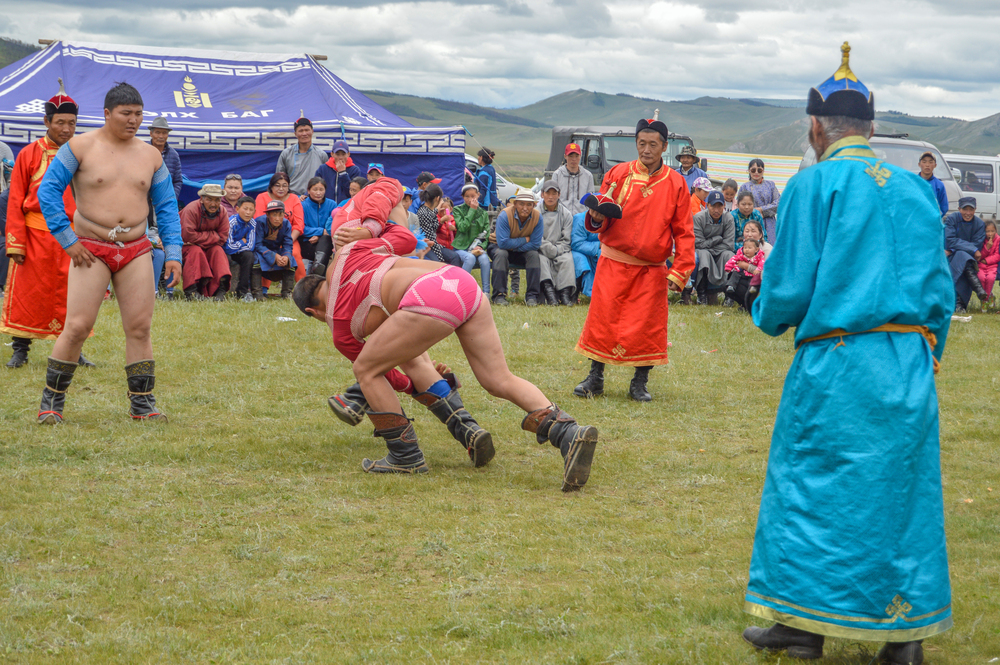
Inner Mongolia’s Naadam showcases the ‘three manly sports’ of wrestling, archery, and horse racing through competitions that celebrate traditional Mongolian warrior culture. Athletes compete in contests that have remained virtually unchanged for centuries, while spectators feast on roasted mutton and fermented mare’s milk. The festival provides authentic glimpses into nomadic traditions through events held on vast grasslands where the horizon stretches endlessly in every direction.
Peach blossom festival — Nyingchi, Tibet
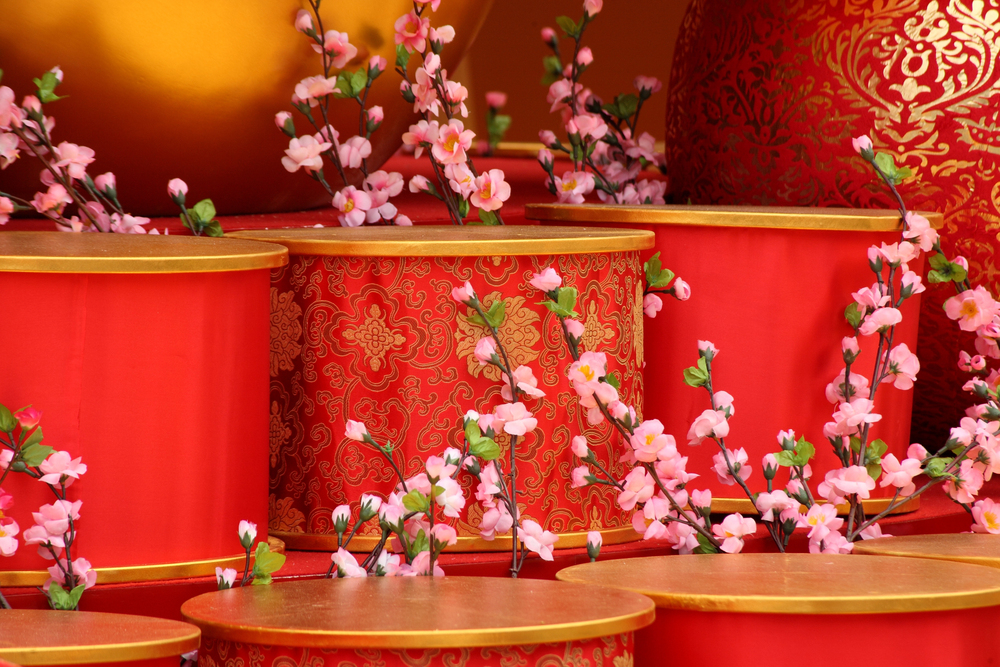
Tibet’s peach blossom season transforms the Nyingchi region into a pink paradise where spring blooms contrast dramatically with snow-capped Himalayan peaks in the background. The festival celebrates this brief but spectacular flowering period through outdoor activities, traditional dancing, and photography opportunities that capture some of China’s most breathtaking scenery. Local Tibetan communities welcome visitors with highland barley wine and traditional foods, while snow-capped mountains provide stunning backdrops for the pink blossom valleys.
Cherry blossom festival — Wuhan and other cities
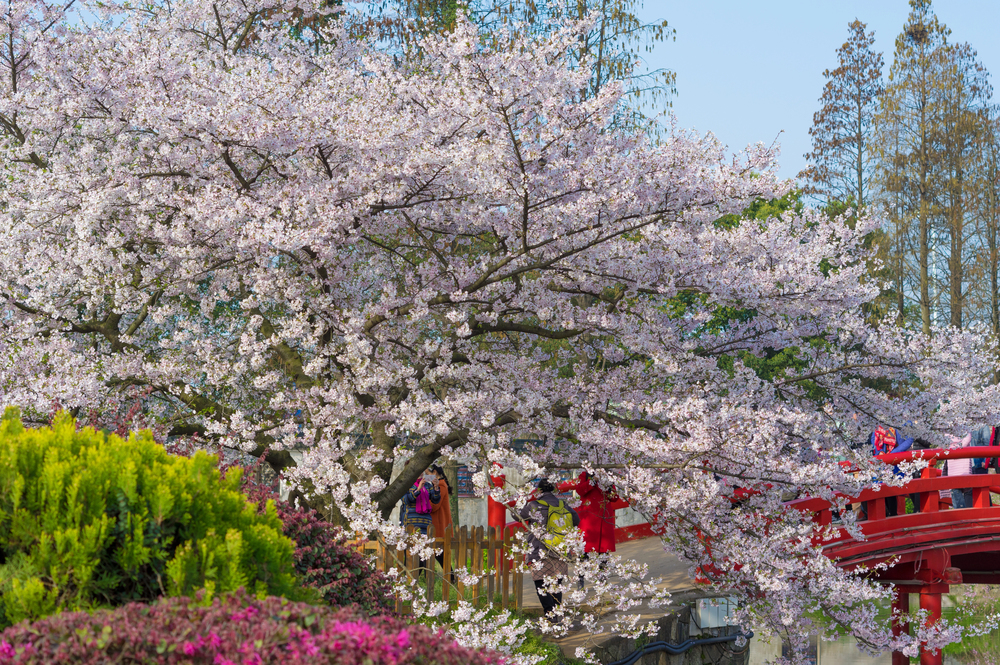
China’s cherry blossom celebrations rival Japan’s famous sakura season, but with fewer crowds and more authentic local experiences in cities like Wuhan. Wuhan University’s campus becomes a pink wonderland where locals gather for picnics among the blossoms while students continue their daily routines amid the floral spectacle. The brief blooming period creates urgency that brings communities together for flower viewing parties, photography sessions, and outdoor meals that celebrate spring’s arrival.
Winter solstice festival — Northern China
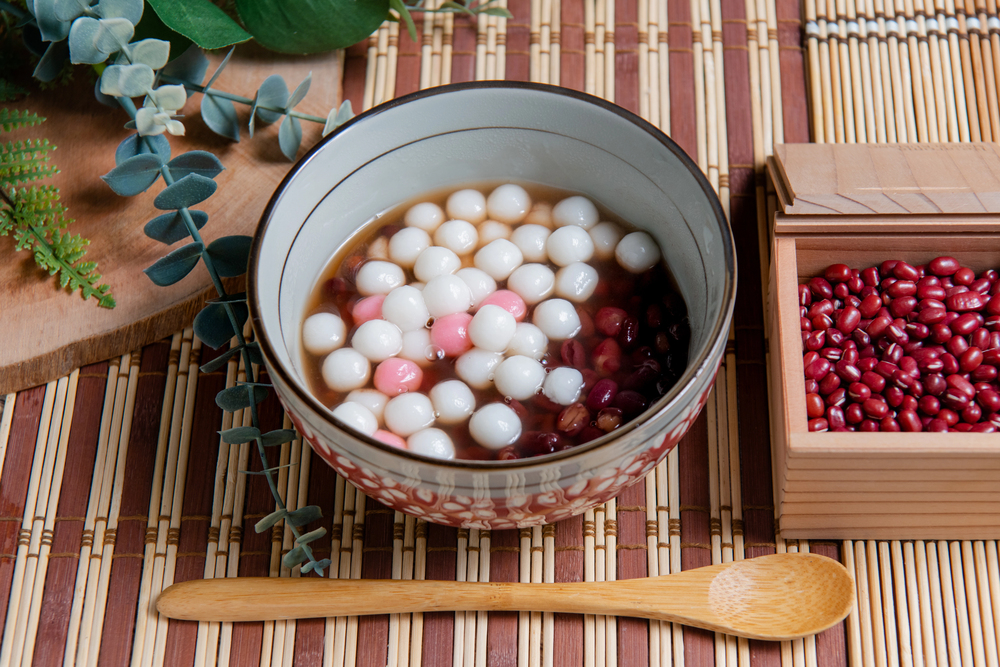
The Winter Solstice Festival marks the year’s longest night with family gatherings centered around dumpling-making sessions that bring multiple generations together in shared cooking activities. Northern Chinese families gather to prepare hundreds of dumplings while sharing stories and strengthening family bonds during the darkest part of winter. The tradition provides intimate glimpses into Chinese family life while offering visitors chances to participate in cooking activities that have remained central to Chinese culture for thousands of years.
Where ancient traditions meet modern celebration
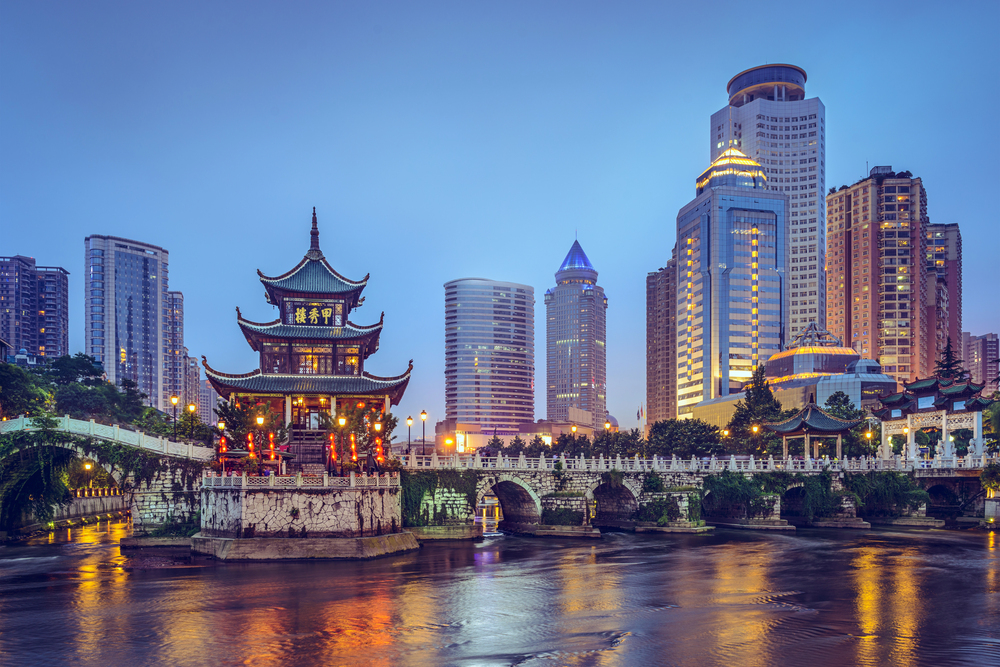
These festivals prove that China’s cultural richness extends far beyond its famous landmarks and historical sites into living traditions that continue evolving while maintaining their essential character. Each celebration offers unique insights into different aspects of Chinese society, from minority cultures in remote regions to urban communities maintaining ancient customs amid modern city life.
Whether you’re dodging water balloons in Yunnan, climbing mountains with families during Double Ninth, or warming up with laba porridge in Beijing temples, these festivals transform travel from simple sightseeing into genuine cultural immersion. The memories you’ll create go far beyond typical tourist experiences, connecting you to the rhythms of Chinese life that continue pulsing beneath the surface of this rapidly changing nation.
Slideshow hack – Do not publish
More from Travel Pug

- 20 Best Beach Towns in the Carolinas
- 13 Destinations Where Tourists Regularly Regret Their Trip
- 20 Things You Actually Get in First Class
- 20 Small Airports With Aviation Museums
- 20 Places in the U.S. That Are Perfect for a Reset Trip
Like Travel Pug’s content? Follow us on MSN.