

Every great city has a central square, and every central square has a crowd of people selling something to whoever stands still too long. The postcard view is real.
The overpriced bottled water, the costumed photo ambush, and the menu with no prices are real too.
The plazas below are all worth seeing, and most are worth only a short visit. Each comes with a quieter place nearby that delivers more for less.
Times Square, New York
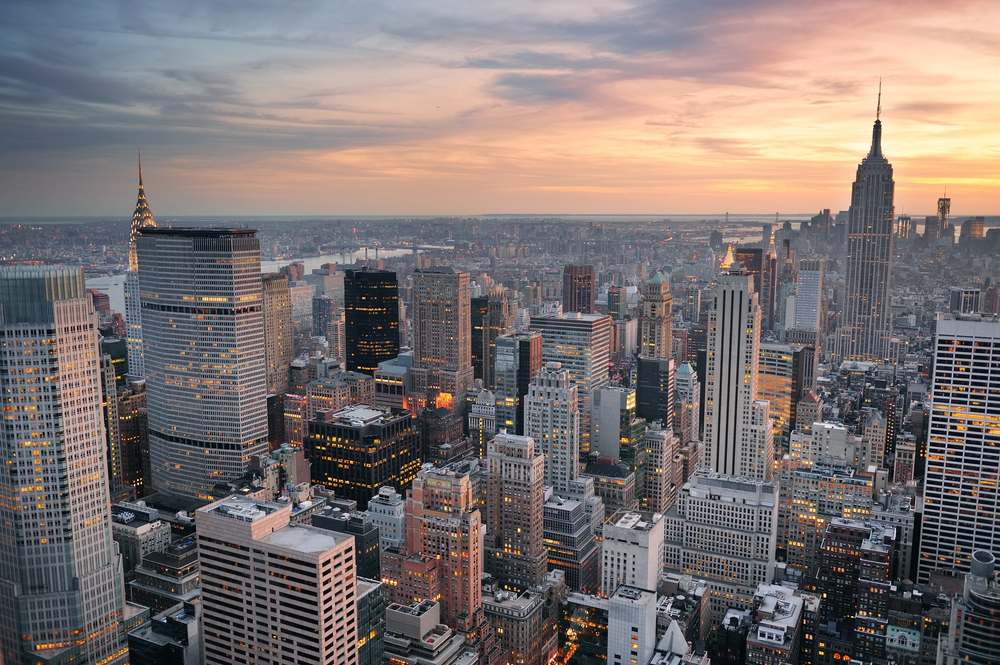
The area was once called Longacre Square and took its current name from The New York Times, which built its tower there. Today, the main business on the pavement is costumed characters who pose for photos and then expect tips.
The chain restaurants in the surrounding buildings often charge a premium for the view. The glowing billboards are the real attraction, and they are free.
Bryant Park, a short walk away behind the main branch of the New York Public Library, offers lawn chairs, a carousel, and far more room to breathe.
Piazza San Marco, Venice
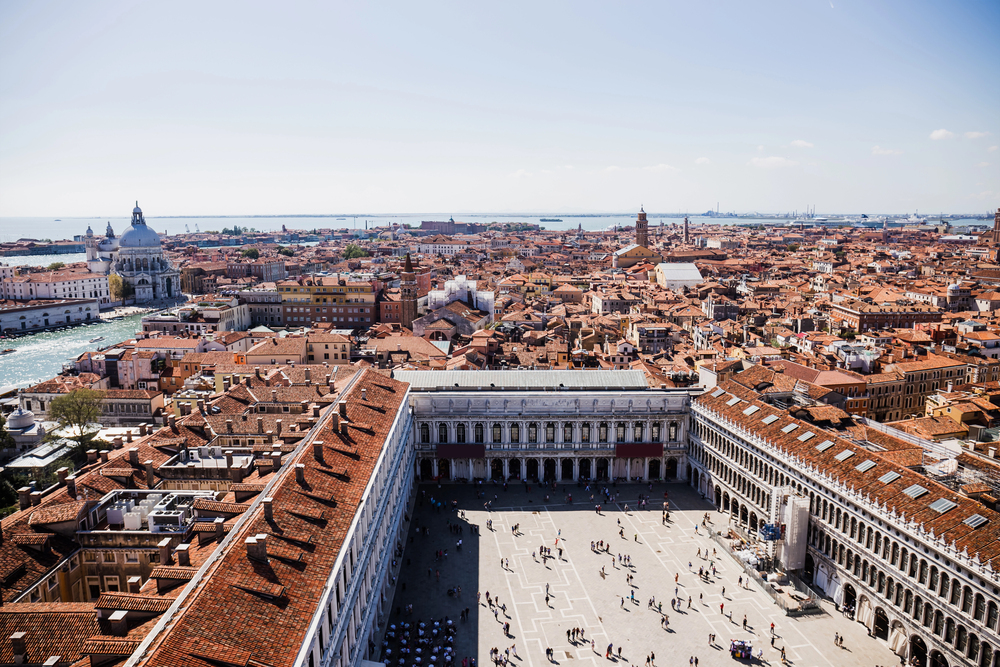
Caffè Florian has served customers under the arcades for centuries, and its tables on the square are priced to match its age, with additional charges sometimes applying for live music. Sitting down for a single coffee can cost more than lunch elsewhere in the city.
The pigeons are no longer fed by tourists, but they still look hopeful. Campo Santa Margherita, a lively square in the Dorsoduro district, offers student bars and generally more affordable options within walking distance.
Plaza Mayor, Madrid
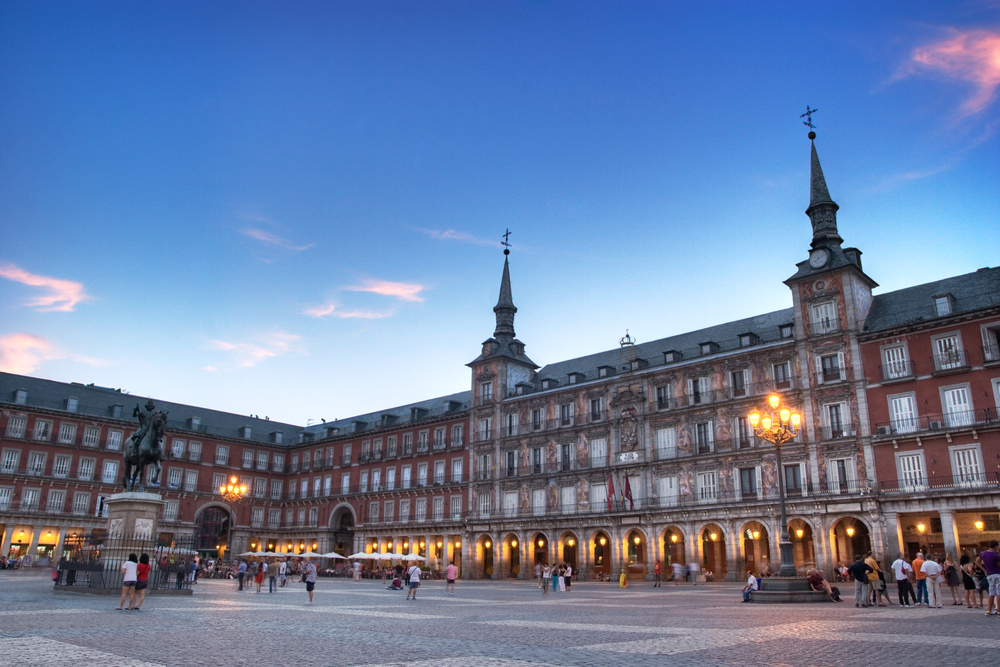
The arcaded square, designed by Juan Gómez de Mora, has hosted royal ceremonies, bullfights, and public executions. Now the terraces serve the city’s signature fried calamari sandwich at a noticeable markup, and some restaurants may add charges for outdoor seating.
The painted facade of the Casa de la Panadería gives the entire square a theatrical backdrop. The Plaza de la Villa, a few minutes away, holds the old Casa de la Villa and a quieter atmosphere, with fewer restaurant touts.
Puerta del Sol, Madrid
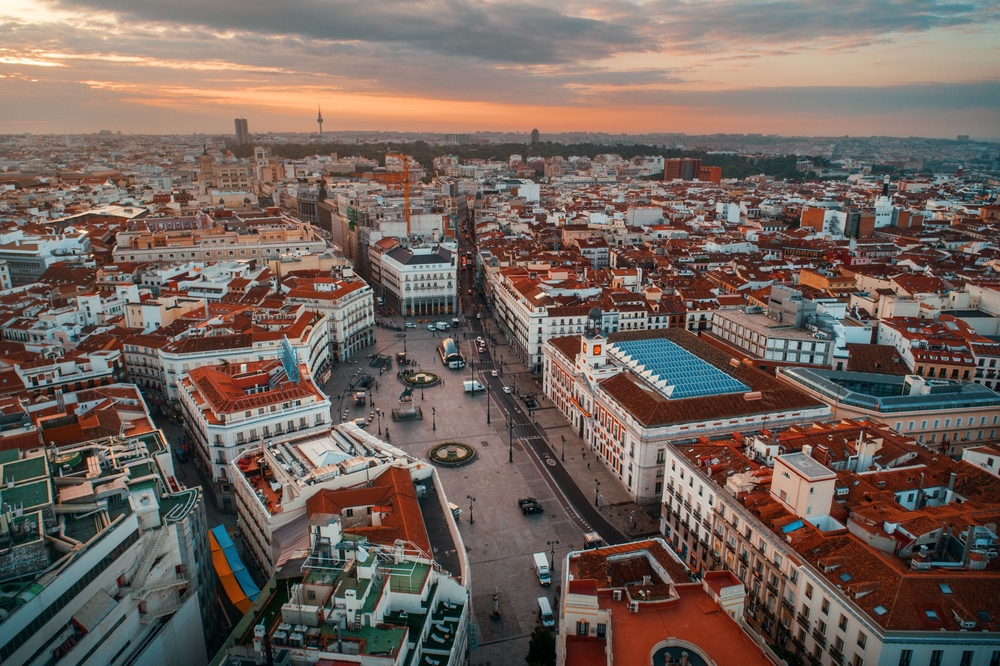
A plaque set into the pavement marks Kilometre Zero, the point from which Spain’s main roads are measured, and visitors queue to take a photo with a foot on it. Around them, people in superhero and cartoon costumes work the crowd for tips, and pickpockets can take advantage of the crowds.
The bear and strawberry tree statue nearby draws its own line of photographers. The Plaza de Santa Ana, a few blocks south, is home to the Teatro Español and a far more relaxed terrace scene.
Piazza Navona, Rome
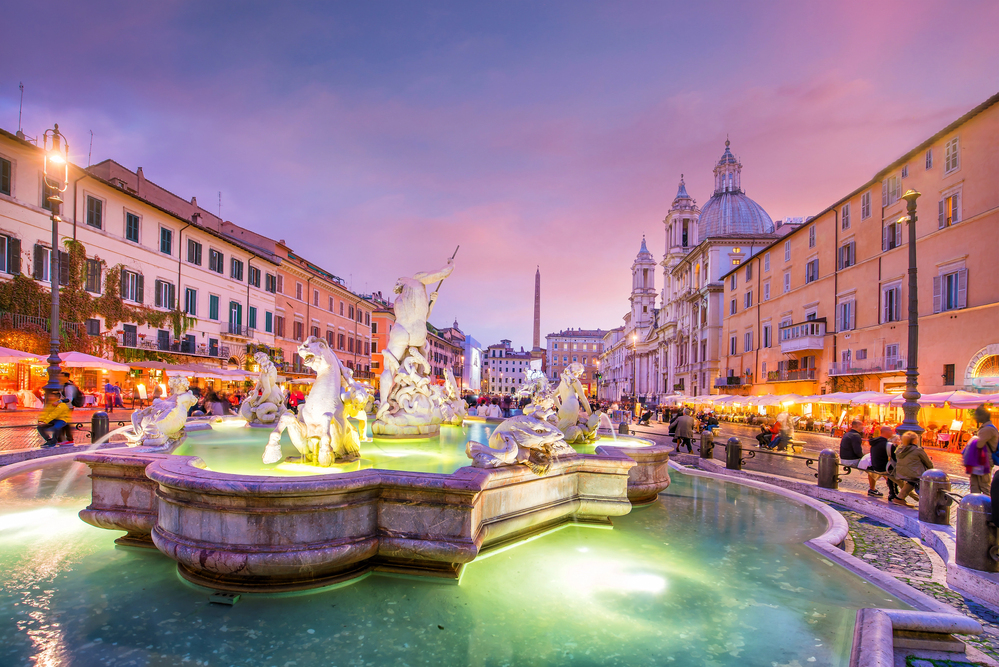
The oval outline of this square follows the Stadium of Domitian, an ancient athletics arena, and Bernini’s Fountain of the Four Rivers anchors its center. Restaurants ringing the edge are often criticized for expensive meals that do not always live up to the setting, and artists sell portraits and paintings of the fountain along the sides.
Street performers fill whatever space remains. The Piazza Mattei, in the former Jewish Ghetto, has a sixteenth-century Turtle Fountain and is generally much less crowded.
Piazza di Trevi, Rome
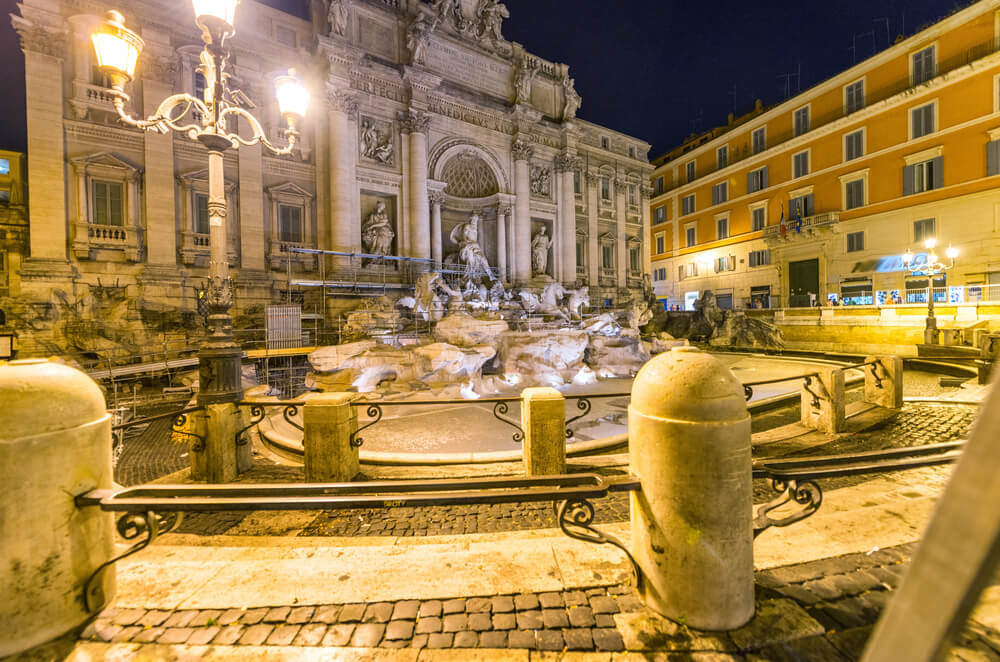
The Trevi Fountain, designed by Nicola Salvi, is fed by an ancient aqueduct and fills the front of a palace like a stage set. The tiny square in front of it is so packed that getting a view requires elbows, and the shops nearby sell souvenirs at tourist prices.
The coins thrown into the water are collected regularly, and the proceeds go to charity, including Caritas, which supports people in need in Rome. For a calmer panorama, climb to the Piazza del Quirinale on the nearby hill, where an ancient obelisk and a wide view of the city wait.
Piazza di Spagna, Rome
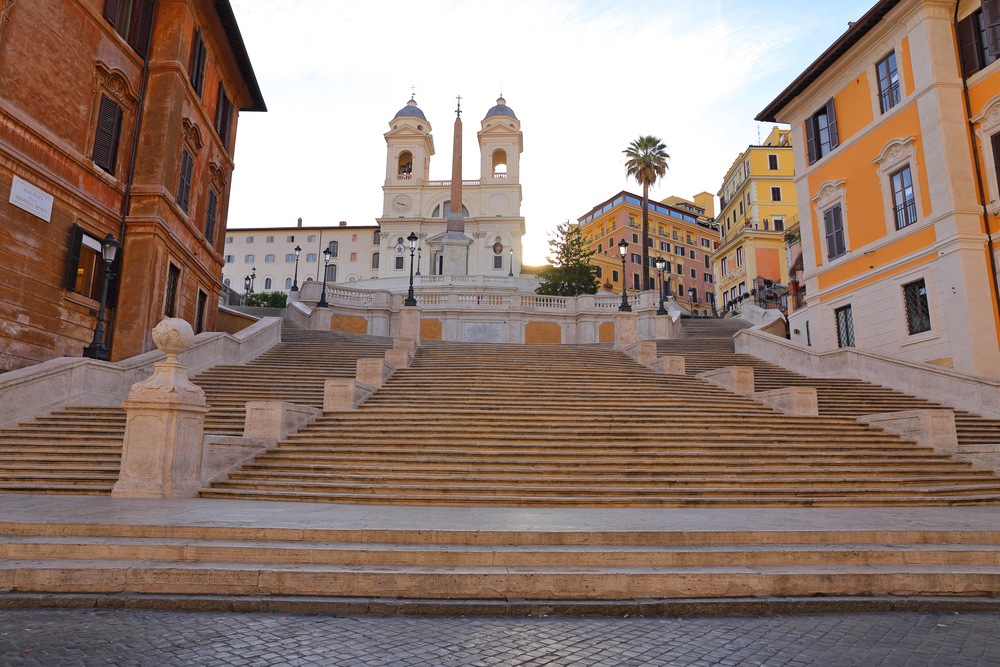
The Spanish Steps climb from the square to the church of Trinità dei Monti, and sitting on the steps is prohibited under city rules, with fines possible for violations. Vendors pushing roses and selfie sticks work the bottom, and the designer shopping streets nearby are priced for the occasion.
The boat-shaped Barcaccia fountain at the foot of the steps is often hidden behind a wall of phones. The terrace of the Pincio, a short walk uphill, gives a far better sunset over the rooftops of Rome and offers a place to enjoy the view without the same crowding.
Piazza della Signoria, Florence
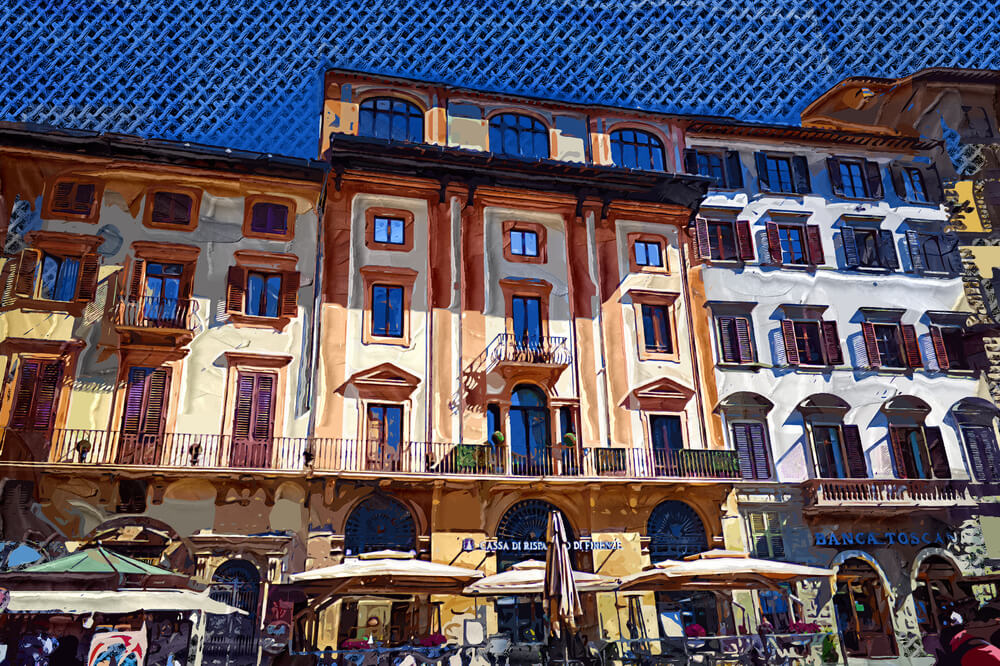
The David standing outside the Palazzo Vecchio is a copy, while the original was moved indoors to the Accademia Gallery long ago. Cafes on the square charge accordingly for sitting among the replicas.
The Loggia dei Lanzi, on the same square and free to enter, holds Cellini’s bronze Perseus. The Piazza Santo Spirito across the river offers a neighborhood market and a lively local dining scene.
Place du Tertre, Paris
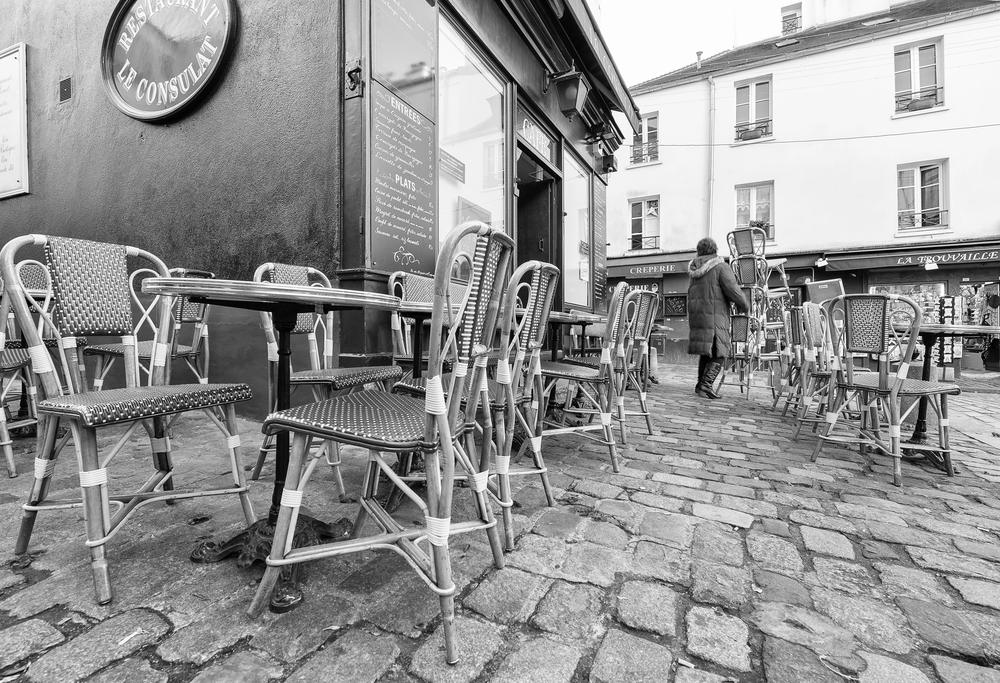
Painters have worked at the center of this Montmartre square for generations, and visitors can sit for a portrait or a caricature at a price that is negotiated on the spot. Restaurants around the edges rely on the view and the steady flow of tour groups from the Sacré-Coeur.
Easels crowd the tables so tightly that a waiter needs a route plan. The Place des Abbesses, a few minutes downhill, features one of the few surviving original glass-canopied Métro entrances by Hector Guimard and a neighborhood crowd.
Grand-Place, Brussels
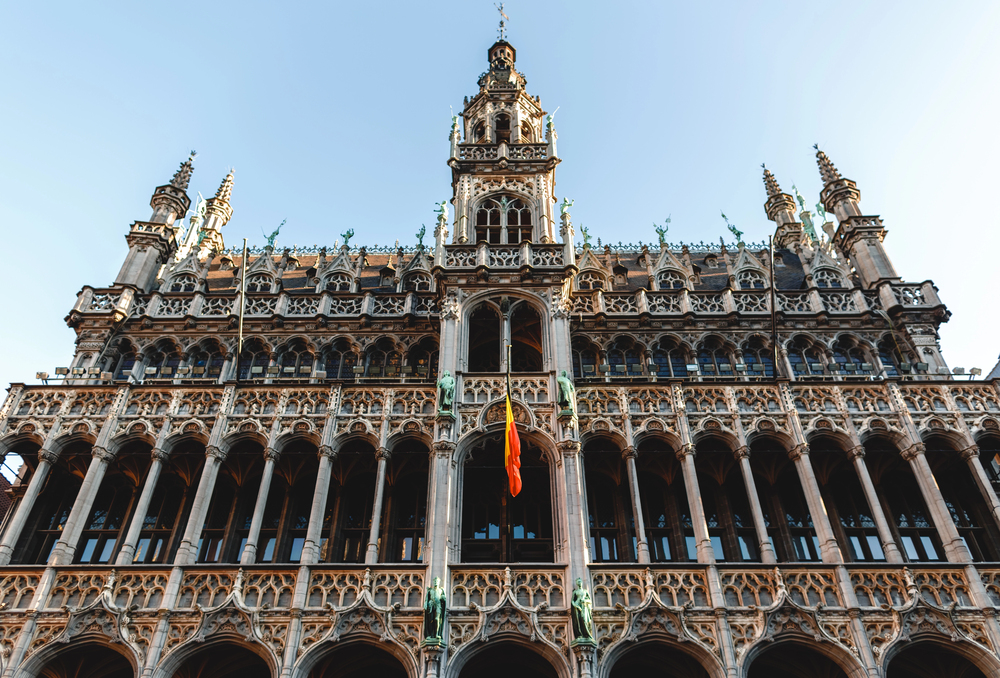
The gilded guildhalls were rebuilt after the French bombardment of 1695, and UNESCO has placed the square on its World Heritage list. The restaurants directly on the square charge a premium for the setting, and the nearby waffle windows sell sugar-heavy versions aimed squarely at visitors.
The Town Hall tower looks down on all of it with an air of permanent disapproval. The Place du Grand Sablon, with its antiques sellers and chocolate shops, is a pleasant walk away and offers a different atmosphere, with shops and cafes beyond the main tourist crush.
Old Town Square, Prague
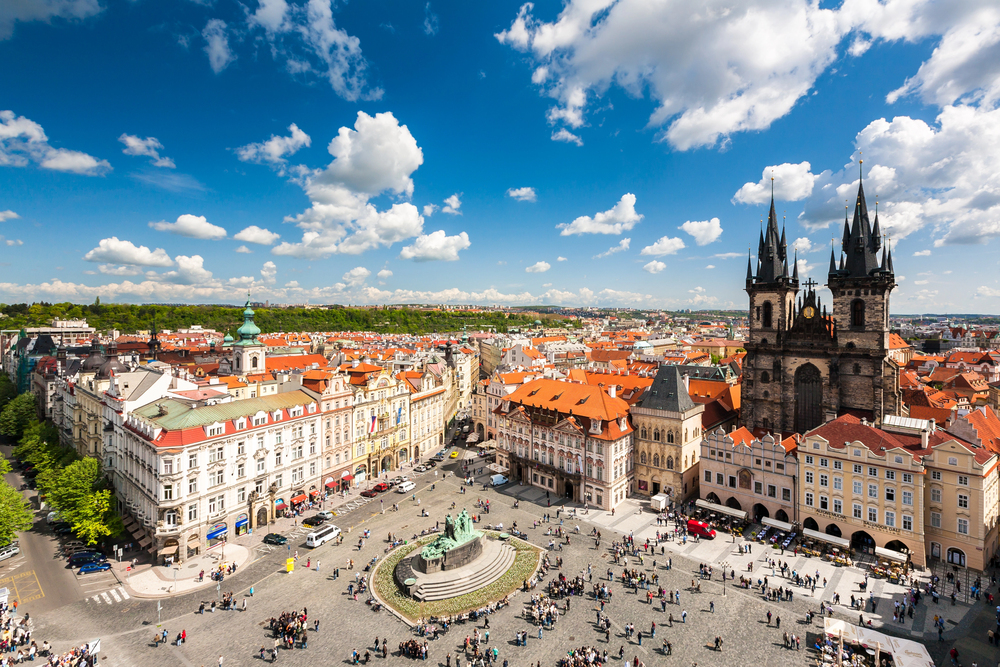
Crowds gather under the Astronomical Clock to watch its hourly show of apostles, which is over almost before the phones are raised. The chimney cakes sold from stands around the square are marketed as a Czech tradition, though the pastry has roots in other parts of Central Europe and its precise origin is disputed.
The Týn Church towers behind the stalls and gives the scene its fairy-tale silhouette. The walk up to Vyšehrad, the old fortress on a cliff above the river, gives a quieter view of the city and no souvenir stalls.
Dam Square, Amsterdam
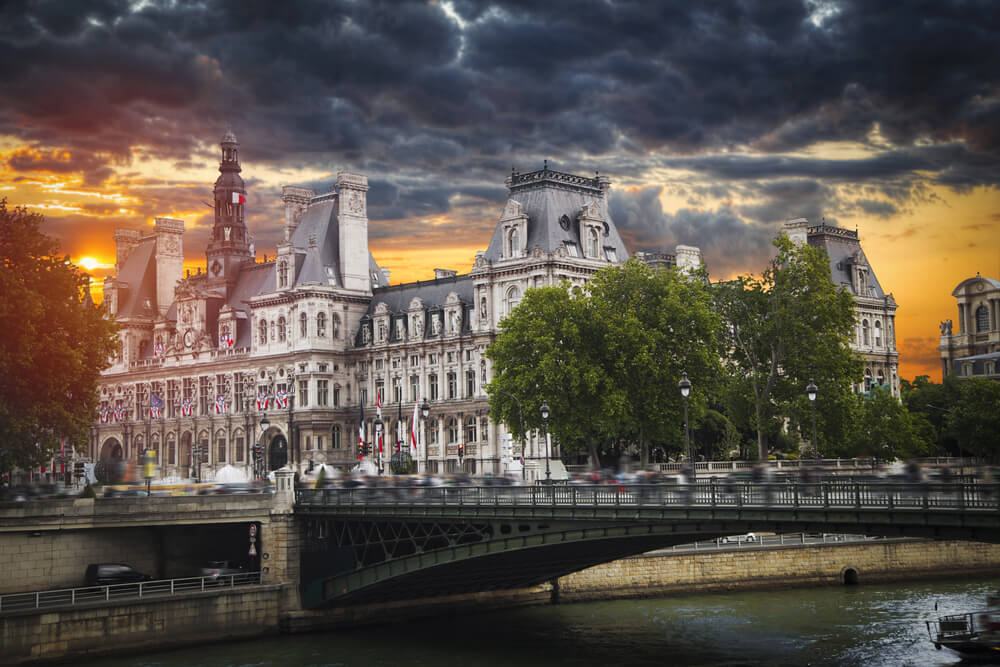
The Royal Palace was built as the city hall in the seventeenth century, and the white National Monument honors those lost in the Second World War. Today the square is better known for pigeons, street performers, and a wax museum than for its history.
Crowds drift across it on the way to somewhere else. The Begijnhof, a hidden courtyard of historic houses just minutes away, has an old church and is generally a more peaceful stop.
Rynek Główny, Kraków
The square is one of the largest medieval market squares in Europe, with the long Cloth Hall running down its middle. Horse-drawn carriages wait along the edge, and the restaurants around the Cloth Hall charge for every inch of the view.
A trumpeter plays a signal from the tower of St. Mary’s Basilica every hour and stops mid-note in memory of a legendary medieval watchman.
Plac Nowy in the Kazimierz district offers toasted baguette snacks and a more neighborhood-oriented lunch scene.
Marienplatz, Munich
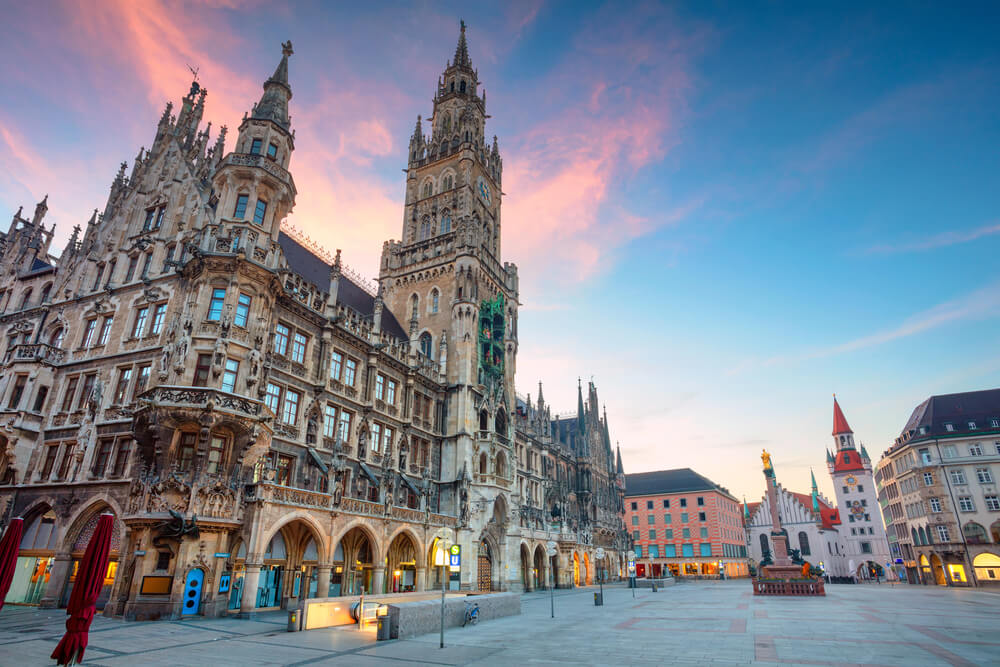
Crowds fill the square at midday to watch the Glockenspiel on the New Town Hall, a mechanical show with life-size figures that is over in minutes. Tourists then sit down in the nearest cafe and pay the premium for that location.
The neo-Gothic facade makes a fine backdrop for the waiting. The Viktualienmarkt, a daily food market a short walk south, sells regional specialties at a range of prices and has a beer garden shaded by chestnut trees.
Stephansplatz, Vienna
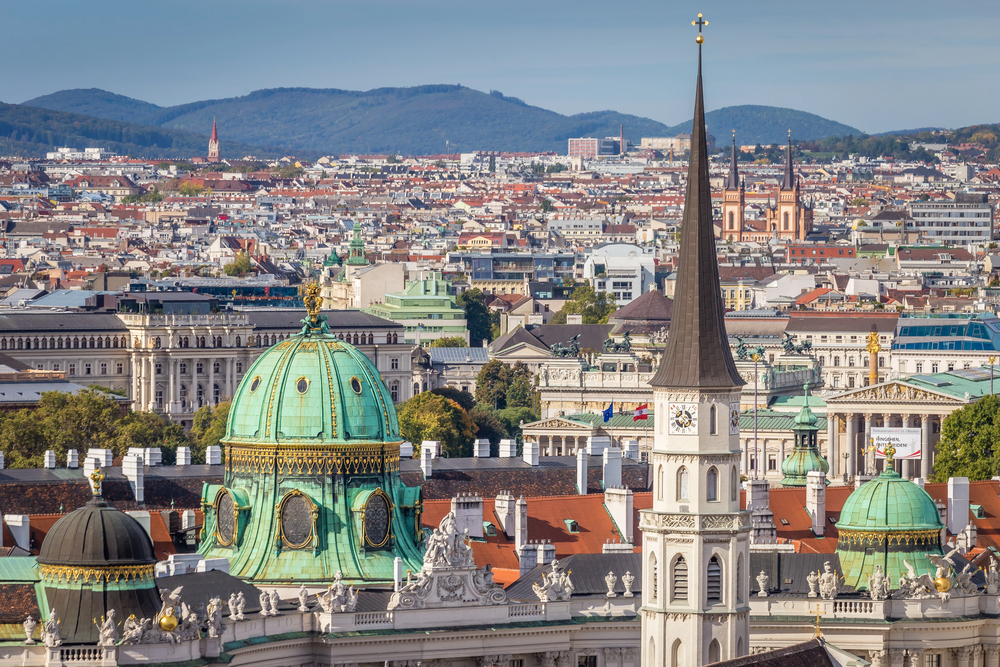
Young men dressed as Mozart, in powdered wigs and silk coats, hand out flyers for concerts around the base of St. Stephen’s Cathedral.
Some visitors may be steered toward ticket offers that cost more than expected, so it pays to compare prices and venues before buying. The cathedral’s patterned tile roof is the better show, and it costs nothing to admire.
A seat at a concert in a proper hall such as the Wiener Konzerthaus, or a walk through the lanes of the Spittelberg quarter, makes a better evening.
Leicester Square, London
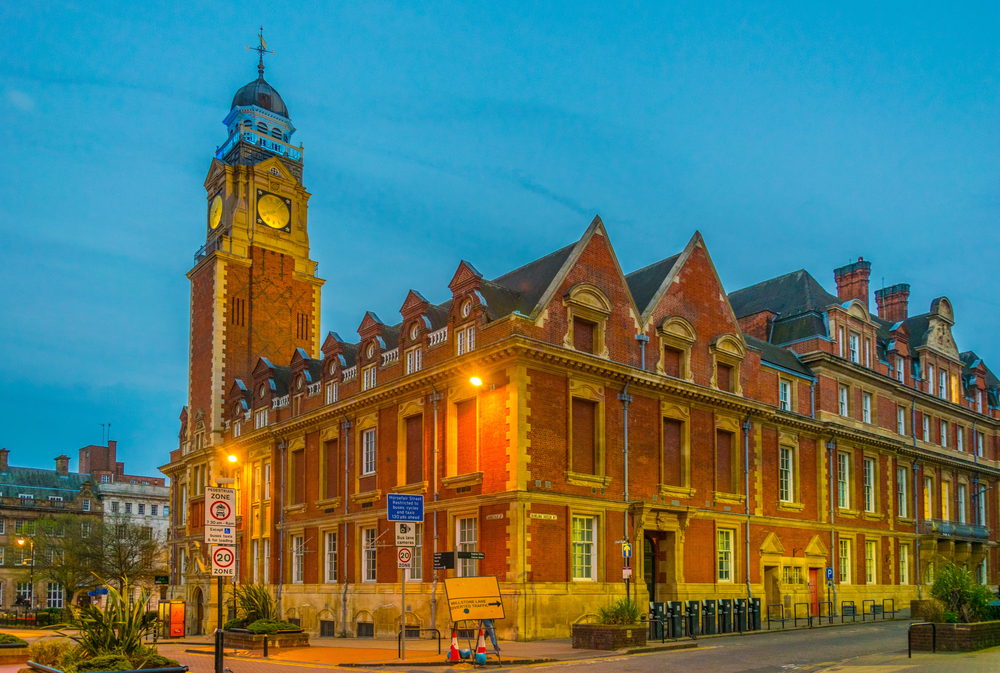
A statue of Shakespeare stands at the center of the square, which hosts film premieres and is otherwise ringed by chain restaurants, souvenir shops, and attractions that exist mainly for visitors. The name is pronounced Lester, a fact that local residents tend to enjoy when a visitor gets it wrong.
Many Londoners pass through it on their way elsewhere. Seven Dials, a short walk east, is a star-shaped junction of streets with a sundial column and independent shops.
Plaza Garibaldi, Mexico City
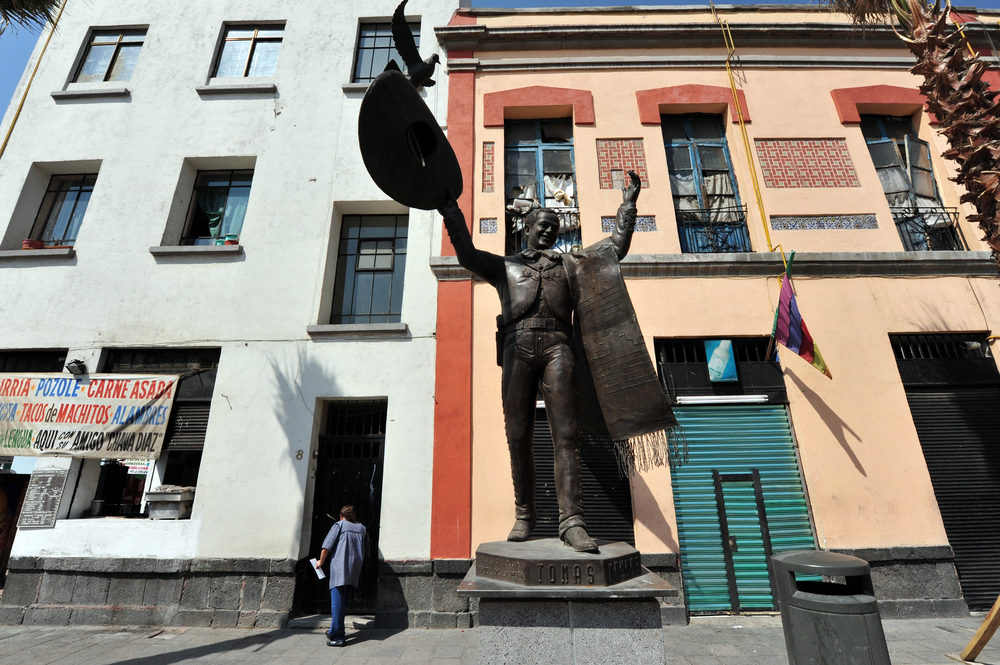
Mariachi bands wait in the plaza day and night to be hired, and prices can vary, so it is worth agreeing on a fee before a performance begins. Restaurant touts work the edges, and visitors should watch their pockets after dark.
The trumpets and guitars are the real thing, which is why the haggling is worth settling before the music begins. The Jardín Centenario in Coyoacán offers weekend music, ice cream, and a village atmosphere without the pressure.
Plaza de Armas, Cusco
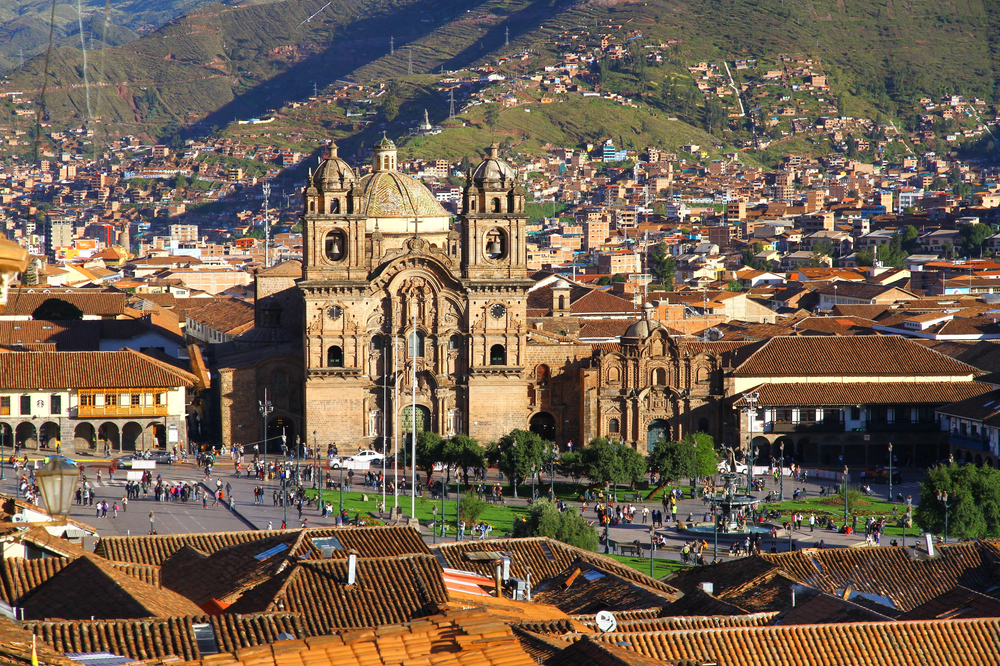
The cathedral on the square was built on the site of an Inca palace, and the stone foundations of that older city are still visible around the edges. Touts approach every visitor with offers of massages, tours, and restaurant menus, and the balconied restaurants above charge a hefty fee for their views.
The Andes rise behind the red-tiled roofs for free. The Plaza San Blas, up a steep street in the artisan district, has workshops where visitors can see craftspeople at work.
Jackson Square, New Orleans
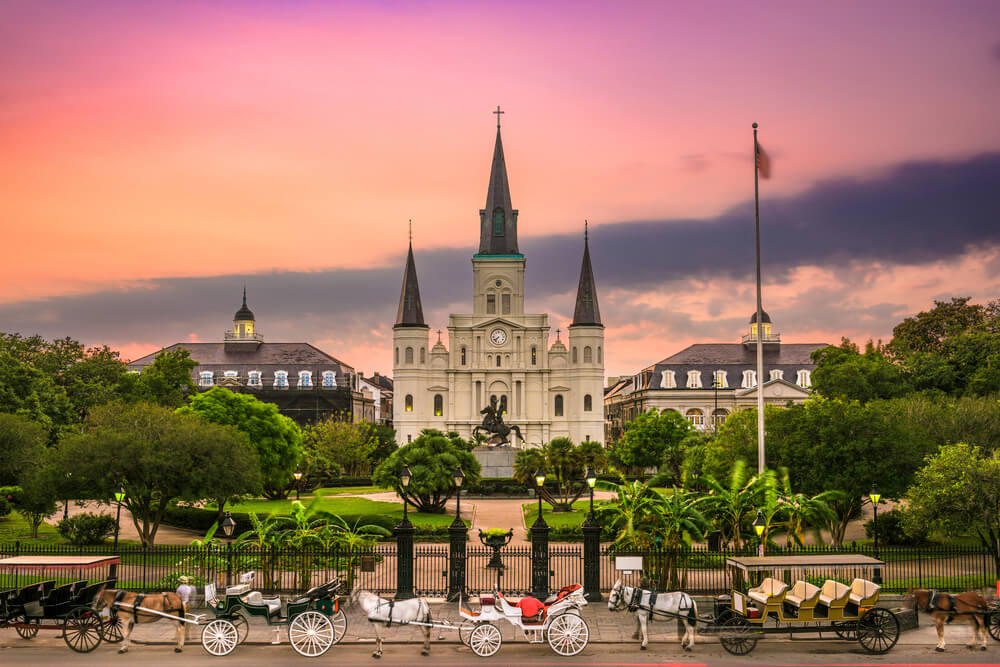
The square was once called the Place d’Armes before it was renamed for Andrew Jackson, and it sits in front of St. Louis Cathedral in the French Quarter.
Tarot readers, portrait painters, and brass bands work the fence around it, and the carriage rides nearby are priced for first-time visitors. The equestrian statue of Jackson at the center is the unofficial meeting point for every tour group.
Frenchmen Street in the Marigny, within walking distance, offers live jazz clubs and a lively music scene popular with residents and visitors alike.
Sultanahmet Square, Istanbul
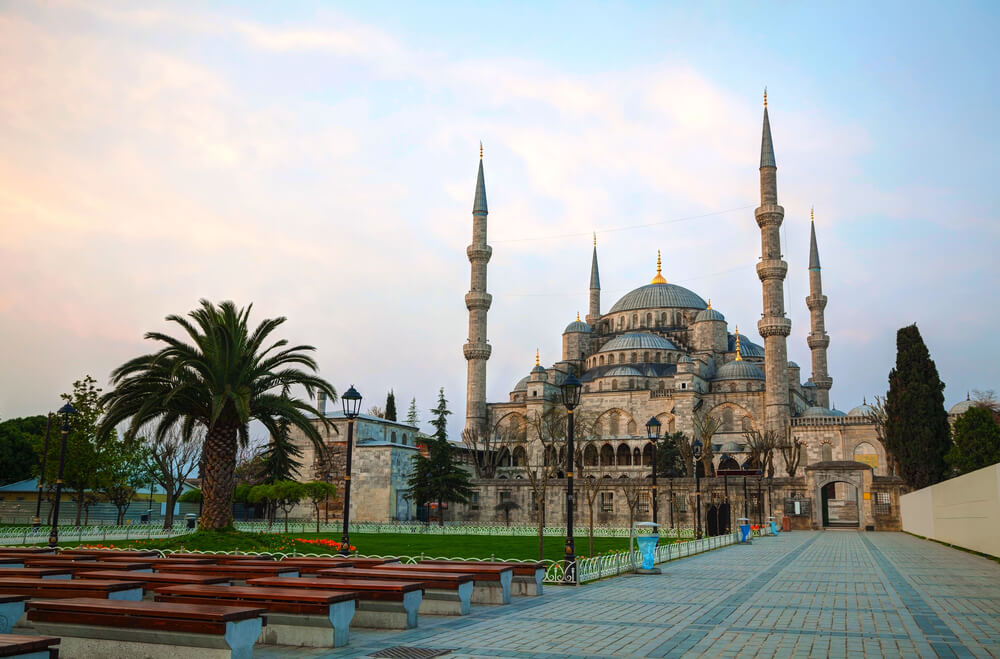
The square sits between Hagia Sophia and the Blue Mosque, and an Egyptian obelisk stands on the old Hippodrome grounds, brought to the city in ancient times. Carpet sellers and restaurant touts open conversations with a friendly question about where a visitor is from.
Queues to enter the monuments can be lengthy, especially during busy periods. The Süleymaniye Mosque complex, on a hill across the Golden Horn, gives a panoramic view with a calm courtyard and fewer commercial pitches nearby.
Piazza del Duomo, Milan
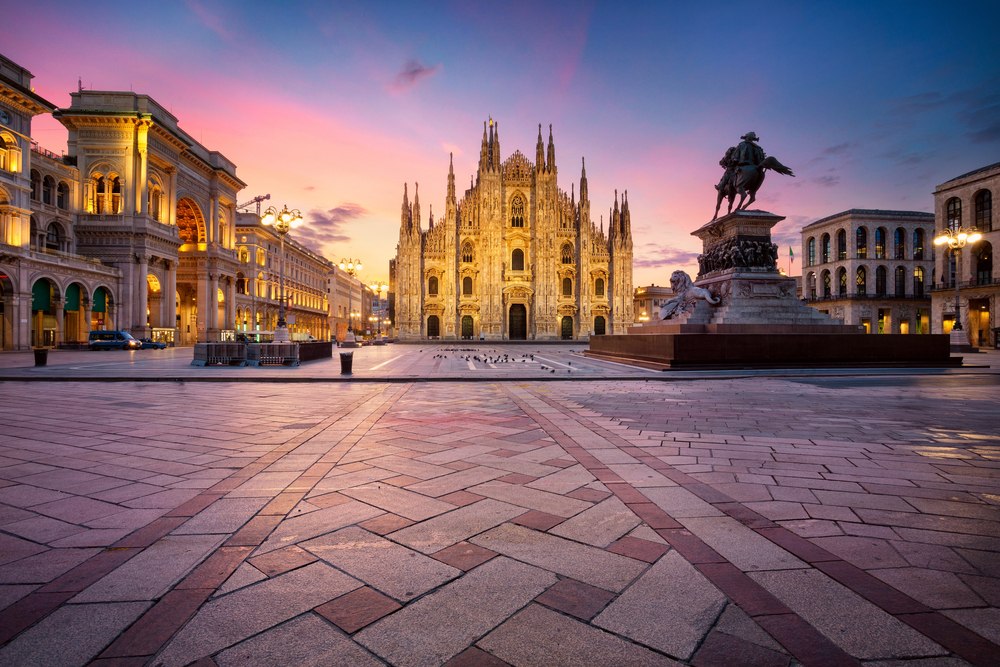
The cathedral that dominates the square is a forest of white marble spires, and its roof terrace can be visited on foot. In the open space below, men press seeds and bracelets into visitors’ hands, then ask for money once the hands are full.
The cafes beside the Galleria Vittorio Emanuele II are priced for window shoppers. The Brera district, a short walk north, has narrow streets, an art gallery, and aperitivo bars that offer a more neighborhood feel.
The Quiet Block Next Door
Nearly every entry on this list ends the same way, with a better option a few minutes away. The big plaza earns its fame honestly, because the buildings, fountains, and clocks are real and deserve a look.
The trap begins at the table, where the view is the product and the food is an afterthought.
The simple fix is to take the photo, then keep walking. Side squares, neighborhood markets, and streets without a monument tend to offer fair prices and a better sense of the city.
The famous square is the lobby, and the real place is usually one turn away.
More from Travel Pug

- Underrated Italian Towns That Beat the Tourist Crowds
- Las Vegas Tourist Traps to Skip
- Prettiest Towns in Every US State
- 18 passport-free countries for Americans
- Signs Your Cruise Is Not Worth The Cost
Like Travel Pug’s content? Follow us on MSN.