

Every cruise line with a bidding program is selling the same fantasy: a nicer cabin for less than the sticker price, delivered by a quiet algorithm somewhere in a back office. Some bids deserve to be placed with a straight face.
Others are a good way to spend an evening refreshing an email inbox.
The difference rarely has to do with the cruise line. It comes down to the cabin category, the sailing, and how much the bidder would truly mind staying put.
Interior to Oceanview on a Longer Itinerary
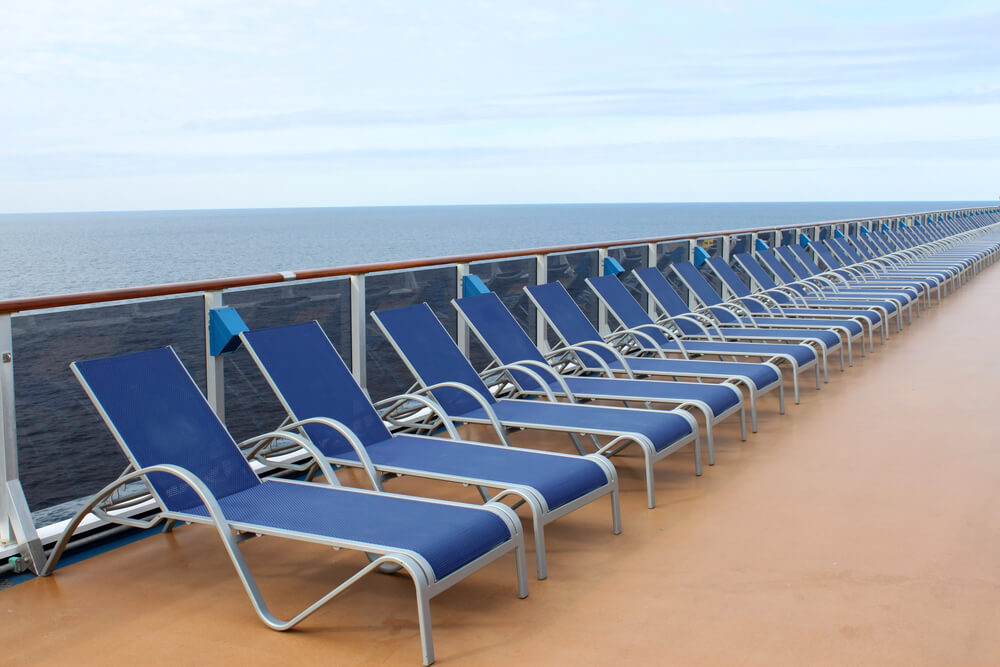
Placing this bid makes sense, especially on sailings of a week or more. A window changes the feel of a cabin over many days, and natural light helps with waking up on schedule across time zones.
Oceanview inventory may be more plentiful than suites on some sailings, but availability varies by ship and itinerary. The risk is low if the bid is within budget and the original cabin remains acceptable.
A rejected bid typically leaves the original booking untouched.
Oceanview to Balcony on an Alaska Sailing

This one is worth placing. Alaska is a scenery itinerary, and a private balcony turns glacier days and wildlife sightings into something that happens outside the cabin door rather than on a crowded top deck.
A balcony can be especially appealing on scenic cruising days, though cool temperatures and weather may limit how often it gets used. A bid here can deliver meaningful value if the traveler expects to spend time enjoying the view from the cabin rather than treating it as a number on a booking confirmation.
Interior to Balcony on a Three-Night Getaway

Skip this one unless the balcony itself is a priority. Short sailings give a cabin only a handful of waking hours, many of which may be spent at the buffet, the pool, or the bar.
A balcony adds a cost per night that can be hard to justify when the ship is in port or the traveler is busy with onboard activities. Money saved here may be better spent on a drink package, specialty dinner, or shore excursion.
Balcony to Suite on a Mainstream Line
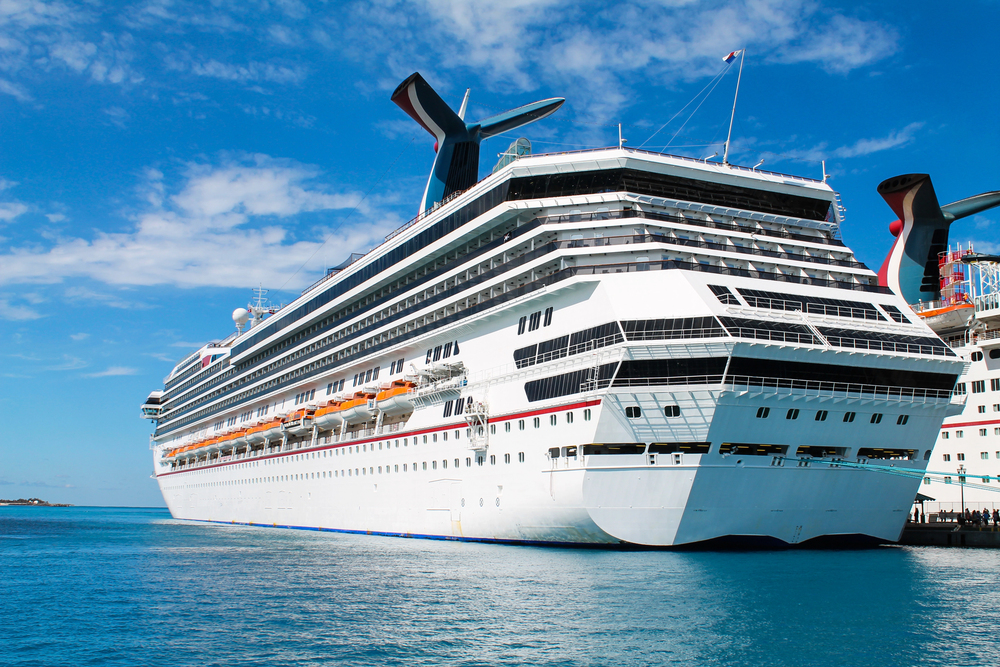
Worth a bid, with eyes open. Suites on mainstream lines may include perks such as priority boarding, dedicated lounges, or extra dining access, depending on the ship and suite category.
Those perks can be the real prize rather than the square footage. Celebrity Cruises runs a program called MoveUp, and Royal Caribbean runs one called RoyalUp, both of which allow bids for eligible higher-category staterooms.
The sensible approach is to bid an amount that reflects what the perks are worth, not what the room costs at full fare.
Bids Placed Months Before Sailing

There is no universal reason to skip an early bid. Ships may still have unsold cabins months before departure, but cruise lines can continue selling those rooms at regular prices.
Bids may be accepted well before sailing or much closer to departure, depending on the program. The key is to check whether the bid can be changed or withdrawn after submission.
Placing a bid early only pays off if the traveler is comfortable with the offer being accepted at any time.
Bids Placed Closer to Sailing
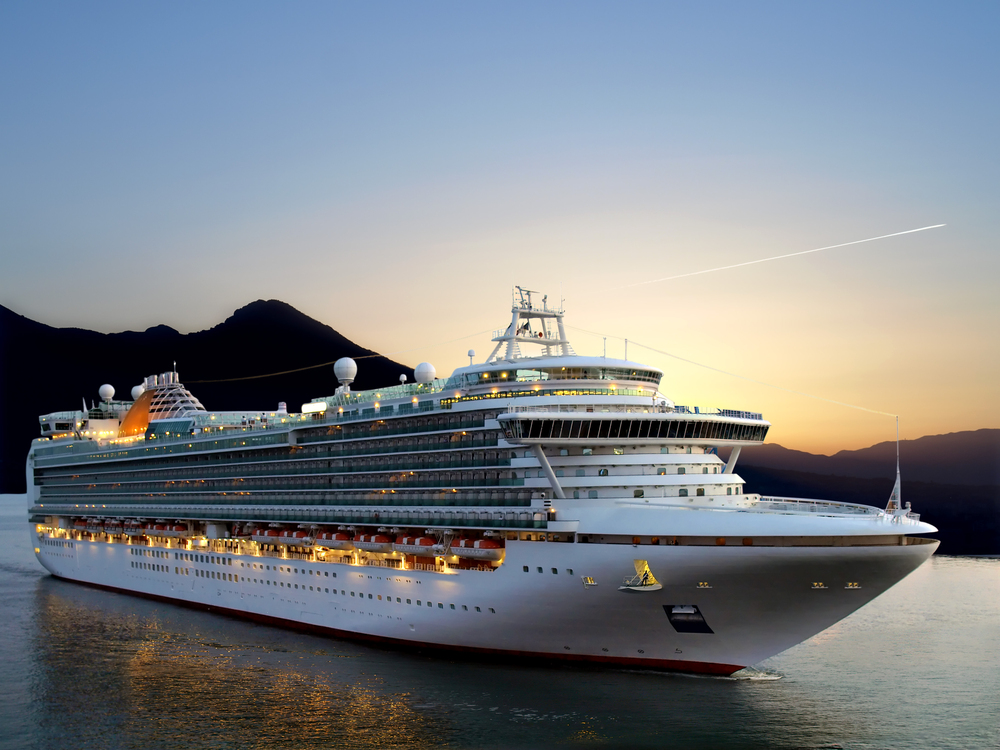
Worth monitoring, but not automatically better. As departure approaches, unsold inventory may become more attractive for the cruise line to allocate through upgrades.
However, there is no guarantee that late bids will be favored, and some programs accept offers well before the final days. A late win can also leave little time to plan around the new cabin assignment.
The best strategy is to follow the program’s timeline and bid only what the upgrade is worth.
Bids on Sold-Out Sailings
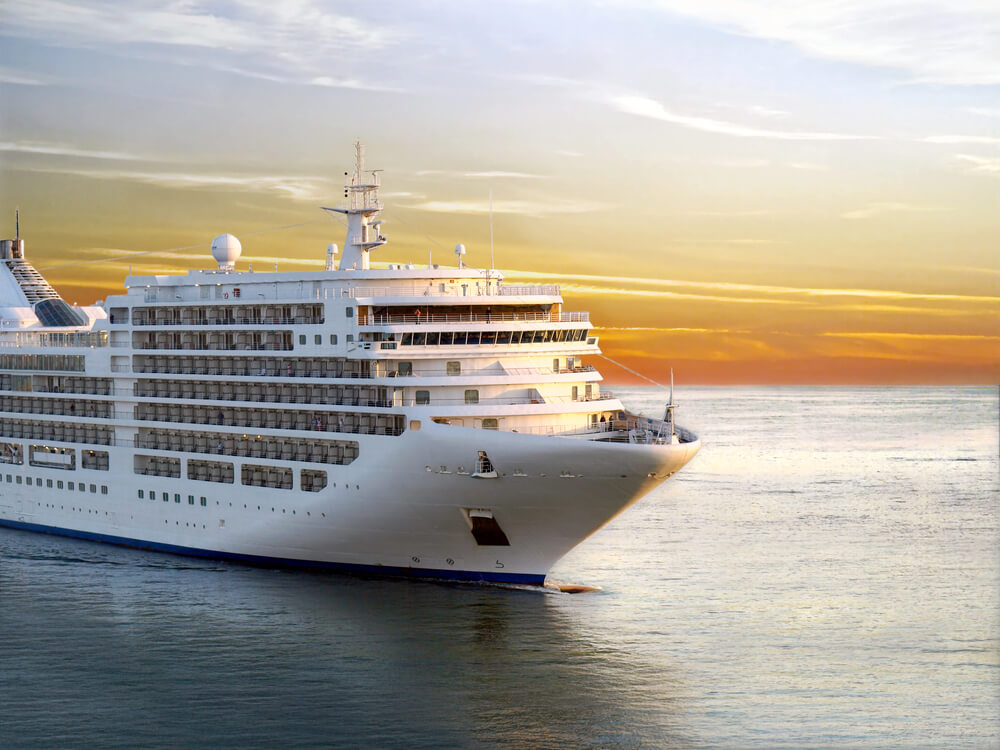
Worth considering only if the bid system allows it, with realistic expectations. A sold-out ship may have no currently available cabins in the category above, but cancellations or inventory changes can create openings.
Royal Caribbean, for example, says it may retain bids for sold-out categories in case a room becomes available. Cruise Critic members have debated for years whether a sold-out label means every bid will be rejected, which reflects how uncertain the process can be.
A bid is not a guarantee, and travelers who need a specific cabin category should book it directly.
Bids on Shoulder Season Sailings

Worth placing when the sailing has availability in higher categories and the bid amount makes sense. Spring and fall itineraries may have fewer families traveling outside school holidays, but that does not guarantee empty cabins in premium categories.
Those gaps can give a bid more room to succeed than the same sailing during a summer break. Shoulder season also tends to reward flexibility, though crowd levels and port conditions depend on the itinerary.
Bids During School Holidays and Peak Weeks

Skip, or at least lower expectations. Families may fill higher-category cabins quickly during summer and winter breaks, and a line has little incentive to discount a room it expects to sell anyway.
A bid in a peak week competes with demand that may not show up in the off-season. Choosing a less expensive departure date can be a more reliable way to save money than relying on a bid.
Bids Through Princess Upgrade
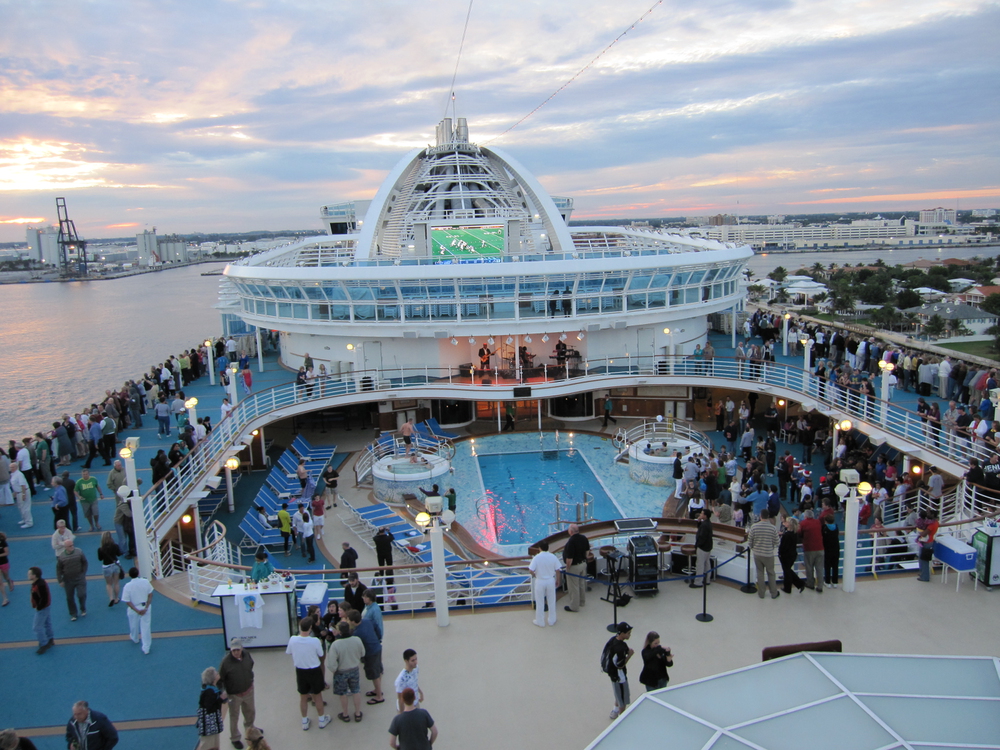
Worth placing for travelers sailing with Princess Cruises, which runs a bid-based program called Princess Upgrade. The program lets passengers on eligible bookings and sailings offer a price for a higher stateroom category.
Because it works as a bidding system rather than a fixed-price offer, the final cost depends on the amount offered and whether the bid is accepted. Decide on a ceiling beforehand and walk away from anything above it.
Bids Through Norwegian’s Upgrade Advantage
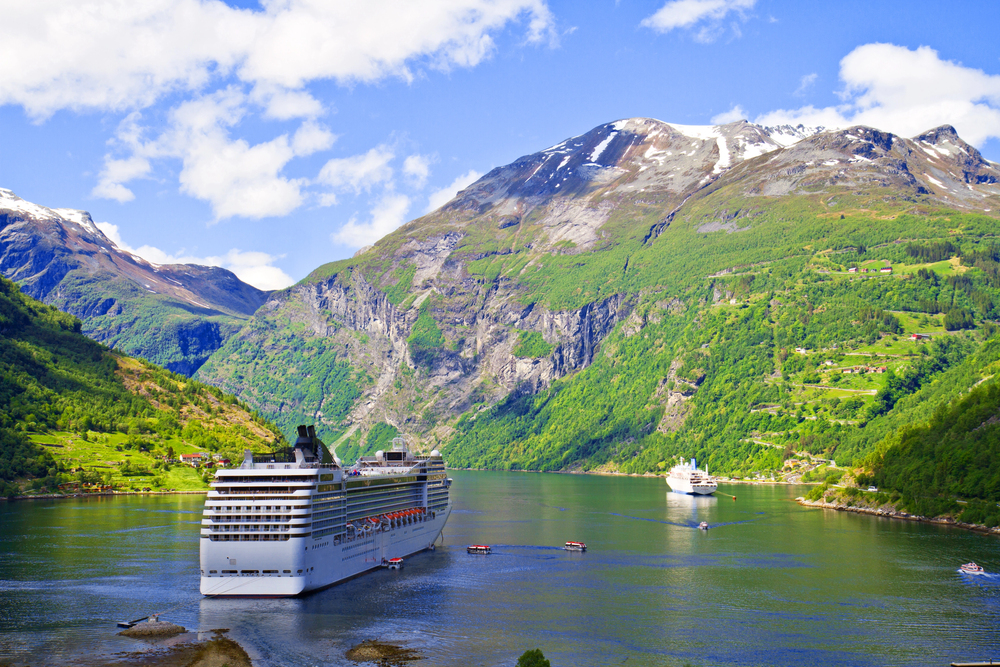
Worth trying, with a clear ceiling. Norwegian Cruise Line runs a program called Upgrade Advantage, which lets eligible guests bid on a higher category.
The program is invitation-based, and the available upgrade categories depend on the booking and sailing. Passenger reports can be useful for understanding past outcomes, but they do not establish a reliable winning bid for another sailing.
Set the offer based on the cabin’s value to you, not someone else’s result.
Bids Through MSC UpGrade
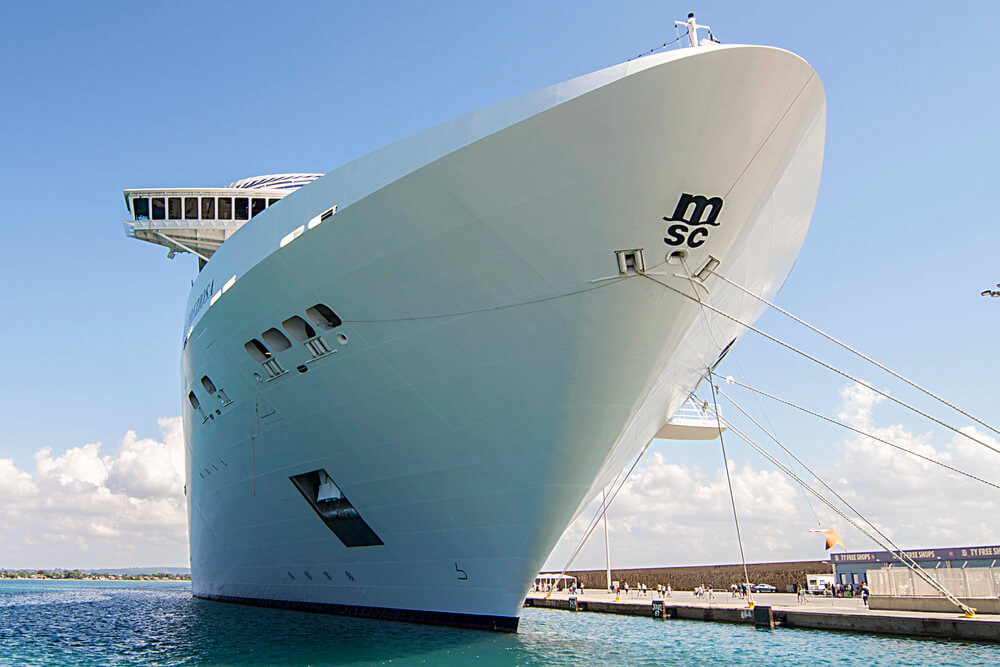
Worth checking, though read the terms first. MSC Cruises publishes an UpGrade program with terms and conditions on its regional websites, and the details vary by market.
The program is not available on every sailing or cabin category, and the offer is reviewed by MSC Cruises. Passenger forums contain debates about whether the offers represent a deal, which suggests the value depends heavily on the specific cabin and sailing.
Reading the fine print before submitting saves more disappointment than any bidding strategy.
Bids Through Cunard’s Bid to Upgrade
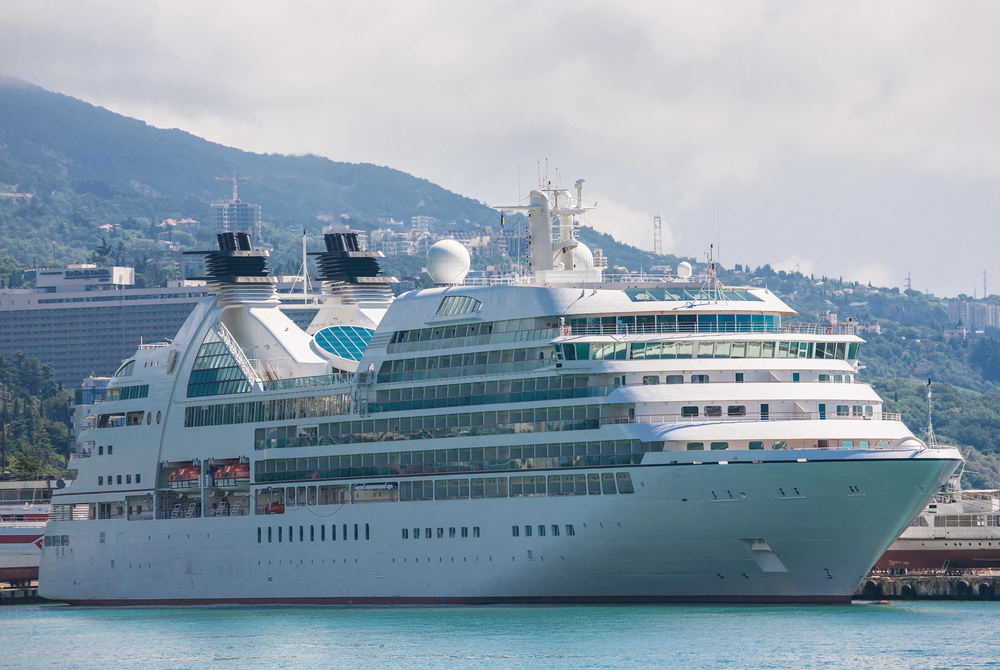
Worth placing on longer voyages if the offer represents good value. Cunard operates a bid-based stateroom upgrade program, and passengers have shared results of offers on Cruise Critic.
Ocean crossings run for days at sea, where a better cabin gets heavy use. A longer voyage makes a nicer room easier to justify, but the bid should still be compared with the current price difference between categories.
Bids on Inside Midship Cabins Already Chosen for Motion

Skip. Passengers who paid extra to sit near the center of the ship, where motion is often less noticeable, can lose that advantage if an upgrade moves them to the front or back.
Travelers prone to seasickness often choose midship cabins on a lower deck for exactly this reason. Upgrade programs generally do not guarantee a particular cabin location within the new category.
Giving up a stable location for a bigger room is a poor trade on a rough crossing.
Bids on Suites Priced Near Full Fare

Skip when the gap is huge. Suites sit at the top of the inventory, and a line has little reason to let one go for much less than its normal price.
A bargain-basement bid may be rejected, while a bid high enough to win may exceed what a suite costs when booked directly. Compare the bid against the current price difference for the same sailing, not just the original fare, before committing.
Bids by Solo Travelers

Worth checking carefully. Upgrade bids may be calculated per person, per cabin, or based on double occupancy, depending on the cruise line.
Solo travelers can therefore face a higher total charge than the headline bid suggests. A bid that looks cheap per person can cost far more when the program applies a double-occupancy calculation.
Running the math on the total, rather than the headline figure, prevents unpleasant surprises.
Bids on Cabins With Obstructed Views
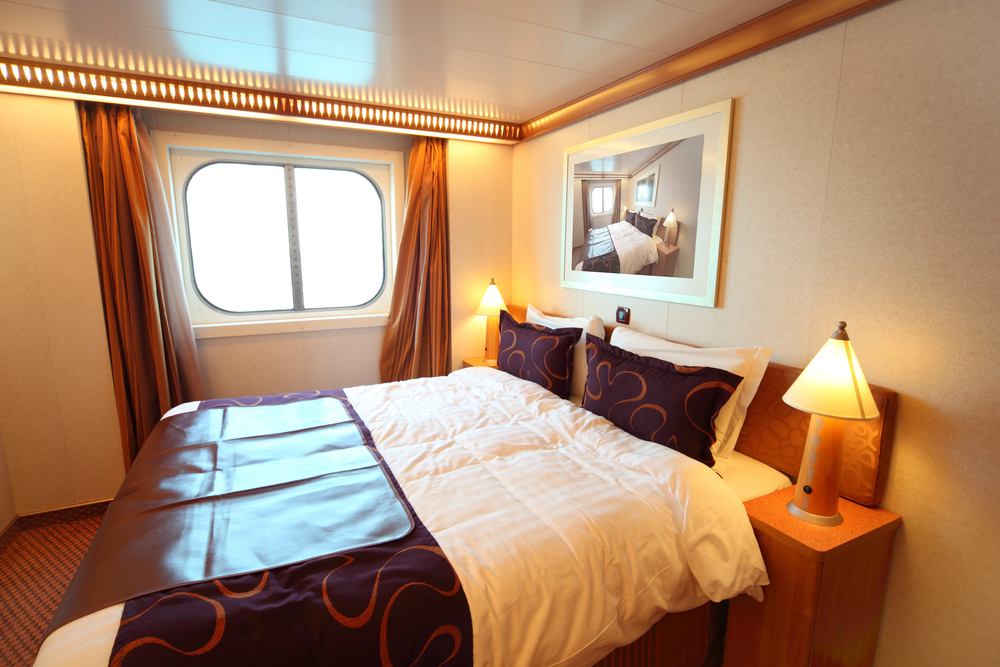
Skip when the upgrade category may still include a substantial obstruction or an undesirable location. A category jump that places a cabin in a similarly awkward location gives little in return.
Deck plans reveal where noise and obstruction hide, so checking them before bidding is far more useful than adding another dollar to the offer. A bigger room with a worse position is not necessarily an upgrade.
Bids When Perks Are Already Included
Skip when the higher category’s main advantages are perks you already have. Travelers booked into packages that already include drinks, internet, or specialty dining can find that the extra cost of an upgrade buys little they actually need.
The value of a bid falls when the main difference between categories is a perk already in hand. Booking value is often better used on shore excursions.
Bids Placed With a Travel Agent’s Booking

Worth asking about before bidding. Some upgrade programs allow eligible travel-agent bookings, while eligibility and the process can vary by cruise line and fare.
A short conversation clears up whether the bid belongs on the line’s site or through the agent. That call costs nothing and prevents a rejected submission.
Why the Best Bid Is the One You Can Lose

The pattern across these entries is consistent: bids work best when the bidder is content with the original cabin. A rejected offer then feels like a coin that landed the other way rather than a disappointment, and a winning one feels like a bonus.
Travelers who treat an upgrade as a necessity tend to overpay or fret in equal measure.
Cruise lines hold the information that matters, including how many cabins remain and how many other bids are competing. Bidders hold only a ceiling and a calendar.
Setting the ceiling firmly, checking the program’s rules, comparing the bid with current cabin prices, and being willing to keep the original cabin are the parts of the process travelers can control.
More from Travel Pug

- Underrated Italian Towns That Beat the Tourist Crowds
- Las Vegas Tourist Traps to Skip
- Prettiest Towns in Every US State
- 18 passport-free countries for Americans
- Signs Your Cruise Is Not Worth The Cost
Like Travel Pug’s content? Follow us on MSN.