

Islands sell a promise of escape, and that promise is exactly what fills them. A coastline that took centuries to shape can be photographed, posted and booked within an afternoon, and a few thousand residents end up hosting millions of visitors a year.
The pressure shows up in different ways. Some islands now charge entry fees, cap cruise passengers or require reservations for their most famous viewpoints.
Others have watched locals march in the streets, beaches close for years and housing disappear into short-term rentals.
Santorini and Its Cruise Ship Mornings
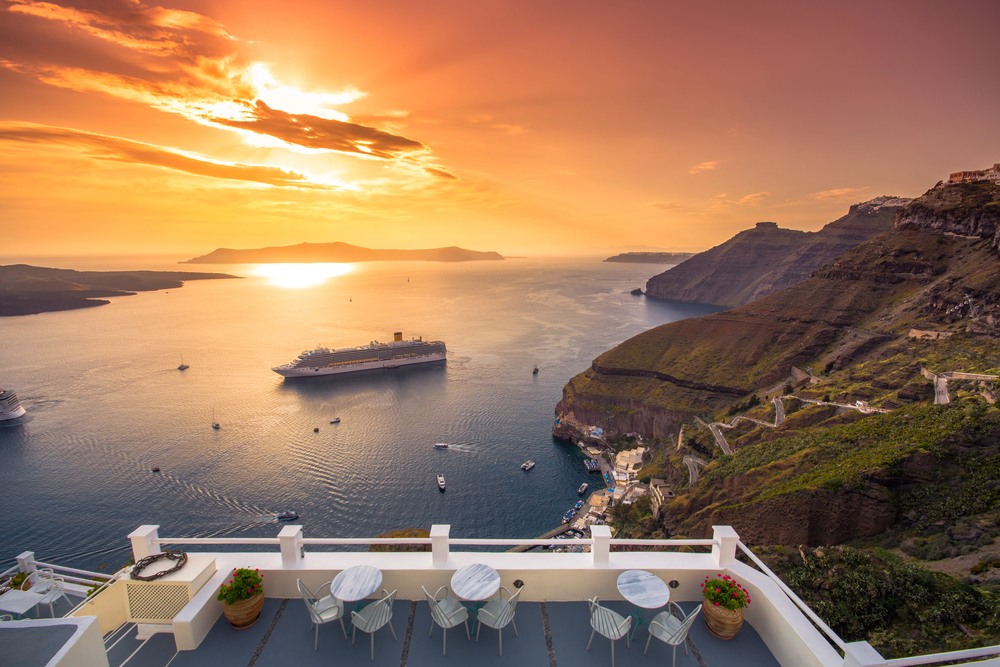
Santorini’s caldera towns of Fira and Oia were built for a few thousand residents, not for the waves of cruise passengers who arrive by tender most summer mornings. Greece introduced a cruise passenger fee of 20 euros per person during the peak summer season on Santorini and Mykonos in 2025, with lower fees during other periods.
The government has also set a daily cap on cruise passengers visiting Santorini and Mykonos, with the limits varying by port and date. Cable car lines and narrow lanes still jam at sunset in Oia, where crowds gather shoulder to shoulder for the same photo.
Visitors who stay overnight and explore early or late see a far calmer island.
Mykonos Beyond the Windmills
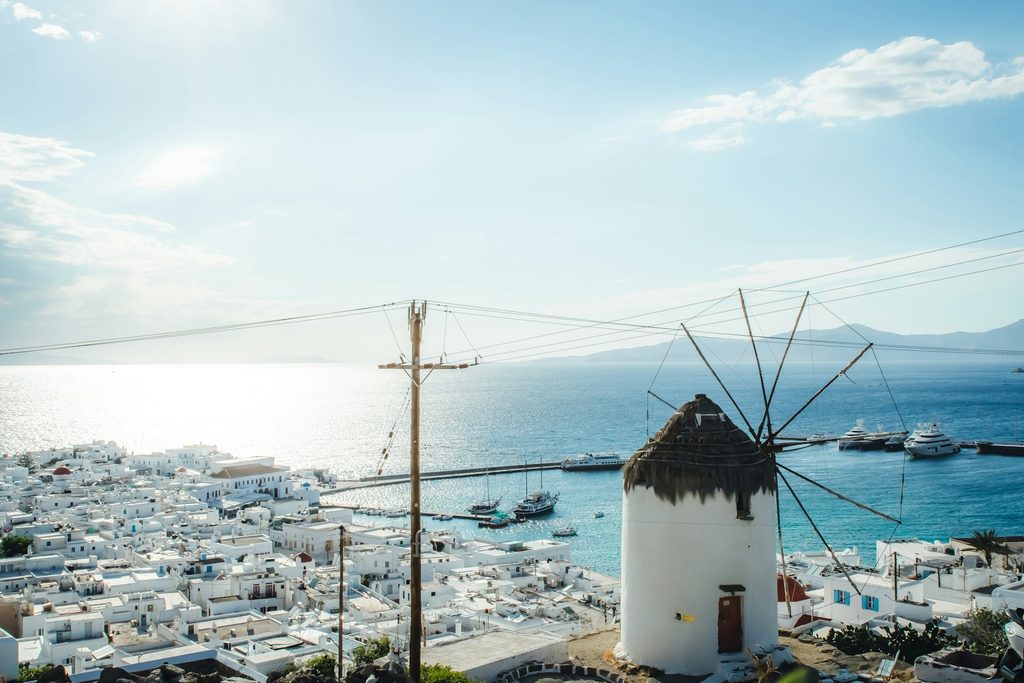
Mykonos built its reputation on whitewashed lanes, the windmills above Little Venice and a famous party scene. That fame has brought huge cruise traffic, with the island recording more than 1 million cruise passengers in recent years according to Greek port data.
The same peak-season cruise fee charged on Santorini applies here. Water supply, waste and traffic strain the island every summer, and prices for rooms and meals rank among the highest in Greece.
Little Venice at sunset draws tightly packed crowds, while quieter beaches on the northern coast stay far less busy outside the high season.
Venice and the Day-Tripper Fee
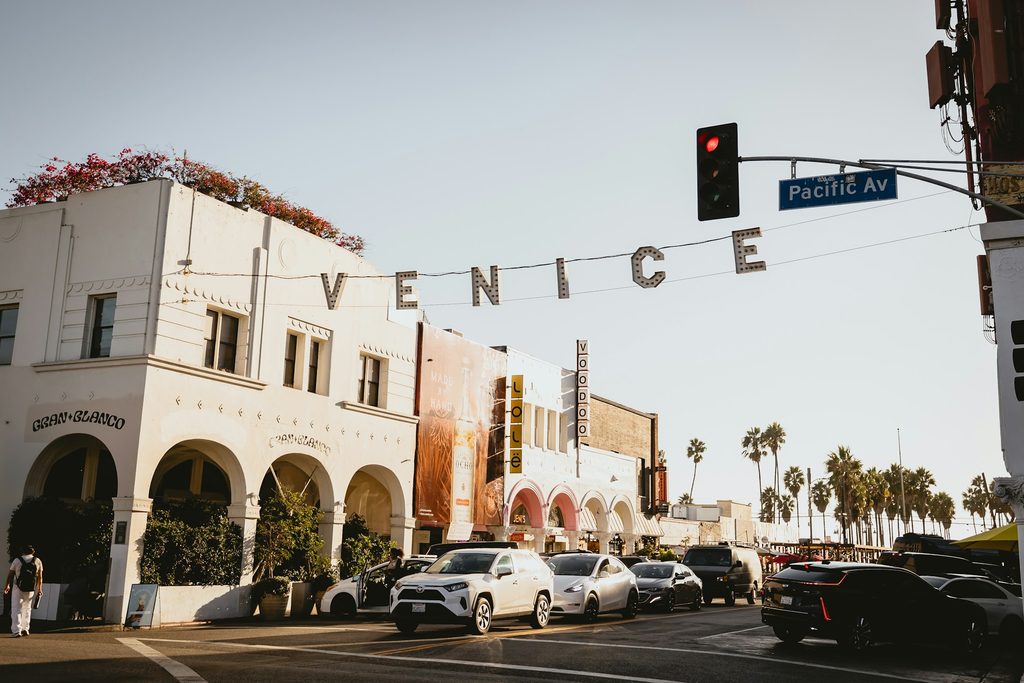
Venice sits on more than 100 small islands in its lagoon, and its historic center has lost residents steadily for decades while visitor numbers kept climbing. In 2024 the city became one of the first major destinations to test an access fee for day-trippers on peak days, charging 5 euros for advance bookings and a higher fee for late bookings.
Large cruise ships were barred from the Giudecca Canal in 2021. UNESCO had warned about mass tourism before Italy acted.
Overnight visitors are exempt from the day fee, and early mornings or evenings in Cannaregio and Castello still show a quieter side of the city.
Capri and the Ferry Rush
Unsplash/Jordi Vich Navarro
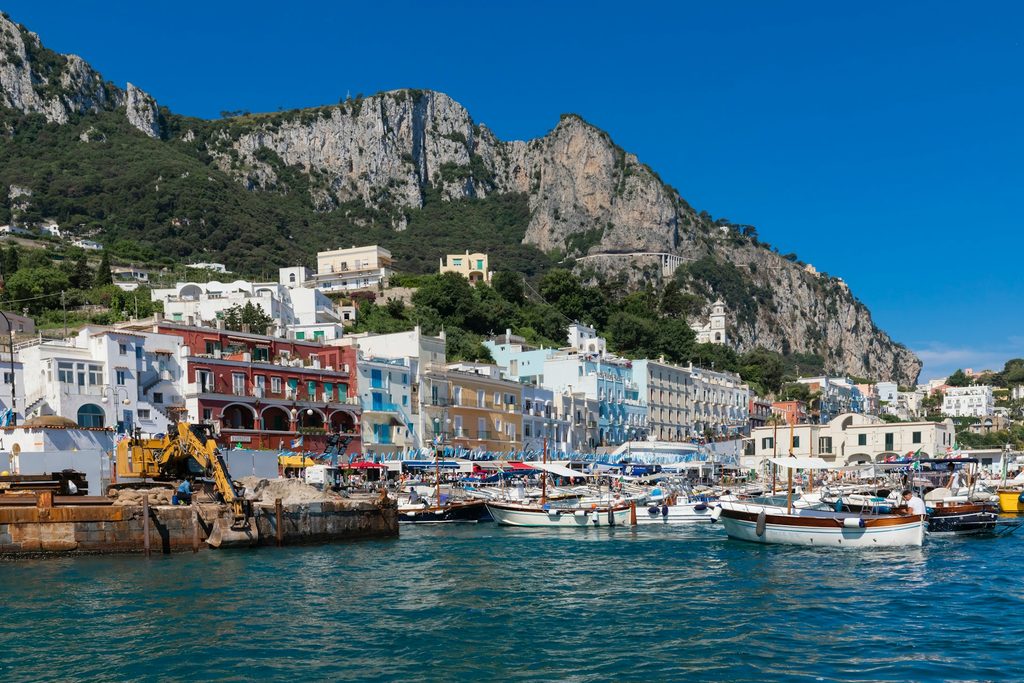
Capri covers only about 4 square miles, yet ferries and hydrofoils from Naples, Sorrento and the Amalfi Coast unload huge numbers of day-trippers in summer. Many head straight for the funicular to the Piazzetta or the rowboats to the Blue Grotto, where waits can stretch for hours on busy days.
The island has introduced rules on tour group sizes and crowd management in the center. Locals have long complained that day-trippers spend little and leave behind congestion.
Visitors who stay overnight see Capri after the last ferries depart, when the lanes empty and the views return to something close to the island of old postcards.
Mallorca and the Protest Summers
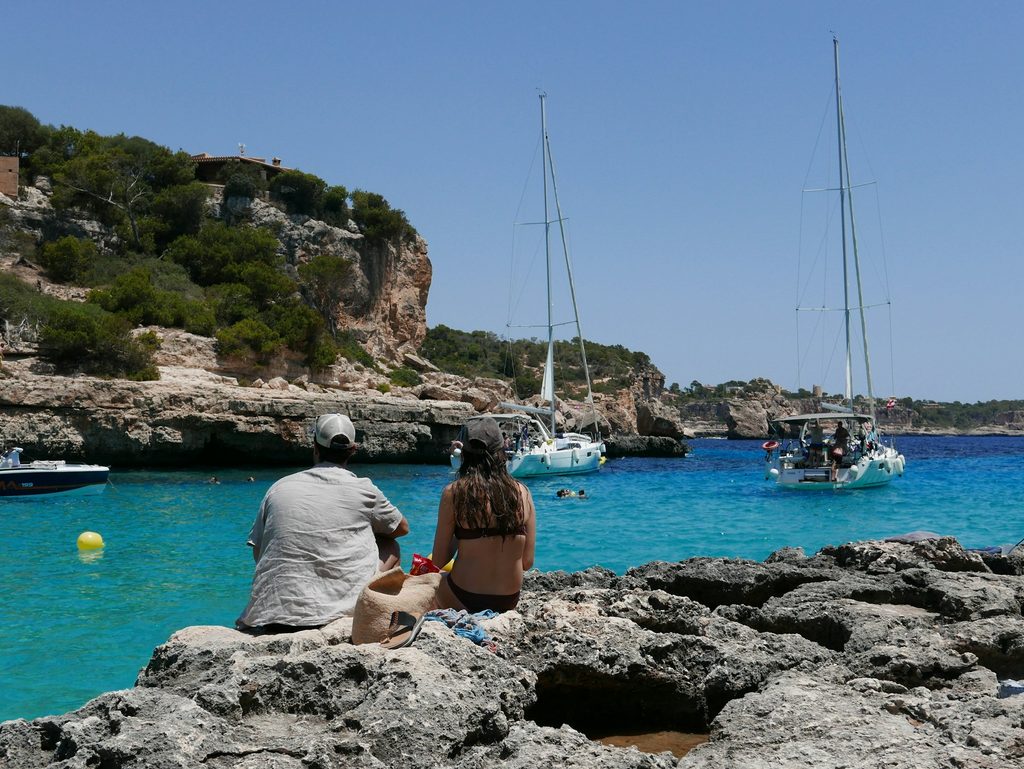
Mallorca draws millions of visitors each year, and residents of Palma and the island’s coastal towns have staged repeated mass protests against overtourism since 2024. Marchers have pointed to soaring rents, water stress and crowded beaches as tourist flats replaced long-term housing.
Activists even organized symbolic beach occupations to reclaim sand from sunbeds. The Balearic government has tightened rules on new holiday rentals and supported tourist tax increases.
Visitors still arrive in large numbers, but the shoulder months of April, May and October offer a gentler island with fewer tensions and more room on the beaches.
Ibiza and the Party Zone Rules
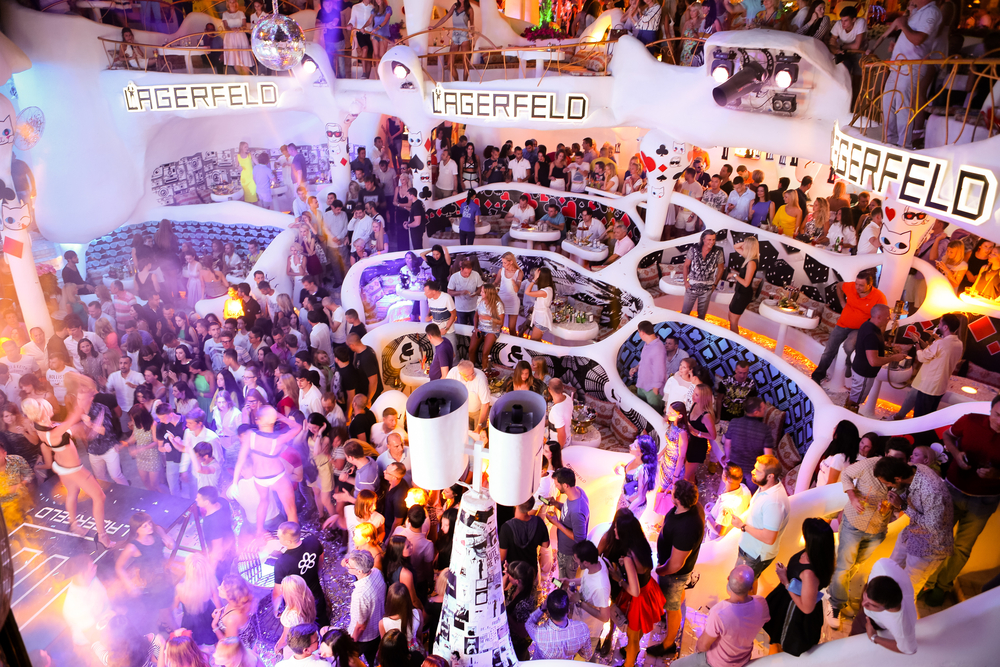
Ibiza’s San Antonio and its sunset bars made the island a party capital, and the crowds that followed eventually pushed the Balearic government to act. A 2020 decree targeted alcohol-fueled tourism in specific zones of Ibiza and Mallorca, banning pub crawls, happy hours and party boats in those areas and limiting late-night alcohol sales.
Clubbing remains central to the island’s economy, but residents have complained of noise, housing pressure and crowded roads. North of the island, villages like Santa Agnes and Sant Joan offer a much quieter version of Ibiza with farms, coves and old churches.
Tenerife and the Canary Islands Pushback
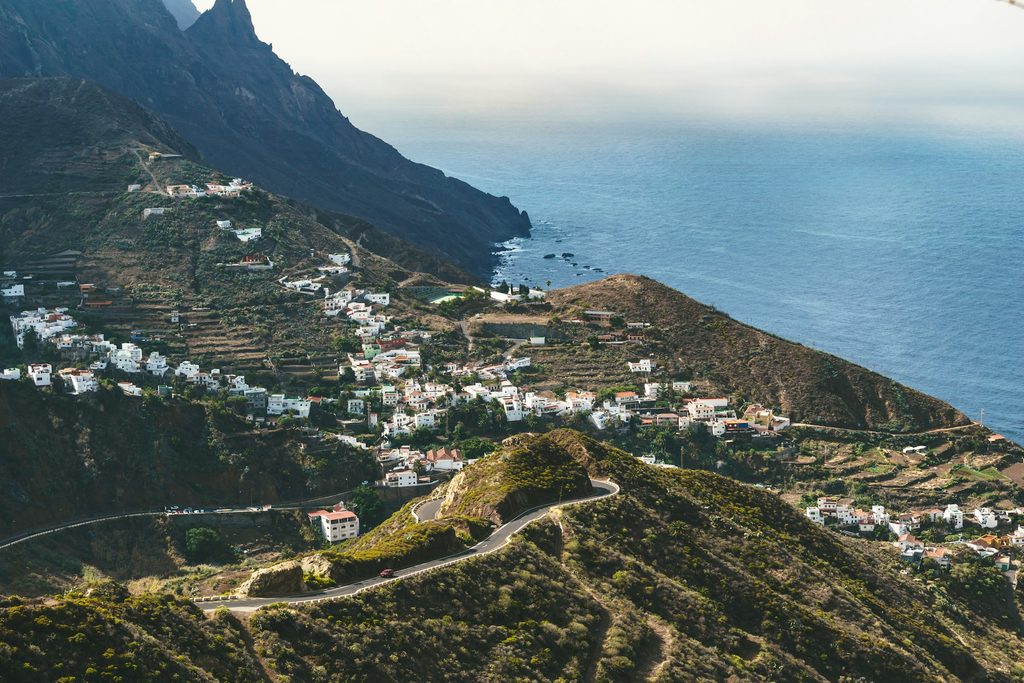
Tenerife is one of the busiest of the Canary Islands, and in April 2024 tens of thousands of residents across the archipelago protested under the slogan that the Canaries have a limit. Organizers pointed to housing costs, water use and hotel construction on protected coastline.
Several activists held a hunger strike against two hotel projects in the south of the island. Mount Teide, Spain’s highest peak, draws heavy traffic, and hikers need a free advance permit to reach the summit on the main trail.
The quieter north of the island and its forested Anaga range offer a far calmer contrast to the resort coast.
Bali and Its Tourist Levy
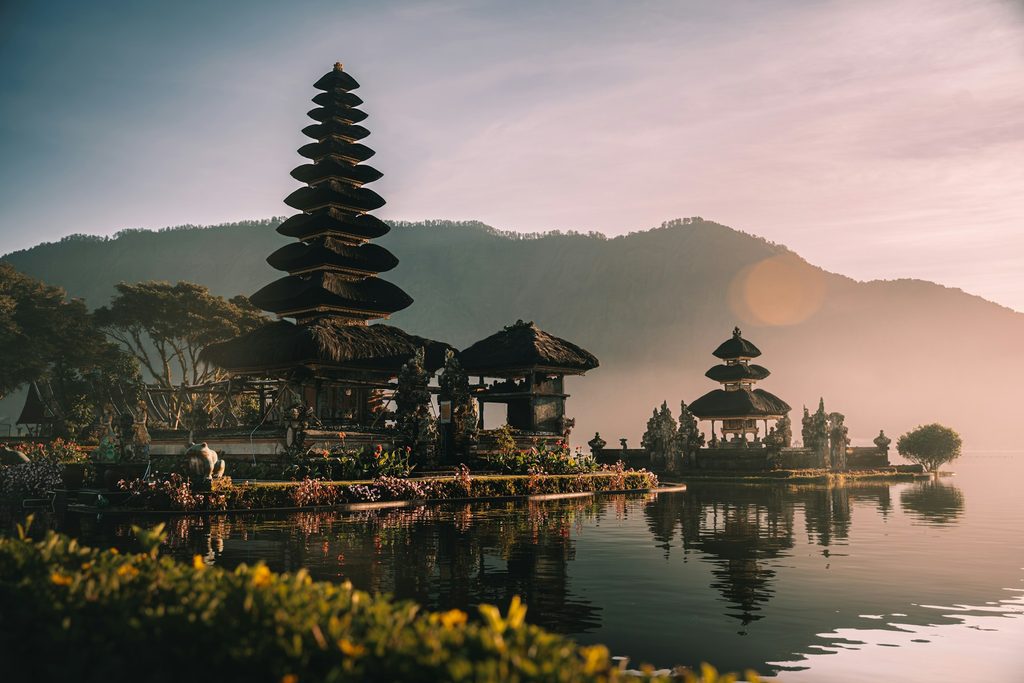
Bali welcomed millions of foreign visitors before and after the pandemic, and areas like Canggu, Seminyak and Ubud now face constant traffic and construction. In February 2024, the provincial government introduced a levy of 150,000 rupiah, about $9 to $10, for foreign visitors.
The money is meant to protect culture and the environment. Water shortages, waste and rice terraces lost to villas have become regular concerns. Officials have also cracked down on misbehaving tourists, including those who climbed sacred sites.
Visitors who head to the island’s east or north, around Amed and Munduk, still find a slower Bali.
Phi Phi and the Bay From the Movie
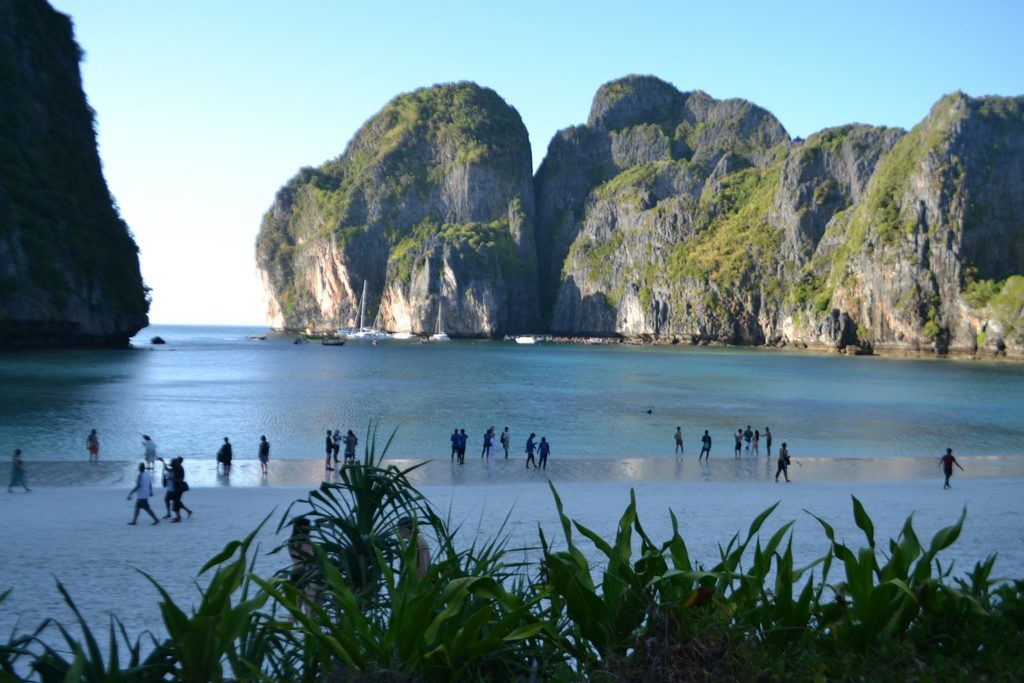
Maya Bay on Thailand’s Koh Phi Phi Leh became world famous after appearing in the 2000 film The Beach. By 2018, thousands of visitors a day had damaged the coral reefs so badly that authorities closed the bay entirely.
It reopened in January 2022 with new rules, including restrictions on swimming and limits on the number of visitors at one time. Boats now dock at a rear pier rather than on the beach.
The neighboring island of Phi Phi Don still sees heavy crowds and party bars, while early boat departures offer a better chance of quieter conditions.
Boracay and the Six-Month Closure
— Photo by rdv27
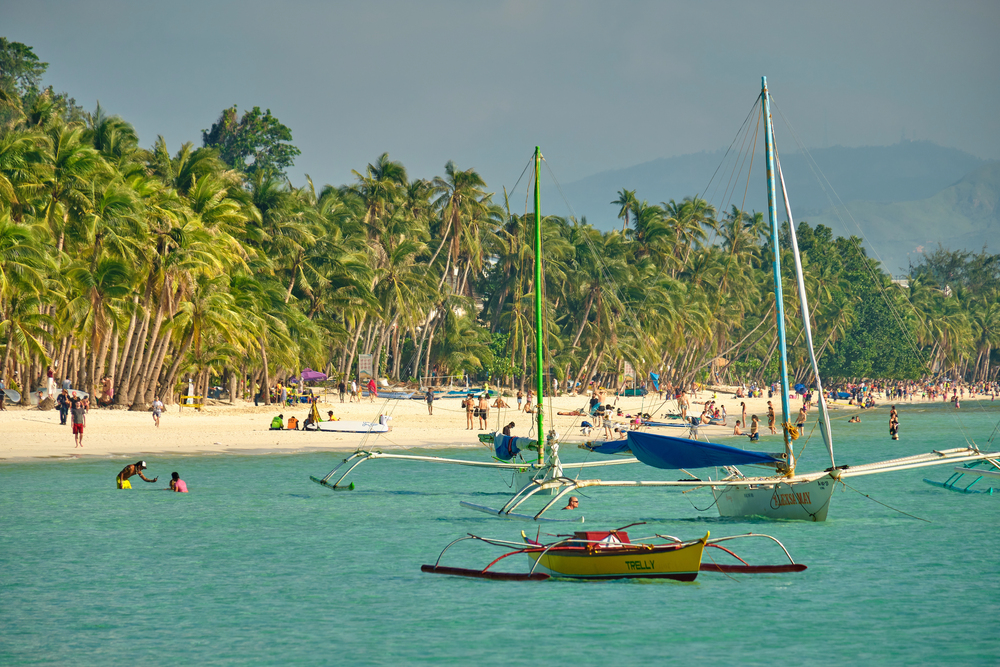
Boracay in the Philippines is famous for its powdery White Beach, and decades of unchecked development left it with sewage problems and polluted water. In 2018, President Rodrigo Duterte called the island a cesspool, and the government closed it to tourists for six months.
Workers rebuilt drainage, demolished illegal structures and cleared the beachfront. The island reopened in October 2018 with new environmental rules and visitor-management measures.
Boracay remains busy in peak season, but the cleanup is often cited as one of the most dramatic responses to overtourism in Southeast Asia.
Galapagos and the 200 Dollar Fee
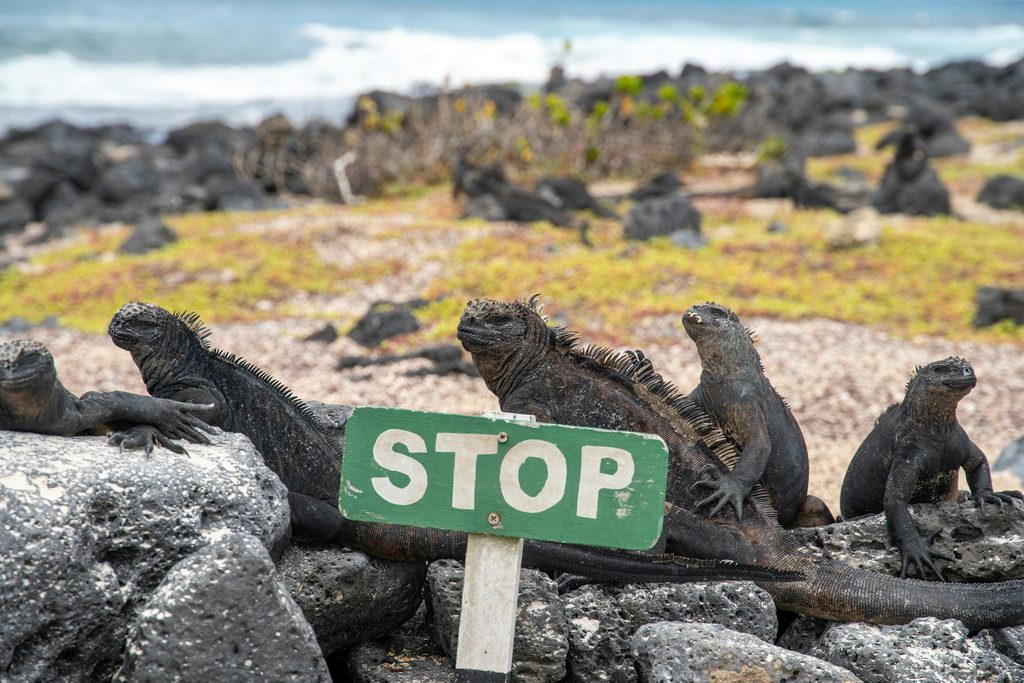
The Galapagos Islands inspired Charles Darwin and now draw hundreds of thousands of visitors each year. Ecuador raised the national park entrance fee for foreign visitors to $200 in 2024, aiming to manage tourism and fund conservation.
Growing hotel development on islands like Santa Cruz has raised concerns about invasive species and water supply. Visitors must follow strict rules, including staying on marked trails and keeping a distance from wildlife.
Boat-based tours that rotate visitors through sites help spread out crowds, but popular landing spots still feel busy in high season.
Easter Island and the 30-Day Limit
Unsplash/Sheila C
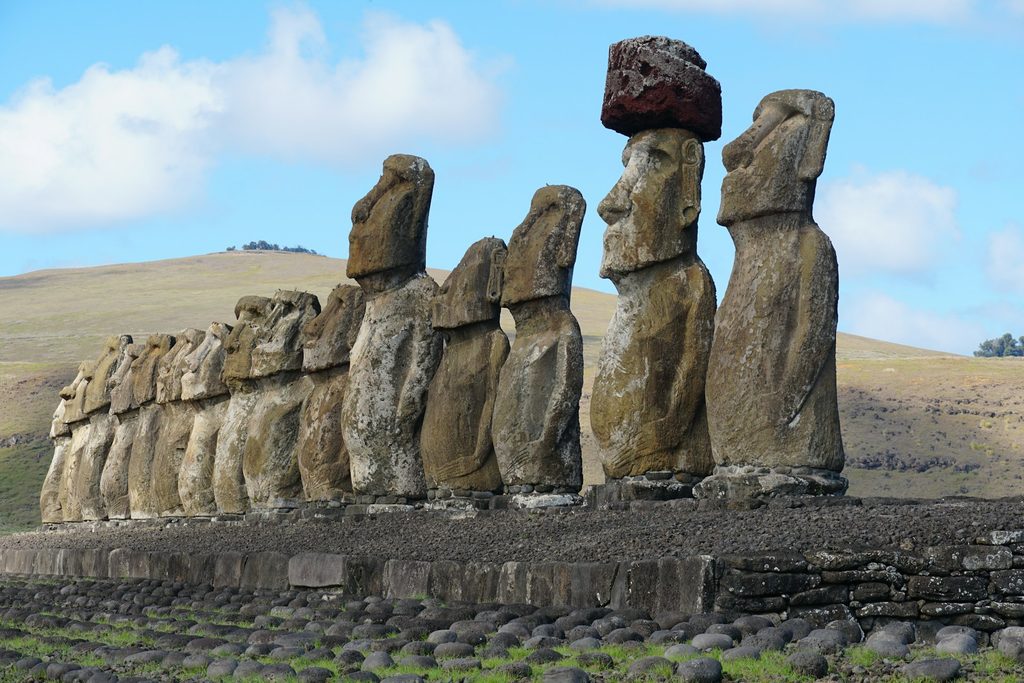
Easter Island, known locally as Rapa Nui, sits more than 2,000 miles off the coast of Chile and is famous for its giant moai statues. Rising visitor numbers led Chile to limit tourist stays to 30 days beginning in 2018, part of an effort to protect the island’s fragile environment and culture.
Visitors also need to fill out an entry form and show a return ticket. Many of the moai sites within Rapa Nui National Park now require visitors to be accompanied by a registered guide.
The rules aim to protect sites that suffered from vandalism and heavy foot traffic.
Maui After the Lahaina Fire
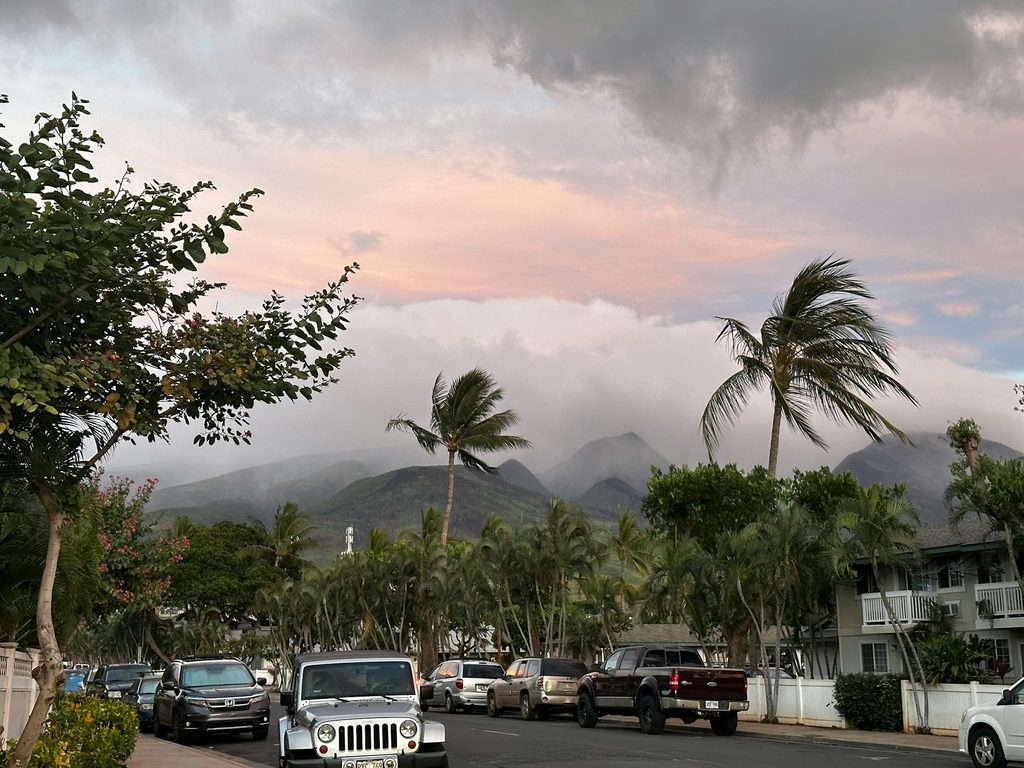
Maui has long been one of Hawaii’s most popular islands, and its tourism economy took a sharp turn after the August 2023 wildfire that destroyed much of Lahaina. Officials and residents asked visitors to avoid West Maui for a time as the community grieved and rebuilt.
Popular spots like the summit of Haleakala at sunrise now require advance reservations. The Road to Hana also sees regular traffic jams and illegal parking near waterfalls.
Many residents have pushed for limits on short-term rentals to free up housing for locals still displaced after the fire.
Oahu and the Hanauma Bay Reservations
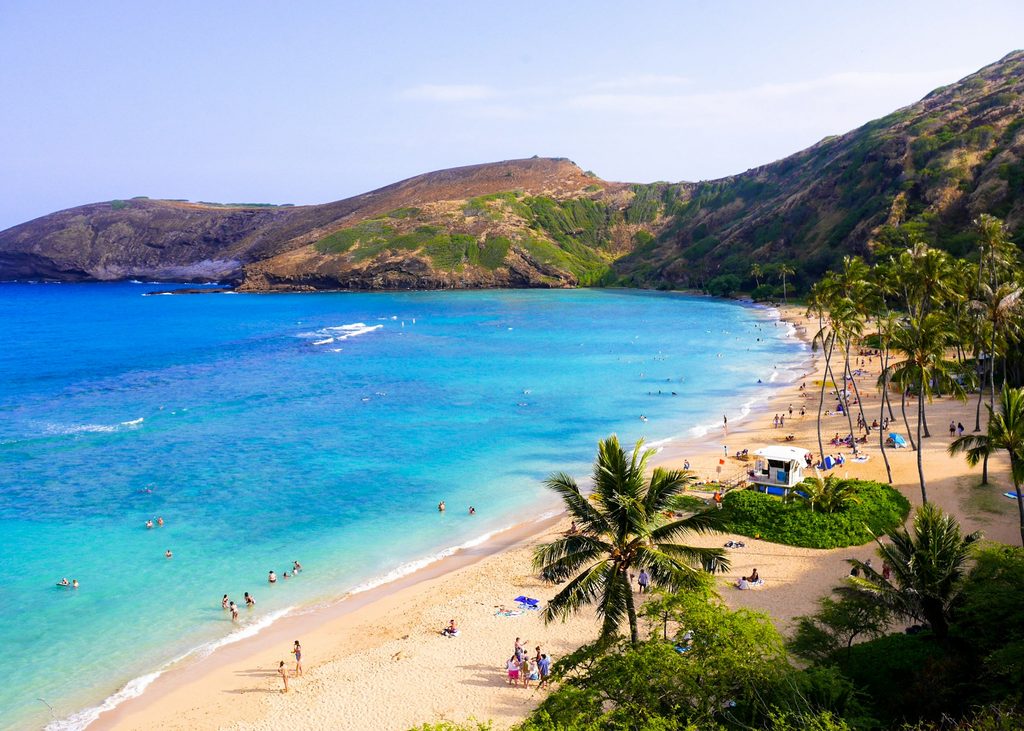
Oahu receives the most visitors of any Hawaiian island, with Waikiki often feeling as crowded as a city downtown. Hanauma Bay, a popular snorkeling spot, requires advance online reservations for nonresidents and charges an entry fee of about $25.
The bay closes on certain days each week to let the reef recover. Hiking trails like Diamond Head also require reservations for out-of-state visitors.
The North Shore, famous for winter surf, sees traffic jams on its two-lane highway. Visitors who head to the windward coast or the island’s quieter western side often find calmer beaches.
Isle of Skye and the Car Park Problem
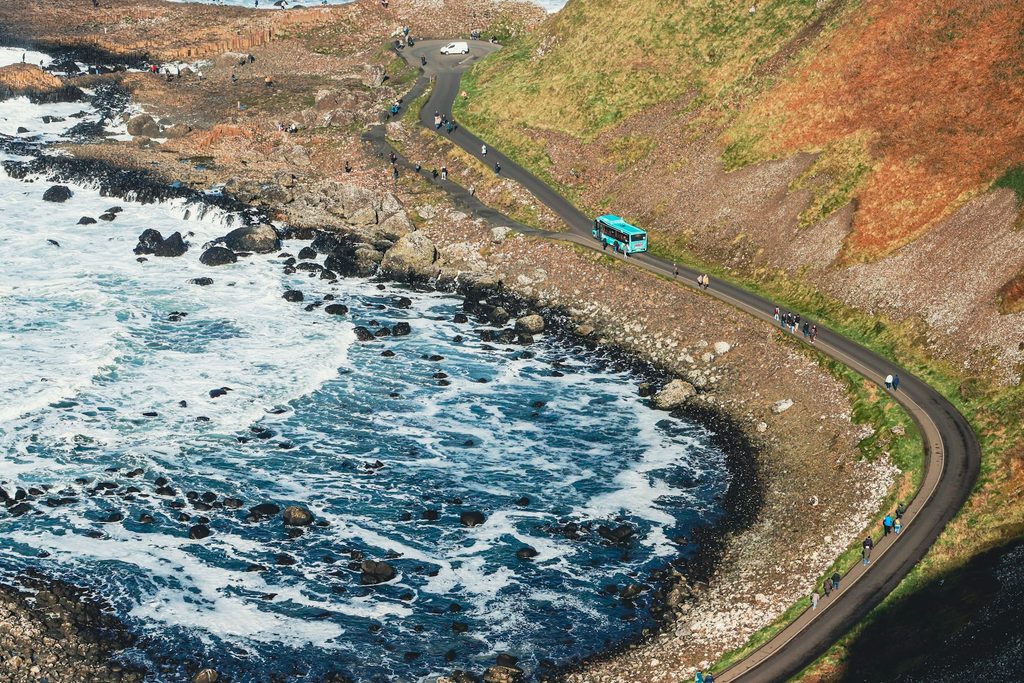
The Isle of Skye in Scotland is famous for the Old Man of Storr, the Fairy Pools and the Quiraing. Its narrow single-track roads were never designed for the crowds that began arriving after the island became a social media favorite.
In 2017, police warned visitors not to travel to Skye without accommodation booked after crowds overwhelmed the island. New parking lots with fees have since opened at popular sites like the Fairy Pools and the Old Man of Storr.
Visiting in early spring or late autumn, and arriving early in the day, makes it easier to enjoy the landscape.
Faroe Islands Closed for Maintenance
Unsplash/Rogério Toledo
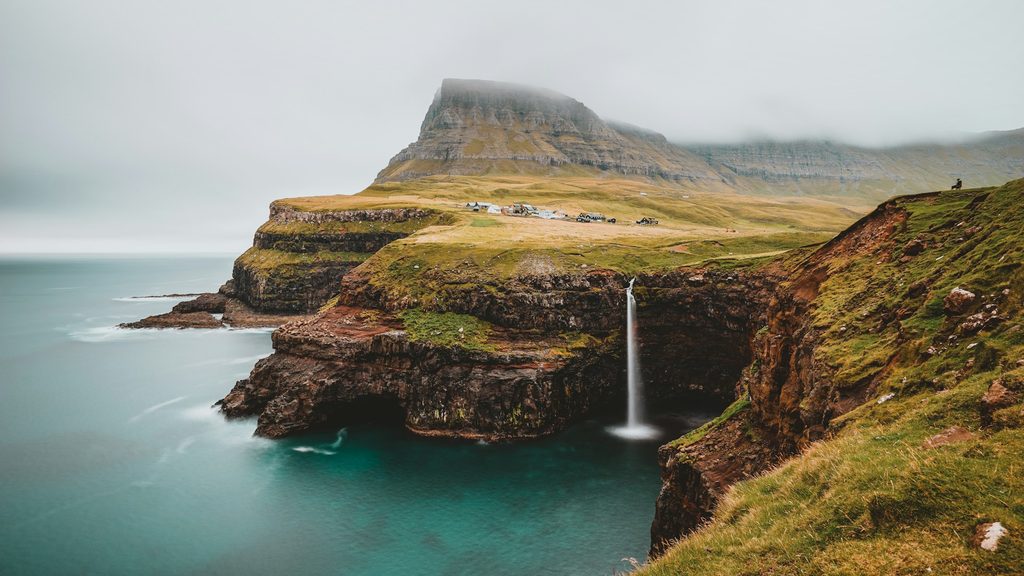
The Faroe Islands, a self-governing territory of Denmark, saw visitor numbers rise quickly after photos of their cliffs and waterfalls spread online. In April 2019, the islands closed selected tourist sites for a weekend and invited volunteers to help repair trails, branding the effort as “Closed for Maintenance.”
The event was repeated in later years. Some popular hikes, including the walk to the cliffs at Trælanípa, cross private farmland and charge fees. The islands remain small, with a population of about 55,000, so even modest increases in visitors can strain roads and services.
Miyajima and the 100 Yen Visitor Tax
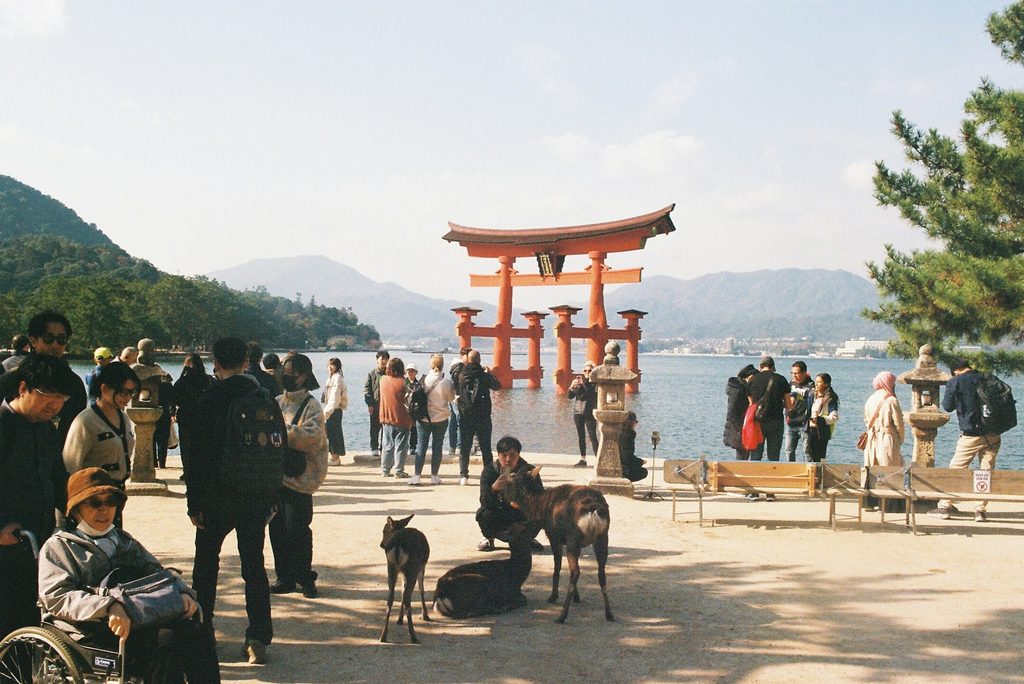
Miyajima, officially Itsukushima, is home to a famous floating torii gate and a UNESCO-listed shrine. The island near Hiroshima draws millions of visitors a year, many on short ferry trips.
In October 2023, the city of Hatsukaichi introduced a visitor tax of 100 yen per person, collected with ferry fares. Crowds peak around midday, when the ferries are busiest and the deer gather near snack stands.
Staying overnight on the island lets visitors see the torii lit at night and walk the streets after the day-trippers leave.
Mont-Saint-Michel and Its Daily Crowds
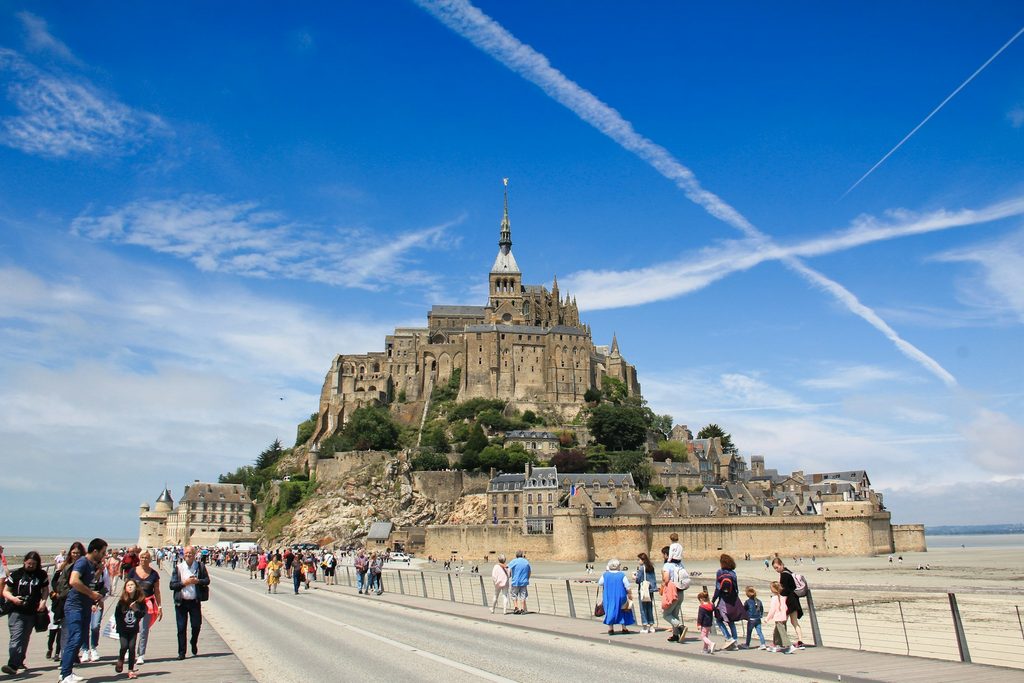
Mont-Saint-Michel in Normandy sits on a tidal island crowned by a medieval abbey, and it draws around 3 million visitors a year. The island has only a small permanent population, with fewer than 50 residents in some recent estimates.
A new bridge and shuttle system replaced the old causeway and parking lots in 2014 to restore the tidal flow around the island. Visitors now park on the mainland and ride shuttles or walk across.
Midday crowds fill the narrow main street, Grande Rue, with souvenir shops and restaurants. Early mornings and evenings bring a quieter visit, especially after the day buses leave.
Key West and the Cruise Ship Fight
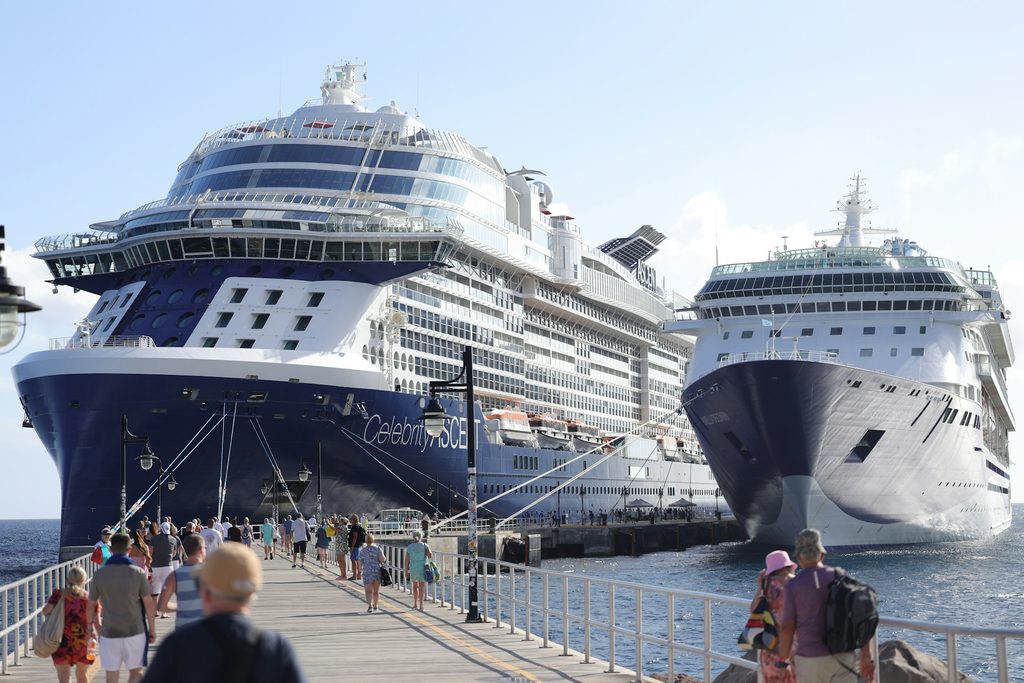
Key West has long drawn crowds to Duval Street and the Southernmost Point marker. In 2020, voters approved limits on large cruise ships and daily passenger numbers, citing water quality and congestion.
The Florida Legislature later passed legislation limiting local governments’ ability to impose those restrictions. The debate continues as cruise ships bring large numbers of day visitors to the island’s small historic district.
Lines at the Southernmost Point marker can stretch for an hour or more. Early mornings and evenings, once cruise passengers return to their ships, show a quieter side of Key West.
Hvar and the Swimsuit Fines
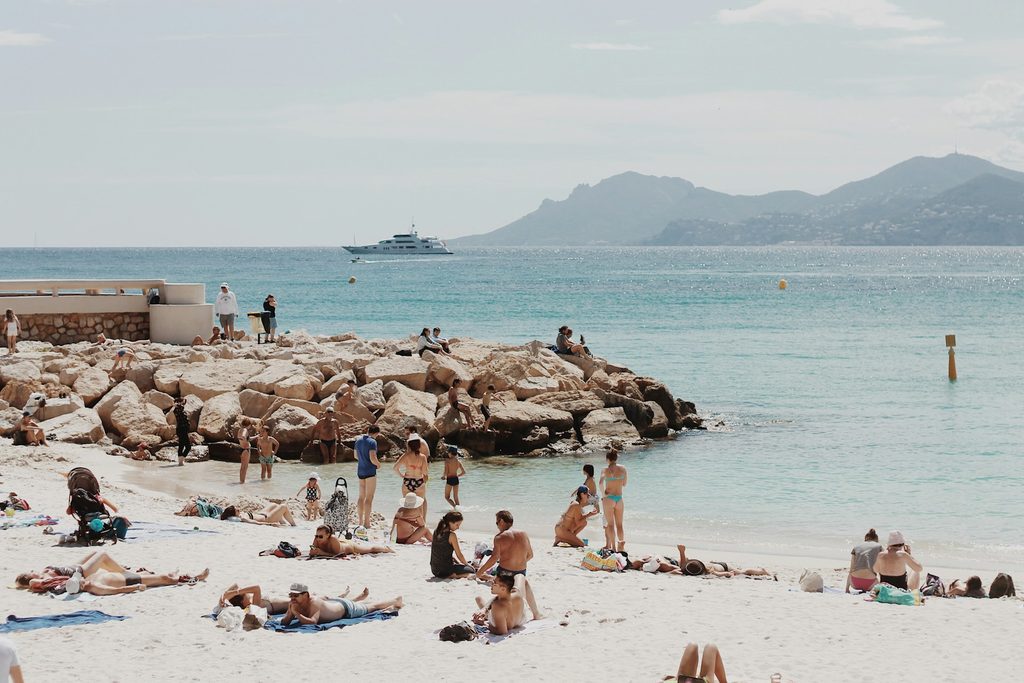
Hvar Town on the Croatian island of Hvar became known as a party destination, with yachts and beach clubs drawing crowds. Local authorities introduced fines for walking through town in swimwear, drinking in public and other rowdy behavior.
Signs around town warn visitors of the rules. Daytime crowds fill the harbor and the fortress, while nightlife keeps the old town busy late into the night.
The island’s interior villages and quieter coves offer a different experience, with lavender fields, olive groves and historic towns like Stari Grad, one of the oldest in Europe.
Zakynthos and Shipwreck Beach
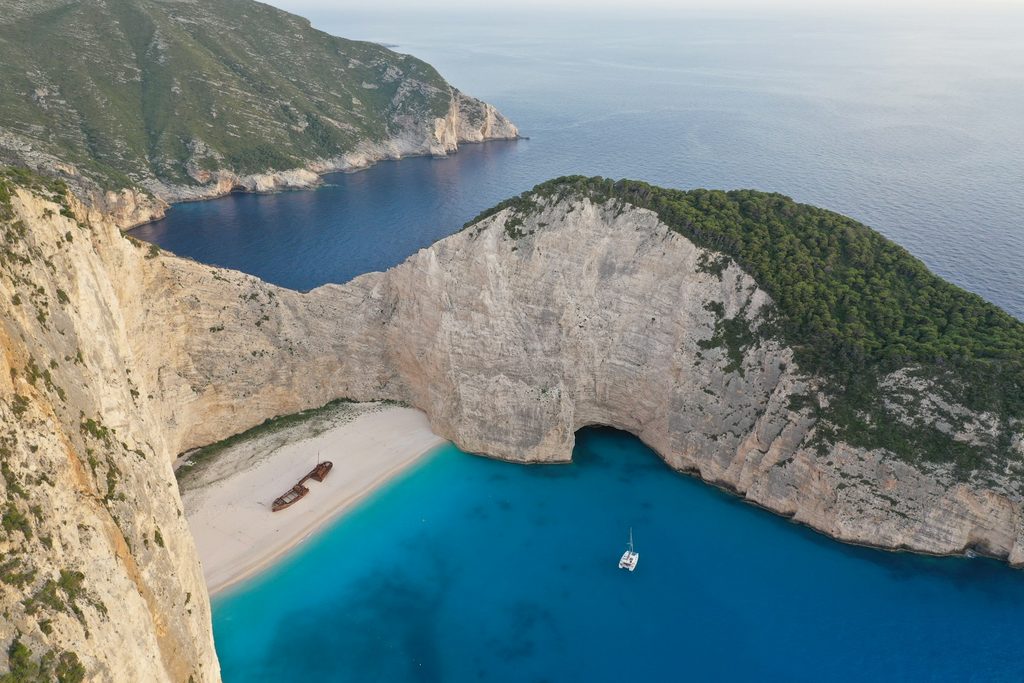
Navagio Beach, known as Shipwreck Beach, on the Greek island of Zakynthos is one of the most photographed beaches in the world. A rusting ship lies on white sand surrounded by sheer cliffs.
Heavy boat traffic and rockfalls led authorities to restrict access to the beach in recent years. Visitors now often view it from a clifftop viewing area, though access rules have changed over time.
Crowds at the viewpoint can be heavy in summer. The island also protects nesting loggerhead turtles on beaches in Laganas Bay, where rules limit nighttime visits during nesting season.
Komodo and the Proposed Closure
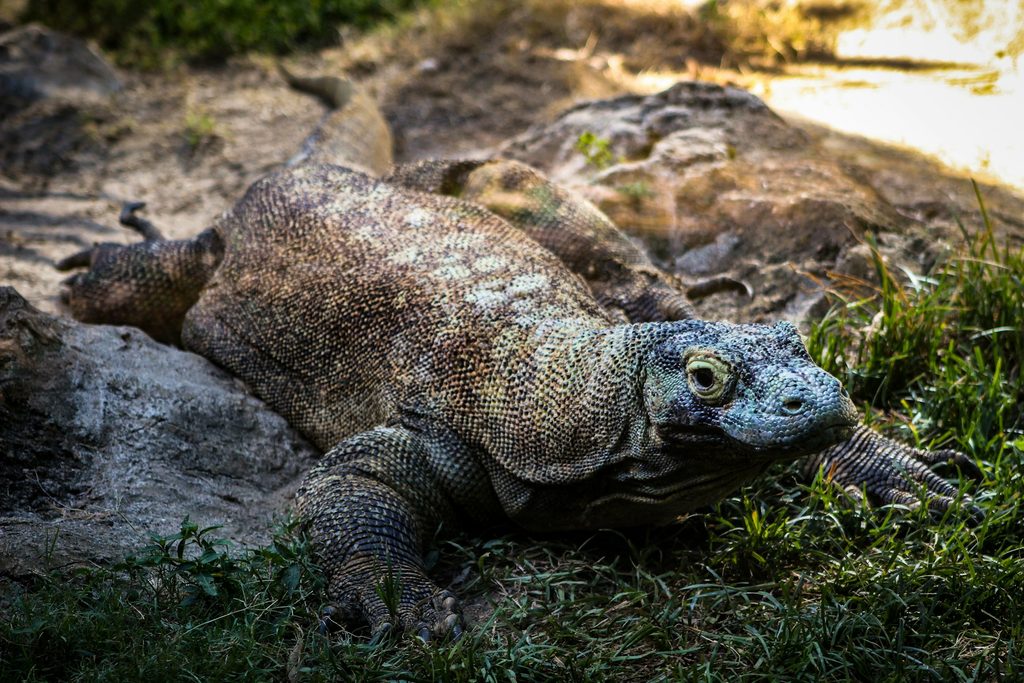
Komodo National Park in Indonesia is the only place in the world where Komodo dragons live in the wild. Rising tourist numbers led officials in 2019 to propose closing Komodo Island to visitors to protect the dragons.
The closure was later dropped, and authorities floated a sharply higher entry fee for the island before backing away from that plan too. Boat tours from Labuan Bajo now carry large numbers of visitors to Padar Island, Pink Beach and the dragon habitats.
Heavy boat traffic and littering remain concerns. Visiting outside peak season makes the park feel less crowded.
Sardinia and the Sand Rules
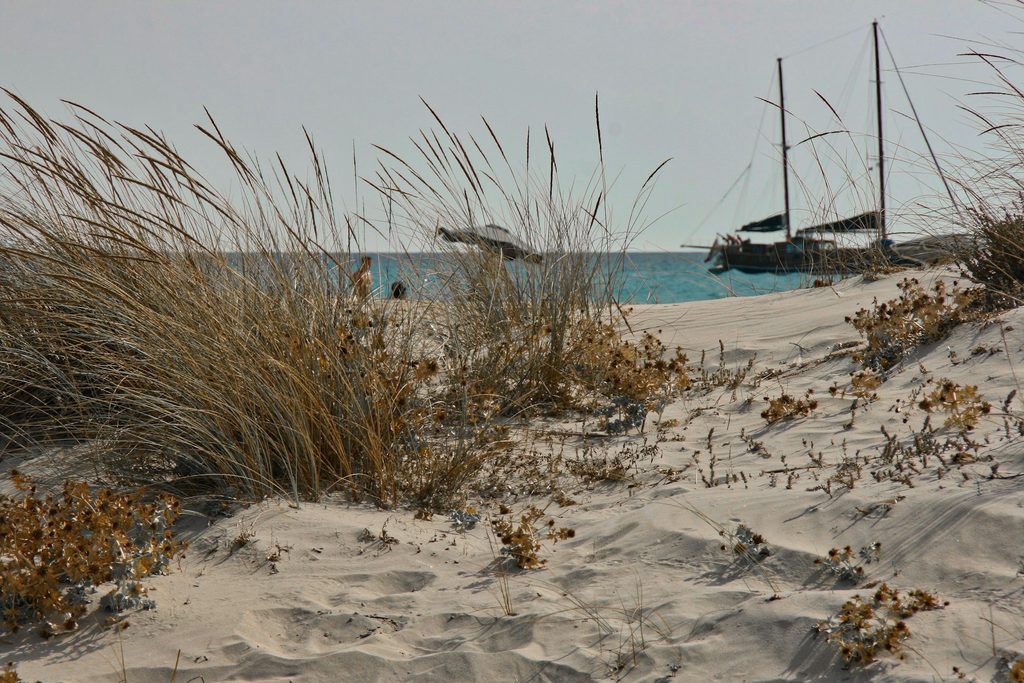
Sardinia is known for its clear water and white sand, and some of its beaches have become so popular that access is now limited. La Pelosa beach near Stintino requires advance booking and a small fee in peak season, with daily visitor limits.
Sardinia also forbids taking sand, shells or pebbles from its beaches, with fines for violators. Tourists have been caught at airports with sand in their luggage.
The Costa Smeralda draws luxury crowds, while quieter beaches can still be found on the island’s west and south coasts.
Iceland and the Canyon That Closed
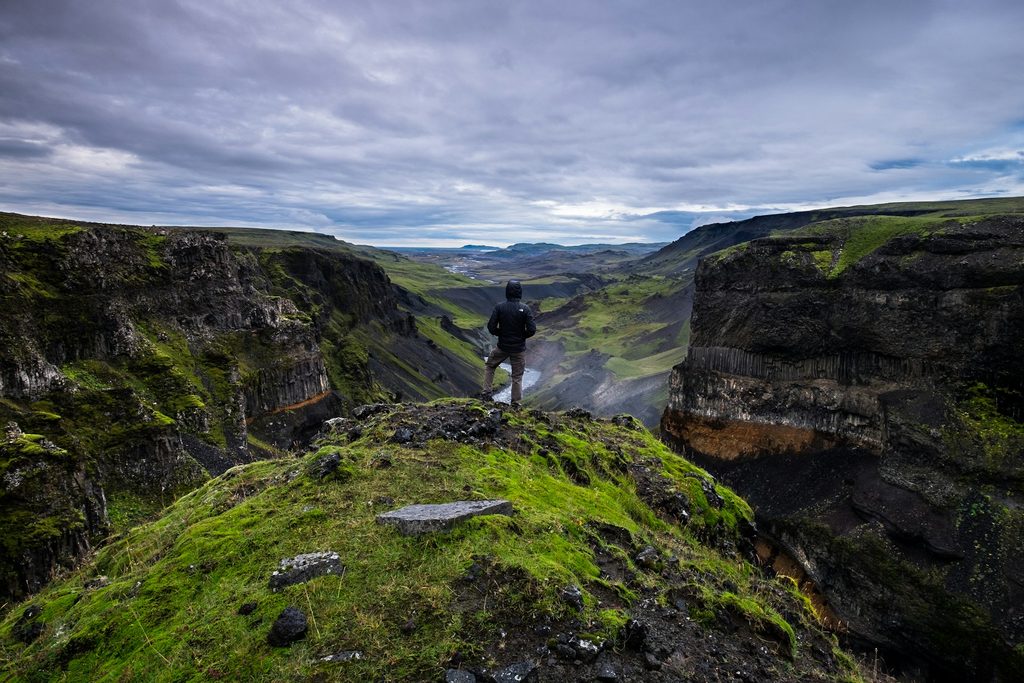
Iceland welcomed more than 2 million foreign visitors in some recent pre-pandemic and post-pandemic years, despite a population under 400,000. The Fjadrargljufur canyon became so popular after appearing in a Justin Bieber music video that authorities closed it for periods to allow the trails to recover.
The Golden Circle route and the black sand beaches near Vik see heavy traffic in summer. Iceland has introduced parking fees at many natural sites.
Visiting in shoulder seasons and exploring less-visited regions like the Westfjords offers a quieter experience of the island.
Lofoten and the Mountain Trails
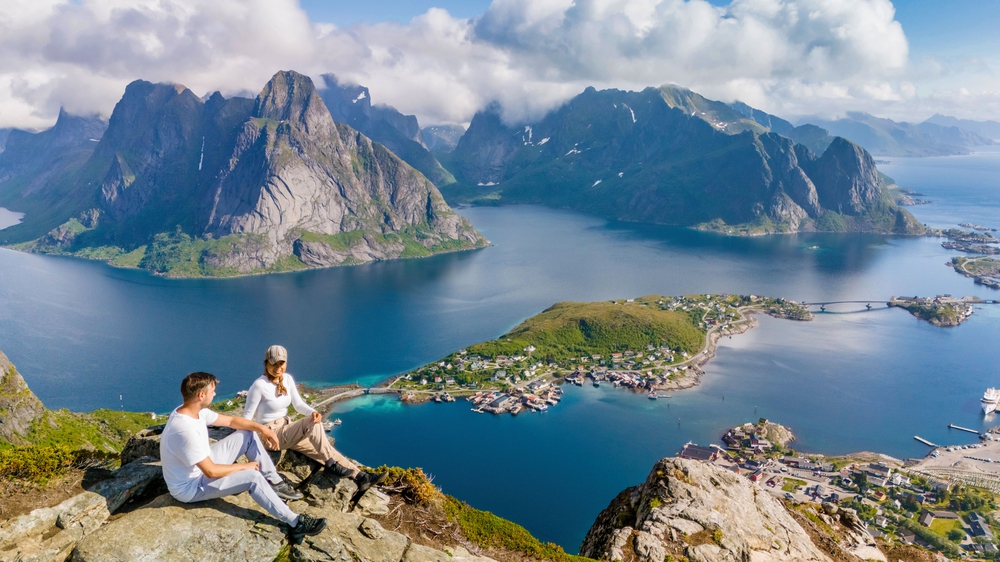
Norway’s Lofoten Islands are known for jagged peaks rising above fishing villages. Tourist numbers have grown quickly, with hikers flocking to trails like Reinebringen, where a stone staircase was built to handle heavy foot traffic.
Campers parking campervans in fishing villages and leaving waste behind have frustrated residents. Authorities have discussed visitor fees and tighter camping rules.
Winter brings visitors chasing the northern lights, while summer brings crowds for the midnight sun. Visiting in shoulder seasons and staying in traditional rorbu cabins helps spread the impact.
Ferries, Fees and the Limits of Paradise
Ferries quietly decide much of an island’s fate. A single cruise call or a fleet of fast boats can dramatically increase the population of a small harbor town by lunchtime and empty it again by dinner.
That rhythm leaves residents absorbing the costs of crowds while much of the spending sails away with the visitors.
The islands on this list remain worth seeing, but the terms of visiting have changed. Overnight stays, shoulder-season dates and money spent with local businesses ease the strain more than any single rule.
Some of the most rewarding island trips now come from choosing a place slightly less famous than the one on every screen.
More from Travel Pug

- Underrated Italian Towns That Beat the Tourist Crowds
- Las Vegas Tourist Traps to Skip
- Prettiest Towns in Every US State
- 18 passport-free countries for Americans
- Signs Your Cruise Is Not Worth The Cost
Like Travel Pug’s content? Follow us on MSN.