

The postcard version of a beach vacation doesn’t include sewage warnings or bacteria advisories. But in 2024, more than 7,500 health warnings or closures were issued at U.S. coastal and Great Lakes beaches alone — affecting roughly one in every 15 swimming days.
The picture is similarly grim in Europe, Southeast Asia, and Latin America. Some of the most iconic names in beach tourism are on the list, and the reasons — aging sewer infrastructure, stormwater runoff, overtourism, and agricultural pollution — aren’t going away on their own.
Santa Monica Pier, California

Santa Monica Pier has appeared on Heal the Bay’s annual “Beach Bummers” list 15 of the last 21 years, as of the 2025–2026 report card — a level of consistency that says less about bad luck and more about structural problems with urban runoff and aging infrastructure. The Pier ranked second on the list in both 2024 and 2025, behind only a Tijuana beach, and the city and Heal the Bay have formed a dedicated task force to investigate the bacteria sources.
Swimmers who visit during dry weather may encounter cleaner conditions, but rain events flush pollutants directly into the water, and the Pier sits at the low end of a heavily urbanized catchment.
Playa Blanca, Tijuana, Baja California

Playa Blanca at the Tijuana River Mouth has ranked first on California’s worst beaches list in consecutive years and represents one of the most severe transboundary water quality problems on the US–Mexico border. Raw and partially treated wastewater from Baja California flows north through the Tijuana River and empties into the Pacific near Imperial Beach, contaminating water on both sides of the border.
Remediation efforts are underway on both sides, but the infrastructure gap between the pollution source and the fix remains significant.
Matunuck Town Beach, Rhode Island
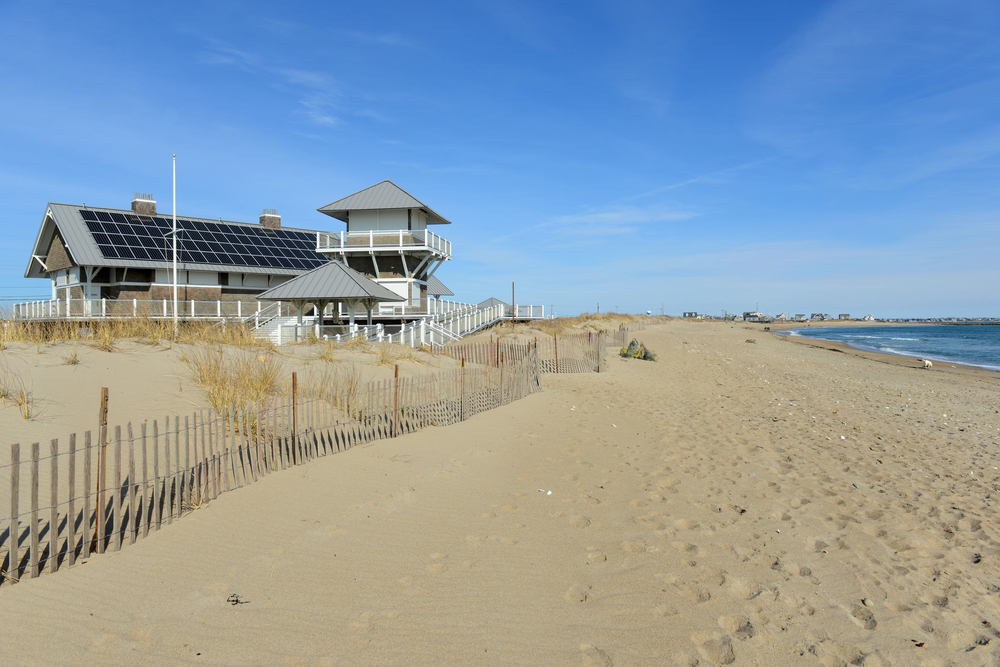
In 2024, Matunuck Town Beach in South Kingstown exceeded federal water quality thresholds on roughly two-thirds of all testing days — a rate that reflects the persistent pressure of failing septic infrastructure and inadequate stormwater systems in the area. Rhode Island as a whole had a particularly bad year: 60 percent of the 66 beaches tested had unsafe bacteria levels on at least one day, and 25 of those locations exceeded thresholds on more than a quarter of testing days.
The contamination source is fecal, which means the risk to swimmers — gastrointestinal illness, ear infections, rashes — is real and documented.
Mackerel Cove Beach, Jamestown, Rhode Island
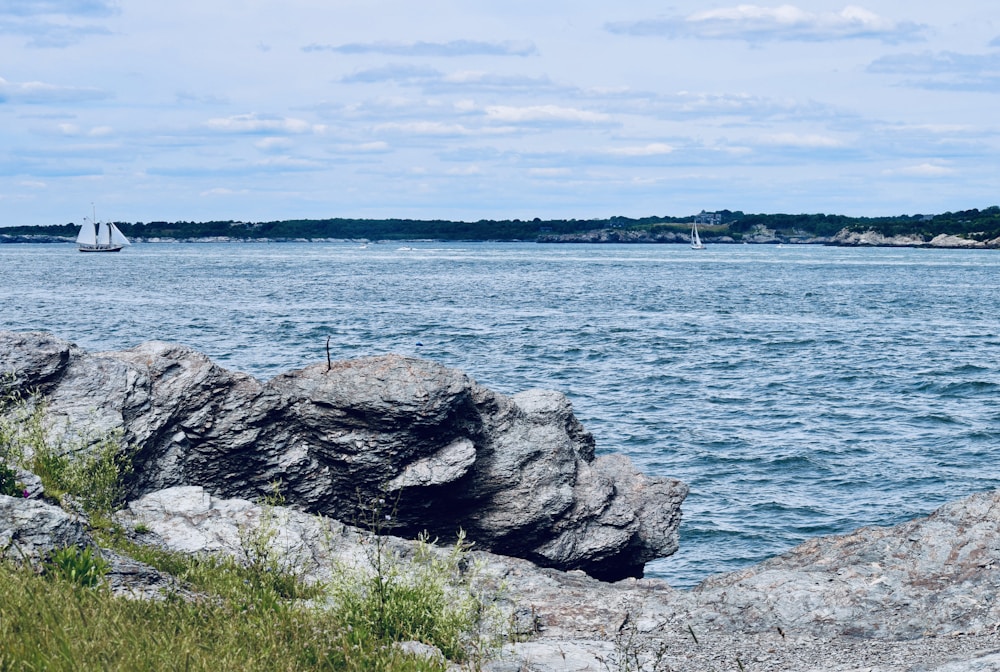
Mackerel Cove was another Rhode Island location that exceeded recommended bacteria levels on approximately two-thirds of its 2024 testing days. Jamestown is a small island community in Narragansett Bay, where aging sewer and septic systems around the cove have struggled to keep pace with seasonal population growth.
The cove’s relatively enclosed geography means pollution that enters the water doesn’t flush quickly, concentrating the problem longer than it would at an open-ocean beach.
Scarborough State Beach North, Rhode Island
Even state-run beaches in Rhode Island weren’t spared — Scarborough State Beach North showed unsafe bacteria levels on 38 percent of its 24 testing days in 2024. For a beach that draws large crowds of summer visitors who expect state oversight to mean clean water, that figure is a pointed reminder that ownership and maintenance are different things.
Asbury Park and the Northern Jersey Shore
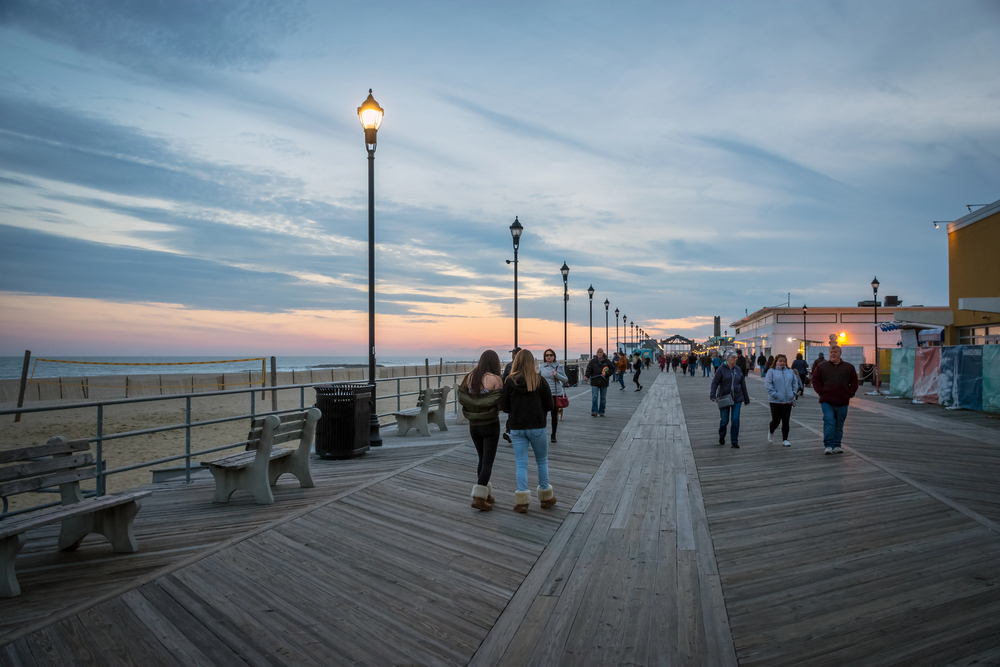
The Jersey Shore is one of the most popular seasonal beach destinations on the East Coast, and it carries a persistent water quality problem driven by combined sewer overflow discharges from northern New Jersey cities. Heavy rainfall sends sewage and stormwater through the same pipes, overwhelming treatment capacity and pushing untreated waste into the waterways that eventually reach the shore.
Advisories in Asbury Park and surrounding communities have become a reliable feature of summer, particularly in the weeks following heavy rain.
Miami Beach, Florida
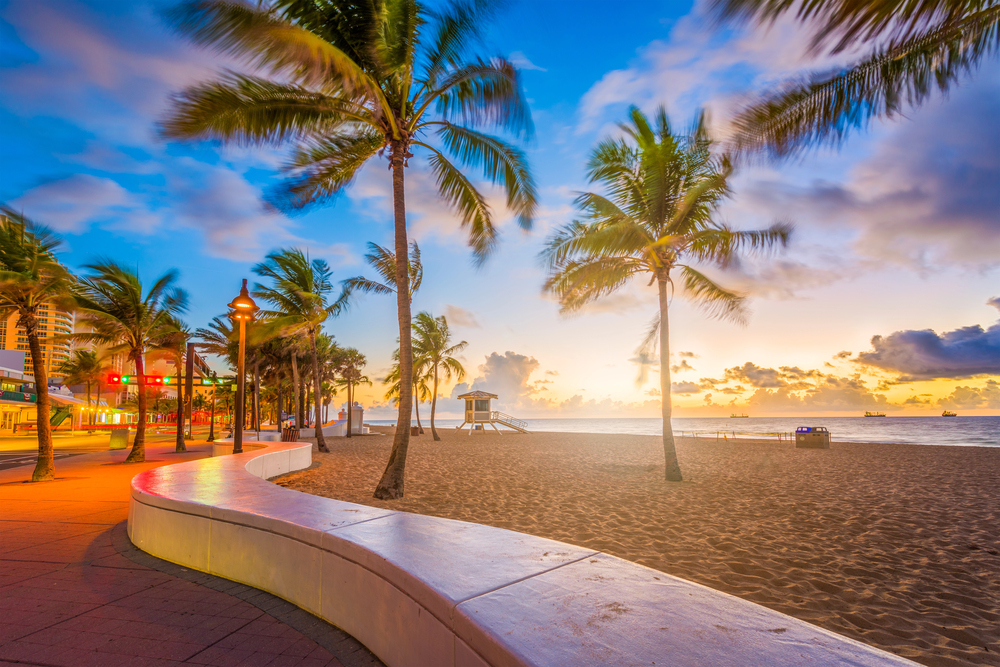
In July 2024, health officials in South Florida issued water quality advisories for Golden Beach and sections of Miami Beach after routine testing detected elevated enterococcus levels — bacteria associated with fecal contamination. Advisories at Miami Beach are tied largely to stormwater runoff events after rain, and the city’s aging drainage infrastructure makes the problem predictable.
Visitors who check the county health department’s beach monitoring page before entering the water typically fare better than those who don’t.
Crystal River Area Beaches, Florida
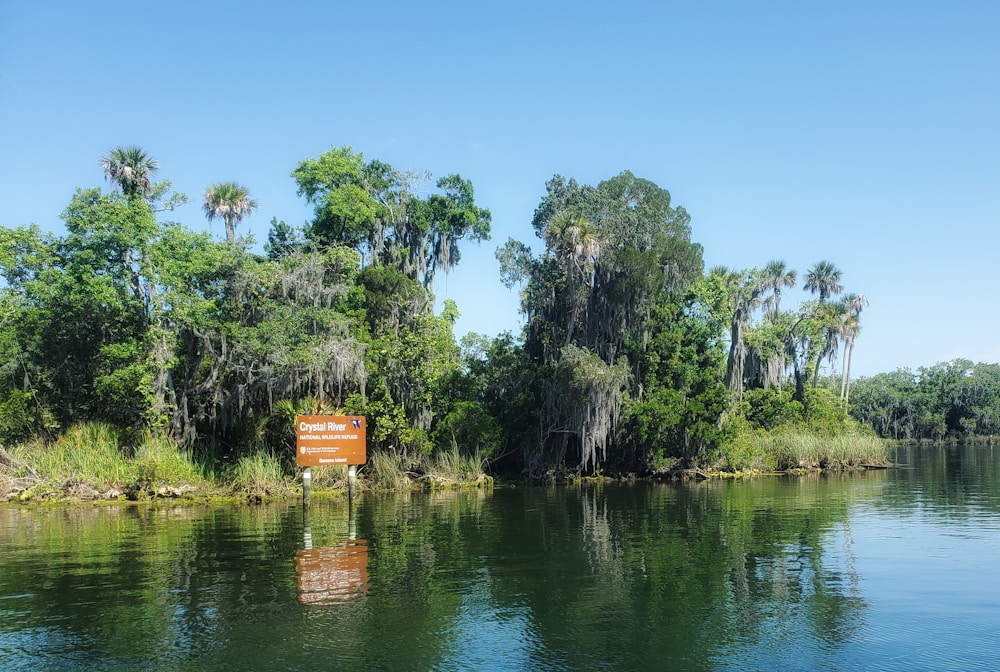
Beaches around Crystal River have appeared on water quality advisory lists with enough regularity to draw attention. The Gulf of Mexico coastline in this area is affected by agricultural runoff from the surrounding watershed, contributing nitrogen and phosphorus loads that promote algae growth and stress marine ecosystems.
The combination of agricultural and stormwater sources makes single-point remediation difficult.
Rehoboth Beach, Delaware
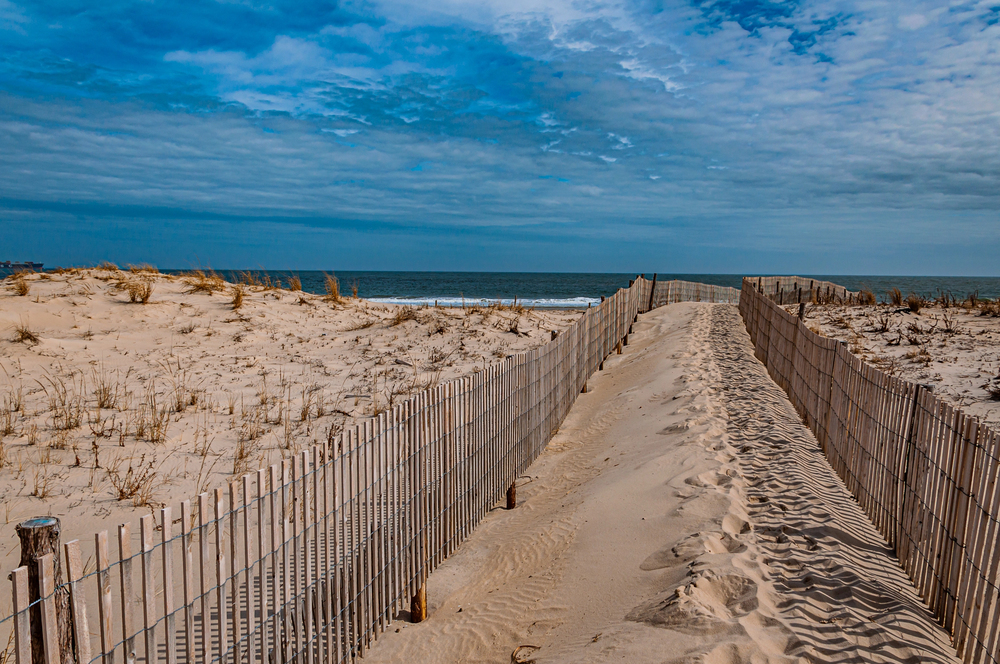
At Rehoboth Beach, a family of 12 reported gastrointestinal illness following a day in the water during the summer of 2025 — a documented, specific example of what the bacteria advisories actually mean for real visitors. Rehoboth is among the East Coast beaches flagged in the Environment America 2024 analysis, and its proximity to agricultural land and its heavy seasonal use both contribute to elevated contamination risk after rainfall.
Ogunquit, Maine
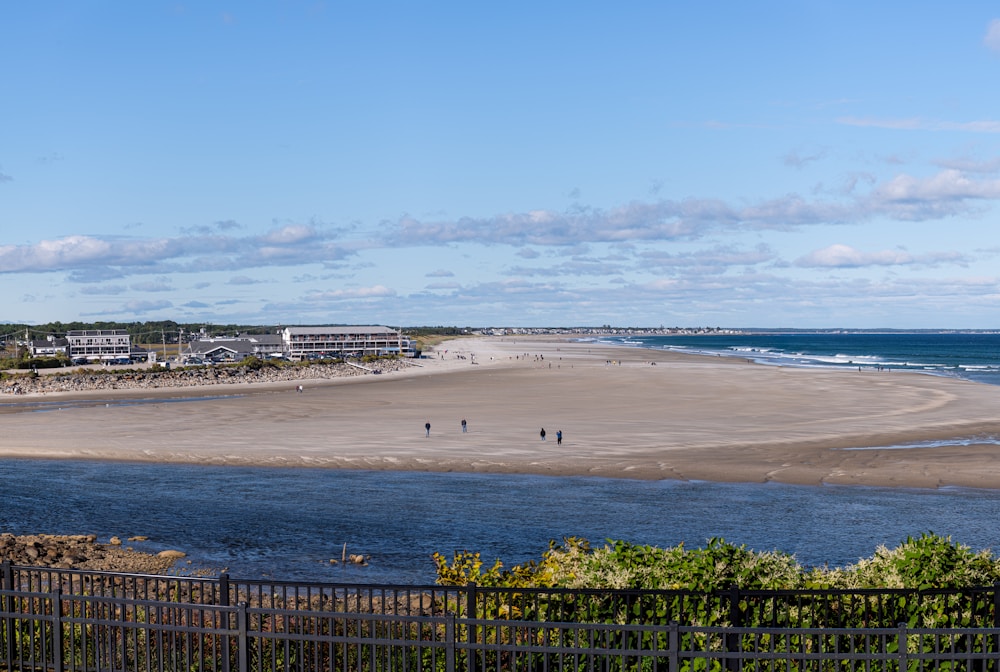
Ogunquit Beach is one of the most-visited stretches of sand in New England, known for clean surf and a family-friendly atmosphere — which makes the recurring water quality advisories there all the more jarring to visitors who arrive expecting otherwise. Elevated bacteria levels have been detected following heavy rain events, driven by stormwater runoff and the beach’s location at the mouth of the Ogunquit River, which collects pollution from a large inland area before it reaches the coast.
Isle of Wight Beaches, England
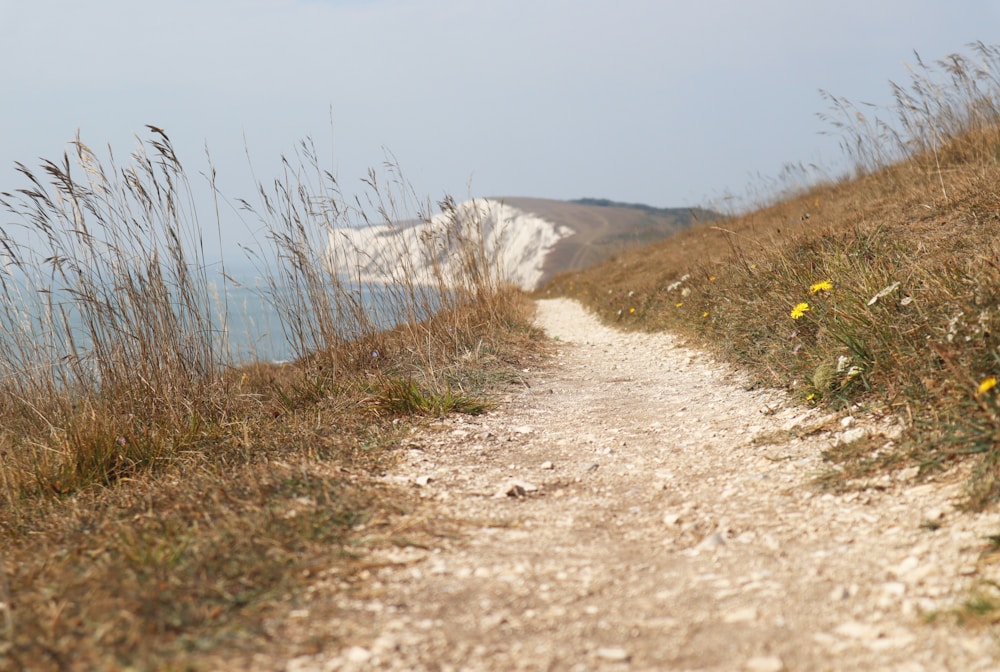
The Isle of Wight is a UNESCO Biosphere Reserve and one of the UK’s most beloved domestic beach destinations, but several of its beaches have been contaminated by raw sewage discharged from combined sewer overflow pipes running directly onto the foreshore. Ryde Beach is among the most affected, with residents reporting visible discharge pipes and swimmers getting sick after entering the water.
Southern Water, the local utility, announced a £50 million investment in improvements, but campaign groups have noted that the island’s water quality problems long predate the public’s awareness of them.
Beaches Across England Generally
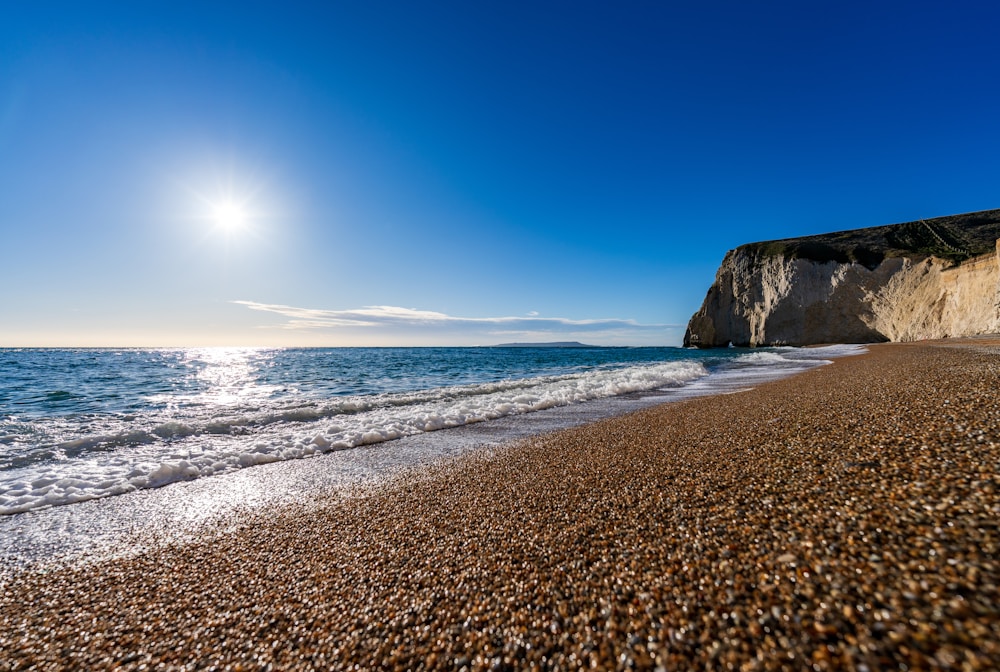
In 2024, the percentage of England’s official swimming spots rated “poor” for water quality nearly doubled to 8.2 percent — the highest since the current rating system was introduced in 2015. Water companies in England reported 2,487 pollution incidents that year, a 30 percent increase against the Environment Agency’s stated reduction target, and a 30-day snapshot in the same period showed more than 6,000 sewage discharges at beaches across England, Scotland, and Wales.
The campaign group Surfers Against Sewage received 1,853 illness reports from the public in one year — an average of five people per day.
Wallasey Beach, Birkenhead, England

Wallasey recorded 2,201 sewage spill events in 2024 — the highest of any location in the UK for that year. The beach sits near the mouth of the Mersey estuary, and the combined pressure of high-density urban development and Victorian-era sewer infrastructure means that almost any significant rainfall event results in overflows reaching the water.
Local swimmers have largely stopped using the beach.
Exmouth Beach, Devon, England
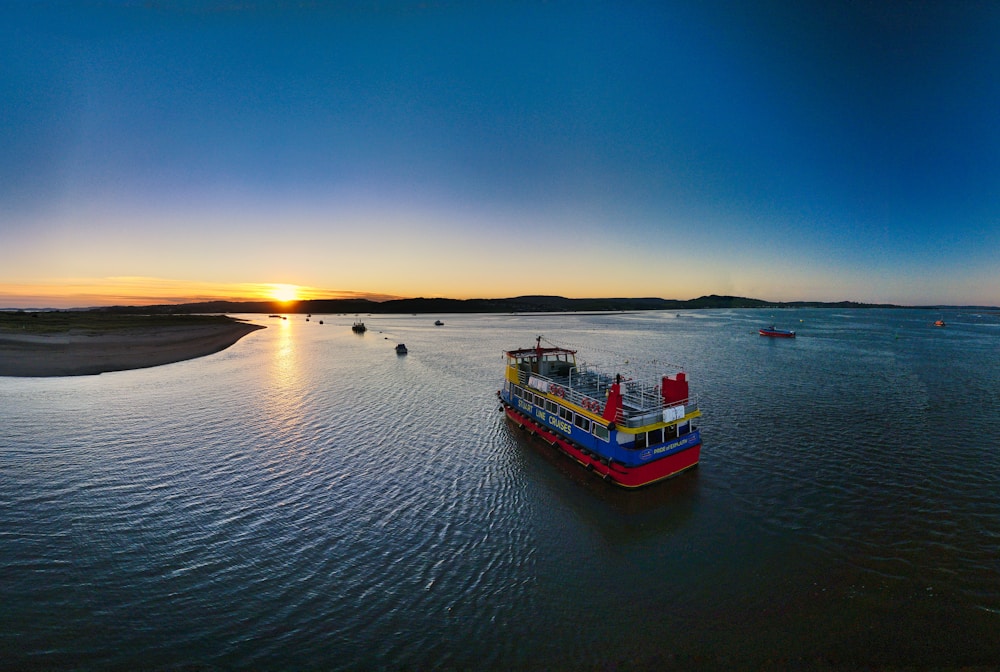
Exmouth showed the sharpest decline of any location in an internal Environment Agency winter water quality study published in late 2024. The campaign group ESCAPE, which represents water users in the area, described the results as “deeply concerning” and pointed to ongoing sewage discharges from South West Water, whose local customers pay among the highest wastewater bills in the country yet consistently receive some of the worst water quality outcomes.
Bali, Indonesia
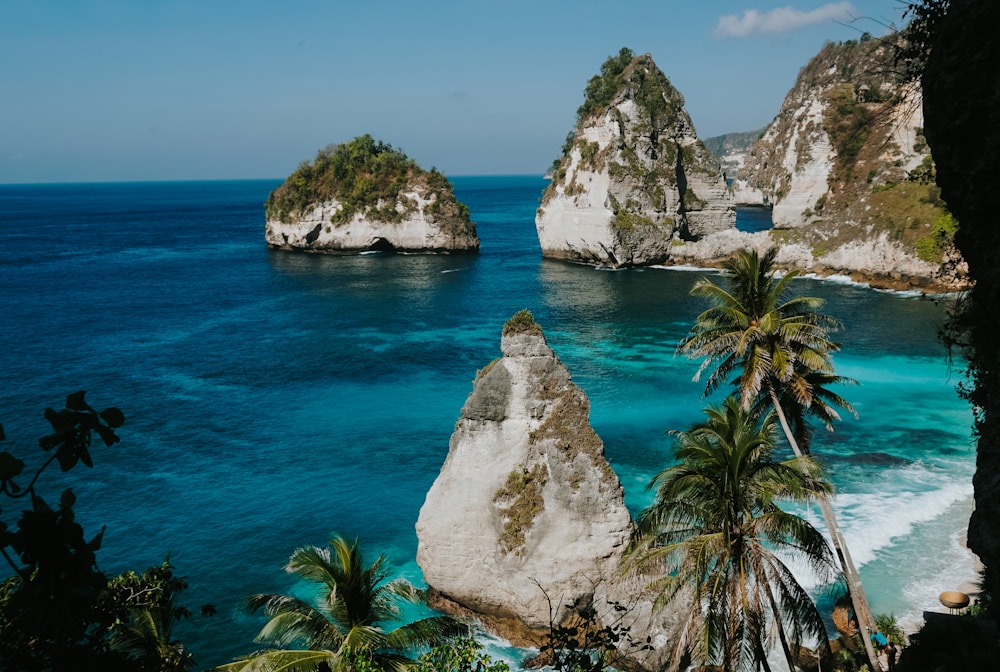
Bali generated 303,000 tons of plastic waste in 2023, of which only 7 percent was recycled — a ratio that organizations working on the island have described as a “plastic apocalypse.” The water is affected by multiple overlapping sources: industrial and agricultural pollution, domestic wastewater from a tourism infrastructure that expanded faster than its treatment systems, and the sheer volume of visitors, which reached 6.3 million international arrivals in 2025.
Kuta Beach and the surrounding areas bear the most visible evidence, though the problem is island-wide.
Kuta Beach, Bali, Indonesia

Kuta Beach, the island’s most famous tourist stretch, becomes particularly bad in the wet season when monsoon rains wash accumulated inland waste directly into the surf. Early 2025 brought piles of trash and debris to Kuta and neighboring beaches following heavy rains, a pattern that repeats with enough regularity to have stopped surprising locals.
The water itself is often discolored near the shoreline after rain events.
Koh Samui, Thailand
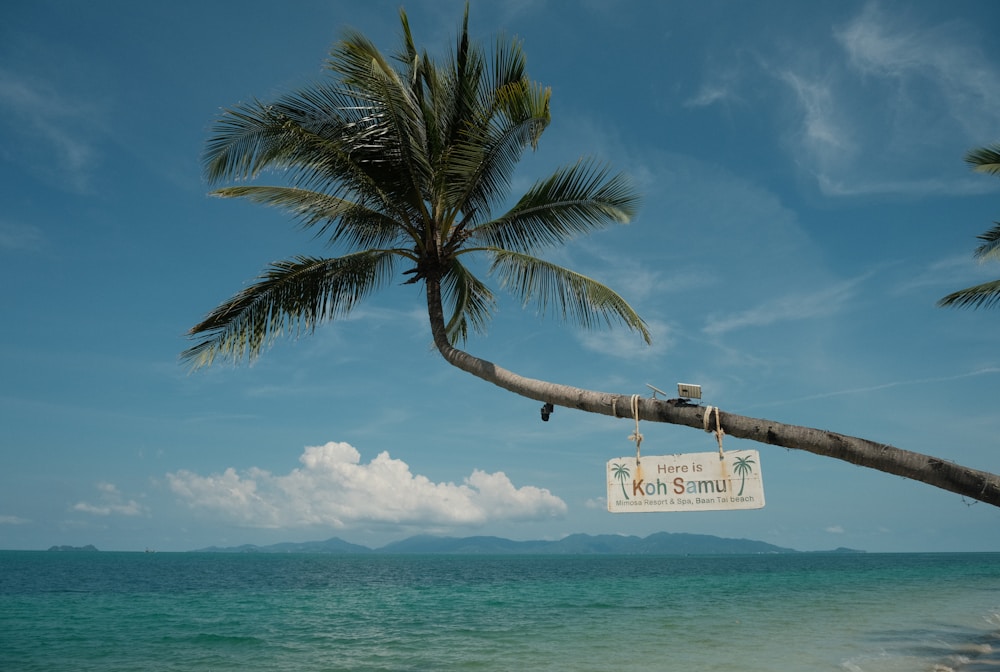
Koh Samui receives more than 3 million visitors annually on an island only 95 miles in circumference, and its waste management infrastructure has not scaled to match. The wastewater and stormwater systems in the popular beach areas along Chaweng and Lamai have been flagged in multiple environmental assessments, and concerns about water quality were prominent enough that Fodor’s included the island on its 2025 “no-go” list.
The White Lotus effect — the HBO series filmed on the island — is expected to drive further visitor increases that environmental groups say will worsen existing pressure.
Maya Bay, Koh Phi Phi, Thailand
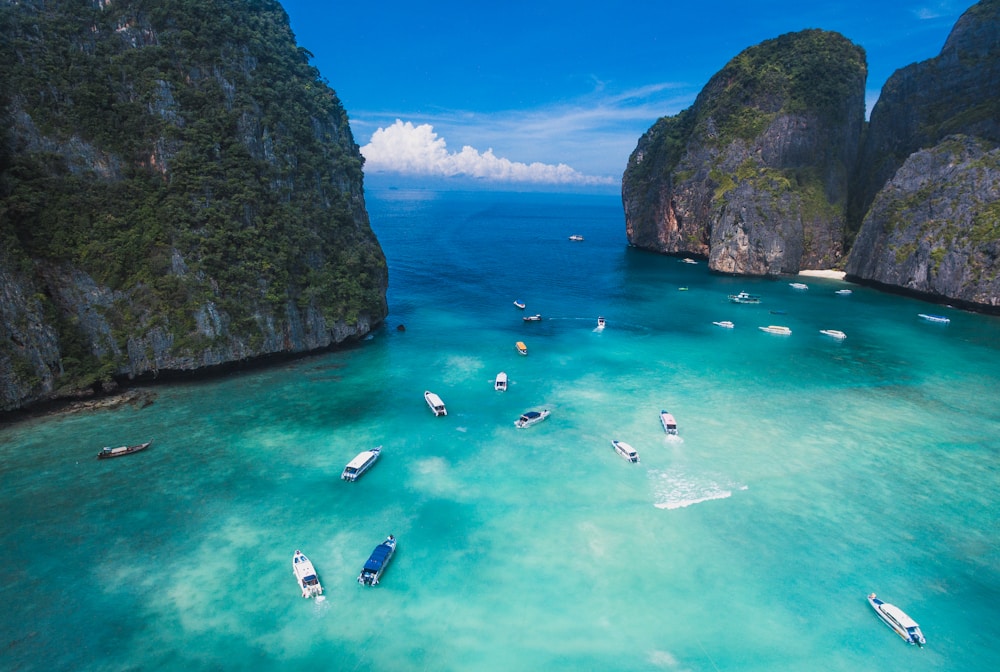
Maya Bay was so damaged by overtourism — with up to 5,000 visitors per day at peak — that authorities closed it entirely for four years, reopening in 2022 with a daily visitor cap and a ban on boats entering the bay. Coral recovery has been partial, and the water clarity has improved since the closure, but the bay remains under strict management precisely because the damage inflicted during its peak popularity years was severe enough to nearly destroy the ecosystem entirely.
Boracay, Philippines
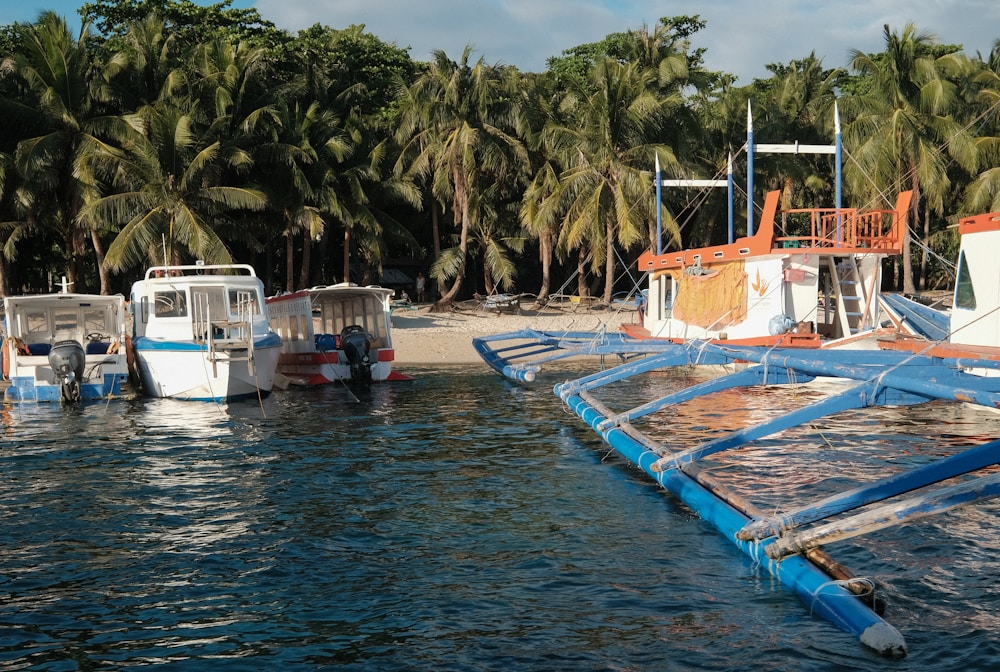
Boracay was closed by the Philippine government for six months in 2018 after President Duterte described it as a “cesspool” — a characterization backed by water quality testing that found fecal coliform levels far exceeding safe swimming standards. The closure was followed by a major cleanup and infrastructure upgrade, and the island has since recovered significantly.
However, subsequent visitor increases have continued to place pressure on the wastewater systems, although the island generally continues to meet significantly better water-quality standards than before the 2018 closure.
Phuket, Thailand
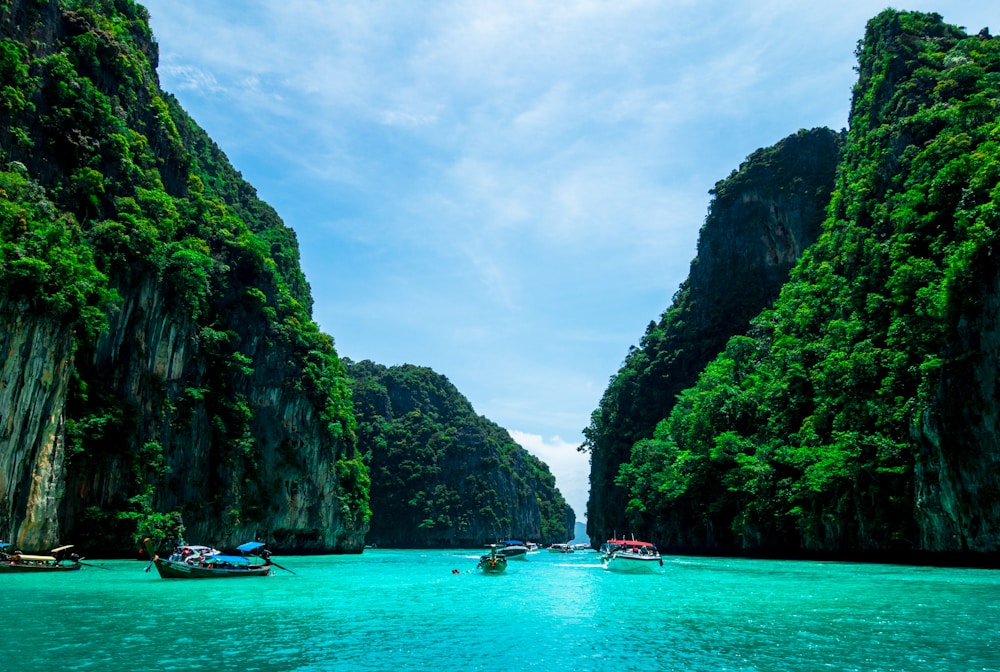
Phuket’s beach water quality varies sharply by location and season, with several popular tourist beaches — particularly around Patong — affected by wastewater discharge from hotels and guesthouses that lack adequate treatment facilities. The Thai government has increased enforcement of wastewater standards, but the sheer volume of development along Phuket’s coastline means enforcement is uneven, and monitoring data from wet-season testing has consistently shown elevated bacteria counts at several of the island’s busiest beaches.
Cancún Hotel Zone, Mexico
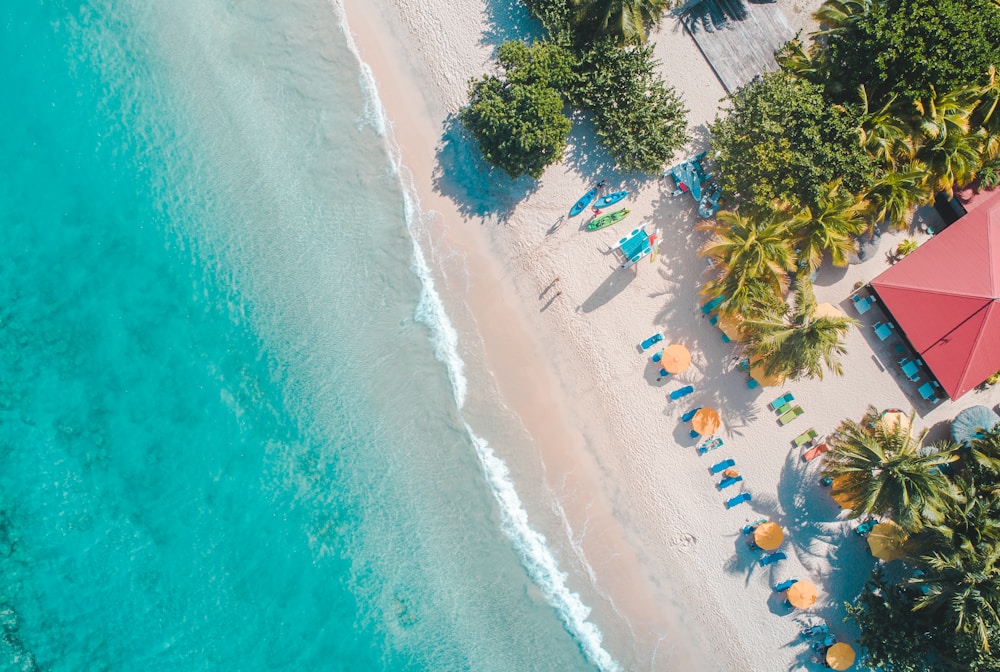
The Cancún Hotel Zone stretches 14 miles along the Caribbean coast and accommodates millions of visitors annually, and the wastewater load from that volume of hotels and visitors has placed consistent pressure on the marine environment. Sections of the Hotel Zone lagoon and some beach areas have experienced degraded water quality related to nutrient enrichment and stormwater overflow.
The broader coral reef system in the area — already stressed by warming ocean temperatures — is further affected by the effluent that reaches the coastal waters.
Acapulco, Mexico
Acapulco Bay has been affected by sewage leaks from beachfront hotels for years, with a particularly visible incident in 2020 when a broken sewer line turned the ocean water in the bay a putrid black color. The city’s sewer infrastructure, much of it aging, regularly discharges partially treated or untreated wastewater into the bay, and a 2020 Reuters report documented a second dark sewer leak at a different beachfront hotel within days of the first incident.
The city’s safety challenges have drawn most of the public attention, but the water quality issues predate its other difficulties.
Lake Erie Beaches, Ohio and Pennsylvania
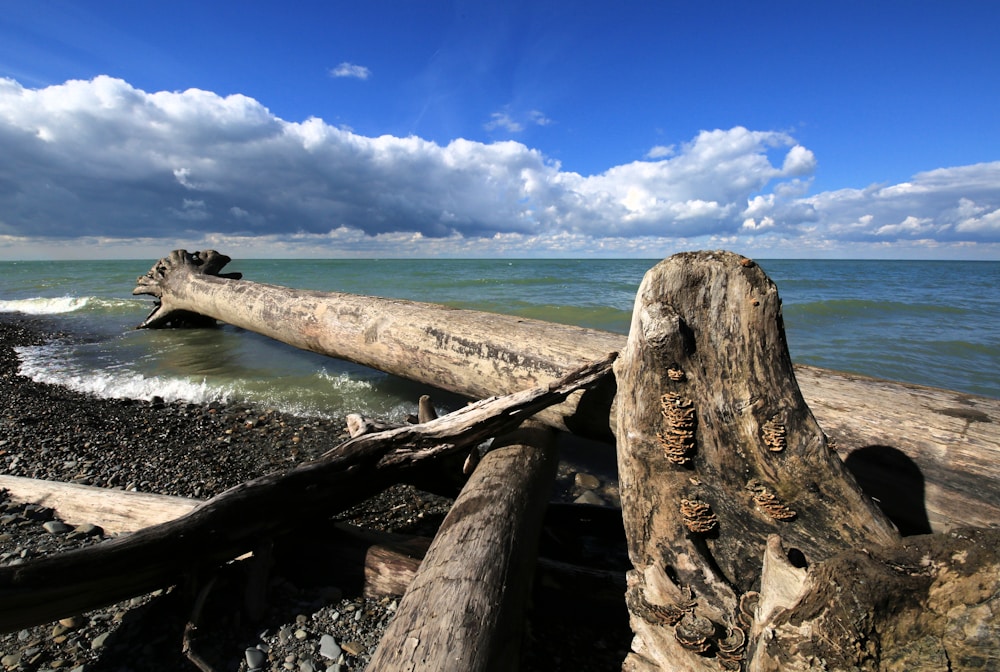
Lake Erie beaches — including those at Presque Isle State Park in Pennsylvania and Headlands Beach State Park in Ohio — experience recurring bacteria closures driven by agricultural runoff from the heavily farmed surrounding watershed. Nutrient pollution from fertilizer runoff also promotes harmful algae blooms that can produce toxins dangerous to both swimmers and pets.
Great Lakes beaches as a whole exceeded EPA water quality thresholds at 71 percent of tested locations on at least one day in 2024, according to Environment America’s annual report.
Barcelona’s Barceloneta Beach, Spain
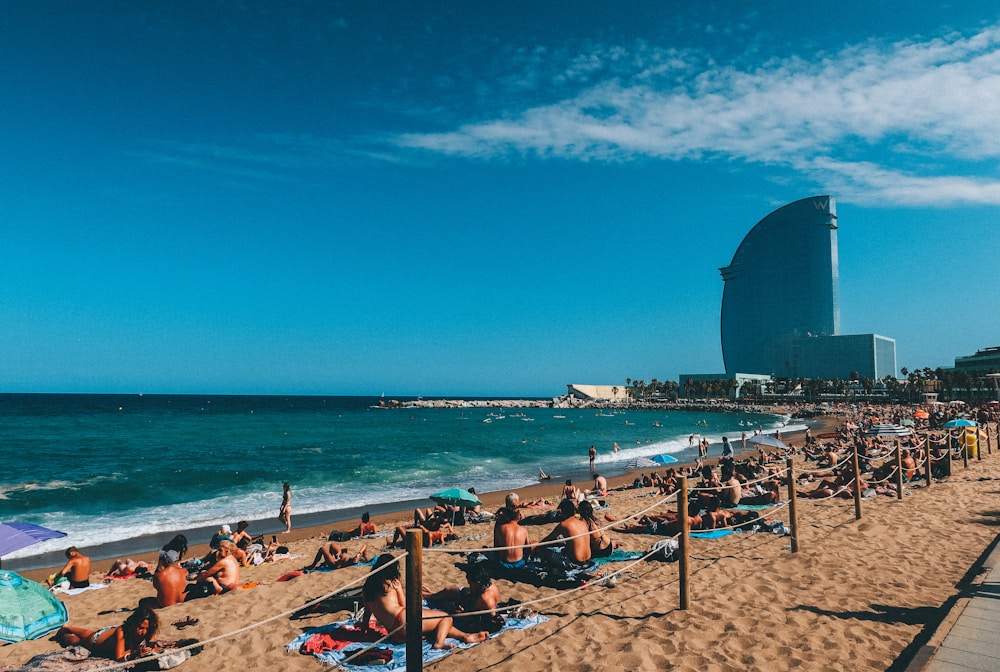
Barceloneta Beach draws tens of millions of visitors each year to a stretch of sand that has experienced water quality problems linked to the city’s combined sewer overflow events and marine traffic in the nearby port. The beach has passed EU water quality standards in most recent testing cycles, but residents who swim there year-round — rather than just in summer — have reported more variable conditions than the official ratings suggest.
Barcelona’s wider overtourism crisis has made any water quality issue more visible, given the intensified scrutiny the city faces from both locals and regulators.
Sardinia’s Pelosa Beach, Italy
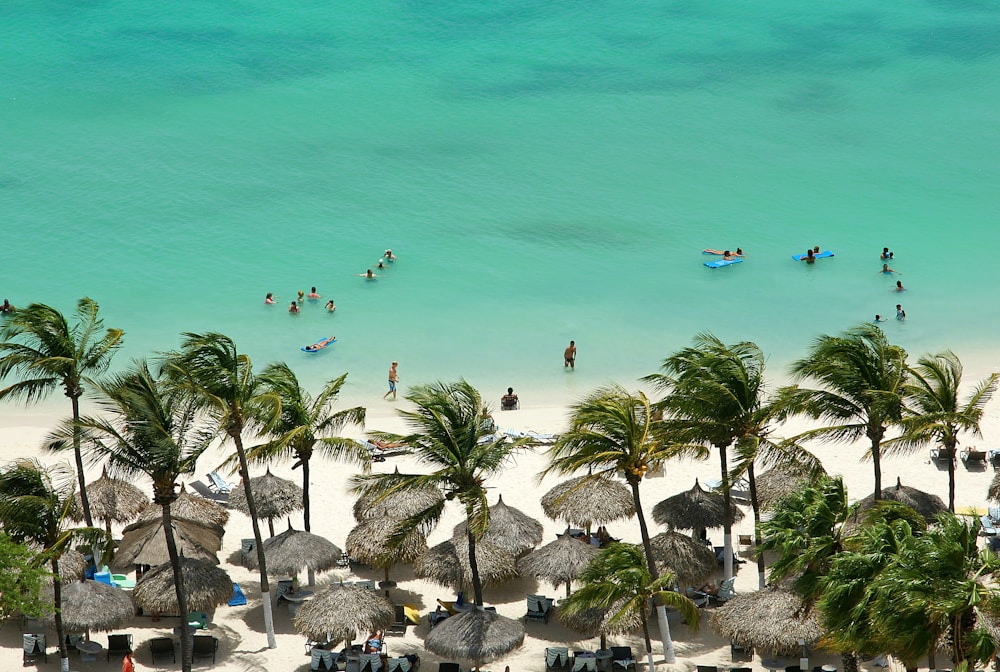
La Pelosa Beach on Sardinia’s northwest coast was once considered one of the most beautiful beaches in the Mediterranean, known for its turquoise shallows and white sand. The influx of visitors — at peak, several thousand per day — caused visible erosion, sand loss from people carrying grains away on wet bodies, and the kind of concentrated human presence that degrades ecosystem health through heavy visitor pressure, sunscreen runoff, littering, and disturbance of the seabed.
Authorities now require entry fees and mandate that visitors use mats rather than towels to trap sand.
The Pattern Behind the Problem
The destinations on this list span different continents, income levels, and regulatory environments, but they share a common thread: they became popular faster than the infrastructure around them could cope. Sewage treatment systems designed for smaller populations, stormwater drains that discharge directly to sea, and coastlines developed without adequate wastewater planning all contribute to the same outcome regardless of geography.
The beach looks the same from the towel as it did in the brochure. The water doesn’t always match.
What this list is not is a reason to stop going to beaches entirely — most of the locations above have clean water on many of their testing days, and the advisories that do get issued are often short-lived. What it is, is a reason to check the water quality monitoring data for your destination before you arrive, particularly in the days following heavy rain.
That data exists for nearly every beach on this list. The information is free.
Using it takes about 90 seconds, and it’s the difference between an informed swim and an avoidable illness.
More from Travel Pug

- Underrated Italian Towns That Beat the Tourist Crowds
- Las Vegas Tourist Traps to Skip
- Prettiest Towns in Every US State
- 18 passport-free countries for Americans
- Signs Your Cruise Is Not Worth The Cost
Like Travel Pug’s content? Follow us on MSN.