

There’s a small, specific window in most popular beach destinations when the sand is still visible and the water still feels like it belongs to the people swimming in it. In the places on this list, that window closes fast, usually somewhere between breakfast and lunch.
None of these places stopped being beautiful. They just stopped being uncrowded a long time ago.
Ocean City, Maryland
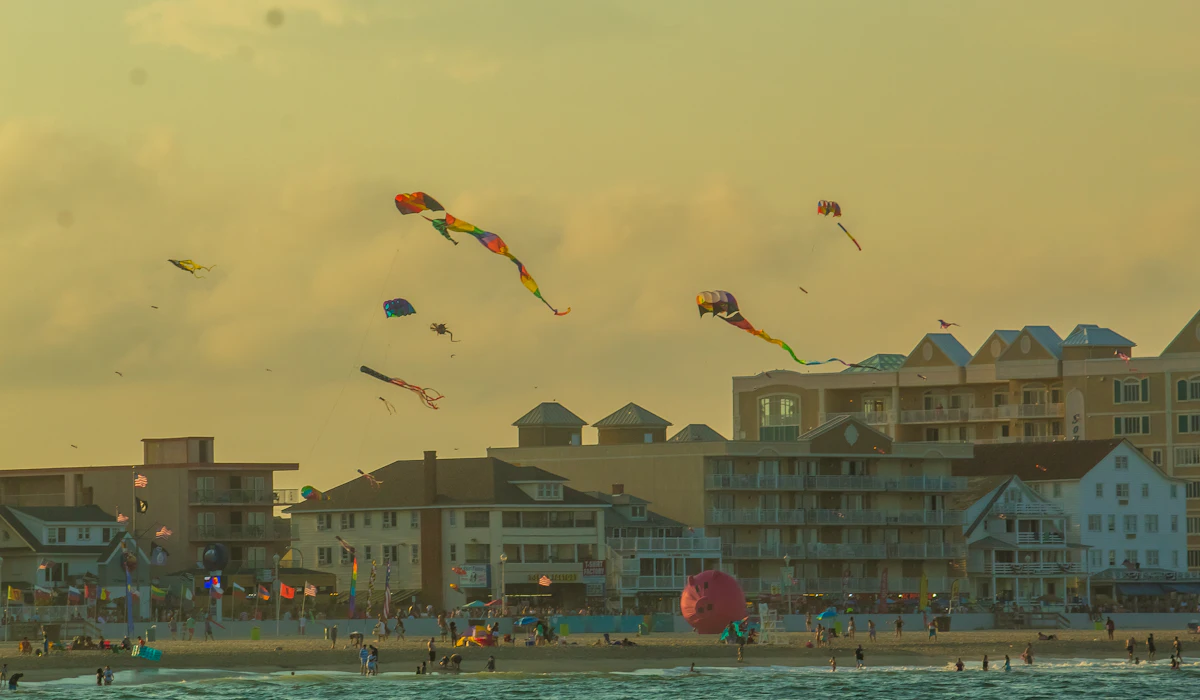
This ten-mile barrier island draws so many summer weekend visitors from Washington and Baltimore that boardwalk parking often fills before 10 a.m., pushing latecomers into paid lots blocks from the sand. Its population can swell from roughly 7,000 year-round residents to well over 300,000 on a peak summer weekend.
Myrtle Beach, South Carolina
Home to one of the densest concentrations of hotels and vacation rentals on the U.S. East Coast, Myrtle Beach’s Grand Strand draws over 20 million visitors annually to a coastline barely 60 miles long.
Beach chair and umbrella rental stands routinely sell out of prime real estate near the boardwalk well before noon in peak summer.
Cancún, Mexico
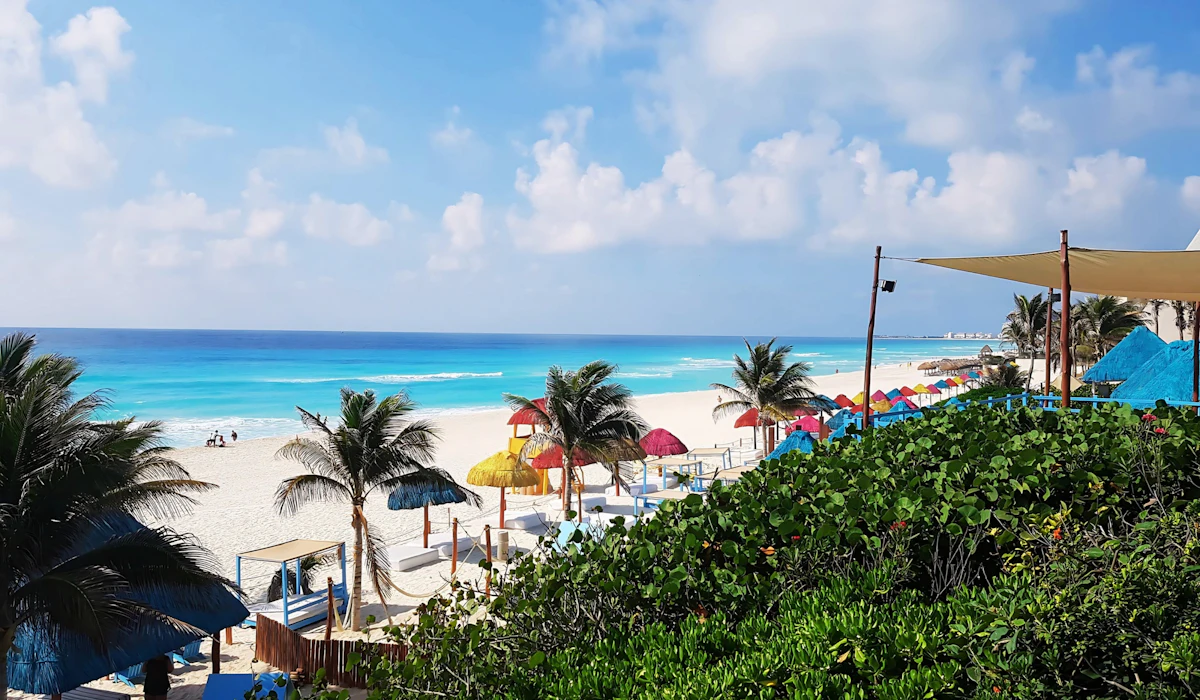
The Hotel Zone’s narrow strip of beach, wedged between the Caribbean and a lagoon, concentrates nearly all of the city’s resort towers along a single seven-mile stretch of sand. All-inclusive resort guests tend to claim loungers early, leaving little open beach space for day-trippers by mid-morning.
Positano, Italy
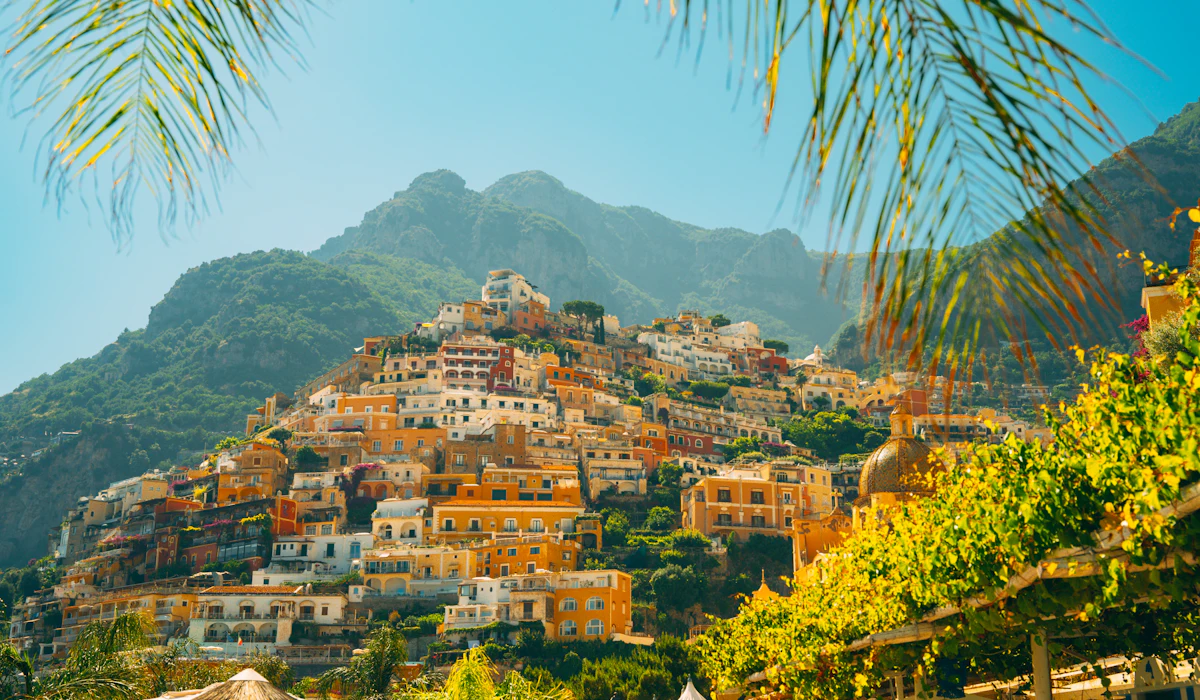
Built vertically into a cliffside with almost no flat ground, Positano’s main beach, Spiaggia Grande, is small enough that a single cruise ship’s worth of day-trippers can noticeably crowd it. Sunbeds on the public section fill quickly, pushing many visitors toward pricier private beach clubs by late morning.
Oia, Santorini

Famous for sunset views rather than swimming, Oia’s narrow cliffside paths become so congested with visitors by mid-morning that local authorities have at times restricted cruise ship passenger numbers. The town’s actual beaches sit well below the clifftop village, reachable by long staircases or winding roads.
Copacabana, Rio de Janeiro
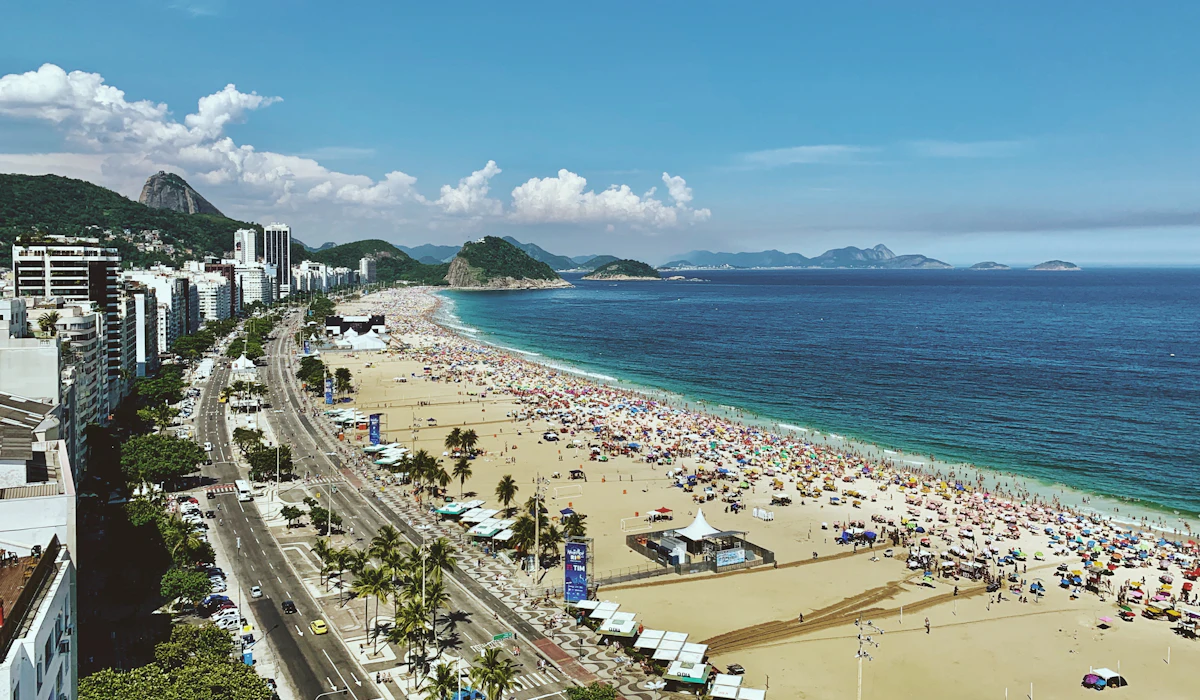
This four-kilometer arc of sand in central Rio can hold hundreds of thousands of people during major events, but even on an ordinary summer weekend, the beach’s proximity to dense residential towers means it fills quickly with local residents before tourists even arrive. Vendors selling food and drinks navigate through packed rows of towels and umbrellas for most of the day.
Bondi Beach, Sydney
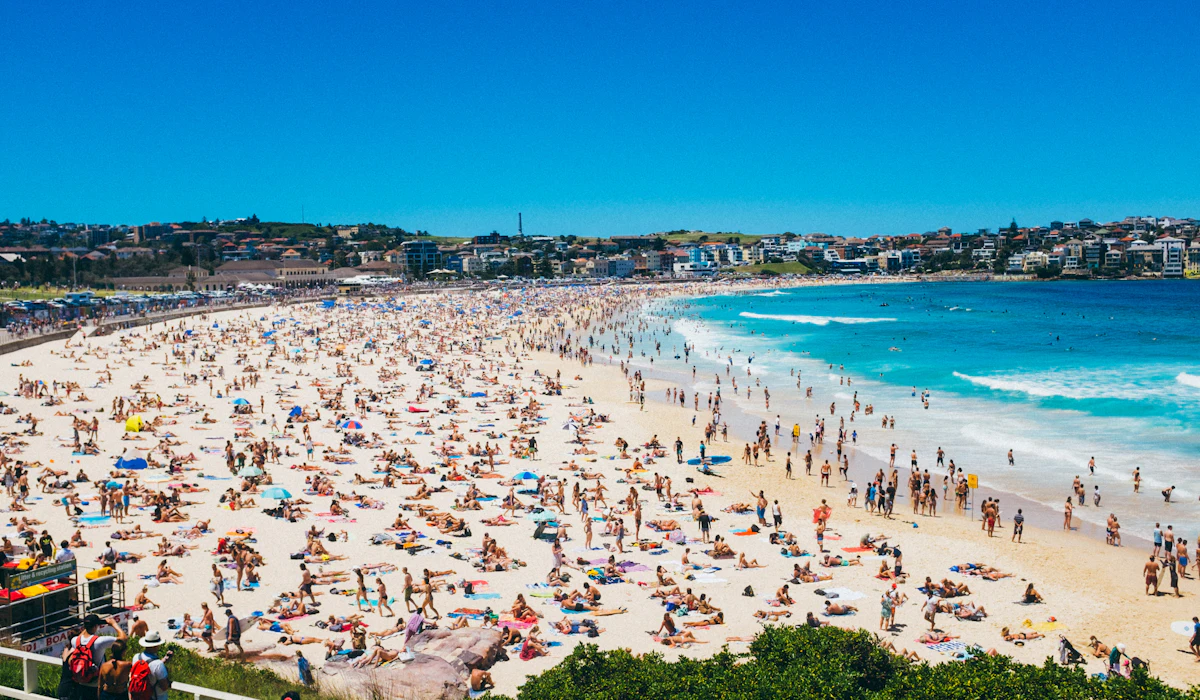
Australia’s most famous beach sits just minutes from central Sydney, making it an easy day trip for both tourists and locals, a combination that regularly overwhelms its modest kilometer of sand. Weekend mornings bring a steady stream of joggers, swimmers, and beachgoers along the coastal walk before most visitors have even had breakfast.
Boracay, Philippines
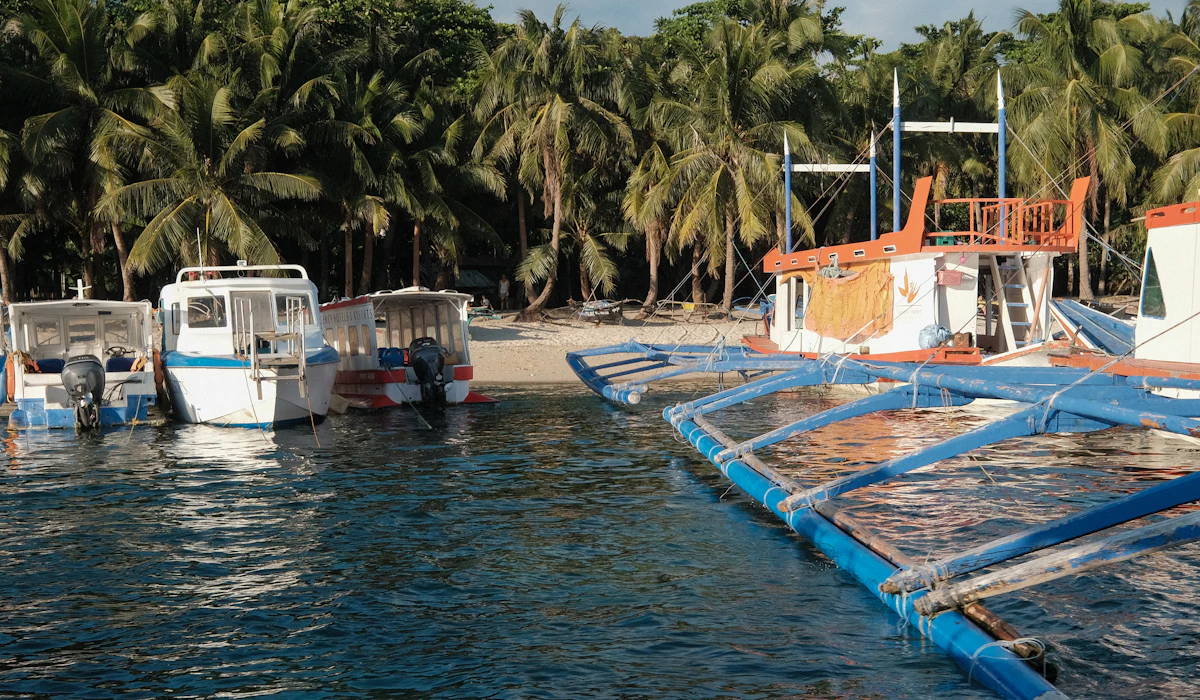
The island’s famous White Beach was closed entirely for six months in 2018 for environmental rehabilitation after years of over-tourism strained its sewage infrastructure. Even under the visitor limits introduced since reopening, the beach’s central stretch fills with sunbathers and water-sport touts well before the afternoon.
Patong Beach, Phuket
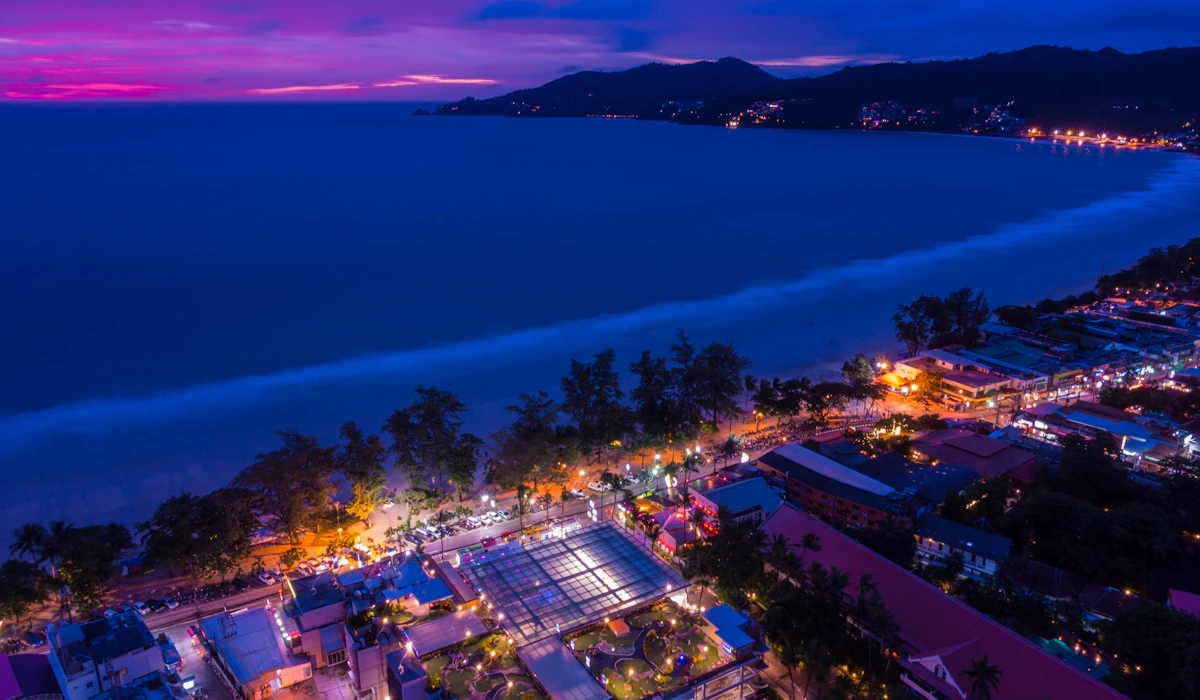
Thailand’s most developed beach town packs high-rise hotels, bars, and vendors along a stretch of sand that’s noticeably smaller than its reputation suggests. Jet ski operators and beach chair vendors compete for space so aggressively that finding an open patch of sand by mid-morning often means walking well past the main strip.
Ibiza Town, Spain
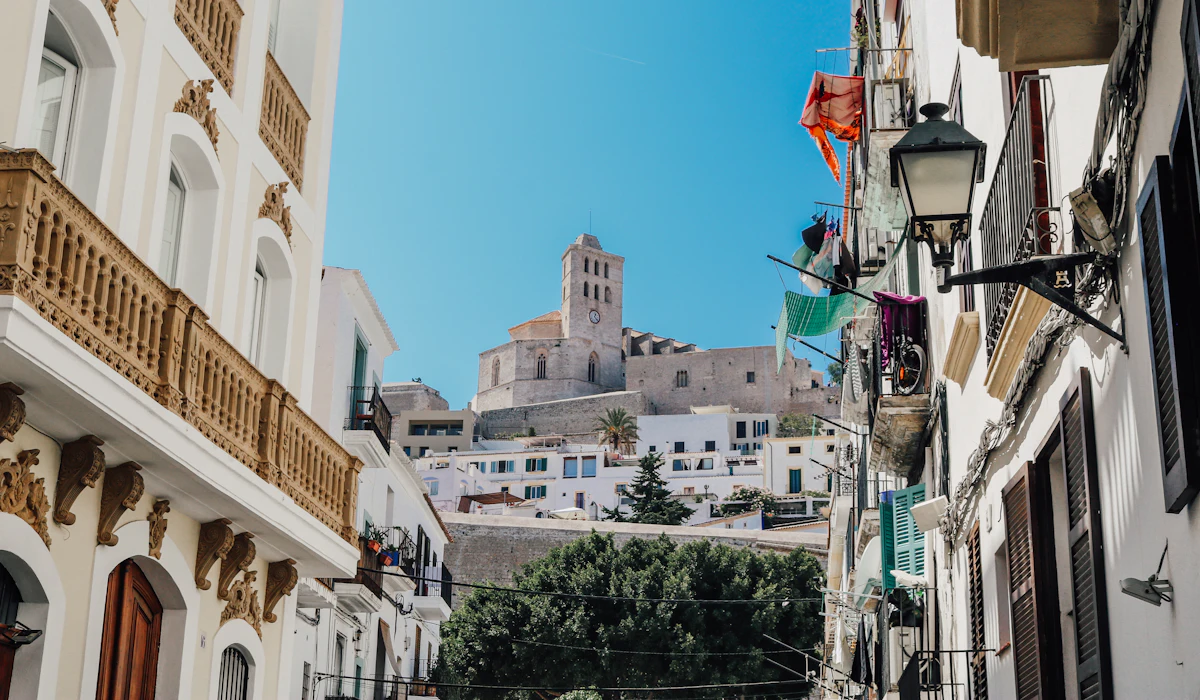
Best known internationally for its nightlife, Ibiza’s coastal beaches near the old town fill early with visitors recovering from the previous night out, creating a midday crowd that has as much to do with sleep schedules as sunbathing preference. Beach clubs charging premium rates for loungers reach capacity earlier every summer.
Nice, France
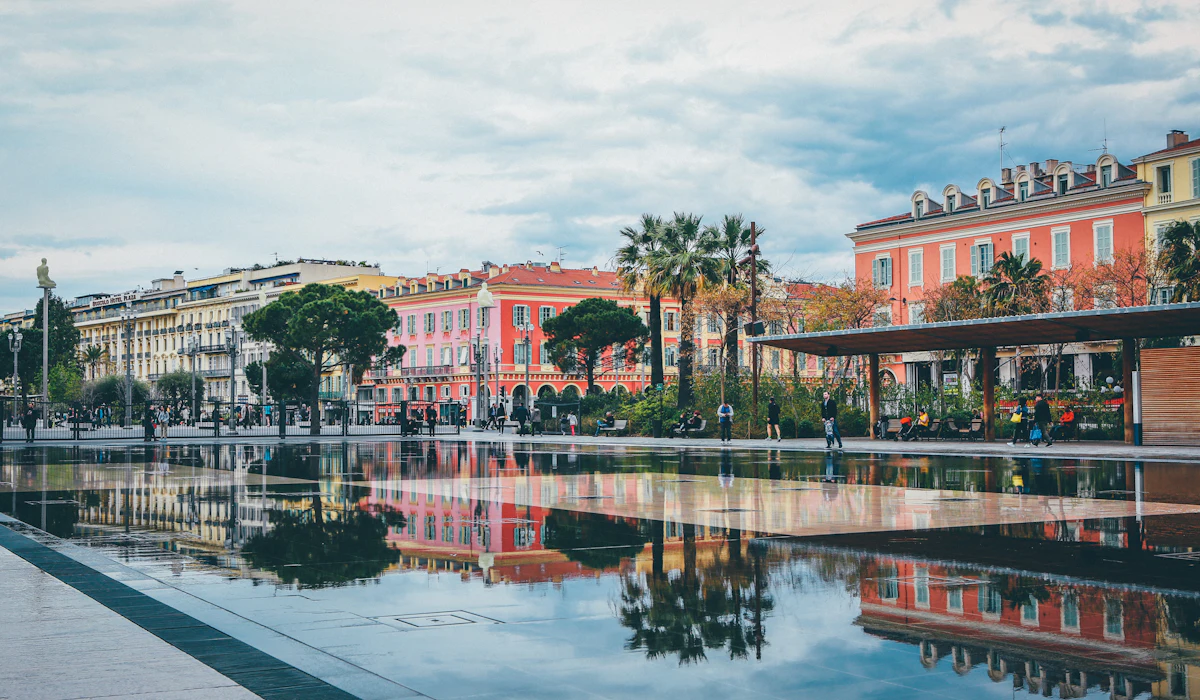
The French Riviera’s rocky, pebbled beaches along the Promenade des Anglais offer far less usable space per visitor than a comparable sand beach, meaning crowding sets in earlier than the total visitor numbers might suggest. Free public sections fill first, pushing many visitors toward paid beach concessions by late morning.
Monterosso al Mare, Cinque Terre
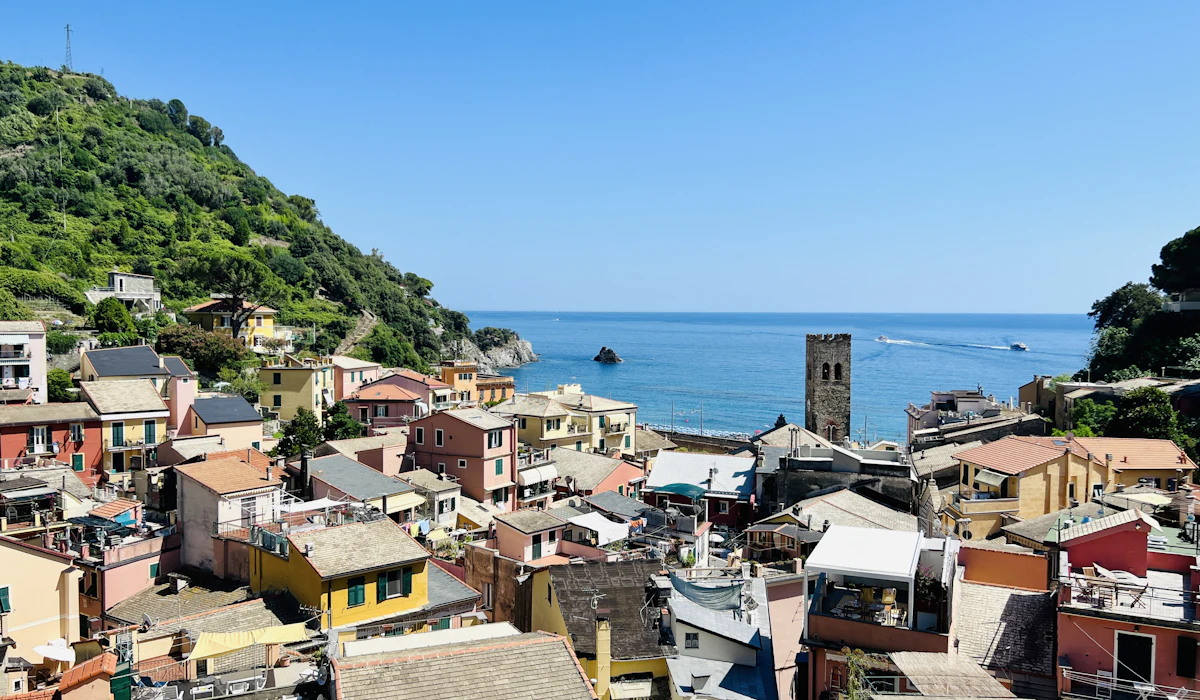
The only Cinque Terre village with a real sand beach, Monterosso absorbs a disproportionate share of the region’s day-trippers, many arriving by train from Florence or Pisa for a single afternoon. Its narrow beach can feel entirely claimed by beach umbrellas before the first regional train of the morning has even emptied out.
Venice Beach, Los Angeles

The boardwalk’s mix of street performers, vendors, and the famous outdoor gym draws large crowds well before the beach itself gets busy, but weekend parking near the sand routinely disappears by mid-morning. Visitors without a car often report walking considerable distances after circling for parking that never materializes.
South Beach, Miami
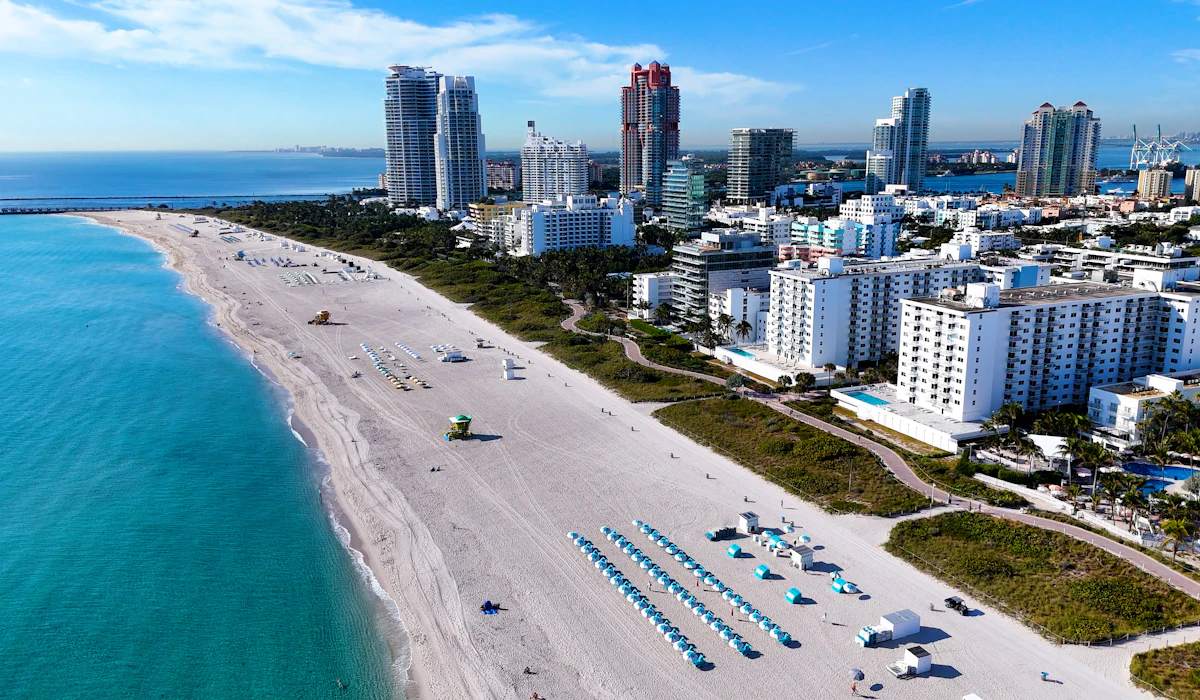
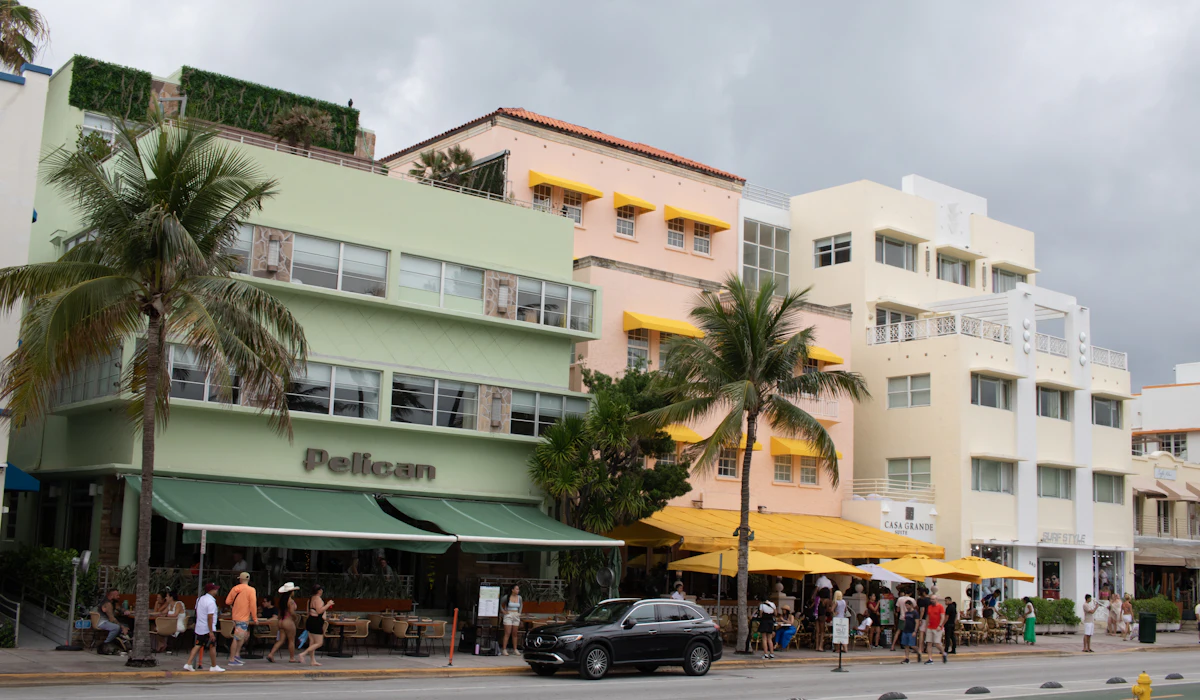
Ocean Drive’s dense strip of Art Deco hotels sits directly against a beach that fills quickly with both tourists and a significant local scene, especially on weekends. Beach chair and umbrella rental operators often have limited premium space claimed before 10 a.m. during high season.
Waikiki, Honolulu
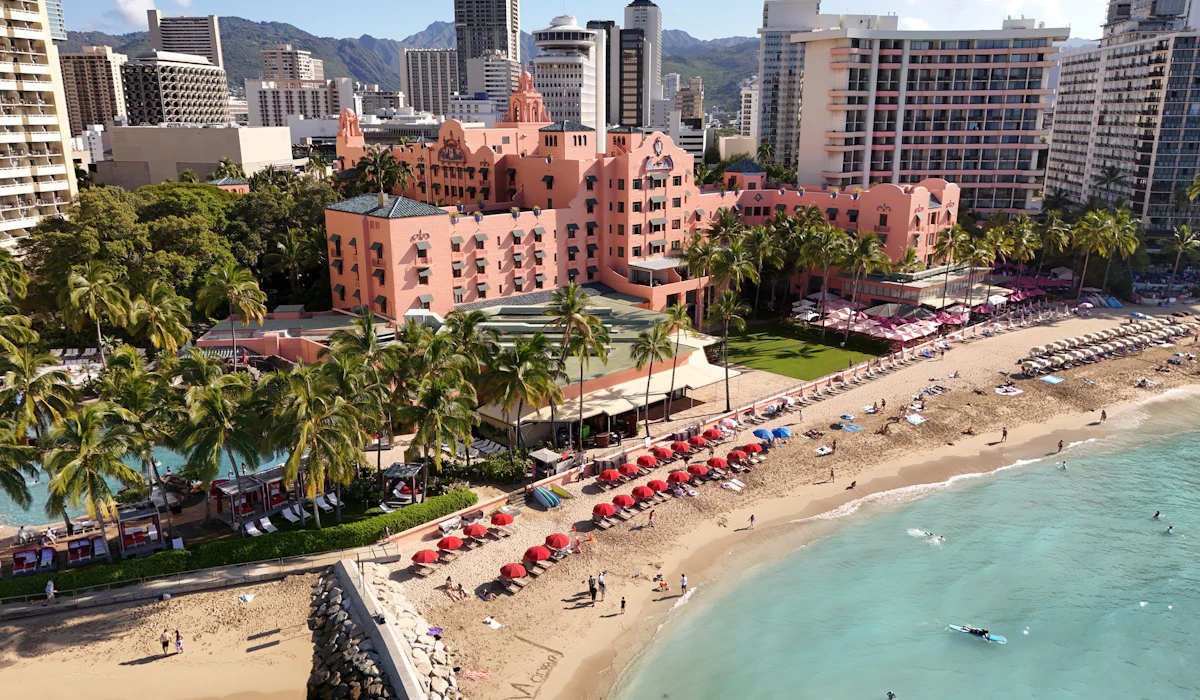
A famously narrow strip of imported sand, much of Waikiki Beach is only a few dozen meters deep at high tide, concentrating an enormous number of hotel guests onto a comparatively tiny footprint. Surfboard and outrigger canoe rental stands crowd the shoreline enough that simply walking along the water’s edge can require weaving through equipment.
Brighton, England
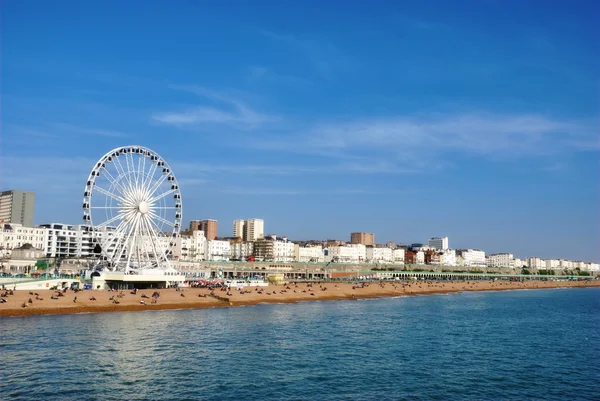
On the rare hot summer weekend, Brighton’s pebble beach becomes one of the most crowded stretches of coastline in southern England, drawing day-trippers from London by train in large enough numbers to overwhelm the town’s parking and beachfront paths. The pebbles themselves mean less usable lounging space than an equivalent sand beach would offer.
Zandvoort, Netherlands
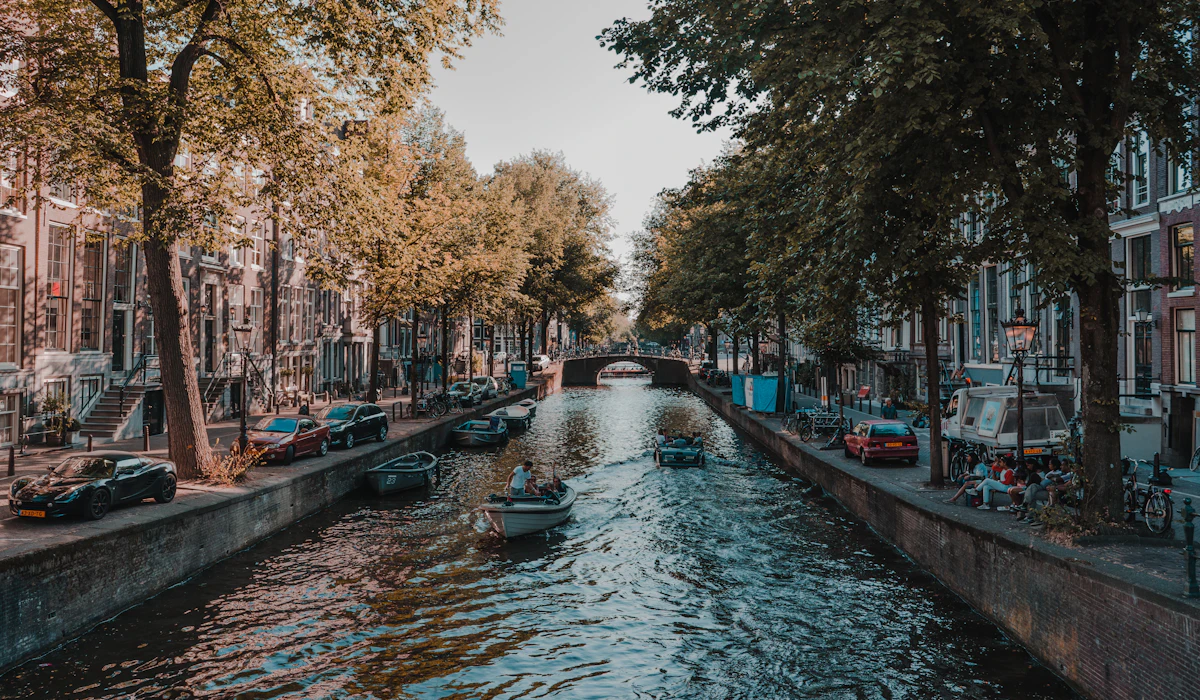
The closest beach town to Amsterdam by train, Zandvoort absorbs huge numbers of day-trippers on any warm weekend, filling its beach clubs and rental umbrella rows well before midday. Dutch beach culture’s reliance on paid beach club sections, rather than free open sand, means good spots become scarce early.
Marbella, Spain
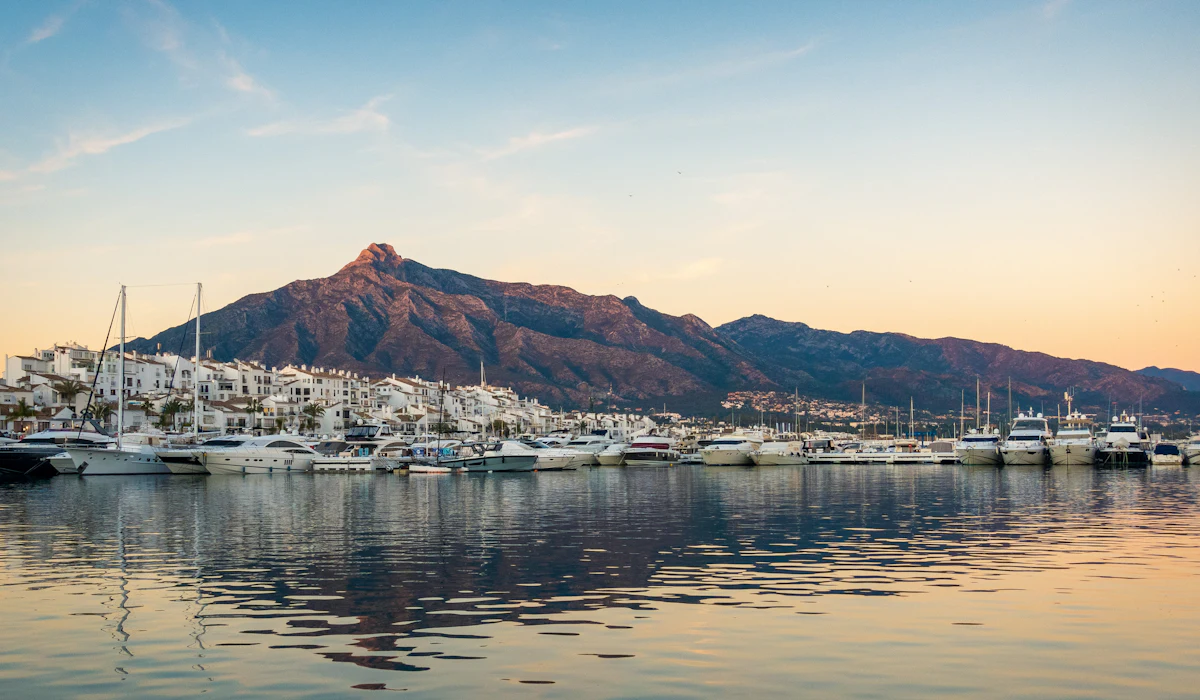
The Costa del Sol’s best-known resort town draws both international tourists and a large seasonal population of wealthy second-home owners, creating a beach scene that fills early with a mix of hotel guests, beach club members, and day visitors. Its most photographed beach clubs often require reservations made well in advance during summer.
Tulum, Mexico
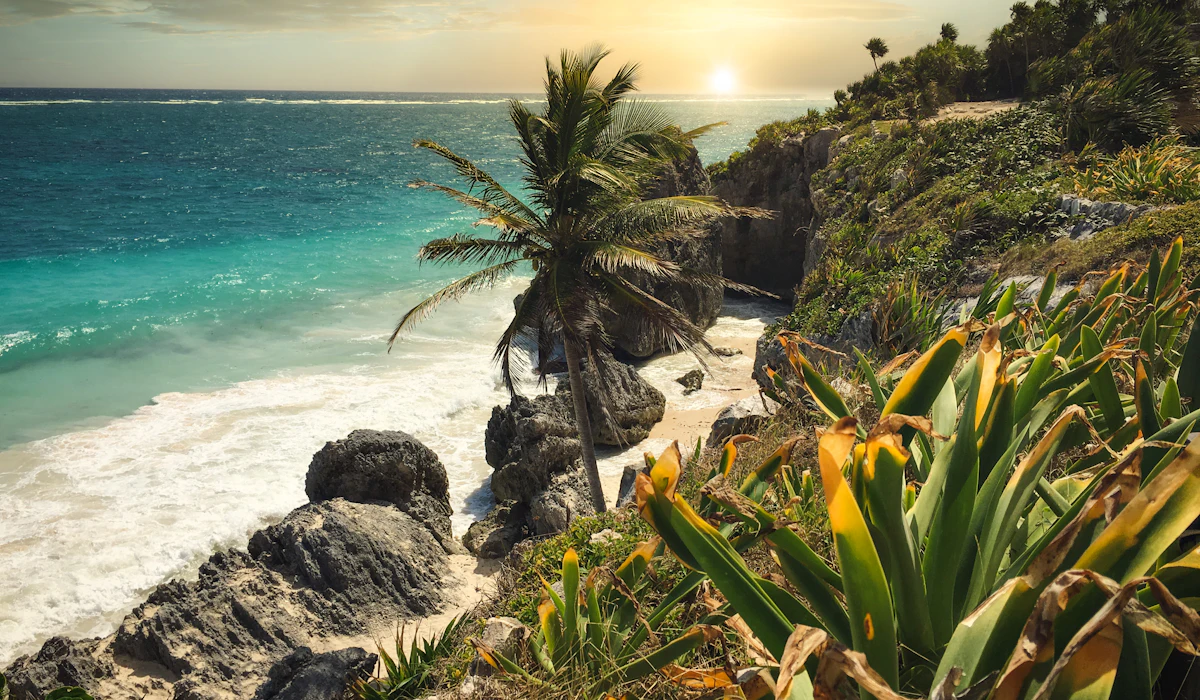
Once a quiet alternative to Cancún, Tulum’s beachfront has developed rapidly enough that its main strip of sand now fills with boutique hotel guests and day-trippers from nearby cities by late morning. Many beachfront hotels restrict beach access to guests only, pushing non-guests toward a shrinking amount of public sand.
An Bang Beach, Hoi An, Vietnam
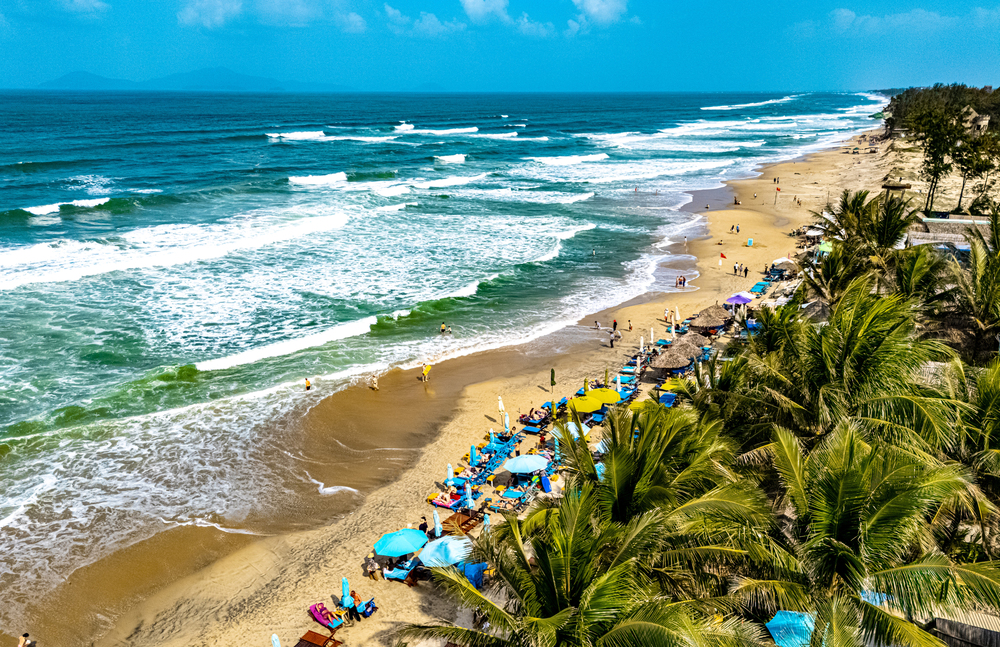
A short bicycle ride from Hoi An’s old town, An Bang has grown from a quiet fishing beach into a popular stop for both backpackers and package tourists, with beachfront restaurant loungers filling quickly on clear mornings. The beach’s relatively small usable footprint means visitor growth has outpaced available shoreline.
Ao Nang, Thailand
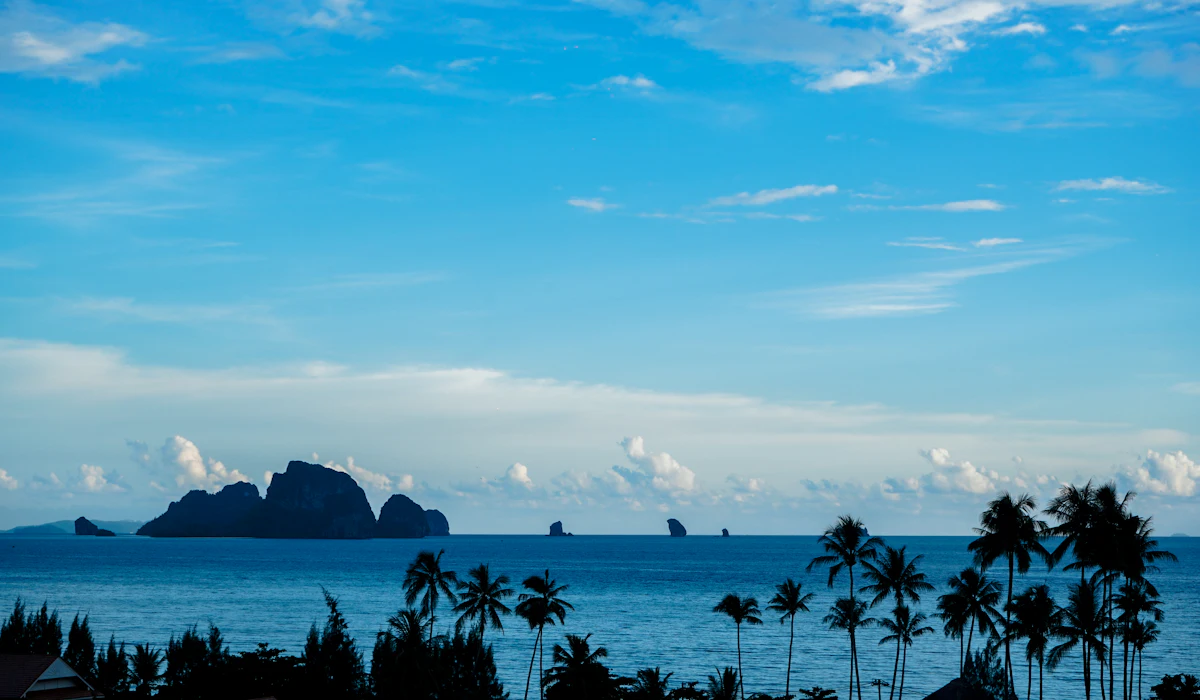
Serving as the main gateway to Krabi’s limestone karst islands, Ao Nang’s own beach fills early with tour groups waiting to board longtail boats for day trips, creating a crowded, transactional atmosphere rather than a place to linger. Most visitors treat the beach itself as a departure point rather than a destination.
Cannes, France
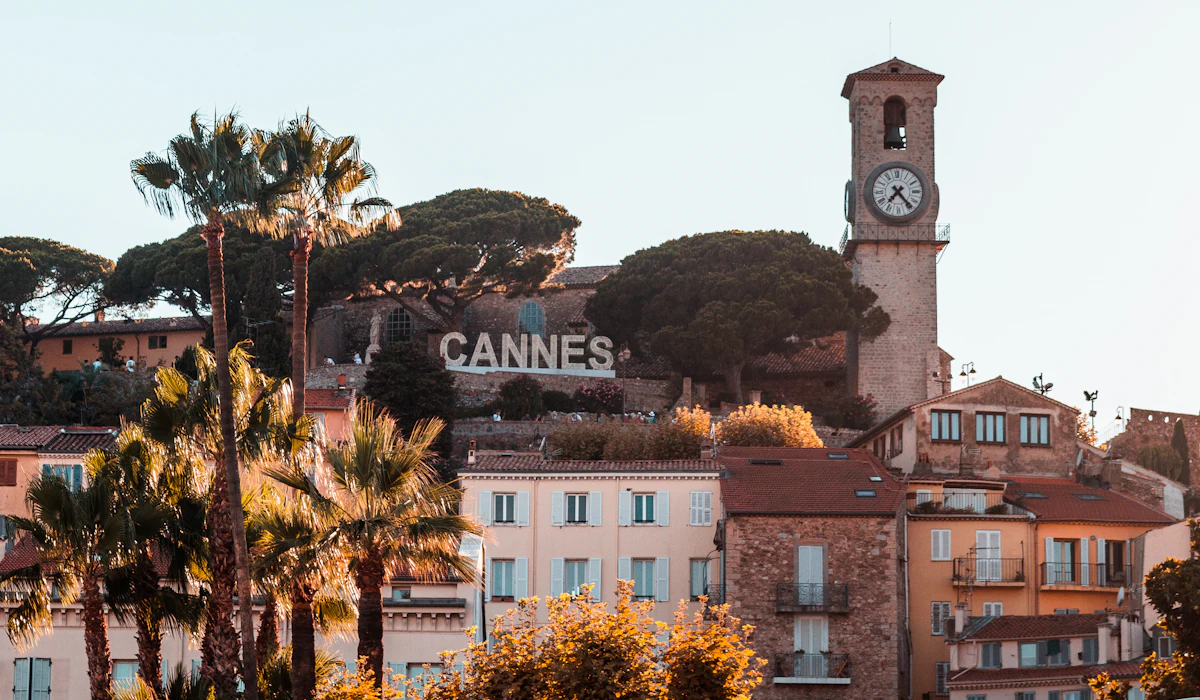
Best known for its film festival, Cannes maintains a mix of private beach concessions and a smaller public beach along the Boulevard de la Croisette, with the private sections often filling with hotel guests and other visitors before the free public areas become crowded. During festival season, beach access becomes secondary to the surrounding media circus entirely.
Blackpool, England

One of Britain’s oldest seaside resort towns, Blackpool’s beach fills with day-trippers from across northern England on any warm bank holiday weekend, straining a town built around Victorian-era tourism infrastructure. The adjacent Golden Mile promenade draws crowds independent of the tide, adding to the general congestion.
Cabo San Lucas, Mexico
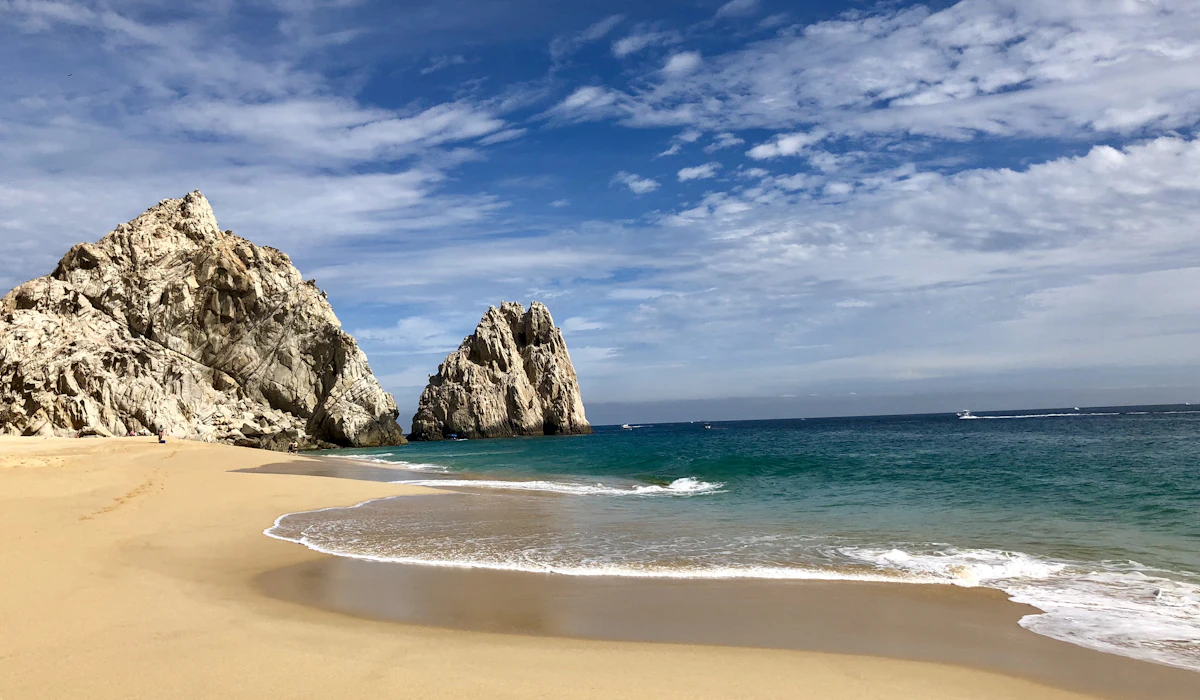
The beaches nearest the marina and cruise ship dock fill quickly with excursion groups on port days, when several large ships can unload thousands of passengers into a relatively small tourist zone at once. Land’s End, the famous rock arch, becomes similarly congested with boat tours by mid-morning on those same days.
Panama City Beach, Florida
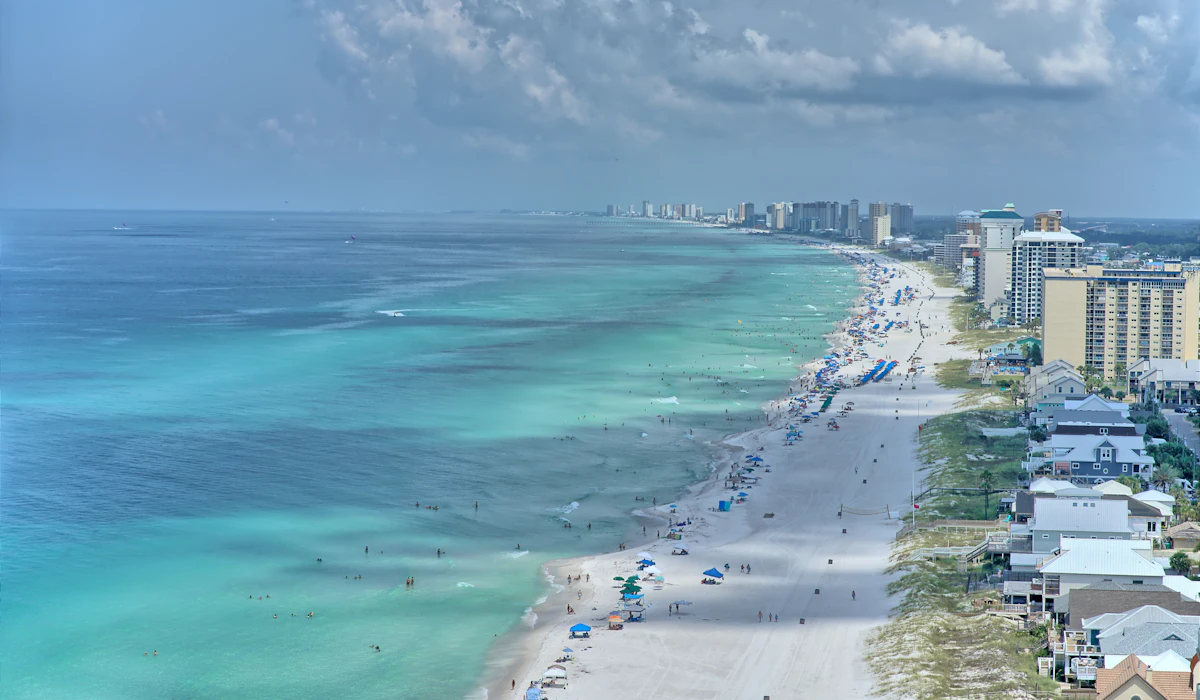
A longtime spring break destination, Panama City Beach can see its population multiply several times over during peak weeks in March, overwhelming a stretch of coastline built primarily around high-rise condo towers. Local authorities have periodically imposed alcohol restrictions during the busiest weeks specifically to manage the crowd size.
Wildwood, New Jersey
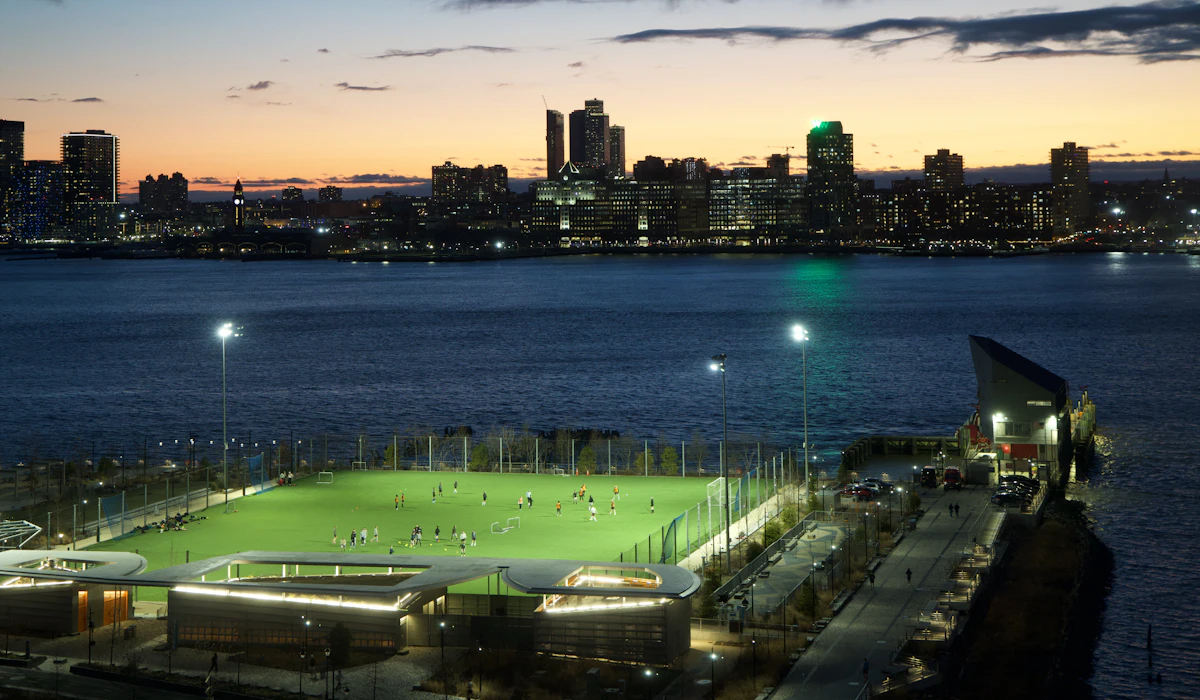
Wildwood’s uniquely wide beach, some of the broadest on the U.S. East Coast, still fills with visitors from the Philadelphia and New York metro areas on summer weekends, aided by its free beach policy that draws larger crowds than paid-badge beaches nearby.
Its iconic boardwalk draws its own separate crowd, compounding congestion in the town’s compact core.
Coney Island, Brooklyn

New York City’s most accessible beach by subway draws enormous summer weekend crowds from across the five boroughs, filling the sand near the boardwalk well before the amusement park rides even open. Its status as a free, easily reachable beach for a city of millions makes early, heavy crowding almost structurally unavoidable.
Arriving Early Isn’t a Tip, It’s a Requirement

None of these places are secretly bad; they’re popular for real reasons, which is exactly the problem. A beach with a train station, a cruise dock, or a highway exit nearby stops being a hidden gem the moment enough people find the same article recommending it.
The honest advice buried in every one of these entries is the same: whatever image drew you here exists, briefly, in the very early morning, before the version everyone else photographed sets back in.
More from Travel Pug

- Underrated Italian Towns That Beat the Tourist Crowds
- Las Vegas Tourist Traps to Skip
- Prettiest Towns in Every US State
- 18 passport-free countries for Americans
- Signs Your Cruise Is Not Worth The Cost
Like Travel Pug’s content? Follow us on MSN.