

Once a passenger is physically standing in a cruise terminal, most of the pre-planning is already done, and what’s left is a series of small, in-the-moment habits. Terminal staff process thousands of people in a single morning, and the ones who move through fastest tend to share a specific set of behaviors that have little to do with luck.
Tipping the Curbside Porter

Handing checked luggage to a porter at the curb, along with a small tip, means bags get tagged and routed to the ship without a passenger needing to carry them through the entire check-in process, freeing up hands and attention for documents.
Approaching With Bags Already Separated

Passengers who arrive with checked luggage and carry-on items already clearly separated move through the porter and security process faster than those still deciding what to hand off while standing in line.
Holding Documents, Not Storing Them

Keeping a passport and boarding pass out and in hand well before reaching the check-in counter avoids the common holdup of a passenger digging through a bag at the front of the line while others wait behind them.
Removing Hats and Sunglasses Early

Taking off hats and sunglasses before reaching the photo-verification step, rather than after being asked, avoids an extra back-and-forth that can slow down an otherwise quick identity check.
Standing in the Correct Line for Loyalty Status

Terminals with multiple check-in lines for different loyalty tiers or suite categories can move considerably faster for passengers who confirm which line matches their status before joining, rather than realizing partway through that they’re in the wrong queue.
Not Sorting Belongings at the Front of the Line

Waiting to reorganize a bag, find a phone, or count travel documents until stepping up to the counter, rather than doing it in advance while still in line, is one of the most common sources of unnecessary delay for the people behind that passenger.
Keeping Children and Strollers Organized in Advance
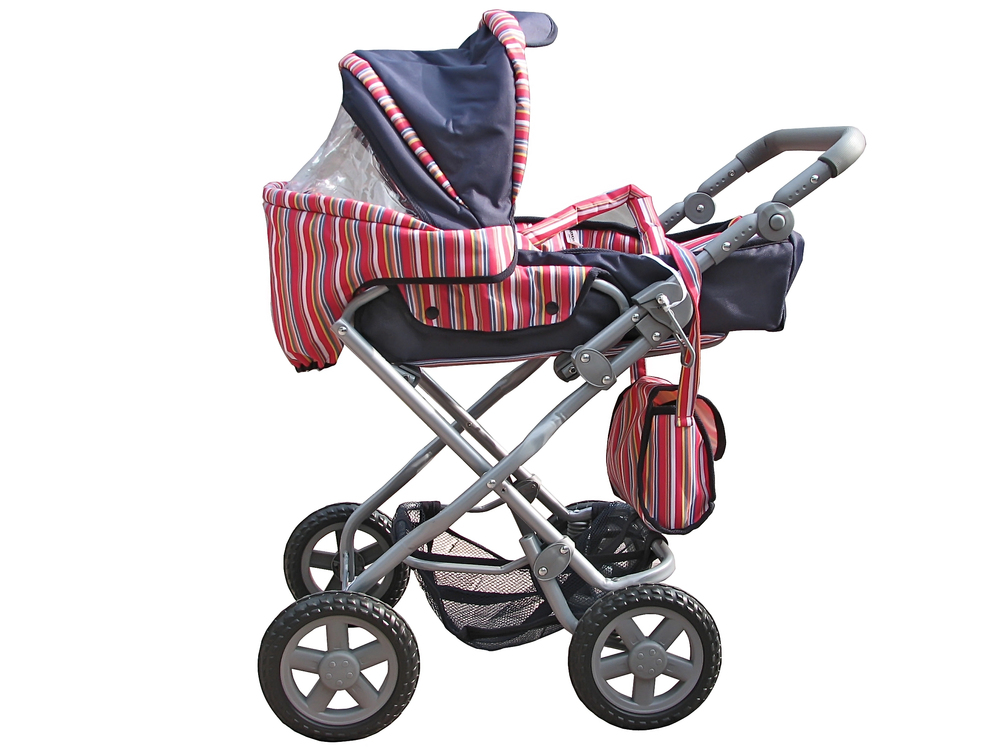
Families who fold strollers and gather children’s documents before reaching security can move through more efficiently than those attempting to manage both at the checkpoint itself.
Pre-Removing Metal Items Before the Scanner

Placing belts, phones, and other metal objects into a carry-on bag before stepping up to the walk-through scanner, where required, keeps the security process moving at a steadier pace.
Knowing the Designated Entrance for a Specific Category

Some terminals maintain a separate entrance or expedited lane for suite guests or top loyalty tiers, and confirming that location before arrival avoids wasting time in the general line by mistake.
Leaving Gifts Unwrapped

Wrapped items can be flagged for manual inspection at security because the contents can’t be identified clearly on an X-ray image, and packing any gifts unwrapped avoids that extra step.
Following Airport-Style Liquid Rules Where Enforced

Some terminals apply security screening similar to an airport checkpoint, and consolidating liquids according to the applicable rules in advance avoids having a bag pulled for secondary inspection.
Having a Boarding Pass Ready Before Reaching the Counter

Whether digital or printed, having a boarding pass already pulled up or in hand before stepping up to the counter, rather than searching for it once asked, keeps the check-in line moving steadily.
Wearing Slip-On or Easily Removable Shoes

Footwear that can be quickly removed or that doesn’t trigger a metal detector alarm can avoid an extra screening step at terminals that require shoe removal or additional screening.
Keeping Cash and Cards Organized in Advance

Passengers who know exactly what payment method they intend to use for any last-minute onboard account setup move through the counter faster than those deciding on the spot.
Knowing a Boarding Group or Zone Number

Some terminals call passengers to board in specific numbered groups, and knowing that number in advance, rather than needing it explained by staff, keeps the overall boarding process moving in an orderly sequence.
Reading Posted Signage Instead of Asking Repeated Questions

Terminal staff are stretched thin during peak boarding hours, and following clearly posted signage rather than stopping staff for directions that are already displayed helps keep the line moving for everyone.
Using the Restroom Before Joining the Line
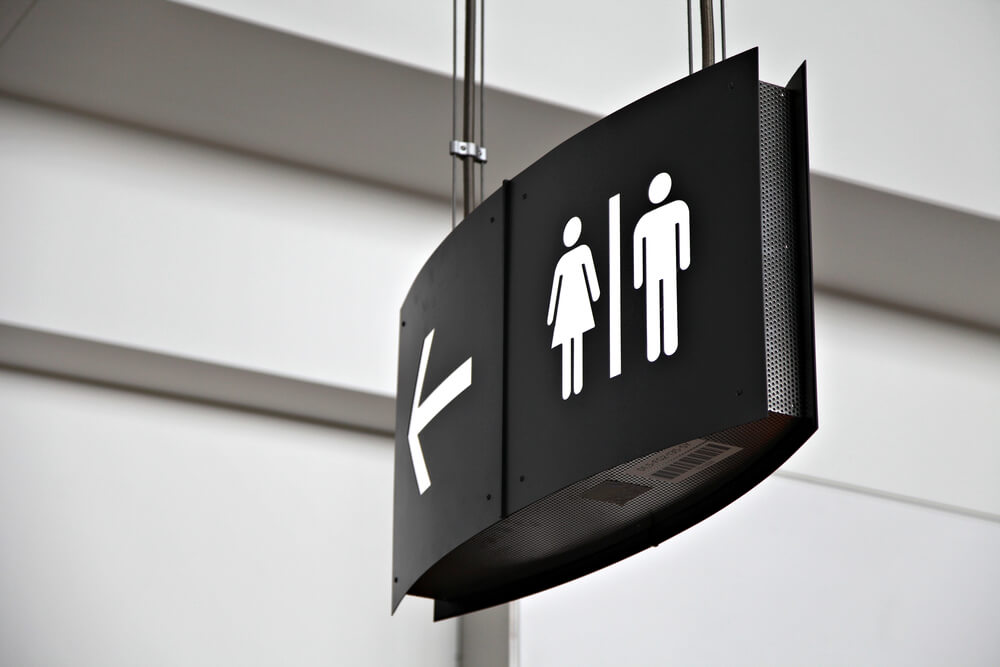
Stepping out of a check-in line partway through to find a restroom often means losing a place in the queue entirely, so handling that need beforehand avoids the setback.
Carrying a Pen for Last-Minute Paperwork

Occasionally a form still needs to be filled out by hand at the counter, and having a personal pen avoids waiting for a staff member to locate and hand over one of a limited terminal supply.
Knowing the Muster Station Assignment in Advance
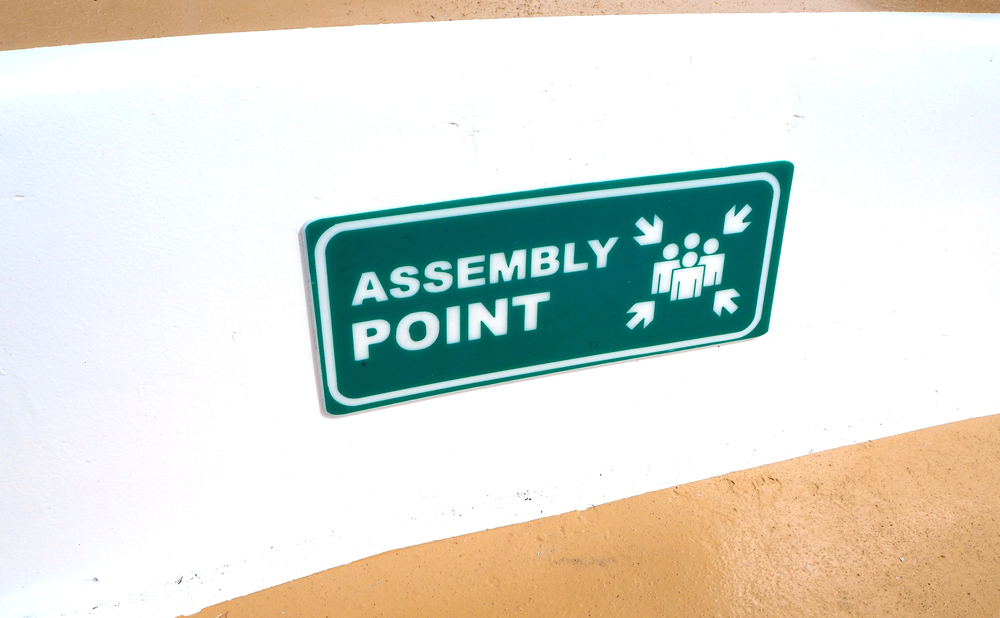
Passengers who’ve already reviewed their muster station number from their boarding documents are less likely to need assistance locating the assignment during the boarding process.
Taking Stairs Over Crowded Elevators When Available

During the heaviest boarding waves, terminal elevators and escalators can back up significantly, and passengers able to use stairs instead may reach the boarding area faster.
Saving Photos for After Boarding

Stopping to take photos in the middle of a moving boarding walkway creates a bottleneck for everyone behind, and waiting until reaching the ship itself, where photo opportunities are typically more scenic anyway, keeps the line flowing.
Keeping Identification in an Accessible Pouch

A dedicated, quickly accessible pouch or pocket for passports and boarding documents, rather than keeping them mixed in with other bag contents, speeds up each individual document check throughout the process.
Checking In as a Complete Group

Families or groups traveling together who check in as a unit, rather than splitting up and rejoining at different points, avoid confusion at the counter and can keep their party moving through the process together.
Confirming the Exact Format of Required Documentation

Some cruise lines require specific physical or digital formats for health or vaccination documentation, and confirming the exact requirement in advance avoids a delay caused by having the wrong version on hand at the counter.
Being Ready to State a Cabin Number Immediately

Staff may ask for a cabin number at multiple points during boarding, and having it memorized or readily visible avoids repeatedly searching through documents to answer the same question.
Small Habits, Compounding Effect

None of these habits require any special access or advance purchase, just a bit of attention to how a terminal actually processes a line of people. On a morning when thousands of passengers are moving through the same building, each small delay ripples forward to everyone behind that person.
The fastest people through a cruise terminal usually aren’t cutting any corners. They’ve just eliminated the handful of small fumbles that, multiplied across a crowd, are what actually create the line in the first place.
More from Travel Pug

- Underrated Italian Towns That Beat the Tourist Crowds
- Las Vegas Tourist Traps to Skip
- Prettiest Towns in Every US State
- 18 passport-free countries for Americans
- Signs Your Cruise Is Not Worth The Cost
Like Travel Pug’s content? Follow us on MSN.