

There’s a version of cruising that lives in people’s memories like a postcard — unlimited dining at every hour, complimentary drinks flowing without a second thought, gratuities already folded into the price you paid. That version still exists, technically, but it’s been quietly renegotiated.
Somewhere between the pandemic shutdowns and the return-to-sea boom, cruise lines across the industry made a series of small, careful decisions that added up to one large, uncomfortable reality: what used to come free now comes with a surcharge. Most passengers don’t notice until they’re already onboard, staring at a menu with prices attached to things they assumed were included.
This isn’t a story about one bad actor — it’s about an industry-wide shift that touched nearly every major player, from the biggest ships afloat to the boutique lines that once prided themselves on all-inclusive simplicity.
Royal Caribbean
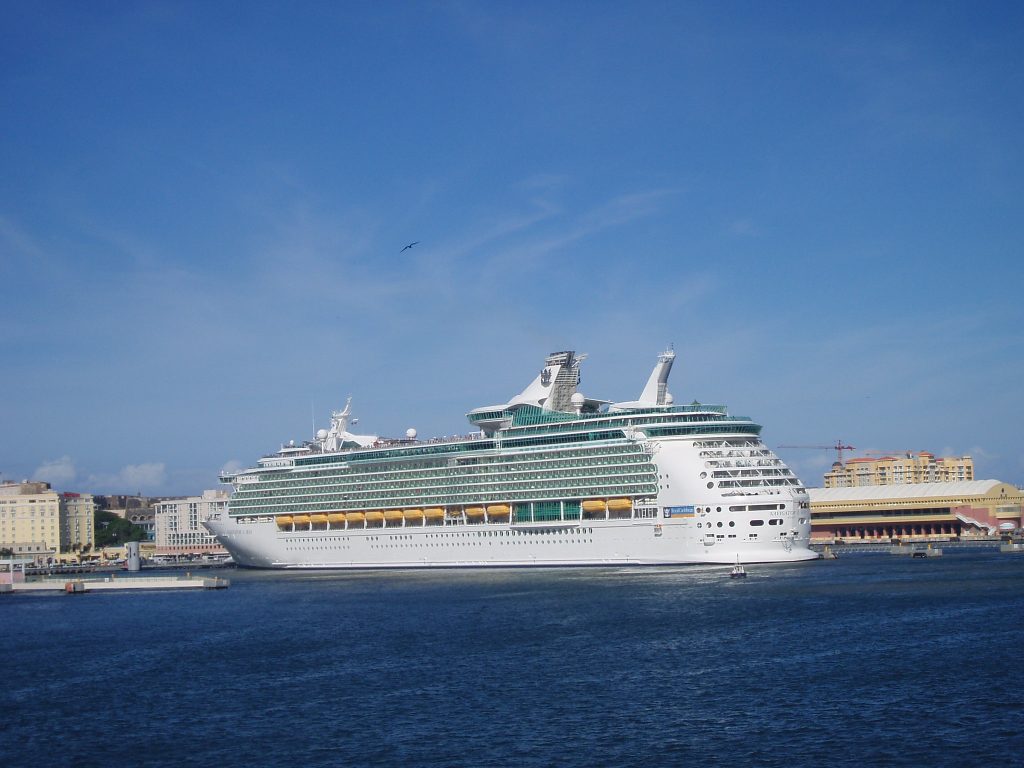
Royal Caribbean removed complimentary room service for most menu items, replacing the free late-night sandwich with a delivery fee that applies around the clock. The buffet used to be the fallback — open, free, always there — but specialty dining fees have crept up sharply, with some venues now charging $60 or more per person.
Go figure, the line that practically invented the mega-ship is also leading the charge in à la carte everything.
Carnival Cruise Line
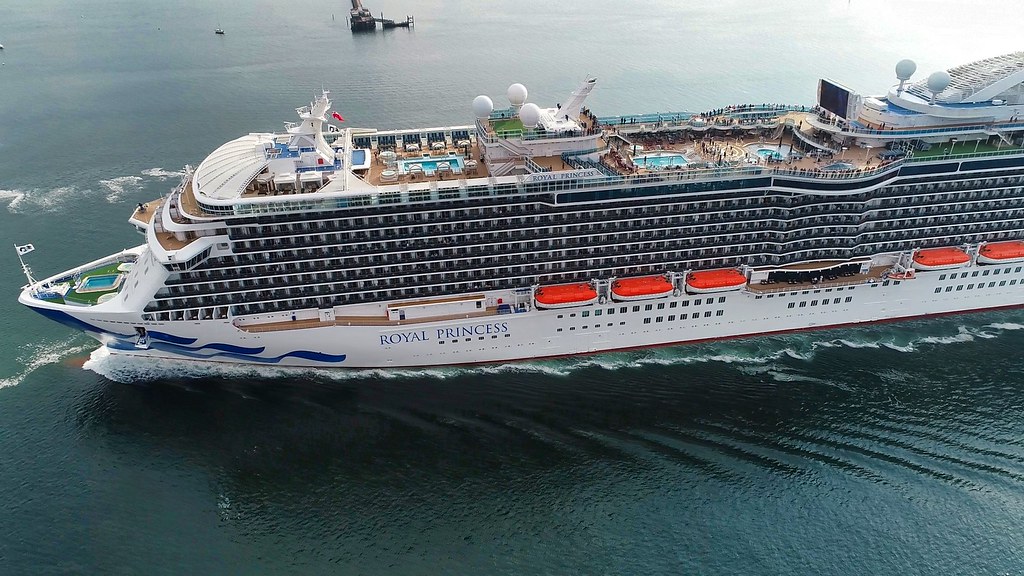
Carnival built its brand on being the affordable party ship, which makes the quiet removal of free 24-hour room service all the more deflating. A delivery charge now applies to most late-night orders, and the complimentary Guy’s Burger Joint partnership — once a genuine free perk — has been joined by a growing list of venues that do cost money, blurring the line between what’s included and what isn’t.
Turns out “fun ship” and “free ship” were never quite synonyms.
Norwegian Cruise Line
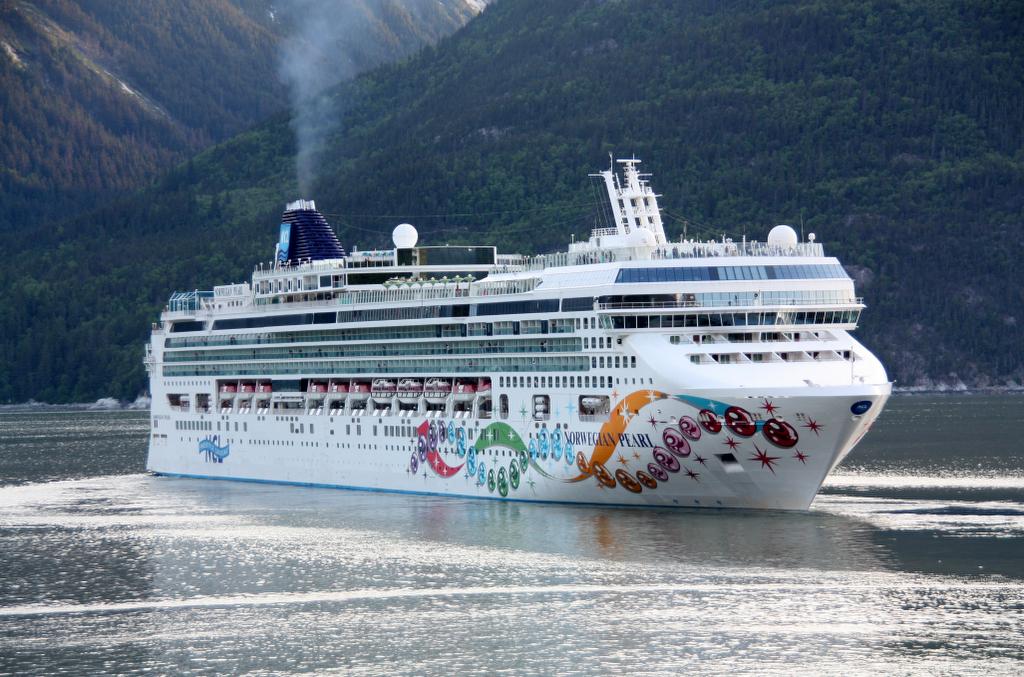
Norwegian pioneered “Freestyle Cruising” — the idea that you could eat when you wanted, dress how you wanted, and generally not be told what to do — but the freestyle part has gotten expensive. The specialty dining surcharges that once felt optional now feel almost mandatory on longer sailings, where the main dining room options have been quietly pared back.
And the “Free at Sea” promotional packages, which sound generous, arrive bundled with service charges that often run $20 or more per person per day on top of the advertised rate.
MSC Cruises
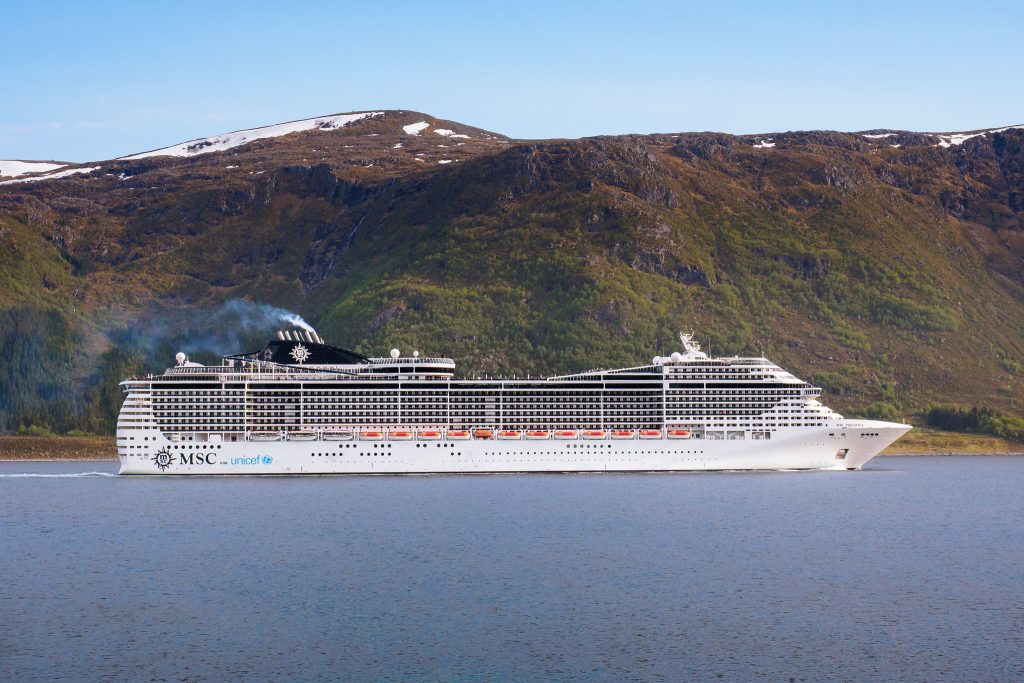
MSC built its European-style reputation on elegant, inclusive sailing — and for a while, that reputation was earned. But as the line expanded aggressively into the North American market, the complimentary beverage options in standard cabins got thinner, and the specialty coffee that used to come freely in certain areas of the ship now requires a beverage package or a per-cup fee.
The tiered cabin system MSC uses has also quietly shifted what “included” means depending on which category you booked, with Bella-tier passengers receiving noticeably less than they once did.
Princess Cruises
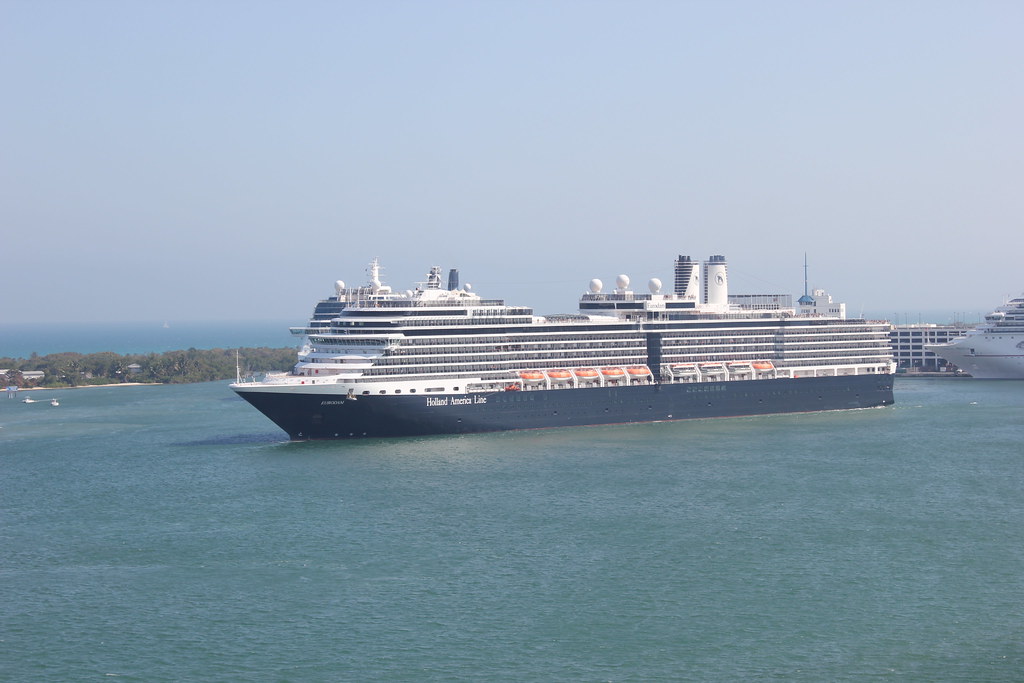
Princess Cruises has increasingly shifted value toward bundled fare packages such as Princess Plus and Princess Premier, while gratuities remain an additional charge on many fare types. The line’s “Princess Plus” and “Princess Premier” packages are genuinely useful, to be fair, but they exist largely because the base fare has been stripped off so much that buying the package feels less like an upgrade and more like reassembling what used to be standard.
Holland America Line
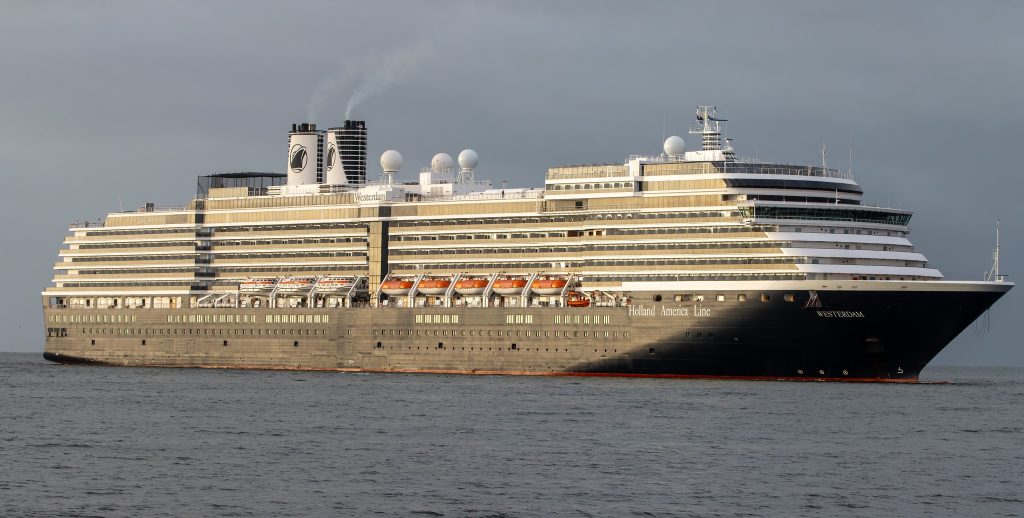
Holland America has long catered to a slightly older, more deliberate traveler — the kind who books a 14-day sailing and means to read three books during it. That traveler used to be rewarded with complimentary wine at dinner, a perk that quietly disappeared from standard sailings.
The line still carries itself with a degree of polish, but the complimentary wine is now a promotional addition rather than a given, and the specialty restaurant surcharges have climbed into the $40–$60 range per person.
Celebrity Cruises
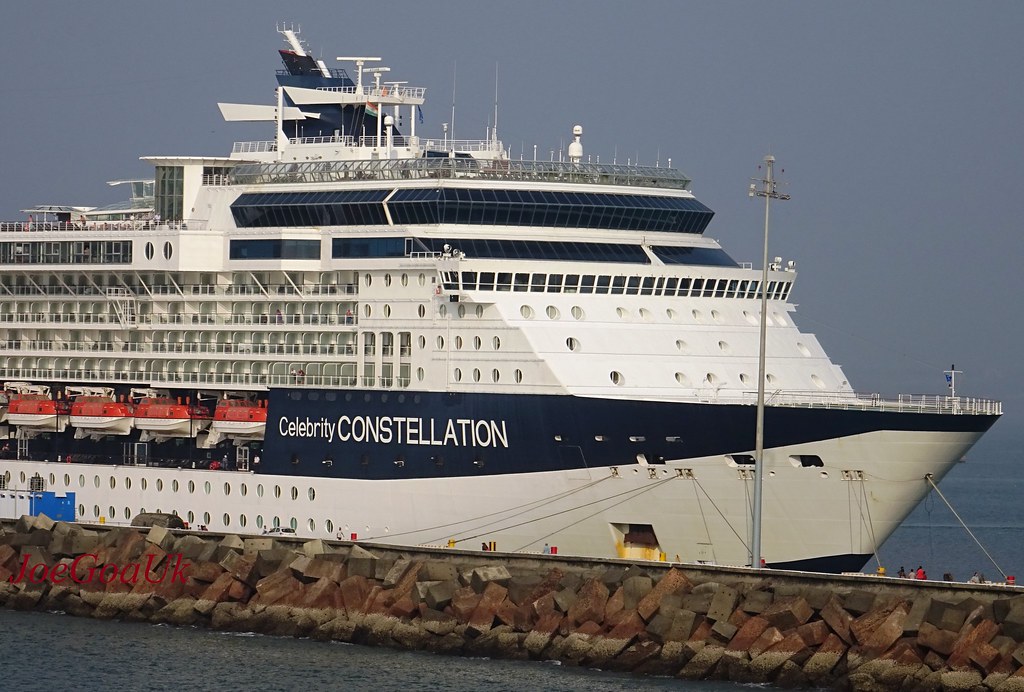
Celebrity Cruises positioned itself as the “premium” tier between mainstream and luxury — and for a while, that positioning came with genuinely generous inclusions. Then came the “Always Included” pricing restructure, which sounds like an expansion of perks but was, in practice, a repackaging of things that used to just exist quietly in the fare.
The complimentary beverage program that once applied to premium drinks has been trimmed, and passengers who didn’t opt into the right package often find themselves paying for items that were free on sailings just a few years prior.
Disney Cruise Line
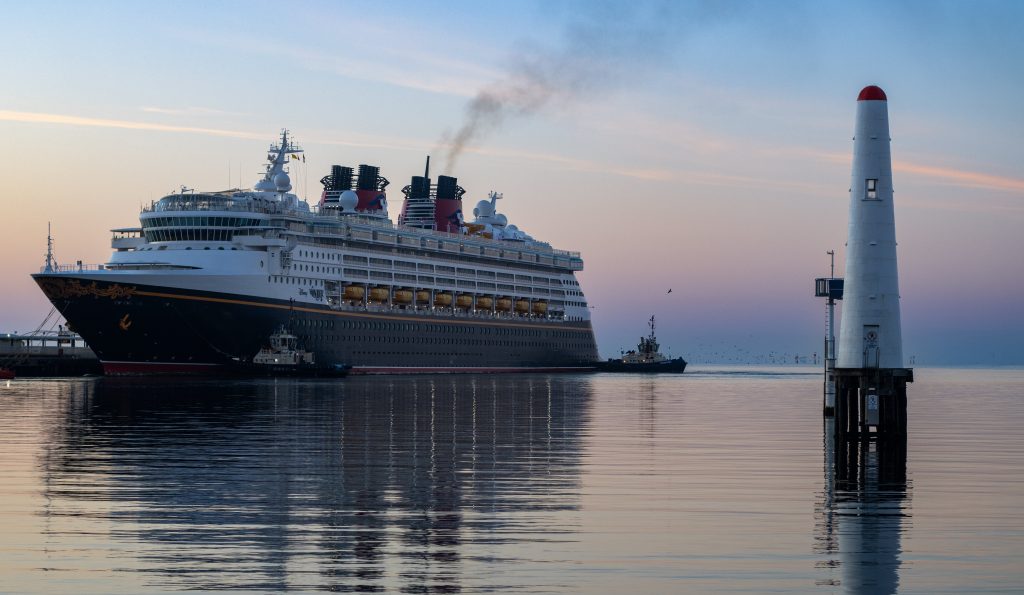
Disney commands a loyalty that borders on devotion, which may be exactly why it felt comfortable adding a per-day gratuity structure that previously wasn’t itemized the way it is now. The ships themselves are immaculate, the service is attentive — but the complimentary specialty restaurant access that early Disney cruisers enjoyed has given way to a rotational dining model that has its charms while quietly leaving some beloved venues behind a paywall.
Disney’s pricing has never been modest, which makes each removed perk sting a little sharper than it might elsewhere.
Costa Cruises
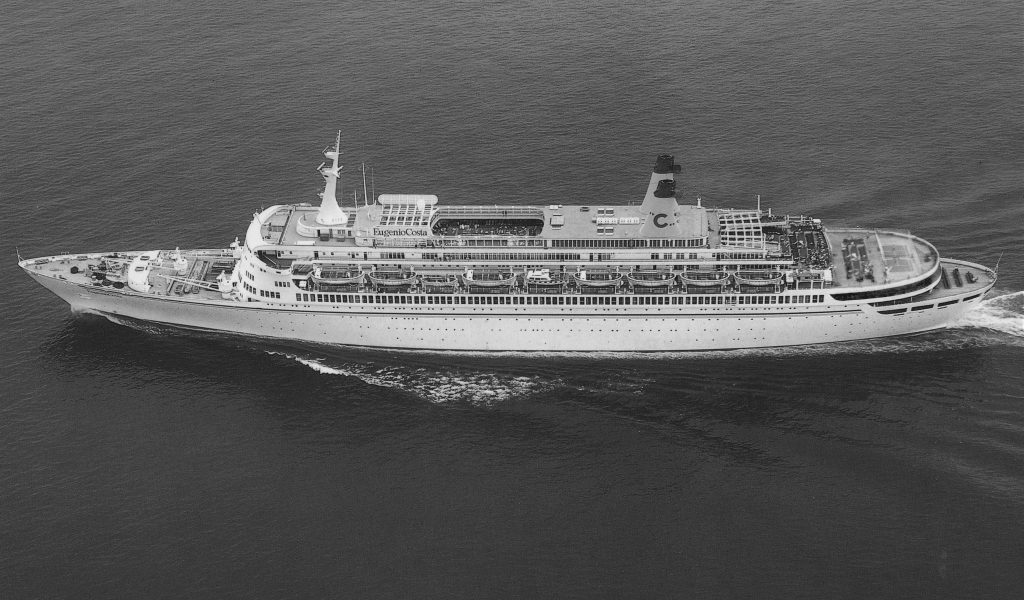
Costa Cruises, the Italian-flagged line that once brought a certain Mediterranean generosity to its sailings, has trimmed its complimentary offerings considerably in recent years. The complimentary gelato that was once available at multiple locations has been consolidated and in some cases folded into paid packages.
Costa’s loyalty program, which used to deliver meaningful perks to returning guests, has been restructured in ways that deliver less tangible value per sailing.
AIDA Cruises
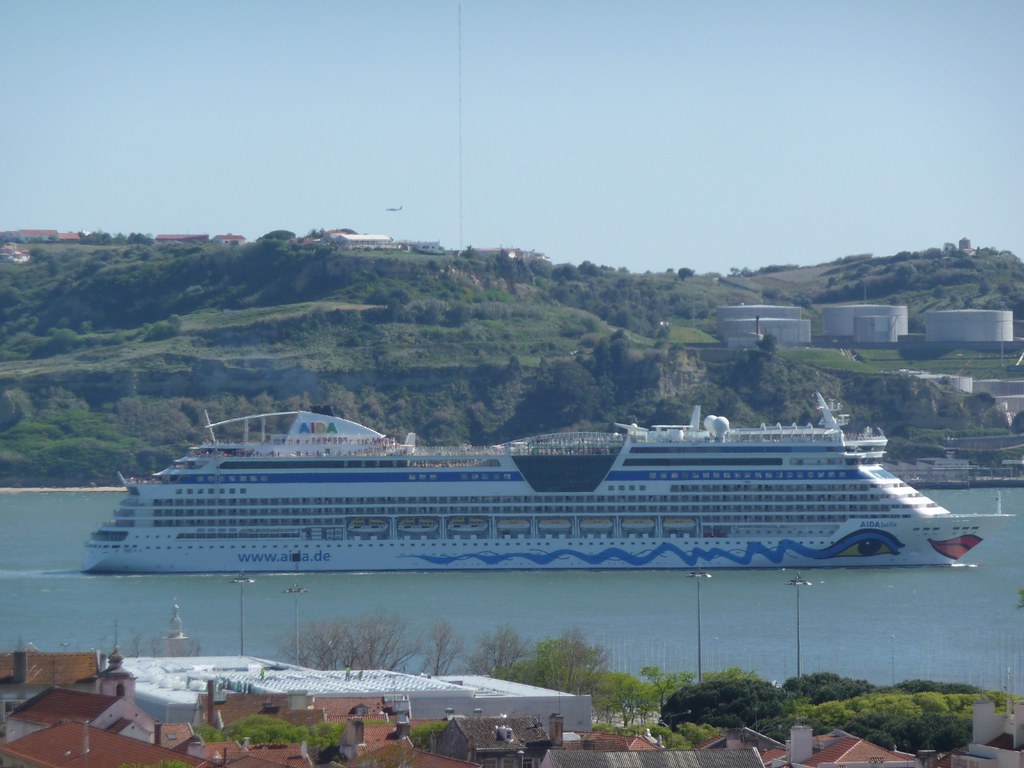
AIDA, the German-market juggernaut, built its appeal on a buffet-forward, self-serve model that felt refreshingly unpretentious. The all-inclusive model that AIDA marketed for years has been quietly replaced on many ships with a tiered pricing system that separates drink packages, specialty dining, and shore excursion credits into individual purchases.
For a line that once sold the idea of boarding and worrying about nothing, the current structure asks passengers to do quite a bit of pre-trip financial planning.
P&O Cruises
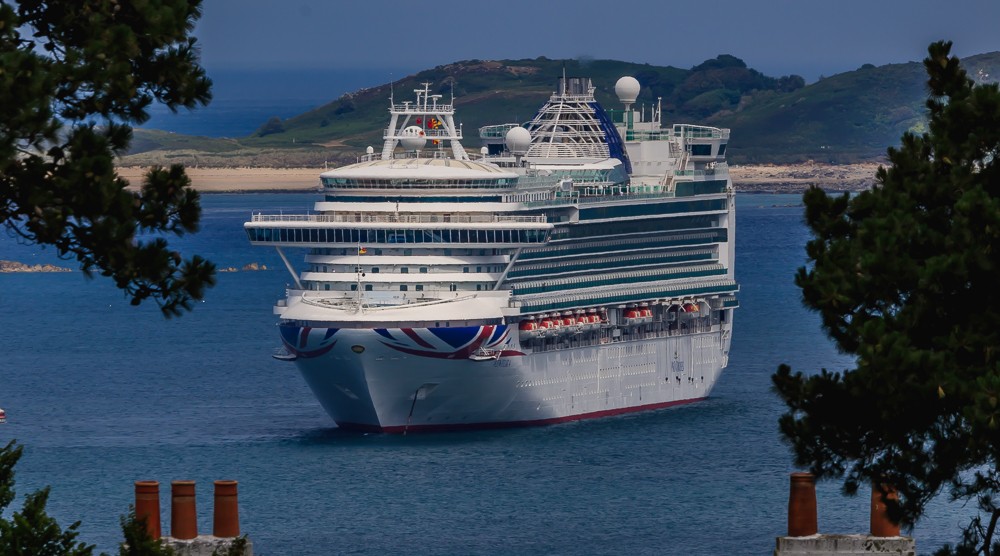
P&O Cruises, the British institution that’s been sending passengers to sea since 1837, removed its complimentary shuttle service at several ports — a small but genuinely useful perk for passengers who didn’t want to book a full excursion just to reach a town center. The line has also restructured its gratuity model, bringing it more in line with American cruise norms, which felt to many longtime P&O passengers like an imported American inconvenience.
To be fair, P&O framed this as transparency, but transparency that costs more is still costing more.
Cunard Line
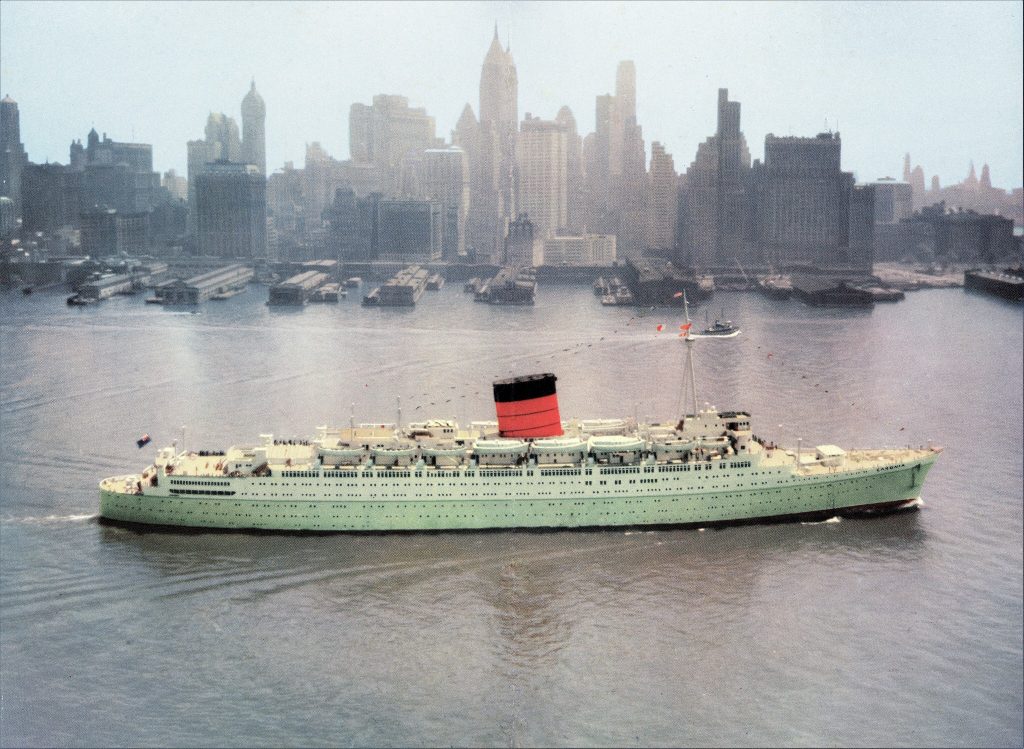
Cunard occupies a peculiar position in this conversation — it’s a line that charges for the fantasy of a golden age of ocean travel, and for a while it delivered enough of that fantasy to justify the price. The complimentary afternoon tea in the Queens Room, once an unquestioned ritual, has remained free but has been surrounded by an expanding ecosystem of paid experiences that erode the “included” feeling.
The white-glove image has held, but the substance underneath it has been quietly renegotiated.
TUI Cruises
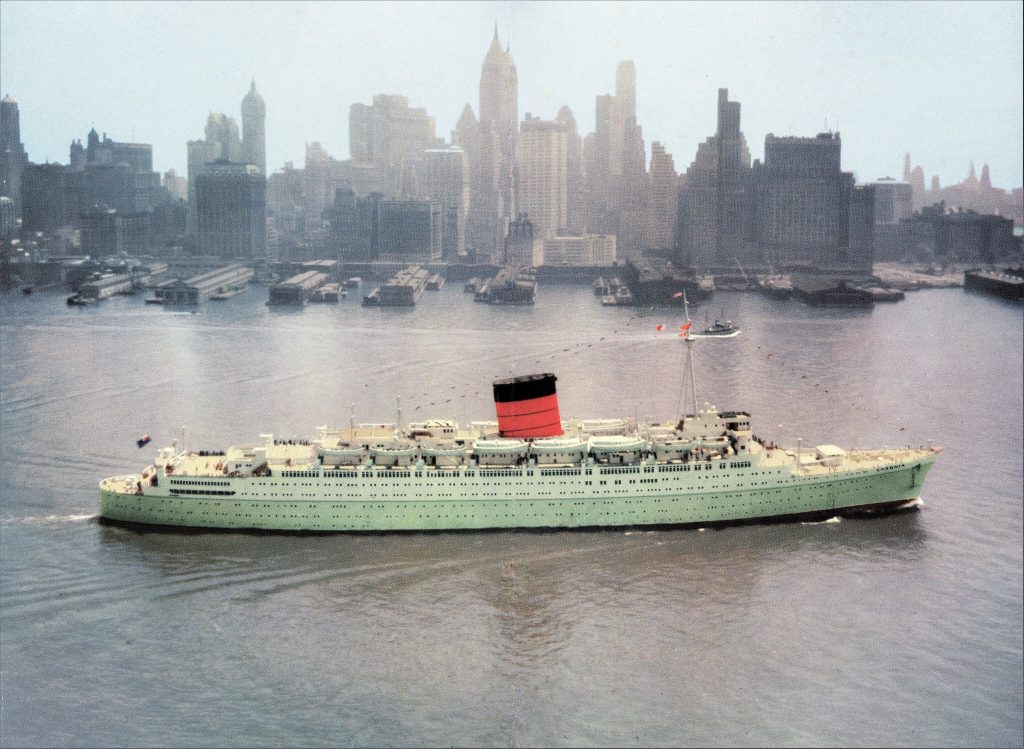
TUI Cruises, the German-British joint venture, operated an all-inclusive model that was genuinely competitive — drinks, dining, and entertainment folded into one fare. That model has been tiered, with a base fare now offering noticeably less than it once did and the truly all-inclusive experience available only at higher package levels.
The shift was gradual enough that many loyal passengers didn’t register it until they were onboard, comparing notes with strangers at the bar.
Virgin Voyages
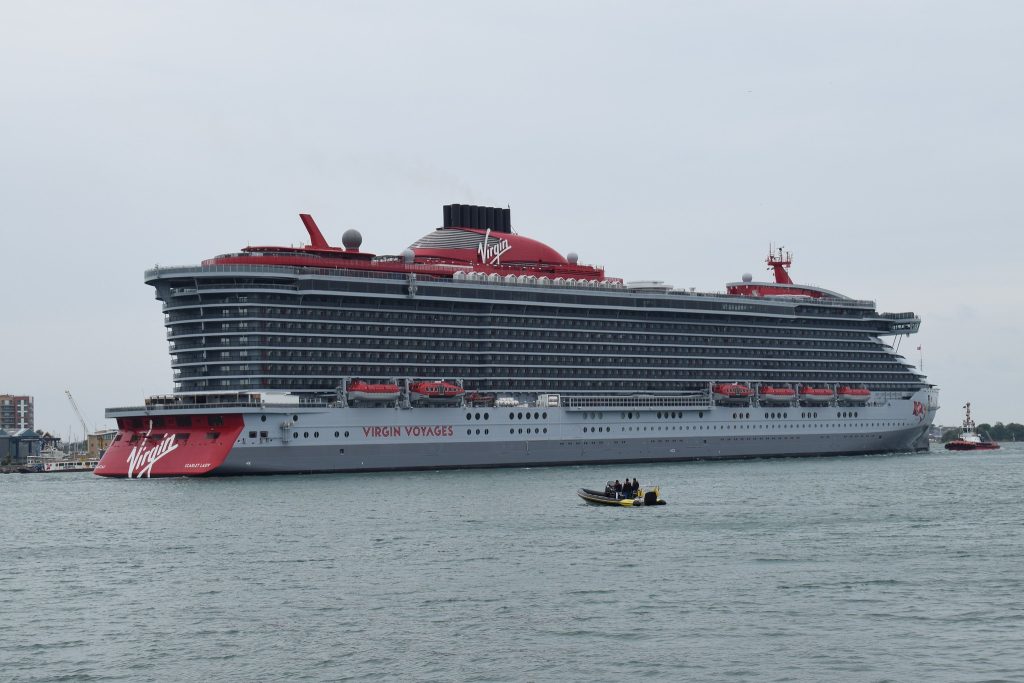
Virgin Voyages launched with a promise that felt almost radical: no kids, no formal nights, and everything included — specialty dining, gratuities, all of it baked into the price. The specialty dining promise has since been modified, with certain high-demand restaurant experiences now carrying a reservation fee or limited free-access window that fills up quickly.
The brand still delivers a stylish product, but the “everything included” marketing has acquired some fine print.
Silversea Cruises
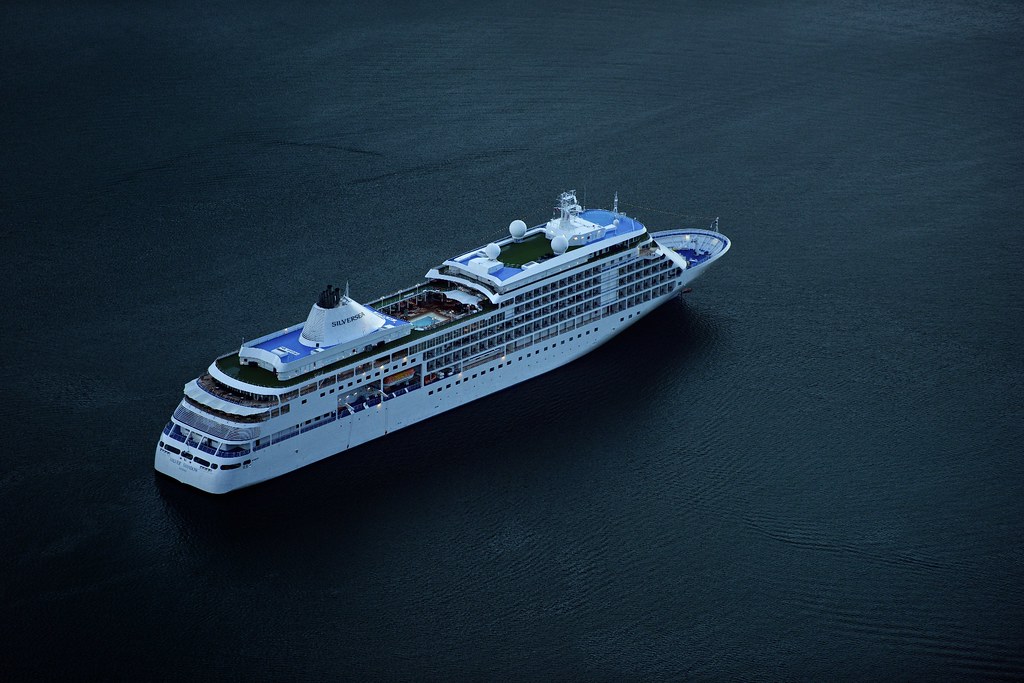
Silversea built its reputation on true all-inclusive luxury — butler service, premium spirits, unlimited specialty dining, no nickel-and-diming at any point. But since its acquisition by Royal Caribbean Group, subtle changes have arrived: certain shore experiences that were once complimentary now carry fees, and the “unlimited” dining access at specialty venues has been quietly adjusted on some ships.
Silversea loyalists, a particularly attentive group, noticed immediately.
Seabourn Cruise Line
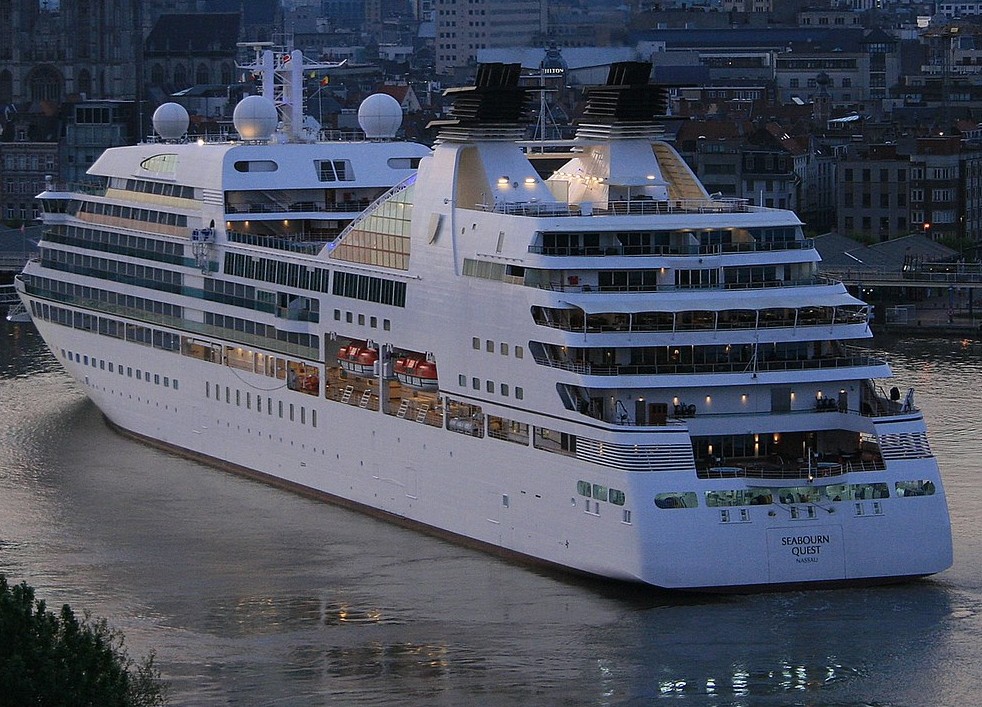
Seabourn set the standard for ultra-luxury all-inclusive sailing, and it still holds that position — mostly. The complimentary in-suite minibar, once stocked daily and freely available, has been reduced in scope on some vessels, and the shore excursion credits that were once distributed generously with certain booking categories have been restructured.
The experience remains exceptional, which is what makes each small reduction feel like something lost rather than something adjusted.
Oceania Cruises
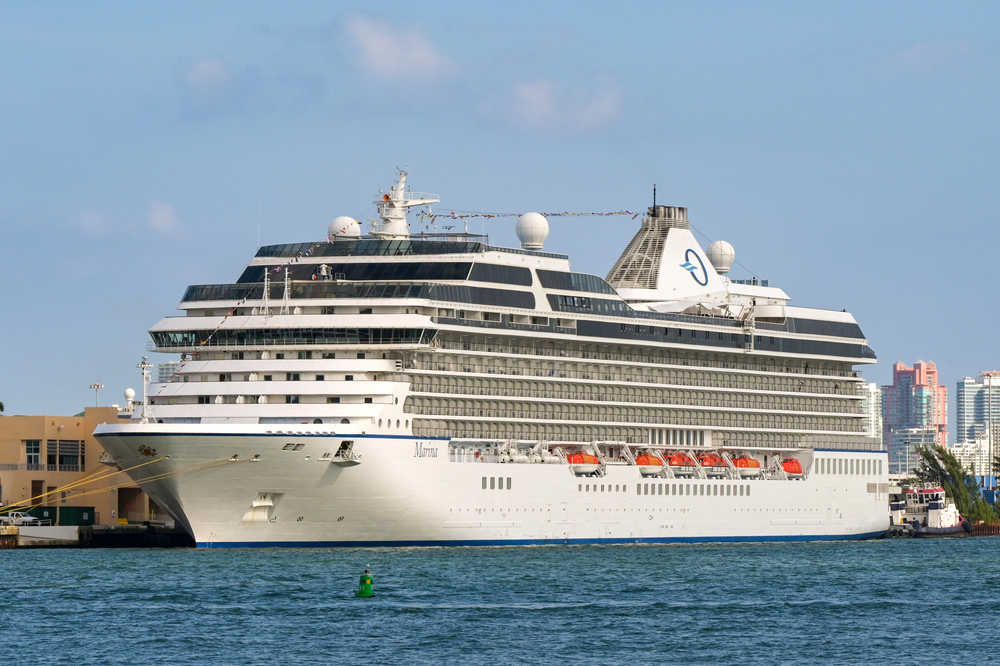
— Photo by CeriBreeze
Oceania built its identity around food — specifically, the idea that the onboard dining was so good that you’d never need to leave the ship for a real meal. The included dining venues are still strong, but the premium specialty restaurants have added surcharges where none existed before, and the “OLife” package that bundles free perks has been redesigned so that the value calculation now requires a spreadsheet rather than a glance.
Oceania passengers tend to be careful, experienced travelers — so this kind of restructuring gets noticed fast.
Regent Seven Seas Cruises
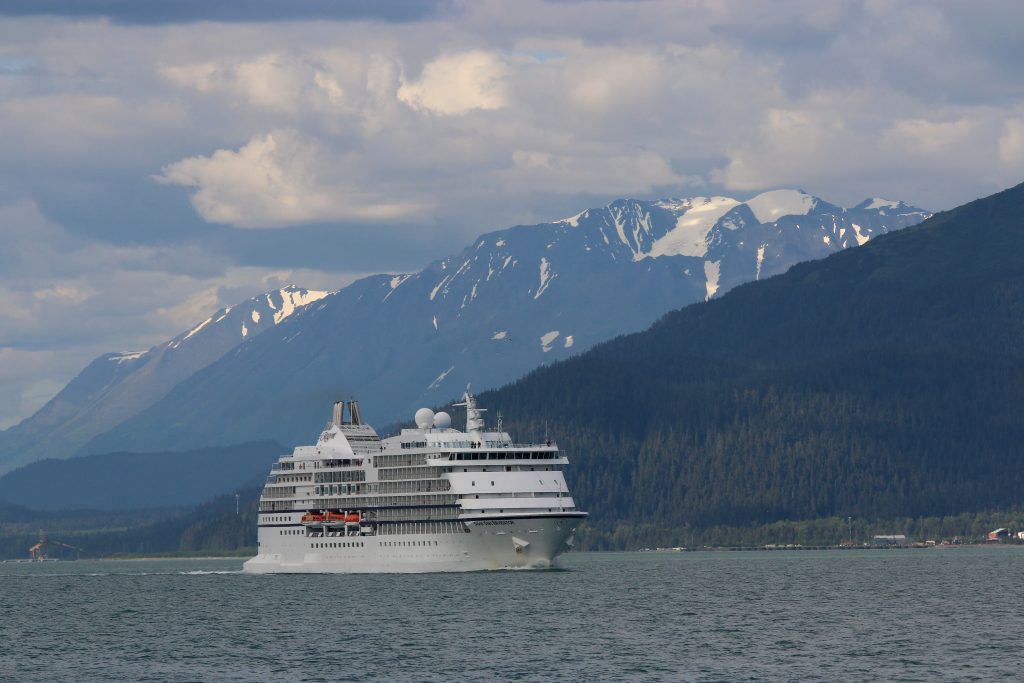
Regent Seven Seas has long marketed itself as the most inclusive cruise line in the world, and it earns that claim more consistently than most. But “most inclusive” and “fully inclusive” have started to diverge — certain premium shore excursions that previously fell under the complimentary umbrella now carry additional costs, and the spa and salon services that were once partially subsidized have moved to full market pricing.
The gap between the marketing language and the onboard reality has gotten small but noticeable.
Azamara
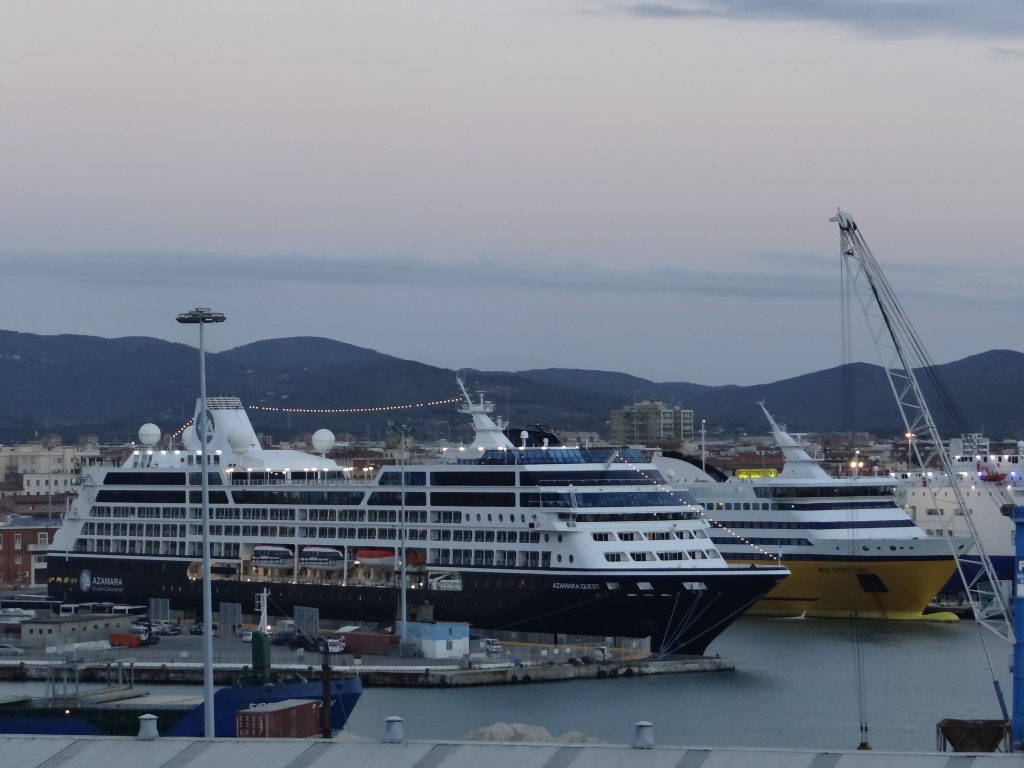
Azamara carved out a niche with its destination-immersive voyages and genuinely generous inclusions: gratuities, a selection of wines and spirits, and specialty coffees all folded into the standard fare. Since Azamara’s separation from Celebrity and its acquisition by Sycamore Partners, the restructuring has been uneven — some inclusions held, others quietly disappeared during the transition period.
The line is still a strong value relative to many competitors, but it’s no longer quite the perk-rich outlier it once was.
Viking Ocean Cruises
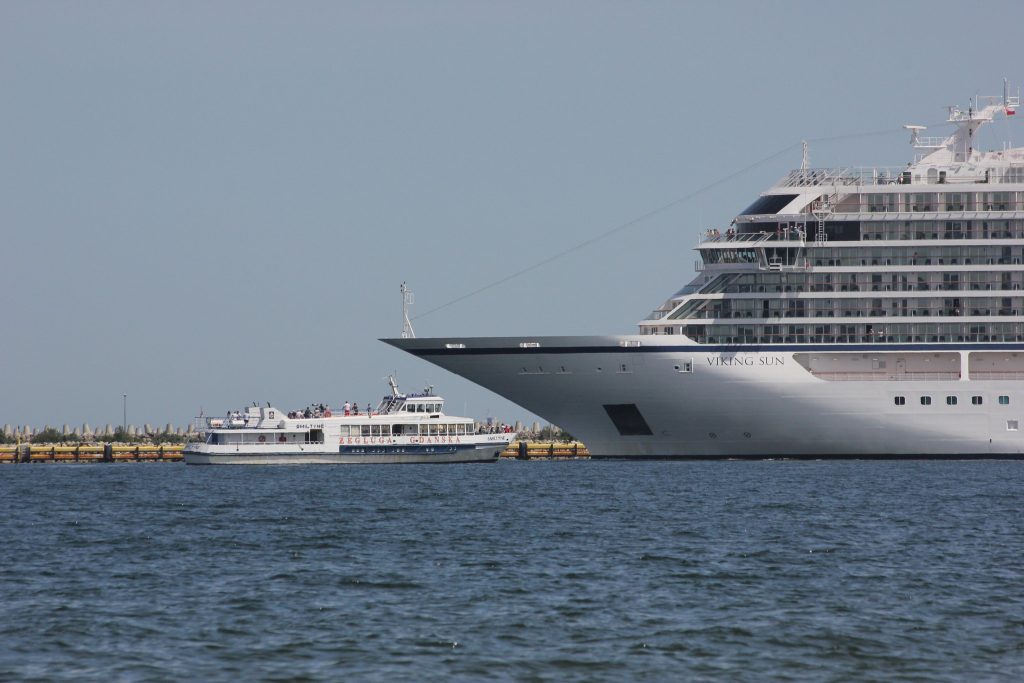
Viking Ocean entered the market with an unusually clean value proposition — beer and wine with lunch and dinner, one specialty dining experience included, port taxes folded into the fare. That core structure has remained largely intact, but the specialty dining “included” experience has been quietly limited to one visit per voyage on many itineraries, where it once had more flexibility.
And the shore excursion credits that appeared in promotional packages have shrunk in value, even as shore excursion prices have risen.
Windstar Cruises
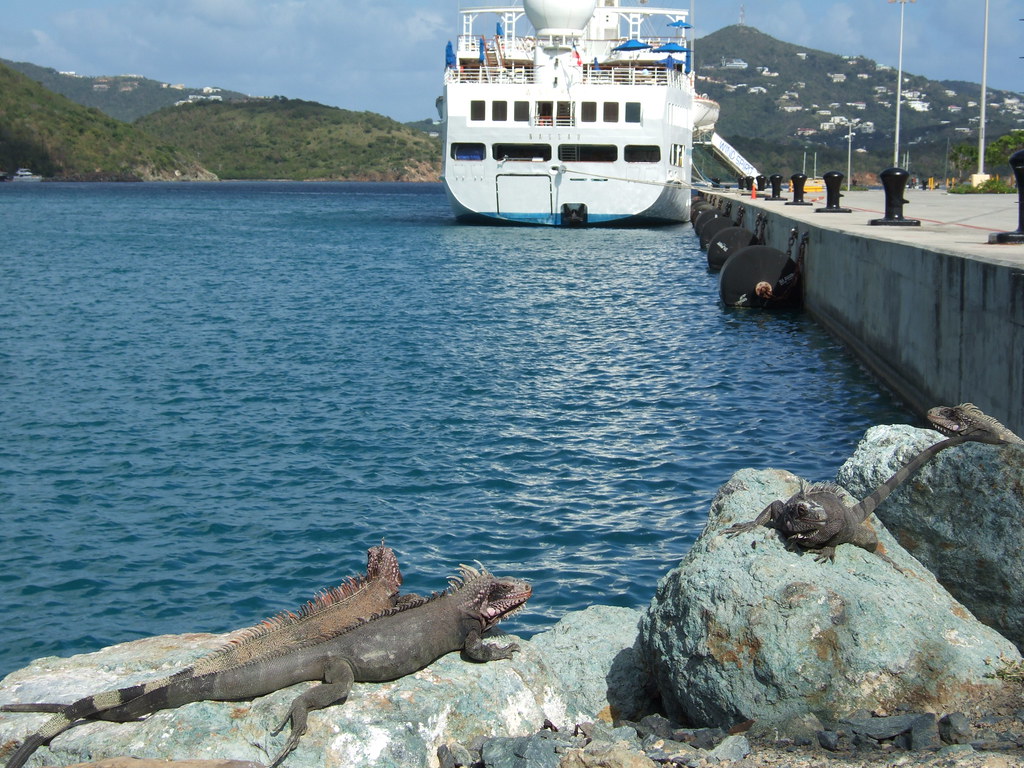
Windstar, the small-ship line known for its sailing yachts and off-the-beaten-path itineraries, used to include a generous complimentary watersports program — kayaks, paddleboards, snorkeling gear — as part of the standard sailing experience. That program still exists but has been pulled behind a fee structure on certain ships and certain itineraries, depending on deployment.
For a line whose appeal is built on intimacy and ease, asking passengers to pay separately for the paddleboard changes the texture of the whole thing.
Marella Cruises
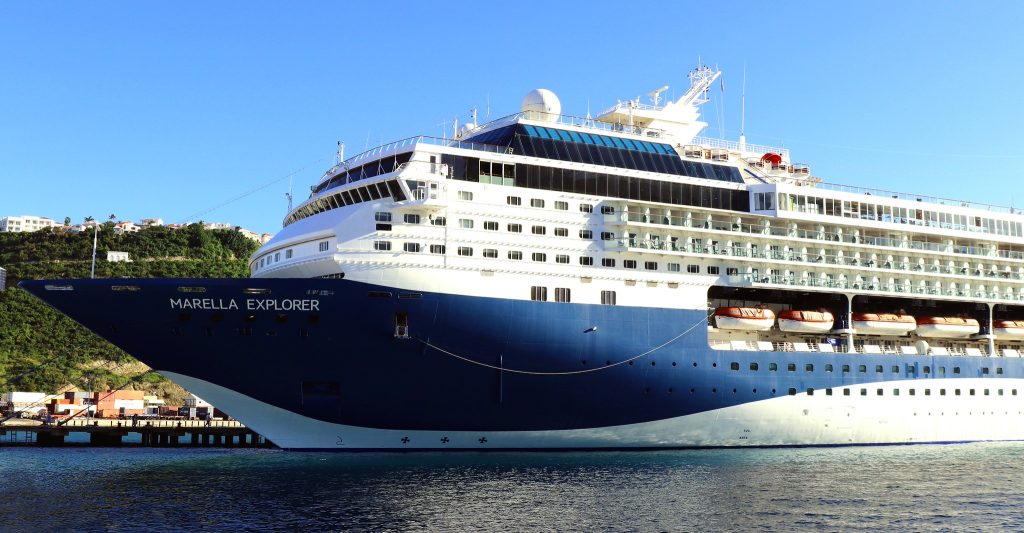
Marella Cruises, the UK-based TUI subsidiary, sold its product explicitly as all-inclusive — not just mostly inclusive, but properly all-inclusive in the resort sense. Premium spirits, which were once part of that deal, have been moved to a “premium” drinks tier that costs extra.
The base all-inclusive package still covers a wide range of drinks and dining, but the shift in spirits policy was significant enough that the line’s core marketing promise now comes with a footnote for passengers who want top-shelf options.
Fred. Olsen Cruise Lines
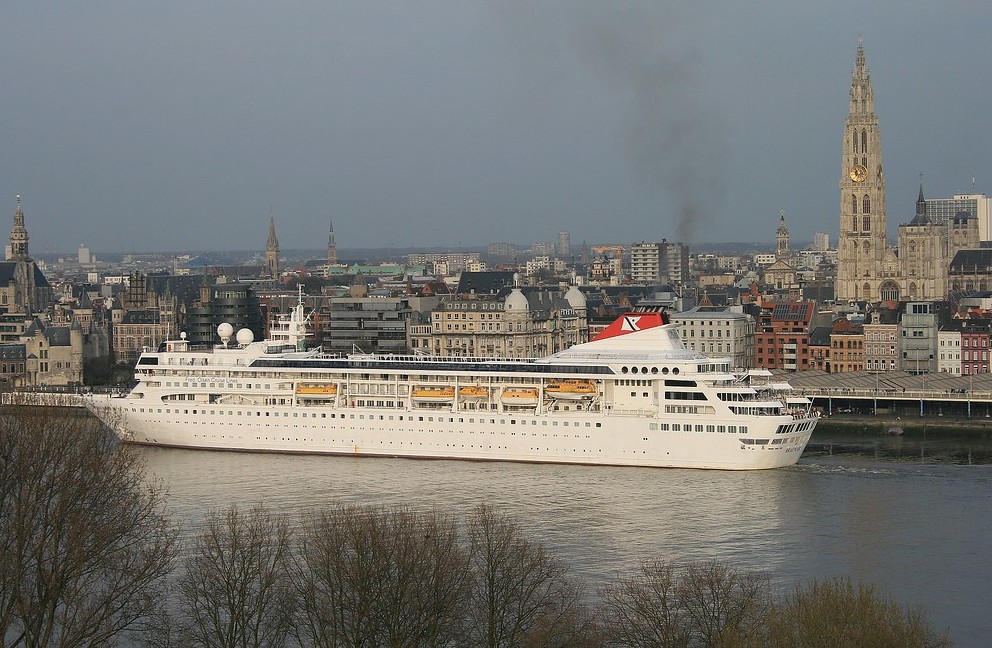
Fred. Olsen is a British family-owned line that has always carried itself with a certain old-fashioned integrity — small ships, attentive service, a genuine sense that passengers mattered individually. Gratuities were once included without fanfare; now they’re added separately, which feels at odds with the line’s traditional ethos.
The complimentary shuttle service that Fred. Olsen’s offer at certain ports has also been scaled back, replaced in some cases by paid alternatives.
Swan Hellenic
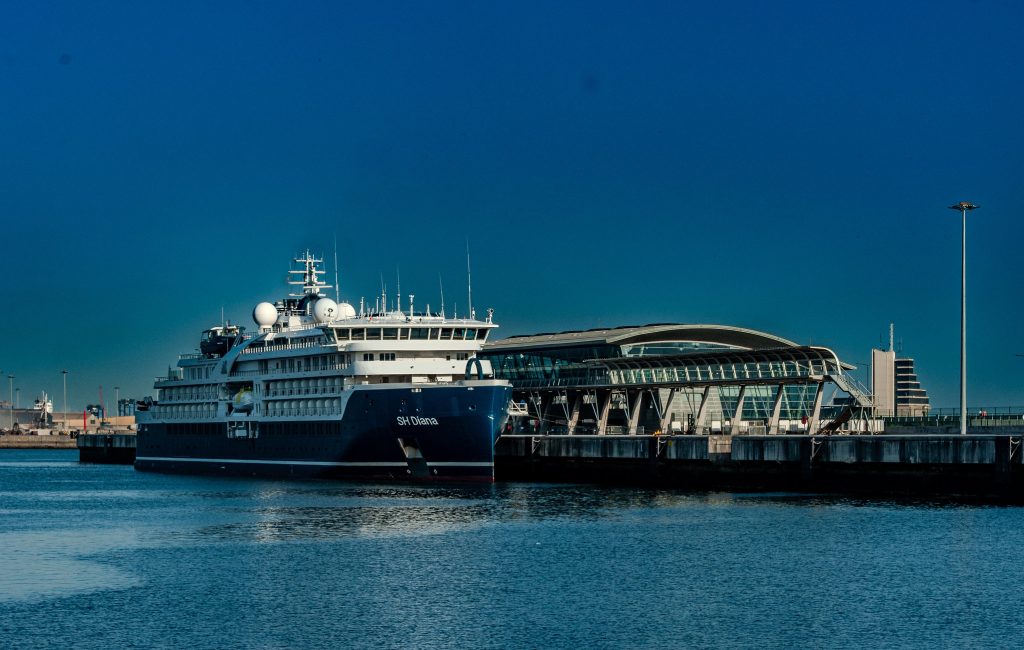
Swan Hellenic, the expedition and cultural cruise line that was relaunched in 2021, came out of the gate with strong all-inclusive credentials — lecturers, Zodiac landings, and most excursions baked into the fare. As the line has settled into its commercial footing, some of the expedition inclusions that felt standard in early sailings have been reclassified as optional paid additions.
Expedition cruising, by its nature, involves uncertainty — but passengers prefer that uncertainty to apply to the weather, not the pricing.
Ponant
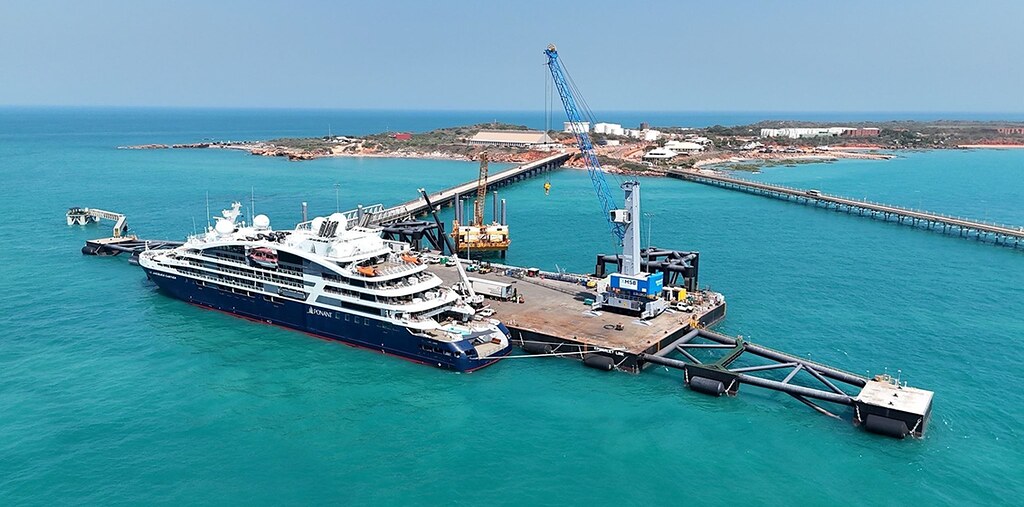
Ponant, the French luxury expedition line, built a fiercely loyal following on the basis of a refined, genuinely all-inclusive product. The wine at dinner was serious French wine, the dining was legitimately excellent, and the shore programs were generous.
Premium excursions and helicopter transfers — which are expensive to operate, to be fair — have always carried fees, but the category of “premium” has been expanding over time, gradually pulling experiences out of the inclusive tier and into the paid one.
Hurtigruten
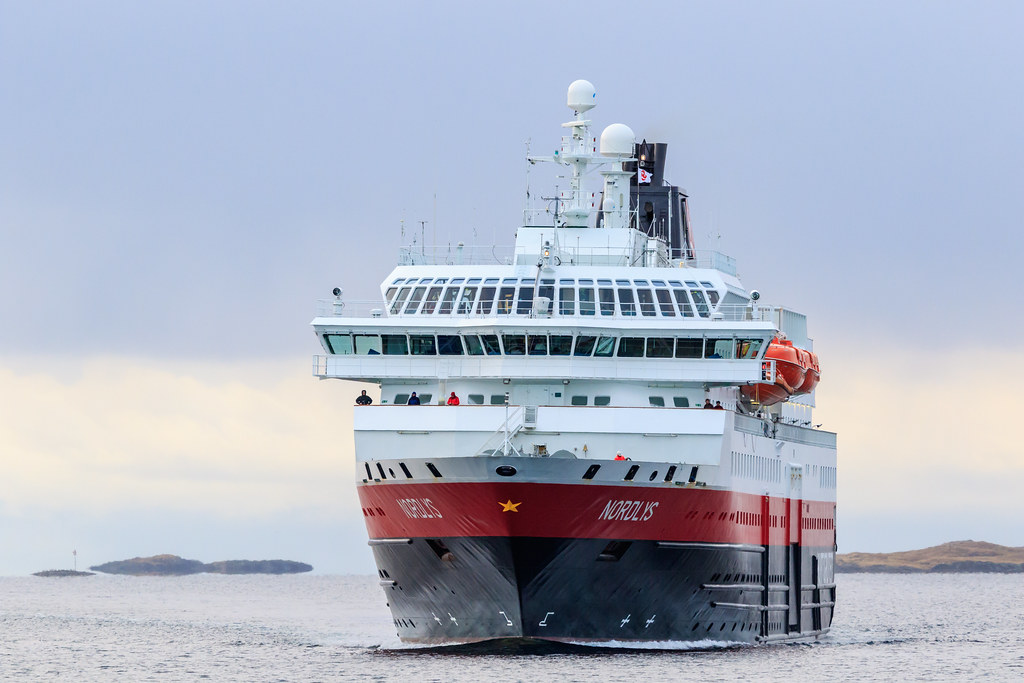
Hurtigruten, the Norwegian coastal and expedition line, once included virtually all onboard meals in its fares — a reflection of its origins as a working mail and passenger ferry where stopping for food meant stopping for the ship. Specialty dining now carries surcharges that feel out of place on a line with such utilitarian roots, and the expedition voyage programs that made Hurtigruten famous have split into tiered experiences with wildly different inclusion levels.
The authenticity that made Hurtigruten special hasn’t vanished, but it’s gotten harder to access at the base fare.
Aurora Expeditions
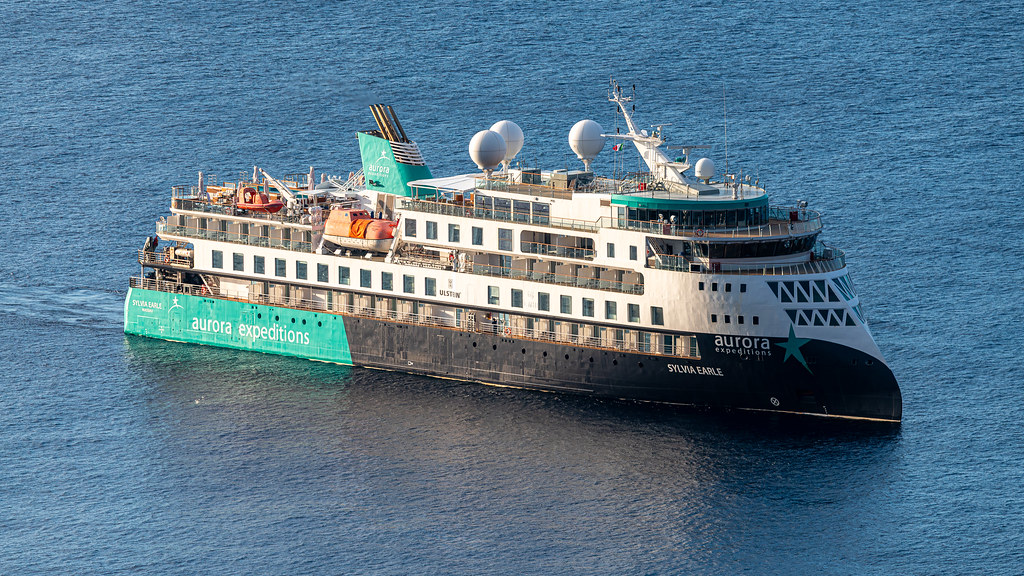
Aurora Expeditions, the Australian small-ship operator known for its Polar and remote itineraries, presented itself as a leader in transparent, all-inclusive expedition pricing — a genuine differentiator in a market full of hidden fees. The Zodiac operations and guided landings that form the heart of any polar voyage remain included, but the premium single-supplement waivers and certain specialist lecture experiences that used to appear as complimentary additions have been restructured into paid categories.
For a line that sells itself on doing things differently, looking increasingly similar to everyone else is its own kind of statement.
When the Fine Print Becomes the Whole Story
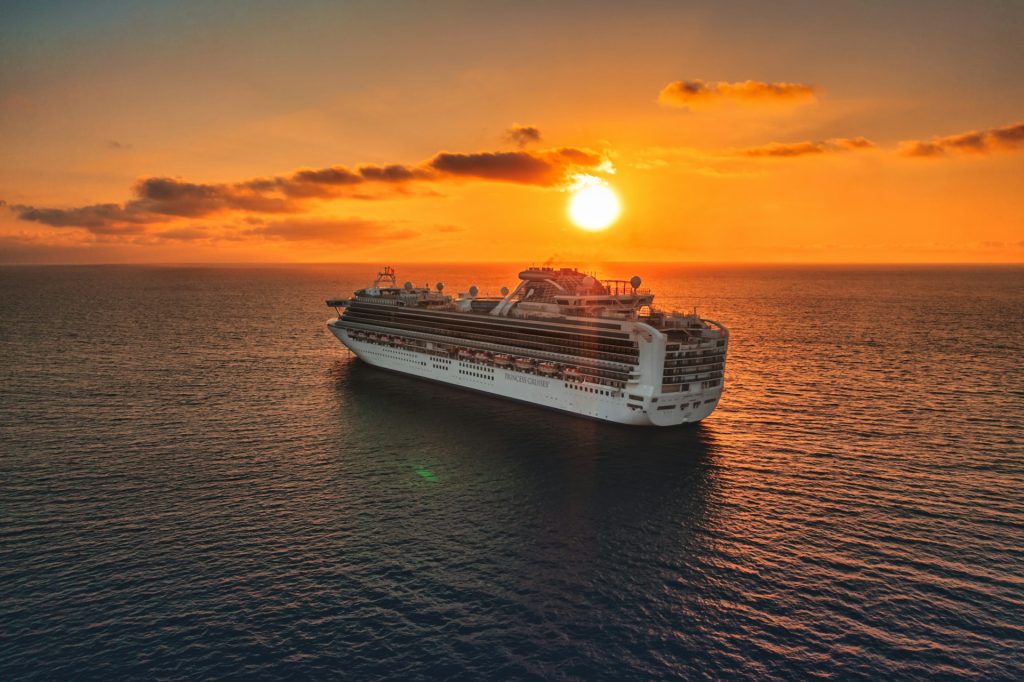
There’s a particular kind of disappointment that comes not from being lied to, but from watching something quietly become less than it was — like arriving at a restaurant you loved and finding that the dish you came for has been slightly reengineered into something almost the same. Cruising still delivers extraordinary things: sunsets over water that have no equal, itineraries that cover distances and travel can’t, the strangely comforting rhythm of waking up somewhere new.
But the industry’s broad, slow retreat from genuine all-inclusive pricing has changed the emotional contract between cruise lines and their passengers. You boarded expecting one thing and are being asked, at every turn, to pay a little more for the version you thought you already purchased.
The wisest move before any sailing is to read what’s actually included with the cold efficiency of someone who expects to be surprised — because you will be.
More from Travel Pug

- Underrated Italian Towns That Beat the Tourist Crowds
- Las Vegas Tourist Traps to Skip
- Prettiest Towns in Every US State
- 18 passport-free countries for Americans
- Signs Your Cruise Is Not Worth The Cost
Like Travel Pug’s content? Follow us on MSN.