

Cruising promises relaxation, luxury, and endless buffets, but that paradise comes with strings attached. The cruise industry operates under strict maritime law, and breaking certain rules can turn your dream vacation into a nightmare that ends before it begins.
Some passengers learn this the hard way when they’re denied boarding or asked to leave at the first port.
Documentation must be exact
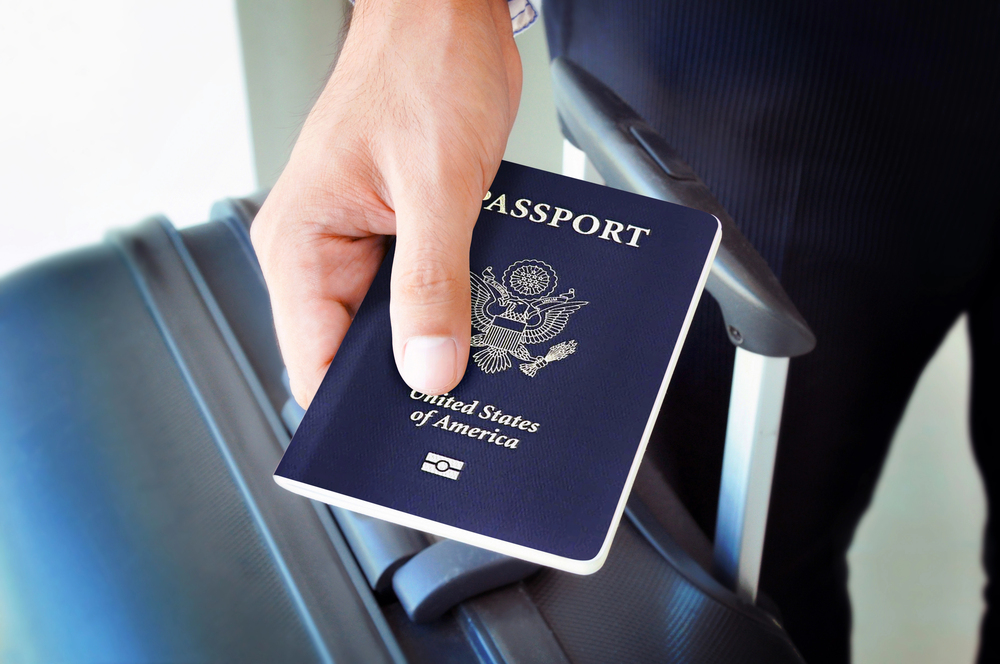
Your passport needs more than six months left before expiration. Cruise lines check this ruthlessly.
They’re not difficult — countries along your route require it, and the ship can’t risk being denied port entry because someone’s documents are cutting it close.
Luggage inspection is thorough
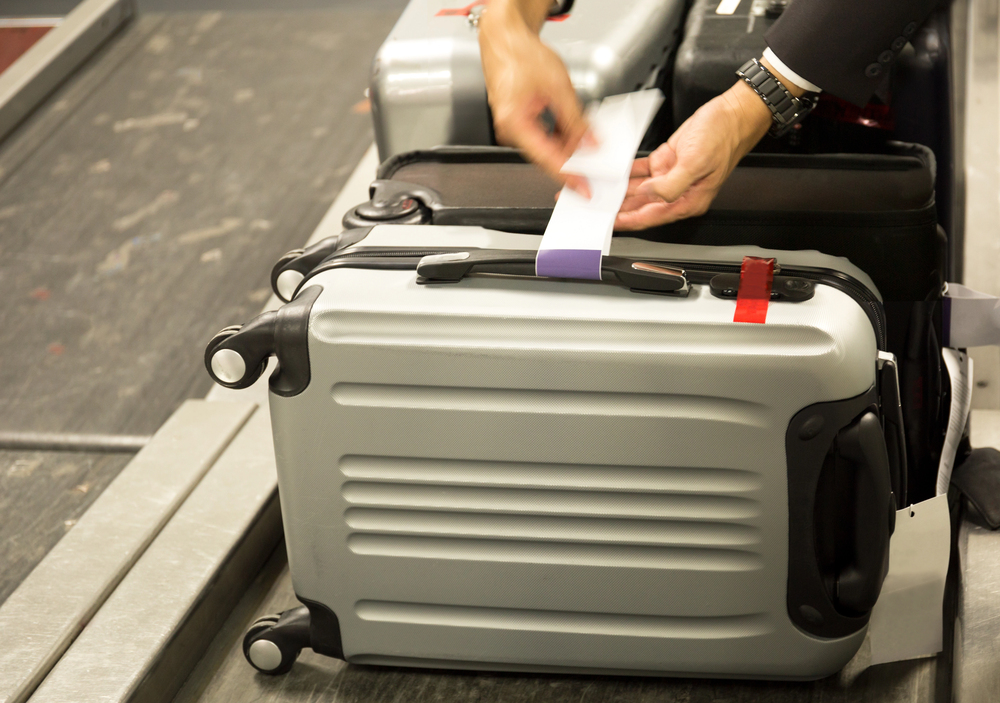
Think of cruise ship security as airport security’s more intense older sibling. They’ve seen passengers try to smuggle everything from surge protectors (fire hazard) to entire bottles of liquor wrapped in dirty laundry.
The X-ray machines catch it all, and the delay while they hand-search your bag means everyone behind you in line knows exactly who the troublemaker is. When contraband gets discovered, there’s no negotiating.
Security confiscates items on the spot, and depending on what they find (weapons, illegal substances, or excessive alcohol), you might find yourself watching the ship leave without you. The crew has heard every excuse and sob story — they’re immune to pleading.
Medical clearance isn’t optional
Cruise lines ask about recent illnesses for good reason, and lying on those health forms is asking for trouble. If you’ve had symptoms of anything contagious within 72 hours of sailing, they’ll likely deny boarding.
A norovirus outbreak on a ship can sideline hundreds of passengers — the crew takes prevention seriously. So when they ask if anyone in your household has been sick (even if it wasn’t you), answer honestly.
The alternative is getting turned away at the terminal after they discover the truth, which they often do through follow-up questions or medical screening. And yes, they keep records, so this kind of deception can affect future bookings.
But here’s what makes this particularly unforgiving: cruise ships are floating petri dishes where germs spread faster than gossip at a high school reunion. The medical staff has seen entire dining rooms emptied by stomach bugs that started with one passenger who thought their “little cold” wouldn’t matter.
They’ve watched families spend their vacation quarantined in cabins instead of enjoying the destinations they paid thousands to visit.
Dress codes apply everywhere
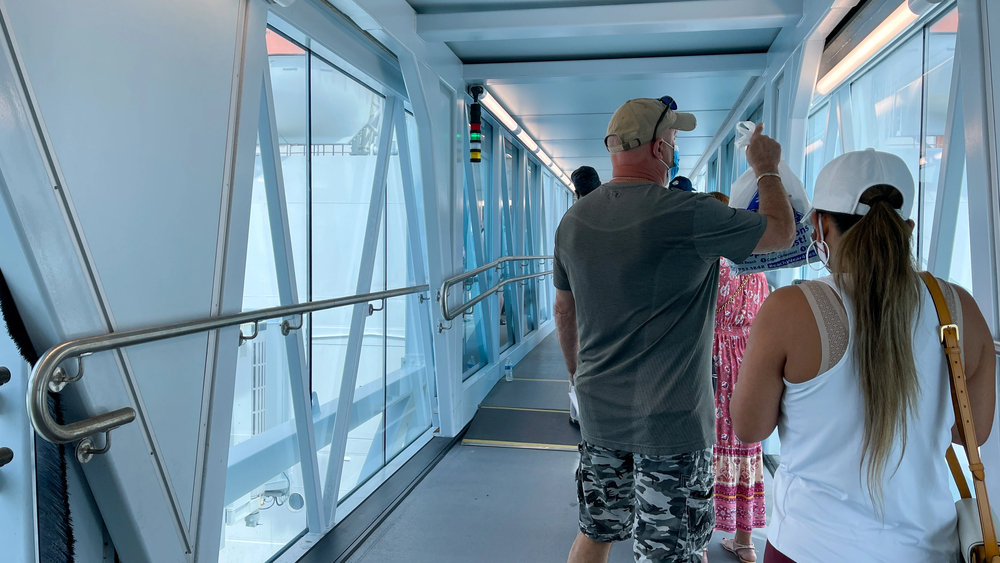
Formal nights aren’t suggestions. Show up to the main dining room in flip-flops and shorts, and the staff will politely redirect you to the buffet.
Pack at least one outfit that wouldn’t embarrass your mother at church.
Alcohol limits are enforced

Each passenger can bring one bottle of wine or champagne in their carry-on. That’s it.
Cruise lines make serious money on drink packages and bar sales — they’re not about to let you stock your cabin with duty-free liquor. Some passengers think they’re clever by distributing bottles among family members or hiding alcohol in mouthwash containers.
Security has seen these tricks countless times. Getting caught means losing the alcohol and potentially facing additional consequences that could affect your entire cruise experience.
Photo ID stays with you
Even though you’re on a ship, you need government-issued photo identification whenever you leave and re-board. Lose your ID during a port day, and you might spend hours at the local consulate instead of enjoying your excursion.
The ship won’t wait.
Minor travel requires extra paperwork
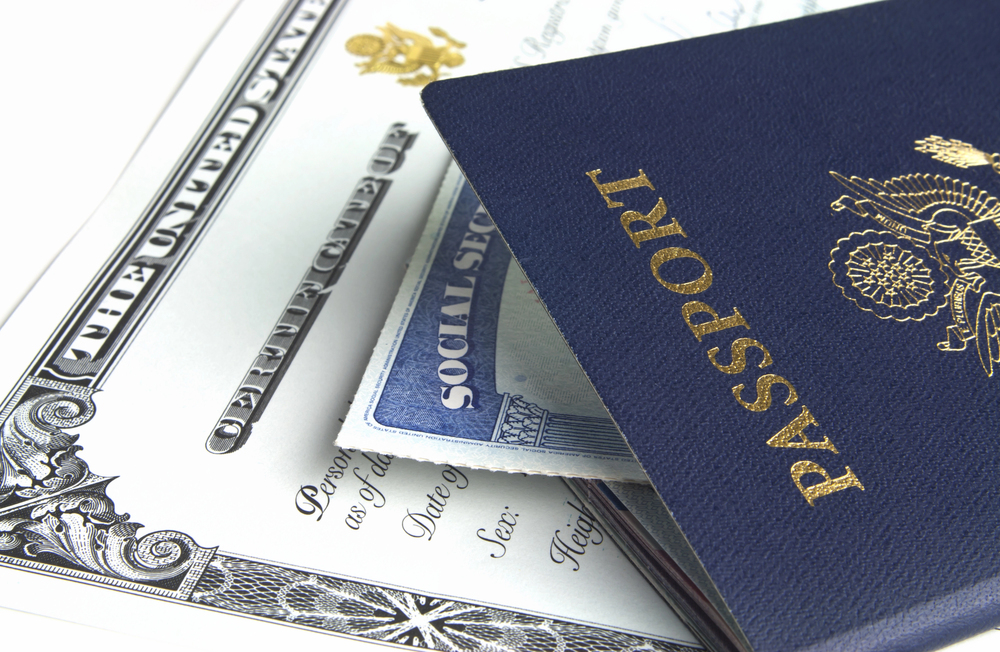
Traveling with children who aren’t yours requires notarized permission from their parents. Grandparents, aunts, uncles, and family friends get stopped at security without proper documentation. The cruise line isn’t questioning your relationship with the kids — they’re following federal law designed to prevent child trafficking.
Even divorced parents need to be careful here. If custody agreements exist, bring copies.
If one parent has sole custody, bring proof. Immigration officials at ports take child welfare seriously, and cruise lines cooperate fully with their investigations.
What seems like bureaucratic overkill exists because children’s safety trumps vacation convenience every time.
Port excursions have cut-off times

Miss the ship’s departure, and you’ll need to catch up at the next port on your own dime. Ship time is the only time that matters — not local time, not your watch, not your phone.
When they say all aboard is 4:30 PM ship time, they mean it. The ship’s horn sequence isn’t decoration.
One long blast means thirty minutes until departure. Seven short blasts followed by one long blast means they’re pulling up the gangway in ten minutes.
Miss those signals while shopping for souvenirs, and you’ll be shopping for last-minute flights instead.
Smoking restrictions are absolute

Designated smoking areas exist for a reason. Light up anywhere else, especially on balconies, and you’ll face substantial fines.
Ships carry thousands of people in a relatively small space — fire safety isn’t negotiable.
Cabin occupancy limits matter
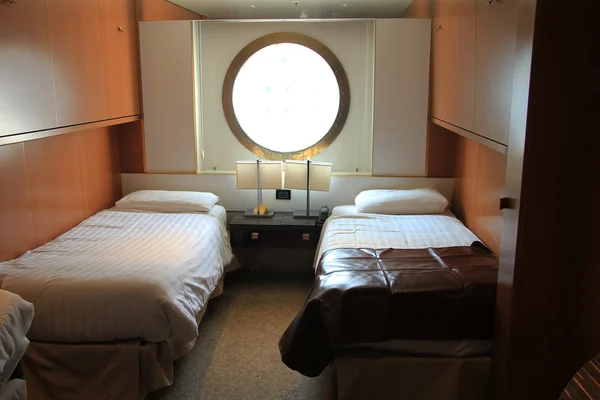
Book a room for two people, and only two people can stay there. Cruise lines count heads carefully for safety reasons — they need accurate passenger counts for emergencies.
Trying to sneak extra people into your cabin violates maritime safety regulations.
Gratuity policies aren’t optional

Automatic gratuities get added to your account whether you like it or not. These aren’t suggestions or recommendations — they’re how cruise staff gets paid.
You can adjust them at the guest services desk, but eliminating them entirely marks you as the kind of passenger that staff remember for all the wrong reasons.
Disembarkation instructions are final

When they assign your luggage tag color and departure time, that’s your slot. Trying to leave early or ignoring the color-coded system creates bottlenecks that delay everyone.
Cruise terminals handle thousands of passengers in a few hours — the system only works when people follow directions.
Emergency procedures require participation
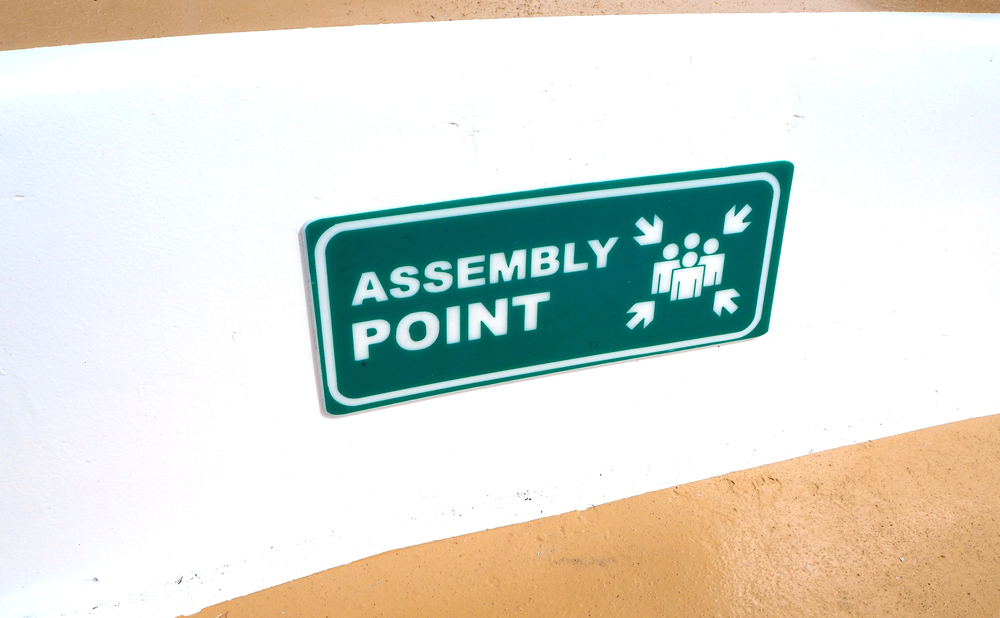
Muster drills aren’t optional entertainment. Coast Guard regulations require every passenger to attend the safety demonstration before the ship can leave port.
Skip it or show up late, and crew members will track you down. The ship doesn’t move until everyone’s accounted for.
Your floating vacation depends on it
Breaking these rules doesn’t just risk ruining your own trip — it can affect everyone else on board. Cruise lines have zero tolerance for passengers who ignore safety protocols, lie about health issues, or disrupt operations.
The crew’s job is keeping thousands of people safe and happy, and they take that responsibility seriously enough to remove anyone who threatens either goal.
More from Travel Pug

- Underrated Italian Towns That Beat the Tourist Crowds
- Las Vegas Tourist Traps to Skip
- Prettiest Towns in Every US State
- 18 passport-free countries for Americans
- Signs Your Cruise Is Not Worth The Cost
Like Travel Pug’s content? Follow us on MSN.