

Experienced cruise passengers know that certain small details can reveal a great deal about a ship’s condition, maintenance, comfort, and overall design. These subtle indicators often provide a more realistic impression than official specifications or promotional photos.
Frequent cruisers tend to notice them almost automatically from the moment they board.
Cabin Ceiling Finish and Soundproofing
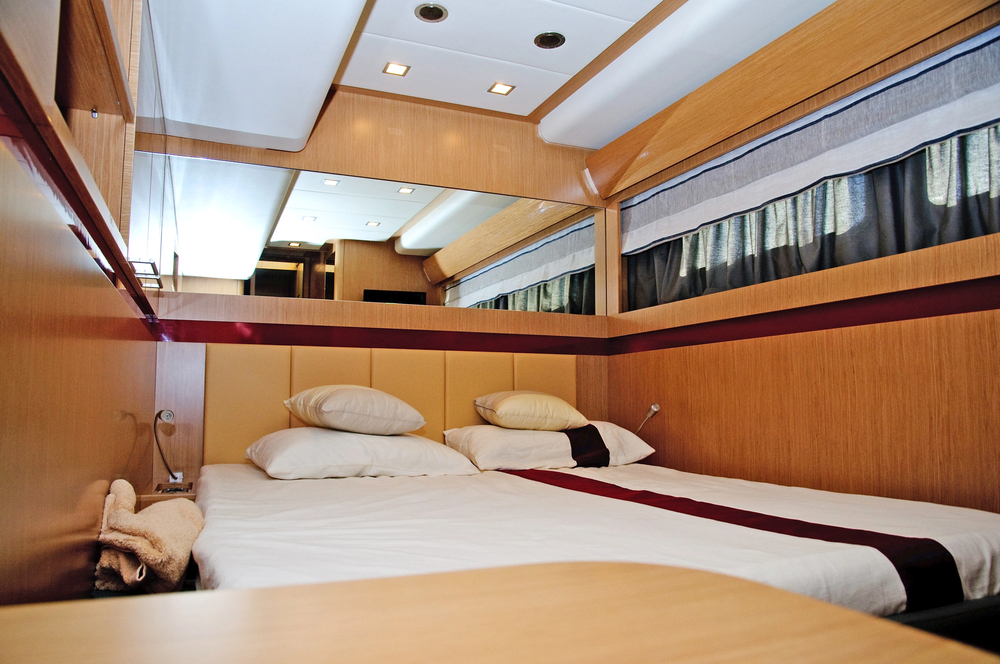
The condition and construction of cabin ceilings can offer clues about insulation, vibration, and recent renovations. Well-maintained cabins generally feel quieter and more solid, while excessive engine noise or sound from neighboring cabins can affect overall comfort.
Elevator Response Time and Mechanical Condition
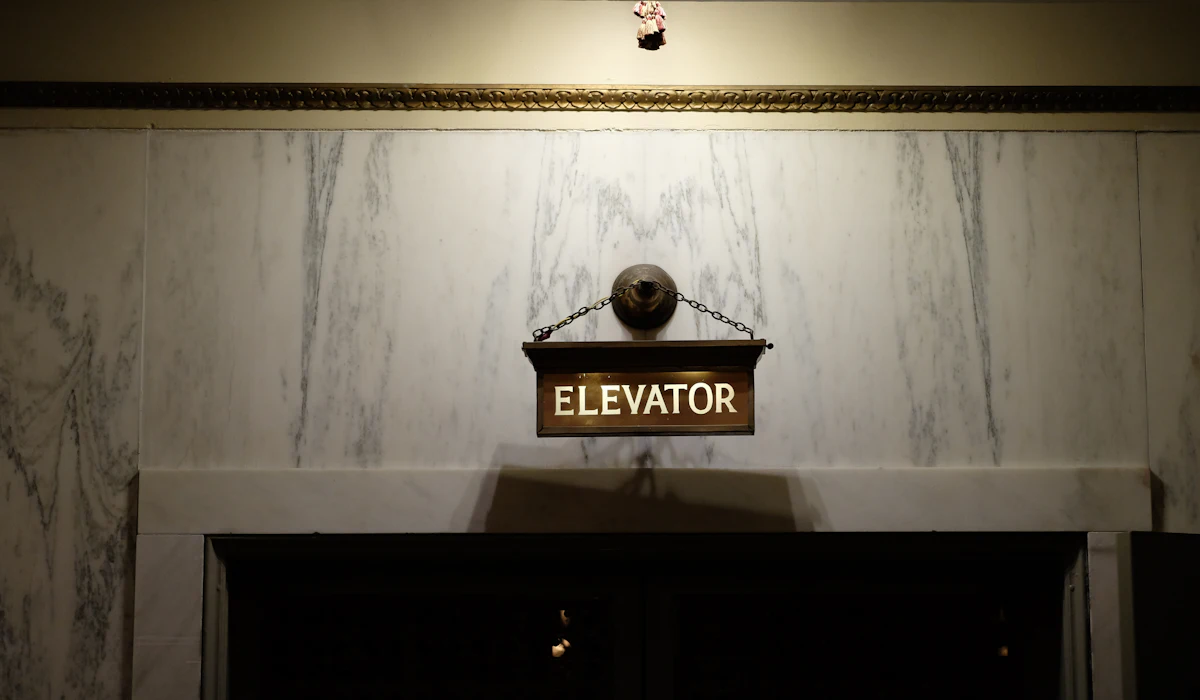
Elevators can reveal a lot about a ship’s day-to-day maintenance. Smooth operation, reasonable response times, and quiet movement generally create a better impression than frequent delays, unusual noises, or jerky operation.
Stairwell Lighting and Cleanliness

The condition of secondary stairwells can provide a useful glimpse into the ship’s overall housekeeping standards. Well-lit, clean stairwells suggest that attention extends beyond the most visible public spaces.
Outdoor Deck Surface Condition
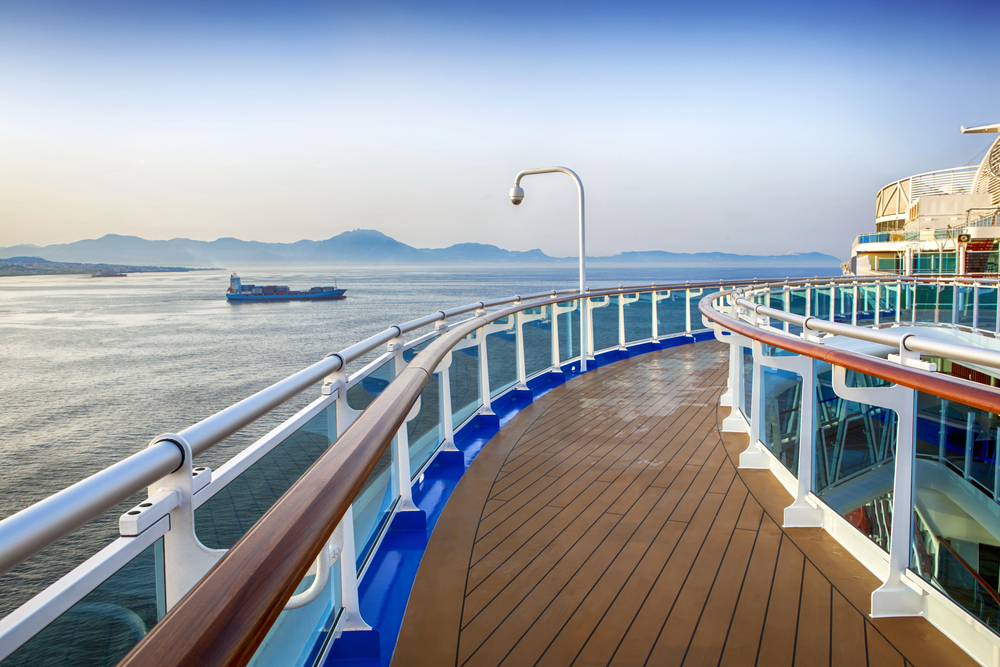
Outdoor deck surfaces experience constant exposure to sun, salt, moisture, and heavy foot traffic. Excessive wear, damaged surfaces, or neglected areas may indicate a ship in need of refurbishment, while well-maintained decks contribute to both comfort and safety.
Balcony Door Seals and Weather Protection
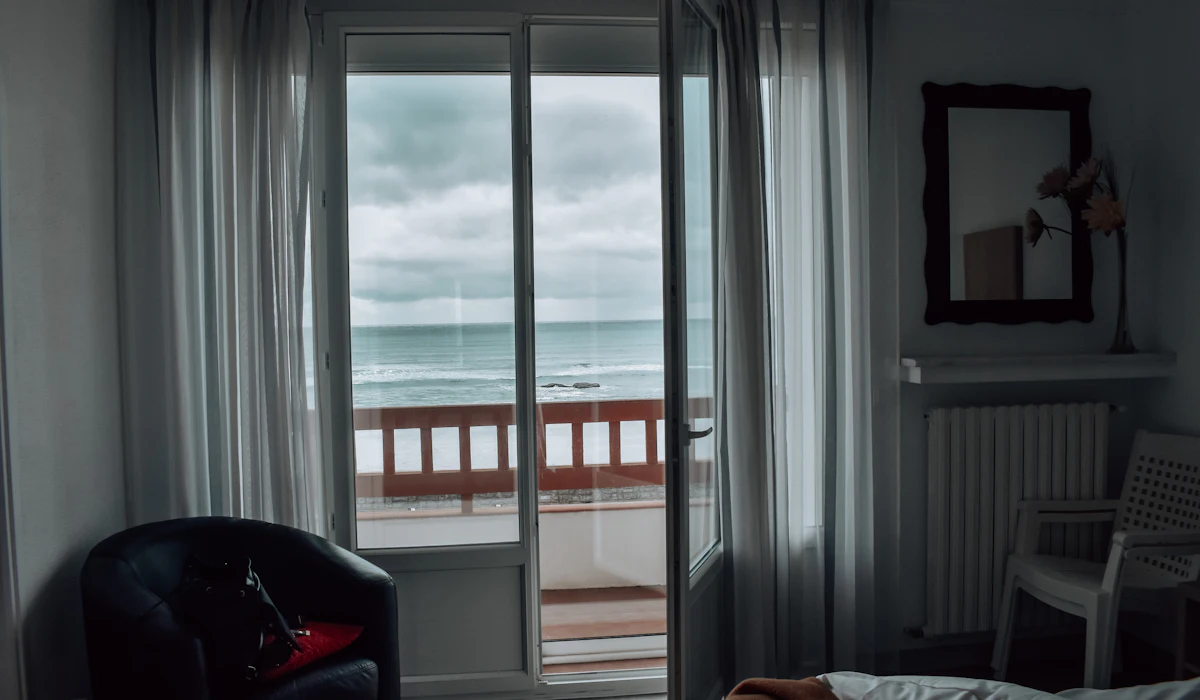
Frequent cruisers often check whether balcony doors close smoothly and seal properly. Poor seals can allow wind noise, moisture, or outside sounds into the cabin, while well-maintained doors improve comfort.
Lido Deck Furniture Condition
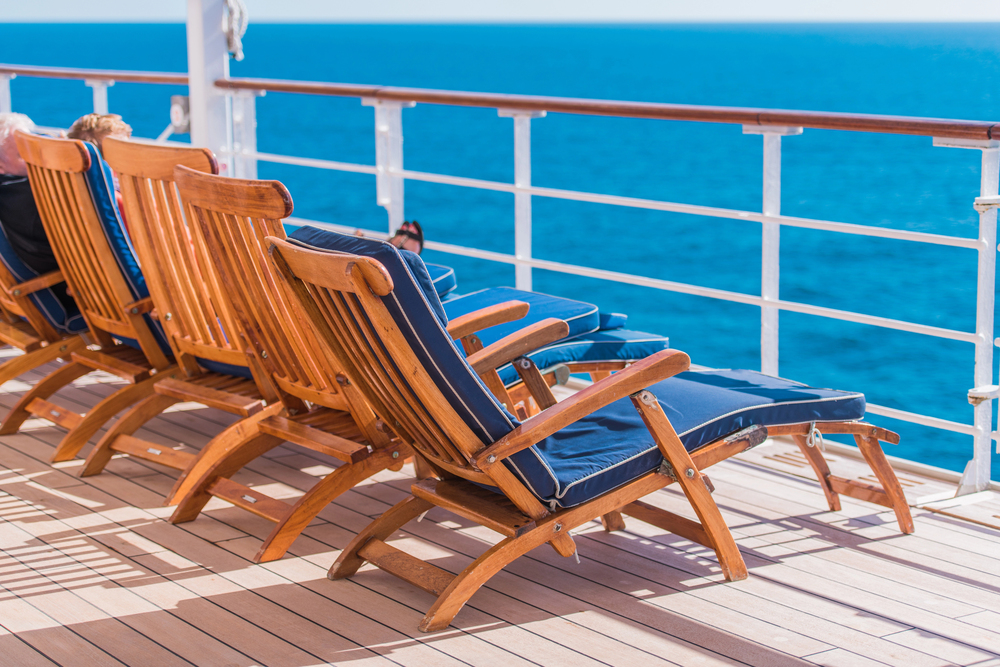
Outdoor furniture is exposed to some of the harshest conditions on a ship. Comfortable, well-maintained lounge chairs and tables can suggest recent refurbishment or consistent upkeep, while heavily worn furniture may make an otherwise attractive deck feel dated.
Metal Railing Corrosion Levels
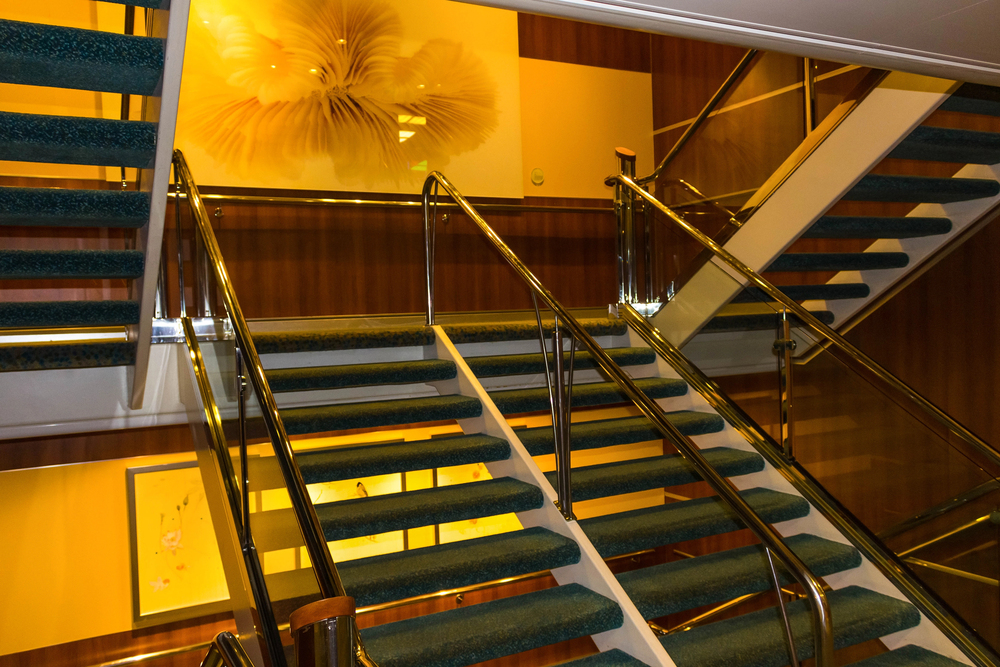
Cruise ships operate in a demanding saltwater environment, making regular maintenance essential. Some surface wear is normal, but visible corrosion or neglected finishes can stand out to experienced cruisers.
Dining Room Carpet Wear Patterns

Carpeting in high-traffic areas naturally shows signs of use over time. Frequent cruisers notice whether dining rooms and other public spaces appear well maintained or overdue for replacement, particularly around entrances and heavily used walkways.
Theater Seat Condition and Comfort

Theater seating can have a major effect on the onboard entertainment experience. Cushion support, cleanliness, legroom, and general condition often reveal whether a venue has been recently refreshed or is showing its age.
Cabin Door Closures and Sound Levels
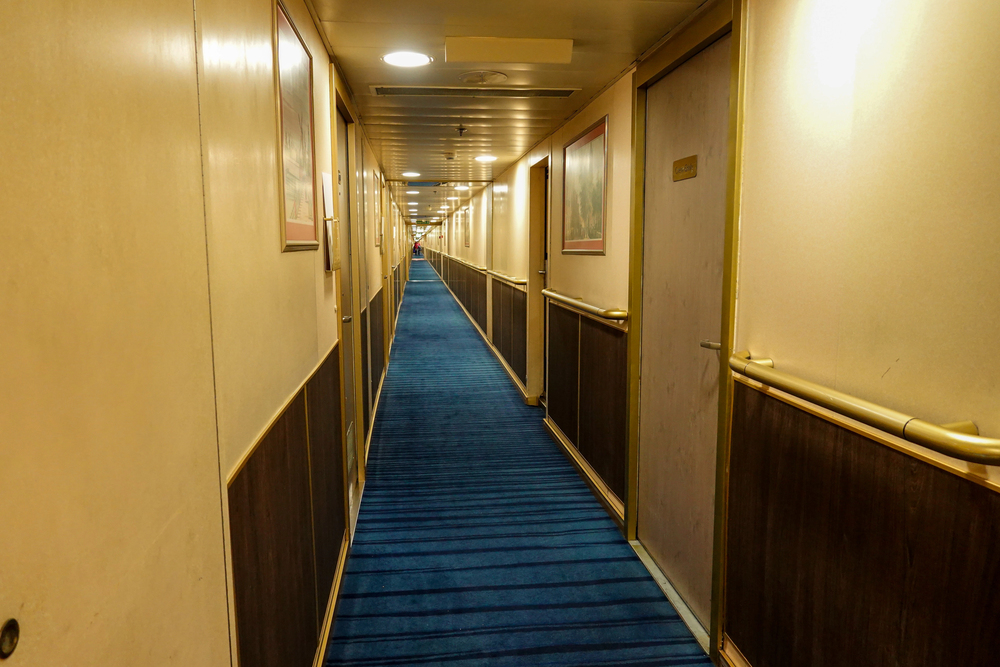
A solid cabin door that closes securely can make a noticeable difference in privacy and noise reduction. Frequent cruisers often notice whether doors slam, rattle, or allow excessive corridor noise into the cabin.
Hot Water Pressure and Temperature Consistency
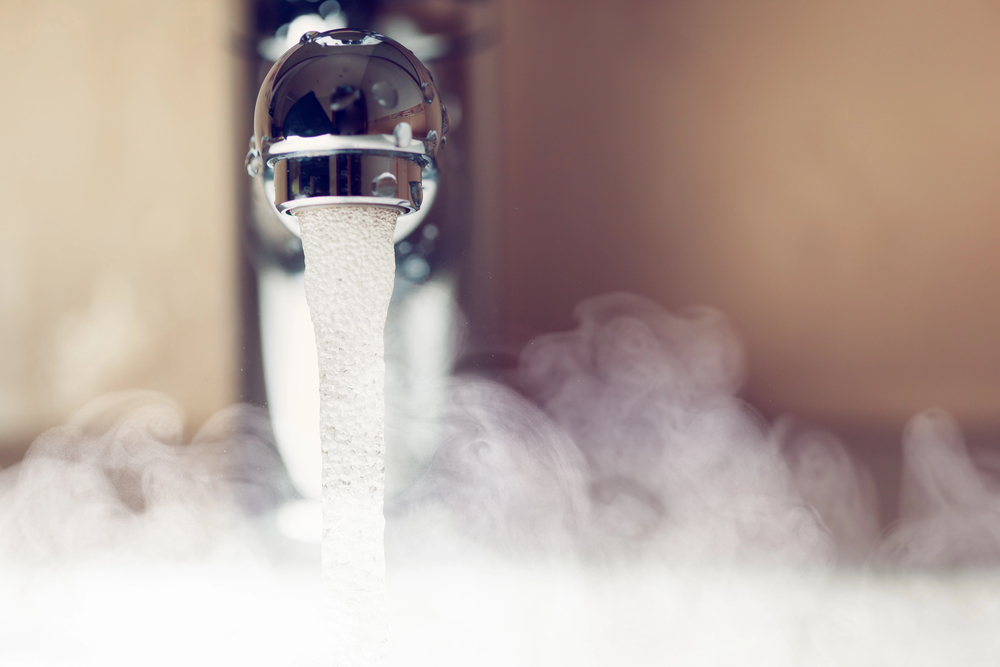
Reliable water pressure and stable temperatures are small comforts that become important over a weeklong sailing. Frequent cruisers quickly notice inconsistent water temperature or unusually weak pressure during busy times.
Window Frame Condition and Seal Quality
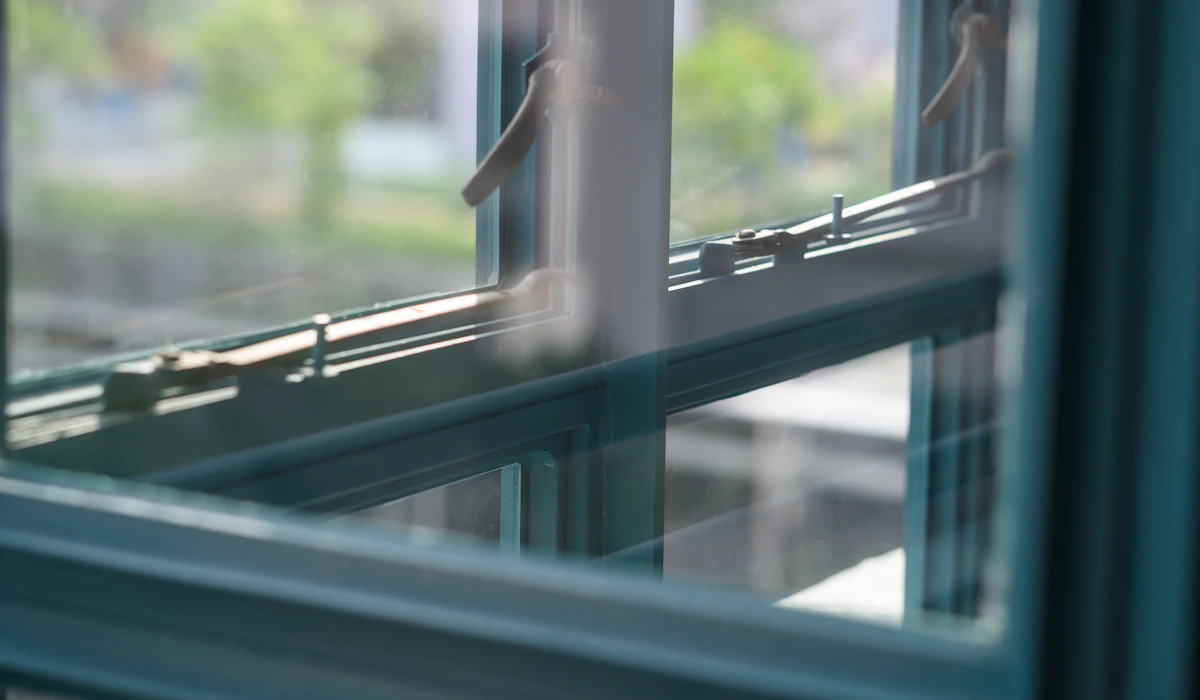
Windows exposed to salt spray and changing weather require regular maintenance. Clean frames, clear glass, and properly maintained seals contribute to both cabin comfort and the quality of ocean views.
Carpet Quality Throughout the Ship

The condition of carpeting in corridors, lounges, and public areas can provide clues about recent refurbishment and routine upkeep. Frequent cruisers often notice whether flooring feels fresh and well maintained or visibly worn.
Interior Paint Application Quality
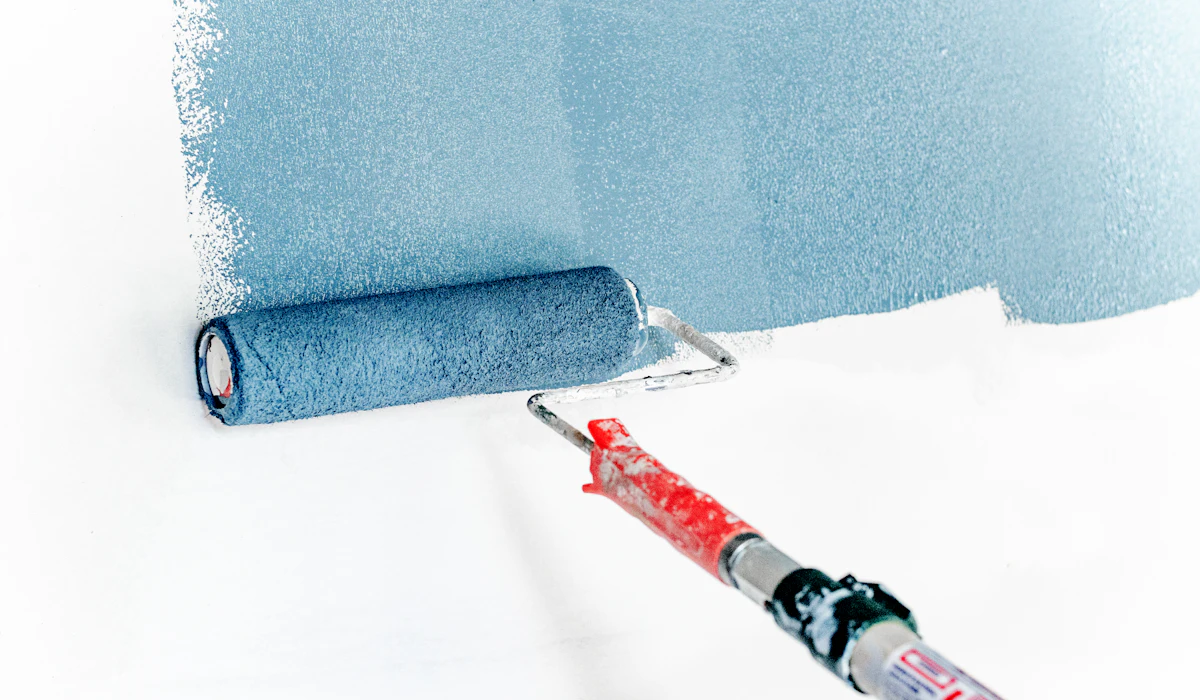
Fresh, consistent paint can make even an older ship feel well cared for. Scuffs, peeling areas, uneven touch-ups, or neglected finishes may stand out more to experienced passengers than to first-time cruisers.
Corridor Width and Passenger Flow
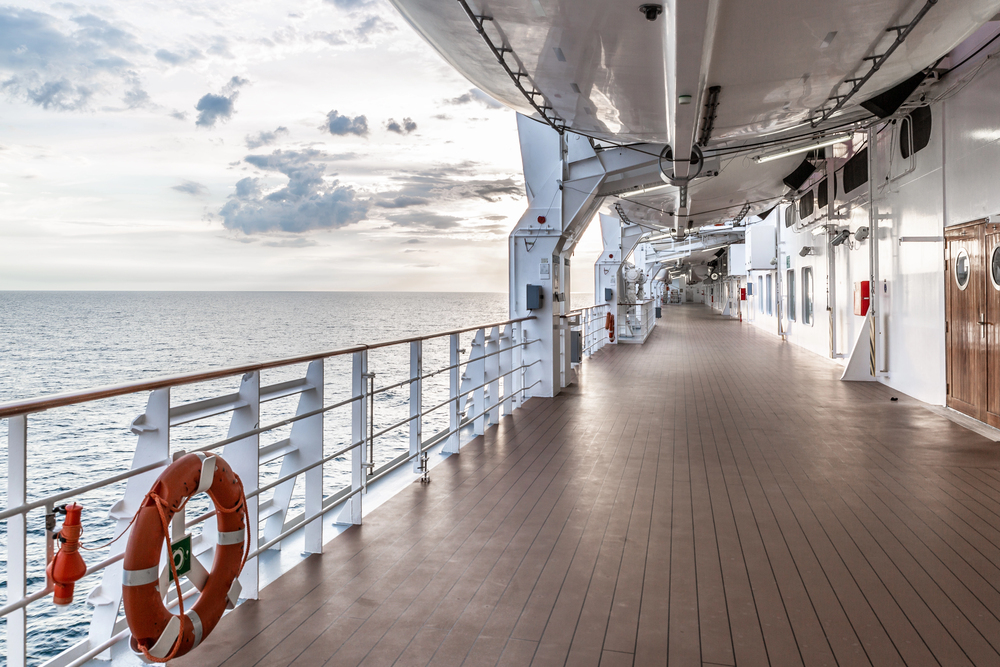
Corridor design can significantly affect how crowded a ship feels. Frequent cruisers notice whether hallways comfortably accommodate passengers, service carts, and luggage or become congested during busy periods.
Cabin Storage Hinges and Mechanisms
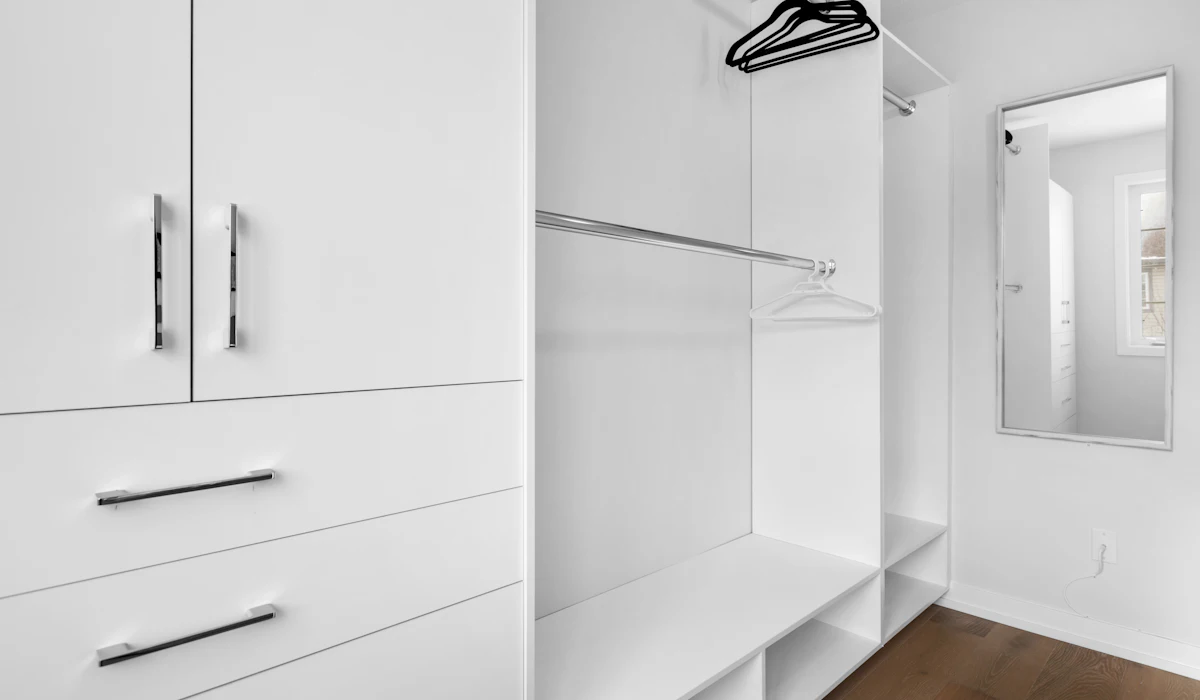
Closets, drawers, and other storage areas are used constantly throughout a sailing. Smooth hinges, secure drawers, and functional mechanisms contribute to a more comfortable cabin experience.
Bathroom Tile and Grout Condition
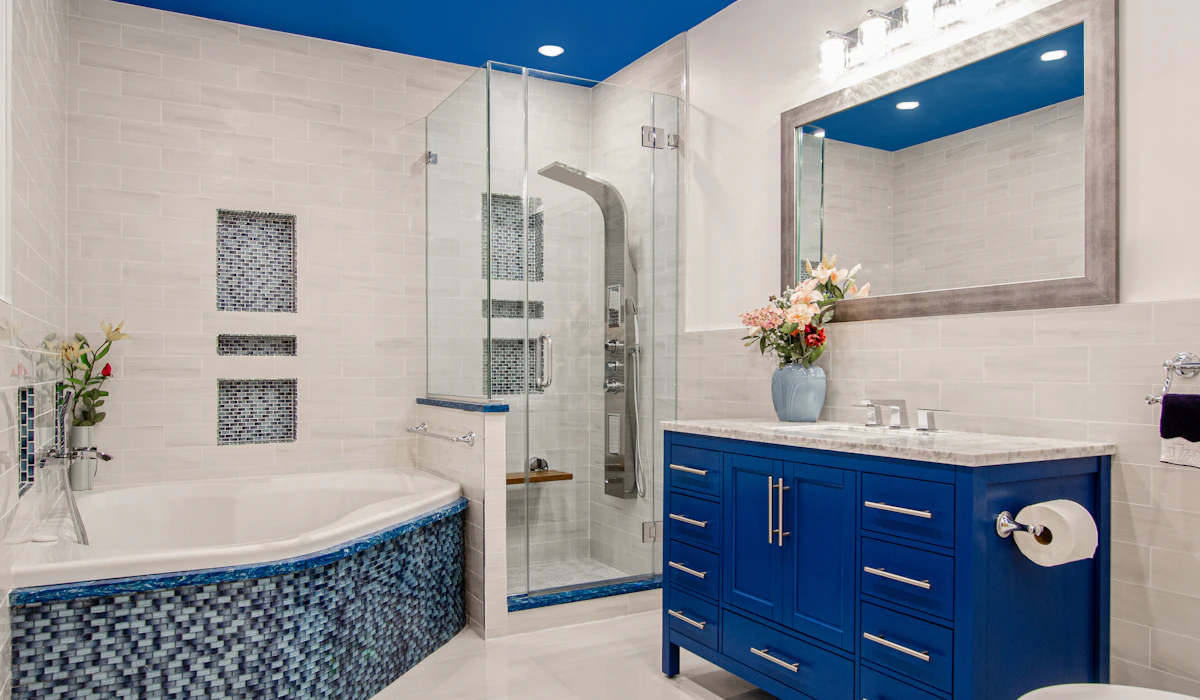
Bathrooms reveal maintenance issues quickly because of constant exposure to moisture. Clean tile, well-maintained grout, and properly functioning ventilation can make a cabin feel significantly fresher.
Kitchen Exhaust and Odor Control

Occasional food aromas are normal near dining venues, but persistent cooking odors in public areas or cabins can affect comfort. Effective ventilation helps keep the ship’s different spaces feeling distinct.
Electrical Outlet Condition
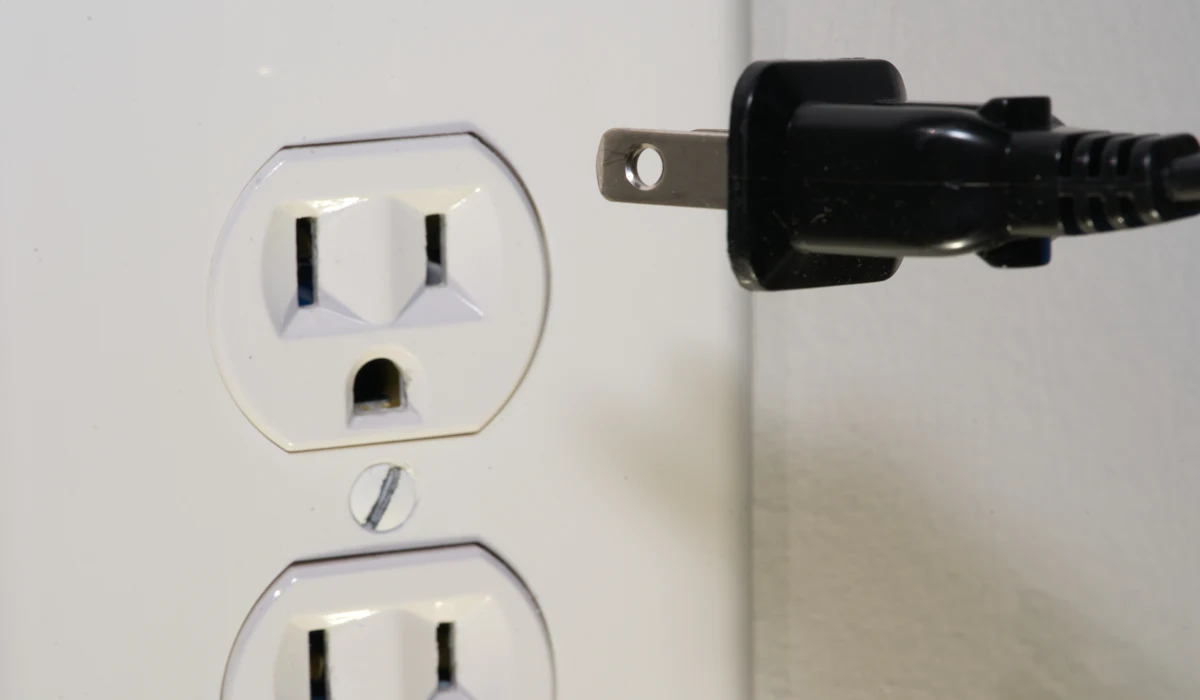
Frequent cruisers often notice the availability, placement, and condition of electrical outlets. Functional and conveniently located outlets make charging devices easier, while loose or poorly positioned outlets can become a daily inconvenience.
Plumbing Fixture Condition
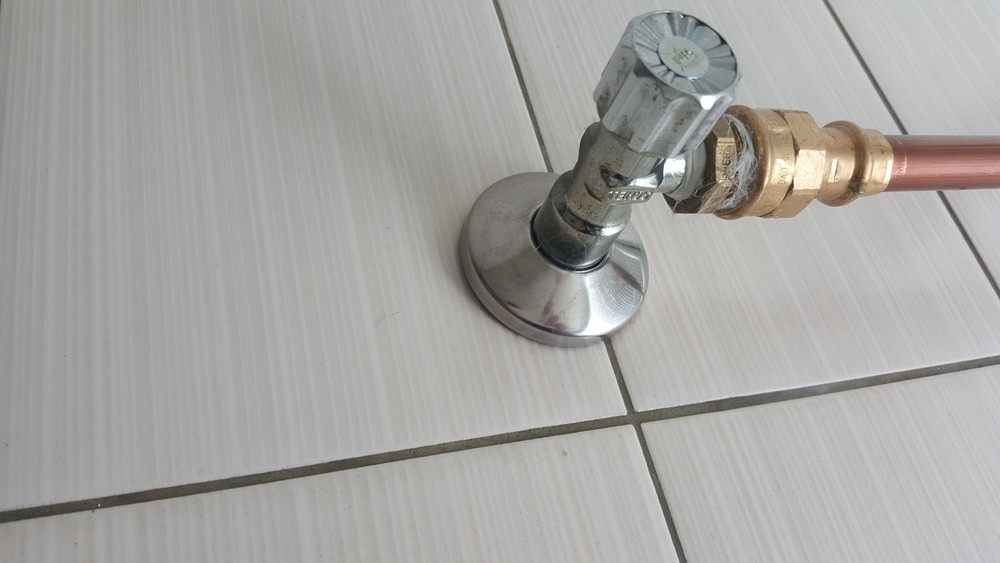
Shower fixtures, faucets, and other bathroom hardware experience constant use. Well-maintained fixtures that operate smoothly and show minimal wear can be a small but noticeable sign of consistent upkeep.
Air Conditioning Noise and Efficiency
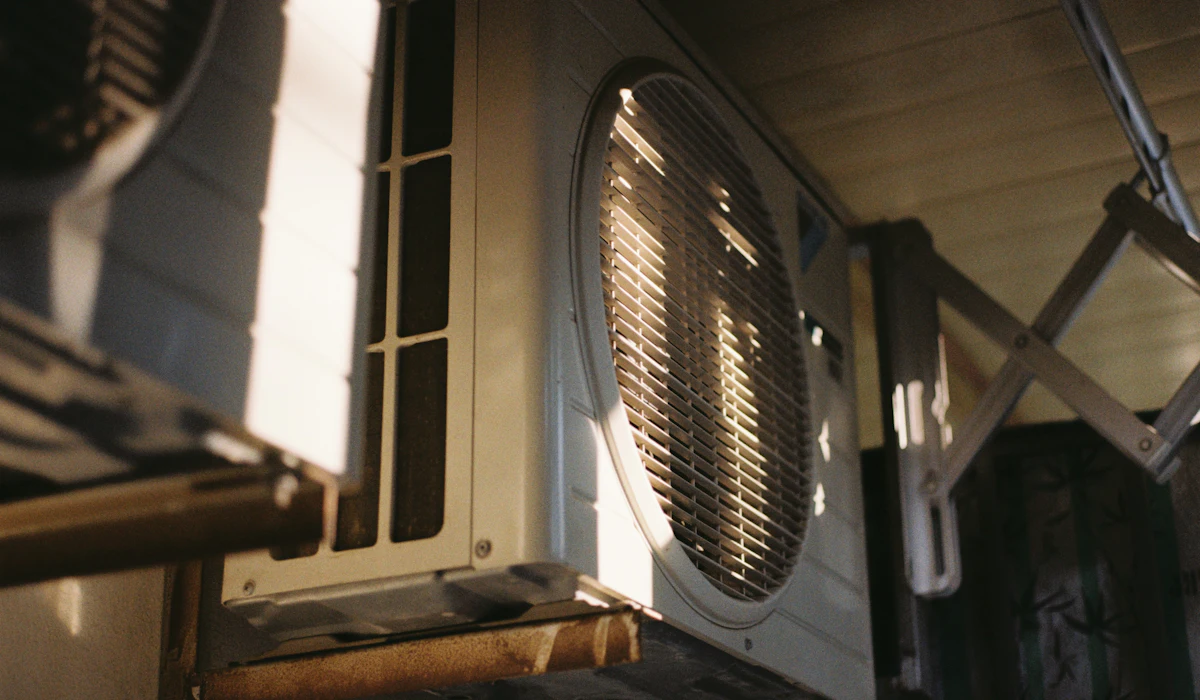
A quiet, effective air-conditioning system can greatly improve cabin comfort. Rattling, excessive vibration, or difficulty maintaining a comfortable temperature may be more noticeable to frequent cruisers who have experienced a variety of ships.
Glass and Mirror Condition

Clear windows, spotless mirrors, and well-maintained glass contribute to the overall impression of cleanliness. Frequent cruisers often notice these details in cabins, elevators, lounges, and public areas.
Handrail Grip and Surface Quality
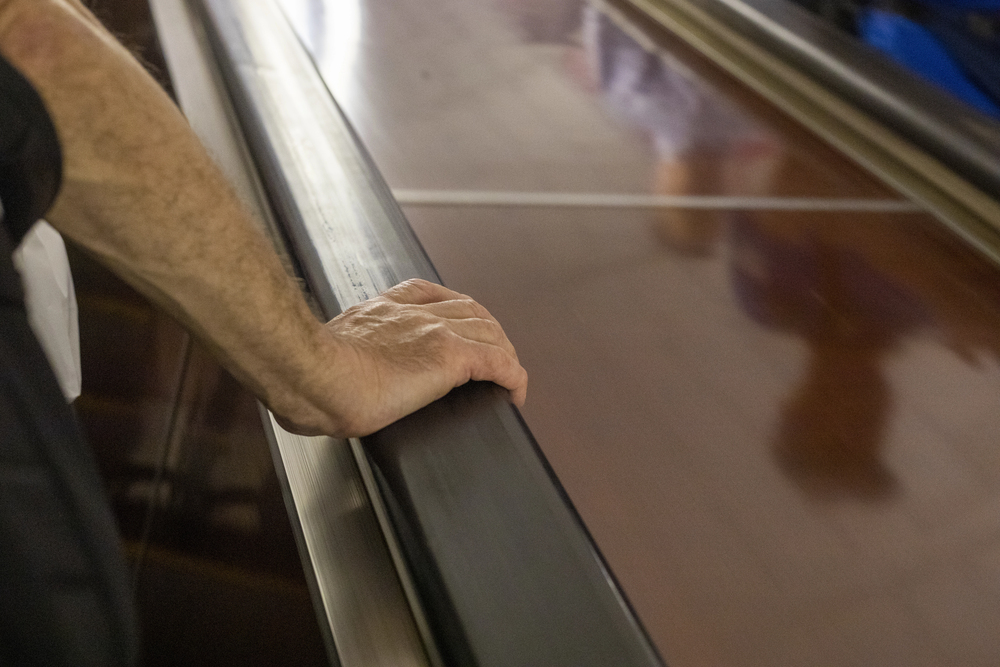
Handrails are used constantly throughout the ship, particularly in rough weather or on staircases. Smooth, secure, and well-maintained surfaces contribute to both comfort and safety.
Cabin Lighting Quality
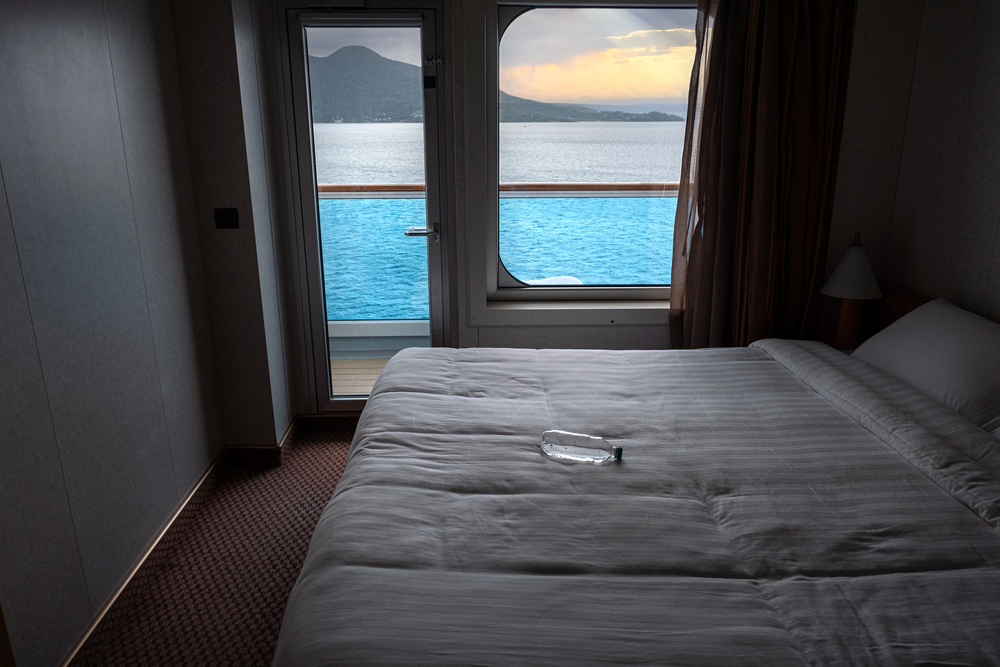
Lighting affects everything from reading to getting ready for dinner. Frequent cruisers notice the placement, brightness, color temperature, and availability of bedside or adjustable lighting when comparing cabins.
Door Frame Alignment
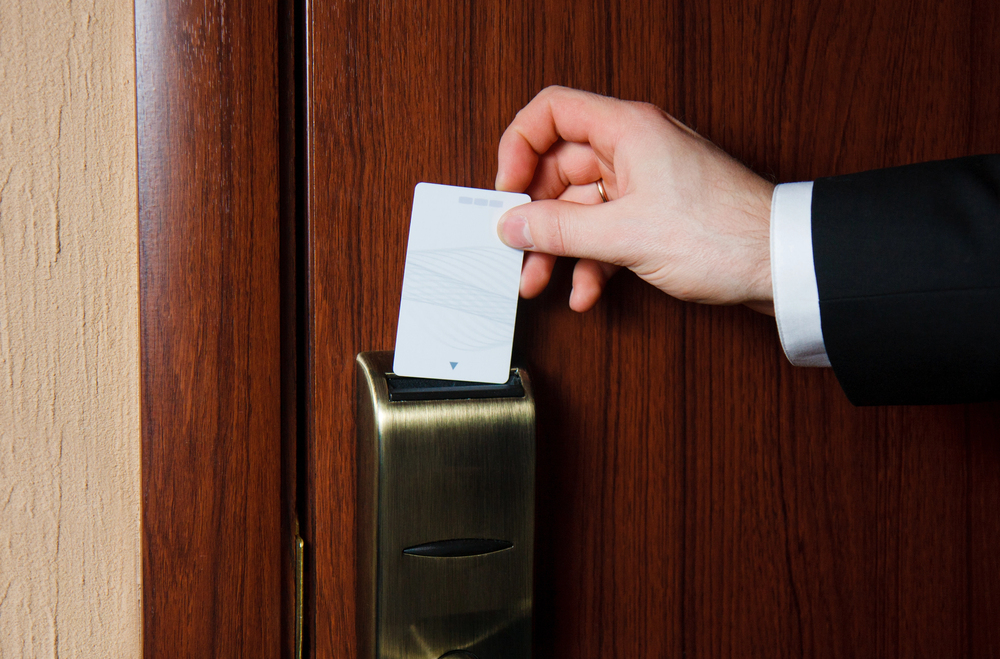
Doors that close smoothly and align properly generally create a better impression of a cabin’s condition. Sticking doors, noticeable gaps, or loose hardware can become frustrating during a longer voyage.
Ceiling Vent Cleanliness and Airflow
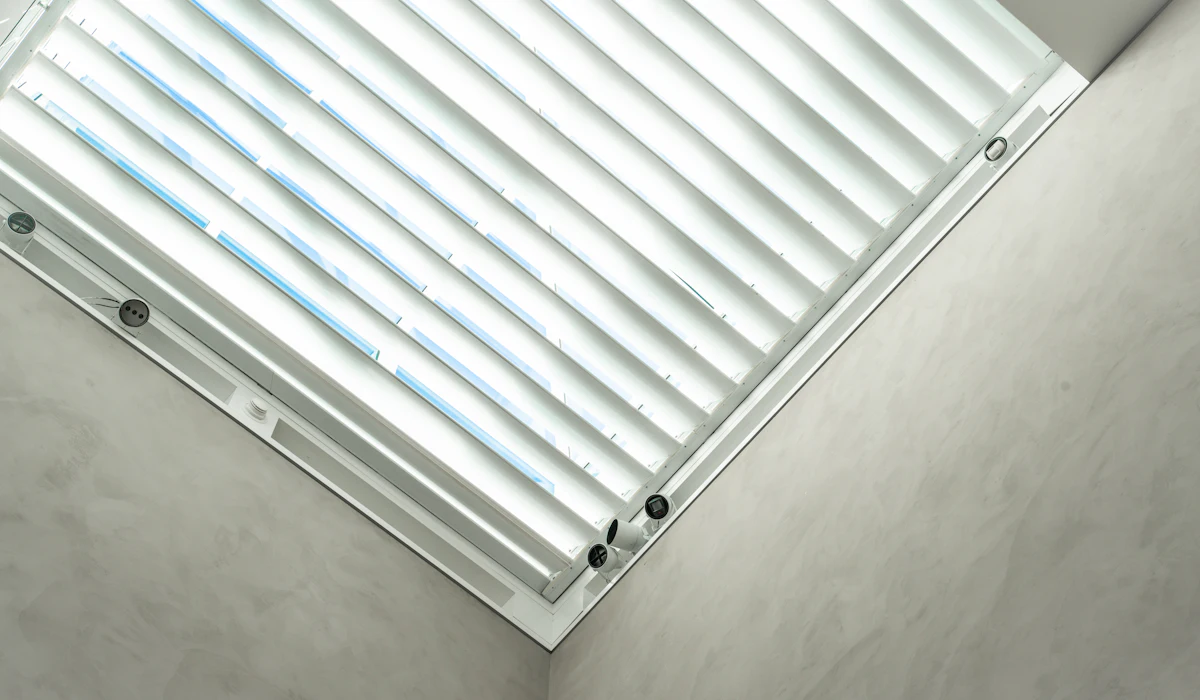
Clean vents and consistent airflow can make a noticeable difference in cabin comfort. Frequent cruisers often check whether ventilation appears well maintained and whether the cabin receives adequate air circulation.
The Inspection Difference

Frequent cruisers do not necessarily judge a ship by whether every surface looks brand-new. Instead, they notice the small details that affect daily comfort: how quietly the cabin door closes, whether the shower maintains its temperature, how clean secondary spaces appear, and whether the ship feels consistently maintained beyond its most photographed areas.
Over time, these observations become an informal checklist. First-time passengers may rely primarily on brochures and promotional photos, while experienced cruisers know that a ship’s real personality often appears in the small details encountered throughout the voyage.
More from Travel Pug

- Underrated Italian Towns That Beat the Tourist Crowds
- Las Vegas Tourist Traps to Skip
- Prettiest Towns in Every US State
- 18 passport-free countries for Americans
- Signs Your Cruise Is Not Worth The Cost
Like Travel Pug’s content? Follow us on MSN.