

Some attractions earn their fame by being extraordinary. Others earn it by being easy to photograph, easy to find and easy to put on a list, and those are the ones that leave you standing in a crowd, phone raised, quietly wondering why.
None of the places below are fake or worthless. They simply can deliver less than the reputation promises, and the gap between the postcard and the pavement is where a lot of holiday hours disappear.
Manneken Pis, Brussels
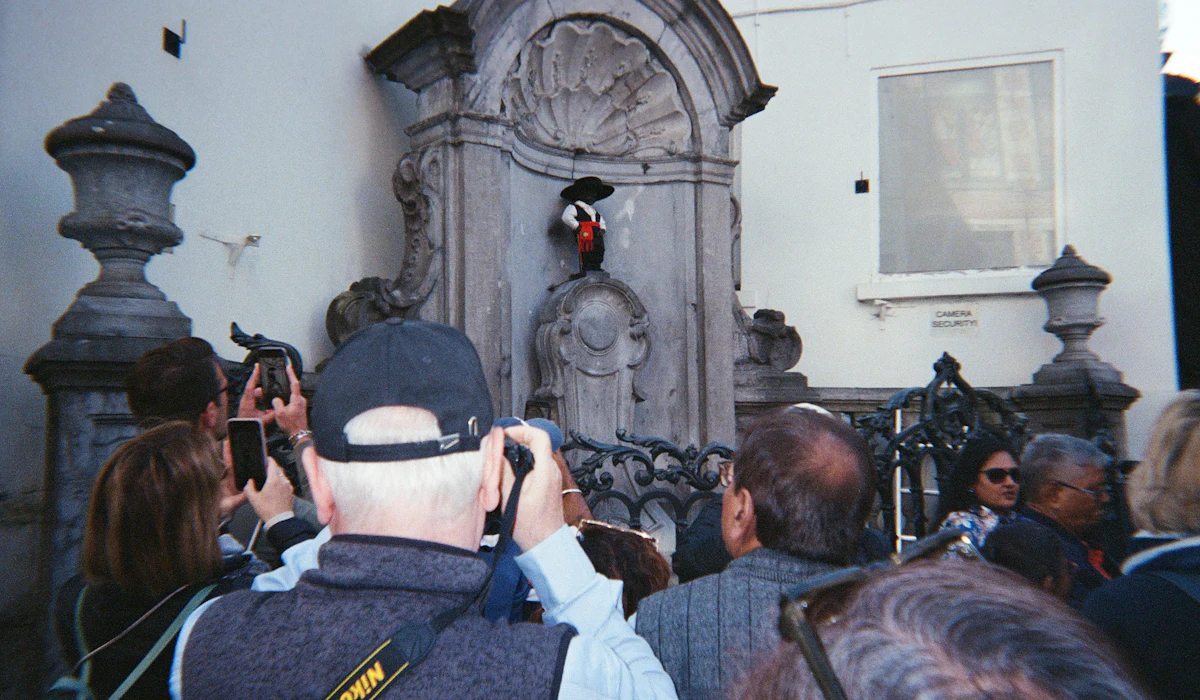
The famous bronze boy is about two feet tall, tucked on a street corner a few minutes from the Grand Place. The figure on display is a copy, with the older original kept in the Brussels City Museum.
Crowds stand three deep for a photo of something smaller than most garden gnomes. He owns a wardrobe of more than a thousand costumes, and seeing him dressed for a special occasion can add another layer to what is otherwise a very quick stop.
The Little Mermaid, Copenhagen
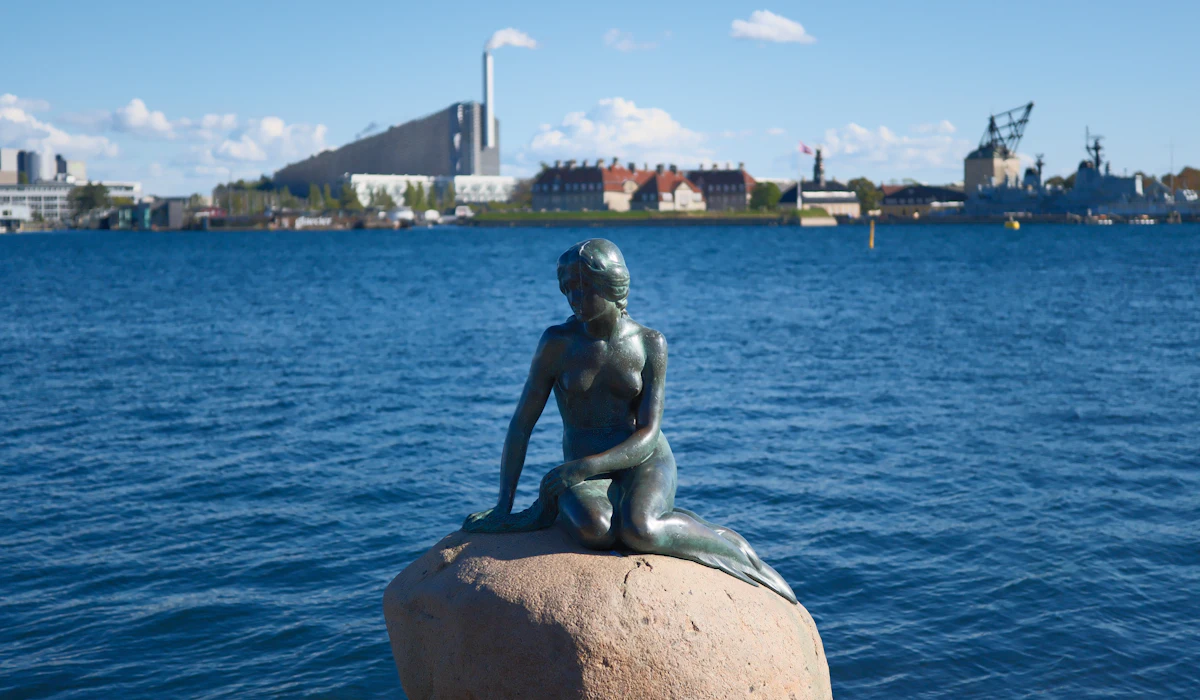
Edvard Eriksen’s statue has sat on a rock at Langelinie since 1913, and at about 1.25 meters tall she surprises nearly everyone with how small she is. The walk out along the harbor is longer than most visitors expect, and the statue sits on a working harbor promenade rather than in a grand scenic setting.
Visitors often stop briefly for a photo before continuing along the waterfront. She has been vandalized and even decapitated more than once, which might be the most dramatic thing ever to happen at the site.
The Merlion, Singapore
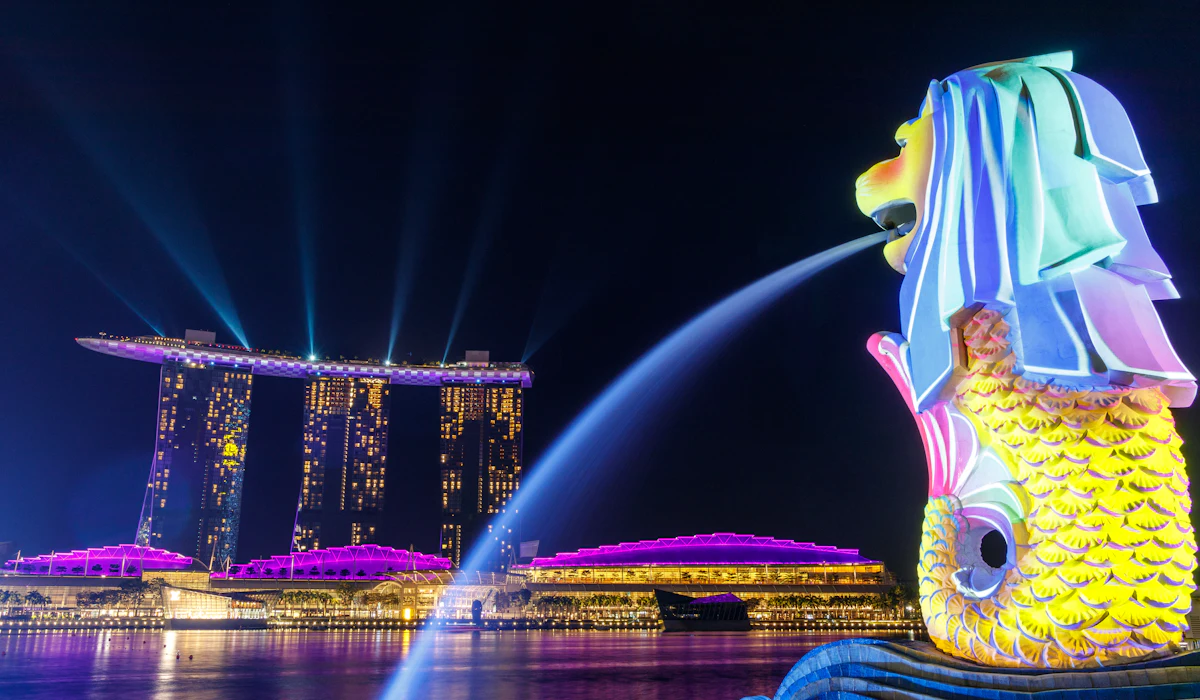
Singapore’s half-lion, half-fish mascot spouts water into Marina Bay, and its small scale can surprise visitors expecting a monumental landmark. The main statue is about 8.6 meters tall and was moved 120 meters in 2002 after the Esplanade Bridge obstructed views of it from the waterfront.
The photo angle everyone wants involves catching the water stream in their mouth. The skyline behind it is far more impressive than the statue itself.
Sapporo Clock Tower, Japan
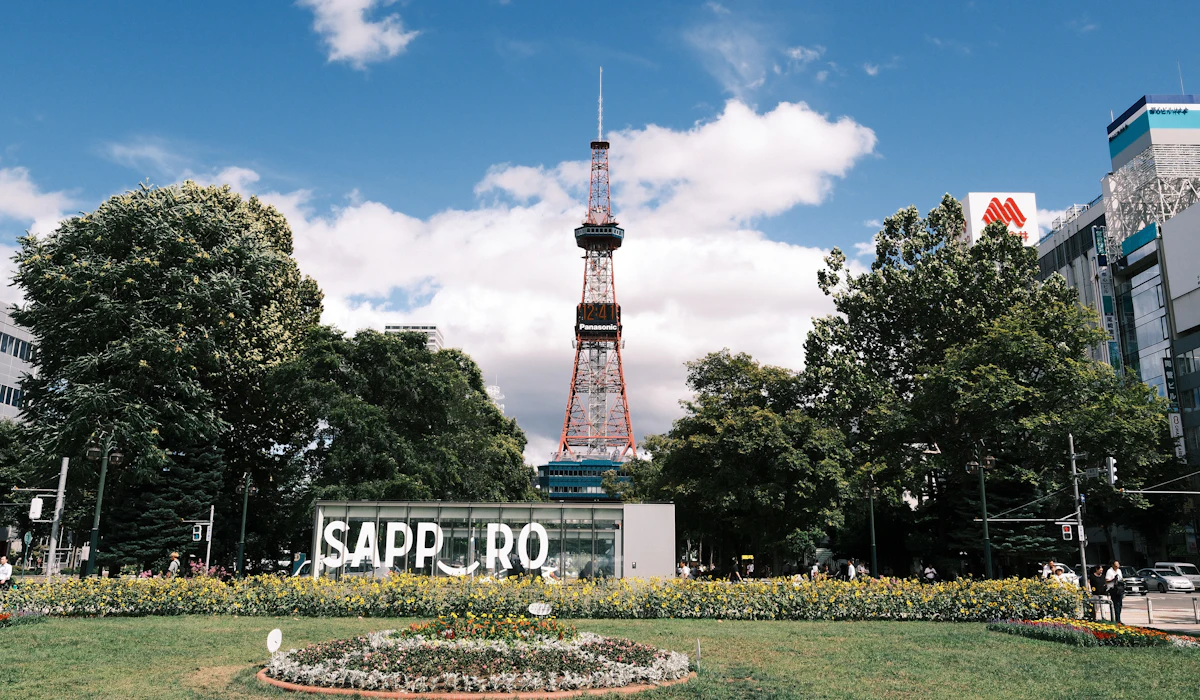
The Sapporo Clock Tower is often cited as one of Japan’s “three great disappointments.” Built in 1878 as a drill hall for an agricultural college, it is a modest white wooden building now surrounded by office towers.
The two-story museum inside focuses on the building’s history, while the clock itself remains a working timepiece. Sapporo’s Odori Park, just a short walk away, offers a much larger urban space to explore.
Harimaya Bridge, Kochi

Harimaya Bridge is another of Japan’s famously underwhelming sights, a small red bridge in the city of Kochi, known from a folk song about a monk who bought a hairpin for a woman there. Visitors arrive expecting something grand and find a reconstructed bridge in Harimaya Bridge Park, where the former waterway has been filled in and a small stream now recreates the old setting.
The story is charming, but the site itself takes about thirty seconds to see. Kochi Castle, just up the road, is one of the few surviving original castles in Japan.
The Mona Lisa, Paris
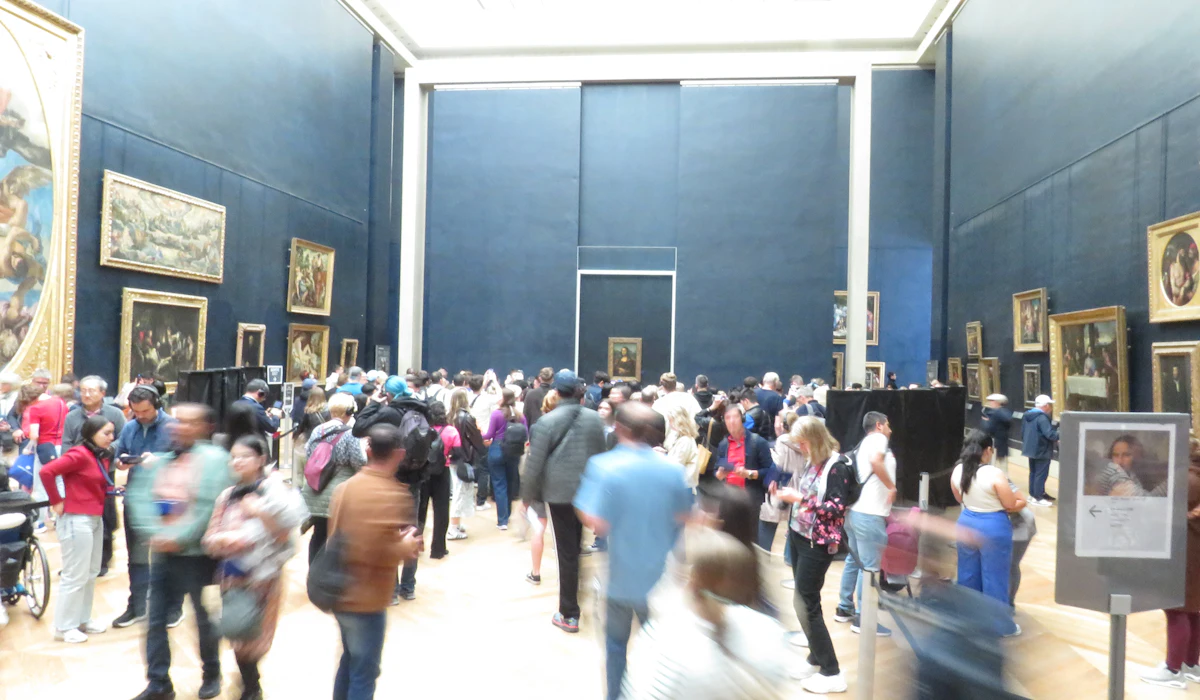
Leonardo’s painting measures 77 by 53 centimeters and hangs behind thick glass in the Louvre’s largest room, where visitors are kept behind a barrier several meters away. The crowd in front of it can be a dozen deep, with phones raised over heads.
The Louvre announced plans in 2025 for a future dedicated space for the painting as part of a major renovation of the museum. Until then, the room’s other works, including Veronese’s enormous Wedding at Cana on the opposite wall, can be easy to overlook.
Plymouth Rock, Massachusetts

The boulder identified as the Pilgrims’ landing spot sits in a sunken enclosure under a columned portico by the harbor. It was broken, moved and chipped by souvenir hunters over the centuries, and the rock was eventually split and moved before being reunited at its present site.
A carved date of 1620 marks it clearly. There’s no historical record from the Pilgrims themselves mentioning the rock, since the identification was made more than a century after the 1620 landing.
Checkpoint Charlie, Berlin
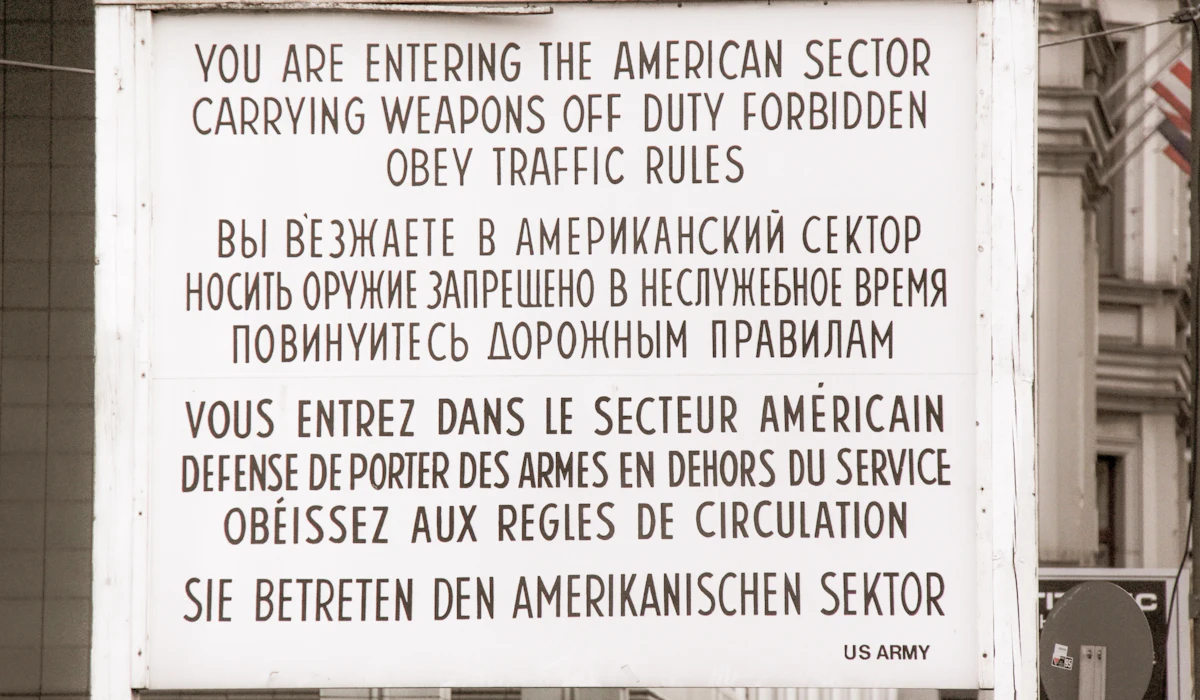
The famous Cold War crossing point is now a replica guard hut in the middle of Friedrichstraße, surrounded by souvenir shops and fast food. Costumed actors once posed as American soldiers there for paid photographs and passport stamps, but Berlin authorities banned the practice in 2019.
The traffic flows around the booth on both sides. The Topography of Terror and the Berlin Wall Memorial on Bernauer Straße tell the real story with far more historical context.
Juliet’s House, Verona
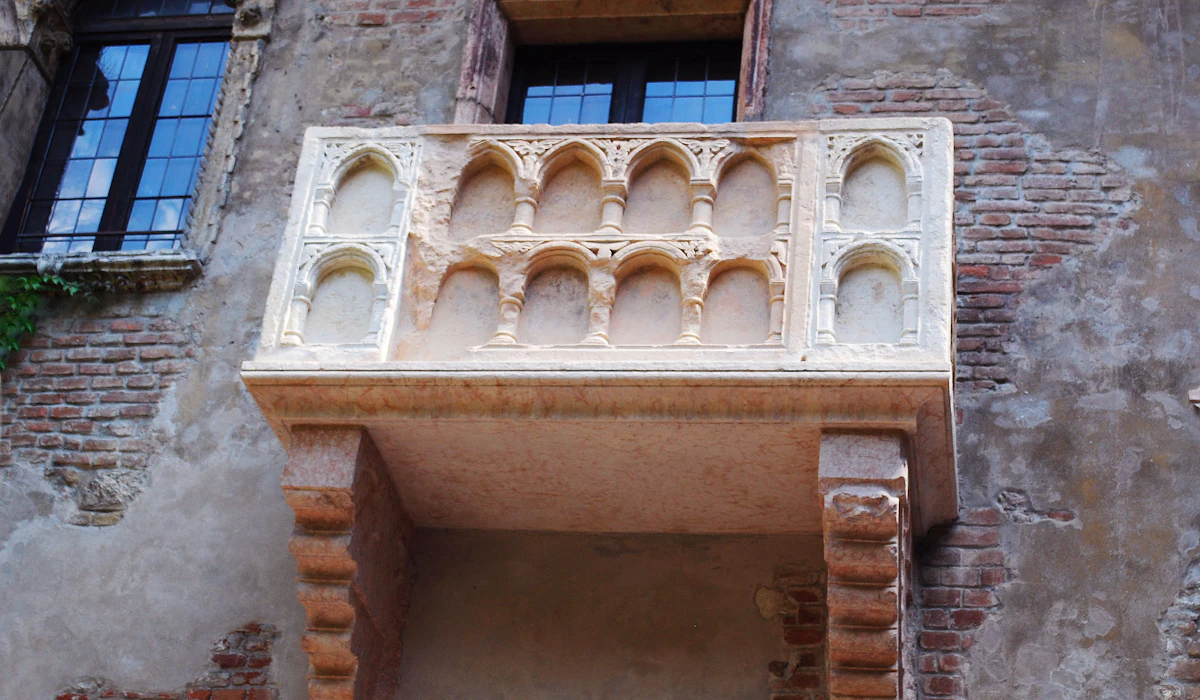
The medieval house on Via Cappello is marketed as the home of Shakespeare’s Juliet, a fictional character. The balcony was added during a 1939–40 restoration to satisfy tourist expectations.
Crowds jam the tiny courtyard to rub the right breast of a bronze Juliet statue for luck, which was replaced in 2014 after the original became heavily worn from visitors touching it. The walls near the entrance are covered in love notes, and staff periodically have to clean them away.
Four Corners Monument, United States
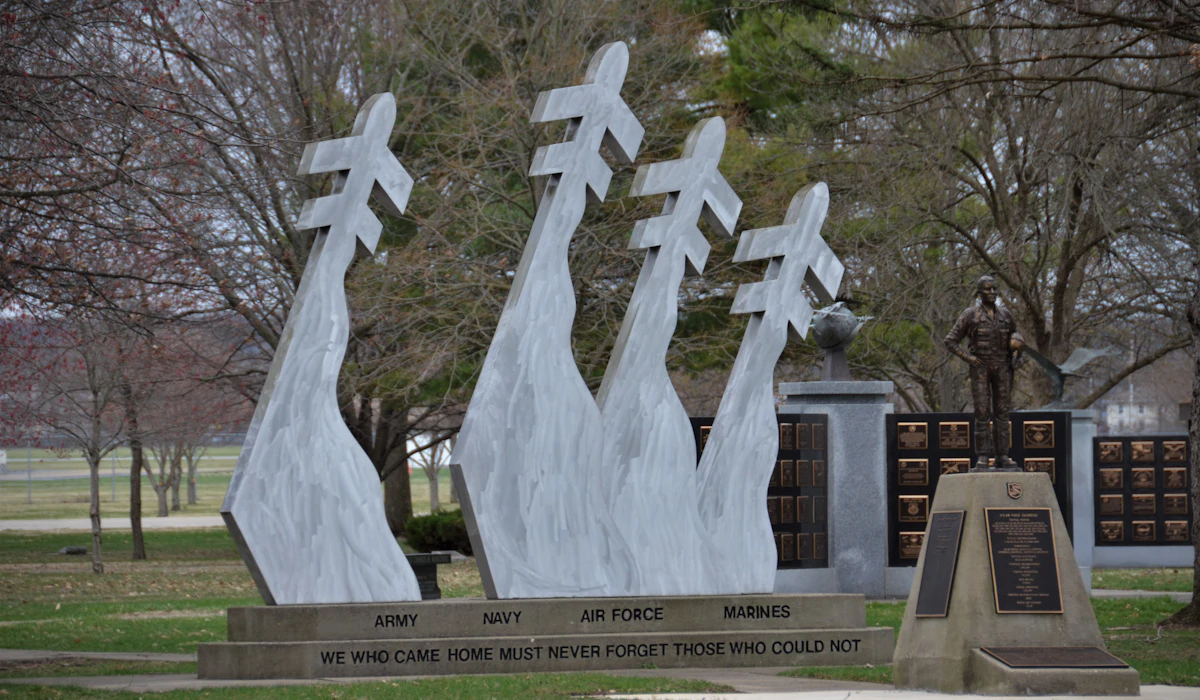
The only place in the country where four states meet is marked by a granite disk on the Navajo Nation, with an entry fee and a platform where visitors pose on all fours. Getting there requires a long drive through remote desert from any major town.
The history of the surveys that established the four-state corner is complicated, but federal surveying authorities affirm that the monument correctly marks the intersection of Arizona, Colorado, New Mexico and Utah. Most visitors spend ten minutes, take their photo and drive for hours to their next stop.
The Hollywood Walk of Fame, Los Angeles

The Walk of Fame runs along Hollywood Boulevard and Vine Street with more than 2,800 brass-rimmed stars set in the pavement. The stretch around the TCL Chinese Theatre is crowded with costumed characters, souvenir shops and tour touts.
Many visitors are surprised by how gritty the boulevard feels in daylight. The handprints at the Chinese Theatre are the only part most people remember.
Times Square, New York
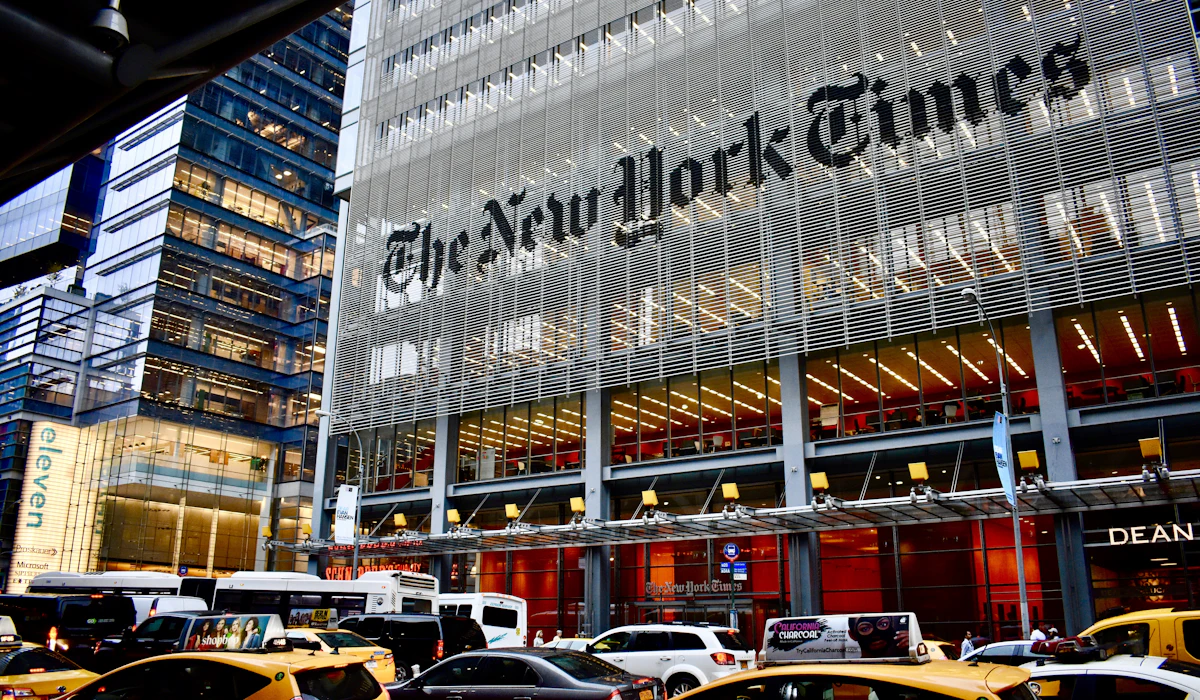
Tens of millions of visitors pass through Times Square each year, and a large share of them stop dead in the middle of the sidewalk to film the billboards. The pedestrian plazas added in 2009 made it walkable and also gave costumed characters and ticket hustlers more room to work.
The chain restaurants charge landmark prices for food you can find in any mall. A short visit can cover the main visual spectacle, while the surrounding neighborhoods offer much more variety.
Pier 39, San Francisco
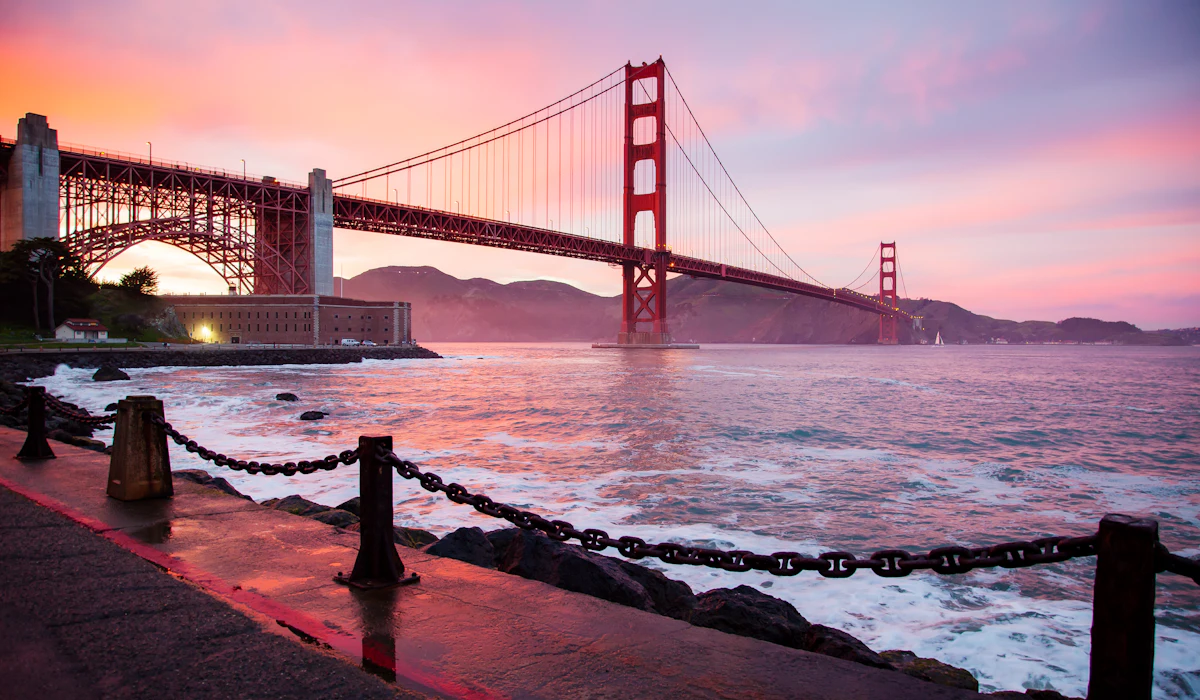
The biggest draw at Pier 39 is the colony of sea lions that began arriving in small numbers shortly after the 1989 Loma Prieta earthquake and came in large numbers in January 1990. The rest of the pier is a mall of souvenir shops, candy stores and chain restaurants.
Fisherman’s Wharf around it has become one of the city’s most commercialized zones. The sea lions are free to watch, and they are by far the most authentic part of the experience.
The Charging Bull, New York
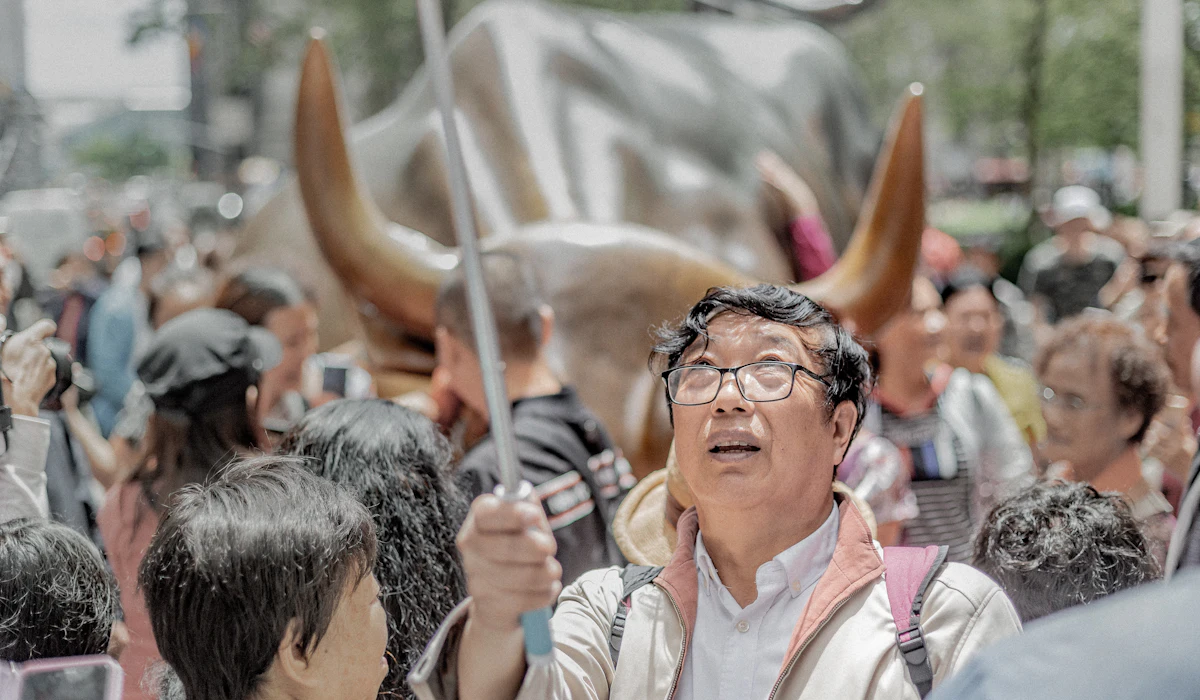
Arturo Di Modica trucked his 7,100-pound bronze bull into Lower Manhattan overnight in December 1989 and left it outside the New York Stock Exchange without permission. The city moved it to Bowling Green, where it now draws crowds at both ends, particularly around the head and the rear, where people rub the bronze for luck.
Police barriers and constant photographers make it nearly impossible to see the sculpture as a sculpture. The polished spots on the bronze tell you exactly how the site is actually used.
Platform 9¾, King’s Cross, London
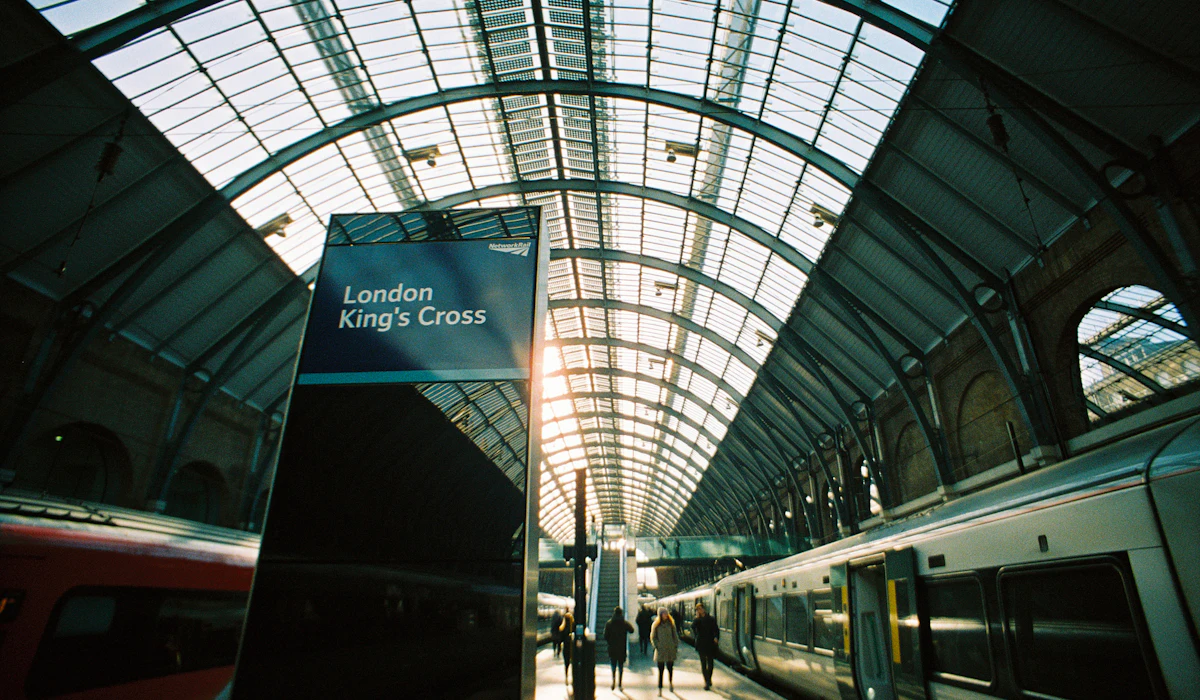
A luggage trolley half embedded in a wall at King’s Cross station draws a steady queue for photographs that can become lengthy at busy times. Staff hold a scarf in your chosen house colors and help create the familiar flying-scarf effect for the photo, which you can buy afterward.
The shop beside it sells wands and robes alongside other Harry Potter merchandise. The real platforms are just a few steps away, and none of them are enchanted.
The Abbey Road Crossing, London
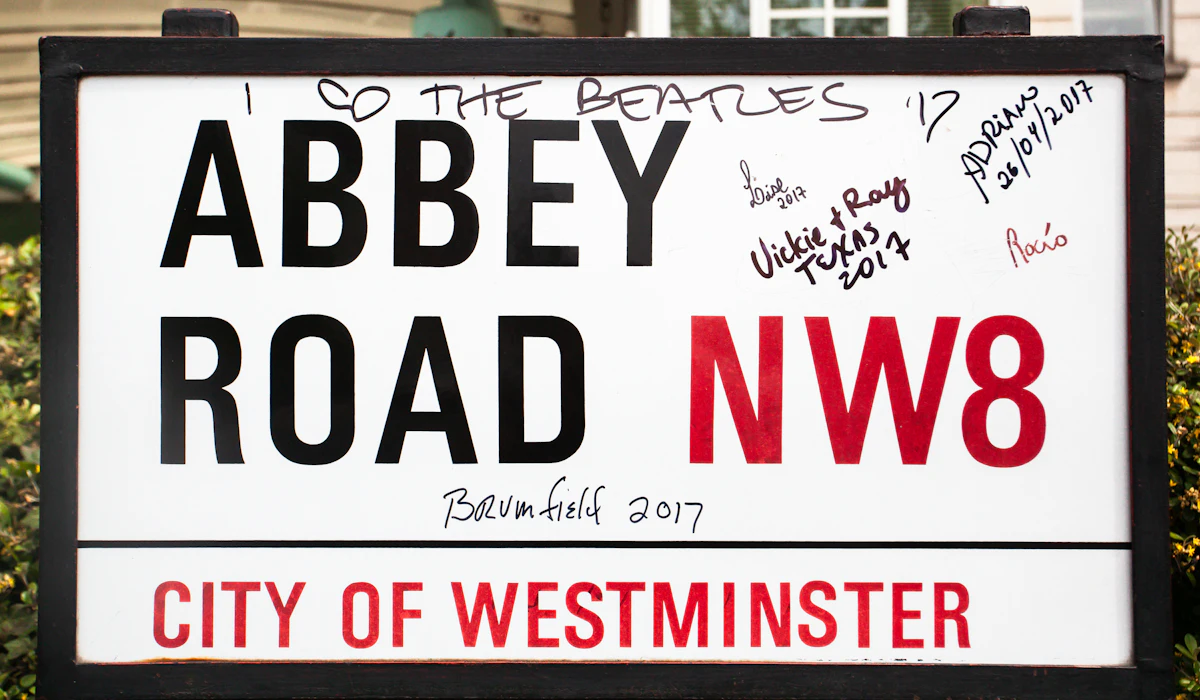
The zebra crossing outside Abbey Road Studios appears on the cover of the Beatles’ 1969 album, and fans stop in the road to recreate the walk. The crossing remains an active public road, so visitors have to work around traffic rather than treating it like a pedestrian attraction.
A live webcam lets friends back home watch your attempt. The studio itself is a working facility and is not generally open to the public for tours, so the crossing and the exterior are the main parts of the visit.
Bourbon Street, New Orleans
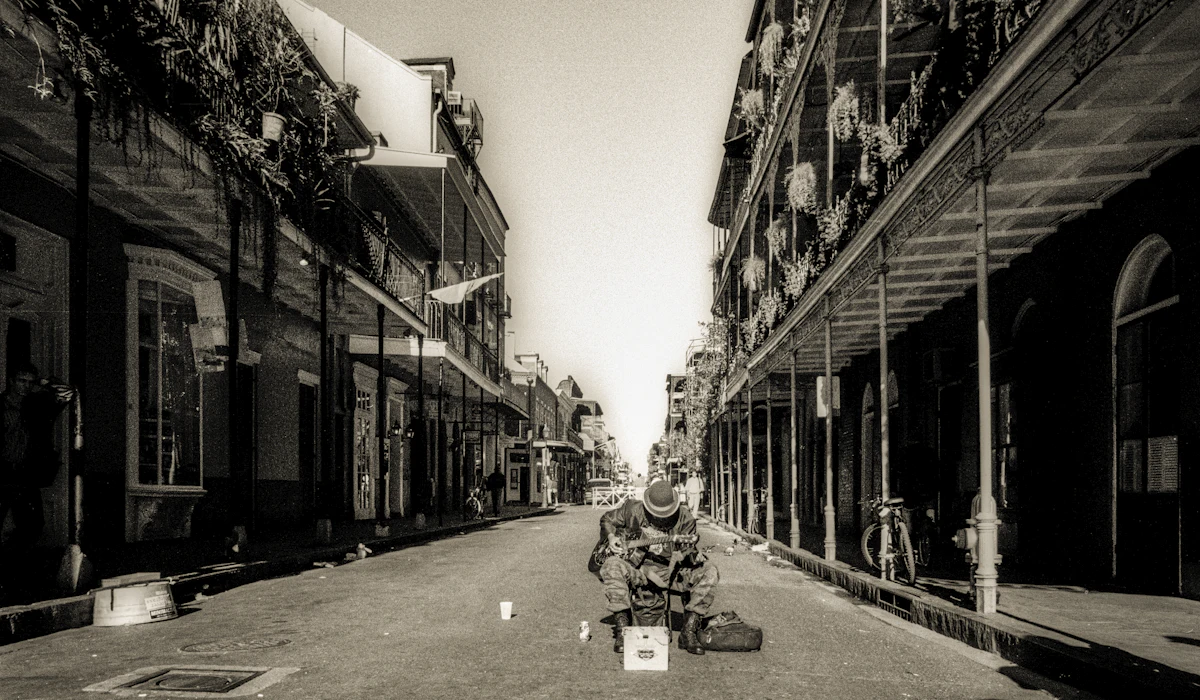
Bourbon Street runs thirteen blocks through the French Quarter, and some portions become pedestrian-only after dark as the street fills with neon, frozen daiquiri windows and cover-charge clubs. Much of the live music visitors seek is concentrated elsewhere in the French Quarter and nearby neighborhoods.
Frenchmen Street in the Marigny, about a fifteen-minute walk away, has small clubs where brass bands and jazz trios play in a more intimate setting. Bourbon is worth one early-evening stroll, and the smell of the morning after is worth avoiding.
The Spanish Steps, Rome
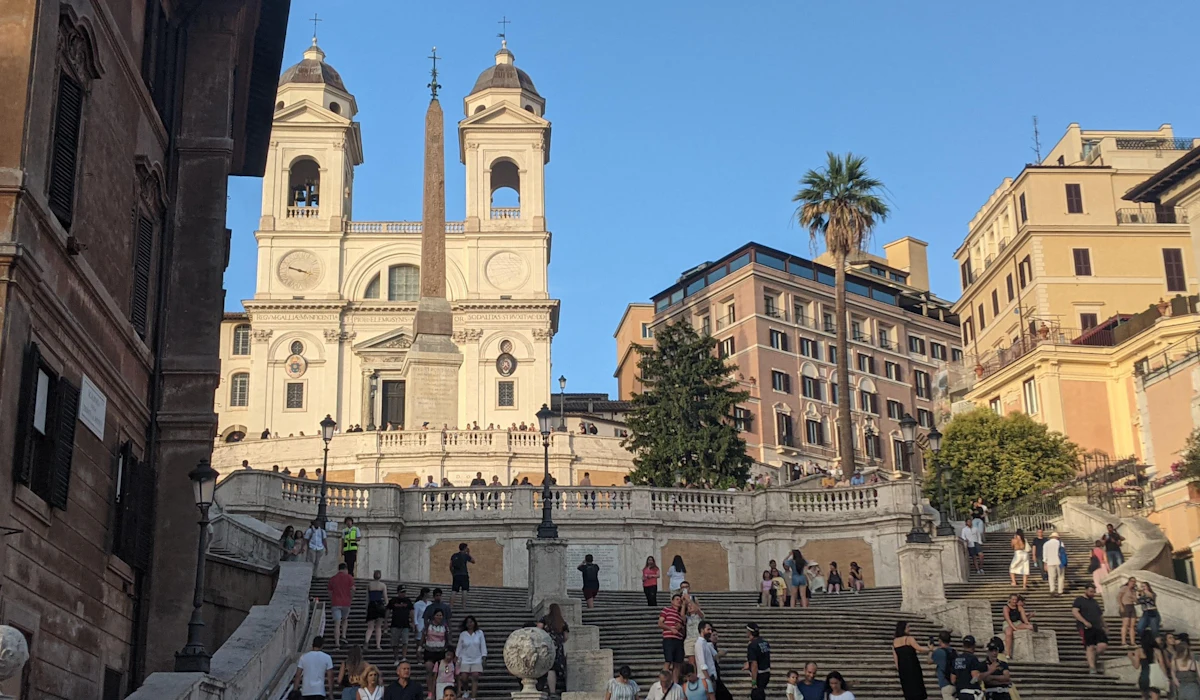
The 135 steps climbing from Piazza di Spagna to the Trinità dei Monti church were built in the 1720s, and for centuries people sat on them to watch the city go by. In 2019, Rome banned sitting on them, with police enforcing the rule and fines that can reach €400 in some circumstances.
What remains is a staircase packed with people standing still for photos. The Keats-Shelley House at the foot of the steps, where the poet John Keats died in 1821, is the quiet treasure most visitors walk past.
The Trevi Fountain, Rome
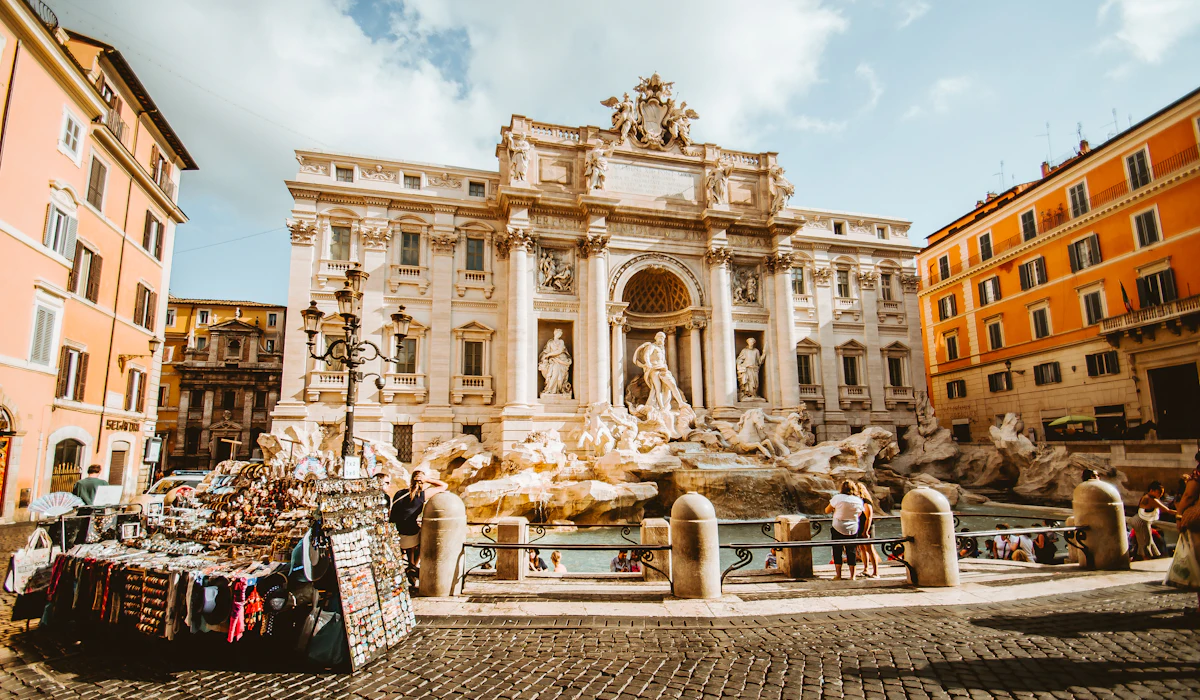
Nicola Salvi’s Baroque fountain is spectacular, but the tiny piazza around it can hold enormous crowds. Since February 2026, visitors who want to step down to the basin and toss a coin have to buy a €2 ticket, while residents of Rome and the wider metropolitan area enter free.
The view from the square remains free, and visitors can still see the fountain without entering the paid inner perimeter. Coming at dawn is one of the most reliable ways to avoid the heaviest crowds.
The Leaning Tower Photo, Pisa
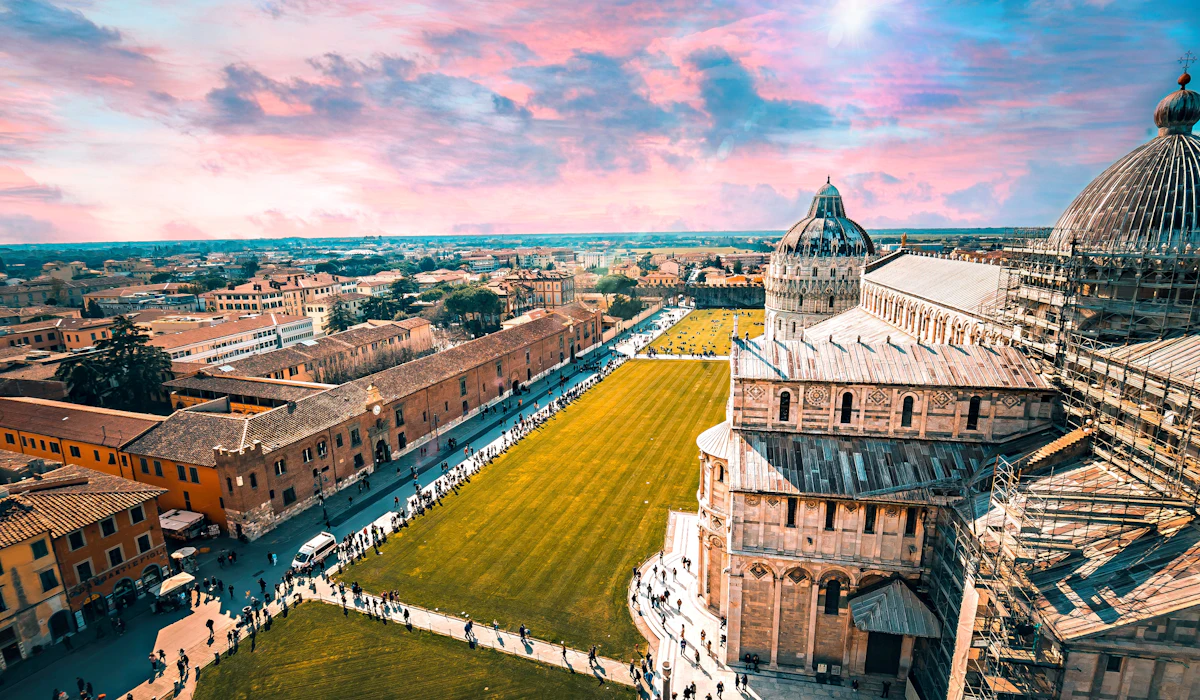
Most visitors spend their time in Pisa’s Field of Miracles doing the same thing, which is posing with their hands out to hold up the tower. The result is a lawn full of people frozen in odd positions.
The cathedral, baptistery and cemetery beside the tower are masterpieces that many visitors barely notice. Climbing the tower requires a timed ticket, and the narrow spiral staircase is steeper and stranger underfoot than the famous exterior suggests.
The Blue Lagoon, Iceland
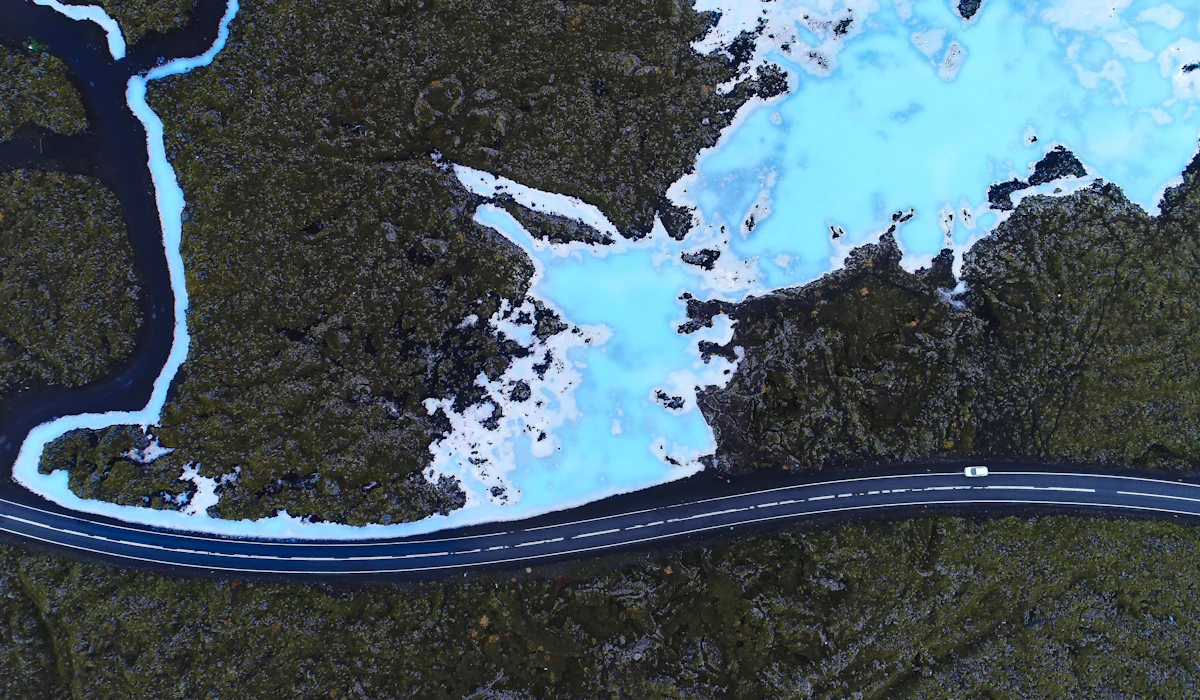
Iceland’s most famous spa sits in a lava field near the airport and is fed by geothermal water associated with the Svartsengi power plant. It’s expensive, crowded and tightly timed, with bookings required.
Volcanic eruptions on the Reykjanes Peninsula forced repeated closures from 2023 through 2025. Smaller geothermal pools, like the Secret Lagoon at Flúðir or the local swimming pools in Reykjavík, deliver the same warm soak without the Blue Lagoon’s price and scale.
Madame Tussauds, London

The original Madame Tussauds established a permanent London base on Baker Street in 1835 and moved to its current Marylebone Road location in 1884, and it now charges premium admission prices that vary by date and booking method. Queues can form even with timed booking.
The figures can feel uncanny rather than convincing, and many visitors leave with photos of themselves beside someone who looks like a cousin of the celebrity named on the plaque. The Sherlock Holmes Museum a short walk away at 221B Baker Street is smaller and offers a completely different kind of experience.
The Lawson Store Photo Spot, Fujikawaguchiko
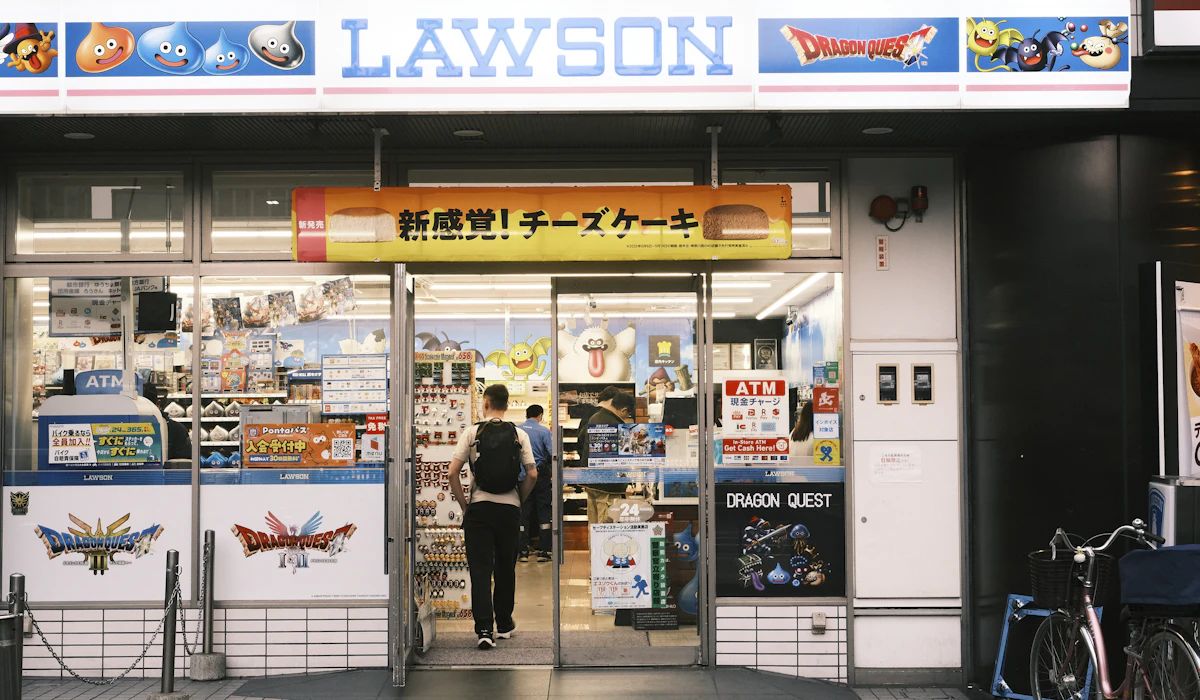
A convenience store in this lakeside town near Mount Fuji became famous online for a photo angle that places the mountain right above its roof. Crowds grew so large and so disruptive that in 2024 the town put up a black mesh screen to block the view.
The town said the measure was intended to protect residents and visitors from traffic accidents and other disruptions. Visitors kept coming anyway, and the location has continued to require crowd and traffic management.
The lake shores nearby offer far better views of Fuji.
Hallstatt, Austria
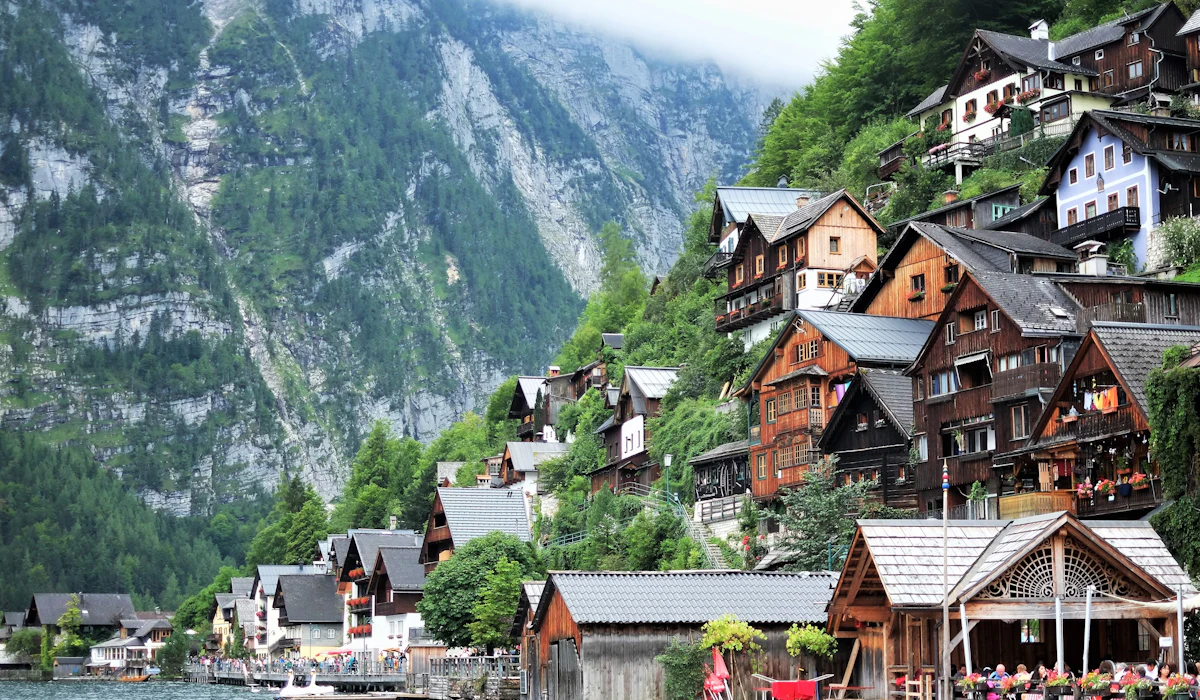
This lakeside village of around 700 residents receives large numbers of day-trippers on peak days, many of them arriving by coach for a single photograph from the same viewpoint. In 2023 frustrated locals put up a wooden fence to block that famous angle, but the temporary barrier was removed within days after strong local opposition.
The lanes are so narrow that a single tour group fills them. Staying overnight can make the village feel quieter after the day-trippers leave, which is when it finally looks more like the picture.
The Great Wall at Badaling, Beijing
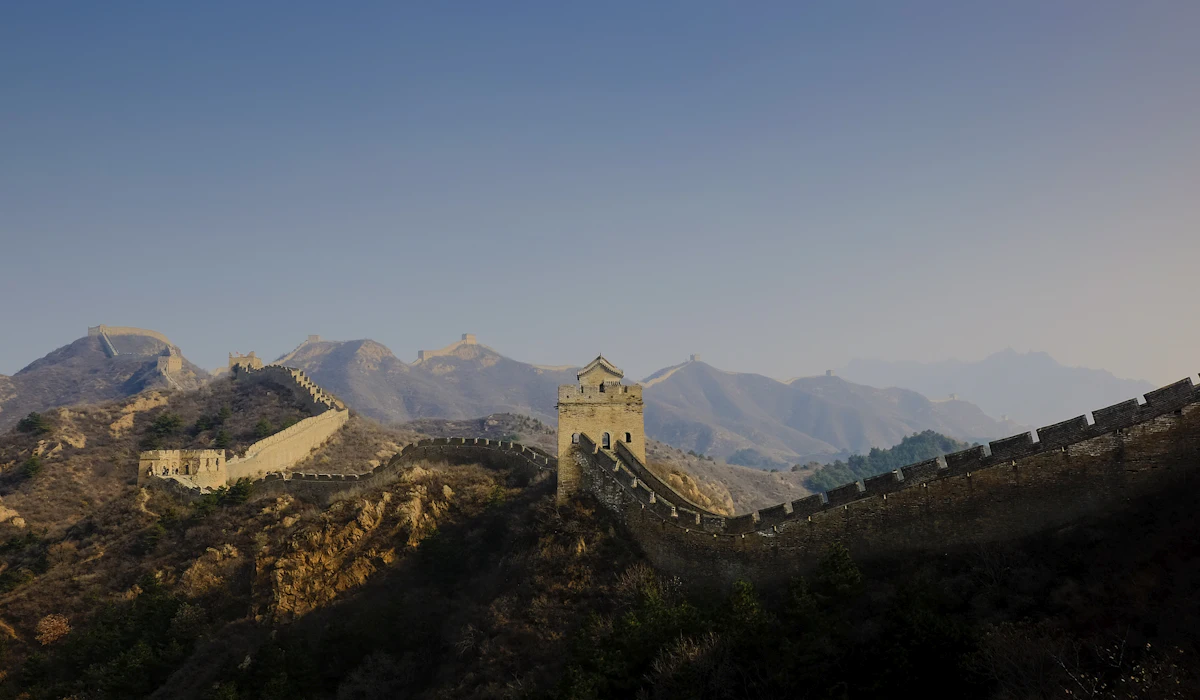
Badaling was officially opened to tourists in 1958 and remains one of the easiest sections of the Great Wall to reach from Beijing by train or coach. Much of the tourist section has been heavily restored, giving the stone a relatively new appearance, and national holidays bring such dense crowds that people move along the wall at a shuffle.
A 65,000-visitor daily limit was introduced in 2019. Mutianyu, about 90 minutes from the city, offers forested ridges, a cable car and a different visitor experience.
Clifton Hill, Niagara Falls
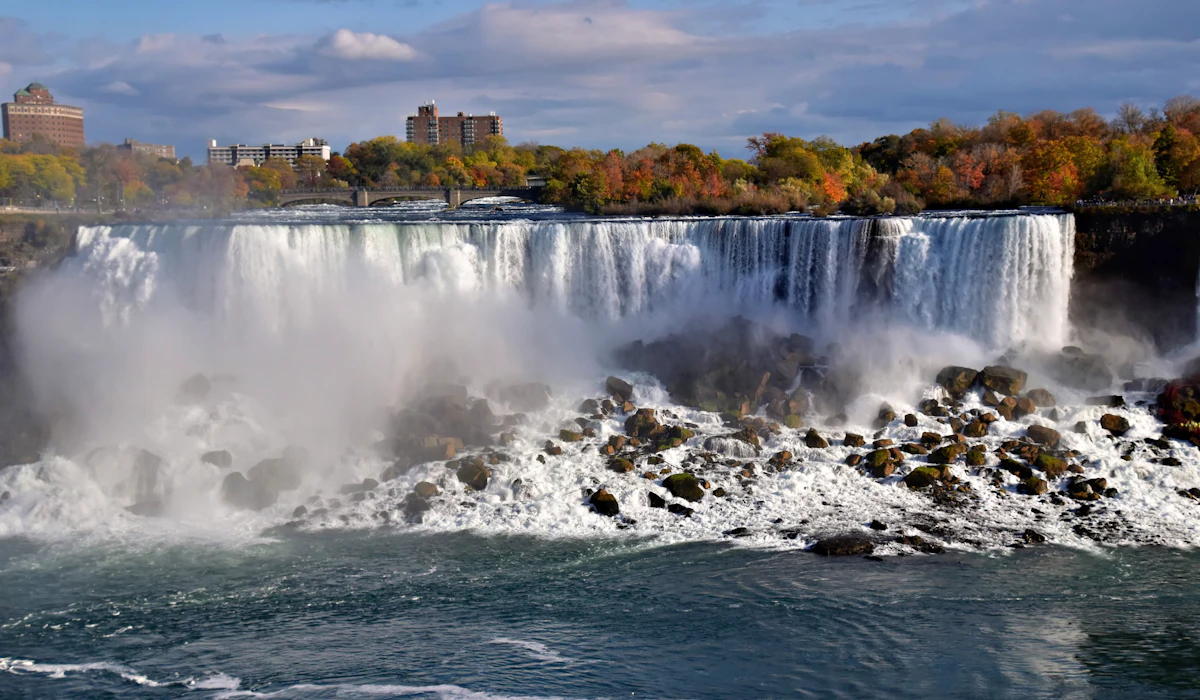
Clifton Hill climbs away from the Canadian side of the falls as a steep street of wax museums, haunted houses, a giant Ferris wheel and fast food chains. It’s loud, flashy and built around paid attractions and family entertainment.
Plenty of visitors lose an afternoon here that they meant to spend by the river. The Niagara Parkway runs quietly north from the falls past orchards and wineries toward Niagara-on-the-Lake, offering a much quieter contrast to the entertainment district.
The Painted Ladies, San Francisco
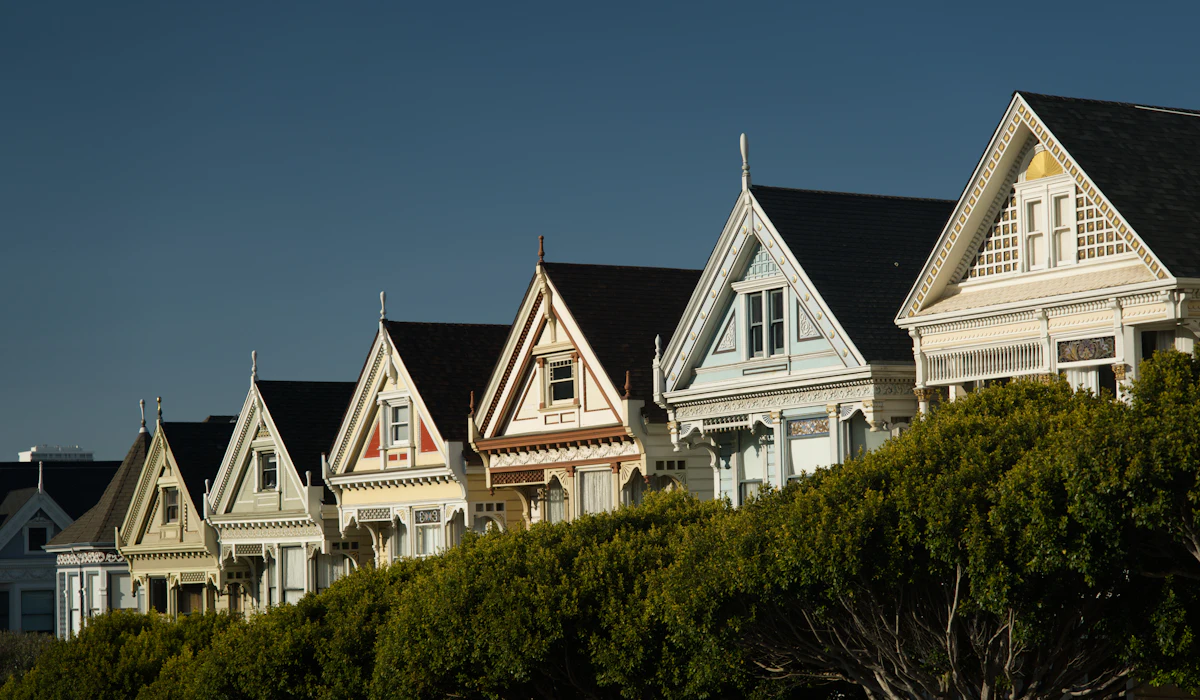
The row of pastel Victorian houses on Steiner Street, with the downtown skyline behind them, became famous from the opening credits of the sitcom Full House. They’re private homes, which means the visit consists of standing in Alamo Square Park looking at facades.
The famous Full House exterior is actually a different house, on Broderick Street, at 1709 Broderick Street. San Francisco has thousands of similar Victorians, and the Haight-Ashbury streets nearby have plenty with no crowd at all.
The Temple Bar Pub, Dublin
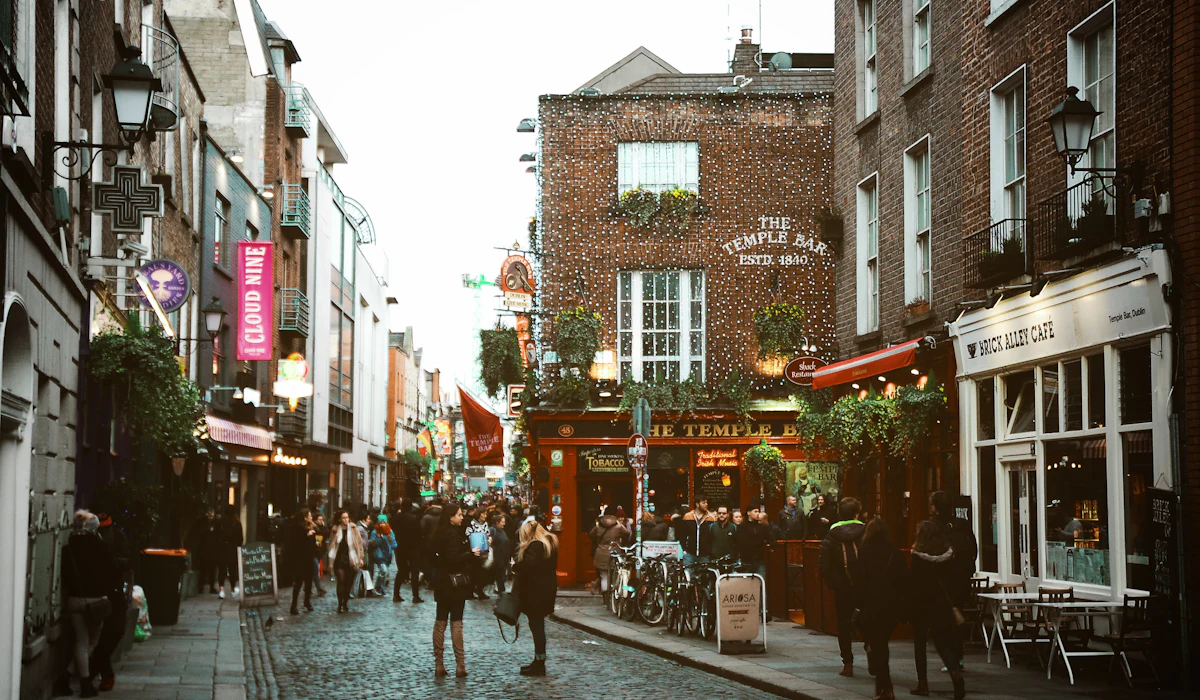
The red-fronted pub in Dublin’s Temple Bar district is among the most photographed in Ireland, and a pint of Guinness there can cost considerably more than a pint at less tourist-focused pubs elsewhere in Dublin. Live music plays from early afternoon, and the crowd is heavily made up of visitors.
The neighborhood takes its name from the Temple family, not the pub. Walk ten minutes to a pub like The Stag’s Head or Kehoe’s and you may find a quieter setting and more local atmosphere.
The Postcard Isn’t the Place
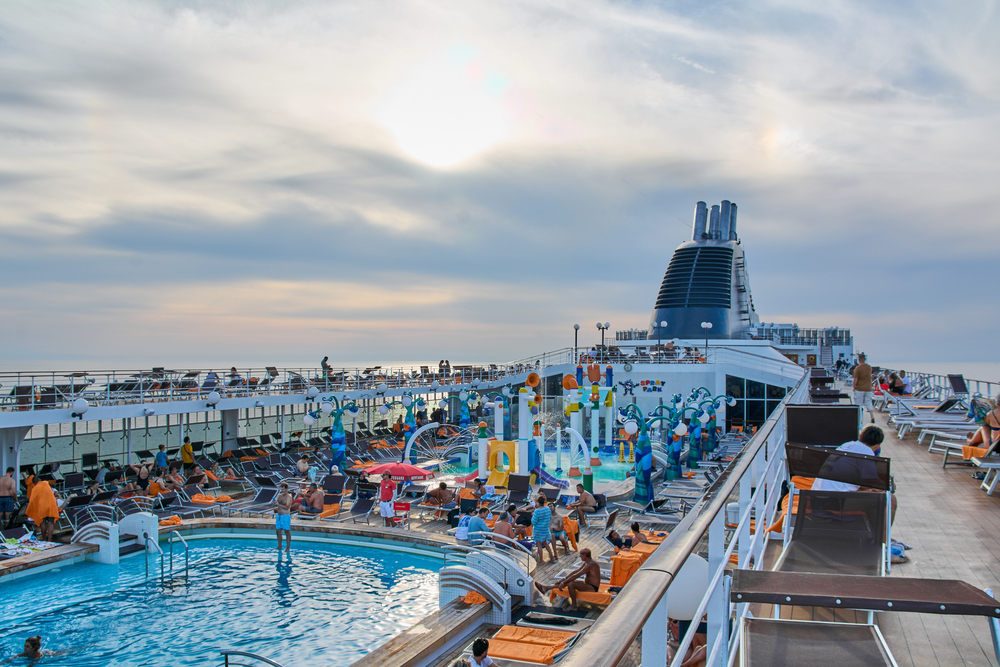
Every site on this list has already been perfected somewhere else, in a photograph or a film or a thousand social media posts. When you finally arrive, you’re competing with that image, and the real place rarely wins.
The disappointment isn’t the site’s fault.
The better approach is to treat famous sites as quick stops rather than destinations. See them early, see them briefly and spend the rest of your time where the crowd isn’t.
The best memories from any trip rarely come from the places everyone else was photographing.
More from Travel Pug

- Underrated Italian Towns That Beat the Tourist Crowds
- Las Vegas Tourist Traps to Skip
- Prettiest Towns in Every US State
- 18 passport-free countries for Americans
- Signs Your Cruise Is Not Worth The Cost
Like Travel Pug’s content? Follow us on MSN.