

The dream version of a great hike is solitary. You, a ridge, a long view and the sound of your own boots.
The reality on the world’s most famous trails often involves a parking lottery, a queue at the chains and a stranger’s speaker playing music at the summit.
Popularity changes a trail in ways that go beyond noise. Permits, timed entry, shuttle buses and turnstiles now govern many of the routes below, and they exist because the crowds became a safety problem.
Some are still worth the effort with the right timing. Others are better swapped for a quieter neighbor.
Angels Landing, Zion National Park
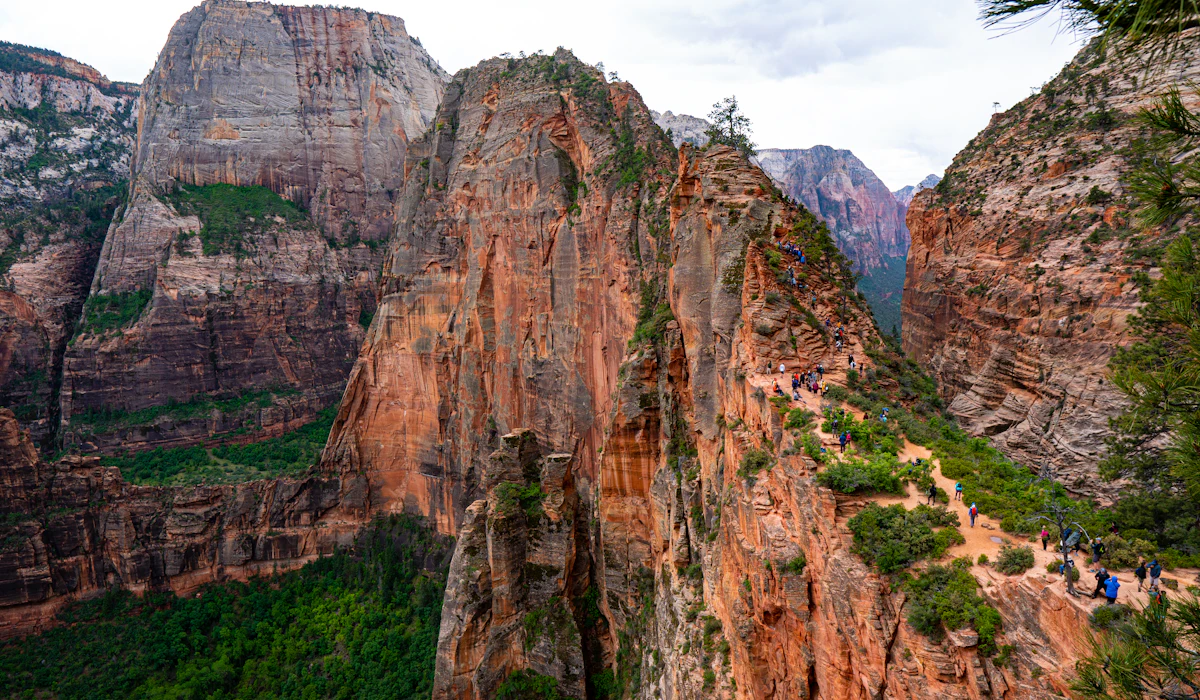
The final half mile to the top of Angels Landing follows a narrow spine of sandstone with chains bolted into the rock and drops of more than a thousand feet on both sides. Congestion on that spine became dangerous enough that the park introduced a permit lottery in 2022.
Even with permits, hikers still wait at pinch points where the chains only allow one direction at a time. Scout Lookout, just below the chains, gives you most of the view without the queue.
The Narrows, Zion National Park
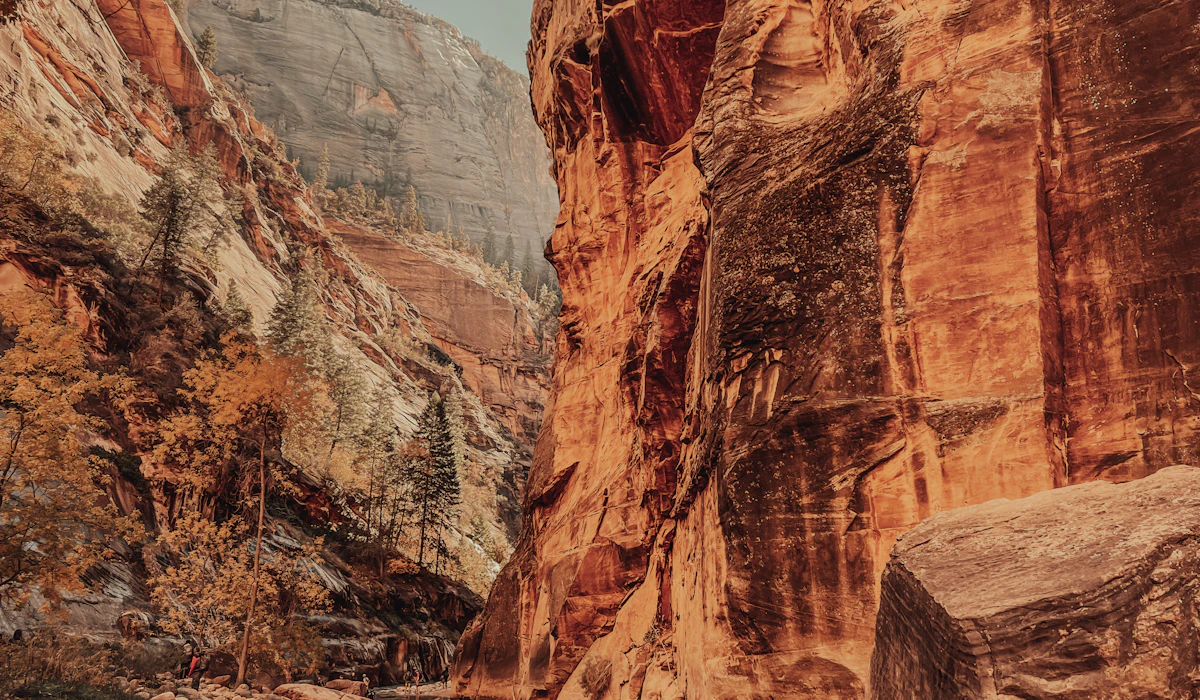
Walking up the Virgin River between canyon walls that close to about 20 feet apart is one of the great experiences in the American West. The bottom-up route requires no permit, and on busy summer days that means large numbers of people wading upstream from the end of the Riverside Walk.
The shuttle buses that serve the canyon can become busy during peak periods. The deeper you go past the first mile, the more the crowd thins, and the more the walls close in.
Half Dome, Yosemite
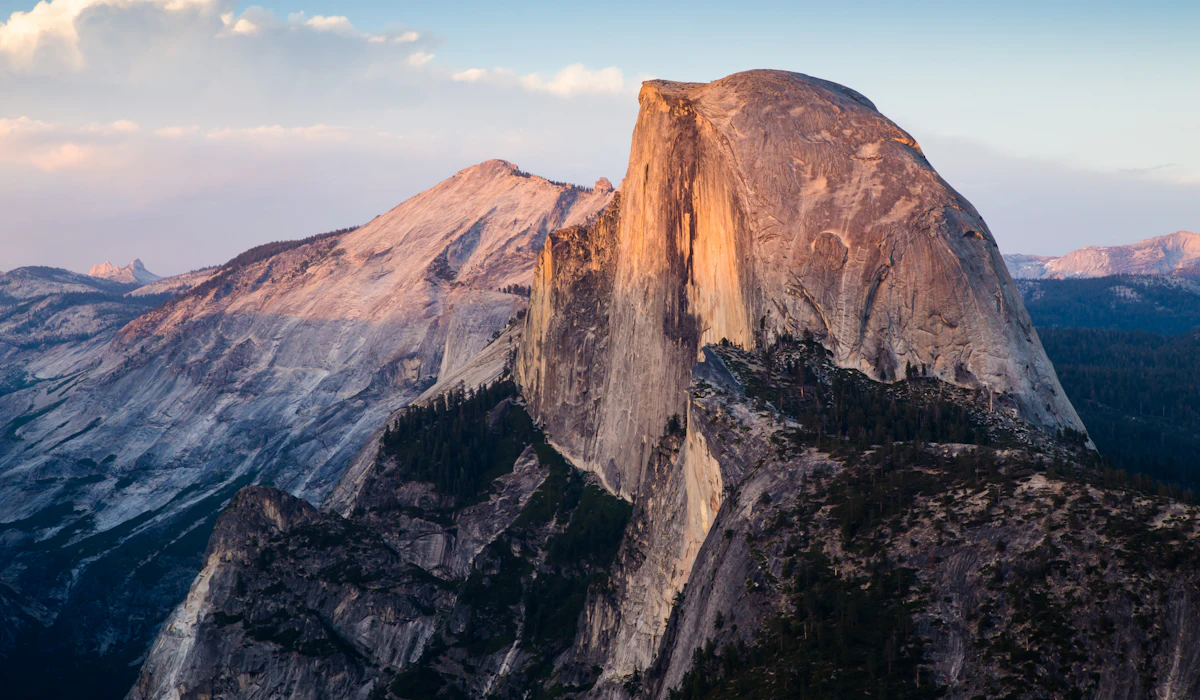
The final 400 feet of Half Dome climb a steep granite slope using two steel cables, and the park has required permits for the cables since 2010. The daily limit keeps the route from gridlock, but weekend days can still bring backups on the cables where hikers pull themselves up hand over hand.
The current limit is 300 hikers per day beyond the base of the subdome, including about 225 day hikers and 75 backpackers. Some climbers wait at the base for their nerves to settle.
Thunderstorms and slow traffic make an early departure essential.
The Mist Trail, Yosemite
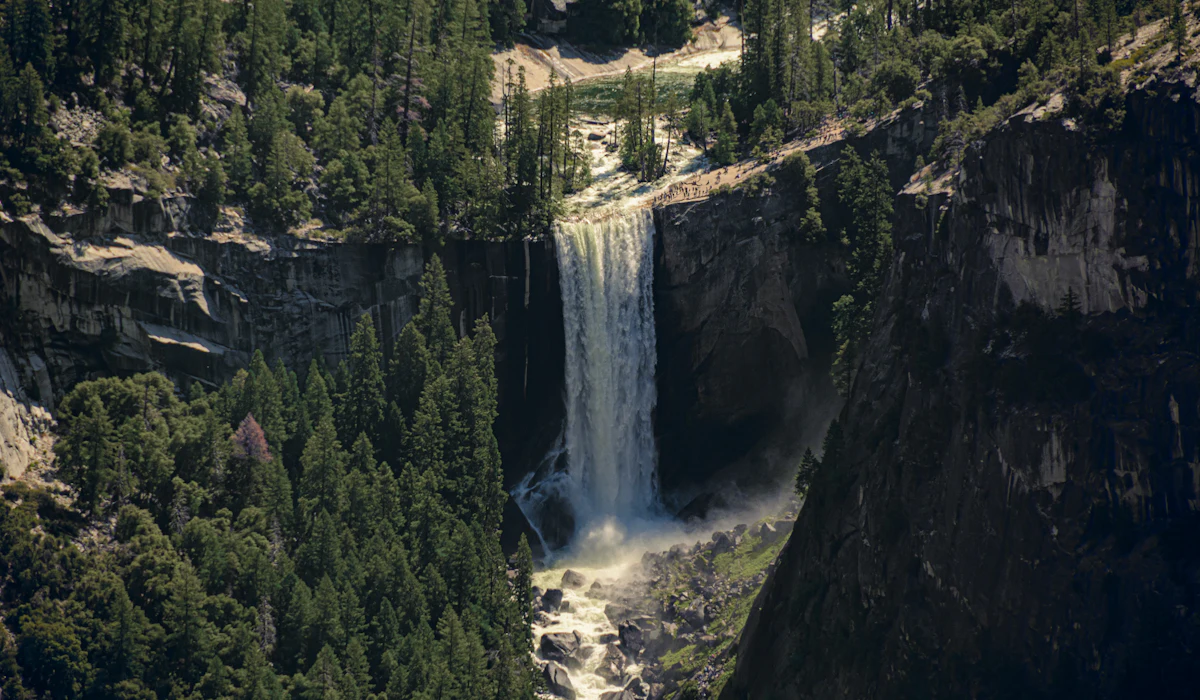
The Mist Trail climbs granite steps beside Vernal Fall and Nevada Fall, with spray soaking hikers in spring. It’s one of the most popular trails in the park, and the steep, narrow stone staircase gets congested with people going both ways.
The slippery steps are a real hazard. Coming down the John Muir Trail instead offers a quieter, gentler descent with views of both falls.
Delicate Arch, Arches National Park
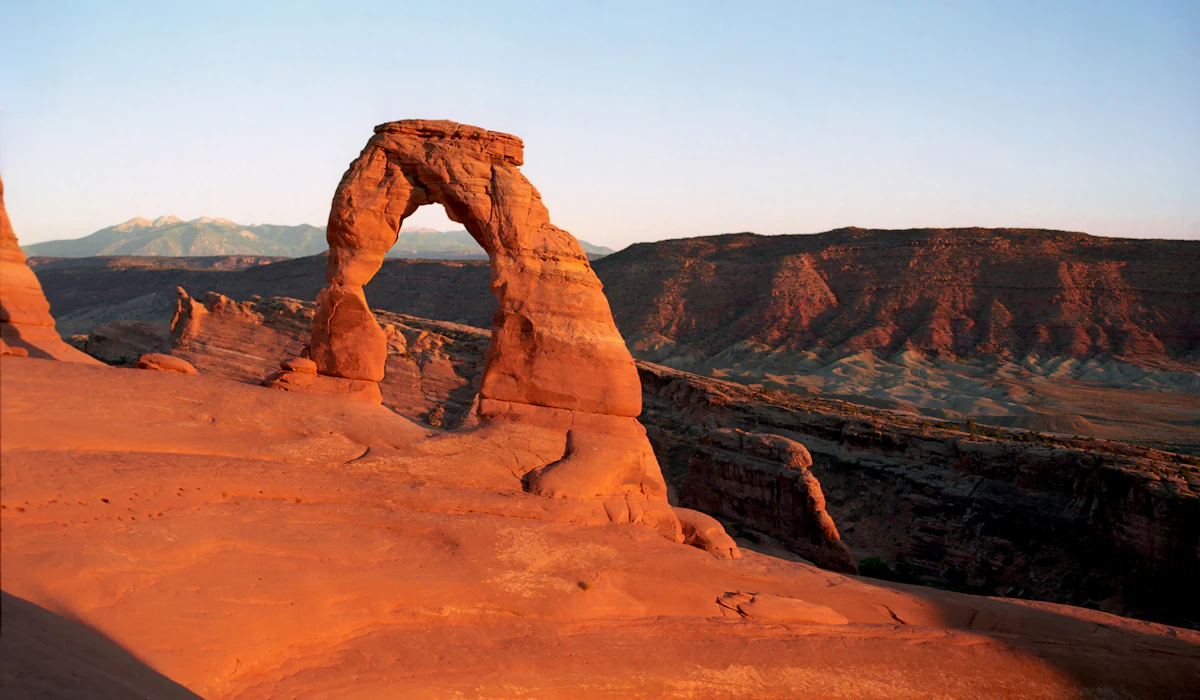
The hike to Delicate Arch is about three miles round trip across open slickrock, and it ends at Utah’s most famous landmark. Arches used an advanced timed-entry system during recent peak seasons, but the park does not require timed-entry reservations in 2026.
At sunset, hundreds of people can gather around the rim of the bowl in front of the arch, and a line forms for the chance to stand beneath it. Early morning visits are generally quieter, while sunset remains one of the busiest times.
Old Rag, Shenandoah National Park
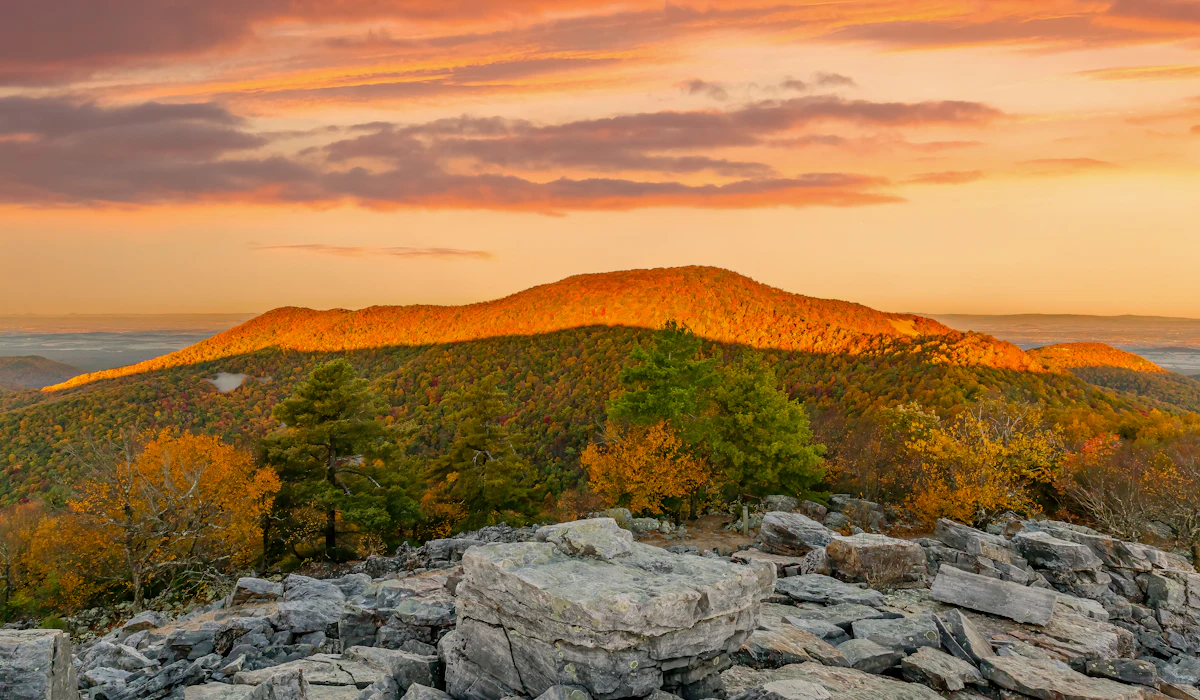
Old Rag is famous for its rock scramble, a route through boulders and tight squeezes on the way to a granite summit. Its popularity near Washington led to backups in the scramble section, and since 2022 the park has required a day-use ticket from March 1 through November 30.
Weekend traffic still slows the route in the narrowest gaps. Setting out early on a weekday is one of the better ways to enjoy the scramble at your own pace.
Mount Whitney, California
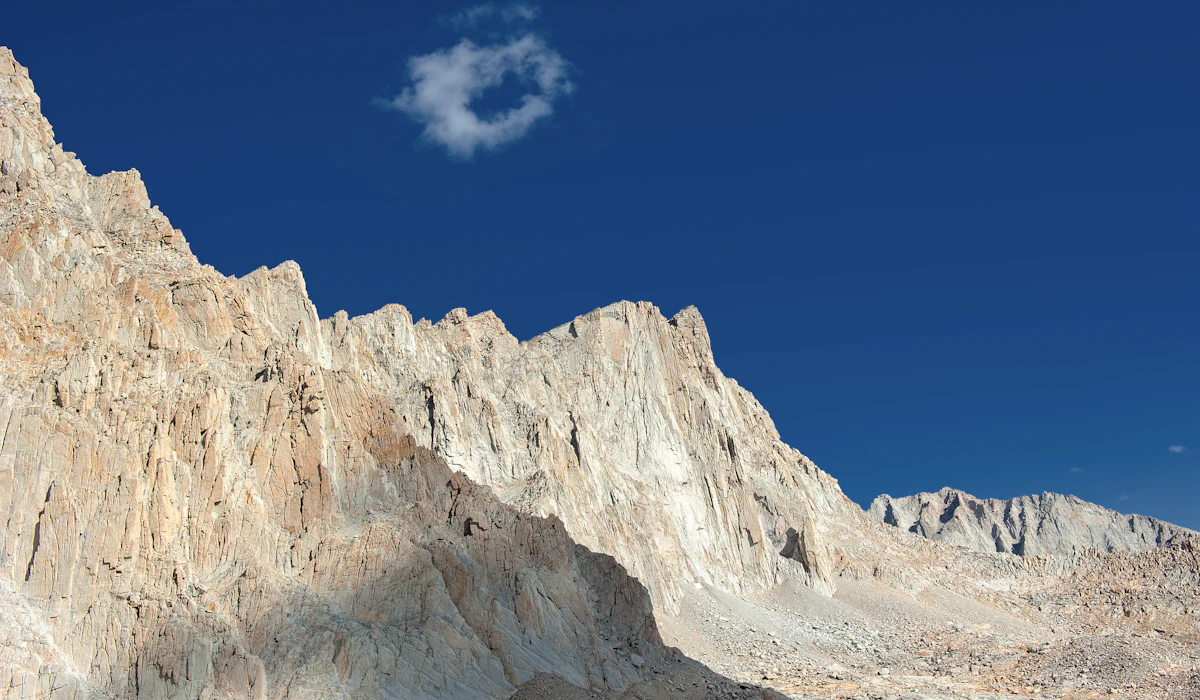
Mount Whitney is the highest peak in the contiguous United States at 14,505 feet, and its main trail is limited by a permit system. The route from Whitney Portal is about 10.7 miles one way, or roughly 21.4 miles round trip, with more than 6,000 feet of climbing.
The 99 switchbacks below Trail Crest get congested with day hikers, many of them struggling with the altitude. The summit is magnificent, but you’ll share it with plenty of others.
Hanging Lake, Colorado
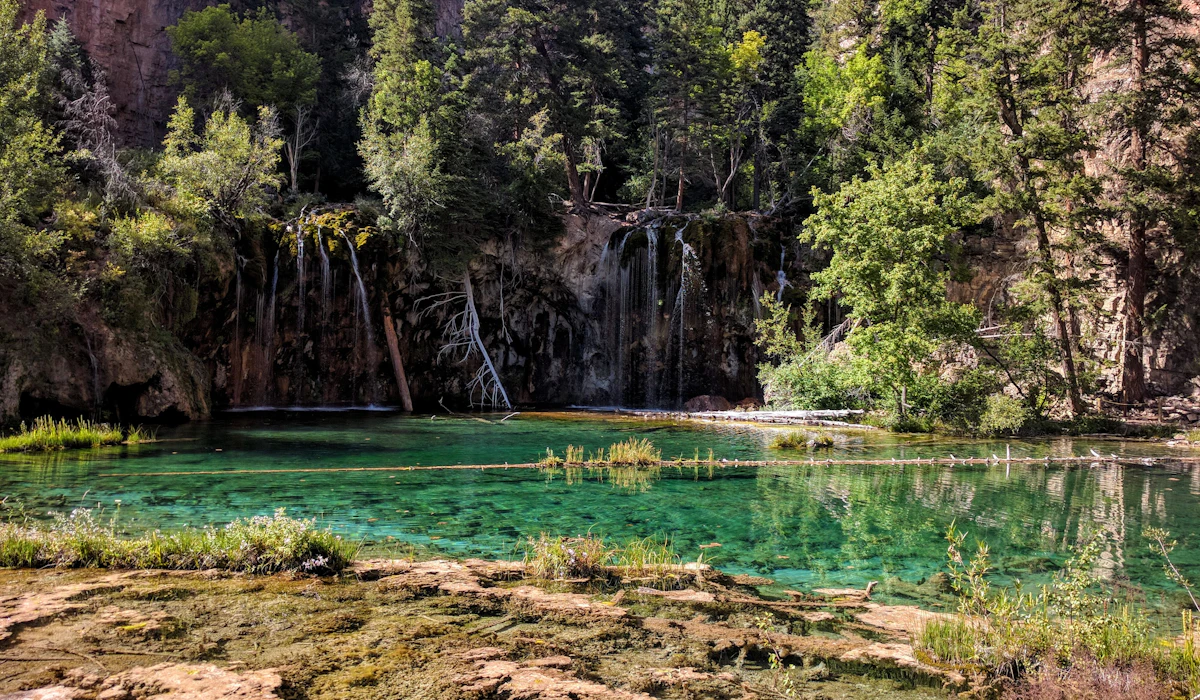
Hanging Lake sits on a travertine ledge above Glenwood Canyon, a clear green pool fed by waterfalls, and the trail climbs roughly 1,000 feet in just over a mile. Years of heavy use damaged the fragile shoreline, and since 2019 every visitor needs a paid permit booked ahead.
The current system limits visitation to 615 people per day during the peak season. Even with the cap, popular time slots can bring groups of visitors to the boardwalk at once.
Book the earliest slot of the day and you get the water before the busiest periods.
Diamond Head, Oahu
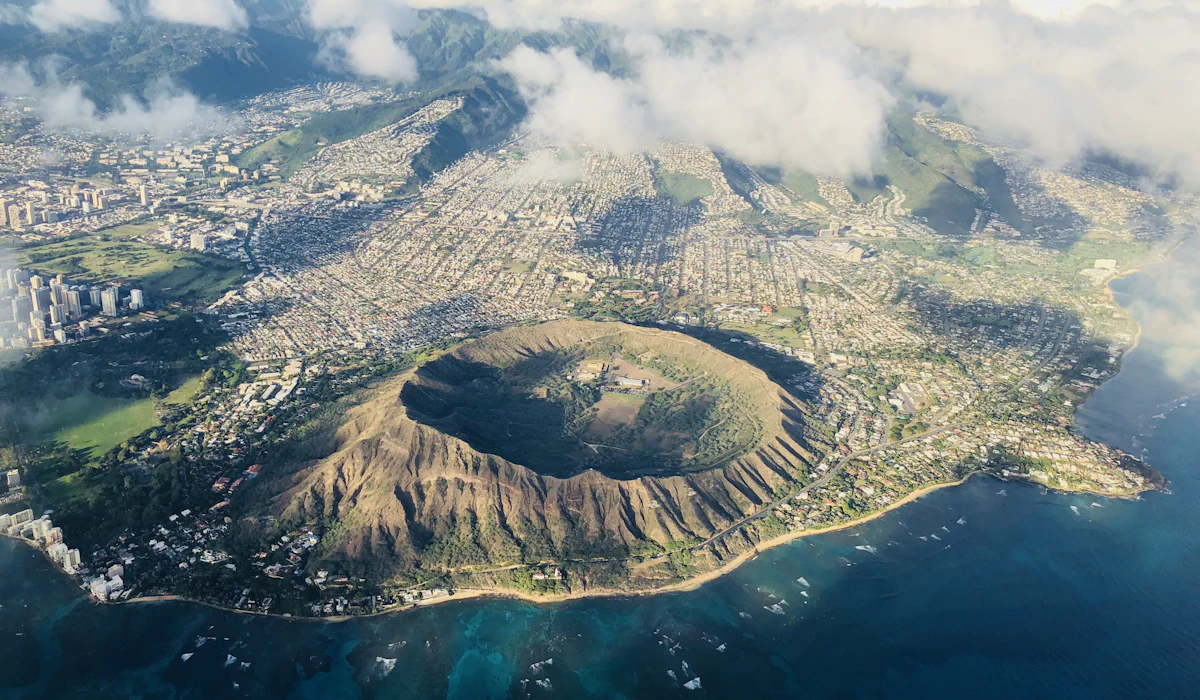
The trail climbs about 560 feet inside a volcanic crater to a military lookout built in the early 1900s, with Waikiki spread out below. Since 2022, visitors who aren’t Hawaii residents must reserve an entry time and parking in advance.
The route squeezes through a dark tunnel and up narrow concrete stairs, and one slow group sets the pace for everyone behind. The Makapuʻu Point Lighthouse Trail on the island’s eastern tip offers ocean views, whale sightings in winter and a less concentrated visitor experience.
The Kalalau Trail, Kauai
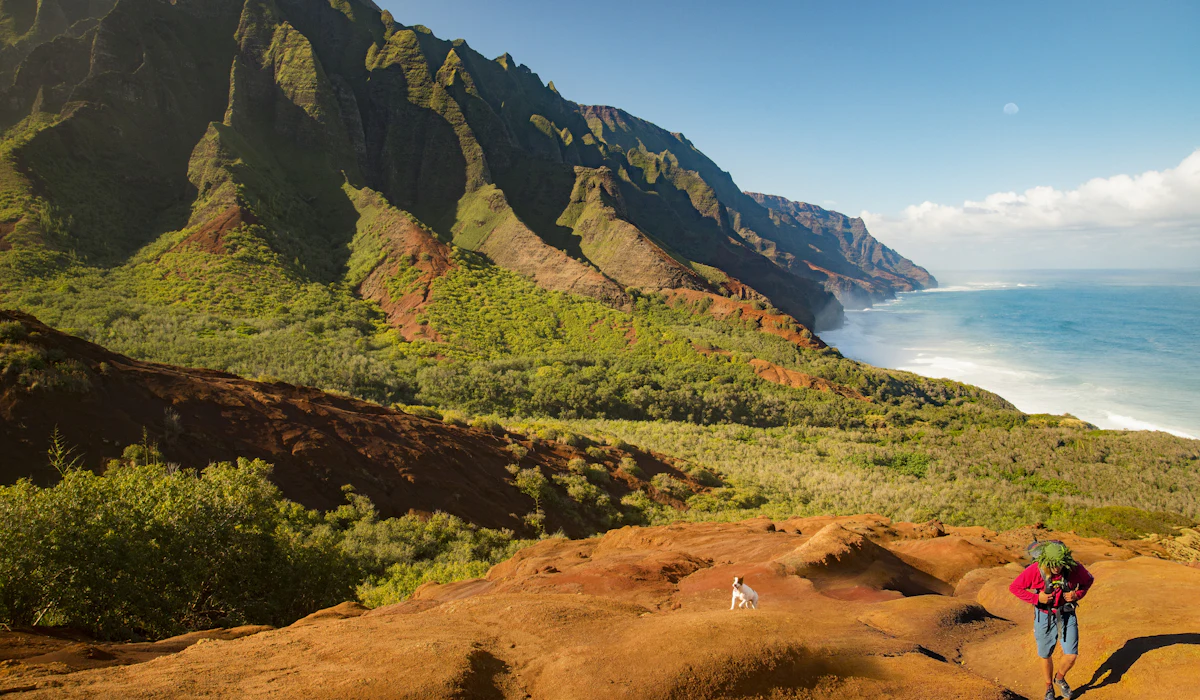
The first two miles of the Kalalau Trail, to Hanakāpīʻai Beach, are among the most walked miles in Hawaii. After floods in 2018, Hāʻena State Park reopened in 2019 with a reservation system that caps daily visitors and parking.
The trail is often slick red mud, and the beach at the end has dangerous rip currents and a history of drownings. The full 11 miles to Kalalau Beach require a camping permit that can be highly competitive to obtain.
Bright Angel Trail, Grand Canyon
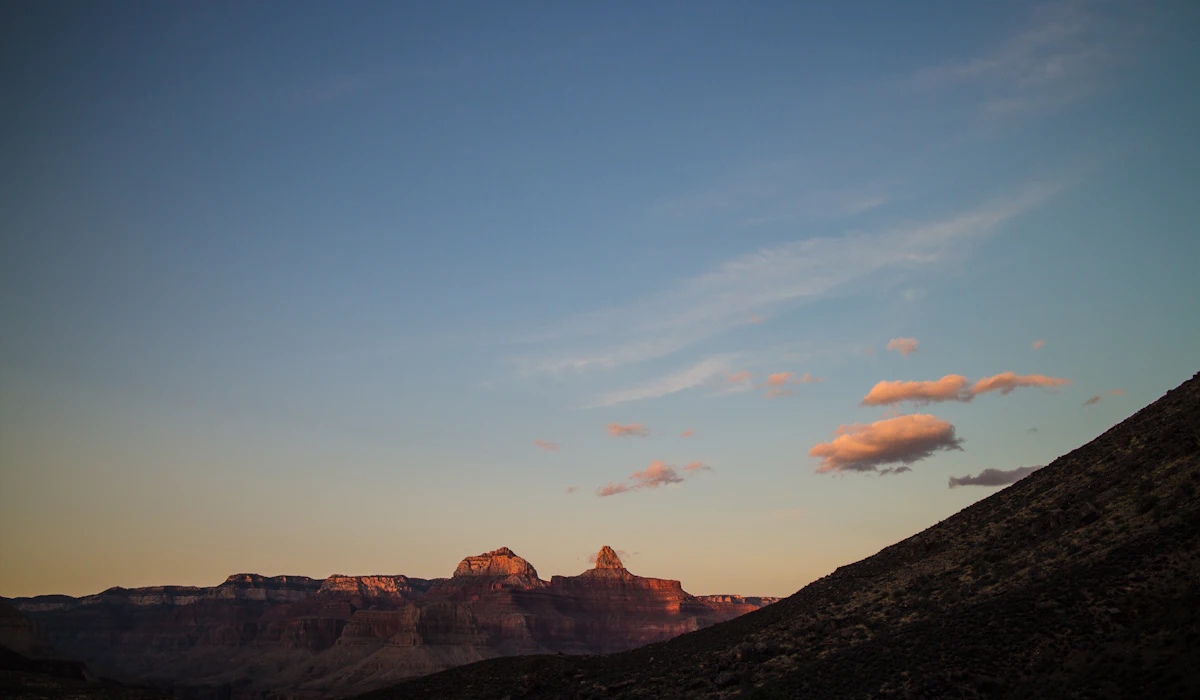
The Bright Angel Trail drops from Grand Canyon Village into the canyon along a route that follows paths used by Indigenous peoples and was later developed as a modern trail, and it is the park’s most popular hiking trail. The stretch to the 1.5-Mile Resthouse carries a steady stream of day hikers in sneakers, many of whom underestimate the climb back up.
Temperatures near the canyon bottom can run far hotter than the rim. Rangers perform rescues every summer, and heat is a recurring hazard for inner-canyon hikers.
Havasu Falls, Arizona
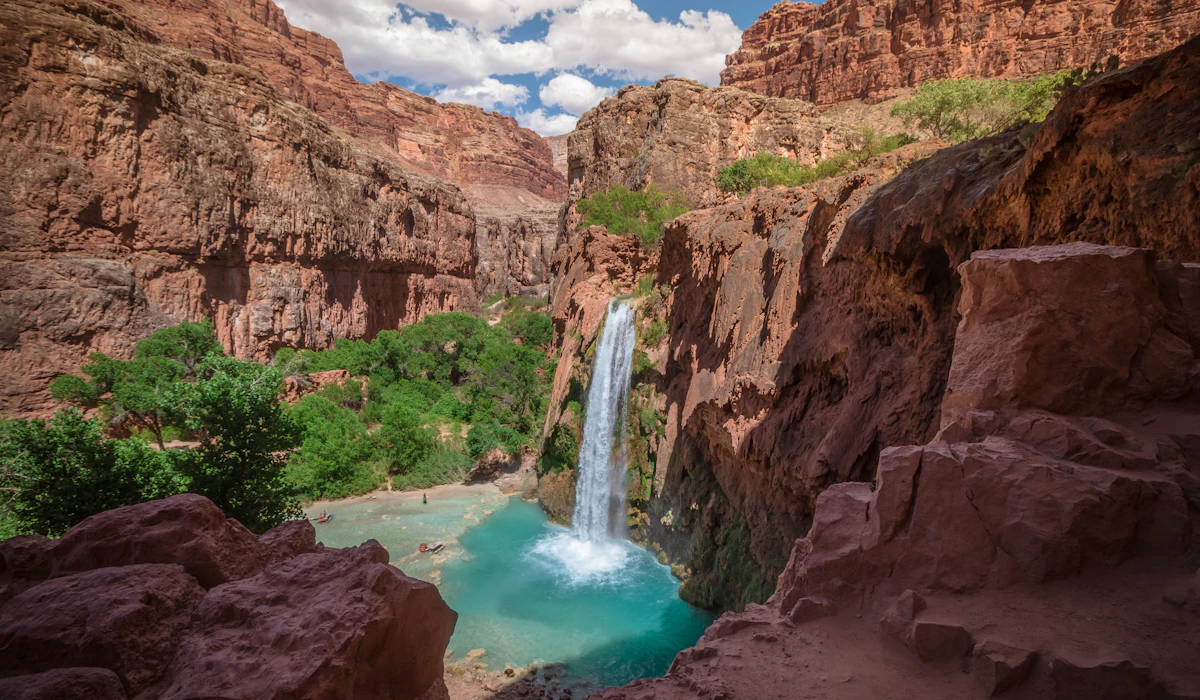
Havasu Falls pours turquoise water over red rock on the Havasupai Reservation, deep in a side canyon of the Grand Canyon. Most visitors make an approximately eight-mile hike from Hualapai Hilltop to Supai Village, with the campground and waterfalls farther on.
Tourist helicopter flights are also available on a limited, first-come, first-served basis. The tribe sells permits as multi-night packages costing several hundred dollars per person.
Those permits are highly sought after and can sell out quickly, and the campground along the creek is crowded when full. The falls are unforgettable, and so is the credit card statement.
Avalanche Lake, Glacier National Park
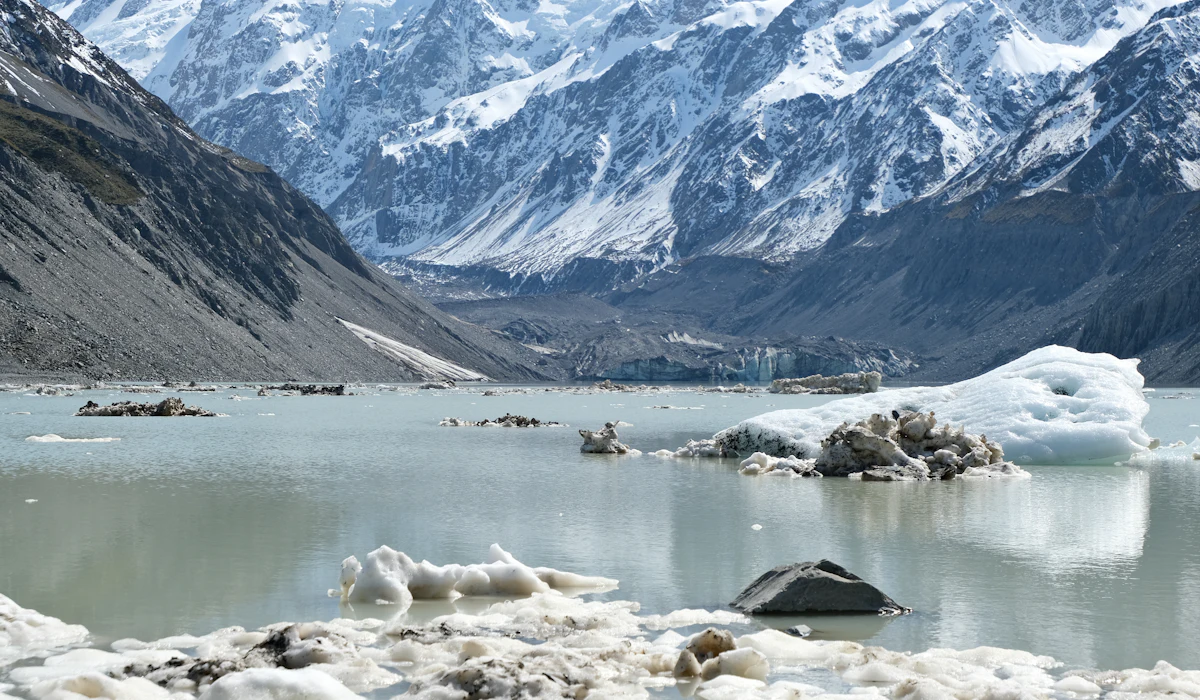
The trail to Avalanche Lake follows the Trail of the Cedars through old-growth forest, then climbs gently to a lake ringed by cliffs streaked with waterfalls. The route is about five miles round trip, which makes it one of the most accessible big views in Glacier.
Glacier National Park used vehicle reservations on the Going-to-the-Sun Road in recent peak seasons, but vehicle reservations are not required in 2026. Congestion and limited parking can still be problems at popular trailheads.
The far end of the lake is where you’ll find the quiet.
Mount Fuji, Japan
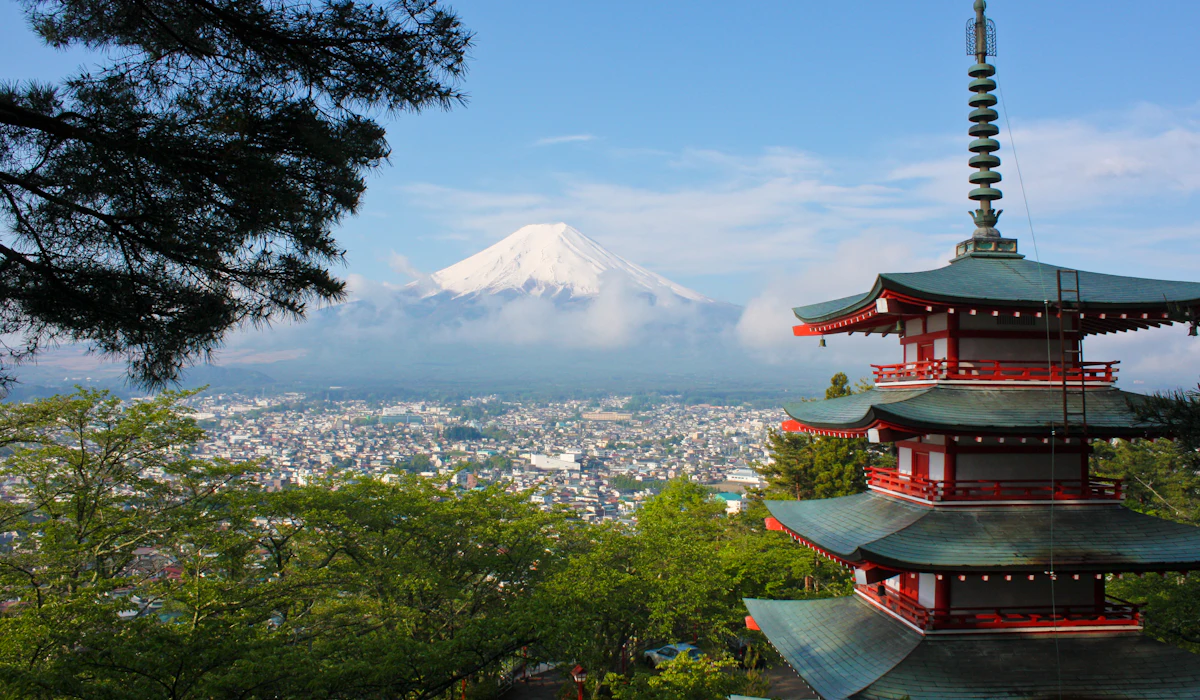
Around 204,000 people climbed Fuji in the 2024 season, most of them spread across the mountain’s four major routes. Since 2025, the standard hiking fee has been ¥4,000, while the Yoshida Trail has a 4,000-climber daily cap and an entry gate that closes from 2 p.m. until 3 a.m. for climbers not staying in mountain huts.
Night climbers heading for the sunrise form a chain of headlamps that can stall on the upper switchbacks. The quieter Gotemba Trail is longer and bleaker, which is exactly why it has room to breathe.
The Inca Trail, Peru
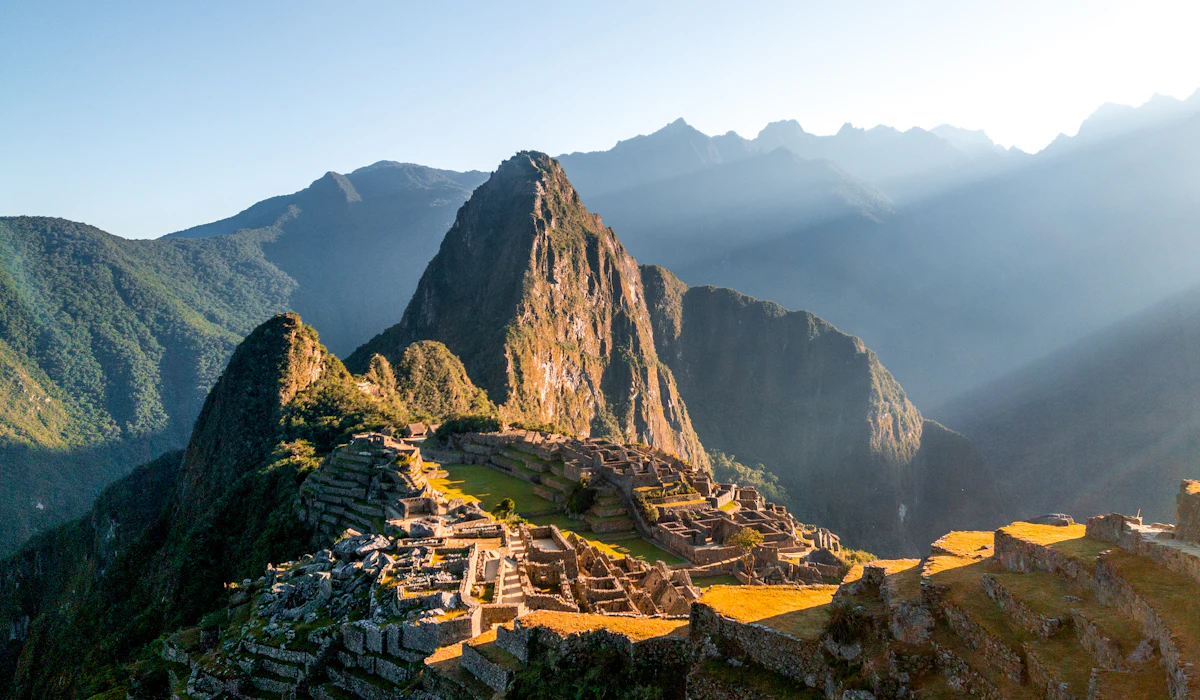
The classic four-day trek to Machu Picchu is limited to 500 people per day, including trekkers and support staff, with roughly 200 places available for trekkers. Permits for peak months can sell out well in advance, and the trail closes every February for maintenance.
Hikers aim to reach the Sun Gate at dawn for the first glimpse of the citadel. Just as often they find it wrapped in cloud, with a crowd of other hikers staring into the white.
Rainbow Mountain, Peru
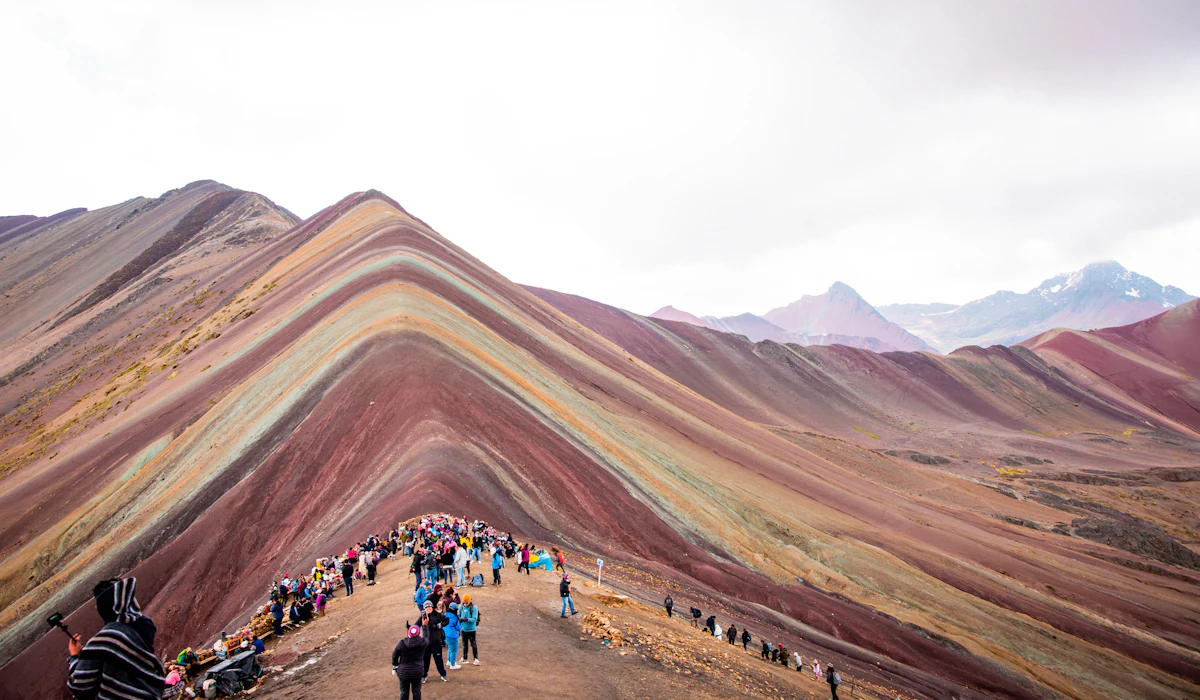
Vinicunca rises to about 5,200 meters south of Cusco, and its striped slopes became widely known in the mid-2010s as snow cover retreated and photos spread online. Thousands of domestic and international visitors now make the trip each year, with busloads arriving during busy periods.
The altitude makes a short hike brutal, and many people rent horses for the climb. Palccoyo, a nearby set of striped hills, is generally less crowded and offers a different high-altitude alternative.
The W Trek, Torres del Paine
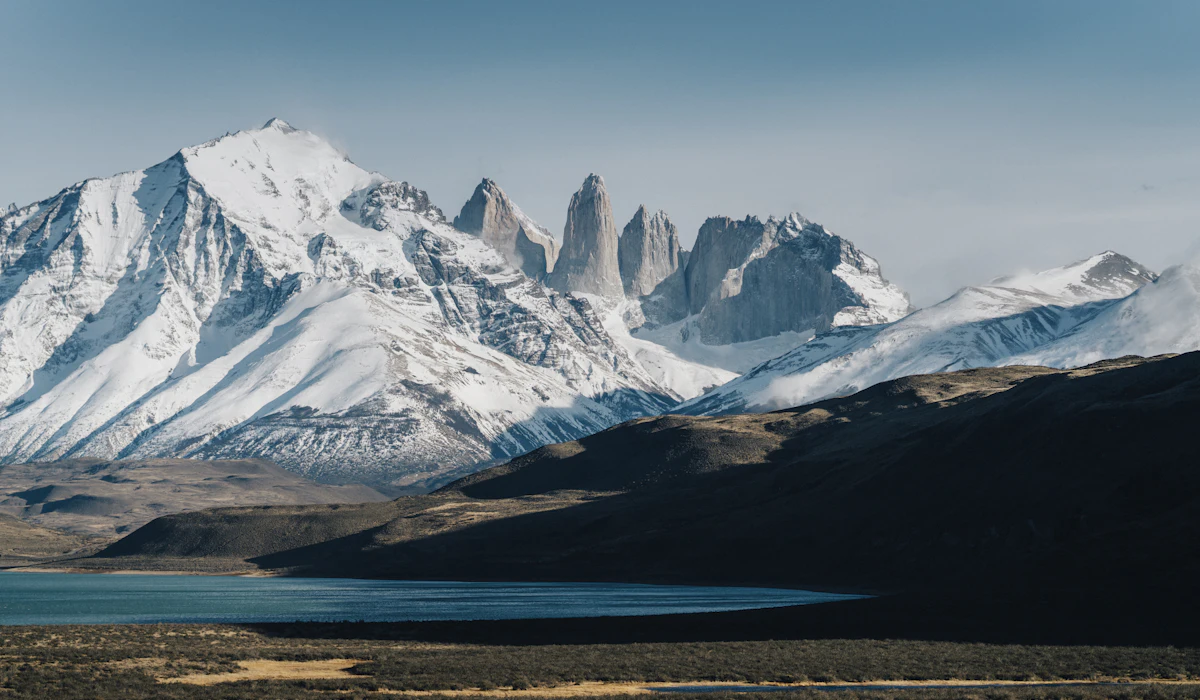
The W Trek through Chile’s Torres del Paine National Park takes four or five days and ends with a climb to the base of the three granite towers. The last hour crosses a steep boulder moraine that becomes a slow procession before sunrise, when many hikers aim to arrive.
Campsites and refugios must be booked months ahead, and the park checks reservations at the entrance. Patagonian wind can knock you sideways, so the sunrise payoff is never guaranteed.
Tongariro Alpine Crossing, New Zealand
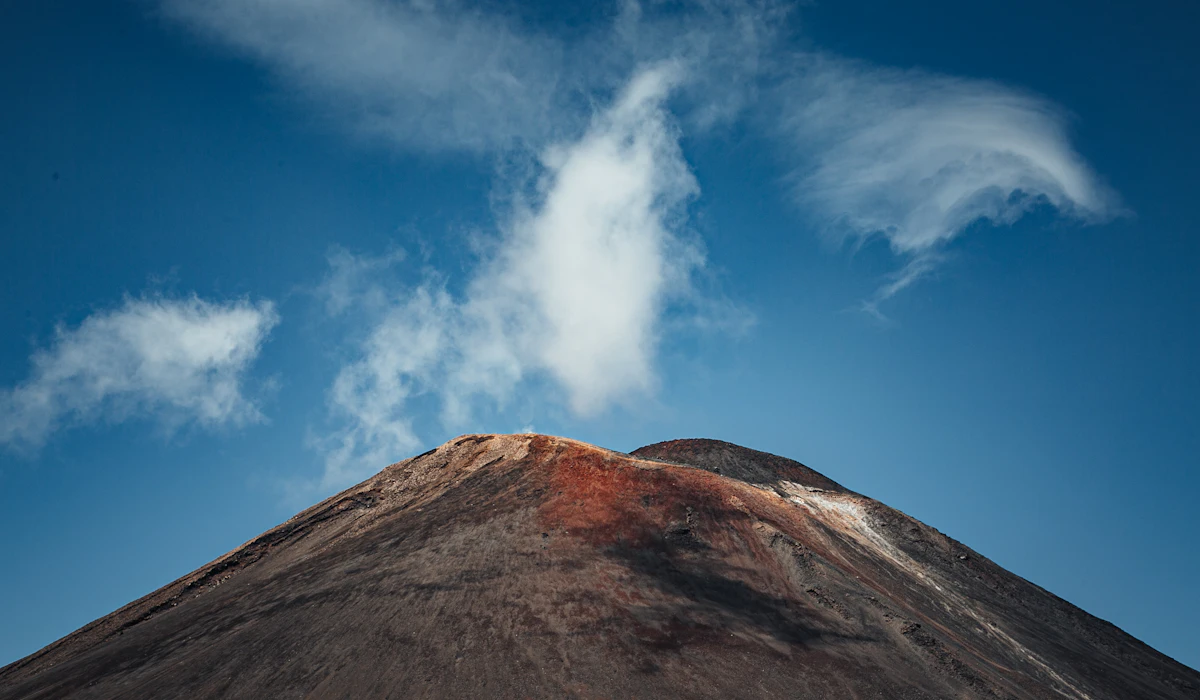
The 19.4-kilometer crossing runs over the volcanic landscape of Tongariro National Park, passing the steaming Red Crater and the vivid Emerald Lakes. It is often called New Zealand’s best day hike, and on fine summer days large numbers of people walk it in the same direction.
The Mangatepopo car park has a four-hour limit for visitors using that area, and there is no full-day parking there for people completing the crossing, so many hikers use shuttle services. The steep scree descent from Red Crater becomes a slow, dusty slide shared with a long line of strangers.
Roys Peak, Wanaka
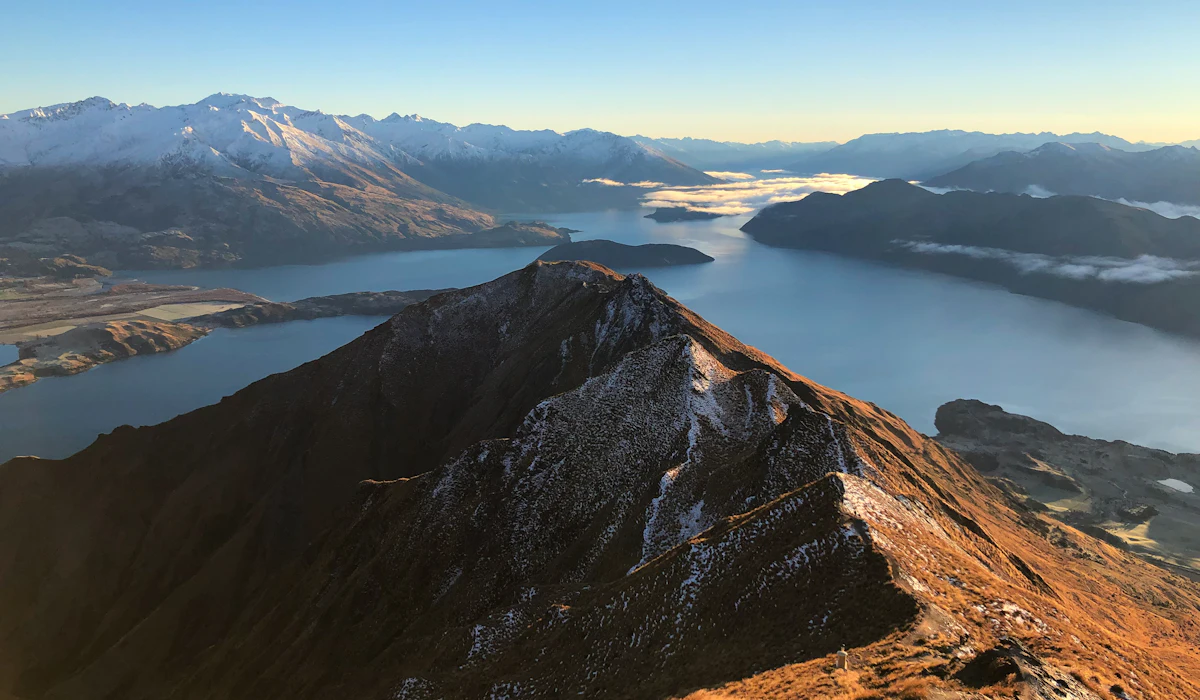
The Roys Peak track climbs more than 1,200 meters in about eight kilometers, zigzagging across open farmland without shade. A ridge just below the summit became one of the most shared photo spots in New Zealand, and hikers can encounter lines there during busy periods.
The track closes each spring for lambing, from October 1 to November 10, which compresses the crowds into the rest of the year. Isthmus Peak, across Lake Hāwea, offers similar views and can provide an alternative to the busier Roys Peak route.
Snowdon, Wales
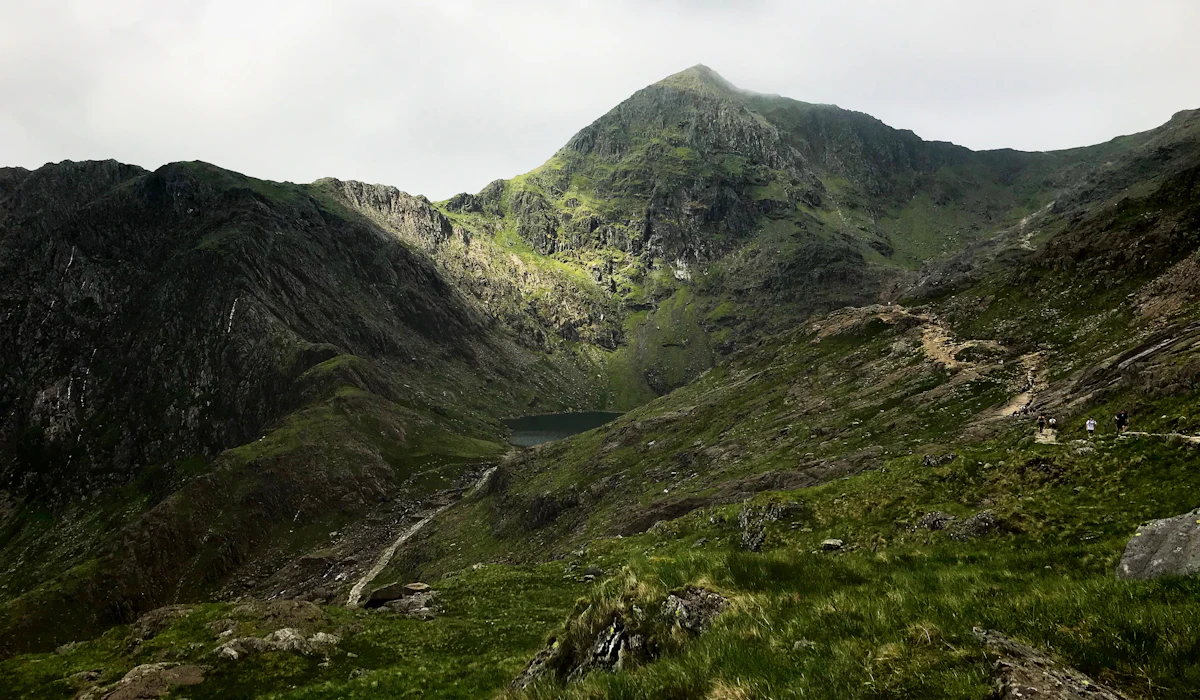
Snowdon, known in Welsh as Yr Wyddfa, draws more than 600,000 people to its summit each year, making it one of the busiest mountains in Britain. Its summit has a visitor center and a station for the mountain railway that has climbed from Llanberis since 1896.
On summer weekends a line forms up the steps to the trig point at the very top. Cadair Idris in southern Eryri is a stunning alternative with far fewer people.
Seceda, Dolomites
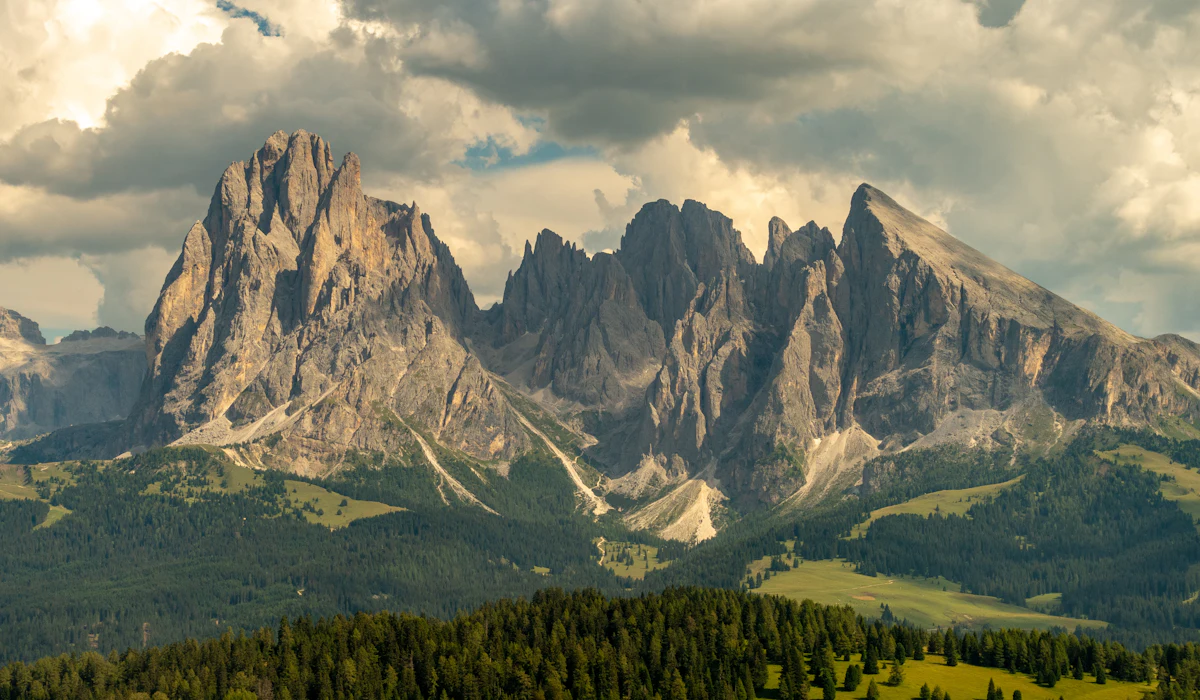
The ridge at Seceda above Val Gardena ends in a knife-edge drop with the Odle peaks rising behind, one of the most shared views in the Alps. On one peak day in July 2025, local landowners estimated that about 8,000 people visited the area.
Four landowners also installed a €5 turnstile as a private protest over visitor pressure and damage to the meadows, although local tourism officials questioned its legal basis. The cable car from Ortisei makes the ridge an easy trip, which is exactly why it’s so crowded.
Tre Cime di Lavaredo, Dolomites
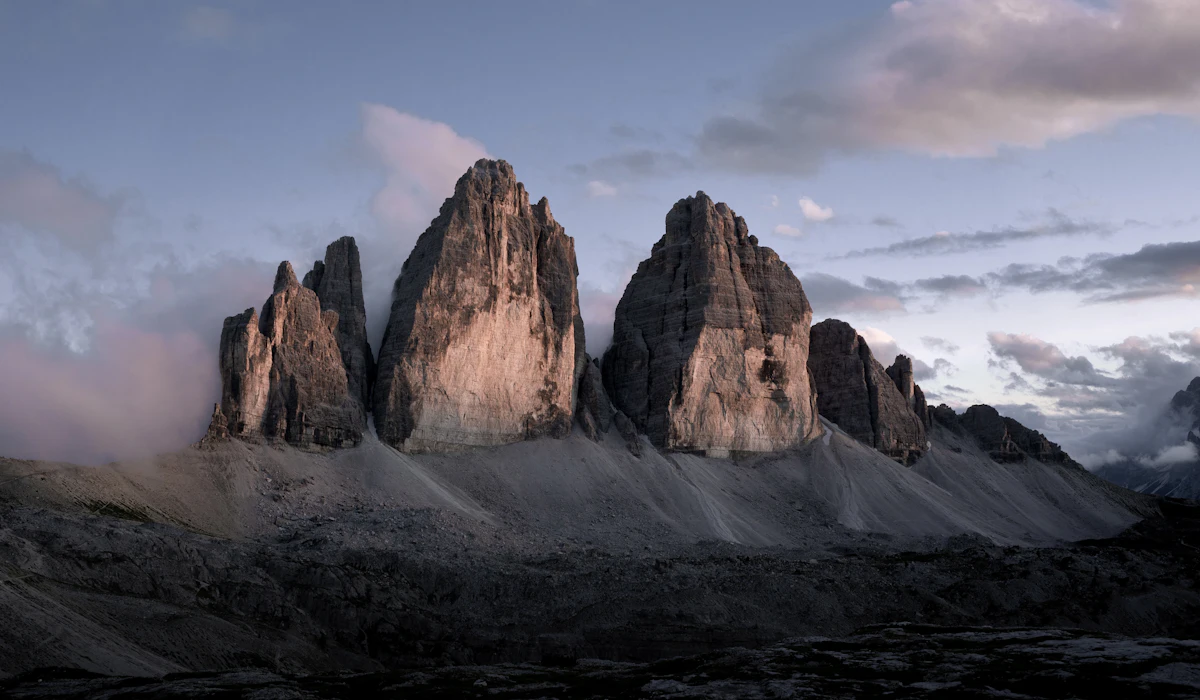
The loop around the three rock towers of Tre Cime runs about 10 kilometers on well-built paths linking three mountain huts. The trailhead at Rifugio Auronzo is reached by a steep private toll road, and the fee for a car runs to tens of euros.
Summer days bring a steady stream of hikers on every stretch of the loop. Rifugio Locatelli offers classic views of the north faces and can become busy around lunchtime.
Cinque Terre Coastal Trail, Italy
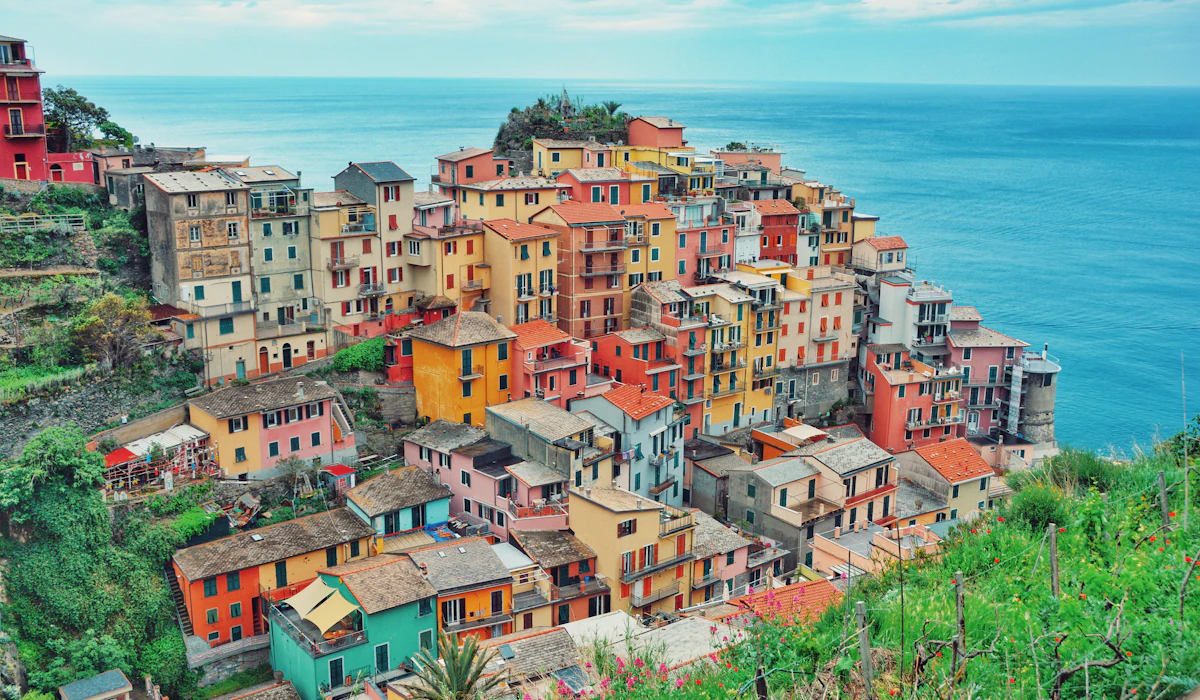
The Sentiero Azzurro links the five villages of the Cinque Terre along cliffs above the Ligurian Sea, and hikers using the SVA Blue Trail need a Cinque Terre Card. Other trails in the park do not universally require the card.
The Via dell’Amore between Riomaggiore and Manarola reopened in 2024 after a 12-year closure following a landslide, with timed tickets and one-way traffic. Cruise ships docking at La Spezia send huge day-tripper crowds onto the paths.
The higher trails, like the Alta Via, offer sweeping views with a fraction of the people.
Preikestolen, Norway
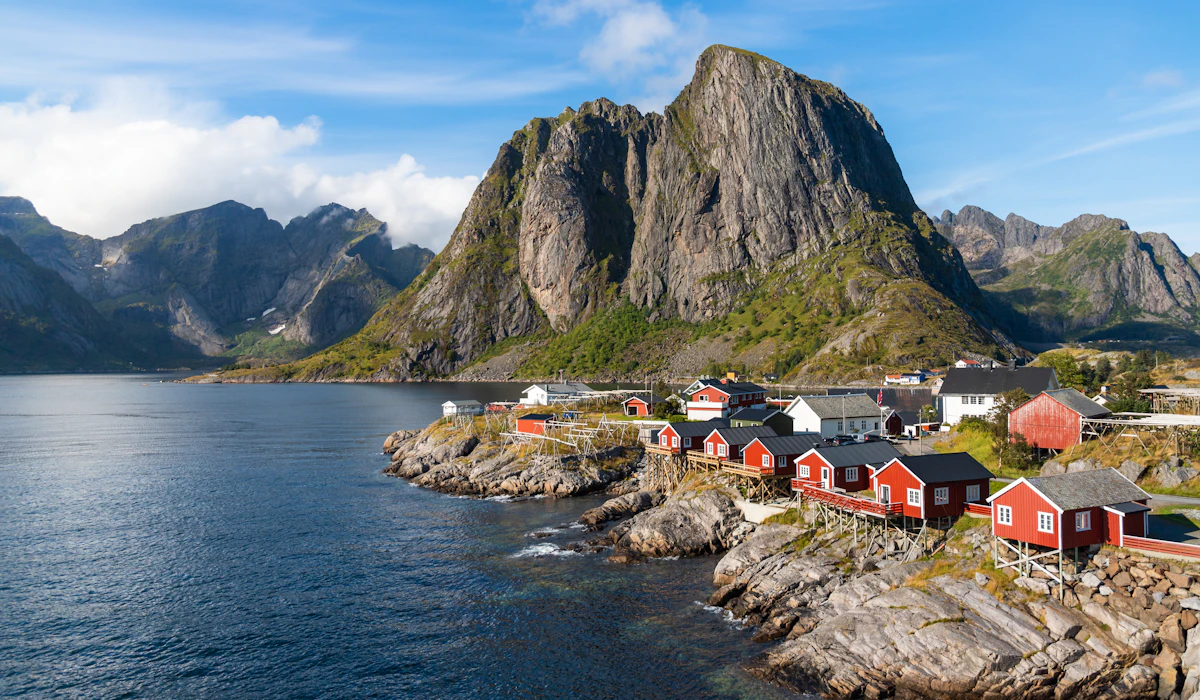
Preikestolen, or Pulpit Rock, is a flat-topped cliff rising about 600 meters above the Lysefjord, with no railings at the edge. Around 300,000 people hike to it each year, most of them in the summer months.
The trail is about eight kilometers round trip and becomes a slow-moving line on the rocky sections. At the top, visitors often wait for their turn at the classic photo spot near the edge.
Trolltunga, Norway
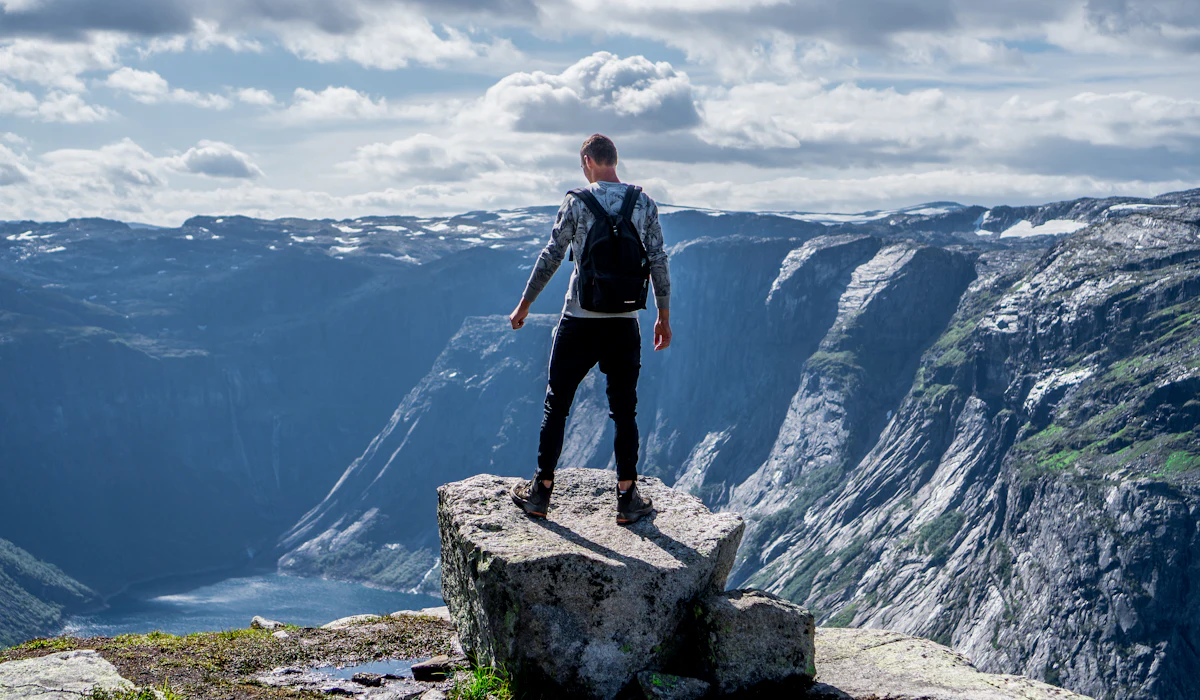
Trolltunga is a narrow rock ledge jutting out about 700 meters above Lake Ringedalsvatnet. The hike is a serious undertaking, about 20 to 27 kilometers round trip depending on the trailhead, and takes most people seven to 12 hours or more.
The official trail site reports roughly 80,000 hikers annually and waiting times of 30–45 minutes on peak-season weekdays and 60–90 minutes on Saturdays. At the tongue itself, visitors wait in line for their turn to walk out and pose.
Everest Base Camp Trek, Nepal
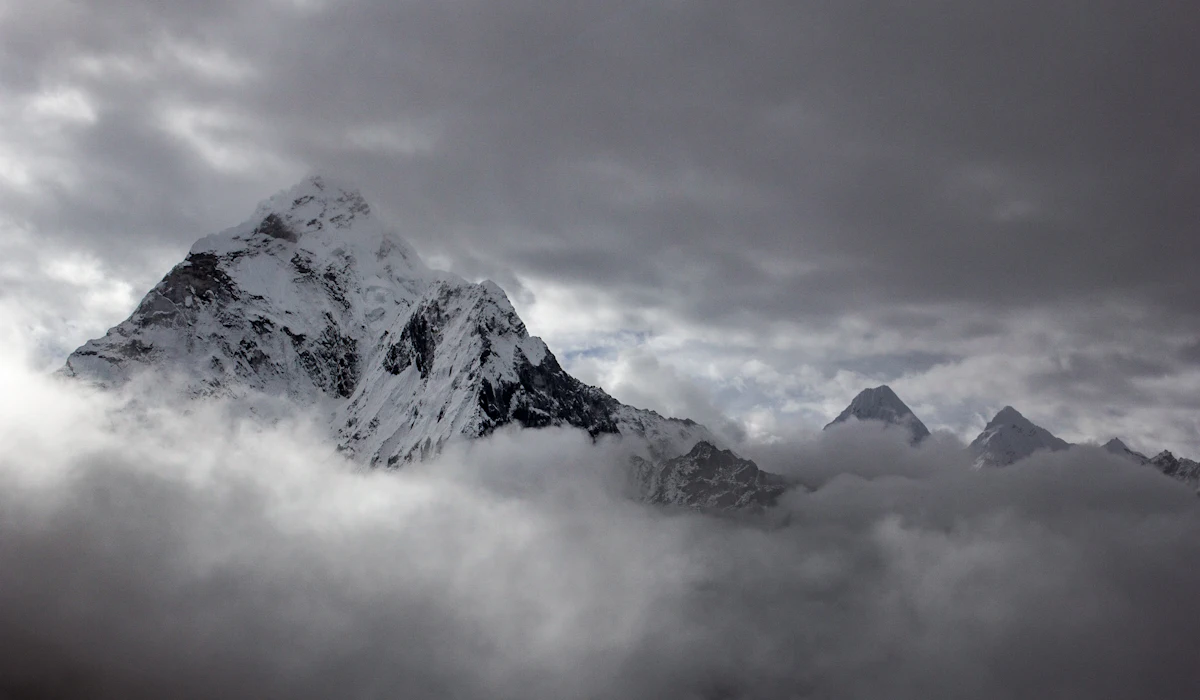
The trek to Everest Base Camp draws large numbers of trekkers each year, most of them flying into the tiny mountain airstrip at Lukla. Flights are often delayed or canceled by weather, stranding trekkers for days.
The trail passes Sherpa villages and monasteries, but teahouses fill up in the peak months of spring and autumn. Everest itself isn’t visible from base camp, so the real view comes from Kala Patthar, a nearby hill.
Mount Batur Sunrise Trek, Bali
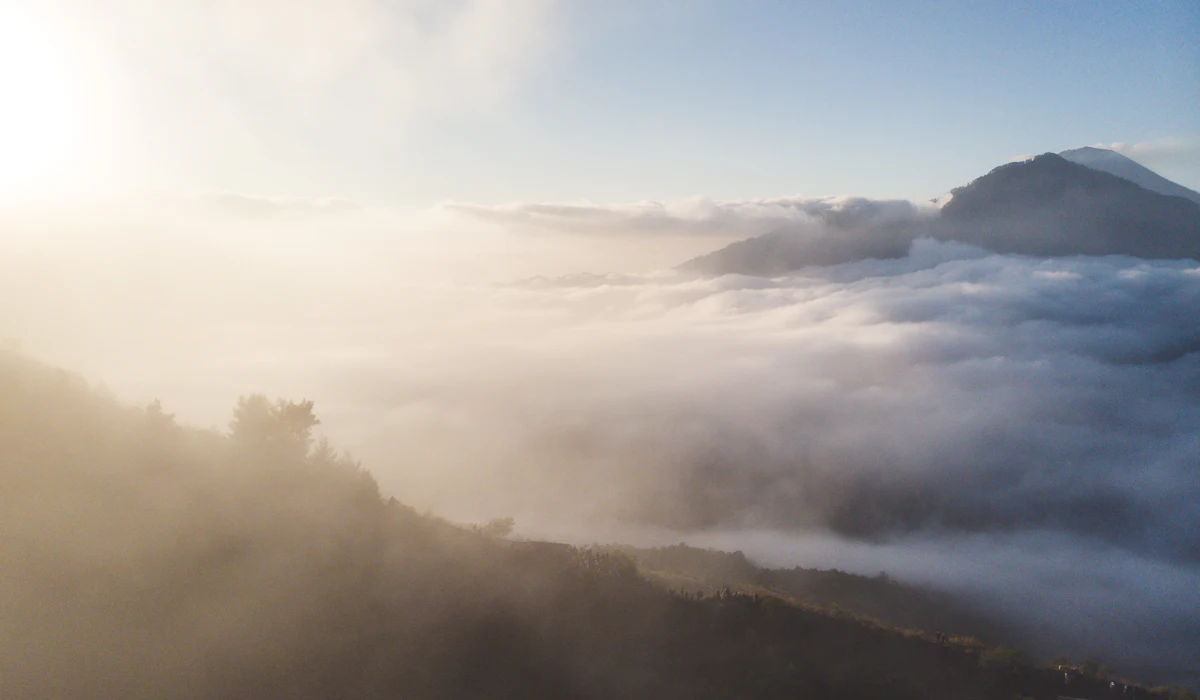
Mount Batur is an active volcano rising 1,717 meters in northern Bali, and its sunrise trek is one of the island’s most popular activities. Large groups of hikers begin the climb in the dark around 4 a.m., forming a line of headlamps up the slope.
At the top, guides cook breakfast using steam from volcanic vents. Clouds often cover the view, and the crater rim can feel as busy as a train platform.
Mount Hua, China
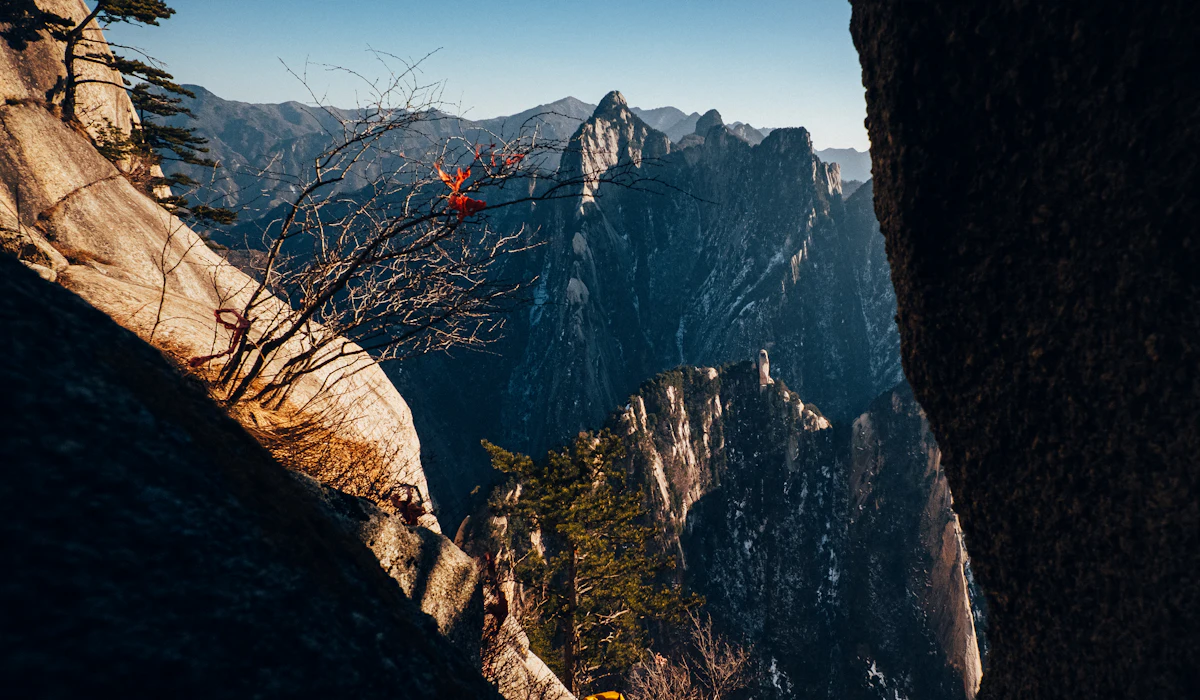
Mount Hua, or Huashan, is one of China’s five sacred mountains and famous for its plank walk, a narrow wooden path bolted to a sheer cliff face. Visitors clip into a harness to walk it, and queues for the plank walk can last hours on holidays.
The plank walk itself has limited ticket availability, adding another layer of waiting during busy periods. The mountain’s beauty is real, but so is the gridlock on its stairs.
Adam’s Peak, Sri Lanka
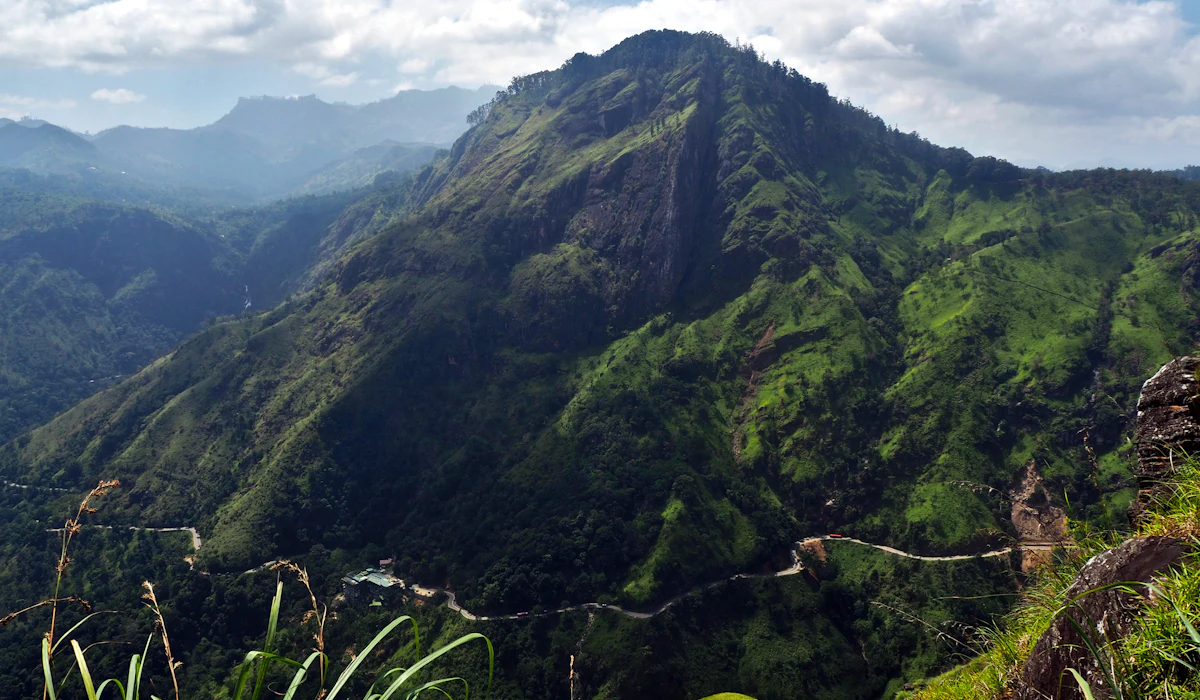
Sri Pada, known in English as Adam’s Peak, is a 2,243-meter summit sacred to Buddhists, Hindus, Muslims and Christians, with a footprint-shaped hollow in the rock at the top. The pilgrimage season runs roughly from December to May, and the climb from Dalhousie covers about 5,500 steps, most of them done overnight to reach the summit for sunrise.
During the busiest pilgrimage periods, the stairway can become so congested that pilgrims wait in line near the summit. Climb midweek outside those holidays and the lamp-lit staircase becomes one of the most atmospheric night walks anywhere.
Platteklip Gorge, Table Mountain
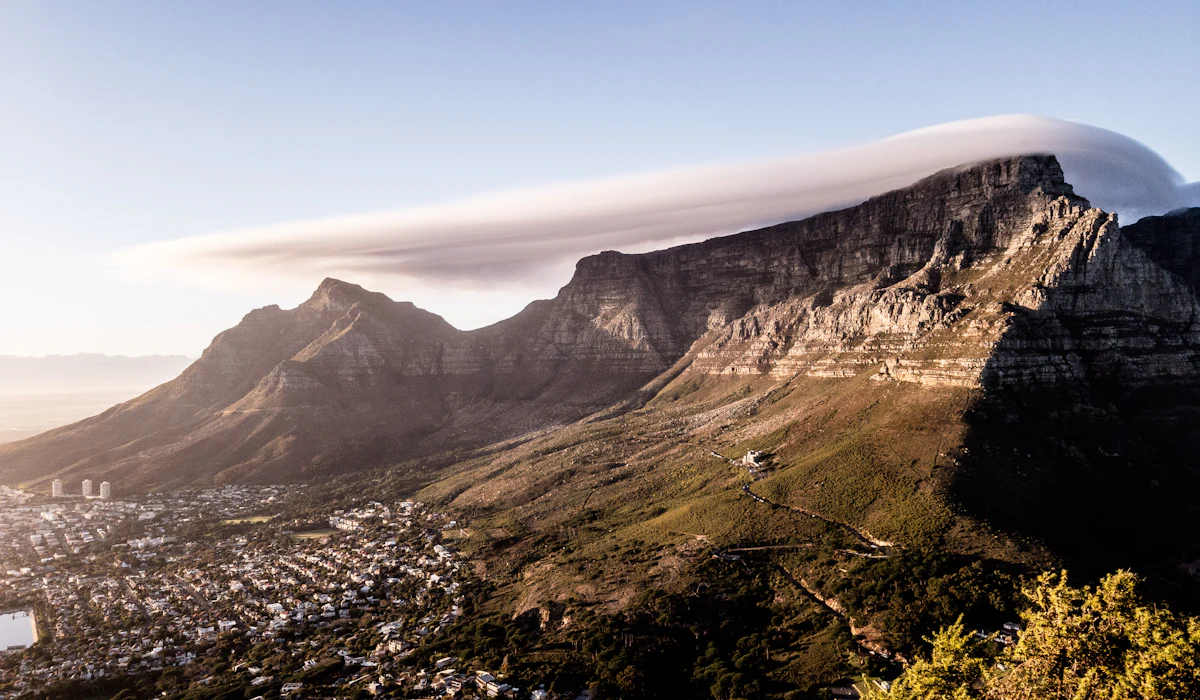
Platteklip Gorge is the most direct route up Table Mountain, climbing about 700 meters in roughly three kilometers of stone steps. It’s one of Cape Town’s most popular hikes, and on weekends the trail can feel like a queue.
The route faces the afternoon sun and offers little shade. Skeleton Gorge from Kirstenbosch, with its ladders and forest, is a different, greener route that can provide a quieter alternative.
Lion’s Head, Cape Town
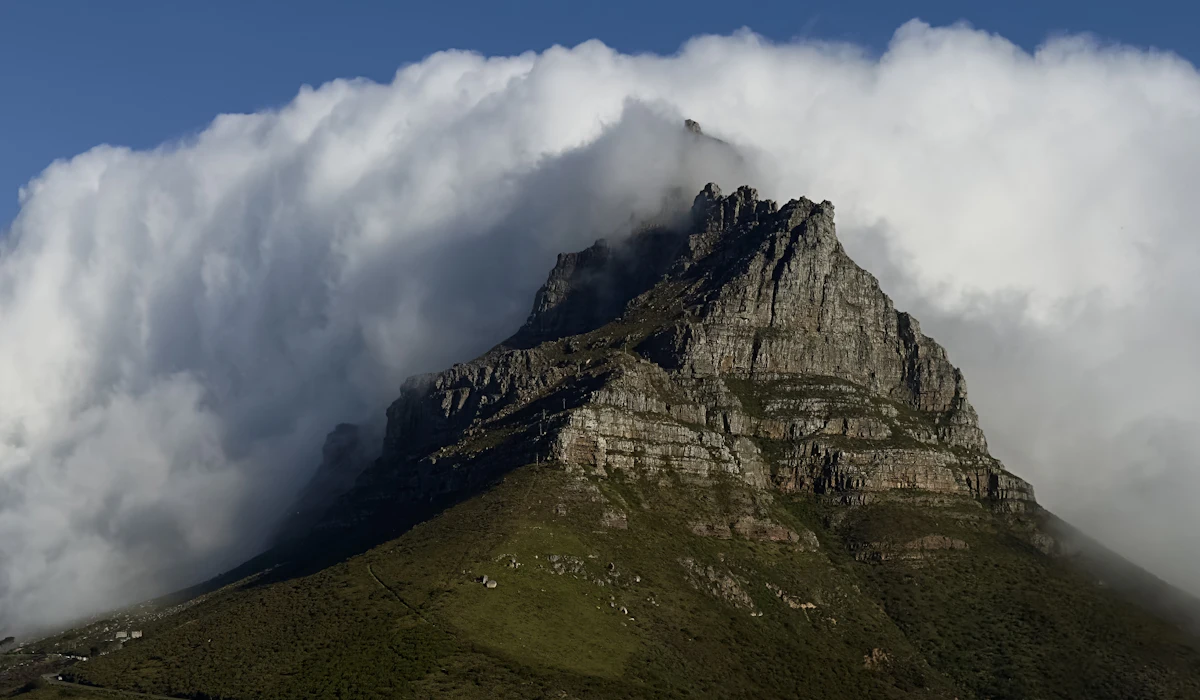
Lion’s Head rises 669 meters beside Table Mountain, with a spiral path that circles the peak before chains and ladders lead to the summit. Full-moon nights are especially popular, when hikers climb to watch the sunset and moonrise from the top.
The descent in the dark becomes a slow procession of torches. A weekday sunrise hike is often quieter while still offering the same city-and-ocean panorama.
The Mountain Keeps Its Own Hours
A famous trail is really two trails, one for the crowd and one for the hours the crowd skips. The crowd arrives at nine, peaks at noon and gathers again for sunset.
The quiet version exists at dawn, midweek and in the shoulder season.
When a trail has permits, turnstiles or a line at the summit, that’s a signal to look sideways. A neighboring peak often shares the same view, and a less famous route can deliver the solitude the famous one promised.
The best hike is the one where you can still hear your own boots.
More from Travel Pug

- Underrated Italian Towns That Beat the Tourist Crowds
- Las Vegas Tourist Traps to Skip
- Prettiest Towns in Every US State
- 18 passport-free countries for Americans
- Signs Your Cruise Is Not Worth The Cost
Like Travel Pug’s content? Follow us on MSN.