

There is a specific window — roughly the last two weeks of August into early September — when the travel calendar does something counterintuitive. The school holidays end, the most crowded weeks dissolve, and a set of destinations that spent July fighting off visitor fatigue suddenly become exactly what they were always supposed to be.
Santorini gets its sunsets back. Dubrovnik’s city walls belong to the people walking them.
Paris fills up with Parisians again.
The destinations on this list are united by one quality: late summer is unambiguously their best time, not just a decent alternative to peak season. Some benefit from post-peak pricing while conditions remain identical.
Others genuinely improve — the light changes, the wildlife peaks, the swell arrives, the harvest begins. None of these are consolation prizes.
Santorini, Greece
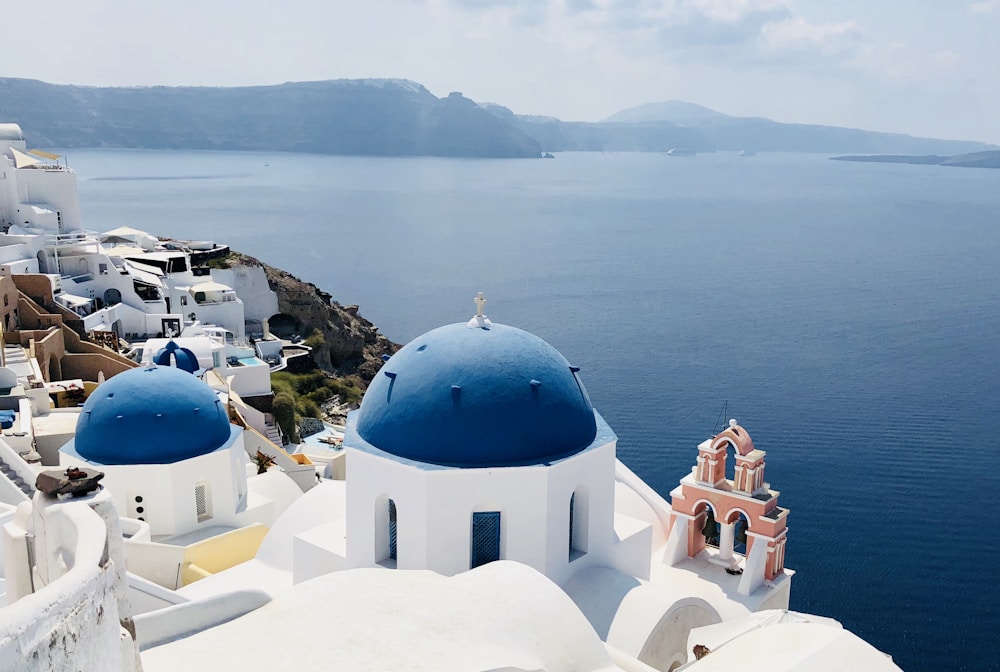
The summer crowds on Santorini are genuinely extraordinary — the path to the Oia sunset viewpoint in July can resemble a queue for a theme park ride. By late August, numbers drop sharply, and the experience of watching the sun fall into the Aegean from a quieter clifftop becomes closer to what people actually come here for.
The sea temperature is at its warmest, accommodation prices ease slightly from their July peak, and the island’s small wineries, which produce the distinctive Assyrtiko grape, are approaching harvest.
Dubrovnik, Croatia
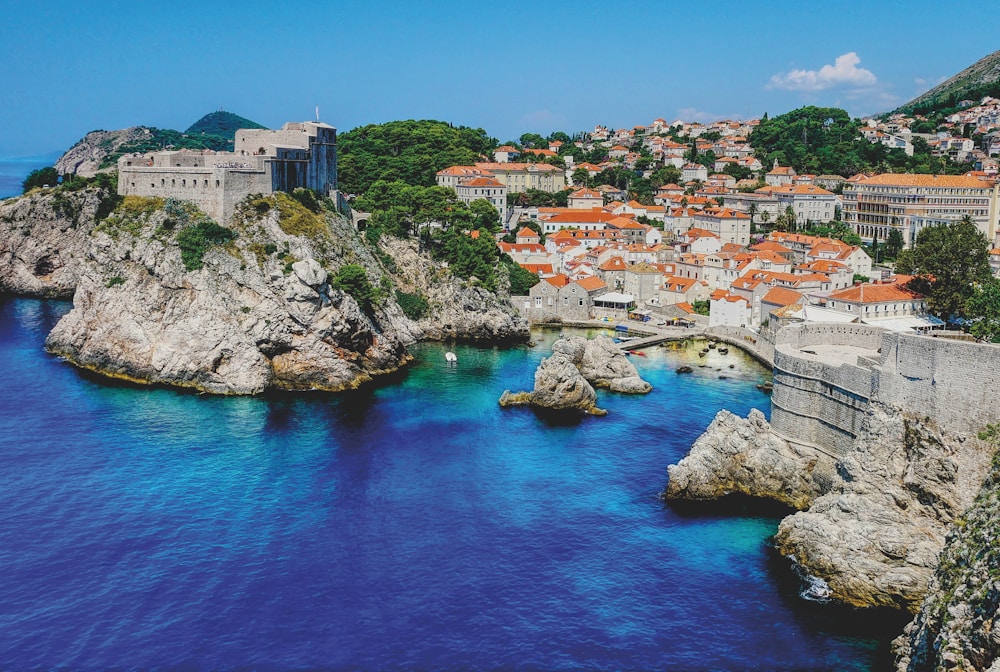
The population of Dubrovnik in July can swell to several times its normal size, and the city walls — one of the great short walks in Europe — become congested to the point of discomfort. In late August, the cruise ships thin out, school groups depart, and the Adriatic Sea hits its peak temperature.
The walls are walkable again at the pace they deserve. Hvar, Korčula, and Brač — all reachable by ferry — follow the same trajectory.
The Scottish Highlands, UK
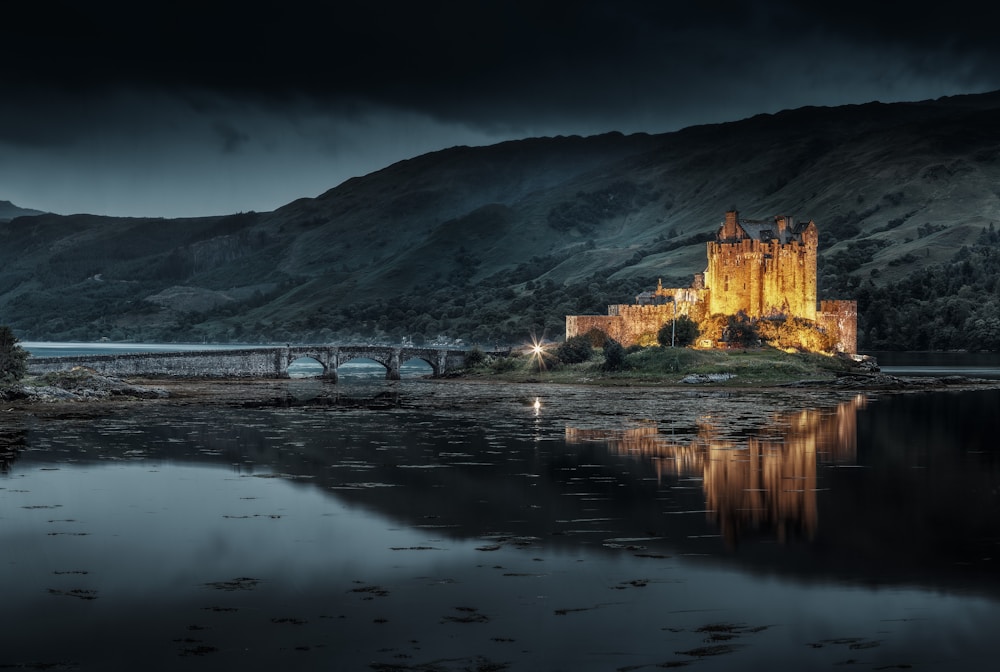
August is actually high season in the Highlands, but the sheer scale of the landscape absorbs visitors in a way that more compact destinations cannot. What late August specifically offers is heather in full bloom across the moorlands — the hills turn purple in a way that no photograph quite prepares you for.
The midges, which are the Highlands’ most committed residents, are also beginning to thin out by late August, which anyone who has walked the Great Glen Way in July will recognise as significant information.
The Azores, Portugal
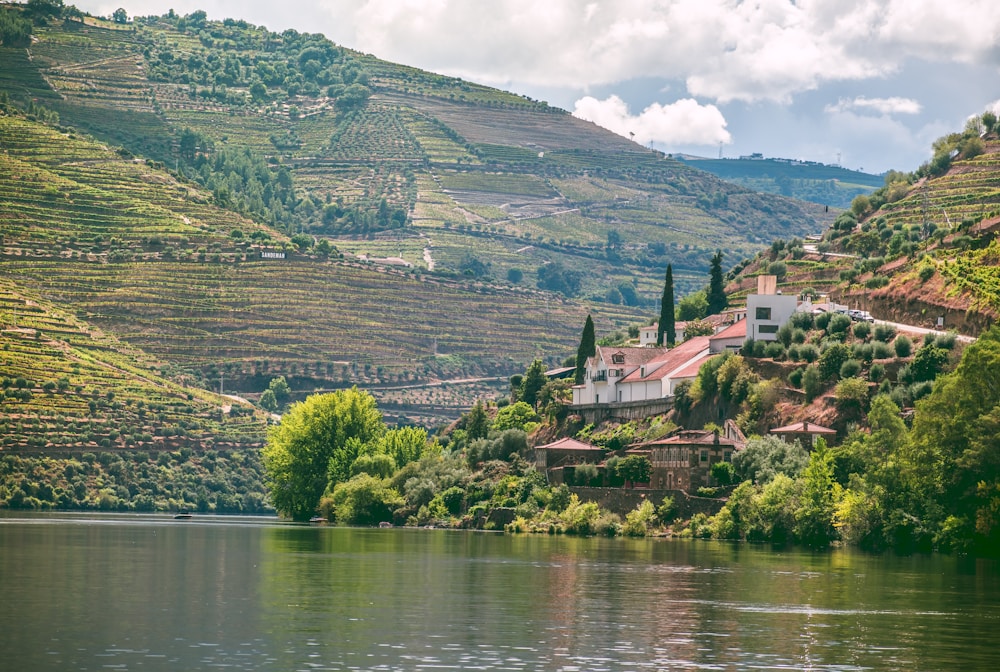
Nine volcanic islands in the middle of the Atlantic, the Azores are at their most accessible and most beautiful in late summer. Whale watching conditions are excellent from June through October, whale shark sightings peak in August, and the calderas and crater lakes of São Miguel and Faial are green and clear after the summer rains have settled.
Flights from Lisbon are short and inexpensive, and the islands have none of the overcrowding that afflicts mainland Portuguese destinations in peak summer.
Iceland
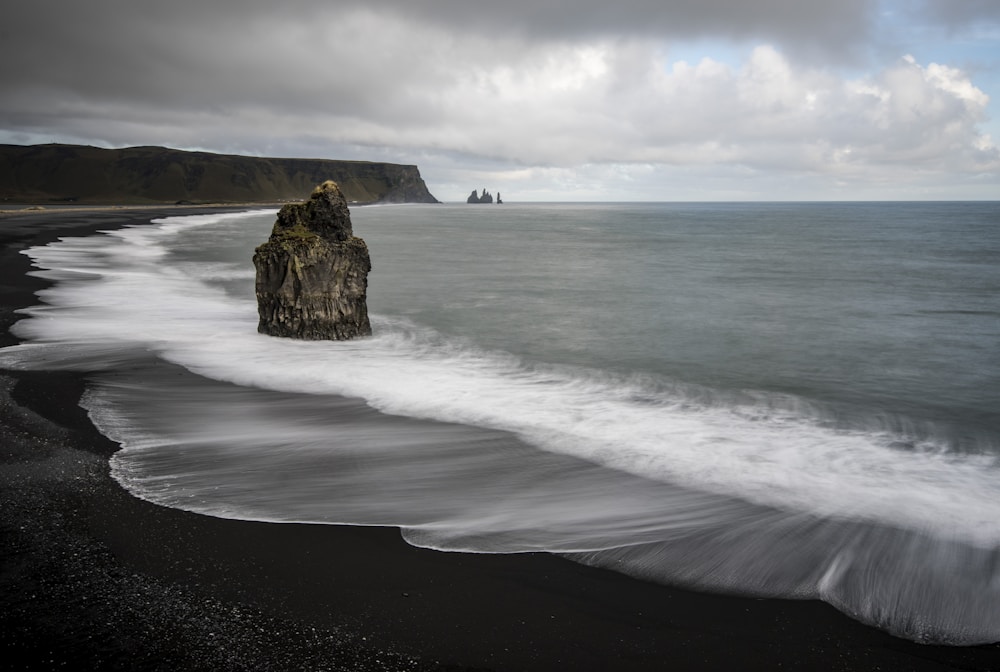
Late August in Iceland sits in a particular sweet spot: the Midnight Sun has wound down, the first hints of aurora activity begin to appear on clear nights from mid-August, and the puffin colonies — which breed on the sea cliffs through summer — are still present before migrating south in September. Hotel prices are meaningfully lower than June or July, and the highland roads (the F-roads that require four-wheel drive) are still fully open.
Provence, France
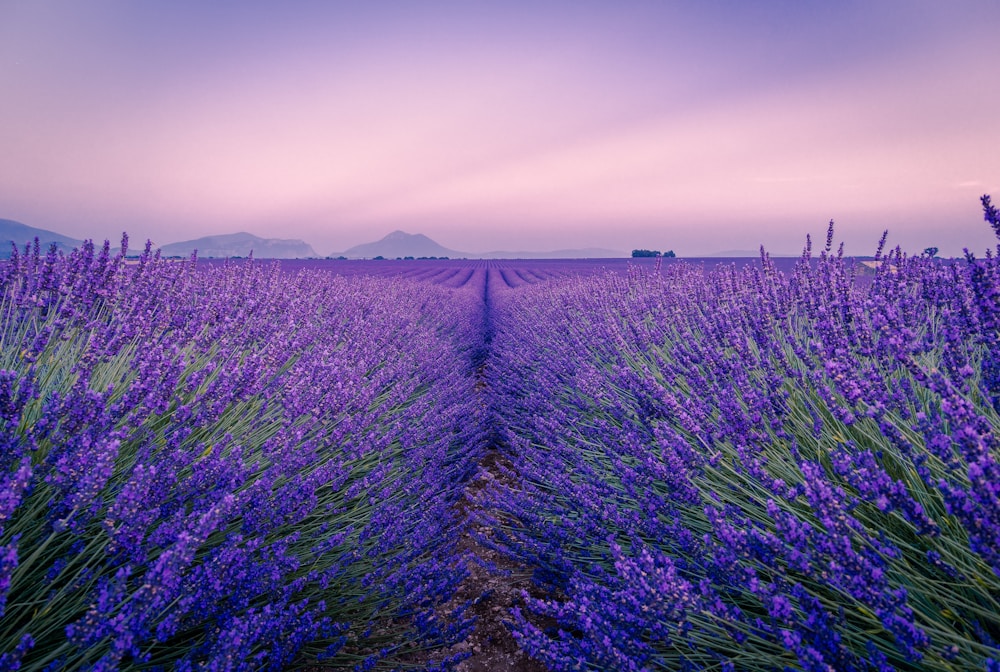
The lavender fields of Provence are typically at their peak in mid-July, and this is also when the regional tourism machinery is working hardest. By late August, the fields have been harvested and the main tourist circuits are winding down — but the light in Provence in late August is exceptional, the markets are still running at full capacity, and the villages of the Luberon are considerably more navigable on foot.
The grape harvest begins in September, which means the estates are in a communicative mood.
Algarve, Portugal
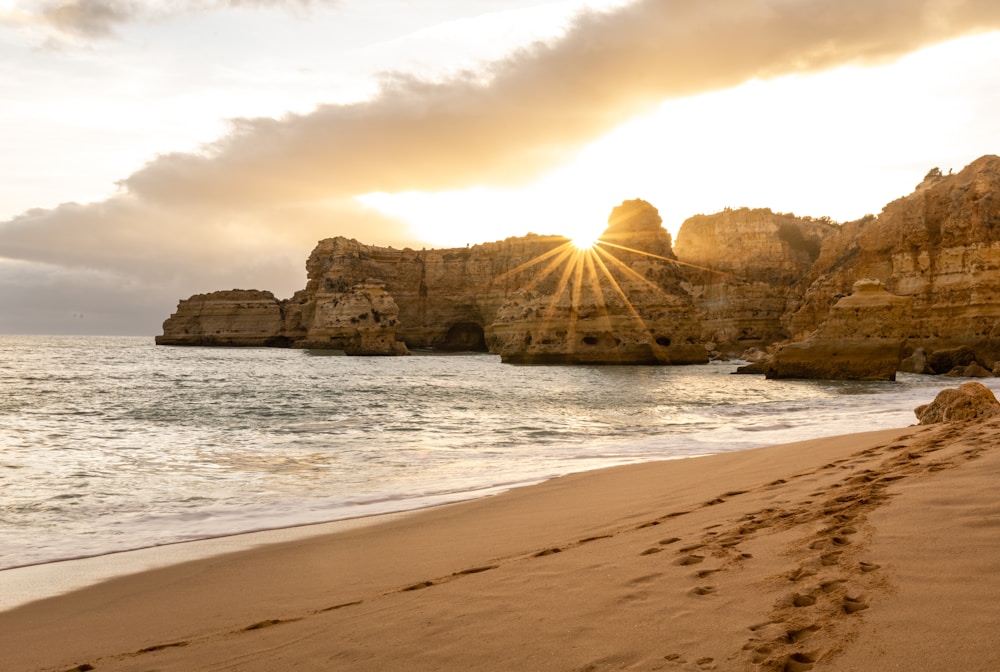
The Algarve’s beach season extends meaningfully into September, with sea temperatures at their highest in late August and early September. What changes as August ends is the composition of the crowd: the most packed weeks are over, prices at accommodation and restaurants drop by around 20 to 30 percent, and the fishing villages that sit behind the resort areas — Ferragudo, Cacela Velha, Odeceixe — become easier to explore without the summer traffic competing for the same lanes.
Tuscany, Italy
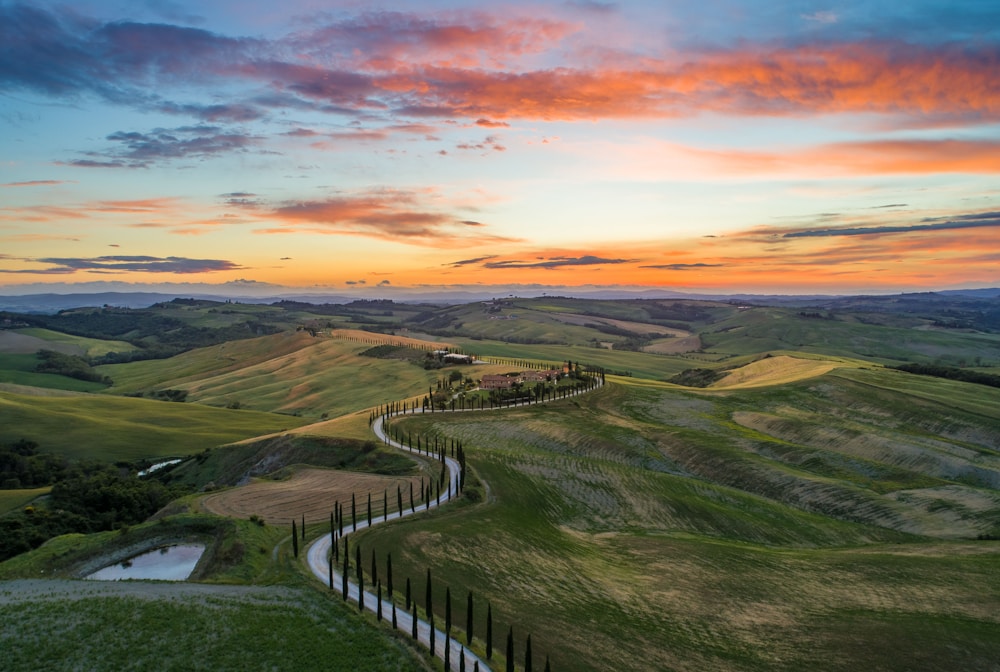
Florence in high summer is brutal in two senses — the heat and the crowds arrive simultaneously and compound each other. The countryside around it tells a different story.
Late August in the Chianti Classico region means vineyards approaching the vendemmia (harvest), olive groves thick and grey, and the hilltop towns of Montalcino, Montepulciano, and Pienza operating at a pace that allows you to actually linger. Cooking classes, estate visits, and agriturismo bookings that were unavailable in July often open up in late August.
The Faroe Islands
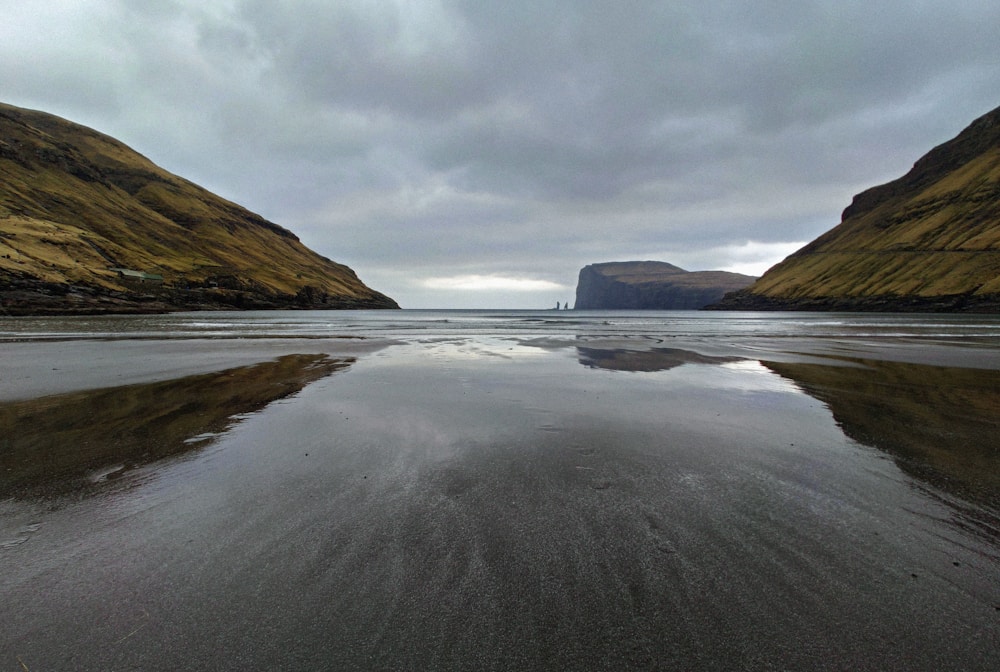
The Faroe Islands’ visitor infrastructure is small enough that even a modest increase in tourist numbers strains it visibly. Late August, as the peak season thins, the islands offer their most reliable weather window — the endless rain-and-cloud of spring has settled into something more navigable — alongside the extraordinary combination of green cliffs, nesting seabirds, and a light that photographers describe as unlike anywhere else in Europe.
The population of the entire archipelago is around 54,000.
Galway, Ireland
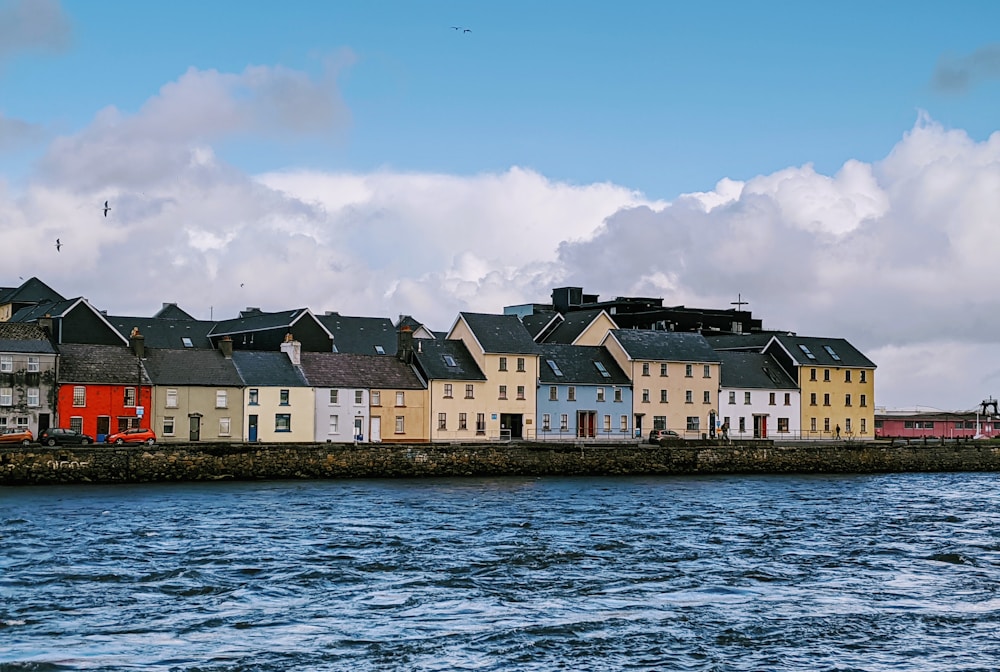
The Galway International Arts Festival runs in late July, and the races bring an enormous crowd in August, but by late August the city settles into something more authentically itself. The Atlantic coast west of Galway — the Connemara region — is at its most visually dramatic in late summer, when the bog turns amber and the light coming off Killary Harbour in the evenings is genuinely extraordinary.
Accommodation prices drop notably once the festival calendar clears.
Montenegro
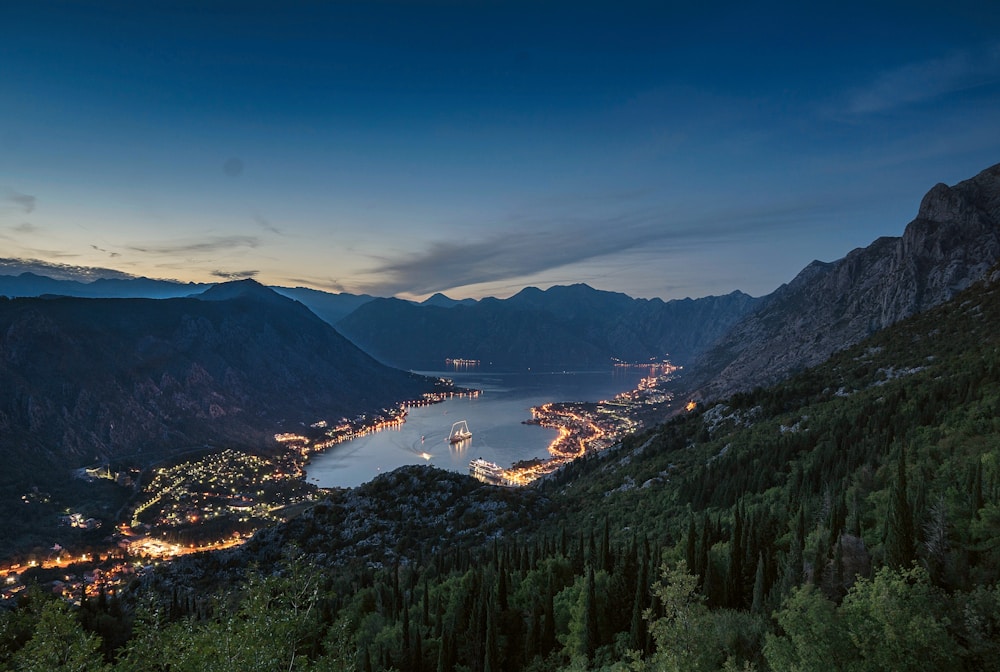
Sandwiched between Croatia and Albania on the Adriatic coast, Montenegro has been growing in popularity rapidly but still offers a dramatically quieter alternative to Dubrovnik’s crowds. The Bay of Kotor — a fjord-like inlet that cuts deep into the mountains — is best appreciated from the water, and late August kayak rentals, boat trips, and accommodation in the walled city of Kotor are all considerably more available than in July.
The country’s national parks, including Durmitor, are also excellent in late summer.
The Dolomites, Italy
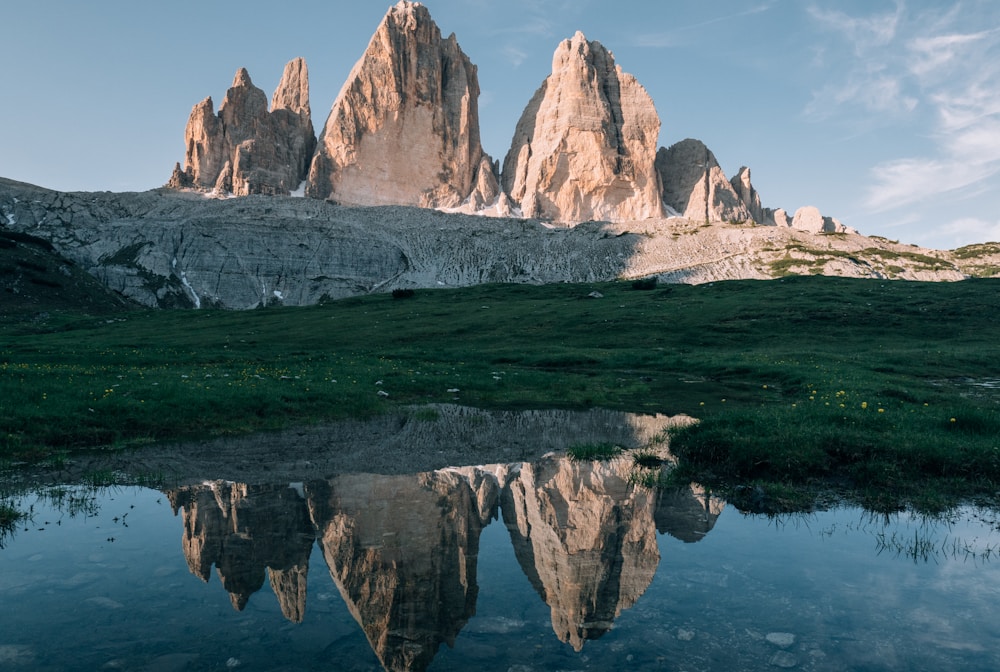
While August is officially the peak hiking season in the Dolomites, the final weeks of August see a notable thinning of the rifugio crowds as European school terms resume. The via ferrata routes, the high altitude trails between mountain huts, and the extraordinary Tre Cime di Lavaredo circuit are all best hiked without the July queues — and the golden light of late summer on the pale limestone faces is genuinely one of the great sights in European travel.
Madeira, Portugal
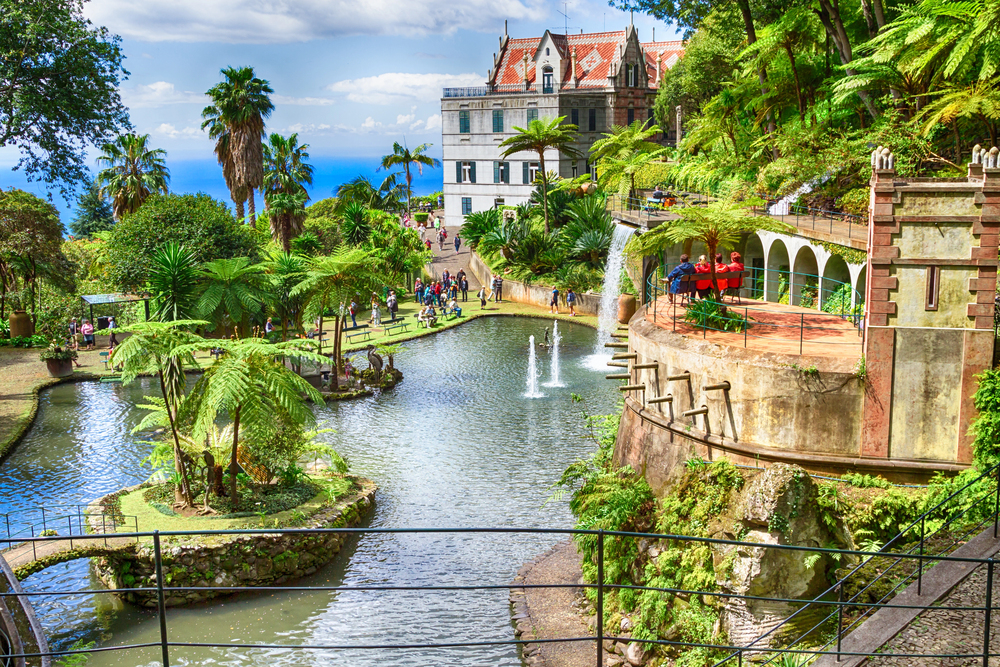
Madeira is temperate year-round, but late summer brings particular advantages: the sea is at its warmest for swimming, the levada trails (the network of irrigation canal paths that cross the island) are clear and well-maintained, and the Madeira Wine Festival runs each year in late August and early September across the island’s villages. The festival involves grape treading, folk dancing, and significant quantities of the island’s fortified wine.
Patagonia, Chile and Argentina
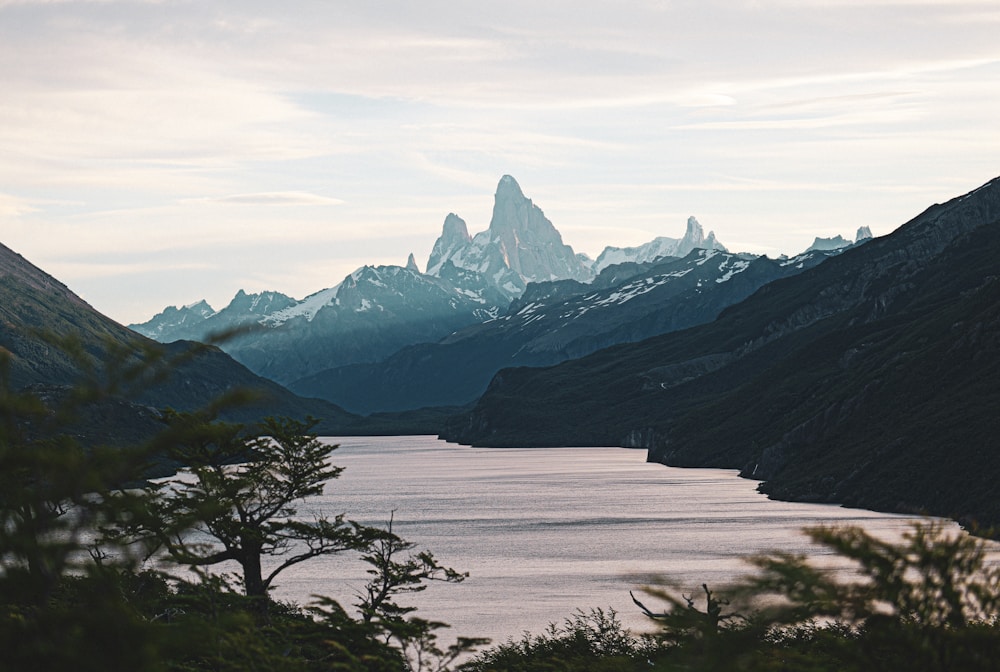
Southern Hemisphere seasons run opposite to the north, and late August in Patagonia marks the very beginning of spring — when the snow begins to melt off the peaks and the Torres del Paine and Los Glaciares national parks open their trail networks for the first time after winter. Visitor numbers are minimal, accommodation is available without advance booking, and the chance of clear views of the glaciers and granite towers is actually higher than in the crowded summer months of December and January.
Japan’s Inland Sea, Japan
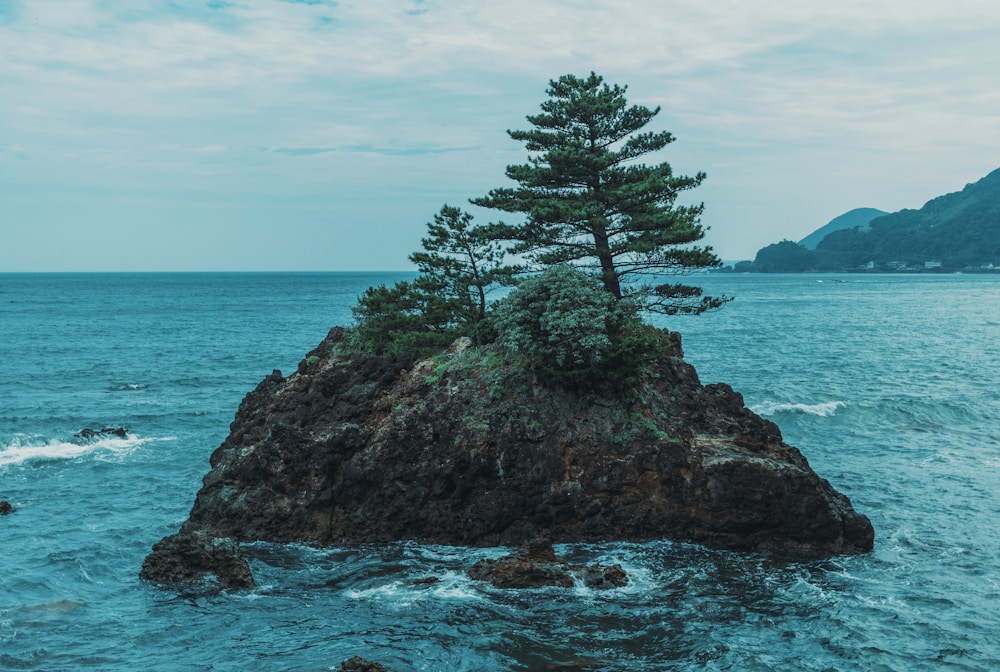
The Seto Inland Sea — the body of water between Honshu, Shikoku, and Kyushu — is dotted with small islands that host a world-class contemporary art scene, most notably through the Setouchi Triennale. In late summer, the island-hopping ferries that connect Naoshima, Teshima, and Inujima are less busy, and the combination of Tadao Ando architecture, site-specific art installations, and traditional fishing villages makes for an experience that has almost no equivalent anywhere else in the world.
Andalusia, Spain
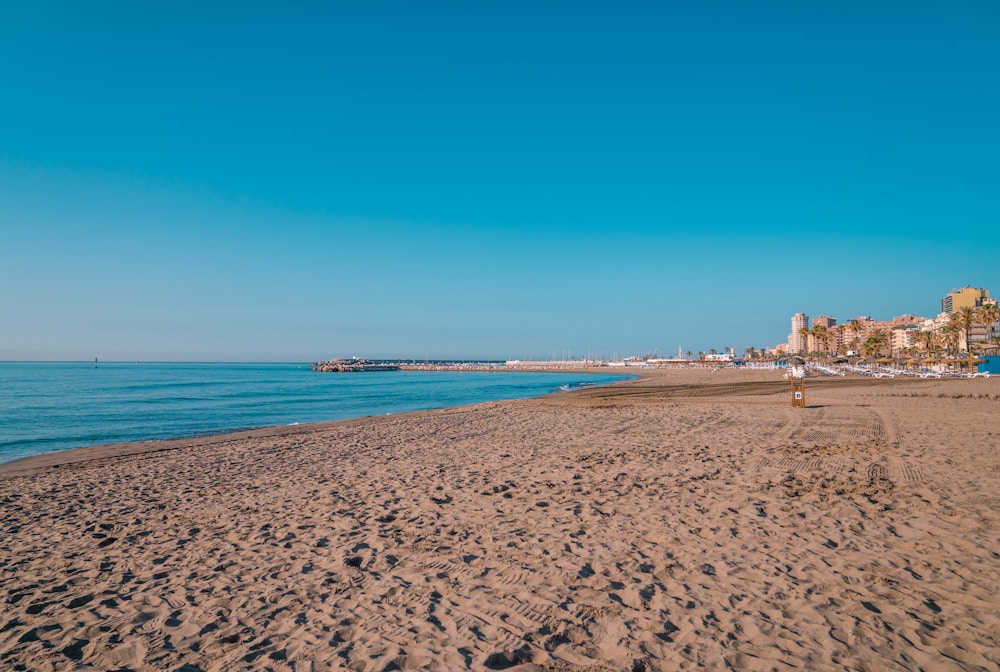
The extreme heat of July and early August — regularly exceeding 40°C in Seville and Córdoba — is one of the genuinely legitimate reasons to avoid these cities in peak summer. By late August, temperatures begin to ease, and the extraordinary heritage cities of the south become walkable again.
The Alhambra in Granada, the Mezquita in Córdoba, and Seville’s cathedral are all significantly more enjoyable in the lower heat, and the tapas bars, many of which take their own August holidays, are reopening.
The Alentejo, Portugal
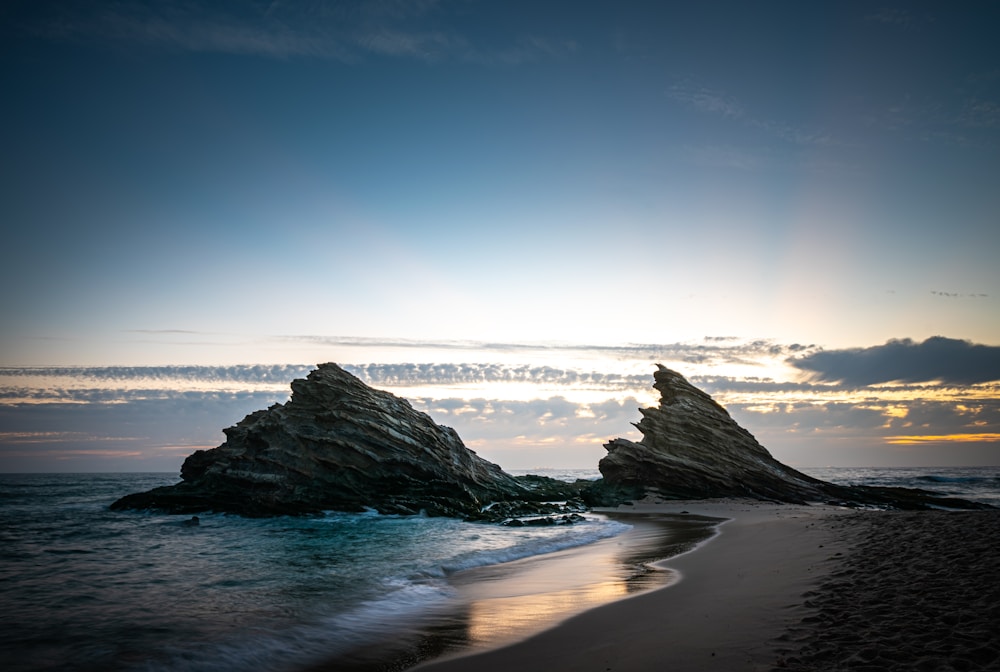
Portugal’s largest region, south of the Tagus and inland from the Algarve coast, is one of Europe’s great undiscovered travel territories. The cork oak forests, whitewashed hill towns like Monsaraz and Marvão, and the landscape vineyards producing increasingly notable reds are largely absent from the tourist circuit that fills Lisbon, Porto, and the Algarve.
Late summer is when the wine estates are most active and most welcoming to visitors.
Glacier National Park, Montana, USA
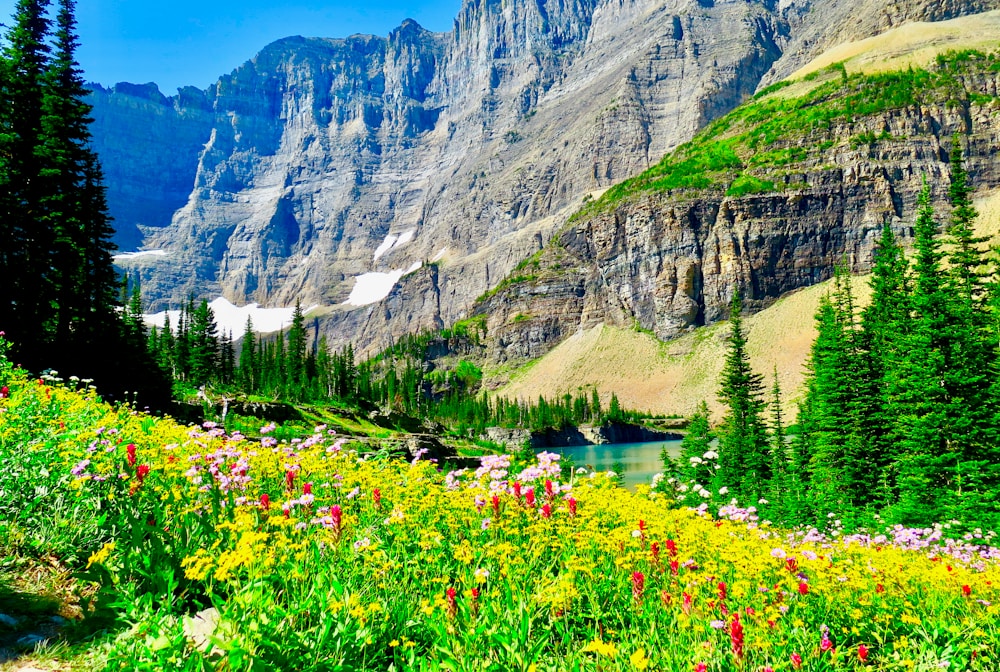
Late August is arguably the best moment in the entire calendar for Glacier — the wildflowers are still out, the Going-to-the-Sun Road is fully open, wildlife sightings including grizzlies and mountain goats are consistent, and the most crowded weeks of July and early August are over. The park’s popularity has increased significantly over the past decade and advance vehicle reservations are required for the road in peak season, but the process eases considerably in the back half of August.
Lake Bled, Slovenia
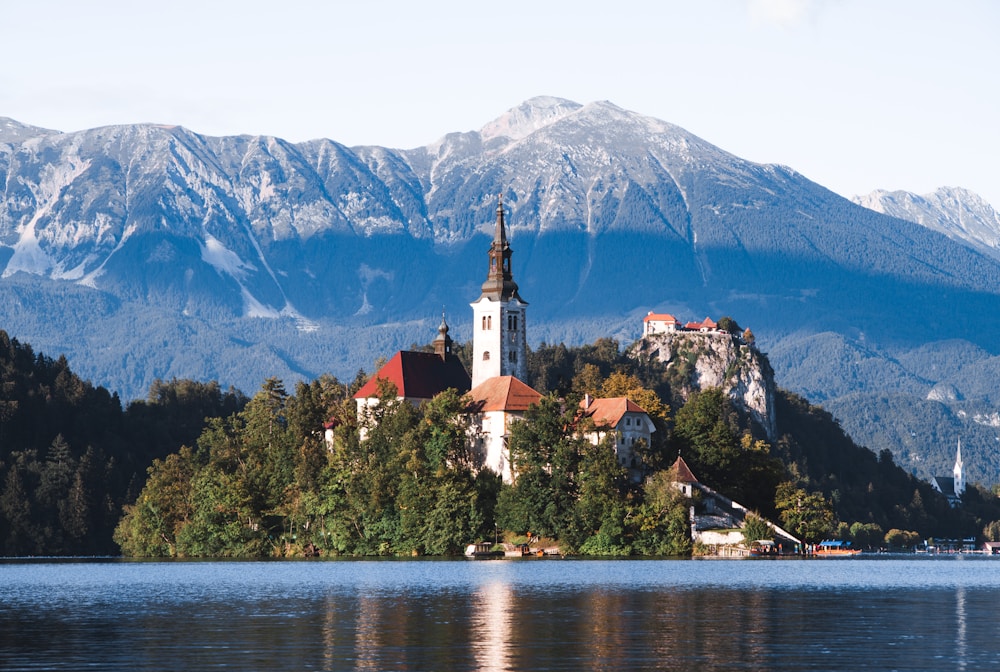
Lake Bled has become one of Europe’s most-photographed destinations, and the rowboats out to the church island in the lake are a genuine fixture on European Instagram. In late August, the crowds thin while the water remains warm and the surrounding Julian Alps are still accessible to hikers.
The Vintgar Gorge, just outside Bled, is a genuinely extraordinary walk along a narrow wooden boardwalk above the Radovna river, and it rewards early-morning visits at any time of year.
Crete, Greece
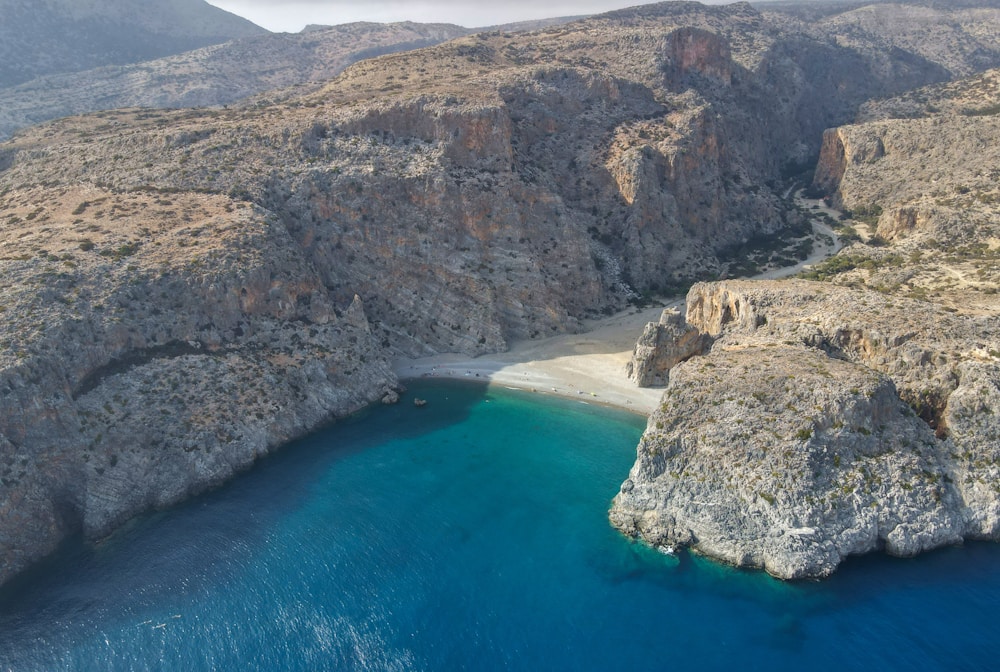
Greece’s largest island has a longer tourist season than the smaller Cyclades islands, and late August sits in a position where the sea is perfect, the heat has marginally eased from its July extreme, and the more remote villages in the Sfakia region and the White Mountains are comfortably navigable. The Samaria Gorge — a 16km walk through a dramatic limestone canyon — is best done in late August when the crowds that fill it in July have thinned.
The Pacific Coast, Oregon, USA
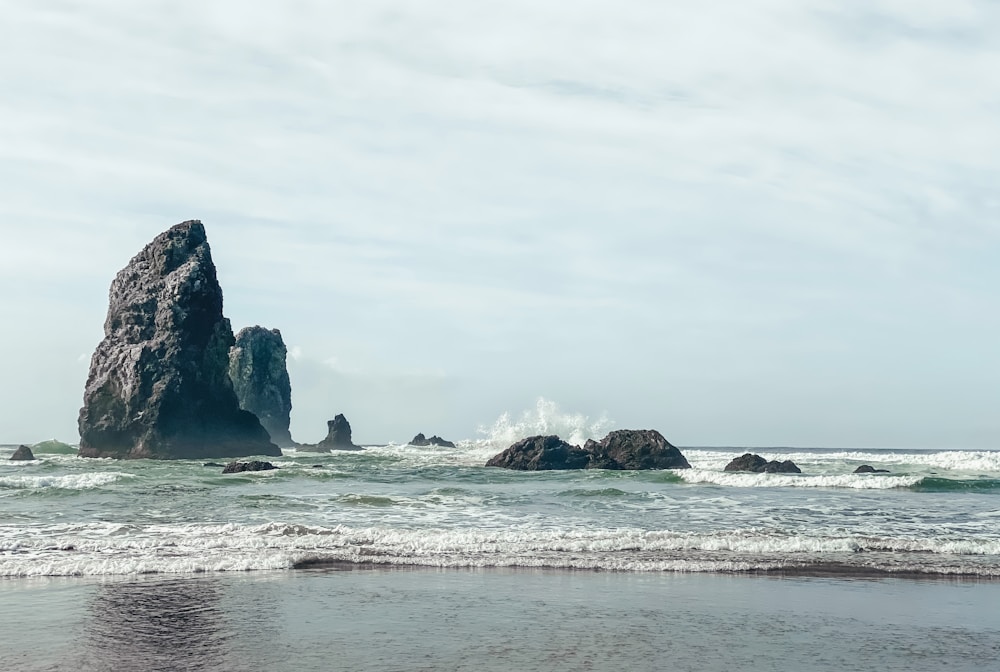
The Oregon coast runs between wild surf, sea stacks, and the kind of small coastal towns that feel genuinely lived-in rather than constructed for tourism. In late August, the weather window that locals call the “second summer” arrives, when the marine fog that defines the early summer coast clears and consistently blue days appear.
Cannon Beach, Astoria, and the Cape Perpetua headlands are all significantly more accessible than on the California coast at the same time of year.
The Bernese Oberland, Switzerland
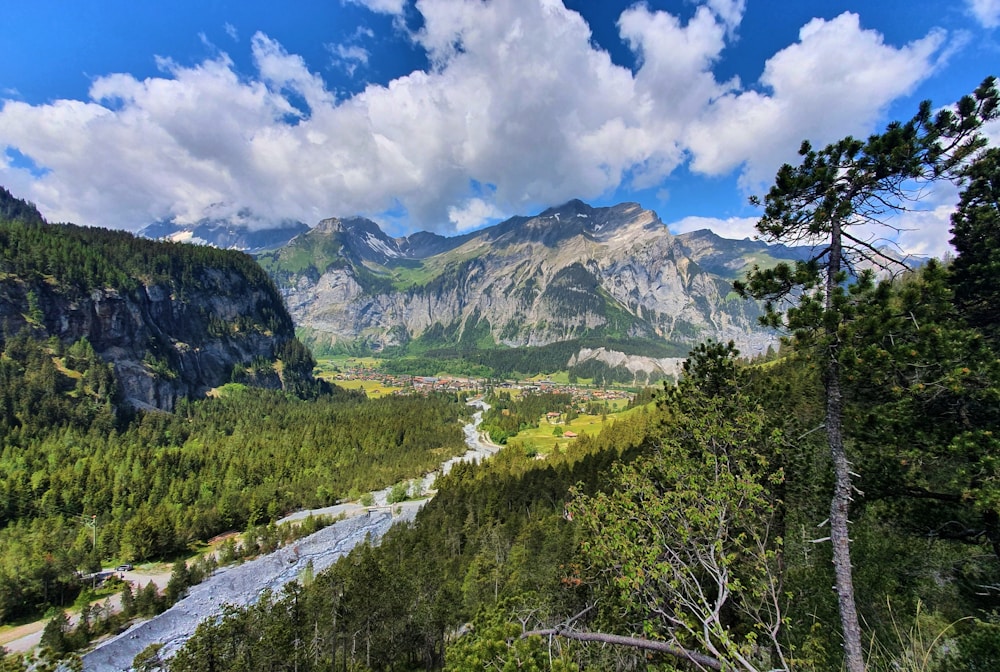
The Jungfrau region in August is crowded, expensive, and — at the very top cable car stations — occasionally so full of visitors that the views are obscured by people taking selfies. By late August, European holidays are ending and the trails between Grindelwald, Mürren, and Wengen are substantially quieter.
The wildflowers are still out at altitude, and the views of the Eiger, Mönch, and Jungfrau from the trails below are as spectacular as anything on the continent.
Northern Norway
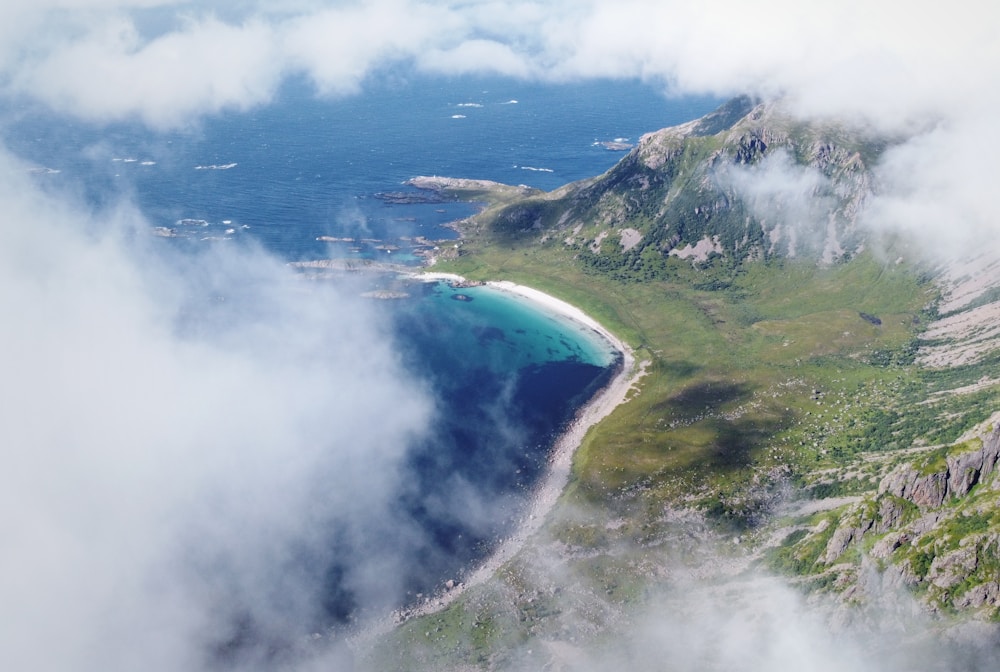
Late August in the far north of Norway — Tromsø, the Lofoten Islands, and beyond — represents the last weeks of the midnight sun period and the beginning of the transition toward the first aurora sightings of the year. The Lofoten Islands, with their red and yellow fishing huts reflected in the fjords, are at their most photogenic on the long late-summer evenings, and the tourist numbers that flood in during July are already beginning to ease.
Penang, Malaysia
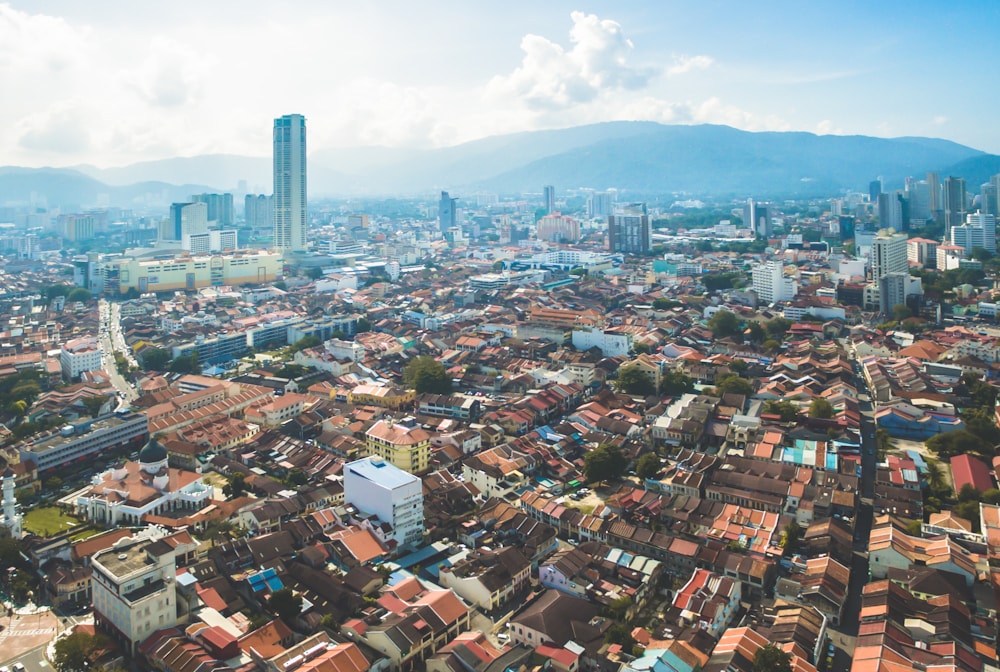
Most of Southeast Asia is hit hard by monsoon rain in August, but Penang on Malaysia’s northwest coast sits in a rain shadow that keeps it relatively clear. The street food culture — consistently ranked among the best in the world — is entirely unaffected by season, and George Town’s extraordinarily dense concentration of heritage shophouses, street art, and Chinese temples is better appreciated without the peak-season travel crowds that arrive from December through February.
Buenos Aires, Argentina
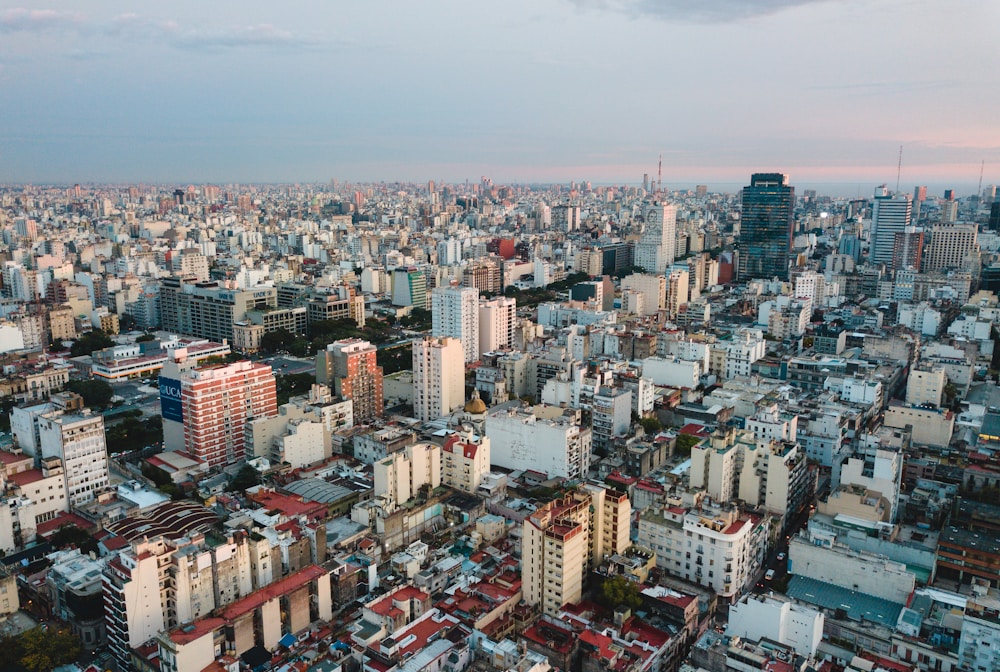
Late August in Buenos Aires is late winter in the Southern Hemisphere — not the obvious beach holiday, but an outstanding time to experience the city as a cultural destination. The tango milongas are running seven nights a week, theatre and opera season is in full swing at the Teatro Colón, and the city’s notorious summer heat and humidity are months away.
Buenos Aires is one of the world’s great cities for simply walking — the neighbourhoods of Palermo, San Telmo, and La Boca each have the density of interest that most cities spread across their entire centre.
The Algarve Interior, Portugal
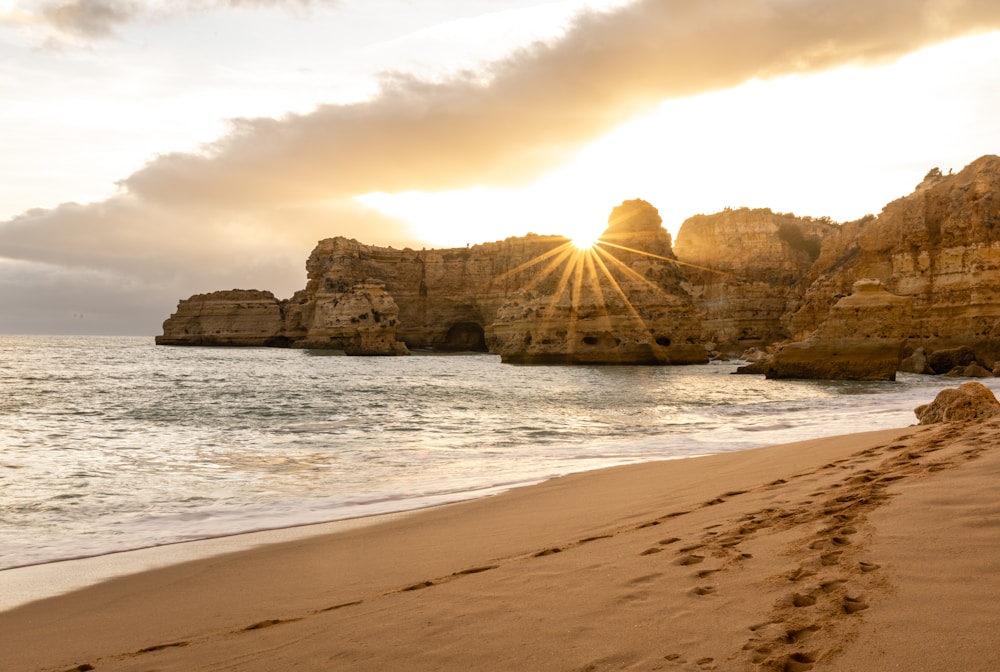
While the coast gets the attention, the Algarve’s interior — particularly the Serra de Monchique hills and the Caldas de Monchique spa village — offers a late-summer alternative that almost no tourist infrastructure is aimed at. The forests of eucalyptus and Mediterranean oak are green and shaded, the miradouros (viewpoints) look south across to the coast, and the handful of small restaurants in Monchique serve the regional cataplana stew to largely local clientele.
Hvar Island, Croatia
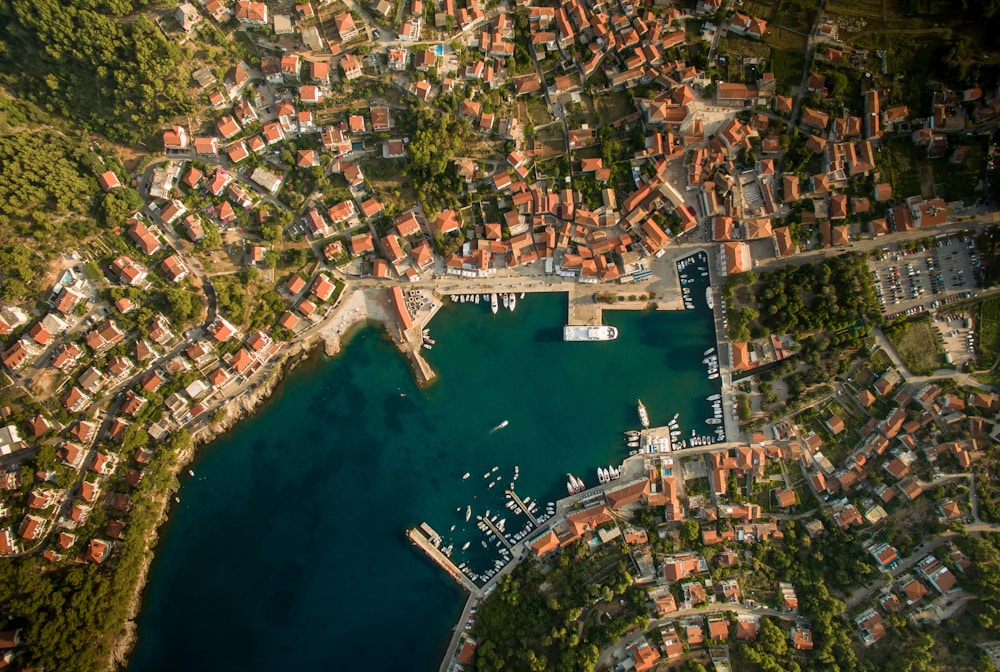
Hvar in late August transitions from one of Europe’s most party-focused summer destinations into something considerably more pleasant. The yacht flotillas are thinning, the lavender fields (Hvar produces 90% of Croatia’s lavender oil) are harvested and fragrant, and the island’s hillside villages above the main town reveal themselves as genuinely beautiful rather than merely convenient backdrops for socialising.
A scooter rented for a day covers most of the island’s best viewpoints.
The Brecon Beacons, Wales
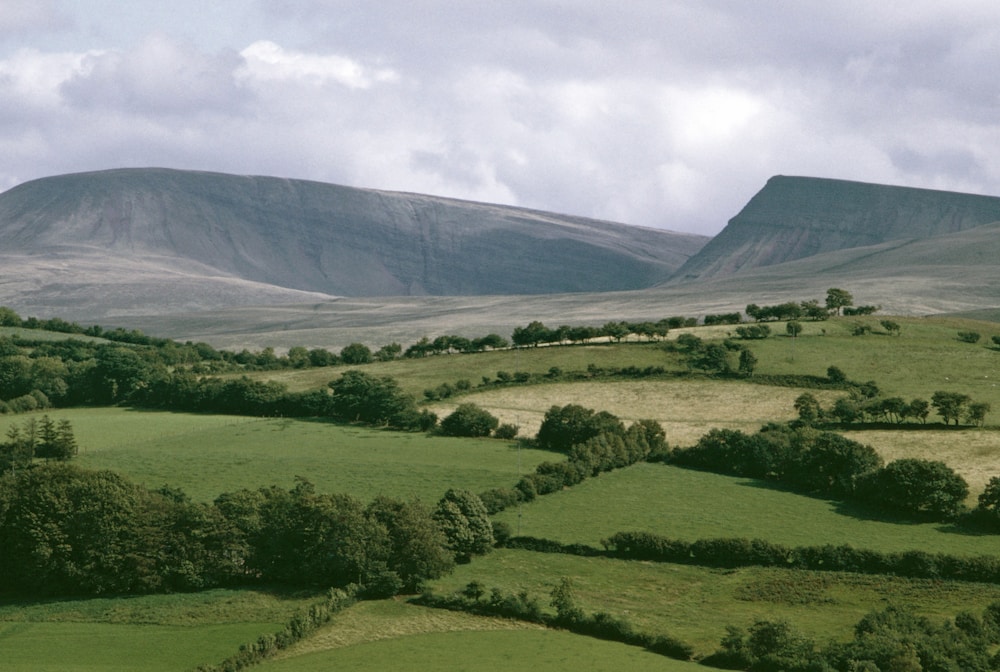
The Brecon Beacons — recently redesignated as Bannau Brycheiniog National Park — are at their most visually distinctive in late summer, when the purple heather covers the high moorland and the evening light turns the Pen y Fan ridgeline gold. The park is one of Europe’s designated Dark Sky Reserves, which means the Perseid meteor shower viewing in mid-August is exceptional, and the late-summer hiking season runs until October with none of the weather uncertainty that comes earlier in the year.
When Late August Becomes Its Own Season
The best travel advice is often just a question of sequencing. The world’s most visited places don’t become worse as August ends — in almost every case, they become more of themselves.
The infrastructure is still running, the conditions are identical or better, and the thing that was making them hard to fully experience — the density of other people with the same idea — has quietly resolved itself.
Late summer is when travel stops being a coordination problem and starts being simply a matter of showing up. The places on this list have been waiting.
They just weren’t going to say so out loud.
More from Travel Pug

- Underrated Italian Towns That Beat the Tourist Crowds
- Las Vegas Tourist Traps to Skip
- Prettiest Towns in Every US State
- 18 passport-free countries for Americans
- Signs Your Cruise Is Not Worth The Cost
Like Travel Pug’s content? Follow us on MSN.