

Europe’s charm used to come with a promise: endless culture and history that wouldn’t empty your wallet. That promise has been quietly breaking for years now.
Cities that once welcomed backpackers and budget travelers with open arms now greet visitors with eye-watering prices for everything from a simple meal to a place to rest your head. The cobblestone streets remain the same, but the cost of walking them has transformed entirely.
London
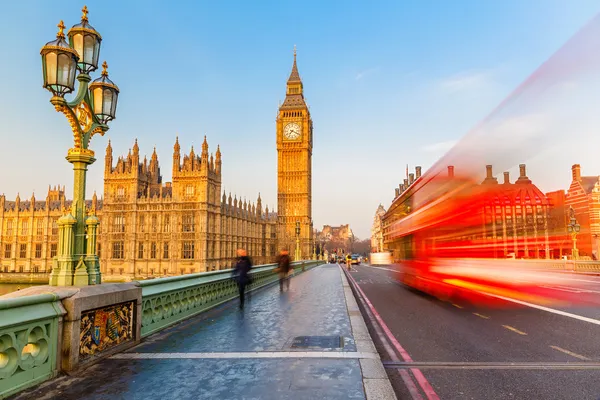
London doesn’t apologize for being expensive. A pint costs what a full meal used to, and hotel rooms in central areas start where most people’s daily budgets end.
Even the hostels have given up on affordability.
The city assumes you have money and treats budget travelers like an afterthought. Public transport alone can consume a day’s worth of modest spending before noon arrives.
Paris
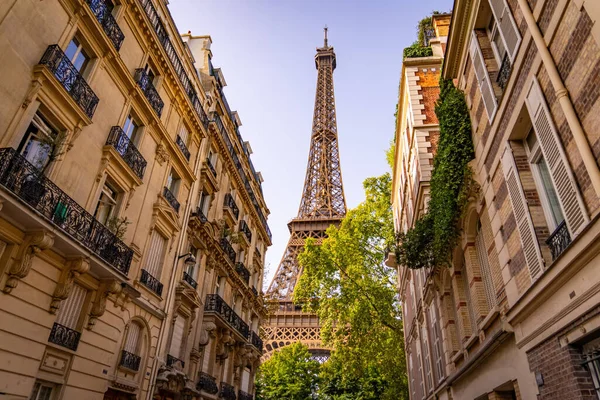
There’s something almost theatrical about how Paris prices itself out of reach (as if the city knows its own worth and refuses to negotiate), and yet the sticker shock still catches people off guard when they’re standing in front of a café menu where a simple sandwich costs more than a decent dinner anywhere else. The romance of the city doesn’t extend to your wallet.
Even the street vendors have adapted to the new reality—nothing comes cheap along the Seine anymore.
And the hotels? They’ve embraced a pricing structure that seems designed to test just how much someone will pay to wake up within walking distance of the Eiffel Tower, which is apparently quite a lot more than most budget travelers anticipated.
Zurich

Picture a city where even the locals wince at restaurant prices, where a coffee costs what feels like a small mortgage payment, and where budget travel doesn’t just die—it gets buried under an avalanche of receipts that make no mathematical sense. That’s Zurich on any given Tuesday.
The Swiss franc seems to exist in its own economic universe, one where normal pricing rules were abandoned long ago in favor of something more abstract and punishing.
Oslo

Norway decided long ago that budget travel was a quaint concept best left to other countries. Oslo delivers on that philosophy with ruthless efficiency.
A basic meal costs what most people budget for an entire day elsewhere.
The city operates on the assumption that everyone visiting has access to oil money. For those who don’t, Oslo becomes an expensive lesson in Nordic economic realities.
Stockholm

The irony of Stockholm is that it possesses all the understated elegance that draws people to Scandinavia, but experiencing any of it requires the kind of financial commitment that most travelers associate with luxury destinations (which, to be fair, Stockholm has quietly become without announcing it). The archipelago setting and historic old town create a backdrop that feels almost unfairly beautiful, yet accessing that beauty—staying anywhere decent, eating anything satisfying, moving around the city with any kind of freedom—demands a budget that stretches well beyond what most people consider reasonable for European travel.
So you find yourself making the kind of calculations that turn a simple city break into an exercise in financial planning: skip lunch to afford dinner, walk everywhere to save on transport, choose between seeing the city and sleeping somewhere comfortable.
Copenhagen

Copenhagen has perfected the art of being prohibitively expensive while maintaining an image of casual, approachable Scandinavian living. The disconnect between expectation and reality hits the moment anyone tries to buy anything.
Even simple pleasures like a beer or a pastry require genuine financial consideration. The city’s famous hygge culture comes with a price tag that most budget travelers can’t justify.
Dublin

Dublin prices itself like a major European capital while offering the infrastructure of a much smaller city. Hotel rates climb toward London levels without providing London’s breadth of options or transport connections.
The famous Irish hospitality doesn’t extend to pricing. Even traditional pubs have abandoned any pretense of being affordable gathering places.
Amsterdam

Something about Amsterdam’s pricing feels particularly brutal because the city still markets itself as a place for young, adventurous travelers, while simultaneously charging them rates that would make a corporate expense account manager pause (and that’s before factoring in the limited accommodation options during peak season, which is basically always). The canals and cobblestones remain as photogenic as ever, but everything else—food, drinks, places to stay, even bike rentals—operates on a pricing model that seems designed to filter out anyone without significant disposable income.
The mathematics of spending a few days there have shifted so dramatically that what once felt like an accessible European getaway now requires the kind of budget planning usually reserved for much longer trips to much more distant places.
But the city maintains its reputation as a backpacker destination, which creates a strange dissonance between expectation and financial reality.
Brussels

Brussels has quietly joined the ranks of unaffordable European cities without anyone really noticing. The beer is still excellent, but drinking it has become a luxury rather than a casual pleasure.
Restaurant prices have climbed to match other major capitals, while the city’s offerings haven’t necessarily expanded to justify the increase.
Munich

Munich’s beer halls still exist, but they’ve transformed into expensive tourist attractions rather than places where locals gather for affordable drinks and food. The famous Oktoberfest atmosphere now comes with premium pricing year-round.
Even basic accommodations cost what luxury hotels charged in other European cities just a few years ago. The Bavarian charm remains intact, but accessing it requires significant financial commitment.
Vienna

The coffee house culture that defines Vienna has priced itself beyond casual enjoyment (you sit down expecting to pay for atmosphere and tradition, but the reality exceeds even generous expectations), and the imperial architecture that makes the city so appealing to visitors now feels like an expensive museum where every transaction costs more than it should. The classical music scene, the art galleries, the historic districts—all remain as culturally rich as ever, but experiencing any of it properly requires budgeting decisions that turn a spontaneous city break into a carefully planned financial undertaking.
And the accommodation situation reflects the broader pricing trend: even modest hotels charge rates that would have been considered premium just a few years ago, while anything approaching luxury requires budgets that most travelers simply don’t have.
Rome
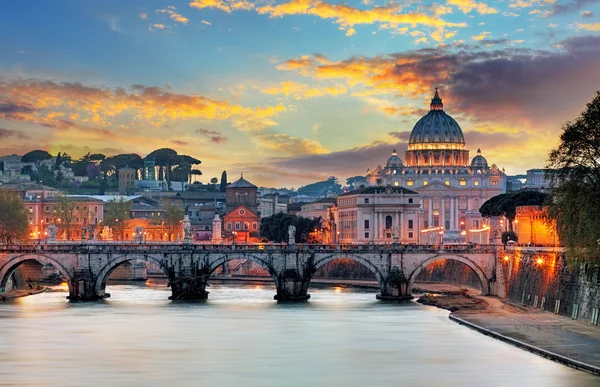
Rome assumes that experiencing history should cost accordingly. Restaurant prices near any significant monument reflect tourist demand rather than local economic reality, and even simple accommodations charge premium rates for proximity to ancient sites.
The city has largely abandoned the concept of affordable dining. Even neighborhood trattorias that once offered genuine value have adapted their pricing to match tourist expectations rather than local spending power.
Barcelona

Barcelona’s popularity has driven prices beyond what the city’s infrastructure can reasonably support. Accommodation costs have reached levels that make other expensive European cities look reasonable by comparison.
The famous tapas culture survives, but eating well requires budgets that exceed what most travelers expect to spend on food in Spain.
Madrid

Madrid’s transformation into an expensive destination feels particularly sharp because the city retains its reputation for affordability while charging prices that tell a different story (the gap between perception and reality creates a kind of cognitive dissonance that hits hardest when the bills arrive). The tapas bars still line the streets of Malasaña and La Latina, the museums still house world-class collections, and the late-night energy that makes the city famous still pulses through neighborhoods like Chueca, but accessing any of it properly—eating well, staying somewhere decent, moving around freely—requires financial planning that transforms what should feel spontaneous into something calculated and constrained.
So the Madrid experience becomes a series of trade-offs: great food or comfortable accommodation, museum visits or evening entertainment, central location or reasonable prices. The city no longer allows visitors to have it all unless they’re prepared to pay significantly more than they planned.
Lisbon

Lisbon has experienced one of Europe’s most dramatic pricing transformations. What was recently considered one of the continent’s great budget destinations now charges rates that rival much more expensive cities.
The famous pastéis de nata cost more than entire meals did just a few years ago. Accommodation prices have increased so rapidly that budget travelers often find themselves priced out of the city entirely.
Athens

Athens presents a strange economic contradiction where the country’s financial struggles don’t translate into affordable travel. Hotels and restaurants charge international rates while offering service levels that don’t always match the premium pricing.
Even simple Greek tavernas have abandoned traditional pricing in favor of rates designed for tourists with significant spending power.
Warsaw

Warsaw’s emergence as an expensive destination catches many travelers off guard because Poland maintains a reputation for affordability that no longer reflects reality in major cities (the zloty might appear weak against other European currencies, but that mathematical advantage disappears quickly when faced with actual prices for accommodation, meals, and entertainment). The rebuilt Old Town and growing cultural scene create genuine appeal, but experiencing the city properly requires budgets that exceed what most people associate with Eastern European travel.
The craft beer scene, the restaurant culture, the boutique hotels—everything that makes Warsaw attractive to visitors operates on pricing models that assume significant disposable income rather than budget-conscious exploration.
Prague
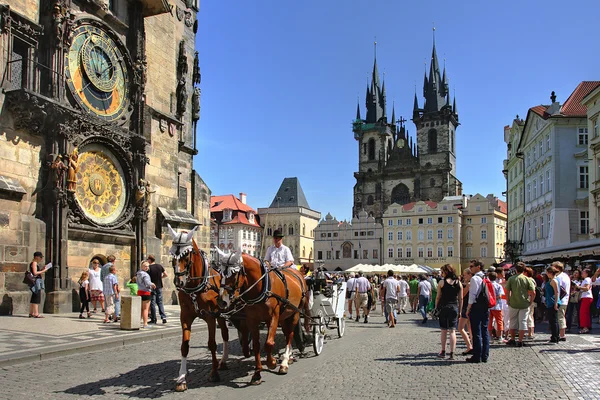
Prague’s beauty remains undeniable, but the city has priced itself out of budget consideration entirely. Tourist areas charge rates that exceed those found in Western European capitals, while offering fewer alternatives for cost-conscious travelers.
The famous beer culture survives mainly as an expensive tourist experience rather than an accessible local tradition.
Budapest

Budapest still markets itself as an affordable European destination while charging prices that contradict that image. The thermal baths, ruin pubs, and Danube views all come with premium price tags that reflect tourist demand rather than local economic conditions.
Even the famous Hungarian cuisine has been repositioned as fine dining with corresponding price increases.
Krakow

Krakow has transformed from a budget-friendly destination into another expensive European city without updating its marketing accordingly (visitors arrive expecting affordability and encounter pricing that requires significant budget adjustments, particularly for accommodation and dining in the historic center). The medieval old town and proximity to Auschwitz maintain the city’s cultural appeal, but accessing that culture properly—staying centrally, eating well, moving around freely—demands financial planning that most budget travelers don’t anticipate when booking trips to Poland.
The restaurant scene has evolved toward international standards of pricing while maintaining traditional Polish portions and flavors, creating a disconnect between expectation and cost that surprises many visitors.
And the accommodation situation reflects broader European trends: even basic hotels charge rates that would have been considered premium just a few years ago.
Edinburgh

Edinburgh’s festival season has taught the city that visitors will pay premium prices for cultural experiences, and those rates now apply year-round rather than just during August. Castle views and Royal Mile proximity command prices that rival London without offering London’s breadth of options.
The famous Scottish hospitality doesn’t extend to pricing considerations for budget travelers.
Florence

Florence has embraced its status as a luxury destination with pricing that reflects art historical importance rather than practical travel budgets. Restaurant meals near major attractions cost what entire days of sightseeing used to require.
Even simple accommodations charge premium rates based on proximity to Renaissance masterpieces rather than actual amenities or service quality.
Venice

Venice operates as an expensive open-air museum where every transaction reflects the city’s unique geography and tourist density (getting anywhere requires water transport that costs significantly more than normal public transit, eating anywhere decent demands budgets that account for limited space and maximum demand, and staying anywhere acceptable requires financial planning that turns romantic getaways into expensive undertakings). The canals and architecture justify some premium pricing, but the reality exceeds what most travelers consider reasonable even for such a singular destination.
So visiting Venice becomes an exercise in financial triage: see the major sights while eating cheaply, stay centrally while skipping evening entertainment, or find accommodations on the mainland while spending more time and money commuting to the islands.
Nice

Nice charges resort prices year-round despite offering city amenities for only part of the year. The French Riviera reputation commands premium rates for everything from coffee to hotel rooms, regardless of season or actual value provided.
Even simple pleasures like sitting at a café overlooking the Mediterranean require budgets that exceed what most travelers consider reasonable for basic experiences.
Geneva

Geneva exists in its own economic universe where normal pricing considerations were abandoned in favor of something more abstract and punishing. A simple lunch costs what most budget travelers allocate for entire days elsewhere.
The city assumes everyone visiting has diplomatic or banking salaries. For normal travelers, Geneva becomes an expensive lesson in Swiss economic reality.
Helsinki

Helsinki has quietly joined the ranks of prohibitively expensive European cities while maintaining its reputation as an accessible Scandinavian destination (the gap between image and reality hits particularly hard because Finland doesn’t generate the same expensive expectations that Norway or Switzerland do, yet the actual costs often exceed both). The design culture, saunas, and archipelago setting create genuine appeal, but experiencing any of it properly requires financial commitments that most budget travelers simply can’t justify.
Even basic Finnish experiences like sauna culture or traditional foods have been repositioned as premium tourist attractions rather than accessible local traditions.
So Helsinki becomes another European city where budget travel dies quietly under the weight of accommodation costs, meal prices, and transportation expenses that transform simple city breaks into major financial undertakings.
Reykjavik

Reykjavik operates on the assumption that everyone visiting has come specifically to spend money on Nordic experiences, regardless of actual budget constraints. Even basic accommodations cost what luxury hotels charge in other European destinations.
The famous Icelandic culture comes with price tags that make other expensive destinations look reasonable by comparison.
Luxembourg City

Luxembourg City has embraced its status as a financial center with pricing that assumes all visitors have banking salaries. Simple meals cost what entire food budgets used to cover for multiple days.
The city offers limited budget alternatives while charging premium rates for basic amenities and services.
Bergen

Bergen’s status as the gateway to the Norwegian fjords has allowed the city to charge premium prices for everything from accommodation to simple meals (visitors arrive focused on natural beauty and outdoor experiences, then discover that accessing those experiences requires budgets that account for some of Europe’s highest daily costs). The fish market, historic wharf, and surrounding landscape maintain genuine appeal, but experiencing Bergen properly—eating well, staying comfortably, exploring freely—demands financial planning that transforms what should feel like outdoor adventure into expensive luxury travel.
Even basic outdoor gear and supplies cost significantly more than visitors expect, adding layers of expense to activities that elsewhere might offer budget relief.
Salzburg

Salzburg has leveraged its Mozart connection and Sound of Music tourism into premium pricing that assumes all visitors have significant disposable income. Restaurant meals and hotel rates reflect luxury destination expectations rather than the modest Austrian city reality.
The classical music culture survives mainly as expensive tourist experiences rather than accessible local traditions.
The Price of Europe’s Past

Europe’s most beautiful cities have discovered something unfortunate about their own appeal: people will pay almost anything to experience them. The result is a continent where budget travel has quietly died in all the places that made it most worthwhile.
What remains is a choice between expensive tourism and staying home—which isn’t really a choice at all.
More from Travel Pug

- Underrated Italian Towns That Beat the Tourist Crowds
- Las Vegas Tourist Traps to Skip
- Prettiest Towns in Every US State
- 18 passport-free countries for Americans
- Signs Your Cruise Is Not Worth The Cost
Like Travel Pug’s content? Follow us on MSN.