

Planning the perfect getaway shouldn’t feel like defusing a bomb, but sometimes browsing vacation rentals can leave you wondering if that beachfront paradise is really a scam wrapped in filtered photos. Smart travelers develop an eye for the warning signs that separate legitimate properties from potential disasters.
The difference between a dream vacation and a nightmare often comes down to knowing what to look for before you hand over your credit card.
Too-Perfect Photos

Professional photos that look like magazine spreads should make you pause. Real vacation rentals have personality quirks and lived-in details that staging can’t completely hide.
When every surface gleams and every angle screams perfection, someone spent serious money making that place look flawless. That’s either a very high-end property or clever photography designed to mask problems.
Prices Dramatically Below Market Rate

A beachfront villa for the price of a motel room isn’t a lucky find. It’s bait.
When a deal looks impossibly good, there’s usually a reason.
Vague Property Descriptions

Rental descriptions that read like poetry instead of practical information hide something important. “Charming rustic retreat” translates to “the Wi-Fi doesn’t work and the bathroom door sticks.”
Real property managers mention square footage, specific amenities, and neighborhood details because they want informed guests, not surprised ones.
Recently Created Host Profiles

New accounts with zero reviews operate in a trust vacuum (which works in nobody’s favor except scammers). Established hosts have built reputations over time, weathered difficult guests, and learned how to communicate clearly about their properties.
And yet platforms like Airbnb allow brand-new accounts to list expensive properties with no verification period — because apparently money talks louder than common sense in the gig economy.
When someone creates an account on Tuesday and lists a luxury penthouse on Wednesday, the math doesn’t add up. Real estate doesn’t appear overnight, but fraudulent listings do.
So you’re essentially being asked to trust someone whose entire digital history spans less time than most people spend planning a weekend trip.
No Exterior Photos

Properties that only show interior shots hide their location, neighborhood, or building condition for a reason.
Smart hosts photograph the building entrance, street view, and surrounding area because guests want to know where they’re staying. Missing exterior photos usually mean the property sits in an undesirable location or the building looks nothing like the interior suggests.
Poor Grammar in Communications

This signal carries weight precisely because it reveals something deeper than simple mistakes: when someone manages property professionally but can’t write a coherent sentence, the attention to detail probably doesn’t improve when you arrive. Communication patterns predict service quality.
Think of it like a restaurant menu covered in typos — technically the food might taste fine, but something fundamental feels wrong about the operation. Property management requires organization, and that attention to detail often shows up first in communication.
When hosts mix up “your” and “you’re” consistently, they’re probably mixing up other important details.
A poorly written listing description might contain incorrect check-in instructions. A host who doesn’t proofread messages probably doesn’t proofread cleaning checklists either.
Requests for Payment Outside Platform

Legitimate hosts never ask for wire transfers or payments through untraceable methods.
Platform protection disappears the moment money changes hands outside official channels. Hosts suggesting “direct payment for a discount” eliminate your recourse when problems arise.
Limited or Staged Reviews

Reviews that read like marketing copy instead of genuine guest experiences point to manipulation. Real reviews mention specific details about location, cleanliness, and property quirks.
Authentic feedback includes minor complaints alongside praise because no property is perfect. When every review reads like a five-star commercial, someone’s gaming the system.
No Clear Cancellation Policy

Properties without stated cancellation terms operate under whatever rules benefit the host at the moment (which surprisingly enough, rarely benefit you). The absence of clear policies means you’re gambling with your money based on someone else’s changing mood.
Established vacation rental businesses understand that plans change — flights get cancelled, emergencies happen, global pandemics shut down travel. But they also need to protect their income and manage bookings responsibly.
So legitimate hosts spell out exactly what happens when guests need to cancel: full refund until 30 days before arrival, 50% refund within two weeks, no refund for same-day cancellations, whatever their terms happen to be.
When hosts avoid mentioning cancellation policies in their listings, they’re keeping their options open to deny refunds regardless of circumstances. And platforms typically side with whoever has clearer documentation when disputes arise — so vague policies work against you twice.
Insistence on Immediate Booking

Hosts who pressure guests to “book now before someone else does” use artificial urgency to prevent research time.
Real properties in desirable locations don’t need high-pressure tactics. Quality speaks for itself through reviews, clear photos, and transparent communication.
Missing Local Information
Property descriptions that ignore neighborhood details, nearby attractions, or local context suggest hosts unfamiliar with their own area. Hands-on property managers know their surroundings and share relevant information about restaurants, transportation, and local quirks.
Absent local knowledge often indicates overseas property management or fraudulent listings using stock photos from random locations.
Unresponsive to Direct Questions

There’s something almost theatrical about the way fraudulent hosts dodge specific questions — they’ll respond to your inquiry with enthusiasm about the “beautiful space” and “amazing location” while completely ignoring your actual question about parking availability. Real property managers answer directly because they know their properties inside and out.
Legitimate hosts welcome detailed questions because informed guests cause fewer problems. They’ll tell you about the narrow stairs to the third floor, the construction happening next door, or the fact that street parking gets competitive on weekends.
This honesty protects both parties from mismatched expectations.
Excessive Upfront Fees

Properties loaded with additional charges after the base rate hide true costs until booking becomes psychologically harder to abandon.
Reasonable properties charge transparently: nightly rate plus cleaning fee plus local taxes. When deposits, service fees, and mystery charges start piling up, someone’s trying to confuse the total cost.
Photos with Different Furniture

Interior photos showing different furniture styles or arrangements across images suggest multiple properties or outdated photos. Legitimate hosts update their photo galleries when they redecorate or replace furnishings.
Mismatched furniture in photos often indicates scam listings pulling images from multiple sources.
Generic Property Names

Listings titled “Beautiful Downtown Apartment” or “Cozy Beach House” lack the specific character that actual properties possess — real places have personalities that show up in how owners describe them.
Think about how people talk about spaces they actually know: “The blue cottage with the wraparound porch” or “The loft with exposed brick walls.” Owners develop emotional connections to their properties and describe them with specific details that matter to guests.
Generic names suggest the person writing the listing has never stepped foot in the space, which raises obvious questions about whether the space exists at all.
Reluctance to Provide Additional Photos
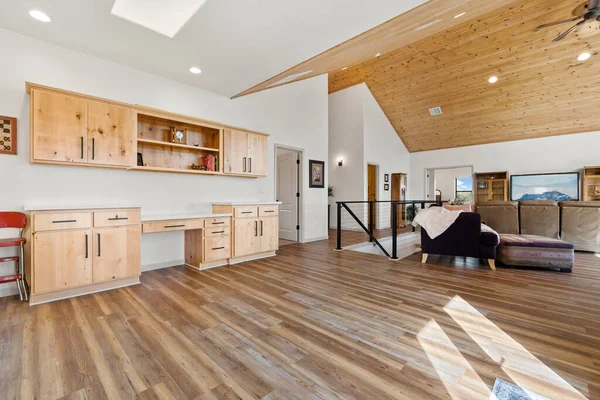
Hosts who refuse reasonable requests for additional photos or specific room angles protect something from scrutiny.
Real property managers understand that guests want to see exact layouts, bathroom conditions, and kitchen setups. Transparency builds confidence and reduces post-arrival complaints.
No Mention of House Rules
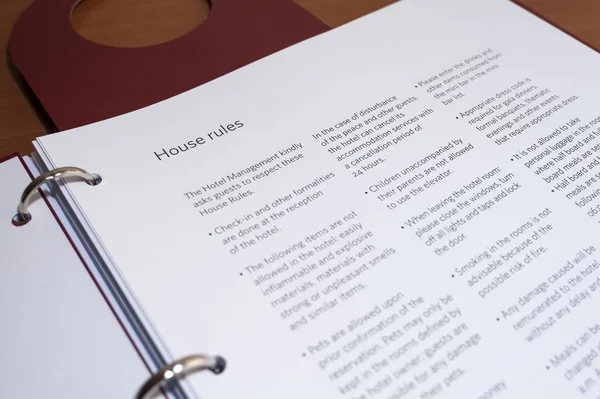
Properties without stated rules either don’t exist or operate under management that hasn’t thought through guest expectations.
Experienced hosts establish clear guidelines about noise, smoking, pets, and guest limits because they’ve learned what prevents problems. Missing house rules indicate inexperienced or nonexistent management.
Inconsistent Contact Information

Listings showing different phone numbers, email addresses, or contact names across platforms reveal disorganized or potentially fraudulent operations.
Professional property managers maintain consistent contact information because they want guests to reach them easily when issues arise.
Suspiciously Perfect Availability

Properties available for every date you check, especially during peak seasons, operate differently from legitimate high-demand rentals.
Popular properties have booking patterns that reflect seasonal demand. Year-round perfect availability often indicates new listings, overpriced properties, or properties that don’t exist.
The Art of Reading Between the Lines

Smart travelers treat vacation rental listings like archaeological digs — the most important information lives in what’s missing, contradictory, or just slightly off about the presentation. Trust develops through consistency across small details, not through perfect marketing language or rock-bottom prices.
When something feels wrong, it usually is, and no amount of wishful thinking transforms a red flag into a legitimate opportunity.
The best defense remains asking direct questions and observing how hosts respond. Legitimate property managers welcome scrutiny because they profit from satisfied guests who leave honest reviews and book return visits.
Scammers rely on rushed decisions and limited communication. Taking time to verify details before booking saves infinitely more hassle than trying to recover from poor decisions afterward.
More from Travel Pug

- Underrated Italian Towns That Beat the Tourist Crowds
- Las Vegas Tourist Traps to Skip
- Prettiest Towns in Every US State
- 18 passport-free countries for Americans
- Signs Your Cruise Is Not Worth The Cost
Like Travel Pug’s content? Follow us on MSN.