

The math of renting an apartment looks completely different a hundred miles outside a major metro, and nowhere is that more true than the stretch of country built around grain elevators, feedlots, and processing plants rather than office towers. These towns were never designed around a tourism economy, which helps explain why housing costs remain well below those in many major cities.
None of the towns below are secret, exactly. They’re simply overlooked by a national conversation about housing that tends to focus on cities.
Ottumwa, Iowa
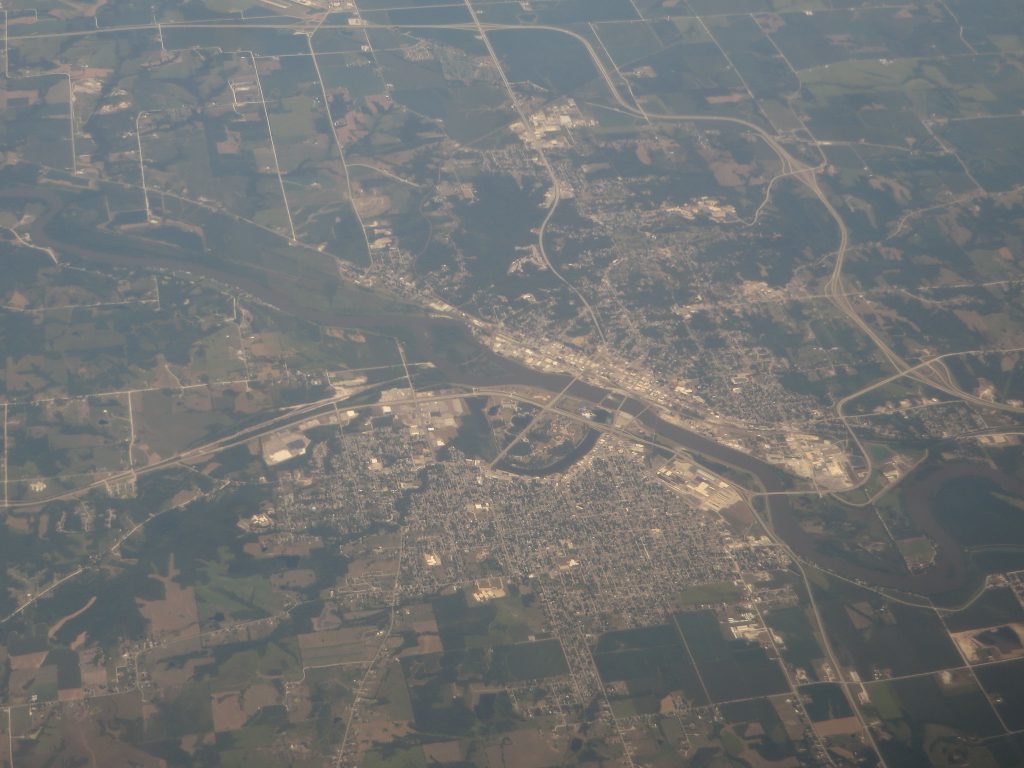
Ottumwa sits along the Des Moines River in southeastern Iowa and has long functioned as a regional hub for the surrounding agricultural counties, with a meatpacking and manufacturing base that helps support the local economy. Its median gross rent was $921 in the 2020–2024 period, well below the national median.
Mason City, Iowa
Phoyo by Warren LeMay, via Flickr. Licensed under CC BY-SA 2.0
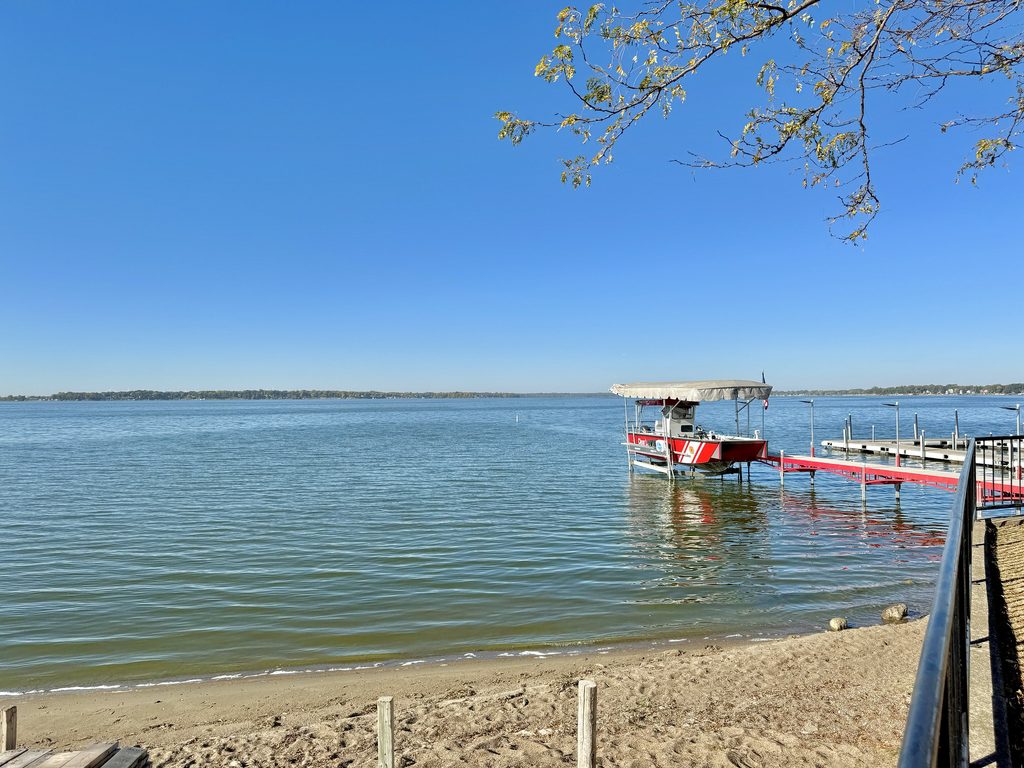
Mason City, the inspiration for the fictional River City in The Music Man, anchors a farming region in north-central Iowa where housing costs remain modest. The town has also invested in downtown redevelopment around the Historic Park Inn, the only remaining hotel designed by Frank Lloyd Wright.
Fort Dodge, Iowa
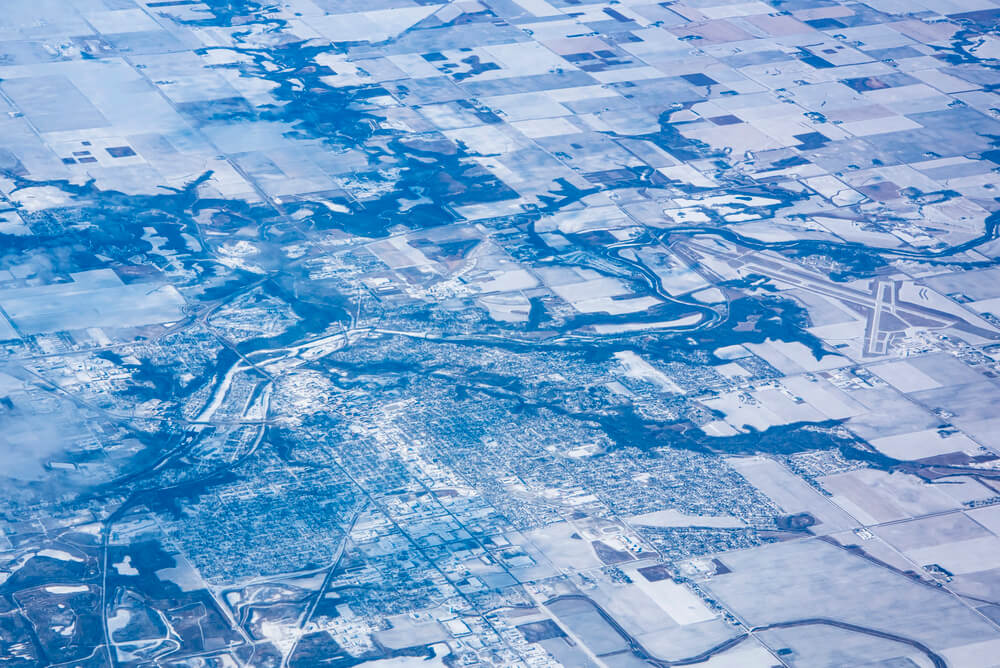
Fort Dodge sits atop a major gypsum deposit, giving the town an industrial base beyond agriculture alone, and its rental market remains considerably cheaper than Des Moines. The city is roughly 90 minutes northwest of Des Moines by car rather than just an hour away.
Storm Lake, Iowa
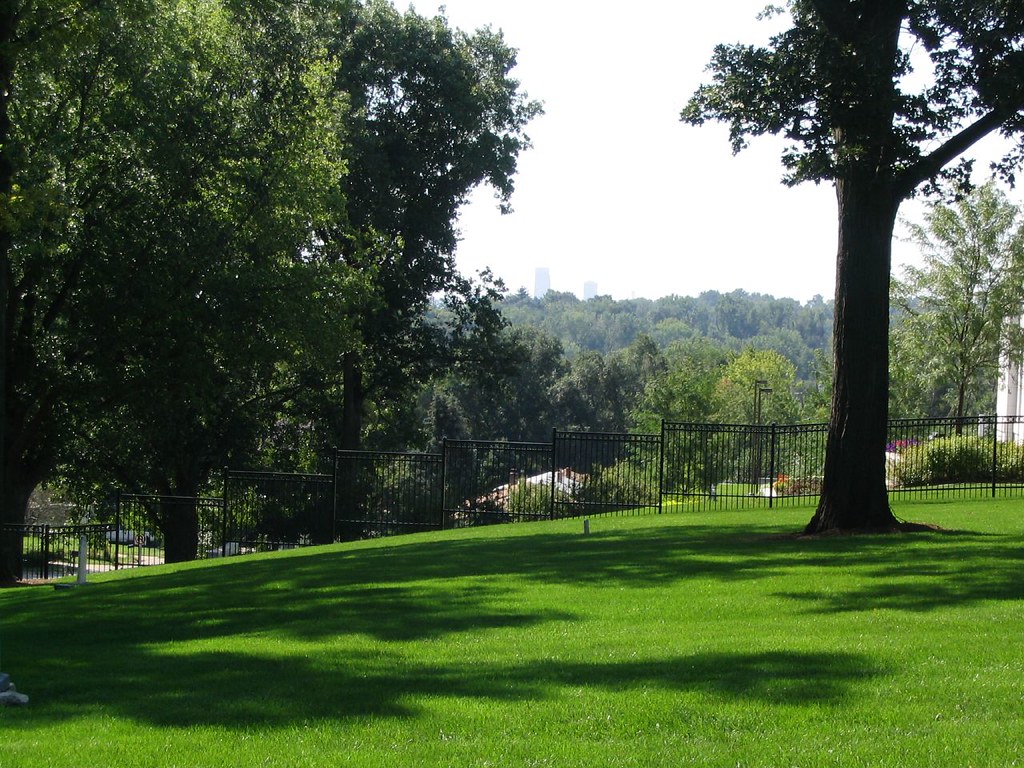
Photo by Ken Lund, via CC BY-SA 2.0
Storm Lake’s economy includes meatpacking and food processing, and the town has become one of the more diverse small cities in Iowa. Its median gross rent was $898 in the 2020–2024 period, keeping it well below the national figure.
Marshalltown, Iowa
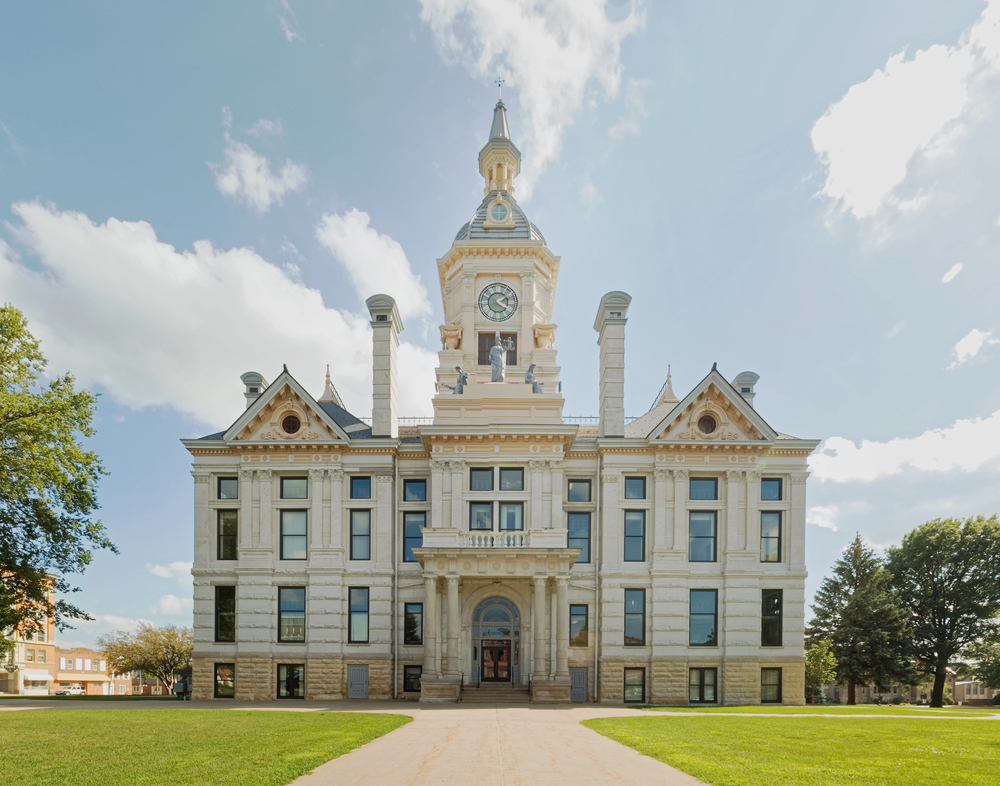
Marshalltown, home to a major Lennox manufacturing operation, sits in the middle of productive corn and soybean farmland in central Iowa. Its median gross rent was $891 in the 2020–2024 period, well below the national median.
Sioux Center, Iowa
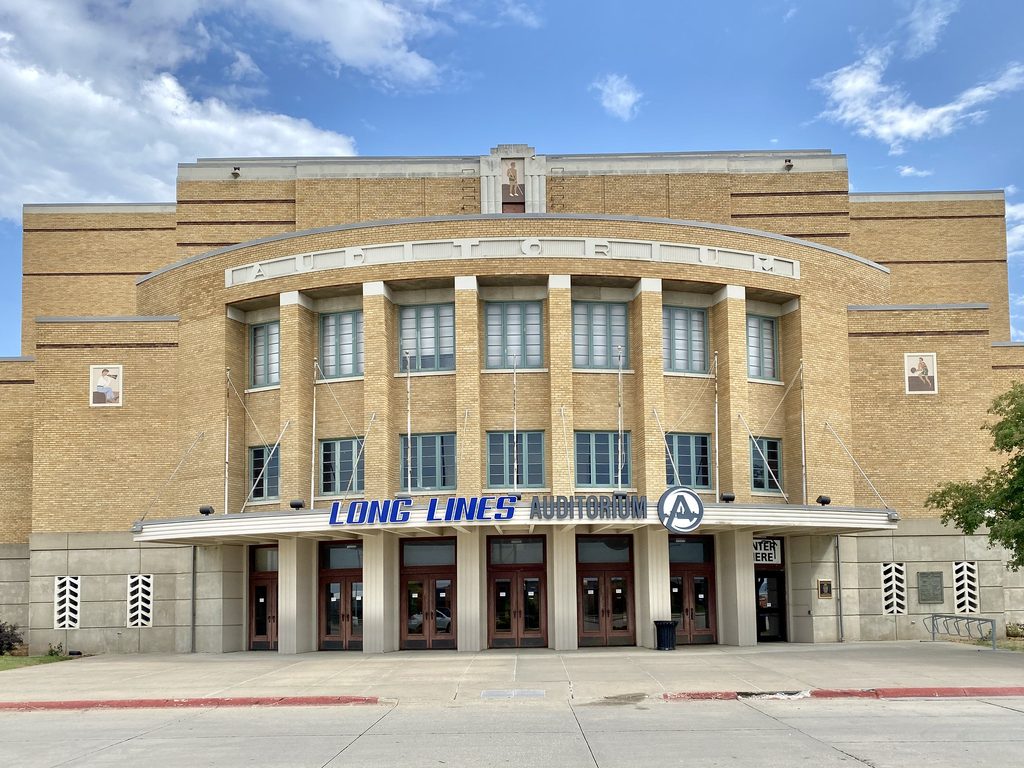
Photo by Warren LeMay, via Flickr. Licensed under CC BY-SA 2.0
Sioux Center anchors a heavily agricultural corner of northwest Iowa and is home to Dordt University, which offers several agriculture programs and operates an Agriculture Stewardship Center surrounded by farmland. The combination gives the town a distinct small-college and farm-service character.
Emporia, Kansas
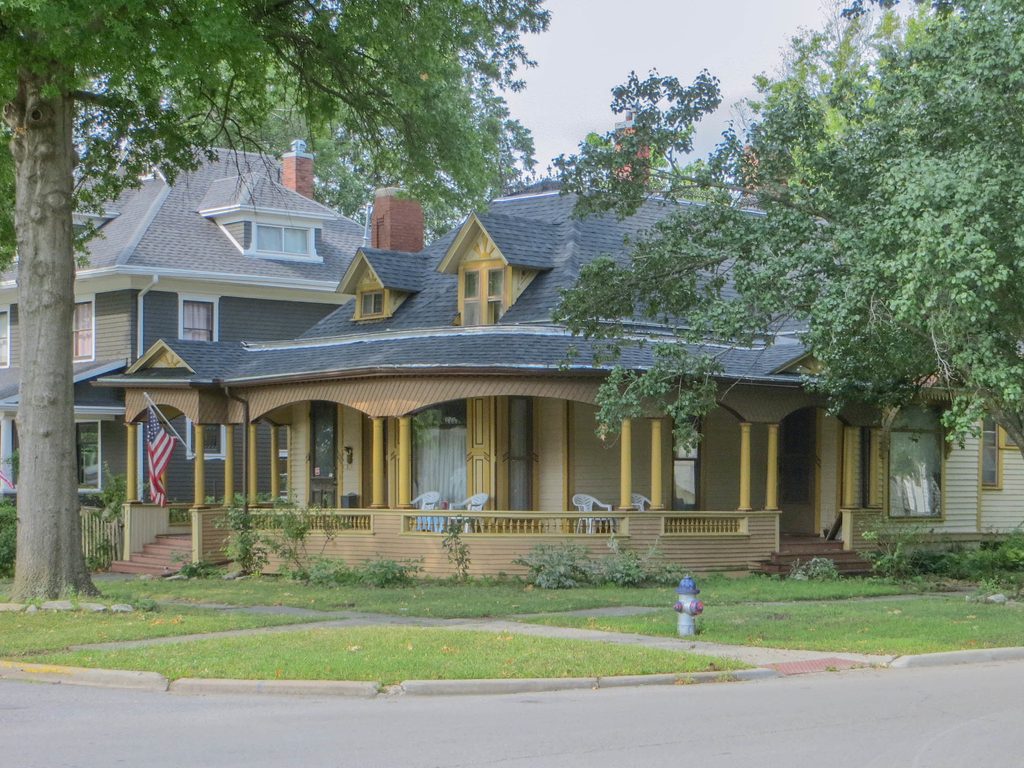
Photo by David Wilson, via CC BY 2.0
Emporia sits at the junction of the Flint Hills and Kansas’s eastern farmland, and its economy includes manufacturing, education, and agriculture-related activity. Its median gross rent was $815 in the 2020–2024 period, well below the national median.
Garden City, Kansas
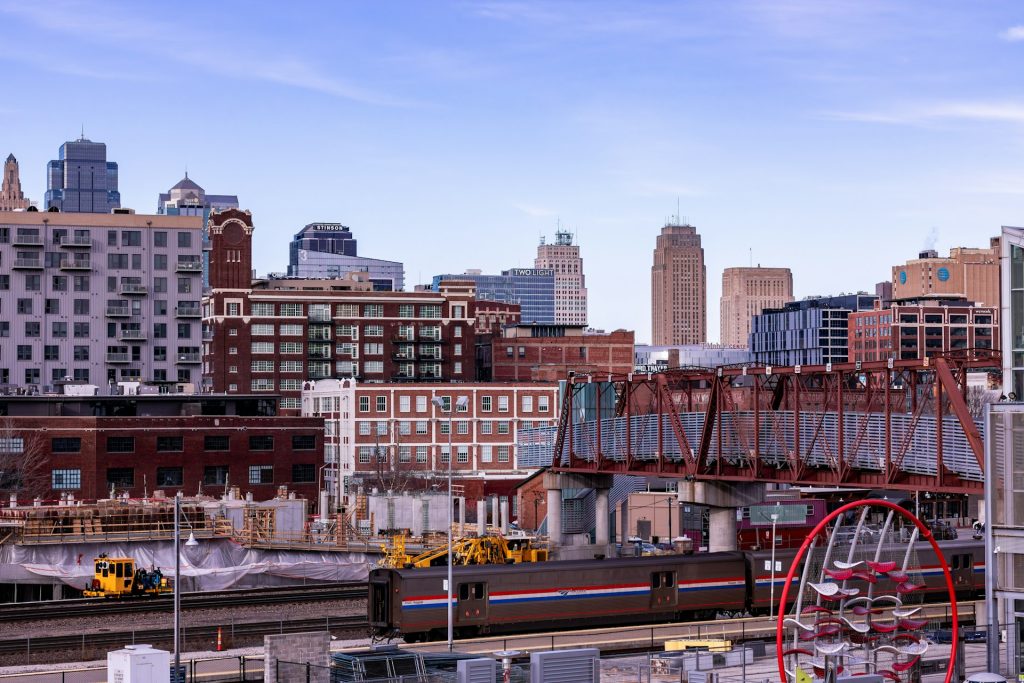
Garden City serves as a hub for southwest Kansas’s cattle-feeding industry, one of the major beef-producing regions in the country. Local operations include large commercial feed yards, while the city’s median gross rent was $1,052 in the 2020–2024 period.
Hutchinson, Kansas
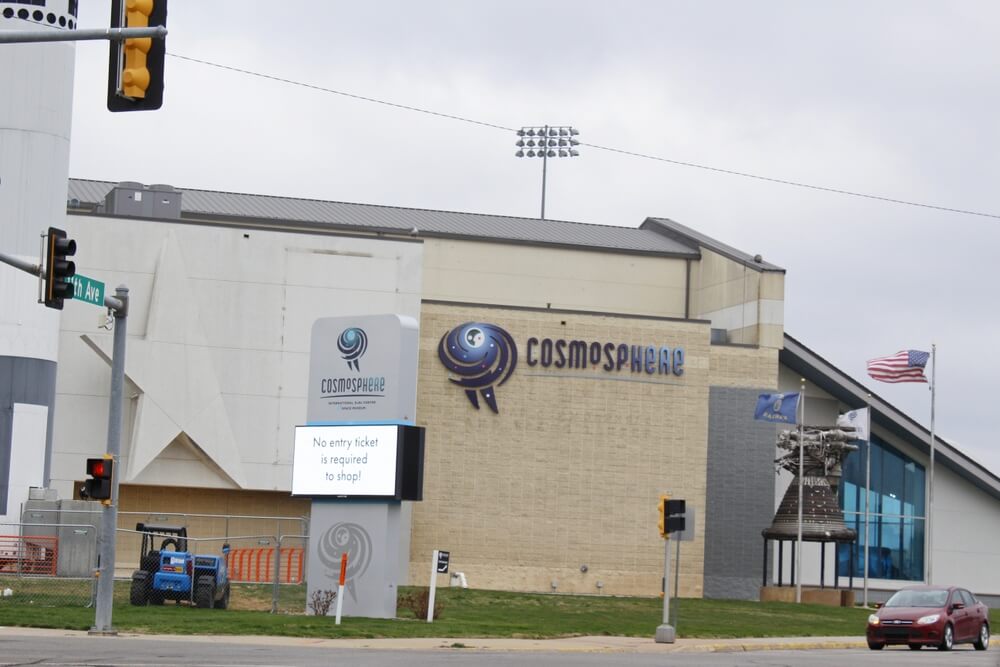
Hutchinson is known for its underground salt mines, one of which also contains high-security archival storage for irreplaceable materials, including original film negatives from major Hollywood productions. Its median gross rent was $881 in the 2020–2024 period.
Dodge City, Kansas
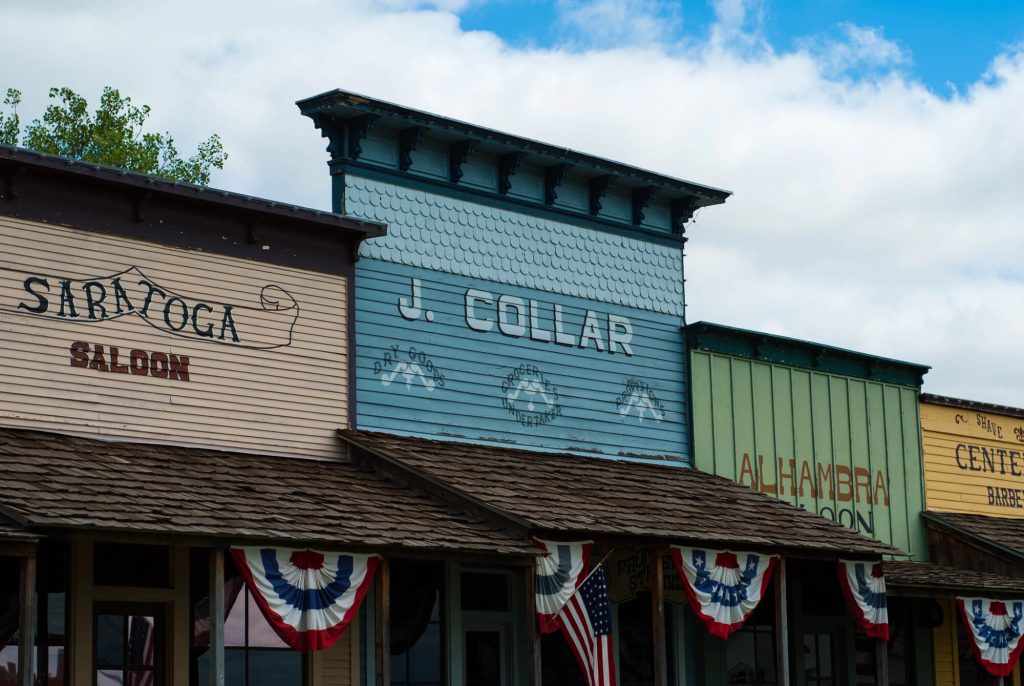
Dodge City’s identity is still tied to its cattle-town history, and its modern economy includes major beef-processing operations. National Beef operates a large beef-processing facility there, while local rental costs remain well below the national median.
Salina, Kansas
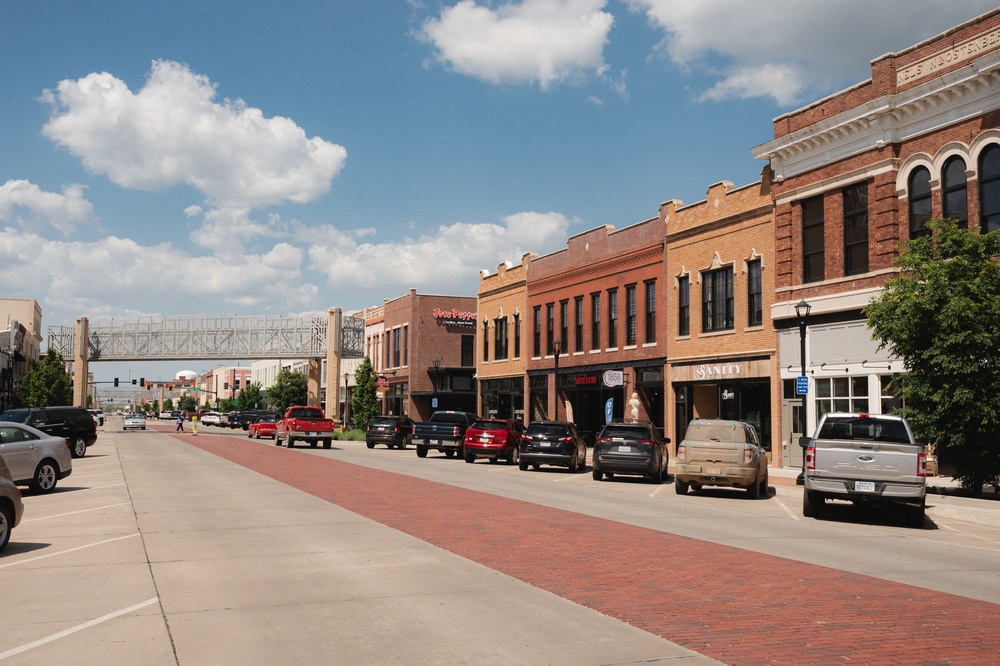
Salina sits at the crossing of two interstates in central Kansas and serves as a regional hub for surrounding agricultural communities. Its location gives it more commercial infrastructure than many farm towns without the housing costs associated with larger Kansas metros.
Enid, Oklahoma
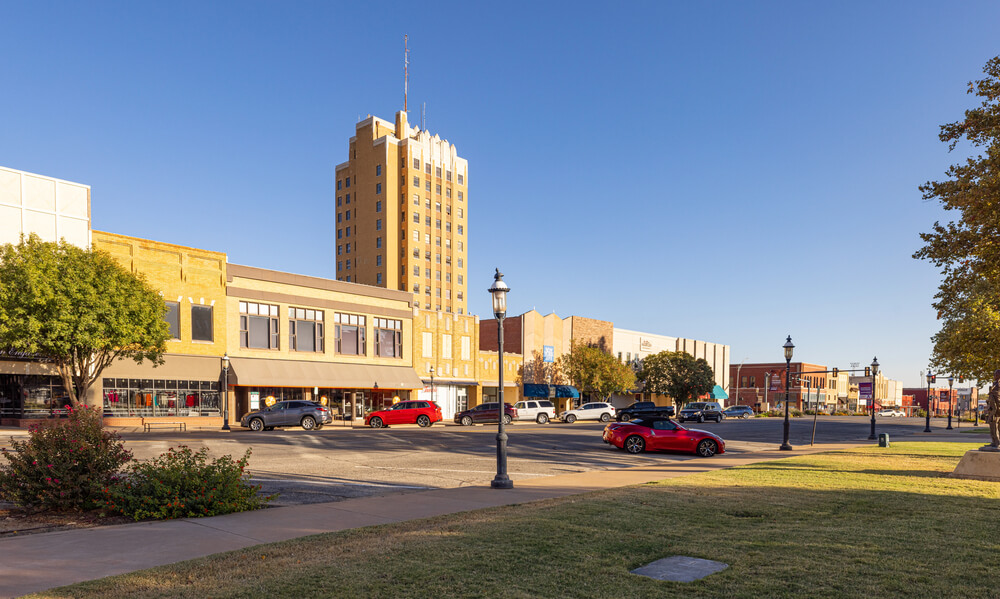
Enid calls itself the wheat capital of Oklahoma, and its grain elevators remain a defining part of the city’s agricultural identity. Oklahoma has officially described Enid as the “Wheat Capital of the United States” because of its enormous grain-storage capacity, and its median gross rent was $914 in the 2020–2024 period.
Ponca City, Oklahoma
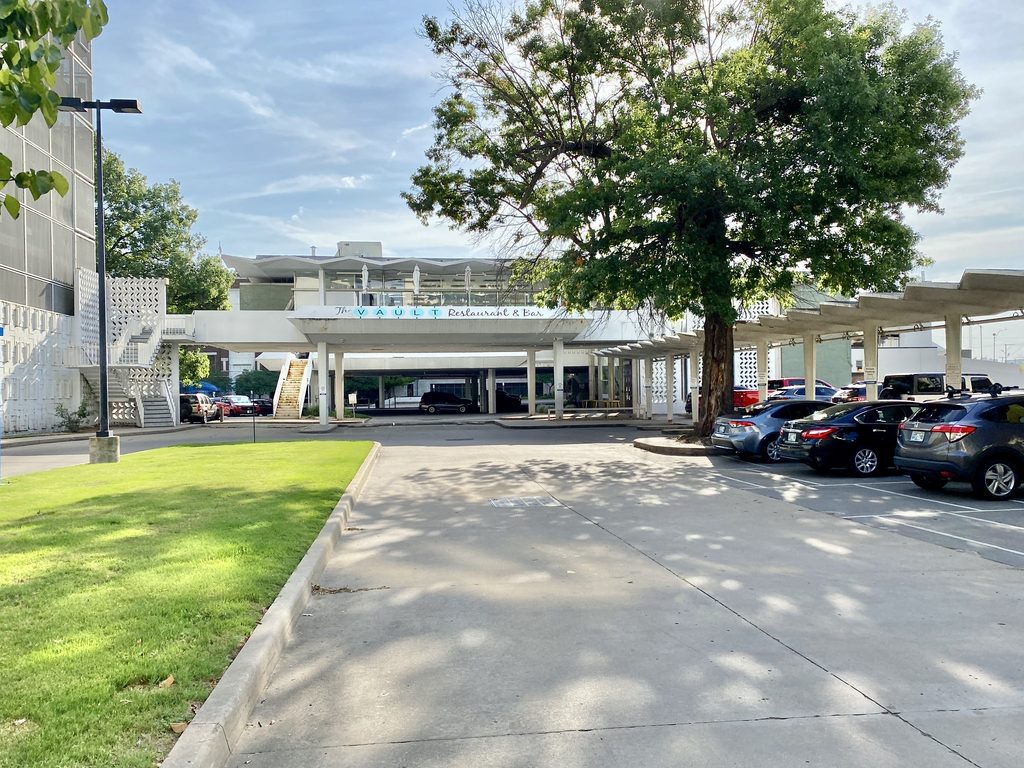
Photo by Warren LeMay, via Flickr. Licensed under CC BY-SA 2.0
Ponca City grew up around the oil industry but sits within a broader agricultural region of north-central Oklahoma. Its older housing stock and smaller-market setting contribute to housing costs that remain lower than those in Oklahoma City.
Guymon, Oklahoma
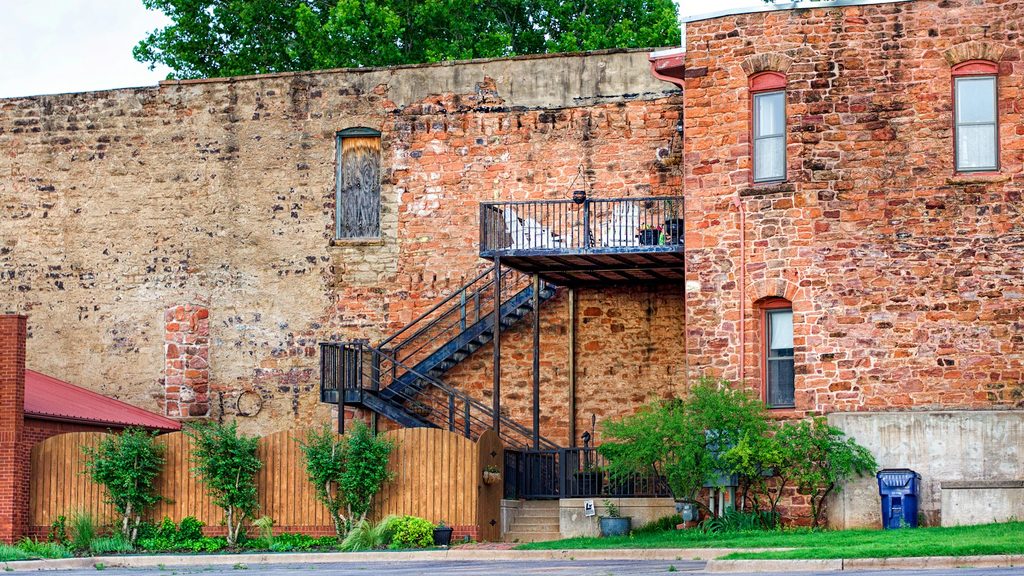
Guymon anchors the Oklahoma Panhandle’s cattle and hog-processing industry, and the area remains heavily tied to livestock production. Its median gross rent was $887 in the 2020–2024 period, well below the national median.
Scottsbluff, Nebraska
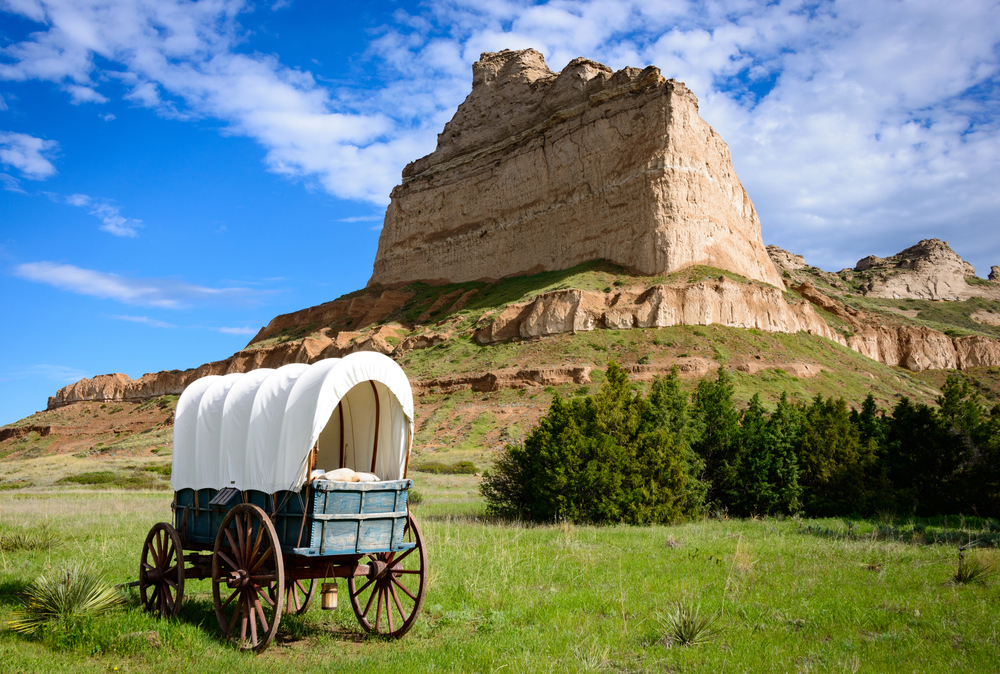
Scottsbluff sits in Nebraska’s Panhandle beside the dramatic bluffs that gave pioneers on the Oregon Trail a landmark to navigate by. The surrounding region remains strongly agricultural, and the city’s median gross rent was $966 in the 2020–2024 period.
North Platte, Nebraska
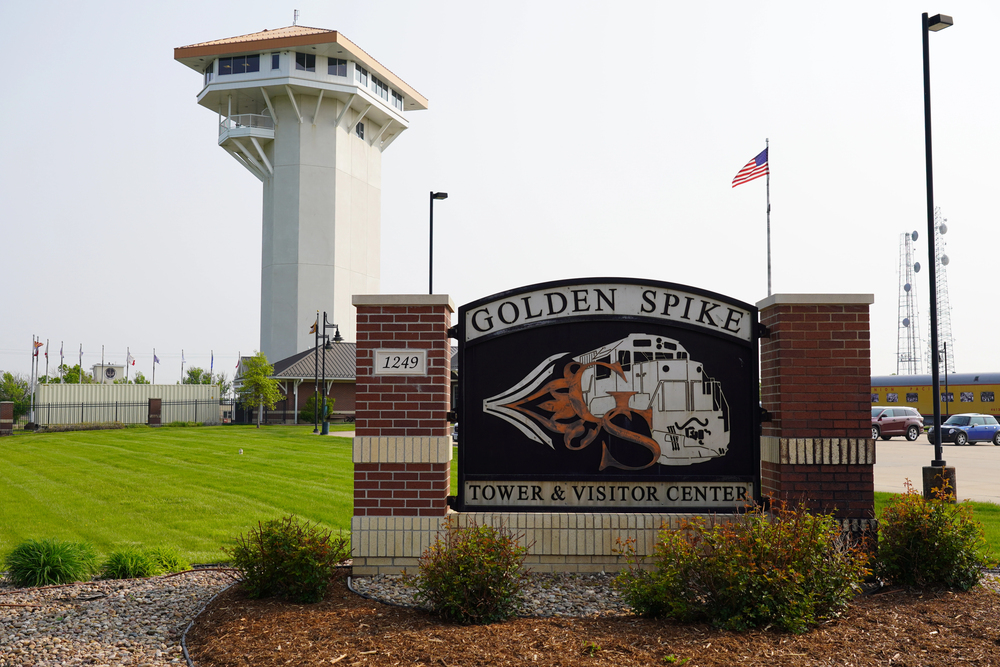
North Platte is home to Union Pacific’s Bailey Yard, the largest railroad classification yard in the world, sitting in the middle of central Nebraska’s farm and ranch country. The town’s median gross rent remains well below what renters typically encounter in larger Nebraska cities.
Kearney, Nebraska
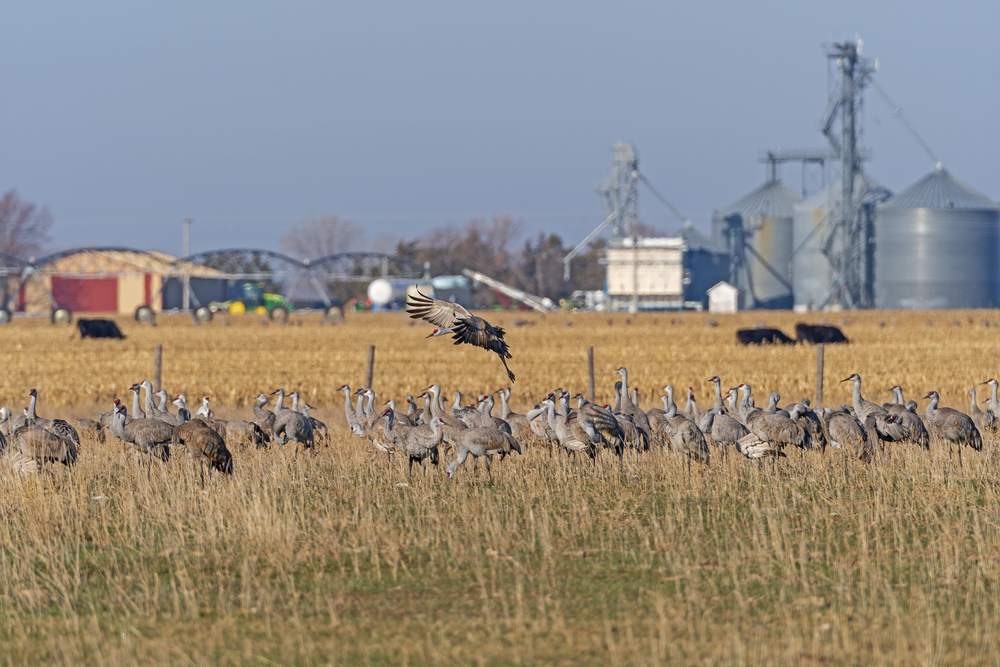
Kearney sits along the Platte River in central Nebraska and has become a regional retail, healthcare, and education hub without developing the housing costs of a major metro. Its median gross rent was $949 in the 2020–2024 period.
Hastings, Nebraska
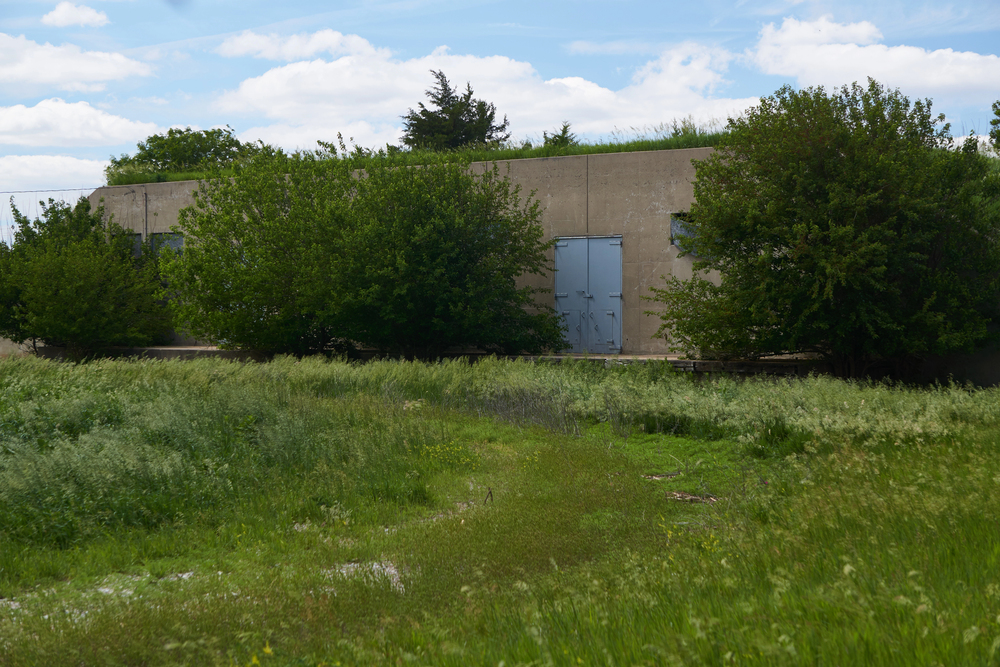
Hastings, the birthplace of Kool-Aid, sits in a heavily agricultural part of south-central Nebraska. The town has also maintained a manufacturing base, while its smaller-market housing costs remain well below those of major U.S. cities.
Watertown, South Dakota
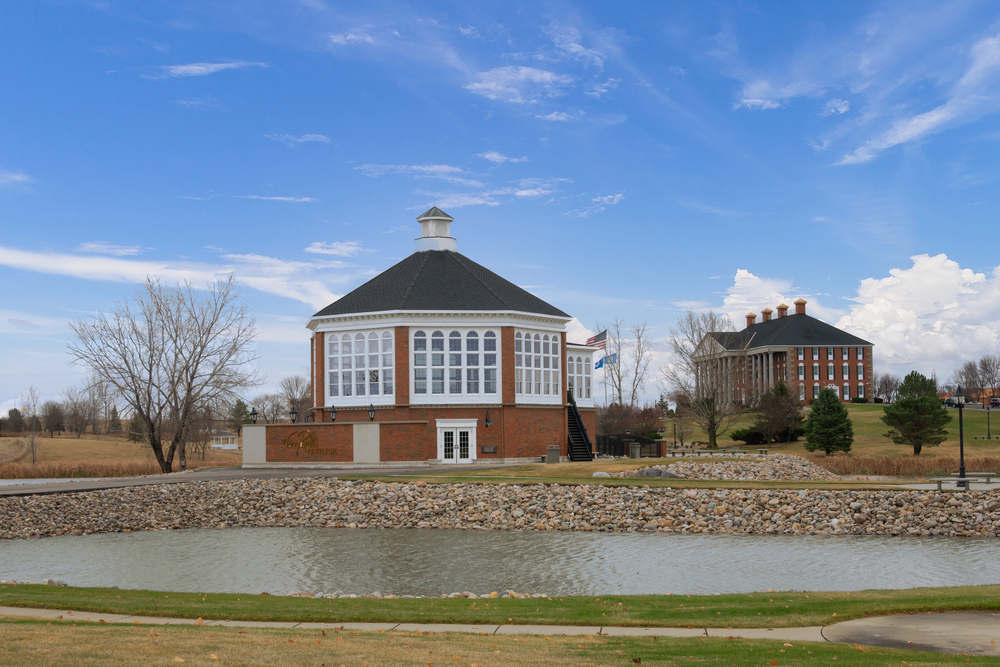
Watertown sits between two lakes in northeastern South Dakota’s farm country and functions as a regional center for surrounding agricultural communities. Its location provides more services than many smaller farm towns while keeping housing costs relatively modest.
Huron, South Dakota
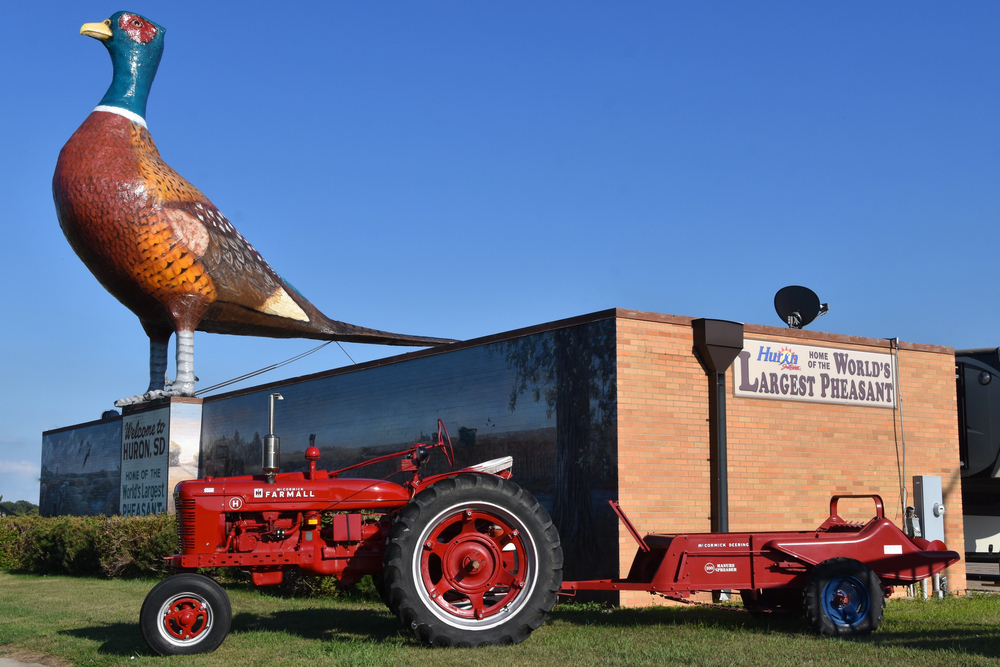
Huron hosts the South Dakota State Fair each year and serves as a trading center for the surrounding grain and livestock region. Its smaller population and agricultural economy contribute to a housing market that remains relatively inexpensive compared with larger cities.
Aberdeen, South Dakota
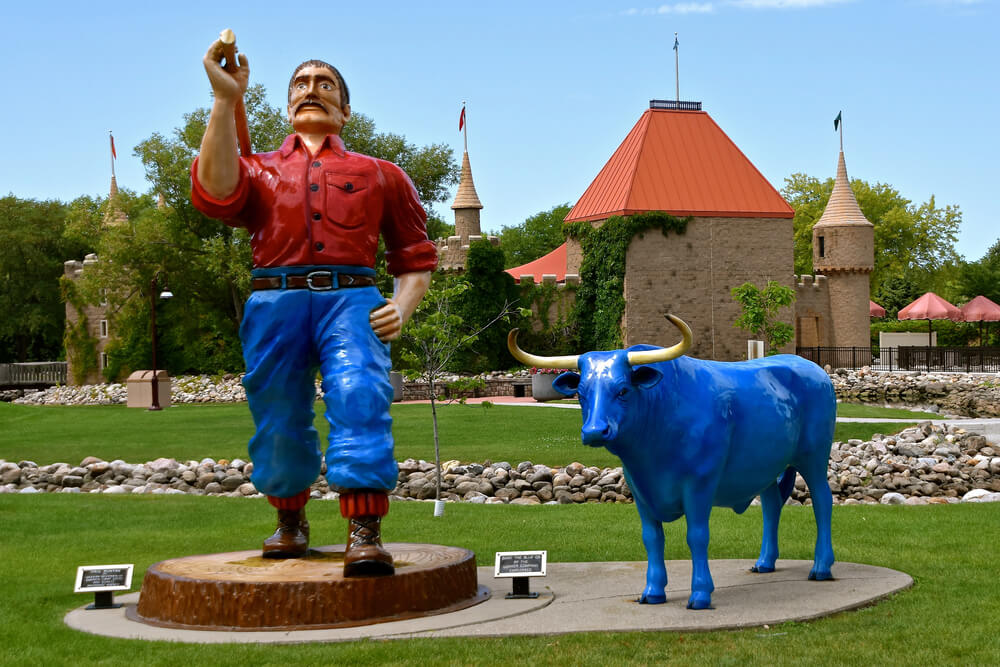
Aberdeen anchors northeastern South Dakota’s agricultural economy and serves as a regional hub for healthcare, retail, manufacturing, and value-added agriculture. Brown County is one of the state’s productive agricultural counties, and Aberdeen has developed into a regional agricultural center with grain terminals, processing facilities, and ethanol plants.
Jamestown, North Dakota

Jamestown sits along the James River in the middle of North Dakota’s wheat and cattle country, and the town is home to the World’s Largest Buffalo statue. Its smaller-market housing costs remain considerably below those found in the state’s more expensive oil-producing communities.
Devils Lake, North Dakota
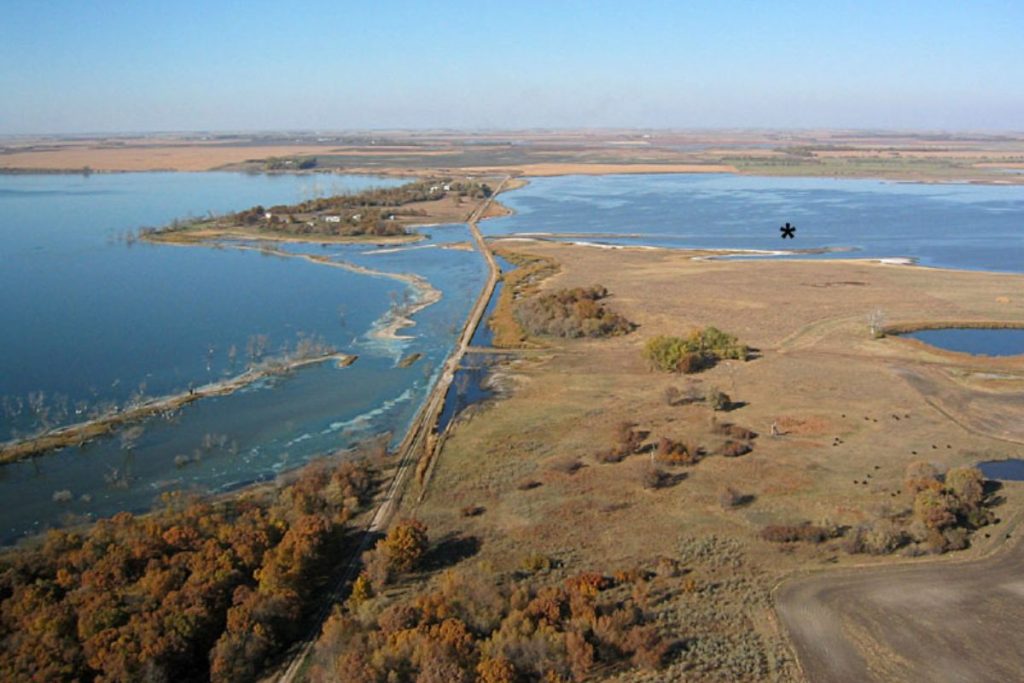
Devils Lake serves a farming and recreation economy in northeastern North Dakota, with agriculture surrounding the city and the lake drawing hunting and fishing visitors. The region’s farming base includes wheat, soybeans, barley, canola, and livestock.
Worthington, Minnesota
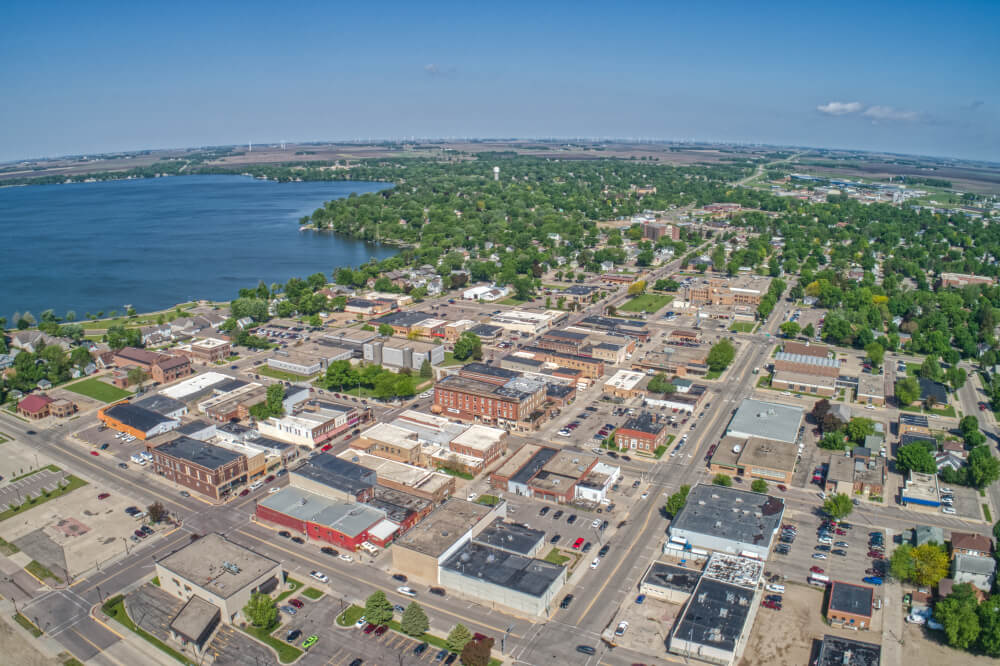
Worthington sits in Minnesota’s far southwestern corner amid productive farmland and has a strong agricultural presence ranging from row crops to livestock. Although the area’s former JBS pork-processing plant closed in 2020, the city remains a regional hub for agricultural processing, research, shipping, and manufacturing.
Willmar, Minnesota

Willmar functions as a trade center for west-central Minnesota’s agricultural counties, with food processing and agriculture-related businesses playing important roles in the local economy. Its median gross rent was $910 in the 2020–2024 period.
Marshall, Minnesota
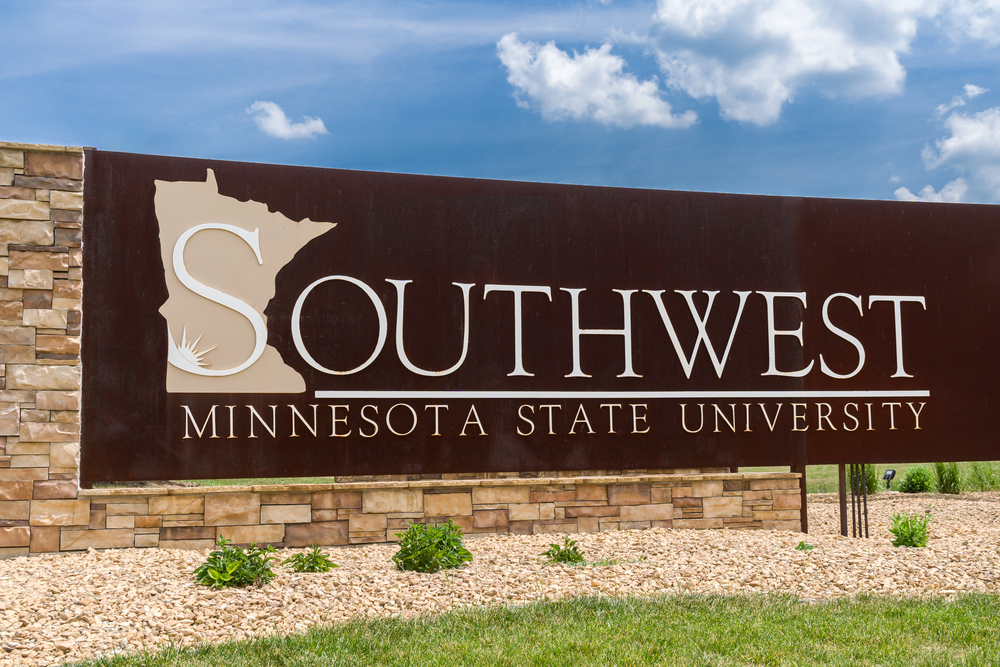
Marshall is home to Southwest Minnesota State University and sits within a heavily farmed region of the state. Agriculture remains central to the surrounding economy, while the city’s median gross rent was $779 in the 2020–2024 period.
Decatur, Illinois
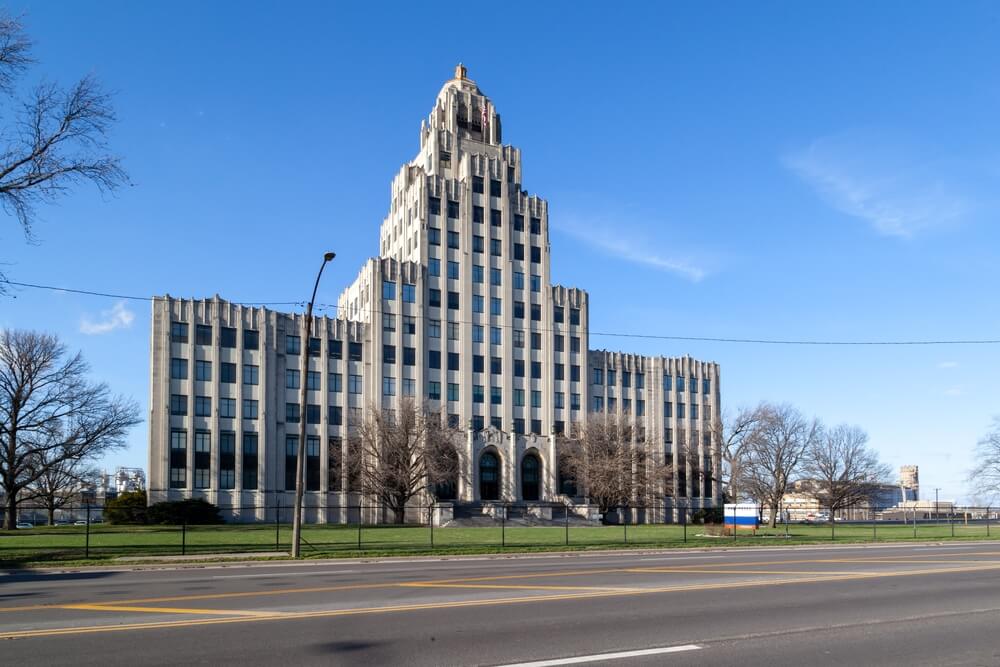
Decatur, home to major grain-processing operations including Archer Daniels Midland, sits at the center of some of the richest farmland in the country. Its median gross rent was $845 in the 2020–2024 period, putting it well below the national median.
Effingham, Illinois
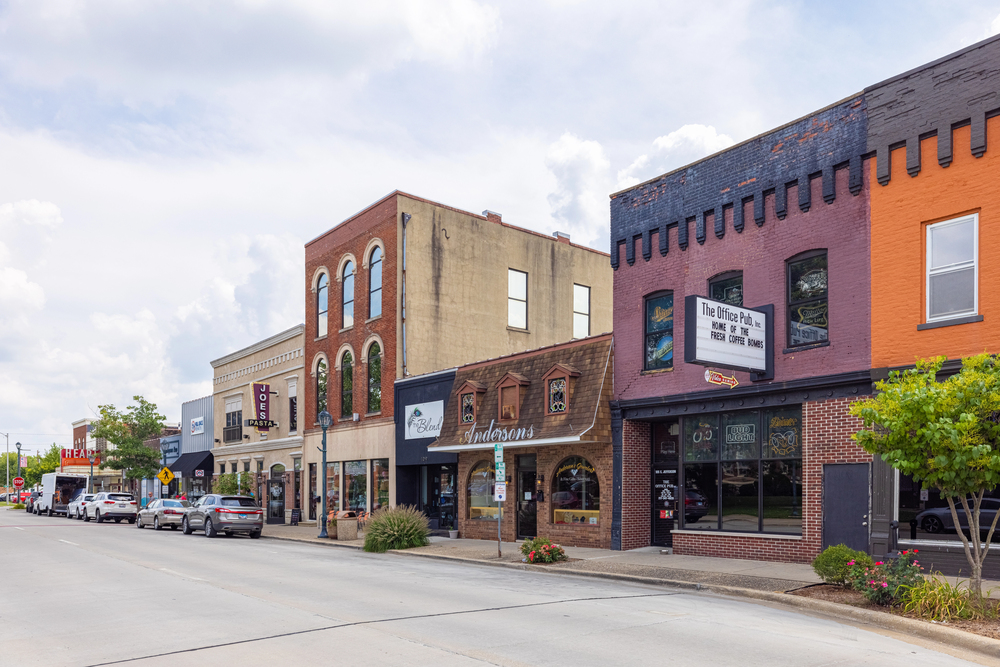
Effingham sits at the crossing of two interstates in central Illinois farm country and has built a retail and logistics economy around that location. Its smaller-city housing market remains considerably less expensive than those of Chicago and other major Illinois metros.
Mattoon, Illinois
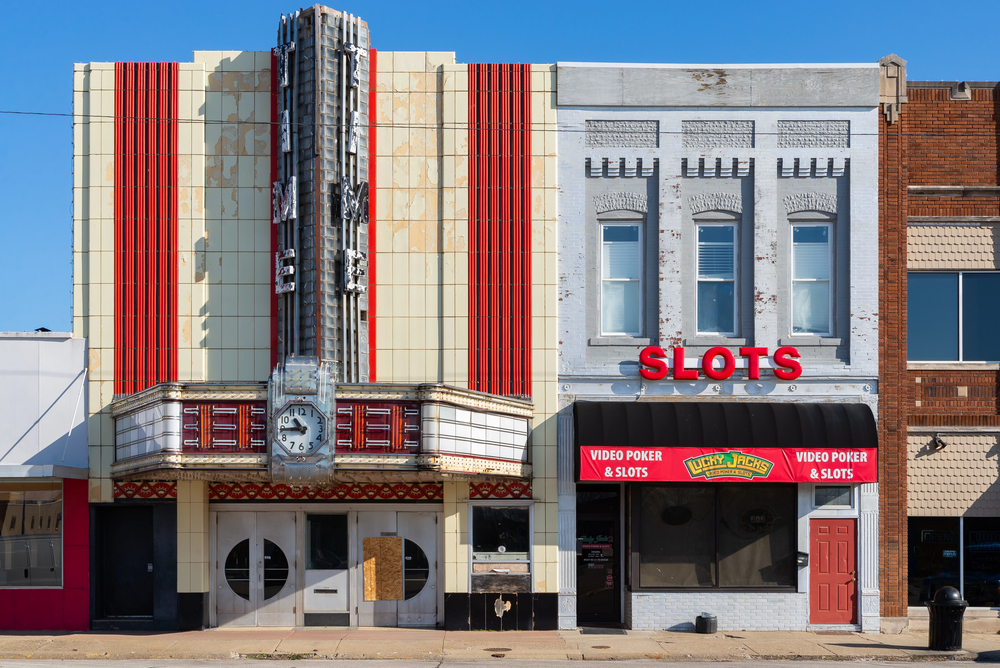
Mattoon, paired historically with neighboring Charleston, serves a broad swath of east-central Illinois farmland and has a mix of manufacturing, education, healthcare, and agriculture-related activity. Current rental listings remain substantially below national averages, although individual rents vary considerably by unit and property type.
Plymouth, Indiana
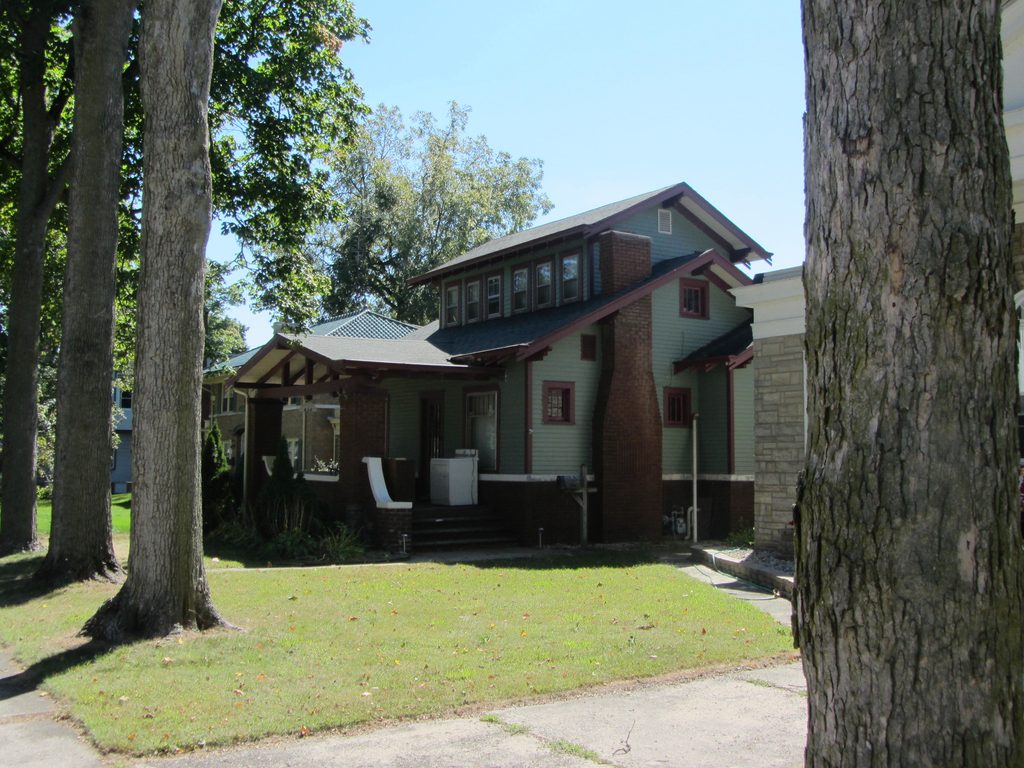
Photo by David Wilson, via Flickr. Licensed under CC BY 2.0
Plymouth sits amid the farmland of Marshall County in northern Indiana and functions as a regional center for surrounding agricultural communities. Its smaller-market housing costs remain modest compared with larger nearby cities.
Hillsdale, Michigan
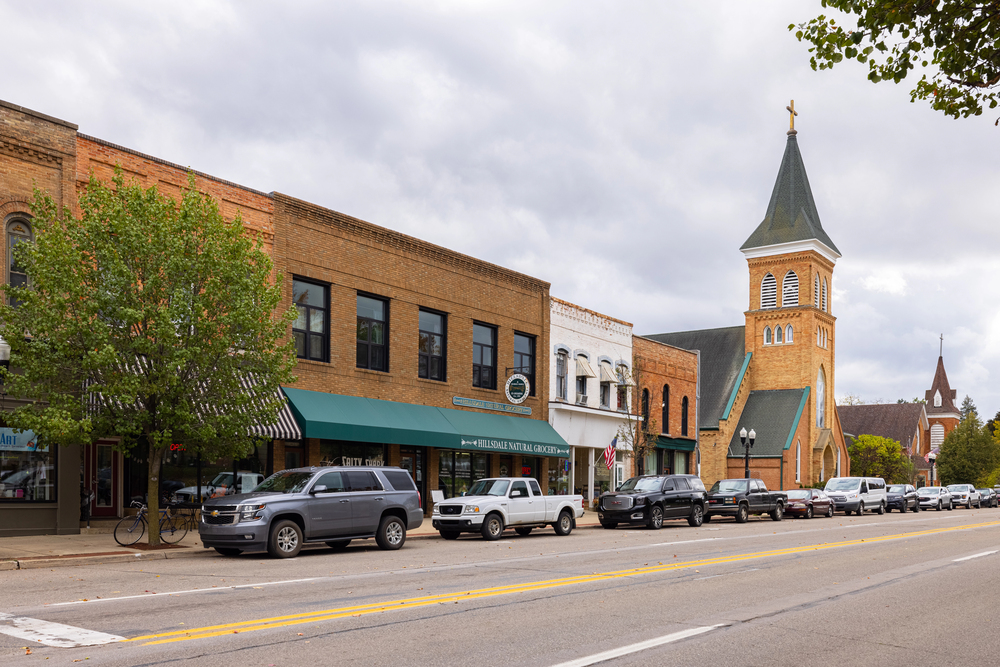
Hillsdale anchors a rural, heavily farmed county in south-central Michigan and is also home to Hillsdale College. Its smaller housing market remains less expensive than those of major Michigan metros, although current rents vary substantially by property and unit size.
The Trade That Comes With Low Rent
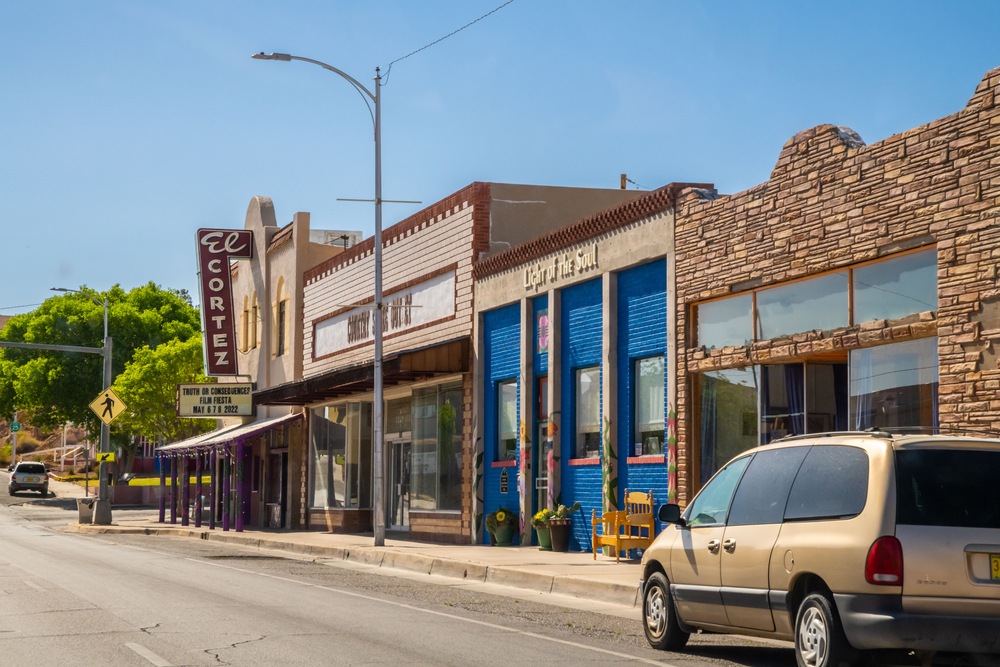
Every town on this list can offer lower housing costs than many major cities, but that savings comes bundled with trade-offs that don’t show up on a cost-of-living chart: fewer job sectors to choose from, longer drives to a major airport, and economies tied closely to commodity prices that rise and fall with things no local town council controls.
For the people who choose to stay anyway, that trade-off can read less like a compromise and more like a fair exchange. A cheaper apartment means more room in the budget for everything else, and in farm country, everything else can include a slower pace that renters in bigger cities often say they’re chasing without ever quite finding it.
More from Travel Pug

- Underrated Italian Towns That Beat the Tourist Crowds
- Las Vegas Tourist Traps to Skip
- Prettiest Towns in Every US State
- 18 passport-free countries for Americans
- Signs Your Cruise Is Not Worth The Cost
Like Travel Pug’s content? Follow us on MSN.