

Sri Lanka encompasses an amazing wealth of cultural diversity within its island limits. This teardrop-shaped country has been a crossroads of civilizations for more than two thousand years, building up layers of tradition still alive in daily existence today. From the ancient Buddhist kingdoms to colonial commercial entrepôts, each corner is filled with tales waiting to be unearthed.
The island’s cultural fabric is woven from elements of India, Southeast Asia, the Middle East, and Europe — yet it retains a distinctive identity. Below is a list of 17 cultural jewels that illustrate why Sri Lanka continues to be one of Asia’s most compelling cultural experiences.
Temple of the Sacred Tooth
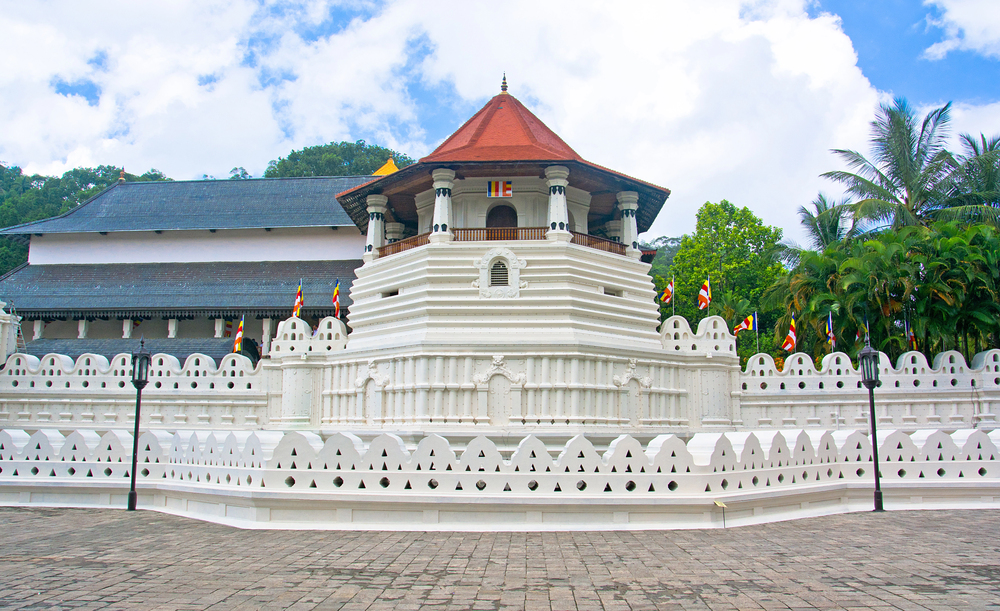
Located in Kandy, this golden-roofed temple houses what Buddhists believe is a tooth of the Buddha himself. The relic arrives only for special ceremonies, yet pilgrims flock here daily to offer lotus flowers and light oil lamps. The evening puja ceremony fills the air with chanting, drums, and the sweet scent of frangipani.
Ancient city of Anuradhapura
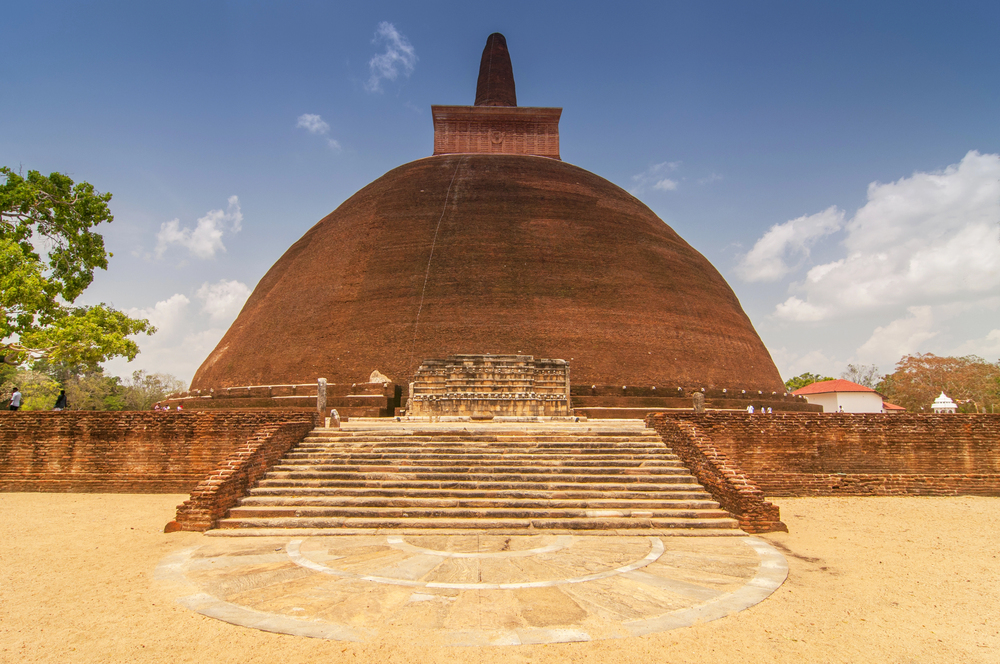
Sri Lanka’s first capital stretches across 16 square miles of ruins and sacred sites. Massive dagobas (stupas) rise like white mountains, some nearly as tall as modern buildings. The Sri Maha Bodhi tree, grown from a cutting of the original Bodhi tree under which Buddha achieved enlightenment, still draws worshippers after 2,300 years.
Traditional mask carving
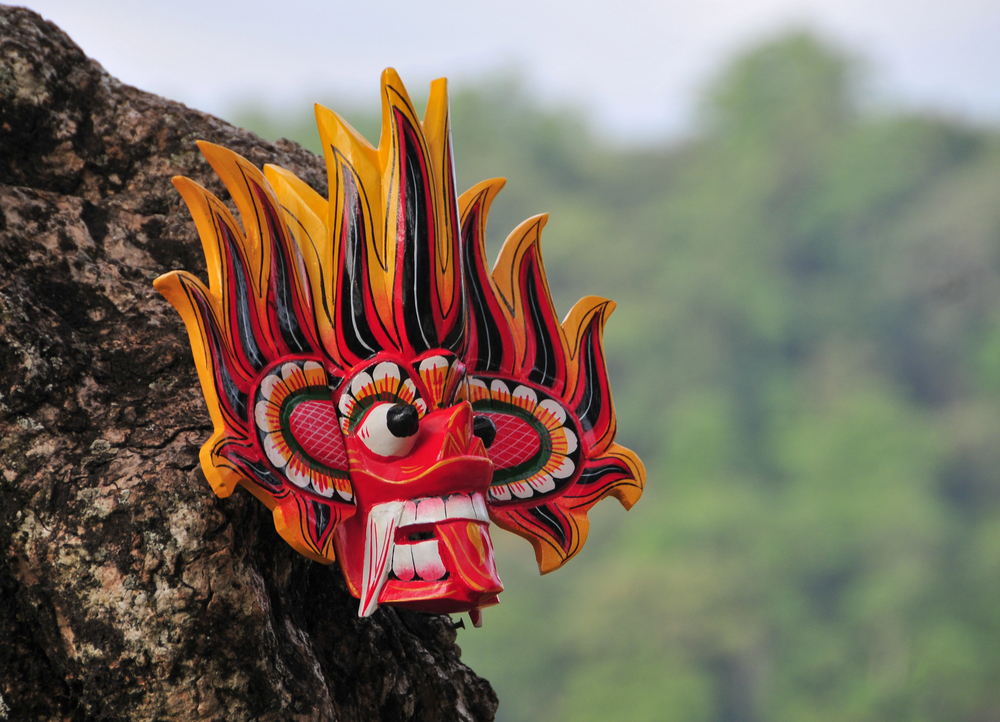
Artisans still craft wooden masks with skills honed over hundreds of years in the southern village of Ambalangoda. These are not souvenirs for tourists — they are sacred items employed in traditional healing rituals and exorcisms. They are masks for various demons, animals, and figures from legend, painted in bright colors that appear to animate them.
Polonnaruwa archaeological site
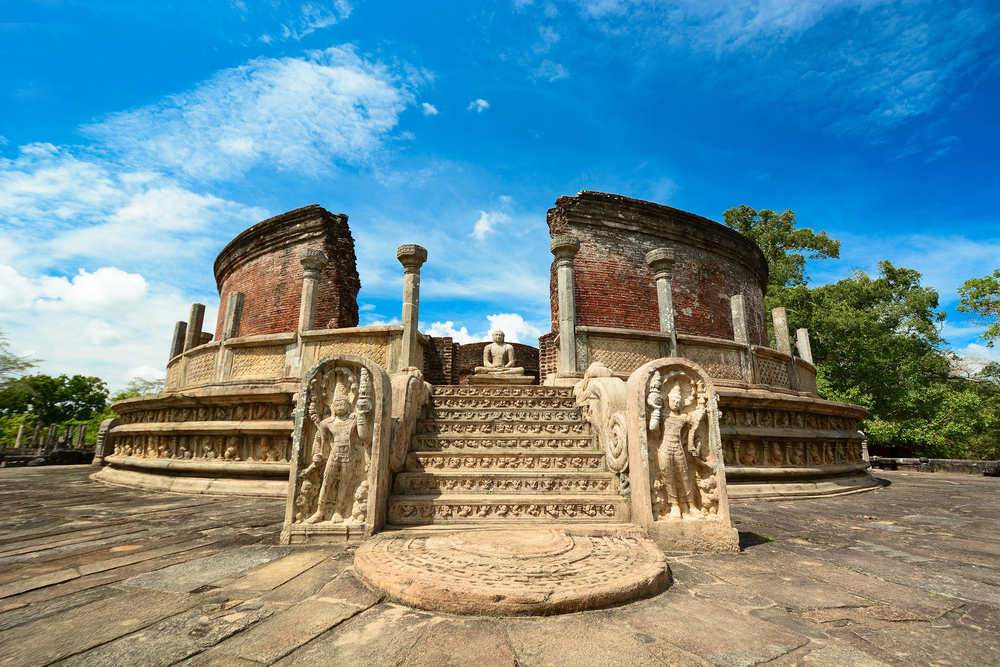
This medieval capital showcases some of Sri Lanka’s finest stone carving and architecture. The Gal Vihara features four massive Buddha statues carved from a single granite wall, including a 46-foot reclining Buddha that captures perfect serenity in stone. Lotus-shaped baths and intricately carved moonstone doorsteps reveal the sophistication of 12th-century craftsmanship.
Esala Perahera festival
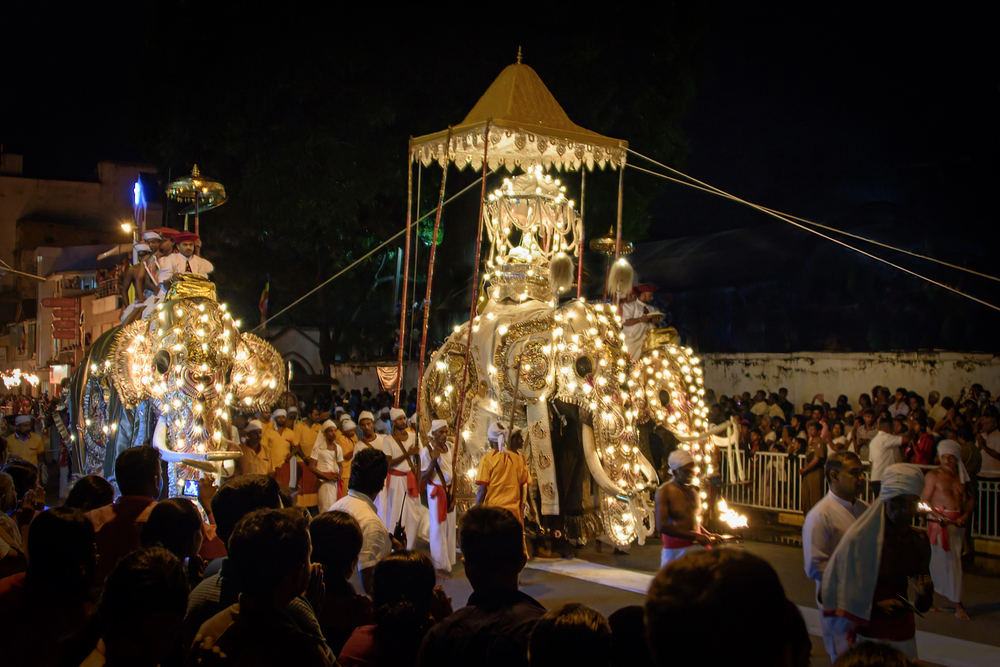
— Photo by CharnwoodPhoto
Every August, Kandy explodes in a riot of color during this ten-day festival honoring the Sacred Tooth. Elaborately decorated elephants parade through streets lined with thousands of oil lamps, while traditional dancers and drummers create a sensory overload. The main elephant carries a golden casket containing the tooth relic, drawing devotees from across the Buddhist world.
Traditional batik workshops
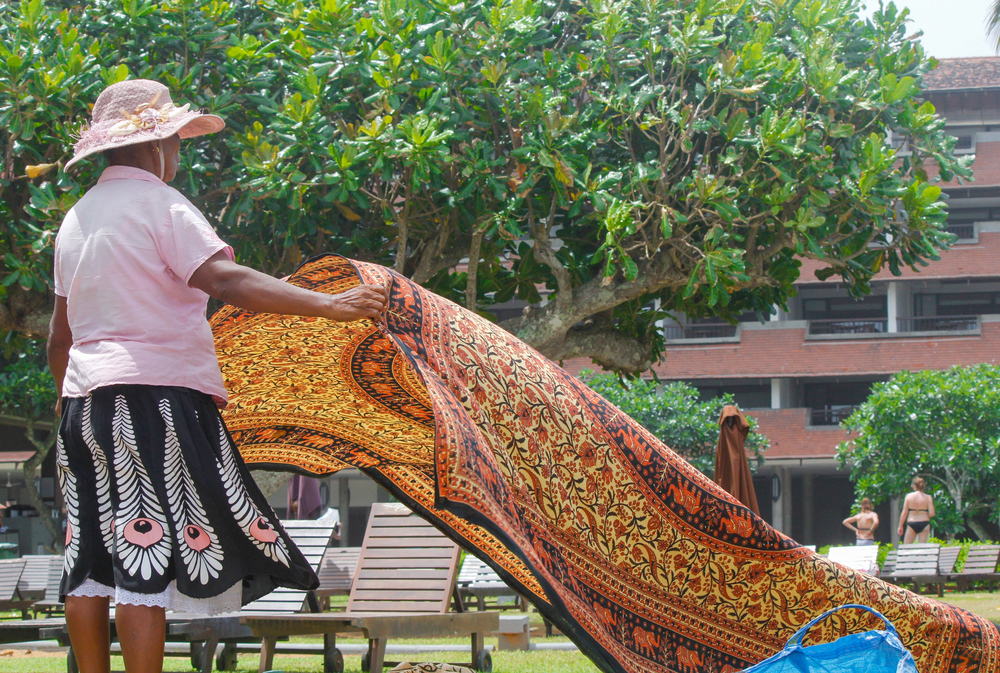
— Photo by Shakeel_MS
Sri Lankan batik artists use hot wax and natural dyes to create intricate patterns on cotton and silk. Unlike Indonesian batik, the Sri Lankan style features bold, flowing designs inspired by local flora and fauna, such as elephants, peacocks, and tropical flowers. Watching an artist work feels meditative as they apply wax with steady hands before dyeing the fabric in brilliant blues and golds.
Cave temples of Dambulla
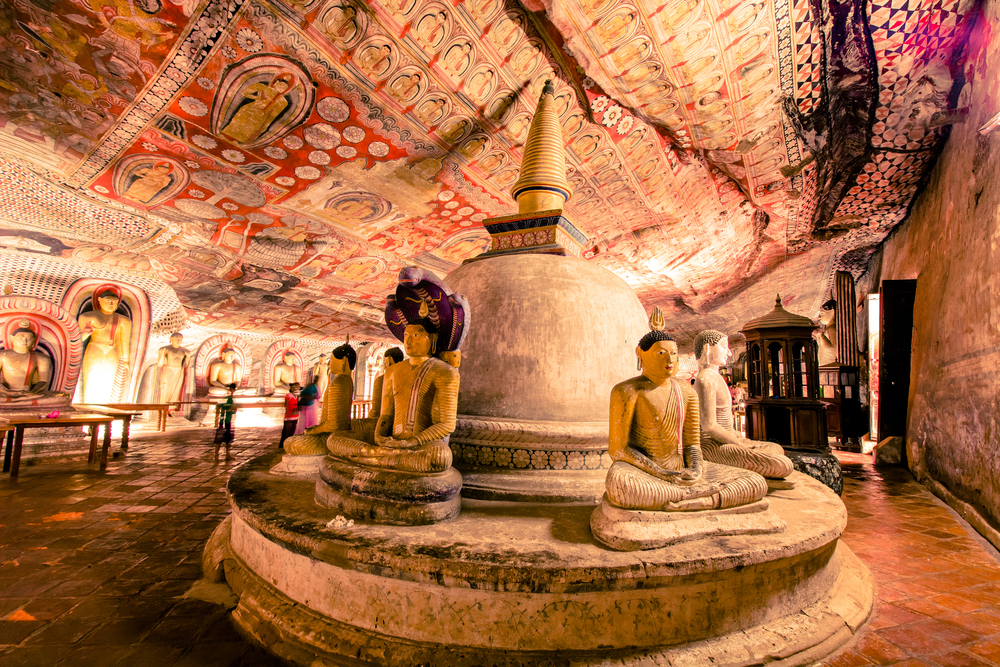
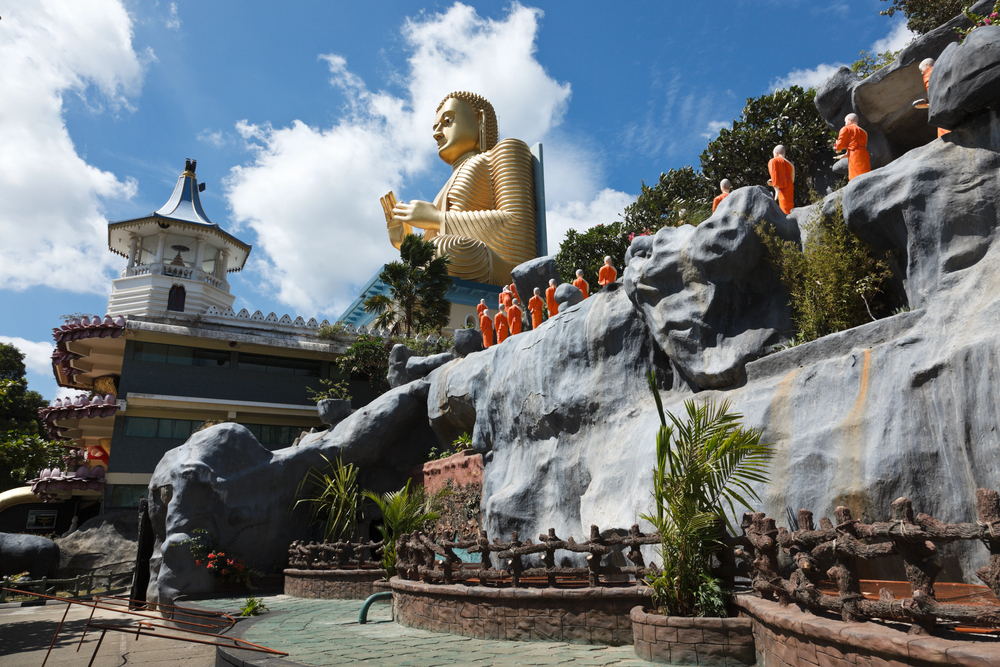
Five caves carved into a massive rock overhang contain over 150 Buddha statues and cover every surface with vibrant murals. Some paintings date back 2,000 years, depicting scenes from Buddha’s life in colors that remain surprisingly vivid. The cool cave interiors provide relief from the tropical heat while surrounding visitors with centuries of devotional art.
Traditional Ayurvedic medicine
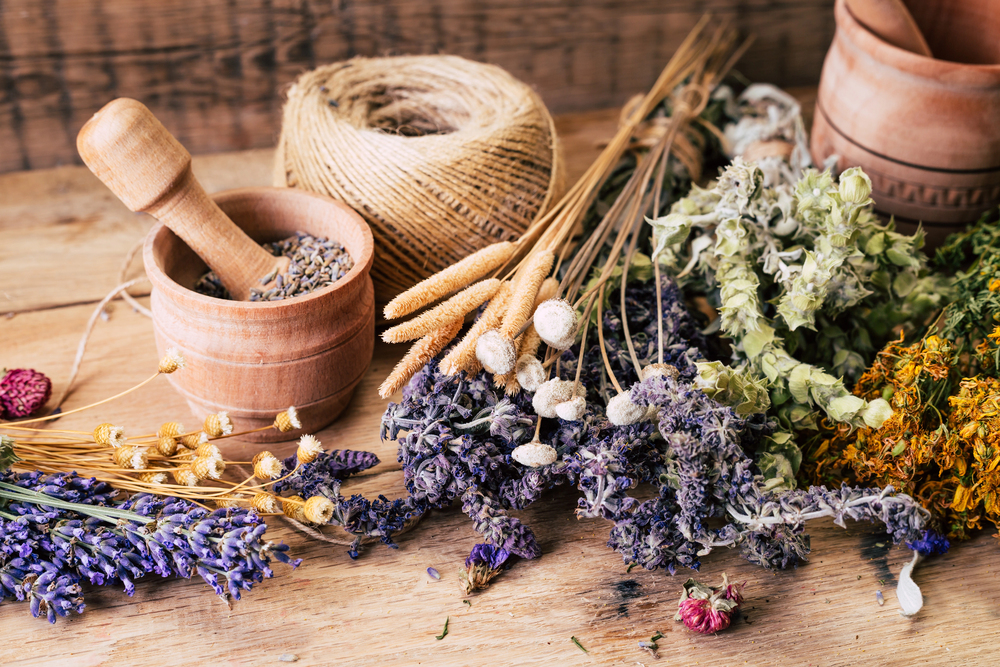
Sri Lankan ayurveda blends ancient Indian healing traditions with local medicinal plants found nowhere else. Practitioners still diagnose illnesses by reading pulses and examining tongues, then prescribe treatments using herbs gathered from the island’s forests. Many hotels now offer authentic ayurvedic treatments that go far beyond simple spa services.
Colonial architecture in Colombo
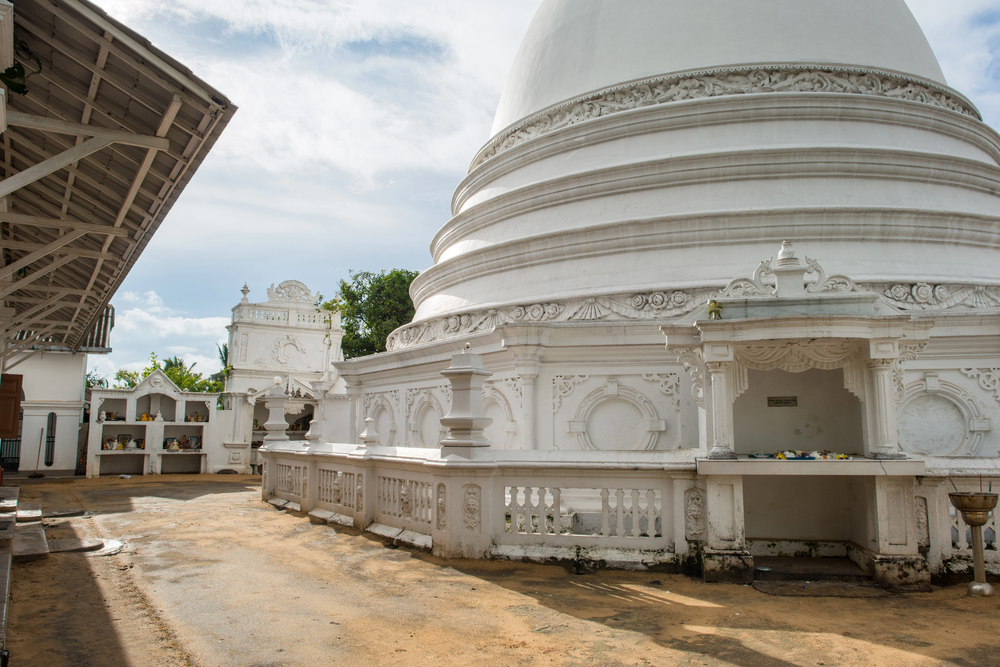
The capital’s Fort district showcases a fascinating mix of Portuguese, Dutch, and British colonial buildings alongside modern skyscrapers. The Old Parliament building displays Indo-Saracenic architecture with its red-brick towers and arched windows. Walking these streets reveals how different European powers left their architectural fingerprints on the island.
Traditional puppet shows
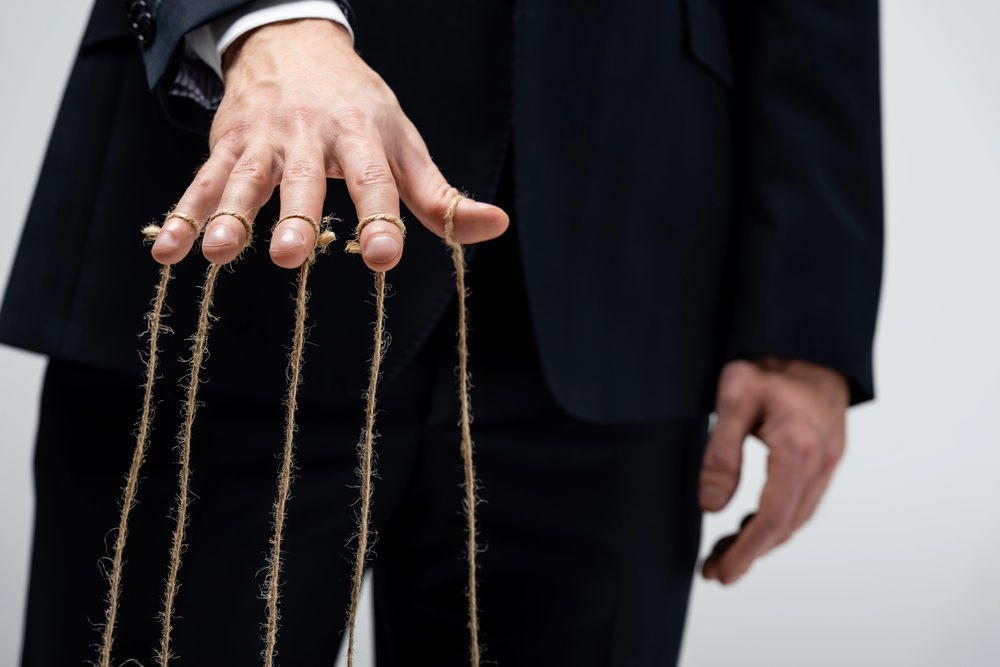
Colorful string puppets perform ancient Jataka tales and folk stories in village theaters across the island. Master puppeteers manipulate multiple characters while providing all the voices and sound effects. These performances often last all night, with audiences coming and going as different stories unfold under flickering kerosene lamps.
Spice gardens and cultivation
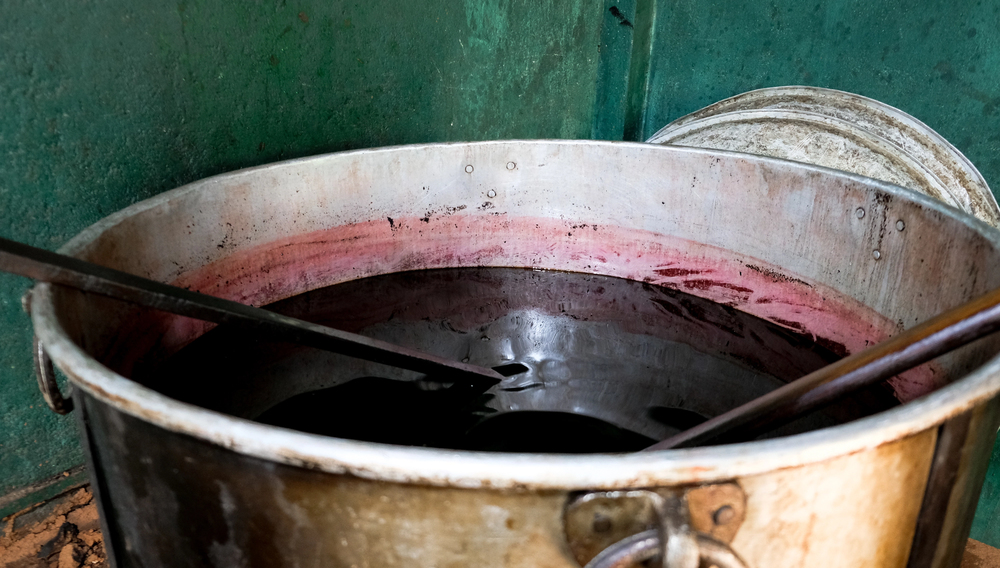
Sri Lanka’s central hills have produced cinnamon, cardamom, and pepper for over 2,000 years. Traditional spice gardens still use organic methods passed down through families, with plants growing in careful harmony. The air itself tells stories — thick with the scent of cinnamon, nutmeg, and cloves that once made the island more valuable than gold to European traders.
Traditional wood carving
— Photo by alebloshka
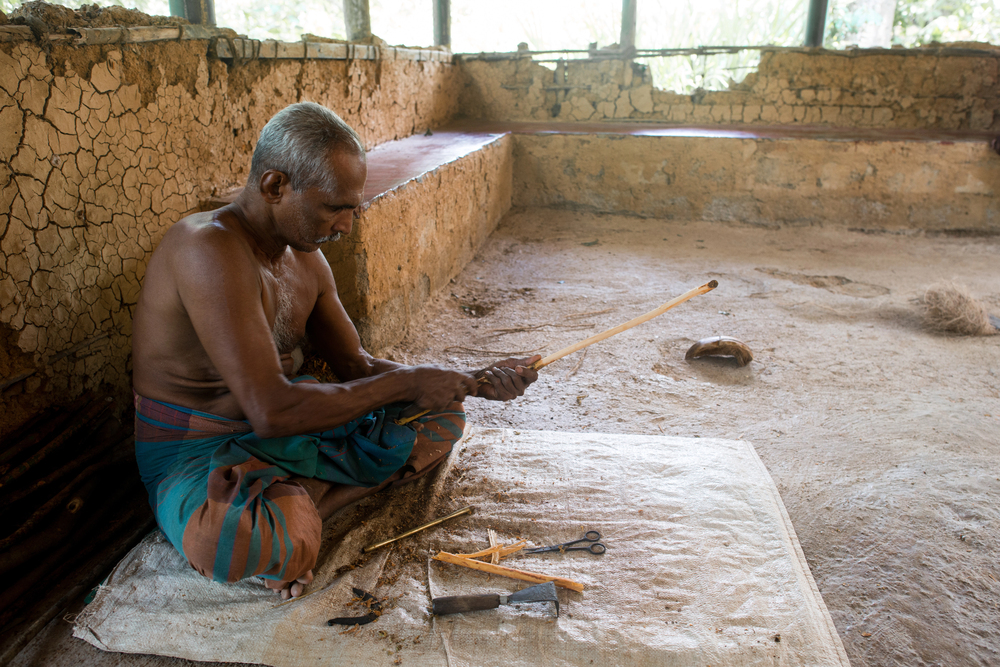
Skilled artisans in Kandy and surrounding areas create elaborate wooden sculptures, furniture, and architectural elements using techniques refined over centuries. Ebony, teak, and jackfruit wood transform into intricate elephants, dancers, and religious figures. Many pieces incorporate ancient motifs, such as lotus flowers and mythical animals, that carry deep symbolic meaning.
Buddhist meditation practices
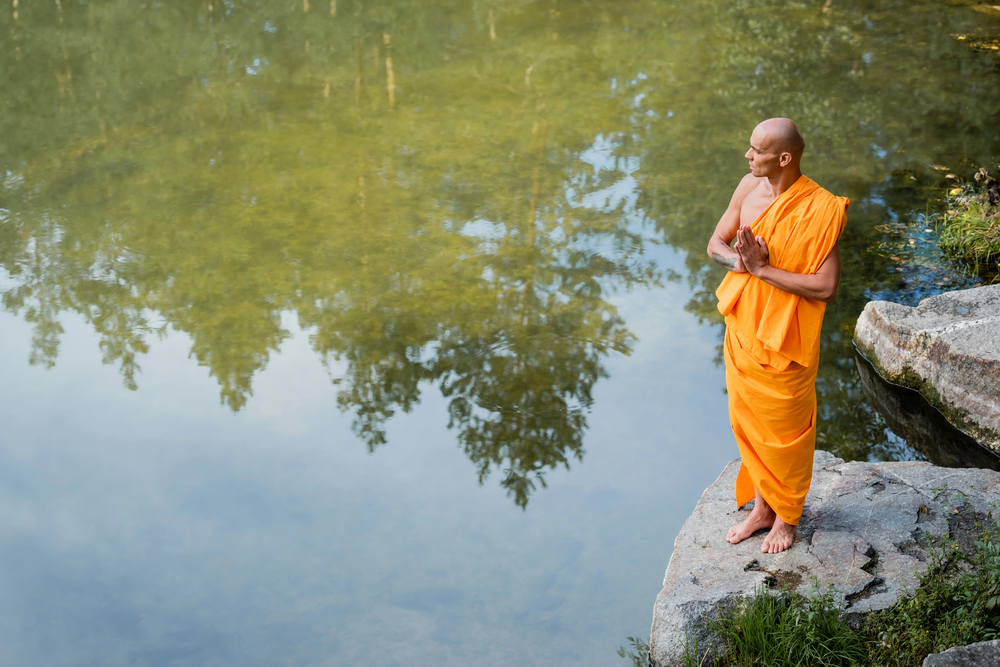
Sri Lankan Buddhism maintains some of the oldest meditation traditions in the world. Forest monasteries tucked away in jungle clearings offer visitors glimpses into contemplative practices unchanged for over 2,000 years. The island’s monks are renowned throughout the Buddhist world for their scholarship and preservation of original teachings.
Traditional fishing methods
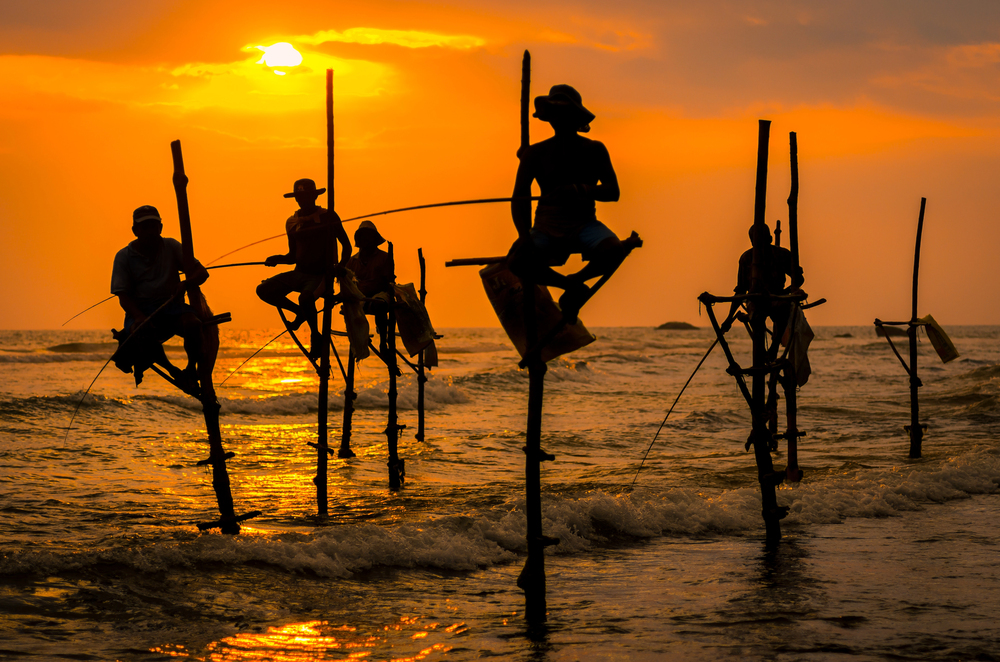
Along the southern coast, stilt fishermen balance on wooden poles planted in shallow water, casting lines into the surf just as their ancestors did centuries ago. These iconic figures silhouetted against sunset skies represent a fishing technique found nowhere else in the world. Though tourism has partly replaced fishing as an income, many families maintain the tradition.
Ancient irrigation systems
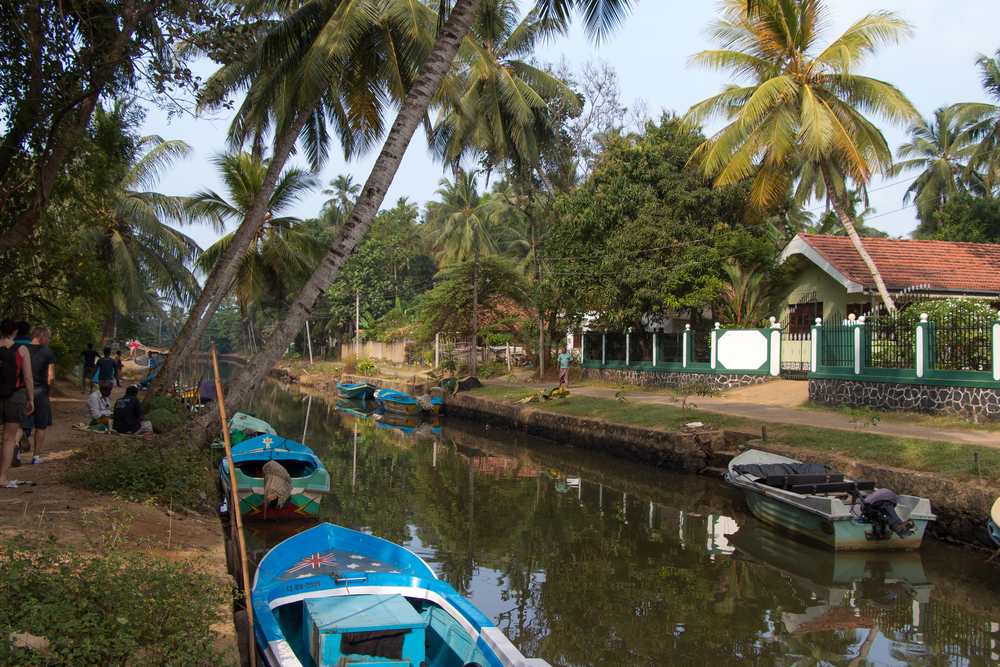
The ruins of Anuradhapura and Polonnaruwa showcase engineering marvels that sustained massive populations for over 1,000 years. Elaborate networks of canals, reservoirs, and locks moved water across vast distances using only gravity and human ingenuity. Some of these tanks still function today, a testament to the sophisticated understanding of hydraulics possessed by ancient Sri Lankan engineers.
Traditional musical instruments
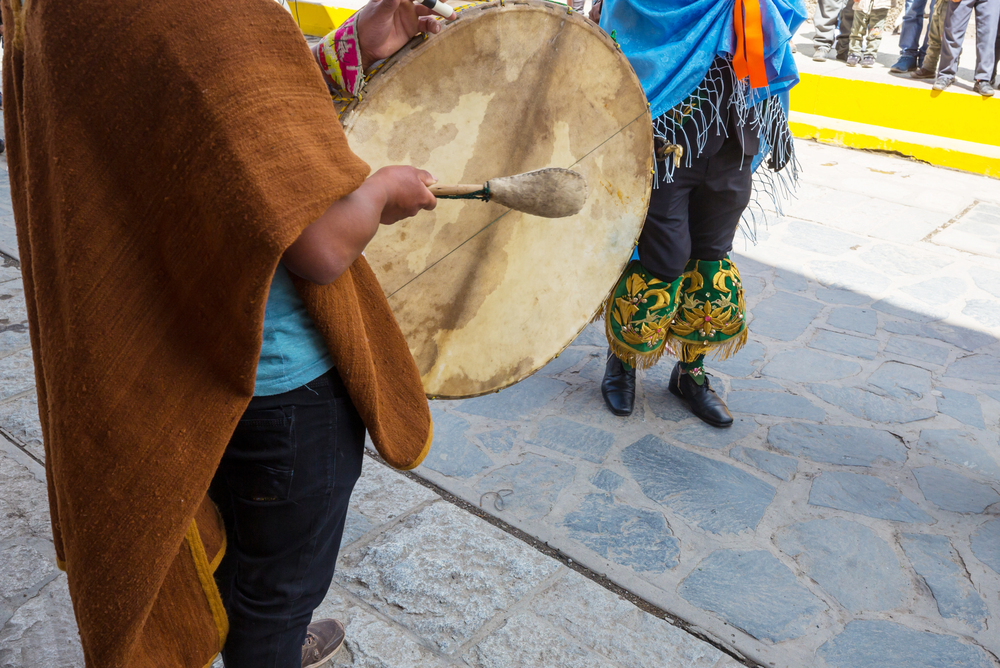
The hypnotic rhythms of Sri Lankan music come from instruments like the geta bera drum, which produces different tones depending on where it’s struck. Traditional ensembles also feature flutes carved from bamboo, bells made from specific metal alloys, and string instruments that create haunting melodies. Each region has developed its own musical dialects over centuries.
Sacred city of Kataragama
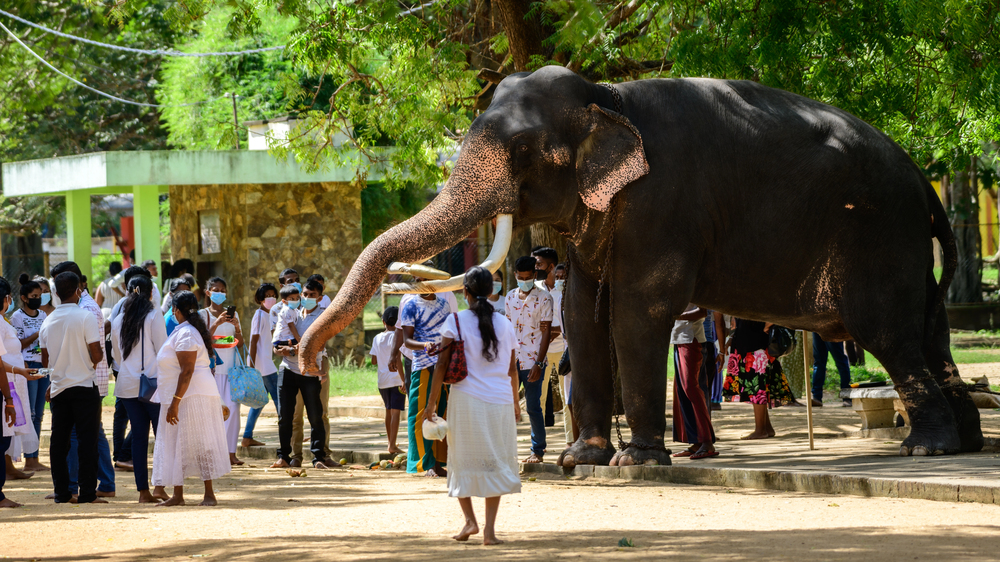
purposes when there isn’t the Perahara season.
— Photo by nilanka.aro@gmail.com
This pilgrimage site draws devotees from multiple religions — Buddhists, Hindus, Muslims, and the indigenous Vedda people all consider it sacred. During festivals, the atmosphere becomes electric with fire-walking ceremonies, kavadi dancers carrying elaborate, decorated structures, and devotees fulfilling vows made throughout the year. The mixing of different faiths here reflects Sri Lanka’s remarkable religious tolerance.
Where ancient wisdom meets modern life
Sri Lanka’s cultural gems are not museum relics — they are living parts of everyday life on the island. Buddhist monks continue to receive morning alms in villages and cities, and traditional crafts remain in full evolution to address the needs of today. Sri Lankan youth study classical dance as part of their curriculum along with modern studies, so these traditions will continue to thrive for generations to come.
The island’s most wonderful achievement is perhaps this effortless combination of ancient and modern, where 21st-century existence unfolds against settings that have changed very little in centuries.
More from Travel Pug

- Underrated Italian Towns That Beat the Tourist Crowds
- Las Vegas Tourist Traps to Skip
- Prettiest Towns in Every US State
- 18 passport-free countries for Americans
- Signs Your Cruise Is Not Worth The Cost
Like Travel Pug’s content? Follow us on MSN.