

Every gift shop near a major attraction sells some version of the same object, dressed up in local colors and marked up well past what it cost to make. Most of these items get one proud display on a shelf before sliding into a drawer, and the traveler who bought them usually knows it before the credit card statement even arrives.
Snow Globes

Snow globes are heavy, breakable, and almost never survive a carry-on, which means most get shipped home separately at additional cost or wrapped so carefully in clothing that they take up half a suitcase. The scene inside rarely resembles anything specific to the destination beyond a generic skyline sticker.
Oversized Fridge Magnets
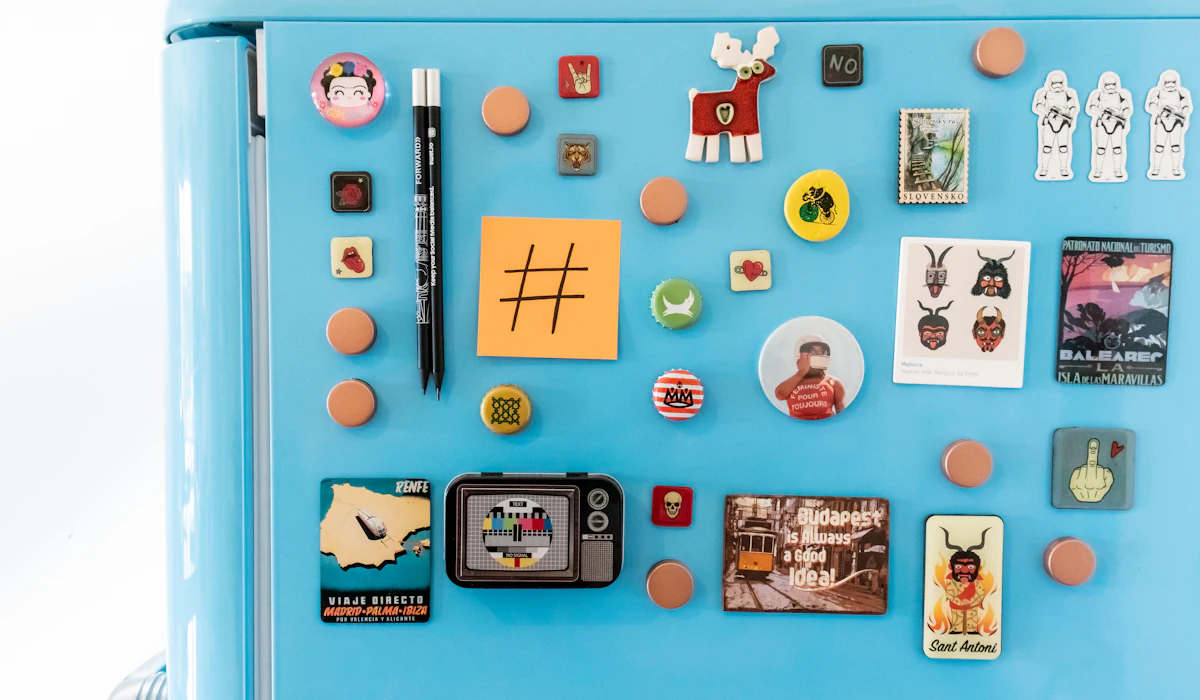
Novelty magnets shaped like local landmarks are priced well above their production cost because they weigh almost nothing to stock and sell on impulse near a register. Most travelers already own a fridge covered in identical magnets from other trips before they realize the collection has become clutter rather than a memory.
Foam Novelty Hats

Foam cowboy hats, giant sombreros, and other oversized headwear photograph well for exactly one afternoon and then get abandoned in a hotel room or crushed flat in a suitcase. They rarely survive a flight home intact, and almost no one wears them again after the trip ends.
Personalized Shot Glasses

A shot glass etched with a city name costs a few cents to produce but sells for several times that near any tourist strip, and most end up as an unused set at the back of a cupboard. Travelers who don’t drink spirits regularly buy them purely as a keepsake, which defeats the object’s only function.
Mass-Produced Dreamcatchers
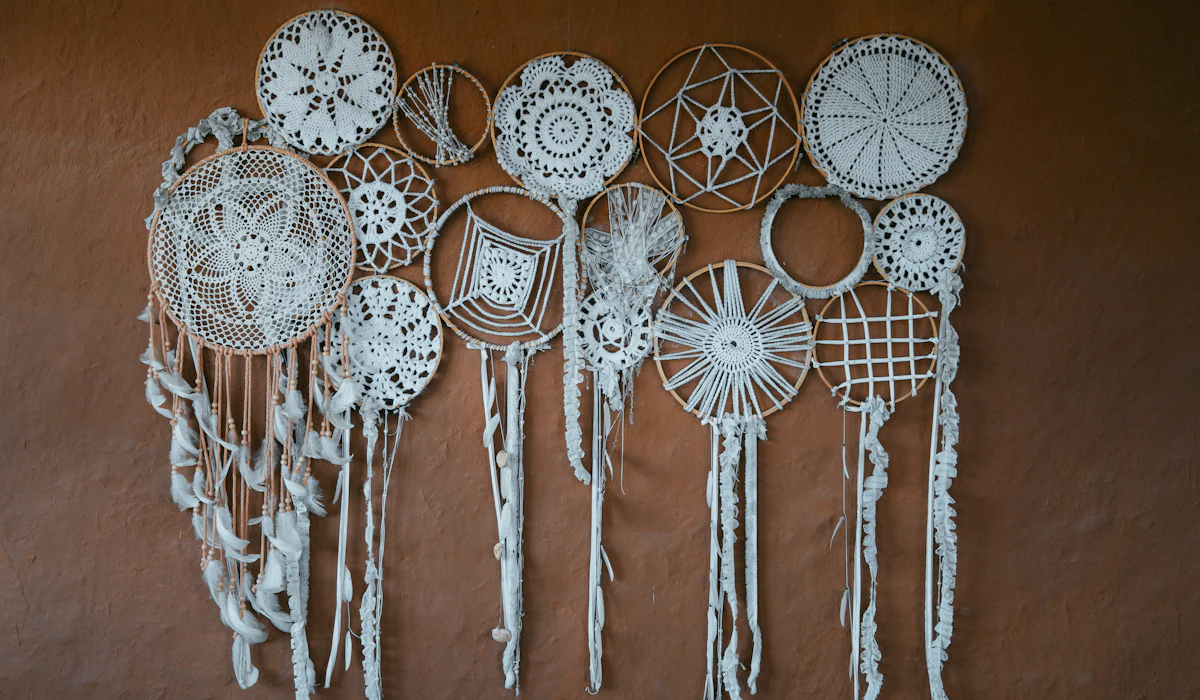
Dreamcatchers sold in beach towns and airport gift shops are almost always manufactured overseas in bulk, disconnected from the Indigenous craft traditions the design originates from. Buyers frequently learn this only after getting home and researching the item they already paid a premium for.
Miniature Landmark Replicas
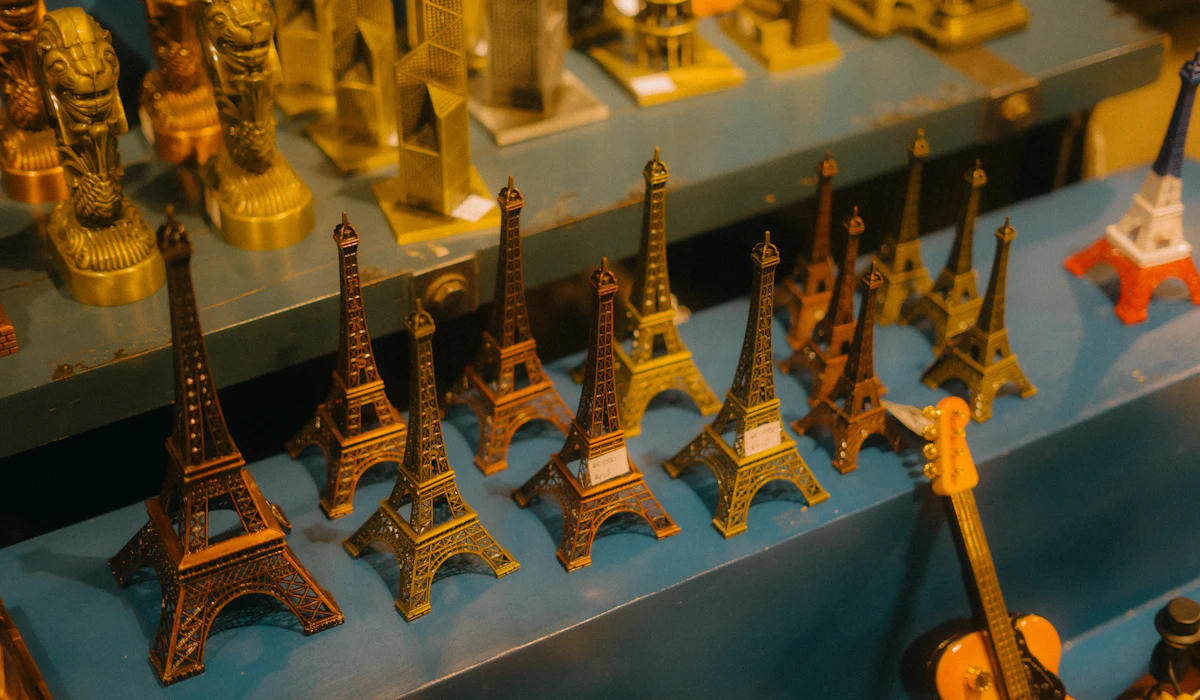
A miniature Eiffel Tower, Big Ben, or Leaning Tower of Pisa is sold at a markup specifically because it is compact enough to fit in a pocket, not because it holds any craftsmanship value. The same replica, in the same materials, is often available for a fraction of the price a few streets further from the actual landmark.
Polished “Healing” Crystals

Street stalls near spiritual or scenic destinations often sell polished stones marketed with vague healing claims and inflated prices that have nothing to do with the mineral’s actual rarity. Nearly identical stones are sold at rock shops and mineral fairs worldwide for a fraction of the tourist-district price.
Souvenir Boomerangs
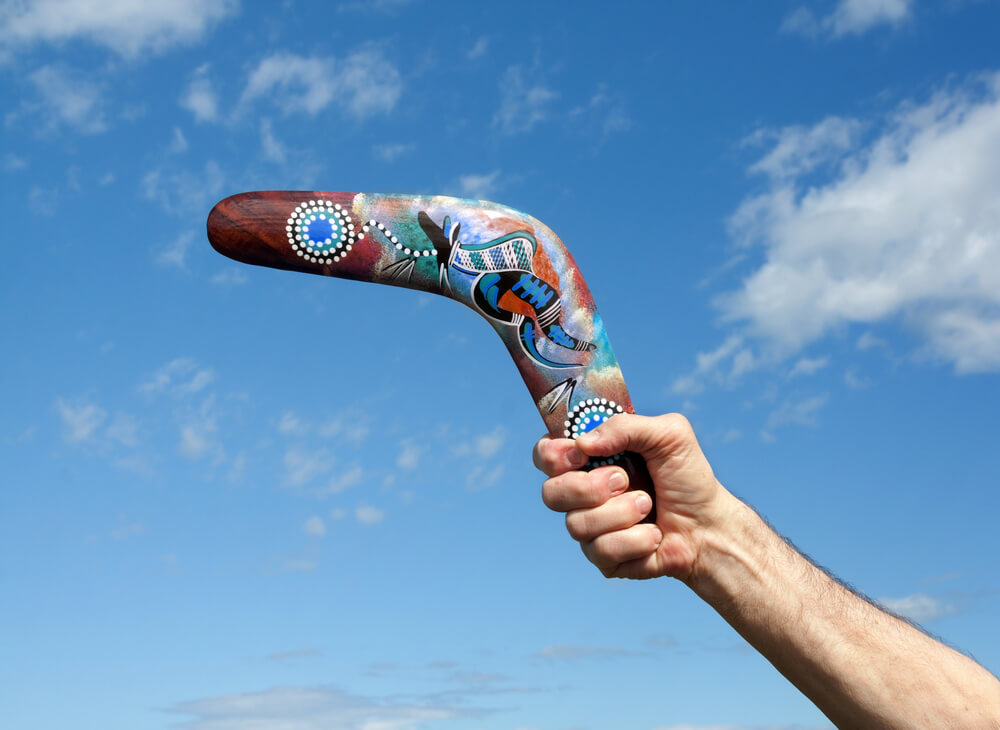
Boomerangs sold to tourists are almost never functional throwing models, and the overwhelming majority of buyers will never attempt to throw one at all. They mostly end up mounted on a wall as decoration, which raises the question of why a working design was needed in the first place.
Bobblehead Figures
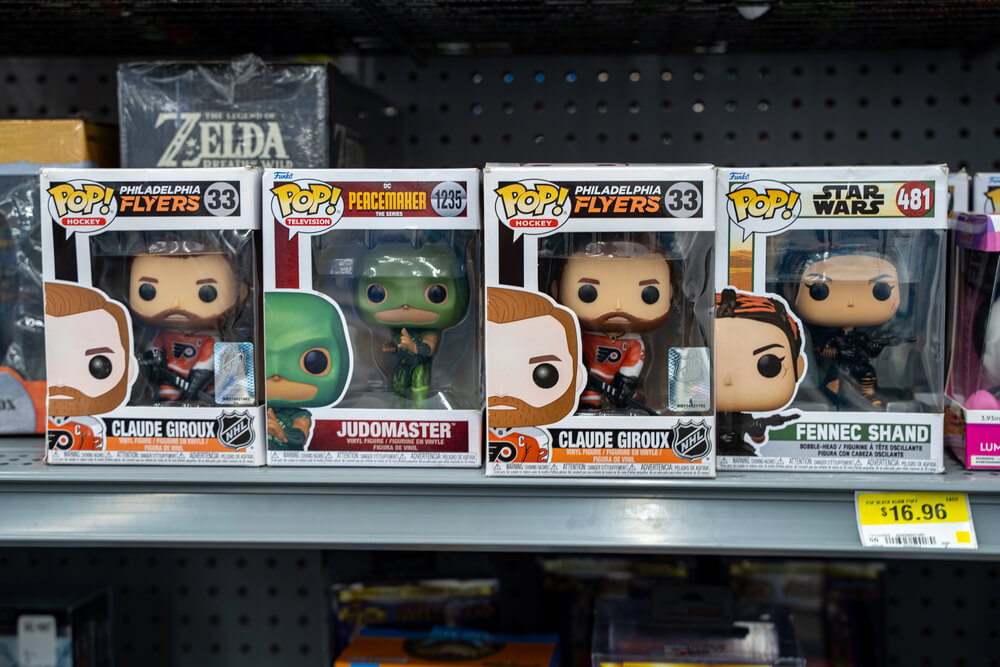
Novelty bobbleheads dressed as local characters or celebrities are priced as collectibles despite being mass-produced from a handful of generic molds repainted for different cities. Their resale or sentimental value tends to fade within a year of the purchase.
Shell Jewelry
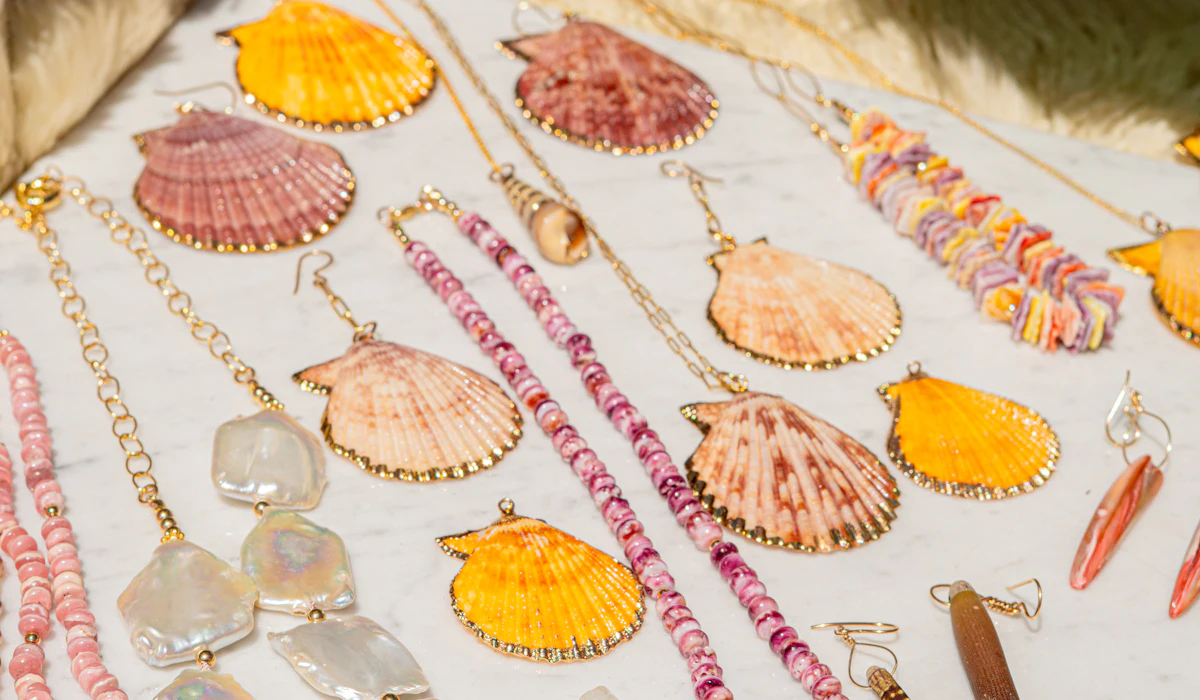
Necklaces and bracelets made from shells are frequently sold at beach destinations as though hand-collected locally, when much of the material is imported in bulk from wholesale suppliers. The jewelry also tends to degrade quickly, with shells chipping or falling off within a few wears.
Leather Bullwhips
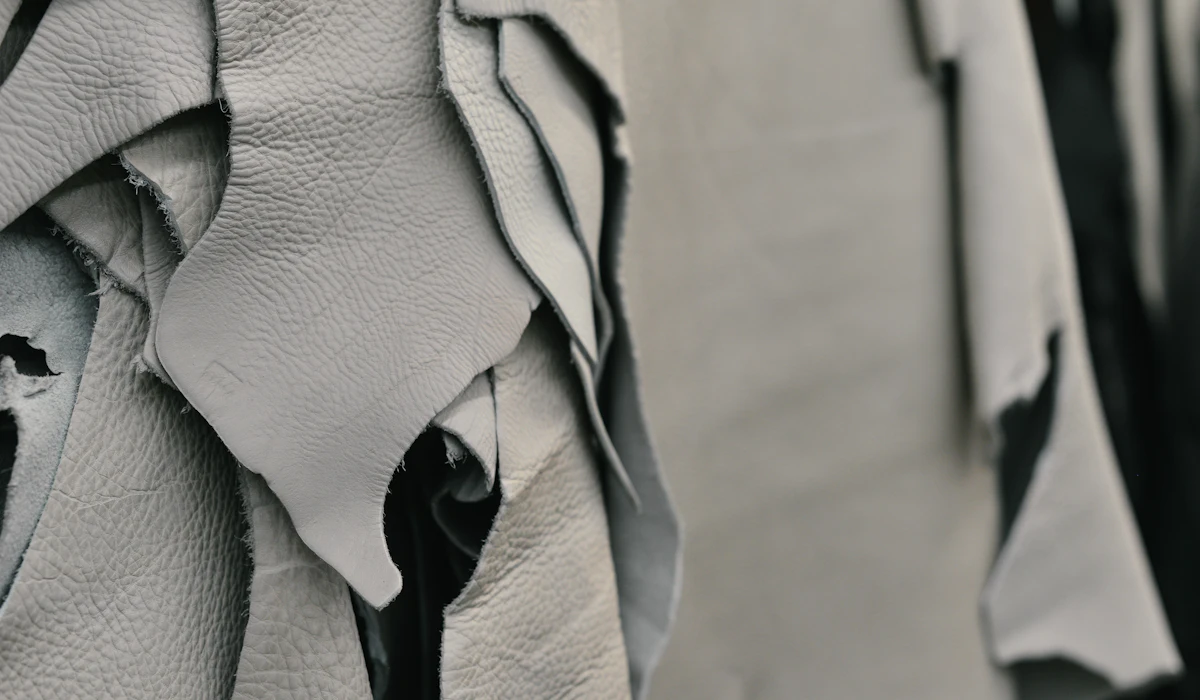
Sold heavily at Western-themed tourist stops, novelty bullwhips are bulky, difficult to pack, and almost always confiscated or questioned at airport security checkpoints. Few buyers have any practical use for one beyond a single photo.
Maracas
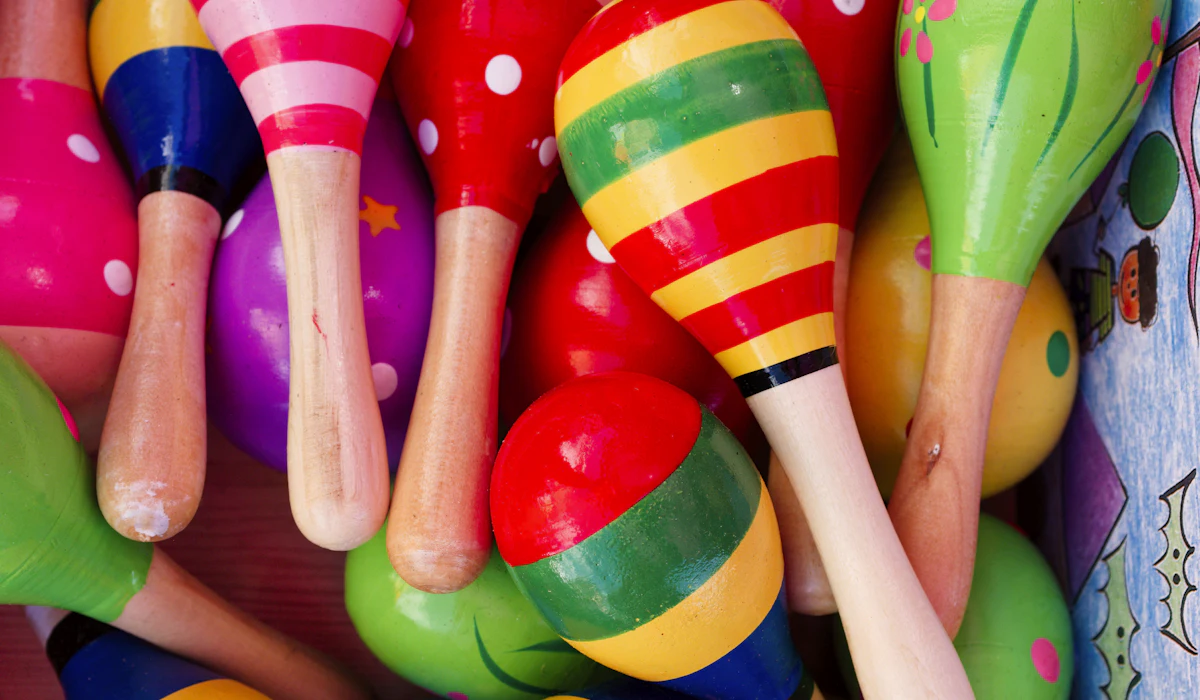
Painted maracas sold at tourist markets are frequently made from cheap plastic rather than the traditional gourd construction, and the sound they produce rarely matches what’s advertised. They tend to end up as a child’s short-lived noisemaker rather than a lasting memento.
Novelty Sombreros

An oversized sombrero is difficult to pack, easily crushed, and rarely worn again once the trip ends, yet it’s consistently one of the highest-margin items sold near tourist plazas. Airlines have turned away more than a few travelers trying to carry one on as an oversized item.
Market-Stall Gemstone Rings
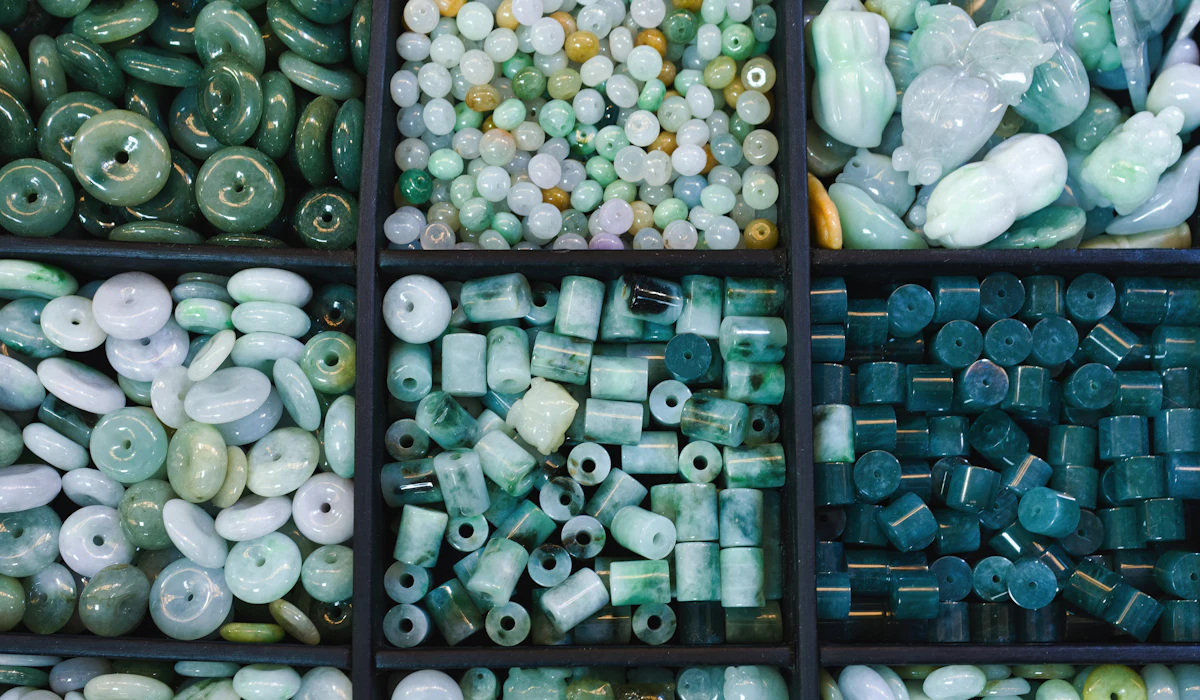
Rings advertised as containing genuine gemstones at open-air markets are frequently set with glass or low-grade synthetic stones, verifiable only with tools most travelers don’t carry. By the time a buyer has the ring appraised at home, the seller and the market stall are long gone.
Castanets

Castanets sold as regional souvenirs are often made from cheap plastic rather than the hardwood traditionally used, producing a duller sound than the real instrument. Most buyers never learn to play them and the pair ends up as a shelf decoration instead.
Miniature Replica Statues
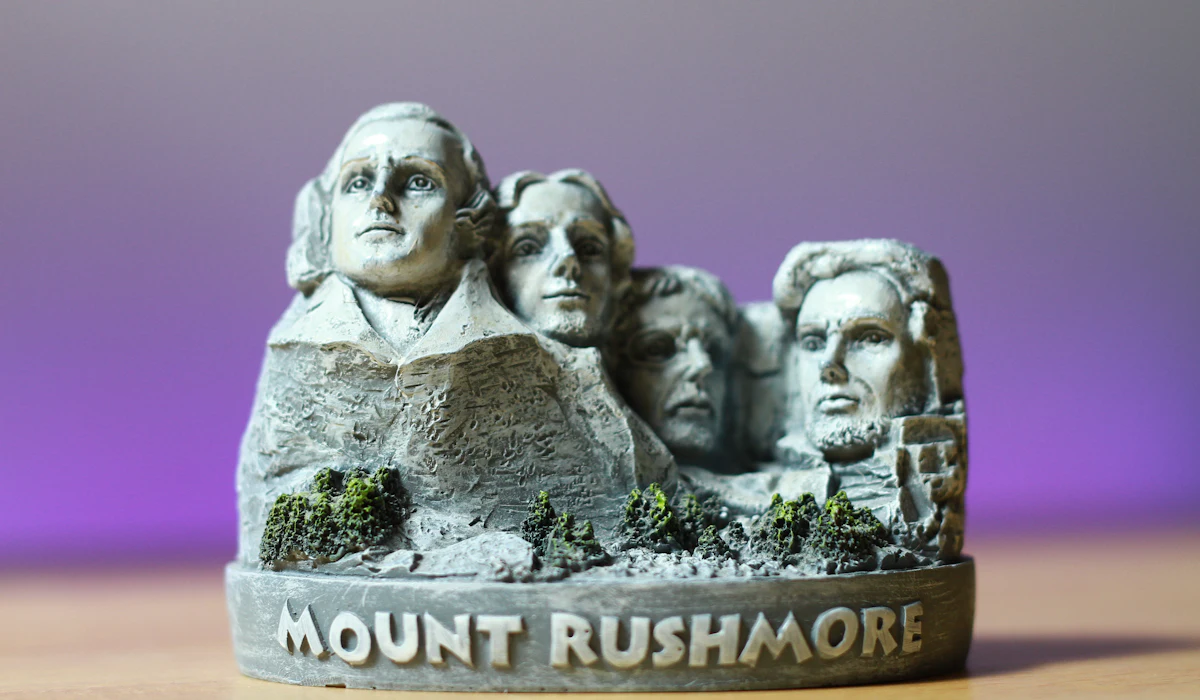
Small resin replicas of famous statues are priced as if they were artisan-crafted, despite being cast from the same mold hundreds or thousands of times. The paint finish on cheaper versions tends to flake within months of purchase.
Engraved Wooden Spoons
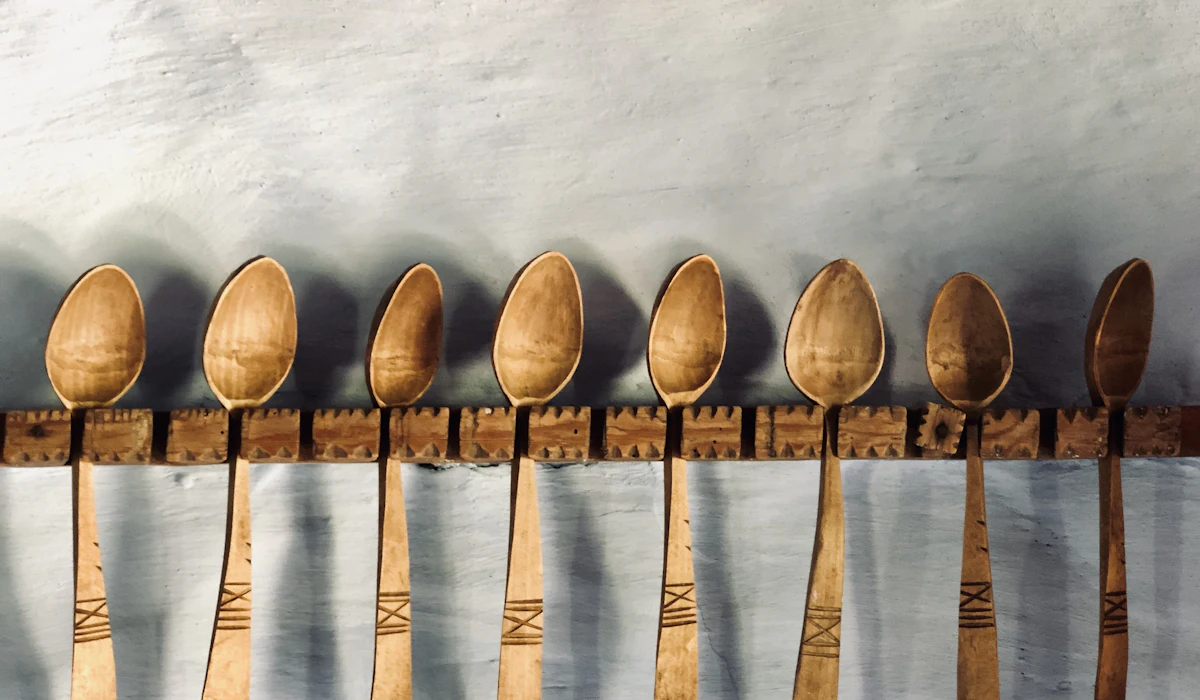
Wooden spoons engraved with a destination’s name are a common gift-shop staple that rarely gets used for actual cooking, mostly because the engraving makes buyers reluctant to put it through a dishwasher. Most end up displayed rather than used.
Stuffed Camel Toys
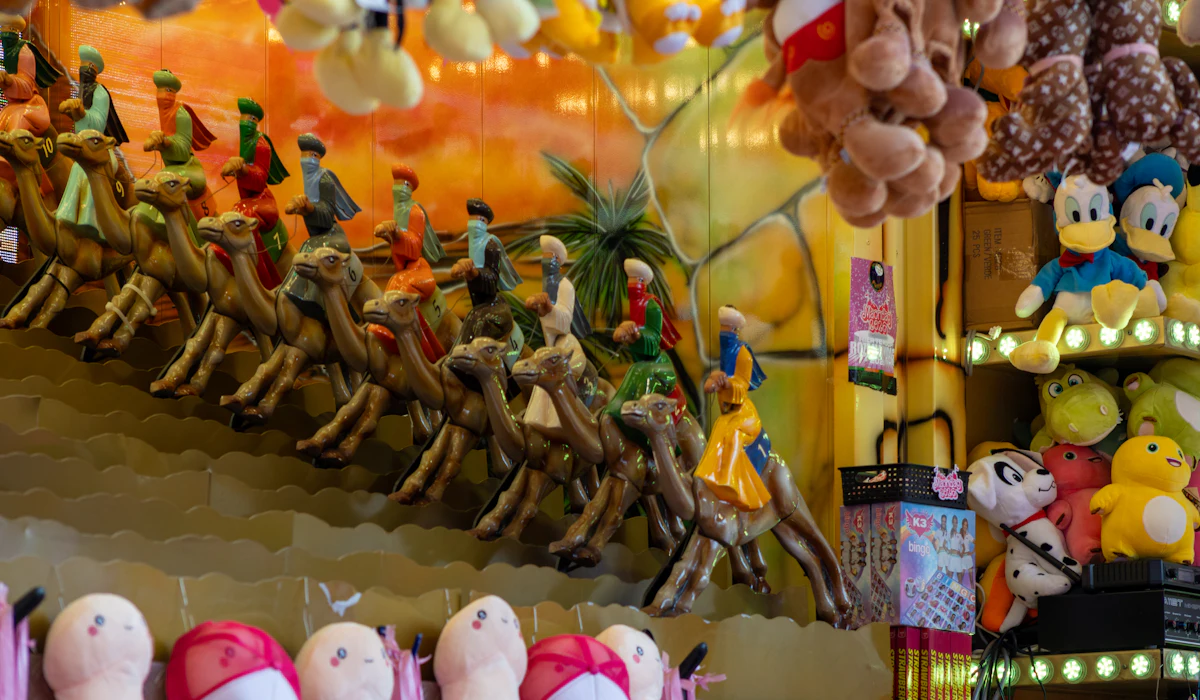
Plush camels, sold heavily near desert destinations, are almost always manufactured far from where they’re purchased and command a price well above a generic stuffed animal of the same size. Children tend to lose interest within weeks of returning home.
Bottled Beach Sand

Small bottles or vials of “authentic” beach sand are sold at a markup that, per gram, rivals specialty spices, despite the material being available for free just outside the shop’s door. Airport security has occasionally flagged sealed sand containers for additional screening, adding an inconvenience to an already questionable purchase.
Printed Sarongs
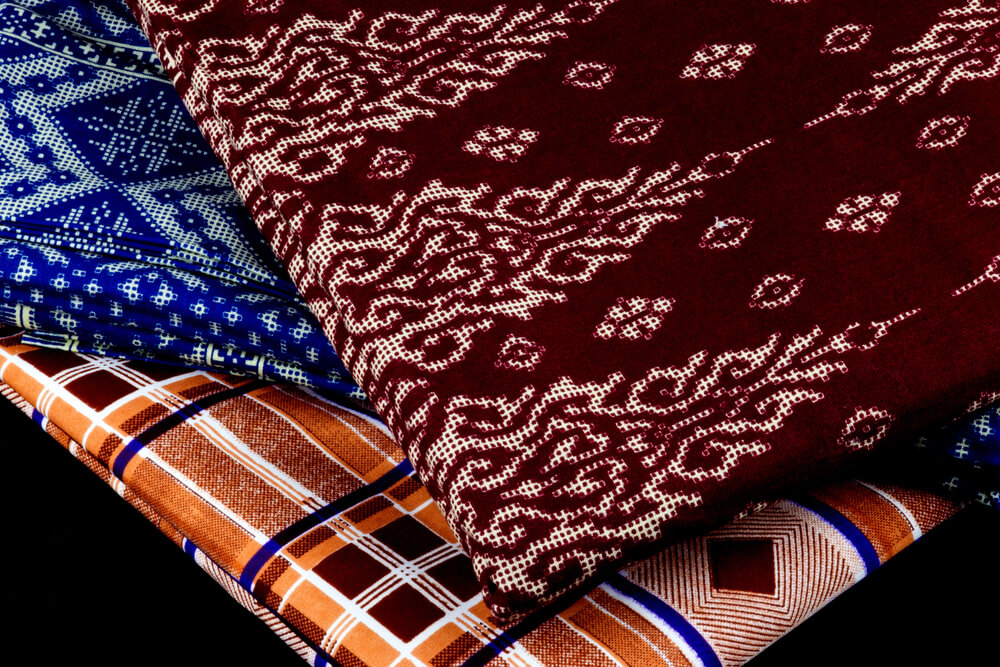
Brightly printed sarongs sold at beach markets are often made from thin, low-quality fabric that fades and frays after a handful of washes. The same design is frequently available at a fraction of the price at markets slightly further from the beachfront.
Landmark-Shaped Wine Stoppers
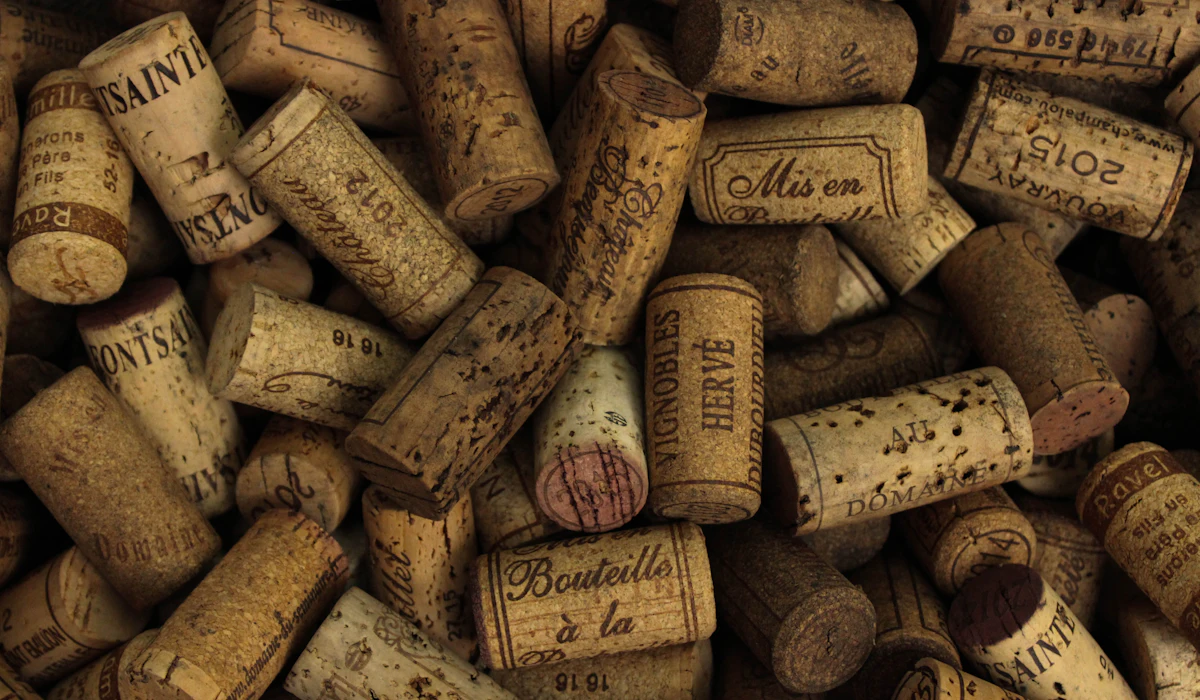
Wine stoppers molded into the shape of a local landmark are priced as novelty gifts despite functioning no better than a plain cork or rubber stopper. Most buyers report using them once before returning to whatever stopper they already owned.
Personalized Name Necklaces
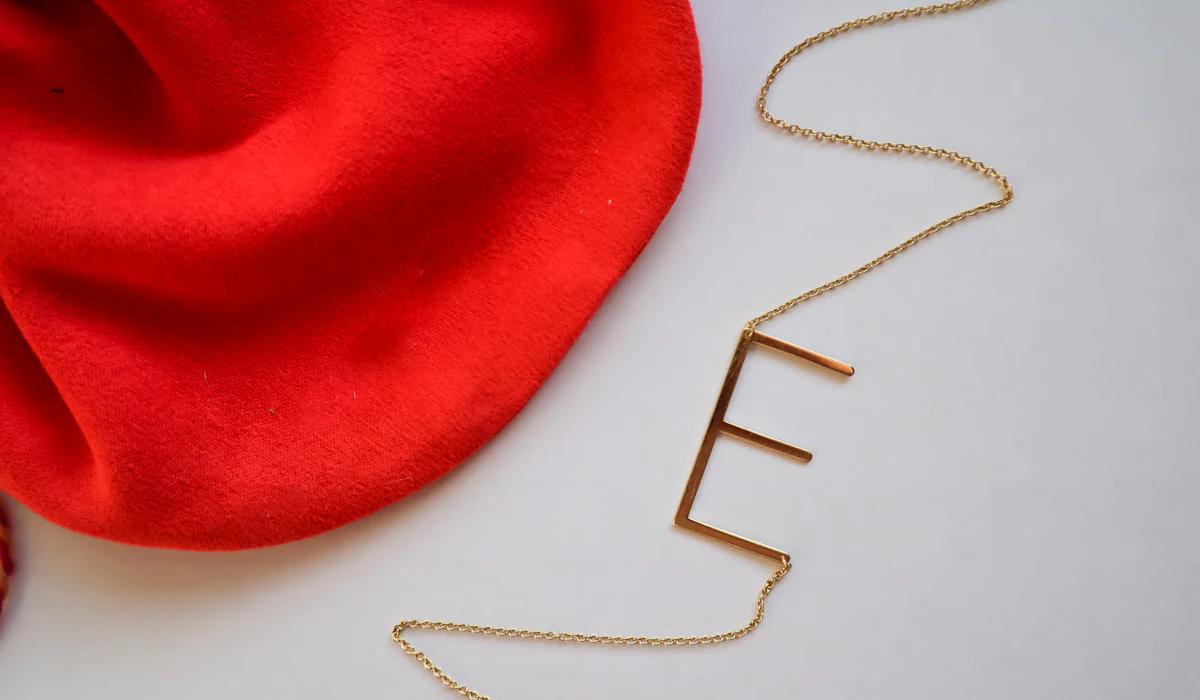
Kiosks near cruise ports and tourist plazas sell necklaces with names spelled out in metal or beads, charging a premium for what amounts to a few minutes of assembly. The clasp and chain quality is often noticeably weaker than jewelry sold outside tourist zones.
Market-Stall “Genuine Leather” Wallets
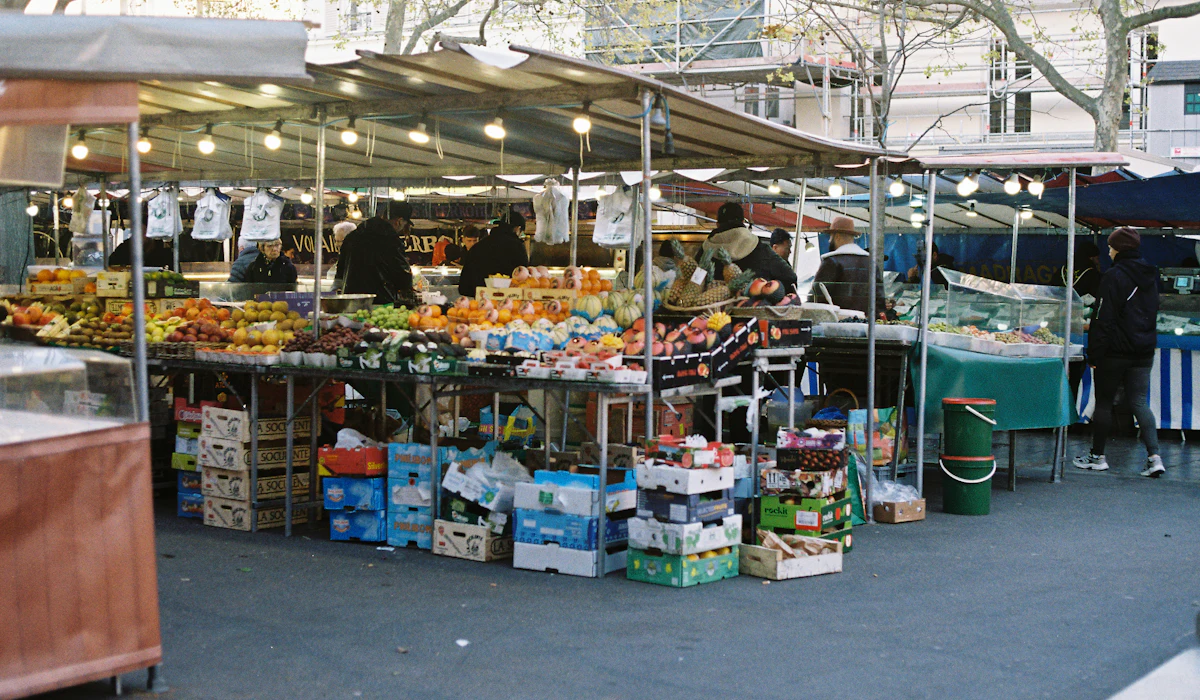
Wallets advertised as genuine leather at street markets are frequently made from bonded leather or vinyl treated to mimic the texture, and the difference typically becomes obvious within a year of daily use. The same materials, honestly labeled, sell for far less outside tourist districts.
Plastic Gladiator Helmets
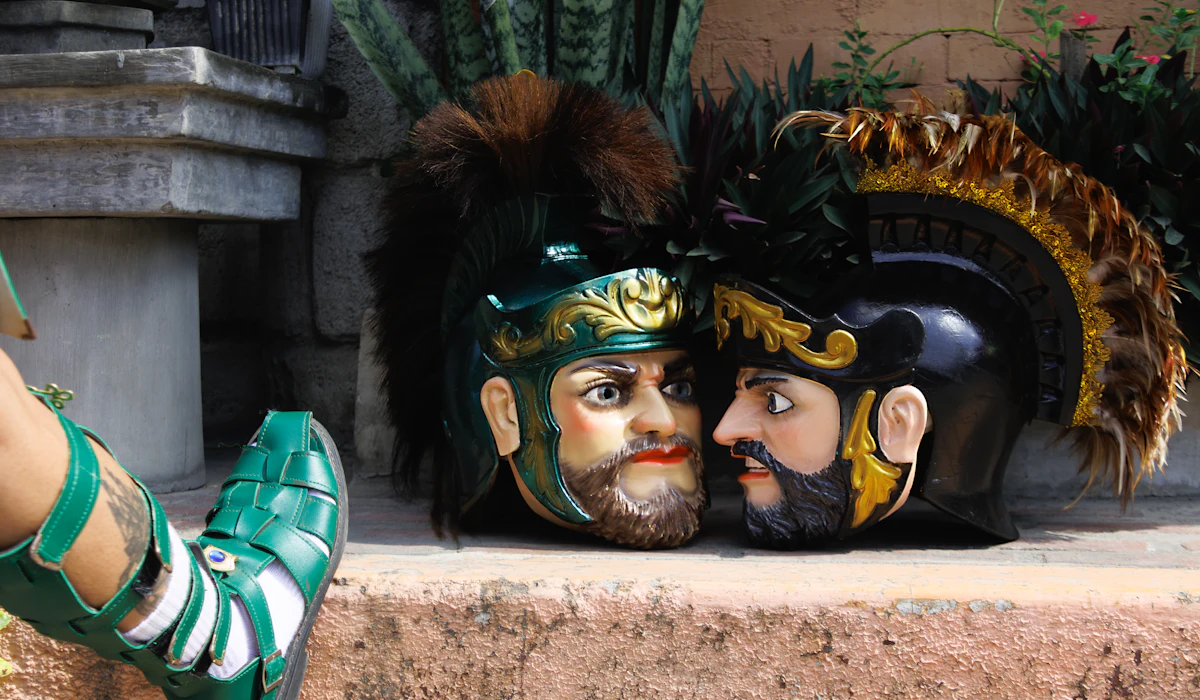
Sold heavily near ancient historical sites, plastic gladiator helmets and swords are priced like specialty costume pieces despite being generic party-store items with a sticker added. Airlines frequently classify the swords as items requiring checked luggage, adding an unplanned fee to the purchase.
Duty-Free Perfume Upcharges
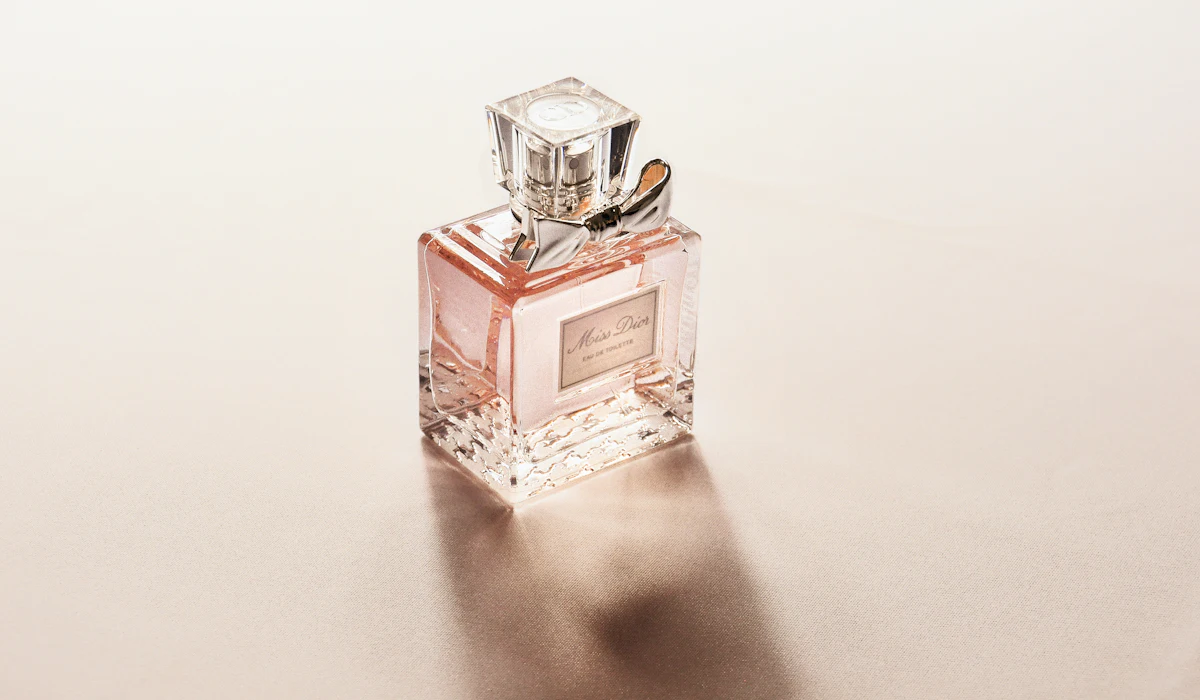
Duty-free shops market their perfume prices as a bargain based on avoided tax, but the baseline retail price used for comparison is often inflated well above what the same bottle costs at a standard department store. Comparison shopping before a flight frequently reveals better deals available at home.
Monogrammed Golf Tees
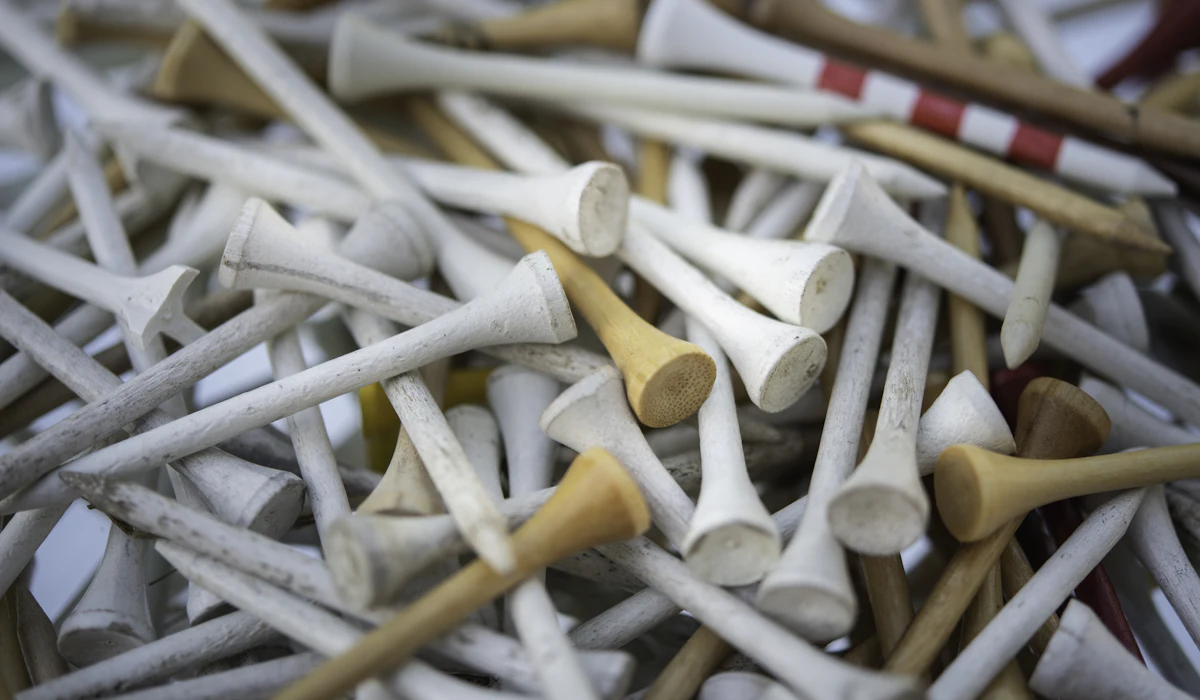
Souvenir shops near resort destinations sell branded golf tees in decorative tins priced far above a standard box of tees from any sporting goods store. Most golfers use them exactly the same way as any unbranded tee, making the premium purely cosmetic.
Mall-Kiosk Commemorative Coins
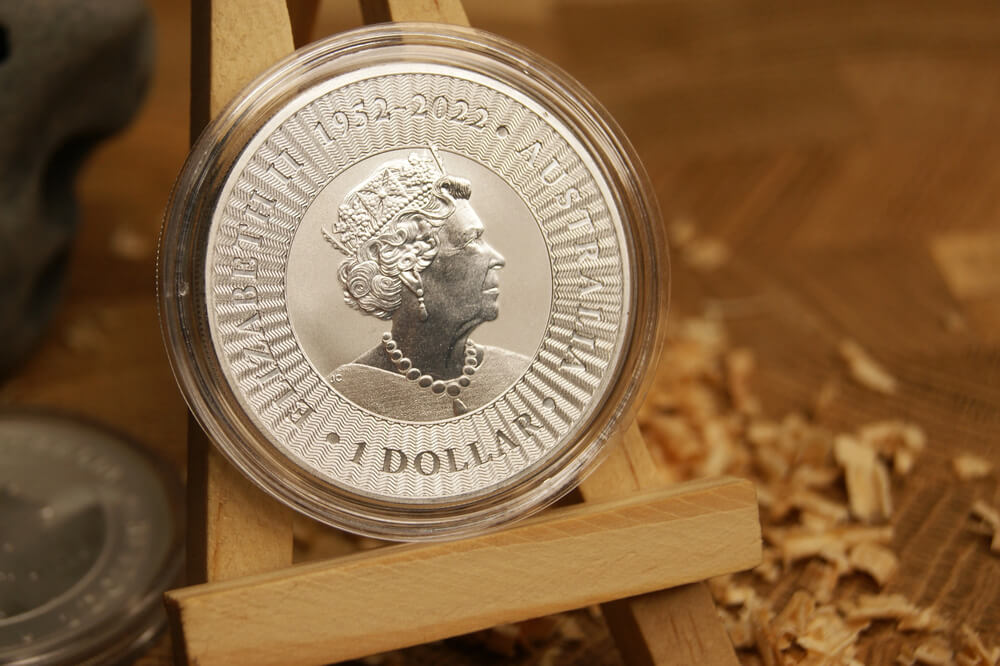
Pressed or “commemorative” coins sold from kiosks near major attractions are priced well above their metal content or craftsmanship, despite being produced from the same coin-press machines found at attractions worldwide. Collectors who buy in bulk often end up with a drawer of nearly identical coins from different cities.
Inflatable Landmark Pool Toys
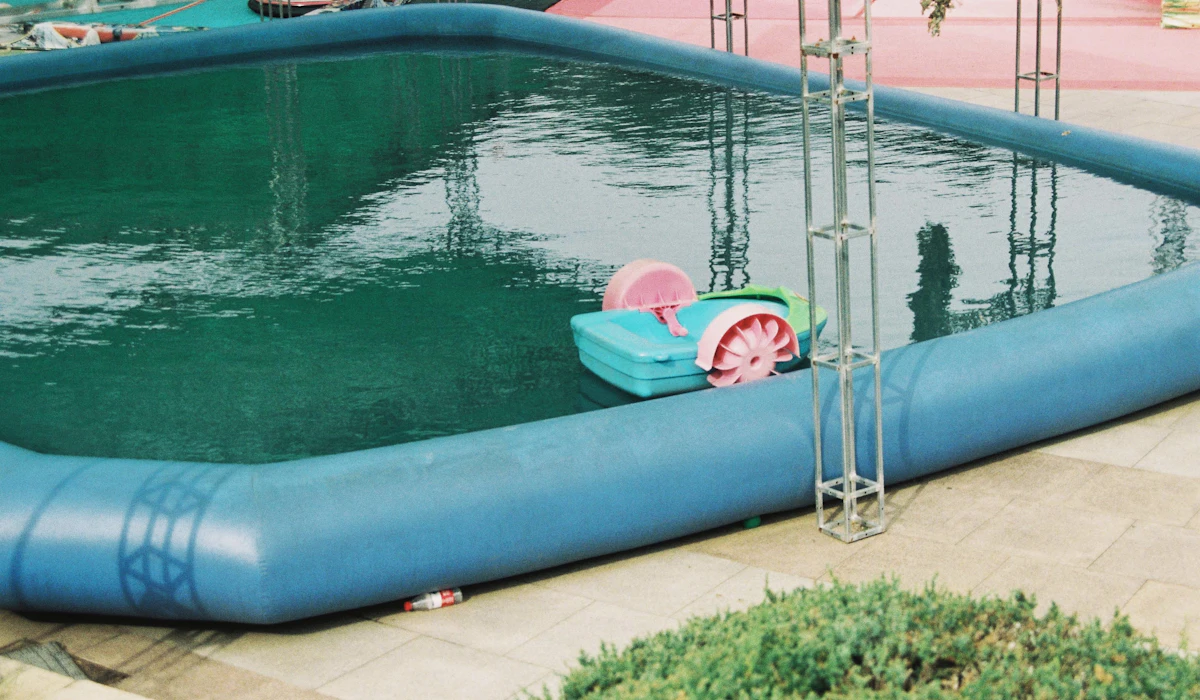
Inflatable pool floats shaped like a local landmark or mascot are priced at a premium over a generic float of the same size, and most puncture or deflate permanently within a single vacation. Packing one home intact is rarely worth the suitcase space it demands.
Souvenir-Shop Candy Tins
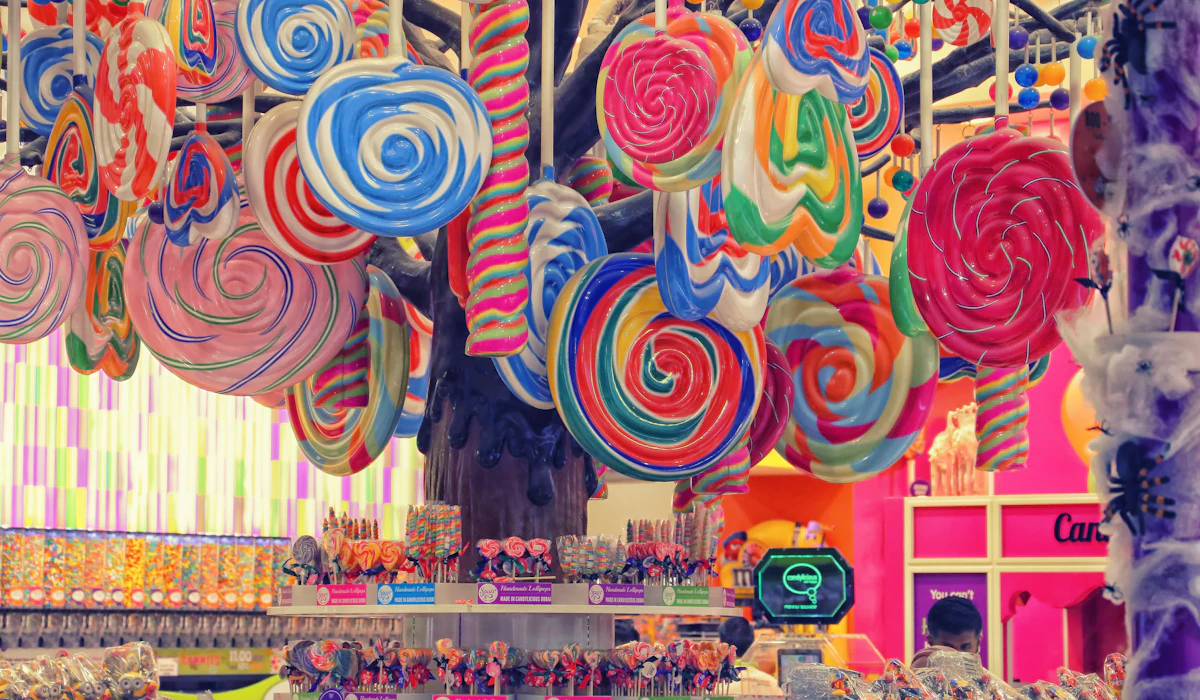
Regional candy sold in decorative tins near airports and tourist centers is frequently priced two to three times higher than the identical product sold in local supermarkets just a few blocks away. The tin itself, not the candy, accounts for most of the price difference.
Airport-Exclusive Chocolate Boxes
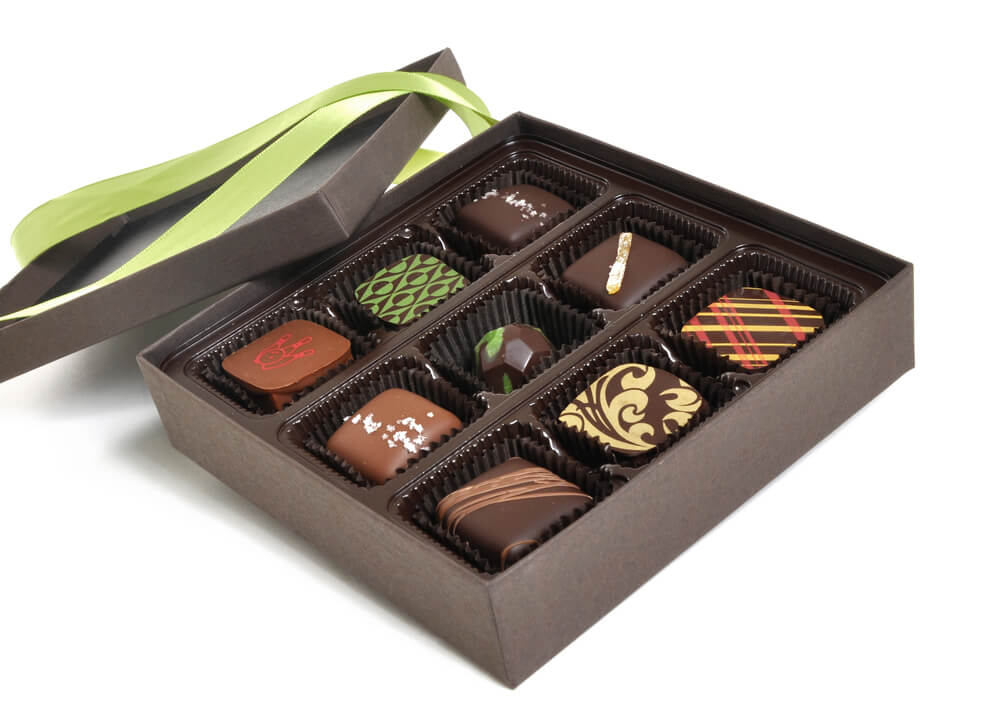
Chocolate marketed as an airport exclusive is often the same product sold in downtown shops at a lower price, repackaged specifically for the traveler with no time left to comparison shop. The convenience, not the chocolate, is what buyers are actually paying for.
Novelty License Plate Frames

License plate frames printed with a destination’s name are a low-cost item marked up significantly at gift shops near rental car counters and airports, despite functioning identically to a plain frame. Most get replaced or removed within a year regardless of the sentiment attached.
When the Suitcase Gets Home

None of these purchases happen because travelers are careless with money. They happen in the specific psychological window of a vacation, where a small purchase feels like proof of a memory rather than an expense, and where the alternative, buying nothing, feels like leaving something behind.
Gift shops are built entirely around that window, positioned at the exact moment a traveler is least likely to comparison shop.
The regret rarely shows up on the trip itself. It shows up months later, unpacking a drawer or a closet shelf, holding an object that once felt essential and now mostly just takes up space.
The photograph from the trip tends to outlast the souvenir; the souvenir just took longer to admit it wasn’t necessary.
More from Travel Pug

- Underrated Italian Towns That Beat the Tourist Crowds
- Las Vegas Tourist Traps to Skip
- Prettiest Towns in Every US State
- 18 passport-free countries for Americans
- Signs Your Cruise Is Not Worth The Cost
Like Travel Pug’s content? Follow us on MSN.