

Proximity to a famous landmark is one of the least reliable indicators of a good meal. Rent near a major attraction is high, foot traffic is constant and largely one-time, and the incentive to earn repeat customers barely exists when a new wave of first-time visitors arrives every hour.
These are the patterns worth recognizing before sitting down.
The Laminated Multilingual Photo Menu
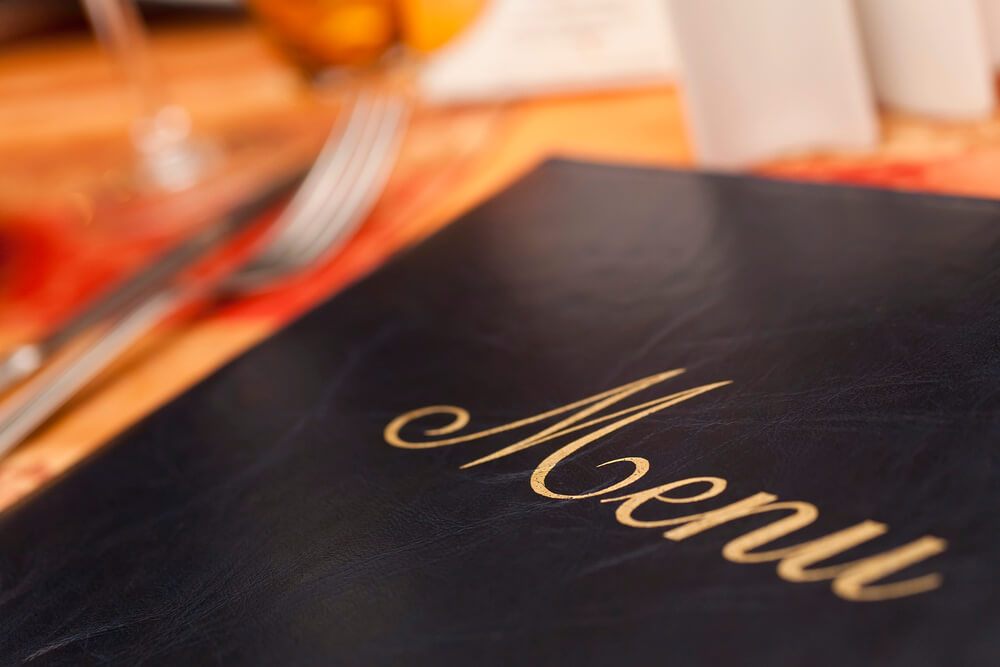
A menu translated into ten languages and illustrated with glossy photos is usually a sign the kitchen is optimized for speed and turnover rather than quality, since the format exists specifically to move undecided tourists inside quickly. Locals rarely eat anywhere that needs a photo to explain what a dish is.
The Sidewalk Tout
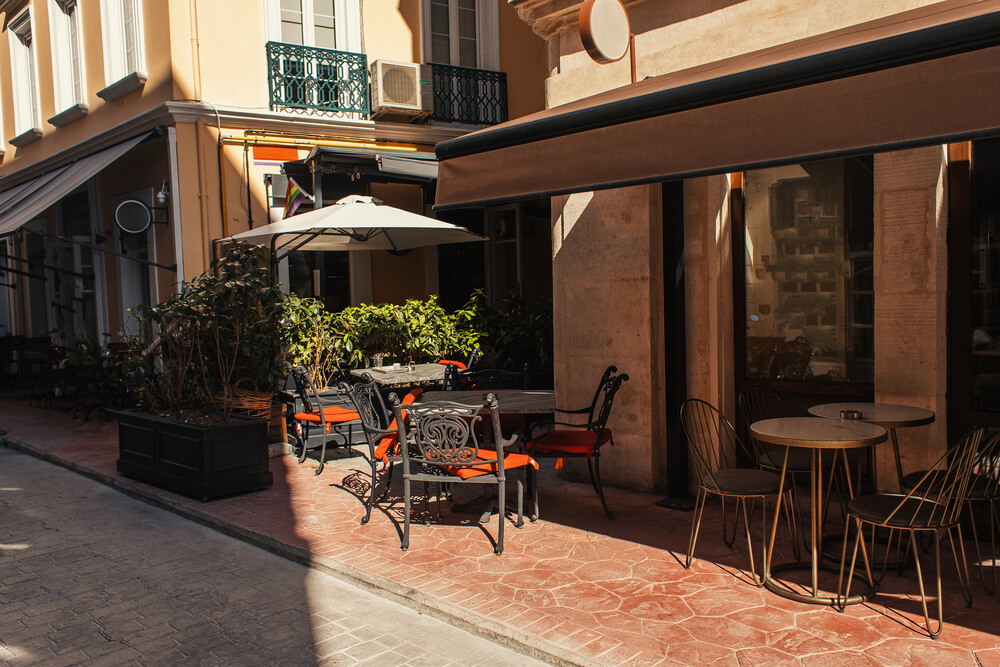
Restaurants that station a staff member outside actively inviting passersby in are almost always compensating for foot traffic that wouldn’t otherwise stop, a tactic reputable kitchens rarely need. The energy spent convincing people to enter is often energy not spent on the food itself.
The Unposted Cover Charge
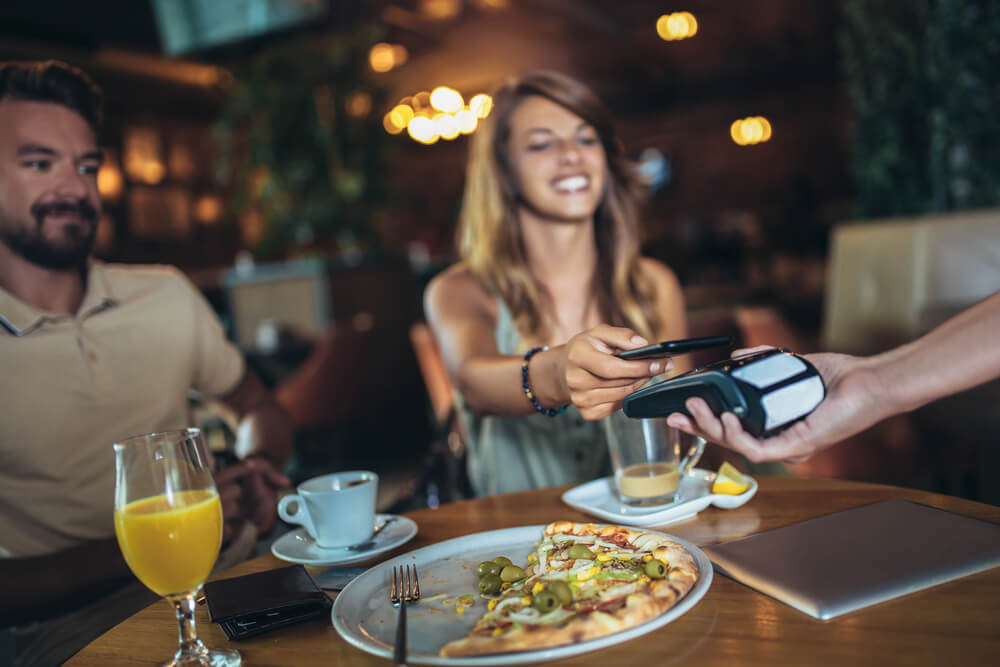
Some restaurants near landmarks add a per-person cover charge or bread service fee that isn’t clearly disclosed on the menu, only appearing as a line item on the final bill. Asking directly before ordering is the only reliable way to avoid an unpleasant surprise at checkout.
The Two-Tier Tourist and Local Menu
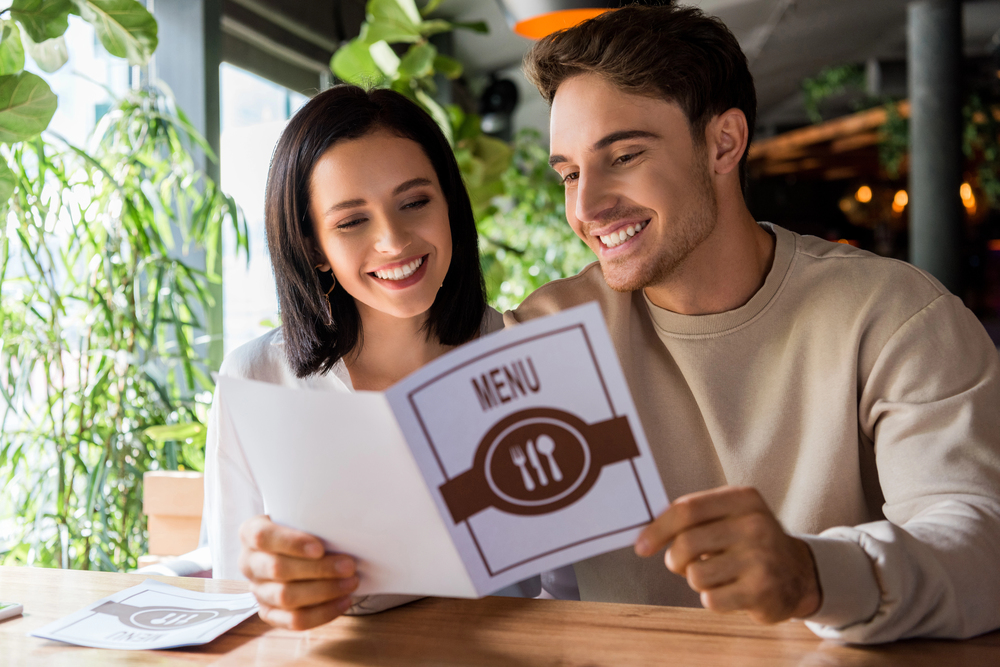
A restaurant maintaining two separate menus, one in the local language at lower prices and one in English at a markup, is a well-documented practice in dense tourist corridors worldwide. Comparing both, when both are visible, often reveals a meaningful price gap for identical dishes.
The Restaurant Facing the Landmark’s Main Entrance
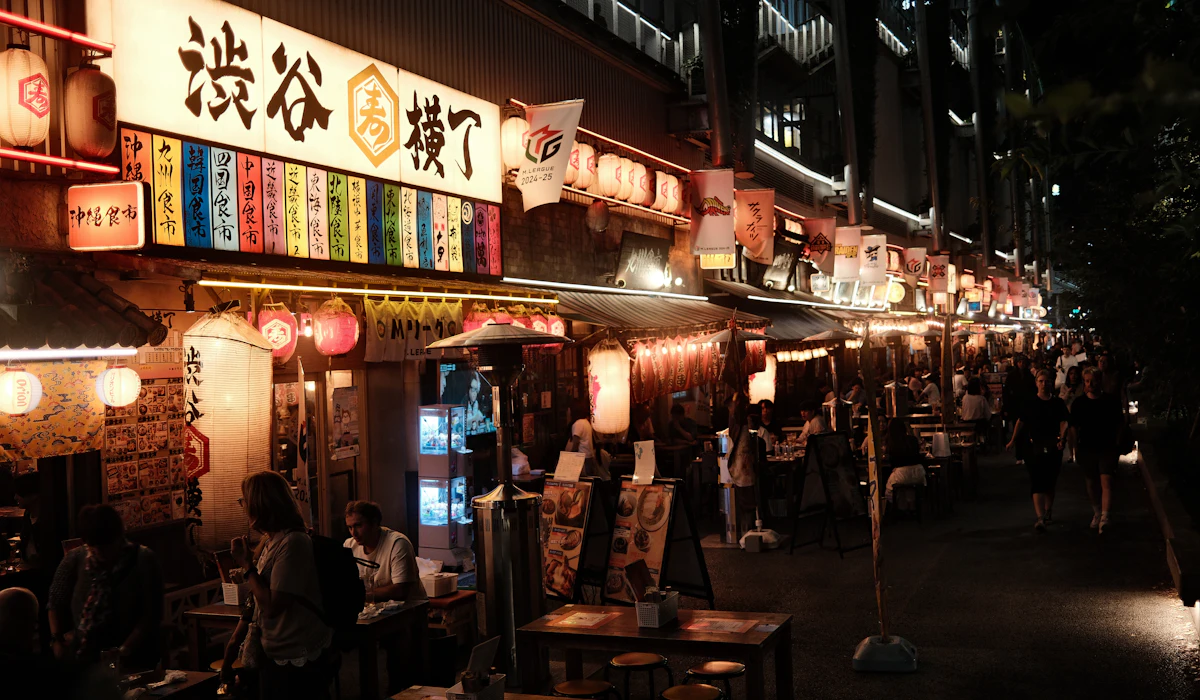
The restaurant with the clearest sightline to a famous landmark is almost never the best value, since the rent for that location gets built directly into every dish’s price. Walking two or three streets away from the main entrance typically yields comparable food for noticeably less.
The Separate View Surcharge
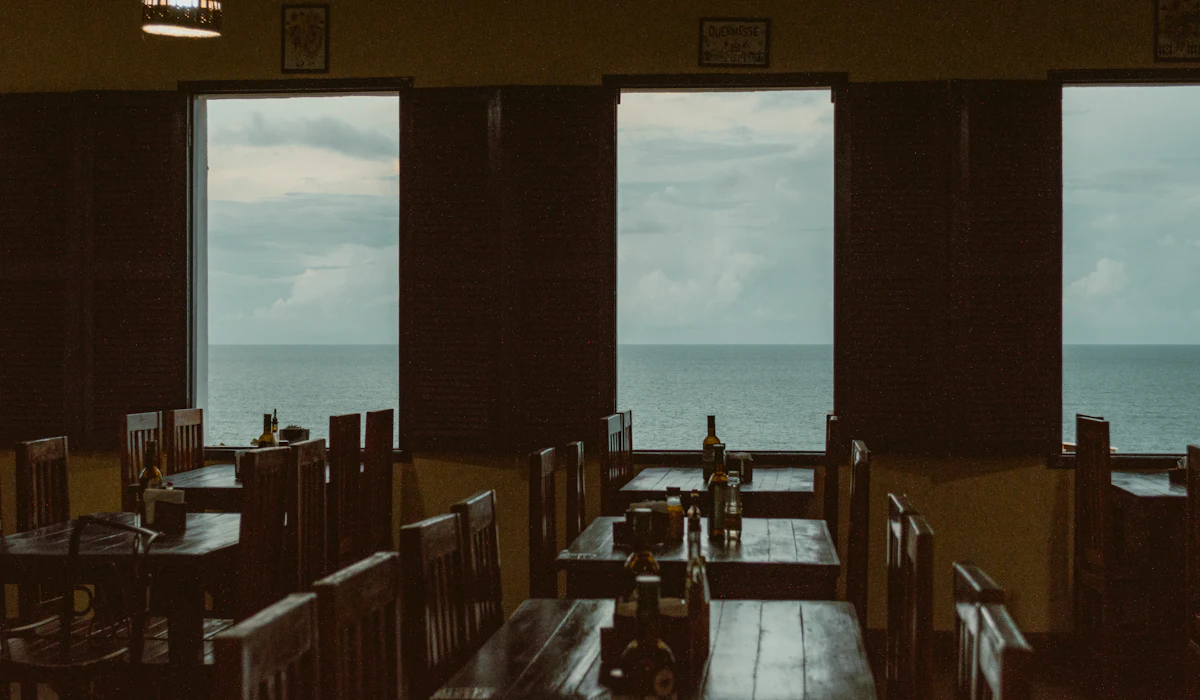
Some restaurants near scenic landmarks charge an explicit surcharge for seating with a view, on top of already elevated menu prices. Travelers willing to sit slightly further from the window can sometimes access the same menu at standard pricing.
The Reheated National Dish
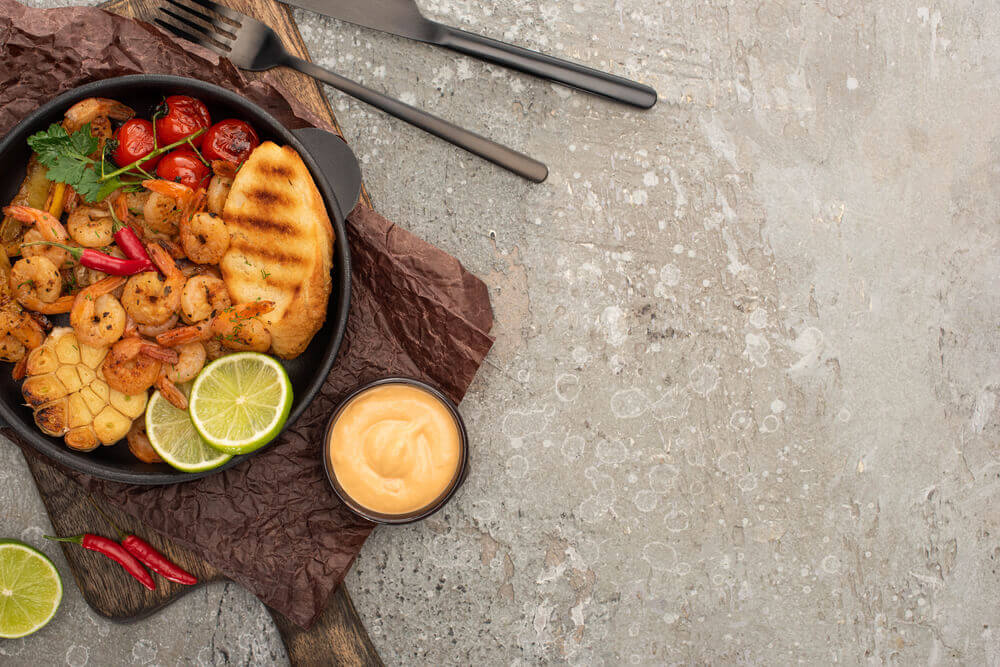
Restaurants in high-turnover tourist zones sometimes serve a “traditional” national dish that’s been prepared in bulk and reheated to order, a shortcut that’s harder to justify in a full-service restaurant than in a quick-service stall. The texture and flavor gap between a fresh and reheated version of the same dish is usually noticeable.
The Long Wait for Mediocre Food
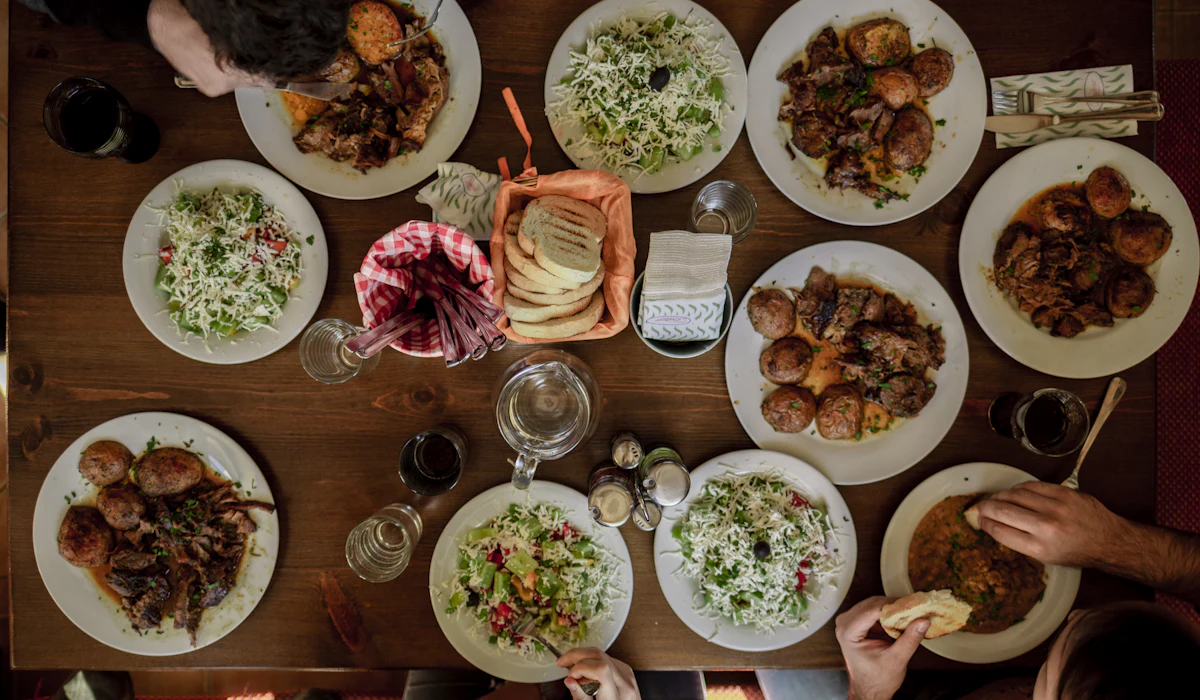
A line outside a restaurant near a famous landmark is not a reliable quality signal the way it might be elsewhere, since the wait is often driven by the location rather than the kitchen. Reviews focused specifically on food quality, rather than overall experience or location, are a better filter than the length of the line.
The Undisclosed Large-Group Gratuity
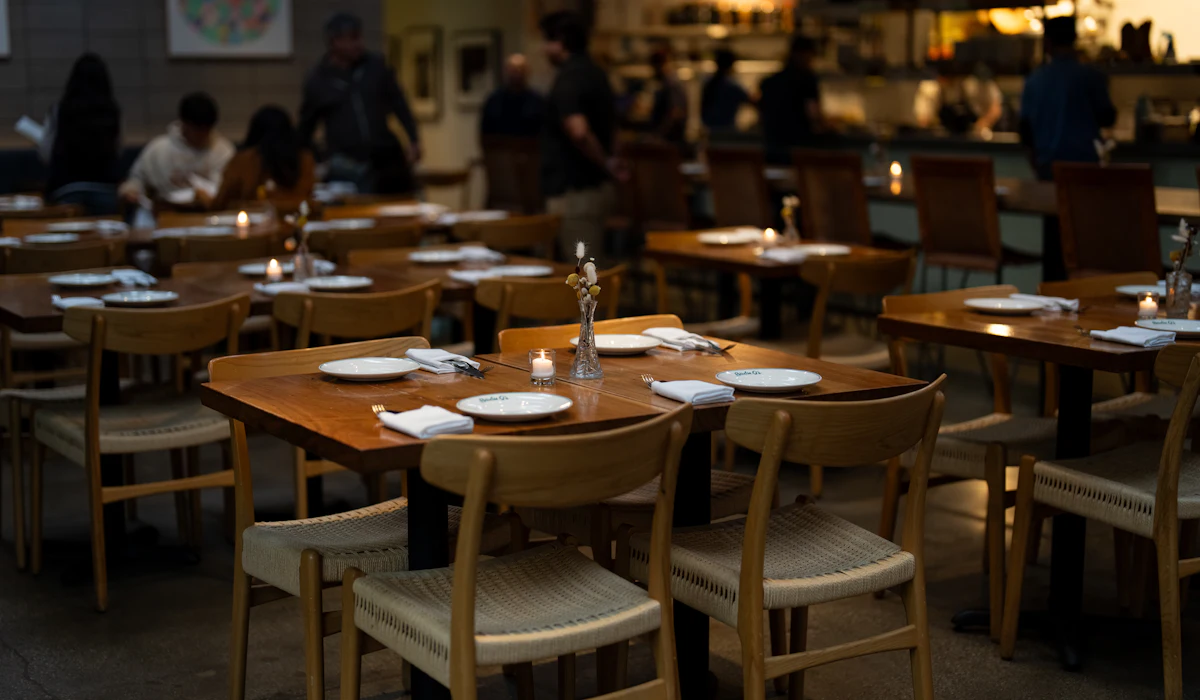
Restaurants that regularly serve tour groups sometimes apply an automatic gratuity for parties above a certain size without stating the policy clearly on the menu, occasionally stacking it with a tip already included on a printed receipt. Confirming the total before paying avoids doubling up unintentionally.
The Dish Rarely Eaten Locally
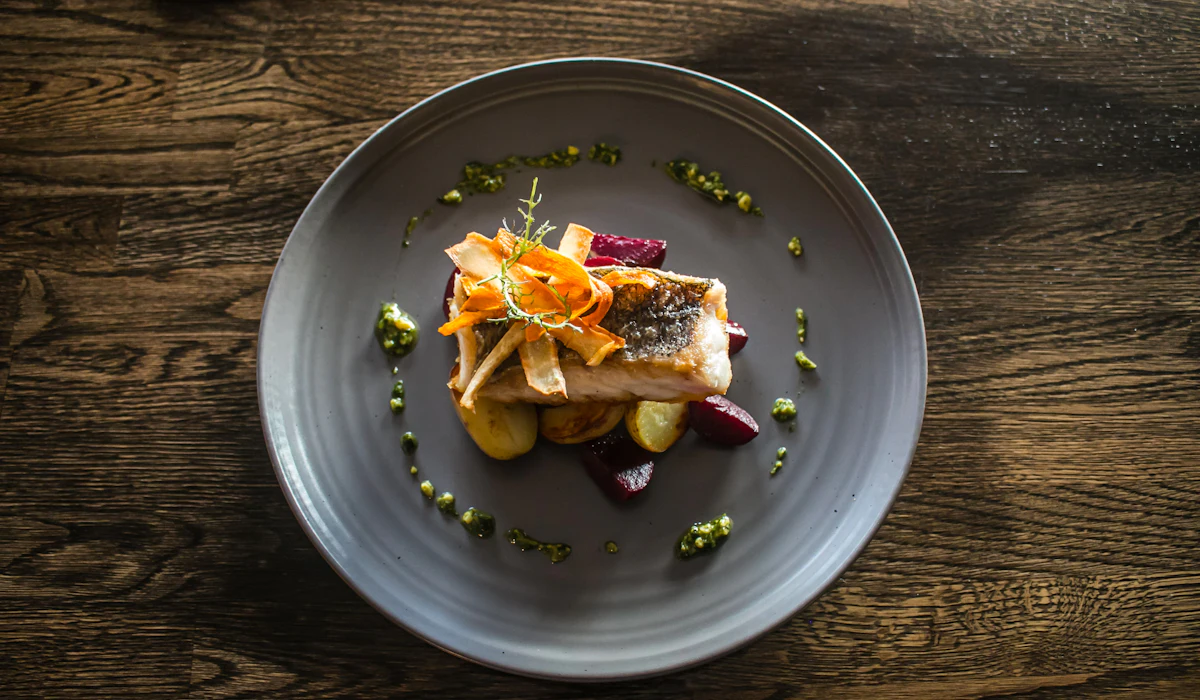
Some landmark-adjacent restaurants heavily promote a dish marketed as a regional specialty that locals rarely actually order, either because it’s been reworked for a broader palate or because it never had strong roots in the area to begin with. A menu heavy on dishes tourists recognize by name is worth a second look.
The Unrequested Bread Basket Charge
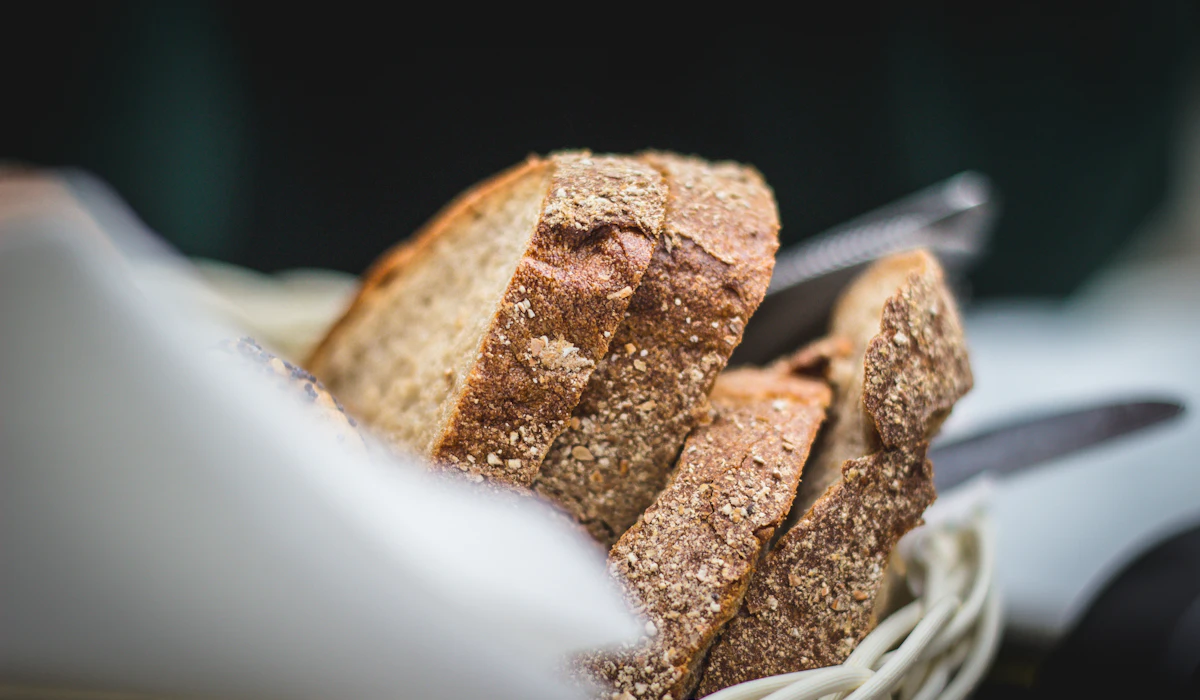
A bread basket or amuse-bouche placed on the table without being ordered sometimes carries a charge that only appears on the final bill, a practice more common in landmark-adjacent restaurants than elsewhere in the same city. Declining anything placed on the table before confirming it’s complimentary avoids the issue entirely.
The Entirely Tourist Clientele
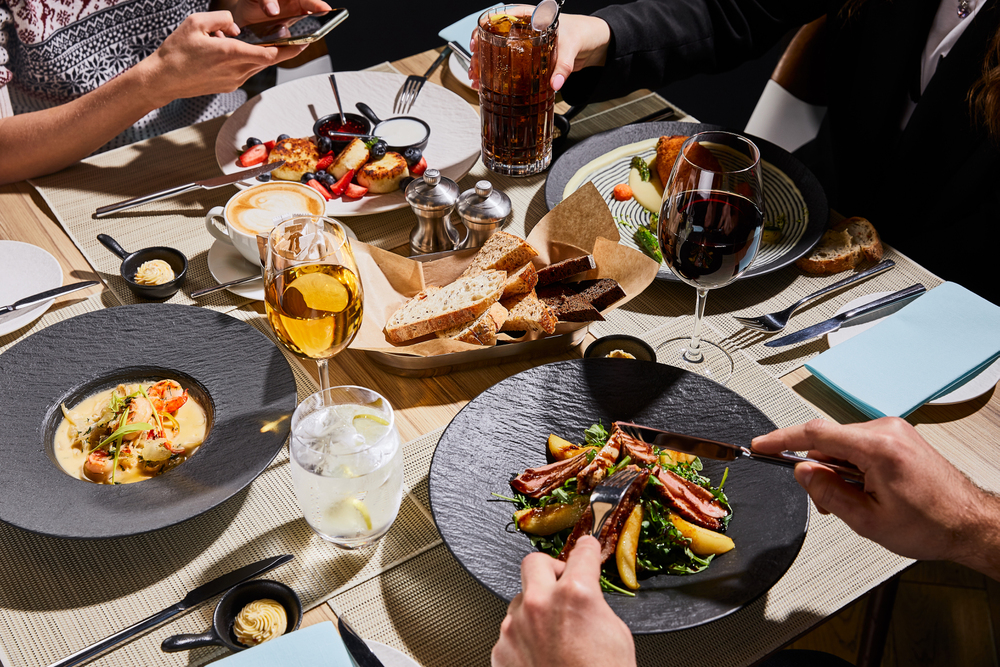
A restaurant seating exclusively visitors, with no local regulars or lunchtime office crowd in sight, is a reasonable signal that it isn’t competing on food quality the way a restaurant with returning customers has to. This is easiest to spot simply by glancing around the room before sitting down.
The Inflated “Menu Turistico”
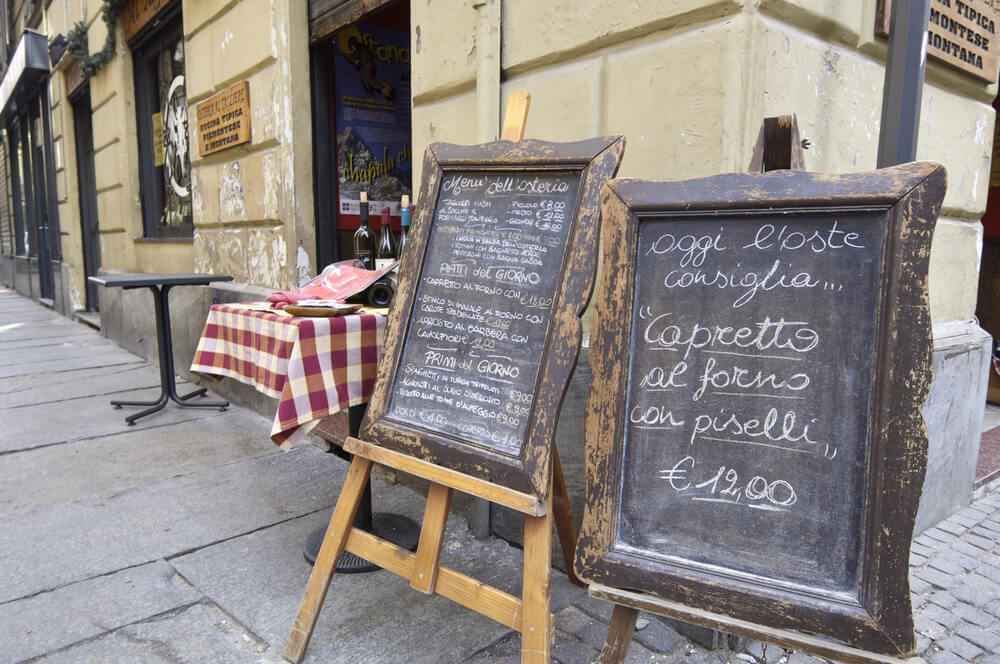
Fixed-price tourist menus, common across parts of Europe, are sometimes priced higher than ordering the same dishes individually from the à la carte menu, despite being marketed as a value option. Doing the math against the individual prices before committing can reveal the set menu isn’t actually cheaper.
The Photo That Overstates the Portion
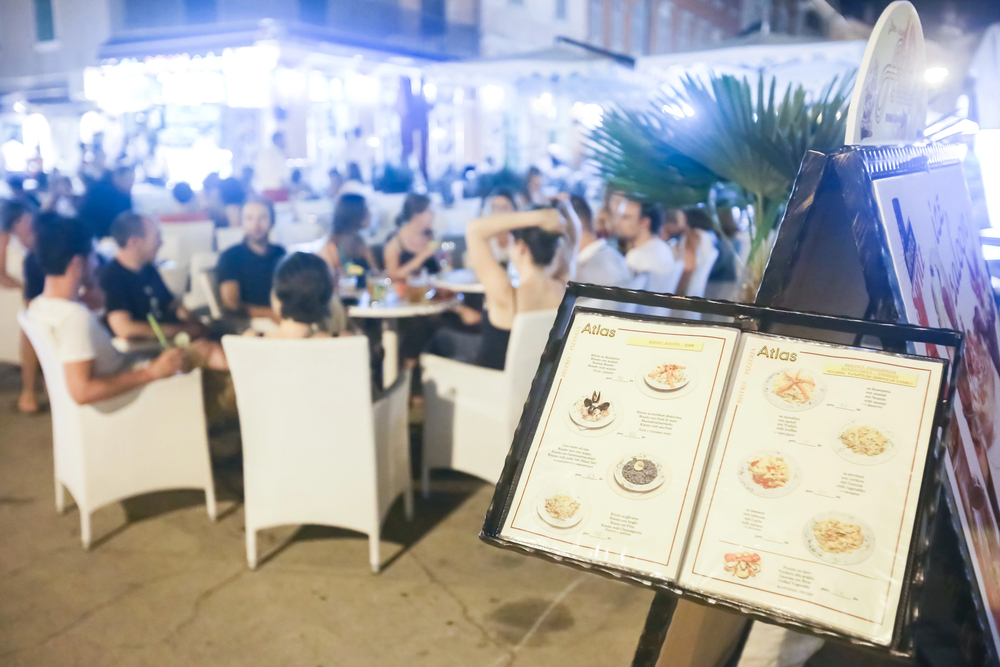
Menu photography showing generously plated dishes occasionally bears little resemblance to what actually arrives at the table, particularly at restaurants relying on one-time customers unlikely to return regardless of the outcome. Reviews with uploaded photos from other diners tend to be more reliable than official menu images.
The Frozen Seafood Sold as Fresh Catch
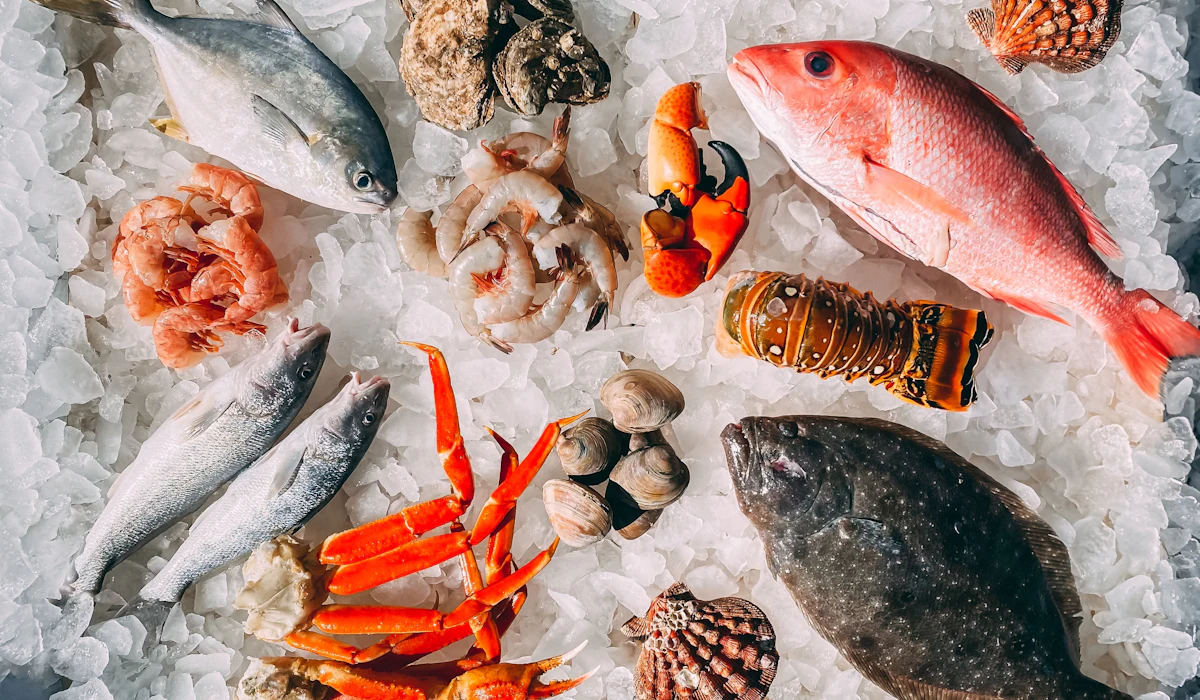
Restaurants near landmarks in coastal cities sometimes advertise a fresh catch or daily special that is, in practice, sourced from frozen supply chains, particularly at inland-adjacent tourist plazas rather than working harbors. Asking directly where the seafood was sourced, and how recently, is a reasonable way to gauge how honest the answer is.
The Charge for Tap Water

Some restaurants in tourist-heavy areas decline to offer complimentary tap water, instead steering diners toward bottled water at a significant markup, a practice that varies by country’s dining norms but is worth confirming upfront in places where tap water is safe to drink. Asking specifically for tap water, by name, sometimes resolves the issue.
The Server Unfamiliar With the Actual Menu
High staff turnover at landmark-adjacent restaurants sometimes results in servers who can’t answer basic questions about ingredients, preparation, or what a specific dish actually is, a sign the kitchen and front-of-house aren’t closely connected. This is a reasonable moment to reconsider the order.
The Chef’s Special That Never Changes
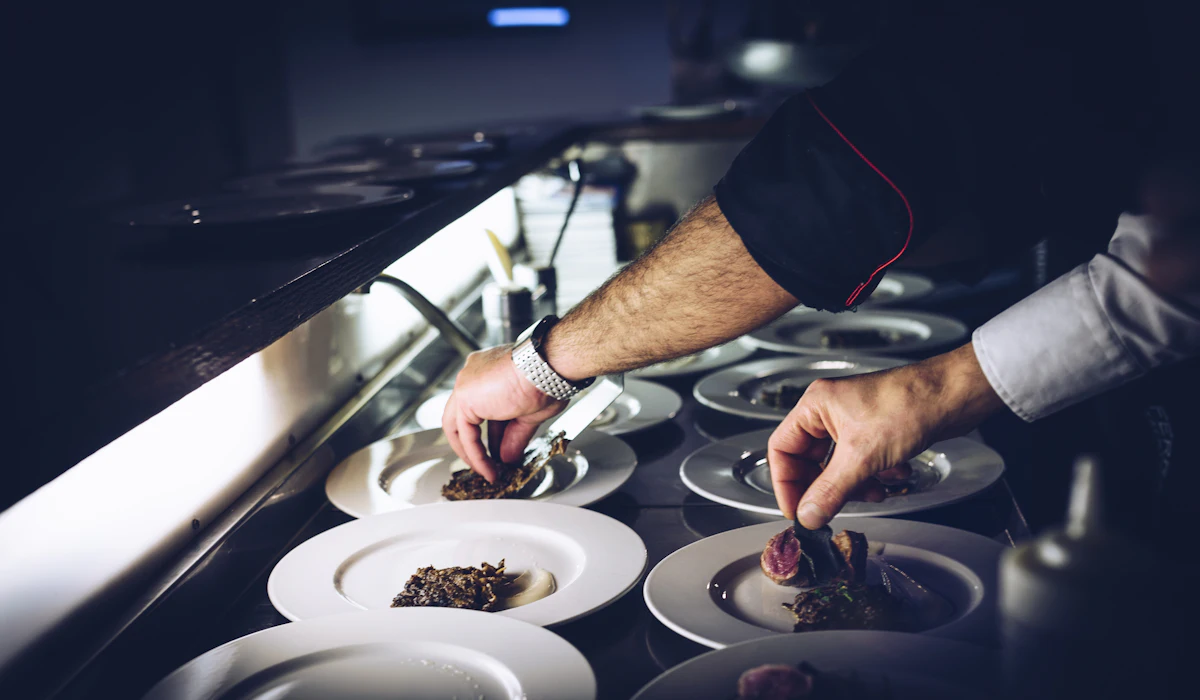
A “chef’s special” that appears identically on the menu board every single day, regardless of season, is generally not a special at all, just a higher-margin dish given a more appealing name. A daily special that changes with any regularity is a better sign of an actual kitchen making decisions.
The Minimum Spend Per Diner
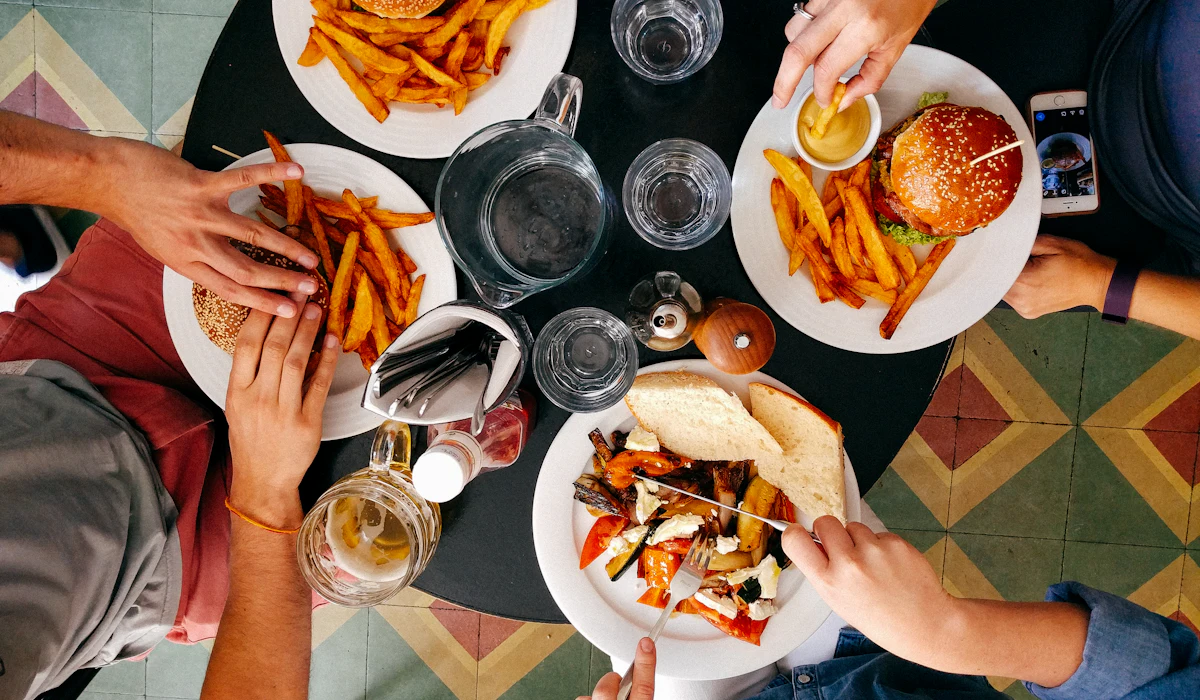
Some restaurants in dense tourist zones enforce an unstated minimum spend per person, refusing smaller orders or adding a surcharge for parties who don’t meet it. This policy is worth confirming with staff before ordering something modest.
The Hidden Service Charge Atop the Tip
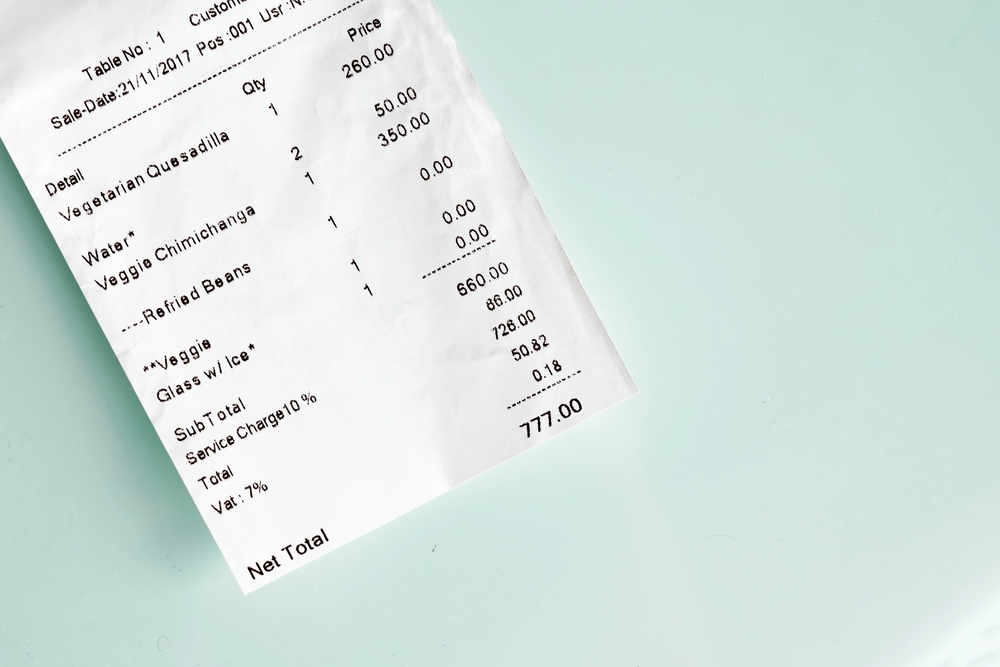
A service charge automatically added to the bill, stacked with a blank tip line still printed on the receipt, results in many travelers unintentionally tipping twice on the same meal. Reading the fine print at the bottom of the bill before adding anything further avoids the overlap.
The Fixed-Price Menu With No Substitutions
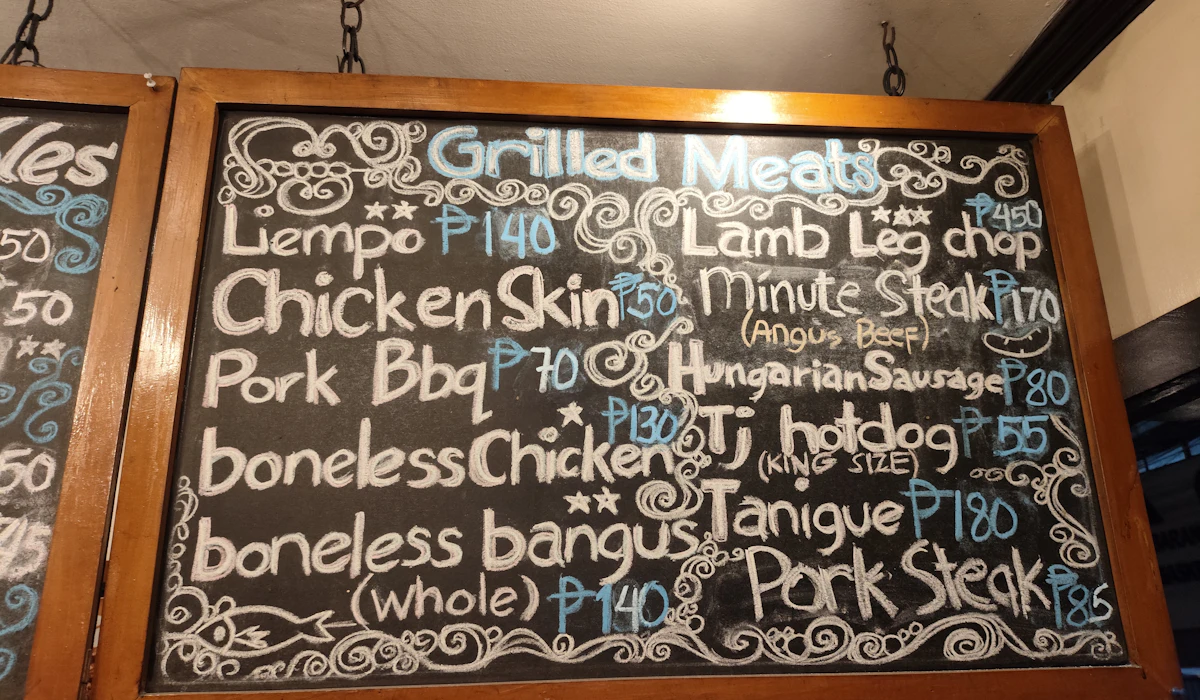
Set menus that refuse any substitution, even for common dietary needs, tend to prioritize kitchen efficiency over diner experience, which lines up with restaurants built around one-time visitors rather than repeat business. A kitchen confident in its food is usually willing to make small adjustments.
The Landmark Name With No Real Connection
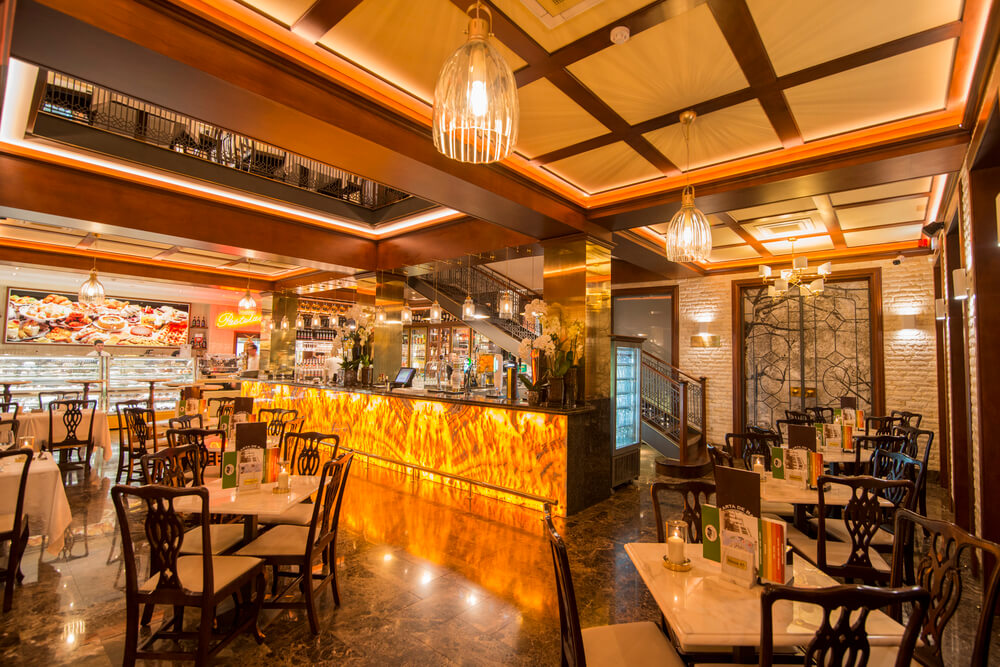
Restaurants that borrow a famous landmark’s name or imagery in their branding, despite having no historical or actual connection to it, are using the association purely as marketing. A quick search of the restaurant’s actual history, when one exists at all, usually clarifies how thin the connection is.
The Unverifiable “Imported” Ingredient Premium
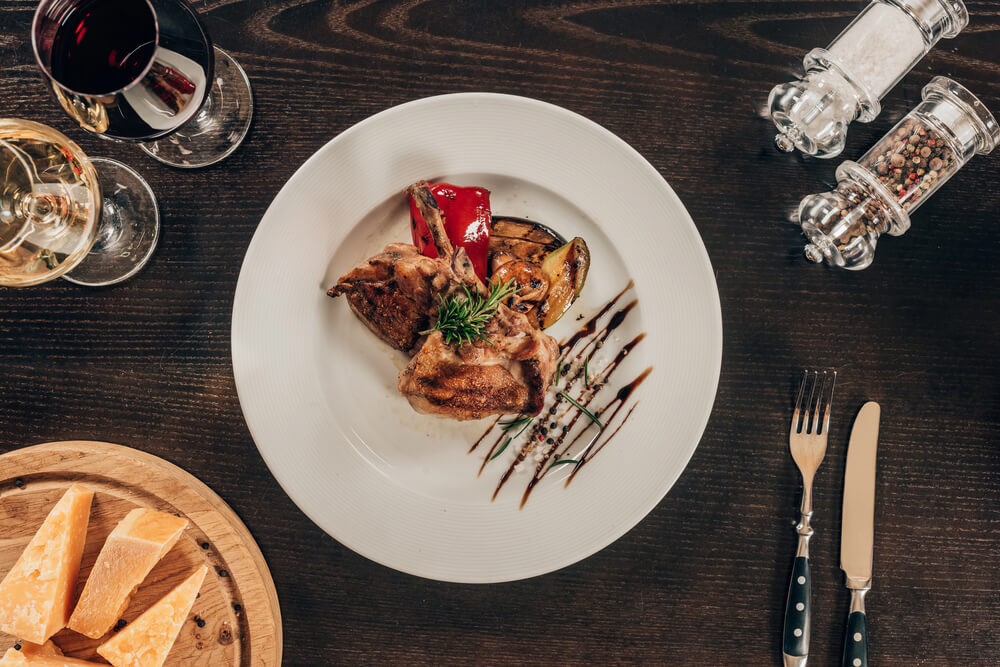
Some menus charge a premium for ingredients described as imported or premium without naming the specific origin, a vague claim that’s difficult for a diner to verify in the moment. Menus that name specific regions, farms, or producers tend to be more trustworthy by comparison.
The English-Only Menu in a Non-English-Speaking City
A restaurant offering menus exclusively in English, in a city where English isn’t the primary language, is generally built entirely around one-time tourist traffic rather than any local customer base. This isn’t a guarantee of poor food, but it does narrow down who the restaurant is actually trying to serve.
The Cash-Only Policy Near a Card-Friendly Landmark

A cash-only policy at a restaurant in an otherwise card-friendly tourist district can sometimes function as a way to keep transactions less transparent, including added charges that are harder to dispute without a paper trail. It’s not automatically a red flag, but it’s worth noting alongside other signals on this list.
Eating Where the Locals Actually Are
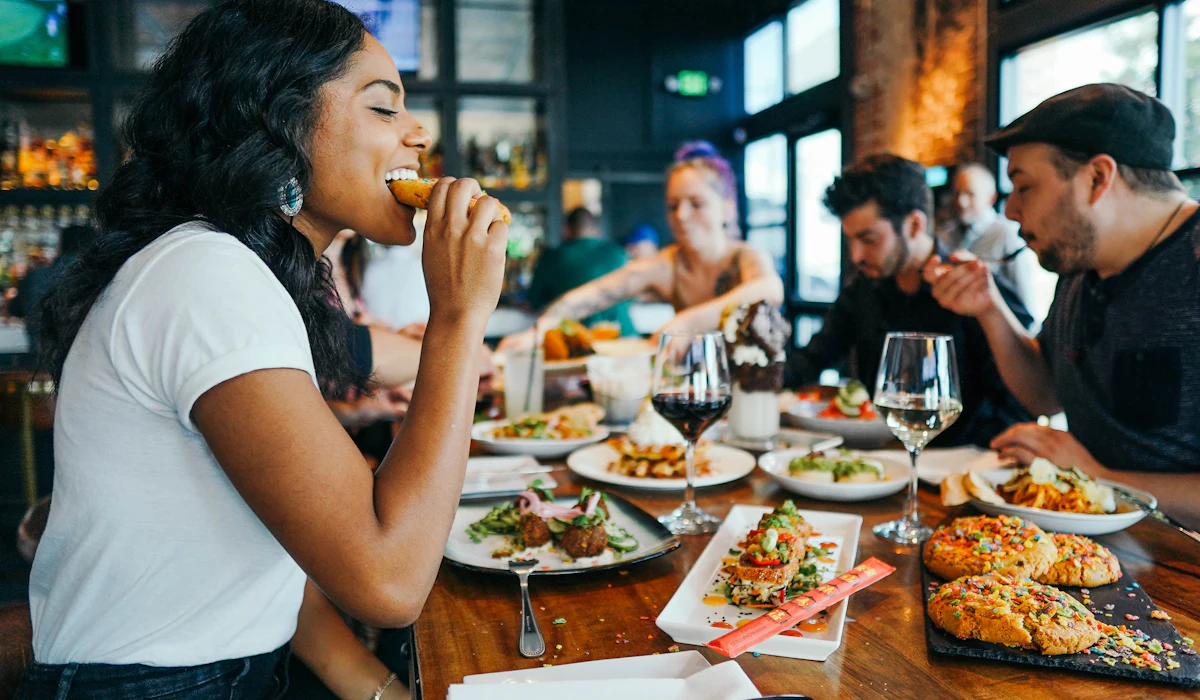
None of this means every restaurant near a famous landmark is a bad choice, and plenty of excellent kitchens happen to sit close to major attractions by coincidence rather than design. The pattern worth remembering is that proximity to a landmark and quality of food are, at best, unrelated, and at worst, inversely connected once rent and one-time foot traffic enter the equation.
The most reliable fix is also the simplest: walk a few streets further than the crowd is willing to walk, and look for the restaurant with locals inside rather than the one with the best view of the monument. The extra ten minutes is almost always worth more than the meal it replaces.
More from Travel Pug

- Underrated Italian Towns That Beat the Tourist Crowds
- Las Vegas Tourist Traps to Skip
- Prettiest Towns in Every US State
- 18 passport-free countries for Americans
- Signs Your Cruise Is Not Worth The Cost
Like Travel Pug’s content? Follow us on MSN.