

Every one of these destinations earned its reputation honestly, and every one of them is, at the wrong time of year, nearly unrecognizable from the version in the photographs that drew visitors there in the first place. Timing, more than any other factor, now determines whether a trip to these cities feels like discovery or like standing in line.
Venice, Italy
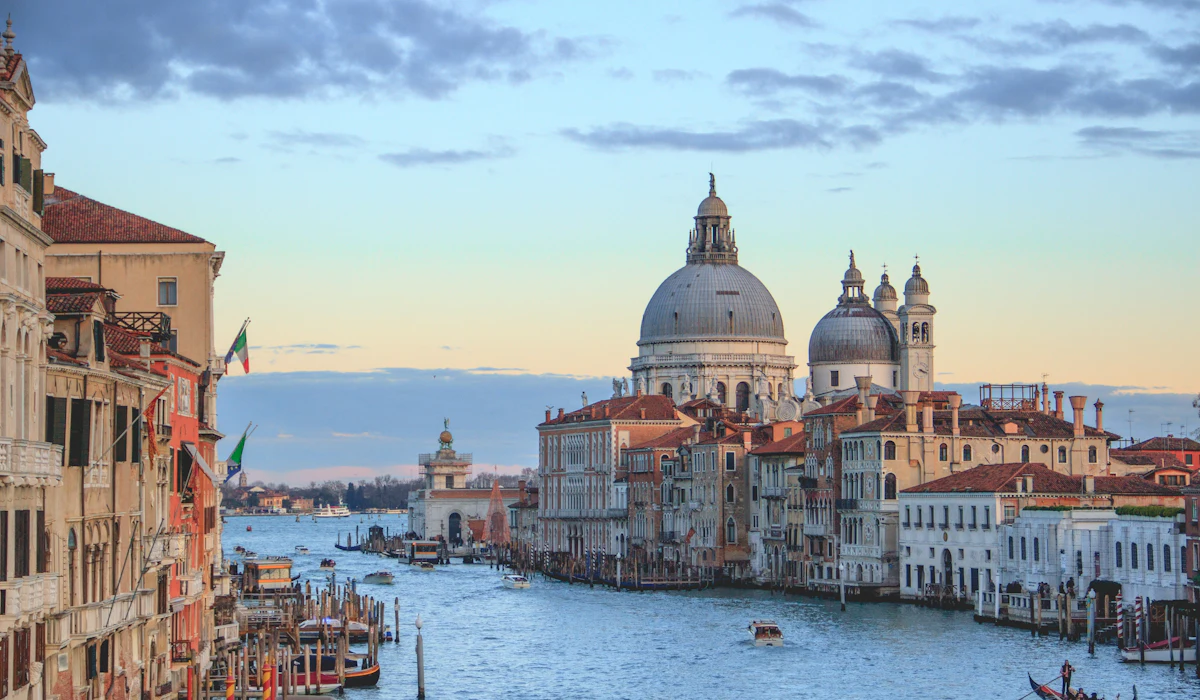
Venice began charging day-trippers an entry fee on its busiest days in 2024, a pilot program that collected roughly €2.4 million in its first year and has since been extended and expanded to more days annually. In 2024, about 485,000 visitors paid the access fee across the 29 days when it was in effect.
Barcelona, Spain
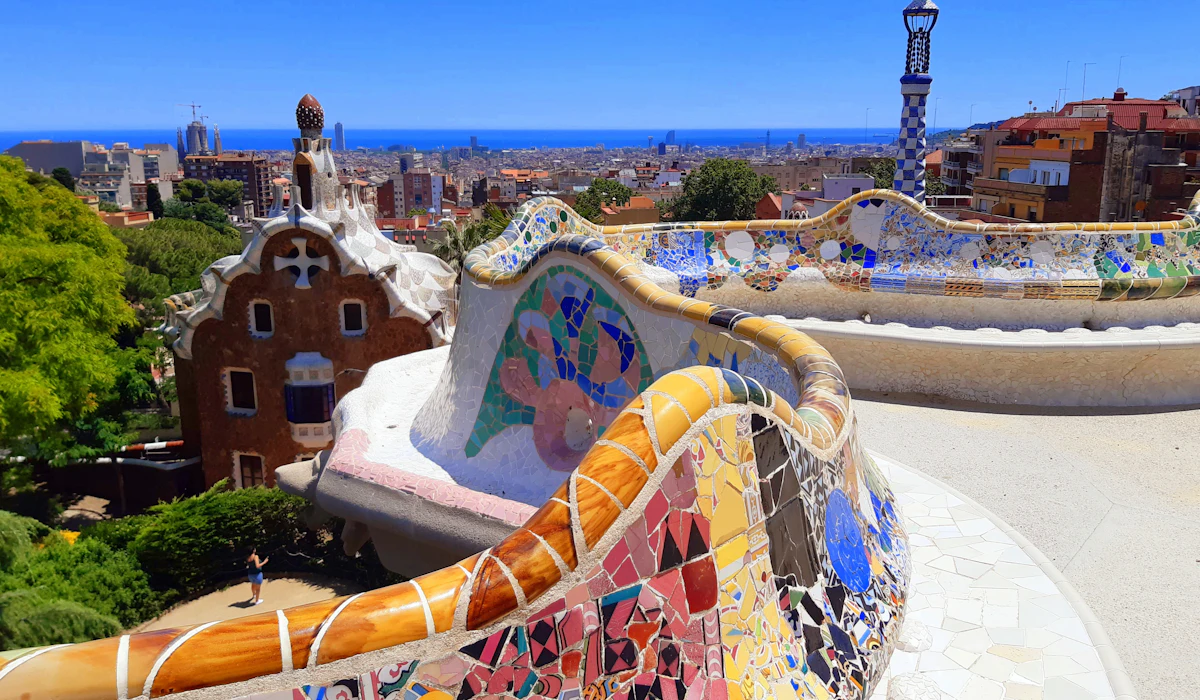
Barcelona has become one of Europe’s most visible flashpoints for anti-overtourism sentiment, with residents staging public protests, including incidents of tourists being sprayed with water guns, over the strain that peak-season visitor numbers place on housing and daily city life. The Sagrada Família alone draws millions of visitors annually, and its narrow surrounding streets bear little resemblance to a typical residential neighborhood during summer months.
Dubrovnik, Croatia
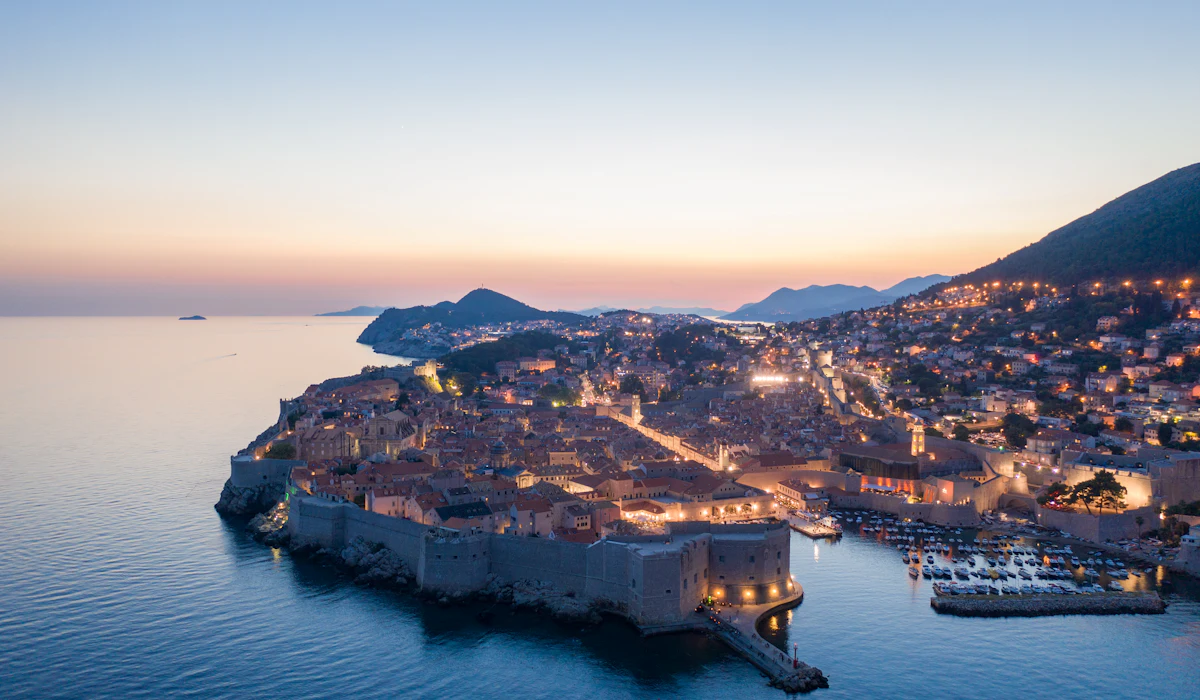
Dubrovnik’s compact walled Old Town, made globally famous as a filming location, regularly receives multiple cruise ships in a single day during peak season, each unloading thousands of passengers into streets that were laid out for a fraction of that traffic. The city has since implemented cruise ship arrival limits specifically to manage the bottleneck.
Kyoto, Japan
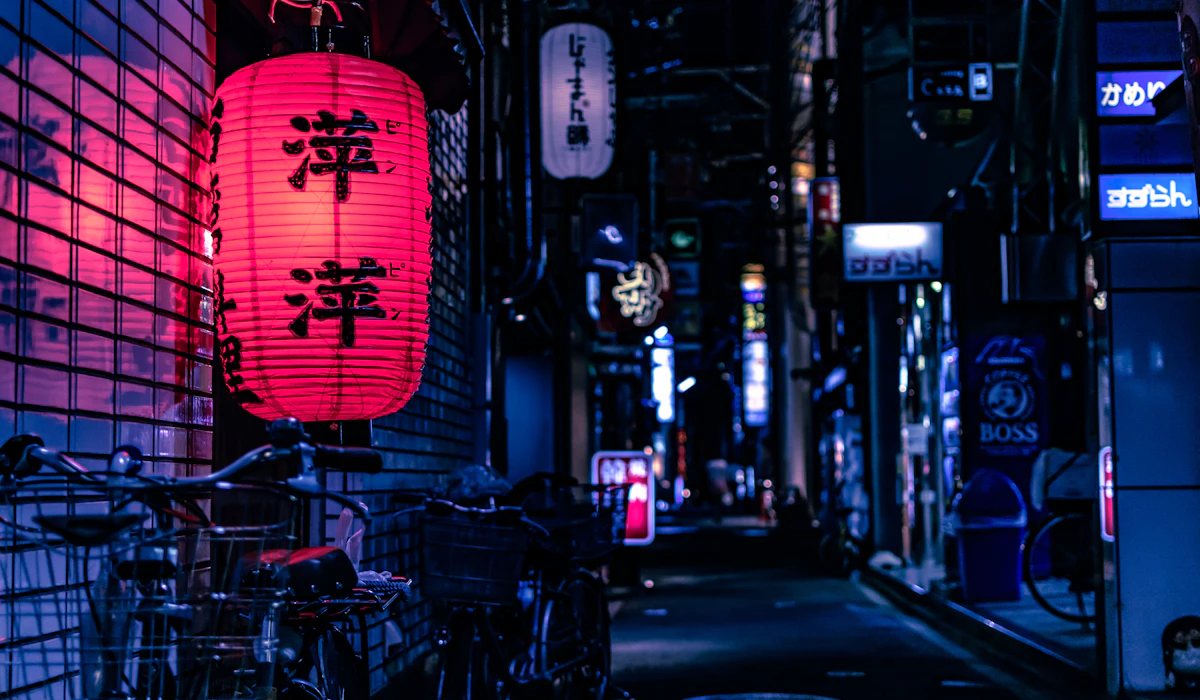
Kyoto’s historic Gion district has restricted tourist access to certain private alleyways after repeated complaints from residents and geisha about aggressive photography and blocked passageways during peak cherry blossom and autumn foliage seasons. Fines have been introduced for tourists caught trespassing on the restricted streets.
Amsterdam, Netherlands
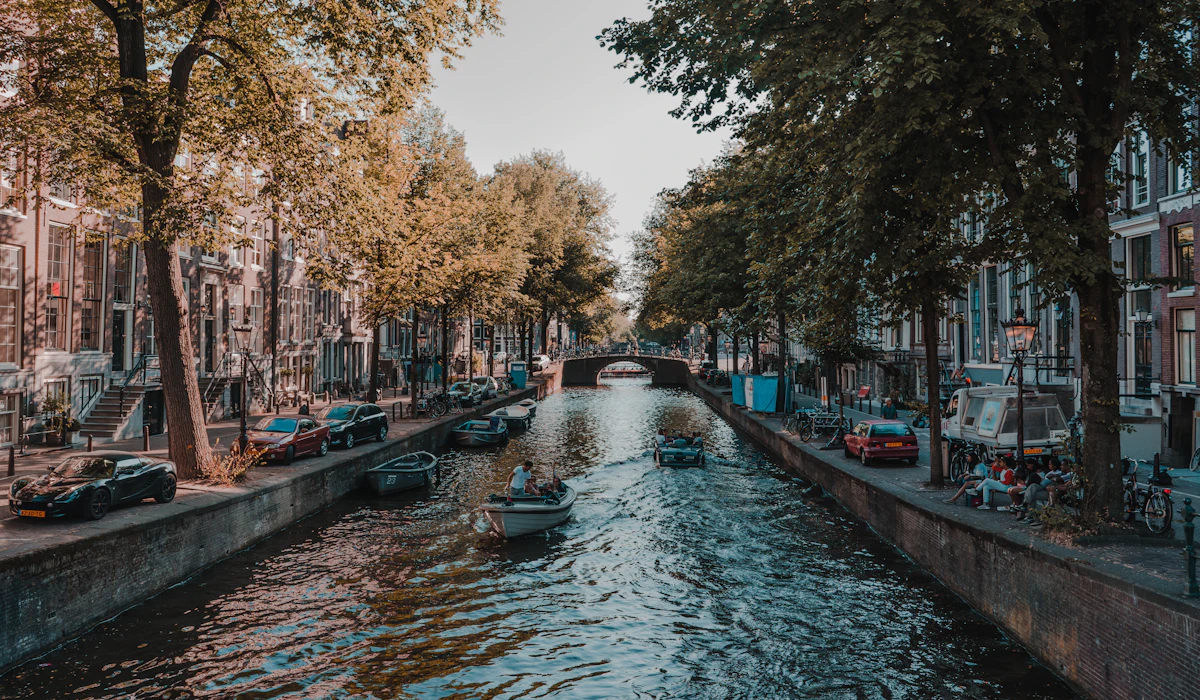
Amsterdam’s city government has actively run a “Stay Away” marketing campaign targeting specific visitor demographics, alongside restrictions on new hotel construction, in direct response to overcrowding in the historic canal district. The red light district in particular has seen the city test earlier closing hours to manage crowd behavior at night.
Prague, Czech Republic
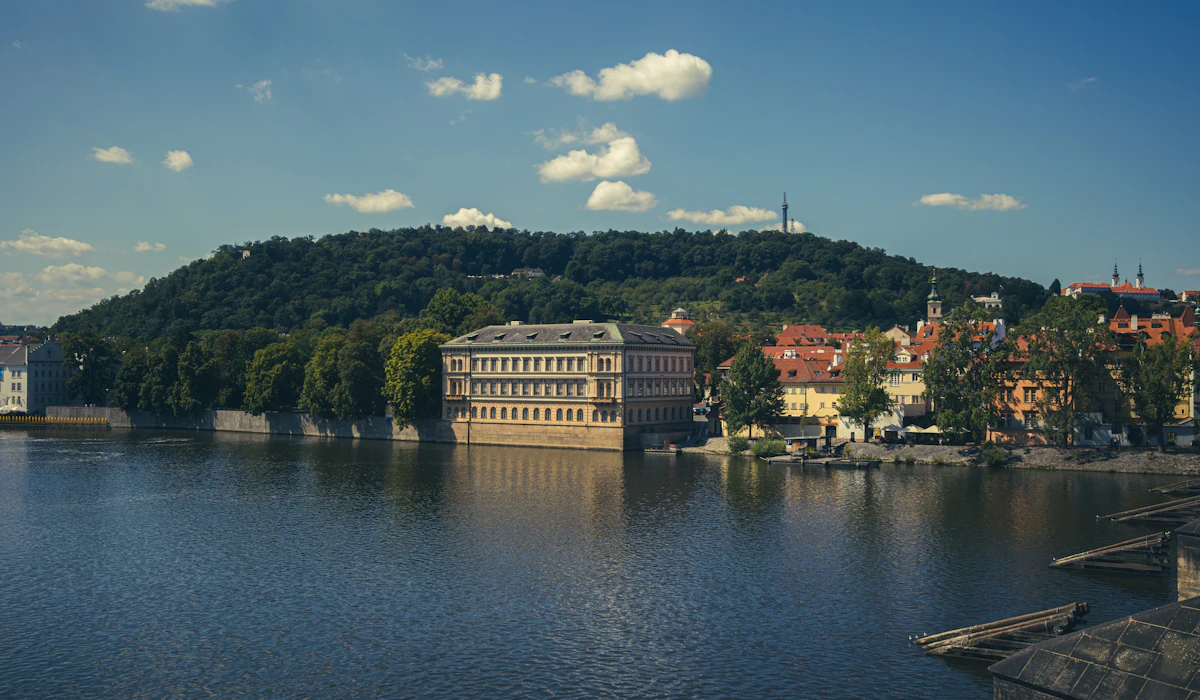
Prague’s Charles Bridge, a pedestrian crossing built in the 14th century, becomes so densely packed during peak season that crossing it can take considerably longer than its length would suggest, with street vendors and portrait artists further narrowing the walkable space. The Old Town Square around it faces similar congestion at the top of nearly every hour, when crowds gather to watch the astronomical clock.
Florence, Italy
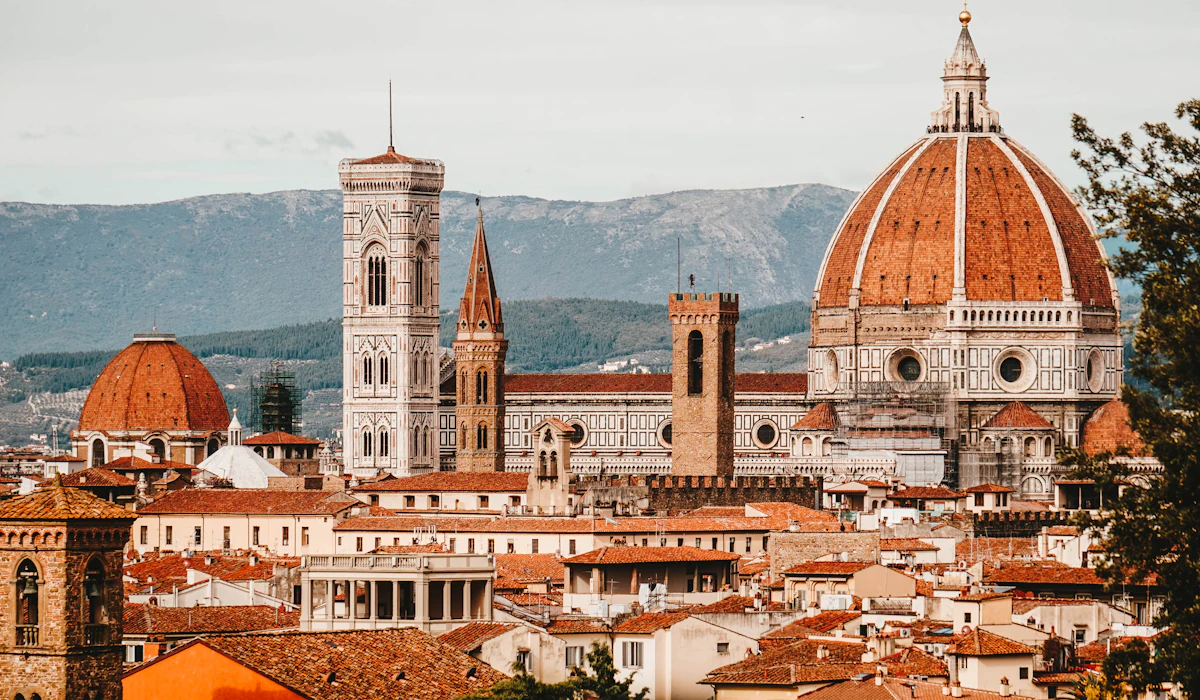
Florence’s compact historic center, a UNESCO World Heritage site, channels nearly all visitor traffic through a handful of narrow streets connecting the Duomo, the Uffizi, and the Ponte Vecchio, creating bottlenecks that can turn a short walk into a slow shuffle during summer. The city has floated proposals to cap day-tripper numbers similar to Venice’s model.
Reykjavik, Iceland

Iceland’s tourism boom, driven substantially through Reykjavik as the main arrival point, has grown visitor numbers to several times the country’s total population in a single year, straining a city built for a much smaller population. The Blue Lagoon and other nearby geothermal attractions require advance booking during busy periods, adding another layer of scheduling for travelers passing through the capital.
Rome, Italy
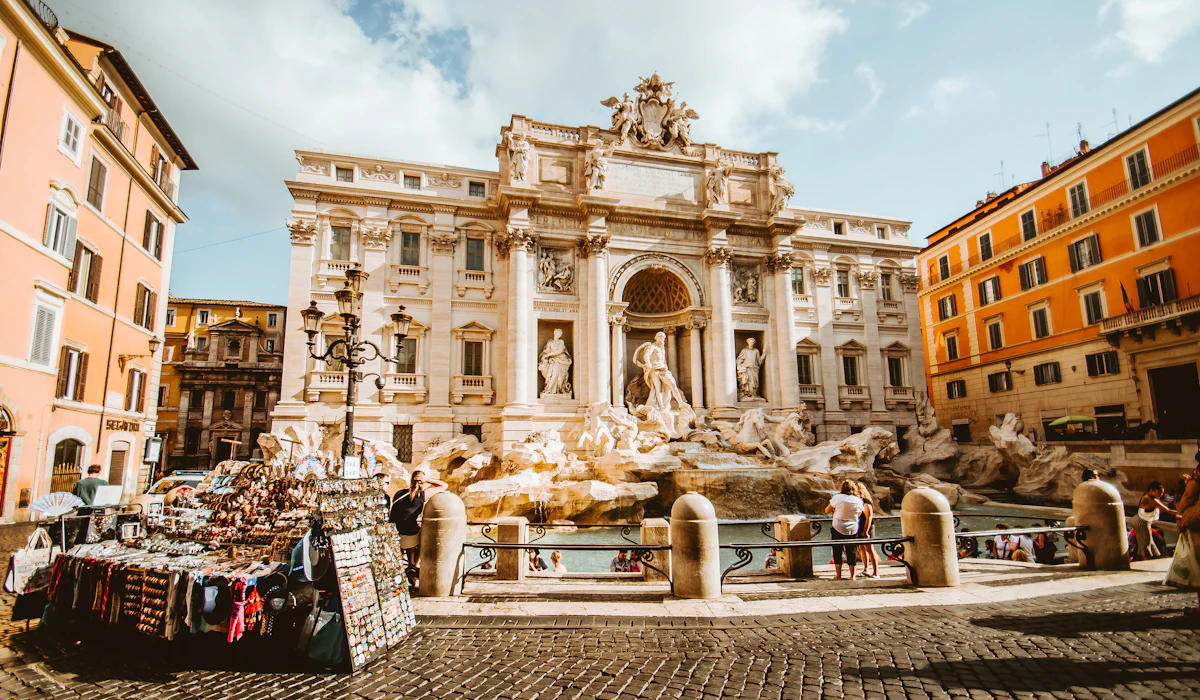
Rome introduced a strict 400-person capacity limit at the Trevi Fountain in December 2024, funneling visitors through a controlled entry point after years of the piazza becoming so densely packed that simply reaching the fountain’s edge could take significant time. The Colosseum and Vatican Museums face similar timed-entry requirements during peak season for the same underlying reason.
Paris, France
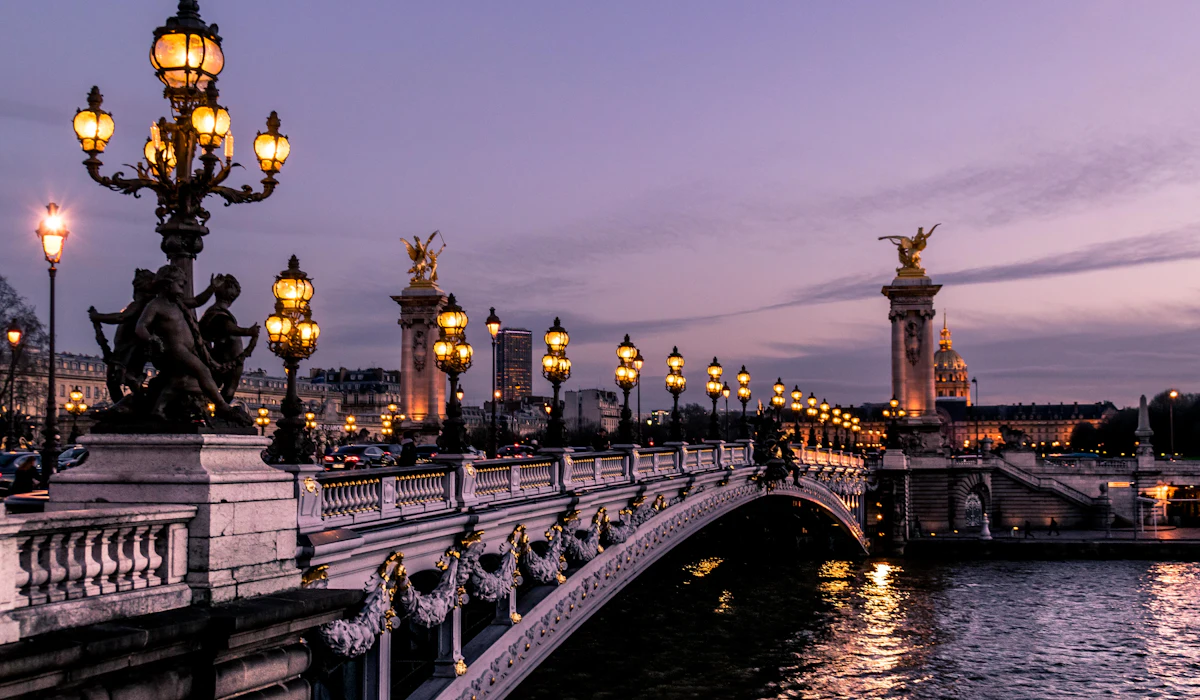
The Louvre, one of the world’s most visited museums, has maintained a daily admission cap of 30,000 visitors, down from the higher levels seen before the pandemic, as part of an effort to improve visitor conditions. Even with the cap, the approach to the Mona Lisa remains one of the most consistently crowded gallery spaces of any museum in the world.
Bruges, Belgium
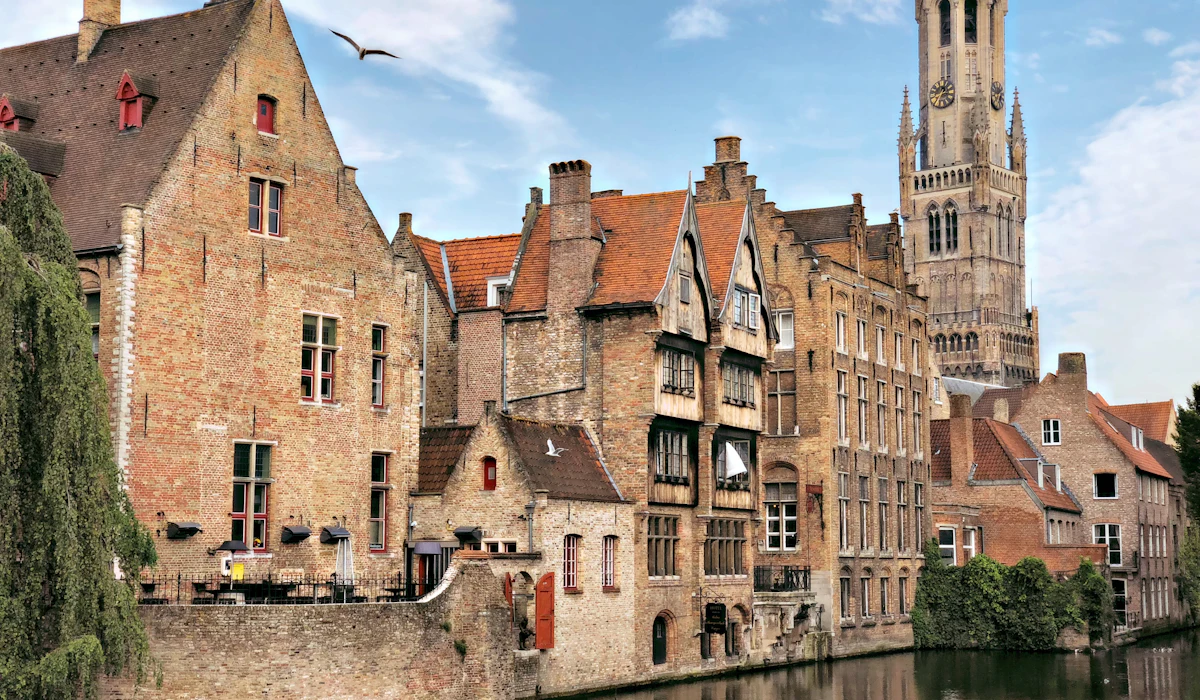
Bruges’ entire historic center is small enough to walk across in under thirty minutes, which means the roughly eight million annual visitors it receives concentrate almost entirely into a handful of canal-side streets and squares. The city has debated tourism caps similar to Venice’s, given how disproportionate its visitor numbers are relative to its resident population of around 118,000.
Salzburg, Austria
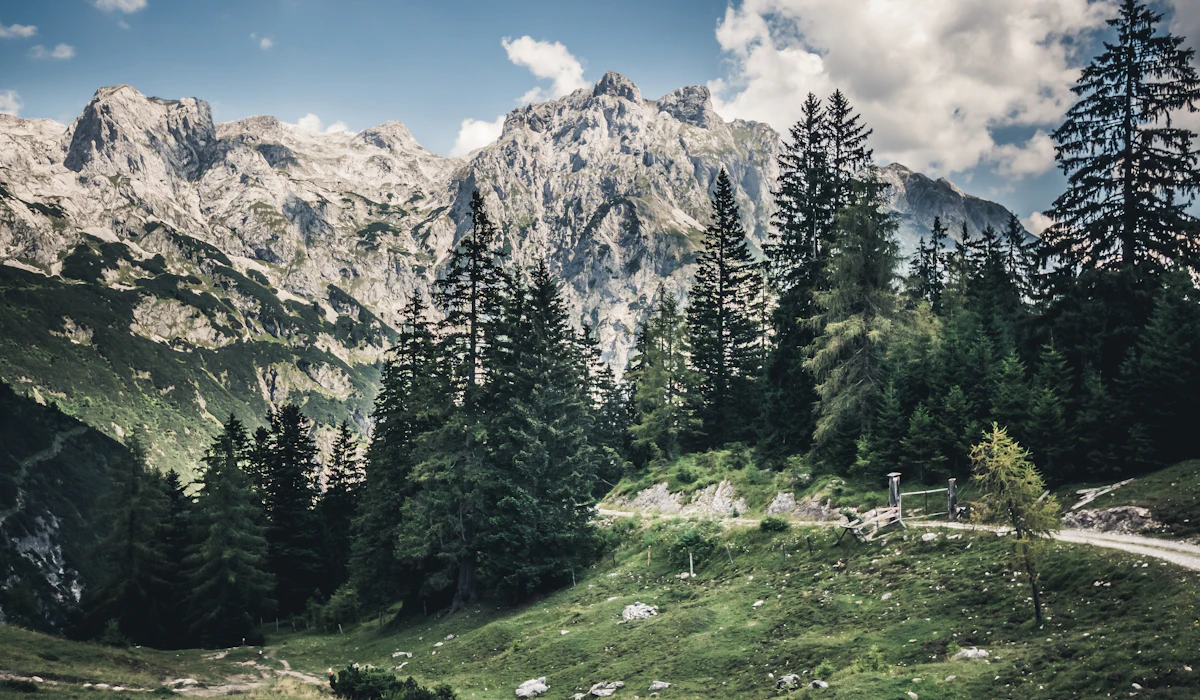
Salzburg’s old town, driven substantially by “Sound of Music” tourism alongside its own architectural draw, becomes so congested with tour groups during peak season that walking tours are sometimes rerouted mid-route to avoid bottlenecks at the most photographed courtyards. Locals have reported avoiding the historic center entirely during the busiest summer weeks.
Hallstatt, Austria
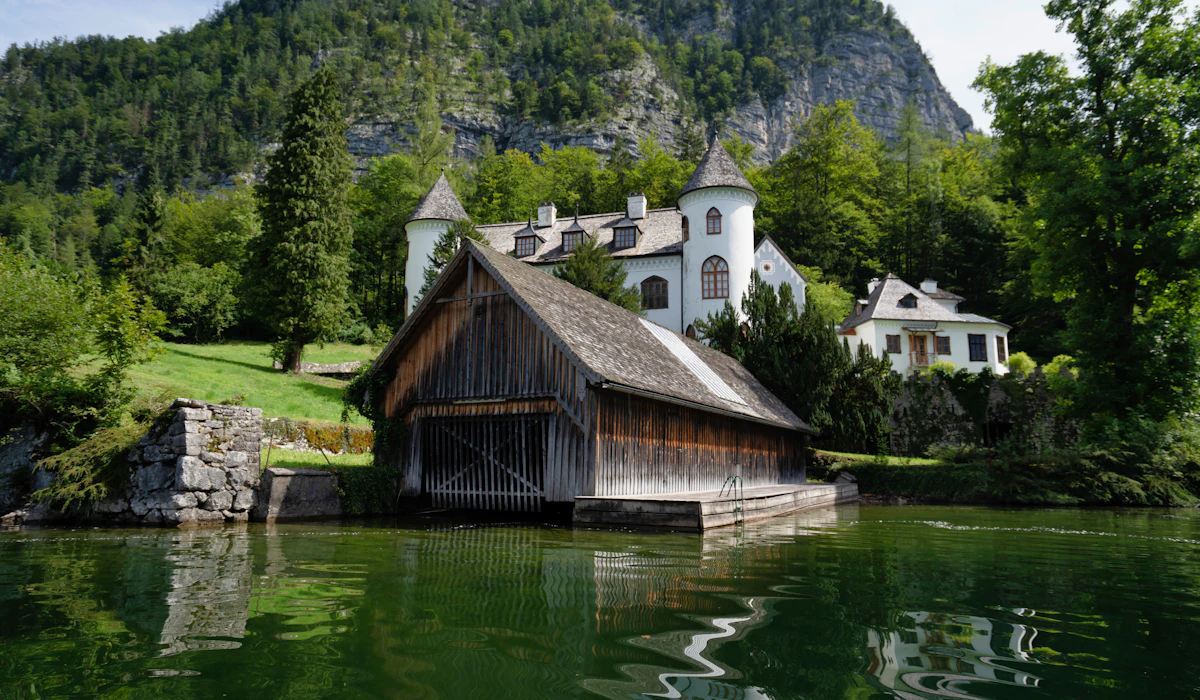
Hallstatt, a lakeside village of roughly 800 residents, has drawn crowds numbering in the thousands per day since going viral online, prompting the local government to install a temporary fence blocking a popular photo viewpoint and to test daily tour bus limits. The mismatch between the village’s actual size and its visitor volume is one of the most extreme examples of overtourism in Europe.
Edinburgh, Scotland
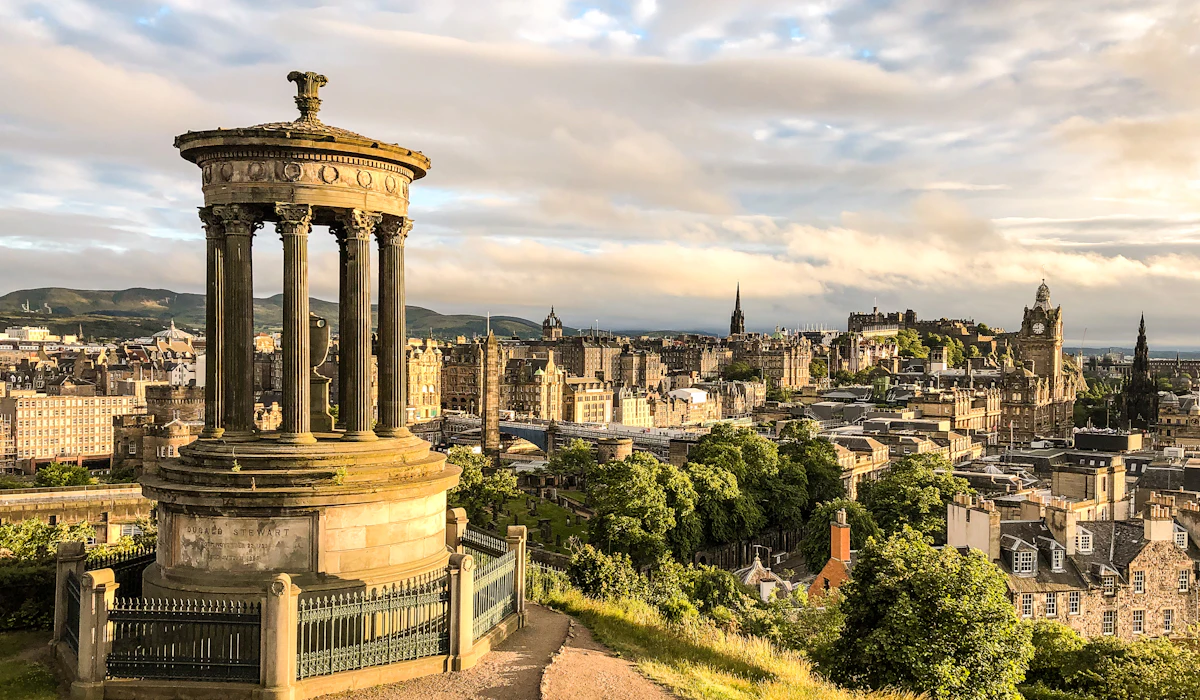
During the Edinburgh Festival Fringe each August, the world’s largest arts festival, the city’s population effectively swells as hundreds of thousands of additional visitors arrive for a three-week stretch, filling the Royal Mile with street performers, flyering, and foot traffic dense enough to slow walking to a crawl. Accommodation prices in the city spike sharply for the same period.
Hoi An, Vietnam

Hoi An’s small, UNESCO-listed ancient town, known for its lantern-lit streets, now receives such heavy evening foot traffic during peak season that the riverside walkways can become difficult to move through, undermining the quiet atmosphere that made the town famous in the first place. Local authorities have introduced an entrance fee for the old town’s ticketed zone partly in response.
Split, Croatia
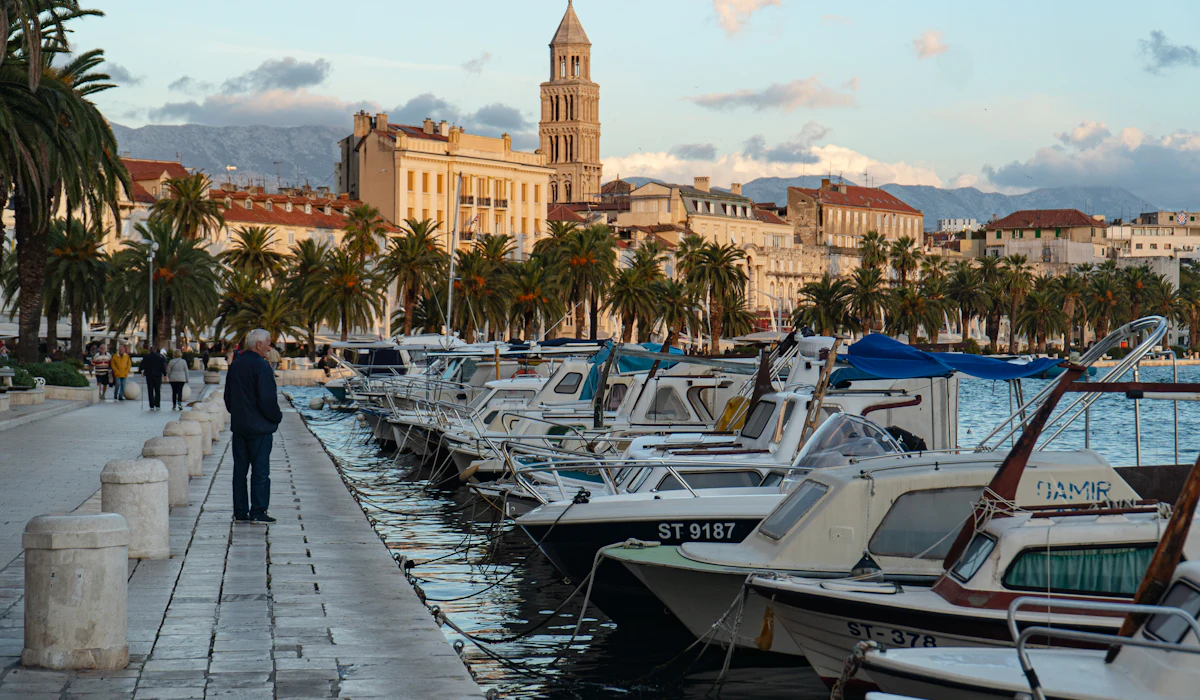
Split’s Diocletian’s Palace, a still-inhabited Roman-era complex at the heart of the city, becomes a dense bottleneck during peak cruise season, with narrow stone passageways designed for residential use now channeling thousands of daily visitors. The city has seen some of the same cruise-related strain as nearby Dubrovnik, on a smaller but still significant scale.
Interlaken, Switzerland
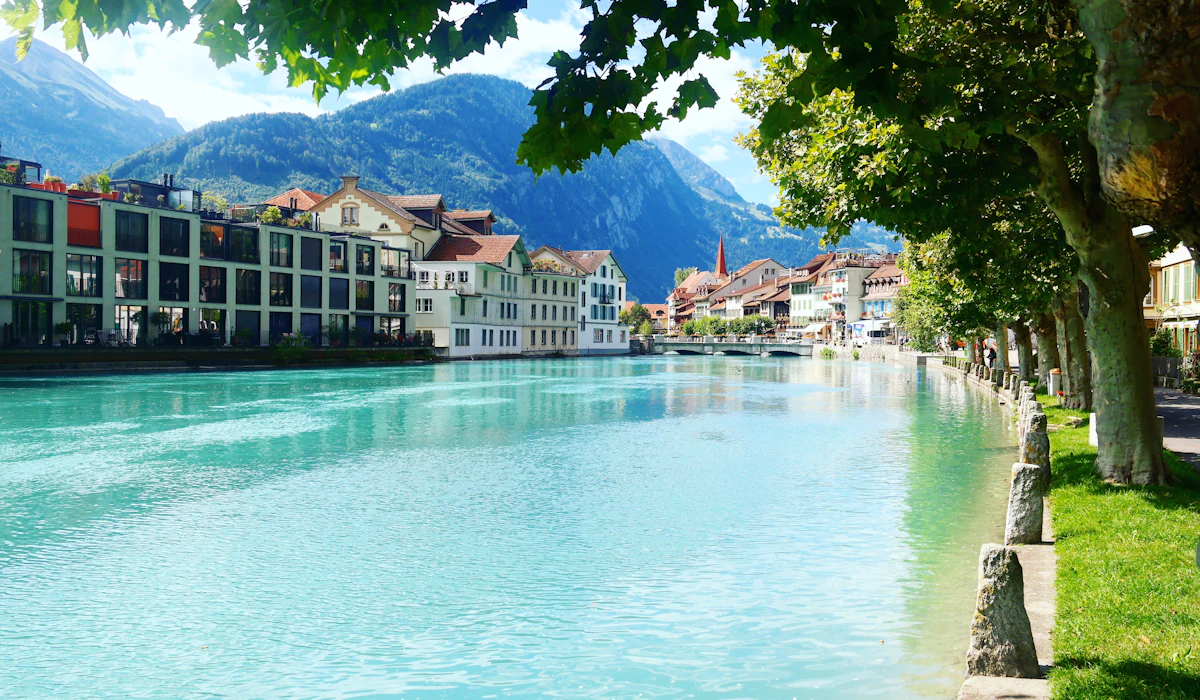
Interlaken functions as the primary gateway to some of the Swiss Alps’ most photographed mountain viewpoints, and its central train station and main street become severely congested during peak hiking and skiing seasons as day-trippers pass through en route to cable cars and trailheads. The town’s compact size makes the seasonal swing in foot traffic especially noticeable.
New Orleans, USA
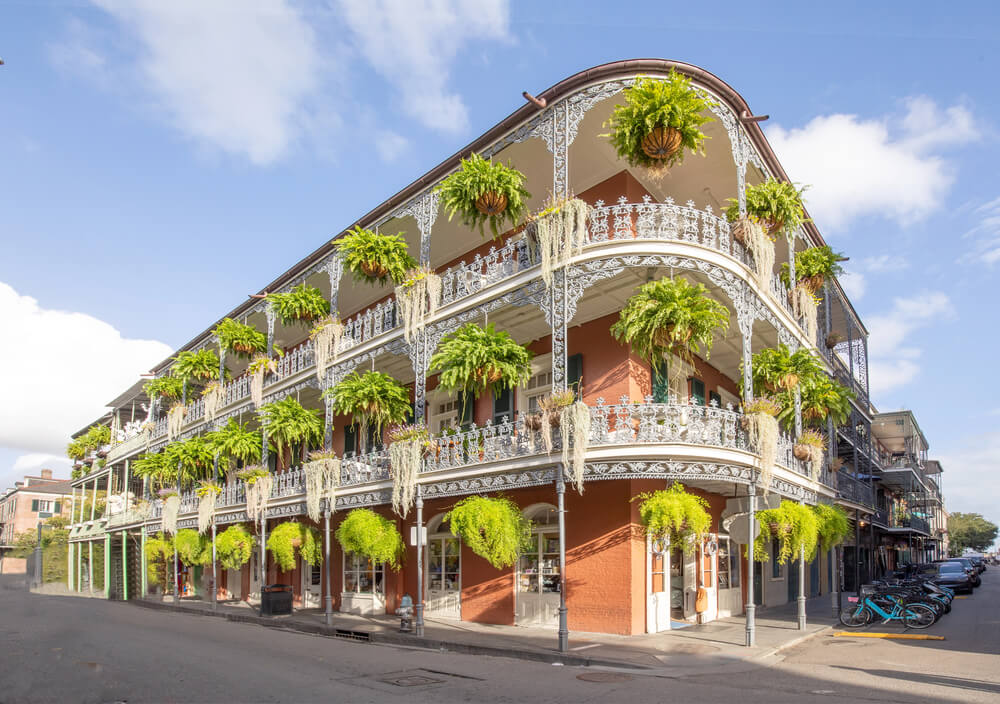
Mardi Gras draws well over a million visitors to New Orleans in the days surrounding the celebration, filling the French Quarter and parade routes to a density that makes simply moving through the neighborhood difficult without joining the crowd’s pace entirely. Hotel rates in the city rise sharply during the same window.
Munich, Germany
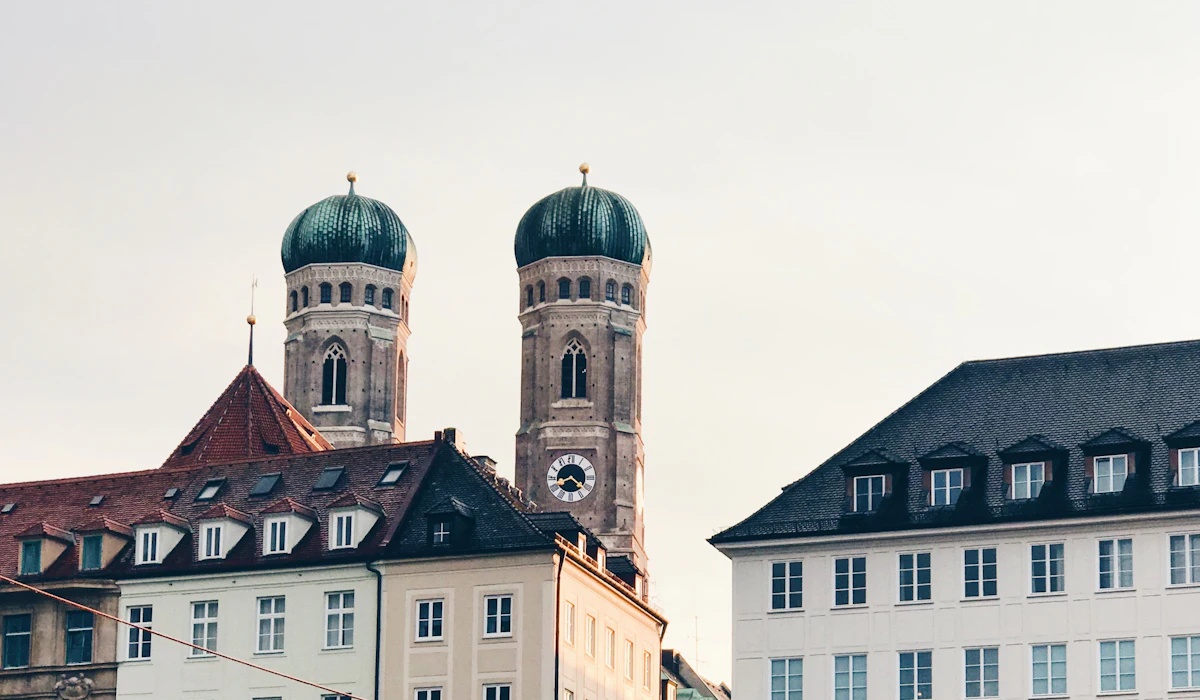
Oktoberfest draws roughly six million visitors to Munich over its multi-week run each year, packing beer tents and the surrounding fairgrounds to capacity on peak weekends and pushing hotel prices across the entire city to their highest point of the year. Public transit into the festival grounds becomes standing-room only for much of each day during the event.
Pamplona, Spain
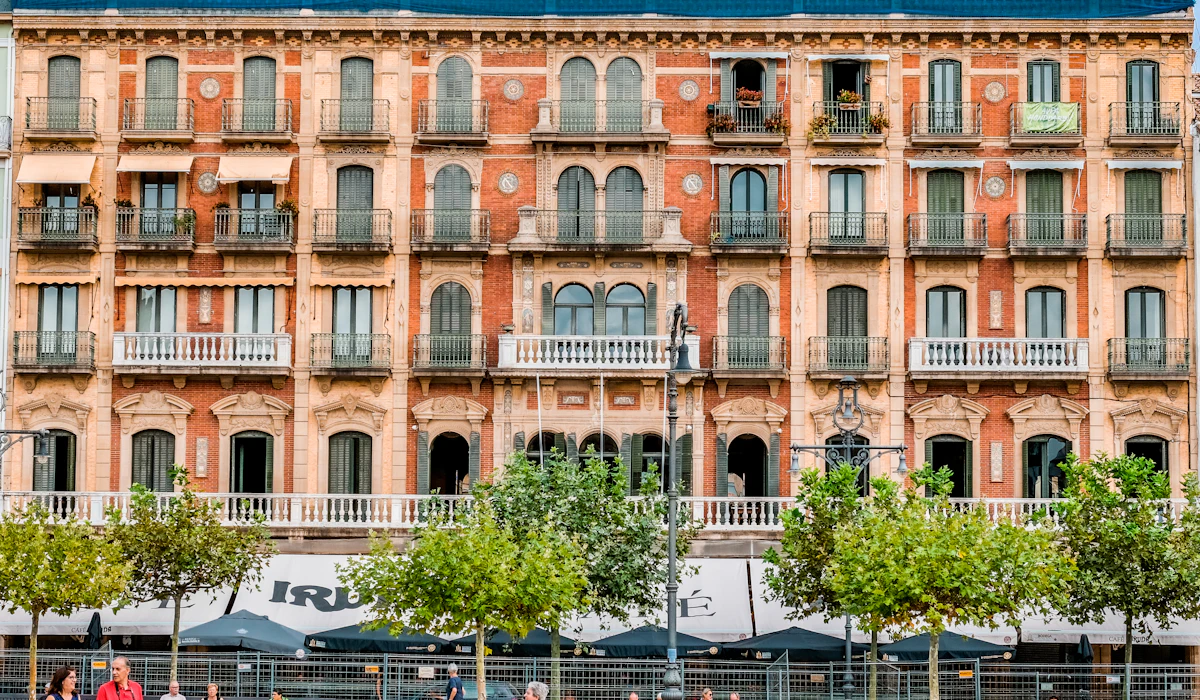
The Running of the Bulls each July draws such dense crowds along its narrow route through Pamplona’s old town that the event has recorded injuries most years, not only among runners but occasionally among spectators pressed against the barriers. The city’s population effectively multiplies for the festival’s roughly nine-day run.
Rio de Janeiro, Brazil
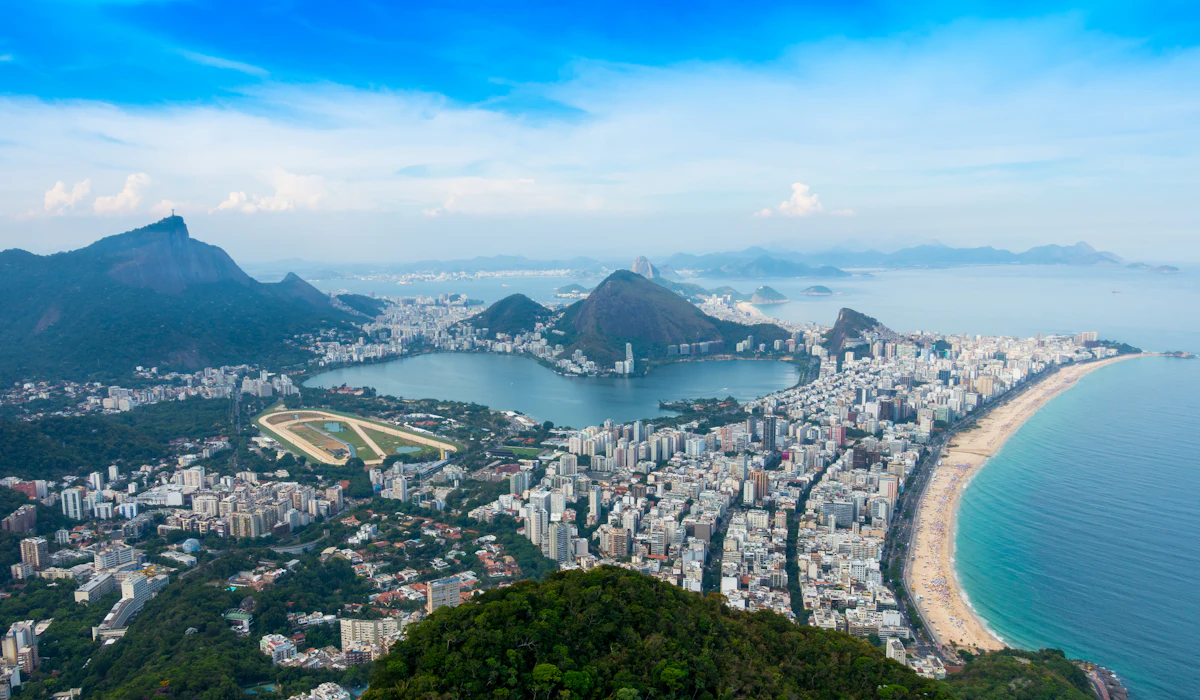
Rio’s Carnival is among the largest street festivals in the world, drawing over a million visitors during its peak week and filling both the formal Sambadrome parade venue and informal street parties, known as blocos, to a density that reshapes movement through entire neighborhoods. Hotel occupancy during Carnival regularly approaches full capacity across the city.
Cannes, France
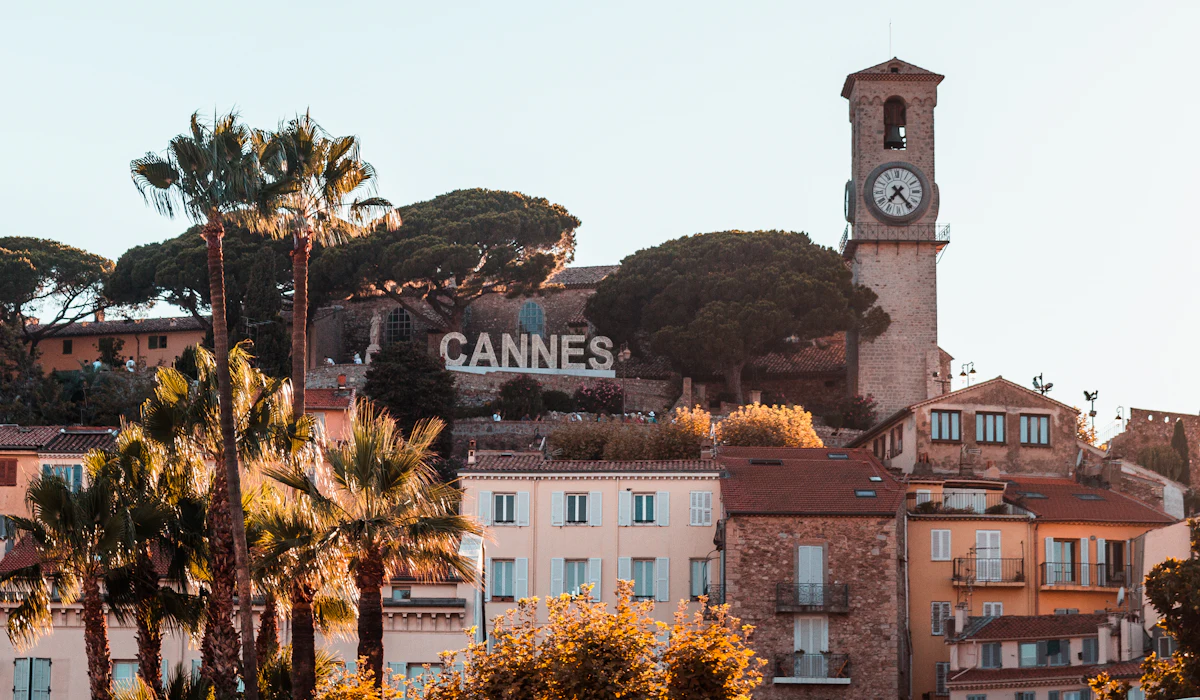
During the Cannes Film Festival each May, this relatively small French coastal city becomes saturated with industry professionals, press, and onlookers hoping for a celebrity sighting along the Croisette, straining a city built for a much smaller year-round population. Hotel prices in Cannes during the festival can rise to several times their off-season rate.
New York City, USA
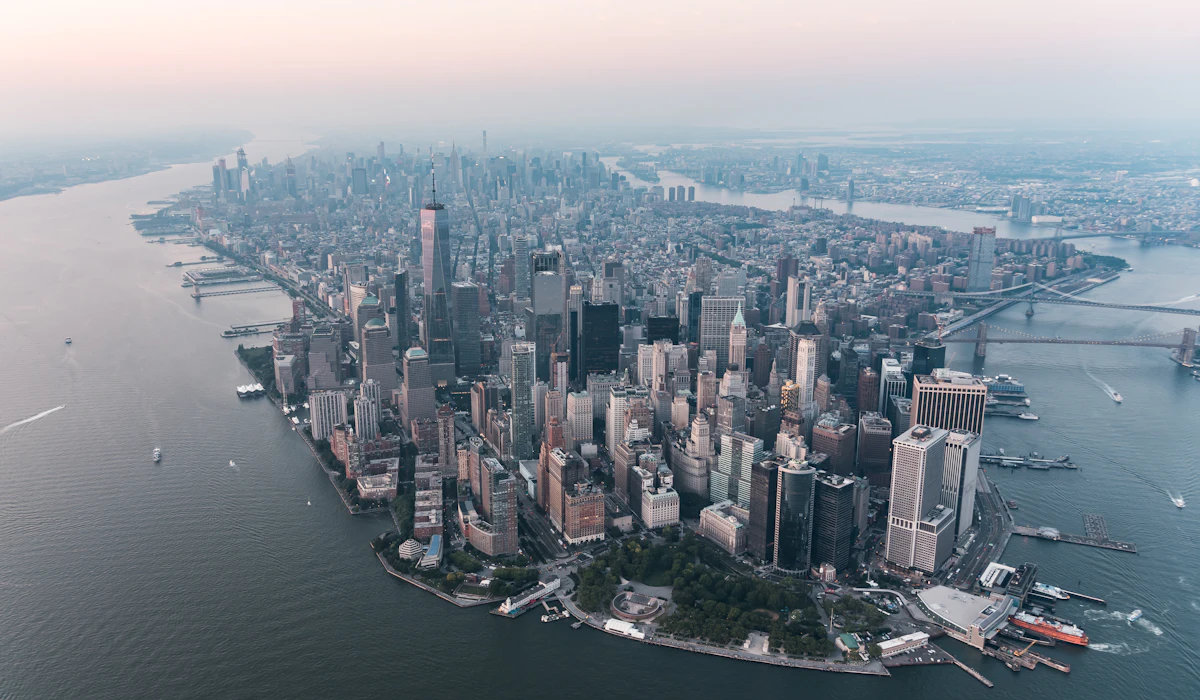
The Times Square New Year’s Eve countdown draws roughly a million spectators into a tightly controlled security pen, some of whom arrive many hours early and remain in place without bathroom access for the entire wait, a level of density and discomfort that has become part of the event’s reputation as much as the celebration itself. Streets surrounding the viewing area close to vehicle traffic hours in advance.
Havana, Cuba
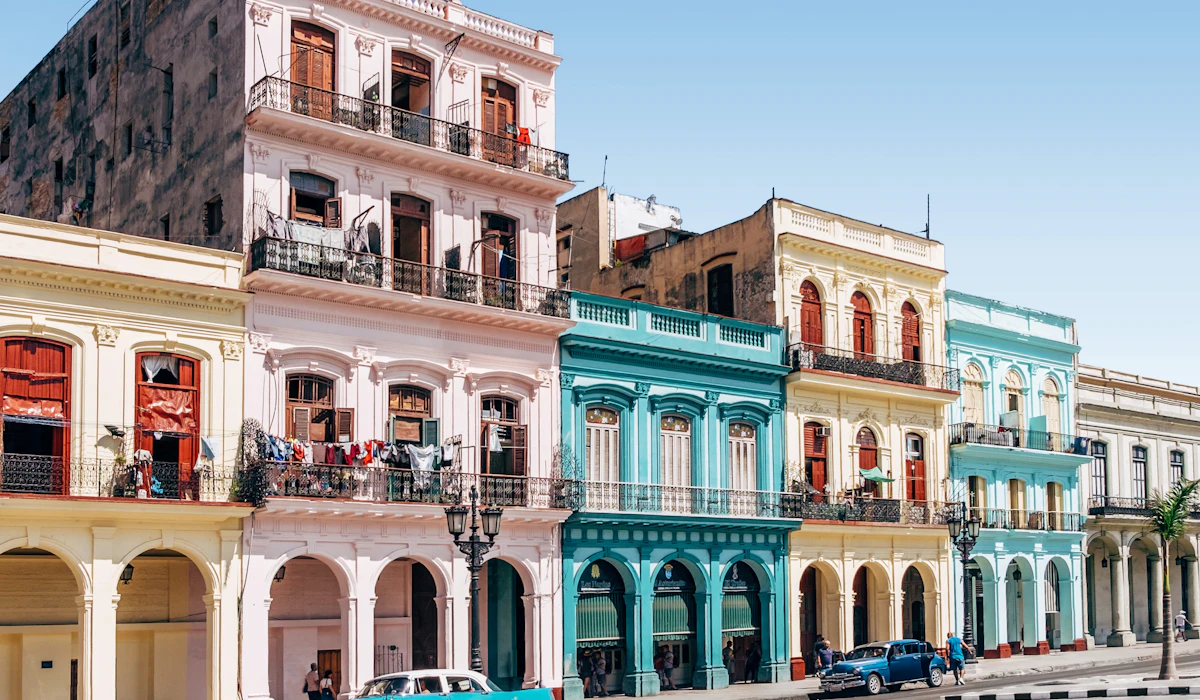
Havana’s compact historic center, Habana Vieja, sees a disproportionate share of the country’s tourism concentrated into a small radius of restored colonial streets, particularly during the dry winter high season, creating crowding that contrasts sharply with the quieter pace found just outside the tourist core. Infrastructure strain, including inconsistent utilities, compounds the seasonal visitor surge.
Marrakech, Morocco
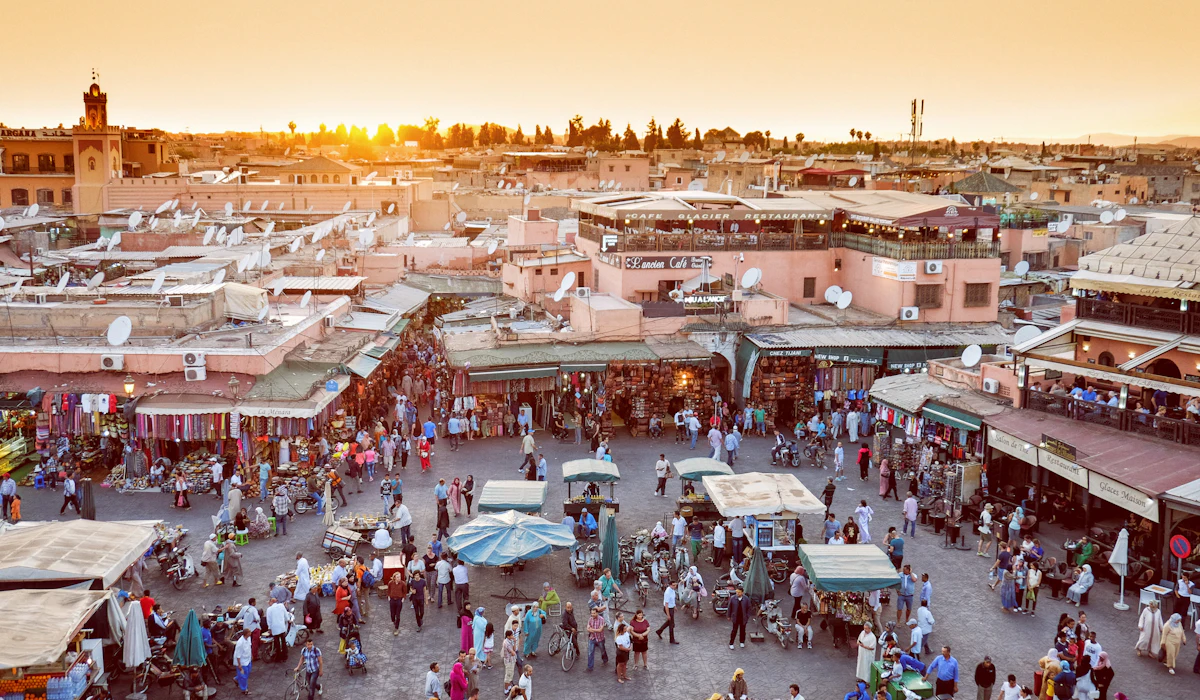
Marrakech’s Jemaa el-Fnaa square and the surrounding medina become extremely dense during peak season evenings, when food stalls, performers, and vendors combine with heavy tourist foot traffic in a labyrinth of narrow alleyways not designed for that volume. Getting lost in the medina is part of its charm outside peak hours, and considerably less charming when it’s also nearly impossible to move.
Fira, Santorini, Greece
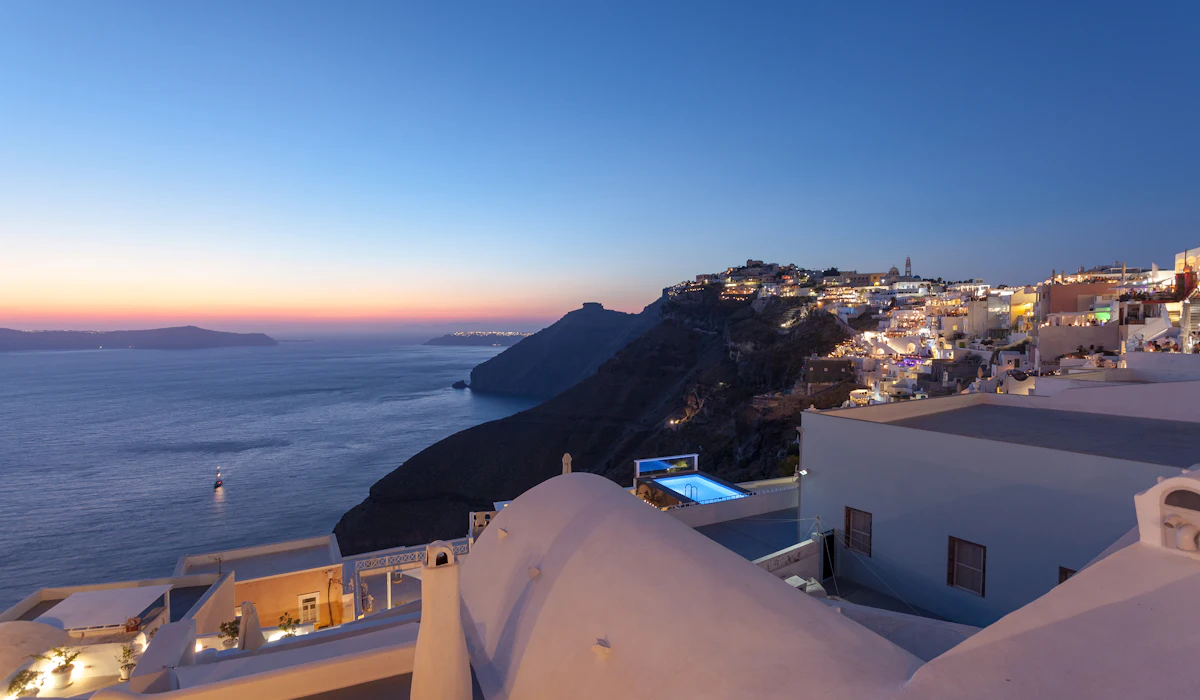
Santorini’s capital town of Fira sees such intense cruise-driven day-tripper traffic during peak season that the narrow cliffside paths leading to the caldera viewpoints can become genuinely difficult to navigate, with some days seeing multiple cruise ships anchor simultaneously. Local authorities have discussed daily visitor caps in response to the strain.
Aguas Calientes, Perú
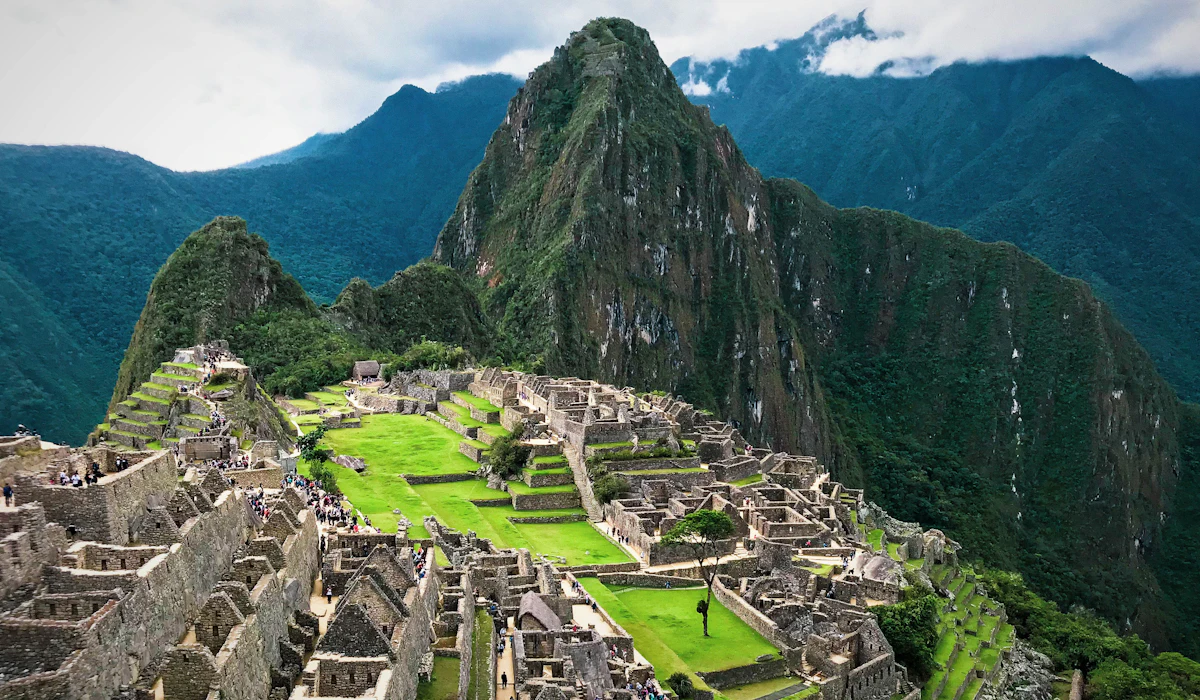
The small town serving as the gateway to Machu Picchu absorbs nearly all visitor traffic heading to the ruins, and during peak dry season its limited streets and train station become bottlenecked well before visitors even reach the site itself, which now enforces its own timed entry and visitor caps. The mismatch between the town’s modest size and its role as a mandatory travel hub creates crowding at nearly every stage of the journey.
Athens, Greece
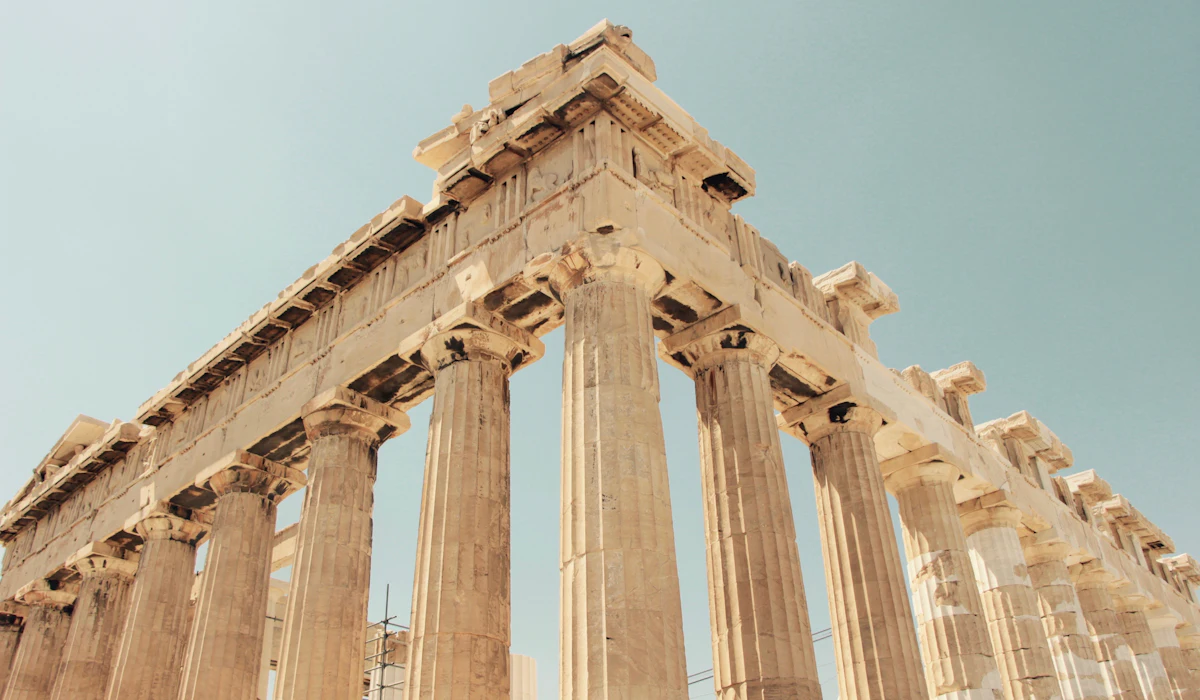
The Acropolis introduced a timed-entry ticketing system after years of visitors reporting dangerously overcrowded pathways up to the site during peak summer hours, when temperatures also frequently climb into conditions the site has periodically closed for. The surrounding Plaka neighborhood absorbs much of the same seasonal crowd pressure at street level.
Budapest, Hungary
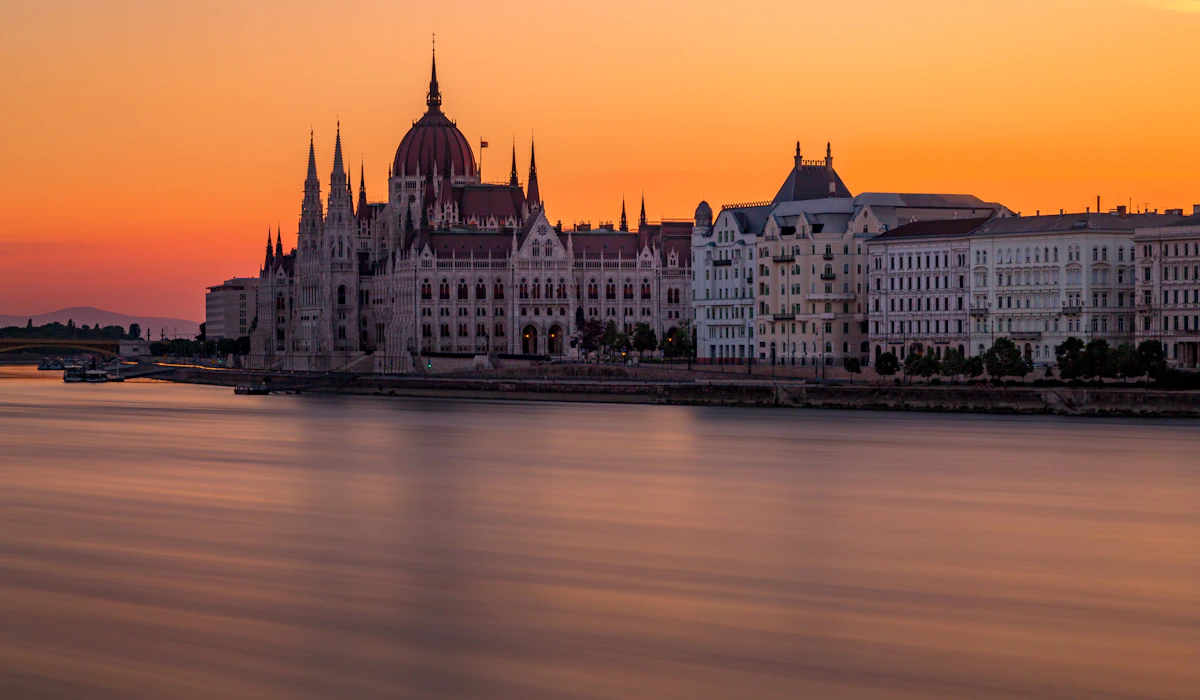
Budapest’s thermal baths and the Chain Bridge area, both major draws for the city’s compact historic core, see substantial seasonal crowding during summer months, with river cruise traffic along the Danube adding a steady stream of day visitors to an already dense downtown. The city’s famous ruin bars have also drawn complaints from long-term residents about noise and crowding spilling into surrounding residential streets.
Verona, Italy
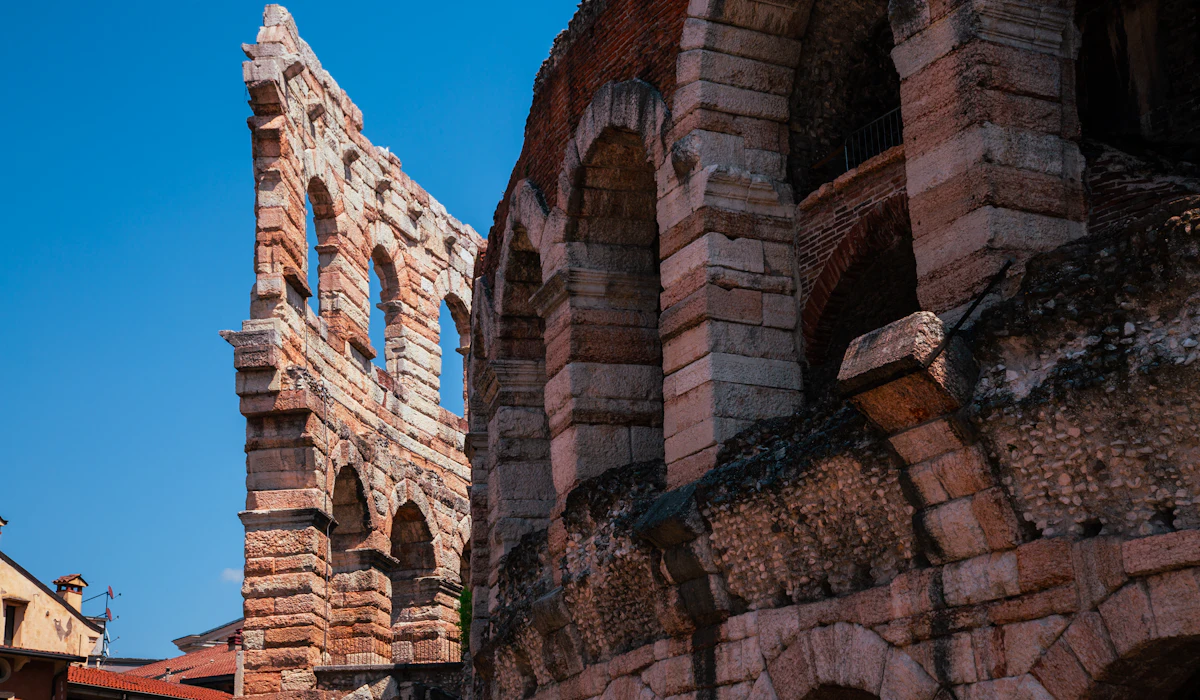
Verona’s “Juliet’s balcony,” tied to the setting of Shakespeare’s play despite having no actual historical connection to it, draws a disproportionate crowd into a small courtyard barely large enough for the volume of visitors seeking the same photo. The surrounding streets, part of Verona’s genuinely significant Roman-era old town, are frequently overshadowed by the bottleneck at this single fictional landmark.
Seville, Spain
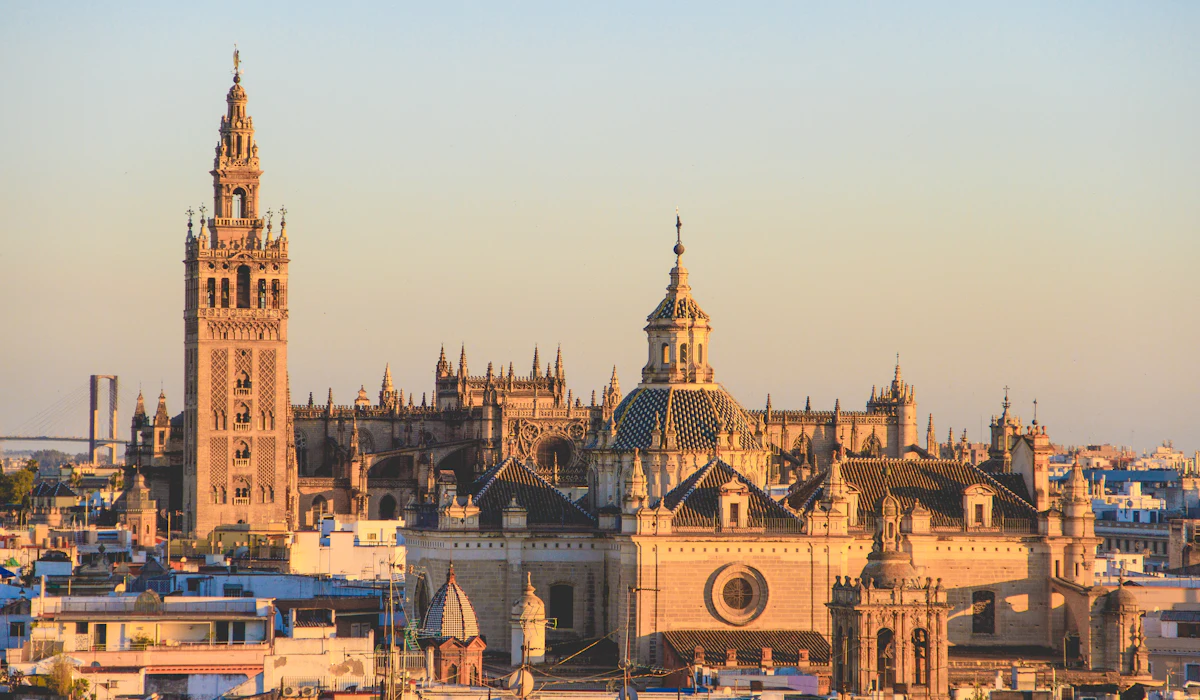
Seville’s Semana Santa and April Fair, two major annual events held weeks apart, together draw crowds dense enough to reshape movement through the entire historic center, with processions and fairground traffic closing streets for extended stretches. Hotel prices during both events rise substantially above the city’s typical rates.
Zermatt, Switzerland
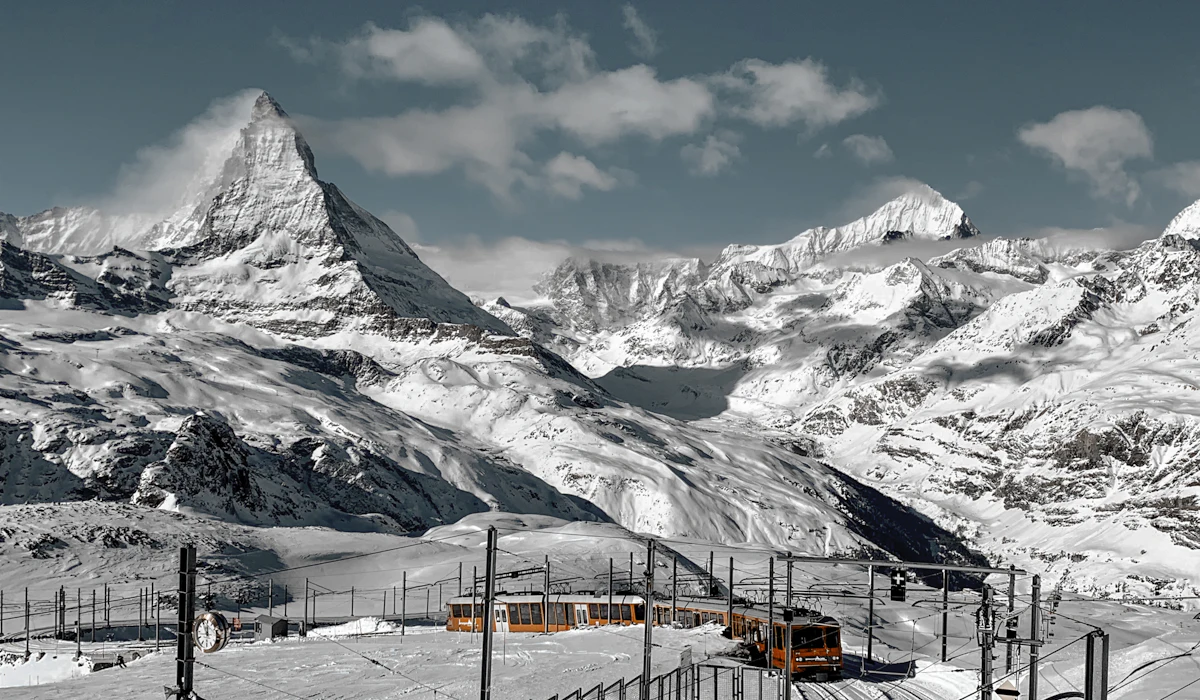
This car-free alpine village beneath the Matterhorn sees such concentrated peak ski-season and summer hiking traffic that its small main street, the only real pedestrian thoroughfare, can become tightly packed at midday, particularly near the base of the cable car stations. The car-free policy, appealing outside peak times, adds to the crowding since all foot and luggage traffic funnels through the same limited routes.
Aspen, Colorado, USA
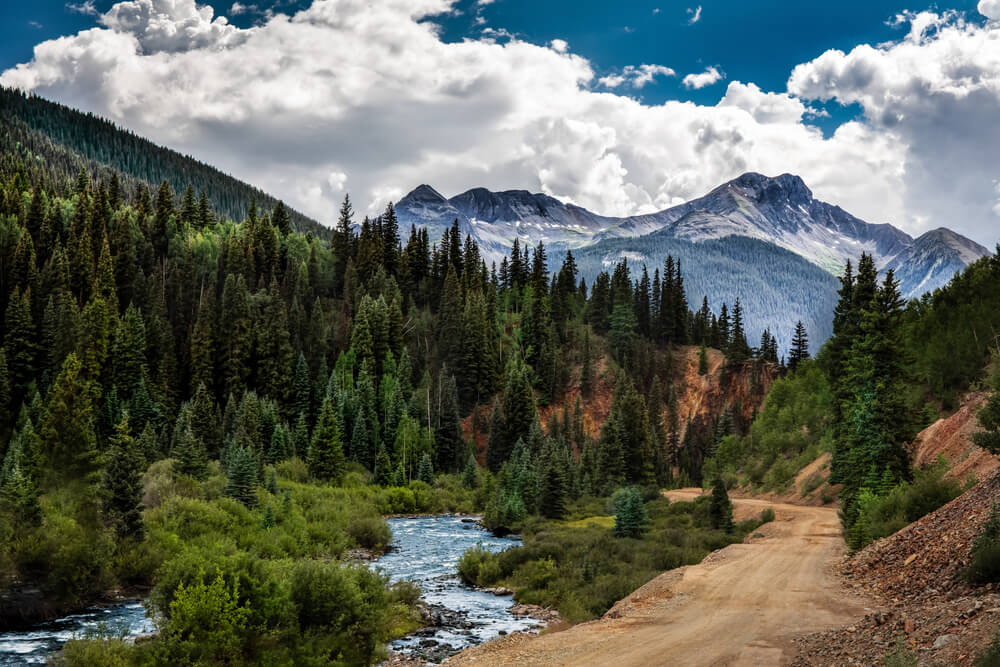
Aspen’s small downtown becomes saturated during peak ski season, when its limited parking and narrow historic streets are pushed well past capacity by both day skiers and a wealthy seasonal population, driving prices for lodging and dining to some of the highest in the United States. The mismatch between the town’s modest year-round population and its peak-season visitor volume is stark even by resort-town standards.
The Season Is the Destination
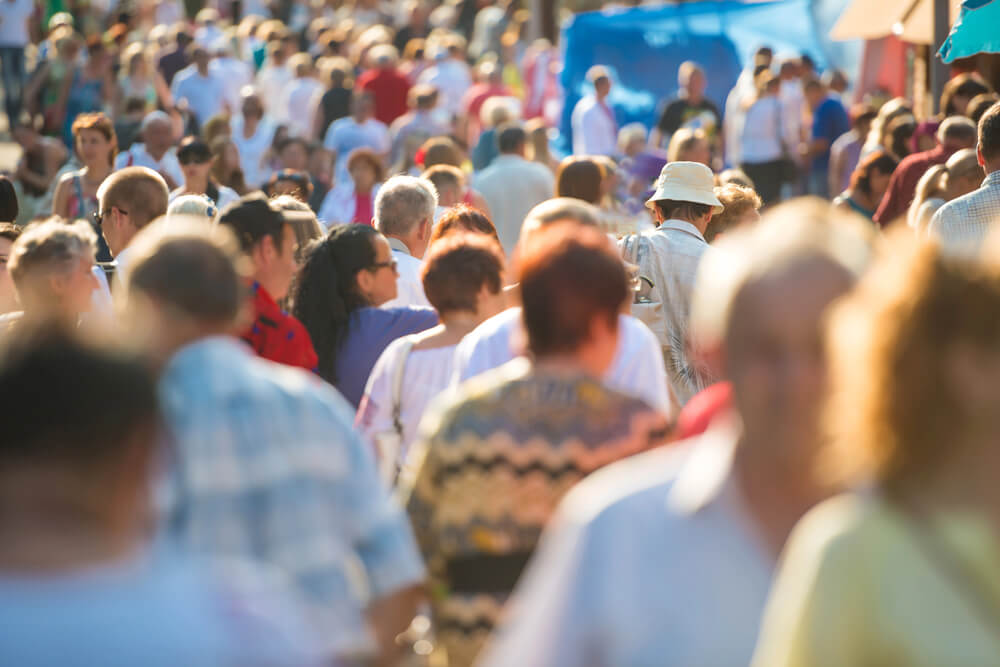
What all thirty-three of these places share isn’t a flaw in the destination itself, but a mismatch between infrastructure built for a smaller version of the place and a global travel industry that concentrates demand into increasingly narrow windows. The Venice in the postcard and the Venice on an August Saturday are, functionally, two different cities occupying the same coordinates.
None of this means these places aren’t worth visiting. It means the version worth visiting often exists at the edges of the calendar, in the weeks before or after the surge, when the same streets, the same views, and the same reasons people fell in love with these cities in the first place are still there, just without several thousand other people trying to see them at the same exact moment.
More from Travel Pug

- Underrated Italian Towns That Beat the Tourist Crowds
- Las Vegas Tourist Traps to Skip
- Prettiest Towns in Every US State
- 18 passport-free countries for Americans
- Signs Your Cruise Is Not Worth The Cost
Like Travel Pug’s content? Follow us on MSN.