

Dubai doesn’t immediately spring to mind when you think ‘budget travel destination.’
The city built its reputation on luxury hotels, gold-plated supercars, and shopping malls that make small countries jealous.
That image isn’t wrong exactly—those things exist in abundance—but it’s incomplete.
Beneath the glittering surface, there’s a version of Dubai that backpackers can actually afford, assuming you know where to look and what to skip.
The challenge is real.
This is one of the most expensive cities in the Middle East, and costs add up faster than you’d expect.
Accommodation runs higher than almost anywhere else, taxis can drain your budget in days, and even a basic meal at the wrong restaurant will make you wince.
But here’s the thing about Dubai that surprises most budget travelers—free attractions outnumber paid ones by a comfortable margin, public transportation works brilliantly, and if you’re strategic about where you sleep and eat, the city becomes manageable.
Not cheap, mind you.
Manageable.
Here’s how to experience Dubai without emptying your savings account.
When to Visit

Timing your trip to Dubai matters more than almost anywhere else, and not just because of crowds.
The weather swings between comfortable and genuinely dangerous depending on the season, and prices follow suit.
October through April is peak season, when temperatures hover around a pleasant 80 degrees Fahrenheit and tourists from colder climates flood in.
Hotels know this, airlines know this, and they price accordingly.
Expect to pay 30% to 50% more for everything during these months.
The budget window opens from May through September, when daily highs regularly breach 105 degrees.
July and August are particularly brutal, with heat so intense that being outside during midday feels like standing in front of a hair dryer set to maximum.
Most people would call this weather a dealbreaker.
Budget travelers call it leverage.
Five-star hotels slash rates to under $100, attractions discount tickets by half, and flight deals appear with surprising frequency.
The city empties just enough to make popular spots actually enjoyable.
The trade-off is obvious—you’ll spend less time outdoors and more time ducking into air-conditioned malls and metro stations.
For travelers comfortable with strategic planning and early morning activities, summer in Dubai offers the best value by a significant margin.
Where to Stay

Hostels exist in Dubai, which feels like a minor miracle given the city’s obsession with luxury.
They’re not plentiful, but the ones that do operate tend to be surprisingly decent.
Deira district, centered around the airport and old Dubai Creek, offers the most affordable lodging options.
Room rates here are 20% to 30% lower than comparable spots in Marina or downtown, and the area offers easy access to major attractions via metro.
The trade-off is atmosphere—Deira feels more utilitarian than glamorous, but that’s exactly what keeps prices down.
Dubai Marina attracts backpackers willing to spend slightly more for better views and a more Western vibe.
Hostels here occupy high-rise apartments, some on floors so high you’ll feel like you’re sleeping in the clouds.
A few even offer access to building amenities like pools and gyms, which sounds absurd for budget accommodation until you remember this is Dubai, and excess is the local language.
Couchsurfing has an active community in Dubai, though cultural considerations apply.
Unmarried men and women cannot legally share accommodation, so hosts and guests need to match genders.
That limitation aside, staying with locals offers more than just free lodging—it provides access to insider knowledge about where to eat cheaply and which neighborhoods to explore beyond the tourist circuits.
Getting Around

Dubai Metro deserves recognition as one of the city’s best budget-friendly assets.
The system connects nearly 50 stations across two lines, covering everywhere a tourist needs to go or getting close enough that a short walk finishes the journey.
Trains are clean, air-conditioned, and mercifully frequent.
Operating hours run from around 5:30 in the morning until 1 AM on most days, though Friday schedules start later at 10 AM to accommodate weekly prayers.
A NOL card (Dubai’s rechargeable transit pass) is non-negotiable for anyone planning to use public transport.
You can buy one at any metro station for around $2, then load it with credit.
Single rides cost as little as 60 cents, making it absurdly cheap compared to taxis.
The card works on buses and trams too, covering the entire public transportation network.
The only real limitation is Dubai’s sprawling geography—some attractions are far from metro stations, so walking isn’t practical when it’s 110 degrees outside.
Abra boats crossing Dubai Creek cost exactly one dirham — about $0.25 — and deliver both transportation and a tourist experience simultaneously.
These traditional wooden boats ferry passengers between Deira and Bur Dubai, offering views of the city’s older waterfront that modern attractions can’t match.
Locals use them for commuting, tourists use them for photos, and everyone benefits from the fact that this ancient system somehow survived Dubai’s transformation into a futuristic metropolis.
What to Eat

Food costs in Dubai vary wildly depending on where you’re eating.
Hotels and restaurants serving alcohol mark up prices to levels that would make New York seem reasonable.
Skip those entirely.
The real deals lie in neighborhoods like Deira, Bur Dubai, and Satwa, where restaurants cater to the massive workforce from India, Pakistan, and the Philippines.
A filling meal at one of these spots costs between $5 and $10, and the quality often surpasses anything you’d find at triple the price in tourist areas.
Shawarma stands are everywhere, and they’re both cheap and delicious.
Spiced meat wrapped in pita bread with vegetables and sauce costs around $3 to $5 and makes an excellent quick meal.
Pair it with fresh juice from a nearby stall and you’ve got lunch for under $10.
Street food in Dubai doesn’t have the same chaotic energy as Southeast Asia, but it exists if you know where to look.
Cooking your own meals saves the most money, assuming your accommodation includes kitchen access.
LuLu Hypermarket offers the lowest grocery prices in the city, with locations in Bur Dubai, Deira, and near the Mall of the Emirates.
They sell ready-to-eat meals alongside regular groceries, giving you options when cooking feels like too much effort.
Carrefour represents the alternative with slightly higher prices but better selection.
Either way, supermarket meals cost a fraction of restaurant dining and leave more budget for activities that actually matter.
Free Attractions

Dubai’s obsession with being the biggest and most impressive at everything extends to free attractions, which is fantastic news for backpackers.
The Dubai Fountain performs nightly shows at the base of Burj Khalifa, choreographing water, light, and music into a genuinely spectacular spectacle.
Shows run every 30 minutes from 6 PM to 11 PM, and the best viewing spots along the waterfront don’t cost anything.
Arrive early to claim a good position, especially on weekends when crowds multiply.
Public beaches rank among Dubai’s most underrated assets.
Jumeirah Beach, Kite Beach, and Sunset Beach all offer free access to clean sand and warm water.
Sunset Beach provides unobstructed views of Burj Al Arab, the sail-shaped hotel that’s become one of Dubai’s defining images.
Kite Beach attracts water sports enthusiasts and has a 14-mile walking track perfect for morning runs.
These beaches prove that even in a city obsessed with charging for everything, some experiences remain accessible.
Al Fahidi Historical District preserves what little remains of pre-oil Dubai.
Narrow alleys wind between traditional wind-tower houses, now converted into art galleries and small museums.
The area stays quiet compared to the rest of the city, offering a peaceful contrast to the constant construction and traffic.
Entry is free, and it’s one of the few places in Dubai where you can imagine what the city looked like before everything got bigger, taller, and shinier.
Worth the Splurge

Budget travel doesn’t mean skipping everything that costs money.
Some experiences justify the expense, and in Dubai, a desert safari tops that list.
Dune bashing, camel rides, and traditional Bedouin-style dinners under the stars cost around $70 to $100, depending on the package.
That’s not cheap, but it’s also the kind of experience that defines a trip.
Look for group deals through hostels or team up with other backpackers to split transportation costs.
The cheapest safaris sometimes cut corners on quality, so read reviews carefully before booking the absolute bottom-priced option.
Jumeirah Mosque offers guided tours for 35 dirhams—about $10—and is one of the few mosques in Dubai open to non-Muslims.
The tours provide genuine insight into Islamic culture and architecture without the tourist trap feeling that plagues some attractions.
Photography is allowed, and questions are encouraged; the guides handle both with patience.
For travelers interested in understanding the region beyond the shopping malls, this is money well spent.
Cultural Considerations
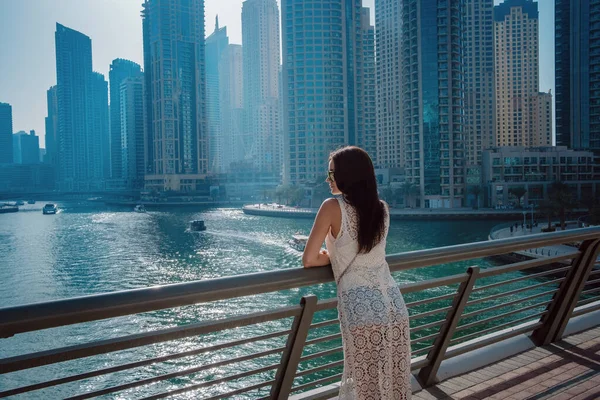
Dubai’s conservative Muslim roots still influence daily life despite the city’s modern appearance.
Dress codes matter, especially outside tourist zones.
Keep shoulders and knees covered in public areas, malls, and souks.
Beaches allow swimwear, obviously, but cover up when leaving the sand.
Violations won’t get you arrested, but they invite uncomfortable stares and occasionally prompt security guards to offer polite suggestions about finding more appropriate clothing.
Alcohol is expensive and tightly regulated.
Most bars and restaurants that serve it operate inside hotels, where prices reflect the captive audience.
A beer typically costs around 40 dirhams—roughly $11 —which makes drinking a luxury most backpackers can’t afford regularly.
Public intoxication is illegal and enforced strictly, so if you do splurge on drinks, stay responsible.
Ramadan affects travel planning if your visit coincides with the Islamic holy month.
Eating, drinking, or chewing gum in public during daylight hours becomes illegal for everyone, not just Muslims.
Restaurants close or operate with curtained windows, and the city’s pace slows noticeably.
Some travelers avoid Dubai entirely during Ramadan, while others appreciate the unique cultural experience.
Just know what you’re walking into.
Making It Work
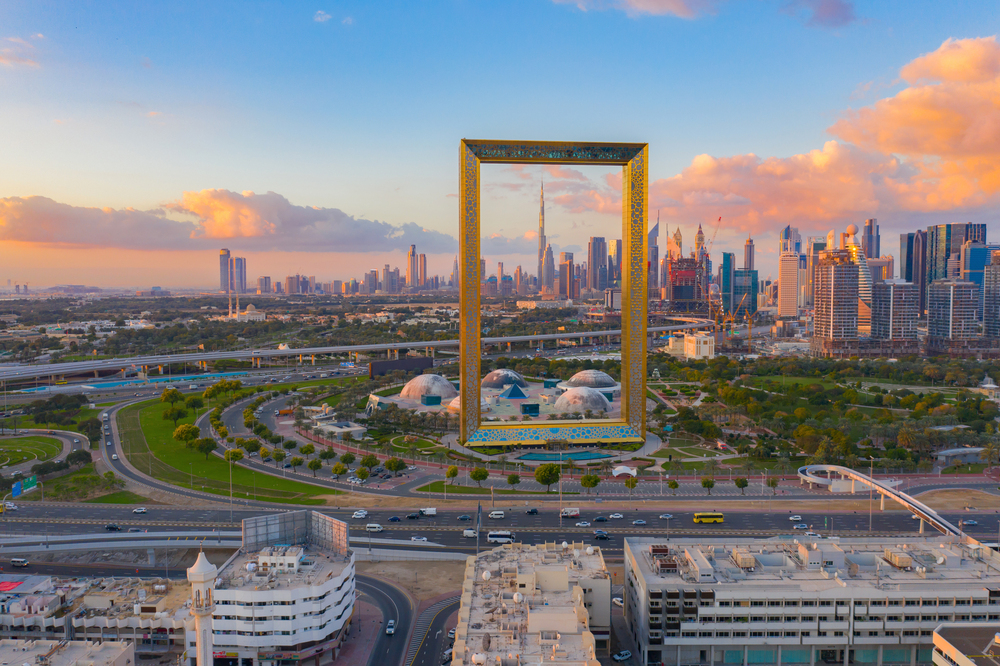
Dubai presents more challenges to backpackers than most places.
The city wasn’t built for the budget traveler, and it shows large and small.
Still, thousands of individuals manage to make it work annually by strategizing in Dubai, not attempting to keep pace with the high-rollers.
Pick your accommodations wisely, use public transport devoutly, dine where locals dine, and prioritize the surprisingly long list of free activities.
A desert safari and perhaps a single indulgent meal can cap the adventure without bankrupting you.
The city is a reward for forward thinking.
Reserve accommodation well in advance, particularly if you’re traveling during the shoulder season, when hostels are filled with visitors scrambling for the same bargains you’re after.
Download the metro map beforehand and mark the stations nearest to your intended activities.
Plan restaurants instead of getting lost in high-end neighborhoods on an empty stomach, bemoaning the fact that everything is $30.
More from Travel Pug

- Underrated Italian Towns That Beat the Tourist Crowds
- Las Vegas Tourist Traps to Skip
- Prettiest Towns in Every US State
- 18 passport-free countries for Americans
- Signs Your Cruise Is Not Worth The Cost
Like Travel Pug’s content? Follow us on MSN.