

Deciding between a three-day cruise and a two-week cruise can be like contrasting apples and oranges. Each cruise duration has its loyal followers, and the “better” option truly depends on what you want in your holiday.
Some tourists swear by short weekend getaways, whereas others wouldn’t think of reserving anything less than 10 days. The cruise sector has worked this out, and so you can now discover anything from short sampler cruises to month-long odysseys traveling around the world.
Your dream cruise duration links directly to such things as your budget, flexibility of schedule, traveling experience, and basically what you truly desire from your sea time. A short cruise could be ideal for trying out the experience if you are a first-time cruiser.
Still, a longer cruise allows you the opportunity to relax deeply and visit several ports without hurrying. Below is a list of 15 things to think about when choosing between longer and shorter cruises.
Budget considerations

Shorter cruises typically cost less upfront—making them accessible for travelers watching their wallets. Yet when you break down the cost per day, longer cruises often deliver superior value since cruise lines spread their base operational costs across more days.
It’s similar to buying in bulk at the grocery store, where the per-unit price drops when you commit to a larger quantity.
Port variety

cultures and landscapes. A seven-day Caribbean cruise might visit three or four islands, whereas a two-week voyage could take you through eight or nine ports across multiple countries.
Shorter cruises focus on nearby destinations—which means less sailing time and more frequent port stops relative to the overall trip length.
Onboard amenities access
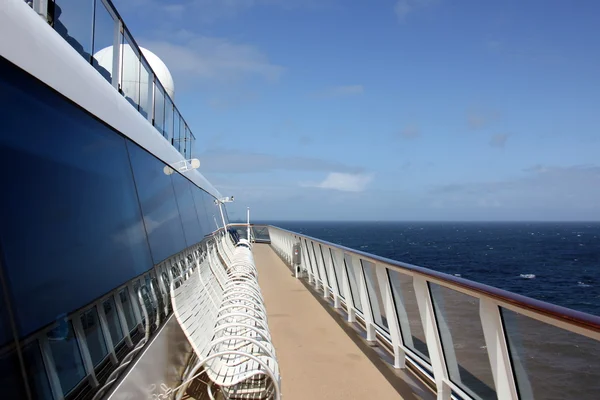
Extended cruises give you enough time to actually use all those fancy ship features you paid for. You might rush through the spa on a three-day cruise, catch one show, and miss half the specialty restaurants entirely.
A longer voyage lets you take that cooking class, try every dining venue, and become a regular at the piano bar. You won’t feel like you’re racing against the clock.
Pacing and relaxation
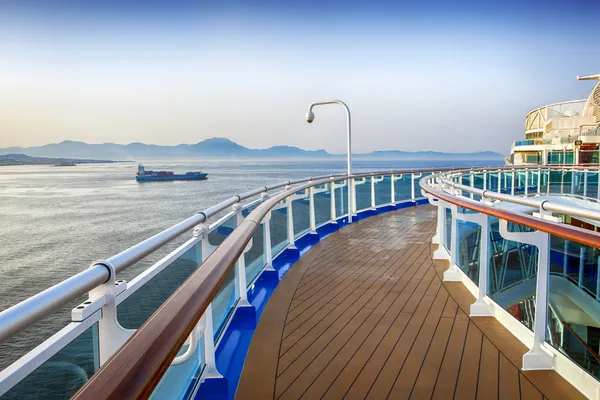
Shorter cruises tend to feel more energetic and packed with activities since everyone knows their time is limited. Longer cruises naturally slow down the pace.
You can spend a lazy afternoon by the pool without guilt because you’ve got plenty of days ahead. The rhythm changes completely when you’re not constantly thinking about how quickly your vacation is ending.
First-timer experience

A brief cruise works great as a test run if you’re unsure about cruising as a vacation style. You can dip your toes in without committing a huge chunk of time or money—and if it’s not your thing, you’ve only invested a long weekend.
Many cruise veterans actually started with short trips before graduating to longer voyages once they knew they enjoyed the experience.
Seasickness concerns

People worried about getting seasick often prefer shorter cruises to minimize their exposure to rough waters. Modern cruise ships have excellent stabilizers, yet if you’re prone to motion sickness, a three-day trip limits your risk compared to a two-week trip at sea.
Despite this, longer cruises give your body more time to adjust to the ship’s movement, and many people find their sea legs by day three or four.
Work and time off

Shorter cruises fit easily into a standard vacation allowance without eating up all your days off for the year. A four-day cruise only requires taking two or three days off work if you book over a weekend, leaving you with vacation time for other trips.
Longer cruises demand more planning and a bigger time commitment, which can be tough if you’re in a job with limited flexibility or if you’re saving those precious vacation days.
Family dynamics

Three to five-day cruises work well for families with young kids who might get restless or homesick on extended trips. Shorter voyages keep things fresh and exciting without the risk of meltdowns from overstimulated children or teenagers complaining about missing their friends.
However, families with older kids often prefer longer cruises—there’s more time for everyone to find their rhythm and make friends onboard.
Destination depth

Longer cruises allow for overnight stays in certain ports, giving you a real feel for a destination beyond the typical tourist areas. You might dock in Barcelona for two days instead of eight rushed hours.
That means you can enjoy a leisurely evening tapas crawl instead of sprinting through Gaudí’s greatest hits. Shorter cruises keep port visits brief and surface-level, though some travelers actually prefer the highlights-only approach.
Entertainment options

Extended voyages give cruise lines time to rotate through their full entertainment lineup—from Broadway-style shows to comedy acts and live bands. On a three-day cruise, you might see two or three main productions.
A two-week trip exposes you to different performers and themed nights throughout your journey. The entertainment team also gets more creative on longer cruises with tournaments, classes, and special events that need time to develop.
Social connections

Making friends happens more naturally on longer cruises because you keep running into the same people at dinner, activities, and shore excursions. Those casual conversations at the breakfast buffet can turn into genuine friendships when you’ve got ten days together instead of three.
Shorter cruises feel more anonymous. You might chat with tablemates once or twice, but there’s barely enough time to remember names before everyone’s disembarking.
Packing simplicity

Shorter cruises mean lighter luggage since you need fewer outfit changes and less stuff overall. You can get away with a carry-on and personal item for a long weekend cruise, skipping the baggage fees and waiting at the carousel.
Longer voyages require more strategic packing, especially if you’re hitting different climates or attending multiple formal nights. This means checking bags and bringing considerably more gear.
Weather risk

Short cruises put all your vacation into a tight weather window, so a single rainy day or rough seas can really hurt your experience. Longer cruises distribute the weather risk.
Even if you get hit with a storm or two, you have lots of other days that could be beautiful. It’s the difference between putting all your chips on a single hand versus playing several rounds.
Jet lag recovery

If your cruise starts far from home, shorter trips don’t give you much time to recover from jet lag before you’re sailing back and dealing with it again. Flying to Europe for a four-day Mediterranean cruise means you might spend half the trip feeling groggy and off-schedule.
Longer international cruises justify the long flights. Your body has time to adjust, and you get more payoff from that travel investment.
Ship exploration
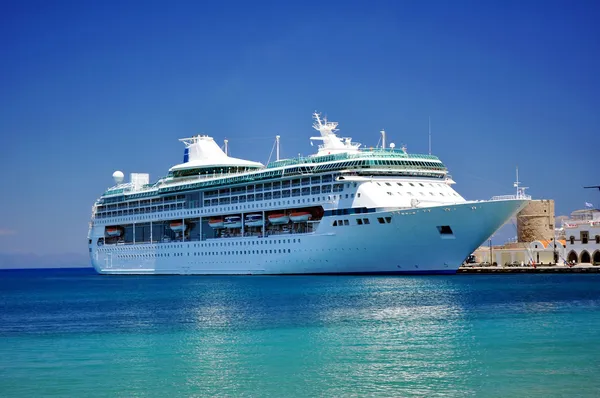
Modern cruise ships are basically floating cities with multiple neighborhoods, hidden lounges, and secret spots that take days to discover. On a quick cruise, you might never make it past the main pool deck and dining room.
You’ll miss out on quirky venues like the solarium or observation lounge. Extended voyages give you time to wander and stumble upon those tucked-away gems that become your favorite spots.
Finding your perfect balance

The cruise market has moved beyond its original week-long Caribbean vacation offerings to providing everything from overnight party cruises to three-month world tours. Your ideal cruise duration is a matter of combining pragmatic considerations, such as your budget and schedule, with your individual inclinations for how you prefer to take your vacation.
Some have found they like to mix it up—indulge in a short four-day cruise in spring and splurge on a longer autumn voyage—instead of selecting one camp for life. The advantage of contemporary cruising is that you don’t need to select only one type, and your optimal length could alter as your life situation and travel acumen mature over time.
More from Travel Pug

- Underrated Italian Towns That Beat the Tourist Crowds
- Las Vegas Tourist Traps to Skip
- Prettiest Towns in Every US State
- 18 passport-free countries for Americans
- Signs Your Cruise Is Not Worth The Cost
Like Travel Pug’s content? Follow us on MSN.