

The journey from Thailand’s electric capital to Vietnam’s historic heart covers roughly 1,200 kilometers of Southeast Asia’s most rewarding terrain. Travelers who make this crossing encounter ancient temples, limestone karsts that jut from emerald waters, and night markets where the smell of grilled meat mingles with jasmine.
Here’s a list of stops, detours, and experiences that transform this route from a simple A-to-B transit into something far more memorable.
Ayutthaya

Most visitors rush through Ayutthaya on day trips from Bangkok, but staying overnight reveals a different city entirely. The ancient capital of Siam holds dozens of temple ruins that glow amber in the late afternoon light, and the crowds thin dramatically once the tour buses depart.
Renting a bicycle makes sense here. The Historical Park spreads across an island formed by three rivers, and pedaling between crumbling prangs and headless Buddhas takes on a meditative quality.
Wat Mahathat houses the famous Buddha head entwined in tree roots, though lesser-known temples often prove more atmospheric.
Khao Yai National Park
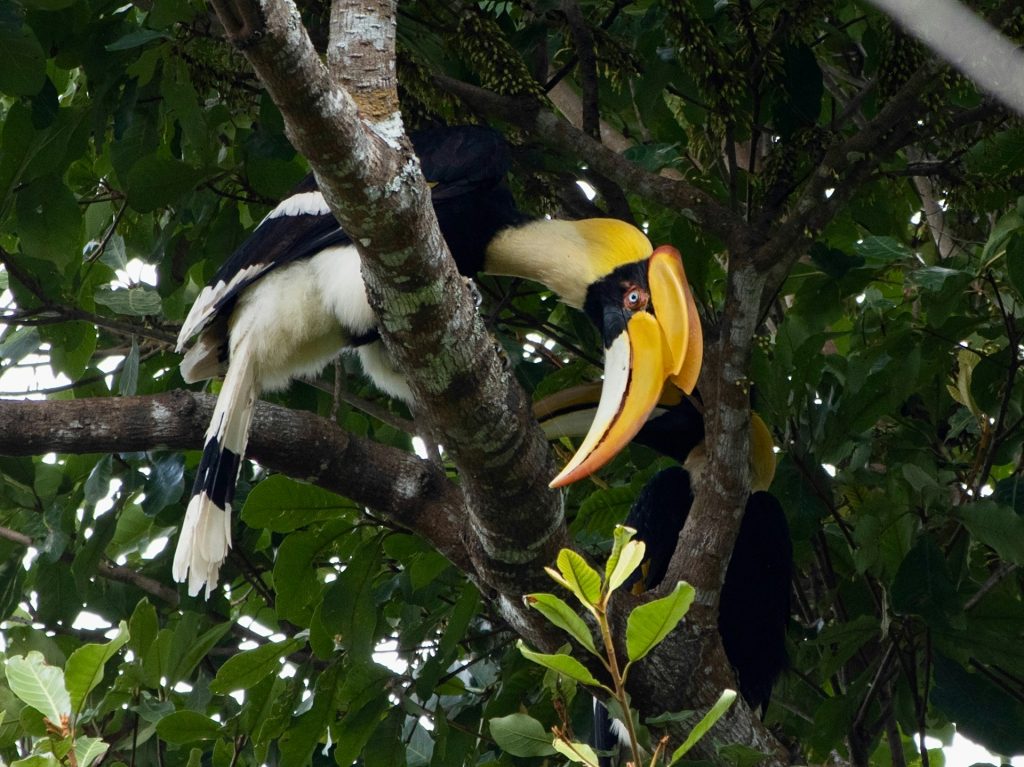
Thailand’s oldest national park sits just a few hours northeast of Bangkok, offering a sharp contrast to the urban chaos left behind. Khao Yai sprawls across five different forest types and shelters wild elephants, gibbons, and over 300 bird species.
The park’s network of trails ranges from easy boardwalks to full-day treks. Haew Suwat Waterfall appeared in the film “The Beach,” though the less-visited Haew Narok Falls drops more dramatically through three tiers.
Night safaris sometimes spot civets and porcupines crossing the roads.
Like Travel Pug’s content? Follow us on MSN.
Nong Khai

This Mekong River town marks one of Thailand’s most laid-back border crossings. Nong Khai stretches along the riverbank with a pleasant promenade where locals gather for evening exercise and street food.
The vibe feels distinctly unhurried.Sala Kaew Ku sculpture park sits just outside town—a bizarre collection of massive concrete statues depicting Hindu and Buddhist figures in surreal poses.
The park was created by a mystic monk whose vision included a seven-headed naga, multi-armed deities, and demons locked in eternal struggle. Definitely worth the tuk-tuk ride.
Vientiane

Laos’s capital confounds expectations of what a Southeast Asian capital should feel like. Traffic moves slowly. Buildings rarely exceed four stories.
The Mekong forms the western boundary, and sunset riverbank strolls have become practically mandatory for visitors and residents alike.Pha That Luang, the golden stupa that symbolizes Laos, dominates the skyline with its gleaming spire.
But Vientiane’s real charm emerges in smaller moments—monks collecting alms at dawn, the French colonial architecture crumbling gracefully in the tropical heat, and night markets selling Lao textiles and questionable knockoff electronics. COPE Visitor Centre provides sobering context about unexploded ordnance still affecting the country decades after the war.
Vang Vieng
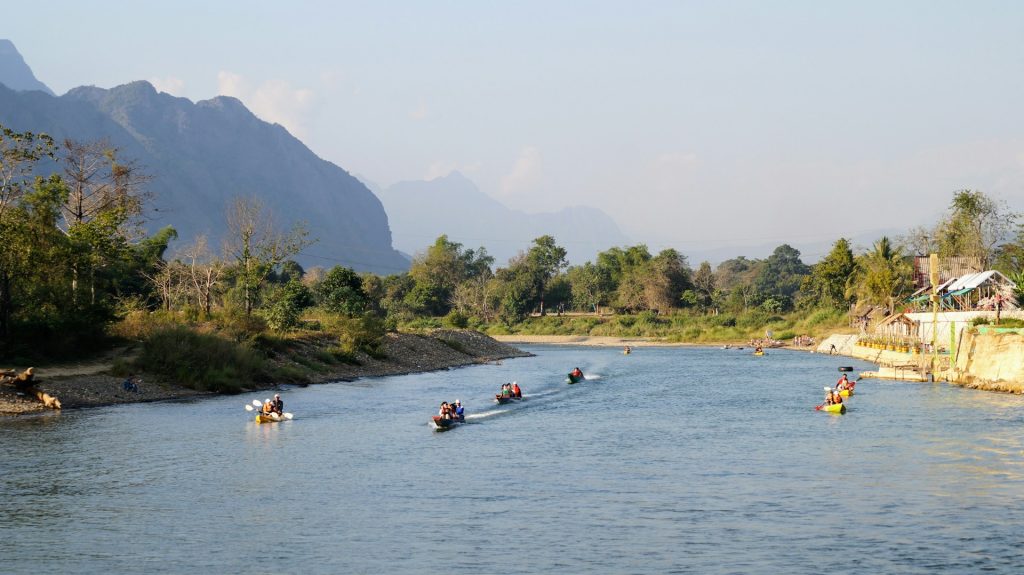
Once notorious for drug-fueled tubing parties, Vang Vieng has reinvented itself as an outdoor adventure hub. The dramatic limestone karsts that ring the town remain unchanged, their sheer faces reflected in the Nam Song River.
Rock climbing routes scale those karsts, offering views that stretch across rice paddies to distant mountains. Hot air balloon rides drift over the landscape at dawn.
The tubing still exists but operates under much stricter regulations now. Tham Chang Cave sits close to town and takes less than an hour to explore, while Tham Phu Kham requires more effort but rewards with an emerald lagoon and a reclining Buddha inside the cavern.
Like Travel Pug’s content? Follow us on MSN.
Luang Prabang

This UNESCO World Heritage town sits at the confluence of the Mekong and Nam Khan rivers, its Buddhist temples and French colonial villas creating an architectural hybrid found nowhere else. Luang Prabang moves to its own rhythm.
The morning alms-giving ceremony brings hundreds of monks onto the streets at dawn, collecting sticky rice in their bowls from kneeling residents. Tourists can observe respectfully but should maintain distance. Kuang Si Falls cascades through multiple turquoise pools about an hour outside town—arrive early before the tour groups descend.
The night market transforms the main street into a corridor of handicrafts, though quality varies wildly. And the sunset view from Mount Phousi, while requiring a steep climb, delivers exactly what the guidebooks promise.
Phonsavan
The Plain of Jars spreads across the Xieng Khouang plateau—thousands of ancient stone vessels scattered across the grasslands with no definitive explanation for their purpose or origin. Some jars stand two meters tall. The sites accessible to tourists represent only a fraction of the total, as much of the area remains contaminated with unexploded bombs from the Secret War.
Clusters of craters pocket the landscape, a reminder that Laos became the most heavily bombed country per capita in history.
Phonsavan itself offers little charm. The town was rebuilt after being flattened during the war, and its concrete architecture reflects that utilitarian origin. Still, the surrounding countryside and the mystery of those jars justify the detour.
Sam Neua
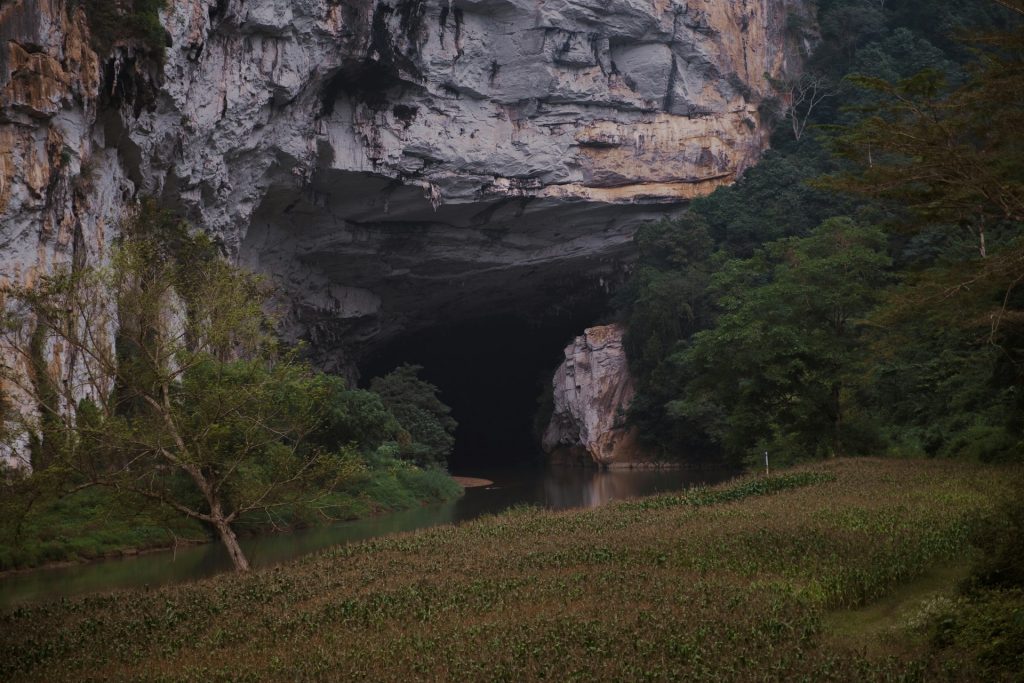
Few travelers make it this far east, which is precisely why Sam Neua rewards those who do. The town sits in a deep valley surrounded by dramatic peaks, and the local Tai Dam and Hmong communities maintain traditions less diluted by tourism.
The Vieng Xai caves served as the Pathet Lao headquarters during the war, with entire hospitals, theaters, and government offices carved into the limestone. Guided tours are mandatory and provide fascinating insight into the nine years that thousands of people spent living underground to escape American bombing.
Not exactly cheerful subject matter. The journey from Luang Prabang involves rough roads and takes most of a day, but the isolation and the caves make the effort worthwhile.
Like Travel Pug’s content? Follow us on MSN.
Dien Bien Phu
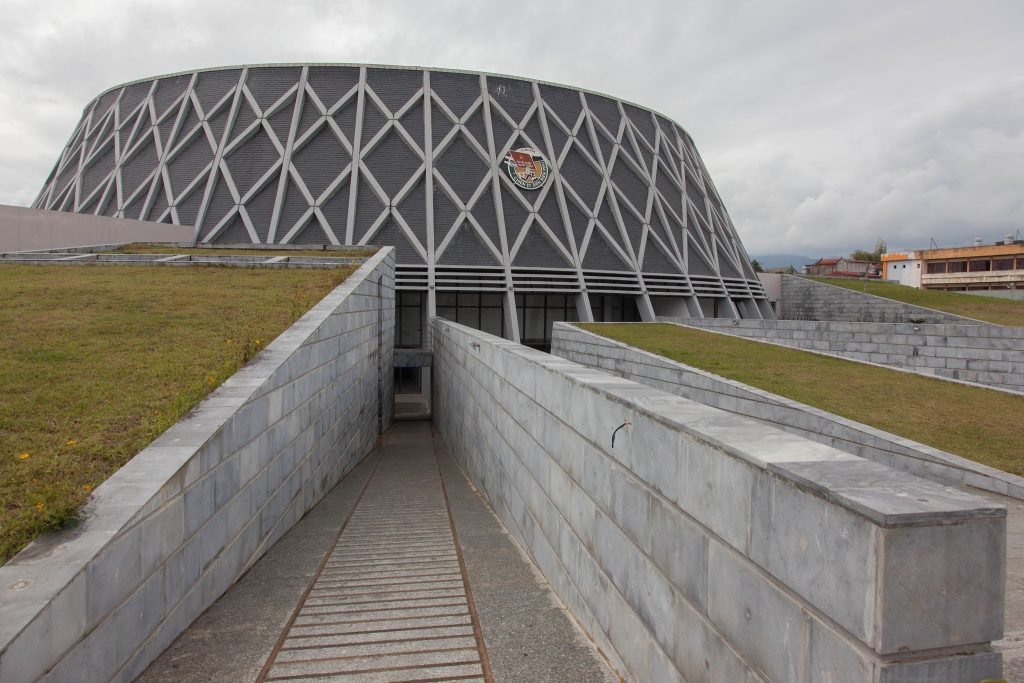
This Vietnamese town holds profound historical significance as the site where Viet Minh forces defeated the French in 1954, effectively ending colonial rule in Indochina. The battlefield has been partially preserved, with French bunkers, trenches, and a reconstructed command post scattered across the valley.
The museum presents the battle from the Vietnamese perspective, and Eliane 2 hill saw some of the fiercest fighting. Still, Dien Bien Phu functions primarily as a transit point rather than a destination. The town itself offers minimal appeal beyond its historical sites, though the surrounding mountains provide decent trekking for those with extra time.
Sapa

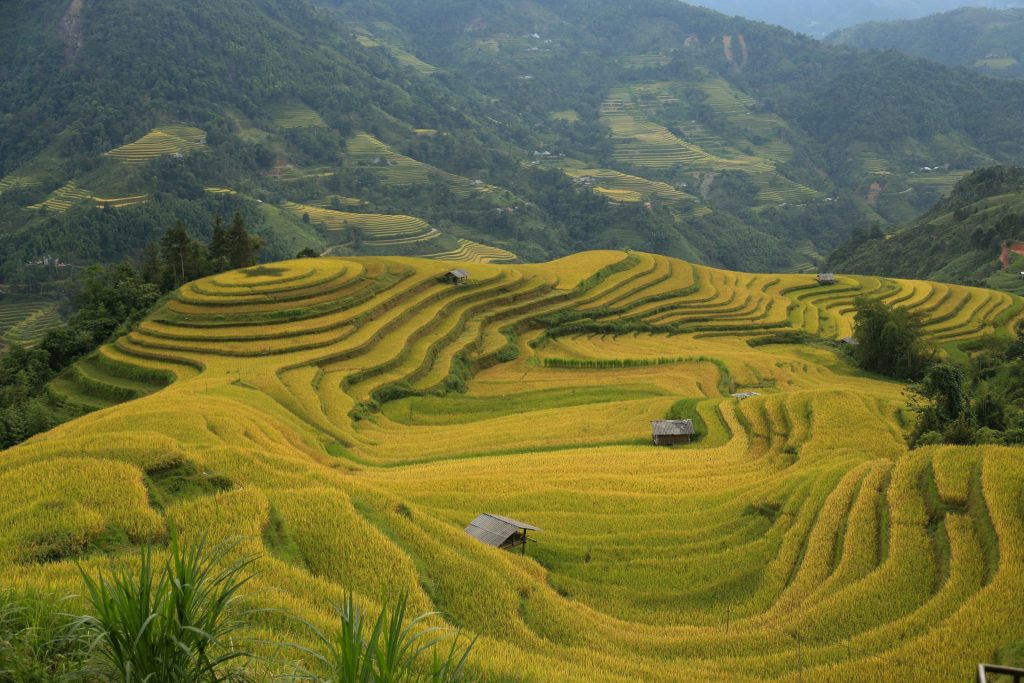
Terraced rice fields cascade down the Hoang Lien Son mountains in patterns that shift from vivid green to golden yellow depending on the season. Sapa town perches at 1,600 meters, perpetually shrouded in mist, serving as the base for treks into the surrounding valleys where Hmong, Dao, and other ethnic minority groups farm the steep slopes.
The town has expanded rapidly, with hotels and restaurants catering to the tourist influx. But venture an hour’s walk in any direction and the modern world recedes.
Village homestays offer basic accommodation and home-cooked meals, and while some trails have become well-worn, the landscape remains stunning. Fansipan, Vietnam’s highest peak, looms nearby—reachable by cable car for those who prefer not to hike.
Ha Giang Loop
This motorcycle loop through Vietnam’s northern mountains has become legendary among adventure travelers, though the roads demand respect. The route winds through Ha Giang province along the Chinese border, climbing to Ma Pi Leng Pass, which carves through sheer mountain walls high above the Nho Que River.
Dong Van plateau stretches across ancient limestone plateaus dotted with Hmong villages. The landscapes feel almost Tibetan in their stark beauty.
Most riders complete the loop in three to four days, staying in small towns like Yen Minh and Meo Vac. Experienced motorcyclists will find the roads challenging but manageable.
Inexperienced ones should consider hiring a driver or joining a tour. The Hmong King’s Palace in Sa Phin offers a glimpse into the region’s complicated history.
Like Travel Pug’s content? Follow us on MSN.
Ba Be National Park
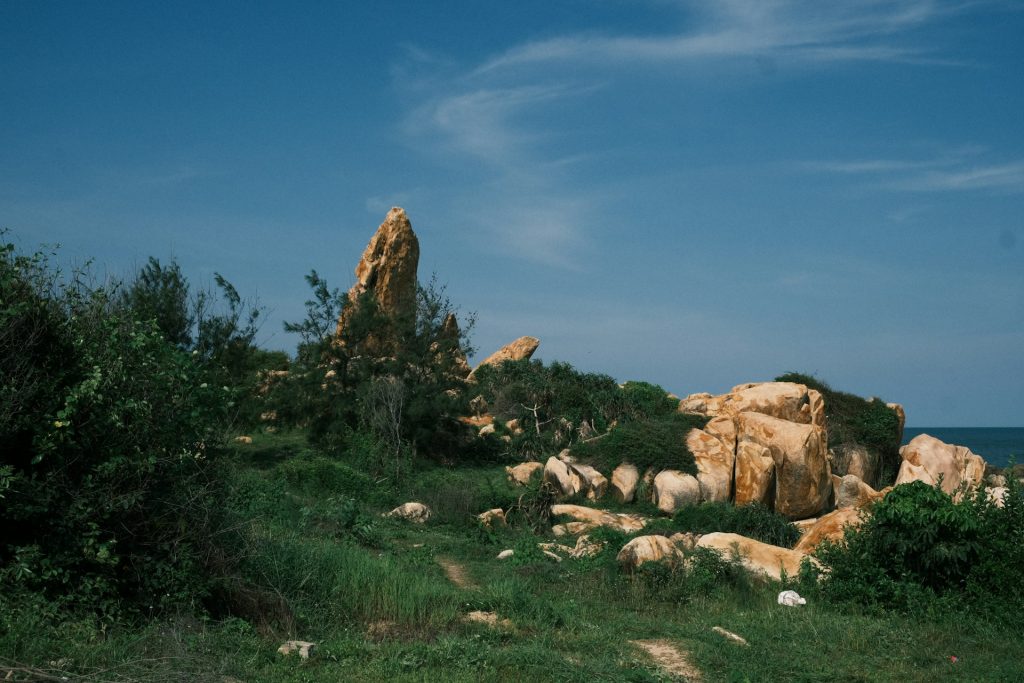
Vietnam’s largest natural lake sits cradled in a limestone valley covered with primary forest. Ba Be National Park receives far fewer visitors than Halong Bay, despite offering similarly dramatic karst scenery without the tourist boats and pollution.
Boat trips explore the lake and Puong Cave, where thousands of bats cling to the ceiling and a river flows through the cavern. The Tay and Dao people operate homestays in villages around the lake. Simple but welcoming. Hiking trails lead to waterfalls and viewpoints.
The park’s remote location and underdeveloped infrastructure keep crowds minimal, though that also means limited amenities.
Ninh Binh
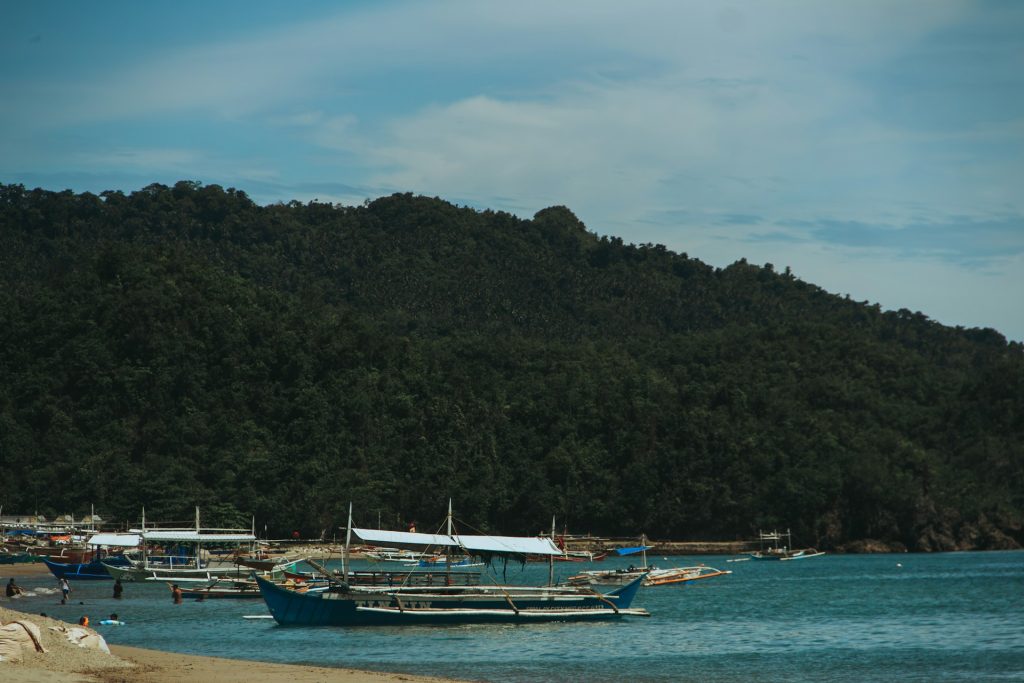
Often called “Halong Bay on land,” Ninh Binh’s karst formations rise from rice paddies rather than sea. Tam Coc boat rides glide along rivers that tunnel through limestone caves, with local rowers often using their feet to propel the boats.
Trang An offers similar scenery but with more extensive cave systems. Bai Dinh Pagoda sprawls across a hillside as Vietnam’s largest Buddhist complex, somewhat garish in its scale but impressive nonetheless.
Climbing the 500 steps to Hang Mua viewpoint provides panoramic views across the karst landscape. Could be worse.
The area lies just two hours south of Hanoi, making it a popular weekend escape for city residents.
Mai Chau Valley
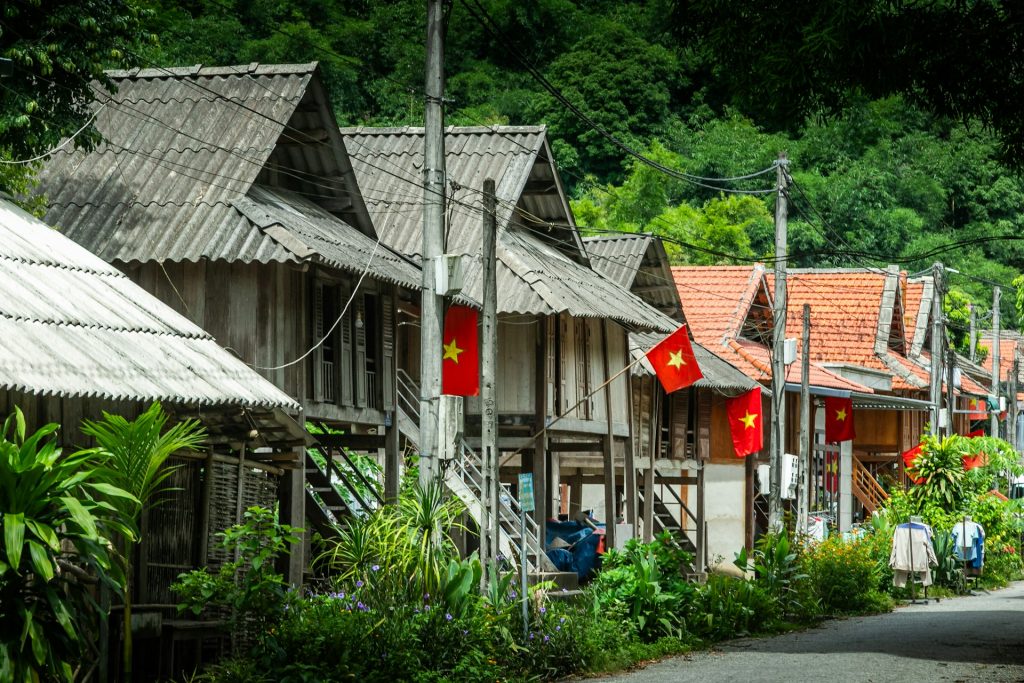
This valley offers a gentler introduction to Vietnam’s northern highlands, with easier access and less extreme terrain than Sapa or Ha Giang. The White Thai people farm the valley floor, their stilt houses clustered in villages connected by narrow paths through the rice fields.
Cycling between villages passes through scenery that feels almost pastoral. Homestays provide basic rooms and meals, and evening performances of traditional dance and music are common, if somewhat staged for tourists.
Even so, Mai Chau retains more authenticity than some overtouristed destinations. The surrounding mountains hide caves and waterfalls for those inclined to explore beyond the valley floor.
Like Travel Pug’s content? Follow us on MSN.
Pu Luong Nature Reserve
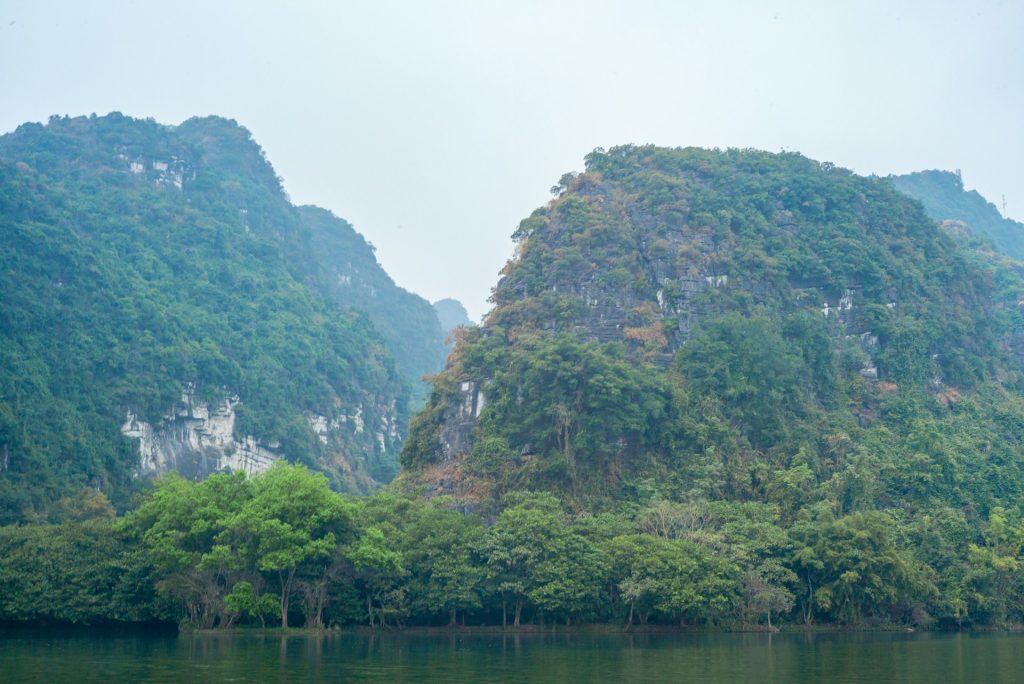
Pu Luong remains relatively undiscovered, its terraced rice fields and karst peaks rivaling Sapa without the crowds. The reserve protects limestone forest and dozens of ethnic minority villages where traditional farming methods persist.
Bamboo water wheels still irrigate the fields, and suspension bridges sway over rivers. Trekking routes connect villages, most of which offer homestays.
The reserve’s accessibility improved with better roads, but tourism infrastructure remains limited—a positive for now. The hot season turns the rice terraces brilliant green.
Perfume Pagoda
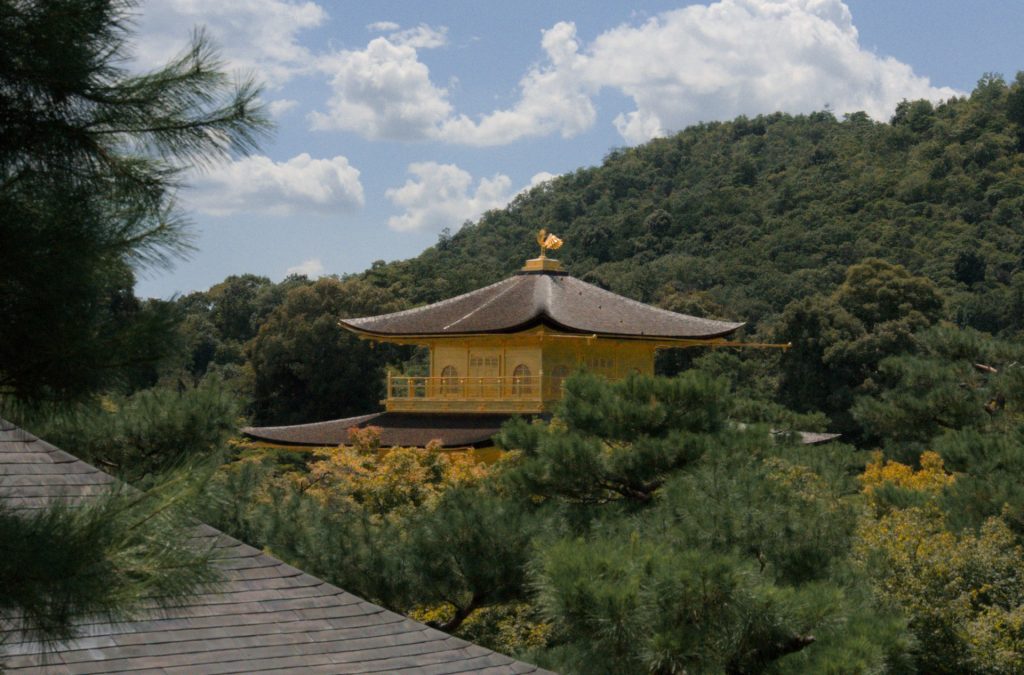
This vast complex of Buddhist temples and shrines spreads across the Huong Tich limestone cliffs about 60 kilometers southwest of Hanoi. Reaching the main pagoda requires a boat ride along the Yen River followed by either a cable car ride or a steep climb.
The Huong Tich Cave houses the primary temple, carved into the cavern and filled with incense smoke and pilgrims. The site becomes overwhelmed during festival season, particularly around Tet, when hundreds of thousands of Vietnamese Buddhists make the pilgrimage.
Visiting outside festival times provides a more contemplative experience. The boat ride alone, past karst mountains and flooded rice fields, justifies the trip.
Hanoi
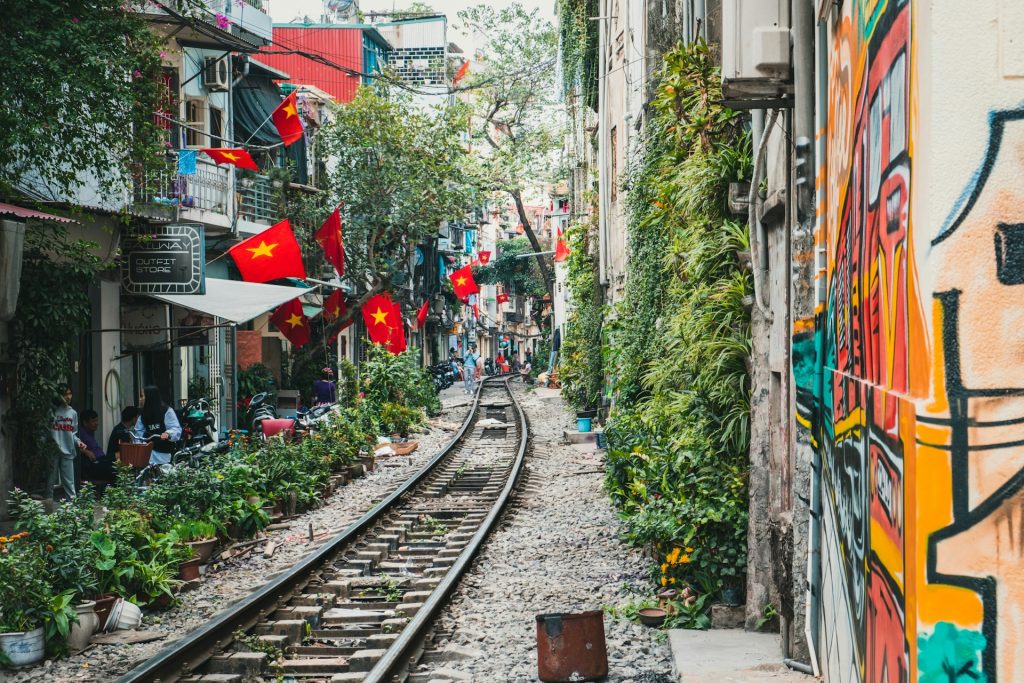
Vietnam’s capital greets arrivals with a sensory overload—motorbikes weaving through narrow streets, street food vendors grilling meat over charcoal, French colonial architecture weathered by tropical humidity. The Old Quarter functions as the city’s ancient commercial heart, its 36 streets traditionally organized by the goods sold there.
Hoan Kiem Lake sits at the city center, offering a rare moment of calm. The Temple of the Jade Mountain occupies a small island connected by the red-painted Huc Bridge.
Hanoi’s museums include the Vietnam Museum of Ethnology, which provides excellent context for the country’s 54 ethnic groups, and the notorious Hoa Lo Prison, better known to Americans as the “Hanoi Hilton.” The city’s cafe culture deserves exploration—Vietnamese coffee served strong and sweet while watching street life unfold from a low plastic stool has become a traveler ritual.
And the food. Bun cha, pho, banh mi, and dozens of other dishes best eaten at street-side stalls rather than tourist restaurants.
Like Travel Pug’s content? Follow us on MSN.
The Northern Route Wins

Southeast Asia offers dozens of ways to travel between major cities, but the Bangkok to Hanoi route through the mountains delivers landscapes and cultures that coastal roads cannot match. The journey requires patience—border crossings slow progress, roads wind through difficult terrain, and English speakers become scarce in rural areas.
Those inconveniences, though, are precisely what make the route rewarding.
More from Travel Pug

- 20 Best Beach Towns in the Carolinas
- 13 Destinations Where Tourists Regularly Regret Their Trip
- 20 Things You Actually Get in First Class
- 20 Small Airports With Aviation Museums
- 20 Places in the U.S. That Are Perfect for a Reset Trip
Like Travel Pug’s content? Follow us on MSN.