

This legendary overland adventure turns curious travelers into seasoned Southeast Asian explorers, crossing three countries that showcase the region’s remarkable diversity. The journey spans approximately 1,200 miles across Thailand, Cambodia, and Vietnam — everything from ancient temple compounds to thriving contemporary metropolises. You’ll experience stunning cultural transitions while traveling at a relaxed pace that allows you to really soak up each destination’s character. Unlike hurried air connections, this journey reveals how Buddhist temples give way to French colonial buildings — and street food shifts from pad thai to pho.
Here are 20 powerful reasons why this Bangkok to Hanoi journey is Southeast Asia’s ultimate travel experience. Each destination along the way provides unique dividends that cumulatively form an experience not to be forgotten.
Overland adventure awaits you

Driving buses, trains, and boats between towns provides a real travel pace that flights just can’t compete with. You’ll ride sardine-packed overnight buses with locals transporting everything from live chickens to motorcycle components, as rolling countryside glides by your window. The travel is part of the tale — those rough border crossings and impromptu stops at roadside noodle stalls usually create the most memorable experiences.
Budget-friendly travel option

This route delivers incredible value, with daily budgets ranging from $25 to $40 covering accommodation, meals, and transportation. Local buses cost just a few dollars between major cities, while street food keeps meal costs under $3. Hostel dorms and guesthouses throughout the route offer clean, safe accommodations without breaking the bank.
Like Travel Pug’s content? Follow us on MSN
Cultural immersion at every stop

Each border crossing feels like stepping into a completely different world, yet subtle connections link these neighboring cultures together. Thai Buddhism shares roots with Cambodian traditions, while Vietnamese coffee culture reflects French colonial influence mixed with local preferences. You’ll notice how temple architecture evolves and street life rhythms change as you move northward.
Siem Reap temple complex magic

Angkor Wat represents just the tip of an archaeological iceberg that spans over 400 square kilometers of ancient Khmer civilization. Dawn breaks over temple spires that have watched centuries pass, while intricate stone carvings tell stories of gods and kings. The smaller temples like Ta Prohm — where massive tree roots embrace crumbling walls — often prove more captivating than the famous main attraction.
Phnom Penh’s historical significance
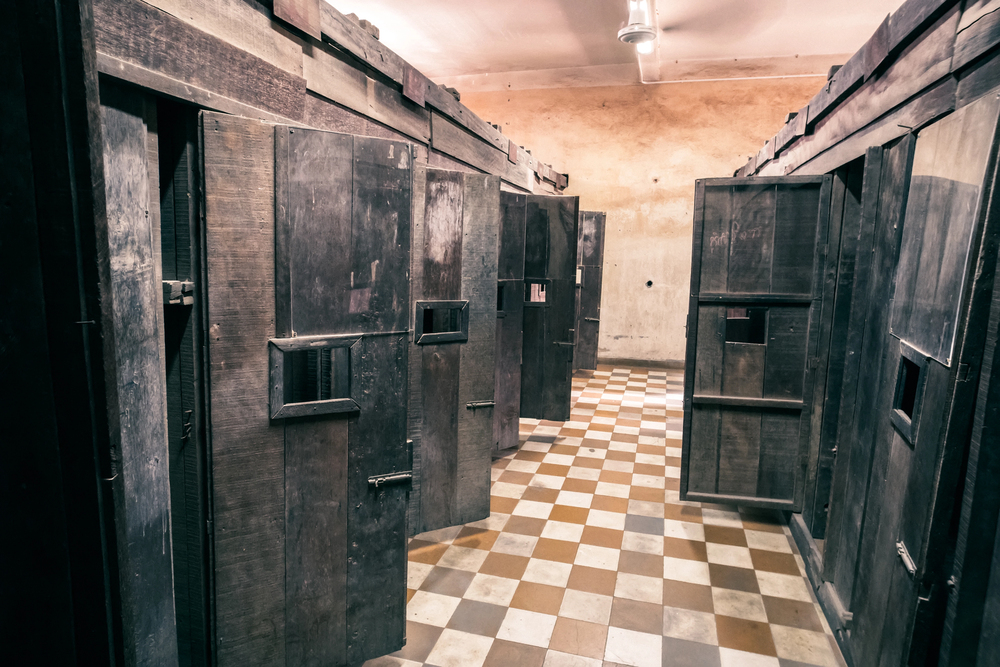
Cambodia’s capital confronts visitors with both tragic history and remarkable resilience, creating powerful learning experiences. The Killing Fields and S-21 Prison provide sobering reminders of the Khmer Rouge era, while bustling riverside markets show how the city has rebuilt itself. Local guides share personal family stories that bring historical events into sharp, human focus.
Like Travel Pug’s content? Follow us on MSN
Mekong Delta river journey
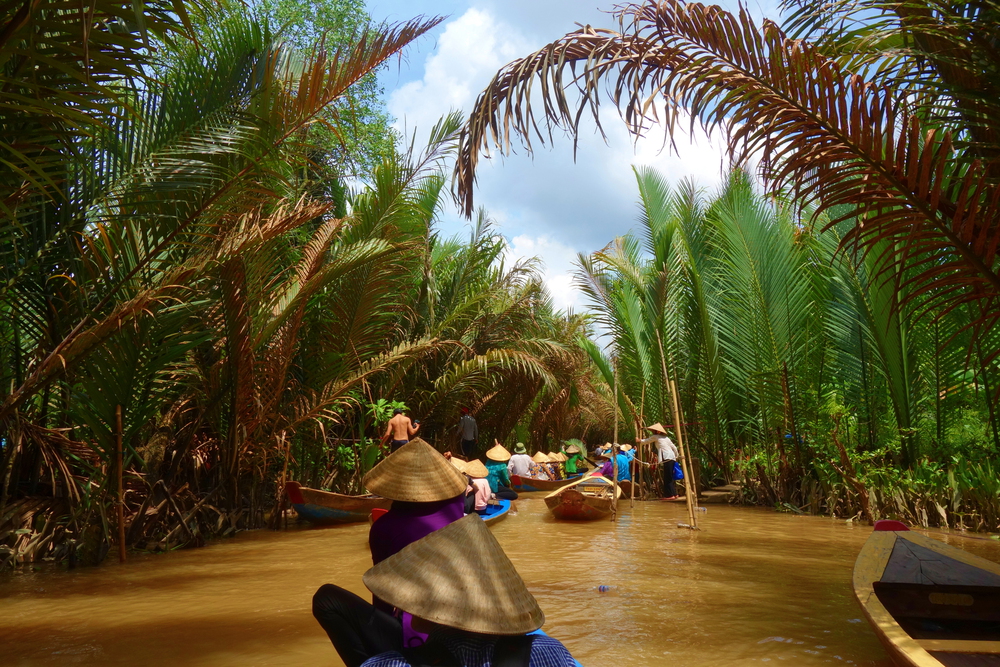
Floating through the delta’s intricate waterways reveals a way of life that has persisted for generations despite modern changes. Narrow boats navigate between floating markets where vendors sell everything from tropical fruits to handwoven baskets. The landscape shifts from rice paddies to fish farms, with stilted houses rising above the seasonal floodwaters.
Ho Chi Minh City energy
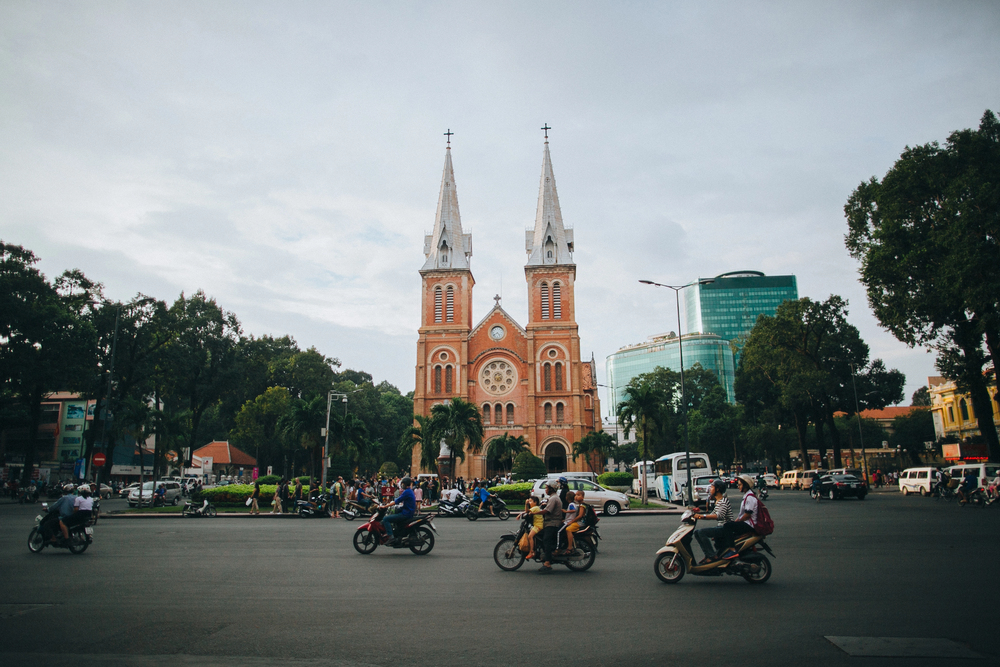
Vietnam’s economic powerhouse pulses with an entrepreneurial spirit that’s infectious — motorbikes weave through streets lined with everything from high-end shopping malls to traditional wet markets. The city’s layered history appears in French colonial buildings housing trendy cafés, while rooftop bars offer stunning views of the urban sprawl.
Street food vendors work alongside their grandparents, preserving recipes while adapting to modern tastes.
Coastal road scenic beauty
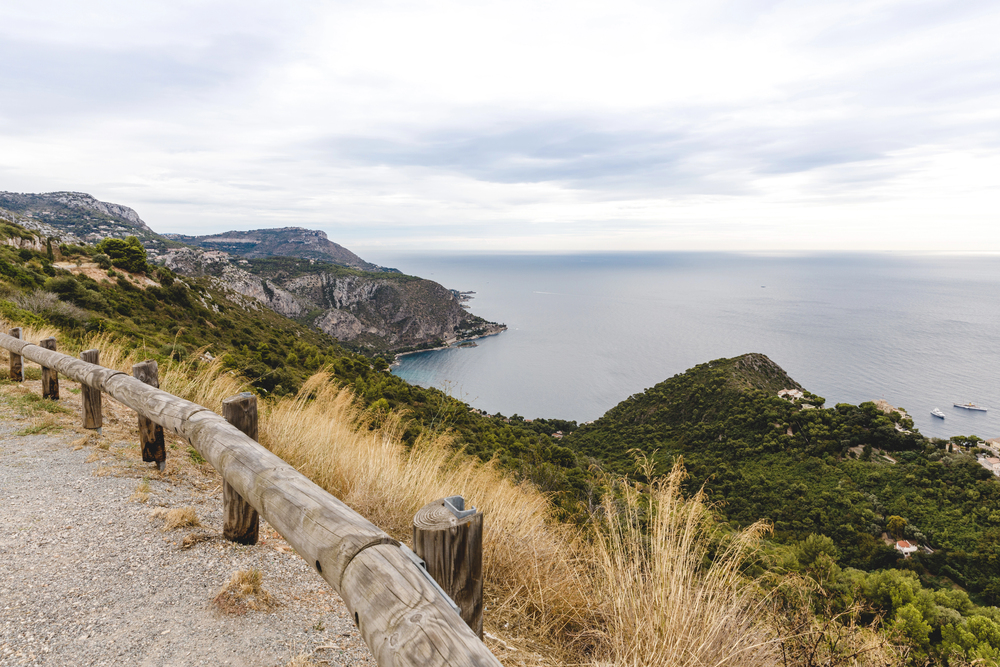
The journey between Ho Chi Minh City and Hoi An reveals Vietnam’s stunning coastline, with dramatic cliffs dropping into turquoise waters. Beach towns like Mui Ne offer perfect rest stops where you can break up the journey with fresh seafood and ocean breezes. Mountain passes provide sweeping vistas that make those winding bus rides worthwhile.
Like Travel Pug’s content? Follow us on MSN
Hoi An lantern-lit nights
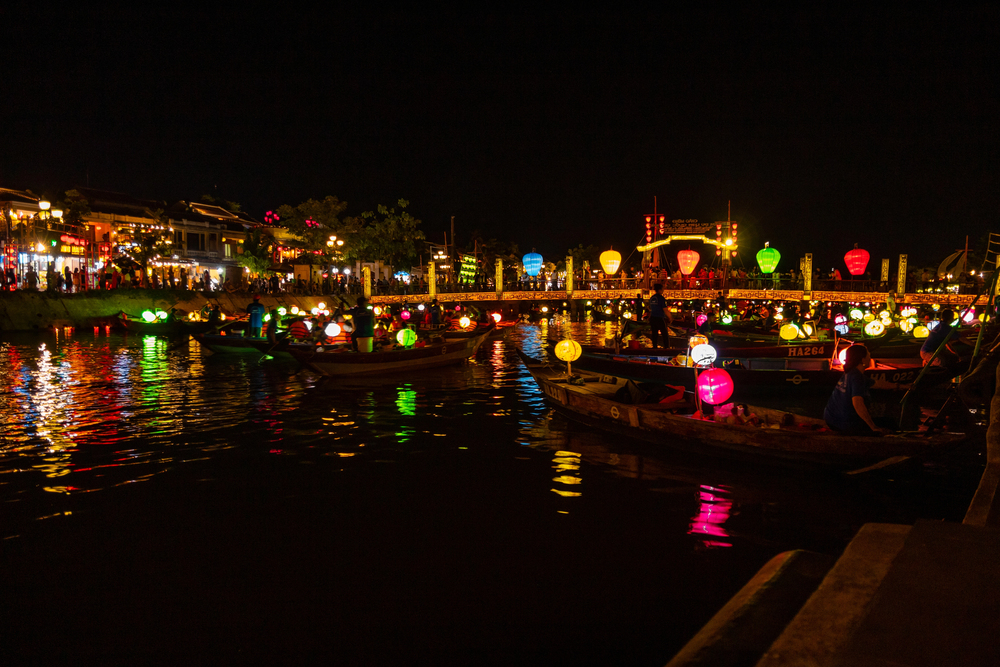
This UNESCO World Heritage town transforms into a fairy tale setting when thousands of colorful lanterns illuminate its ancient streets each evening. Tailor shops work their magic during the day, creating custom clothing while you explore the Japanese Covered Bridge and Chinese assembly halls. The monthly full moon festival turns the entire old quarter into a pedestrian wonderland filled with traditional music and floating candle ceremonies.
Hue Imperial City’s grandeur
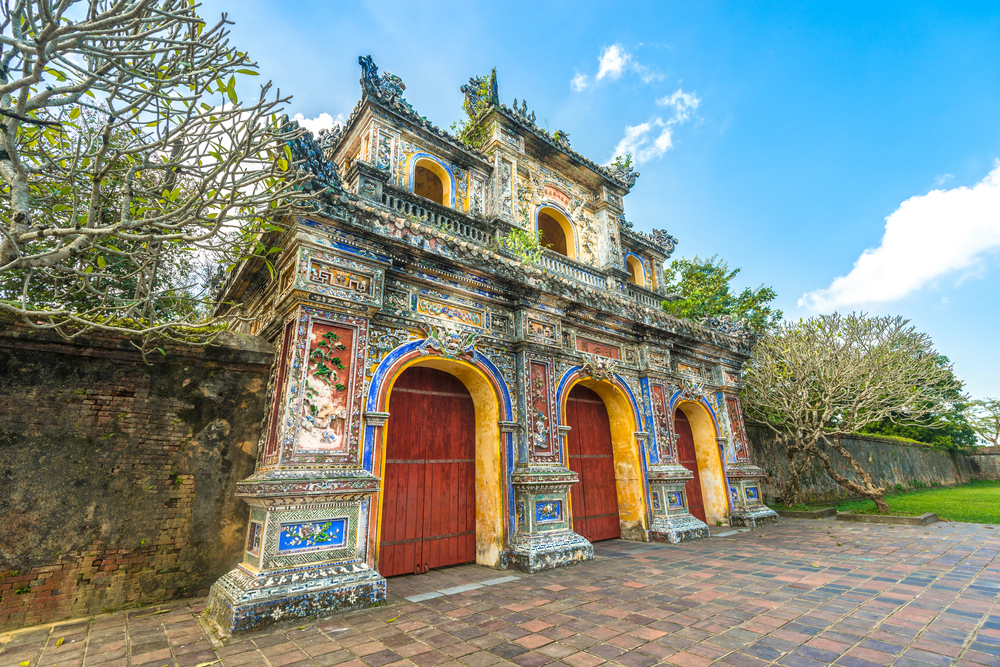
Vietnam’s former imperial capital showcases elaborate palace complexes and royal tombs that rival anything found in neighboring countries. The Perfume River winds past pagodas and citadel walls that once protected emperors and their courts. Royal cuisine traditions continue in local restaurants where dishes once served only to nobility are now available to curious travelers.
Motorbike freedom through the mountains
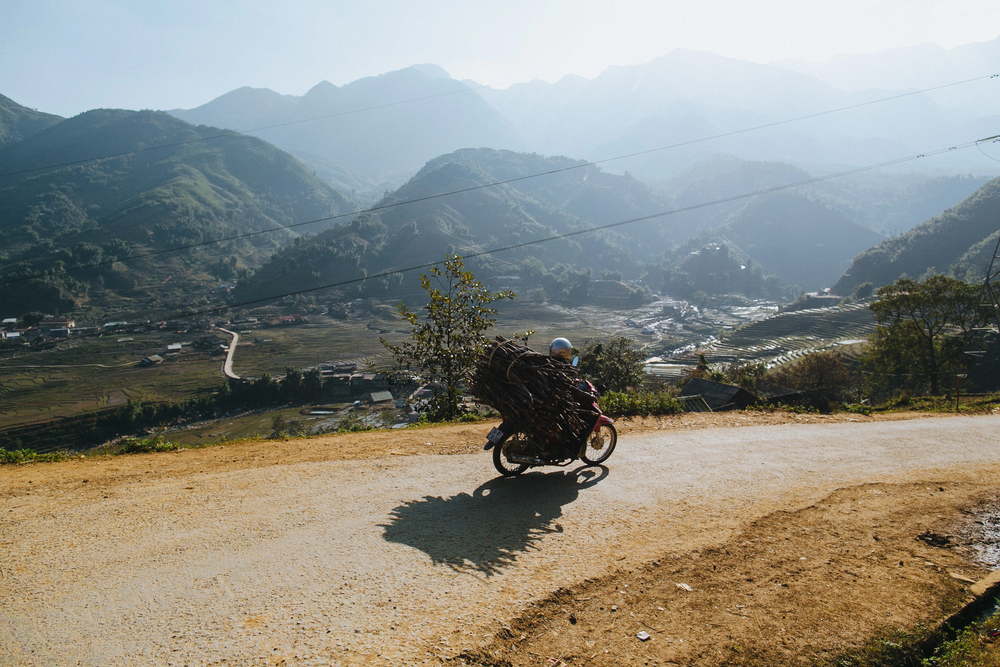
Renting a motorbike opens up remote mountain regions that buses can’t reach, though proper preparation and safety gear remain essential. Mountain passes, such as Hai Van, offer breathtaking coastal views, while rural villages provide glimpses into traditional farming life. The freedom to stop whenever something catches your eye — whether it’s a hilltop temple or roadside coffee stall — makes this option incredibly rewarding.
Like Travel Pug’s content? Follow us on MSN
Local food evolution northward

Culinary preferences shift dramatically as you travel north, with Thai sweetness giving way to Vietnamese herbs and French influences. Cambodian amok curry differs completely from Vietnamese pho, while each region adds its own spice levels and preparation methods. Street food becomes an adventure in itself — trying balut in Cambodia or Vietnamese coffee with condensed milk marks cultural milestones along your route.
Border crossing logistics simplified
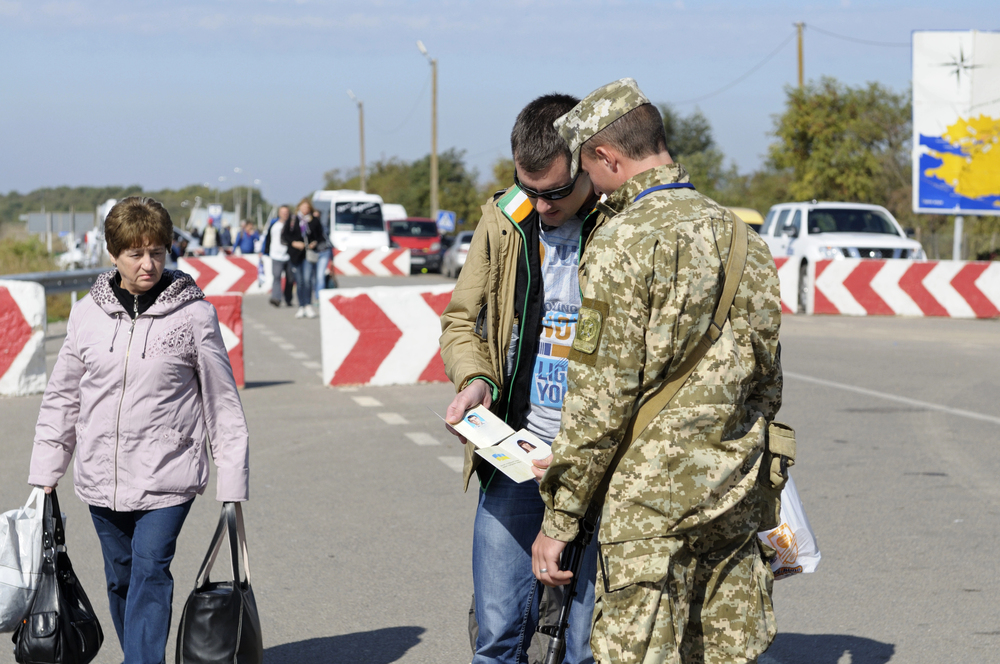
Well-established visa procedures and crossing points make this route surprisingly straightforward for international travelers. Most nationalities can obtain visas on arrival or through simple online applications, while border officials are accustomed to processing tourist documents. Money changers at each crossing offer fair rates, though bringing US dollars provides the most flexibility.
Accommodation variety increases dramatically

From Bangkok’s luxury hostels to Hanoi’s charming boutique hotels, lodging options improve and diversify as you travel northward. Cambodia offers everything from backpacker dorms to restored colonial mansions, while Vietnam’s accommodation scene has exploded with creative options. Homestays in rural areas provide authentic cultural experiences that standard hotels simply can’t match.
Weather timing affects experience

Dry season travel between November and March provides the most comfortable conditions, though shoulder seasons offer fewer crowds and lower prices. Monsoon rains between May and October can make some routes challenging, yet they also bring lush green landscapes and dramatic skies. Understanding regional weather patterns helps you pack appropriately and set realistic expectations for outdoor activities.
Like Travel Pug’s content? Follow us on MSN
Safety considerations stay manageable
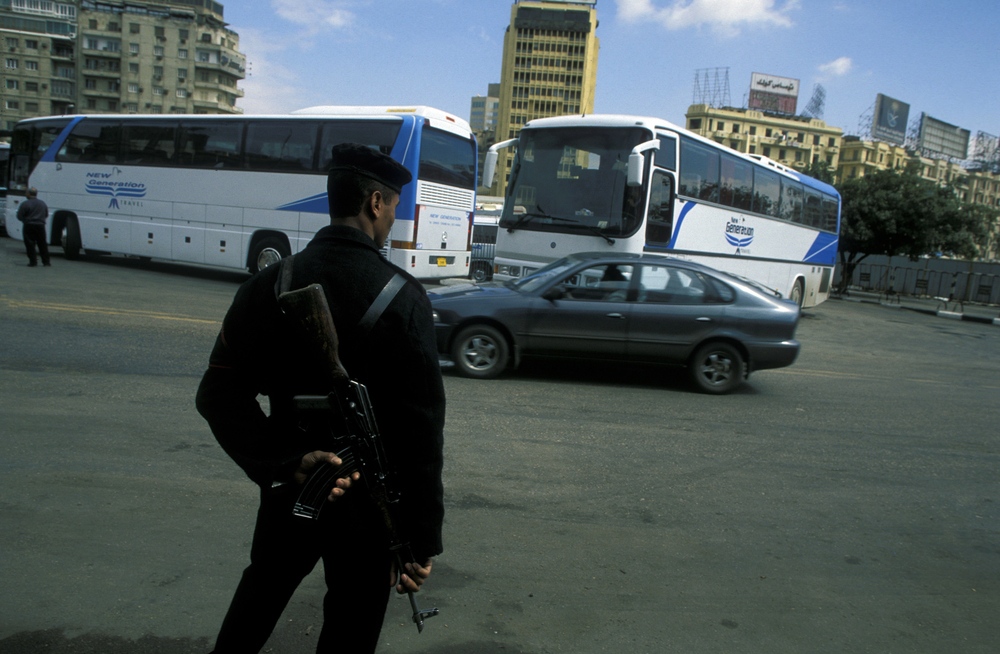
Standard travel precautions work well throughout this route, with most problems involving minor theft rather than serious safety concerns. Tourist police in major cities speak English and understand common traveler issues, while established backpacker networks share current safety information. Staying alert in crowded areas and securing your valuables can prevent most potential problems.
Language barriers shift gradually
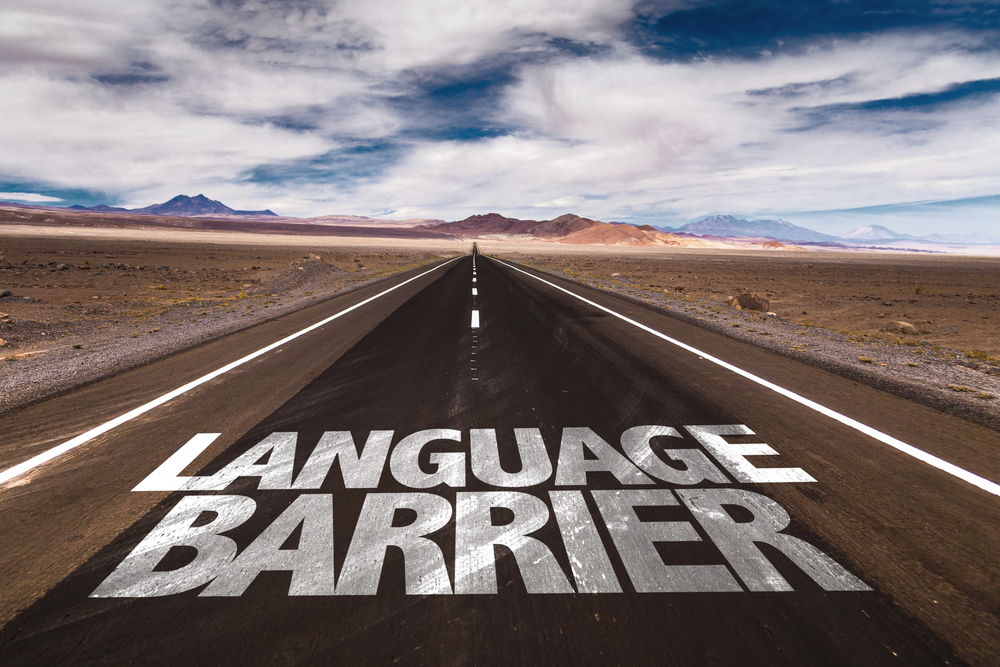
English proficiency varies significantly between countries, with Thailand offering the most English-speaking services and Cambodia requiring more patience. Vietnamese tourism infrastructure has improved dramatically, though learning basic phrases in each language shows respect and often leads to better interactions. Translation apps bridge communication gaps when gestures and smiles aren’t enough.
Currency changes require planning

Each country uses a different currency — the Thai baht, Cambodian riel (though US dollars are widely accepted), and Vietnamese dong — requiring some financial juggling. ATMs are readily available in major cities, while smaller towns may require cash planning. Exchange rates fluctuate, but budgeting in US dollars provides a stable reference point throughout the journey.
Transportation flexibility improves options

Multiple transportation methods between cities let you balance comfort, speed, and budget according to your preferences and schedule. Overnight buses save on accommodation costs while covering long distances, whereas domestic flights can skip less interesting sections. Local transportation within cities ranges from Bangkok’s excellent public transit to cyclos in Cambodia and xe om motorbike taxis in Vietnam.
Like Travel Pug’s content? Follow us on MSN
Northern Vietnam mountain landscapes
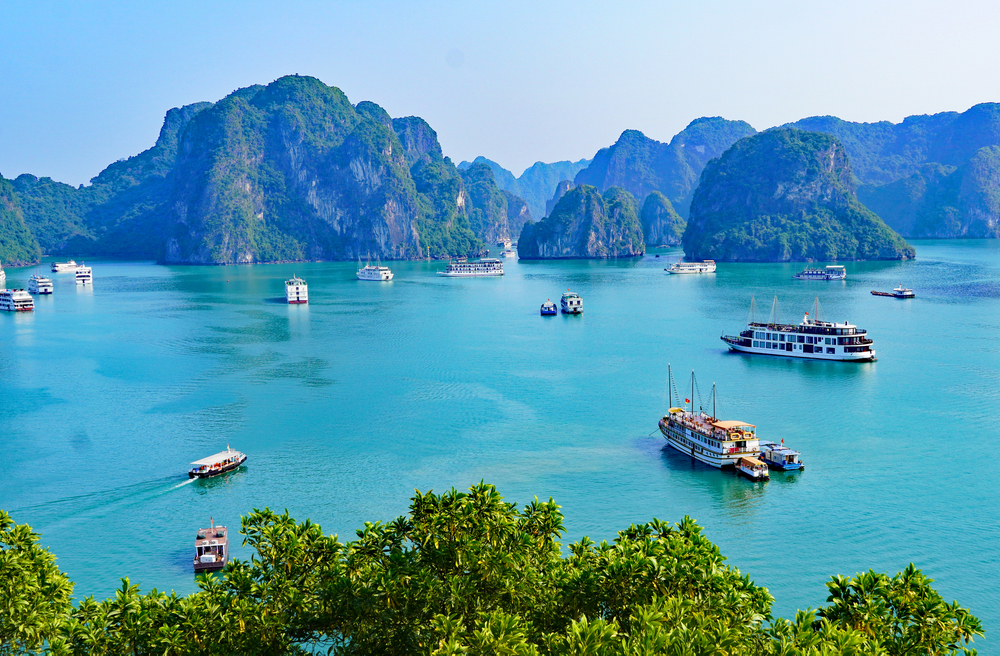
The final approach to Hanoi rewards travelers with some of Southeast Asia’s most spectacular mountain scenery and ethnic minority villages. Terraced rice fields cascade down mountainsides like natural amphitheaters, while morning mist creates ethereal landscapes that photographers dream about. Hill tribe markets and traditional crafts provide cultural experiences that feel worlds away from the journey’s urban beginning in Bangkok.
The perfect introduction to Asia
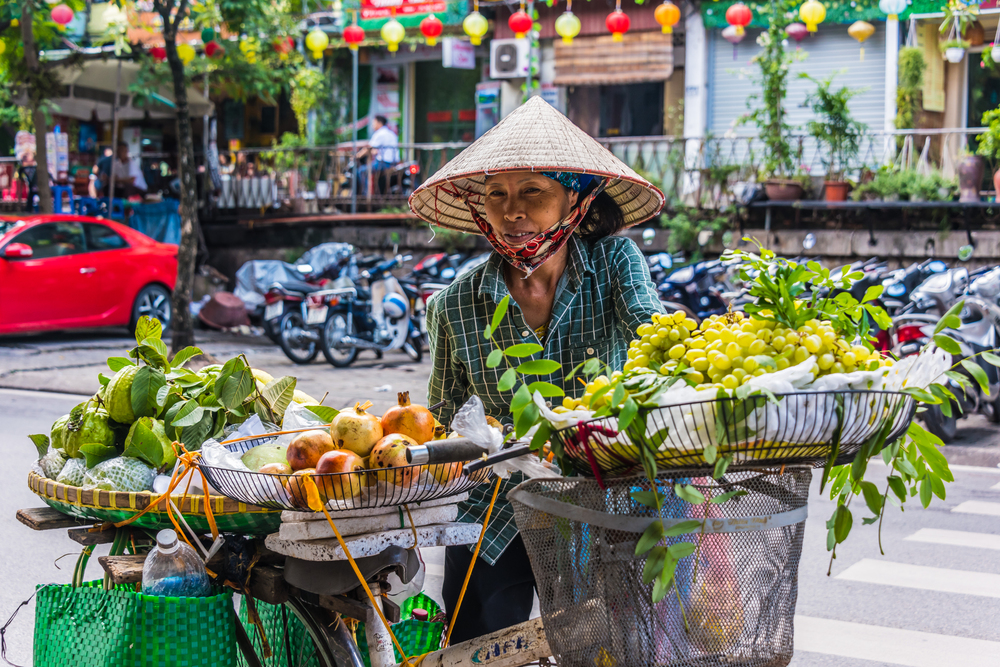
This itinerary is Southeast Asia’s greatest hits package — offering temple complexes, colonial heritage, beach life, mountain treks, and city life all in one well-rounded trip that builds confidence for future Asian travel. Gradual cultural shifts allow first-time travelers to acclimate to Asian traditions and travel pace without overwhelming culture shock.
Nearly all travelers who make this journey end up plotting return voyages to venture into areas that they discovered along the way, which makes Bangkok to Hanoi not only a destination but also a gateway to greater Asian discovery.
More from Travel Pug
- 20 Best Beach Towns in the Carolinas
- 13 Destinations Where Tourists Regularly Regret Their Trip
- 20 Things You Actually Get in First Class
- 20 Small Airports With Aviation Museums
- 20 Places in the U.S. That Are Perfect for a Reset Trip
Like Travel Pug’s content? Follow us on MSN