

Turkey holds some of the world’s most enchanting destinations, where ancient history meets stunning natural beauty in ways that seem almost too magical to be real. These aren’t your typical tourist traps filled with crowds and overpriced souvenirs. Instead, they’re genuine communities where people have lived for centuries, creating authentic atmospheres that transport visitors into what feels like living storybooks.
From cave cities carved into volcanic rock to coastal villages perched on Mediterranean cliffs, Turkey’s fairy tale towns offer experiences that make you question whether you’ve stepped into another world entirely. Here is a list of 14 Turkish towns that feel like fairy tales.
Cappadocia
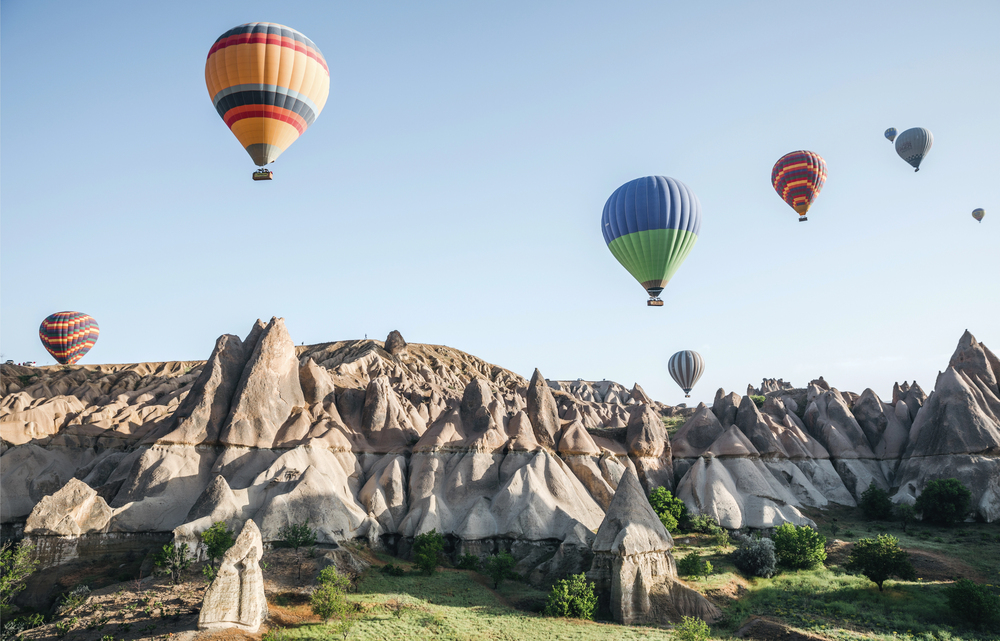
— Photo by AlexGukBO
The balloon-filled skies above Cappadocia create one of the most recognizable fairy tale landscapes on Earth. This central Anatolian region features hundreds of colorful hot air balloons floating over rock formations that look like they were sculpted by giants with wild imaginations. The underground cities here once housed entire communities fleeing persecution, with tunnels and rooms carved deep into the volcanic rock. When morning light hits those peculiar rock chimneys and cave dwellings, the whole landscape glows like something from a children’s book illustration.
Safranbolu
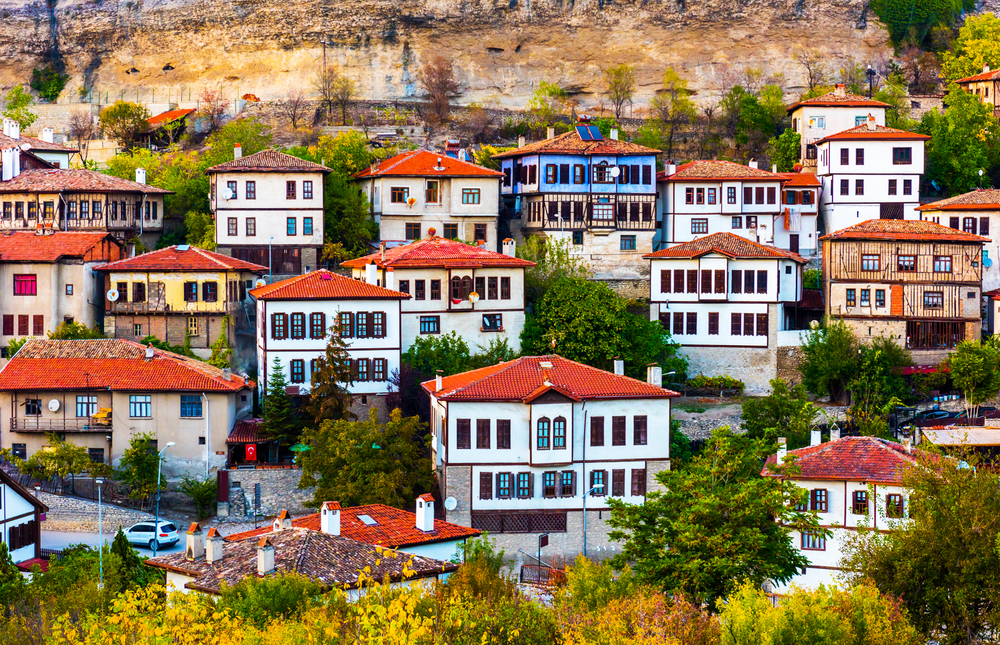
This Ottoman-era town earned its UNESCO World Heritage status by preserving over 1,000 traditional houses that look like they haven’t changed since the 17th century. The red-tiled roofs and wooden balconies create a harmonious streetscape that feels like walking through a historical film set. Safranbolu got its name from the valuable saffron that once grew abundantly in the surrounding hills, bringing wealth to merchants who built these elaborate timber houses. The cobblestone streets wind between buildings where local artisans still practice traditional crafts their ancestors perfected centuries ago.
Amasya
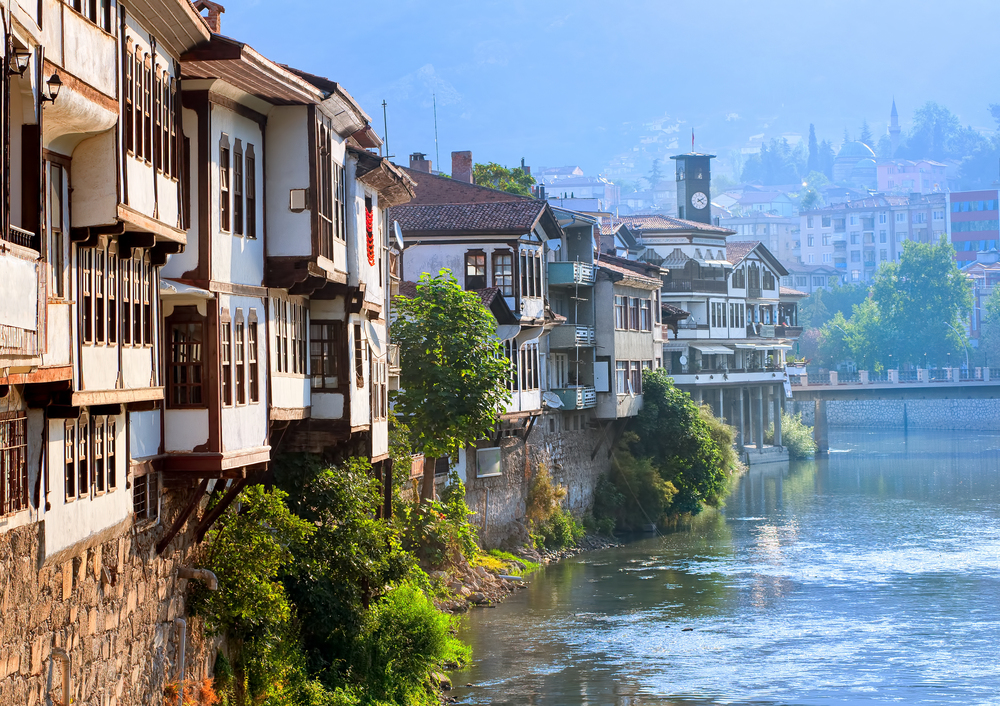
Nestled in a narrow valley along the Yeşilırmak River, Amasya looks like nature and human creativity collaborated on the perfect mountain town design. Traditional Ottoman houses cling to steep hillsides while ancient Pontic tombs are carved directly into the cliff faces above them. The river reflects the illuminated buildings at night, doubling the magical effect and creating mirror images that seem to extend the town into parallel dimensions. This former capital of several kingdoms maintains an otherworldly atmosphere where you can literally see layers of different civilizations stacked on top of each other.
Şirince
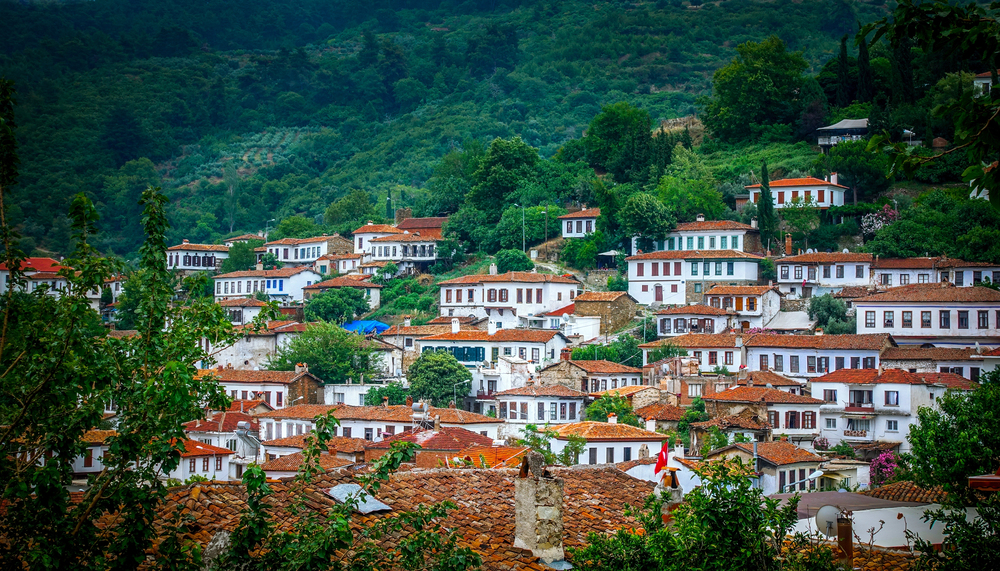
Originally settled by Greeks fleeing Ephesus in the 15th century, Şirince maintains the intimate scale of a village while offering sophisticated wine culture that surprises many visitors. The hillside location provides panoramic views over olive groves and vineyards that stretch toward the Aegean Sea in the distance. Stone and timber houses line narrow streets where local families still produce fruit wines using recipes passed down through generations. The name literally means ‘pleasant’ in Turkish, which perfectly captures the peaceful atmosphere that makes time seem to slow down here.
Alacati
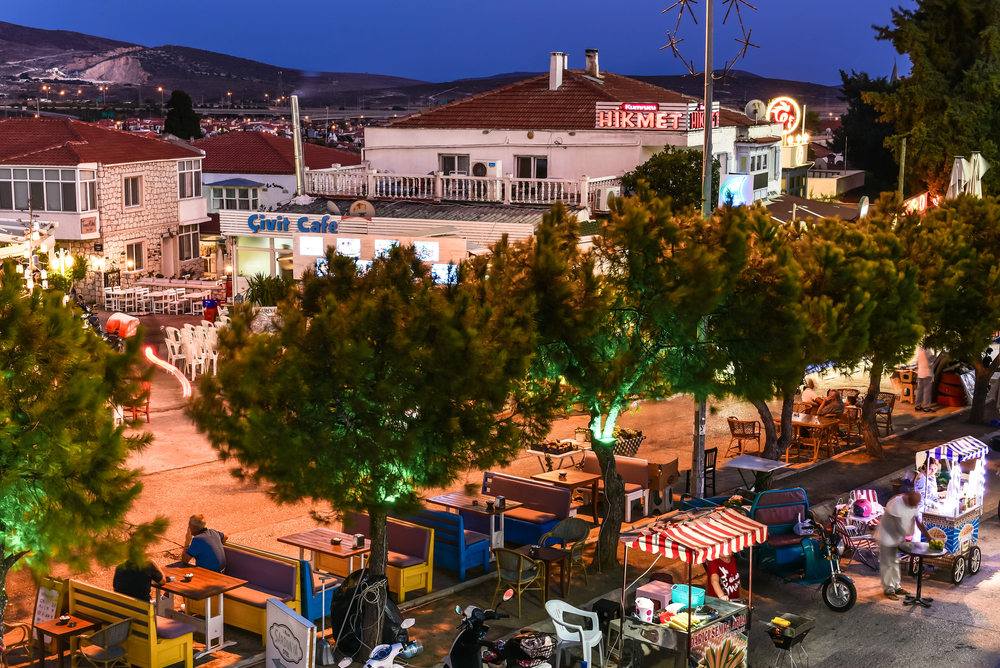
— Photo by epicimages
This former Greek fishing village transformed into one of Turkey’s most charming coastal destinations without losing its authentic character. Stone houses painted in soft pastels line streets filled with boutique shops, art galleries, and restaurants serving fresh Aegean cuisine. The consistent afternoon winds make Alacati a world-renowned windsurfing destination, adding energy and excitement to what might otherwise be just another pretty seaside town. Old windmills scattered across the landscape remind visitors of the agricultural heritage that supported this community long before tourism arrived.
Mudurnu
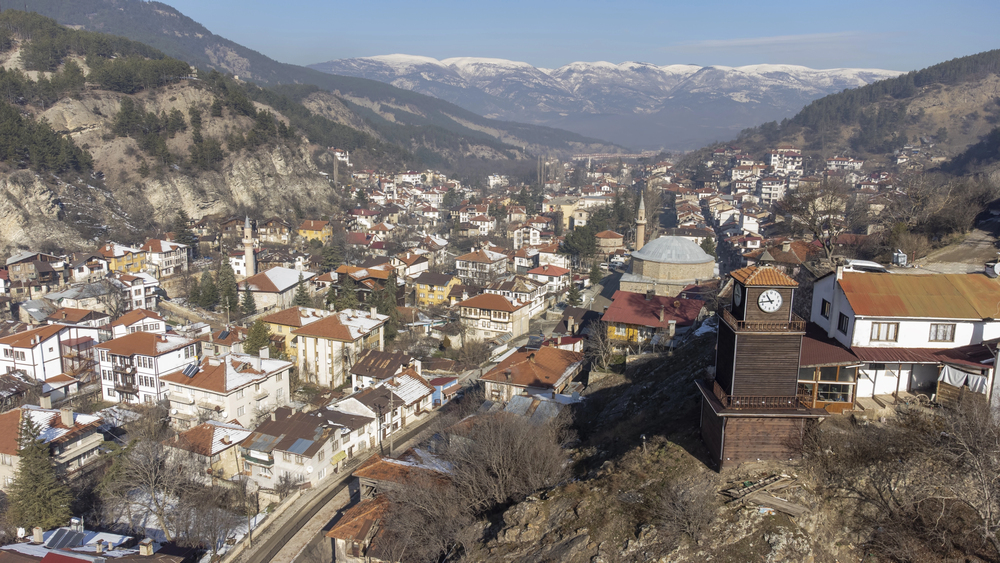
— Photo by EsinDeniz
Walking through Mudurnu feels like discovering a secret that somehow escaped the modern world’s attention. This small town in northwestern Turkey preserves an impressive collection of 19th-century Ottoman architecture along streets that haven’t been touched by major development. The surrounding forests and streams create a natural setting that changes dramatically with the seasons, from spring wildflowers to autumn colors that make the traditional buildings look even more picturesque. Local families still live in many of these historical houses, maintaining gardens and courtyards that add living authenticity to the preserved streetscapes.
Kas
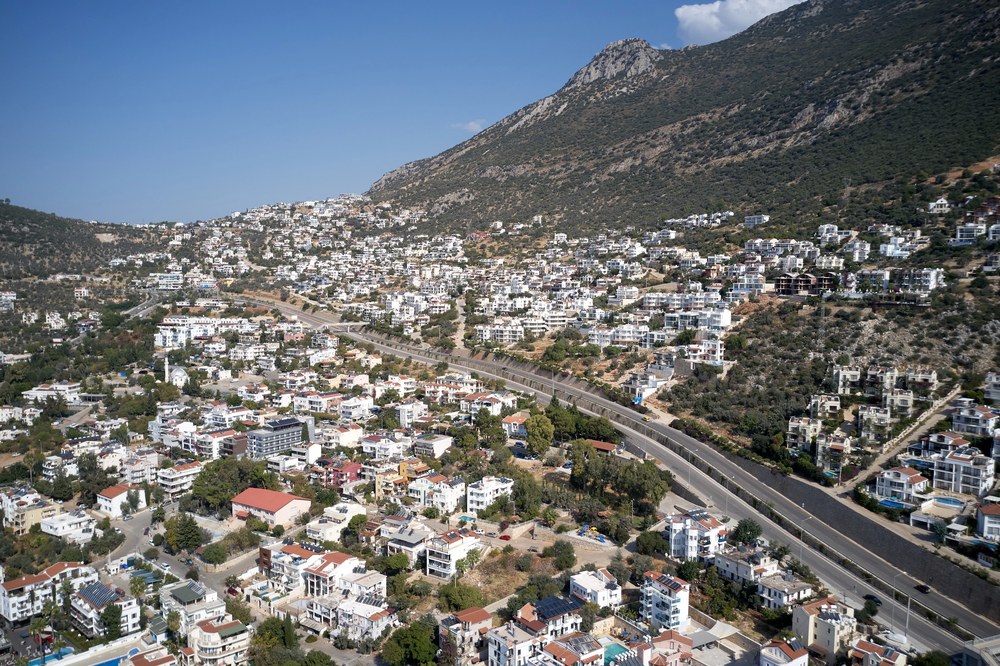
Perched on cliffs overlooking the Mediterranean, Kas combines ancient Lycian heritage with a relaxed bohemian atmosphere that attracts artists and free spirits from around the world. The turquoise waters below are so clear you can see ancient ruins submerged just offshore, creating an underwater archaeological park for divers and snorkelers. Narrow streets filled with bougainvillea lead down to a harbor where traditional gulet boats bob alongside modern yachts. The town’s Greek architectural influences blend seamlessly with Turkish hospitality, creating a cultural fusion that feels both exotic and welcoming.
Cumalikizik
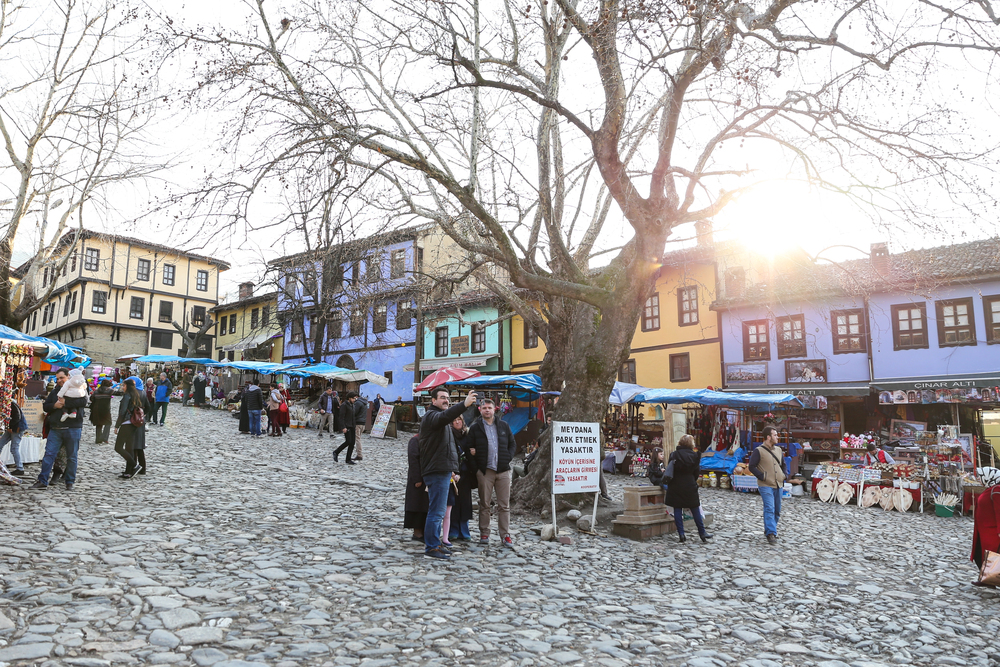
— Photo by EvrenKalinbacak
This 700-year-old Ottoman village near Bursa looks exactly like what most people imagine when they think of traditional Turkish rural life. Cobblestone paths wind between timber and stone houses where elderly residents still sit outside their homes, greeting visitors with genuine warmth and curiosity. The village became famous throughout Turkey when it served as a filming location for popular television dramas, but the attention hasn’t changed its fundamental character. Traditional breakfast served in local homes has become a cherished experience for visitors who want to taste authentic village life rather than just observe it from the outside.
Birgi
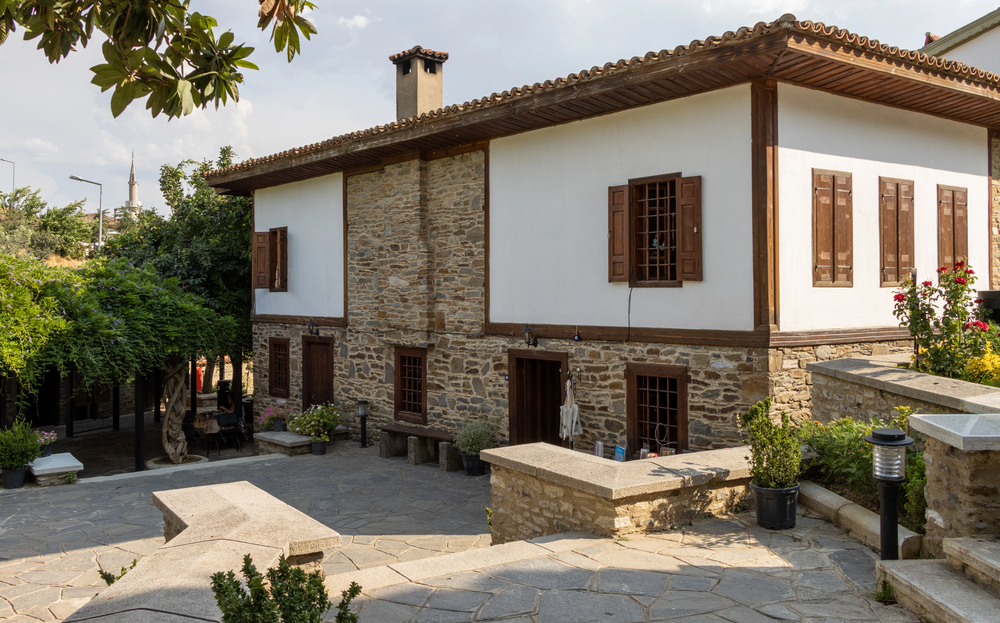
— Photo by Tminaz
Founded in the 14th century, Birgi preserves an remarkable collection of Seljuk and Ottoman architecture in a setting that feels completely removed from contemporary Turkey. The Aydınoğlu Mehmet Bey Mosque dates back to 1312 and remains one of the finest examples of early Ottoman religious architecture. Traditional houses with elaborate wooden details line streets where artisans still practice crafts like carpet weaving and metalwork using techniques unchanged for centuries. The surrounding countryside produces some of Turkey’s finest tobacco and cotton, maintaining agricultural traditions that have supported this community for over 700 years.
Assos
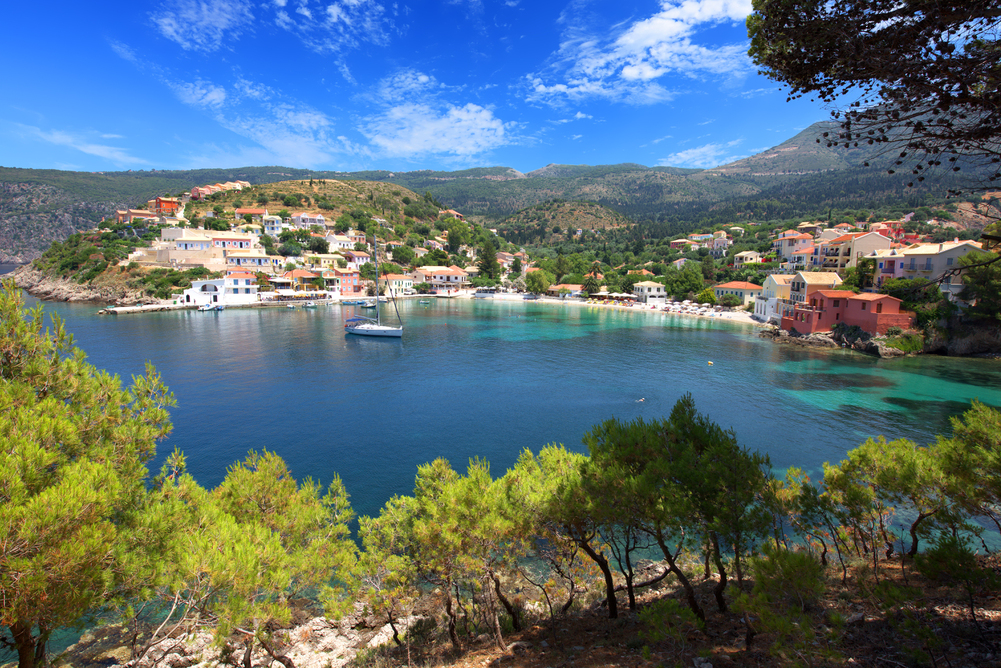
Built on volcanic rock overlooking the Aegean Sea, Assos combines impressive ancient ruins with one of Turkey’s most romantic seaside settings. The Temple of Athena crowns the hilltop, offering sunset views that have inspired visitors since Aristotle established a philosophy school here in the 4th century BC. Stone houses cascade down the hillside toward a small harbor where fishing boats still bring in daily catches for local restaurants. The combination of intellectual history and natural beauty creates an atmosphere where contemplation comes naturally, making it easy to understand why philosophers chose this location for serious thinking.
Taraklı
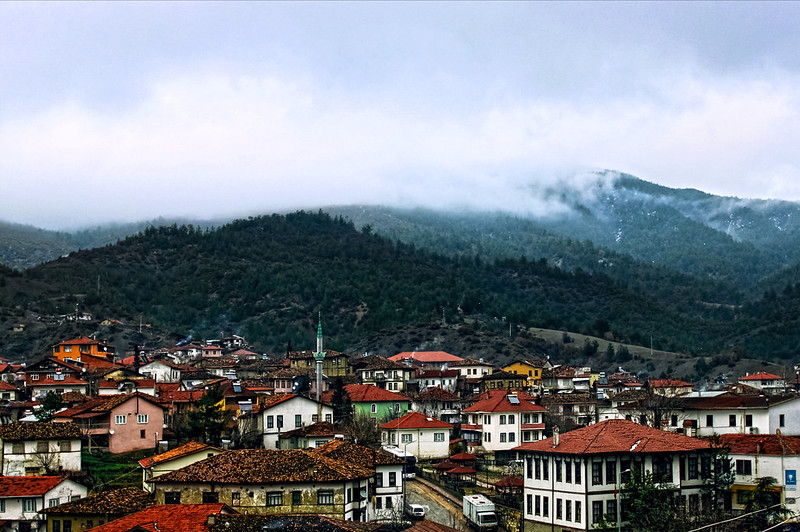
This small town between Istanbul and Ankara preserves traditional Ottoman urban planning in a way that demonstrates how communities organized themselves around craft production and trade. The 18th and 19th-century houses reflect the prosperity that came from Taraklı’s strategic location on important trade routes connecting the Ottoman capital with eastern provinces. Local families maintain traditional crafts including silver working and traditional textile production, offering visitors chances to observe skilled artisans at work. The weekly market brings together vendors from surrounding villages, creating the kind of authentic community gathering that has become rare in more developed areas.
Bozcaada
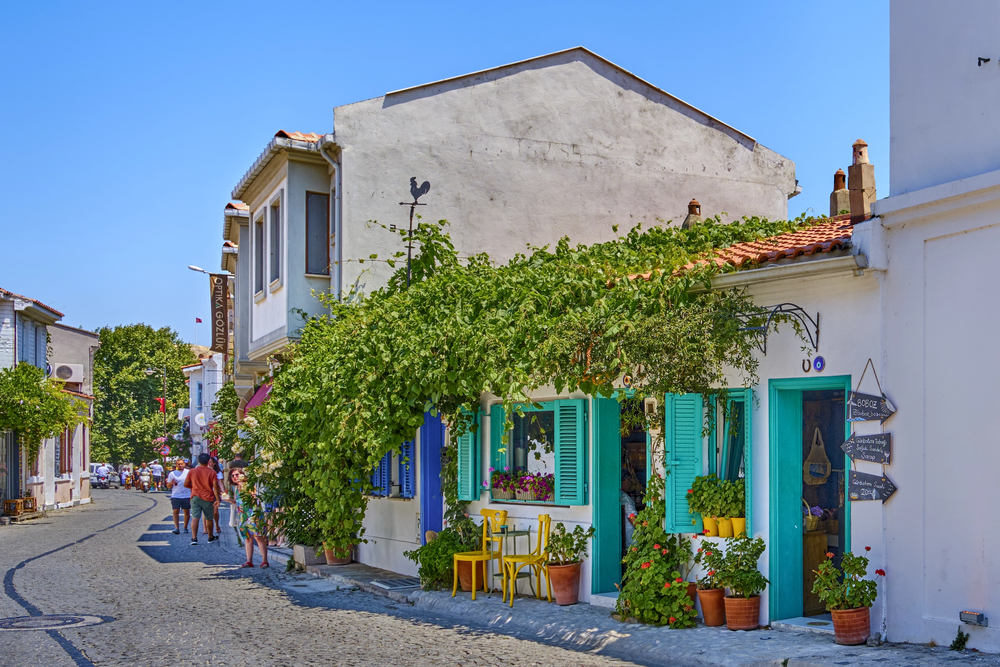
— Photo by Tereza_73
This small island off Turkey’s northwest coast feels like a Greek island that somehow ended up in Turkish waters, creating a unique cultural blend that reflects centuries of shared Mediterranean heritage. Vineyards cover most of the island’s interior, producing wines that have gained recognition from international critics in recent years. The main town clusters around a Genoese castle that dominates the harbor, with traditional stone houses painted in bright colors that create cheerful reflections in the clear water. Summer brings a relaxed festival atmosphere, while winter reveals the island’s more contemplative character when only local residents remain.
Güzelyurt
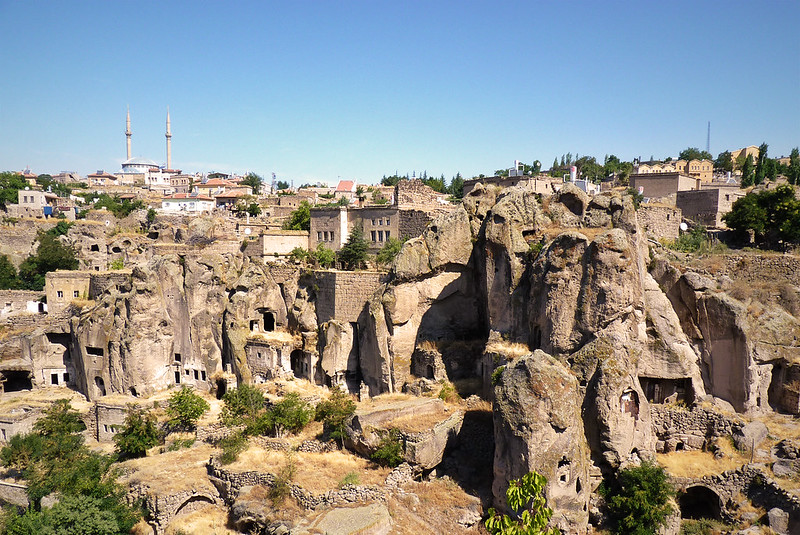
Located in Cappadocia’s less visited southern region, Güzelyurt offers all the geological wonders of its famous neighbor without the crowds that can sometimes overwhelm the experience. The town sits in a valley filled with rock-cut churches dating from the early Christian period, when this area served as an important center for monastic communities. Traditional stone houses blend seamlessly with the natural rock formations, creating neighborhoods that seem to grow organically from the landscape itself. Local families still tend vineyards and apricot orchards using traditional methods, maintaining agricultural practices that have adapted to this unique environment over many generations.
Halfeti
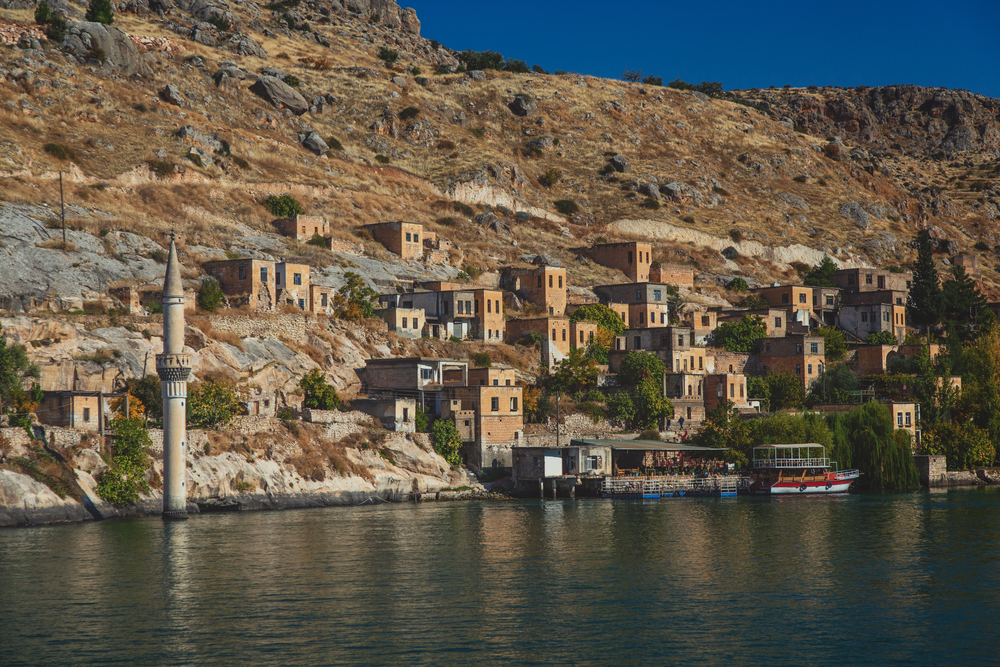
The old town of Halfeti lies partially submerged beneath the waters of a dam-created lake, creating one of Turkey’s most haunting and beautiful landscapes. Remaining houses built from black basalt stone climb hillsides above the water, while submerged ruins visible beneath the surface remind visitors of the community that once thrived here. Boat trips through the flooded valley reveal abandoned buildings emerging from the water like ancient monuments, creating an atmosphere that seems suspended between past and present. The dramatic contrast between dark stone architecture and brilliant blue water creates photographic opportunities that capture the melancholy beauty of places transformed by modern development.
Where Ancient Dreams Meet Modern Reality
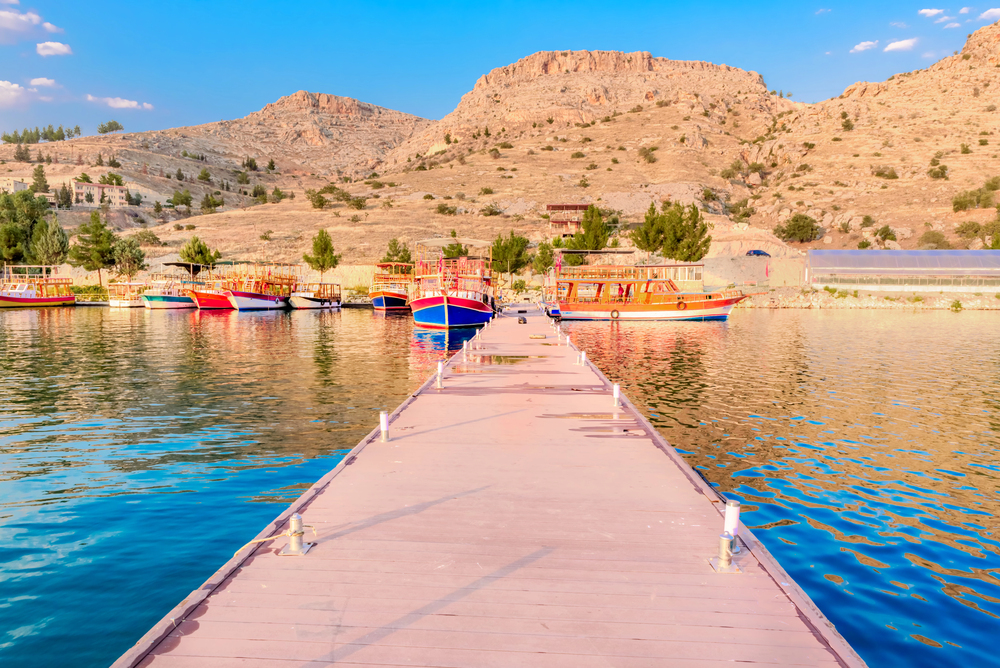
These Turkish towns prove that fairy tale settings don’t only exist in imagination or carefully constructed theme parks. Each location represents centuries of human creativity adapting to spectacular natural environments, creating communities where daily life unfolds against backdrops that seem too beautiful to be accidental. The combination of preserved architecture, continuing traditions, and stunning landscapes offers visitors experiences that feel both timeless and immediate. Whether you’re watching sunrise balloons over Cappadocia or sharing breakfast with village families in Cumalikizik, these destinations remind us that some places really do possess the magic we thought only existed in storybooks. Turkey’s fairy tale towns continue to enchant visitors precisely because they remain authentic communities where real people live real lives in settings that happen to be extraordinarily beautiful.
More from Travel Pug

- 20 Best Beach Towns in the Carolinas
- 13 Destinations Where Tourists Regularly Regret Their Trip
- 20 Things You Actually Get in First Class
- 20 Small Airports With Aviation Museums
- 20 Places in the U.S. That Are Perfect for a Reset Trip
Like Travel Pug’s content? Follow us on MSN.