

The two biggest cities in Spain provide radically different experiences, and it’s not always simple to decide between them. Barcelona offers a unique Catalan identity, wild architecture, and Mediterranean beaches. Madrid offers top-notch museums, regal splendor, and a more genuine Spanish atmosphere.
Both cities are packed with centuries of history, delicious food, and a vibrant nightlife. What you truly want from a Spanish adventure will determine which option is best for you.
Each city has its own personality. Barcelona feels artsy and coastal, while Madrid leans more traditional and centered. Here is a list of 15 key differences to help you decide which Spanish city deserves your time.
Beaches vs Landlocked

Barcelona wins this one hands down. The city sits right on the Mediterranean, with several beaches stretching along its coastline. Barceloneta Beach is the most famous, running over 1,100 meters with golden sand just a short metro ride from the city center.
You can spend your morning wandering through Gothic streets and be lounging on the beach by afternoon. Madrid doesn’t have this option—it’s landlocked in the center of Spain, surrounded by mountains and plains instead of water.
Architecture That Stands Out
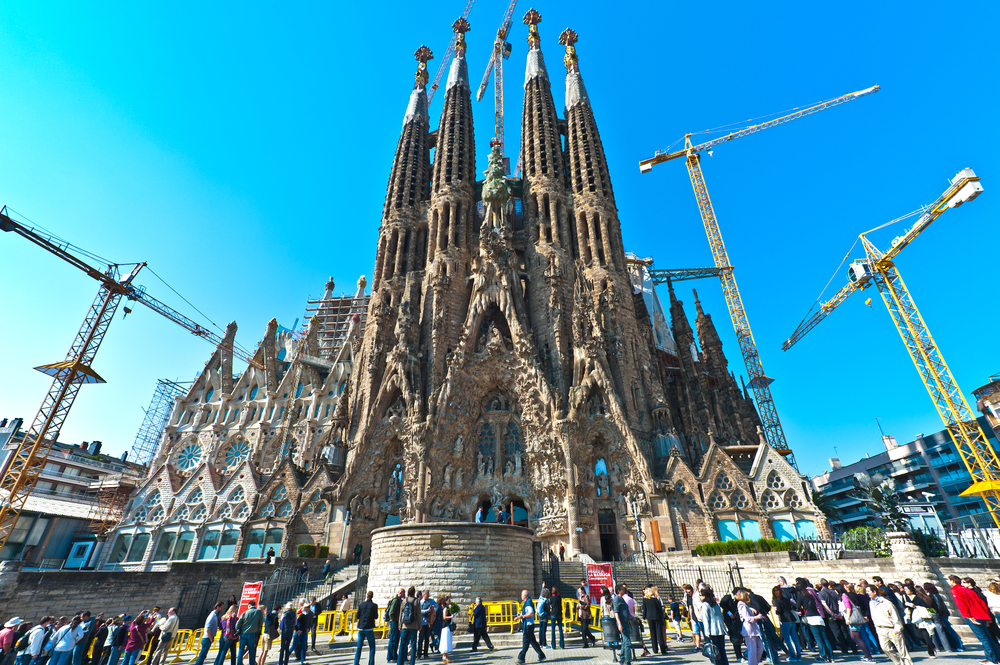
Beautiful architecture can be found in both cities, but their approaches are very different. Barcelona’s skyline is defined by Antoni Gaudí’s whimsical, nature-inspired buildings, which are synonymous with the city.
Park Güell, Casa Batlló, and La Sagrada Familia all have the appearance of being in a fantasy book rather than a real city.Madrid responds with opulent, classical structures such as the Royal Palace, which has more than 3,000 rooms and is among the biggest palaces in Europe.
Madrid’s more formal, refined style is enhanced by the Prado Museum and the Crystal Palace in Retiro Park.
Museum Quality And Variety

Here, Madrid wins. The Prado, Reina Sofía, and Thyssen-Bornemisza are three of the most significant art museums in the world, and they are all within walking distance of one another.
Velázquez, Goya, and El Greco’s masterpieces, which span centuries of European art, are only found in the Prado.Although Barcelona boasts good museums, such as the Picasso Museum and the MACBA for modern art, Madrid’s collection of classical and modern art is far more extensive.
Overall Cost Differences

In general, Barcelona is more expensive than Madrid, particularly when it comes to lodging and food. Overall, Barcelona’s consumer prices are around 9% higher (€) than Madrid’s.
Barcelona has especially high rental costs, averaging about €21 per square meter, while Madrid has somewhat cheaper prices.Because of the high demand from tourists, hotels in Barcelona’s downtown also frequently command high rates.
With less expensive nightlife options and more reasonably priced daily expenses overall, Madrid provides better value for your money.
Neighborhood Atmosphere

Barcelona’s neighborhoods, particularly those in the Gothic Quarter, El Born, and Barceloneta, have a more condensed, beachy feel. With their tiny squares and winding medieval streets, these neighborhoods have a cozy feel. The neighborhoods in Madrid are more dispersed.
While Malasaña offers bohemian energy and independent clubs, La Latina is pulsating with tapas bars along Cava Baja. Retiro has a sophisticated, park-centric vibe.
Each barrio in Madrid has its own unique character and breathing room because of its larger size.
Language And Cultural Identity

Barcelona operates with a dual identity that Madrid doesn’t share. You’ll hear both Spanish and Catalan throughout Barcelona, and the city takes fierce pride in its Catalan heritage, which includes distinct traditions, food, and even political aspirations for independence.
Madrid embodies traditional Spanish culture without the regional tensions. It’s the nation’s capital and feels more representative of Spain as a whole, making it easier for first-time visitors to grasp mainstream Spanish customs.
Tapas And Dining Culture

Both cities excel at tapas, but the experience differs. Madrid’s La Latina neighborhood is tapas central, with Cava Baja street packing over 50 bars and restaurants into just 300 meters.
The scene here feels more traditional, with spots like Casa Lucio serving classic huevos rotos.Barcelona’s El Born neighborhood offers a more spread-out tapas experience with a Mediterranean twist—seafood features heavily, and you’ll find more innovative, chef-driven interpretations of traditional dishes mixed among the classics.
Tourist Crowds

Barcelona attracts significantly more tourists than Madrid, especially during summer months and around cruise ship schedules. The Gothic Quarter and Sagrada Familia can feel overwhelming with visitors. Pickpocketing is also more common in Barcelona’s tourist zones.
Madrid feels calmer and more local, even in the city center. You can find quiet cafes and nearly empty streets in the morning, especially in residential neighborhoods.
The tourist presence exists but doesn’t dominate the city’s rhythm.
Transportation And Connectivity

Madrid serves as Spain’s major transportation hub, positioned right in the country’s center. The city’s Barajas Airport handles more international flights, and the high-speed AVE trains can whisk you to Seville in 2.5 hours or Barcelona in the same time.
Barcelona connects well to coastal destinations and France but has fewer direct options to southern Spain. For exploring multiple Spanish regions, Madrid’s central location makes it the more practical base.
Park And Green Spaces

Madrid dedicates more space to parks than Barcelona. El Retiro Park alone covers 125 hectares with over 15,000 trees, a massive artificial lake, and multiple gardens including the stunning Crystal Palace.
It’s a UNESCO World Heritage Site where locals jog, row boats, and picnic.Barcelona has parks like Ciutadella, but they’re smaller and the city focuses more on beach access than sprawling green spaces.
Madrid’s parks provide serious breathing room from urban intensity.
Nightlife Energy

Barcelona’s nightlife starts late and runs until dawn, especially along the beach and in El Born. Beach clubs, boat parties, and massive venues cater to international crowds with DJ sets and electronic music.
Madrid’s scene feels more varied and locally rooted. La Latina comes alive with bar hopping, Malasaña offers indie rock venues, and Chueca brings LGBTQ-friendly clubs. Madrid’s nightlife costs less and feels more authentically Spanish than Barcelona’s more tourist-oriented party scene.
Time Needed To Explore

Barcelona packs a lot into a smaller footprint. Most major attractions sit within a few metro stops of each other, and you can cover significant ground on foot.
Two to three days gives you a solid taste of the city, though you’ll want more time to really soak it in.Madrid sprawls wider, with attractions more spread out.
The Prado, Royal Palace, and Retiro Park alone could fill a full day each. Four to five days feels more appropriate to experience Madrid without rushing.
Day Trip Opportunities

Both cities offer excellent day trips but in different directions. From Barcelona, you can reach Costa Brava beaches, medieval Girona, or the mountain monastery of Montserrat within an hour or two.
Madrid positions you perfectly for Toledo’s medieval streets, Segovia’s Roman aqueduct, and the palace gardens of Aranjuez. Madrid also connects faster to Andalusia’s major cities if southern Spain is on your itinerary.
Barcelona requires flights to reach Granada or Seville easily.
Weather And Climate

Barcelona enjoys a Mediterranean climate with mild winters and warm, humid summers. The coastal breeze keeps things pleasant, and you can hit the beach from May through October.
Madrid experiences more extreme continental weather—scorching summers that can reach over 100°F and cold winters that occasionally see snow.Spring and fall offer the most comfortable weather in Madrid. Barcelona’s climate stays more consistent and comfortable year-round.
Authentic Local Experience
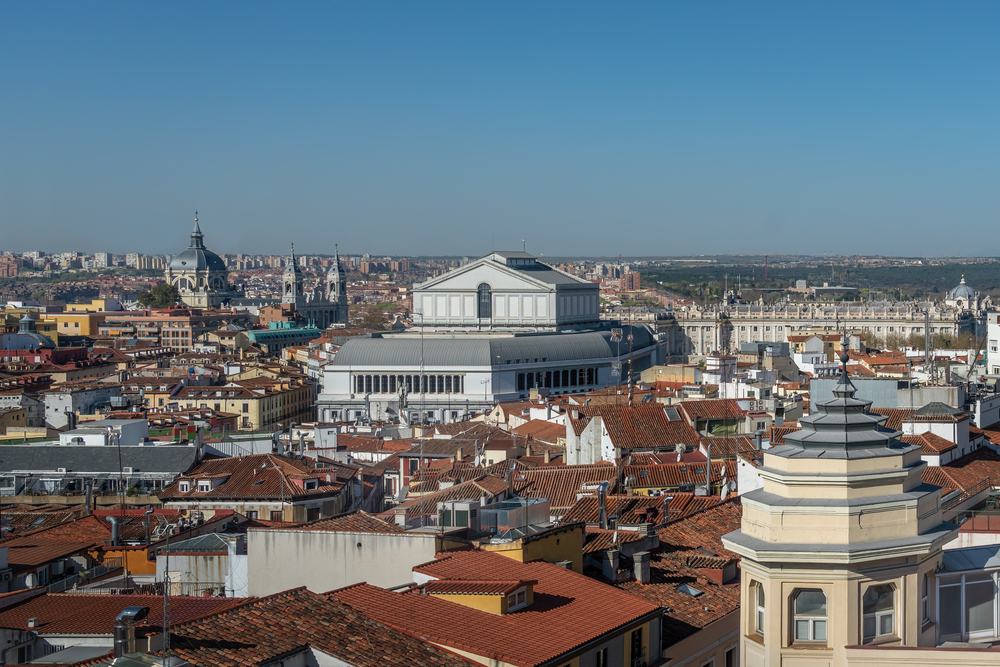
Madrid delivers a more traditionally Spanish experience without the heavy tourism overlay that affects Barcelona. You’ll find locals outnumbering visitors in most neighborhoods, and daily life revolves around Spanish customs like late dinners and long lunch breaks.
Barcelona’s tourist infrastructure is more developed, which makes it easier to navigate but also more commercialized in central areas. Madrid feels like a working capital where tourism fits into the fabric rather than defining it.
Where These Cities Meet Modern Spain

Both Barcelona and Madrid are distinct representations of modern-day Spain, each influenced by centuries of history as well as more recent decades of change. After the 1992 Olympics, Barcelona rebuilt itself, transforming run-down beaches into a premier urban coastline.
Madrid has developed into the political and cultural center of Spain, where a flourishing modern arts scene coexists with tradition.The decision ultimately boils down to whether you prefer central location and authentically Spanish architecture or coastal architecture and Catalan flair.
In any case, you can expect late nights and unforgettable tapas.
More From Travel Pug

- Underrated Italian Towns That Beat the Tourist Crowds
- Las Vegas Tourist Traps to Skip
- Prettiest Towns in Every US State
- 18 passport-free countries for Americans
- Signs Your Cruise Is Not Worth The Cost
Like Travel Pug’s content? Follow us on MSN.