

Tokyo’s famous areas like Shibuya, Harajuku, and Shinjuku show one version of the city, but plenty of other neighborhoods exist where actual Tokyo residents live, work, and spend their time. These districts won’t appear in typical tourist itineraries, which is exactly what makes them worth visiting.
Here is a list of 15 Tokyo districts tourists rarely explore.
Koenji
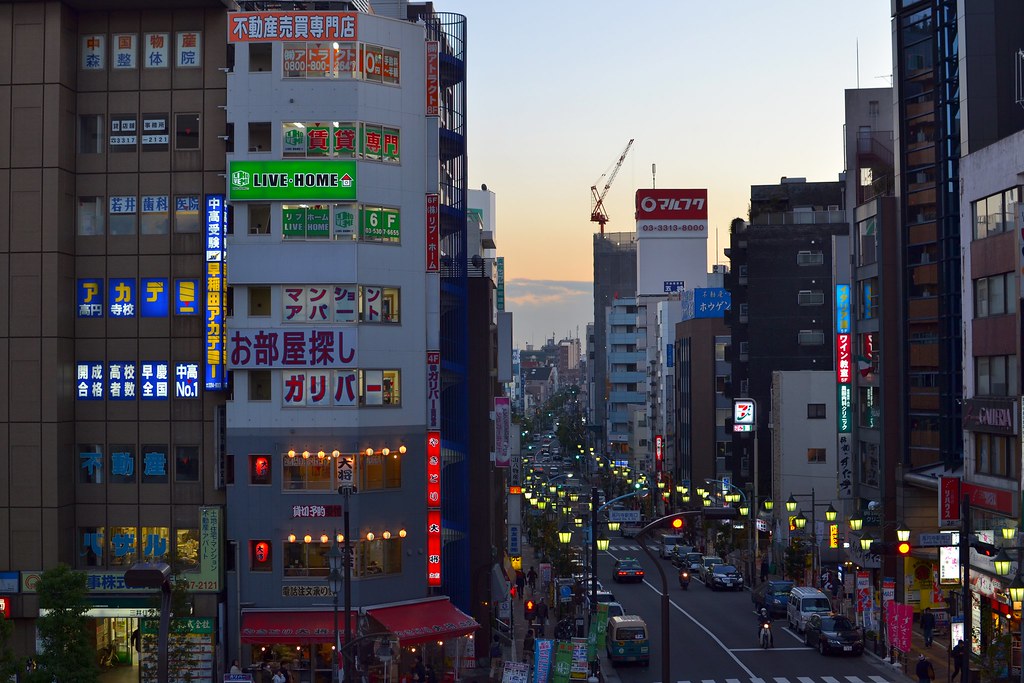
West of Shinjuku, this neighborhood has a bohemian vibe that feels completely different from corporate Tokyo. Vintage clothing shops fill the narrow streets, and live music venues pack in crowds most nights.
The area attracts musicians, artists, and people who don’t quite fit Tokyo’s buttoned-up image. Walking around here, you’ll notice the atmosphere is more relaxed, with fewer rules about how things should look or operate.
Yanaka
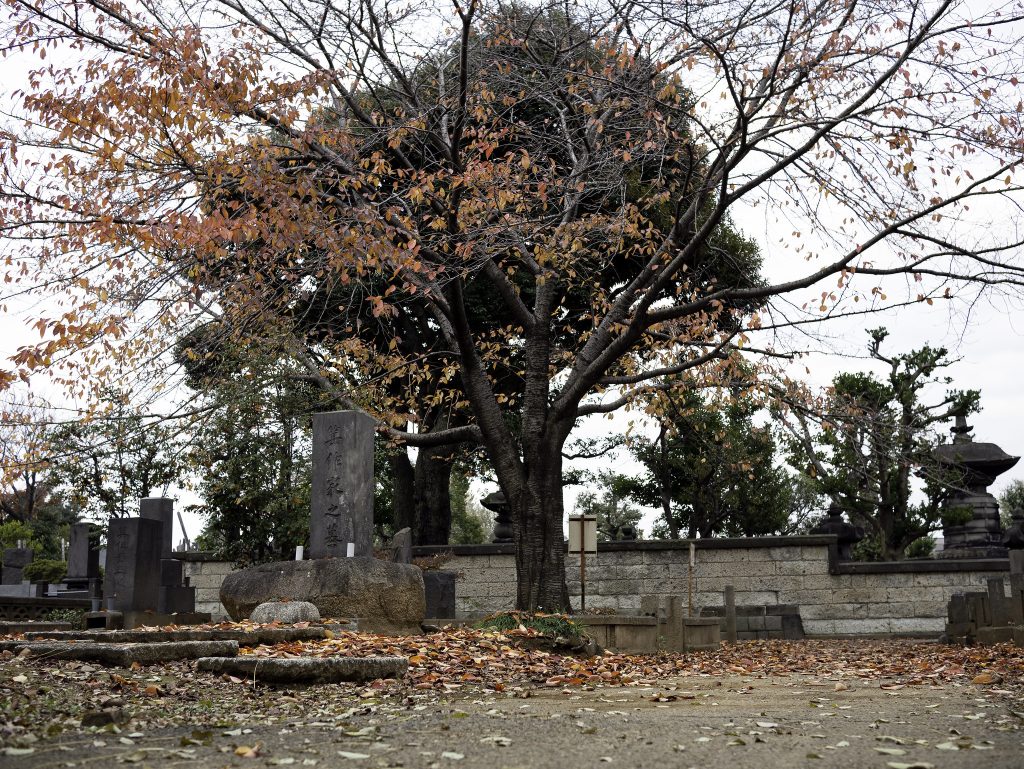
This old downtown area survived World War II bombing, so traditional wooden buildings still line the streets alongside small temples. Tourists rush between Asakusa and Ueno without stopping here, missing what feels like stepping back several decades.
Early morning walks show elderly residents tending potted plants and sweeping their doorsteps—everyday rituals that have mostly disappeared from Tokyo’s more modern districts. The neighborhood has a quietness that’s hard to find elsewhere in the city.
Shimokitazawa
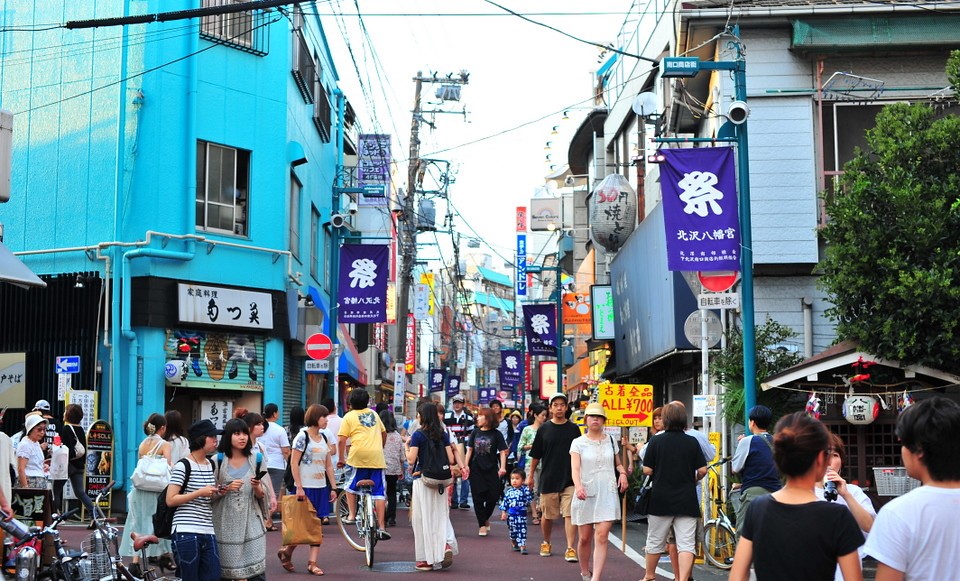
Young Tokyoites love this maze-like district packed with tiny theaters, record shops, and cafés that couldn’t afford rent in pricier areas. The streets deliberately confuse, winding around without clear patterns. Getting lost here feels purposeful somehow, like the neighborhood designed itself to reward wandering.
Thrift stores have actual finds rather than curated vintage, and the curry restaurants draw locals willing to wait in line for specific shops they’ve deemed superior.
Nakameguro
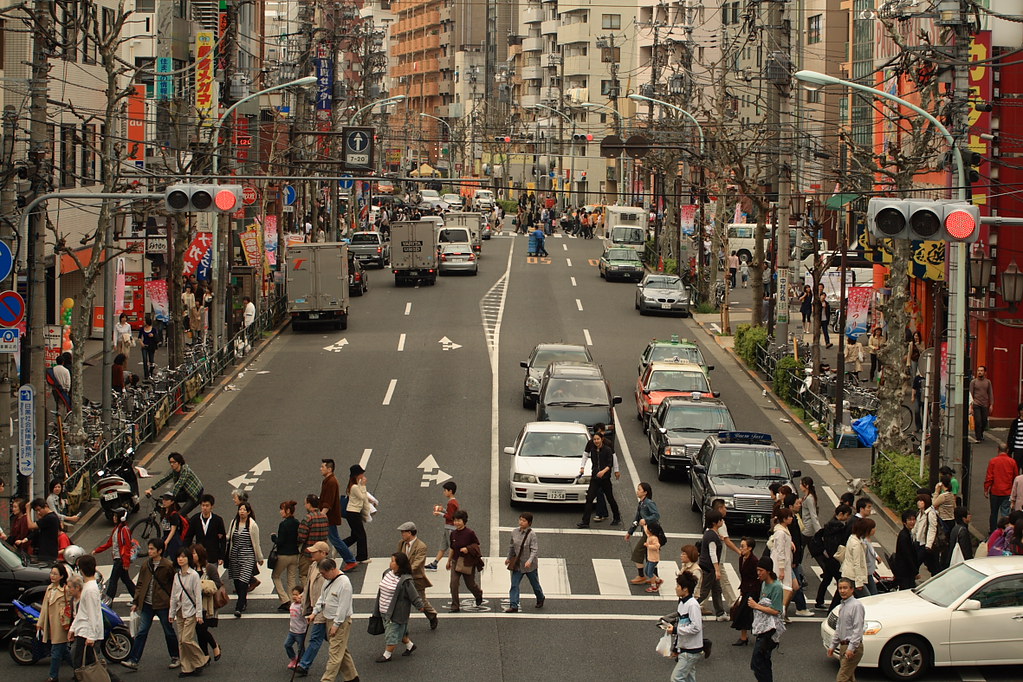
The canal running through this neighborhood becomes spectacular during cherry blossom season, yet most tourists miss it entirely while crowding into more famous viewing spots. Outside of sakura time, Nakameguro maintains a sophisticated atmosphere without pretension.
The boutiques are independently owned, and restaurants focus on quality rather than trends. The area feels adult compared to teenager-focused Harajuku—people in their thirties who’ve outgrown flashier neighborhoods.
Kagurazaka
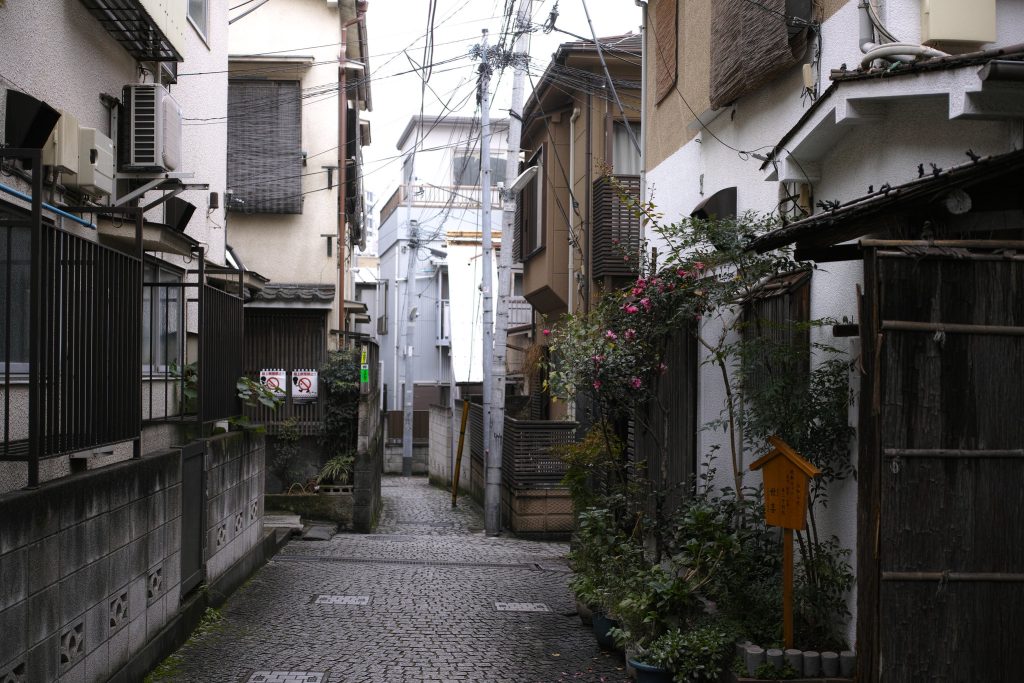
This hillside district near Shinjuku has French influence dating back decades, creating a hybrid atmosphere that’s distinctly Tokyo while also being something else entirely. European restaurants sit between traditional Japanese establishments, and somehow it works.
The main street gets busy during lunch, but side alleys climbing the hill stay atmospheric and quiet. Geisha still work in some exclusive restaurants here, though you’d never know it just walking past the unmarked doors.
Kichijoji
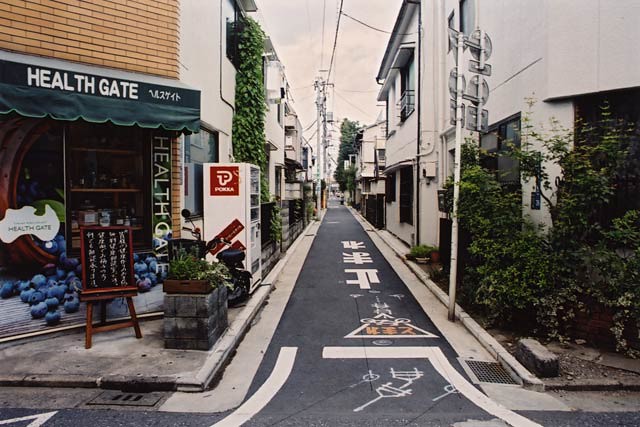
Tokyo residents consistently rank this as one of the city’s most livable neighborhoods, and spending time here makes it obvious why. Inokashira Park provides green space and a pond where people rent swan boats on weekends.
The shopping streets around the station stay busy until late with locals rather than tourists. The whole area has a self-contained quality, like a smaller city existing within the megalopolis that doesn’t need to look elsewhere for what it wants.
Nippori
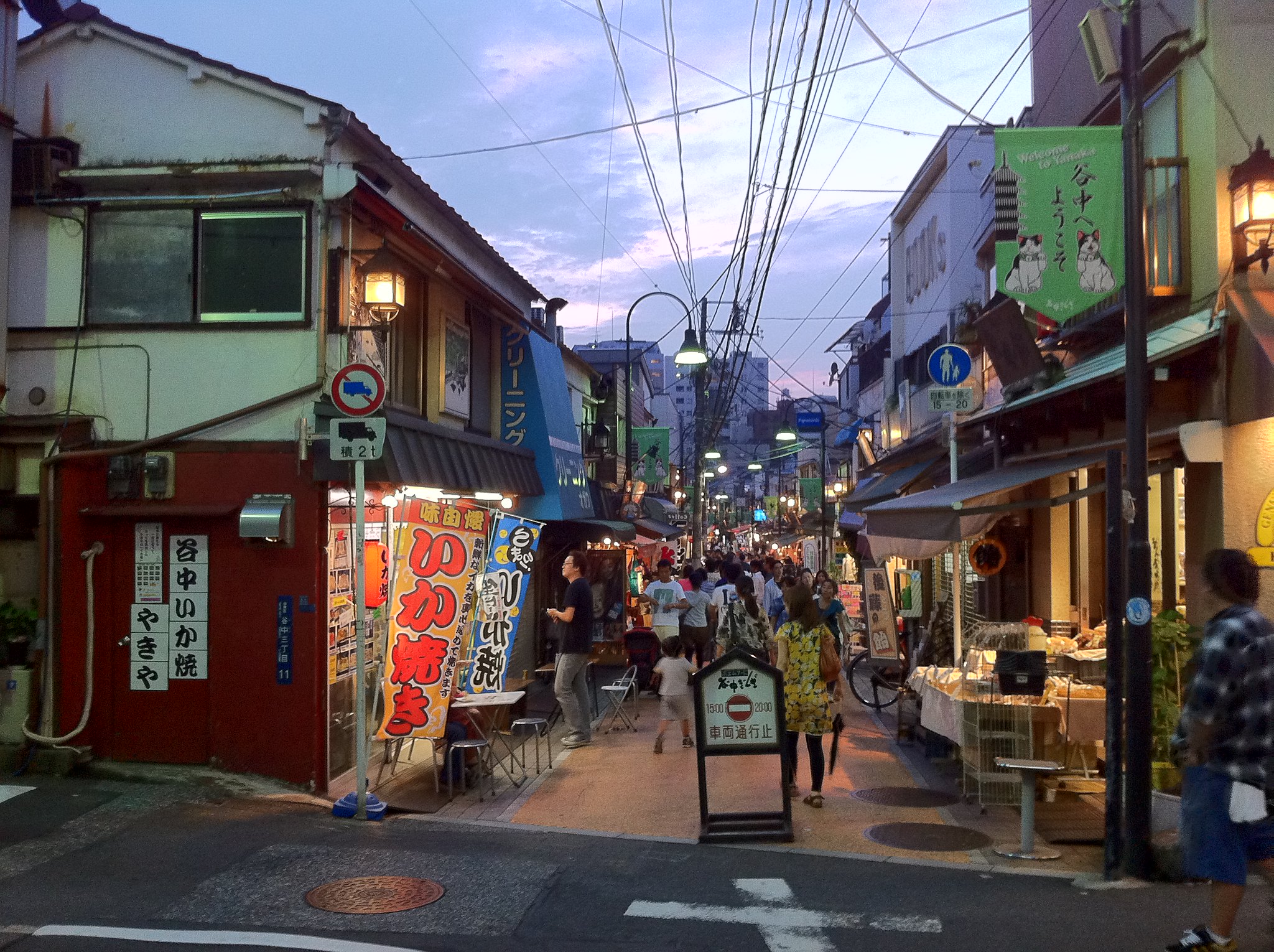
Fabric enthusiasts know this area for its textile district, but otherwise it flies completely under the tourist radar. The shopping street from the station has practical businesses—hardware stores, bookshops, unremarkable restaurants.
It’s unglamorous but genuinely Tokyo in ways sanitized tourist zones can never replicate. Walking here feels like seeing the city without performance or presentation, just existing for itself.
Sangenjaya
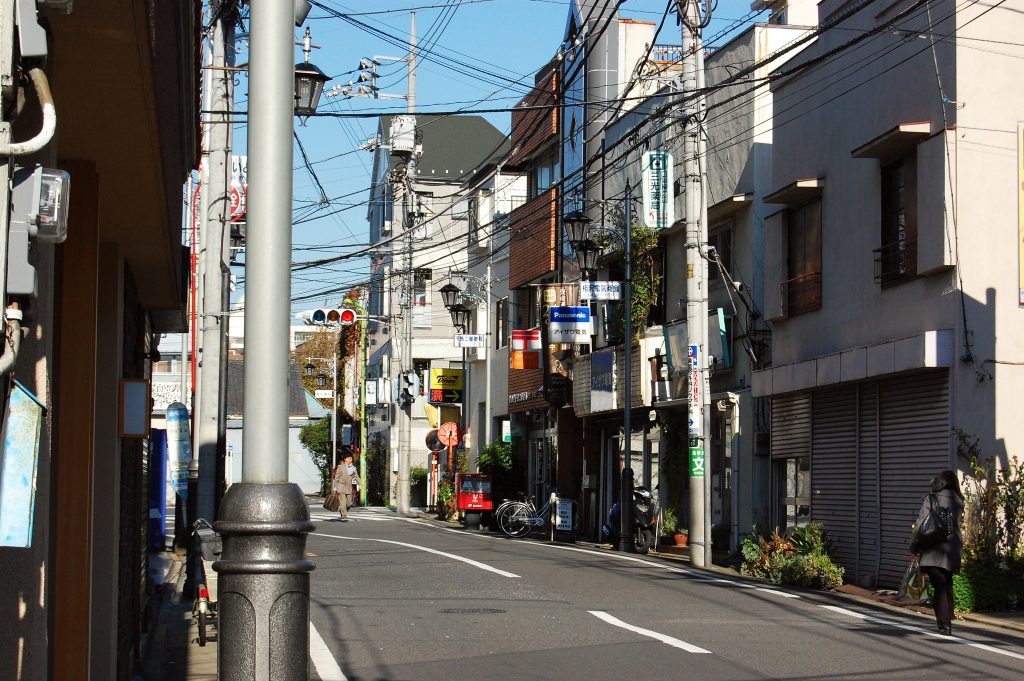
This transit hub southwest of Shibuya serves as a bedroom community for people working in central Tokyo. The izakaya culture is strong, with countless small drinking spots packed with salarymen after work.
The neighborhood lacks polish or any attempt at style—just solid restaurants, dive bars, and the energy that comes from people living actual daily lives. Nothing here is designed for visitors, which somehow makes it more interesting.
Togoshi Ginza
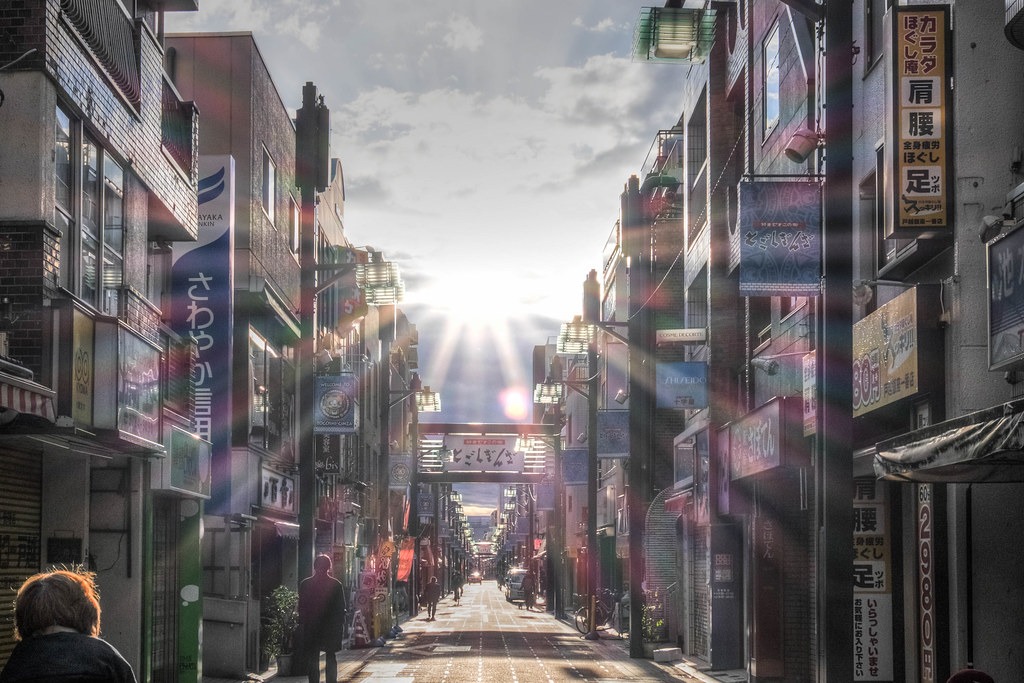
One of Tokyo’s longest shopping streets runs through this working-class neighborhood, lined with local shops operating for generations. The atmosphere is completely unglamorous, with stores selling everyday necessities rather than souvenirs or trendy items.
Weekend afternoons bring families out for errands and cheap eats, creating community energy that’s increasingly rare in Tokyo. The ordinariness is exactly the point.
Kita-Senju
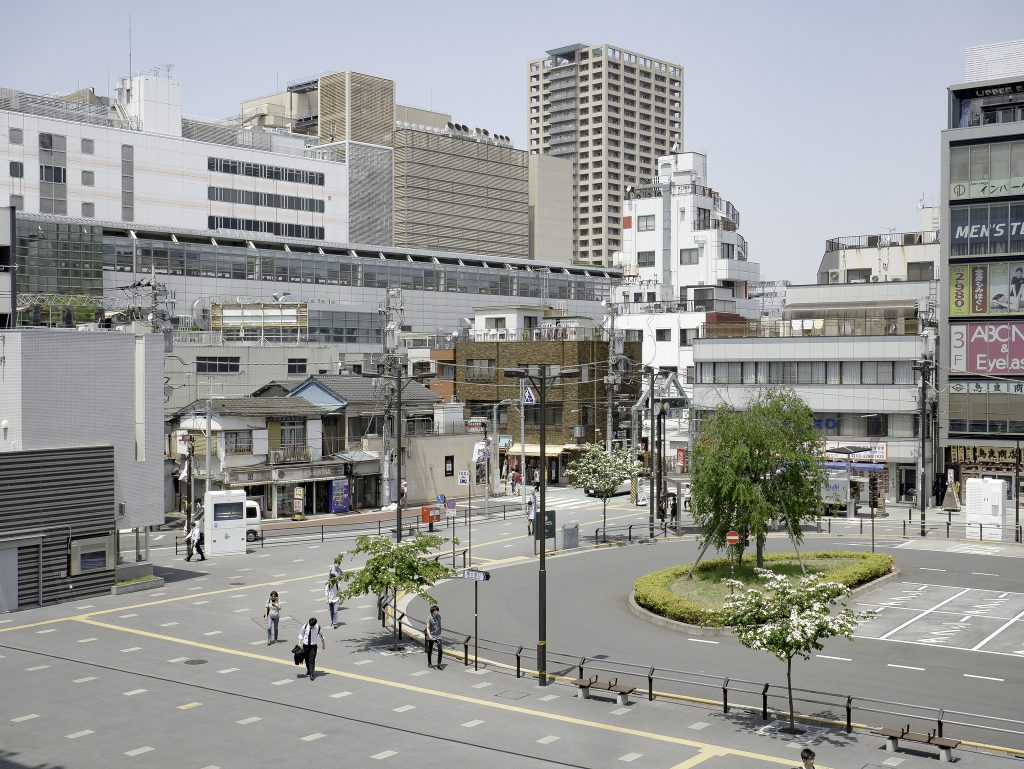
This northeastern neighborhood has a reputation among Tokyoites as slightly rough around the edges, which actually makes it more interesting than polished districts. The area around the station stays lively late with standing bars and yakitori joints.
Housing costs less here, attracting young people and artists who’ve started shifting the neighborhood’s character. It feels rawer and more unpredictable than central Tokyo, which can be refreshing after too much order.
Ryogoku
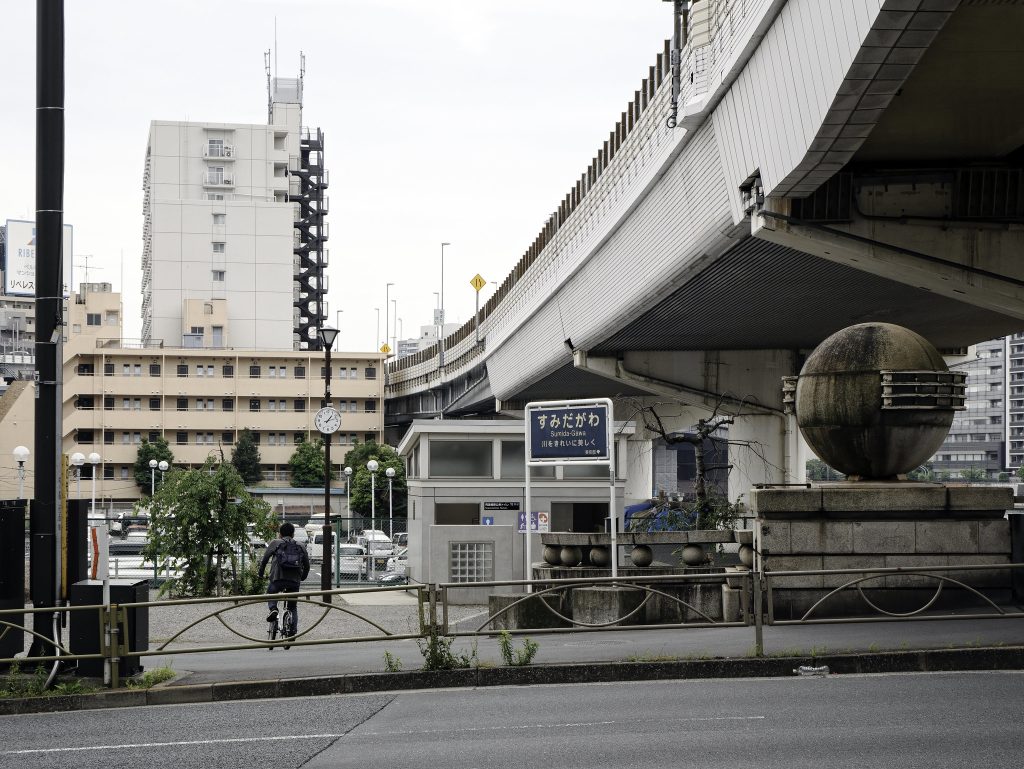
People know this area for its sumo stadium, but between tournaments it reverts to a traditional Tokyo neighborhood along the Sumida River. Museums, old-style restaurants, and architecture reflecting earlier eras fill the streets.
Early morning here reveals locals going about routines in an area that hasn’t changed dramatically in decades. The atmosphere feels deeply rooted in a way that newer districts cannot replicate regardless of how they’re designed.
Jiyugaoka
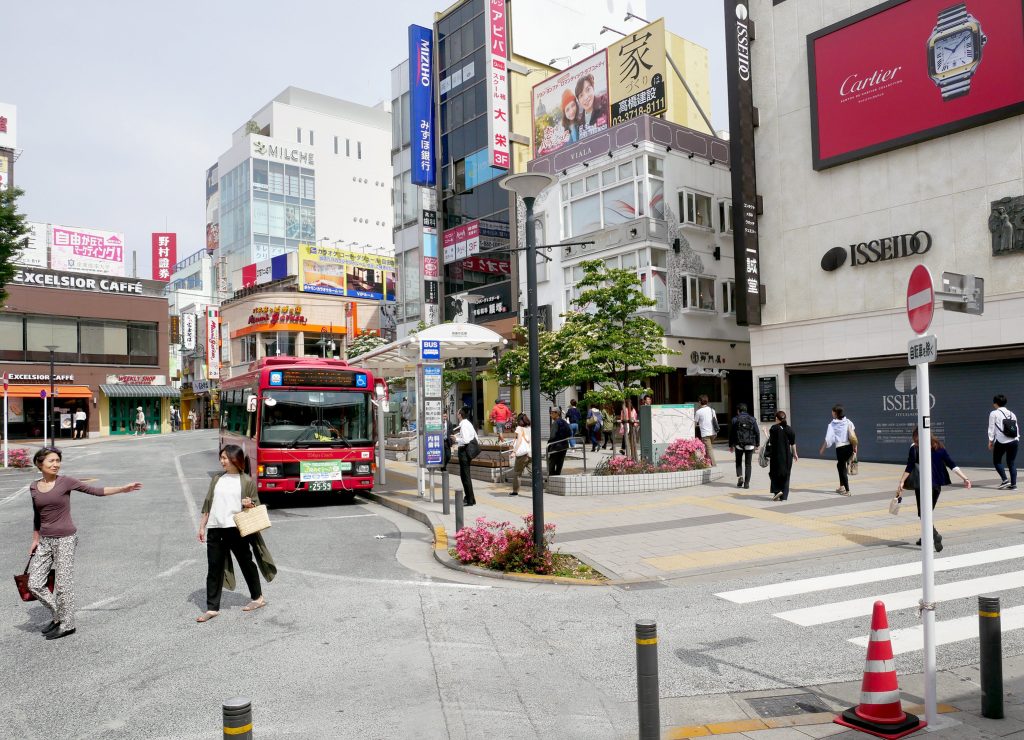
This upscale residential area southwest of Shibuya attracts Tokyo families with good schools and European-influenced architecture. The shopping streets have an elegant but relaxed quality—patisseries, home goods shops, cafes prioritizing quality over flash.
It’s where Tokyoites spend money when buying for themselves rather than impressing others. The neighborhood feels settled and confident without needing to prove anything.
Nishi-Ogikubo
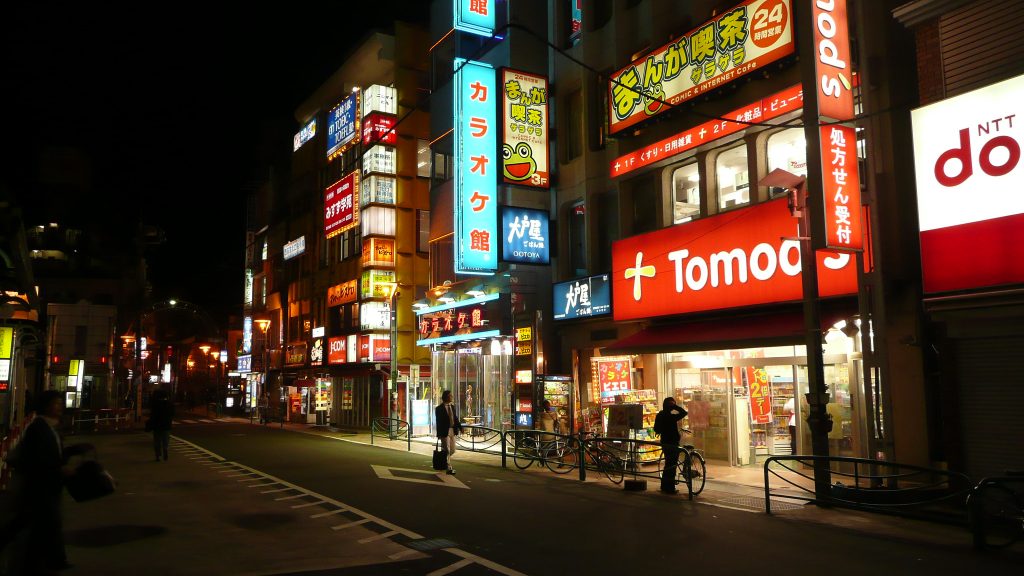
This quiet residential district has developed a reputation for antique shops and used bookstores, drawing collectors citywide. The neighborhood itself stays resolutely ordinary, serving as a bedroom community for working professionals.
The contrast between mundane apartment blocks and shops filled with treasures gives the area unexpected character. Most people live here without thinking twice about it, which is somehow part of the appeal.
Daikanyama
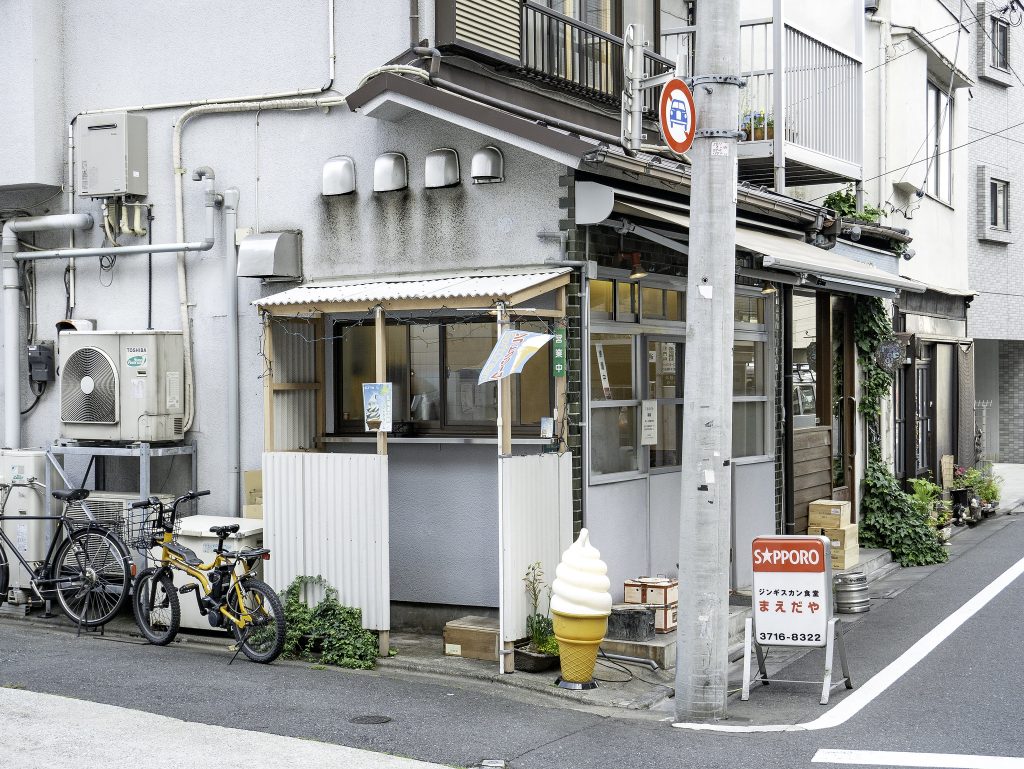
Technically close to Shibuya, Daikanyama feels completely separate, with its quiet streets and sophisticated atmosphere. The neighborhood attracts people with disposable income who’ve outgrown flashier districts.
Design shops, specialty bookstores, and restaurants that prioritize substance over hype fill the small area. You can explore it in an afternoon but the density of interesting spots rewards moving slowly and paying attention.
Machiya
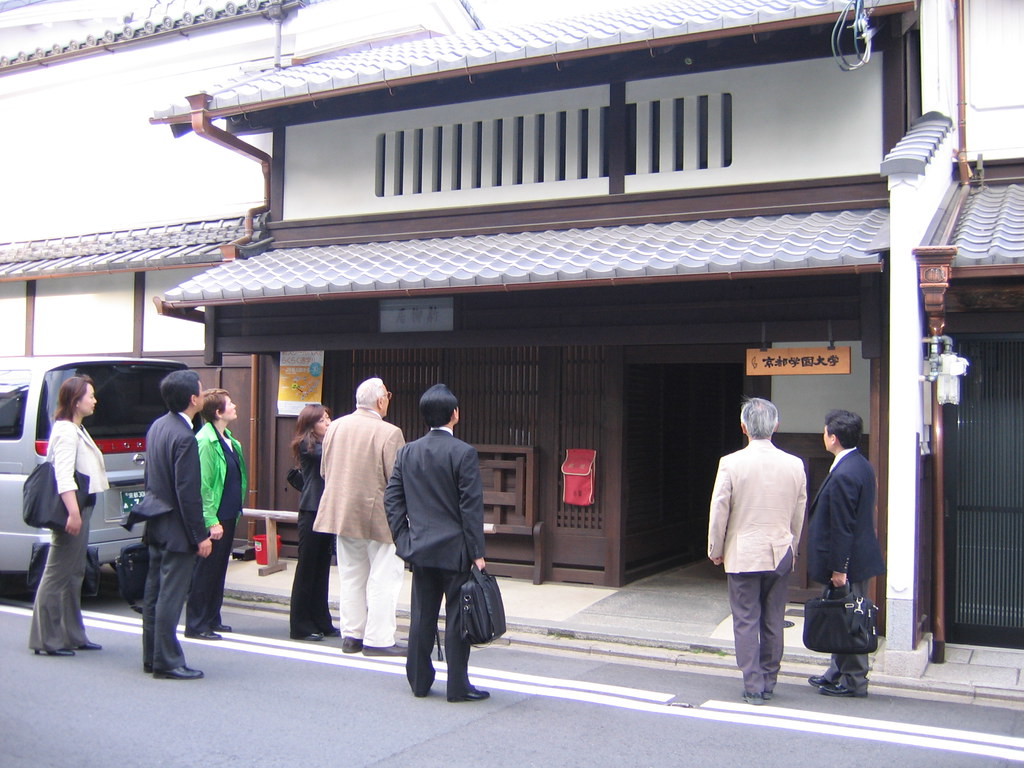
This northern neighborhood retains shitamachi character—the working-class, community-oriented feel of old Tokyo. Small factories still operate alongside residential areas, and the shopping arcade serves locals rather than chasing trends.
Nothing here photographs particularly well, which keeps it off Instagram and therefore less discovered. That ordinariness reveals how most Tokyoites actually live, removed from the performance of tourist districts.
Beyond the guidebook

These neighborhoods won’t make your feed look impressive and your friends might not recognize the locations, which is precisely why they matter. Tokyo’s tourist facilities make it easier to visit the city, but they also create a kind of superficiality.
By wandering through the areas where the English language is absent, the tourist is a rarity, and one realizes that the city has layers that don’t unfold when it is on display for the tourists. The version of Tokyo that is fascinating, rather than just photogenic, is the one that exists for itself and not for others.
More from Travel Pug

- Underrated Italian Towns That Beat the Tourist Crowds
- Las Vegas Tourist Traps to Skip
- Prettiest Towns in Every US State
- 18 passport-free countries for Americans
- Signs Your Cruise Is Not Worth The Cost
Like Travel Pug’s content? Follow us on MSN.