

Florida’s cruise ports handle more passengers than anywhere else in the world, yet somehow the boarding process still feels like it was designed by someone who’s never actually taken a cruise. Long lines snake through terminal buildings while families juggle luggage and kids wonder why vacation began with waiting in what feels like an airport security checkpoint that forgot to hire enough staff.
The good news? Some cruise lines have figured out that getting people onto the ship shouldn’t be the hardest part of the journey.
These operators have streamlined their Florida embarkation process to the point where you might actually arrive at your cabin feeling relaxed instead of already needing another vacation. From digital check-ins that actually work to priority boarding that means something, these cruises have cracked the code on making departure day feel less like a logistical nightmare and more like the beginning of something worth looking forward to.
Royal Caribbean Symphony of the Seas

Royal Caribbean’s check-in app eliminates most of the paperwork that used to bog down embarkation day. Upload your documents, select your arrival time, and the system actually holds your spot — which sounds basic until you’ve experienced cruise lines where “reserved time slots” are more like gentle suggestions that nobody follows.
The Symphony boards from Port Miami with dedicated lanes for different passenger categories. Suite guests get their own entrance (and it’s not just a sign, there’s actual staff directing traffic), while Crown & Anchor Society members with status get priority that cuts waiting time in half.
The facial recognition technology speeds up the security checkpoint, though it occasionally gets confused if you’re wearing sunglasses, which defeats the purpose since everyone boarding a cruise in Florida is wearing sunglasses.
Celebrity Edge

Celebrity’s terminal operations feel like they hired someone who actually understands crowd management. The check-in process flows through stations designed to handle volume without creating bottlenecks — passengers move steadily instead of surging forward in frustrated clusters every few minutes.
Captain’s Club members get priority boarding that starts 30 minutes earlier than general boarding, and Celebrity actually enforces the arrival time windows instead of letting everyone show up whenever they feel like it. The Port Everglades terminal has enough seating for people who arrive early, plus food vendors that don’t charge airport prices.
Which is saying something, because most cruise terminals treat captive passengers like they should be grateful for stale sandwiches at $15 each.
Norwegian Bliss
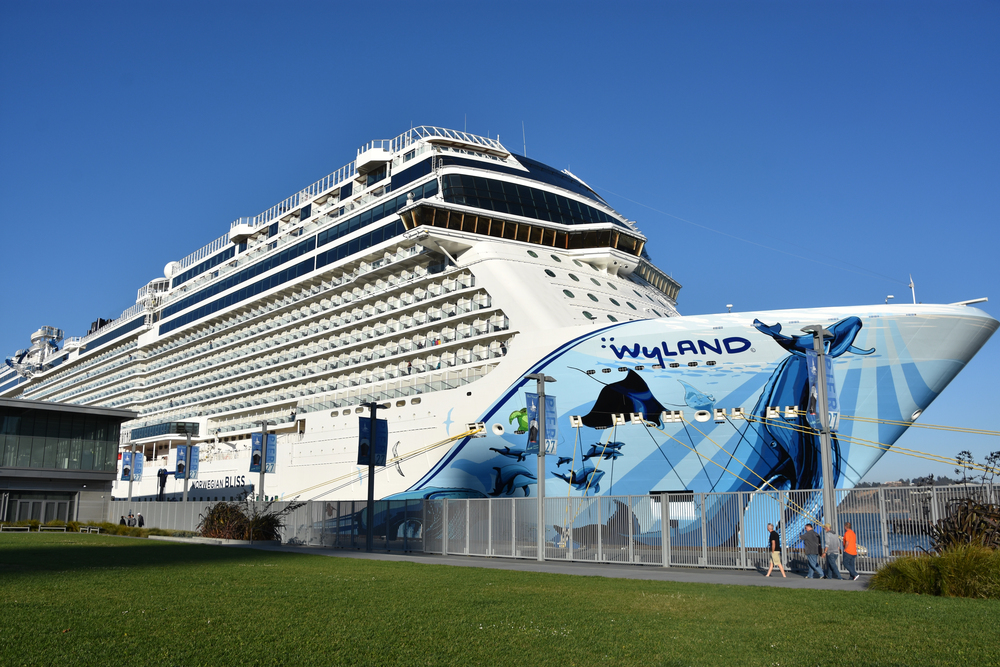
Norwegian’s embarkation process works because it doesn’t pretend to be more sophisticated than it needs to be (and something is refreshing about a system that admits what it actually is: getting a lot of people onto a floating hotel as efficiently as possible). The Miami terminal flow is straightforward — check bags, clear security, board the ship.
No unnecessary complexity.
The Haven suite guests board first, which makes sense since they paid three times more than everyone else, but even general boarding moves at a reasonable pace. Norwegian staff actually seem trained to handle questions instead of just pointing vaguely toward signs.
And unlike some cruise lines that make you wait in the terminal until your exact boarding group is called (while you watch the ship sitting right there, empty), Norwegian keeps the line moving once boarding opens.
Disney Fantasy
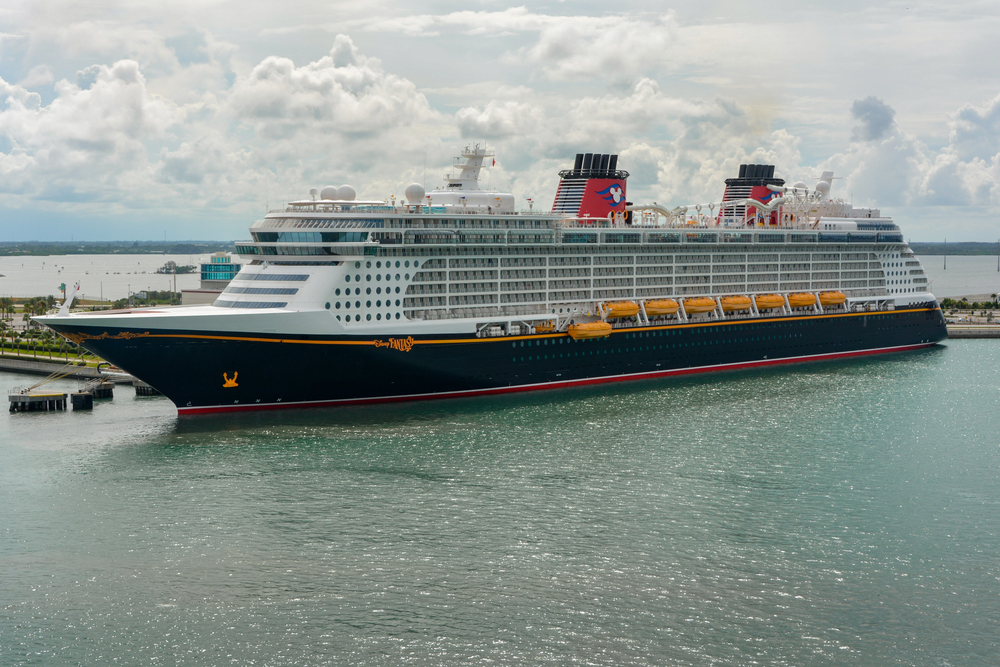
Disney’s Port Canaveral terminal feels like someone designed it with the understanding that half the passengers are children who’ve been sitting in a car for hours and are approximately 30 seconds away from a complete meltdown. The embarkation process moves quickly enough that families don’t have time to fall apart in the waiting areas.
Castaway Club members get priority boarding based on the number of previous Disney cruises, which rewards loyalty without making it feel like you’re being punished for being new. The check-in process includes photos for the Key to the World card that actually look decent instead of the unflattering security camera shots most cruise lines subject you to.
Disney’s staff manages to be genuinely helpful without the forced enthusiasm that makes you want to hide behind your luggage.
Virgin Voyages Scarlet Lady

So here’s the thing about cruise embarkation that nobody mentions in the glossy brochures: it’s fundamentally an industrial process dressed up as hospitality, and the cruise lines that admit this (at least internally) tend to handle it better than the ones that pretend boarding 4,000 passengers is some kind of elegant welcome ceremony. Virgin Voyages built its embarkation around this reality.
The PortMiami terminal setup eliminates the traditional check-in desk bottleneck by handling most documentation through their app beforehand. Sailors (Virgin’s term for passengers, which sounds slightly ridiculous until you get used to it) can complete the entire check-in process from their phone, including uploading required documents and selecting arrival times that the cruise line actually honors.
The boarding process feels more like entering a modern hotel than joining a crowded boarding process.
But what makes Virgin’s system work isn’t the technology — it’s that they designed the terminal flow around the assumption that people want to get on the ship and start their vacation, not participate in some elaborate check-in ritual. The staff focuses on moving people through efficiently rather than upselling port excursions or trying to convince you to upgrade your beverage package while you’re standing in line with all your luggage.
Holland America Nieuw Amsterdam
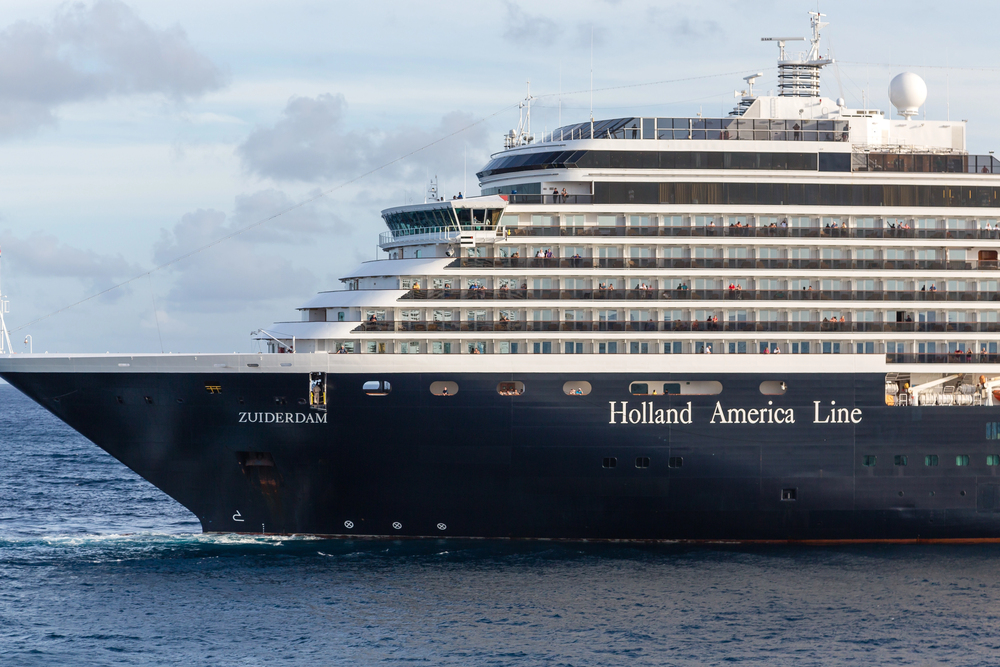
Holland America passengers tend to be older and more experienced with cruising, which means they generally follow instructions and show up during their assigned boarding times. This creates a self-reinforcing system where embarkation runs smoothly because people expect it to run smoothly.
The Fort Lauderdale terminal boarding process reflects this passenger demographic — less chaos, more order. Mariner Society members get priority boarding that actually means something, and the check-in staff seems to understand that their passengers don’t need everything explained to them like it’s their first time leaving the house.
The embarkation moves at a civilized pace without the urgency that makes other cruise terminals feel like evacuation drills.
Princess Caribbean Princess
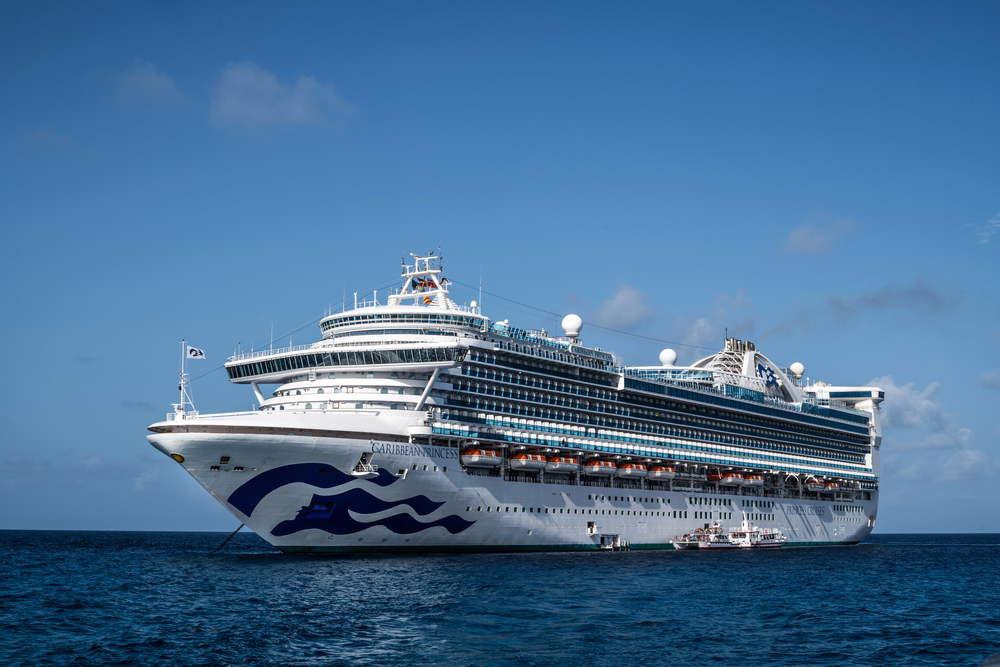
Princess strikes a balance between efficient boarding and making the process feel welcoming rather than purely transactional. The Fort Lauderdale terminal setup guides passengers through check-in without the confusion that plagues some larger operations — you can actually figure out where you’re supposed to go without asking for directions three times.
Captain’s Circle members get priority boarding, and Princess enforces arrival time windows strictly enough to prevent the terminal from becoming overcrowded. The embarkation staff manages to be helpful without hovering, which matters more than it sounds when you’re trying to juggle luggage and figure out where you’re supposed to stand.
The boarding process moves steadily without feeling rushed, though it helps that Princess passengers generally seem to have their documentation organized ahead of time.
MSC Seaside
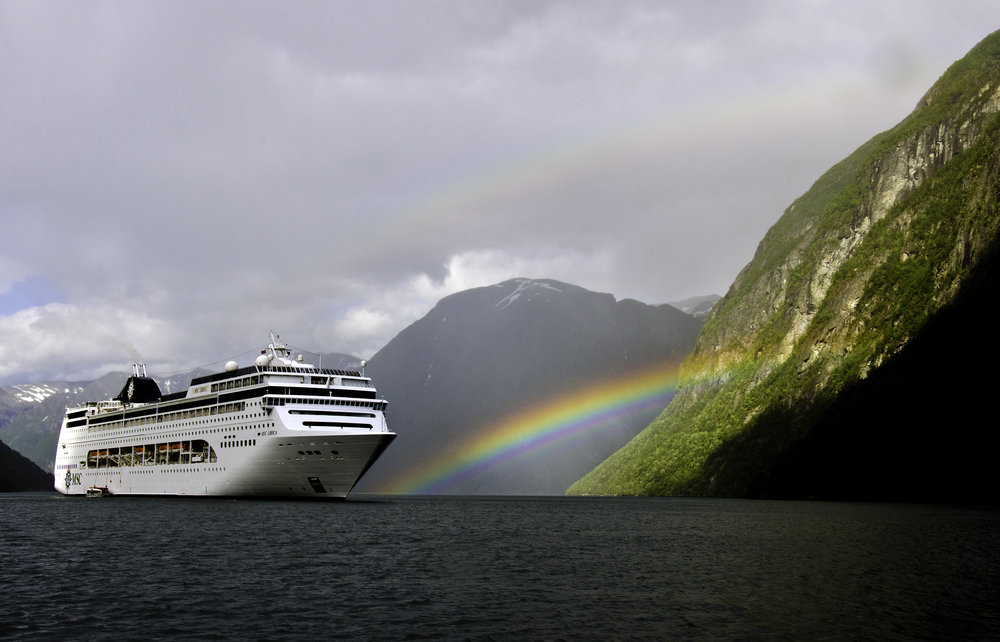
MSC’s Miami terminal embarkation feels European in the best way — organized without being rigid, efficient without sacrificing basic courtesy. The check-in process assumes passengers are capable of following simple instructions, which creates a flow that works better than systems designed around the assumption that everyone needs constant guidance.
The Voyagers Club priority boarding actually saves time, unlike cruise lines where “priority” means you get to wait in a slightly shorter line for the same amount of time. MSC’s staff manages the boarding process with a matter-of-fact professionalism that feels refreshing after encountering cruise line employees who’ve been trained to treat every interaction like a performance.
The embarkation moves efficiently because the system is designed around moving people onto the ship, not around creating an “experience” that nobody particularly wants anyway.
Carnival Mardi Gras
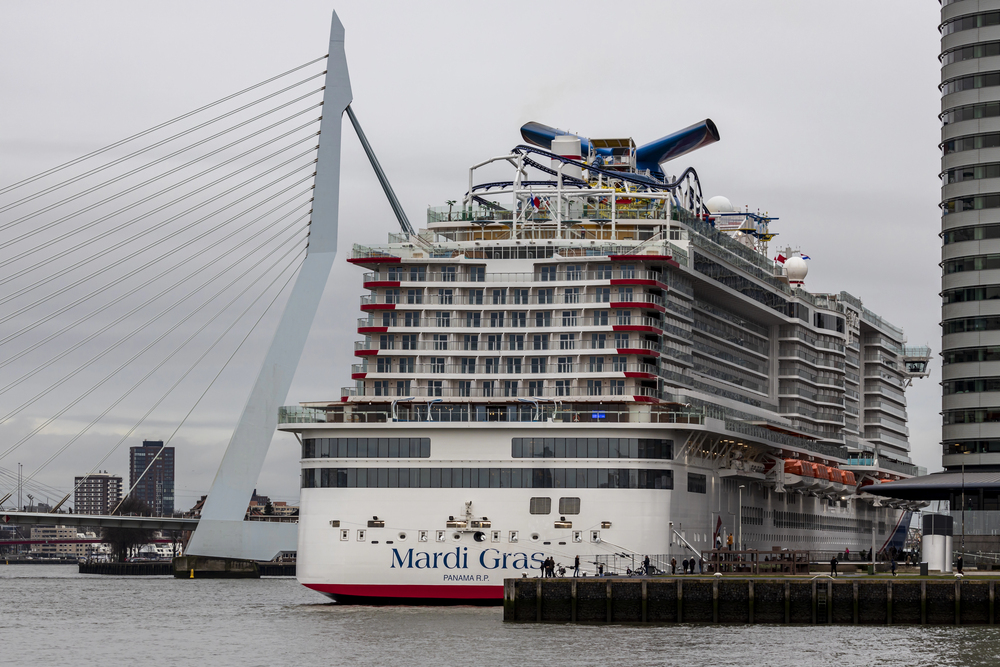
Carnival gets unfairly dismissed as the chaotic budget option, but its embarkation process at Port Canaveral actually works better than some premium lines (and there’s something to be said for a system that acknowledges what it is and executes competently rather than pretending to be something more sophisticated). The terminal setup handles high volume efficiently without making passengers feel like they’re being processed through an assembly line.
The VIFP (Very Important Fun Person) priority boarding saves real time, particularly on busy sailing days when general boarding can stretch longer than anyone wants to admit. Carnival’s check-in staff moves quickly through the required procedures without the upselling pressure that makes some cruise terminals feel like timeshare presentations.
The embarkation flows steadily once it gets going, though showing up right when your boarding window opens works better than arriving fashionably late.
Oceania Marina
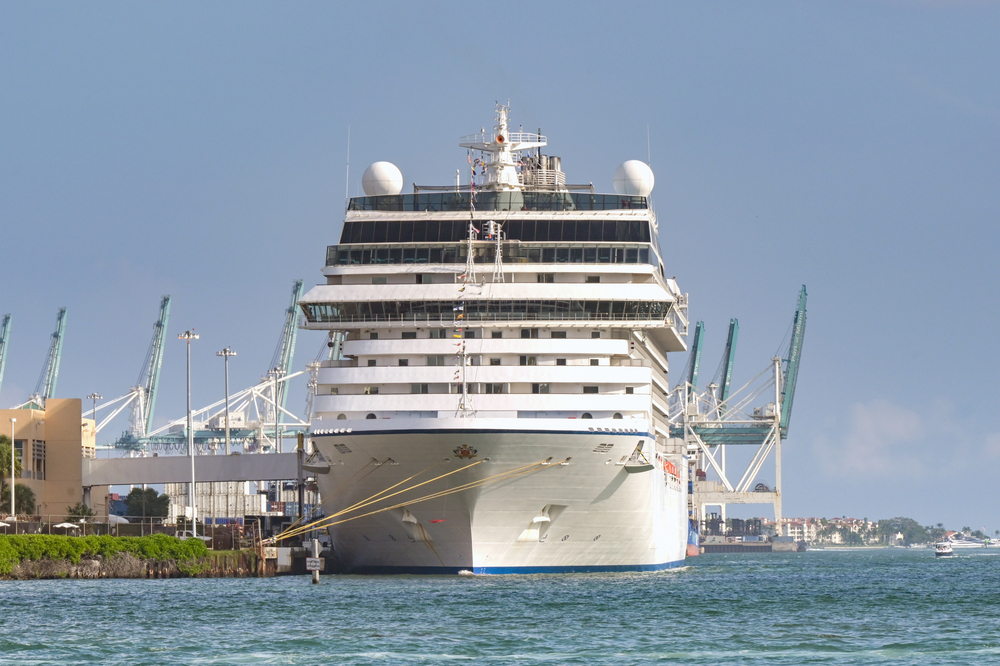
Oceania’s Miami embarkation feels like it was designed for adults who can manage their own affairs and just want to get on the ship without unnecessary complexity. The smaller passenger capacity means shorter lines and less crowding in the terminal, but the real difference is in the execution — staff that seems trained to solve problems rather than recite policies.
The Oceania Club priority boarding is meaningful because the cruise line limits the number of people in each boarding group instead of letting half the ship claim some form of priority status. The check-in process focuses on the essentials without trying to sell you things you can buy once you’re aboard.
Embarkation moves at a pace that feels civilized rather than industrial, which matches the cruise line’s overall approach to treating passengers like guests rather than cargo.
Azamara Journey
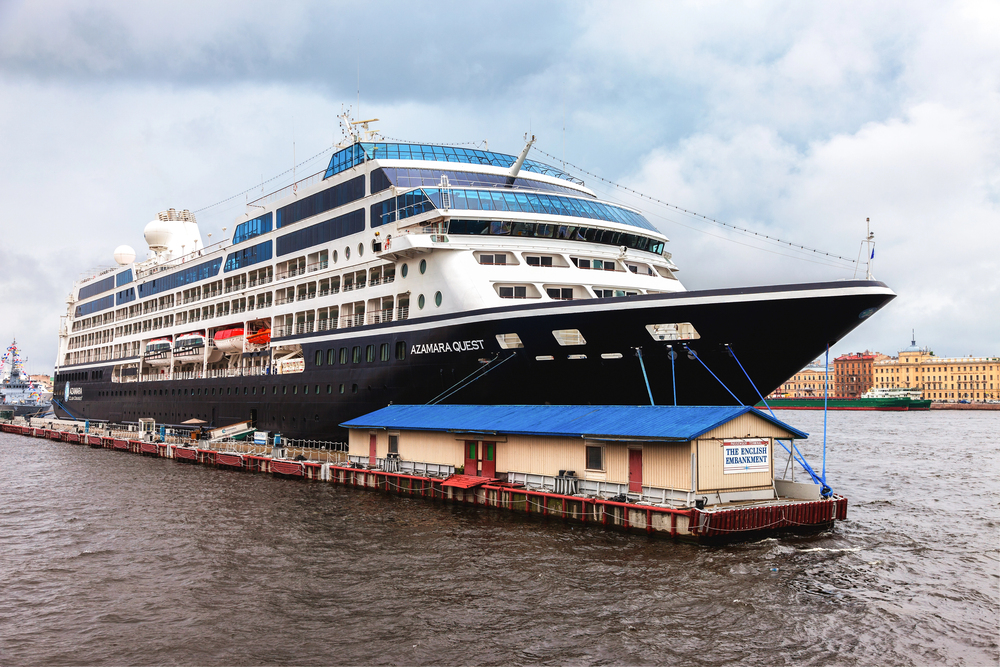
Azamara’s Fort Lauderdale embarkation benefits from smaller ship capacity and passengers who generally understand how cruising works. The boarding process feels more like checking into a boutique hotel than joining a mass migration — staff recognize returning guests and the check-in moves quickly without feeling rushed.
The Le Club Voyage priority boarding matters because Azamara doesn’t oversell the privilege to half their passenger list. The embarkation process assumes a level of sophistication from passengers that creates a smoother flow than cruise lines that design their systems around first-time cruisers who need every step explained.
The terminal experience matches the onboard product: refined without being stuffy, efficient without sacrificing personal attention.
Virgin Voyages Valiant Lady
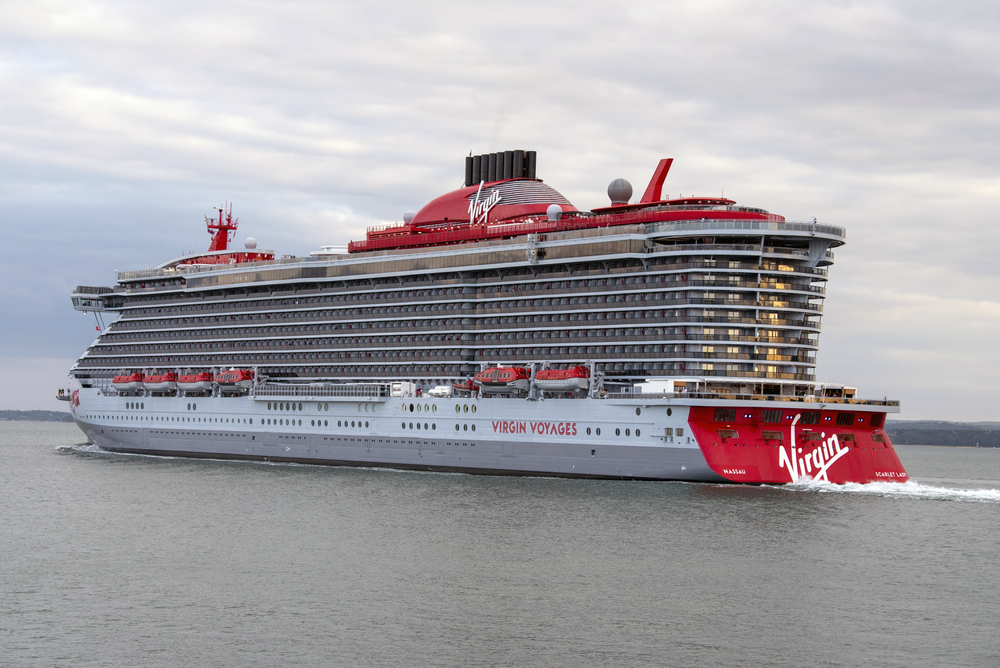
Virgin’s second ship maintains the streamlined embarkation process that made their first vessel notable, but with improvements based on actual operational experience. The PortMiami terminal setup eliminates traditional cruise boarding pain points through better design rather than just throwing technology at the problem.
The app-based check-in works because Virgin built it to replace steps rather than just digitize existing inefficiencies. Sailors can complete documentation, upload photos, and select boarding times that create actual scheduling instead of the free-for-all approach some cruise lines call “arrival windows.”
The embarkation moves quickly because the system is designed around getting people on board and starting their vacation, not around creating opportunities to sell them things they don’t need while they’re standing in line with their luggage.
Planning makes the difference
The cruise lines that nail embarkation understand something fundamental: getting on the ship shouldn’t be the memorable part of the vacation. The best boarding processes fade into the background, leaving passengers to focus on the actual cruise instead of recovering from departure day stress.
These Florida departures prove that efficient embarkation isn’t just possible — it’s what happens when cruise lines design their systems around passenger experience rather than operational convenience disguised as hospitality.
More from Travel Pug

- Underrated Italian Towns That Beat the Tourist Crowds
- Las Vegas Tourist Traps to Skip
- Prettiest Towns in Every US State
- 18 passport-free countries for Americans
- Signs Your Cruise Is Not Worth The Cost
Like Travel Pug’s content? Follow us on MSN.