

When the sun disappears behind African acacia trees or Asian rainforest canopies, an entirely different world awakens. Without a doubt cat sightings are the most popular sightings witnessed by safari tourists, and the darkness brings predators to life like nothing else can. Here are the world’s most thrilling nocturnal safaris where adrenaline meets the wild unknown.
South Luangwa National Park, Zambia
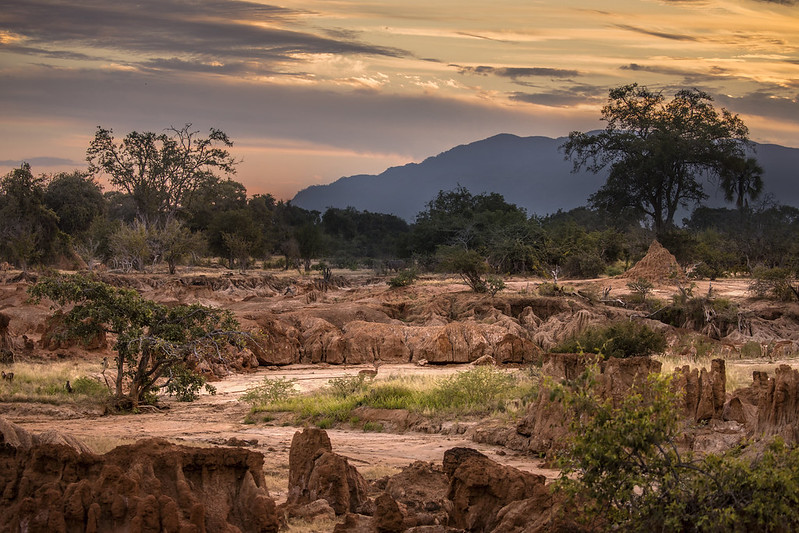
With regard to the best camps for night drives, we believe that the South Luangwa yields the best rewards, and it shows. The Luangwa River becomes a midnight highway for hippos leaving their watery homes to graze on plains dotted with thorny vegetation.
Leopards emerge from daylight hiding spots to hunt along the riverbanks. And the park’s famous walking safaris transition seamlessly into night drives where guests witness the raw aftermath of predator encounters. Temperature drops can be dramatic, so layers become essential equipment rather than suggestions.
Night Safari Singapore
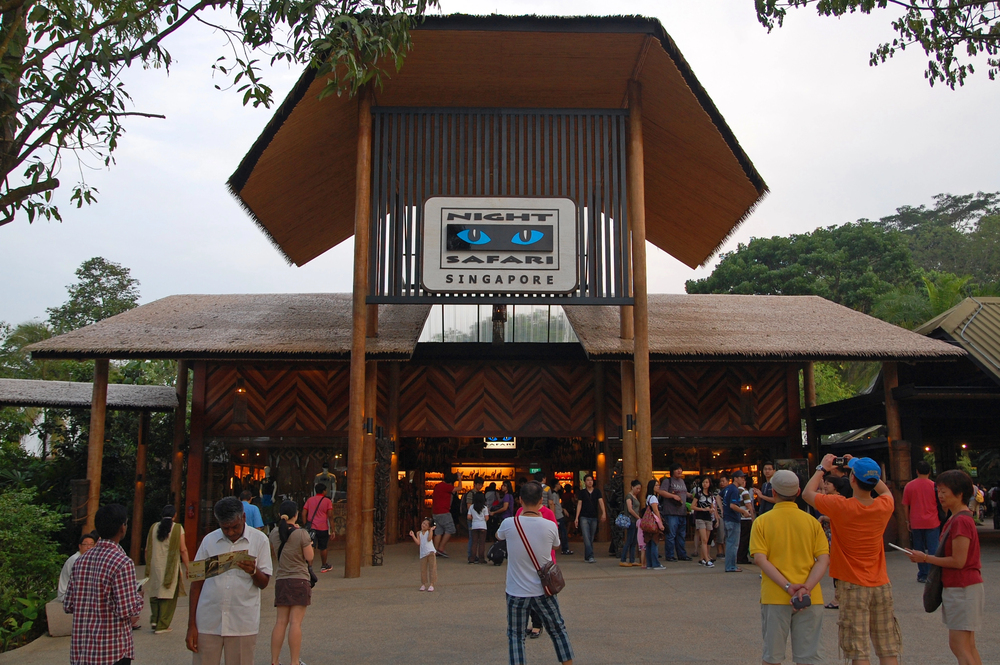
— Photo by WE_S
Unravel the mysterious world of Night Safari – the world’s first nocturnal wildlife park and 13-time Best Attraction Experience winner in Singapore. This isn’t your typical safari — it’s a carefully designed nocturnal wonderland housing over 900 animals from 100+ species.
The animals of the Night Safari, ranging from axis deer and African buffalo to Indian rhinoceros and pangolins to lions and Asian elephants, are made visible by lighting that resembles moonlight. The tram ride weaves through geographical zones from Himalayan foothills to Southeast Asian rainforests, while walking trails offer intimate encounters with creatures like Malayan tapirs and clouded leopards. The faint smell of tropical flowers mingles with the earthy scents of the enclosures.
Kruger National Park, South Africa
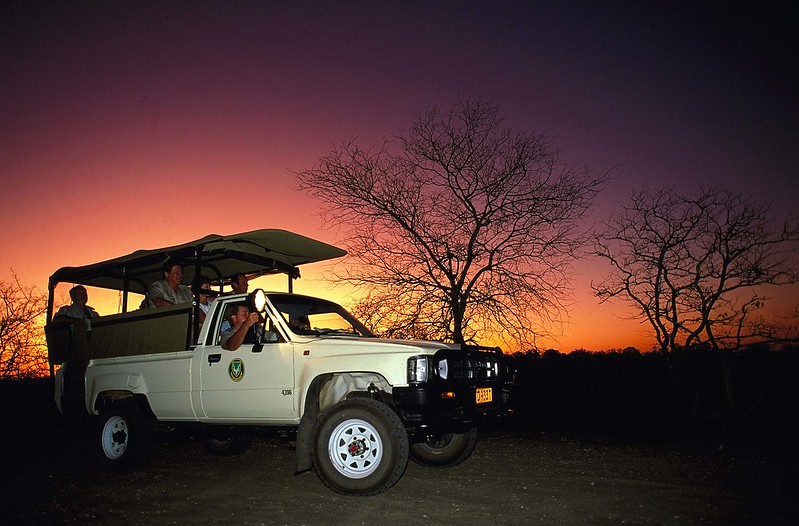
The only way to see animals of the night, night drives depart at either 19:30 or 20:00, depending on the time of yea,r and last for around two hours. Kruger’s vastness becomes even more mysterious after dark when experienced guides use powerful spotlights to reveal secretive animals.
Bushbabies leap between marula trees while porcupines shuffle through the undergrowth. The real prize here is catching lions during their prime hunting hours, when prides coordinate attacks on unsuspecting prey. Success rates vary wildly, but failure means spectacular stargazing under some of Africa’s clearest skies.
Pantanal, Brazil
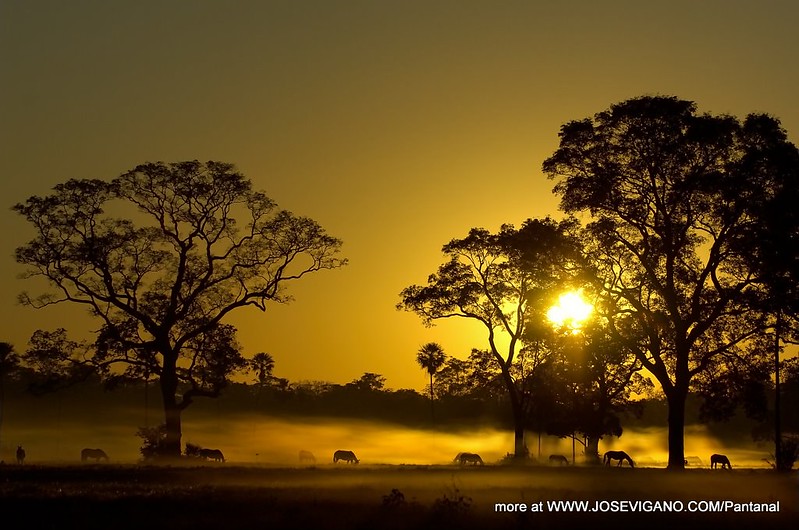
The world’s largest tropical wetland transforms into something otherworldly once darkness falls. During the day, the Pantanal is a birder’s bonanza and probably the best place to see a wild jaguar. At night, the wildlife fun continues, with tapirs, small cat species, crab-eating foxes, and giant anteaters.
Caimans are one of the most visible animals during the dry season, when they’re concentrated in small pools of water. At night, in the right spot, a spotlight will reveal enough caiman eyes to make you think you’re looking at a star-filled sky instead. The Transpantaneira road stretches 147 kilometers through this wilderness, offering roadside encounters with some of South America’s most elusive mammals.
Daintree Rainforest, Australia
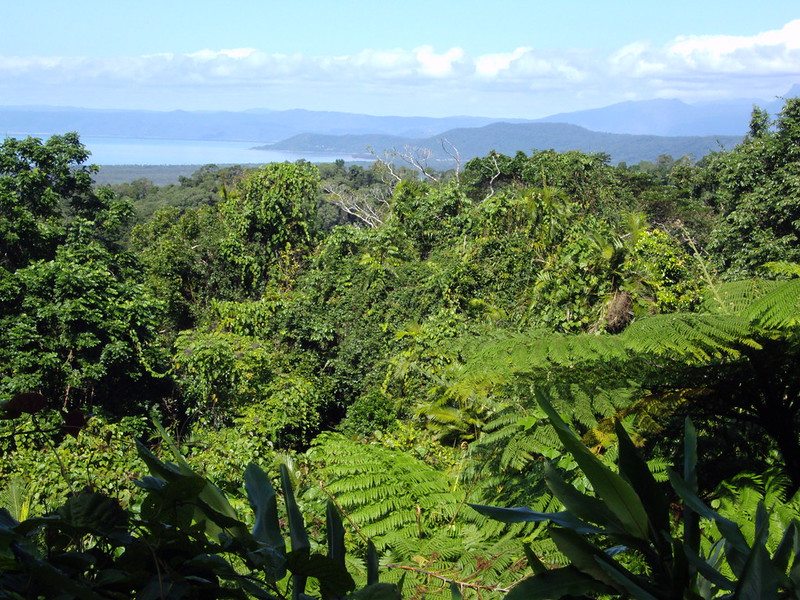
At 300,000 acres, this is the largest tropical rainforest in Australia and one of the oldest ecosystems on the planet. FNQ Nature Tours leads visitors through this World Heritage site, where the forest takes on an almost prehistoric quality after sunset.
Northern bettongs and bandicoots emerge from dense undergrowth while the distinctive calls of southern cassowaries echo through ancient trees. The Daintree River ringtail possum, found nowhere else on Earth, offers rare sighting opportunities. But it’s the guided night walks through 180-million-year-old forest that truly separate this from other Australian wildlife experiences.
Kanha National Park, India
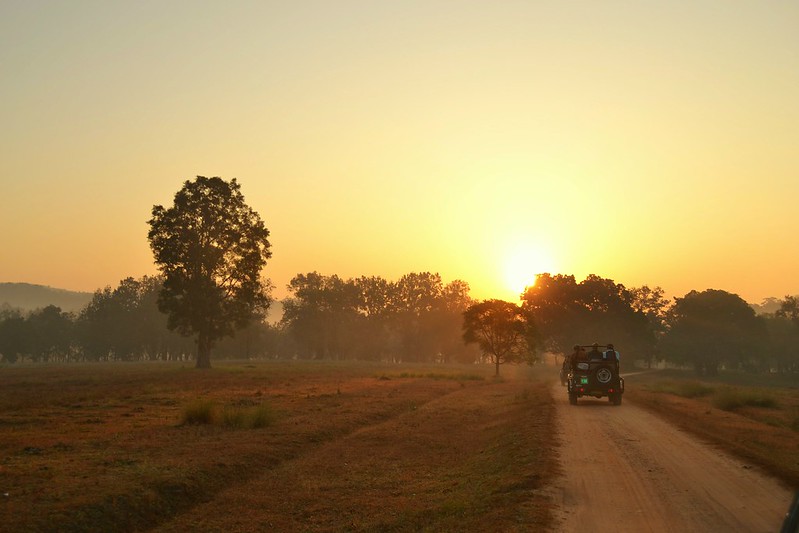
India’s reserves offer many wonderful opportunities to see nocturnal wildlife, but usually not in tiger reserves. That’s the case in Kanha, one of the most famous of these reserves. Yet staying at Baghira Log Huts inside the park boundaries changes everything.
Just walking to the dining room in the evening is an adventure. The trail lights up with the eyes of sambar deer, Asian palm civets, and wild boars. And sometimes, visitors encounter herds of gaur — massive bovines that can weigh 3,000 pounds and run faster than Olympic sprinters. The experience of meeting these giants in complete darkness creates memories that outlast any photograph.
Okavango Delta, Botswana
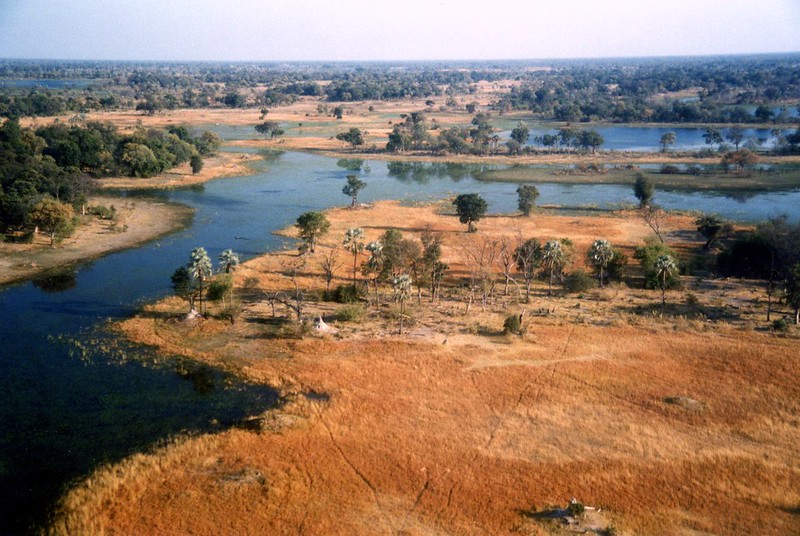
Wilderness Chitabe is widely regarded as one of Okavango’s finest game-viewing camps and their night drives showcase why the Delta earned its reputation. Water channels reflect starlight while mokoro dugout canoes glide silently past sleeping elephants.
After sundowner cocktails, guides use red-filtered spotlights to illuminate civets, genets, and the region’s healthy population of African wild dogs. The elusive pangolin occasionally makes appearances, though sightings remain frustratingly rare. Still, the combination of water, wildlife, and complete darkness creates an atmosphere unlike anywhere else in Africa.
Tasmania’s Cradle Mountain, Australia
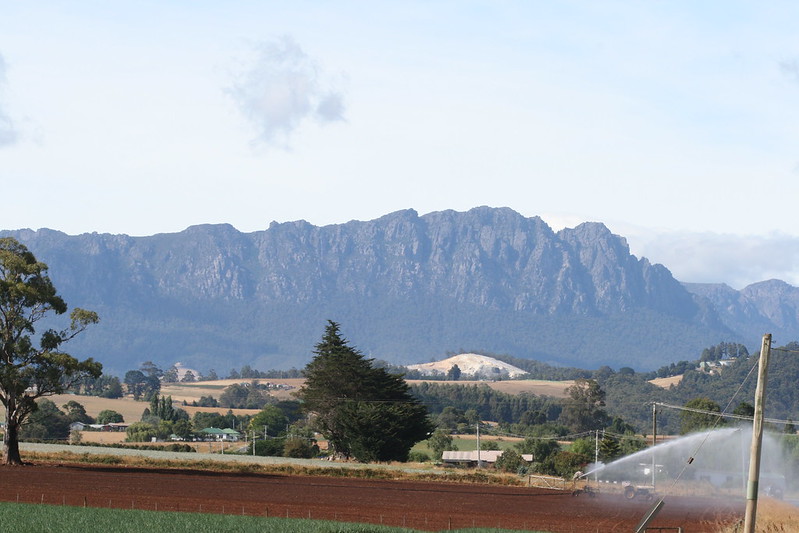
If you’ve traveled to other parts of Australia, the primeval misty forests of Cradle Mountain will seem like another planet. This UNESCO World Heritage site offers some of Australia’s best nocturnal wildlife viewing in landscapes that feel borrowed from fantasy novels.
Tasmanian devils emerge from rocky dens to scavenge and hunt while wombats lumber across button grass moors. Spotted-tail quolls, carnivorous marsupials found nowhere else, prowl through ancient forests. The autumn months bring bonus attractions when fagus trees — Australia’s only deciduous species — paint hillsides in brilliant reds and golds.
Costa Rica cloud forests
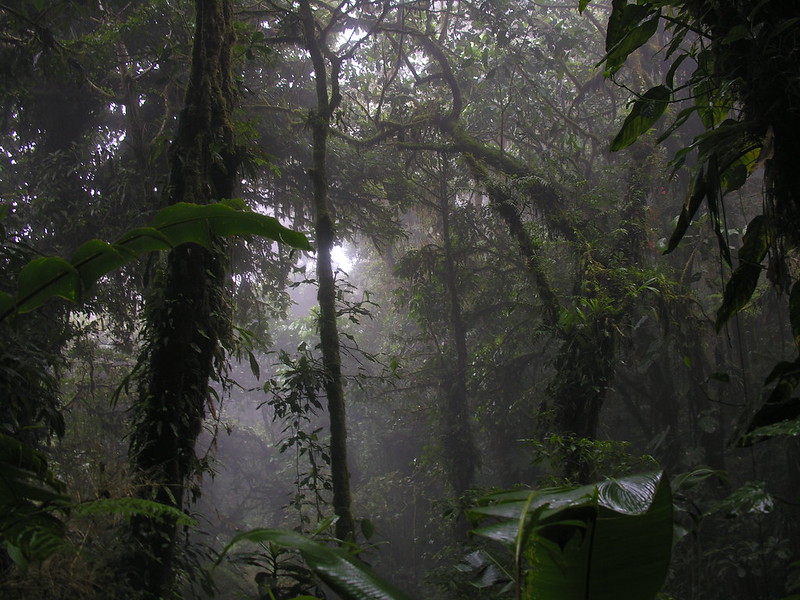
Monteverde is a top destination for night safaris. The cloud forest’s dense foliage and rich biodiversity make it an excellent place to encounter nocturnal wildlife. Guided tours through perpetually misty forests reveal creatures that seem designed by committee.
Red-eyed tree frogs cling to broad leaves while kinkajous and olingos navigate tangled canopies overhead. The two-toed sloth occasionally appears in spotlight beams, moving so slowly it seems stationary. Professional guides carry thermal imaging equipment to detect mammals invisible to standard flashlights, though the forest’s natural soundtrack of chirping, calling, and rustling provides constant entertainment.
Satpura National Park, India
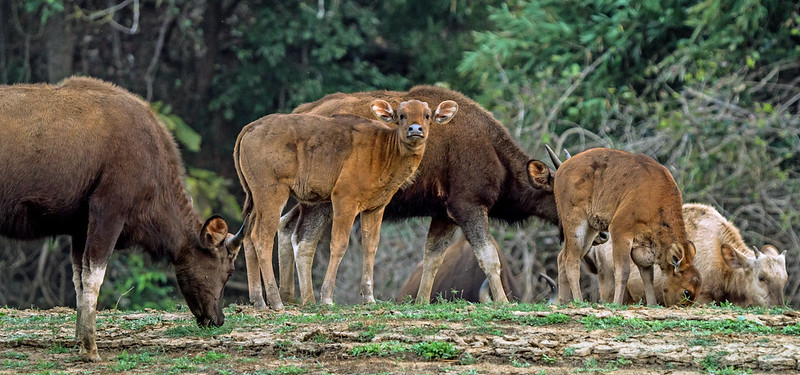
The night safari in Satpura National Park is a mesmerizing experience, where the forest transforms under the soft glow of the moon and stars. This central Indian park offers India’s most comprehensive nocturnal wildlife program.
The nocturnal world comes alive, offering glimpses of elusive creatures like sloth bears, leopards, and the rare rusty-spotted cat—the smallest wild cat in the world. The Denwa River creates perfect wildlife viewing opportunities when animals come to drink under starlight, and fireflies transform the forest into something resembling a fairy tale.
Queensland’s Atherton Tablelands, Australia
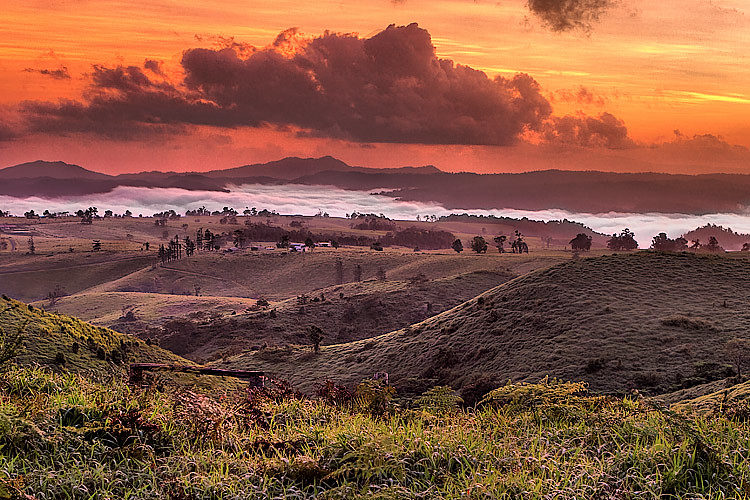
Chambers Wildlife Lodge sits on 20 private acres where guests become completely nocturnal to maximize wildlife encounters. This conservation safari in Australia focuses entirely on species that emerge after dark.
Sugar gliders and brush-tailed possums navigate tree hollows while northern bettongs forage on the forest floor. Professional wildlife experts lead expeditions to multiple locations, using specialized equipment to spot creatures invisible during daylight hours. The experience requires stamina — some nights involve 7-8 hours of continuous spotlighting.
Selinda Reserve, Botswana
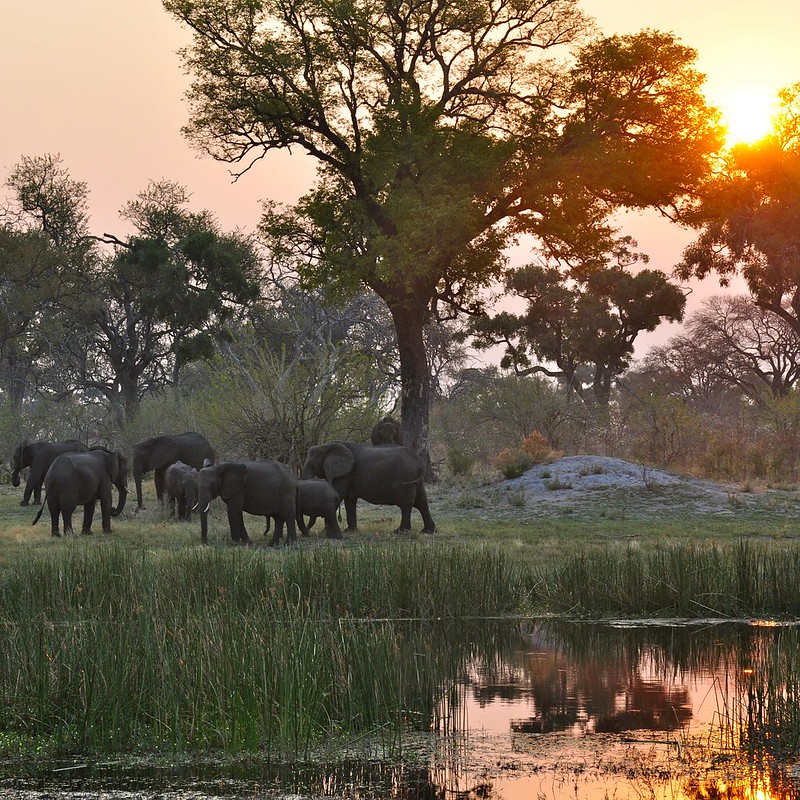
Selinda is located within the 320,000-acre Selinda Reserve of the Linyanti region in northern Botswana. This exclusive concession offers some of Africa’s most private nocturnal wildlife viewing.
The camp reopened in 2019 with just three suites and a two-bedroom villa, ensuring minimal human presence during night drives. Large elephant herds frequent the Linyanti channels after dark while lions coordinate pack hunts across open floodplains. The combination of water, predators, and complete solitude creates intensely personal wildlife encounters.
Tswalu Kalahari Reserve, South Africa
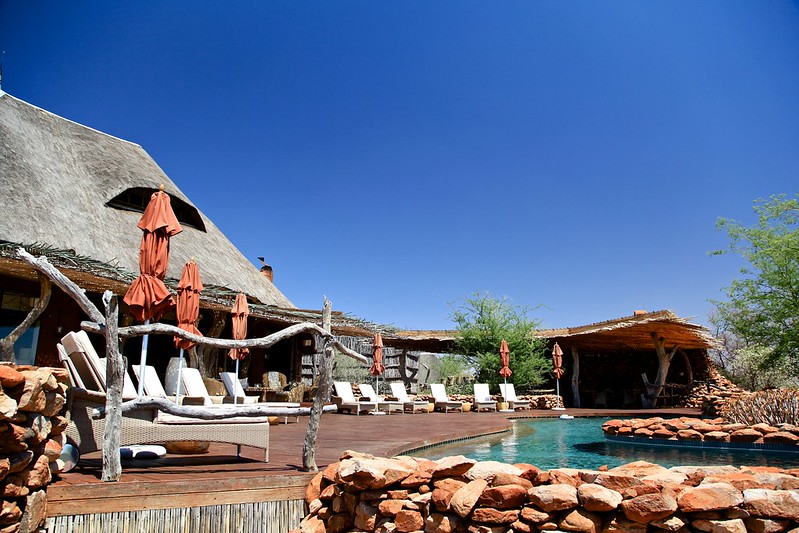
Tswalu Motse sits at the foot of the Korannaberg mountains, looking out across the grasslands of the Kahalari. This is one of the most exclusive and luxurious lodges in South Africa. But luxury doesn’t diminish the wildness of its nocturnal offerings.
The list of elusive and/or rare nocturnal species you can spot here include bat-eared fox, aardwolf, Southern African hedgehog, Cape porcupine, long-eared mouse, common genet and Smith’s red rock hare. The Kalahari’s open landscapes allow for exceptional stargazing between wildlife sightings, and the lodge’s conservation efforts ensure healthy populations of Africa’s most specialized desert species.
Manuel Antonio, Costa Rica

Known for its beautiful beaches and rich wildlife, Manuel Antonio offers exciting night tours that explore the park’s diverse ecosystems. Pacific coast humidity creates different atmospheric conditions than cloud forests, supporting entirely different nocturnal communities.
Night monkeys swing through coastal vegetation while various snake species hunt for tree-dwelling prey. The park’s proximity to beaches means turtle nesting seasons add marine wildlife components to traditional rainforest night safaris. And the sound of waves provides constant background music to wildlife encounters.
Bandhavgarh National Park, India
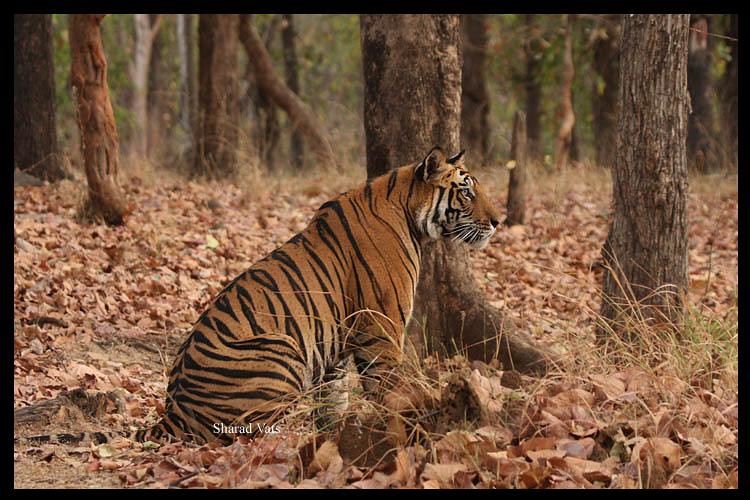
I vividly recall a night safari in Bandhavgarh that left an indelible mark on me. The jungle was unusually silent, but as we returned, a sound unlike anything I had heard in my 19 years of wildlife exploration shattered the calm. Not great for the faint of heart.
This Madhya Pradesh park offers India’s most intense nocturnal experiences where tigers regularly hunt massive gaur — wild oxen that can weigh over a ton. The combination of large prey and apex predators creates dramatic wildlife encounters that stay with visitors forever. Professional guides navigate these experiences with appropriate safety measures while maintaining the raw authenticity that makes night safaris memorable.
Tarangire National Park, Tanzania
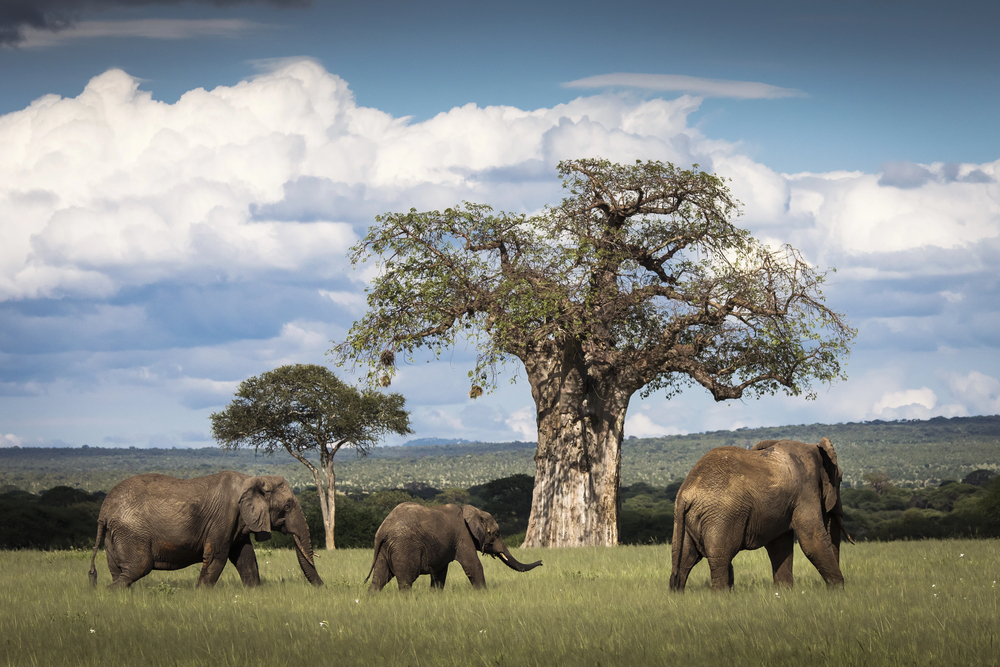
Located in the south-west of Tarangire National Park, Swala enjoys a remote location away from the crowds. Swala is the most luxurious lodge inside the National Park boundary. Distance from tourist circuits means better nocturnal wildlife viewing.
After dark, the park’s famous baobab trees become gathering points for elephants while leopards patrol rocky outcroppings. Giving intrepid guests an insight into the very different world of the nocturnal creatures such as porcupine, genet, and civet, and of course the much-coveted and rare pangolin. The dry season concentrates animals around permanent water sources, creating predictable viewing opportunities even in complete darkness.
Your next move
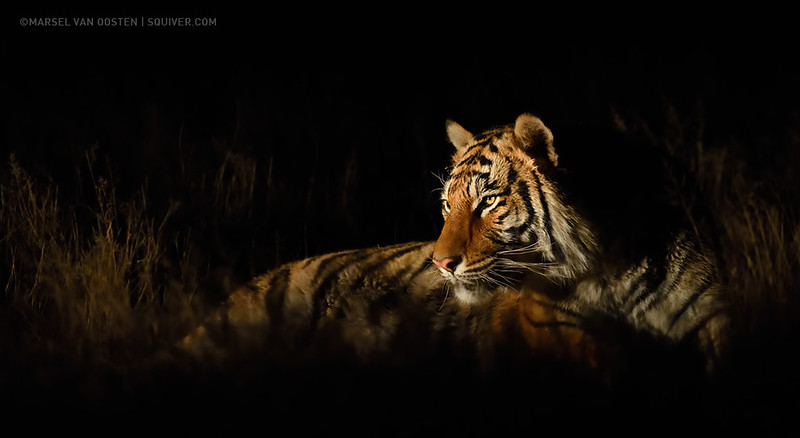
The night doesn’t just change what animals you see — it fundamentally transforms how wildlife behaves, how landscapes feel, and how deeply you connect with truly wild places. These experiences demand patience, warm clothing, and willingness to embrace uncertainty, but reward those preparations with encounters impossible during daylight hours.
More from Travel Pug

- 20 Best Beach Towns in the Carolinas
- 13 Destinations Where Tourists Regularly Regret Their Trip
- 20 Things You Actually Get in First Class
- 20 Small Airports With Aviation Museums
- 20 Places in the U.S. That Are Perfect for a Reset Trip
Like Travel Pug’s content? Follow us on MSN.