

Whales don’t really care about borders or tourism seasons—they migrate thousands of miles following food and breeding cycles that predate human civilization by millions of years. But lucky for us, certain spots on this planet position themselves right along these ancient routes, creating opportunities to witness creatures that can weigh as much as a commercial jet.
Some locations offer boat tours that guarantee sightings or your money back, others let you actually swim alongside mothers and calves in open ocean, and a few allow land-based viewing from clifftops where you don’t even need to set foot on a boat. The experiences vary wildly depending on where you go and when, from tropical waters where humpbacks breed to icy fjords where orcas hunt herring against backdrops of snow-covered mountains.
Here is a list of 15 best places to go whale watching.
Maui
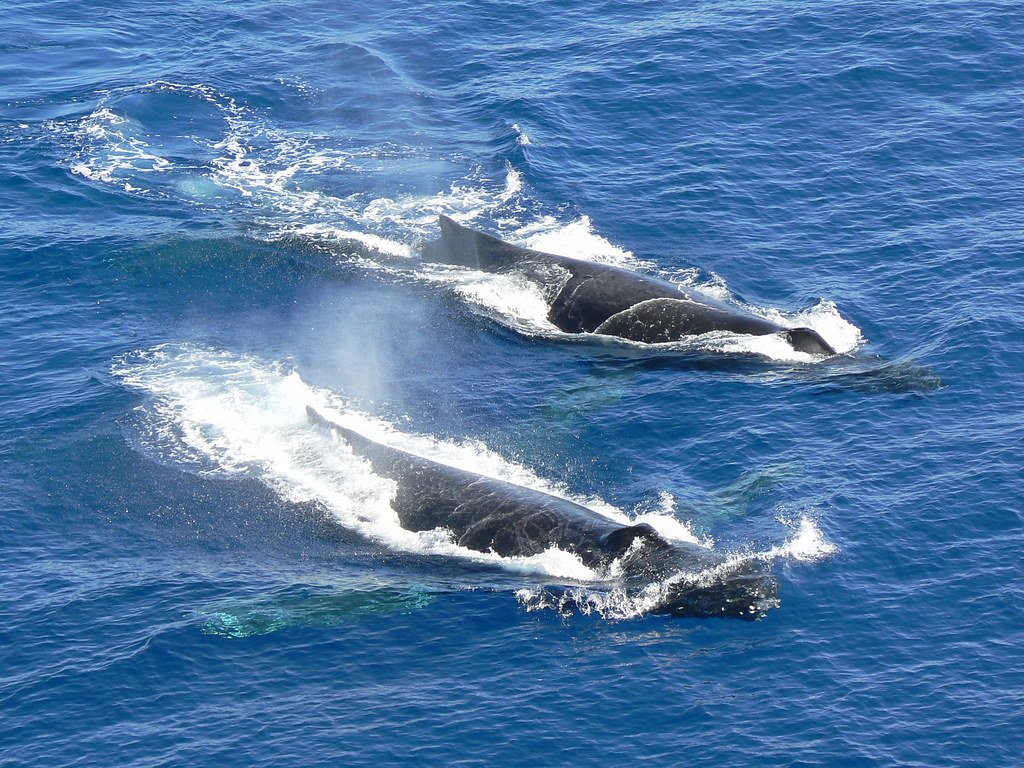
The Auau Channel between Maui, Lanai, and Molokai transforms into humpback whale nursery grounds from December through April when these giants migrate from Alaska to Hawaiian waters. The shallow, calm channel provides ideal conditions for breeding and nursing calves, with whales breaching so frequently you’ll hear the splashes before you see them.
Boat tours depart daily from Lahaina and Maalaea Harbor, often accompanied by marine naturalists who explain behaviors like tail slapping and spy-hopping. Success rates during peak season hit near 100 percent, and Hawaiian law mandates boats stay at least 100 yards away—though whales don’t always respect those boundaries and sometimes approach on their own terms.
Hermanus
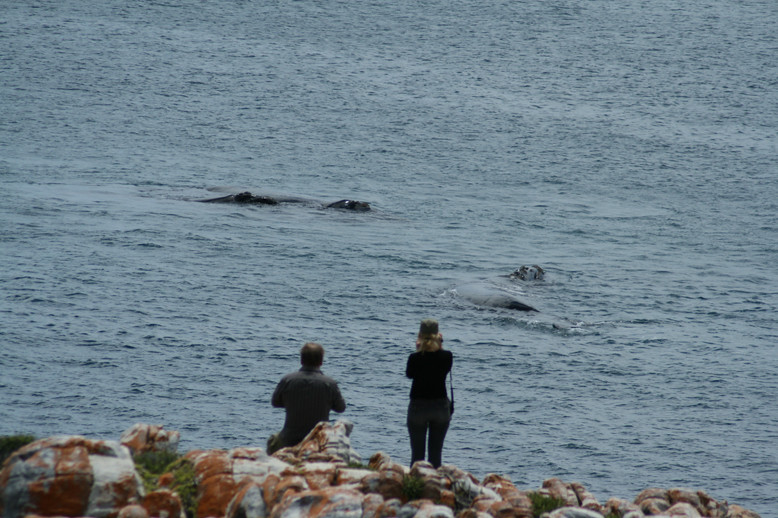
This South African coastal town earned its reputation as one of the world’s best land-based whale watching spots, where Southern Right Whales cruise within feet of clifftop walkways from June through December. You don’t need a boat or binoculars—just walk the cliff path and scan Walker Bay where whales breach, lobtail, and nurse calves in full view of restaurants and benches.
The town employs a ‘whale crier’ who walks around blowing a kelp horn to announce whale sightings, probably the only municipal job dedicated entirely to marine mammal location services. September brings the annual Hermanus Whale Festival celebrating these giants with music, markets, and more whale watching than seems reasonable.
Vancouver Island
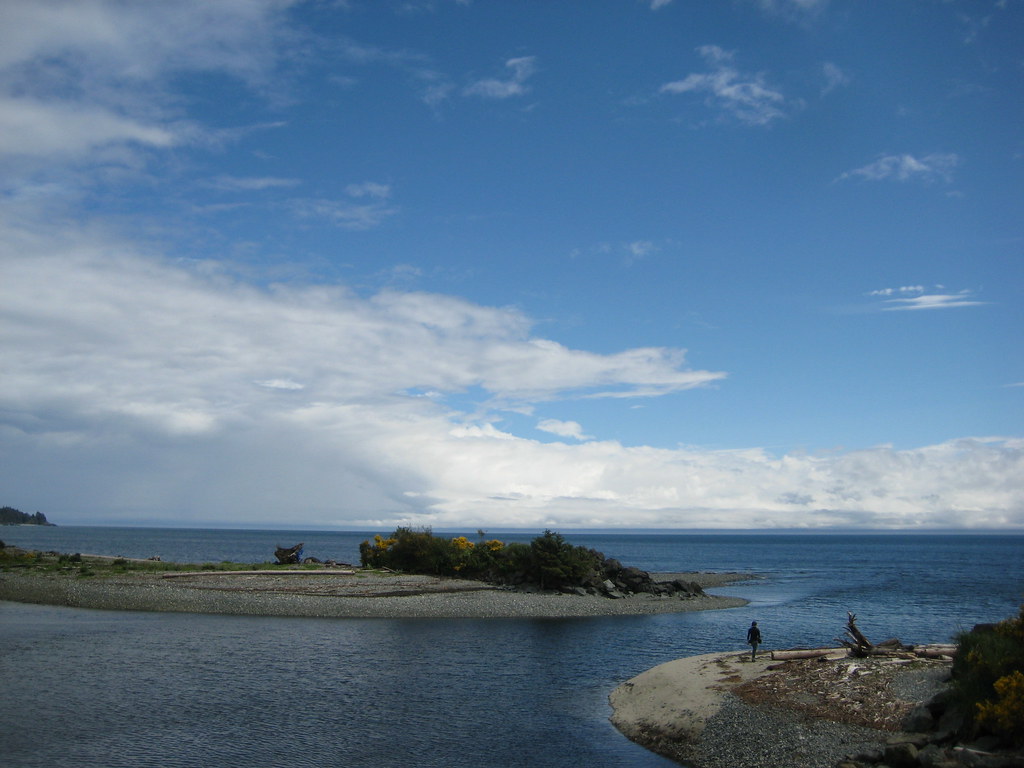
Over 350 orcas live in the waters surrounding this massive Canadian island, split into resident pods in the south and transient groups hunting seals in the north. Peak viewing runs May through September when salmon runs bring resident orcas into Johnstone Strait and other protected waters.
Tours from Victoria and Telegraph Cove use hydrophones to listen for orca calls before approaching—these pods are among the most studied killer whale populations on Earth. Spring also brings 20,000 gray whales migrating north along the Pacific coast, with the Pacific Rim Whale Festival in March celebrating their passage through Clayoquot Sound.
Húsavík
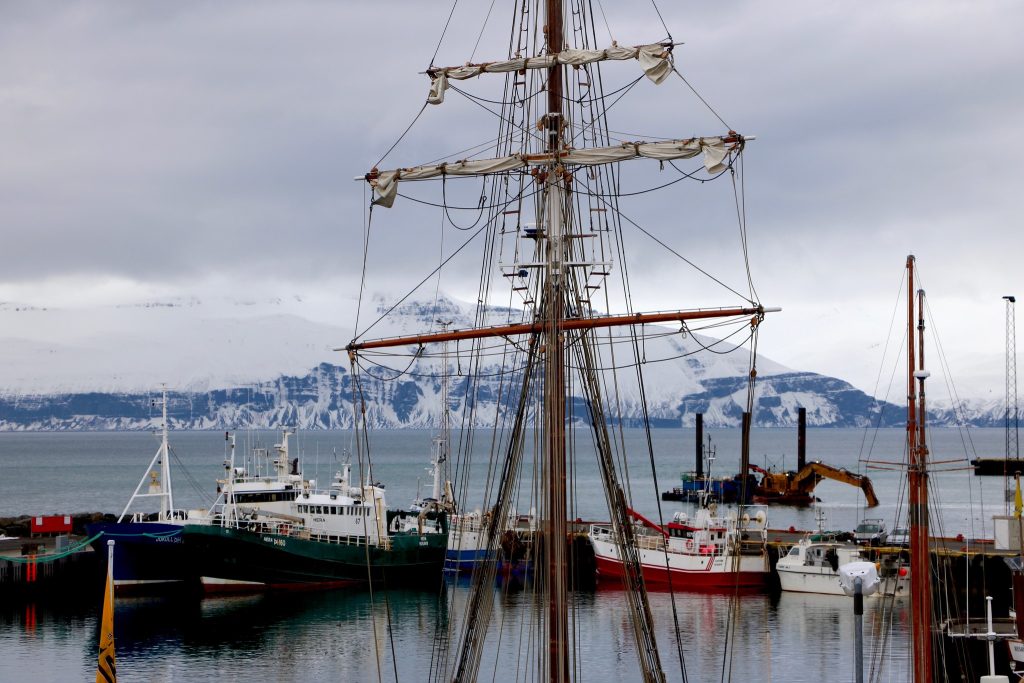
This Icelandic fishing village transformed into Europe’s whale watching capital, where over 20 whale species pass through year-round. Humpbacks, minke, and blue whales feed in the nutrient-rich waters of Skjálfandi Bay during summer, while orcas and sperm whales appear less predictably.
Tours operate on traditional schooner-style boats or high-speed RIBs where passengers suit up in windproof jumpsuits and bounce across waves at speeds that feel reckless until you’re suddenly face-to-face with a surfacing whale. The town’s Whale Museum fills in historical context about Iceland’s whaling past and conservation present—from hunting to watching in a few decades.
Tonga
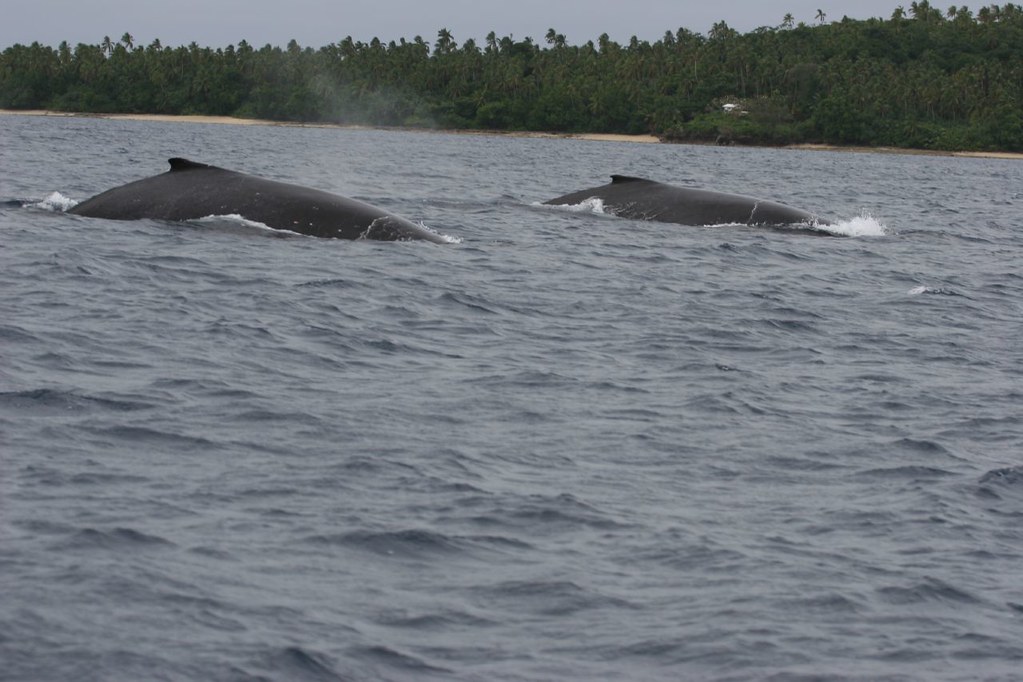
The Vava’u archipelago offers something most whale watching destinations can’t—legal swimming with humpback whales in the open ocean from July through October. Strict regulations limit boat numbers and require licensed guides, but once you slip into 77-degree water and watch a 40-ton mother whale glide past with her calf mere feet away, those rules make perfect sense.
Only snorkeling is allowed since scuba bubbles disturb whales, and the five-meter distance rule applies though whales regularly ignore it and approach swimmers out of curiosity. August and September deliver peak experiences when calves have grown strong enough for more active behavior.
Alaska
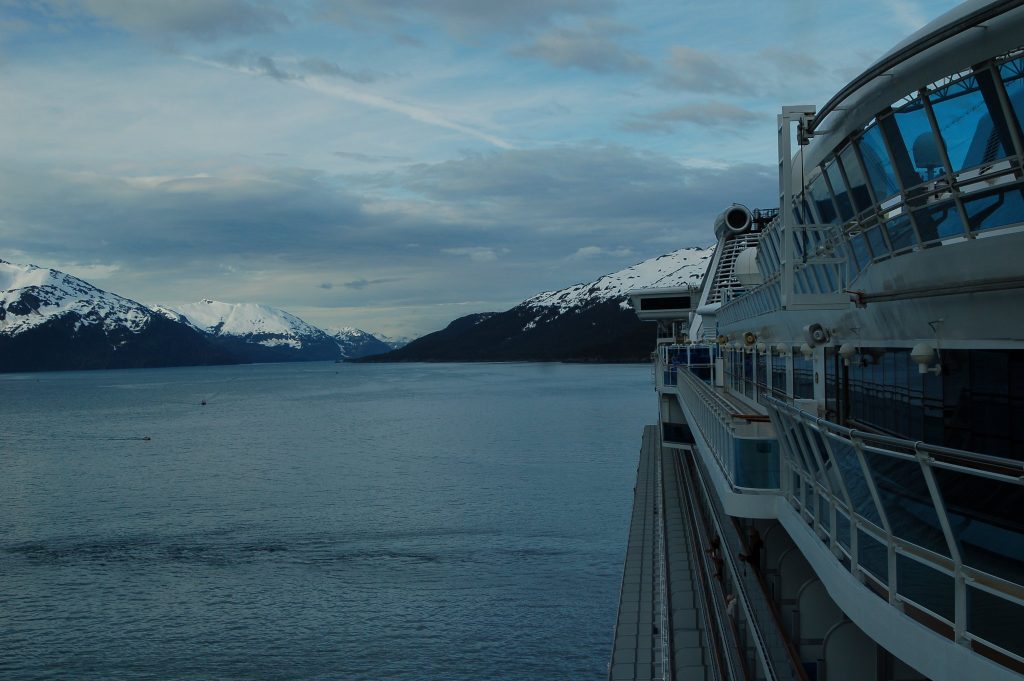
The Gulf of Alaska ranks among the planet’s most productive whale feeding grounds, where humpbacks gather by the thousands for bubble-net feeding—cooperative hunting where groups create walls of bubbles to trap prey. Glacier Bay, Prince William Sound, and Frederick Sound serve as primary viewing areas from May through September when humpbacks, orcas, gray whales, and minke whales converge on salmon and herring runs.
Tours from Juneau and Seward frequently encounter 40-ton humpbacks breaching clear out of the water, plus sea otters, seals, bald eagles, and occasionally bears fishing along shorelines.
Monterey Bay
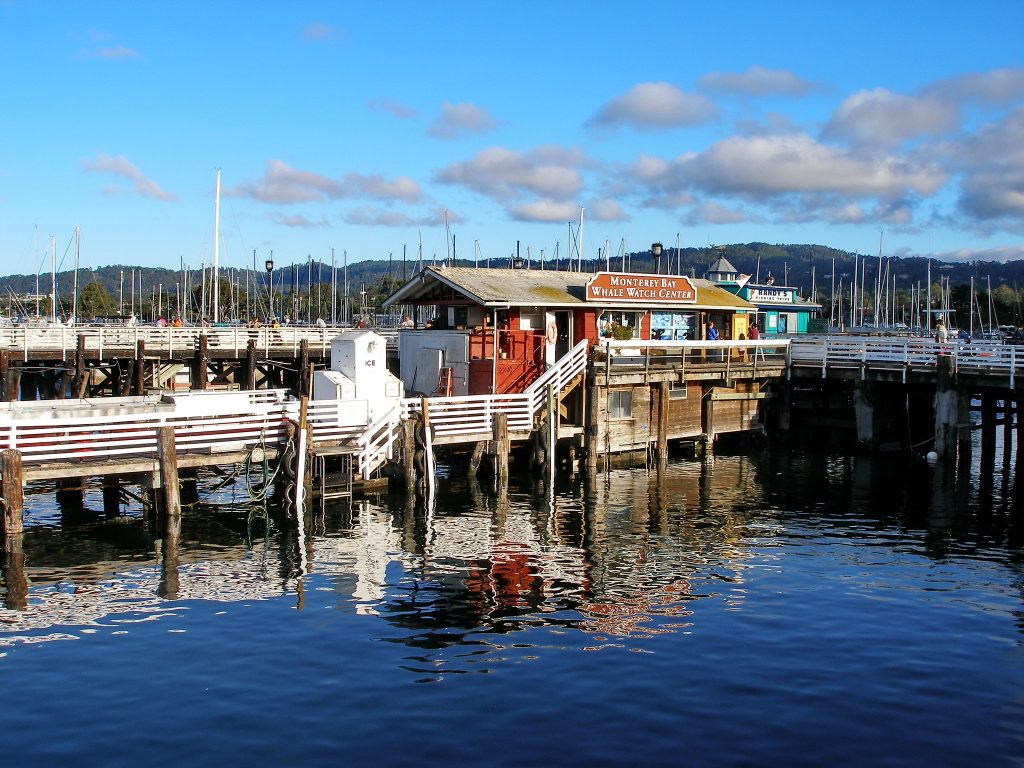
The Monterey Bay National Marine Sanctuary protects one of North America’s deepest submarine canyons, creating upwelling that brings nutrients from the depths and attracts massive concentrations of marine life. Humpback and blue whales feed here April through December, with gray whales passing through during their annual migration.
Blue whales—the largest animals ever to exist on Earth—can reach 100 feet long and weigh 200 tons, making even the boats seem small when one surfaces alongside. The bay’s proximity to shore means tours last just a few hours, and the Monterey Bay Aquarium provides world-class context for understanding the ecosystem.
Baja California
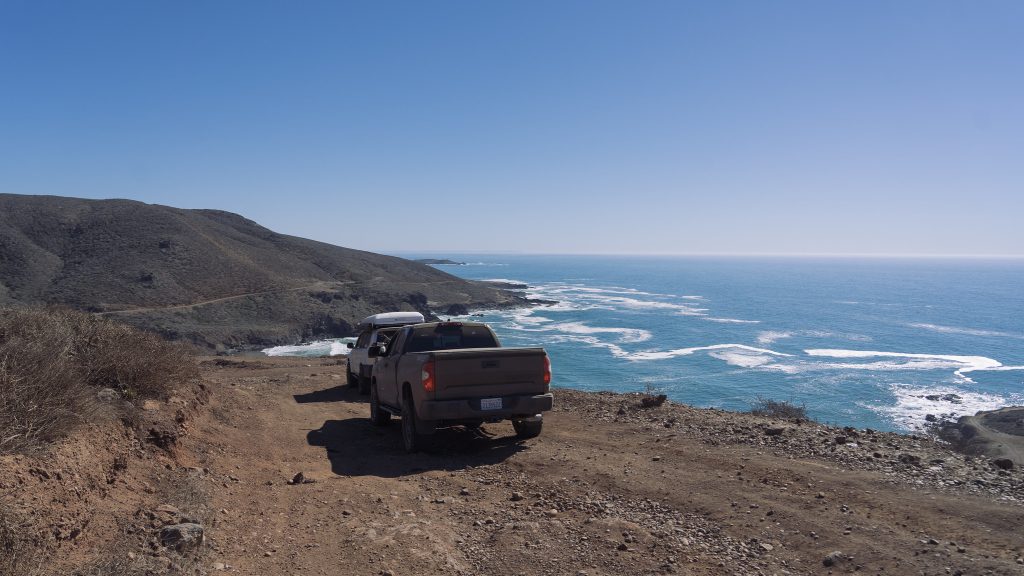
Gray whales travel 12,000 miles round trip between Arctic feeding grounds and Baja’s warm lagoons, where they calve in shallow protected waters from January through March. Lagoons like San Ignacio and Magdalena Bay host boat tours where curious gray whales approach voluntarily, sometimes bringing calves close enough to touch—though touching is discouraged.
These ‘friendlies’ seem genuinely interested in boats and people, often surfacing directly beneath small pangas to lift them gently on their backs. The whales’ curiosity contradicts their history as targets of commercial whaling, showing remarkable tolerance toward the species that once hunted them nearly to extinction.
Azores
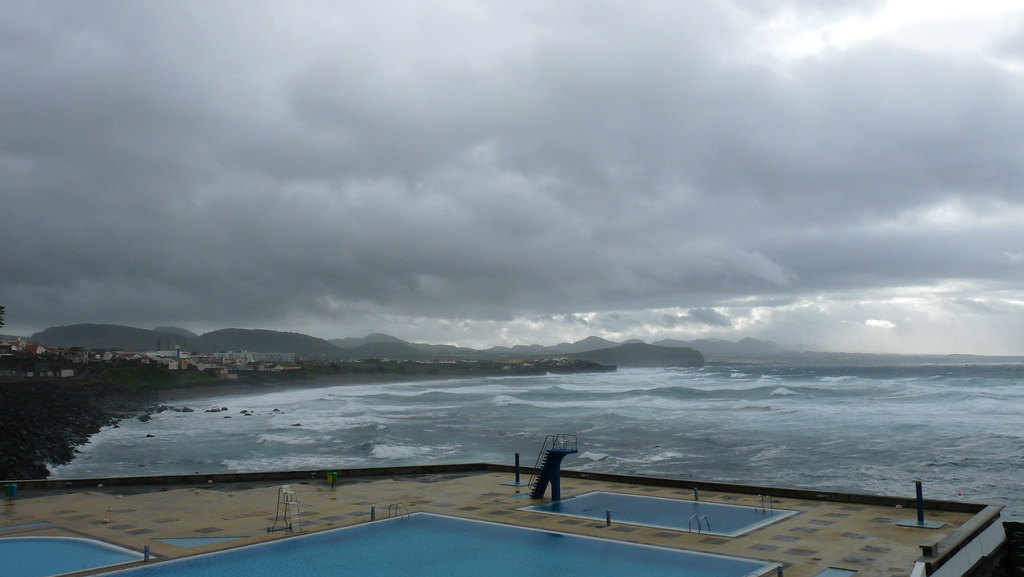
These Portuguese volcanic islands sit in the mid-Atlantic, where about 1.9-mile-deep waters create perfect conditions for spotting resident and migratory whales year-round. Blue whales pass through May and June, sperm whales hunt squid in the depths constantly, and common dolphins appear in pods numbering hundreds.
The old whaling watchtowers now serve as ‘vigias’—spotters who scan the ocean and radio boat locations to touring vessels, dramatically increasing success rates. Pico and São Miguel islands offer the best access, combining whale watching with hiking volcanic peaks, exploring lava tube caves, and sampling wines from UNESCO-listed vineyards.
Hervey Bay
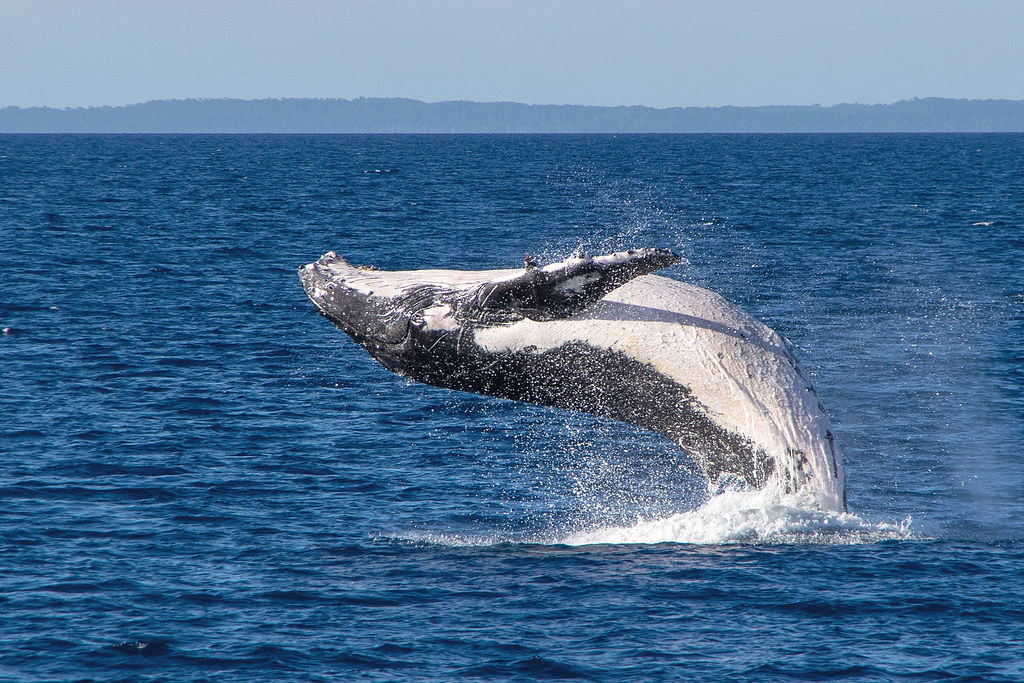
Queensland’s Hervey Bay earned its nickname ‘whale watching capital of the world’ through sheer numbers—thousands of humpback whales rest here during their annual migration from Antarctica to tropical breeding grounds. The protected waters of Platypus Bay provide a calm stopover from July through November where whales engage in social behaviors rarely seen elsewhere.
Success rates exceed 95 percent during peak season, with whales often approaching boats to ‘mugging’—hanging vertically in the water to observe passengers with apparent curiosity. The calm conditions make Hervey Bay ideal for families and anyone prone to seasickness.
St. Lawrence River
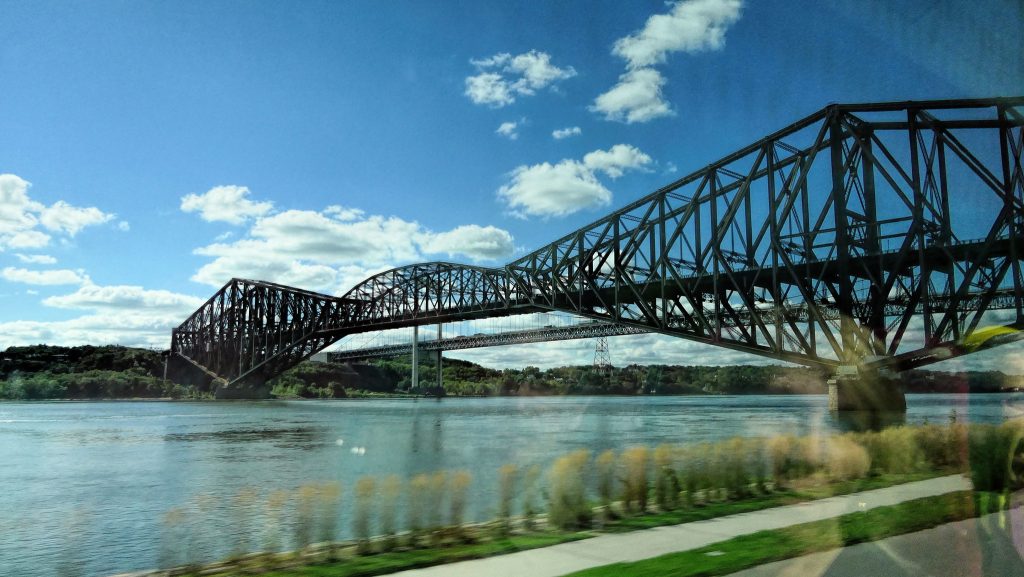
The Gulf of St. Lawrence meets three powerful ocean currents near Tadoussac, creating massive plankton blooms that attract up to 13 whale species including blue, fin, minke, humpback, and beluga whales. Summer months from June through September offer peak viewing when whales gorge on the abundant food supply before migrating south.
Tours depart from Tadoussac where the Saguenay Fjord meets the St. Lawrence, providing dramatic scenery to accompany whale sightings. The area’s whales are so reliable that researchers have named and tracked individuals for decades, treating the population more like neighbors than visitors.
Antarctica
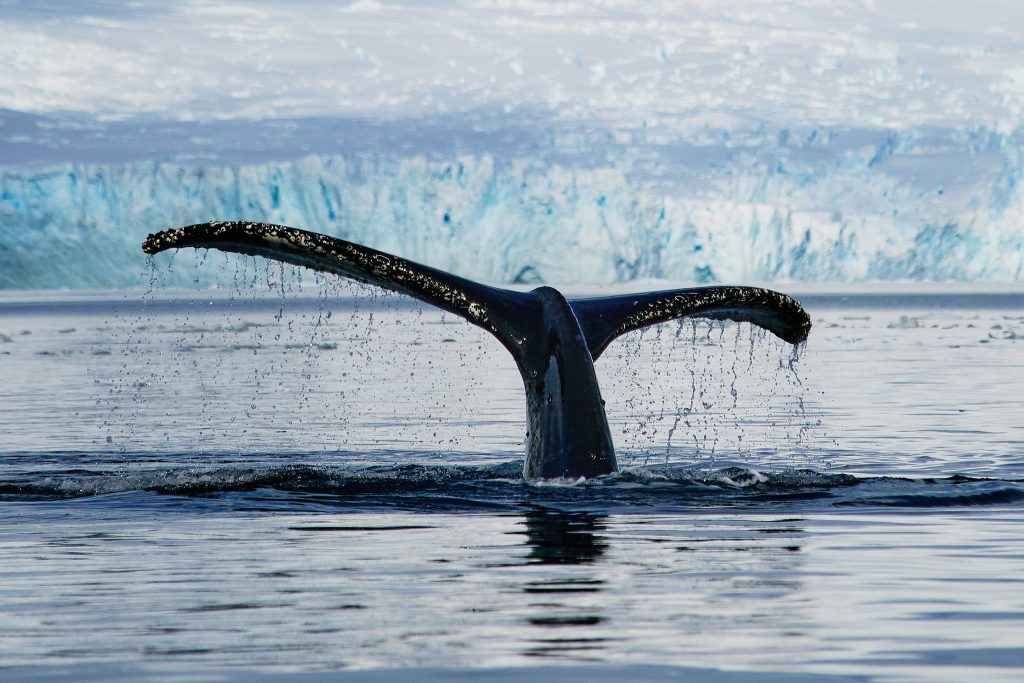
Eight whale species inhabit Antarctic waters where krill swarms create the planet’s most productive feeding grounds. Expedition cruises departing from South America encounter humpback, minke, and blue whales, plus orcas hunting seals on ice floes in coordinated attacks.
Zodiac excursions allow close approaches while maintaining respectful distances, putting passengers at water level where whales often surface within arm’s reach. The austral summer season from November through March provides nearly 24-hour daylight for spotting spouts against ice-covered mountains, and seeing a whale breach with glaciers in the background checks multiple bucket list items simultaneously.
Norway
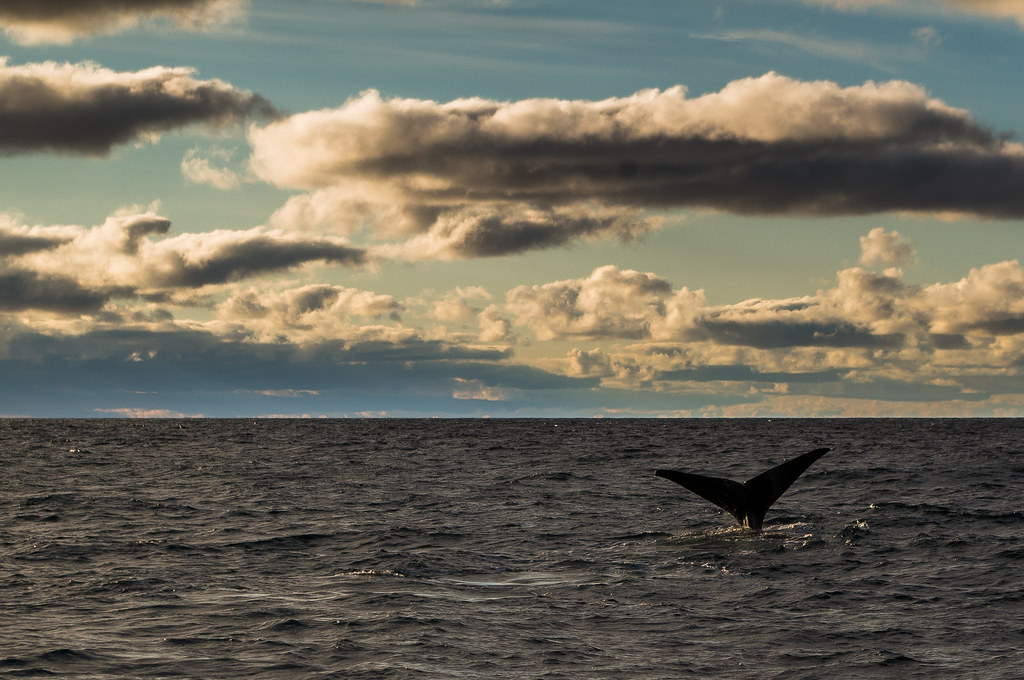
The Troms region’s fjords near Tromsø host enormous herring runs from October through February, attracting massive feeding aggregations of orcas and humpback whales. Tours use small boats to position snorkelers near herring bait balls where up to 50 orcas coordinate attacks while humpbacks lunge through the chaos.
The cold water requires dry suits but the experience of watching orcas hunt against snow-covered mountains and potential northern lights makes the discomfort irrelevant. This is one of the only places where you can snorkel with feeding orcas in relatively predictable conditions, assuming you can handle water temperatures barely above freezing.
Kaikoura
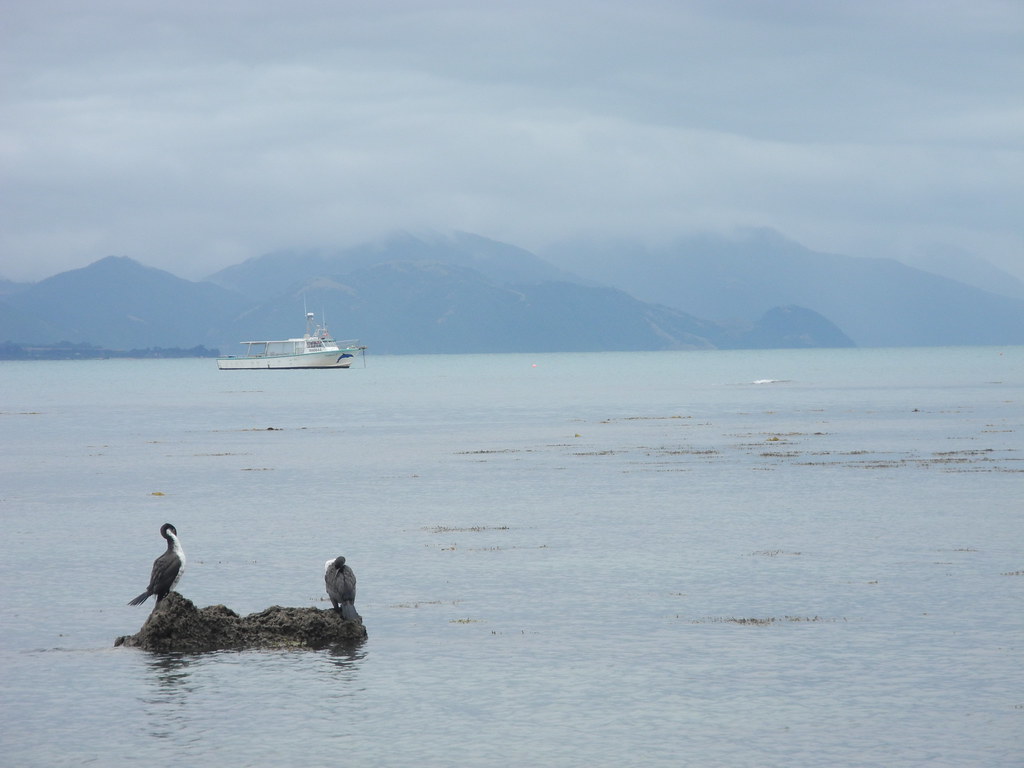
New Zealand’s South Island features a deep ocean trench running close to shore at Kaikoura, where sperm whales hunt giant squid year-round in depths exceeding 3,000 feet. Male sperm whales frequent these waters constantly, diving for up to 90 minutes before surfacing to breathe and rest.
Tours also encounter dusky dolphins, fur seals, albatross, and occasionally pilot whales or humpbacks passing through during migration. The town was rebuilt after a massive 2016 earthquake that lifted the seabed several feet, demonstrating the geologic forces that created the underwater canyon system attracting all this marine life.
Dominica
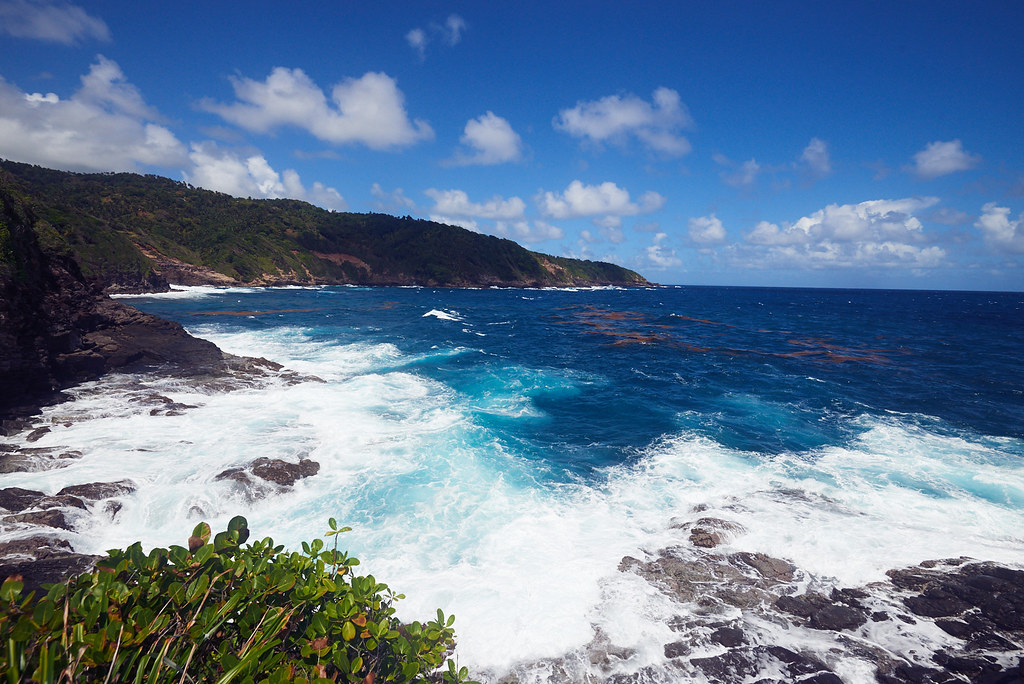
This Caribbean island hosts a resident population of sperm whales that stay year-round rather than migrating, making Dominica one of the only places for reliable sperm whale encounters in any season. The deep waters dropping to over 3,000 feet just offshore create ideal squid habitat, keeping whales around constantly.
Licensed operators offer swimming opportunities with these deep-diving giants, though encounters depend on whales surfacing to rest between hour-long hunting dives. Regulations limit boat numbers and require experienced guides who understand sperm whale behavior—these aren’t the gentle giants humpbacks appear to be, and respecting their space matters more.
Giants among us

Whales survived commercial hunting that reduced some populations by 90 percent, bouncing back through international protection that began in 1985. Now tourism generates more money than whaling ever did, giving communities economic incentive to keep whales alive rather than rendering them into oil and meat.
The best whale watching operations prioritize animal welfare over photo opportunities, maintaining distances and limiting approach times even when whales seem unbothered. These encounters remind us that oceans contain intelligence and awareness beyond our usual terrestrial reference points—creatures with brains larger than ours, complex social structures, and communication systems we’re only beginning to understand.
Whether watching from cliffs in South Africa or swimming alongside mothers in Tonga, the experience tends to shift something in how people view oceans and their inhabitants. Whales keep doing what they’ve always done, following ancient patterns across vast distances, while we’ve finally figured out that watching them offers more value than killing them ever could.
More from Travel Pug

- Underrated Italian Towns That Beat the Tourist Crowds
- Las Vegas Tourist Traps to Skip
- Prettiest Towns in Every US State
- 18 passport-free countries for Americans
- Signs Your Cruise Is Not Worth The Cost
Like Travel Pug’s content? Follow us on MSN.