

Peru packs an absurd amount of diversity into one country. Ancient civilizations left cities carved into cliffsides, Spanish colonizers built baroque churches on top of Inca foundations, the Amazon stretches across more than half the territory, and the Andes cut down the middle creating every climate imaginable.
Most travelers hit Machu Picchu then leave, which means they’re missing archaeological sites rivaling anything they just saw, canyons deeper than the Grand Canyon, floating islands, mysterious desert lines visible only from the air. The country rewards exploration beyond that one famous ruin everyone’s heard of.
These fifteen attractions represent the best Peru’s got to offer. Here is a list of 15 top attractions to visit in Peru.
Machu Picchu

The Treasury appears at the end of that narrow Siq canyon—wait, wrong ancient wonder. Machu Picchu hits different than photos suggest once you’re actually standing there.
The Nabataeans didn’t build this one; the Incas did around 1450 as an estate for emperor Pachacuti before abandoning it a century later. The rose-red sandstone doesn’t exist here but the mountain setting more than makes up for it.
Beyond the initial viewpoint you’ll find the Temple of the Sun, agricultural terraces, hundreds of structures, the Intihuatana stone serving as a solar clock. The site sprawls across ridges and valleys—you could spend three days exploring and still not see everything properly.
Cusco
This ancient city in the Urubamba valley dates back to the 13th century Inca Empire, functioning as the capital before Spanish conquest. The Plaza de Armas was the meeting point for important ceremonies recognizing the Sun festival and Winter Solstice.
Following Spanish invasion, the square retained importance as a trade and military gathering center. Nowadays remnants of this rich past appear everywhere—people still gather for the Sun festival celebration, which was prohibited during colonial times then brought back.
Cusco’s got charming cobblestone streets, art galleries, handicraft shops, a stunning culinary scene that’s become famous. The Spanish Baroque cathedral features an altar made of pure silver, while nearby sits the Temple of the Sun archaeological site once housing 4,000 Inca priests.
Amazon Rainforest

Peru holds the second-largest amount of Amazon jungle after Brazil—roughly 60% of the country despite only 5% of people living there. Three main access points exist: Puerto Maldonado in the south near Cusco, Iquitos in the north only reachable by plane, and Manu National Park between them.
Puerto Maldonado gets you to Tambopata National Reserve with clay licks attracting hundreds of macaws at dawn creating one of the Amazon’s most colorful spectacles. Iquitos sits on the actual Amazon River itself and offers luxury cruise options.
Manu National Park provides the most remote experience with elevations spanning 150 to 4,200 meters, creating bewildering biodiversity. Wildlife sightings include pink river dolphins, black caimans, hundreds of bird species, giant river otters if you’re lucky.
Nazca Lines

Mysterious geoglyphs etched into southern Peru’s coastal desert cover more than 500 square kilometers. Created by the Nazca culture between 200 BC and 600 AD, these massive designs depicting animals, plants, geometric shapes remain visible because the incredibly dry climate preserved them.
The monkey, hummingbird, spider, whale, astronaut figure—all stretch so large you can only appreciate them from the air. Small planes run flights from Nazca or Pisco airports, usually 30-35 minutes showing multiple designs.
Nobody knows their exact purpose, though theories range from astronomical calendar to ceremonial pathways to offerings for rain gods. Maria Reiche spent most of her life studying and protecting them, developing that calendar theory.
Lake Titicaca
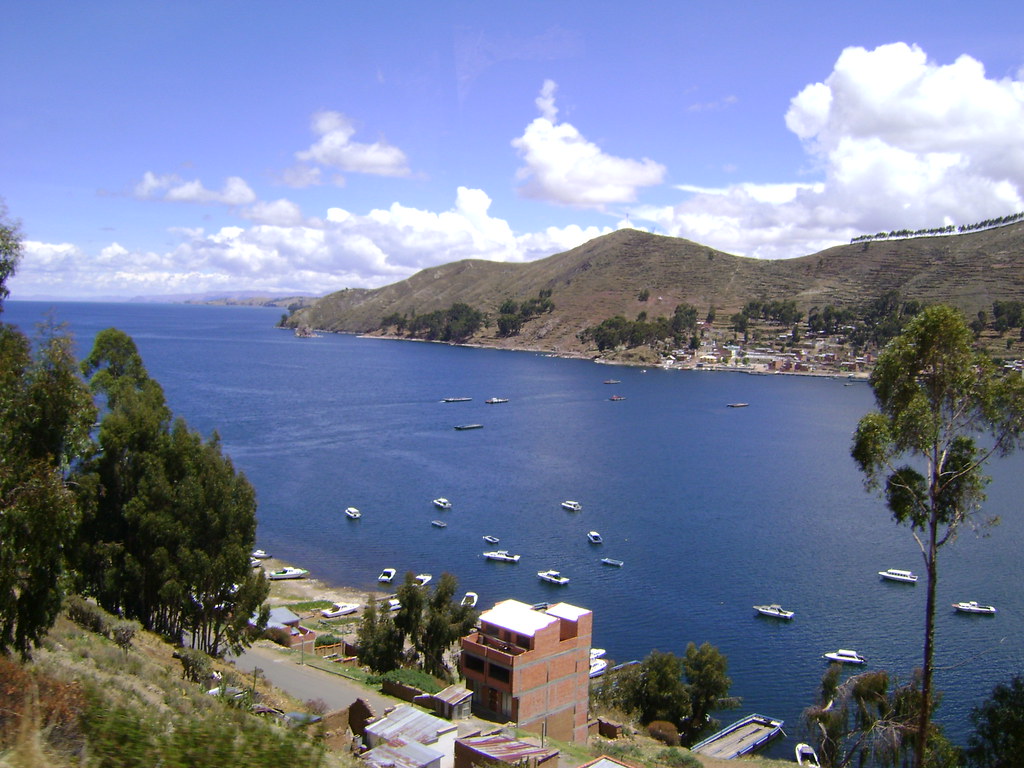
The highest navigable lake in the world sits at 3,820 meters in the Andes mountains, straddling the Peru-Bolivia border. Crystal-clear blue waters and picturesque landscape of gently undulating mountains and villages create stunning scenery.
The Uros floating islands made entirely of totora reeds host indigenous communities maintaining lifestyles their ancestors followed a thousand years ago. Taquile Island preserves traditional Quechua culture with exceptional textile weaving passed through generations.
Amantani Island offers homestay experiences where families host visitors overnight, sharing meals and traditional ceremonies. The lake spans 3,200 square miles, large enough that it creates its own microclimate affecting surrounding regions.
Colca Canyon
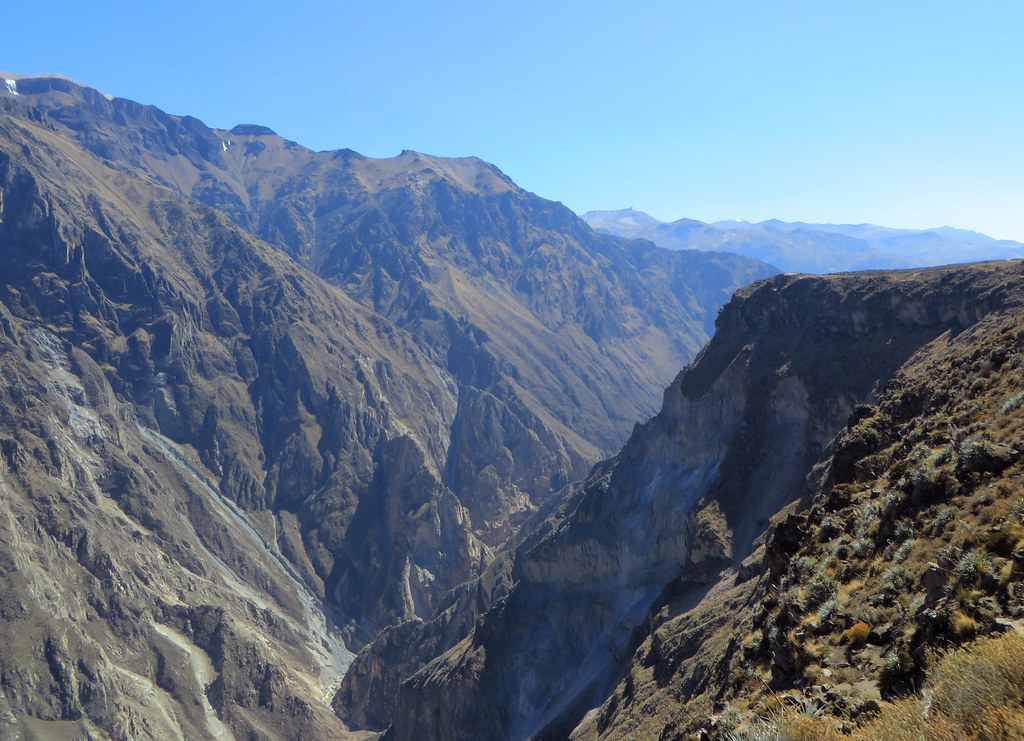
One of the world’s deepest canyons drops roughly 3,400 meters in places—twice as deep as the Grand Canyon, though the neighboring Cotahuasi Canyon in Peru is even deeper. The canyon stretches about 100 miles northwest of Arequipa through colorful Andean valleys with pre-Incan roots and towns founded in Spanish colonial times.
Local people from Collagua and Cabana cultures keep traditions of their ancestors while still cultivating pre-Incan stepped terraces for agriculture. The Andean condor, largest flying bird in the world, glides along canyon walls riding thermal currents.
Cruz del Condor viewpoint sits 1,200 meters below the canyon rims, offering the best spot to watch condors soaring at dawn. Trails throughout allow hiking, mountain climbing, canoeing for adventure seekers.
Sacred Valley
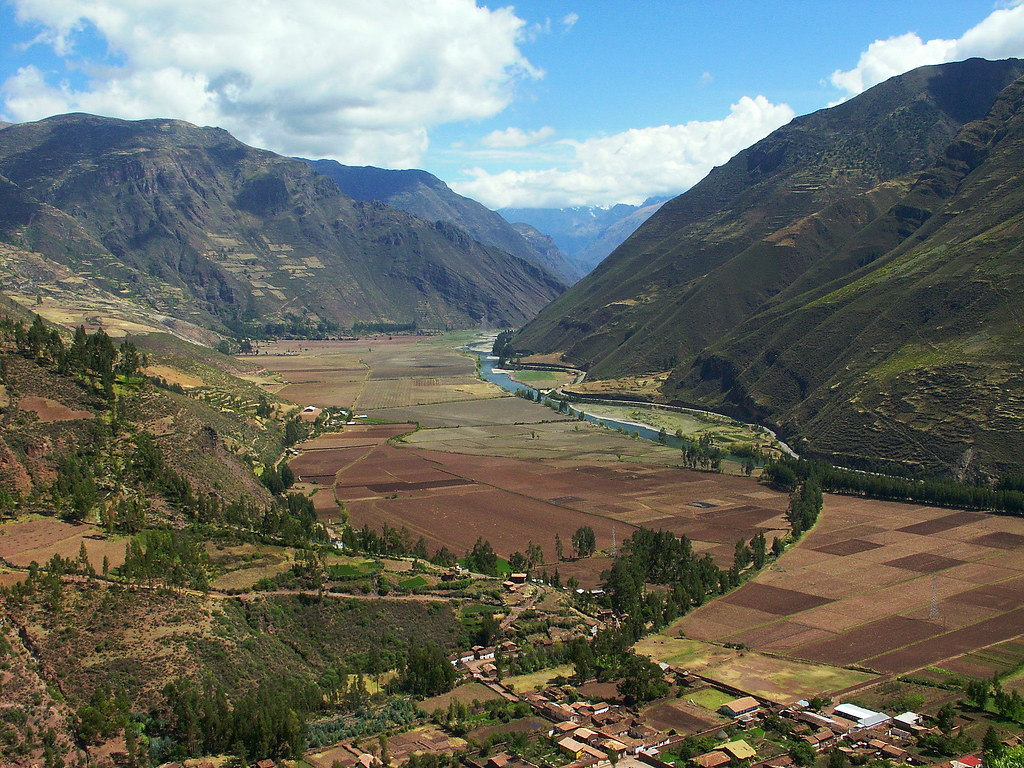
This agricultural heartland spreads between Cusco and Machu Picchu along the Urubamba River, dating back to 800 BC. The hilltop Inca citadel of Pisac combines impressive ruins with a famous market where locals sell textiles, pottery, produce.
Ollantaytambo features massive stone terraces and a fortress the Spanish couldn’t conquer, plus it’s the last ‘living Inca city’ where descendants still occupy original structures. Maras Salt Mines create a striking landscape of thousands of salt pans cascading down the mountainside, in use since Inca times.
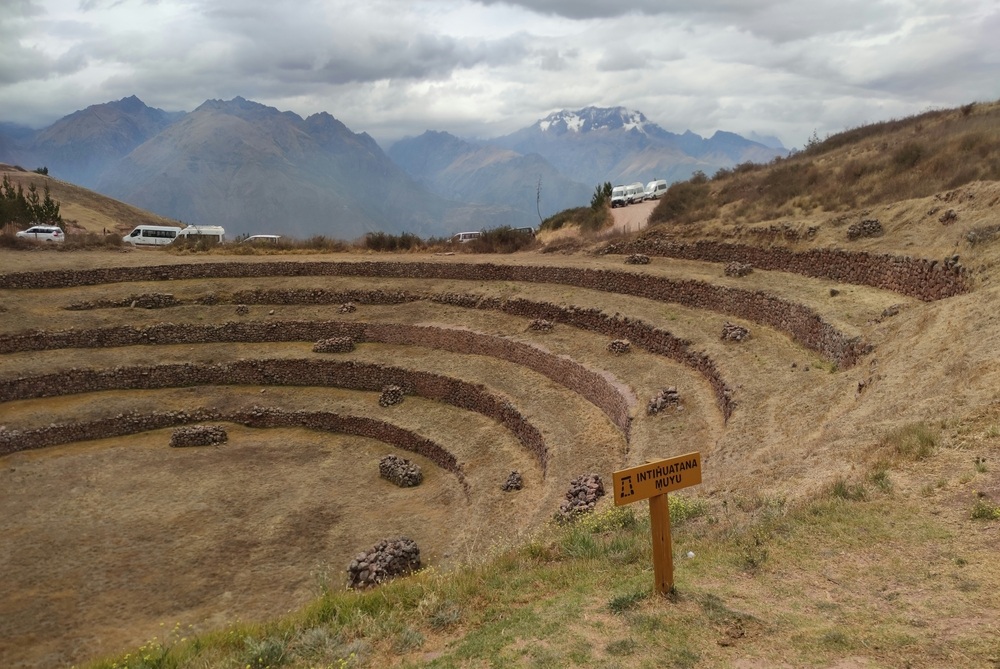
Moray’s circular agricultural terraces drop in concentric rings, possibly used for crop experimentation at different microclimates. The valley floor sits lower than Cusco, offering milder climate and stunning mountain views in every direction.
Arequipa
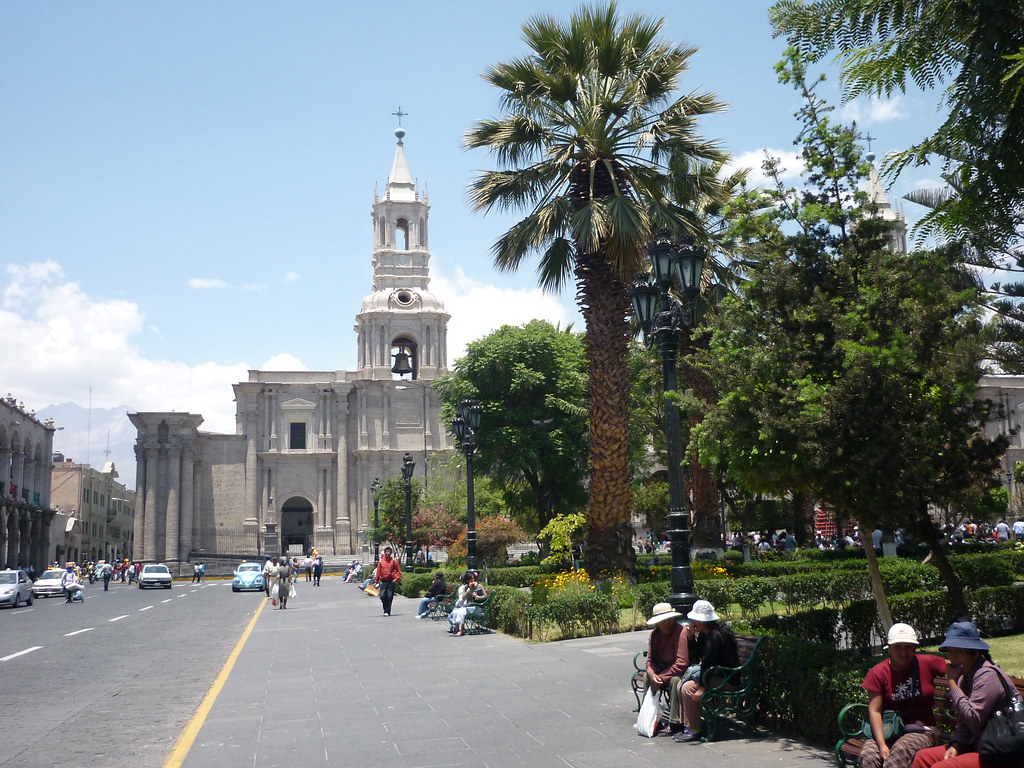
Peru’s second largest city earned the nickname ‘White City’ thanks to buildings constructed from white volcanic rock called sillar, which shines brilliantly under sunlight. The historic city center earned UNESCO World Heritage status for colonial architecture built in the shadow of El Misti volcano.
The Santa Catalina Monastery spans an entire city block, operating as a cloistered convent for 400 years before opening to visitors. Arequipa serves as the gateway to Colca Canyon about four hours northwest. The city blends Spanish colonial heritage with Inca foundations, visible in buildings incorporating both styles.
At nearly 2,300 meters elevation, the climate stays mild year-round, making it comfortable for exploring.
Paracas and Ballestas Islands
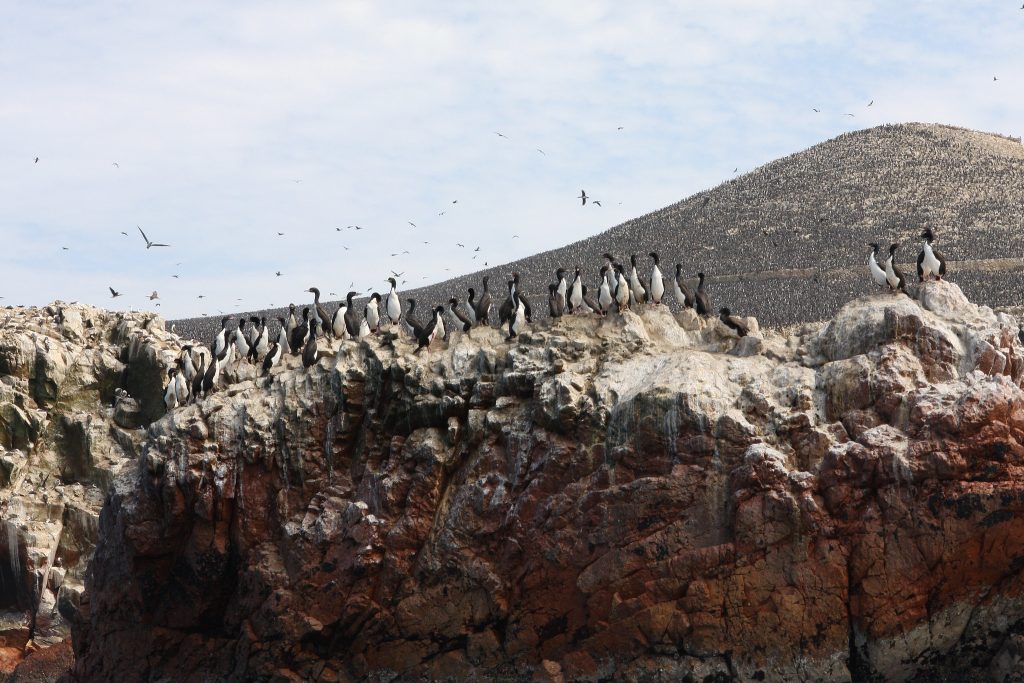
The Paracas National Reserve showcases where the desert meets the Pacific Ocean—dramatic red cliffs, beaches, unusual rock formations at Roja and Yumaque. The reserve protects diverse coastal wildlife and archaeological sites from the Paracas culture.
Boat trips to the Ballestas Islands, nicknamed ‘the Galápagos of Peru’, bring you close to sea lions, Humboldt penguins, seabirds by the thousands. The islands serve as breeding grounds for massive colonies creating a cacophony of noise.
En route, boats pass the Paracas Candelabra, a massive geoglyph etched into a hillside visible from the ocean. The area offers consistent winds making it popular for kiteboarding and windsurfing.
Huacachina Oasis
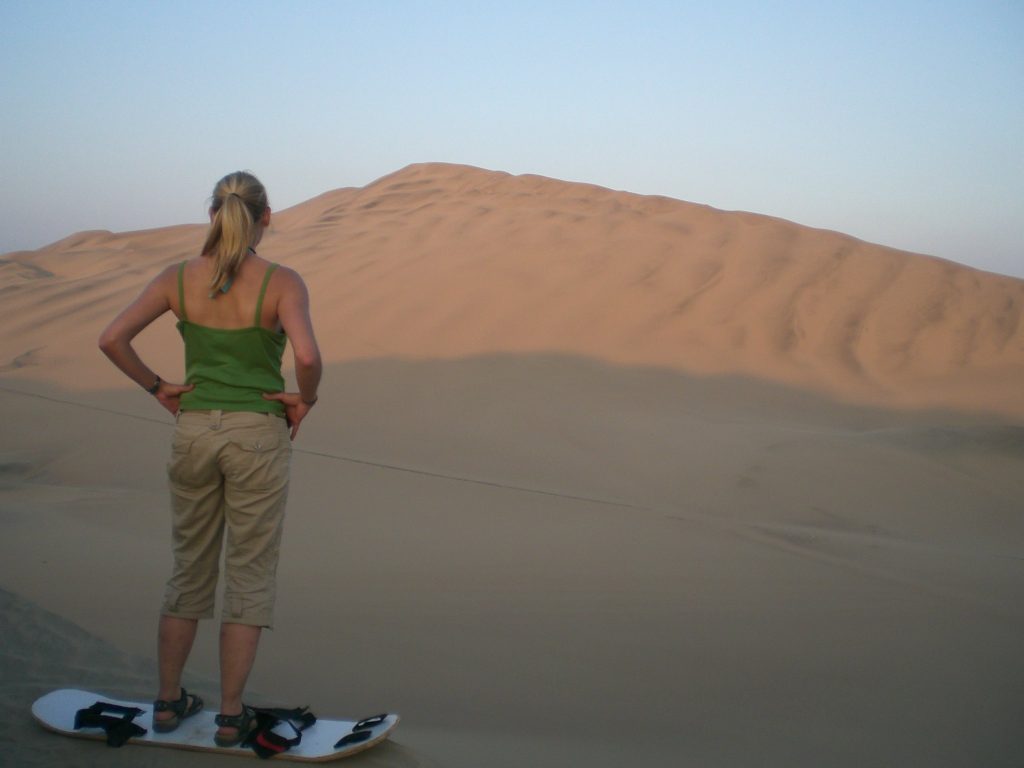
This tiny village built around a natural desert oasis sits surrounded by massive sand dunes in the Ica region. Palm trees encircle the lagoon, creating an almost surreal scene rising from desert about three miles from Ica city.
The dunes attract sandboarders and dune buggy enthusiasts—tour operators offer adrenaline-pumping rides up and down slopes reaching several hundred feet high. Local legend claims the lagoon formed from tears of a princess mourning her lover, and the lagoon supposedly holds healing properties.
Sunset views from the dune tops provide spectacular photo opportunities. Hostels and restaurants ring the water, creating a small but lively backpacker hub.
Huayna Picchu
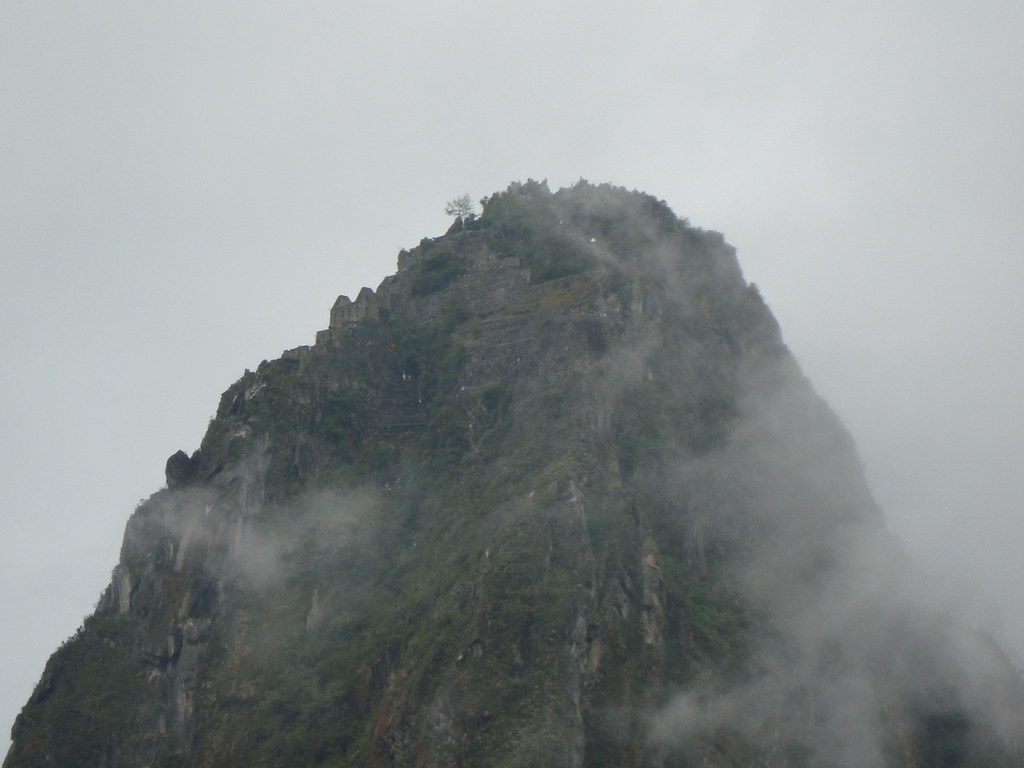
The ‘Young Mountain’ stands as a sentinel above Machu Picchu, challenging adventurers to ascend steep paths for unique panoramas of the ancient city and surrounding Andean landscape. The climb, though rigorous with sections nicknamed the ‘Stairs of Death’ for their steepness and narrowness, rewards with unparalleled views.
Only 400 visitors allowed daily, requiring permits purchased months in advance during peak season. The hike takes roughly one to two hours up, slightly less down, gaining about 1,000 feet in elevation.
Temple of the Moon sits on the back side of the mountain, reachable via an extended hike for those wanting to escape Machu Picchu crowds.
Lima
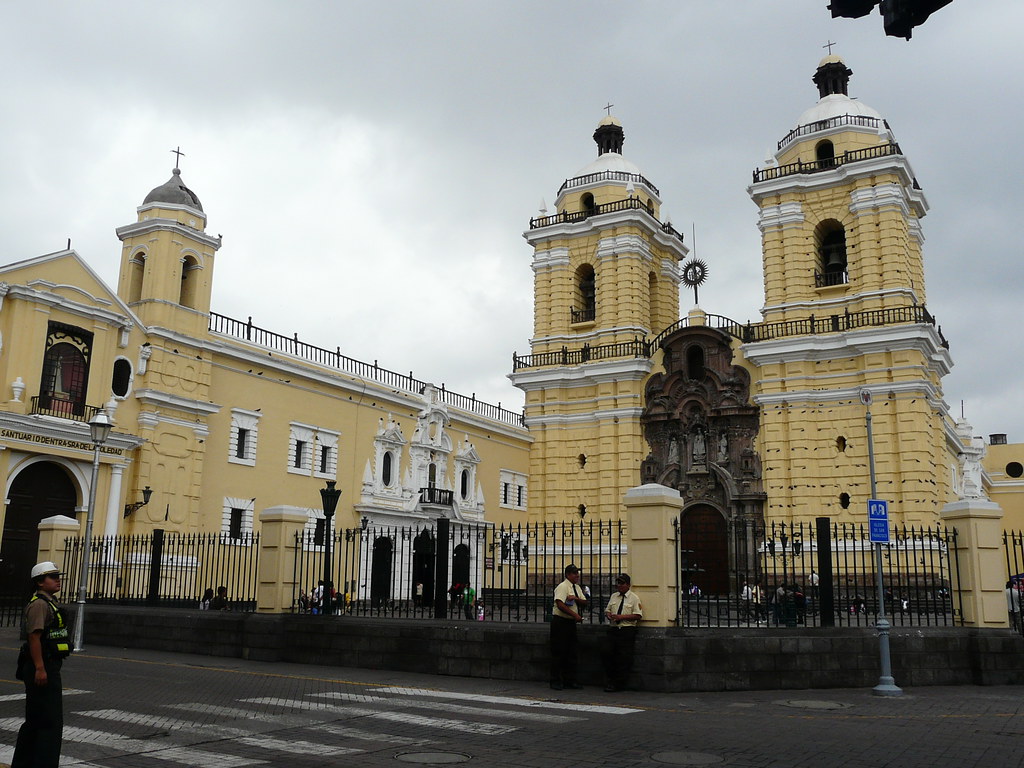
Peru’s capital and largest city combines colonial heritage with modern cosmopolitan energy. The historic center features the Plaza de Armas surrounded by the Government Palace, cathedral, and Archbishop’s Palace, all showcasing Spanish baroque architecture.
The Larco Museum houses an impressive collection of pre-Columbian art spanning 5,000 years. Miraflores neighborhood offers ocean-front parks, shopping, dining along dramatic cliffs overlooking the Pacific.
Lima’s culinary scene has exploded internationally—restaurants like Central, Maido, and dozens of others earn global recognition. The San Francisco Monastery contains eerie catacombs holding an estimated 25,000 bodies.
Street food in markets provides authentic Peruvian flavors, while the upscale Barranco district brings bohemian artist energy.
Huascarán National Park
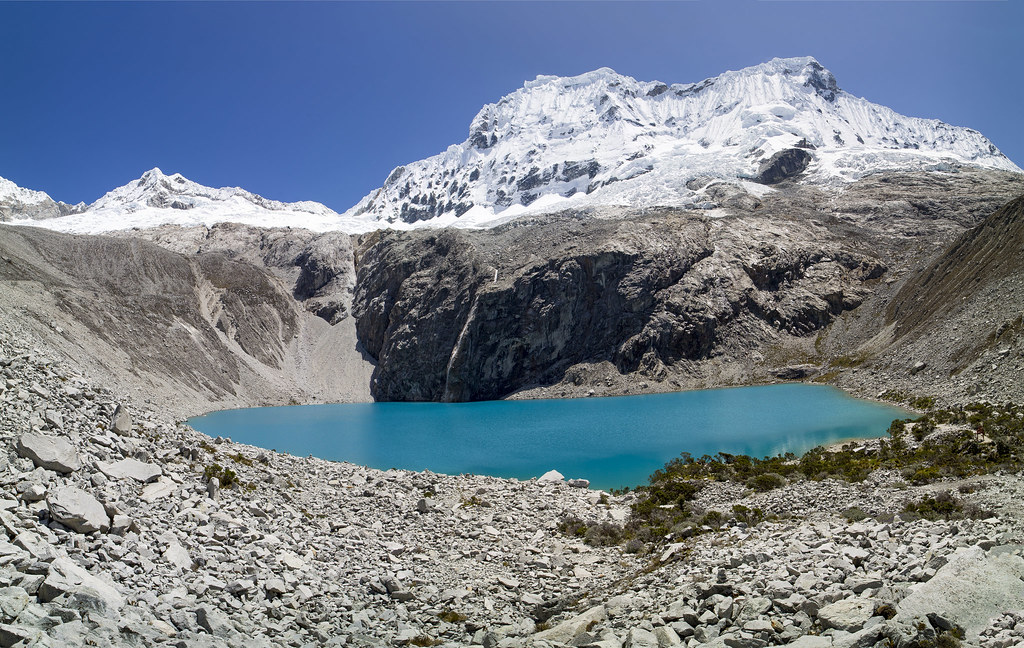
Situated in the Cordillera Blanca, the world’s tallest tropical mountain range, this park spans 340,000 hectares protecting diverse ecosystems. Over twenty snow-covered peaks pierce the sky, including Mount Huascarán reaching 6,768 meters as Peru’s highest point.
Tropical glaciers and ice-blue lakes dot the landscape between peaks. Wildlife includes pumas, mountain lions, spectacled bears, condors. Lake 69 is the most popular attraction—visitors hike a thirteen kilometer trail to the turquoise lake sitting at 15,000 feet elevation at the base of a hanging glacier.
Swimming is allowed for those brave enough to handle icy water. The park’s trails range from day hikes to multi-day treks like the Santa Cruz circuit.
Rainbow Mountain
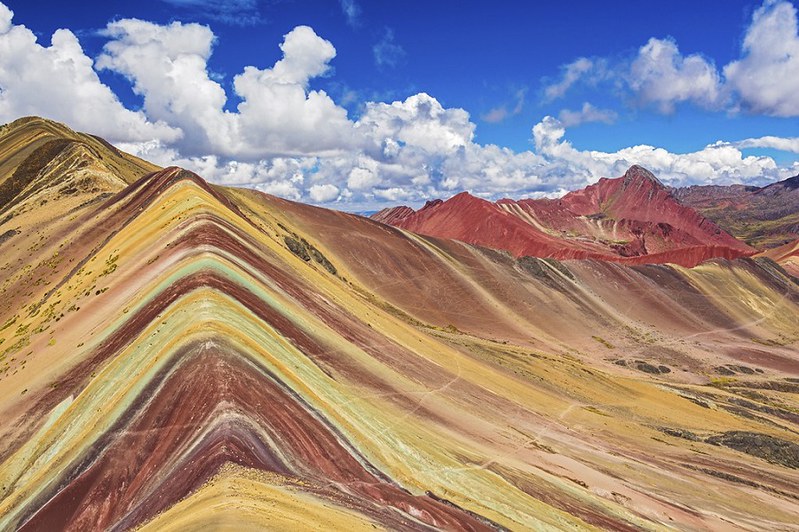
This technicolor mountain near Cusco exploded in popularity over the past decade, earning the nickname Vinicunca or Montaña de Siete Colores. Mineral deposits create natural striping in red, yellow, turquoise, lavender across the slopes at over 17,000 feet elevation.
The site remained snow-covered until climate change melted glaciers revealing the colorful geology beneath. The hike from parking areas takes two to three hours gaining significant elevation, making it challenging at altitude.
Some tour operators offer horseback riding partway up. Morning visits before 9 AM avoid the worst crowds, though the area sees hundreds of daily visitors during peak season.
An alternative viewpoint at Palccoyo offers similar colors with an easier hike.
Manu National Park
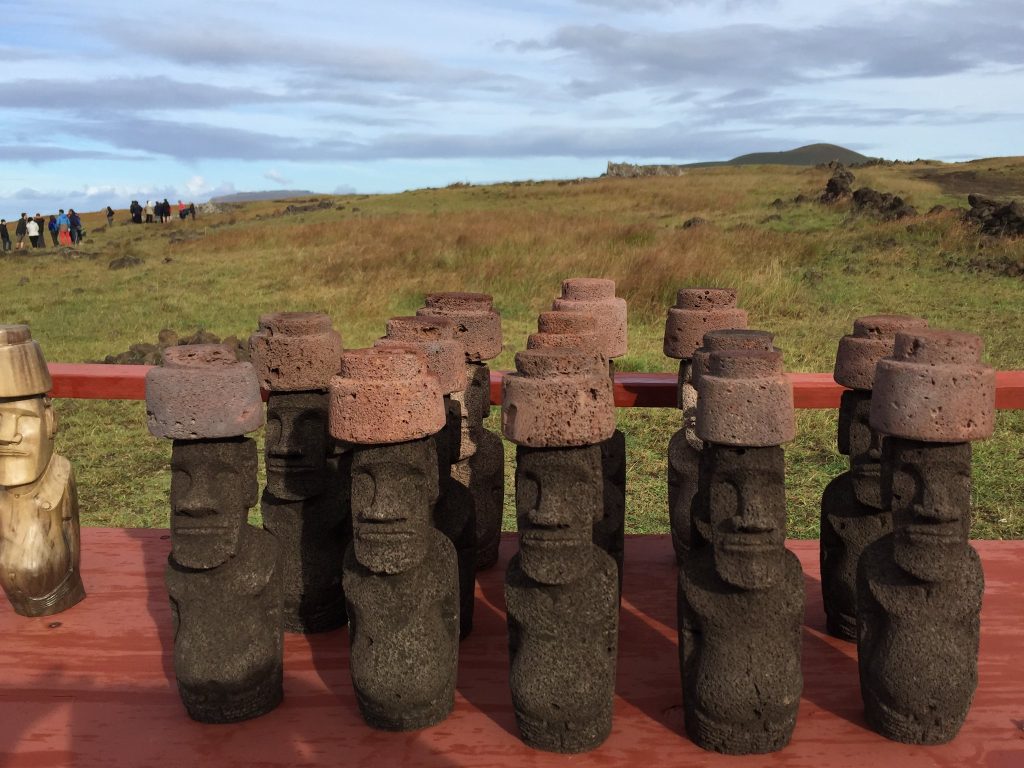
This massive protected area between the Andes and Amazon spans multiple elevation zones from 150 to 4,200 meters, creating astounding biodiversity. The park encompasses cloud forests, lowland rainforest, over 1,000 bird species, 200 mammal species including jaguars, giant otters, tapirs.
Access requires either a full day overland journey from Cusco or flying to Puerto Maldonado then traveling by boat. The journey through Kosñipata Valley descends thousands of meters through cloud forest, itself a spectacular experience.
Only three lodges operate within the park, keeping visitor numbers low and wildlife viewing exceptional. The Manu Learning Centre offers stays combining comfortable accommodations with serious wildlife research activities.
Beyond the obvious
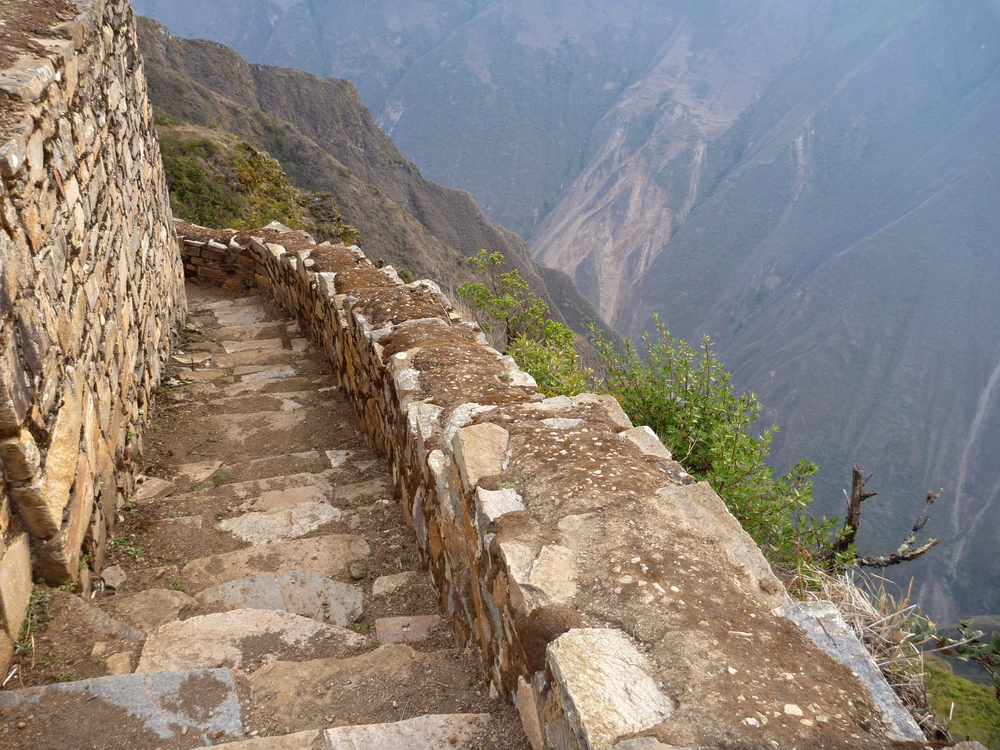
Peru rewards travelers willing to dig deeper than Machu Picchu alone, though that Inca citadel absolutely deserves its fame. These attractions span Peru’s incredible diversity—from sea-level deserts to high-altitude mountains, Spanish colonial cities to pre-Incan ruins, Amazon jungle to Pacific coast.
Each region brings distinct landscapes, cultures, wildlife. Three weeks could cover the highlights, though even that feels rushed given how much exists.
The country’s compact enough that domestic flights connect major regions quickly, while buses serve budget travelers willing to spend more time in transit. Whatever your interests—archaeology, nature, adventure, food, culture—Peru delivers experiences beyond what most single countries can offer.
More from Travel Pug

- Underrated Italian Towns That Beat the Tourist Crowds
- Las Vegas Tourist Traps to Skip
- Prettiest Towns in Every US State
- 18 passport-free countries for Americans
- Signs Your Cruise Is Not Worth The Cost
Like Travel Pug’s content? Follow us on MSN.