

France dominates the European ski scene for good reason—massive interconnected terrain, reliable snowfall, and resorts ranging from ultra-modern purpose-built stations to charming medieval villages. The French Alps hold some of the world’s highest ski areas, meaning longer seasons and better snow reliability than many competitors.
Add in the legendary après-ski culture (they invented the term, after all) and you’ve got a compelling case for why millions of skiers flock here every winter. Picking the right resort matters since each has its own personality and strengths.
Here is a list of 15 French ski resorts that consistently deliver on terrain, snow quality, and overall experience.
Les 3 Vallées
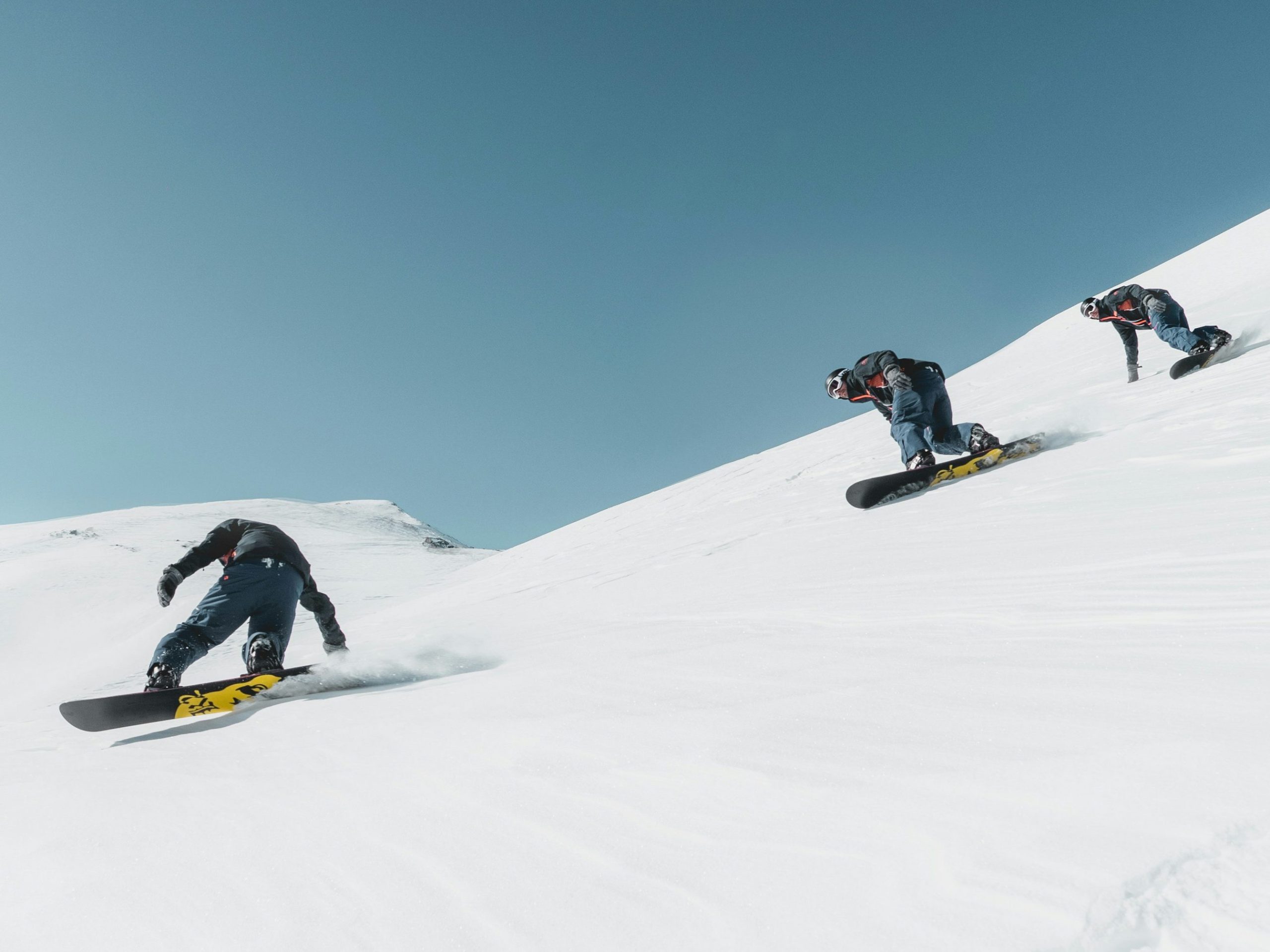
This massive ski domain includes Courchevel, Méribel, Val Thorens, and Les Menuires—creating what’s often called the world’s largest interconnected ski area. Over 370 miles of marked runs means you could ski a different route every day for weeks.
Courchevel offers a luxurious atmosphere with boutique shopping, opulent hotels and prestigious spas, with lifts even branded by Gucci. Méribel sits in the middle with a more relaxed British-influenced vibe, while Val Thorens—Europe’s highest resort at 7,545 feet—guarantees snow from November through May.
Chamonix
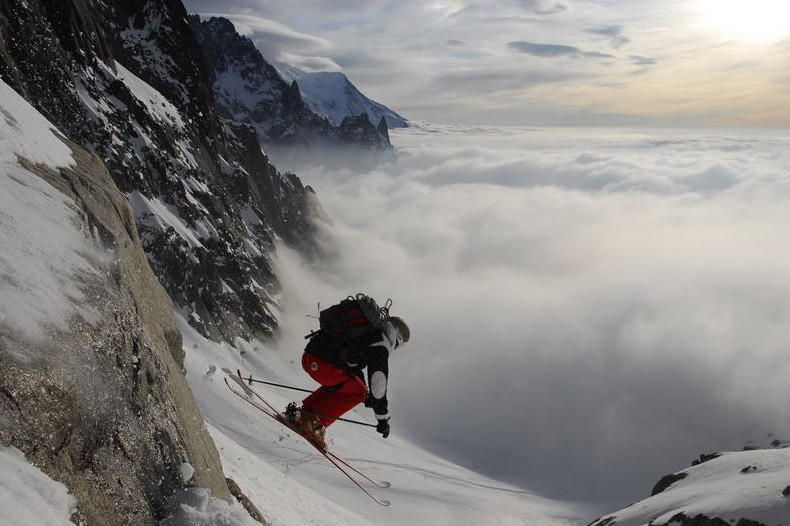
This world-renowned resort offers incredible views of Mont Blanc from the Aiguille du Midi cable car, with an alpine atmosphere matching some of the world’s best mountain destinations. The terrain here isn’t for beginners—steep couloirs, exposed ridges, and the legendary Vallée Blanche off-piste run define Chamonix’s reputation among advanced skiers.
The area features Europe’s highest number of double black diamonds and the Vallée Blanche’s 11 mile descent with 9,300 feet of vertical. The town itself feels authentic rather than resort-manufactured, with proper restaurants and a year-round local community.
Tignes
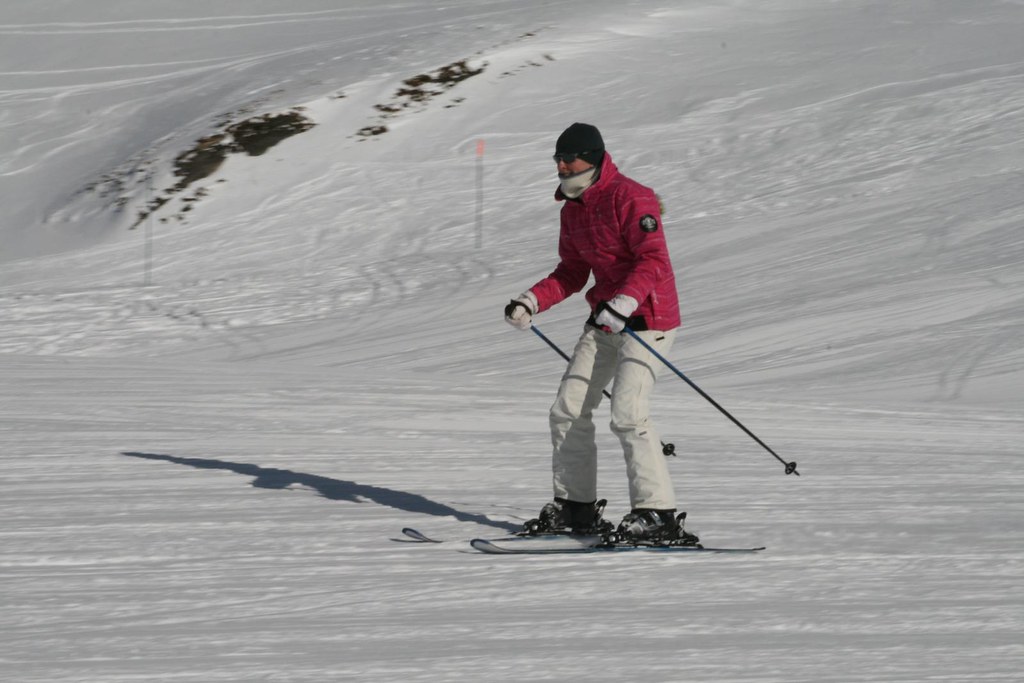
With a vertical of over 6,000 feet and access to two glaciers—Pointe du Montet and Pissaillas—snow conditions here are exceptionally reliable. The resort operates nearly year-round with summer skiing available on the glacier.
The main resort of Tignes Le Lac sits at 6,900 feet beneath Grande Motte (12,000 feet) and Grande Casse (12,638 feet), providing 1,900 vertical meters of skiing across 150-plus runs. Purpose-built and slightly utilitarian in appearance, Tignes trades charm for ski-in-ski-out convenience and snow certainty.
Val d’Isère
Tignes and Val d’Isère together form the Espace Killy, rated as France’s best ski resort with 4.7 out of 5 stars. Unlike its neighbor Tignes, Val d’Isère maintains genuine village character despite hosting World Cup races regularly.
The resort offers varied slopes, excellent snow reliability, and vibrant nightlife that complements world-class skiing. Off-piste terrain here ranks among the Alps’ finest, though hiring a guide opens up the best powder stashes safely.
Avoriaz
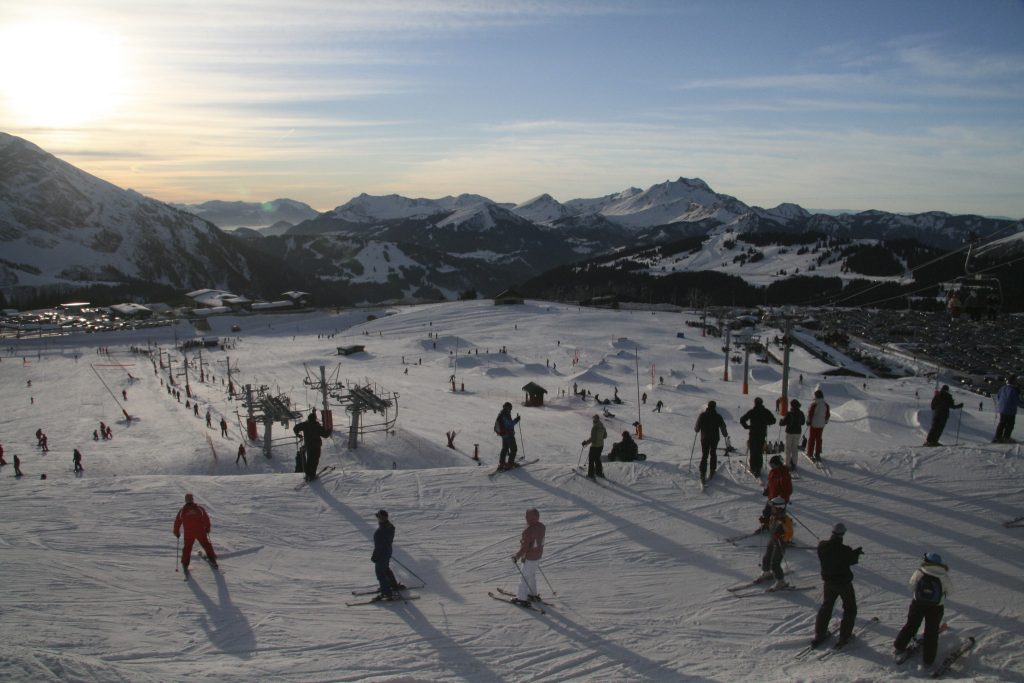
This vehicle-free resort perched at 5,900 feet on a dramatic cliff edge sits at the heart of Portes du Soleil, which straddles the French-Swiss border with 372 miles of interconnected runs. The car-free aspect isn’t marketing—horse-drawn sleighs replace taxis, creating an unusual mountain atmosphere.
Families appreciate features like the tepee-dotted Village des Enfants d’Annie Famose offering activities for children and teenagers, while thrill-seekers enjoy two Burton-sponsored fun parks and accessible backcountry terrain. The architectural style—angular 1960s buildings—divides opinion but the skiing doesn’t.
Alpe d’Huez
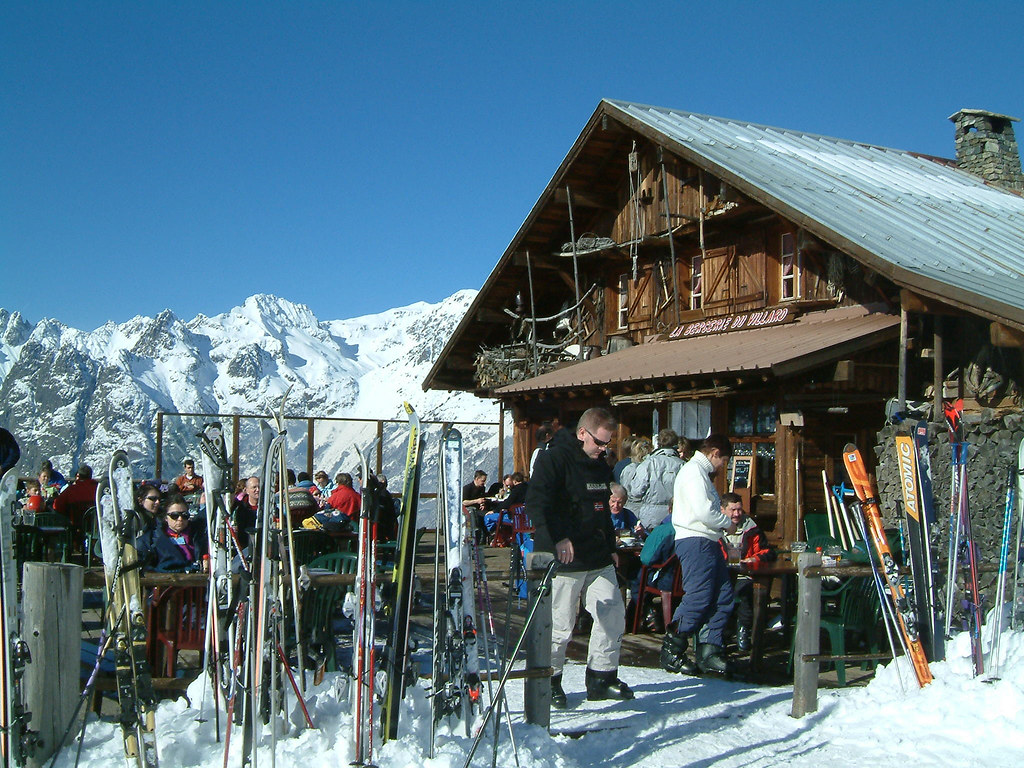
The resort provides access to 155 miles of runs catering to all levels, with 41 green pistes, 34 blue, 40 red and 16 black. La Sarenne, the 10-mile run, holds the title of Europe’s longest ski run, with sidecountry terrain off its edges providing excellent powder on good snow days.
The nickname ‘l’Isle au Soleil’ (island in the sun) comes from the exceptional sunshine hours—south-facing slopes mean spring skiing conditions can be spectacular. The resort also hosts Tomorrowland Winter, attracting over 20,000 people for what’s become the Alps’ largest music festival.
Megève
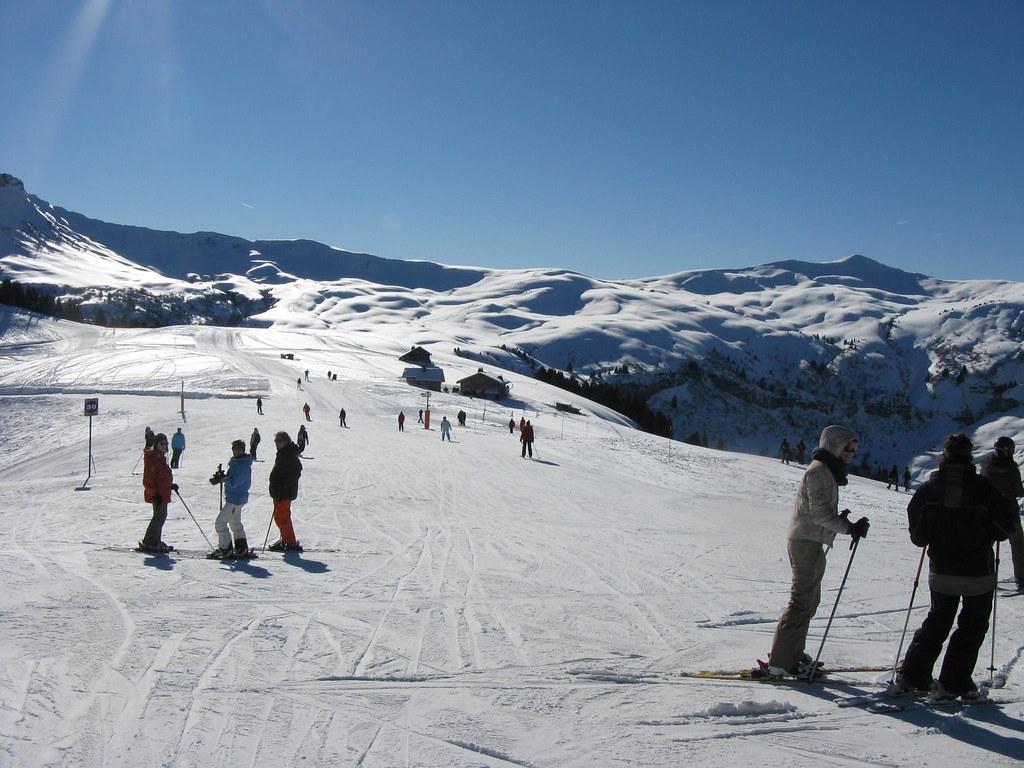
Nestled in the French Alps with a history dating back to the 1920s, this prestigious resort features 220 slopes across 250 miles of skiable terrain on eight peaks facing Mont Blanc. Conceived as a French alternative to St. Moritz by the Rothschilds, it became the first purpose-built resort in the Alps and remains one of the world’s most affluent ski destinations.
The cobblestone streets, horse-drawn carriages, and charming chalets create an upscale ambiance that feels like stepping into a fairy tale. Half the slopes suit intermediates, making it ideal for groups with varying abilities.
La Plagne
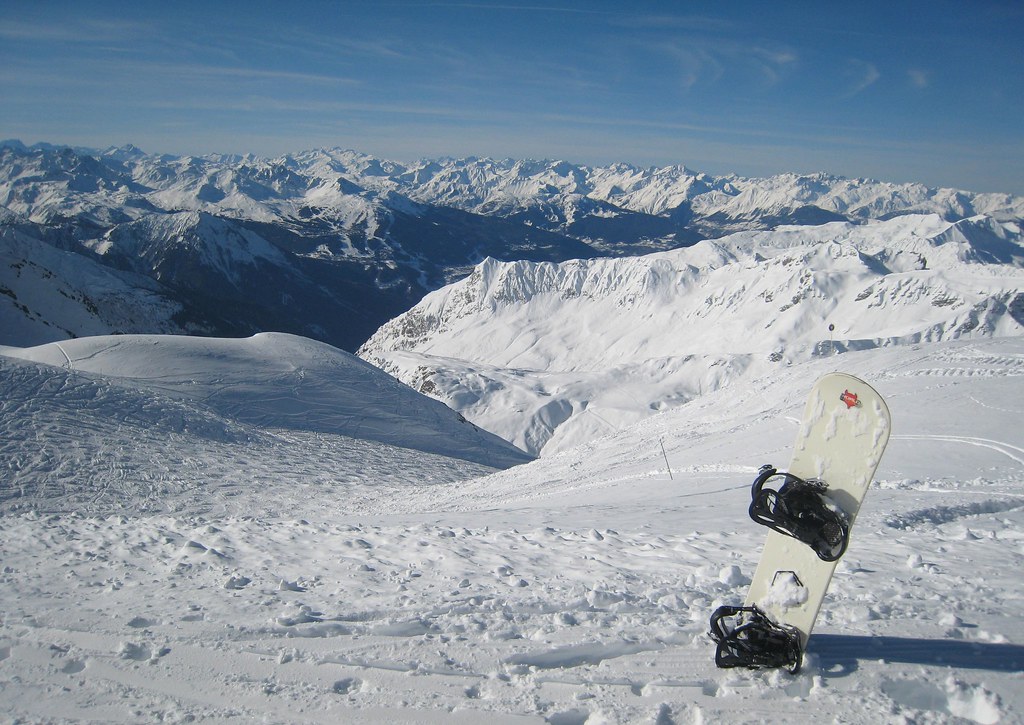
Named the world’s most popular ski resort in 2014 with over 2.5 million visitors per season, La Plagne spans 140 miles of slopes across ten interconnected villages. The resort sits between 10,660 feet on the Glacier de la Chiaupe near Bellecôte’s summit and 4,100 feet in Montchavin village, with a bobsleigh track built for the 1992 Albertville Olympics.
Since 2003, the Vanoise Express cable car links La Plagne with Les Arcs to form the Paradiski area—over 260 miles of combined terrain. The range of villages means you can choose between bustling Plagne Centre or quieter spots like Montchavin.
Les Arcs
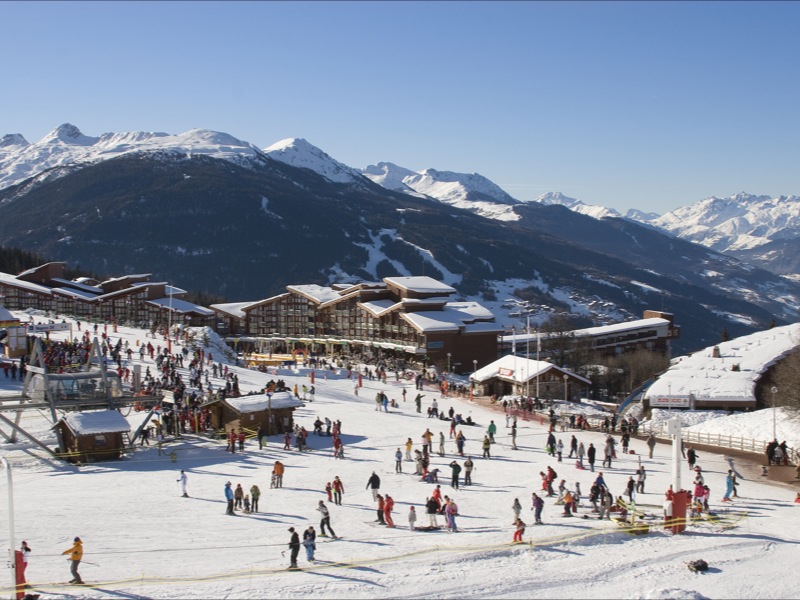
Part of the Paradiski domain with La Plagne, Les Arcs spreads across multiple altitude stations from Arc 1600 to Arc 2000. The modern lift system moves people efficiently, and the varied terrain suits everyone from first-timers to experts seeking challenging blacks.
The Vanoise Express connecting to La Plagne travels over 25 mph, making it among the world’s fastest cable cars. The higher stations offer reliable snow while the tree-lined lower runs provide options during storms.
Serre Chevalier
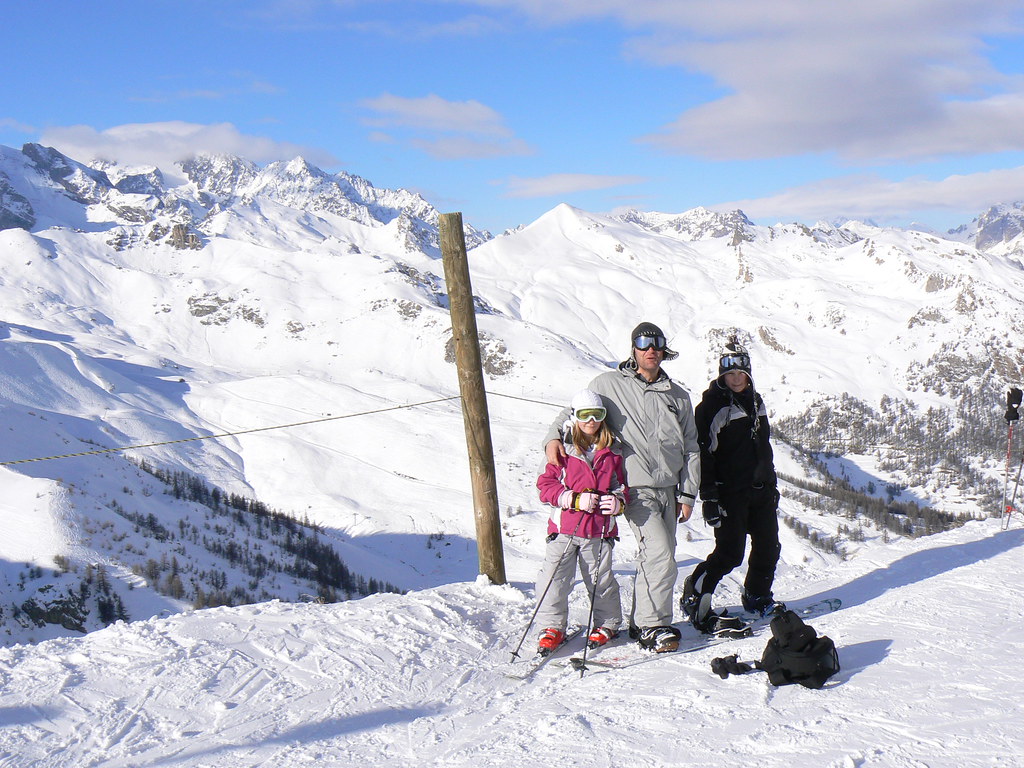
Located in southeastern France near the Italian border with 155 miles of slopes, the resort boasts 300 days of sunshine annually. The ski area stretches from Briançon through Chantemerle and Villeneuve-la-Salle to Le Monêtier-les-Bains on the edge of Écrins National Park, home to the 13,458-foot Dôme des Écrins.
The larch forests create beautiful tree skiing, and the spread-out nature means crowds disperse naturally. It’s less internationally known than the mega-resorts, which keeps lift lines shorter and prices somewhat reasonable.
Morzine
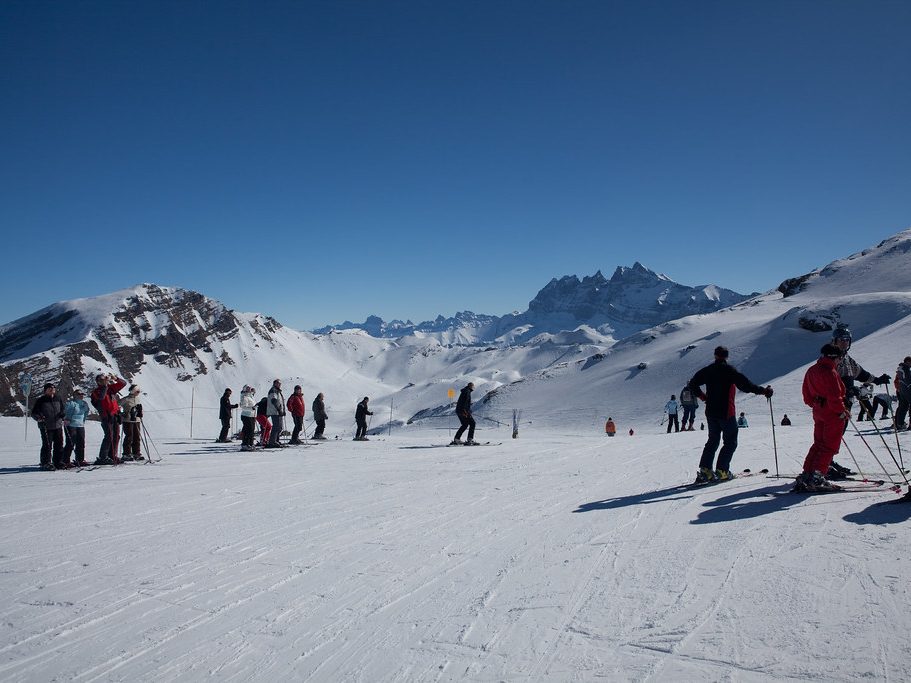
This traditional Alpine town anchors the French side of Portes du Soleil alongside Avoriaz. Unlike purpose-built resorts, Morzine functions as a real town year-round with actual residents, schools, and services beyond tourism.
The skiing connects seamlessly to the broader Portes du Soleil circuit, giving access to that 372-mile network. Intermediates particularly enjoy the long cruising runs, though experts can find challenges in the linked resorts.
The town’s charm and relatively affordable prices compared to flashier destinations make it popular with British skiers.
Les Deux Alpes
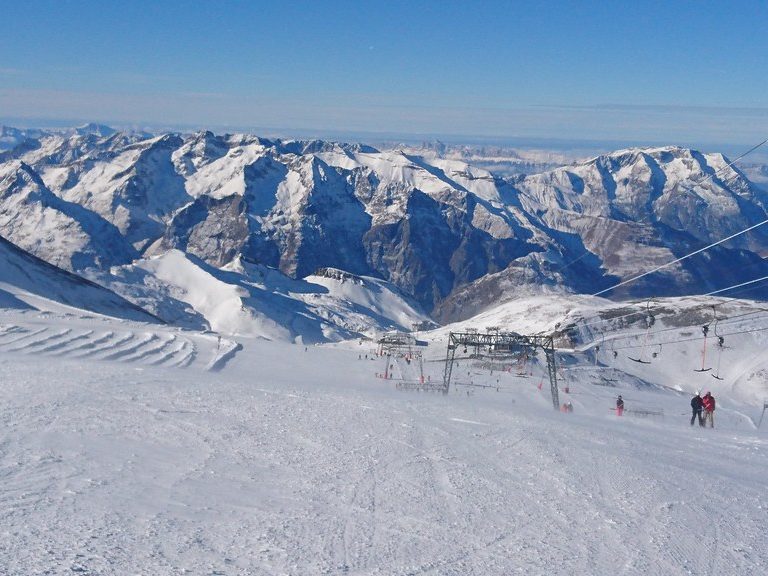
The resort sits on a high plateau with glacier skiing extending the season well into summer. Freestylers appreciate the terrain parks and halfpipe facilities that have hosted major competitions.
The vertical drop exceeds 7,200 feet, providing legitimate top-to-bottom descents rather than mid-mountain dead-ends. Students and younger crowds gravitate here for the lively nightlife and relatively accessible prices.
The glacier means you can ski in a t-shirt in May while still finding decent snow coverage.
Val Thorens
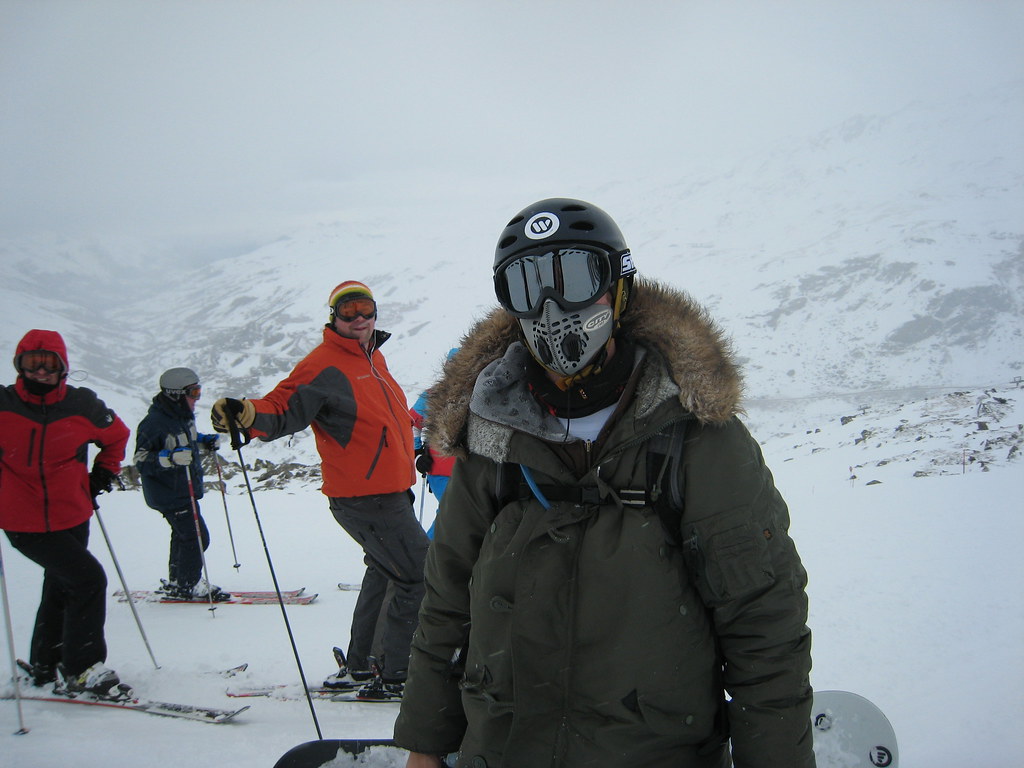
Europe’s highest resort at 7,545 feet, Val Thorens is entirely ski-in-ski-out so once there you won’t need transportation again. The resort features some of France’s most luxurious hotels including the Koh-I Nor, the world’s highest five-star hotel, though luxury chalets remain rare.
Being part of Les 3 Vallées means access to that enormous terrain, but Val Thorens’ own valley is the largest of the three. The altitude guarantees snow reliability that lower resorts can’t match, making early and late season trips less risky.
Les Gets
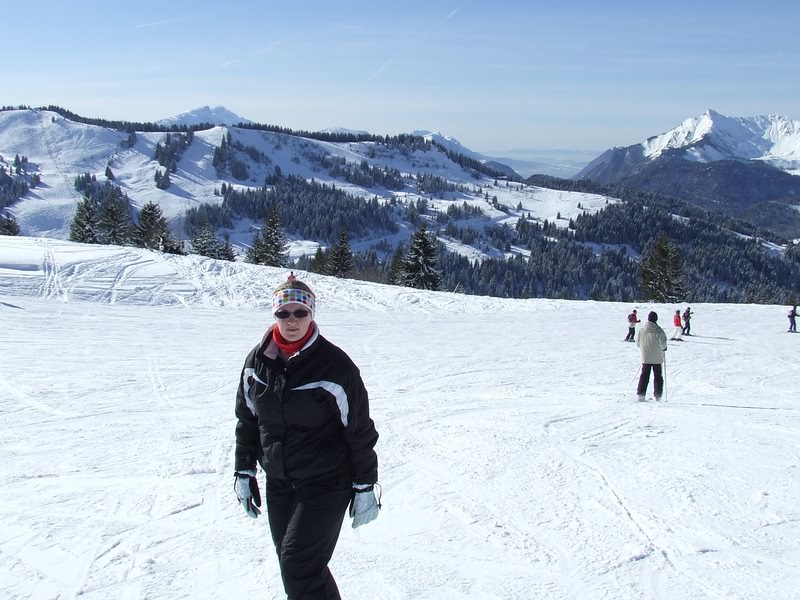
This charming village in Portes du Soleil offers a quieter alternative to busier resorts while maintaining access to the massive interconnected area. The village maintains authentic Alpine character with traditional chalets and a pedestrian-friendly center.
Family-run hotels and restaurants outnumber international chains, creating a more personal atmosphere. The terrain skews toward intermediates with plenty of blues and reds, though the connection to Morzine and beyond expands options significantly.
Paradiski
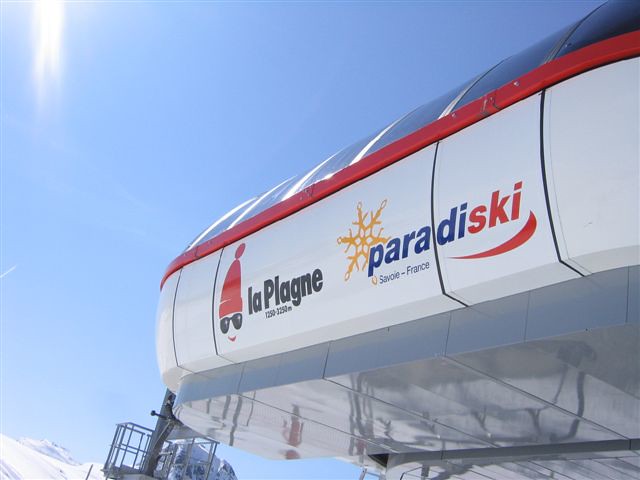
While technically a ski area rather than a single resort, Paradiski deserves mention as its own entity since the La Plagne-Les Arcs combination creates a distinct destination. The pass covers both sides with that spectacular Vanoise Express cable car providing the link across the valley.
Over 260 miles of runs and diverse villages mean groups can split up by ability or preference and still meet for lunch. The altitude range from valley floor to glacier provides options regardless of conditions.
What keeps France on top
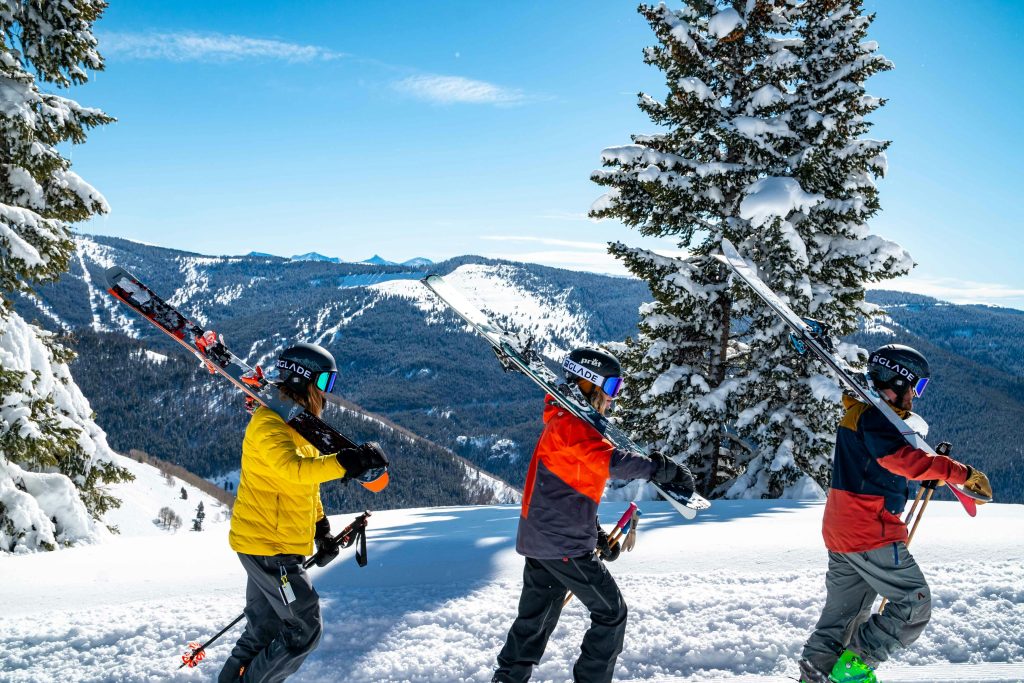
French ski resorts continue setting standards that others chase. The infrastructure investments—new lifts, snowmaking systems, base facilities—happen constantly rather than sporadically.
Geographic advantages like high altitude and north-facing slopes get maximized through smart resort planning. The cultural aspect matters too—France takes its mountain cuisine, wine, and après-ski seriously in ways that elevate the whole experience beyond just the skiing itself.
Whether you’re after authentic village charm or modern convenience, massive interconnected terrain or intimate local hills, France’s got a resort that fits.
More from Travel Pug

- Underrated Italian Towns That Beat the Tourist Crowds
- Las Vegas Tourist Traps to Skip
- Prettiest Towns in Every US State
- 18 passport-free countries for Americans
- Signs Your Cruise Is Not Worth The Cost
Like Travel Pug’s content? Follow us on MSN.