

India’s street food scene represents one of the world’s most vibrant and diverse culinary landscapes—a sensory explosion where every corner, alley, and market teems with vendors creating dishes that have been perfected over generations. Delhi is a melting pot of lots of different people from all over India, and so the street food in Delhi is an amalgamation of many different cooking styles from around the country, with some influences from Western cuisine thrown in for good measure.
From crispy fried snacks to cooling beverages, from tangy chaats to sweet desserts, street food connects Indians across regions, religions, and economic backgrounds in a shared love of bold flavors. The beauty of Indian street food lies in its contrast—hot meets cold, creamy meets crunchy, sweet dances with spicy and tangy.
Here is a list of 15 essential Indian street foods you absolutely need to try.
Panipuri
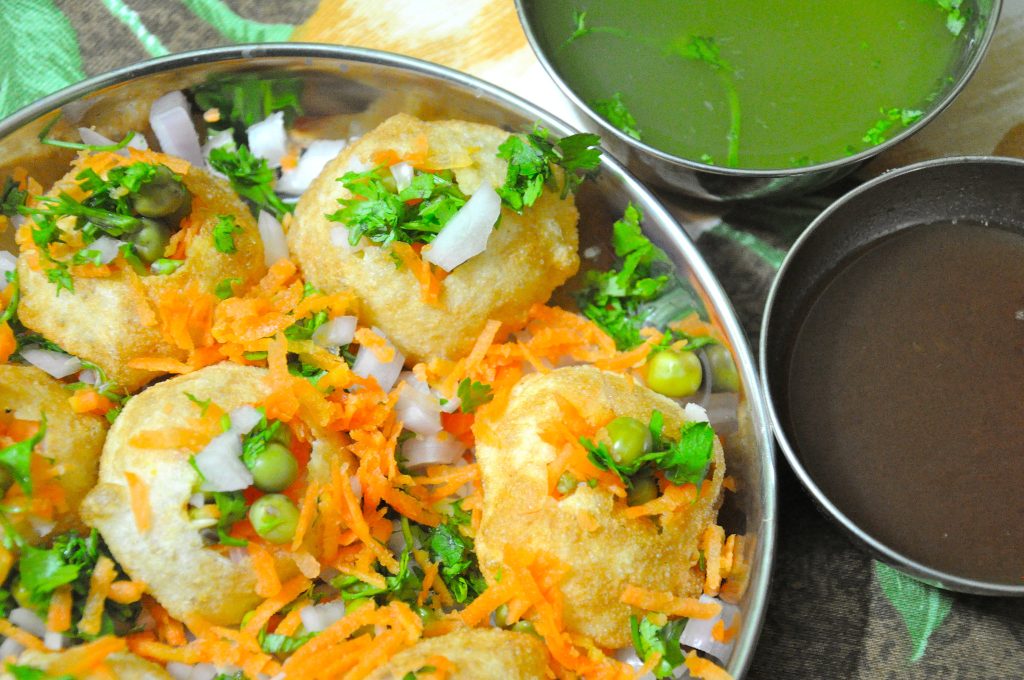
The moment panipuri goes into your mouth, your taste buds experience the splash of spicy, tangy, and sweet flavors—all at once. This deep-fried, hollow spherical shell, about one inch in diameter, is filled with a combination of potatoes, raw onions, chickpeas, and spices.
The magic happens when vendors fill each crispy puri with spiced water right before you pop the entire thing in your mouth—breaking it would create a messy disaster. Different regions call it different names: golgappa in Delhi and Punjab, phuchka in Bengal, pani ke batashe in Uttar Pradesh, and pakodi in Gujarat.
Samosa
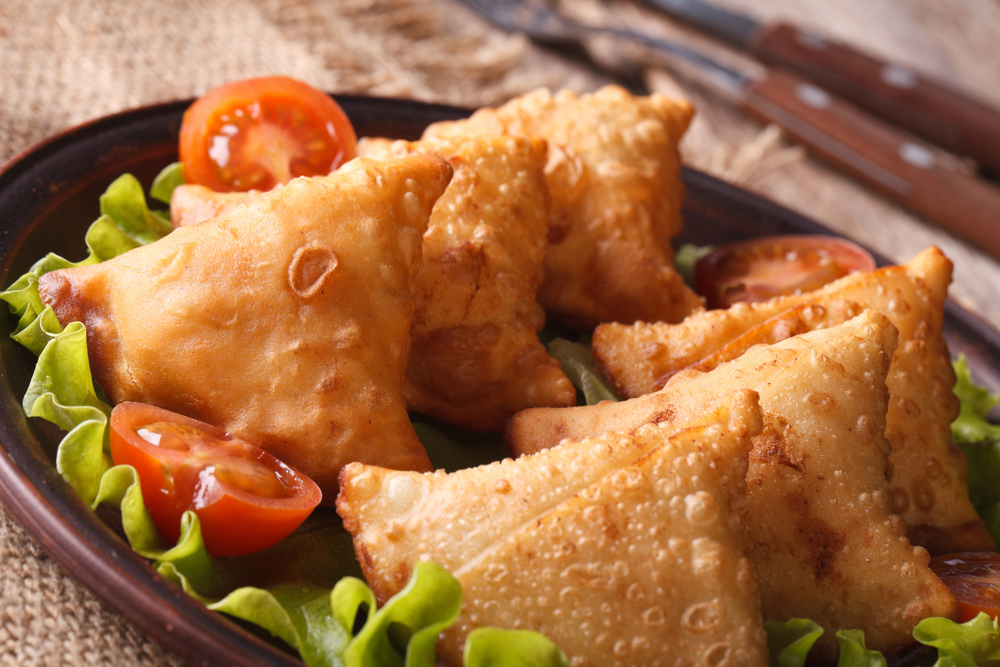
Few Indian street foods achieve the global recognition of the samosa—those golden triangular pockets of joy found on virtually every street corner throughout the country. The classic version features a crispy fried pastry shell stuffed with spiced potatoes and peas, though regional variations incorporate minced meat, lentils, or other fillings.
They’re enjoyable at any temperature, making them ideal for both immediate consumption and taking on journeys. Pair them with mint chutney and tangy tamarind sauce for the full experience.
Vada pav
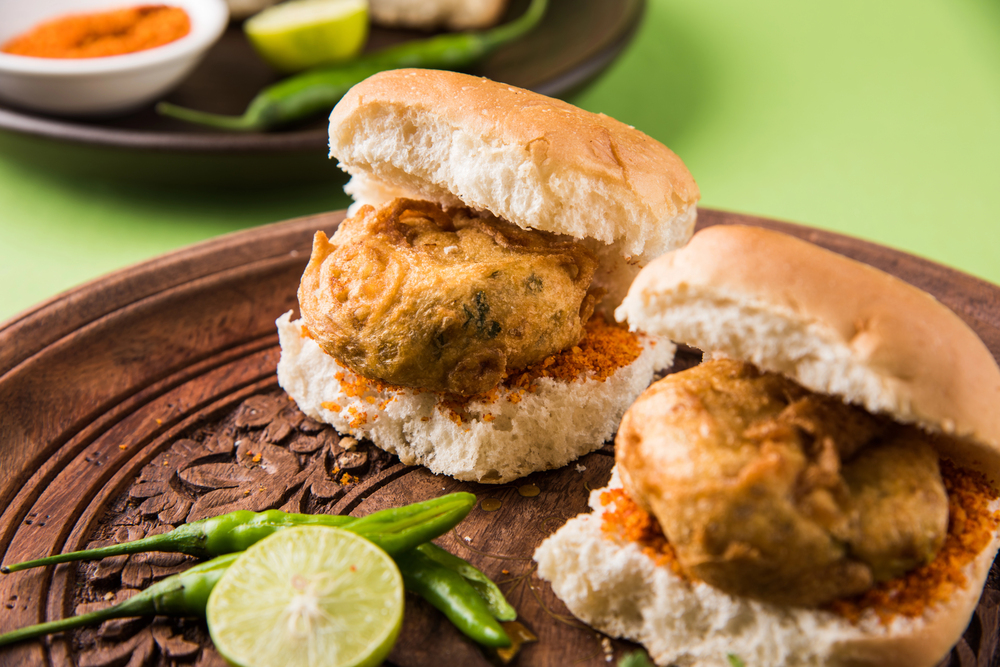
Originating from the bustling streets of Mumbai back in the 1960s, vada pav is arguably the city’s most popular street food, also known as the Mumbai Burger. This iconic vegetarian creation contains deep-fried mashed potato seasoned with mustard seeds, turmeric, coriander and masala powder, sandwiched between a soft bun.
It’s served with various mint and sweet chutneys plus red chili powder for those who want extra heat. The combination of textures—soft bread yielding to crispy vada—makes it addictively satisfying.
Chole bhature
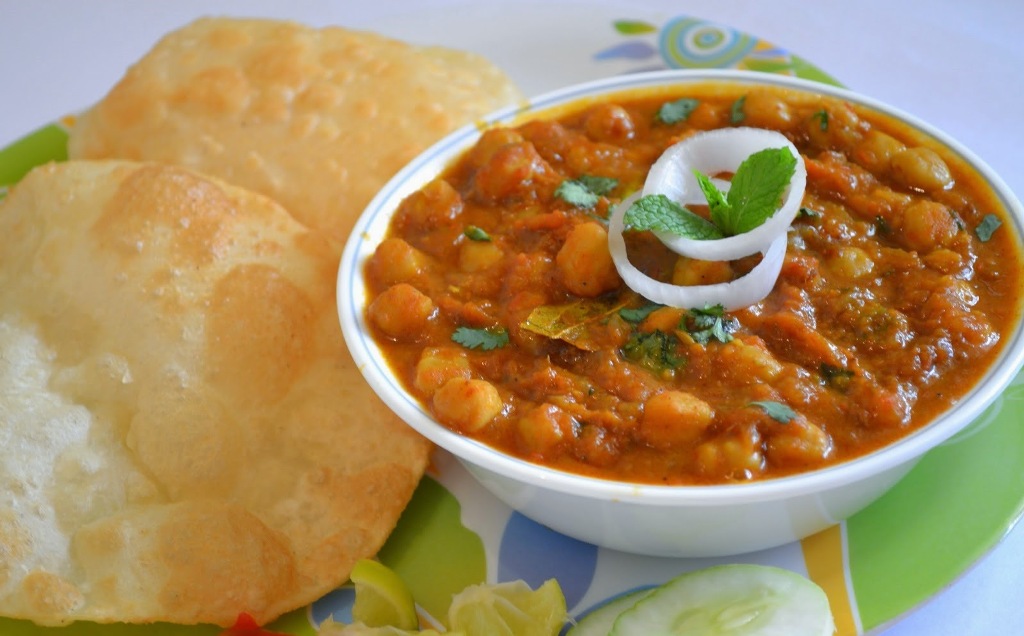
The capital city of India, Delhi, is the best place to enjoy Indian street food, and one of them is chole bhature as a Punjabi dish which is popular and loved by most Indians. This breakfast staple features spicy chickpea curry alongside bhature—enormous puffy deep-fried bread that balloons up during cooking.
The dish is hearty enough to keep you satisfied for hours, though it’s definitely not light eating. Most stalls serve it with pickled onions, green chilies, and sometimes a glass of lassi to cool the spice.
Dosa
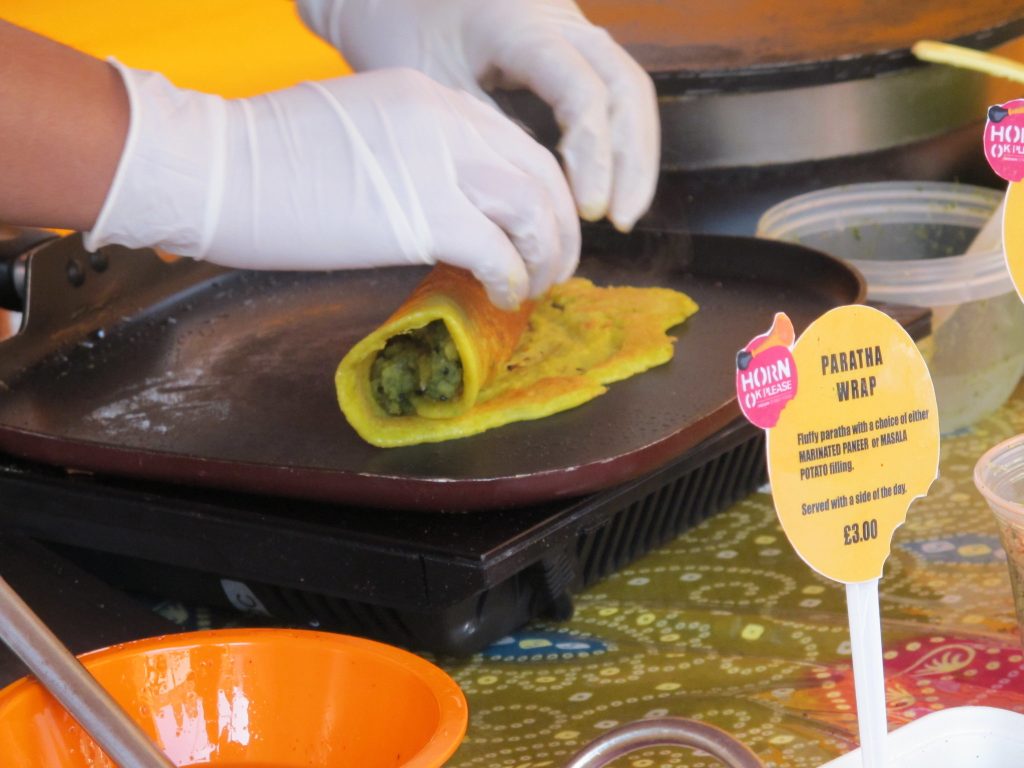
Despite being south Indian, dosa is hugely popular across the country as street food or breakfast food—it’s a thin pancake made from ground and fermented rice and lentil batter, cooked on a hot griddle with a little oil, ghee or butter until crisp. Masala dosa, stuffed with spiced potato filling, ranks as the most common variety.
Street vendors often create impressively large dosas that hang off the edges of plates, served alongside coconut chutney and sambar (a tangy lentil soup). Watching skilled cooks spread the batter in perfect circles on massive griddles is entertainment in itself.
Pav bhaji
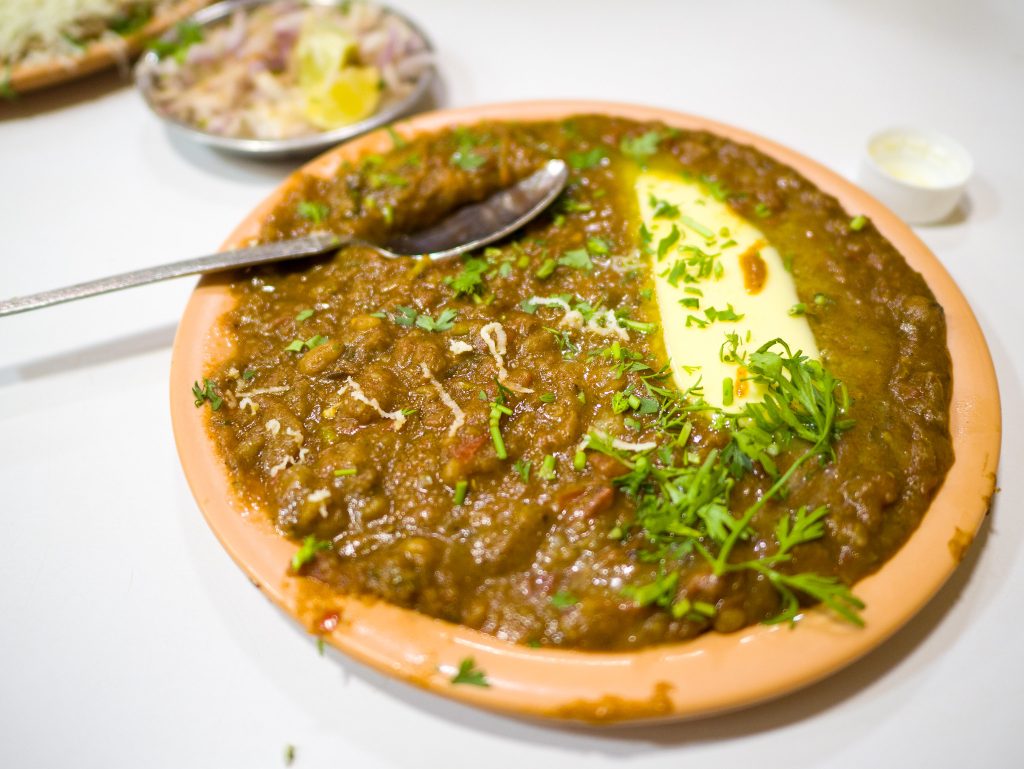
Pav bhaji is a popular Indian street food from Mumbai made with potatoes and vegetables cooked in a tomato base and enjoyed with pav or dinner rolls. Vendors prepare the bhaji (vegetable mash) on enormous griddles, mashing everything together with liberal amounts of butter while the spice-laden aromas draw crowds.
The soft, buttered pav rolls get toasted on the same griddle, soaking up all those flavors. You’ll find the best versions at beaches like Juhu and Chowpatty, where the combination of street food and ocean breezes creates an unforgettable Mumbai experience.
Aloo tikki chaat
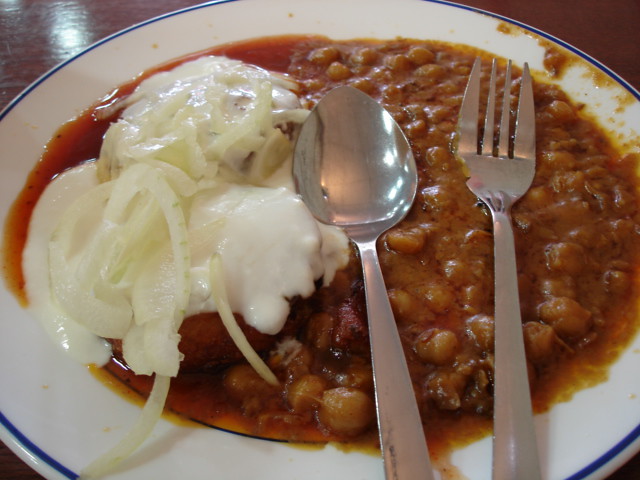
Aloo tikki chaat is a famous Indian street food featuring a crispy Indian potato patty flavored with spices and topped with yogurt and chutneys. The potato patties get fried until golden and crispy on the outside while staying soft inside.
Then comes the layering—chickpeas or ragda, cool yogurt, sweet tamarind chutney, spicy green chutney, diced onions, crunchy sev noodles, and a sprinkle of chaat masala. Each bite delivers that quintessential chaat experience: multiple textures and flavors competing for attention in the best possible way.
Kachori
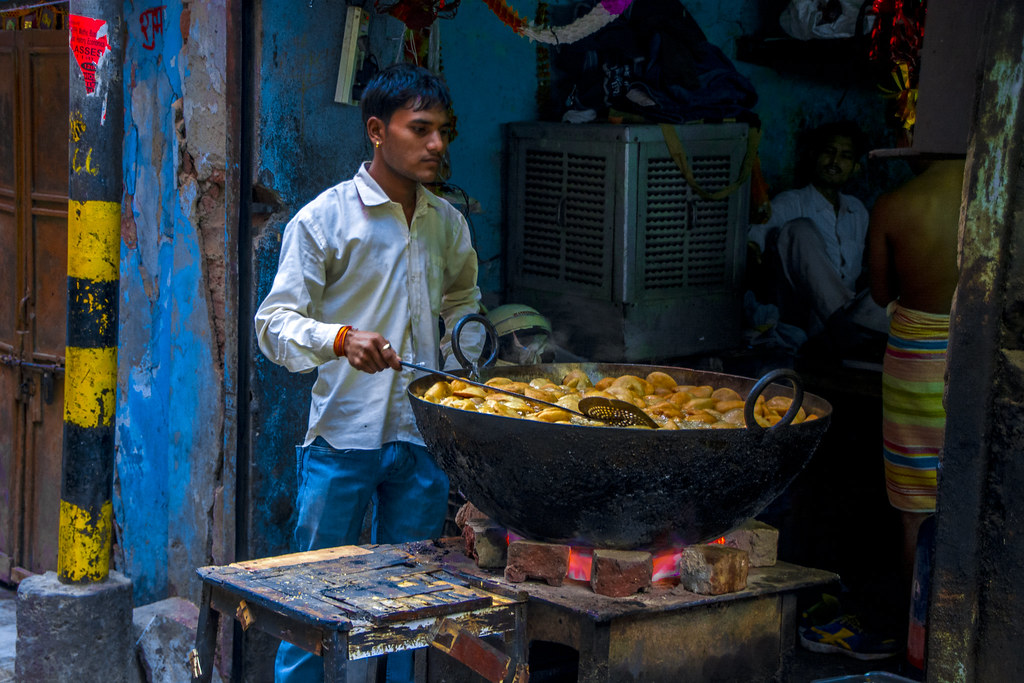
Kachori is a famous Indian chaat dish that originated in Rajasthan and is available in every street food stall across India—it’s a puffed pastry with different fillings like mashed potatoes, onions, lentils and chickpeas topped with creamy curd and tangy chutneys. The pastry puffs up dramatically during frying, creating a hollow center for the filling.
Rajasthan’s Bikaneri kachori represents the gold standard, though you’ll encounter regional variations throughout northern India. Like samosas, kachoris work equally well hot off the fryer or at room temperature.
Pakora
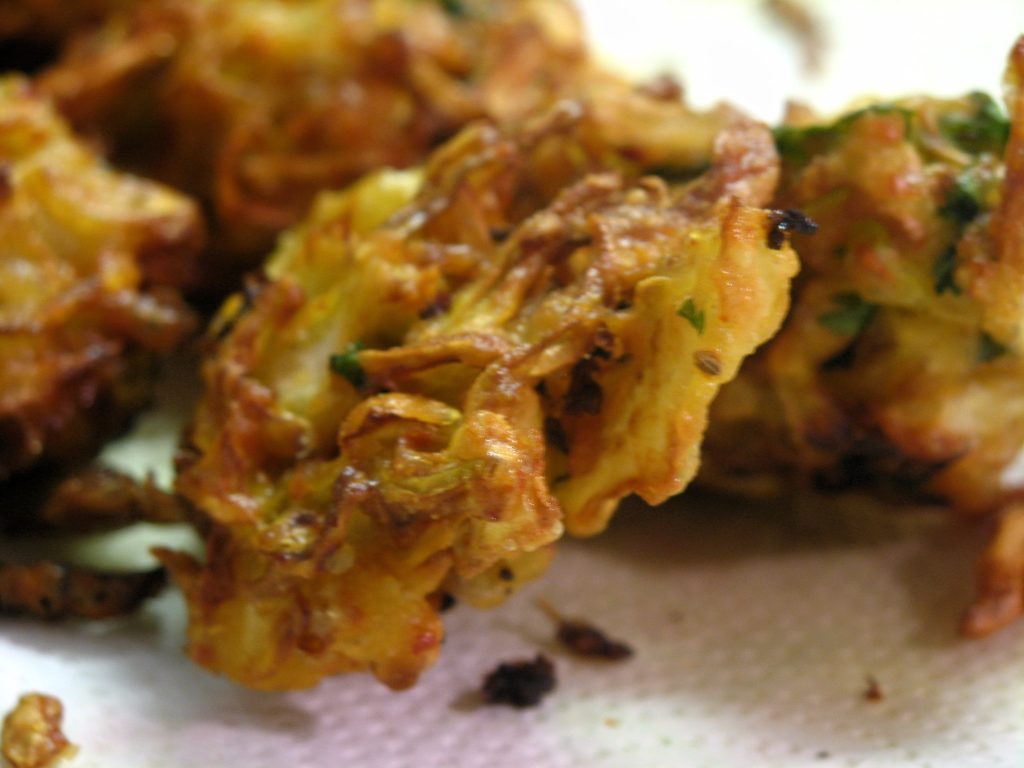
We take an assortment of vegetables like onions, potatoes, cauliflower, fenugreek, spinach, chilies, and paneer, slice them, dip them in a spiced gram flour batter, and deep fry them. These fritters become especially beloved during monsoon season, when the combination of chai and pakoras creates the perfect rainy day comfort food.
Different regions have their own names—bajji in south India, bhajia or gota in west India, and telebhaja in West Bengal. The gram flour batter gets seasoned with various spices, creating crispy exteriors that give way to tender vegetables inside.
Bhel puri
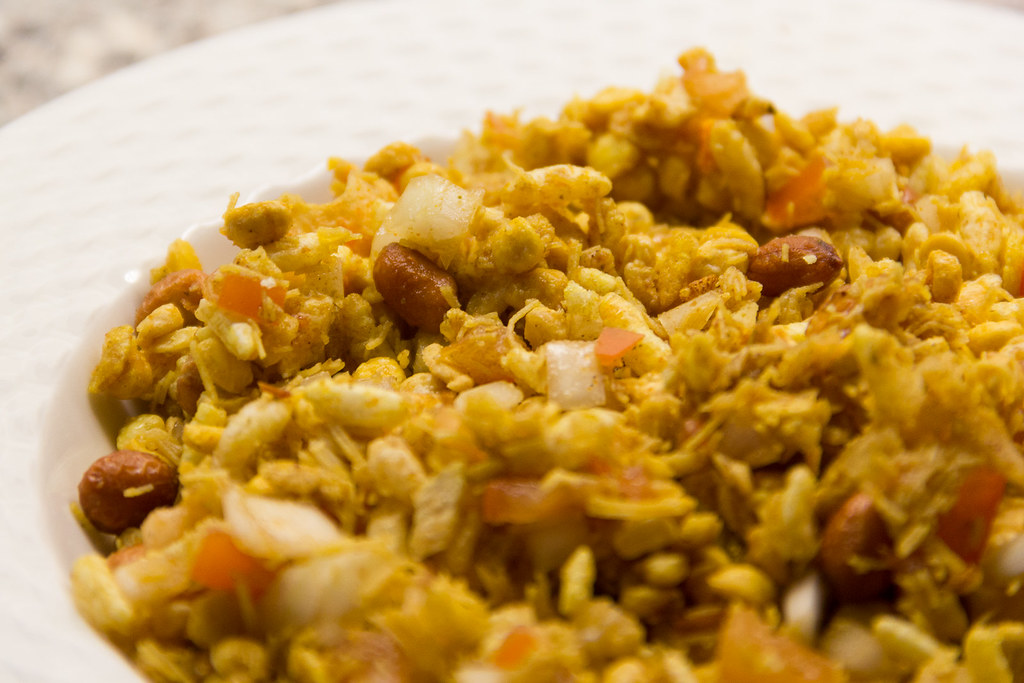
This savory snack consists of a unique combination of flavors and textures, with crispy puffed rice, puri, boiled potatoes, fried noodles, finely chopped onions, warm spices, and a variety of chutneys, including sweet and tangy tamarind chutney and spicy green chutney for that extra kick. The dish gets mixed right in front of you, with vendors tossing everything together in a practiced motion before serving it in paper cones or on small plates.
The freshness matters here—bhel puri loses its appeal once the puffed rice softens, so eat it immediately while everything stays crunchy.
Jalebi
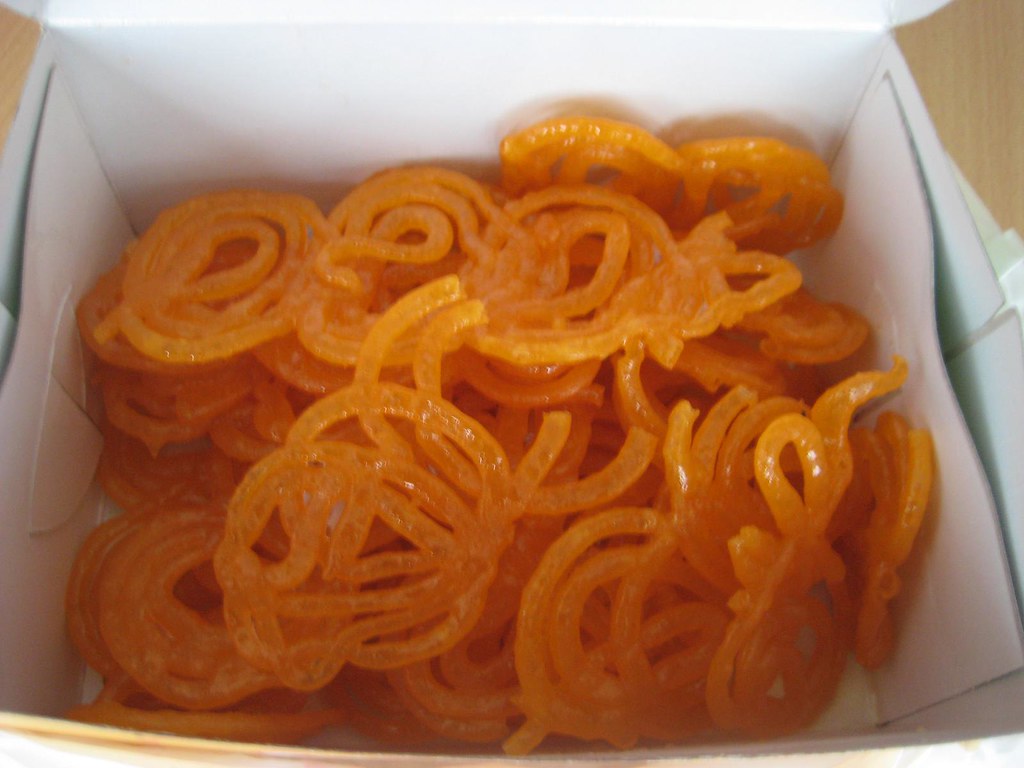
This spiral-shaped, exotic, bright orange, melt-in-the-mouth classic Indian dessert can be found everywhere, literally, every corner of the country. Made with fermented batter that gets piped in circular patterns directly into hot oil, jalebis emerge crispy and immediately get dunked in sugar syrup.
The best ones come fresh and warm, with the sugar syrup still glistening on the surface. In some places like Indore, the breakfast combination of poha, samosa, and jalebi has achieved legendary status among locals.
Momos
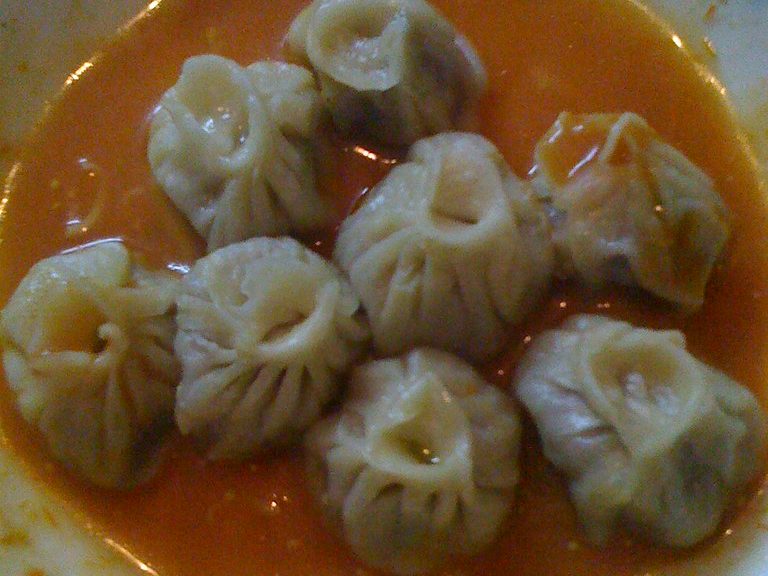
Momos are a popular street food that originated in the northeastern region of the country but is now very popular in Delhi and all over the country—these steamed dumplings are typically filled with vegetables or meat and served with a spicy dipping sauce. While momos came from Tibetan and Nepali traditions, Indian street vendors have thoroughly embraced and adapted them.
You’ll find steamed versions, fried versions, and even tandoori momos that get finished in a clay oven. The fiery red chutney served alongside can range from pleasantly spicy to eye-watering, depending on the vendor.
Chai
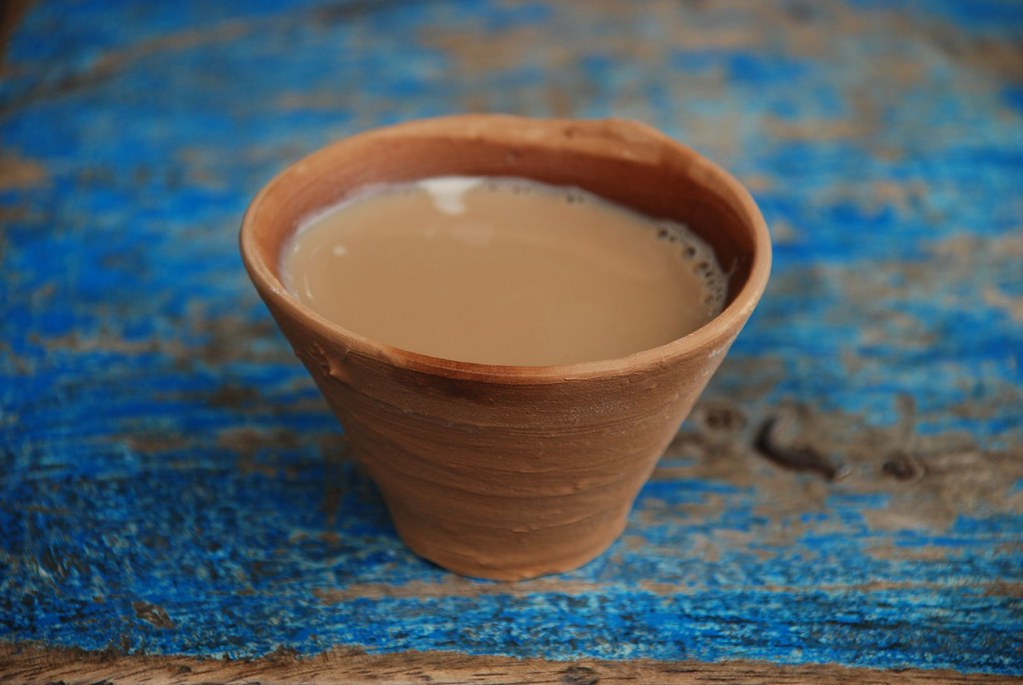
One thing all places to visit in India have in common is chai, and you can literally find it anywhere you look—from experience, the best chai I ever had was from a couple making it on a sidewalk. Indian chai isn’t just tea—it’s milk, water, black tea leaves, sugar, and warming spices like cardamom, ginger, and sometimes cinnamon, all boiled together until perfectly balanced.
Chai wallahs (tea vendors) operate from the simplest setups imaginable, yet produce cups of chai that taste better than anything from fancy cafes. The ritual of sipping chai from small glasses or clay cups while standing at a roadside stall is quintessentially Indian.
Kathi rolls
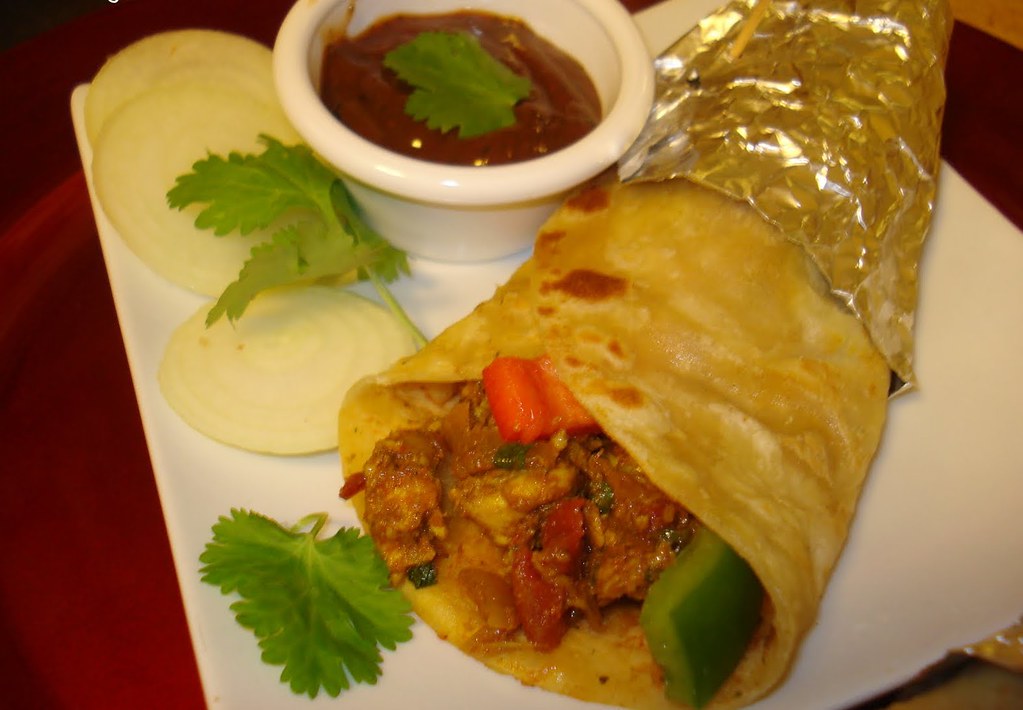
Kathi rolls are popular in Kolkata and liked by everyone—they’re basically crunchy lachha parathas stuffed with cheese, egg, mashed potatoes, chicken, meat and vegetables. The name comes from the skewers (kathi) originally used for cooking the kebabs that go inside.
Modern versions involve wrapping various fillings in paratha bread that’s been cooked on a griddle with egg coating on one side. The portable nature makes them perfect for eating while navigating crowded markets or rushing between destinations.
Lassi
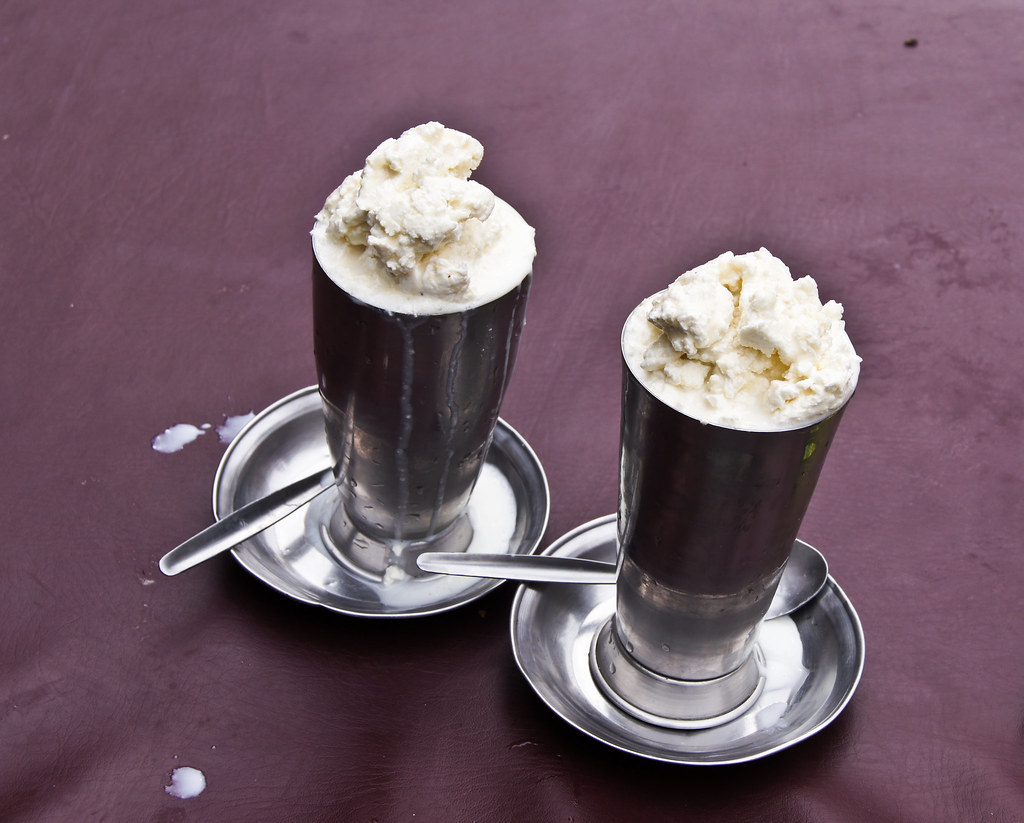
Although mango lassi is popular internationally, in India, you will find sweet or salty lassi ordered the most—lassi is from Punjab and is more popular in the northern states. This yogurt-based drink gets whipped until frothy and served in tall glasses, sometimes metal, sometimes clay.
Sweet lassi includes sugar and often cardamom or rose water, while salty lassi contains cumin and black salt. Both versions provide cooling relief from India’s intense heat and help calm the fire from spicy street foods.
The thick, creamy texture makes it filling enough to count as a snack on its own.
Flavors that connect a nation
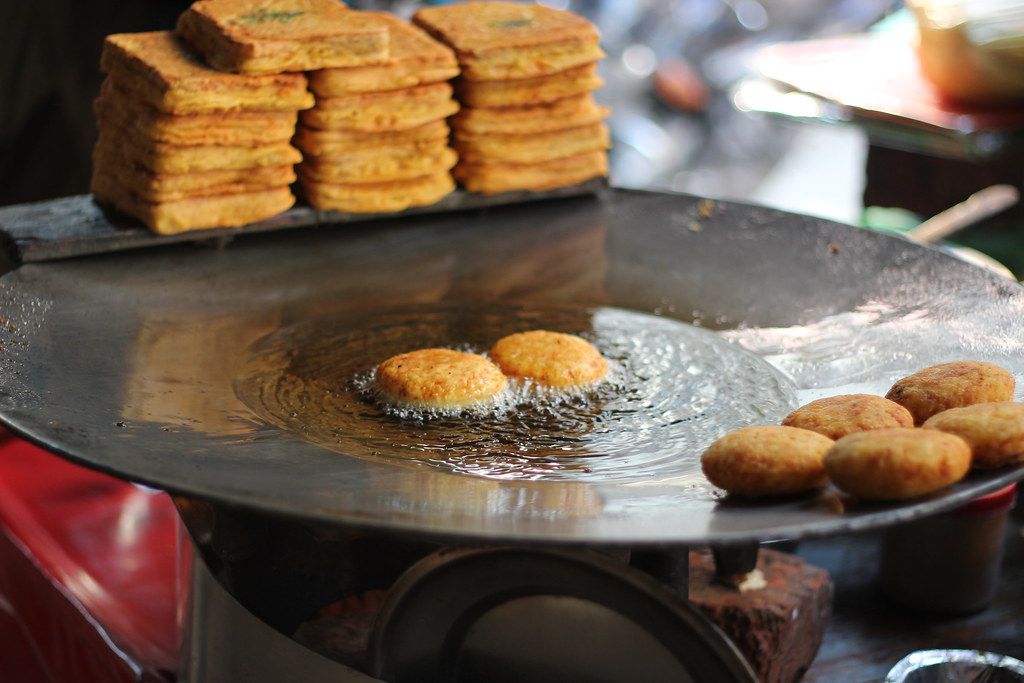
Indian street food does more than fill stomachs—it creates social fabric, offering spaces where barriers of class and background temporarily dissolve over shared plates of chaat. The vendors themselves become neighborhood institutions, with loyal customers returning for decades to the same stall.
While India continues modernizing at breakneck speed, these street food traditions persist, adapting to changing tastes while maintaining the essential flavors and techniques passed down through generations. Whether you’re a cautious first-timer or a seasoned traveler, diving into India’s street food scene provides some of the most authentic and memorable experiences the country offers.
More from Travel Pug

- Underrated Italian Towns That Beat the Tourist Crowds
- Las Vegas Tourist Traps to Skip
- Prettiest Towns in Every US State
- 18 passport-free countries for Americans
- Signs Your Cruise Is Not Worth The Cost
Like Travel Pug’s content? Follow us on MSN.